Doing Nothing For Now
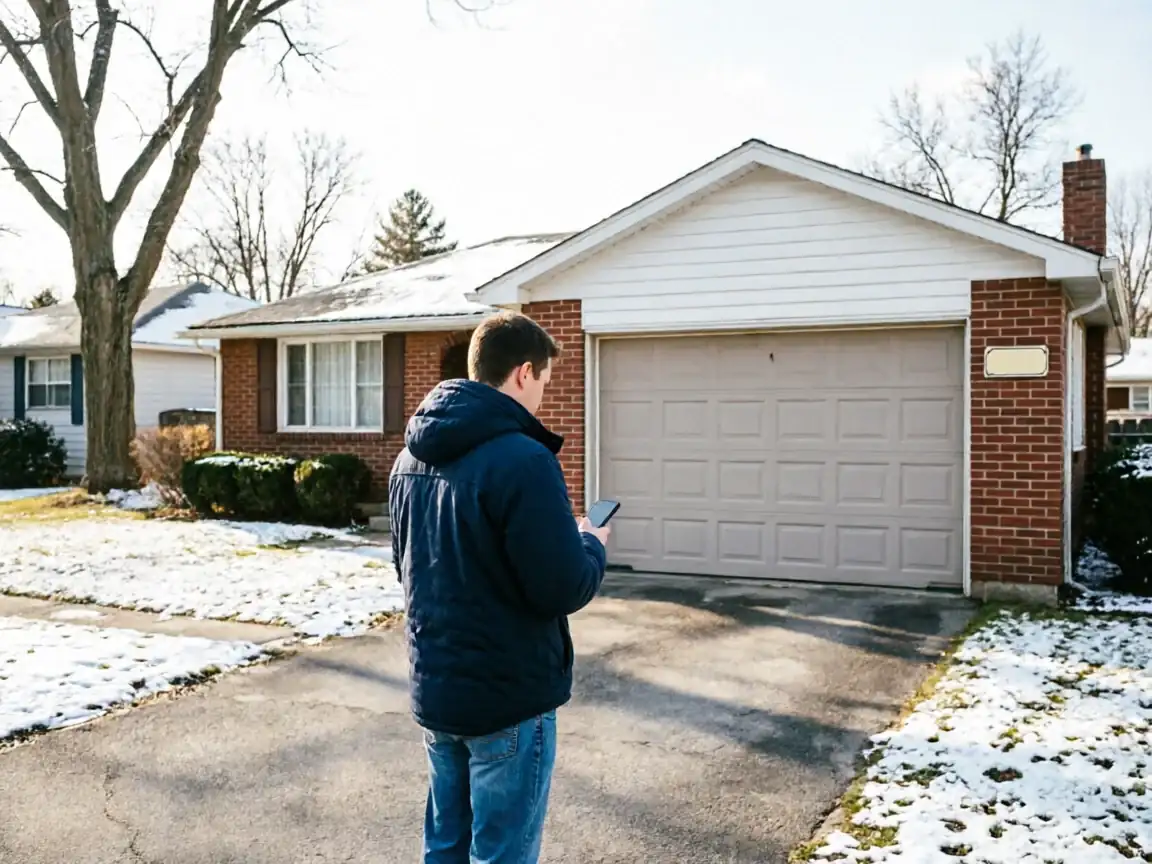
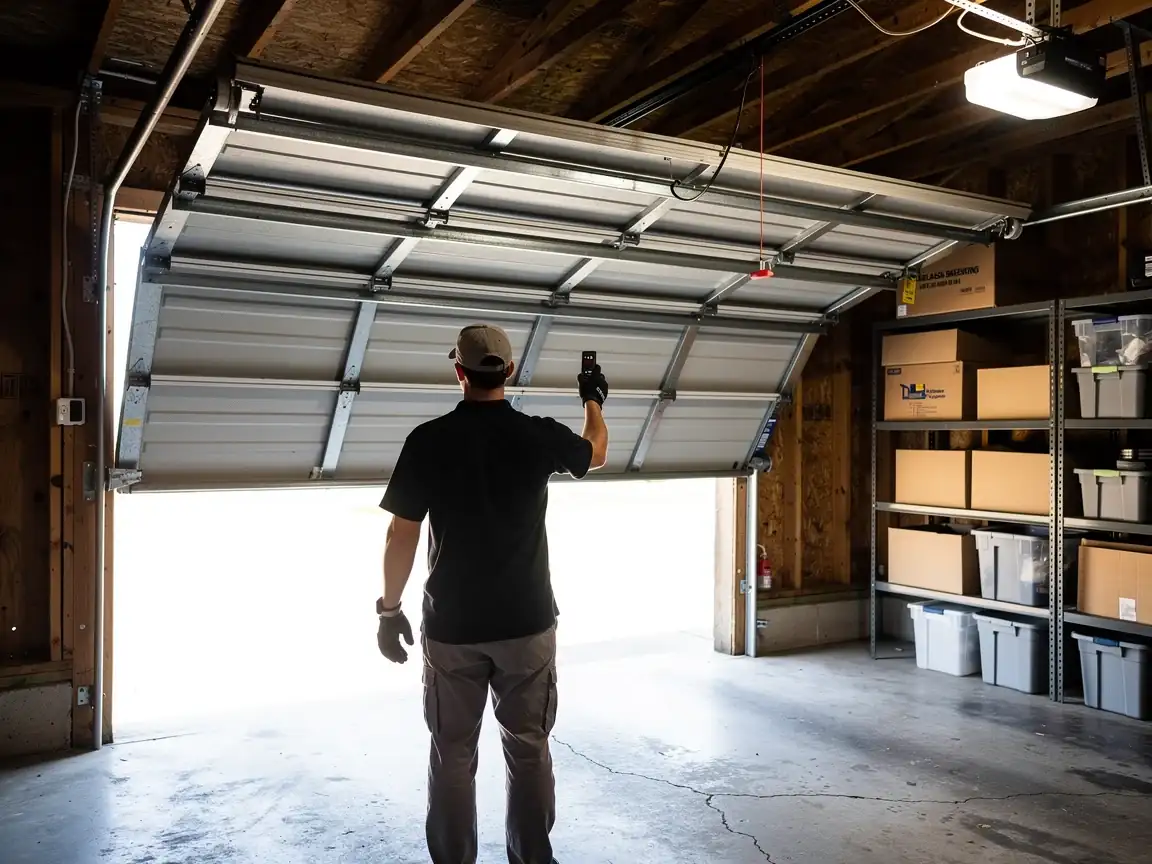
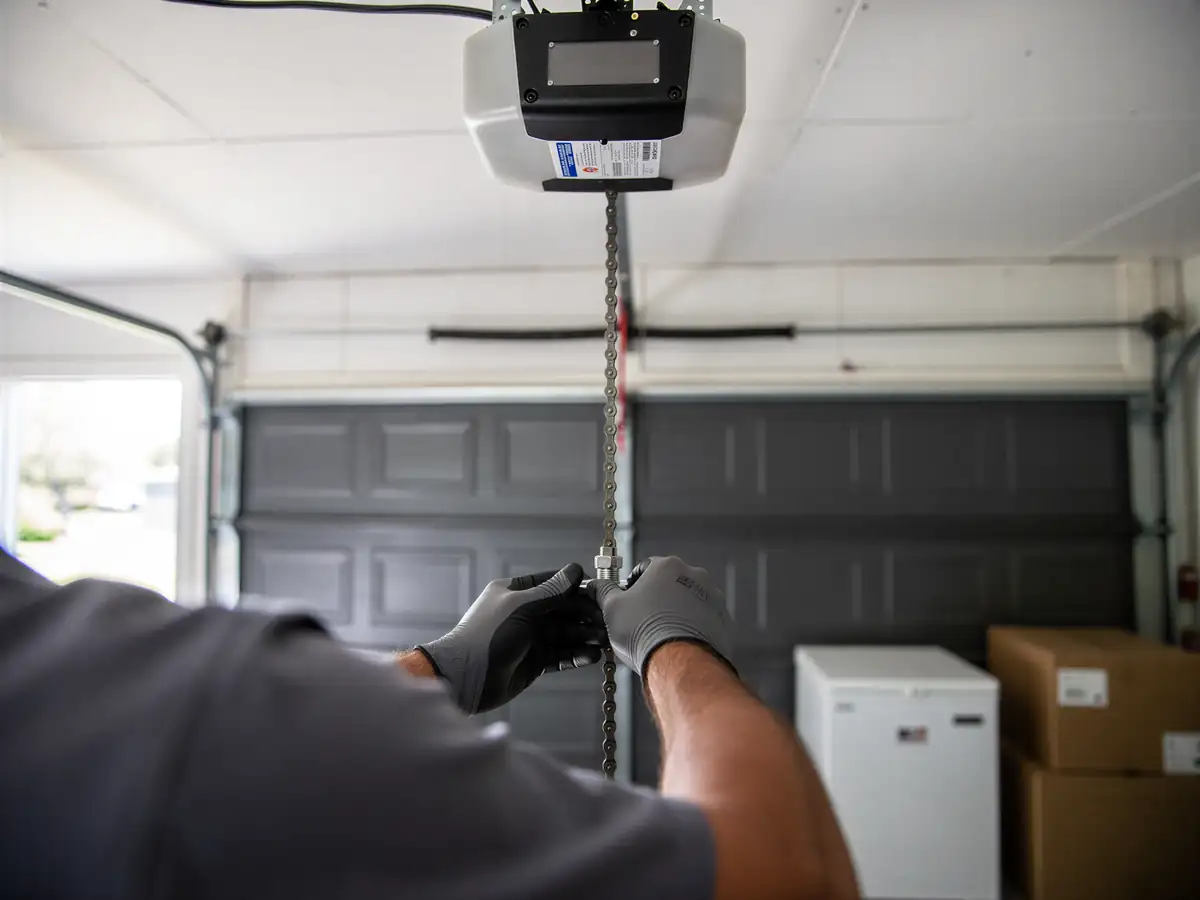
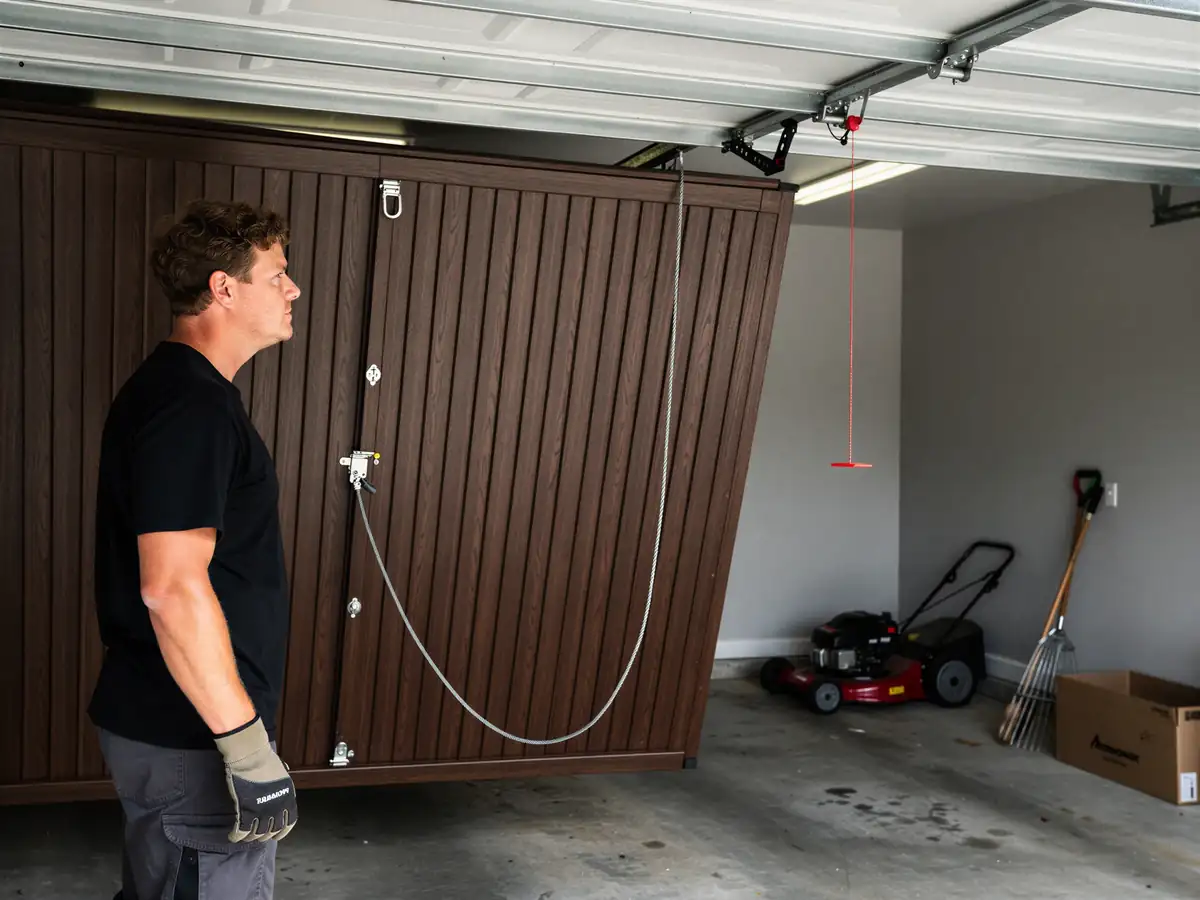
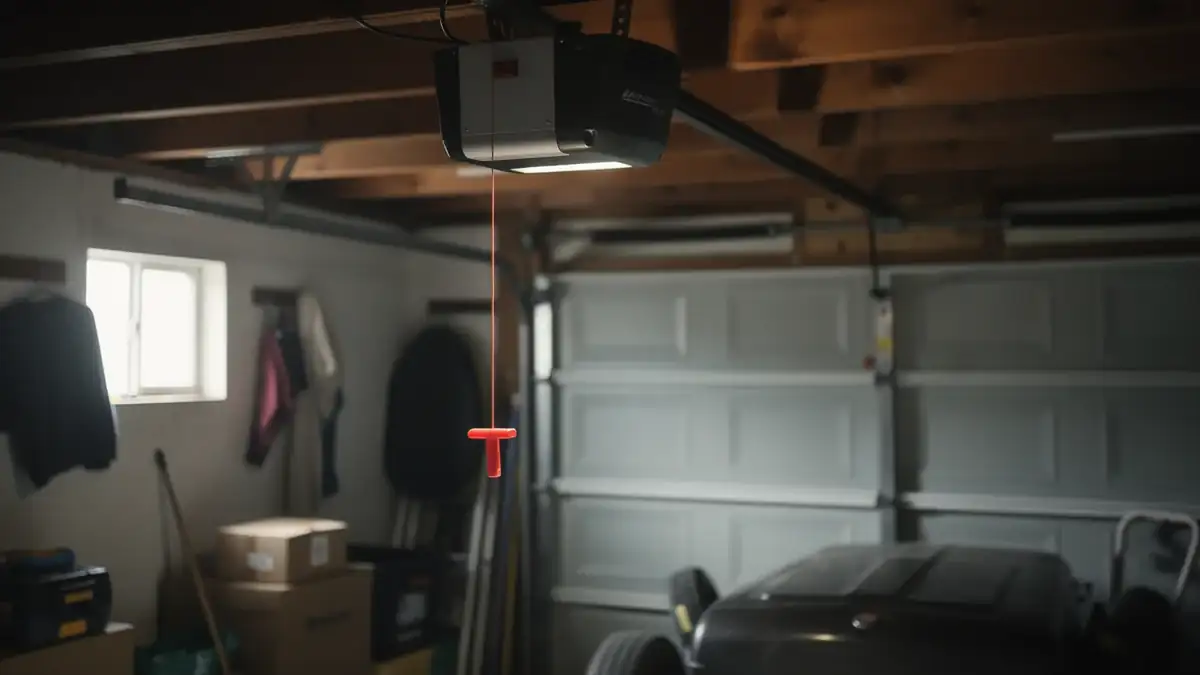
If the power comes back and the opener just needs the remote re-synced or the wall button pressed twice, that's not a service call, that's five minutes. Pull the manual release cord, walk the door down by hand, and check that your breaker didn't trip along with half the block. A lot of what looks like opener failure after an outage is just a reset waiting to happen. We don't send a truck out for a blinking light or a remote that needs reprogramming; that's not where the money should go. The honest limit here is that we can't diagnose a reset issue over the phone better than you can with the owner's manual in hand. Where it's worth watching, not acting: if the door reverses randomly after the outage, or if it won't fully seat on the floor. Those are sensor or limit-switch symptoms, and they're worth tracking for a day or two before you decide it's a pattern rather than a one-time glitch from the surge.
How Local Conditions Play In
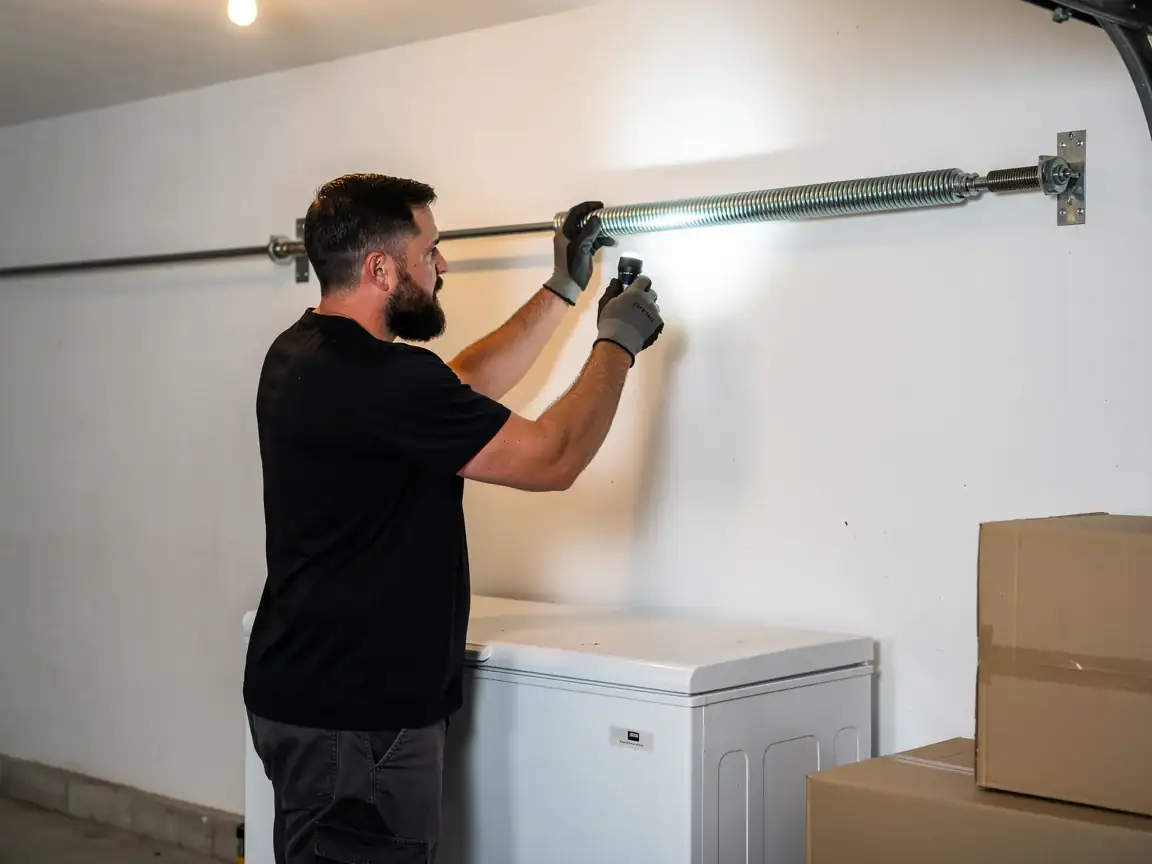
Columbia sits in a severe cold climate band, so the grease in a fifteen-year-old opener head can gum up stiff enough to trip the motor's overload, especially right after a power interruption asks the motor to restart cold. That's more common in the older sections of town, where 1960s and 70s construction still carries first- or second-generation openers that were never built with today's thermal cutoffs. Across the roughly 3,917 households we service, 2,116 are owner-occupied houses - the ones most likely to still have a single opener from the 1970s or 80s rather than a newer unit with a sealed, cold-rated motor. With a median household income of $58,889 in the area, most owners here replace a dead opener rather than pay for a smart upgrade they don't need, which keeps a lot of older, less forgiving units in service through hard winters. Cold doesn't just slow the opener down, either - it stiffens door springs and shrinks metal tracks slightly, so a power cut that happens to coincide with a cold morning can expose two problems at once instead of one.