What Is Going On
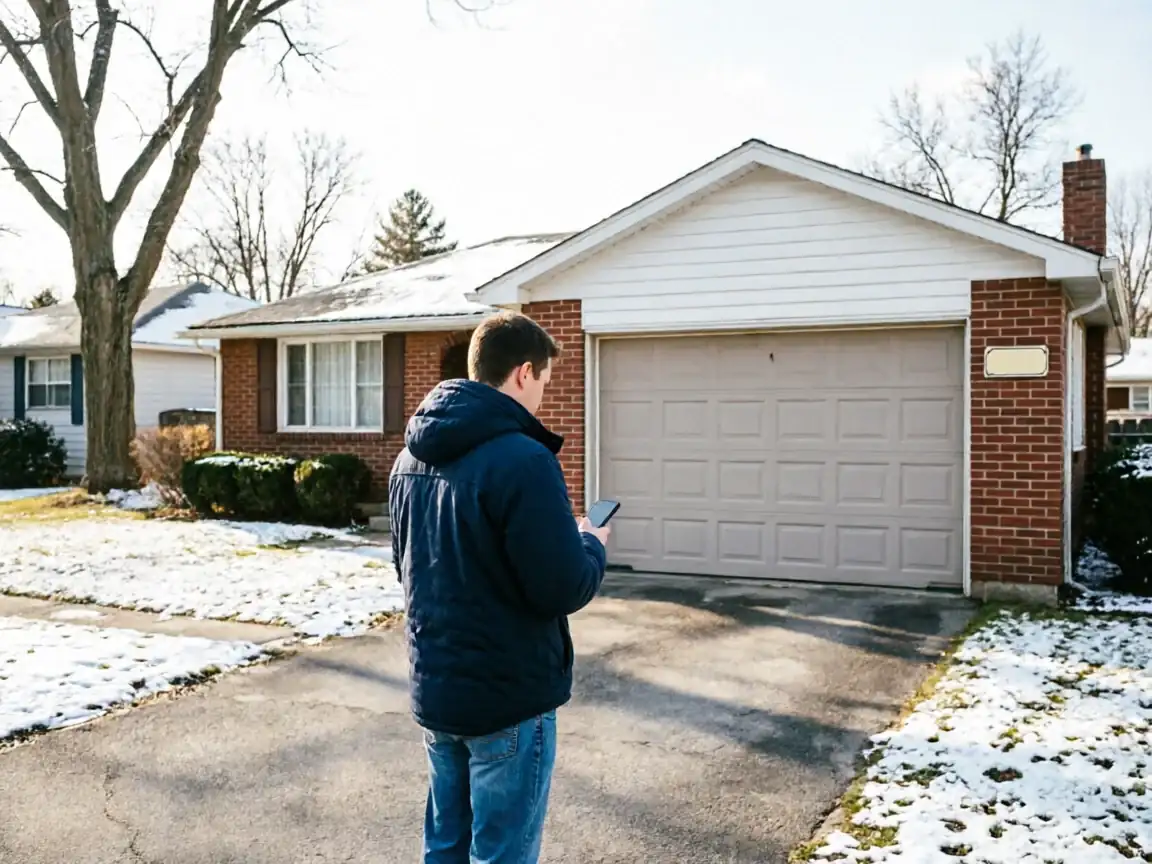
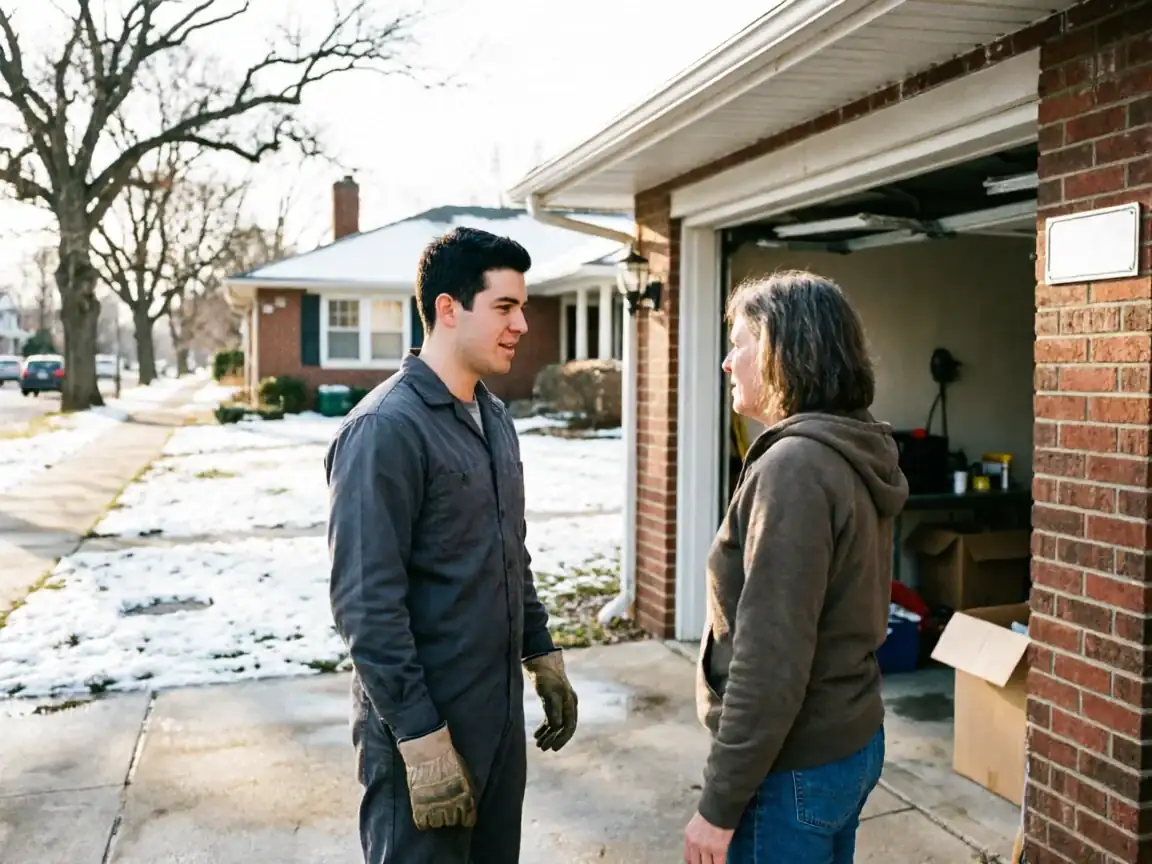
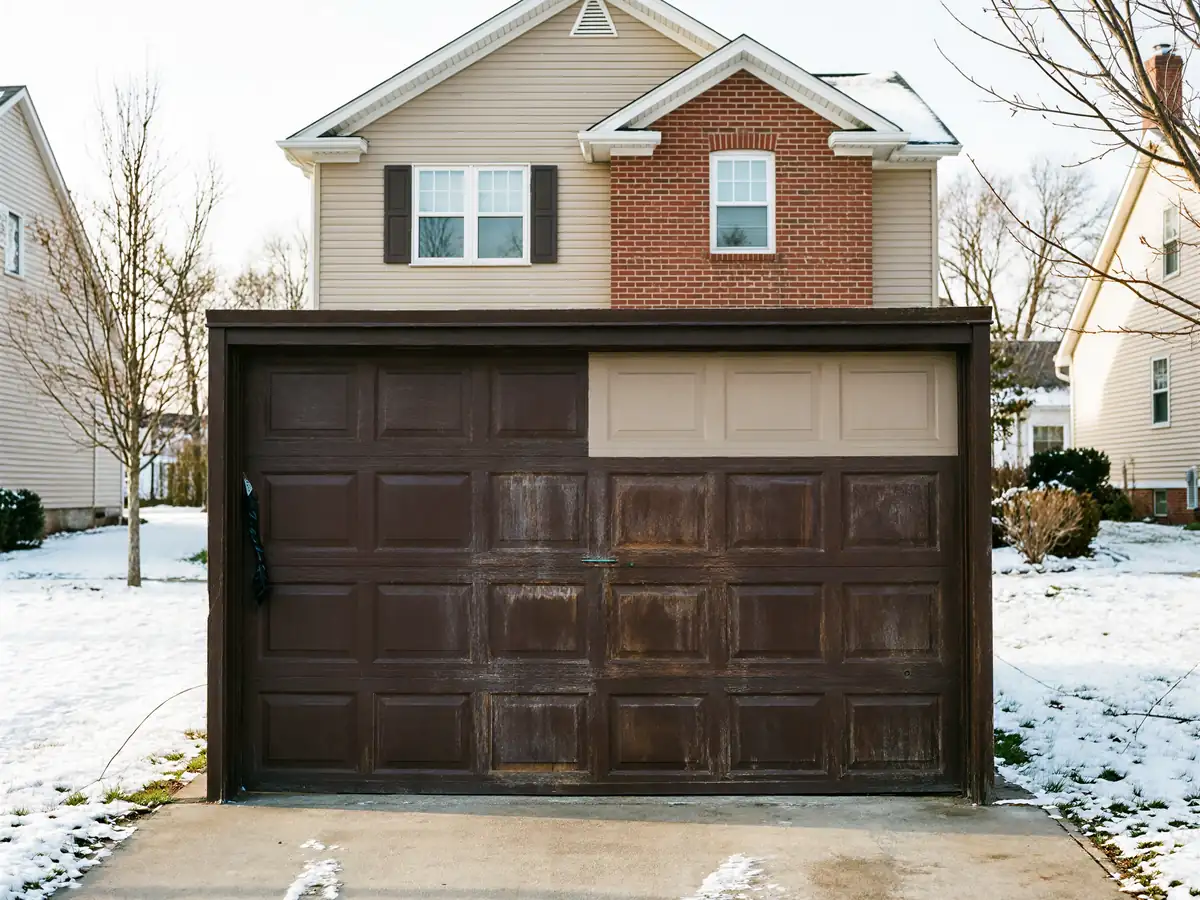
Columbia was built in planned waves, not all at once, and that shows up in the hardware. Neighborhoods like Oakland Mills, Wilde Lake, and Harper's Choice went up earlier in that 1948-2014 span, closer to the 1976 median, and often still carry torsion setups and steel panel doors from that generation. Newer sections such as River Hill came later and tend to have factory-set opener logic boards and lighter composite panels that behave differently under load. A service call has to account for both. The spring that's correct for an older torsion shaft in a 1970s build will be undersized or oversized for a later door, and opener force settings calibrated for a light newer panel will slam a heavier older one. So "what is going on" during a real call is the tech cross-checking the door's age and build against what's actually on the track - not assuming the house down the street has the same setup just because it's also in Columbia.
What to Check
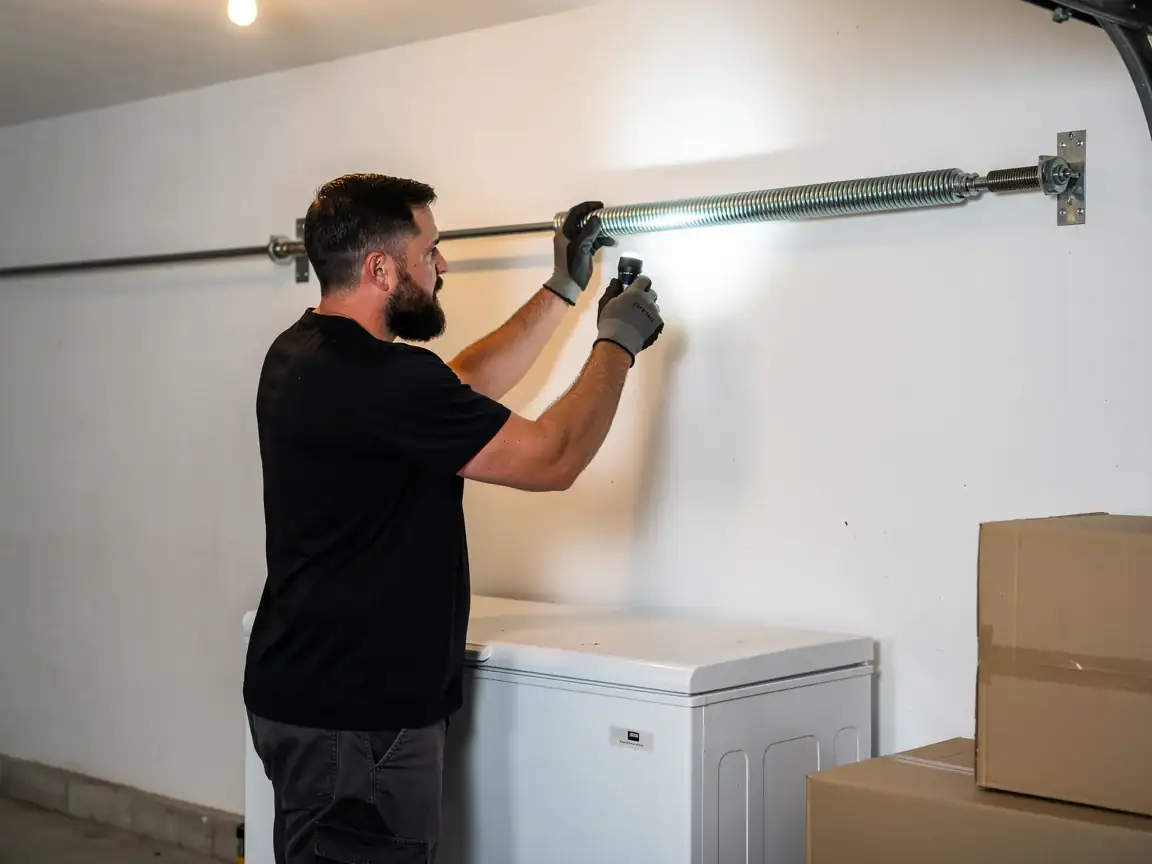
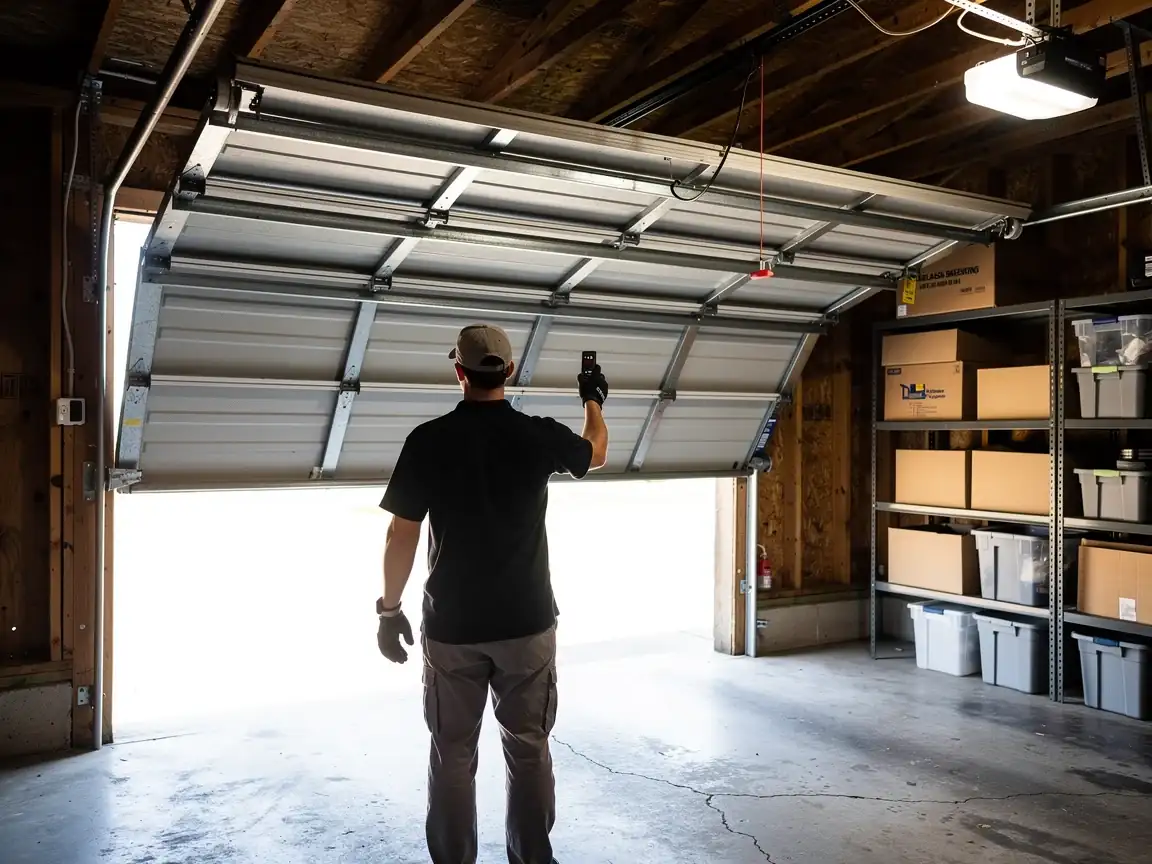
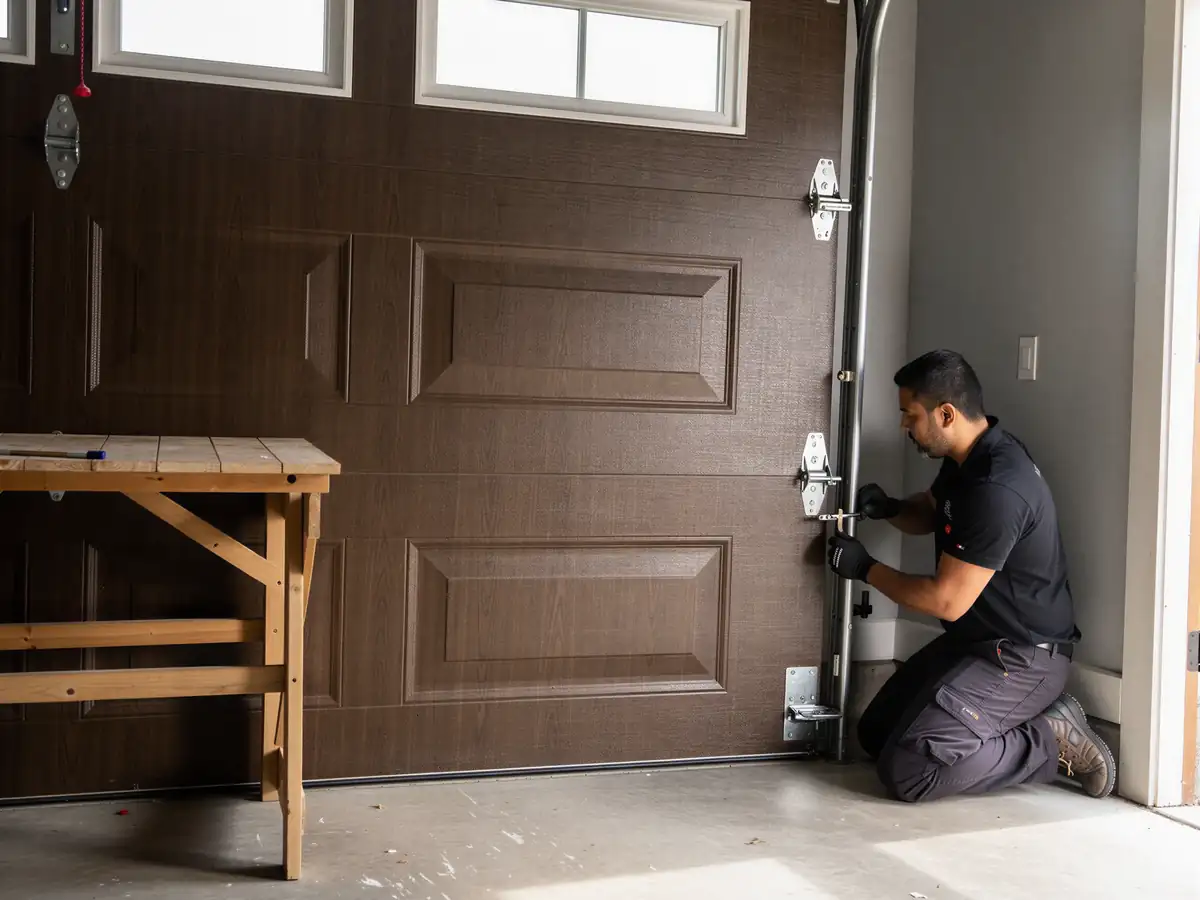
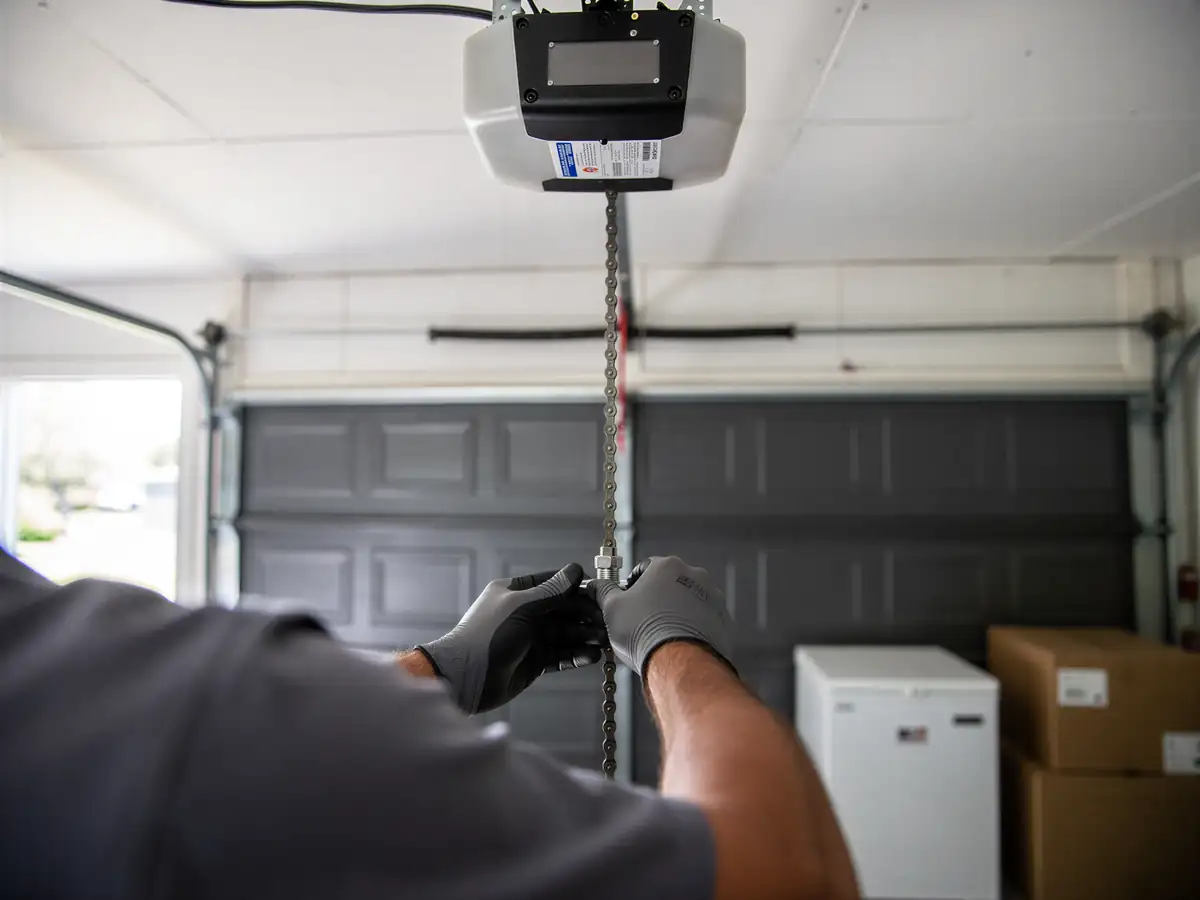
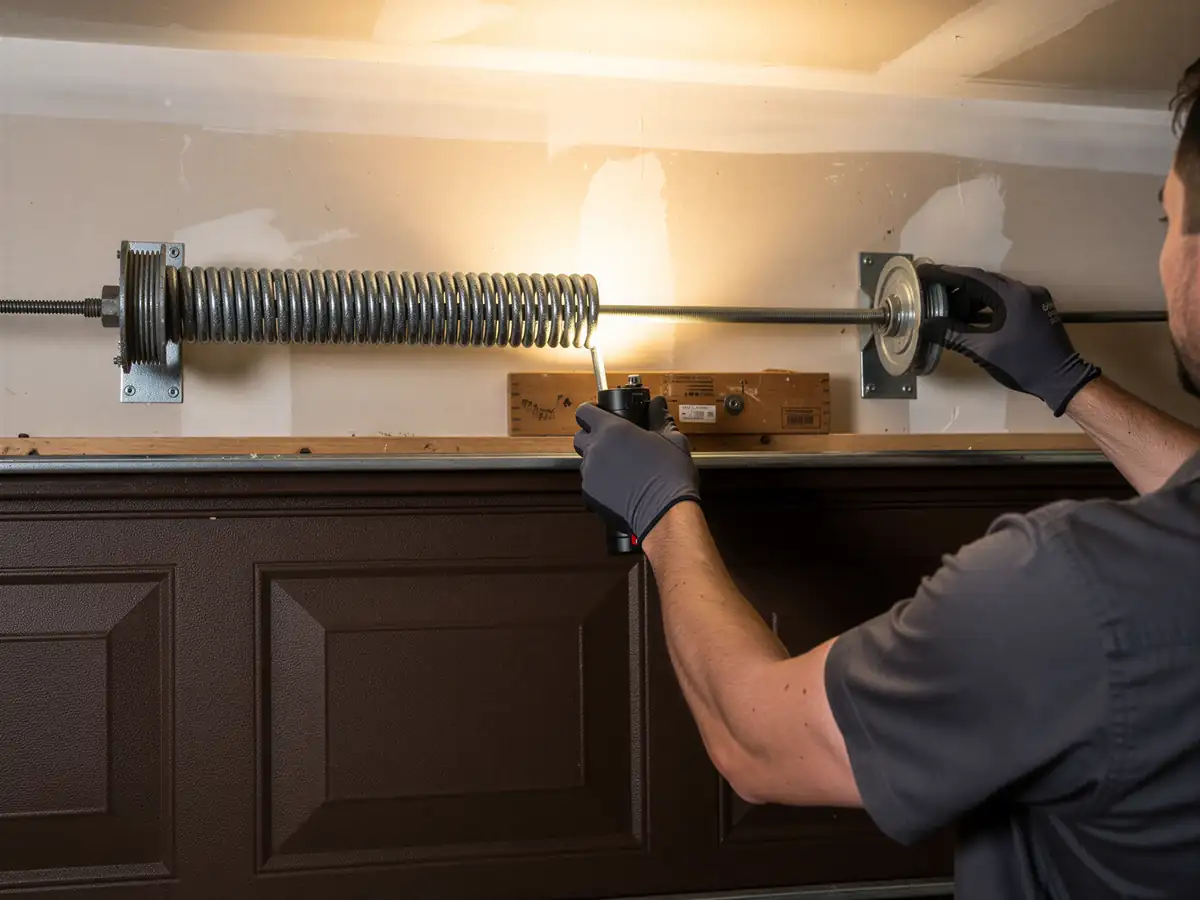
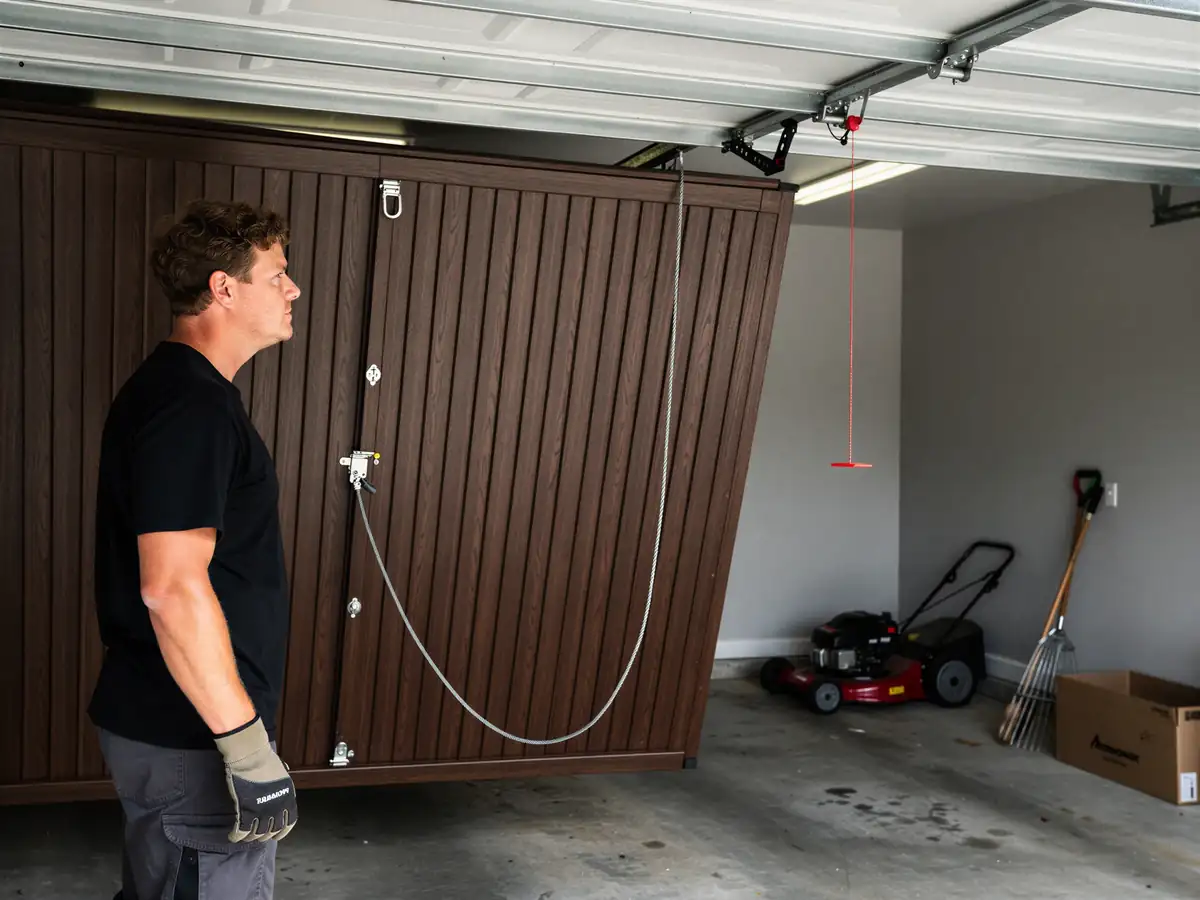
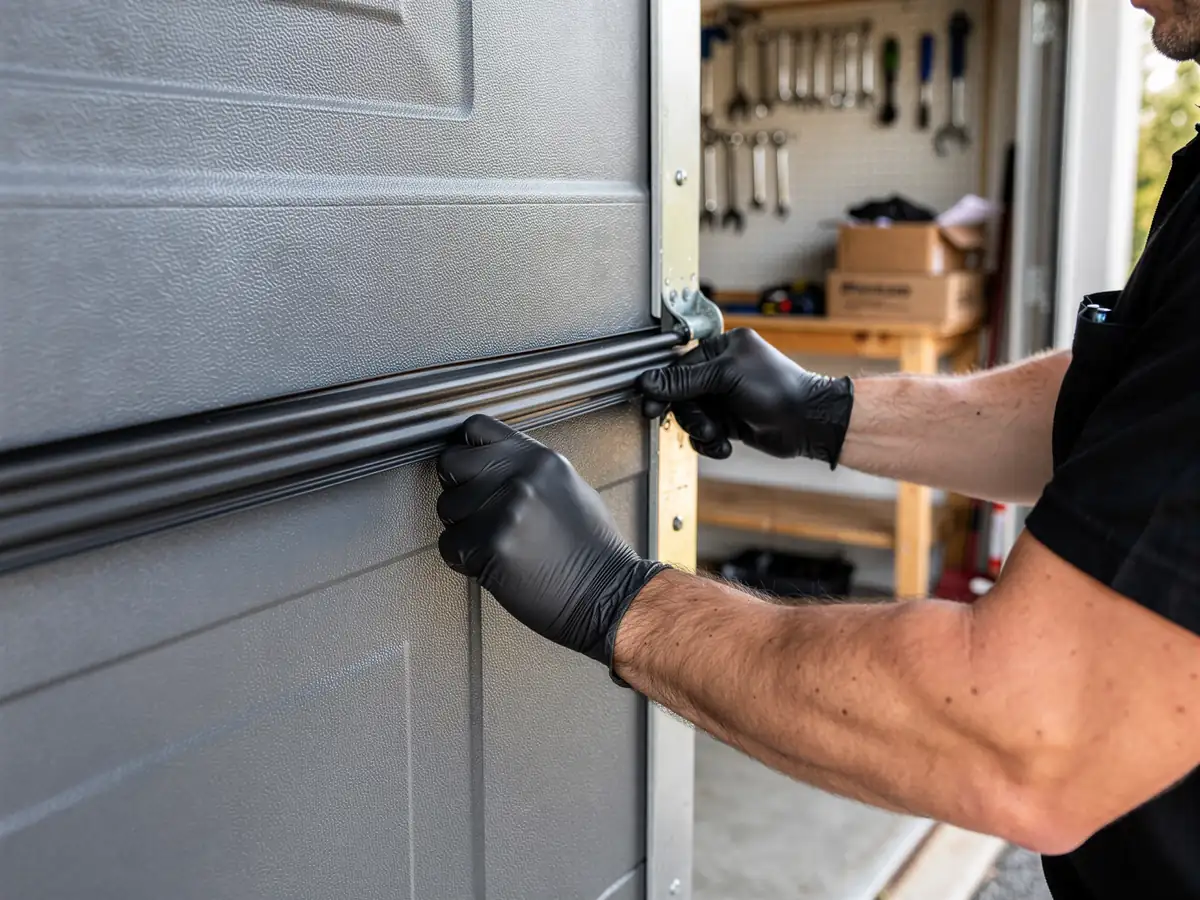
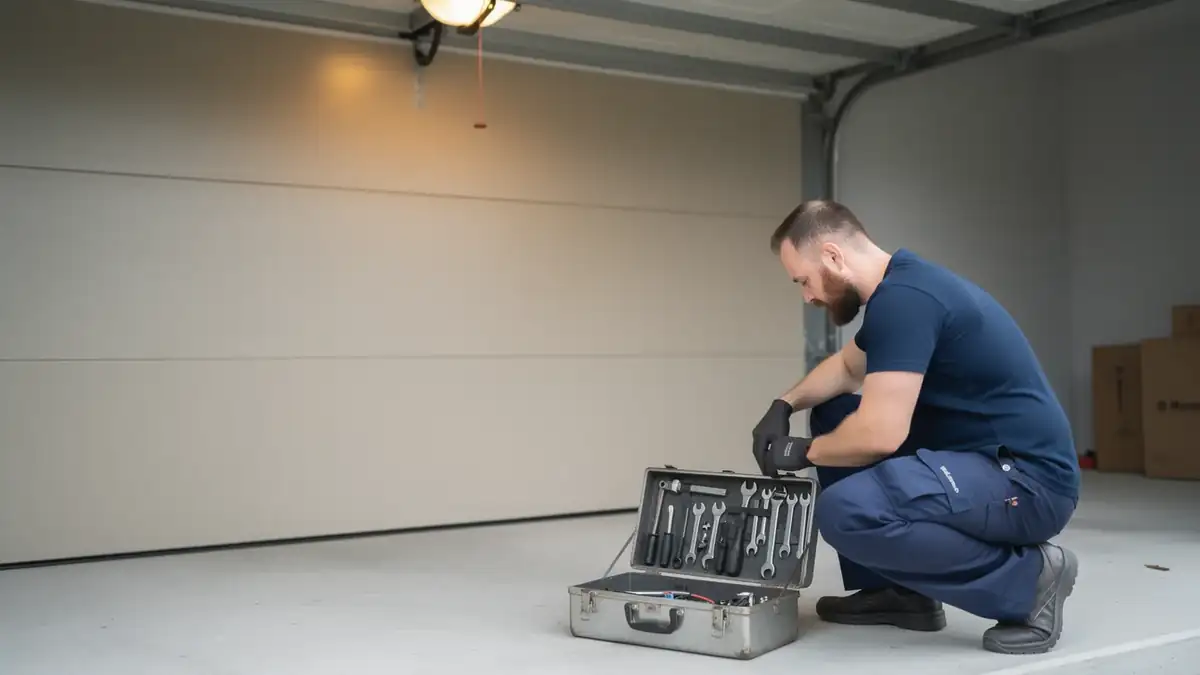
A proper service call works through the same points regardless of hardware era, but what you find at each point differs by house age. Check the torsion or extension springs for rust pitting and coil gap - older 1970s-era torsion springs show wear differently than a spring installed in the last decade. Check cable fray at the drum, since original cables on houses near the 1976 median are well past typical service life. Check track alignment and roller wear, especially on doors that have never been reset since installation. Check weatherstripping at the bottom seal and jambs - this matters more here than in a mild climate, because a torn seal lets cold air straight into an attached garage. Check opener force and travel limits against the actual door weight, not a factory default. One honest limit: if a part is specific to a door built before the 1970s and the manufacturer no longer stocks it, we'll tell you that up front rather than stringing out a repair - at some point replacing the panel or operator costs less than chasing an obsolete part.