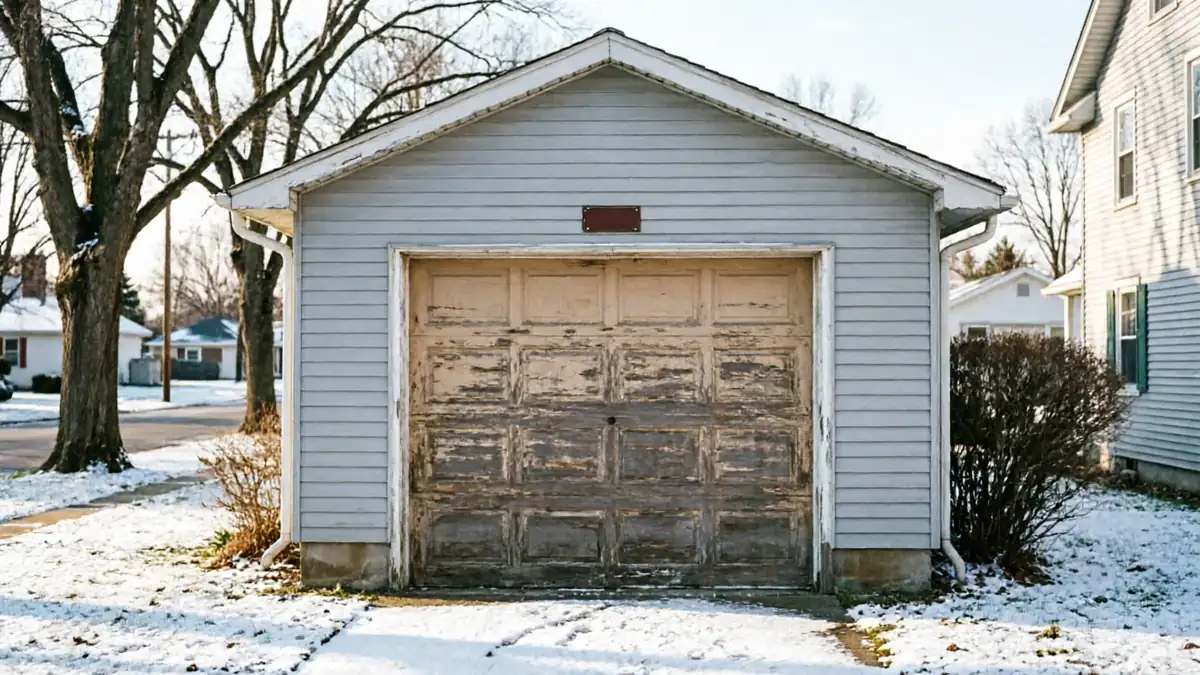
What Is Going On
Most of the houses we get called to sit in neighborhoods built between 1938 and 2003
With the median landing around 1978. That means a huge share of the doors we open up are from the 1960s and 70s building wave that filled out seven named areas of town. These doors were built to a different standard than what you'd buy today - lighter gauge steel or raw wood panels, single-torsion springs sized for a lighter door, openers that have been swapped out once or twice already by whoever owned the house before you.
When a door from that era starts acting up
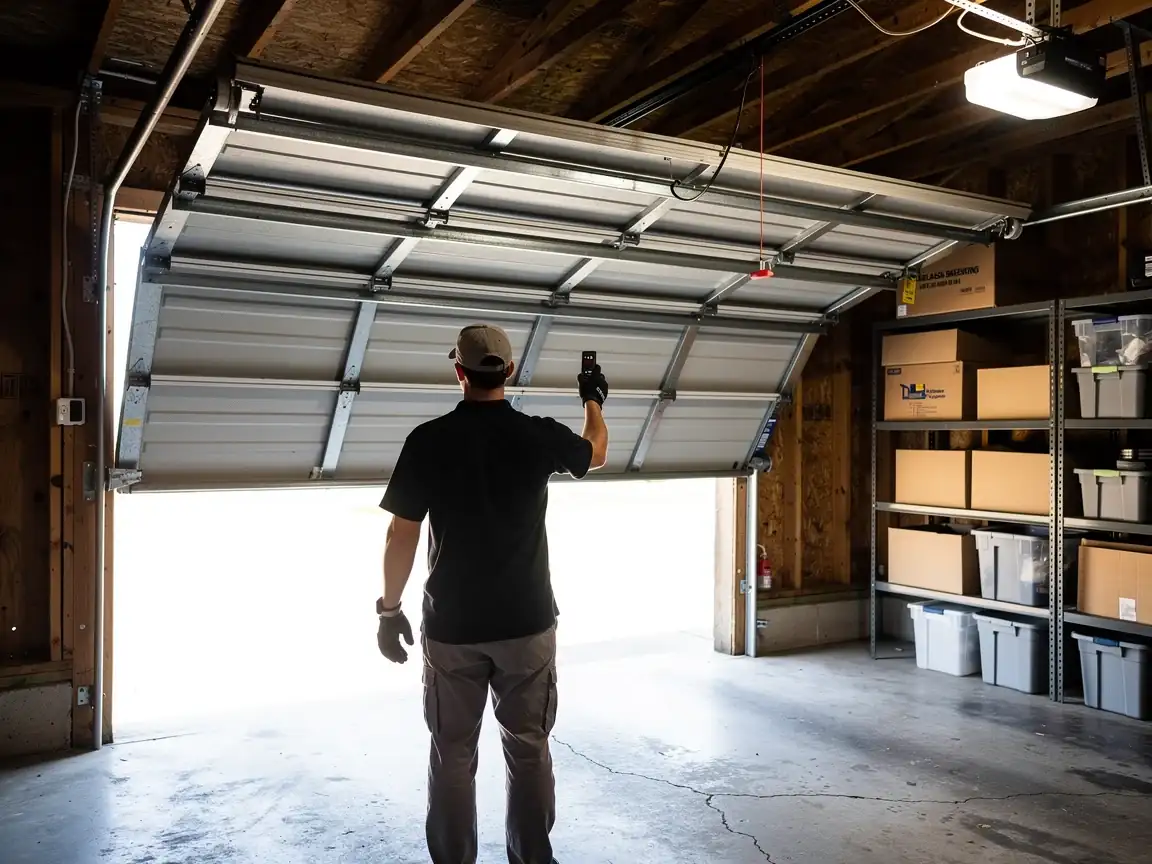
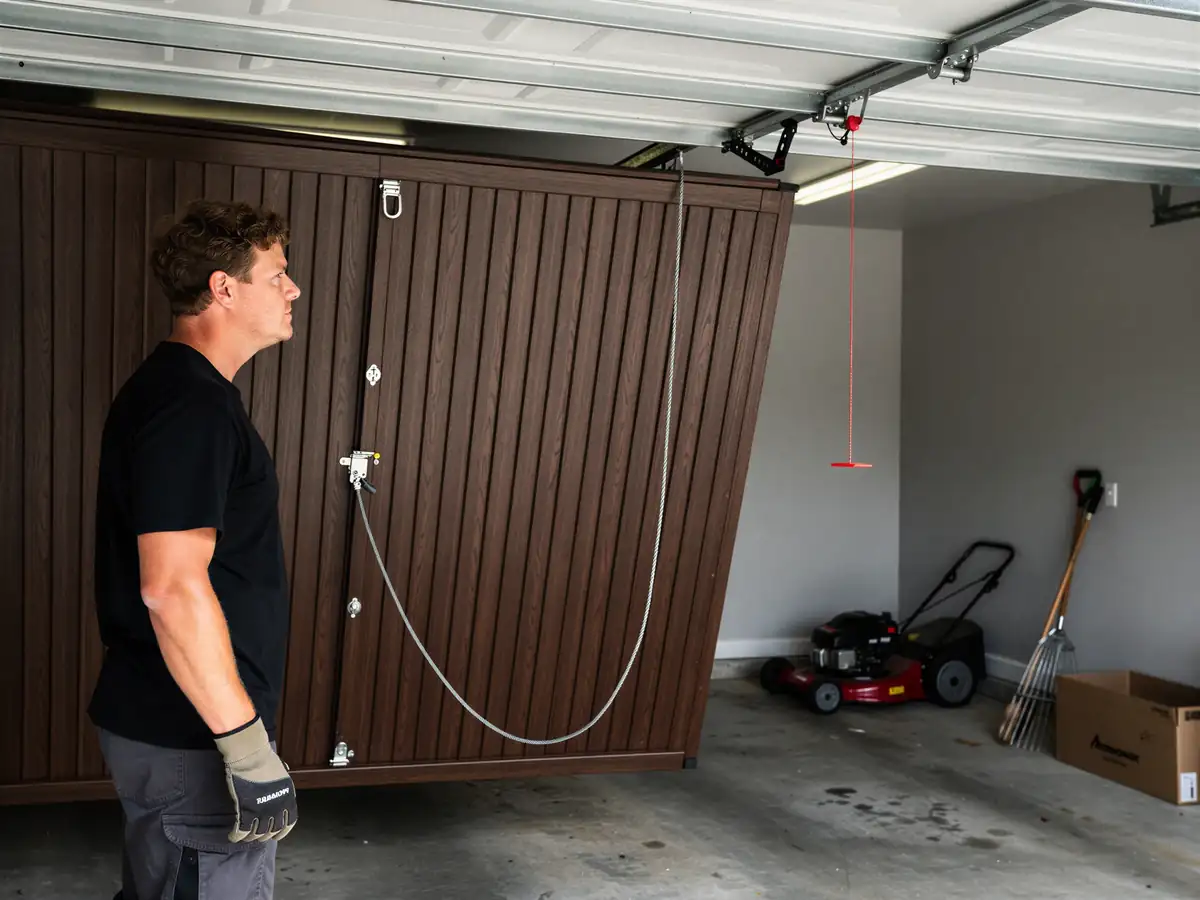
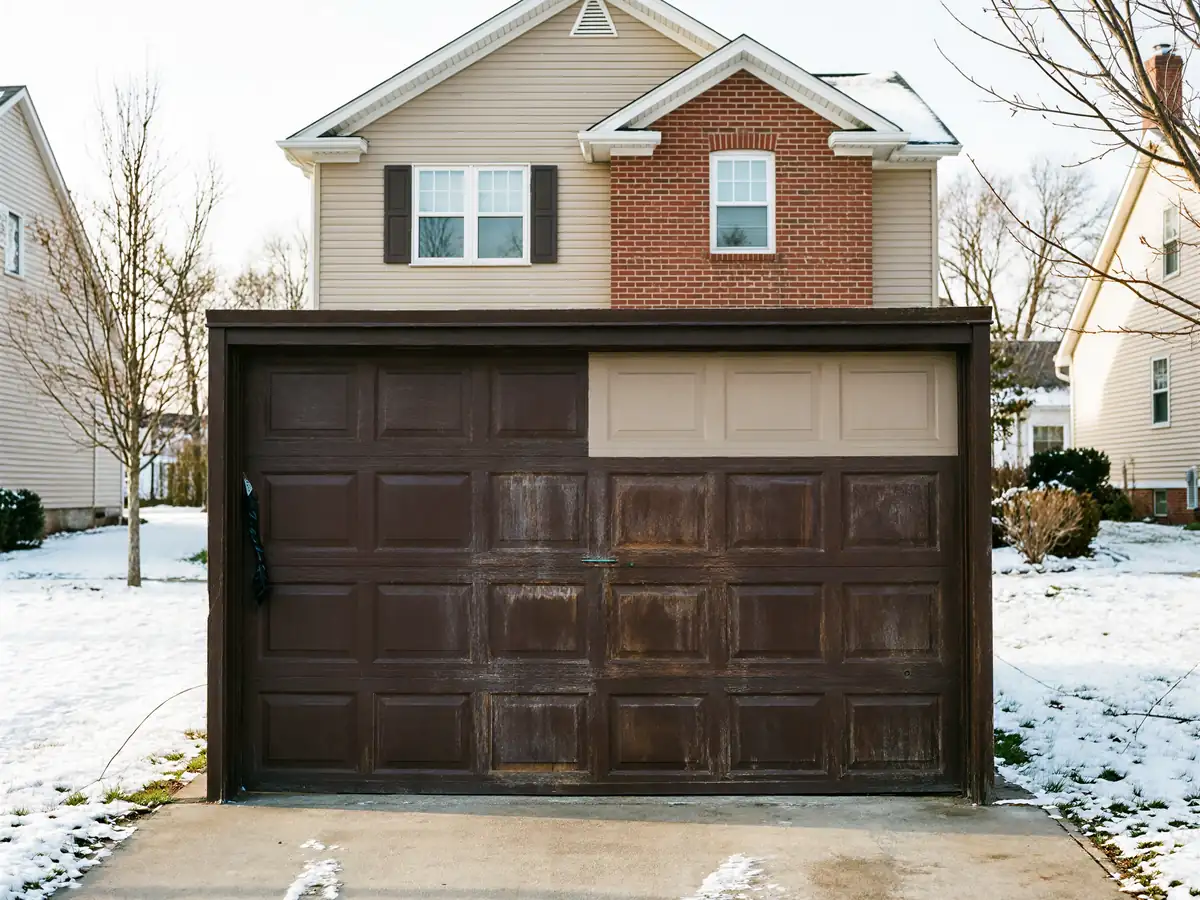
The question isn't "how do I fix this," it's "does this door still make sense to fix." A worn roller or a frayed cable is a quick call either way. But if the track is bent, the panels are rusting through at the bottom, or the springs are the original ones from when the house went up, you're looking at a different conversation. The hardware on a door that old wasn't made to be mixed and matched with new parts - a lot of it is sized differently than what's sold today, so a "simple" repair can turn into a search for parts that match.
We see this pattern often enough in Columbia that it's worth naming directly rather than treating every service call the same way
Doing Nothing For Now
Not every noise or sag means you need to act tonight. A door that's stiff in the morning but loosens up, or a slight shudder on the way down that's been there for months without getting worse, is something you can live with and watch. We'd rather tell you that than run up a bill on a door that's got a few more years in it.
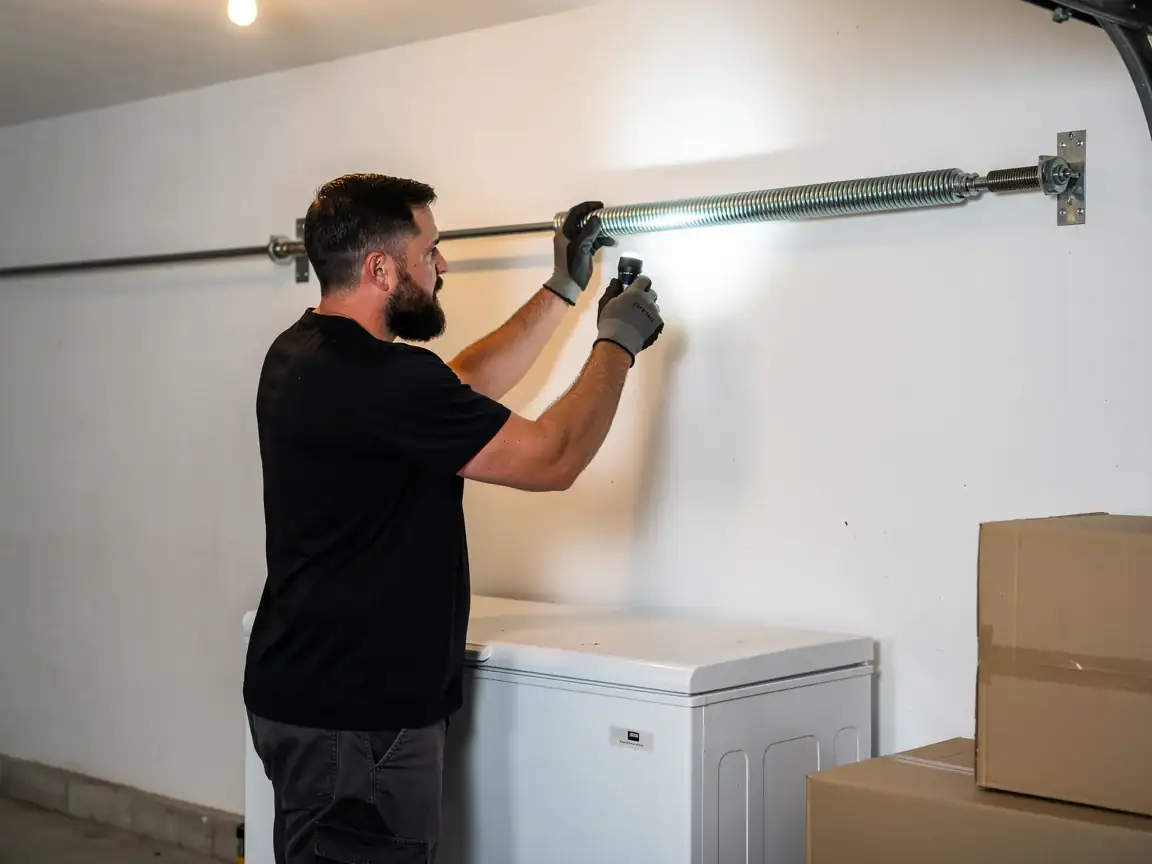
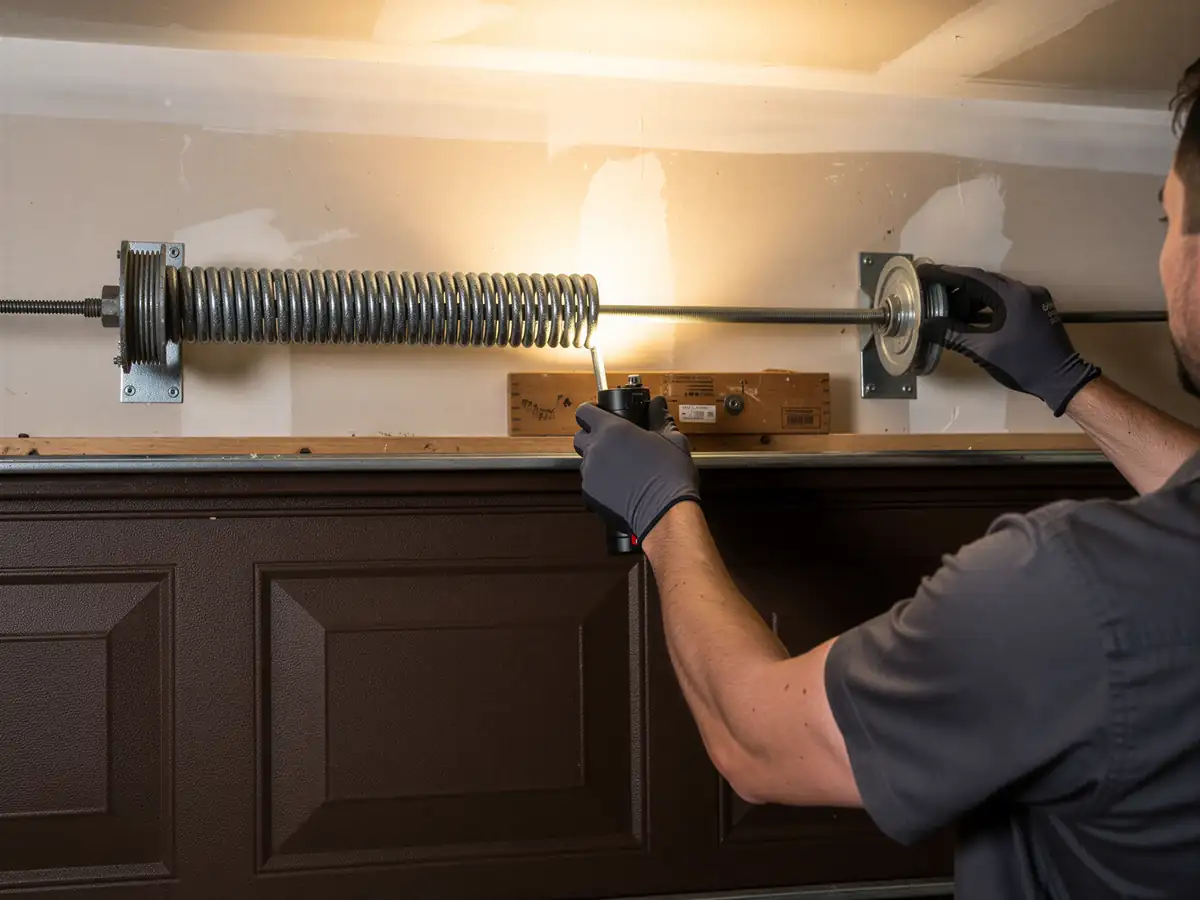
Where waiting gets risky is with torsion springs on these older doors. A spring doesn't wear down gradually and give you warning - it goes from fine to broken, often without notice, and a broken spring on a door this size is not a weekend project. If your door is original to a house built in that 1960s-70s stretch, the spring is older than most of the people driving by it.
The honest limit here: we can't tell you how long a specific spring has left just by looking at the model year. What we can tell you is that a door running on 40- to 60-year-old torsion hardware is closer to the end of its working life than the beginning, and that's worth factoring in before you decide a repair is a one-time fix rather than the first of several.
How Local Conditions Play In
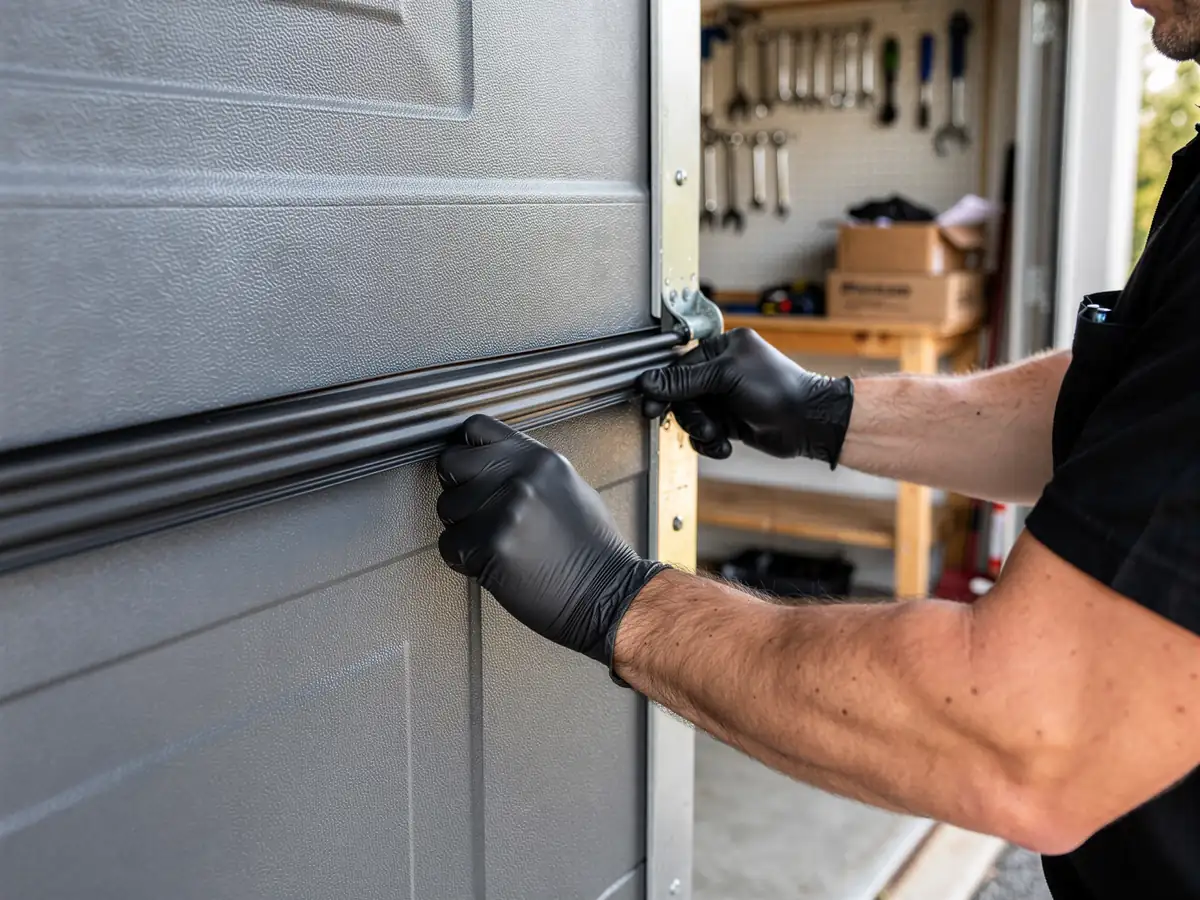
Columbia sits in a cold, severe climate band, and that matters more for an older door than people expect. Steel panels from the 1960s and 70s don't have the insulation core that newer doors use, so they flex more with temperature swings. That flex loosens hardware over seasons - hinges work loose, track bolts back out, weatherstripping cracks and lets cold air and moisture in around the bottom panel.
On a door that age, cold-weather stress tends to show up at the weak points first: the bottom roller brackets, the bottom panel seam, and any spot where rust has already started eating into the steel. A door that's been fine for years can start binding up hard once winter sets in, simply because decades of thermal cycling have already loosened everything just enough.
This is also where repair-versus-replace gets clearer. A newer door handles that cycling fine. An original door from the 60s or 70s stock, already worked loose by forty-plus winters, is fighting the cold with parts that weren't built for it. We're not going to tell you every old door needs to go - but if you're already seeing binding or rust and you're in that older housing stock, the climate here is working against you, not with you.
When It Stops Being a DIY Job
Given that so much of Columbia's housing dates to the 1938-2003 range
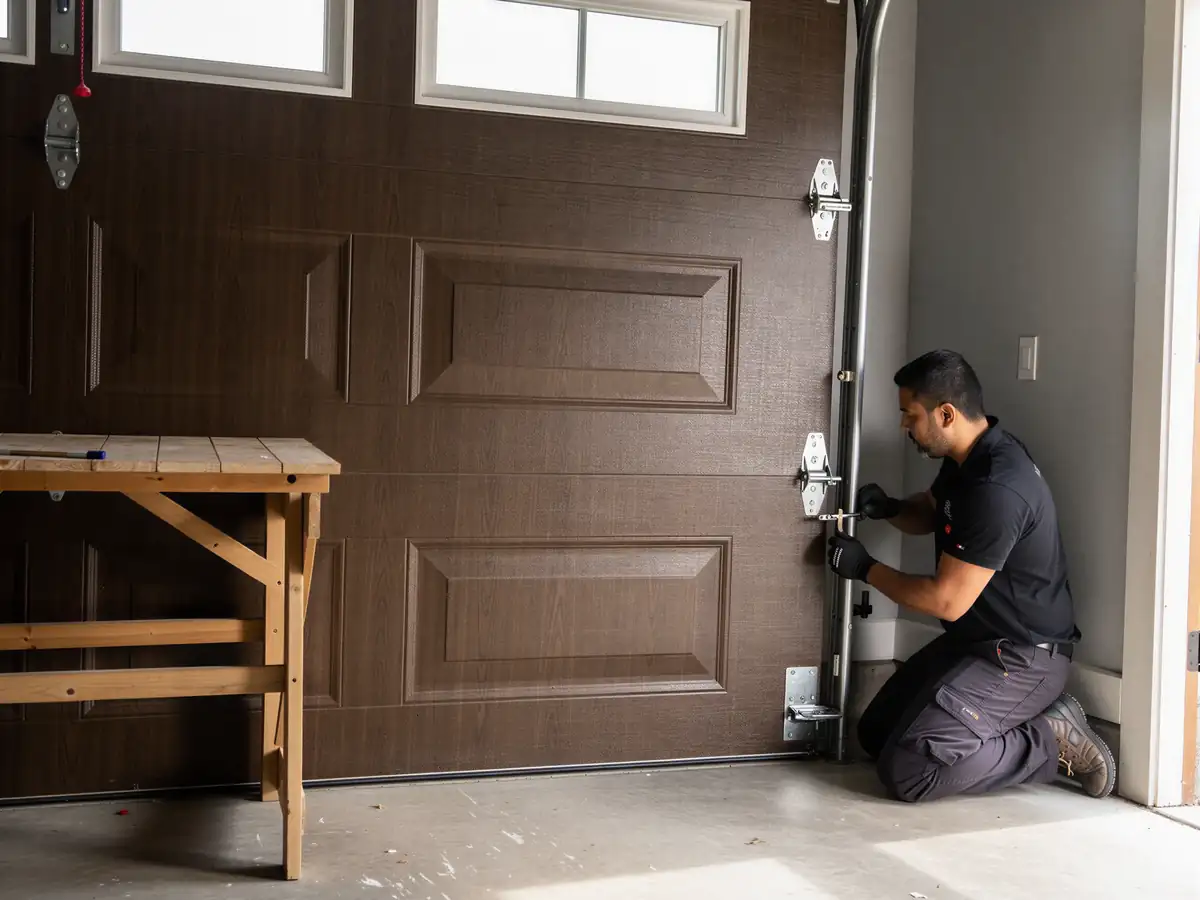
With the bulk from the 60s and 70s, a lot of owners are dealing with doors that are decades past their original hardware's design life. At that point, tightening a hinge yourself is fine. Replacing a torsion spring, realigning a bent track, or pulling a door that's rusted through at a structural point is not something to take on with a wrench and a Saturday afternoon - the spring alone stores enough force to cause a serious injury, and that risk doesn't change because the door is old.
With 2,116 owner-occupied houses across this service area and a median household income near $58,889
We know most people here are weighing a repair bill against a replacement cost carefully, not swapping doors on a whim. That's a reasonable way to think about it. If the frame and track are sound and it's one failed part, fixing it usually makes sense. If you're stacking repairs on a door built before double-digit insulation ratings were standard, replacement often costs less over five years than a string of service calls.
- 2,116 owner-occupied
- $58,889 median household income
We'll always tell you straight which side of that line your door is on