Garage Door Repair for Columbia's Older Housing Stock
Columbia Garage Door Pros fixes springs, openers, and tracks on the 1960s-70s housing stock common across Columbia's older neighborhoods and cold-climate winters.
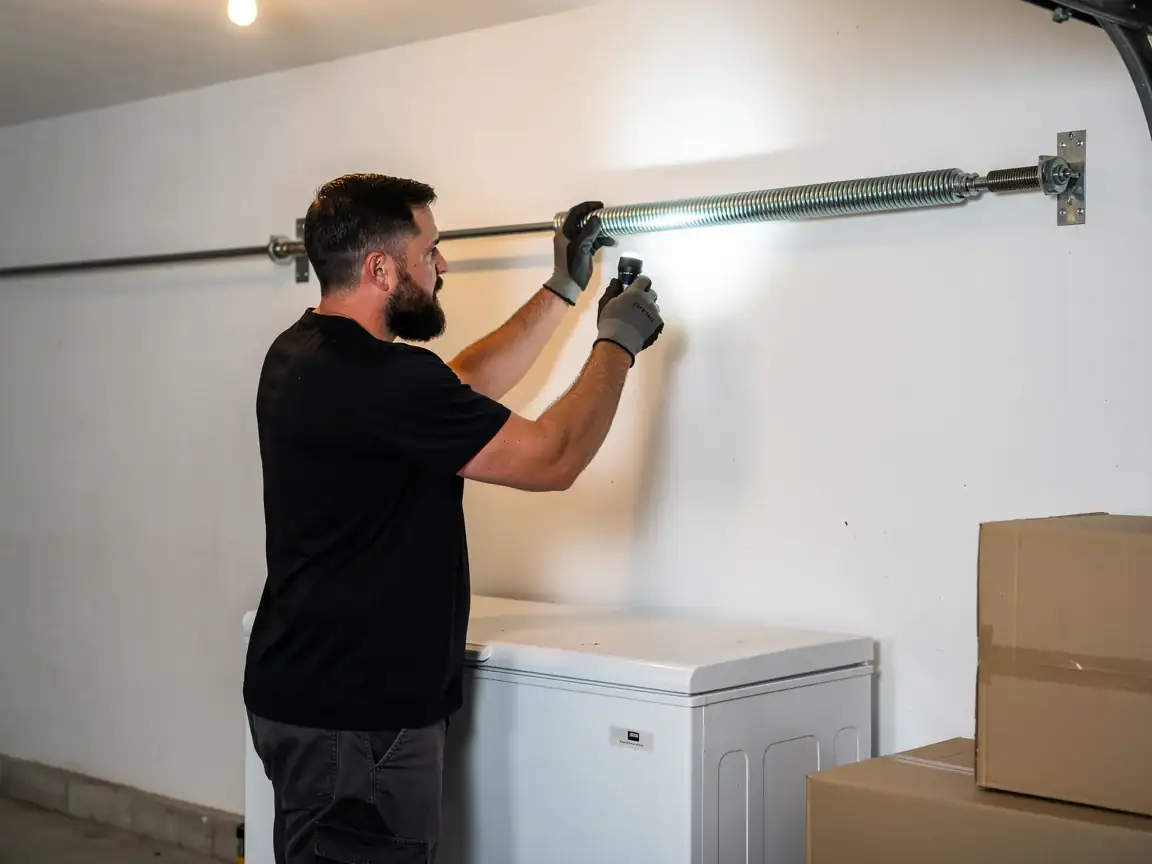
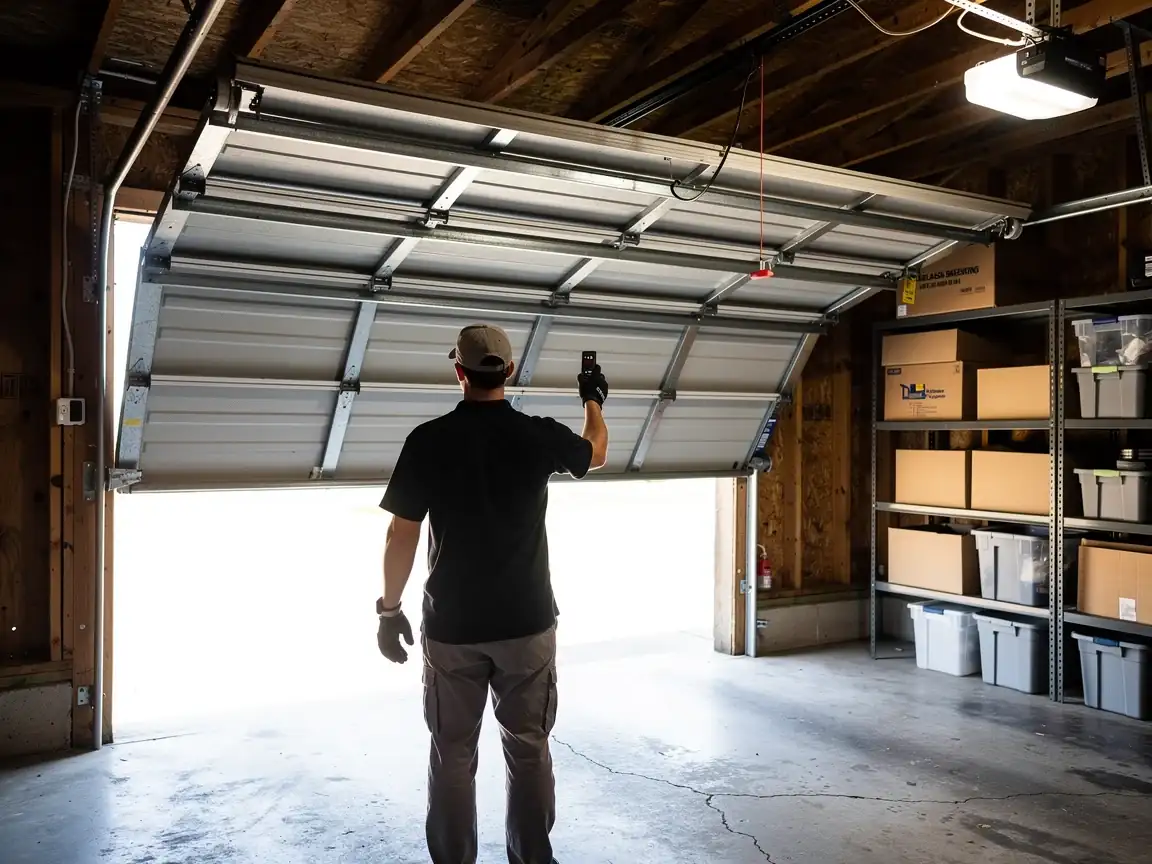
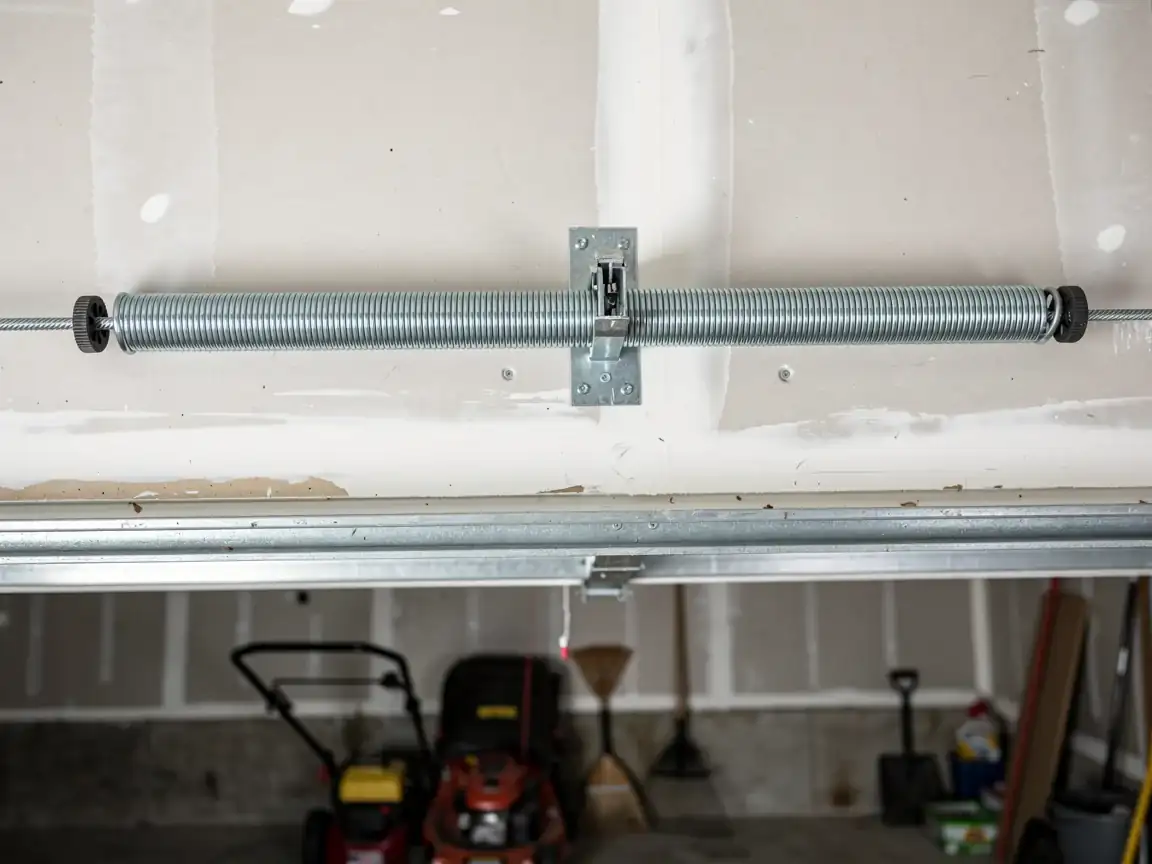
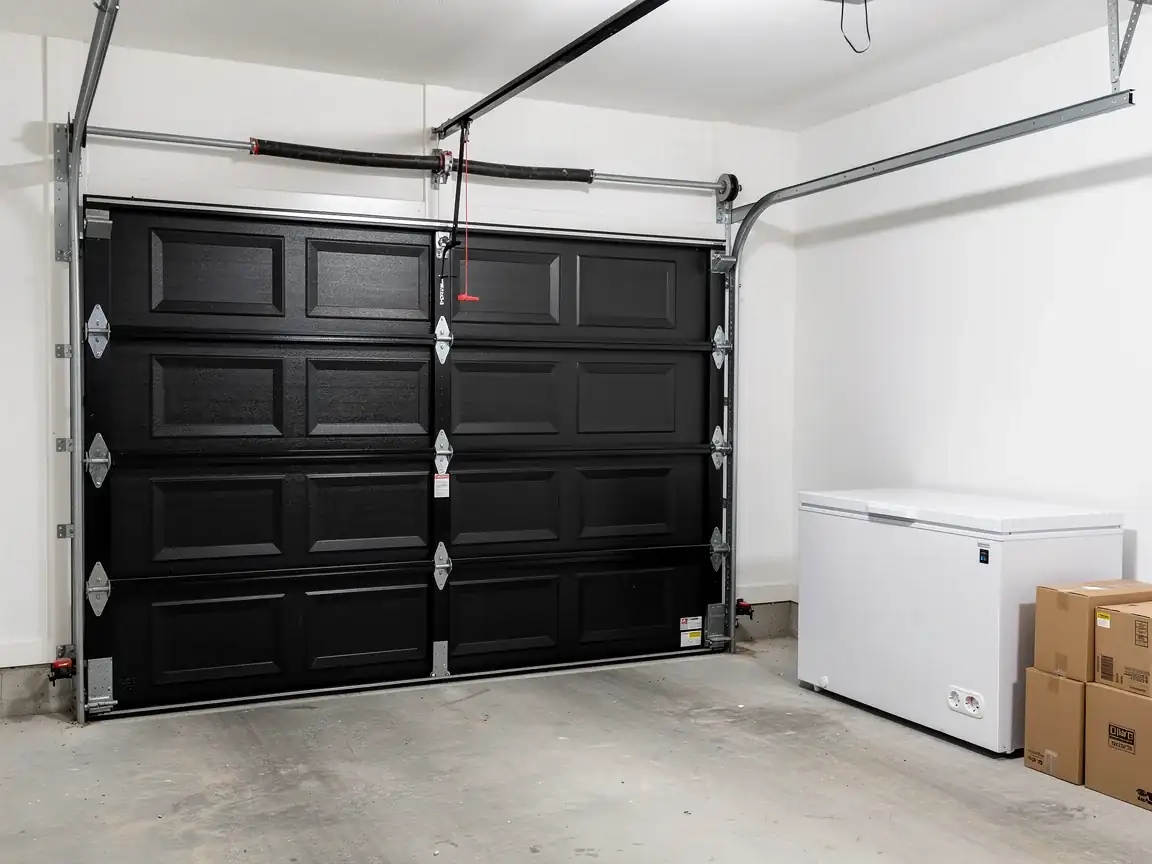
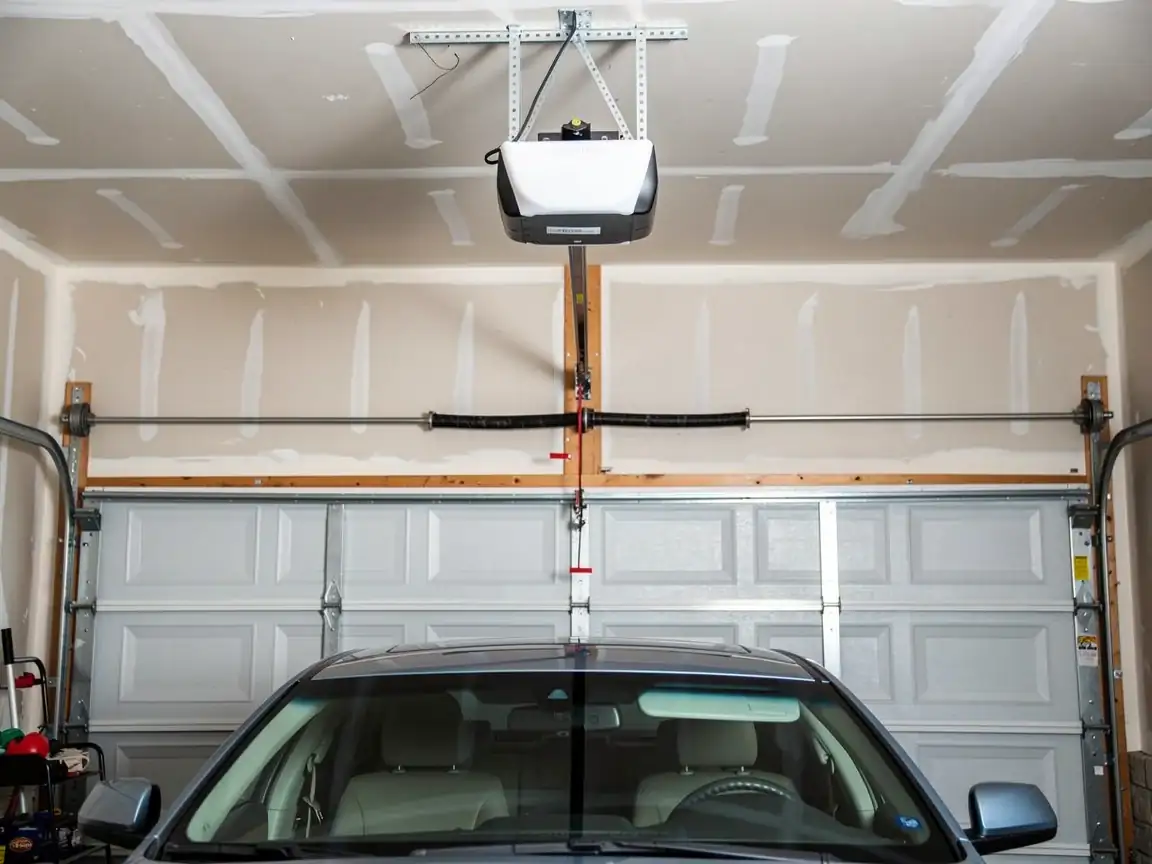
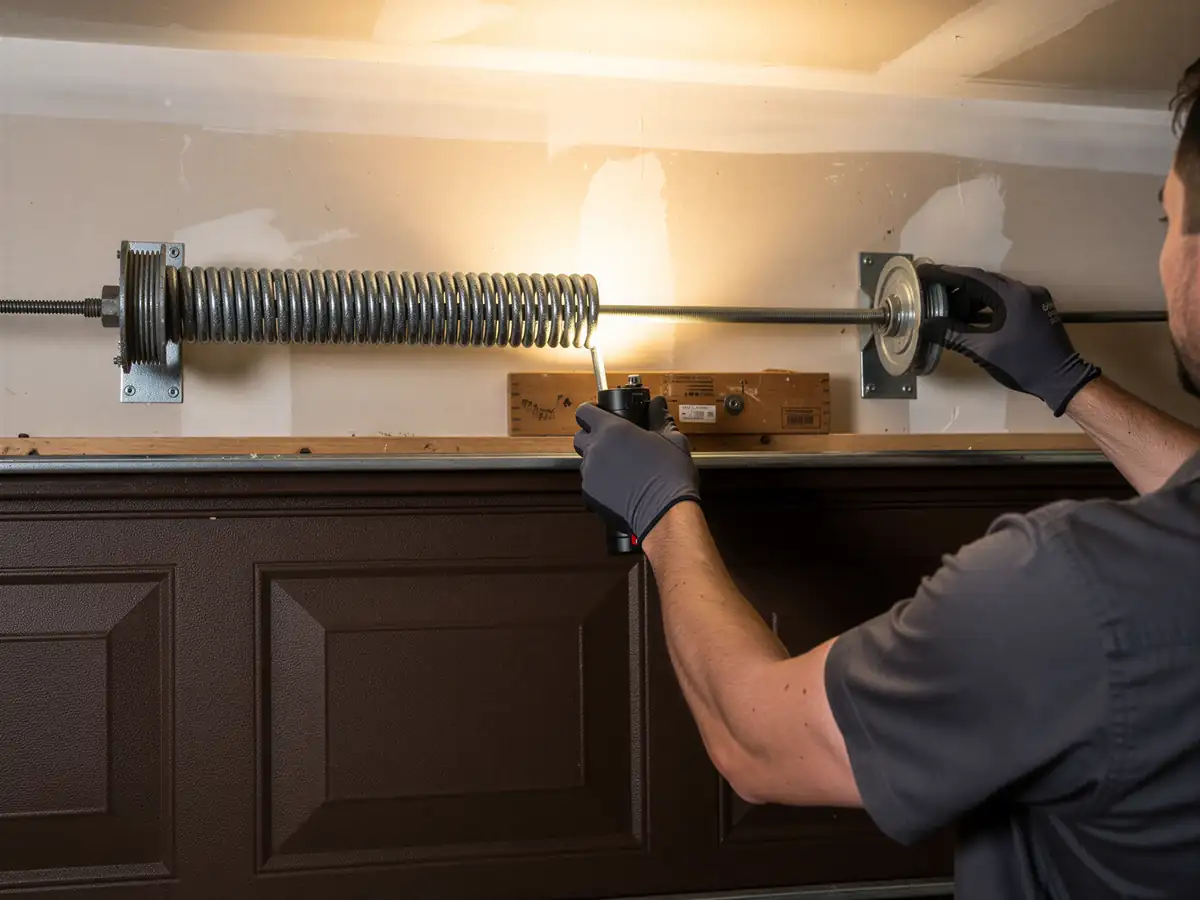
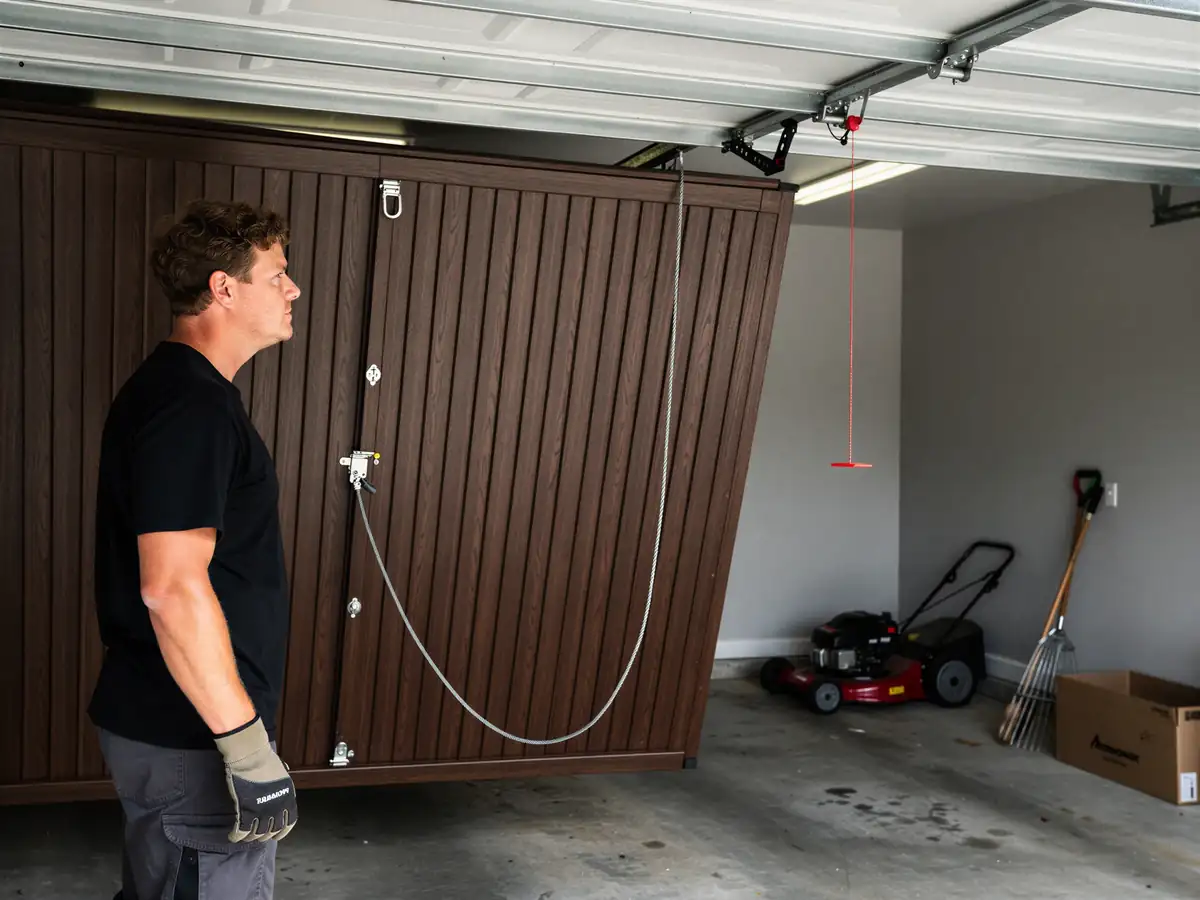
If your door is stuck halfway, slamming down, or making a bang before it won't move, you're almost always looking at a broken torsion spring, a snapped cable, or a roller that's jumped the track. On a lot of Columbia houses - built anywhere from 1938 up through the early 2000s, with a median build year around 1978 - the springs installed originally or during a mid-life replacement are now well past their rated cycle count. A door that's suddenly heavy to lift by hand, or an opener that strains and reverses before it closes, is usually a spring giving out, not the opener motor failing. Bent tracks show up as a door that binds on one side or rattles hard during travel. None of these are cosmetic. A spring under tension that lets go mid-cycle can snap a cable or drop a panel, and a door that won't seat means your garage isn't sealed against outside air - which matters more here than in a mild climate. Look at the spring first: if it's visibly separated or the gap is open rather than tight coil-to-coil, that's your answer.
Can You Do This Yourself
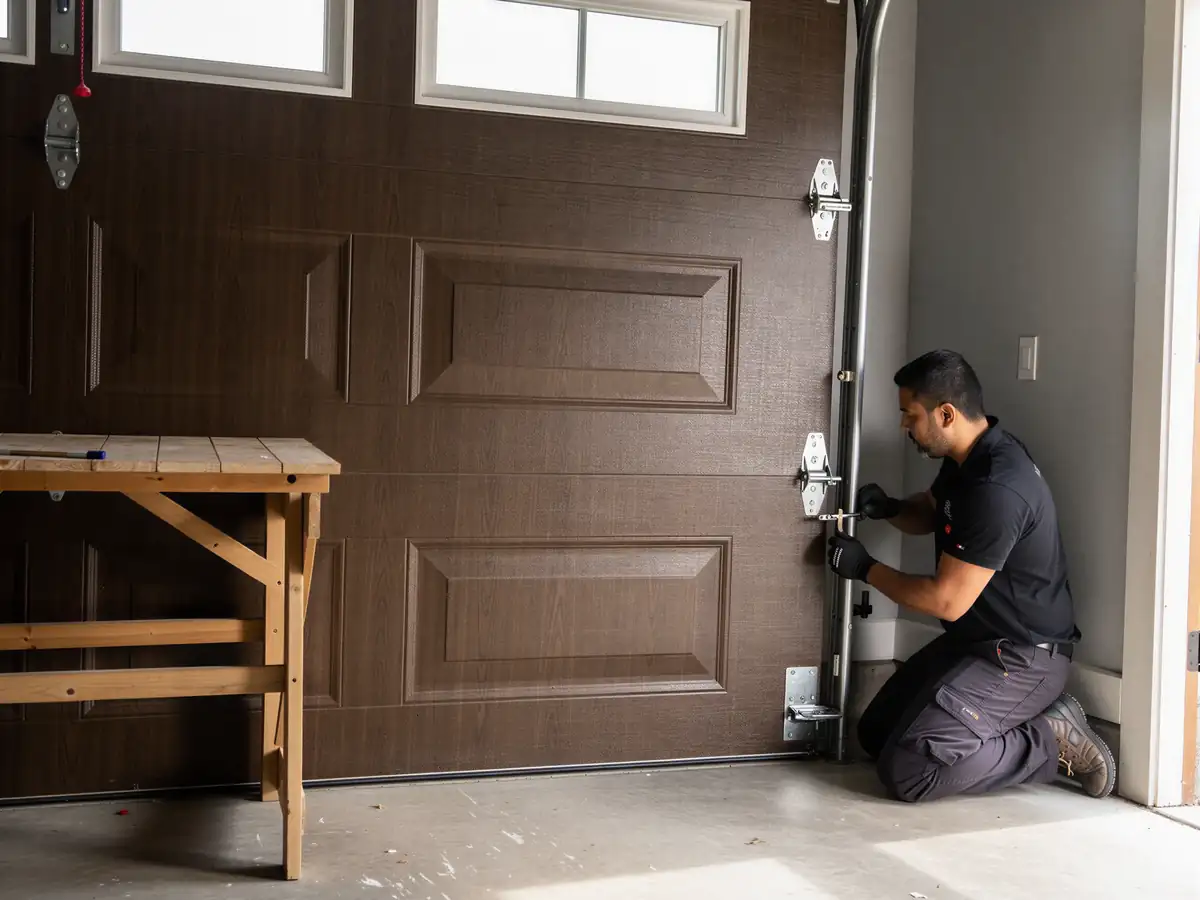
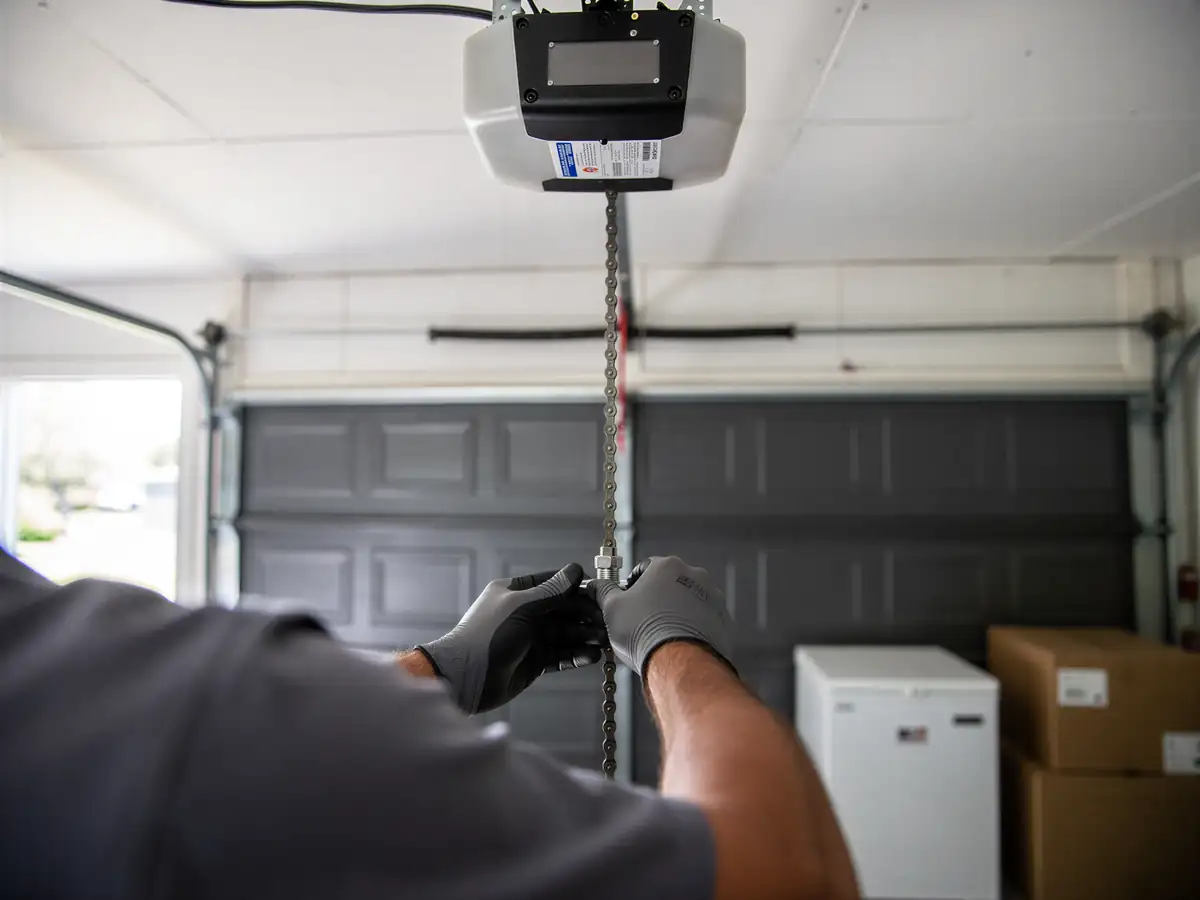
Opener troubleshooting - reprogramming a remote, cleaning photo-eye sensors, adjusting travel limits - is reasonable DIY territory and we're not going to tell you otherwise. Torsion springs are not. They're wound under several hundred pounds of tension, and the winding bars and clamping method matter more than most online guides let on. We don't recommend homeowners replace torsion springs themselves, full stop. Track alignment is a gray area: a minor adjustment with the door disconnected from the opener is low-risk, but if a track is bent from an impact, straightening it rarely holds and you end up paying twice. If you're comfortable with a wrench and want to swap worn rollers or tighten hardware on a door that's already resting safely on the floor, go ahead. Anything involving the spring, the cable drums, or a door that's currently off-track and under load - stop and call. That's not a sales line, it's where the injury reports come from.
What It Costs
We don't post a flat number here because the job depends on what's actually broken - a single spring versus a matched pair, a standard-lift track versus a high-lift conversion, whether the drums or cables also need replacing. What we can tell you is that in a service area where median household income sits at $58,889 across roughly 3,917 households, we try to fix what's broken rather than push a full door replacement when the opener and panels are sound. If your door is from the older end of the 1938-2003 build range and the track geometry is original, repair costs can climb if a part has to be special-ordered - that's the one honest limitation here: some older hardware isn't stocked locally and lead time runs longer than a same-week job. Ask for a written estimate before any work starts, and ask specifically whether the quote covers one spring or both - a mismatched pair is a comeback waiting to happen.
Why This Fails Locally
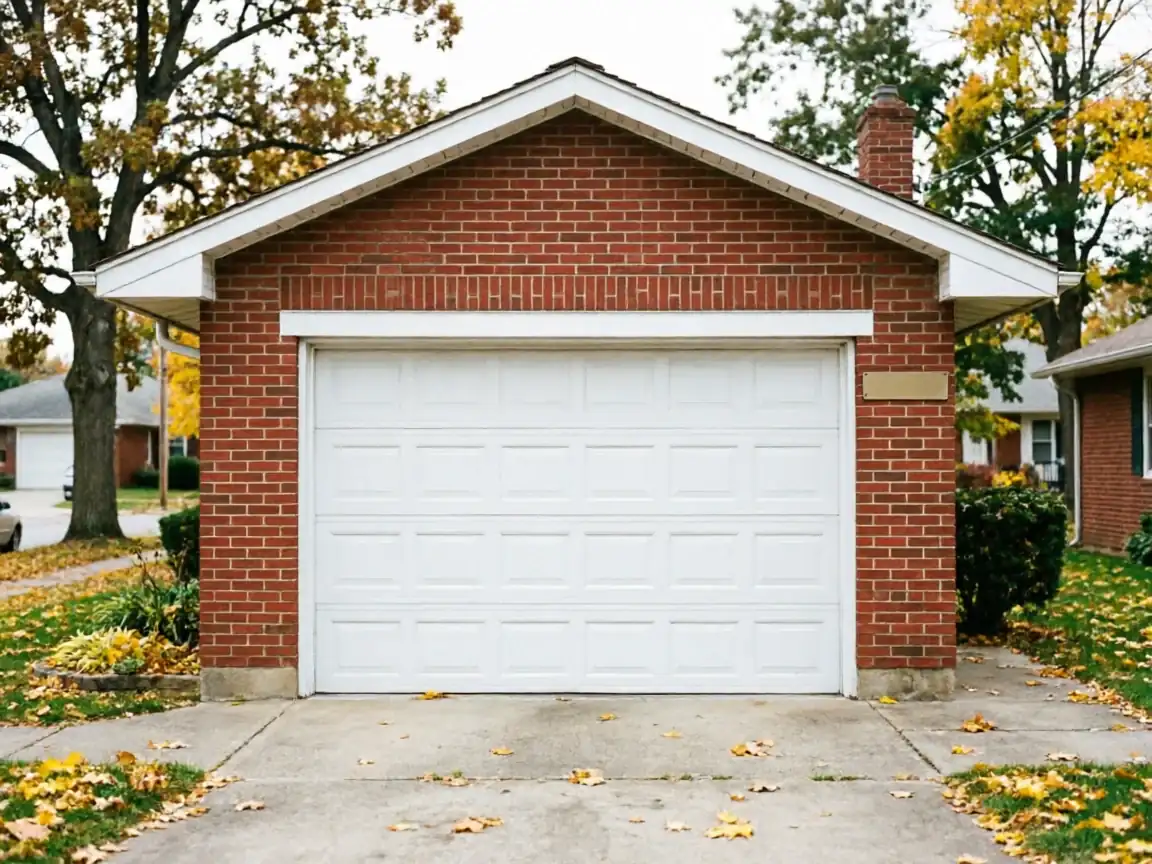
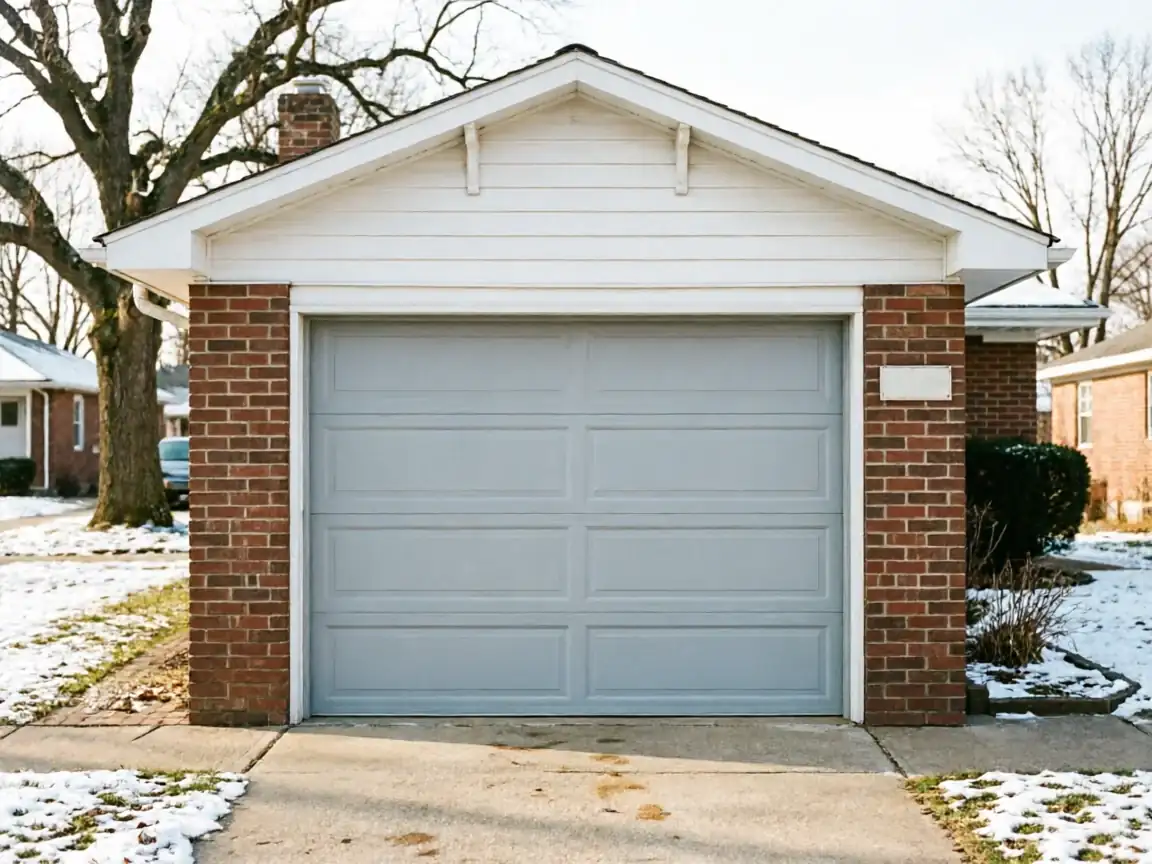
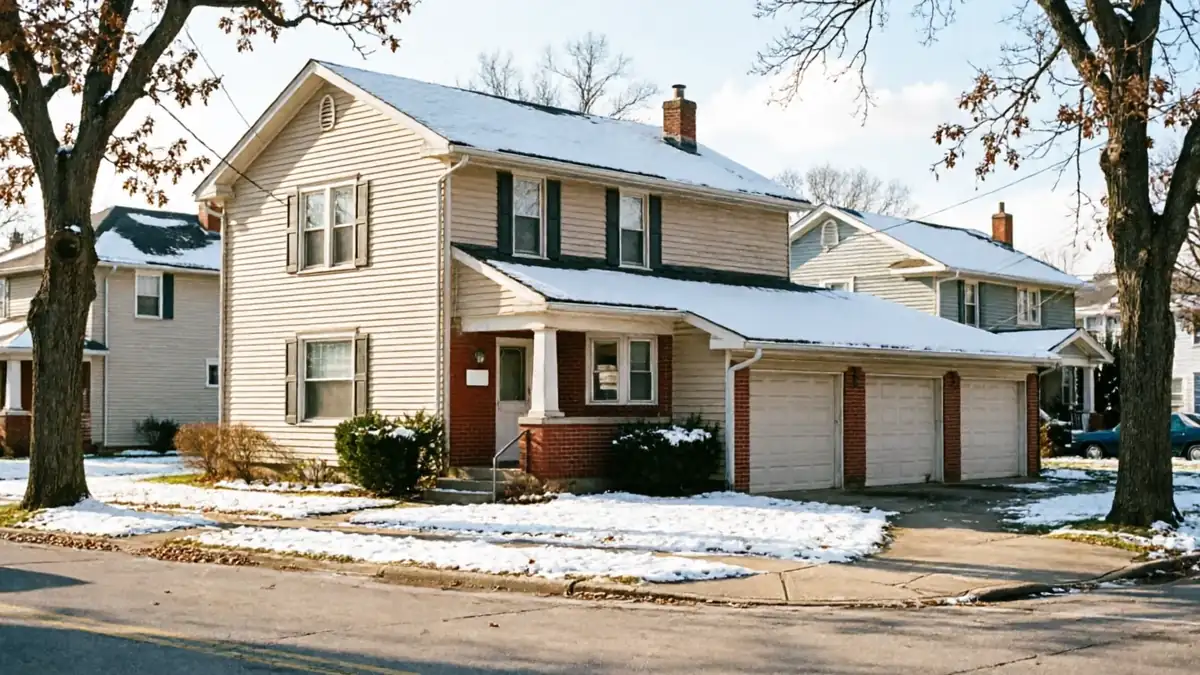
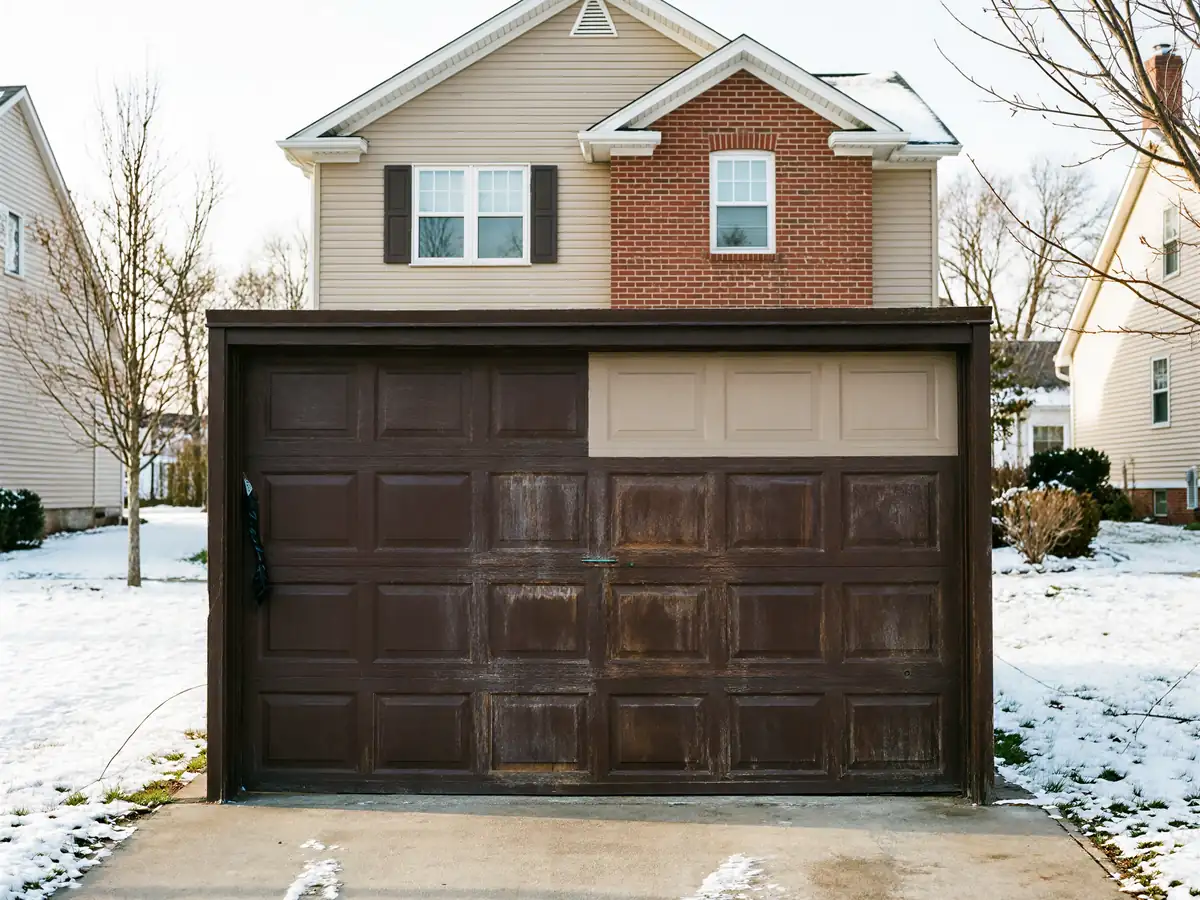
Columbia's housing stock skews toward the 1960s and 70s across the named neighborhoods in this service area, and that era of garage door hardware wasn't built for the cycle counts or the temperature swings it's now seeing decades later. Severe cold is the variable people underestimate: steel springs lose temper and snap more readily in hard winter cold than in a mild climate, and a door that worked fine in October can fail the first week temperatures drop hard. Original one-piece and early sectional doors from the 1938-1978 range often ran side-mounted torsion hardware that newer manufacturers don't stock parts for anymore, so a repair that would be routine on a 2005 door turns into a hunt for a compatible spring or drum on an older one. Out toward Ashland, Rocheport, Hallsville, and the other smaller towns in this area, the same housing-age pattern holds, which is why the failure mode repeats call after call: it's not bad luck, it's a 50-to-80-year-old mechanical system meeting a cold snap it wasn't engineered for.
How it works
From “it’s stuck” to “it’s fixed”
01
Tell us what’s wrong
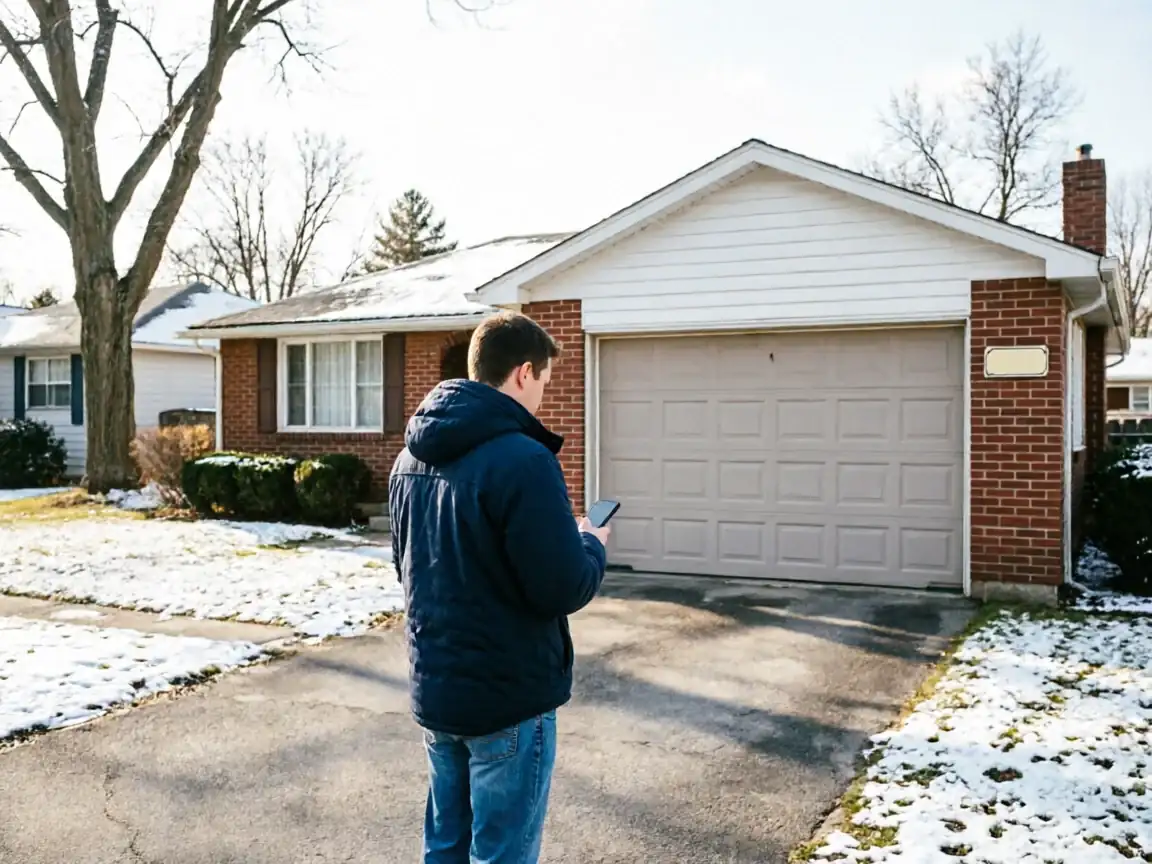
Describe the symptom - won’t open, loud bang, opener runs but the door won’t move.
02
On-site diagnosis
A technician tests the door under power and by hand and finds what actually failed.
03
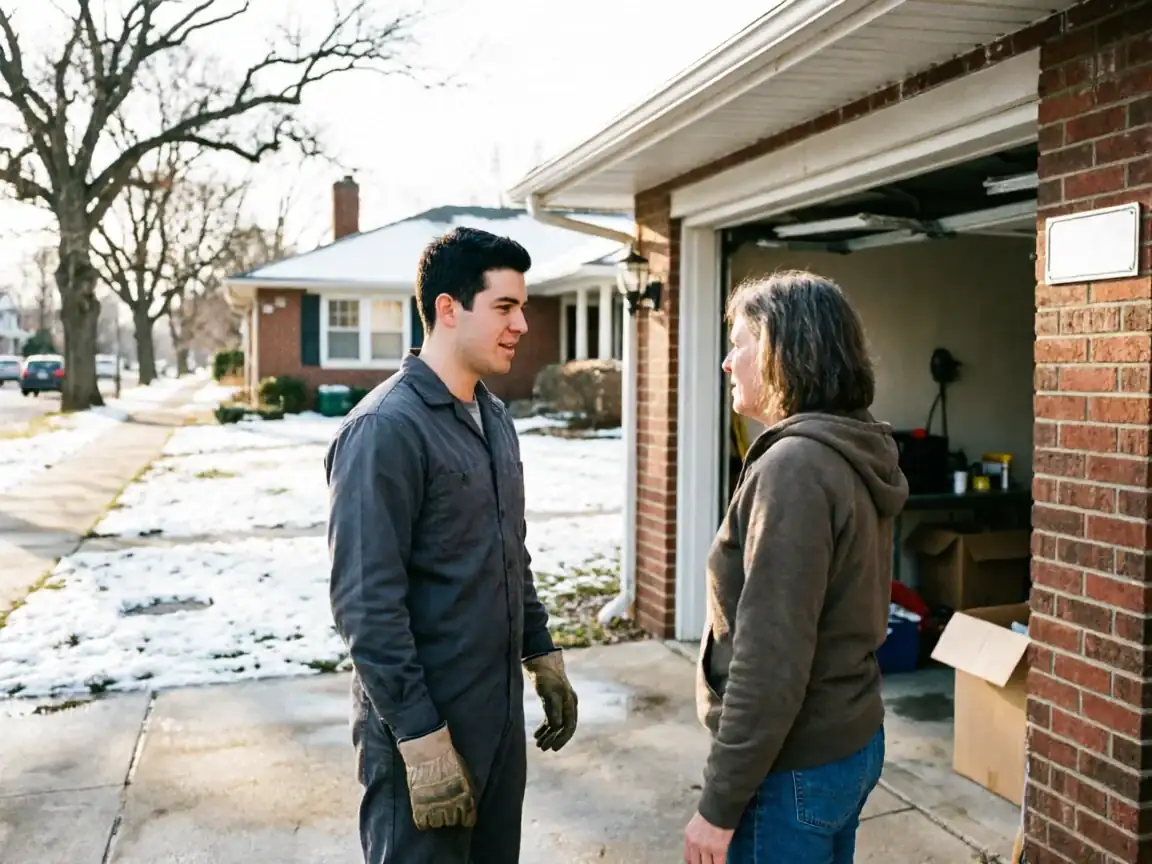
Clear, up-front plan
You get the fix that’s needed and what drives the cost - before any work starts.
04
Repaired & tested
The repair is done, the door is set true and tested, and the work area left clean.
Not sure which repair your door needs in Columbia, MO? Describe what it’s doing - every job starts with a diagnosis.
Why did my garage door spring break in the middle of winter?
Cold makes steel more brittle, and Columbia's winters fall into the severe end of the cold climate band. A spring that's already near the end of its cycle life is far more likely to snap during a hard cold stretch than in mild weather, which is why winter calls for broken springs spike here.
Is it worth repairing a door on a house built in the 1960s or 70s?
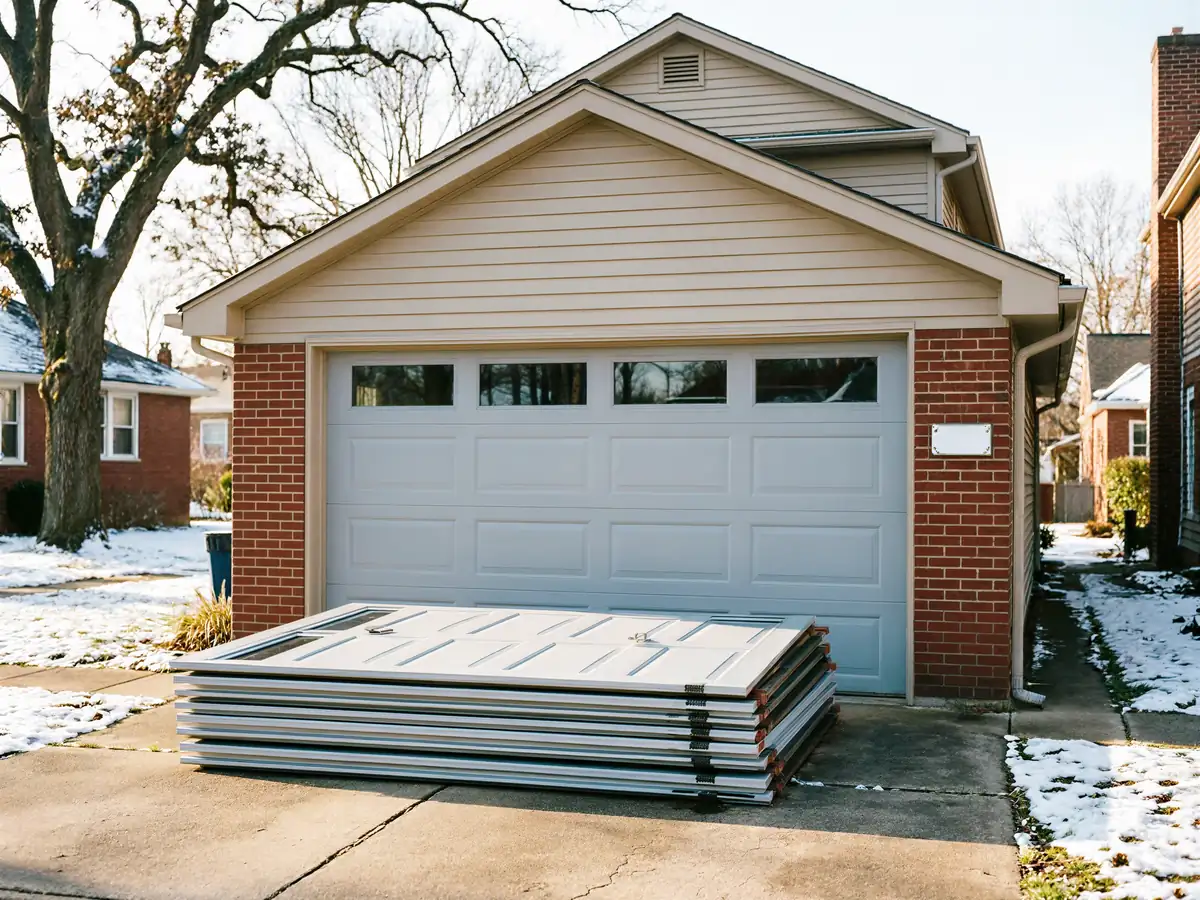
Usually yes, if the panels and frame are sound. Most failures on houses from that era are the spring, cable, or track - not the door itself. Full replacement only makes sense if the track geometry is damaged beyond straightening or the door has rusted through.
Can I replace a torsion spring myself?
We don't recommend it. Torsion springs hold several hundred pounds of stored tension, and the winding process has injured plenty of capable DIYers. Opener adjustments and sensor cleaning are fine to handle yourself; the spring and cable drums are not.
Ready to get your garage door sorted?
Tell us what it’s doing and where you are in Columbia - we’ll take it from there.