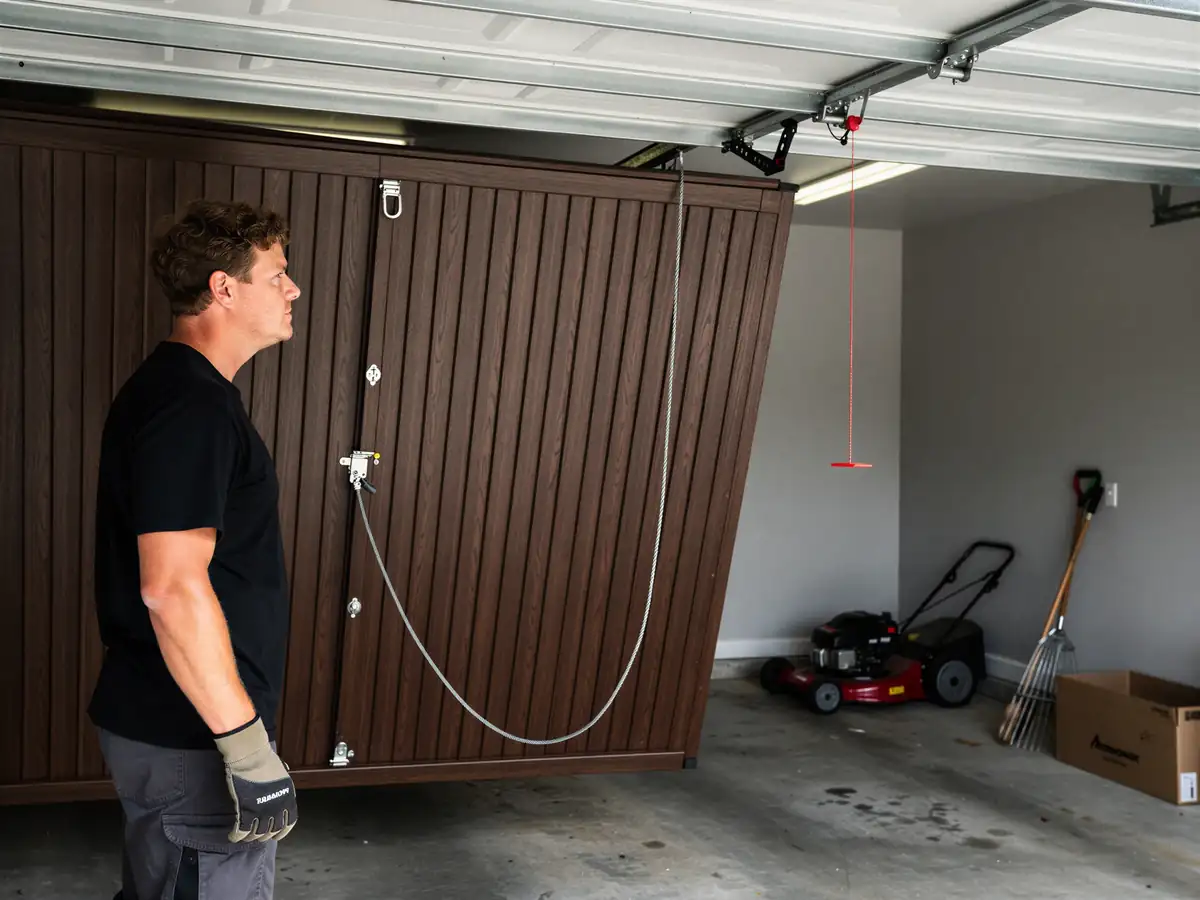
What You Are Seeing
A broken or frayed lift cable shows up a few ways
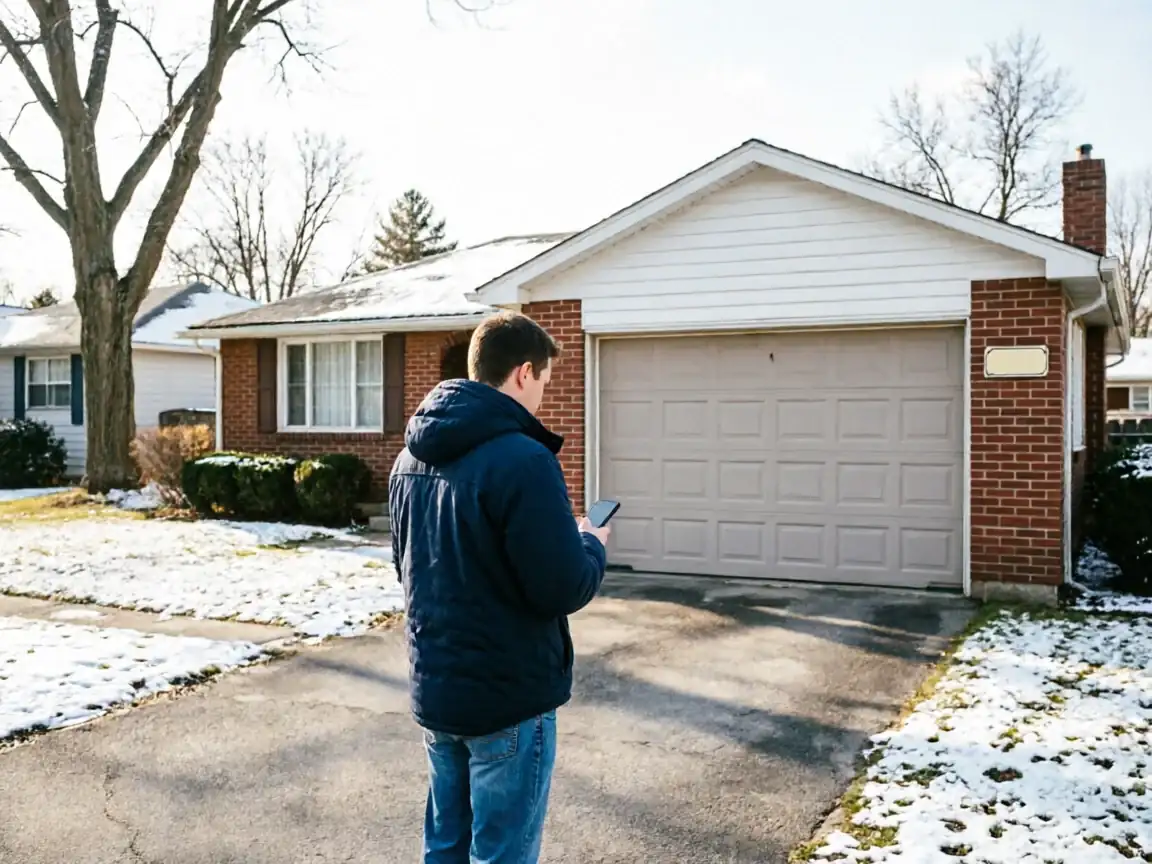
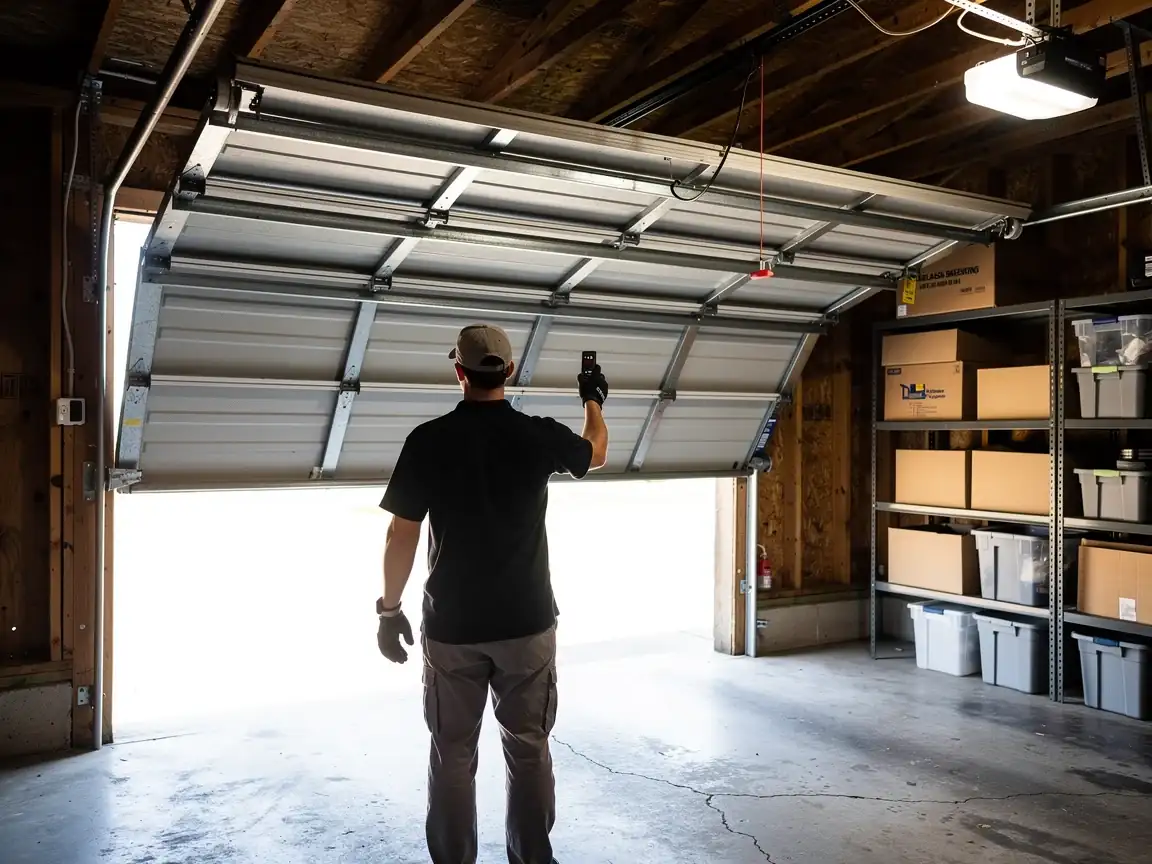
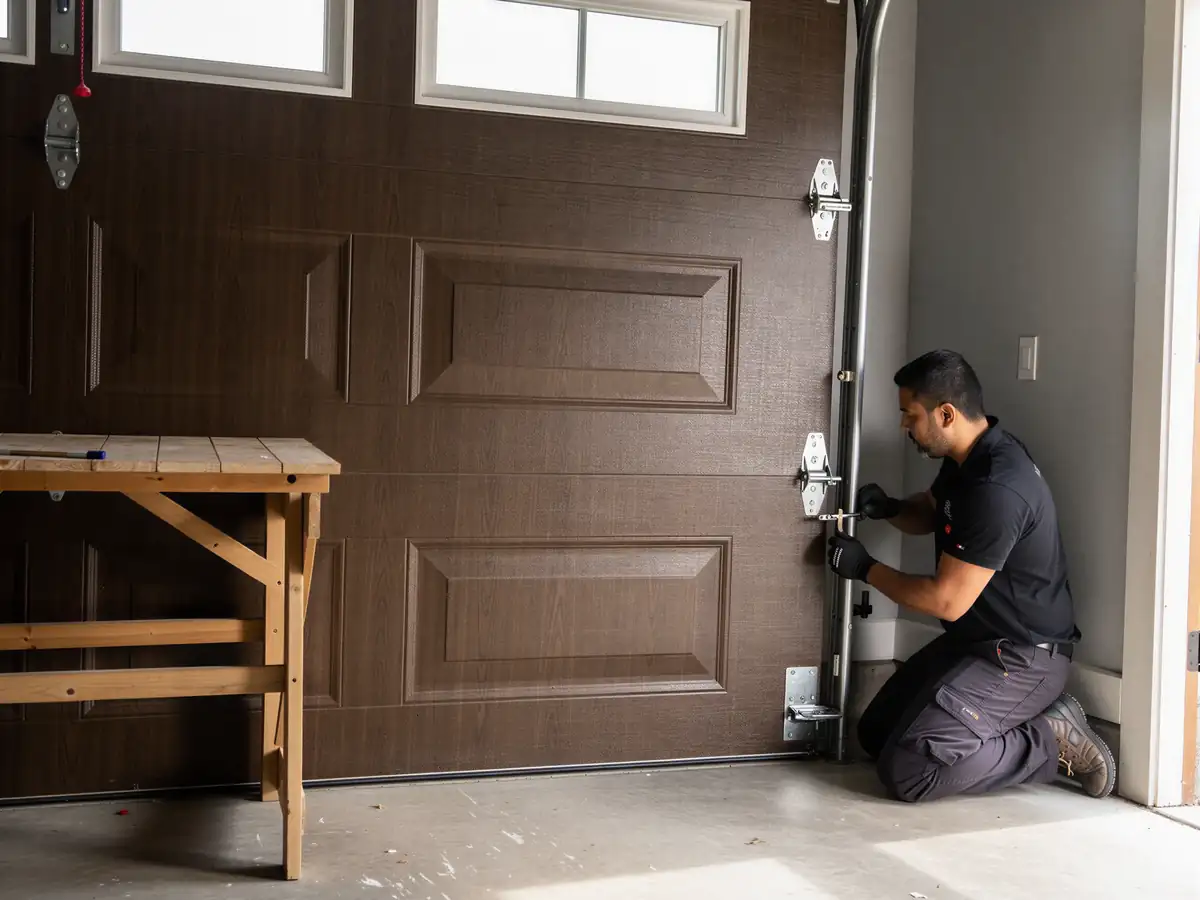
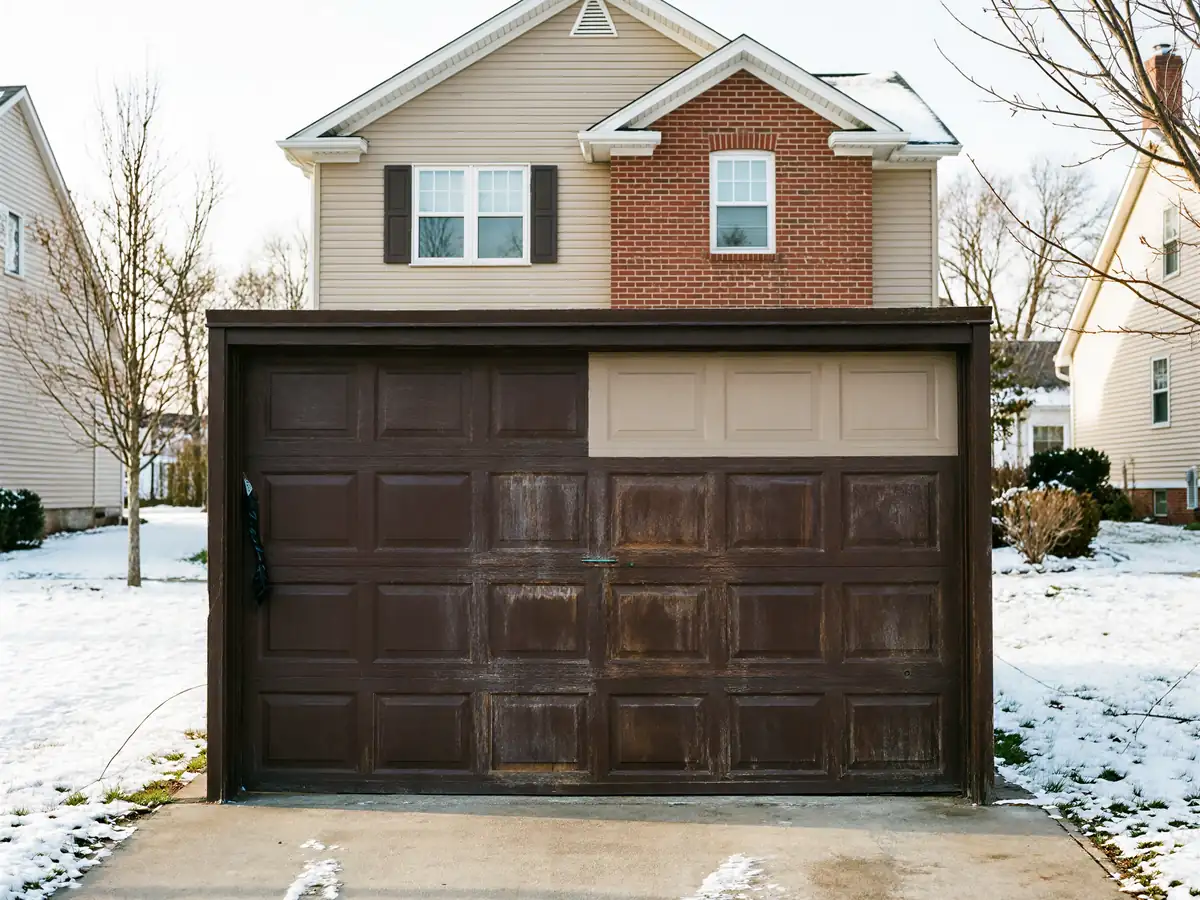
The door hangs crooked, dropping lower on one side than the other. You hear a snap and the door won't budge, or it comes down fast and uneven when you pull the release. Sometimes the cable has jumped the drum and bunched up in a mess of wire at the bottom bracket.
On a lot of Columbia houses, this isn't a one-off
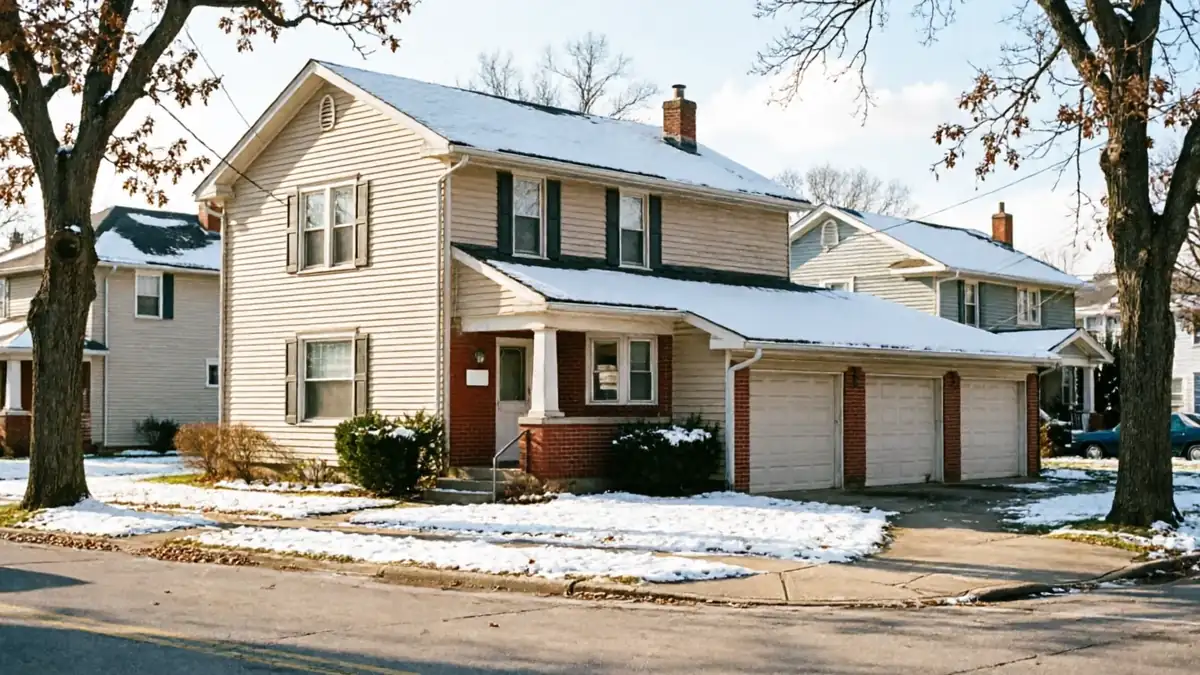
Housing in the service area was mostly built between 1938 and 2003, with a median build year around 1978, and the bulk of the stock across the seven areas we cover dates to the 1960s and 70s. That means a huge share of doors are running original or first-replacement cable and drum setups that have seen four or five decades of winters.
Cold is the other half of it
This area sits in a severe cold climate band, and steel cable stiffens and loses flex in deep cold. Combined with age, that's exactly the condition that turns a cable from "worn" to "snapped" without much warning. If your door suddenly sits crooked on a cold morning, the cable is the first thing we check, not the opener.
Can You Do This Yourself
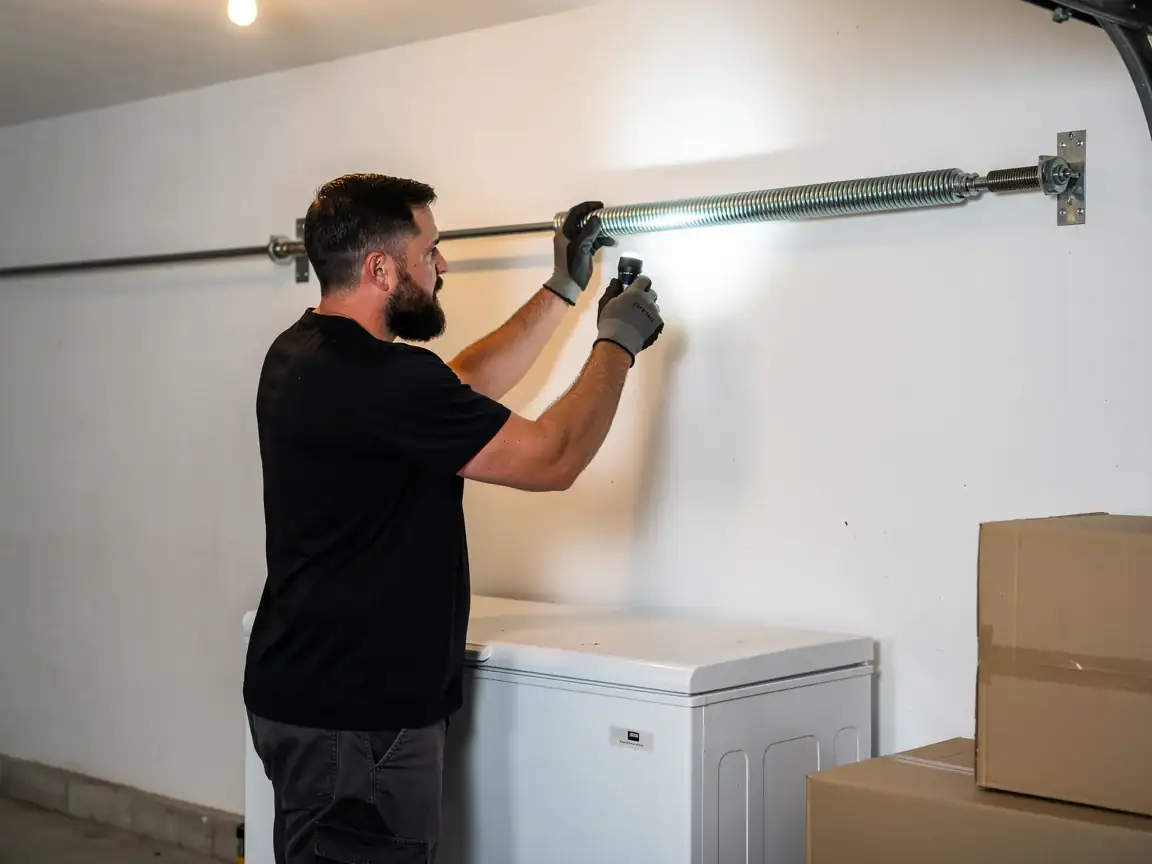
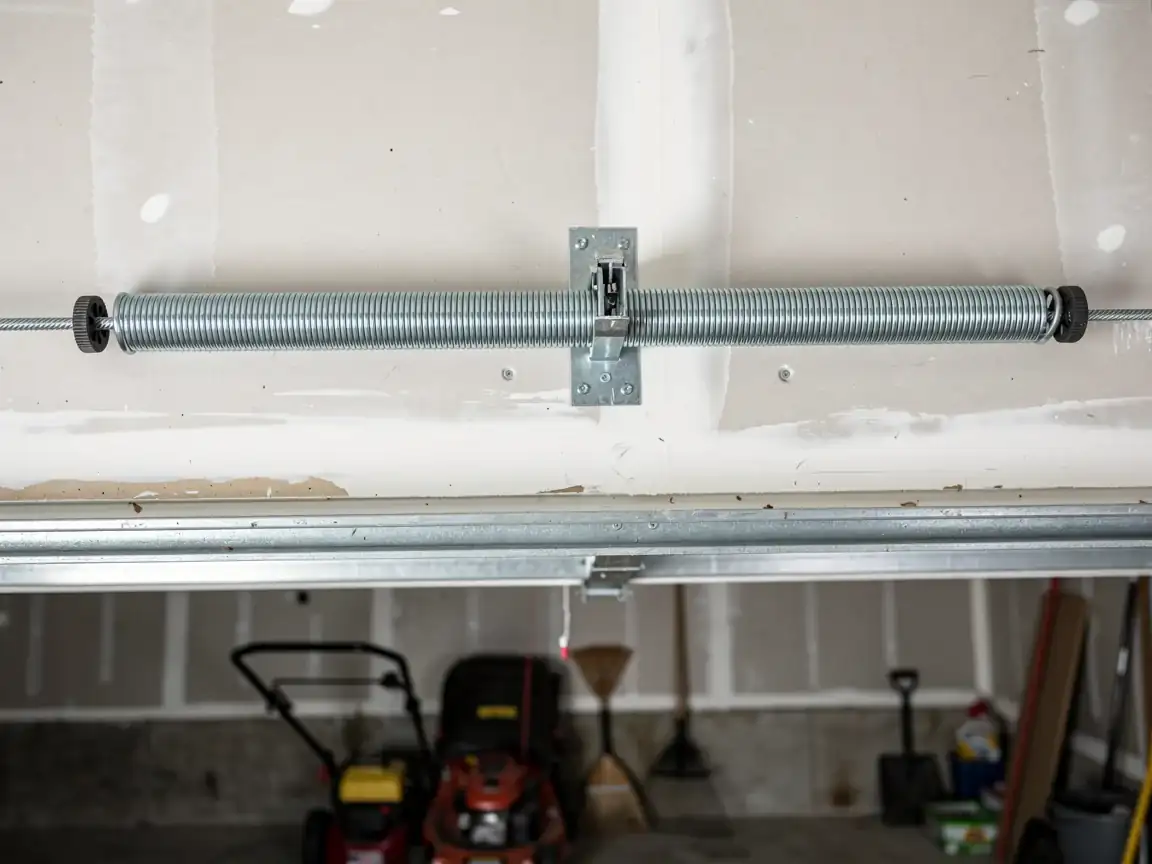
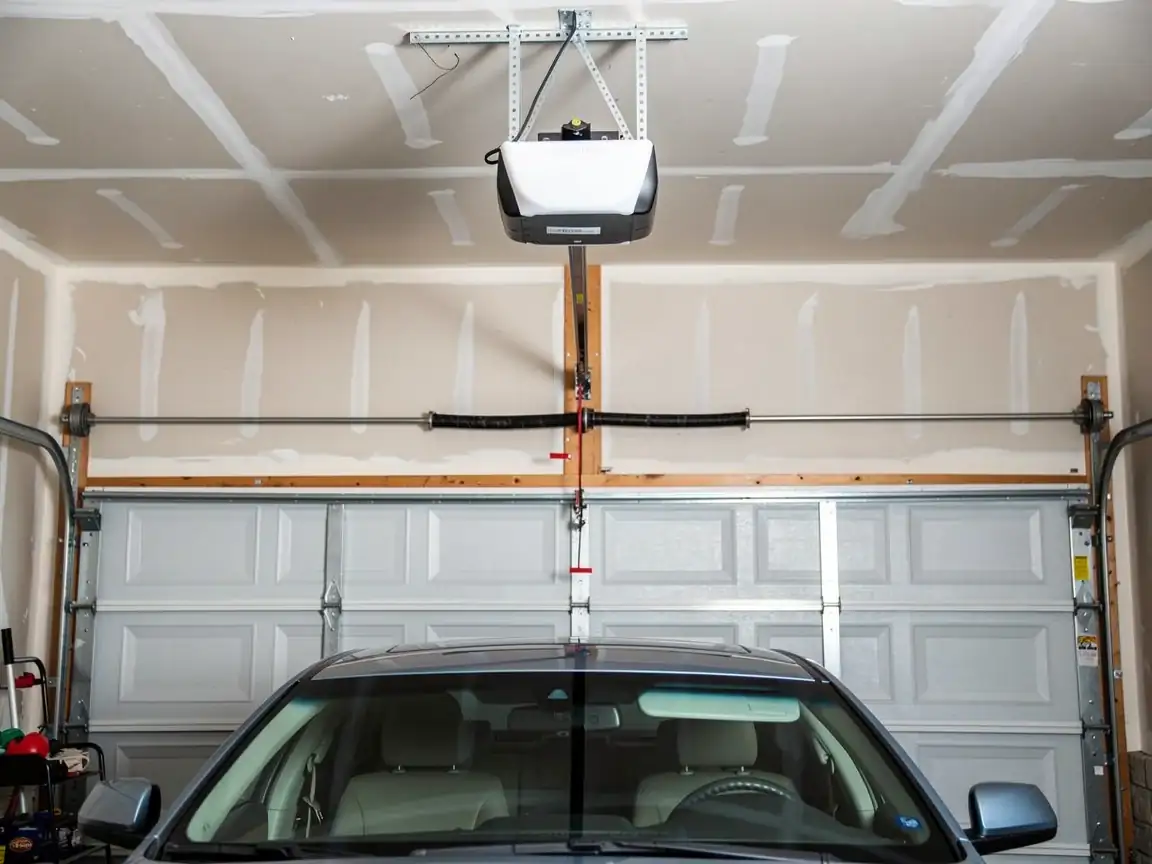
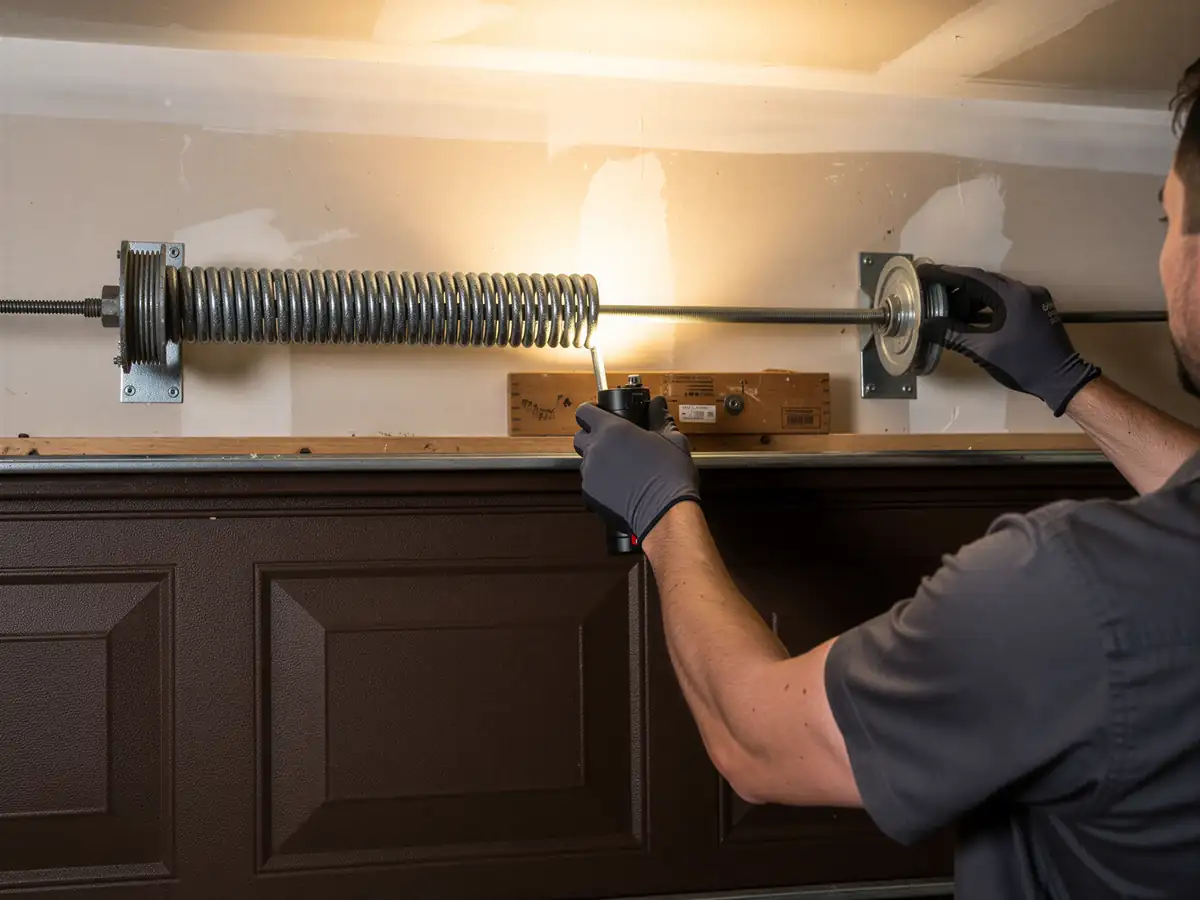
A cable is under real tension because it's tied to the torsion or extension spring system that's doing most of the lifting work on the door. That tension is why cable work is not a safe DIY repair the way swapping a roller or tightening a hinge bolt might be. If a cable lets go while someone is working on it under load, it can whip hard enough to hurt a hand or a face.
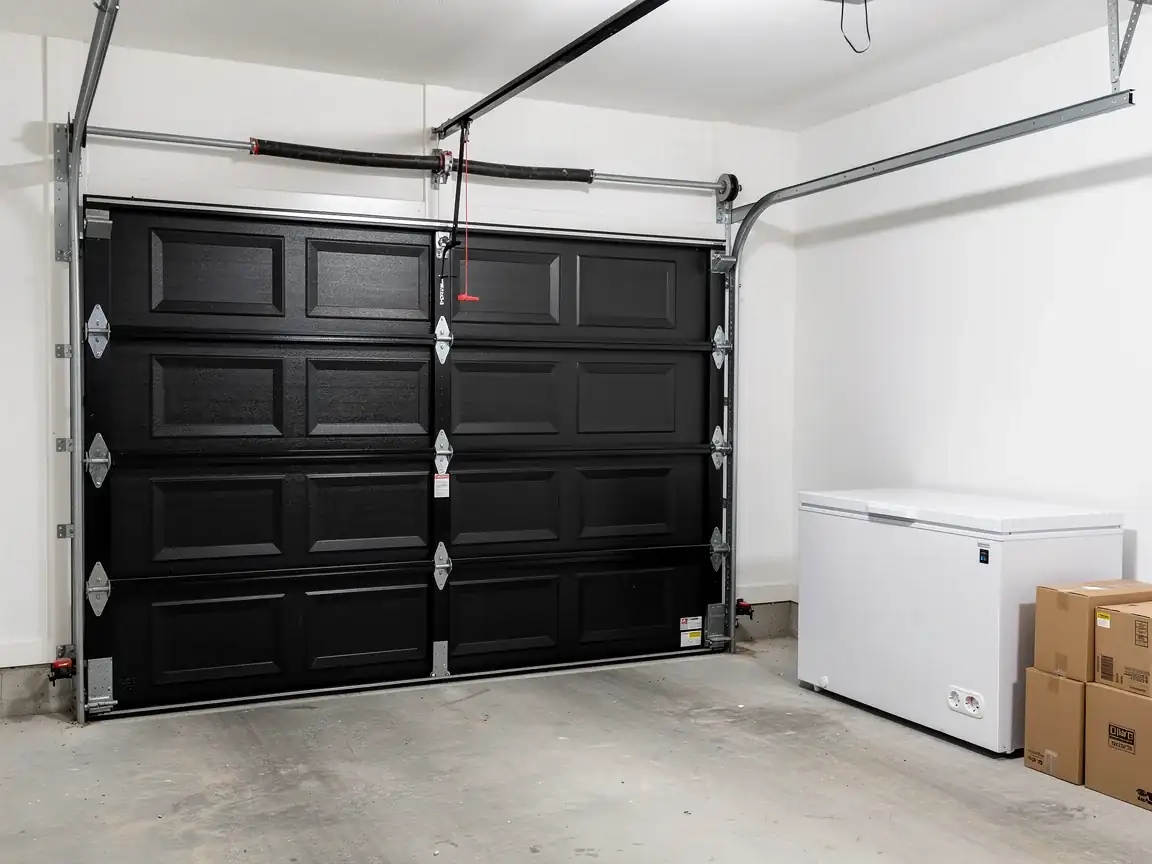
What you can safely do yourself: look at the cable without touching it. Check for visible fraying near the bottom bracket, check that both sides of the door are level, and check whether the door moves freely with the opener disconnected (pull the red release cord first). If one cable looks frayed, or the door sits visibly lower on one side, stop using the opener and don't try to force the door up or down by hand.
We'll say plainly: this is one of the jobs where calling a trained set of hands is worth it. Cable and spring systems interact, and replacing a cable without resetting spring tension correctly just moves the next failure point somewhere else on the door.
What It Costs
We don't publish a flat number here because cable jobs vary with what else the door needs. A single frayed cable on a door that's otherwise in good shape is a smaller job. A cable that snapped and let the door drop crooked often means the drum, bottom bracket, or track took some damage on the way down, and that changes the scope once we're actually looking at it.
What we can tell you without seeing the door: this is parts-and-labor work, not a quick clip-and-go fix, because the spring tension has to be released and reset safely as part of the job. If you want a number specific to your door, that's a quote we give after a look, not something we can responsibly quote over the phone sight unseen.
Why This Fails Locally
Cable failure isn't random here, it tracks the age of the housing stock
With median construction around 1978 and most of the service area's homes going up in the 1960s and 70s, a large share of doors are carrying original-era hardware, or a first replacement installed decades ago, neither of which was built with a modern cable spec. That's not a knock on the builders, it's just a lot of years on galvanized wire.
Cold is the accelerant
In a severe cold climate band, steel cable contracts and stiffens, and the stress on a cable is highest right at the bottom bracket crimp, which is also where fraying tends to start. A cable that's been slowly fraying all summer is more likely to let go on a hard cold snap than on a mild day, because the wire has less give left in it.
So the pattern we see across the area is older homes, original hardware, and winter temperature swings stacking on top of each other
It's a combination that's specific to housing of this era in a cold climate, not something you'd see the same way in a newer subdivision or a milder region.