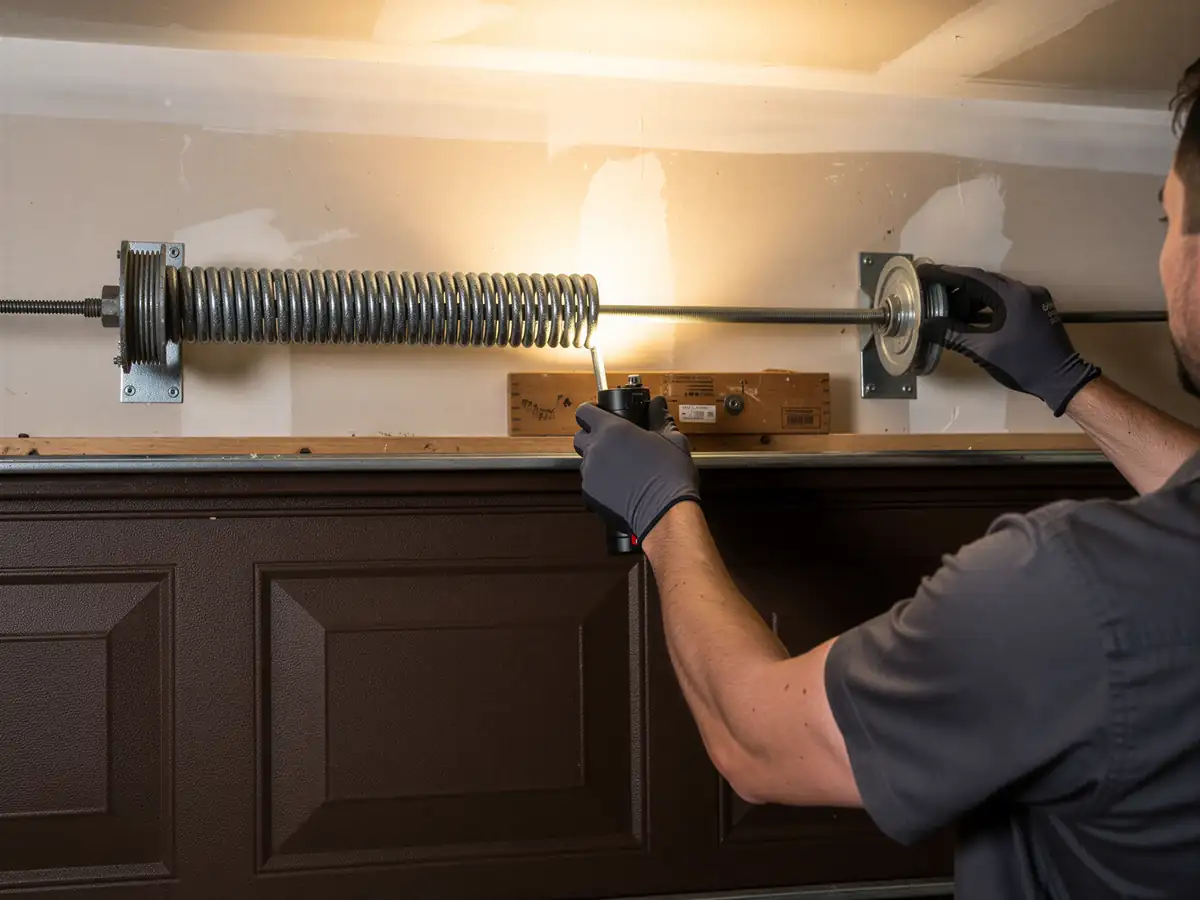
What You Are Seeing
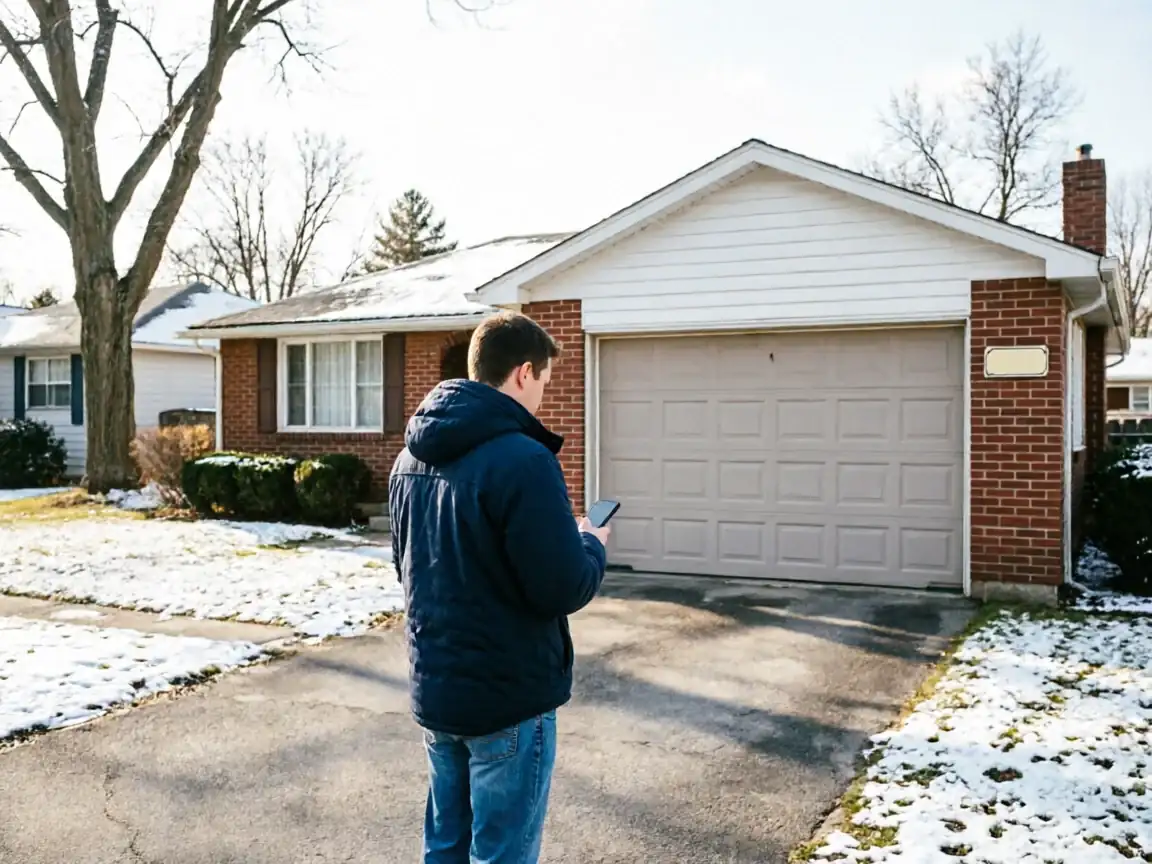
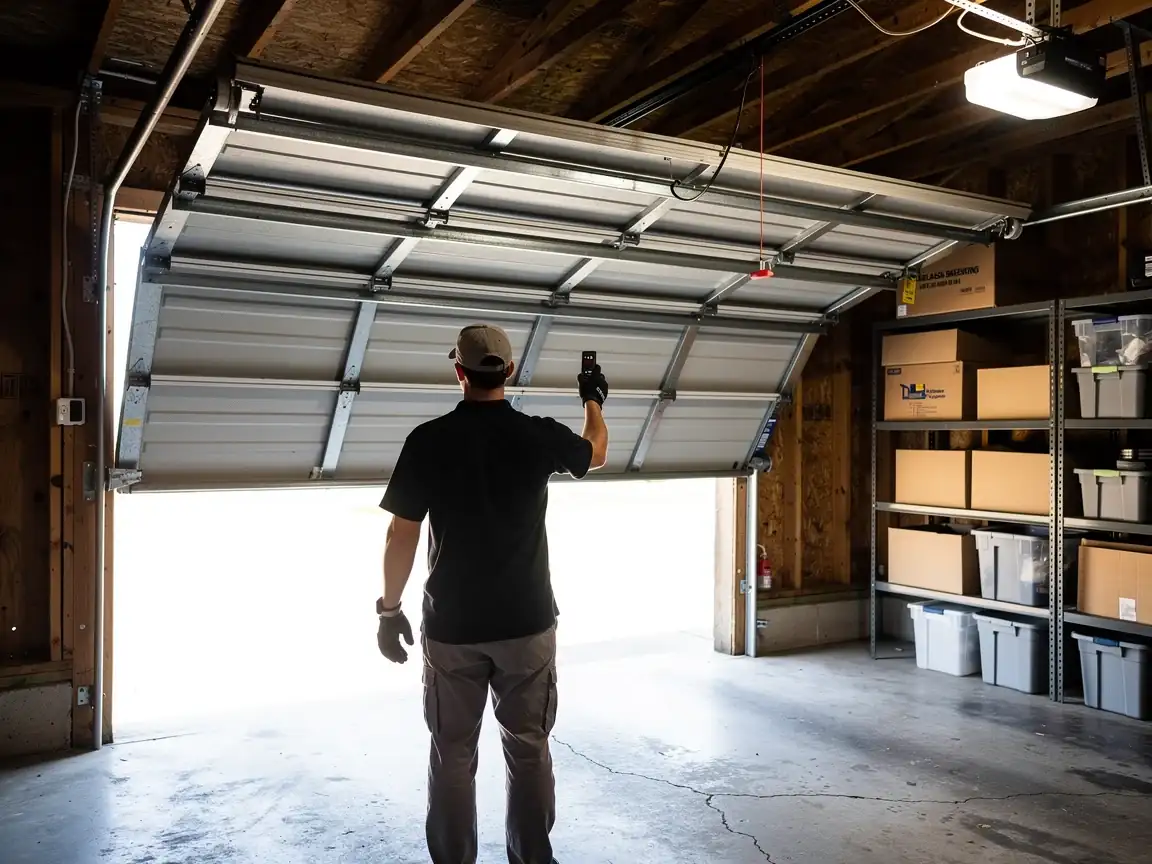
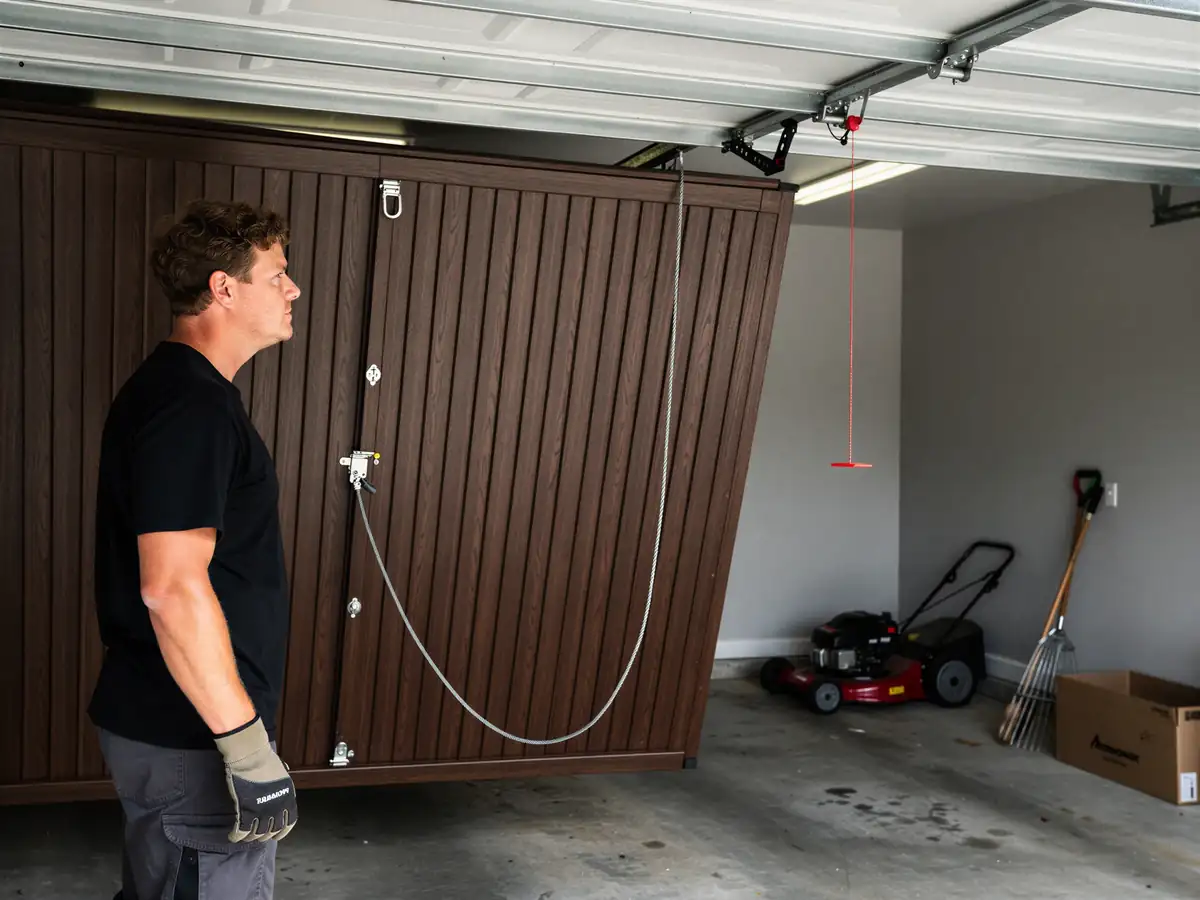
The door won't lift, or it lifts a few inches and stops
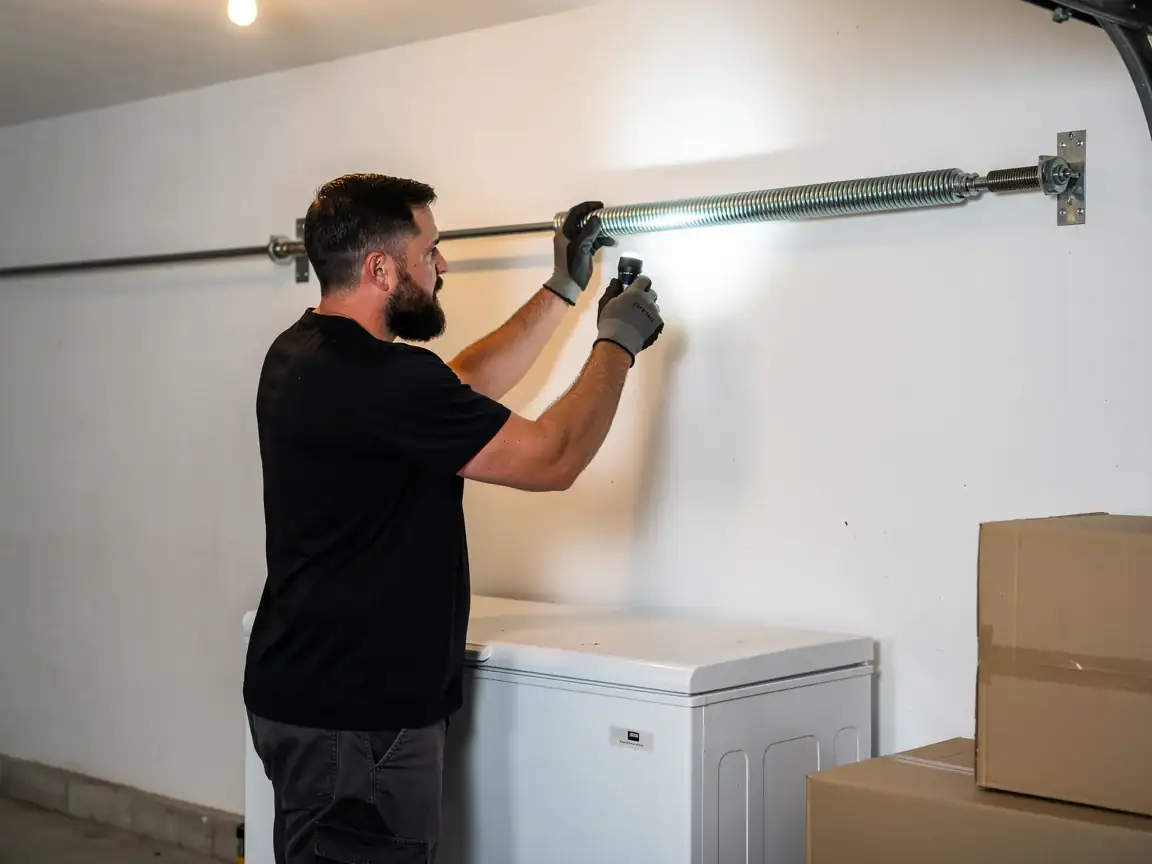
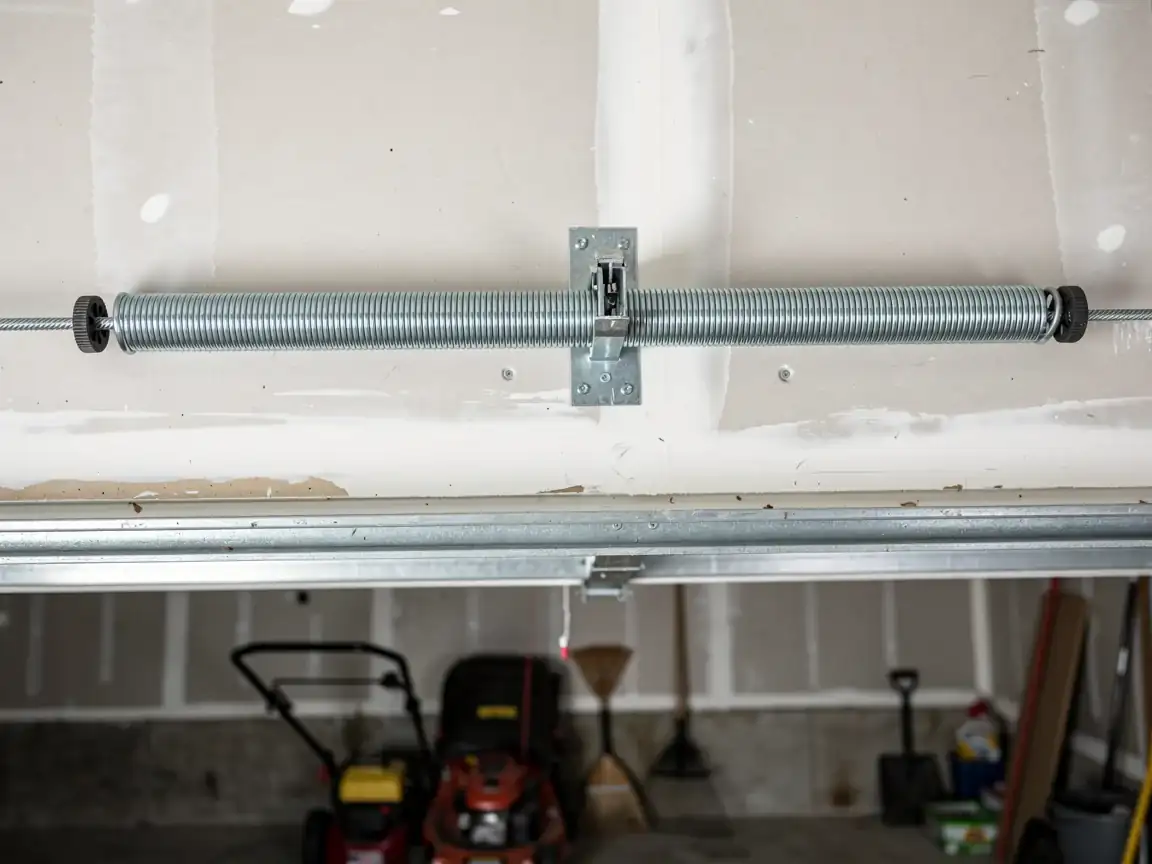
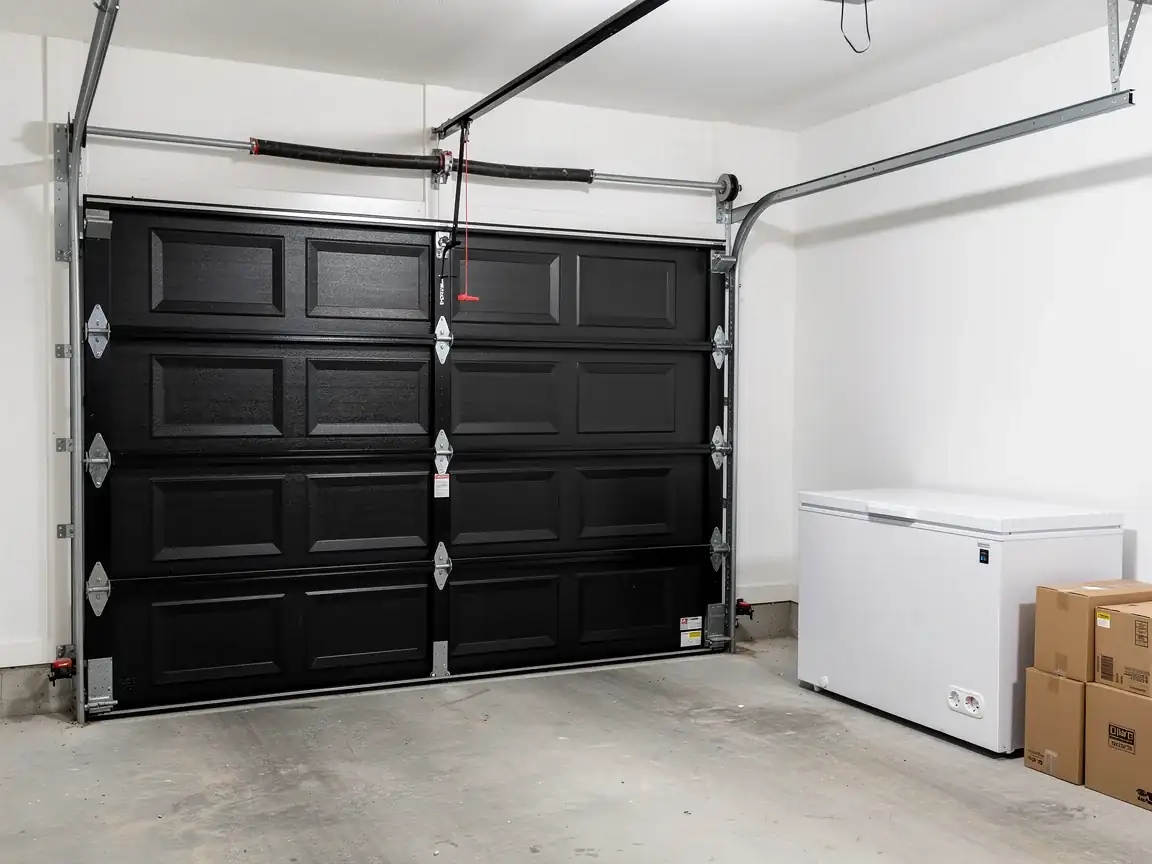
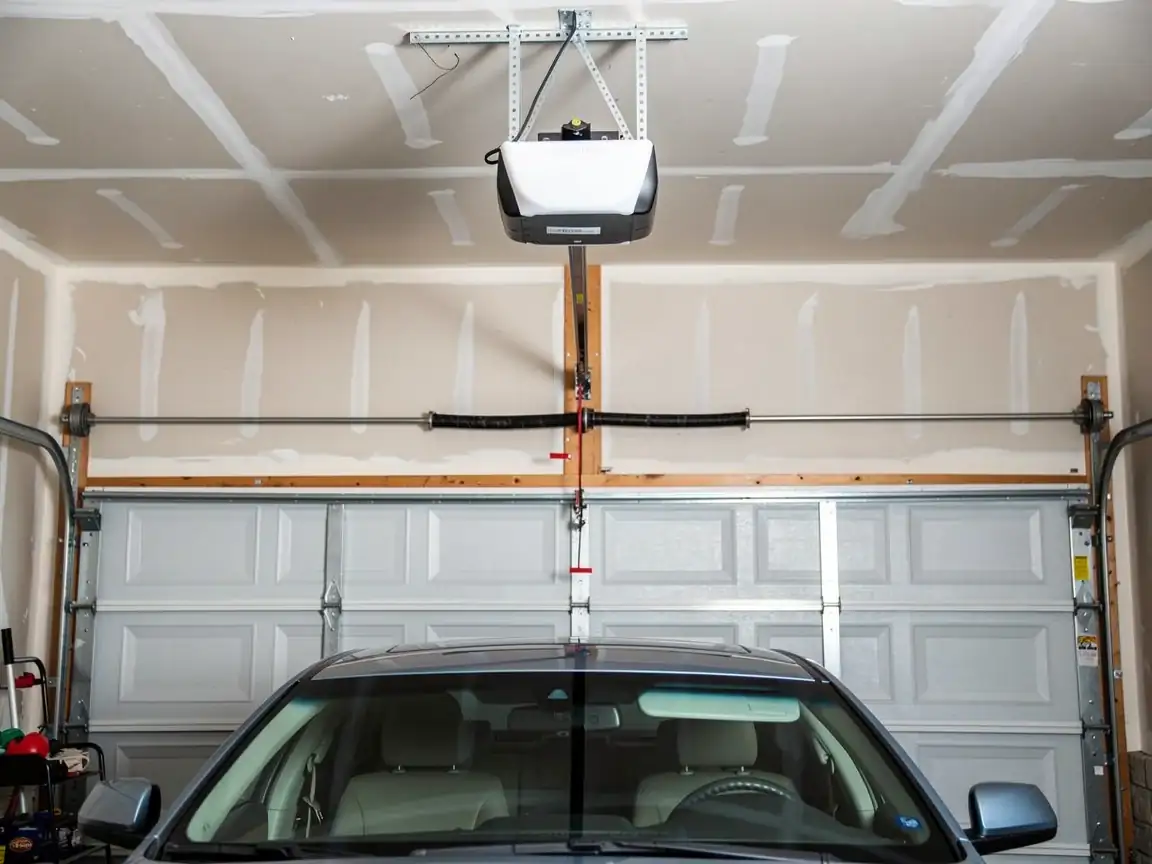
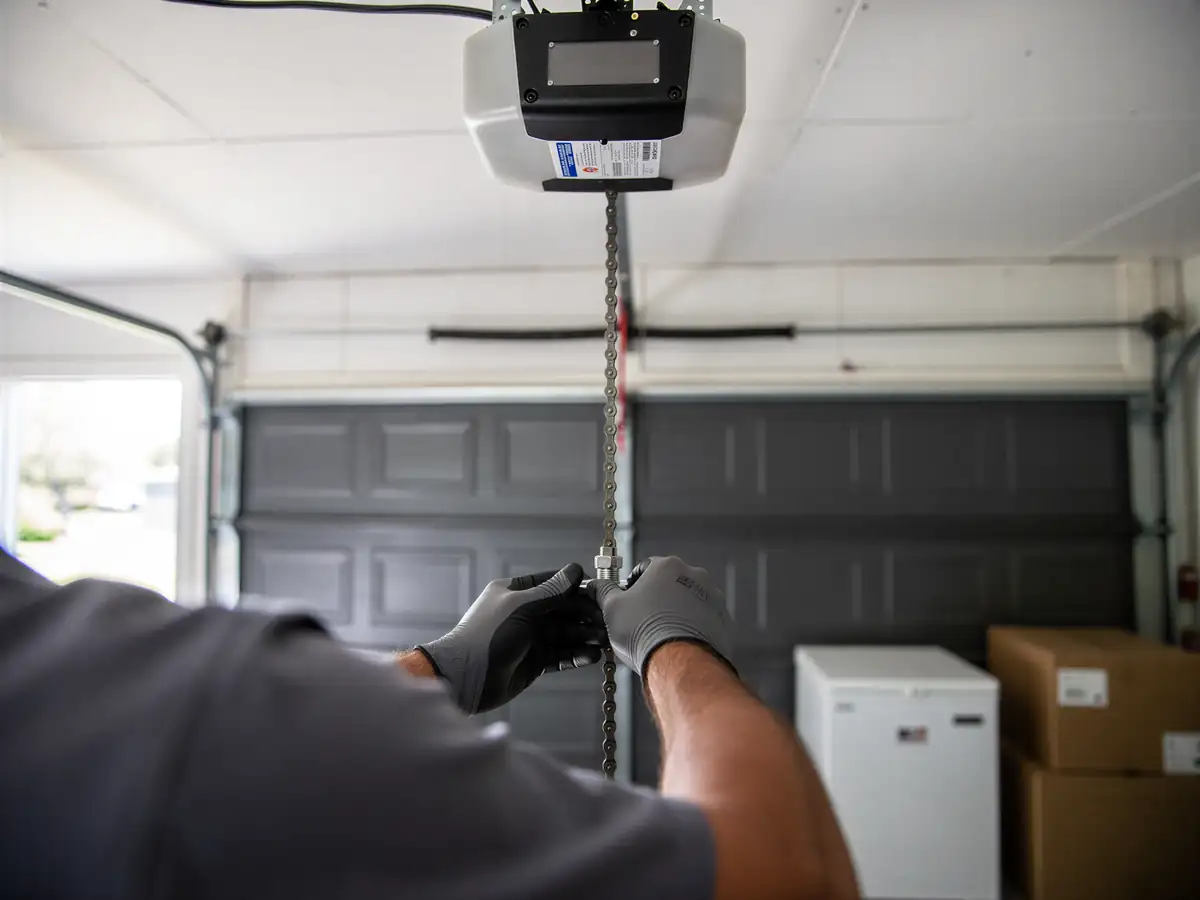
Maybe you heard a bang from the garage before any of that started - that's the spring letting go, not the opener failing. On a torsion setup, the spring sits on a shaft above the door and does the actual lifting; the opener just pulls a chain. When that spring snaps, the opener tries to lift the full weight of the door alone and usually can't. If you see a gap in the coil wrapped around the shaft, or the two halves of a broken spring sitting at angles to each other, that's your answer.
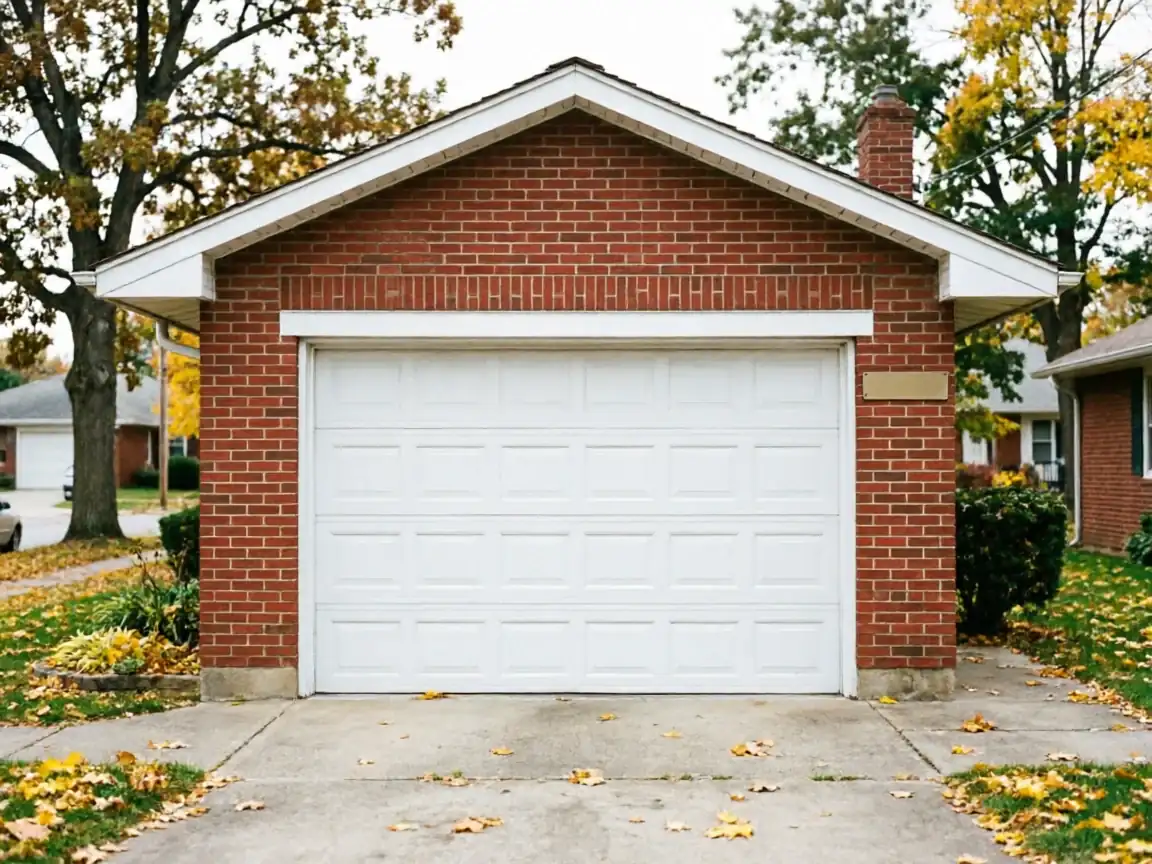
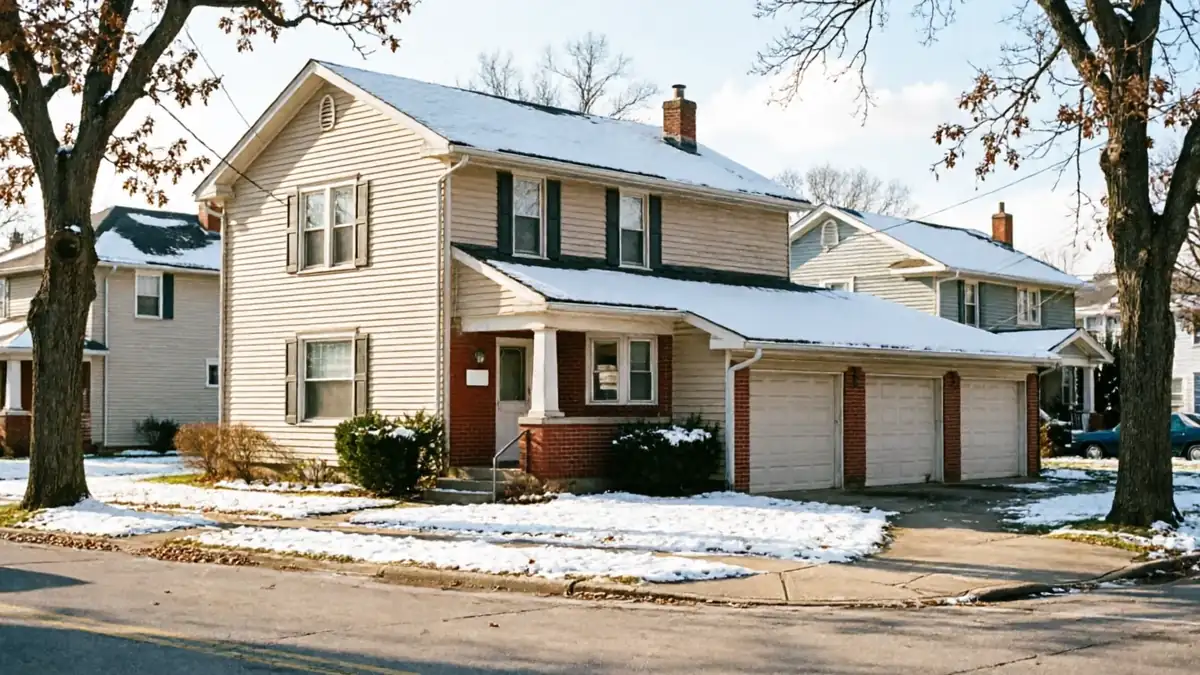
Columbia's housing stock runs from 1938 up through 2003
With a lot of it concentrated in the 1960s and 70s across the area's older neighborhoods. Torsion springs are rated by cycle count, usually somewhere between 10,000 and 15,000 open-and-close cycles, and most homes hit that number on a 10-to-15-year clock depending on use. A house built in the 60s or 70s on its original hardware, or on a spring swapped in decades ago, is well past due. This isn't a defect - it's a wear part reaching the end of a part's working life, on a schedule that matches when this area's homes were actually built.
Can You Do This Yourself
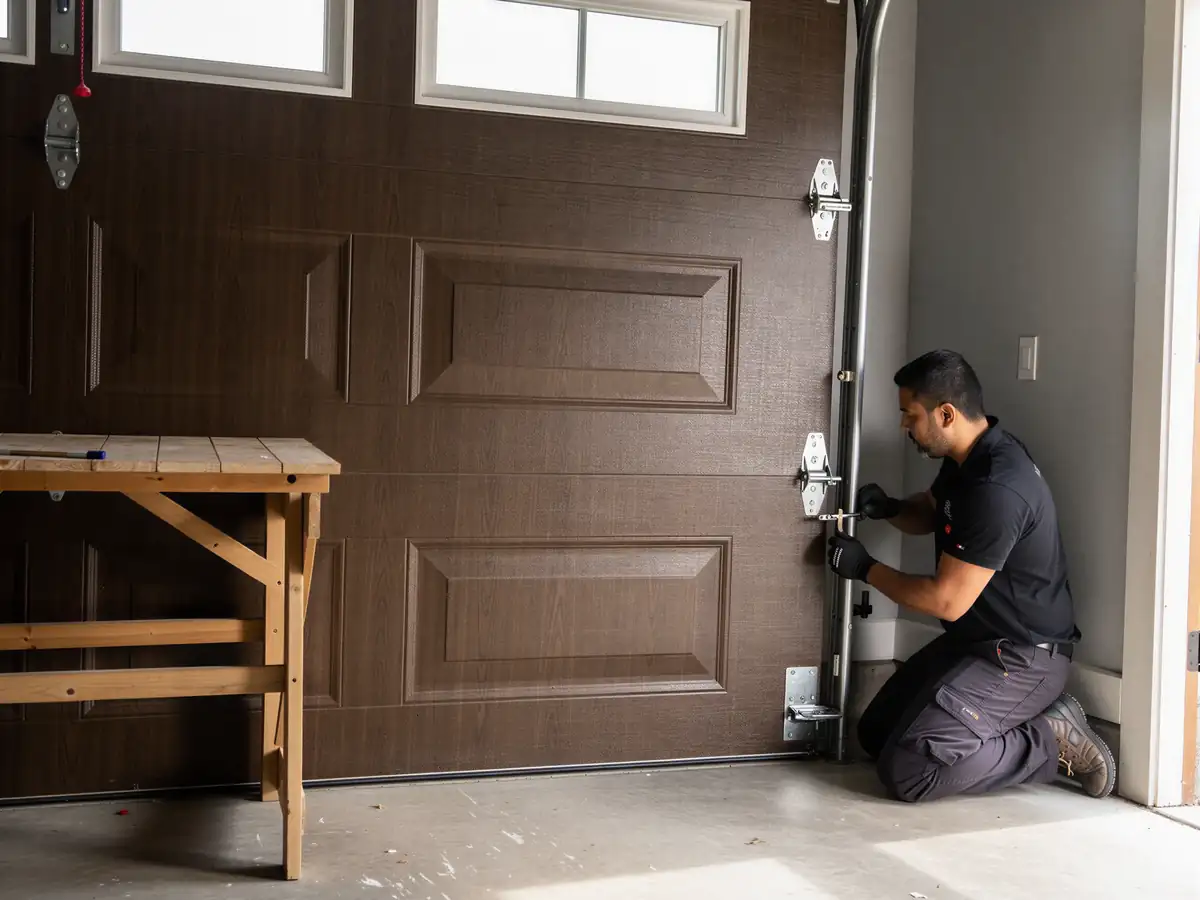
People ask, and the honest answer is that torsion spring work is the one garage door repair we don't recommend as a DIY project. The spring is wound under several hundred pounds of tension, and the winding bars and cone hardware used to safely load and unload that tension aren't something most households own or have used before. A slipped bar under tension can break fingers or worse - this is the actual reason garage door techs get hurt on the job, and most of us learned the respect for it the hard way, watching someone else get it wrong.
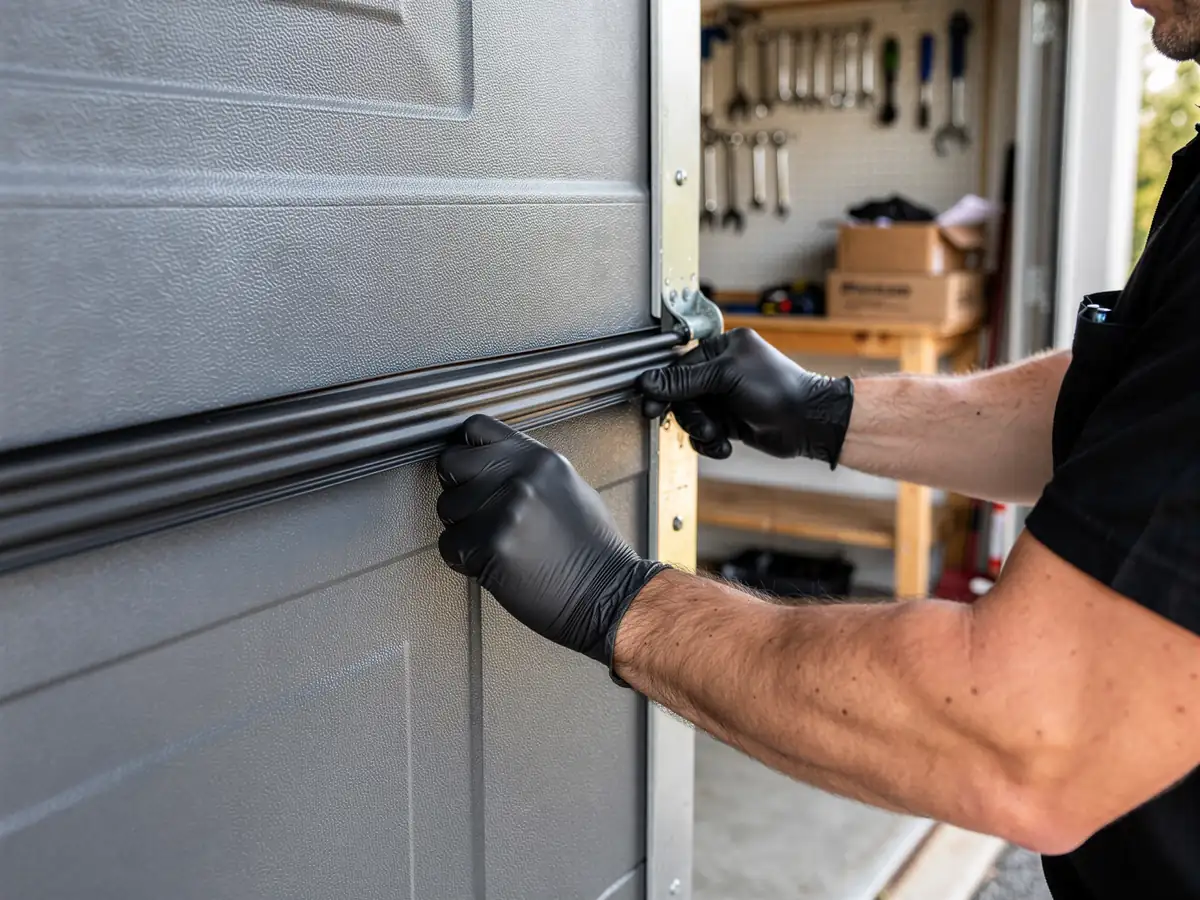
If you're comfortable with it, you can safely check which kind of spring system you have (torsion shaft above the door versus extension springs stretched along the horizontal tracks), inspect for visible gaps or rust, and confirm the opener itself isn't the real problem by disengaging it and trying to lift the door by hand with the spring intact. That tells you whether you're dealing with a spring at all. Past that point, call it in.
What It Costs
We're not going to put a number here that doesn't hold up once a tech is standing in your garage. Spring diameter, wire gauge, door weight, and whether you've got one spring or two all change the job, and the only way to quote it straight is to look at what's actually on the shaft. What we can tell you is what drives the cost up or down: single-spring setups on lighter doors cost less to fix than two-spring systems on heavier insulated doors, and if the drums, cables, or shaft bearings got damaged when the spring let go, that's added parts, not just labor.
Across the Columbia service area, with a median household income of $58,889, we hear the budget question early and we'd rather answer it with an actual look at the door than a number pulled out of the air. If your opener, rollers, or track are also near the end of their life, it's worth asking whether that gets bundled into one visit instead of two separate calls.
Why This Fails Locally
Two things make spring failure a constant in this area rather than an occasional call
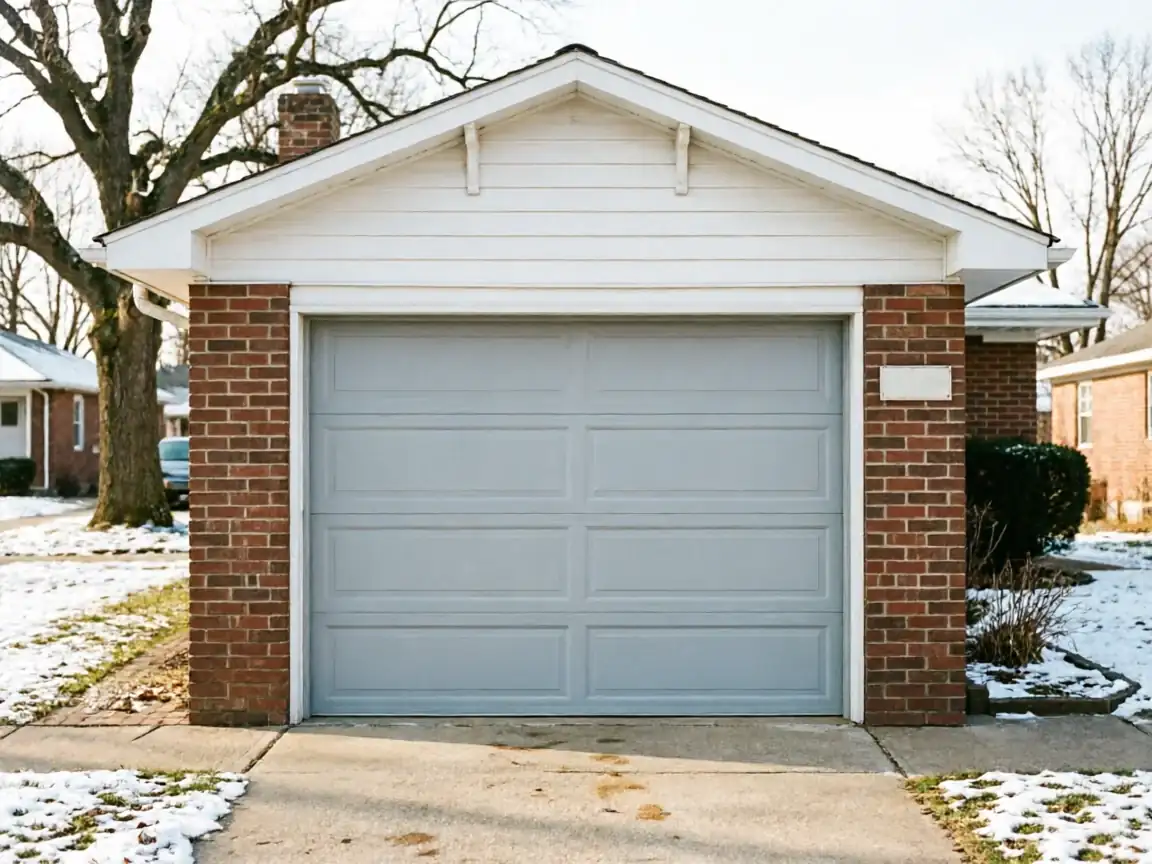
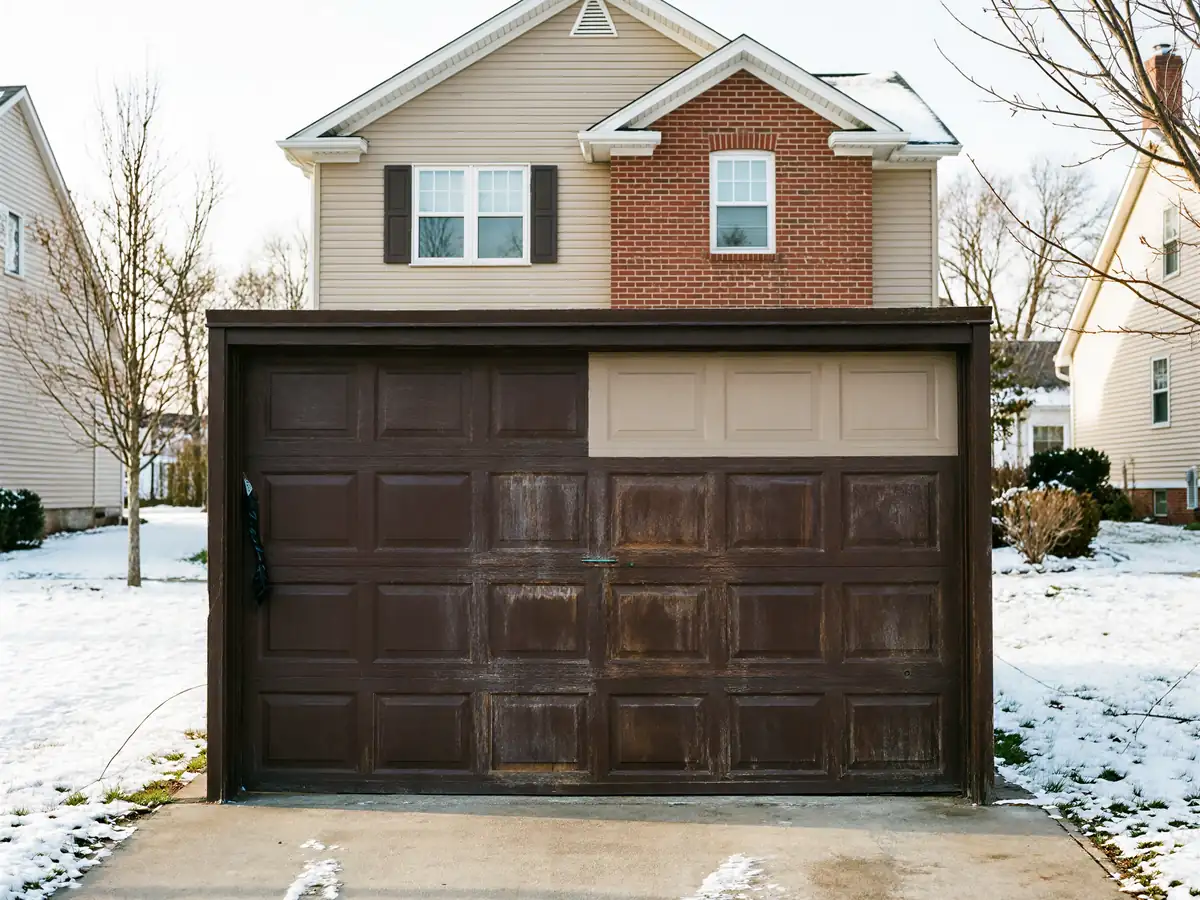
The age of the housing stock and the winters. With homes built mainly between 1938 and 1978 (median), a large share of the doors in Columbia and the surrounding seven-area service territory are running springs that were installed a repair cycle or two ago, not original hardware from a 2003 build. Older coil-wound steel also doesn't forgive cold the way newer coated springs do.
Columbia sits in a severe cold climate band
And steel contracts and gets more brittle as temperatures drop. A spring already near its cycle limit is far more likely to snap on a sub-freezing morning than in July, because the metal has less give left in it right when the door gets asked to work the hardest - cold mornings are exactly when people are late and slamming the opener button twice. Across roughly 3,917 households and 2,116 owner-occupied houses in the service area, that combination of aging stock and cold-snap stress is the single biggest reason this call comes in, and it comes in more in January than in June.
- 3,917 households
- 2,116 owner-occupied