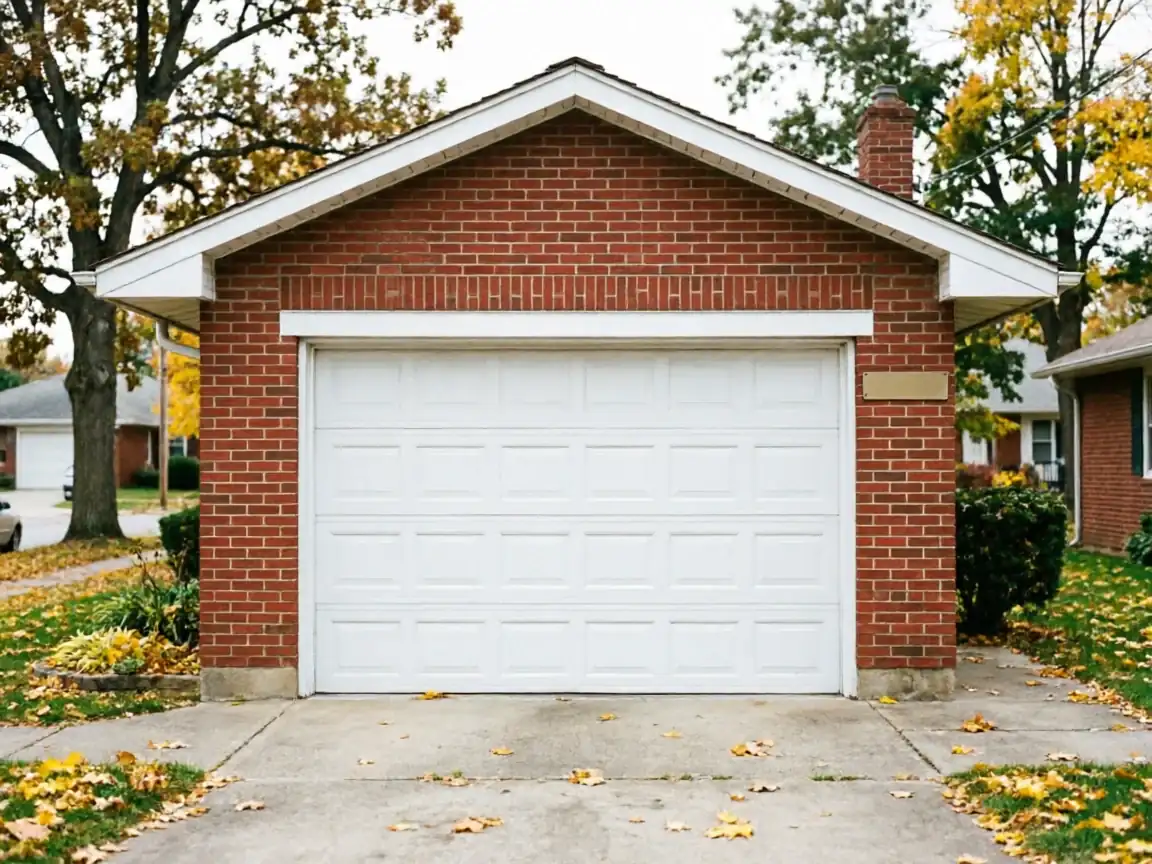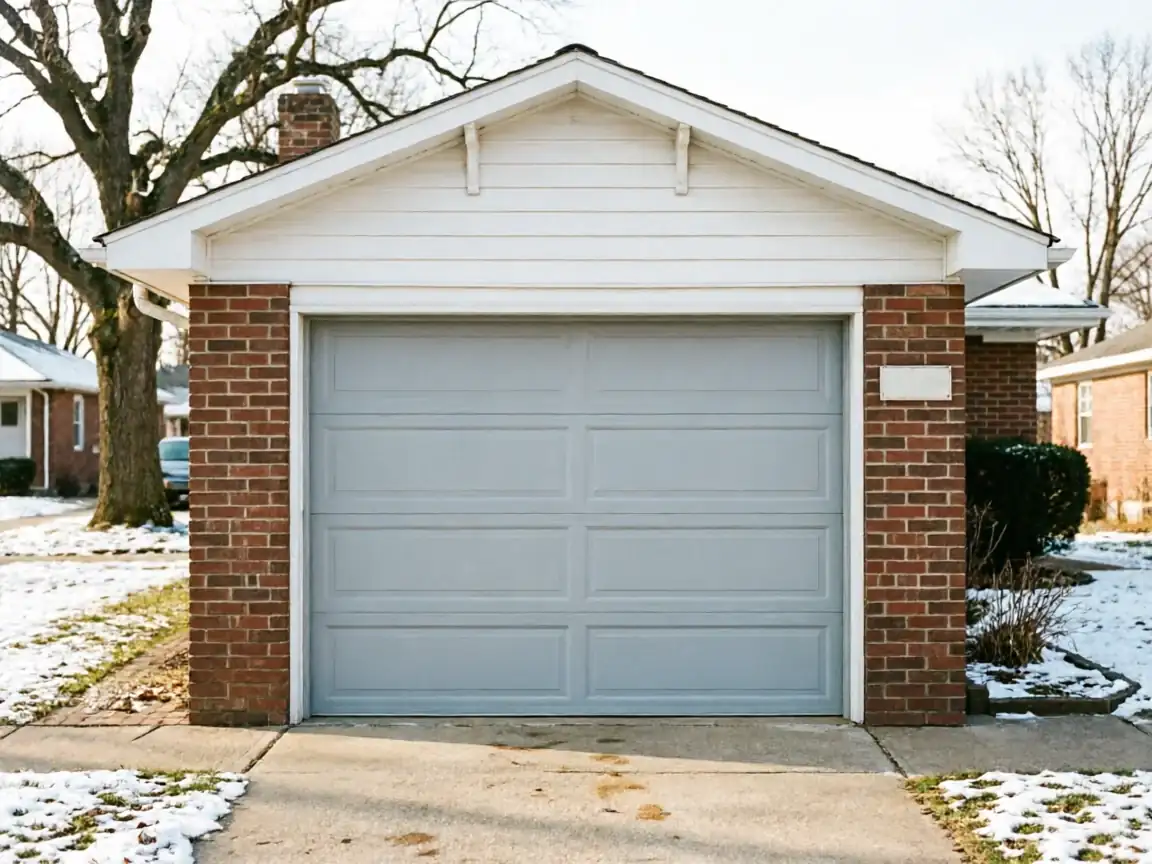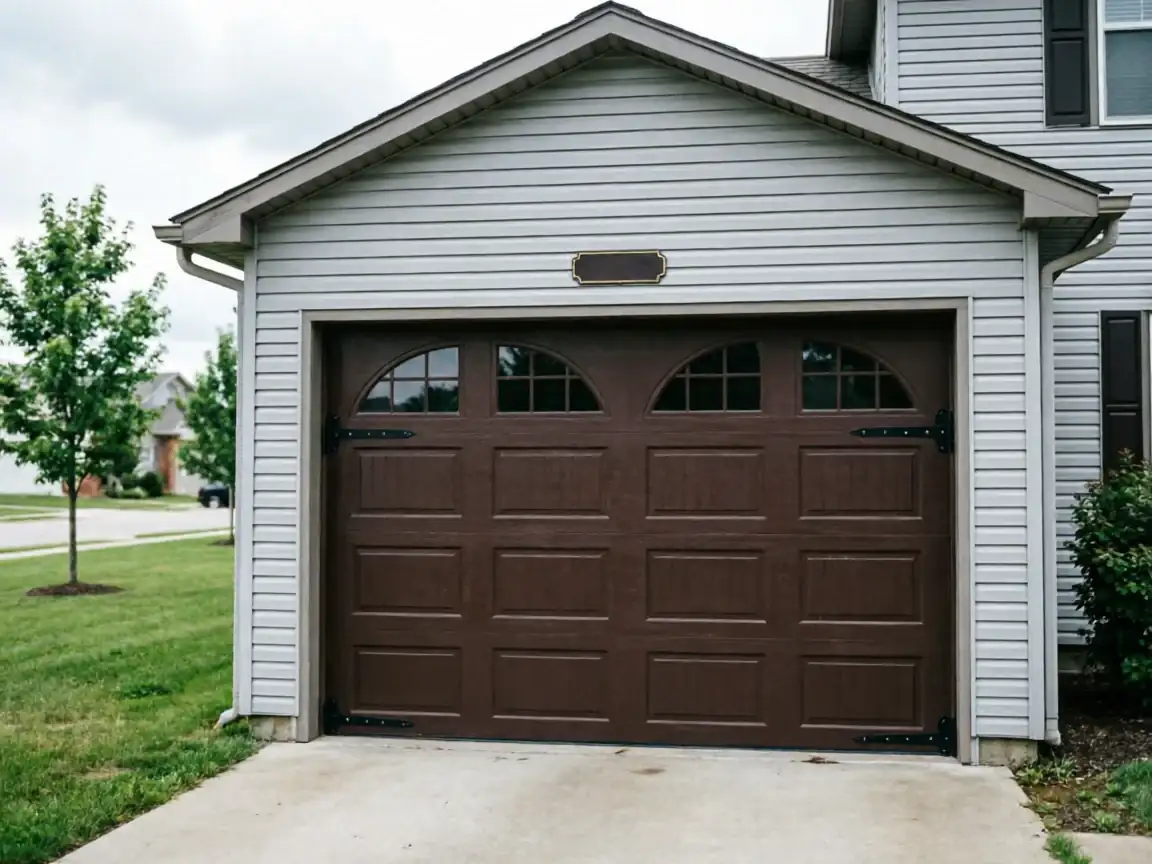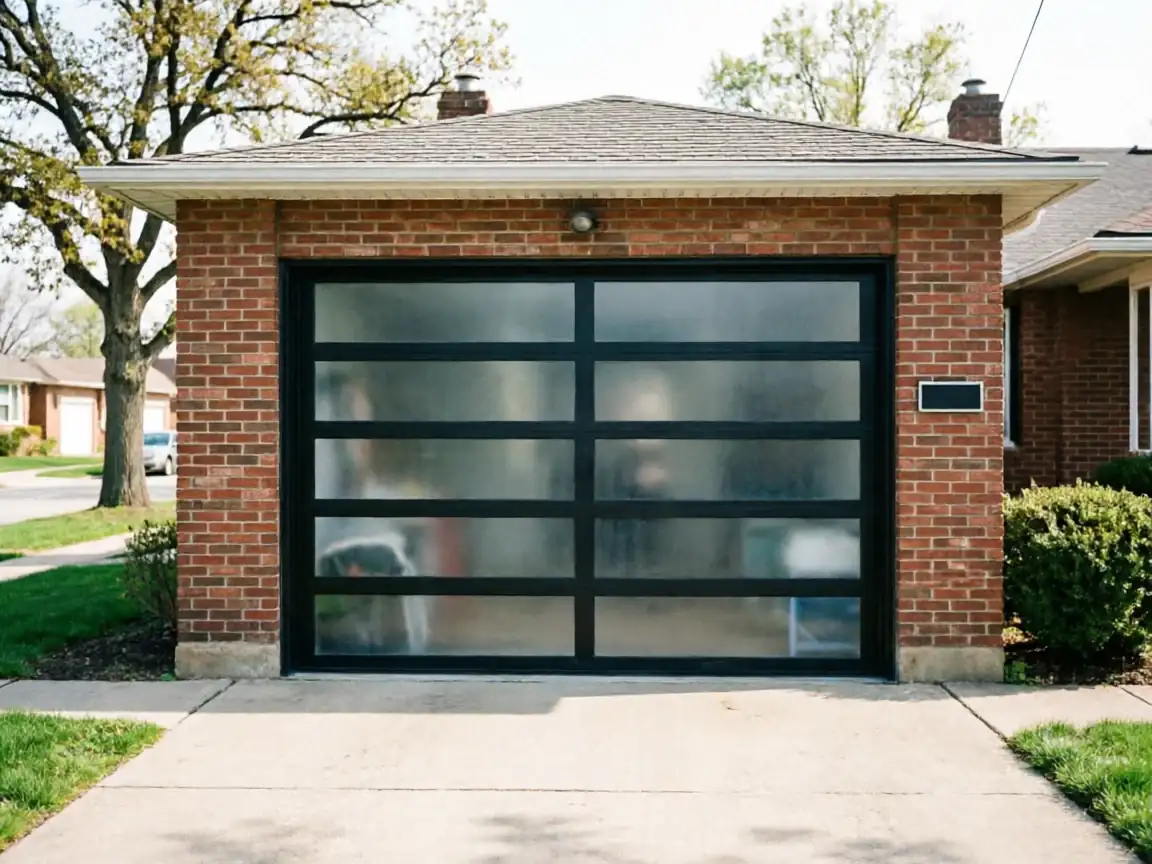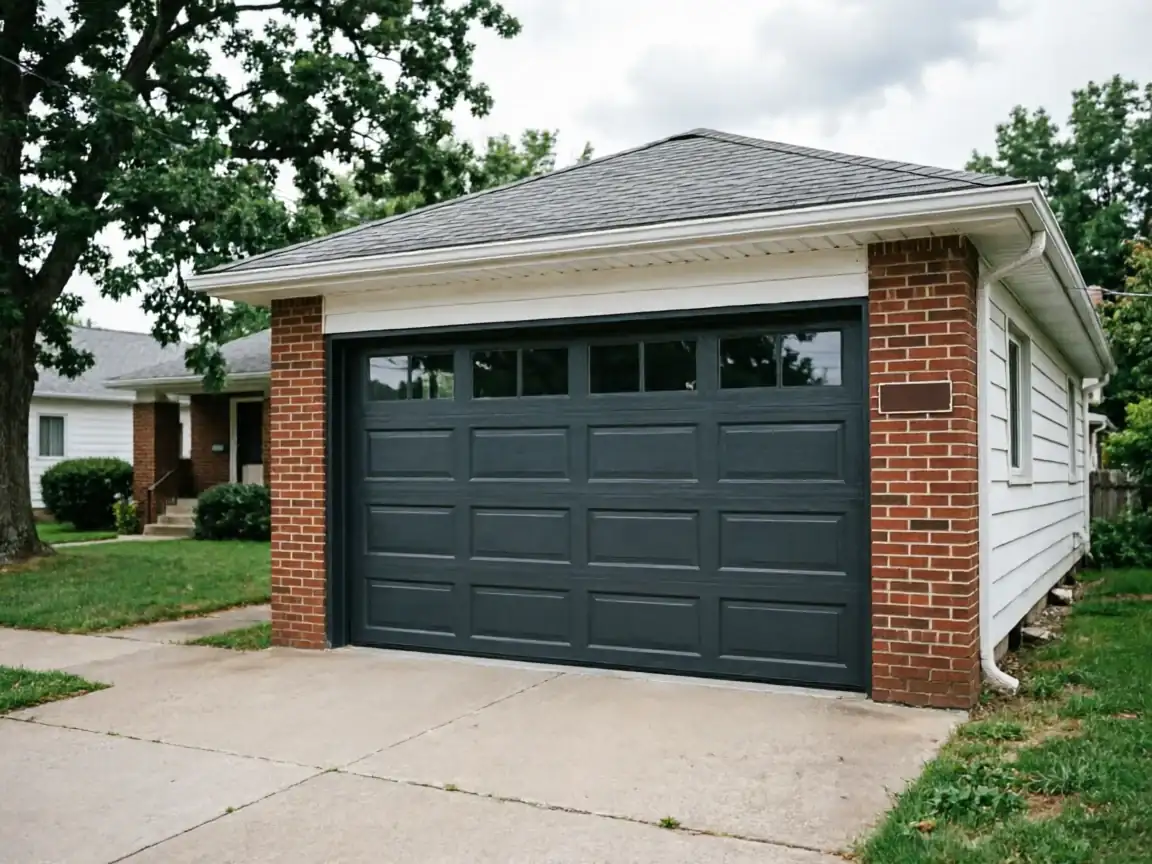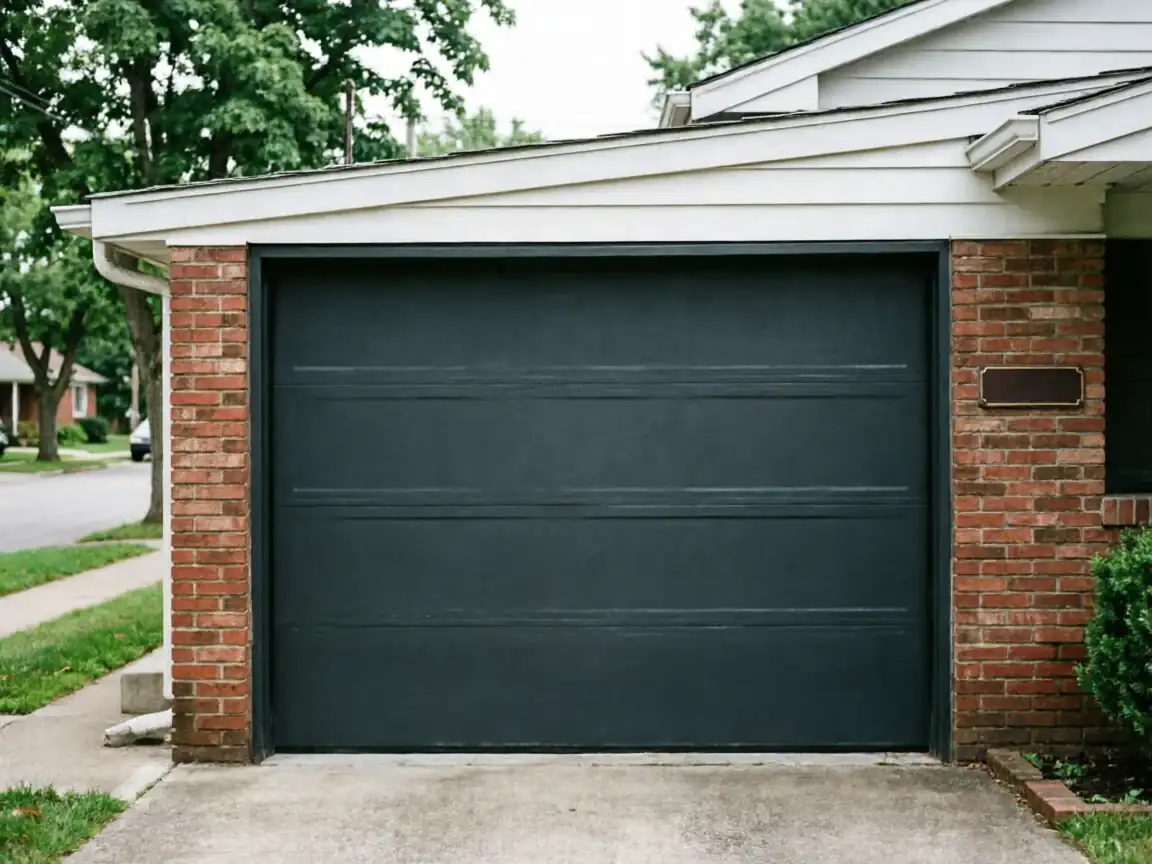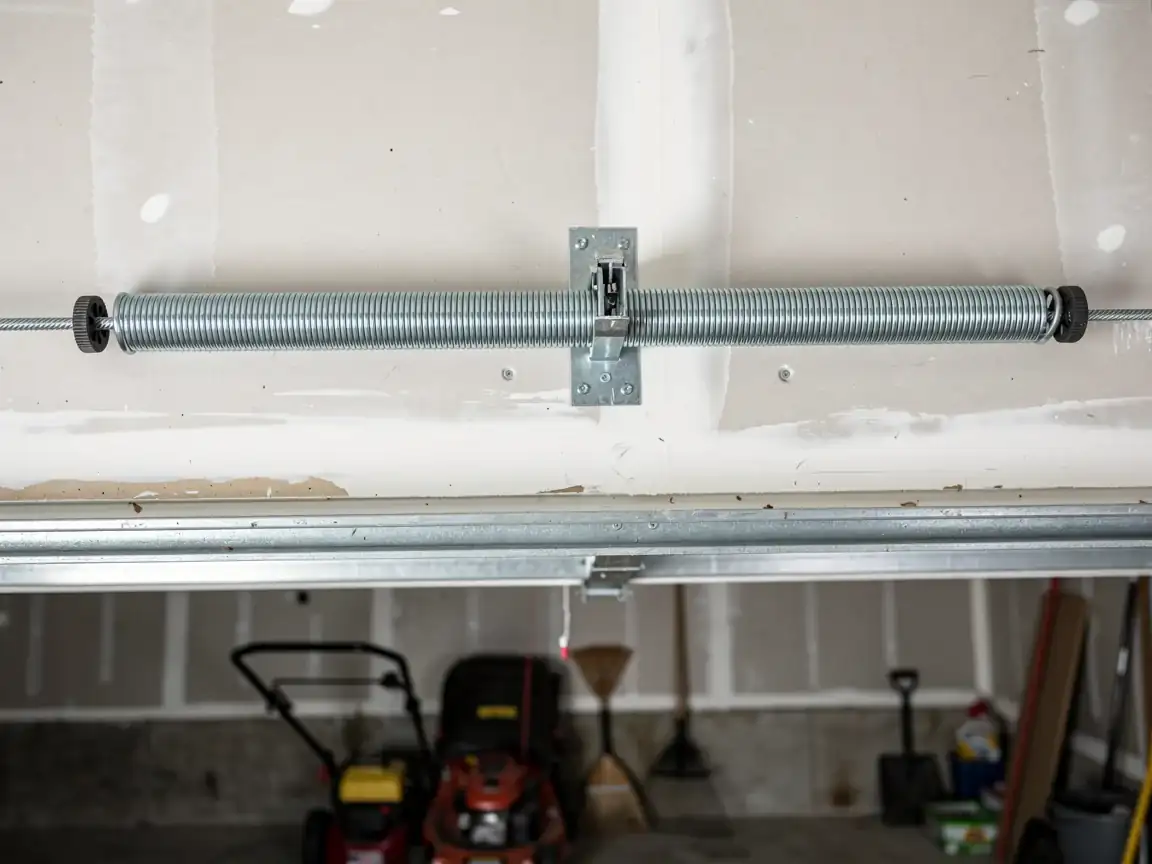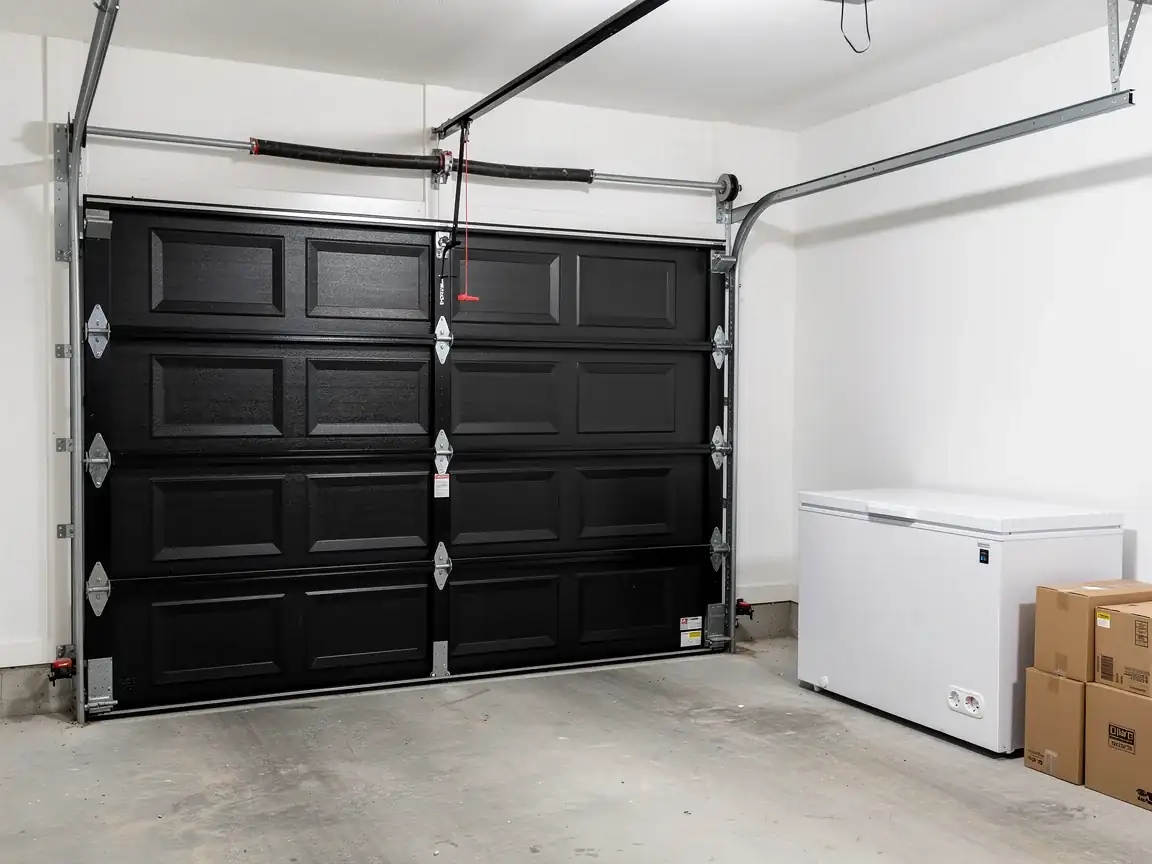
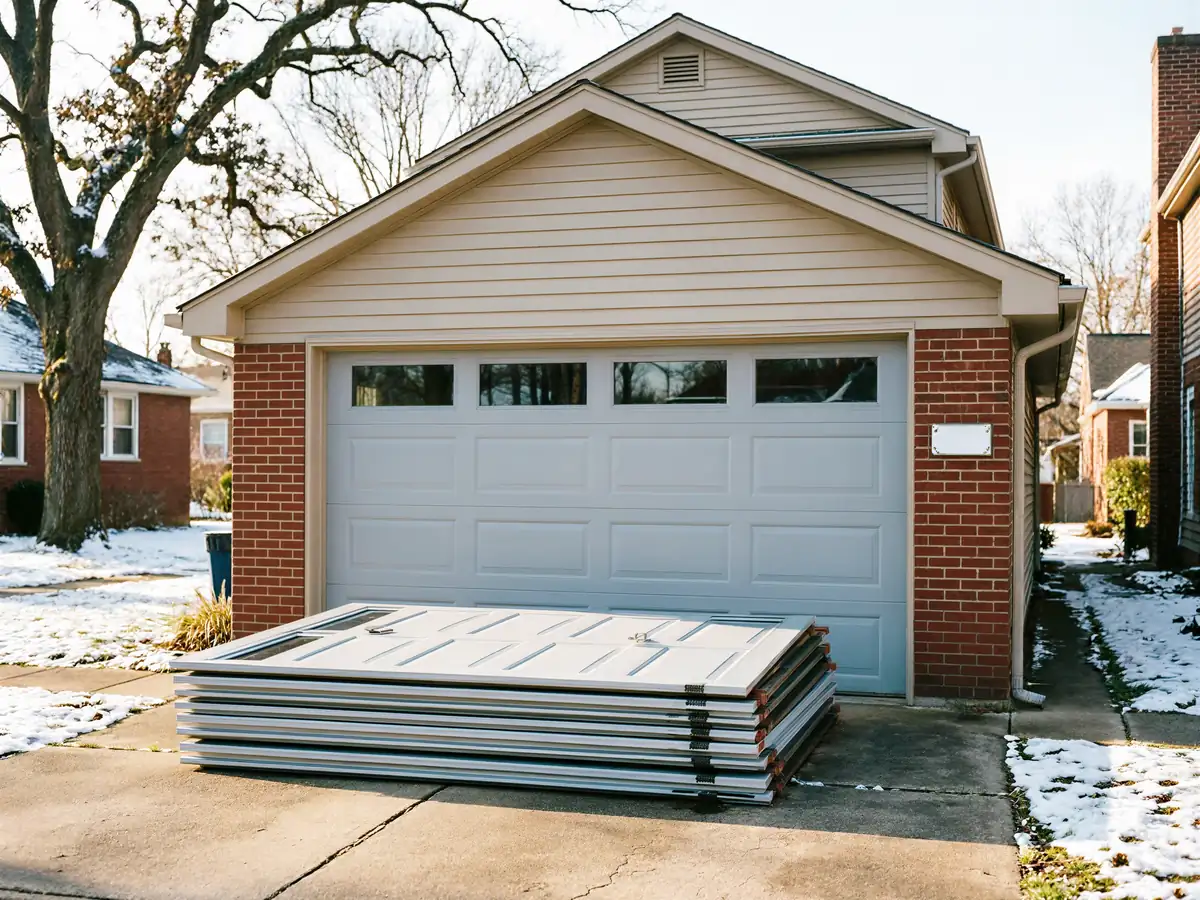
What You Are Seeing
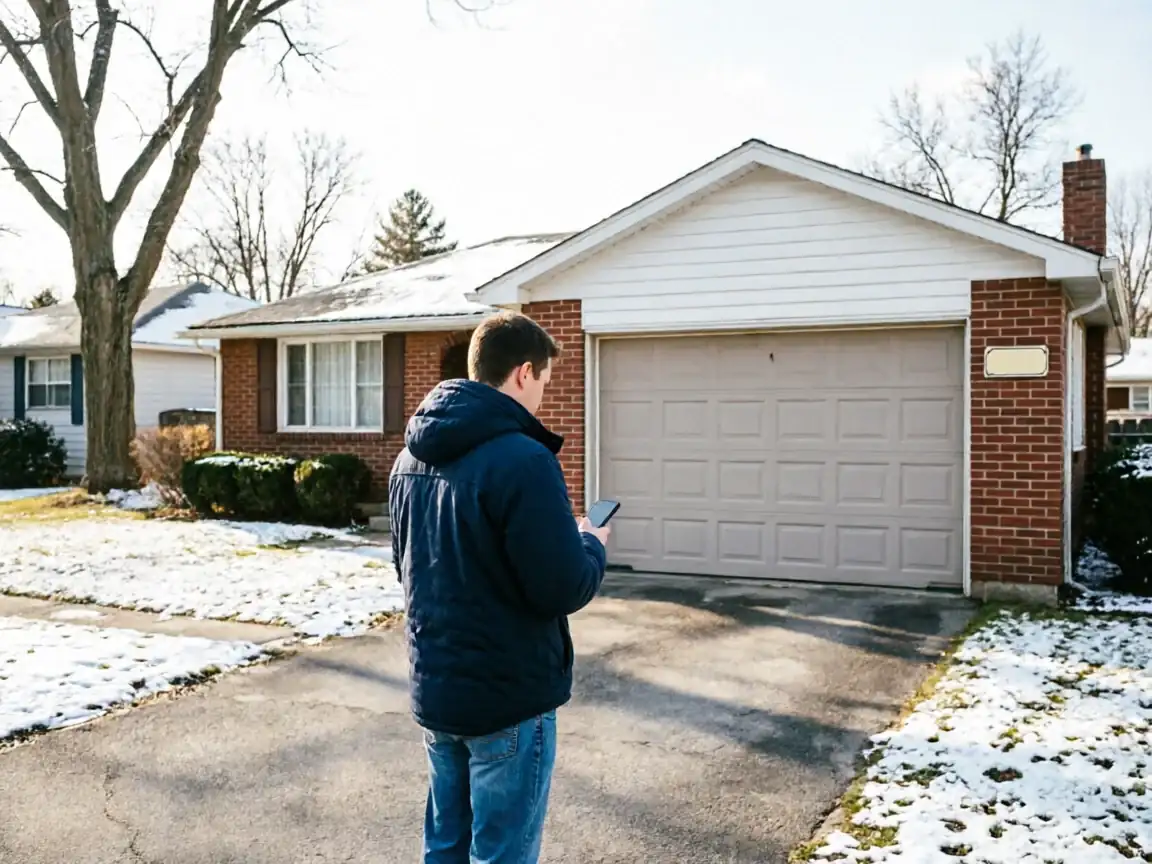
Most installation calls in Columbia start the same way
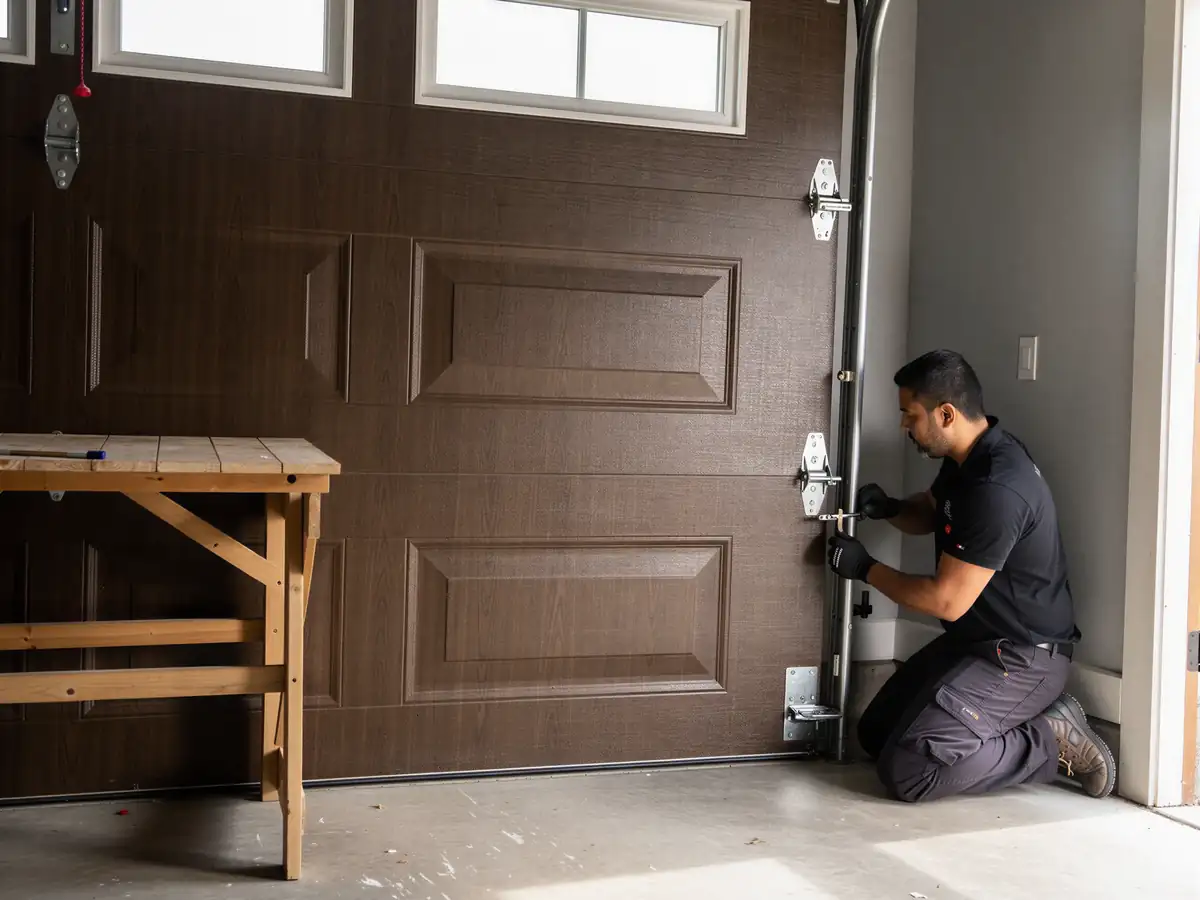
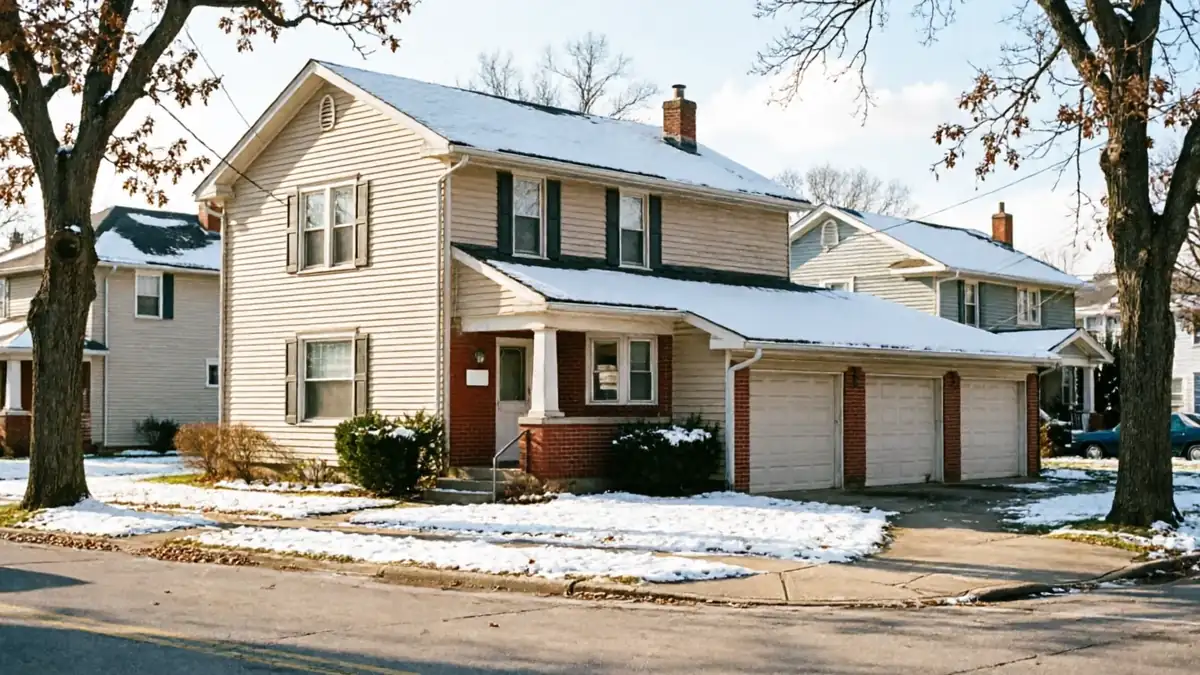
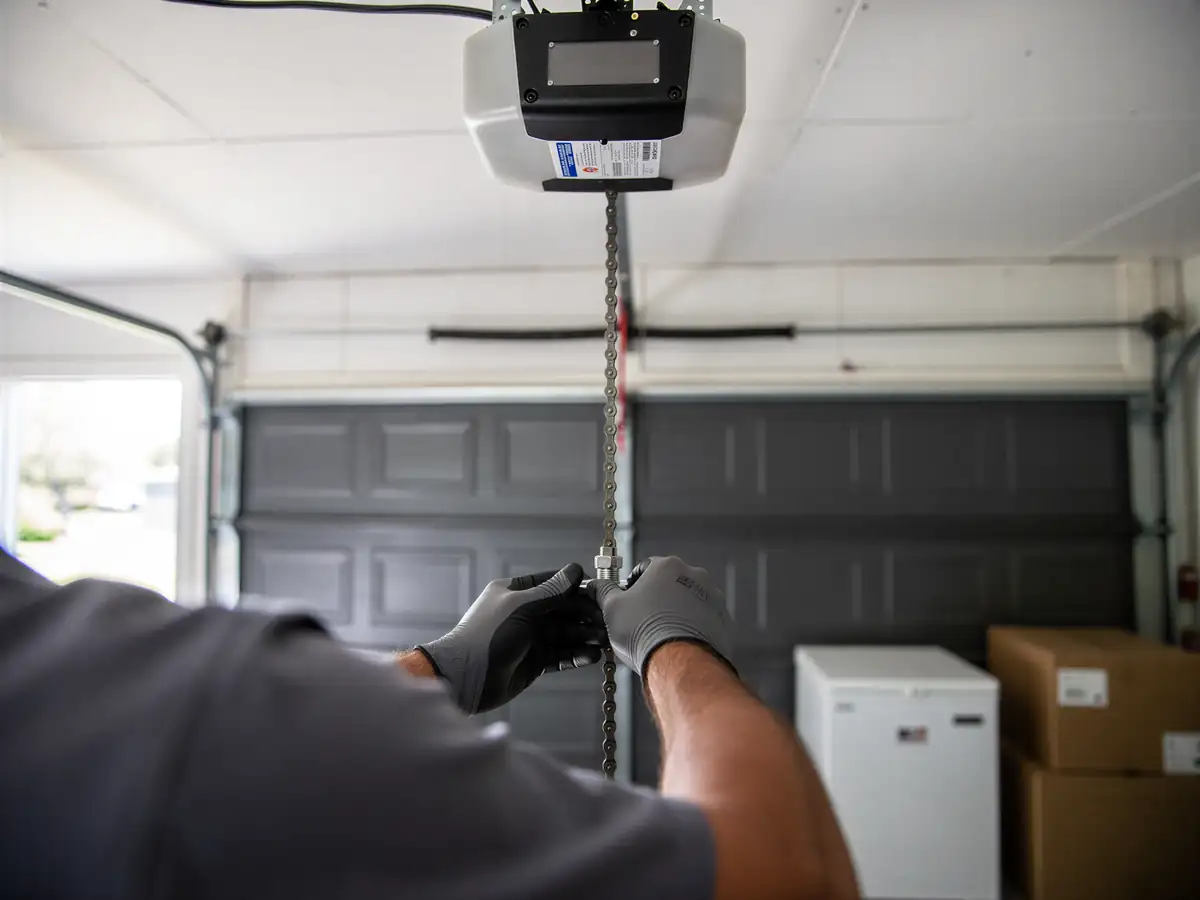
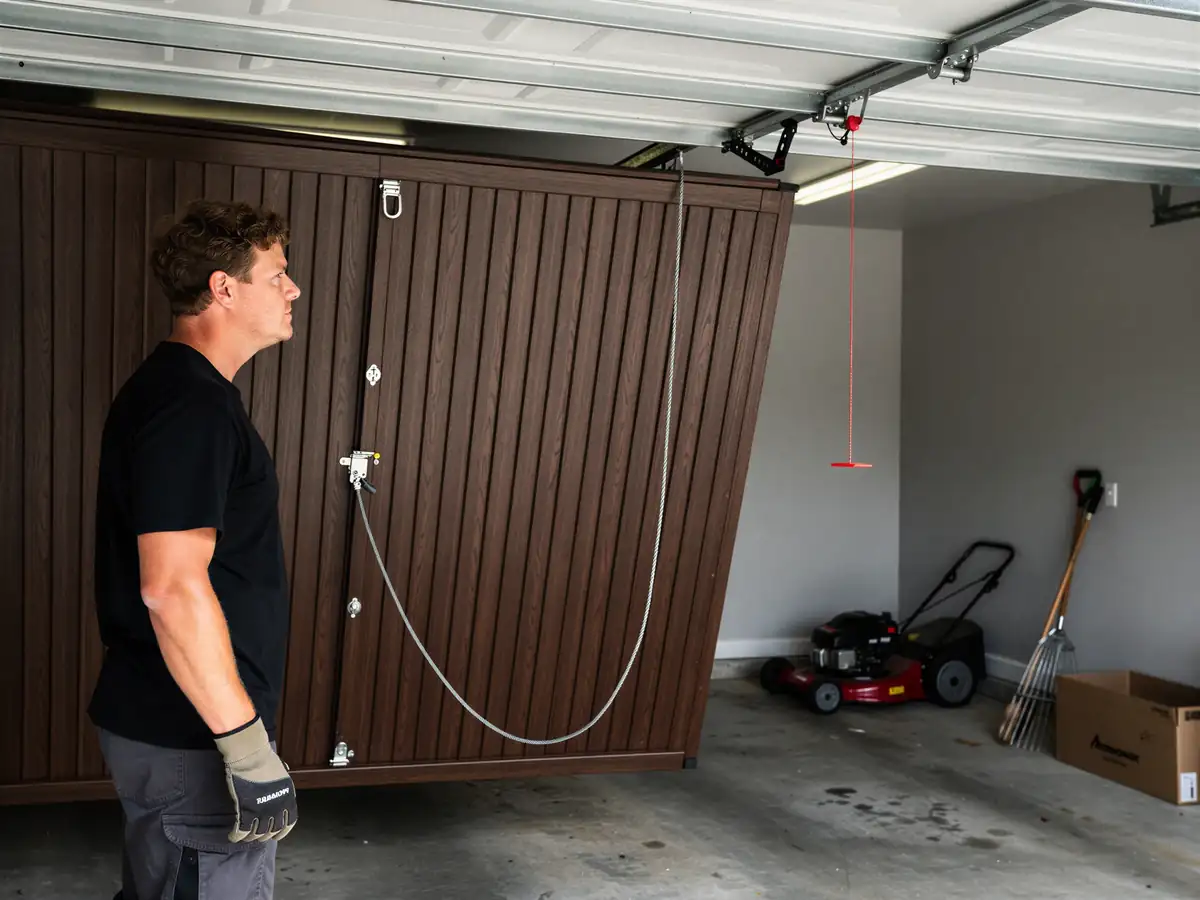
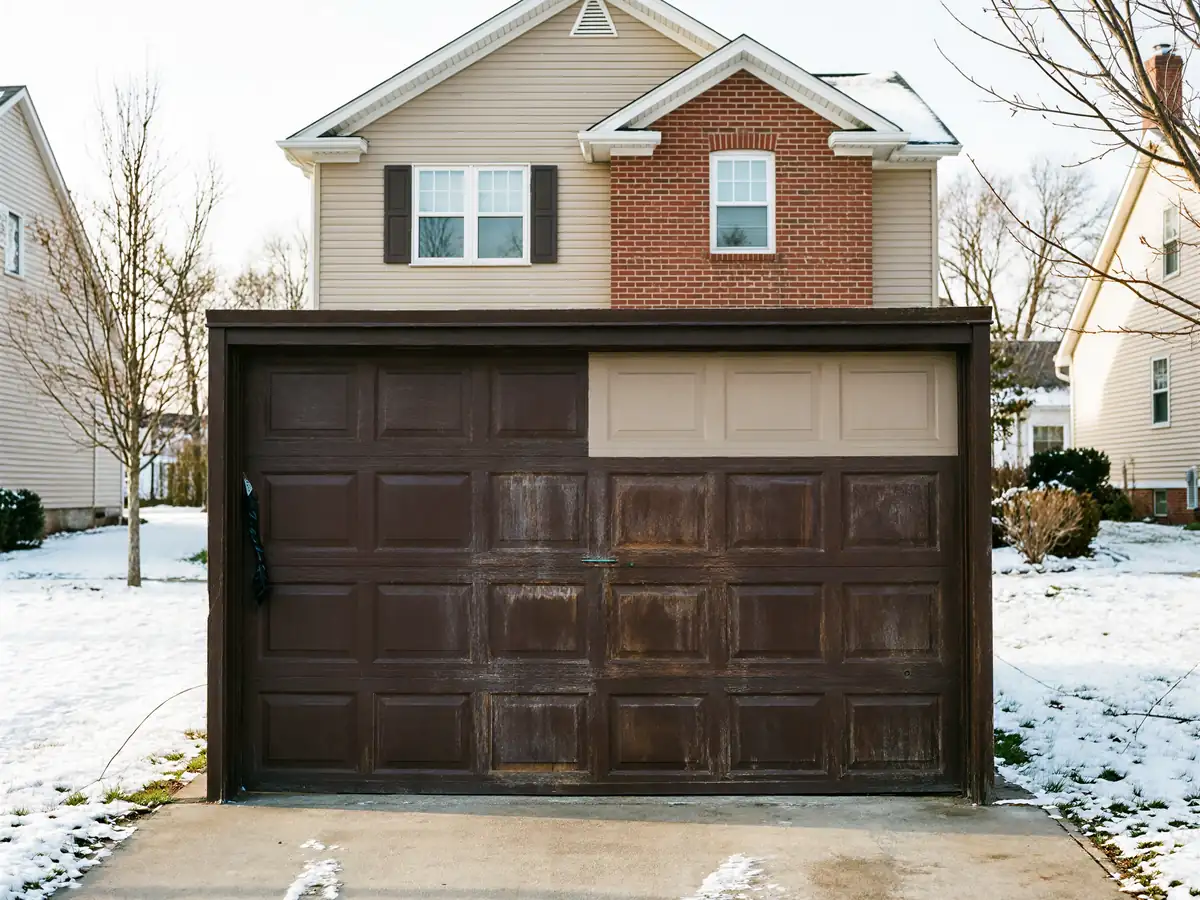
A door that's sagging in the middle, panels that don't line up with the track anymore, or an opener straining against hardware it was never paired with. That's not surprising given the housing stock here. Homes across the area were built between 1938 and 2003, with a median year of 1978, and most of that stock - across all seven of the named neighborhoods we work in - went up in the 1960s and 70s. A door installed when that house was built, or even a replacement from twenty years ago, is working against openings and framing that don't always match today's standard sizes.
If your door is original to a 1960s or 70s build
You're likely looking at a single layer of steel or wood with no real insulation, on hardware that's outlived its spring life more than once. If it's a newer replacement on an old opening, the fit issues show up as daylight gaps at the corners, a door that binds on one side, or weatherstripping that was never cut right for the jamb. Either way, what you're seeing is an opening problem as much as a door problem, and that's what a real installation has to solve first.
Can You Do This Yourself
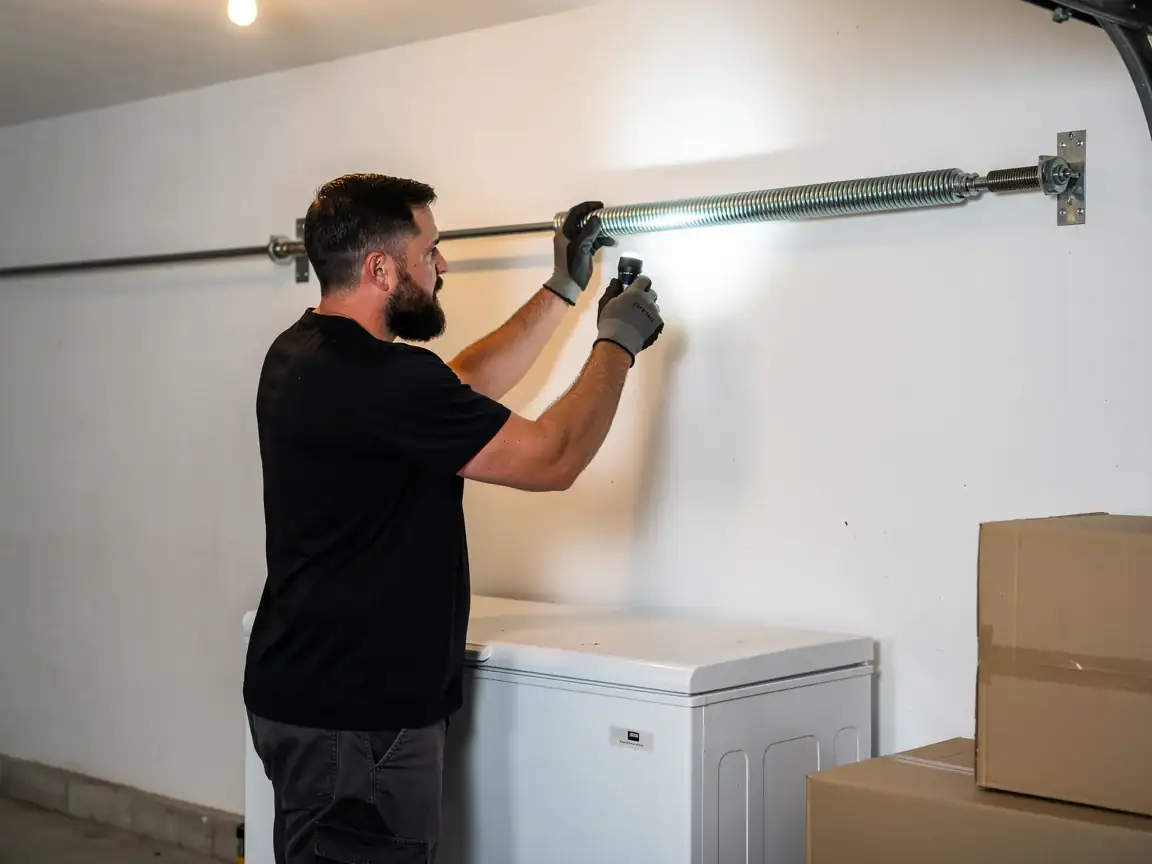
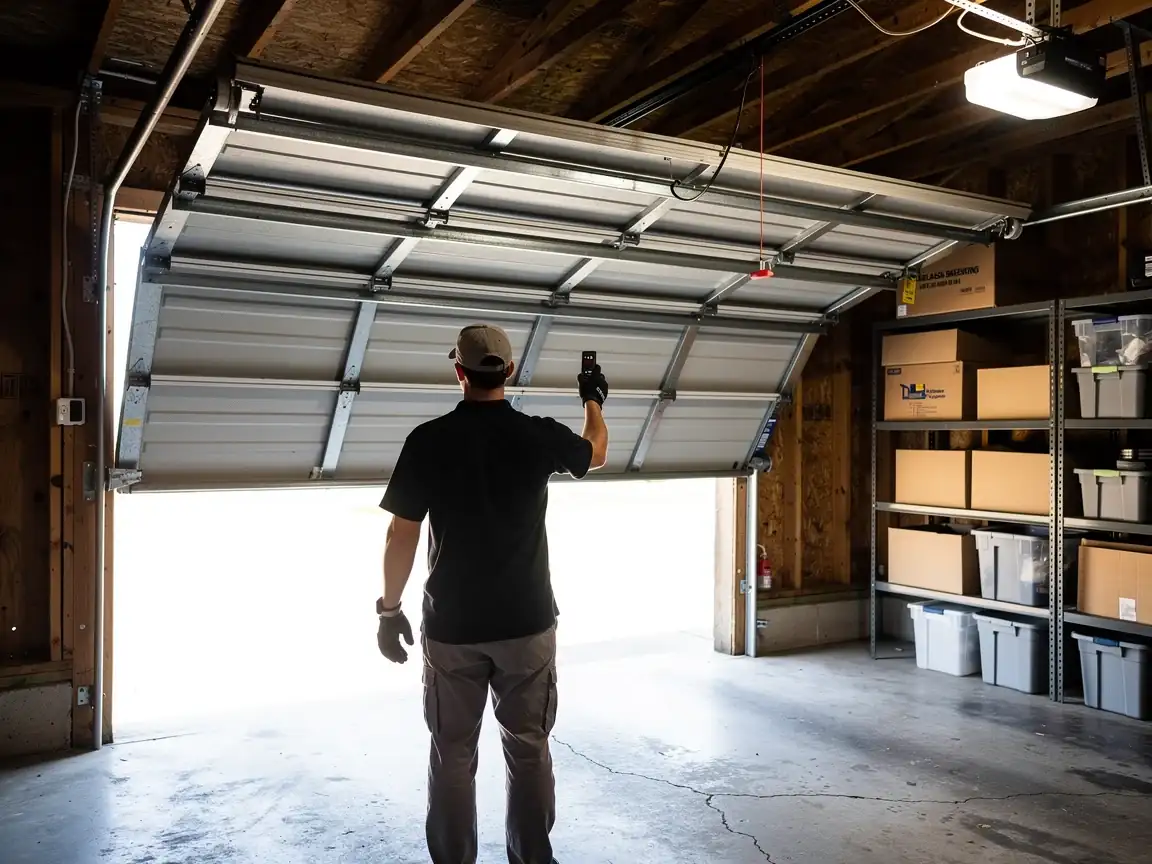
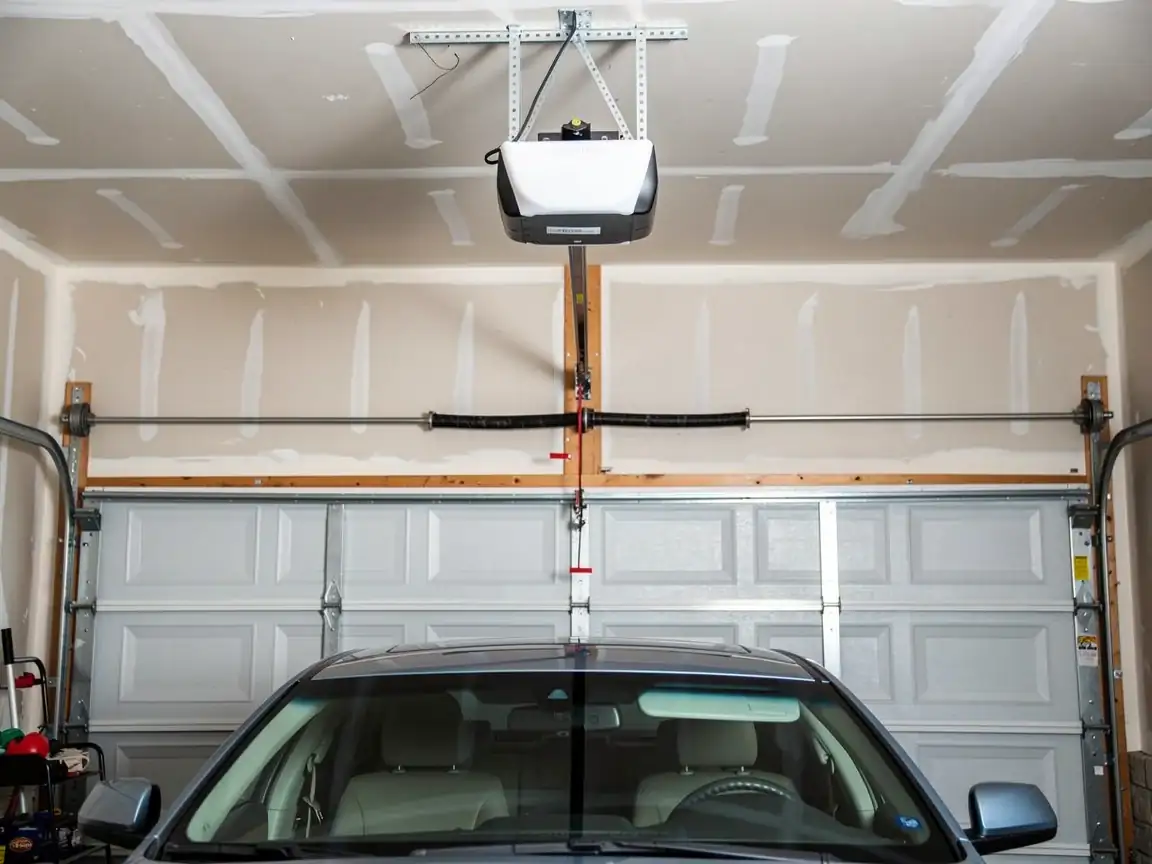
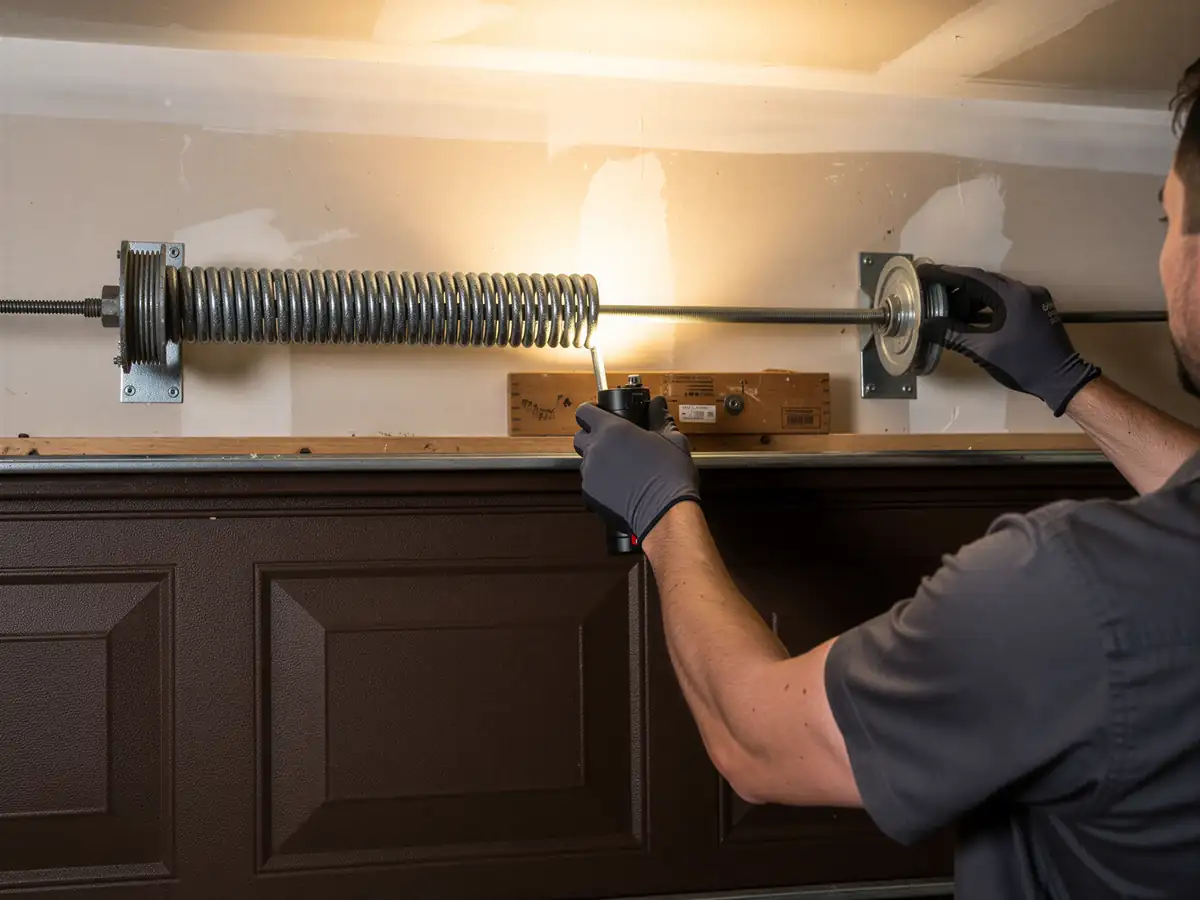
We'll be straight with you: a torsion spring replacement is a weekend-forum favorite, and it's also how people end up in the ER. A wound spring under tension can snap a finger or worse, and that's before you get to track alignment, which is the part DIY installs get wrong most often. A door that's off by even a quarter inch at the track will bind, wear its rollers fast, and strain the opener until something gives.
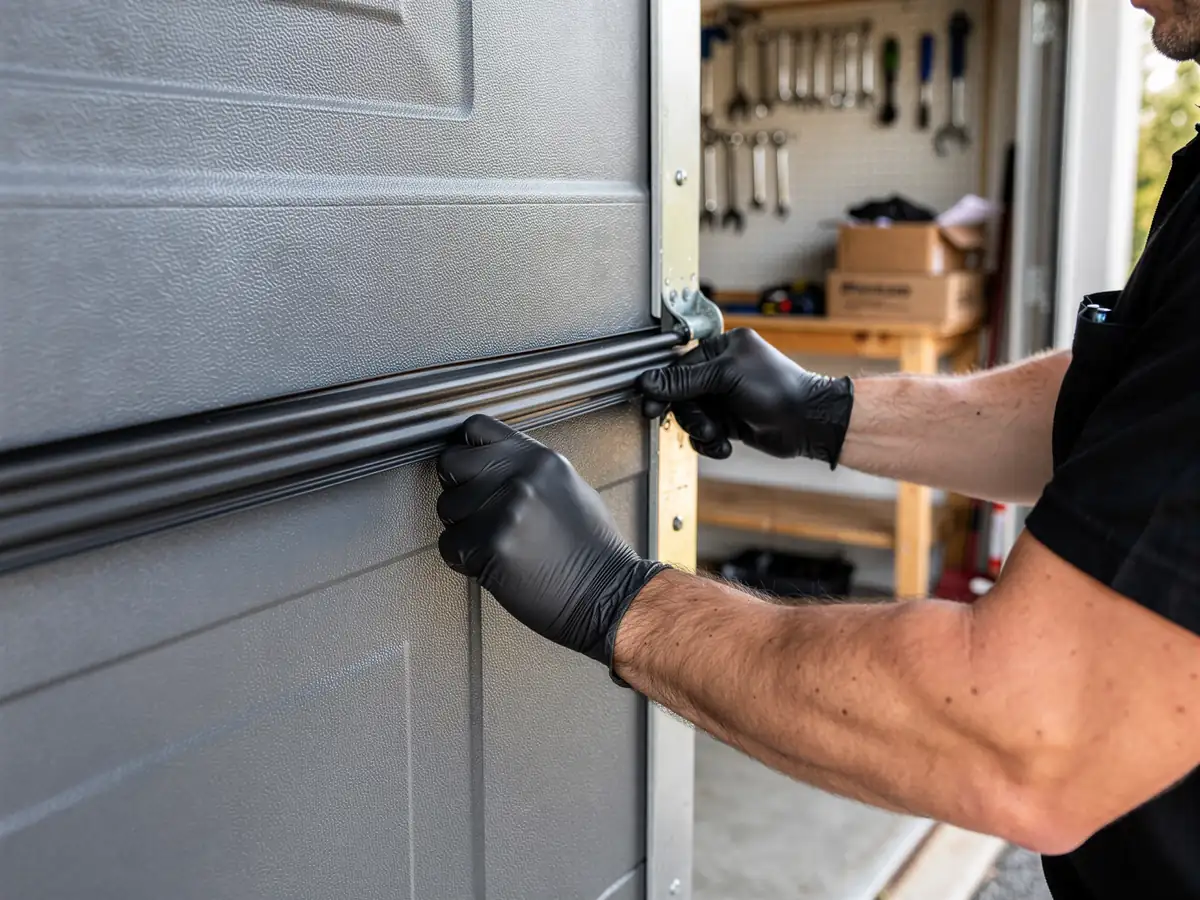
The part that doesn't show up in online tutorials is the climate. Columbia sits in a severe cold band, and a door that isn't sealed and squared correctly on day one will let that cold in through every gap for the life of the door. Getting the bottom seal, the weatherstripping, and the panel fit right the first time matters more here than in a mild climate, because you're not just keeping out drafts, you're keeping condensation and ice from building up on hardware all winter.
Our honest limitation: we don't do install kits as a side job to a repair call. A proper install is scheduled on its own, because measuring the opening and fitting the door right takes the time it takes.
What It Costs
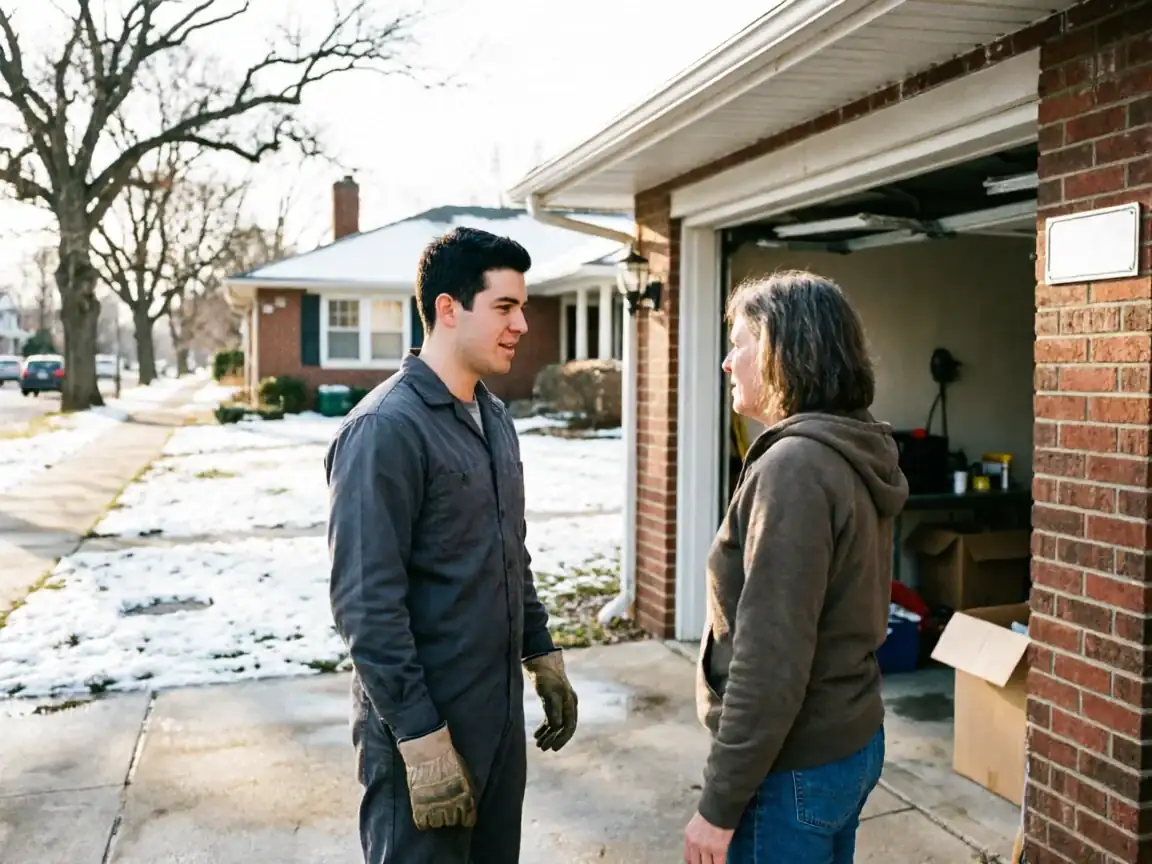
We don't post a flat number for installation, because the honest answer depends on three things we have to see in person: the size of the opening, whether you want insulation (which matters more here given the cold), and whether your existing opener and track hardware are worth keeping or need replacing too.
Homes built in the 1960s and 70s era that makes up most of this area's stock often have openings sized a little differently than what's stocked off the shelf today, which can mean trim work or a jamb kit added to the job. That's a real cost driver, and it's one we'd rather tell you about on a walkthrough than guess at over the phone.
What we can say is that a double door, insulated, on new torsion hardware is a different job - in materials and labor - than a single door swap on track you're keeping. We quote after we've looked at the opening, not before, because a number given blind is usually wrong in one direction or the other.
Why This Fails Locally
The failure pattern here isn't random
With most of the housing stock dating to the 1960s and 70s, and the broader range running 1938 to 2003 with a median of 1978, a lot of openings were framed to dimensions that predate the standard door sizes sold today. Installers who don't check the jamb against the actual door end up shimming gaps that later let in wind and moisture - and in a severe cold climate, that gap is also where condensation collects and freezes, which is what turns a small seal problem into a stuck or cracked panel by February.
The other local factor is insulation mismatch
A lot of original 1970s-era doors were never insulated because the opener and the attached garage weren't built with heat loss in mind. Swap in an insulated door without addressing the seal and the jamb fit, and you've spent money on R-value that leaks out the sides anyway. The fix that holds up here is fitting the door to the actual opening first, then sealing for the cold second - not the other way around.