What the Housing Means for Your Door
Hallsville's housing stock runs newer than a lot of the county
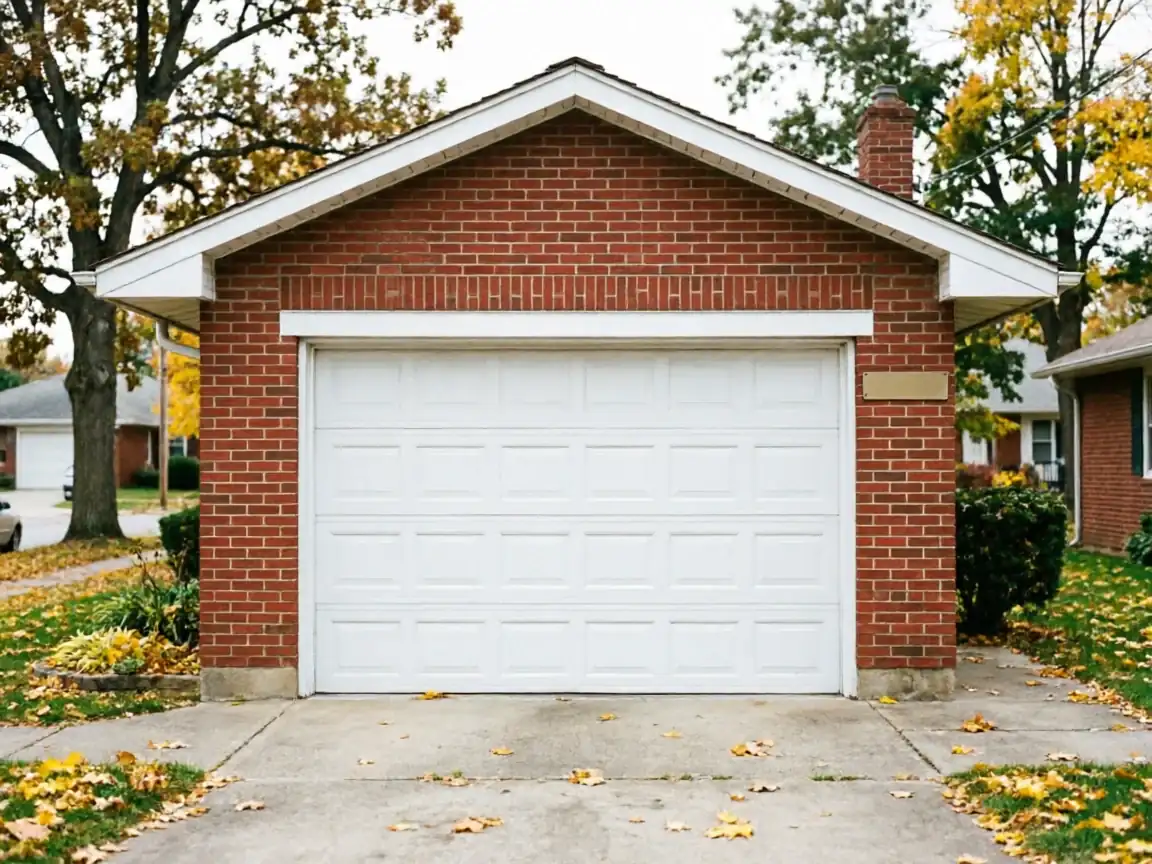
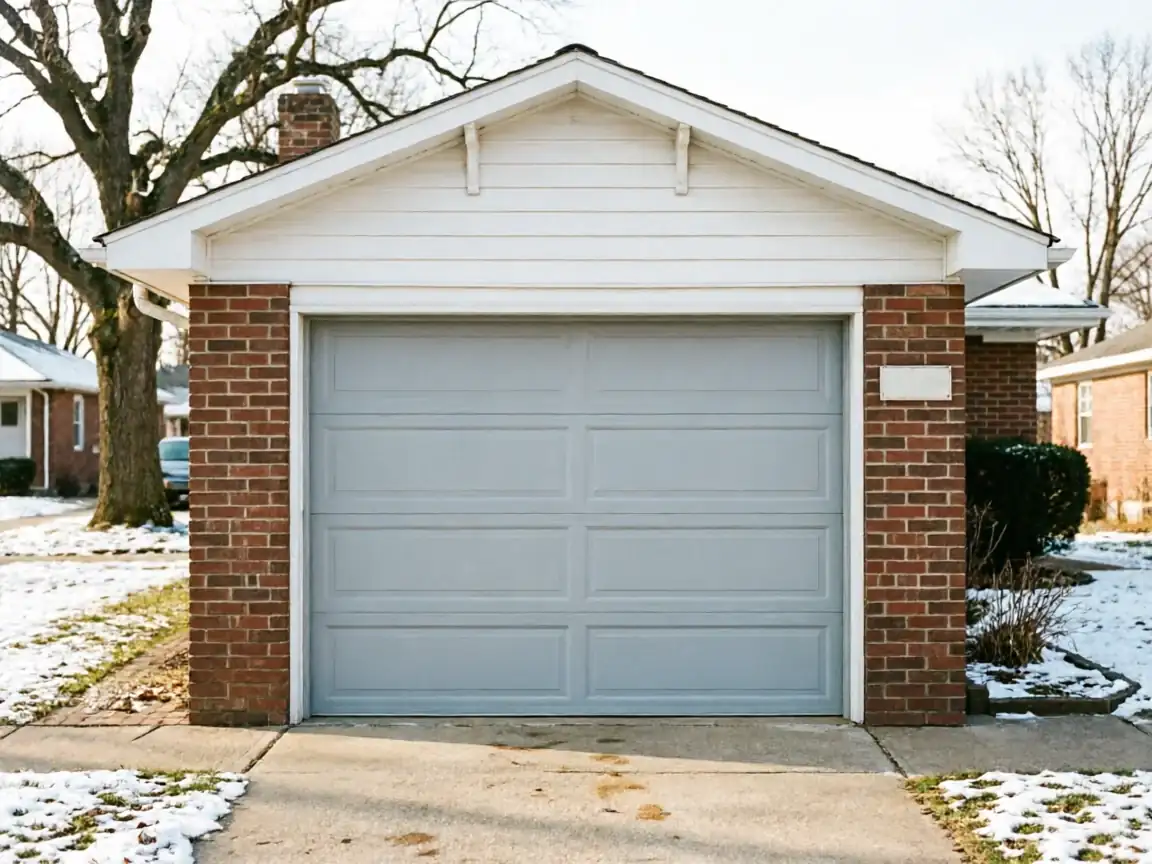
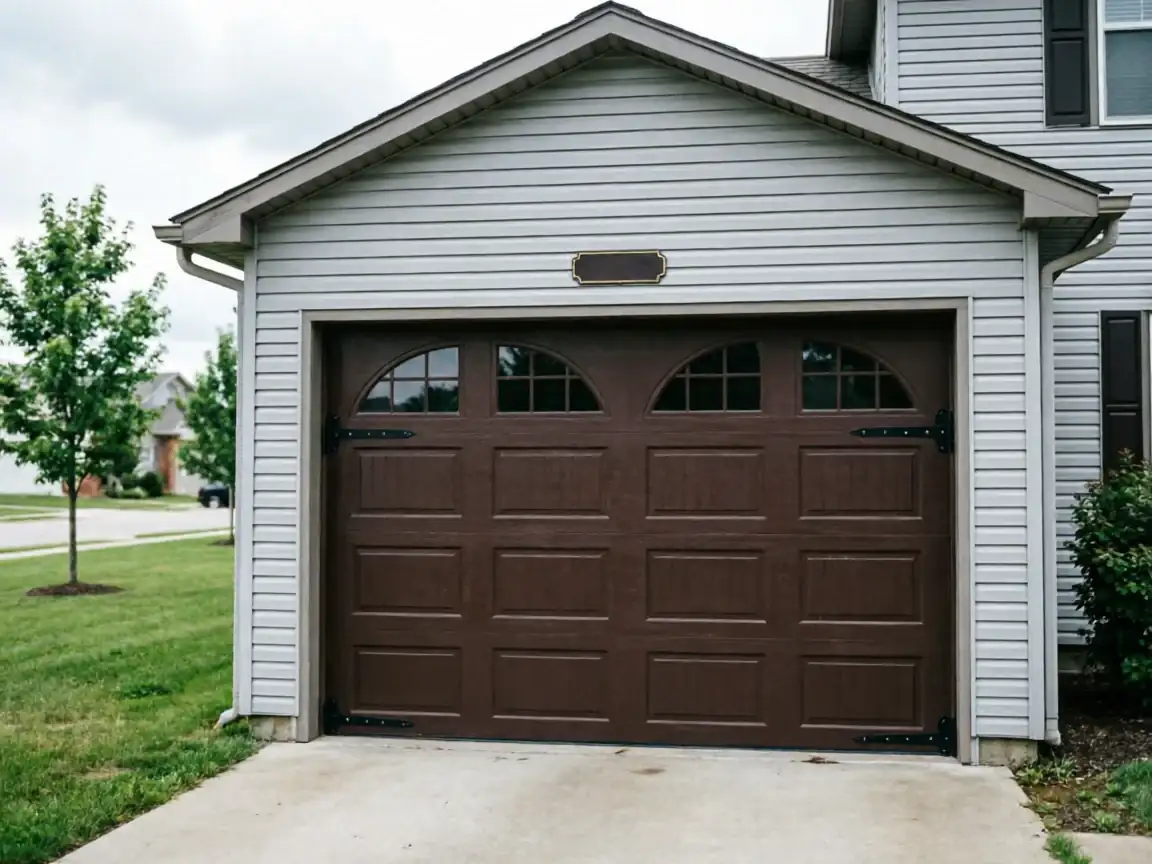
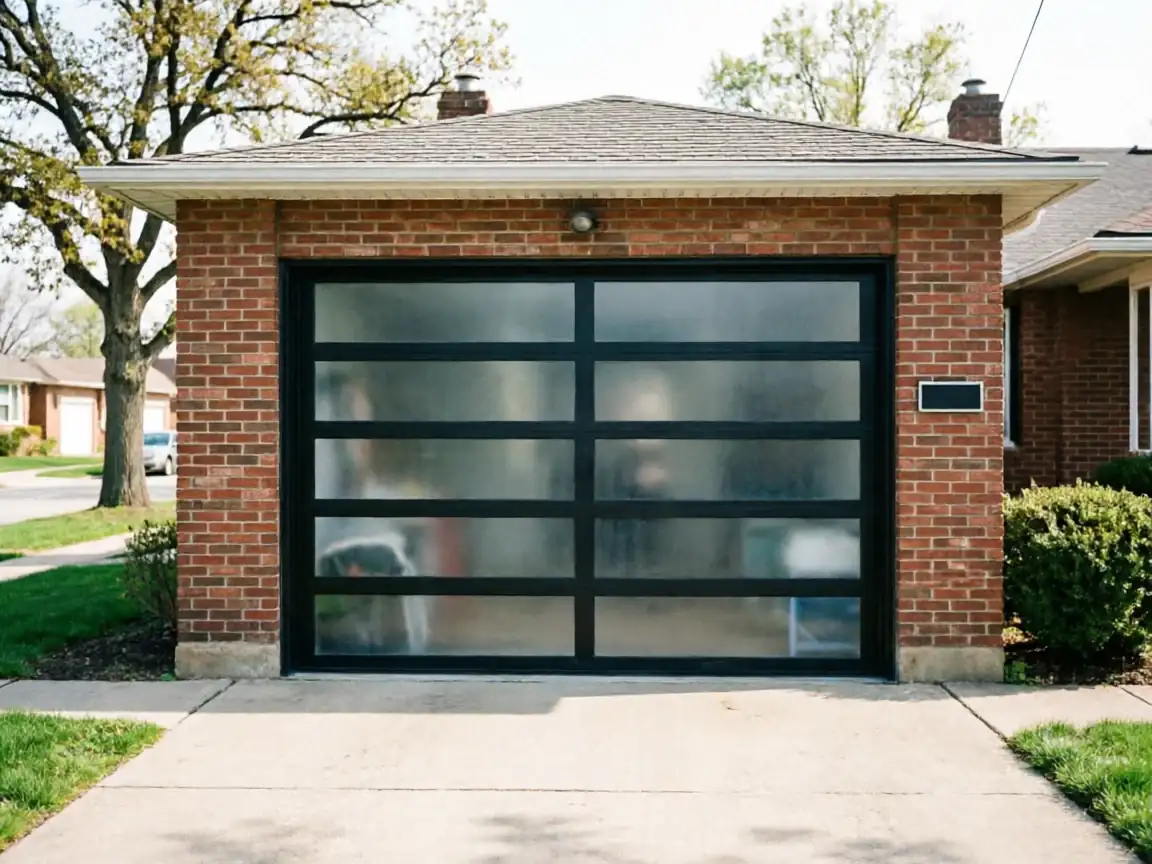
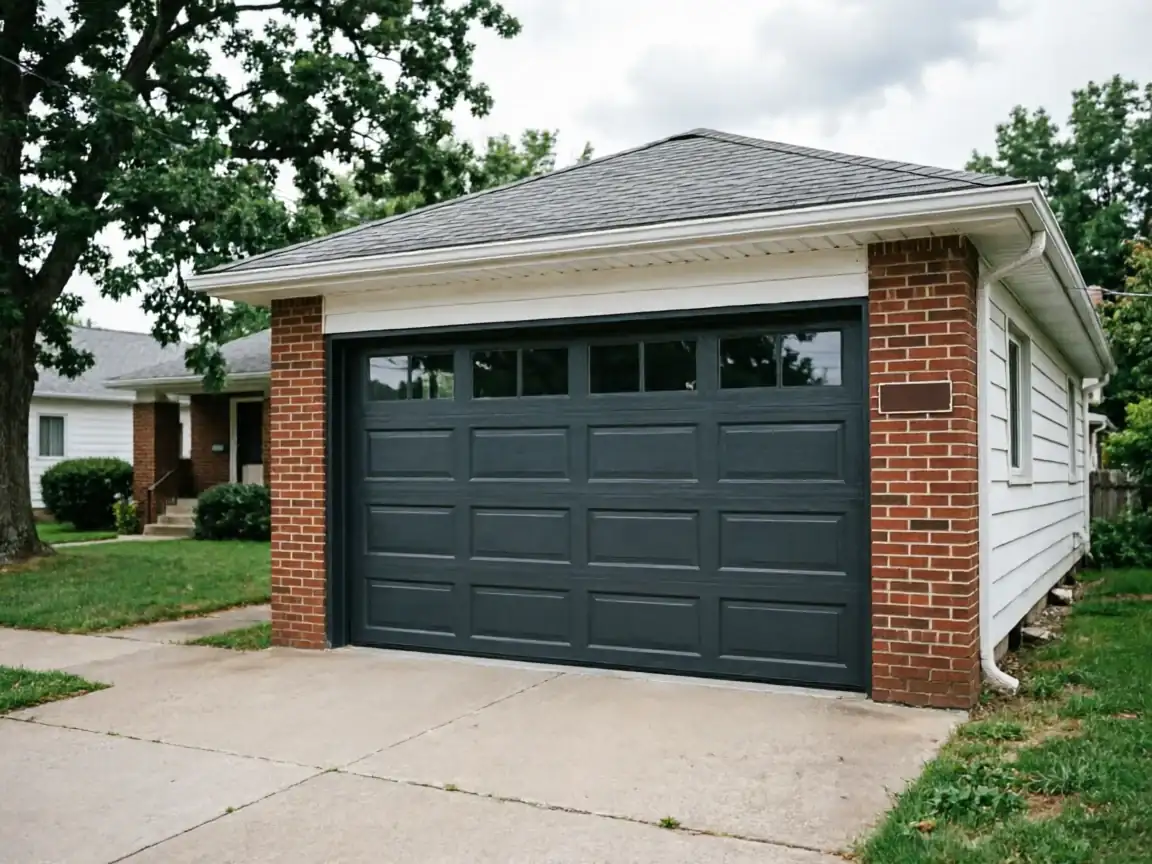
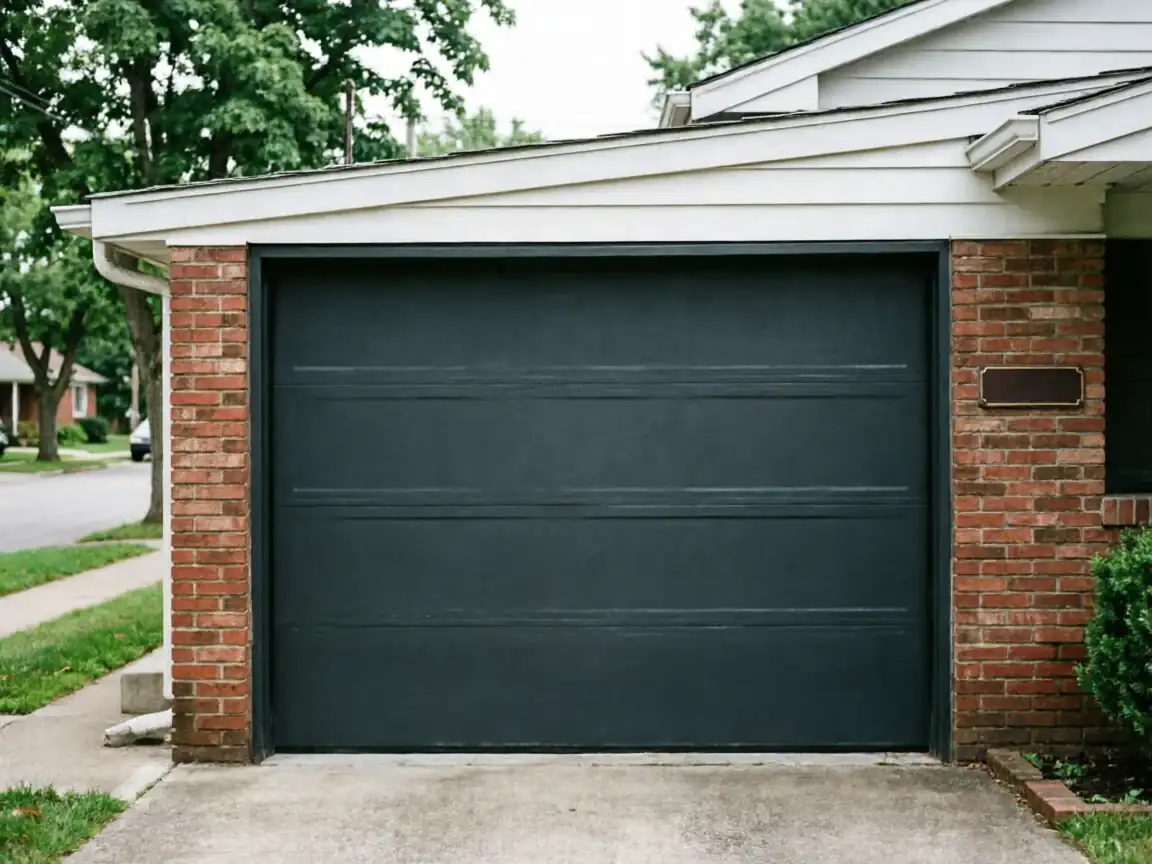
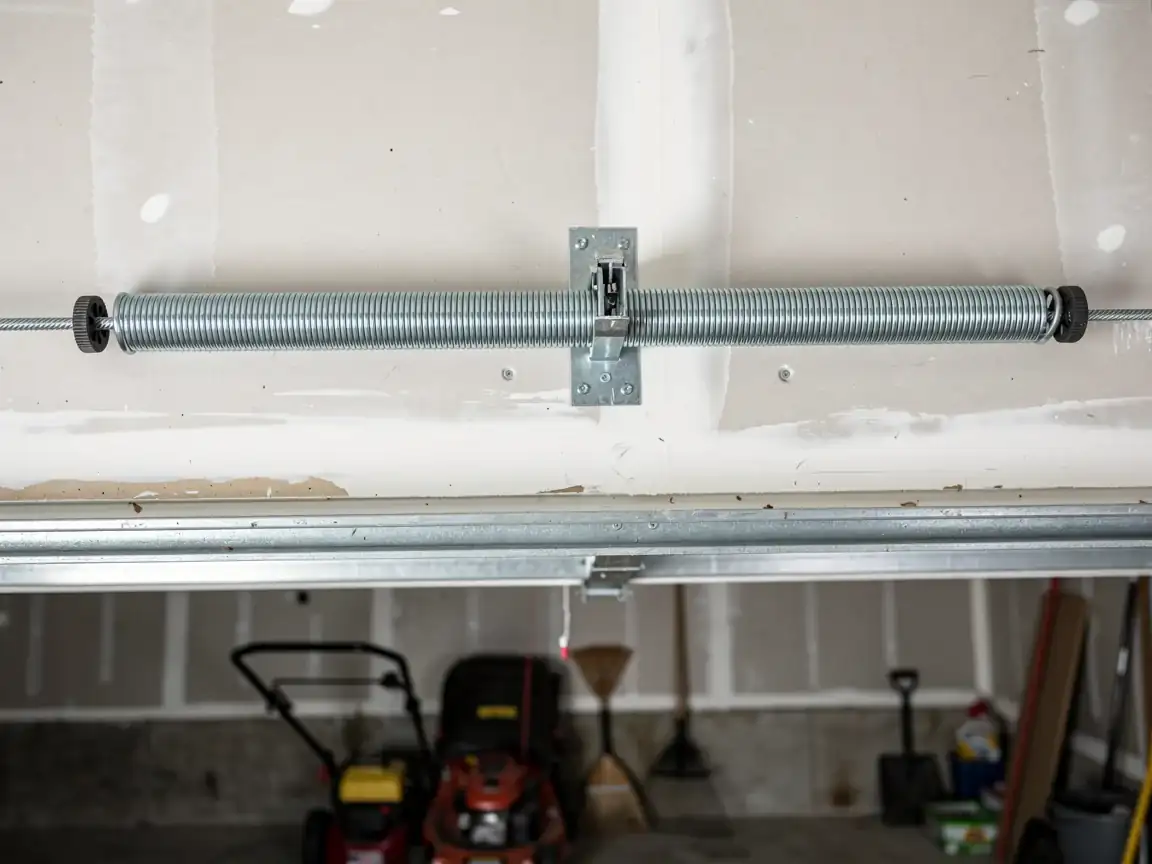
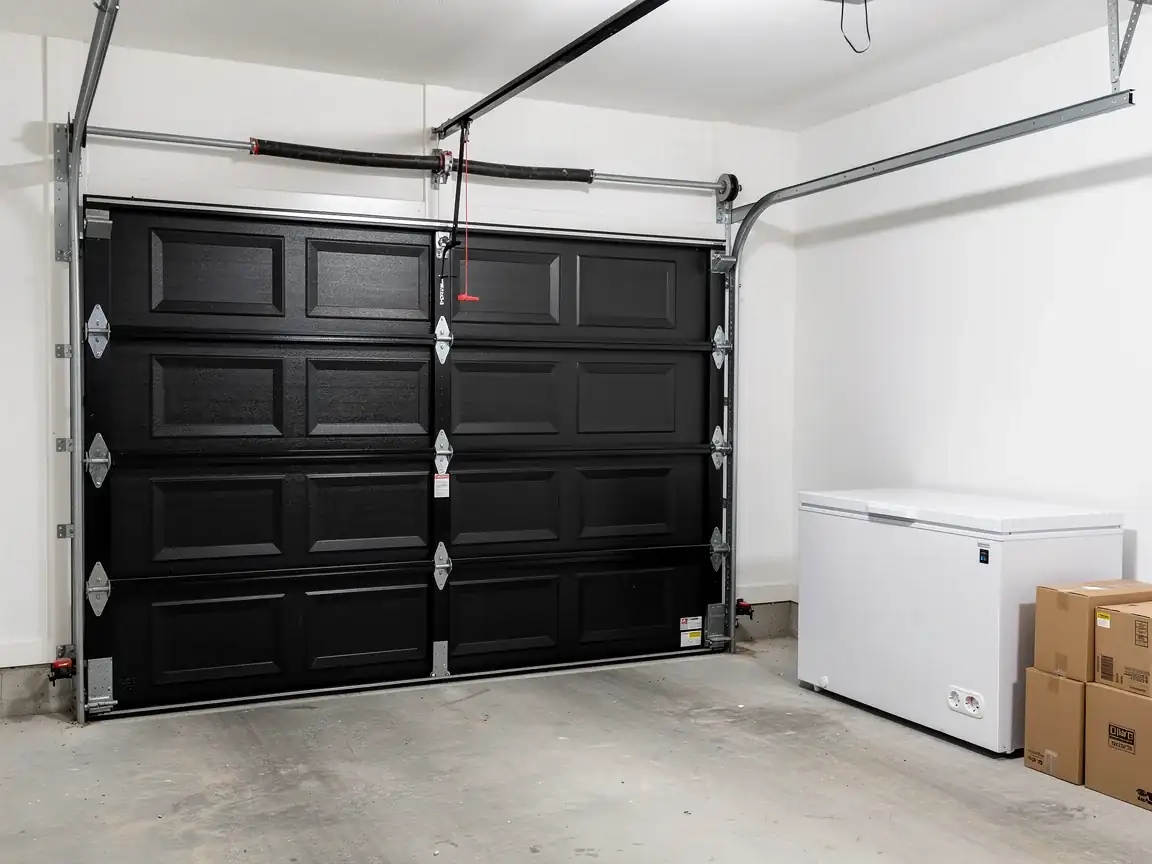
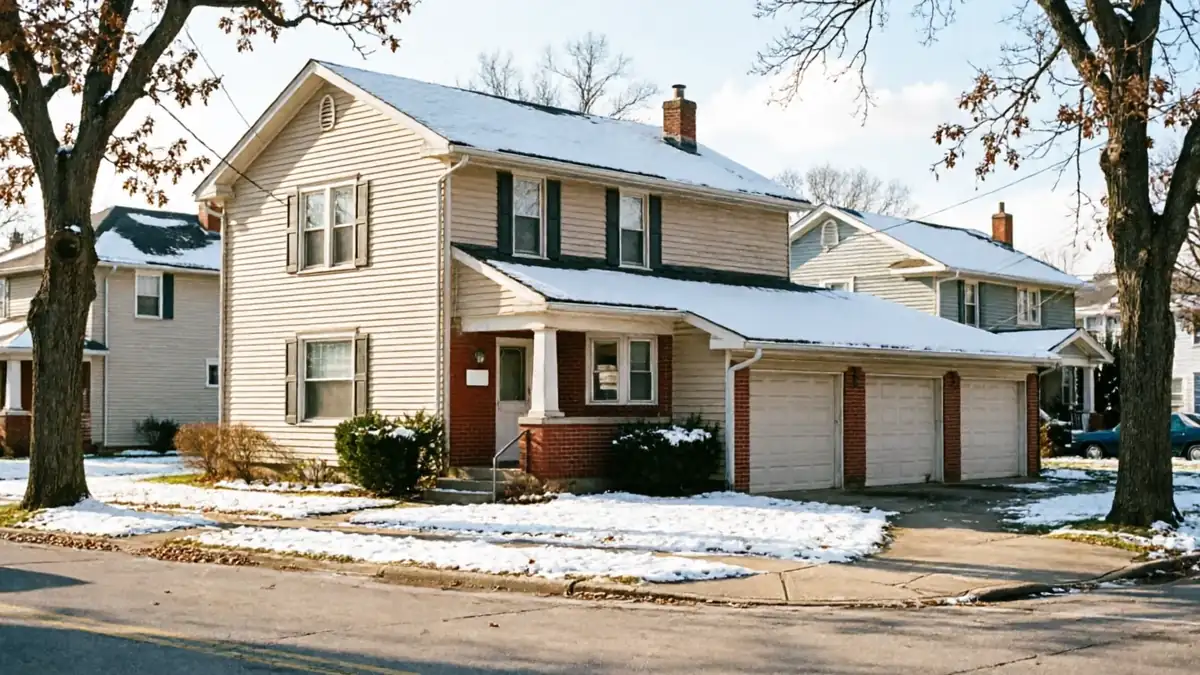
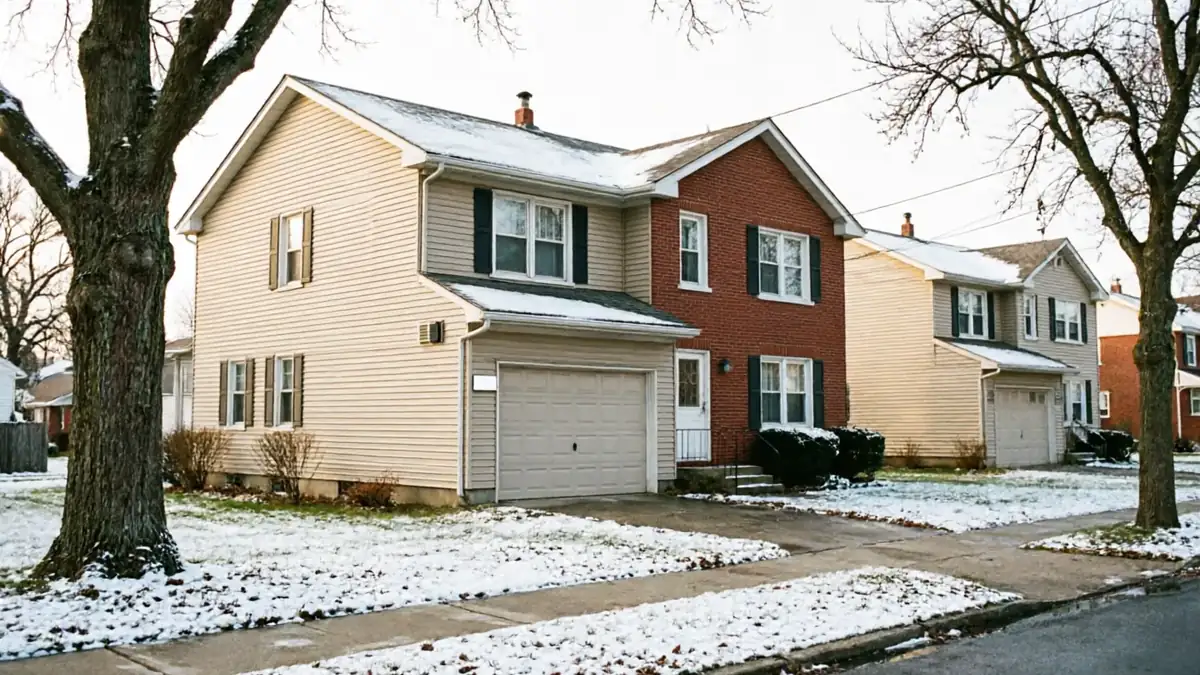
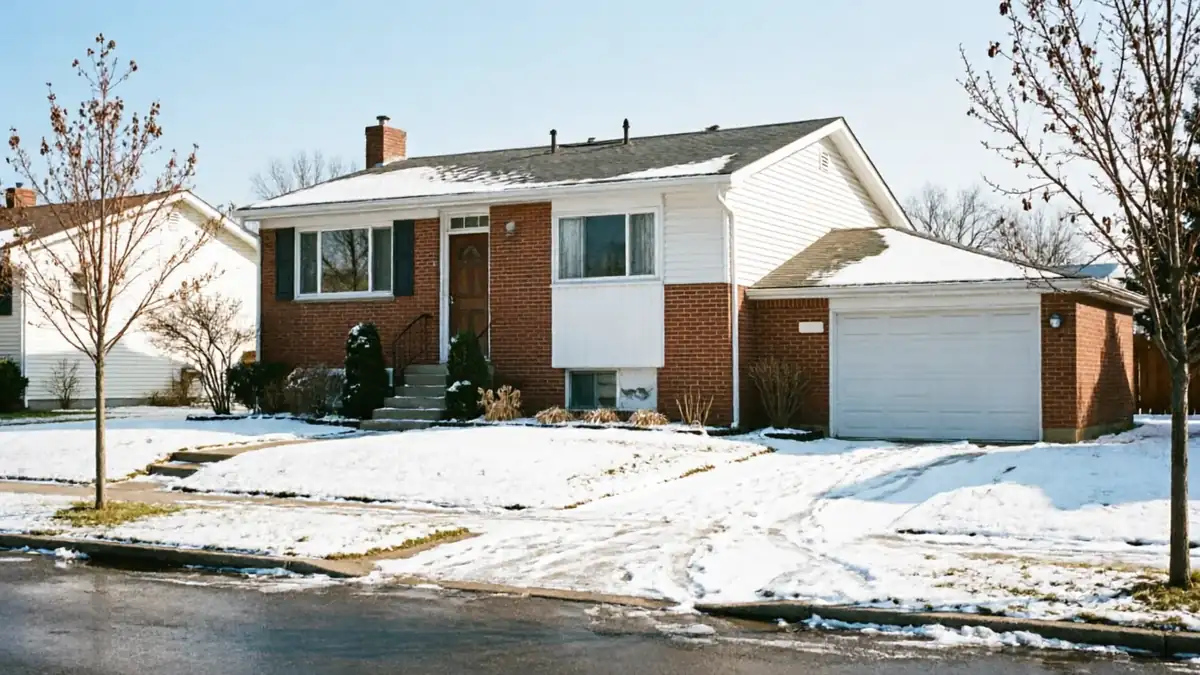
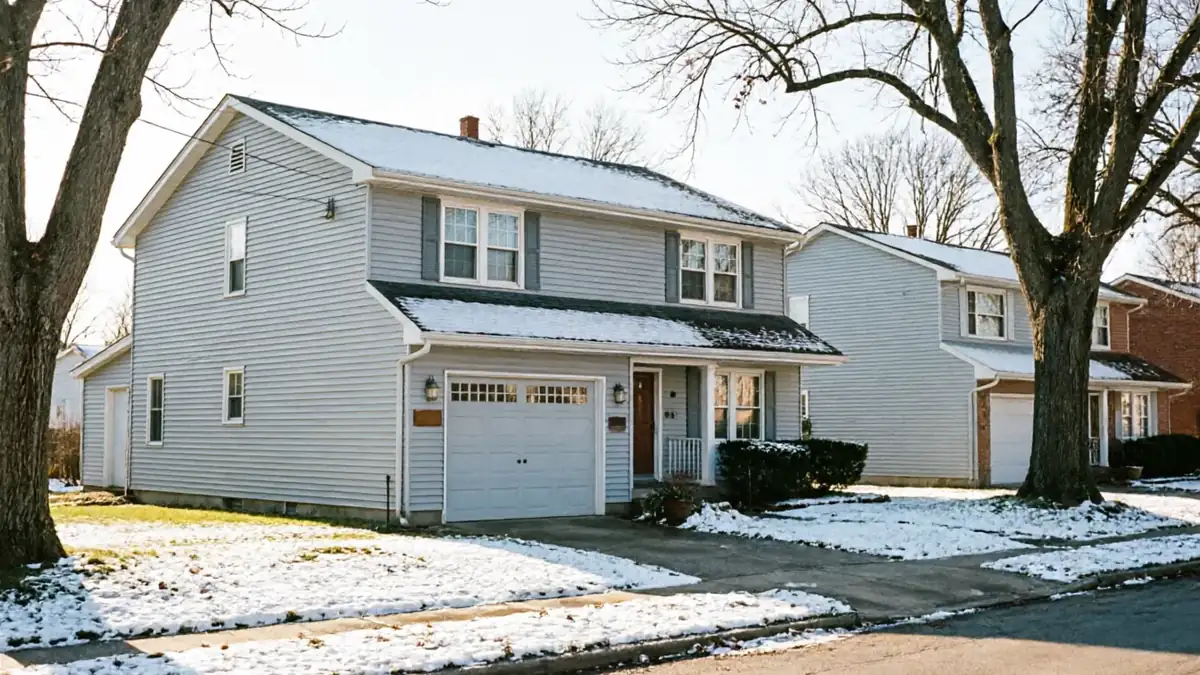
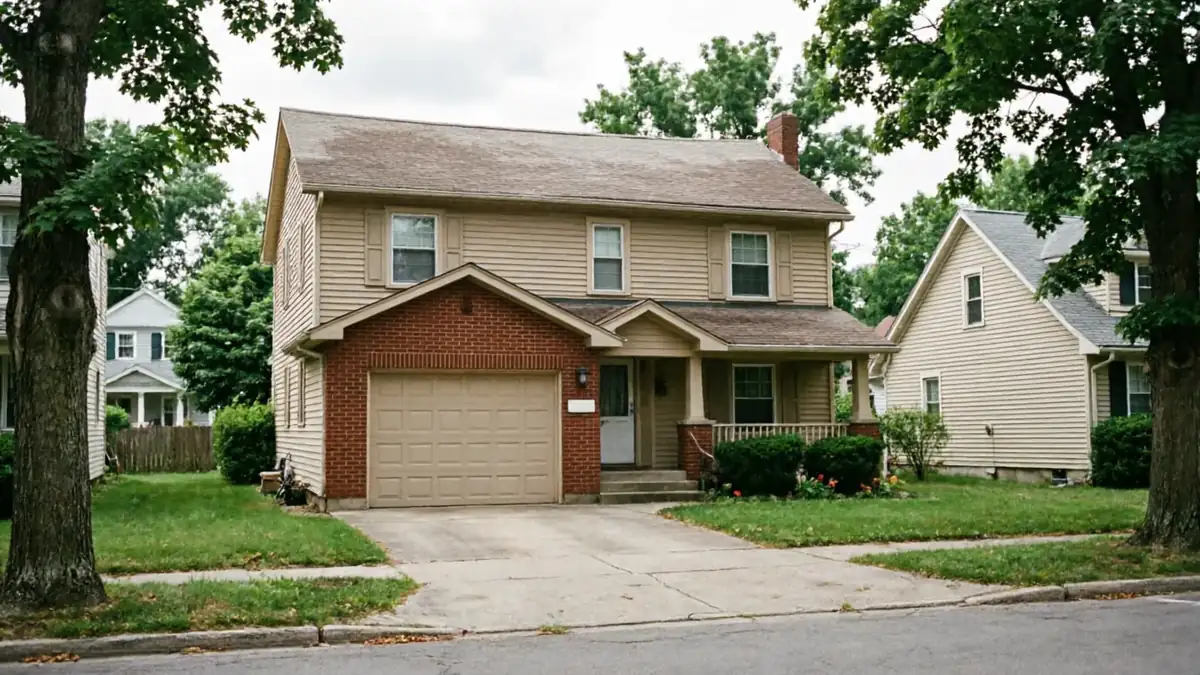
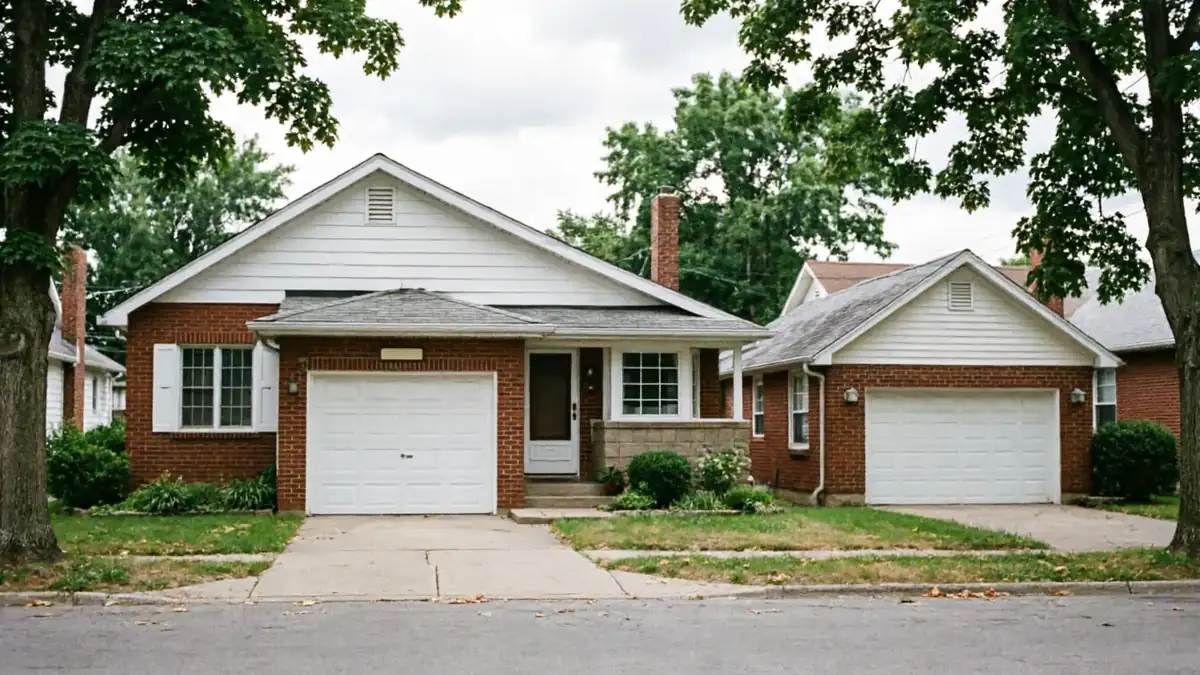
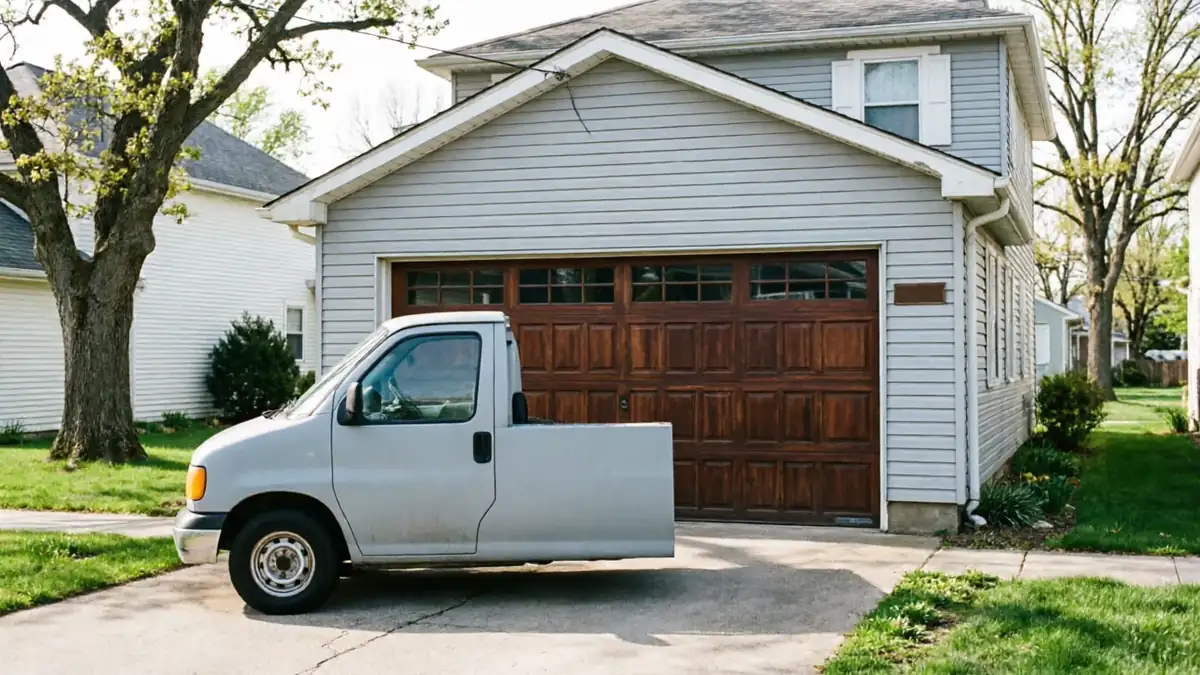
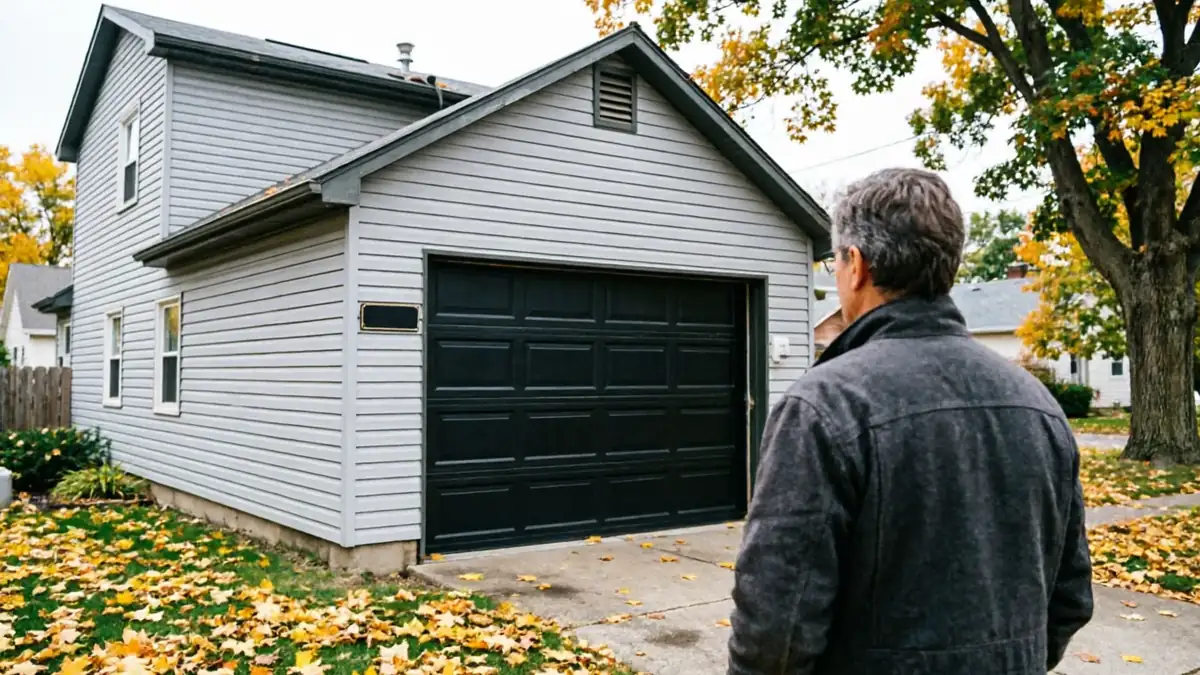
The median build year out here lands around 1994, which puts most garages a couple decades past the one-piece doors and side-mounted torsion units that still show up in older Columbia neighborhoods. What we find instead is sectional steel doors on center-mounted torsion springs, with openers from the chain-drive era of the 90s and early 2000s - the kind that are now old enough to need a logic board or a drive gear, but still common enough that parts aren't hard to source.
That said, 1994 is just the median
A newer build year doesn't mean every door is in good shape - it means the hardware you're dealing with is a specific generation, not a guessing game across sixty years of styles like you get closer to Columbia's core. When a spring goes on a Hallsville door, it's almost always a standard torsion size, not an odd legacy spec we have to track down. That keeps repair visits more predictable and keeps us from showing up with the wrong spring on the truck.
What We Do Most in This Area
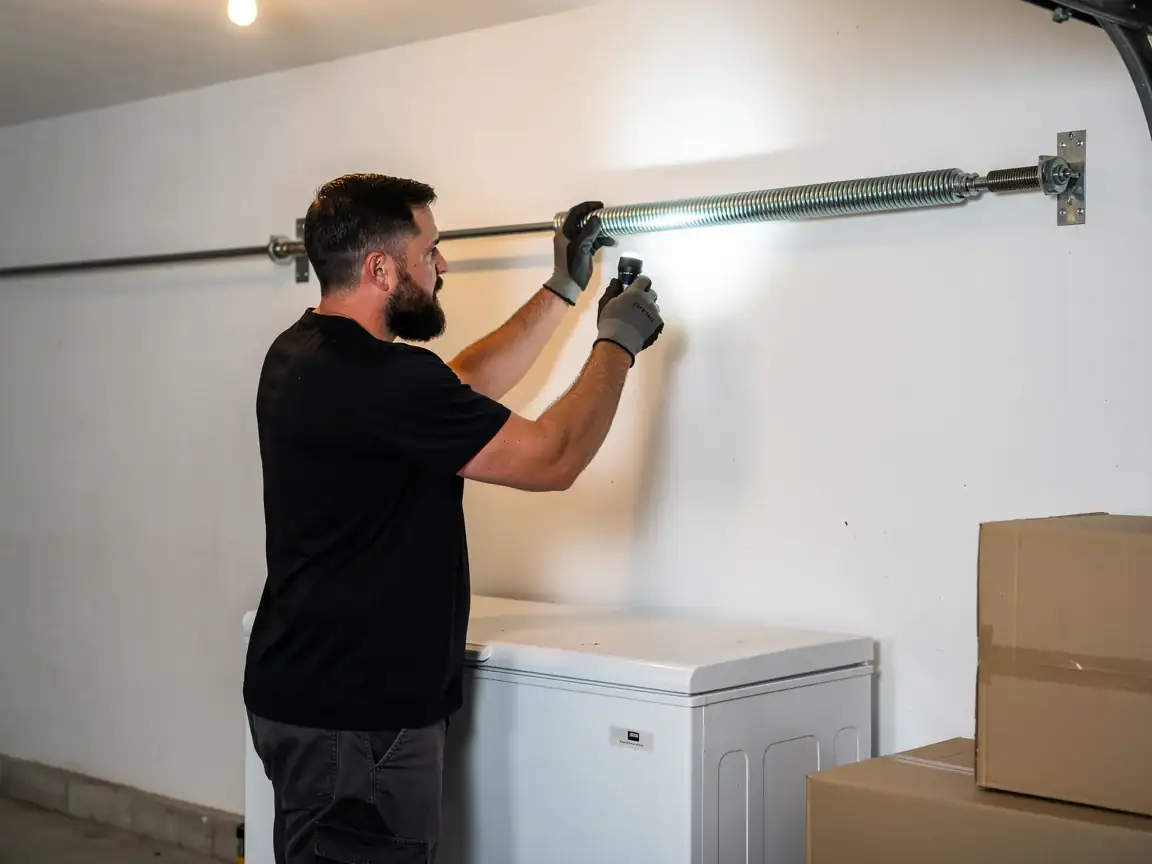
The call we get most out of Hallsville is a torsion spring that's snapped on a door that's otherwise sound - the kind of failure you'd expect from 90s and 2000s-era doors that have simply cycled enough times. Second most common is opener trouble: a chain-drive unit from that same build era that's lost its logic board or stripped a gear, or a sensor that's drifted out of alignment.
We see fewer rotted bottom panels and warped tracks than we do on the older housing stock closer to Columbia, which tracks with the newer median build year here. Winters still take a toll, though - this is a cold-climate area, and a spring under tension that sits unused in a cold garage for a week is more likely to snap on the first cold start of the morning than one that's cycled daily. We don't recommend trying to force a frozen door with the opener; that's one of the fastest ways to strip a gear or bend a track, and it turns a $20 part problem into a bigger one.
Getting Here
Hallsville sits about 13 miles out from our shop in Columbia, which is a straightforward run with no unusual routing. We don't keep a depot or staff stationed in Hallsville itself - every job here means a truck coming from Columbia, so when you call, factor that drive into when we can get there rather than expecting a crew already in town.
The distance doesn't change what's on the truck. We stock the same spring sizes, cables, and opener parts whether the call is in town or out here, so a standard torsion spring replacement doesn't turn into a second trip because we didn't have the right part. Where it does matter is scheduling - if you've got a door that's stuck shut and no second vehicle in the garage, say so when you call, since that changes how we prioritize the run out.
The Houses Here
With roughly 827 households in the area and a median income near $66,518
Hallsville isn't the oldest or the densest market we cover, and that shapes the kind of work we quote. Homeowners here are more often weighing opener upgrades or full door replacements on houses that are 20-30 years old, rather than patching up hardware from the 60s and 70s like we do elsewhere in the service area.
- 827 households
- $66,518 median household income
- 30 years
It also means a straight repair is usually the right call before replacement
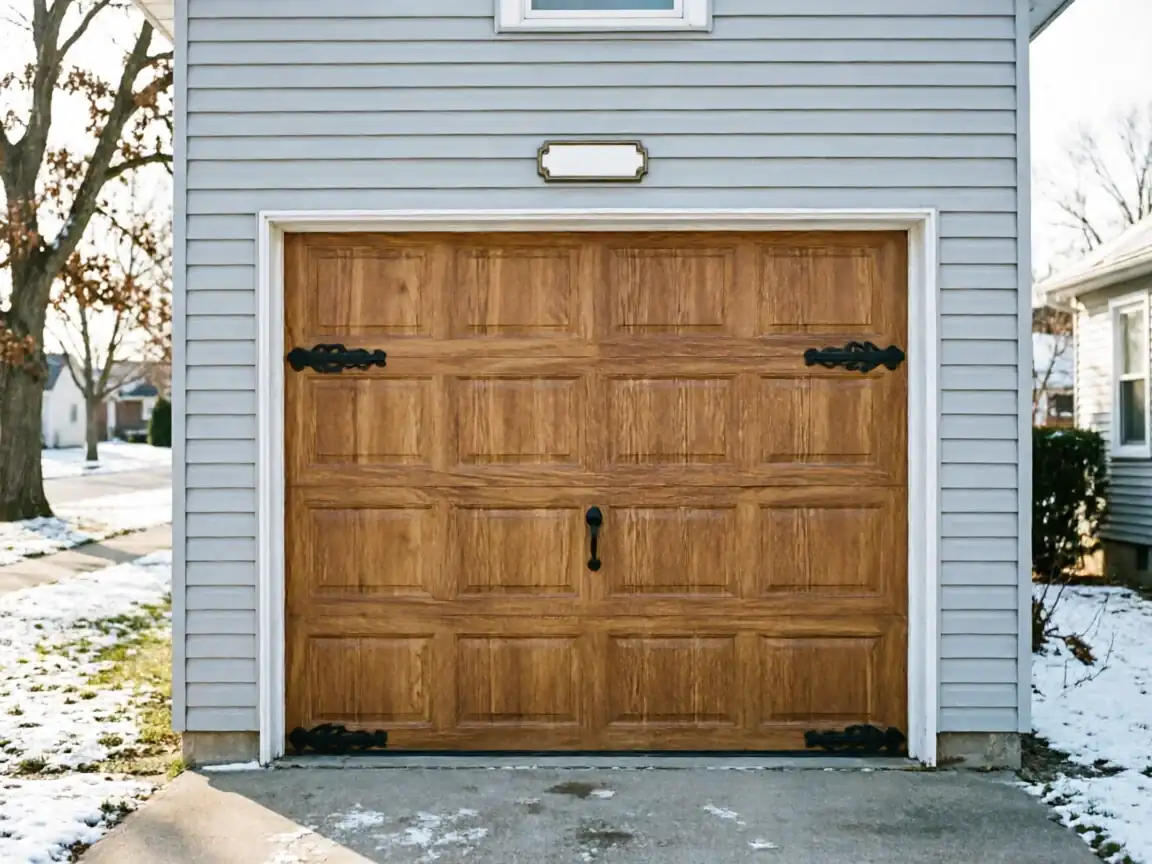
A 1994-vintage door with a broken spring or a worn opener is rarely at the point where fixing it is throwing money away. We'll tell you plainly when a repair isn't worth it, but on housing this age, that's the exception, not the rule. If the springs, cables, and rollers are original and just worn through normal cycling, that's a repair, not a reason to replace the whole door.