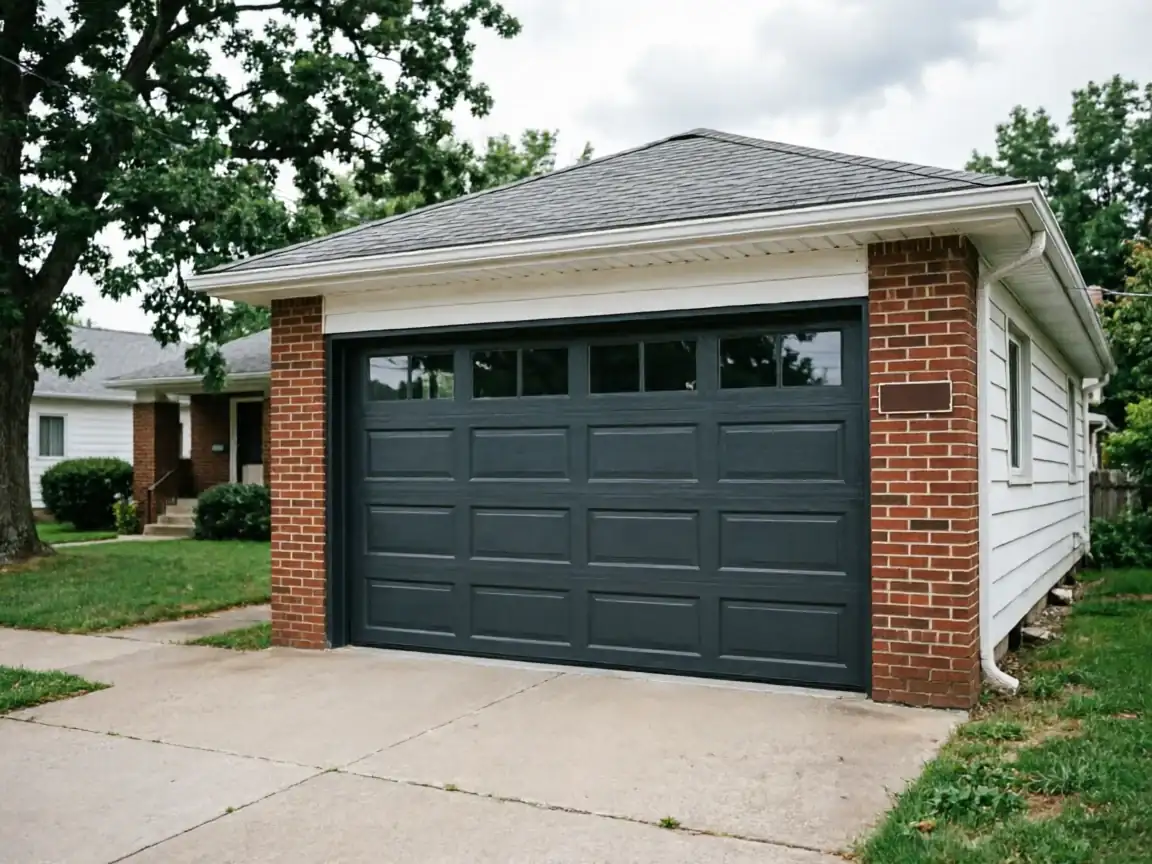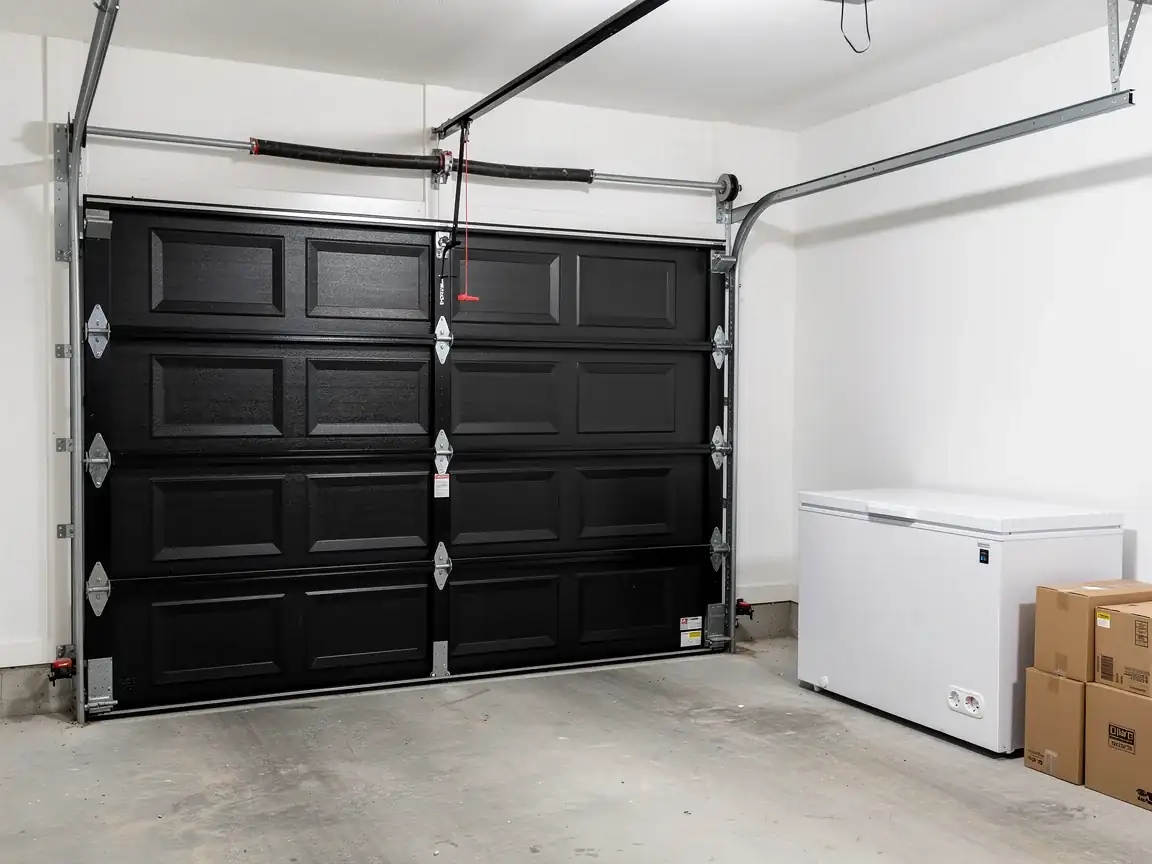
What You Are Seeing
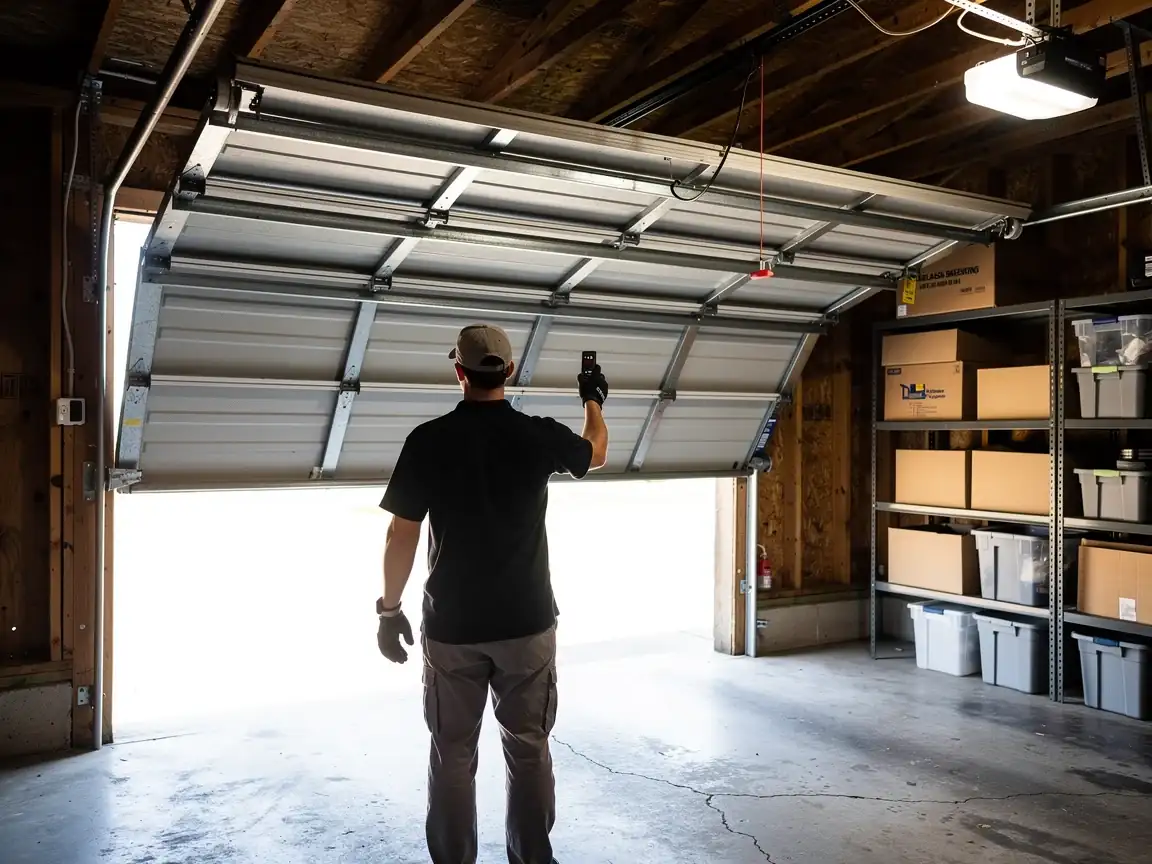
The opener hums but the door doesn't move
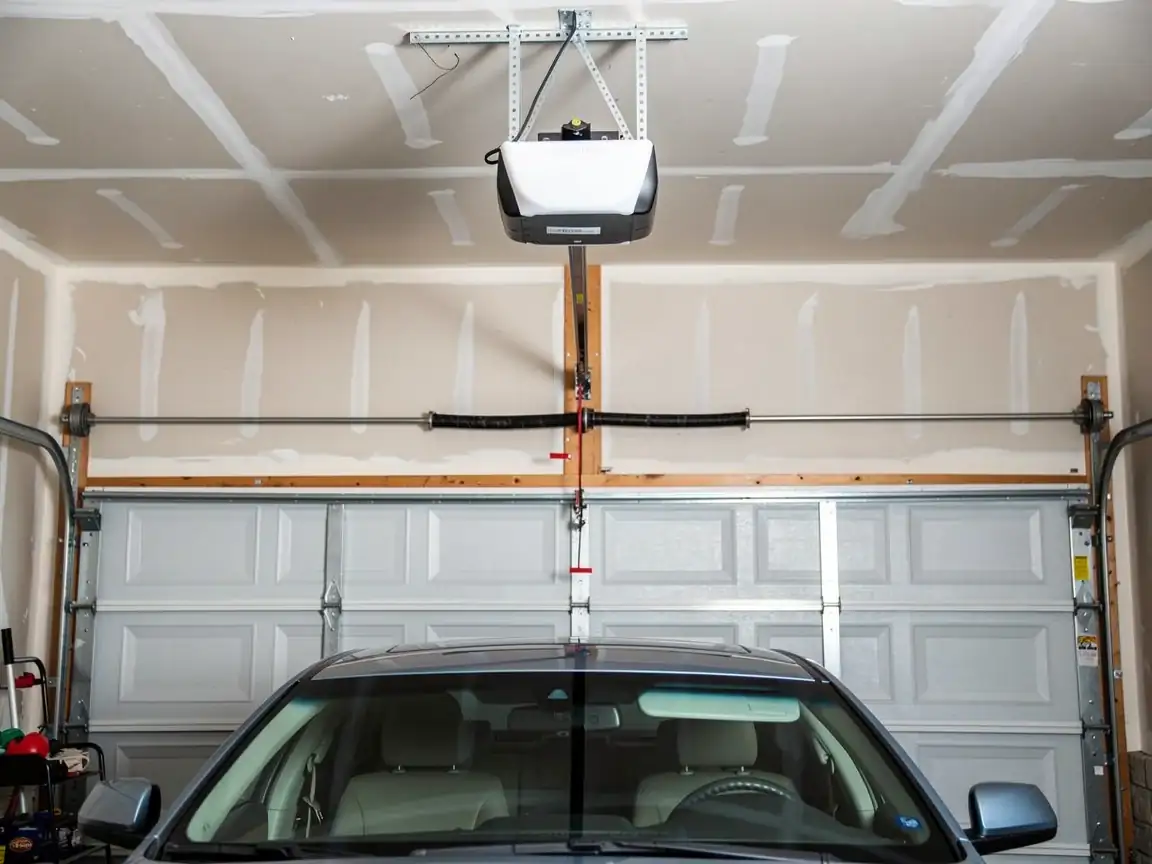
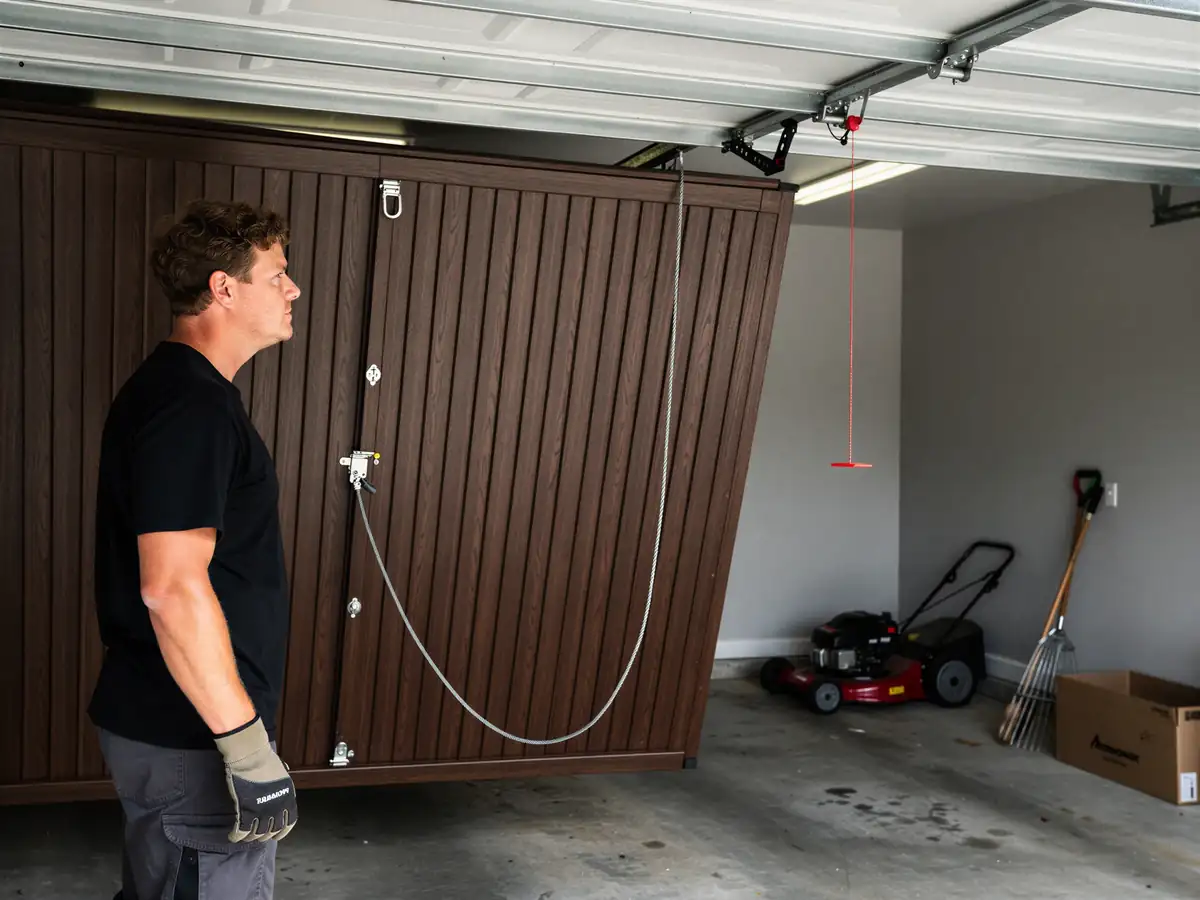
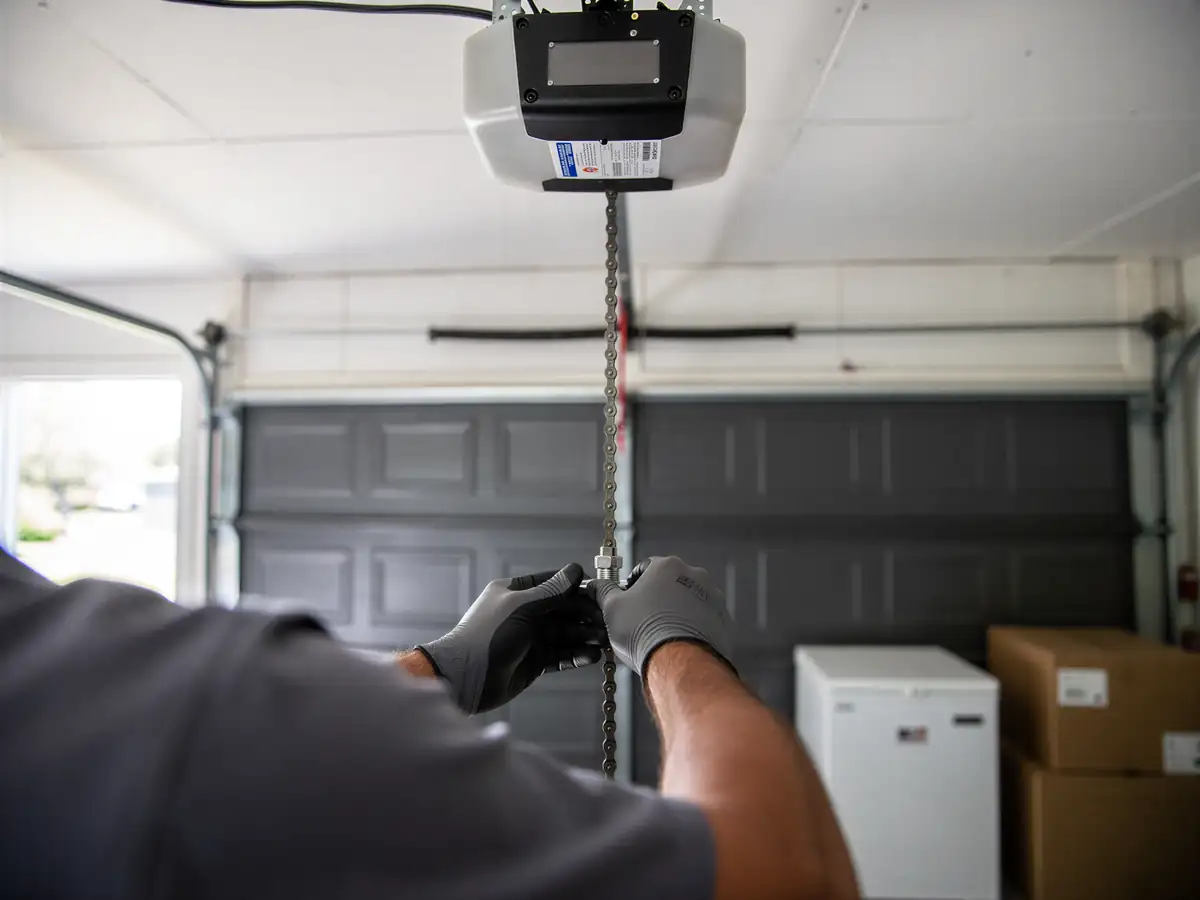
It reverses halfway up for no reason. The remote works some mornings and not others. Or it's just dead, no light, no sound, nothing when you hit the button. These are the four calls we hear most, and they usually point to one of a short list of parts: the drive gear stripped inside the motor housing, the logic board losing its memory, the limit switches drifting out of adjustment, or the trolley carriage cracked where it rides the rail.
Sometimes the opener itself is fine and the real problem is upstream of it
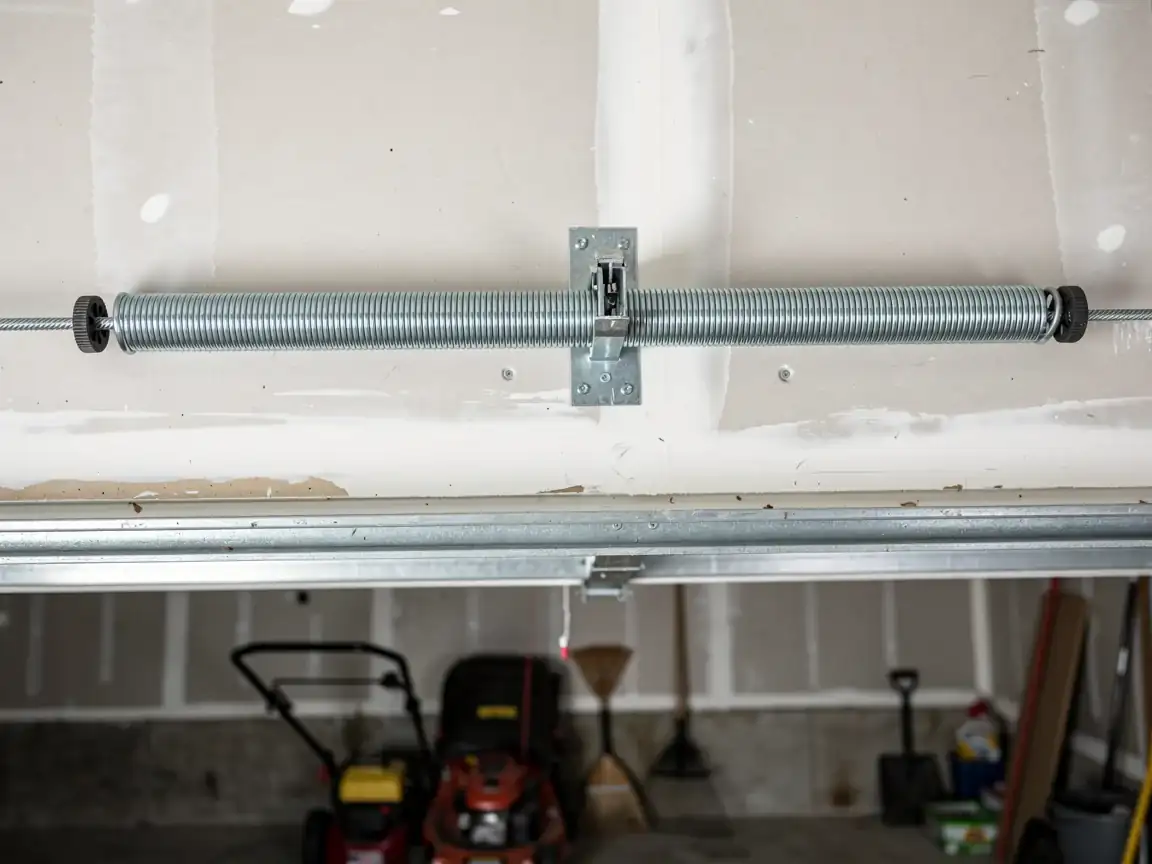
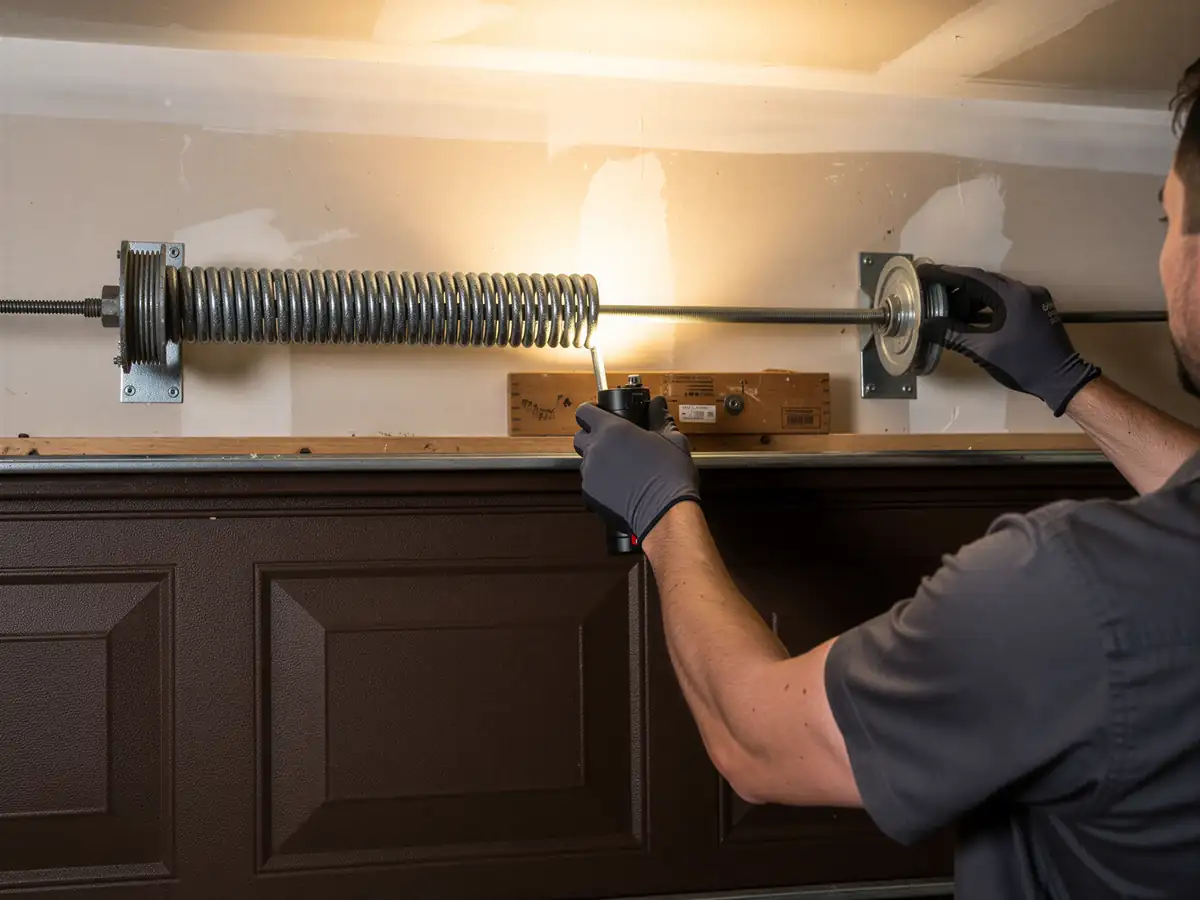
A weak spring forcing the motor to do work it was never built to do, which burns out the gear faster than normal use would. A garage door opener is not built to lift a door on its own. It's built to assist a door that's properly counterbalanced. When that balance is off, the opener takes the abuse and fails early, often well before the parts inside it should have worn out. That's the pattern across the service area, not an isolated bad unit.
If your door is hard to lift by hand with the opener disconnected
That's the first thing to check before you spend money on the opener at all.
Can You Do This Yourself
Some of this is reasonable to tackle yourself. Reprogramming a remote, replacing a dead battery in the wall control, cleaning the photo-eye sensors and realigning them, tightening the mounting bolts on the rail, these are a Saturday-morning job with a screwdriver and the manual.
Replacing the logic board, the drive gear, or the motor itself is a different matter. These openers are not standardized the way a water heater is. Parts are model-specific, and a unit built for this housing stock's era doesn't always share hardware with what's sold today. Getting the wrong gear kit, or mounting a new logic board without matching the force and travel settings, leaves you with a door that slams down on a foot or a bumper instead of stopping.
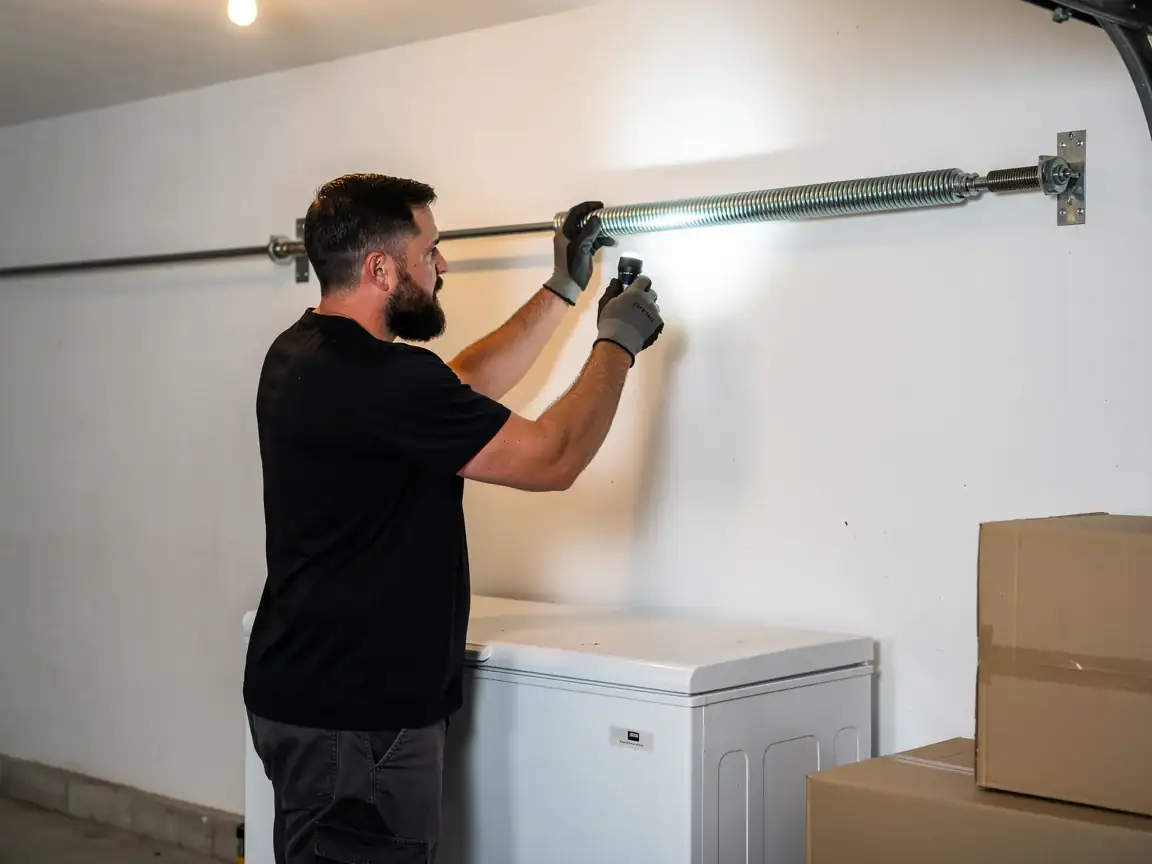
There's also the spring question. If the opener failure traces back to a weak or broken torsion spring, that's not a DIY repair under any circumstance. Torsion springs are under enough tension to cause serious injury, and we don't walk homeowners through that over the phone.
Our honest limit: if your opener is more than about fifteen years old and the drive gear has failed, we'll usually tell you straight that replacing the whole unit costs less in the long run than sourcing obsolete parts for the old one.
What It Costs
We're not going to put a number here that doesn't hold up once we're standing in your garage, because opener repair costs swing a lot depending on what actually failed. A drive gear and sprocket kit is a different job than a logic board, and a logic board is a different job than diagnosing an intermittent short in the wiring between the wall control and the head unit.
What we can tell you is how we think about it. Across the service area, median household income sits at $58,889, and most people calling us want the existing opener fixed if a fixed opener will hold up, not replaced on a whim. So our first visit is diagnostic: we open the housing, check the gear, check the board, check the force settings, and tell you honestly whether a repair gets you another several years or whether you're paying twice, once for parts now and again for a full replacement in a year or two.
The one thing that pushes cost up without warning is a spring problem hiding behind an opener symptom. If the real issue is the counterbalance, fixing just the opener and leaving the spring alone means you're back on the phone with us within months.
Why This Fails Locally
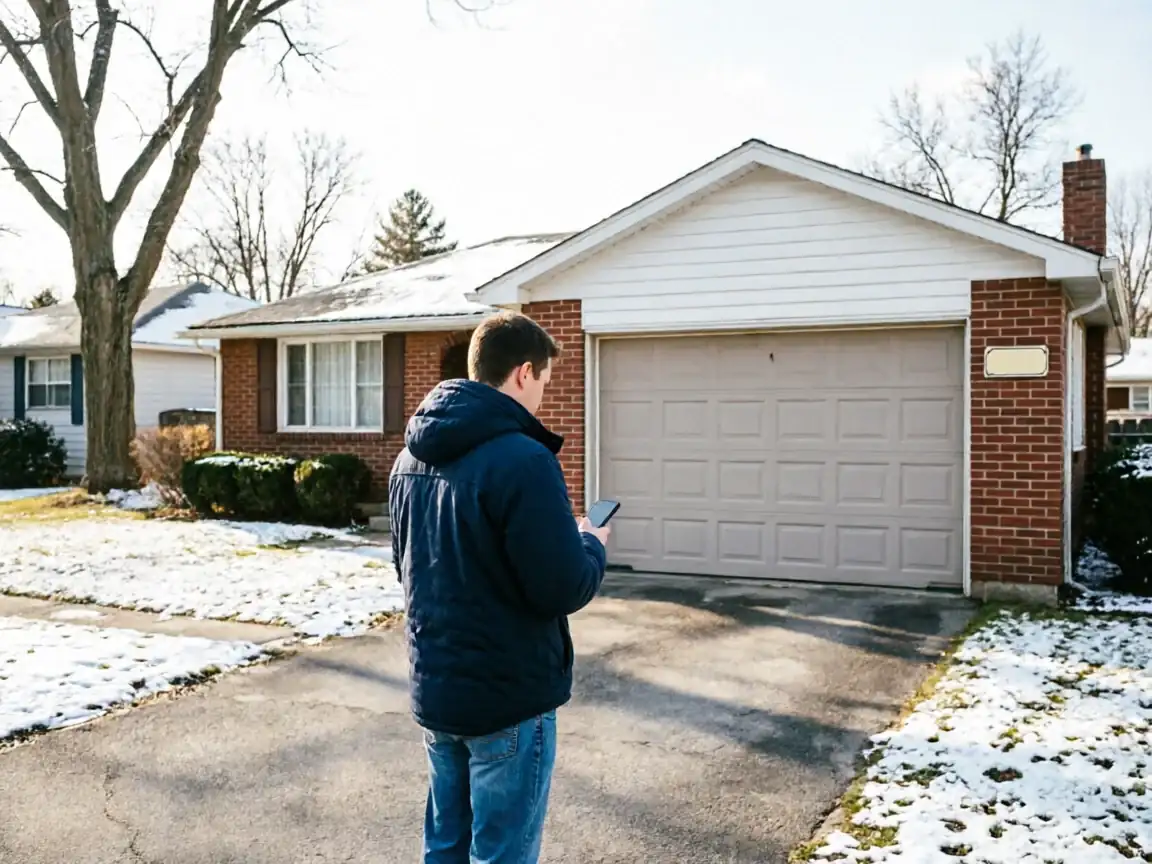
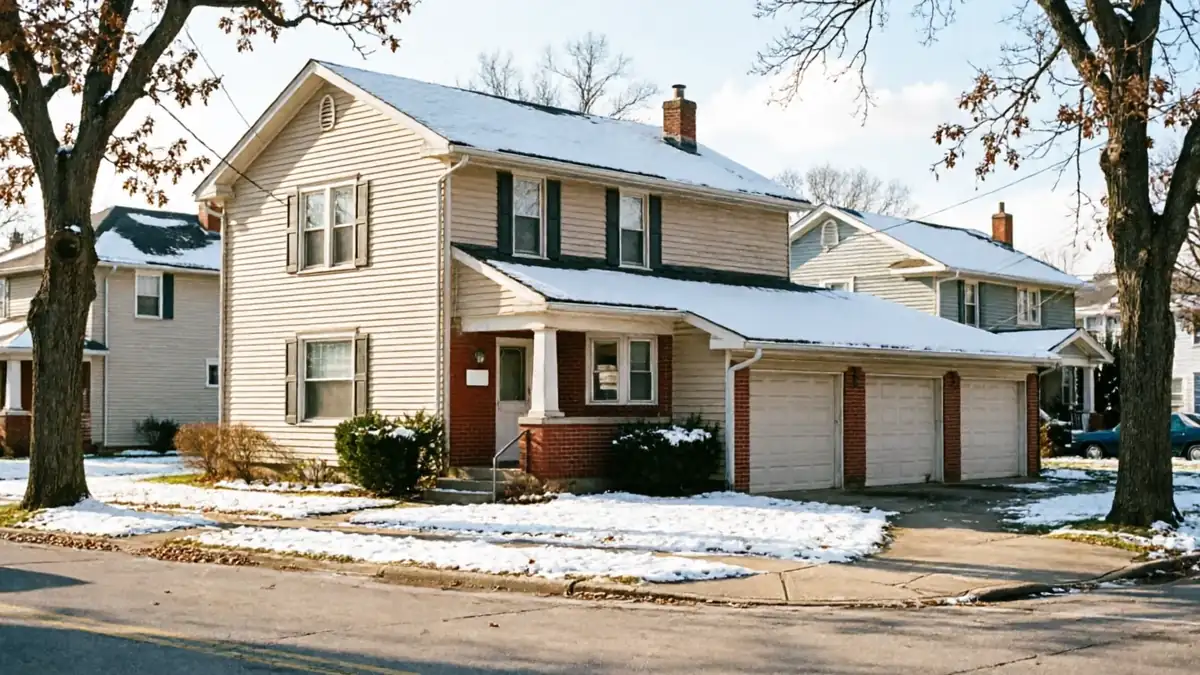
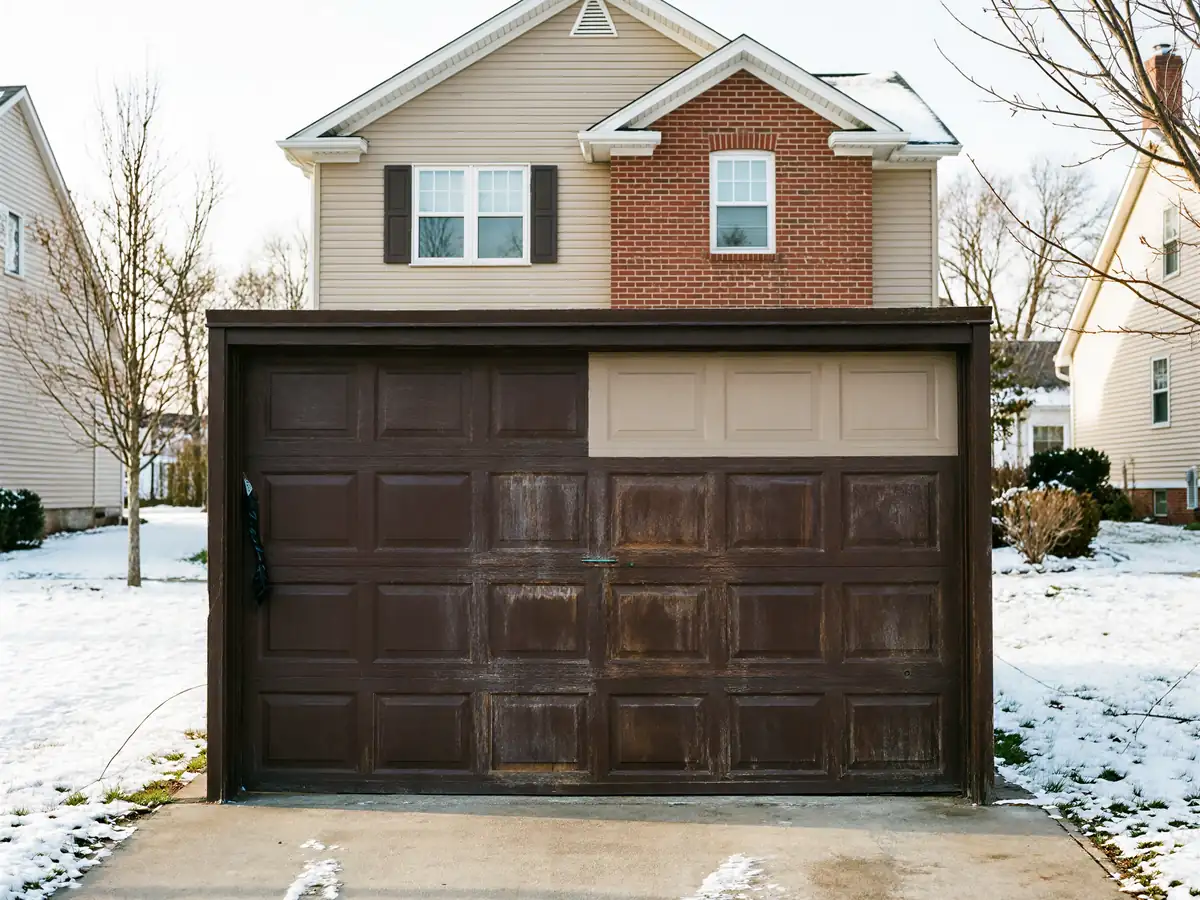
Housing across the service area was mostly built between 1938 and 2003
With the bulk going up in the 1960s and 1970s across the seven communities we work in. Openers installed during that build-out, or replaced once already since then, are now old enough that gears, boards, and belts are wearing out on a predictable schedule, not a random one. That's a big share of our call volume: not accidents, just age catching up with equipment at the same time across a lot of houses built in the same stretch of years.
The climate makes it worse
This area sits in a severe cold band, and winter cold does two things to an opener. It stiffens the grease in the drive gear housing, which makes the motor strain harder on every cold start, and it shrinks and contracts the steel rail and chain, which throws off the tension and alignment the opener depends on. A gear that might have lasted another two seasons in a milder climate gives out here in January instead.
Put those two things together, older housing stock and hard winters
And you get openers that fail in clusters, not evenly spread through the year. That's the pattern we plan our service calls around.