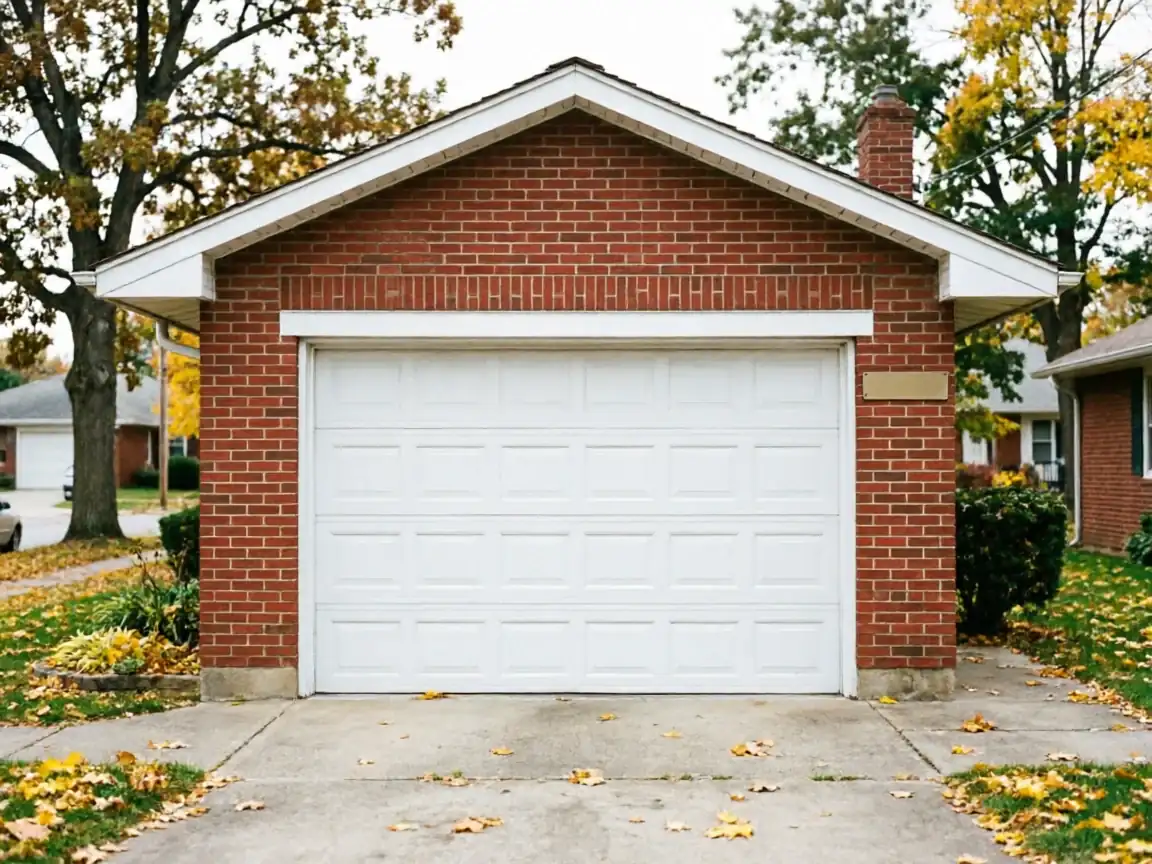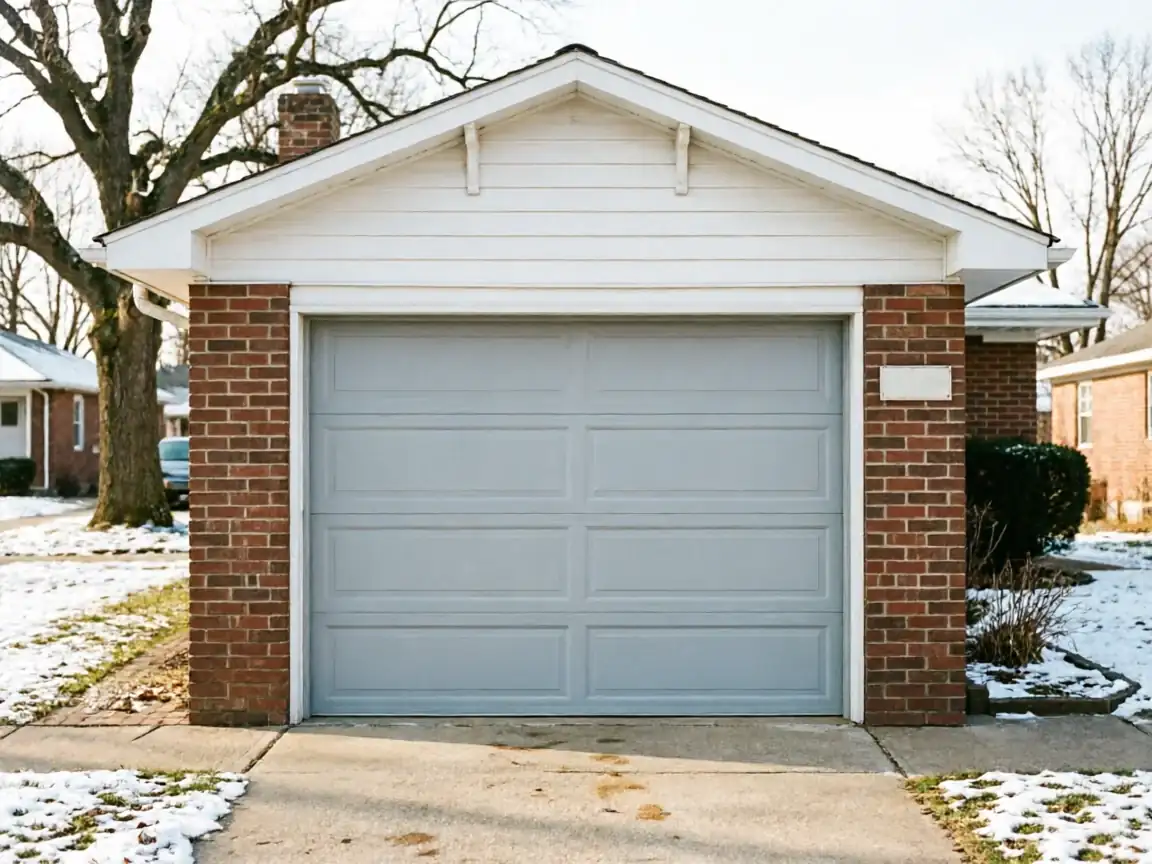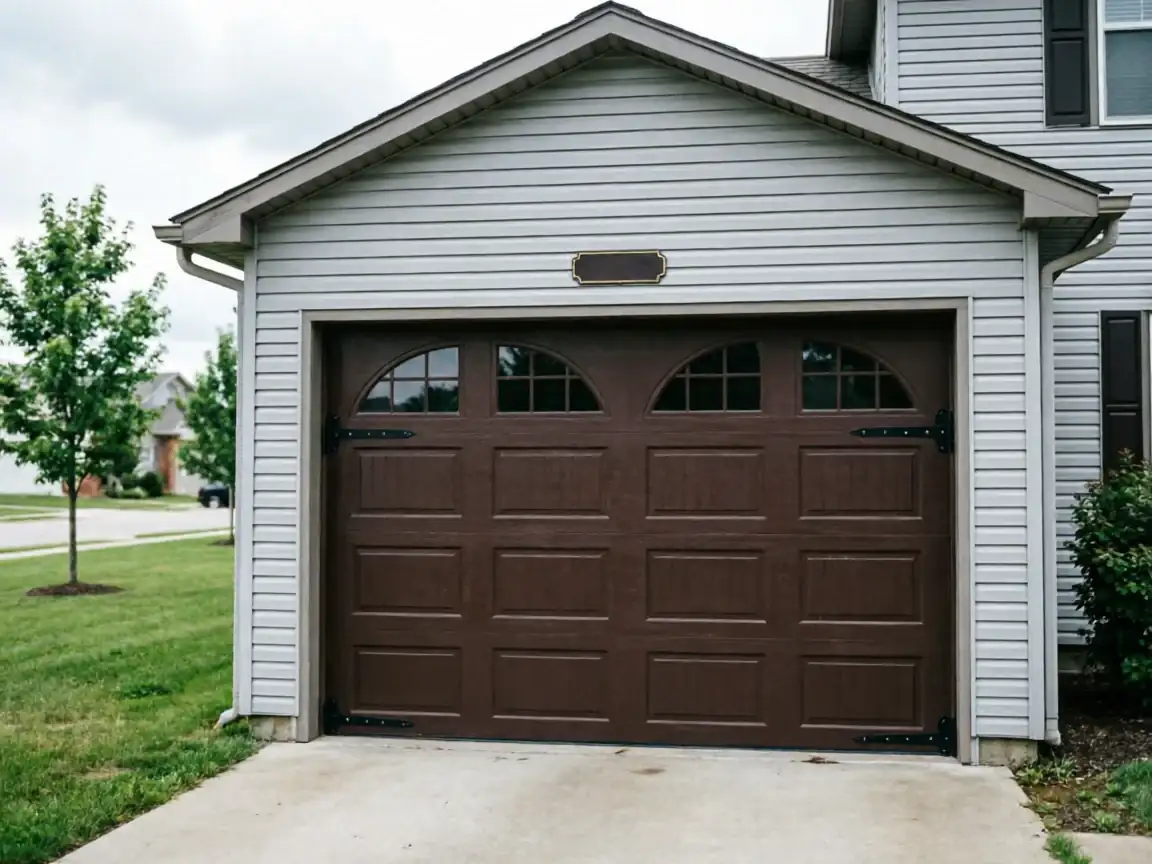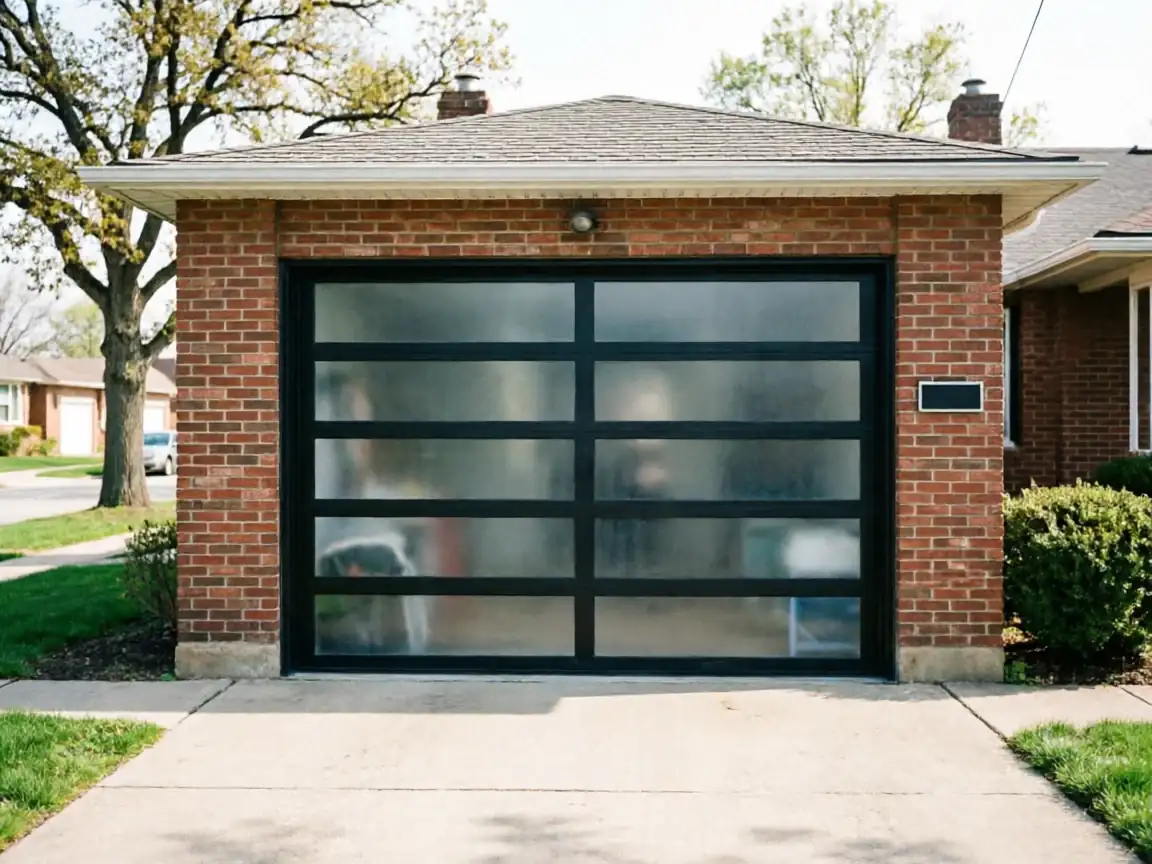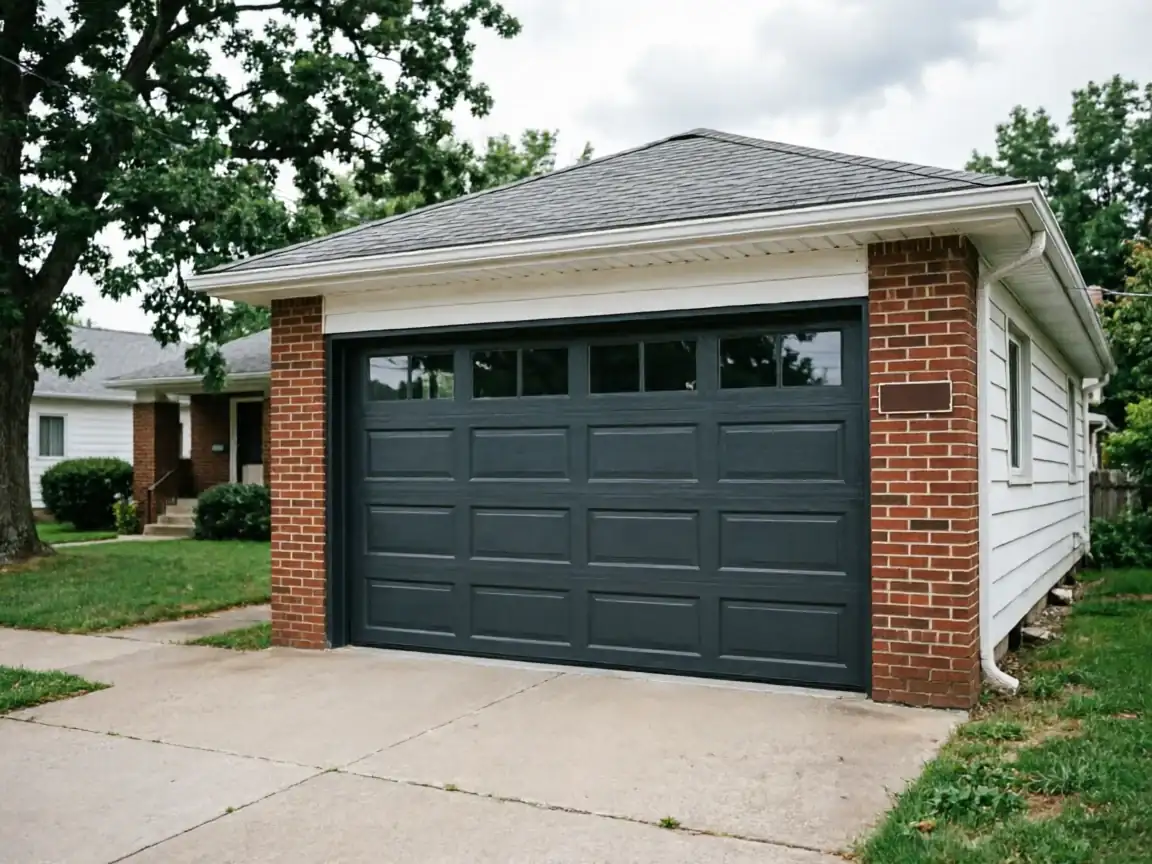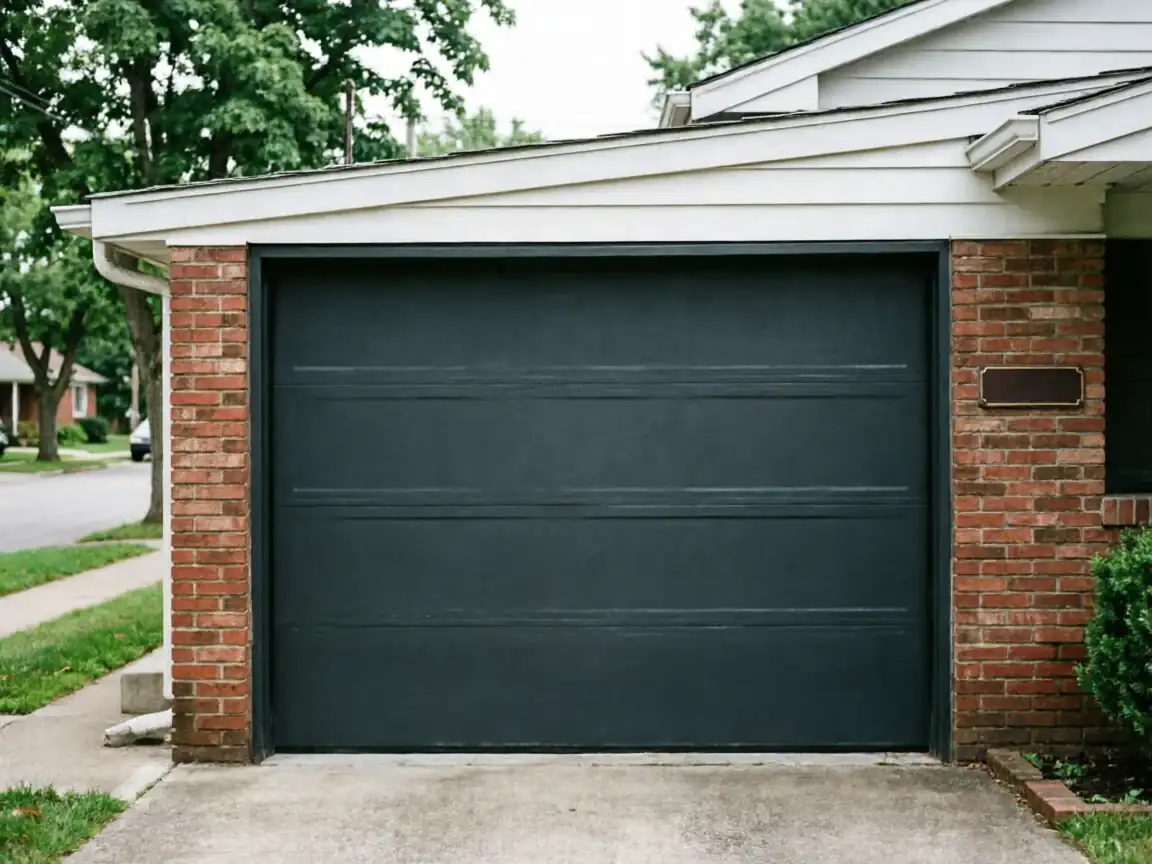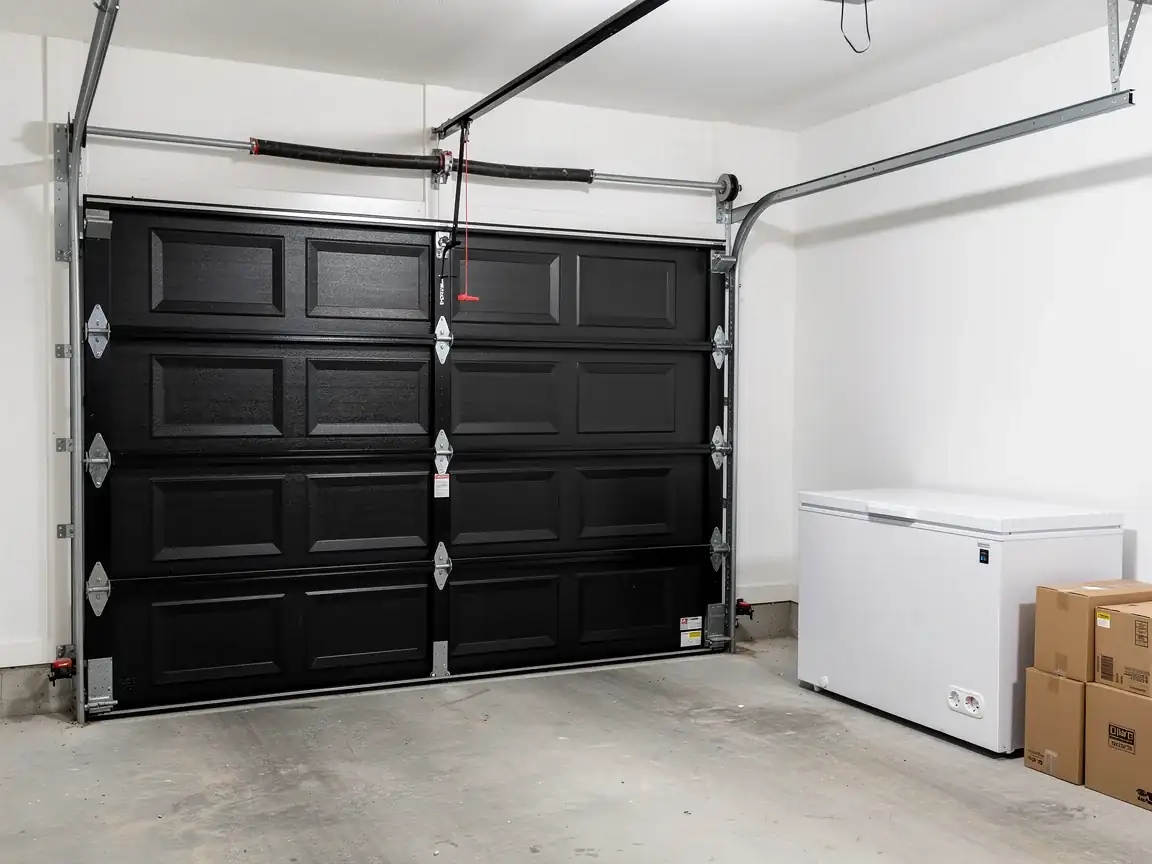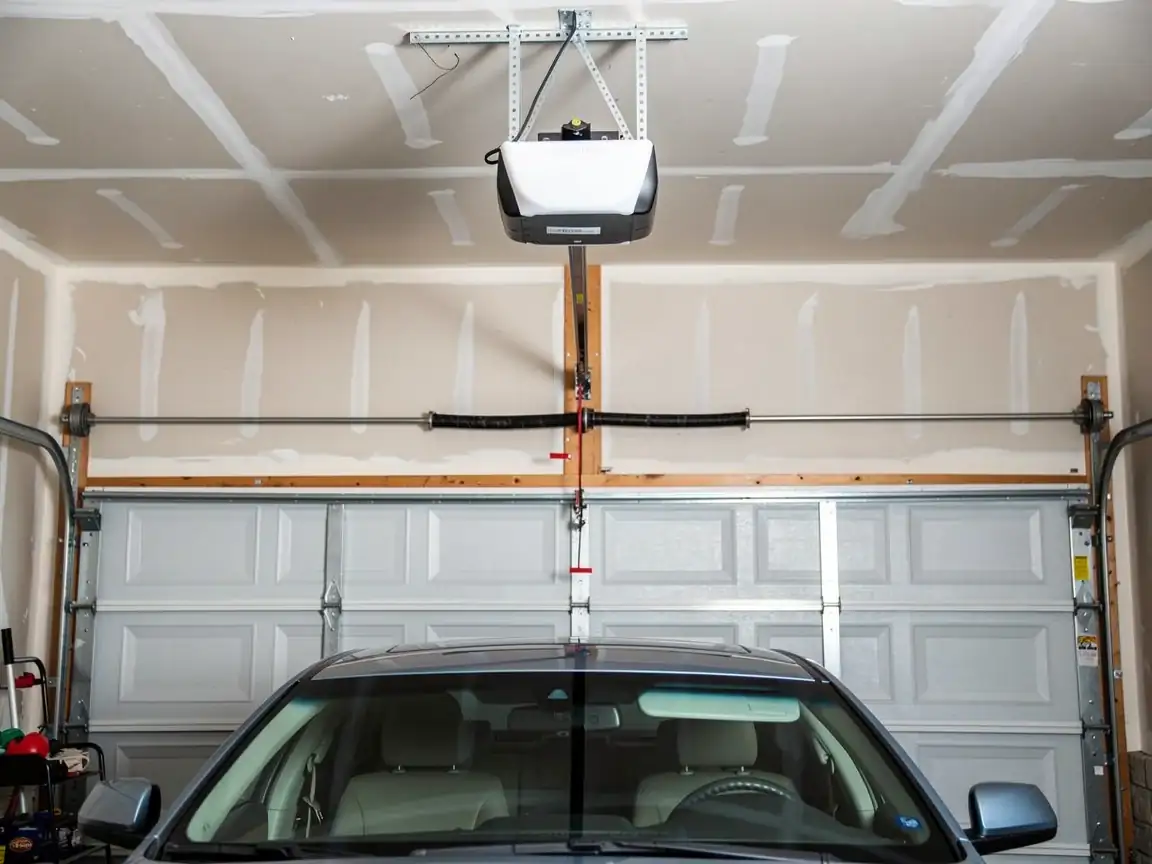
What You Are Seeing
Most calls we get start the same way
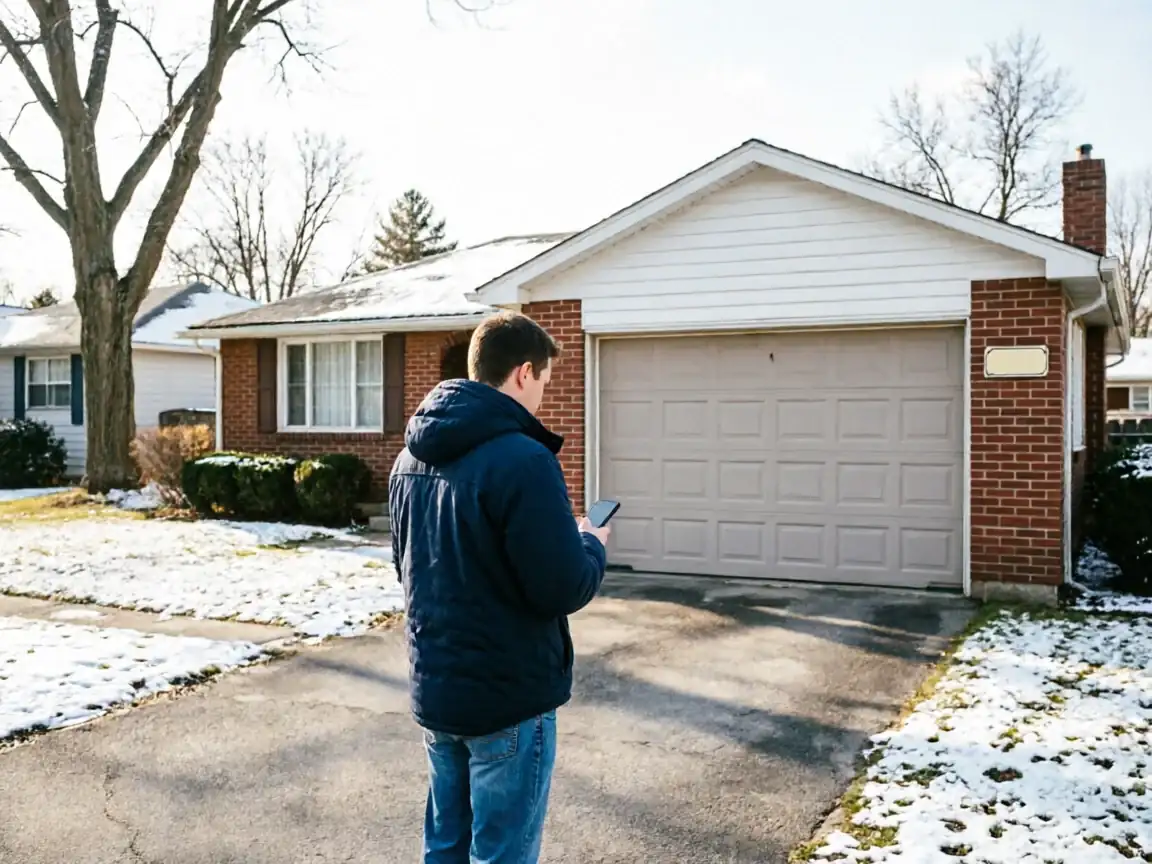
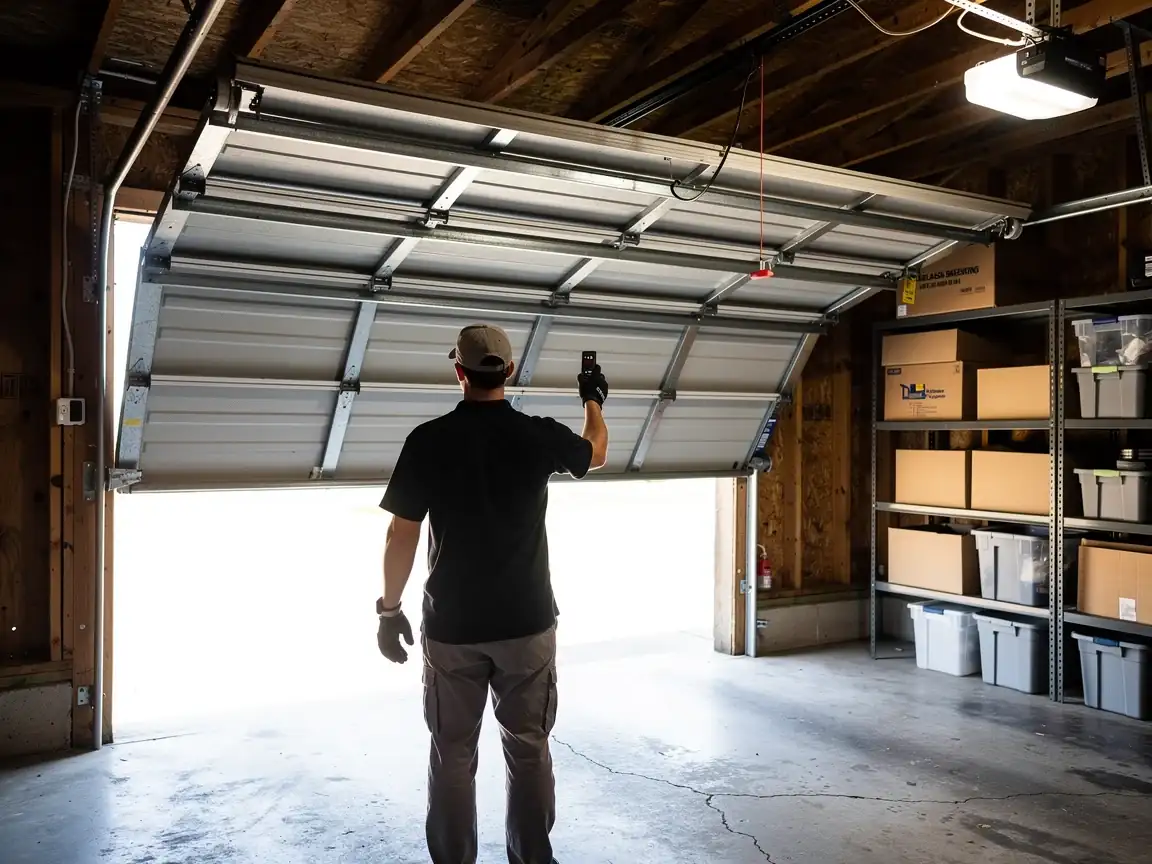
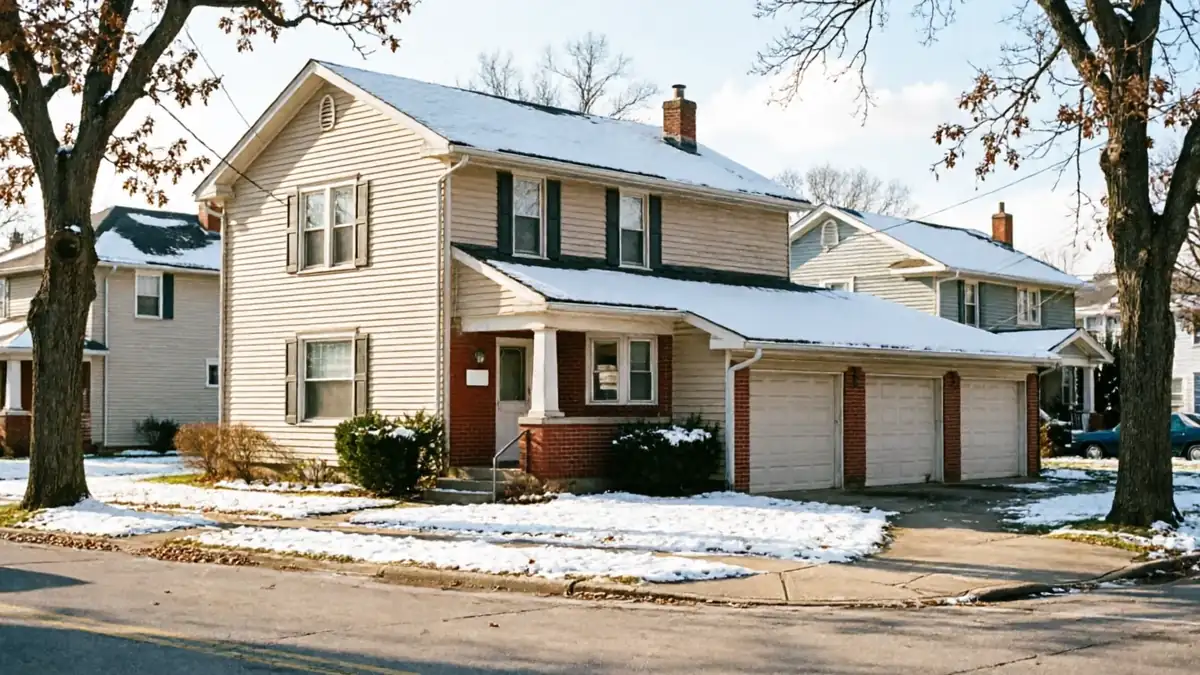
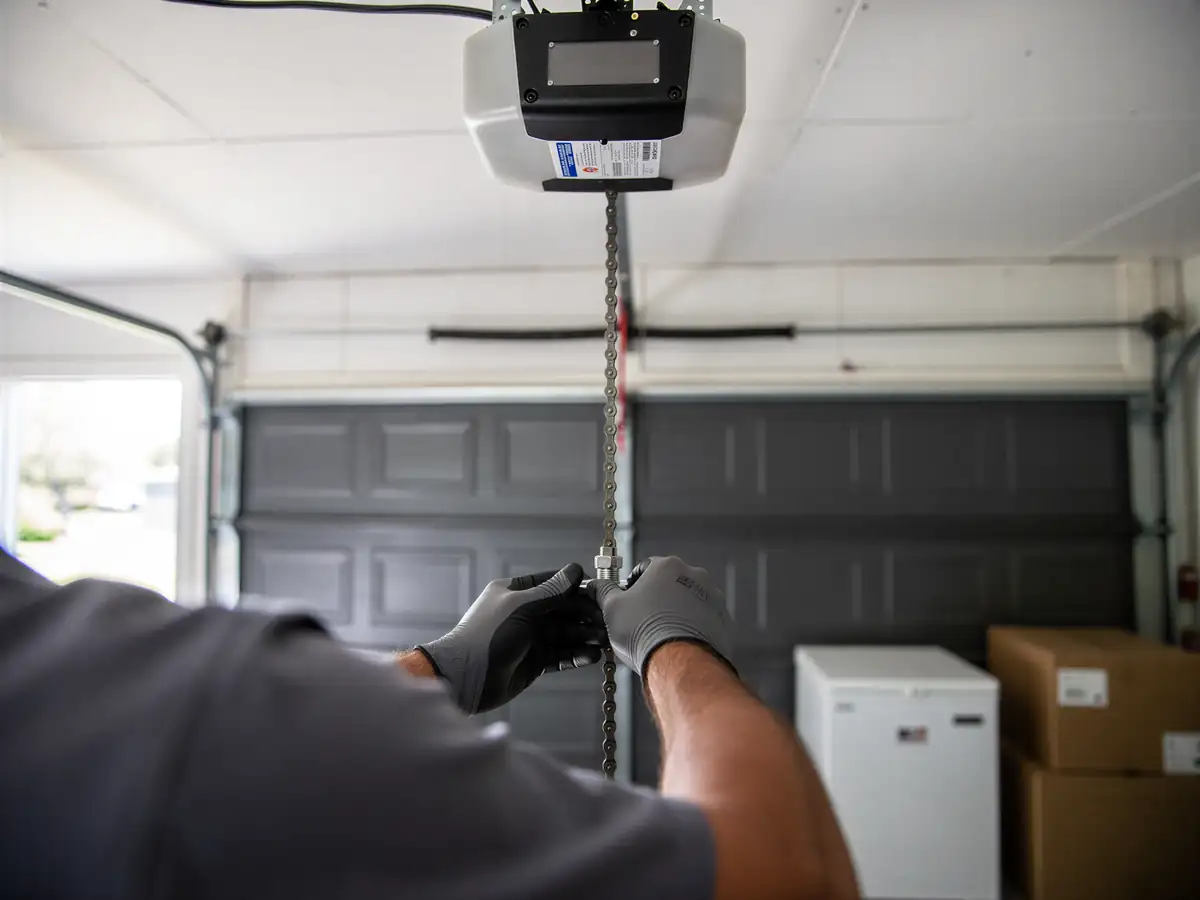
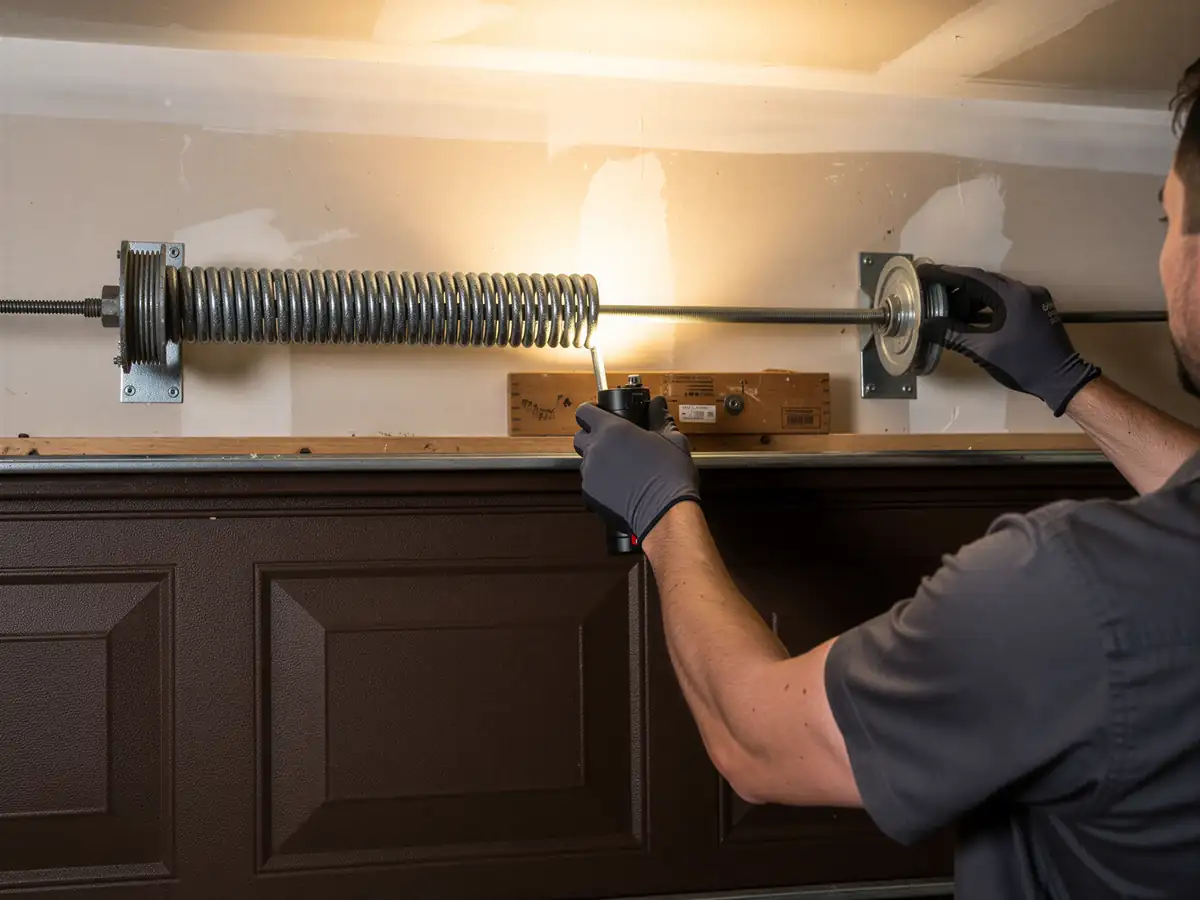
The door won't open all the way, it opens and then drops back down, or it makes a bang from the spring when nobody's touched it. In Columbia, a lot of this traces back to the age of the housing stock. Homes here were built mostly between 1938 and 2003, with the median landing around 1978, and the seven named areas across the service footprint lean heavily on 1960s-70s construction. That means original torsion or extension springs, first-generation openers that have been swapped once or twice, and tracks that were never upgraded to handle a heavier insulated door if one went in later.
The symptom you're seeing
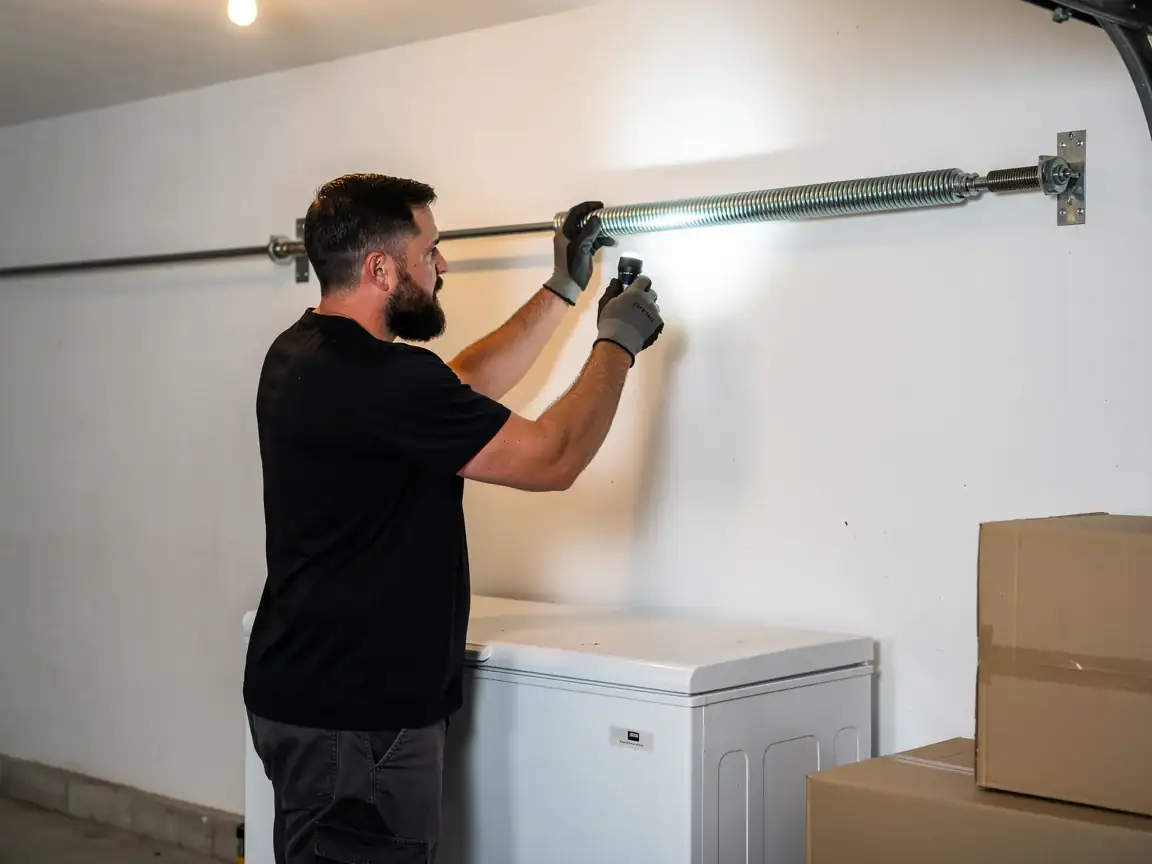
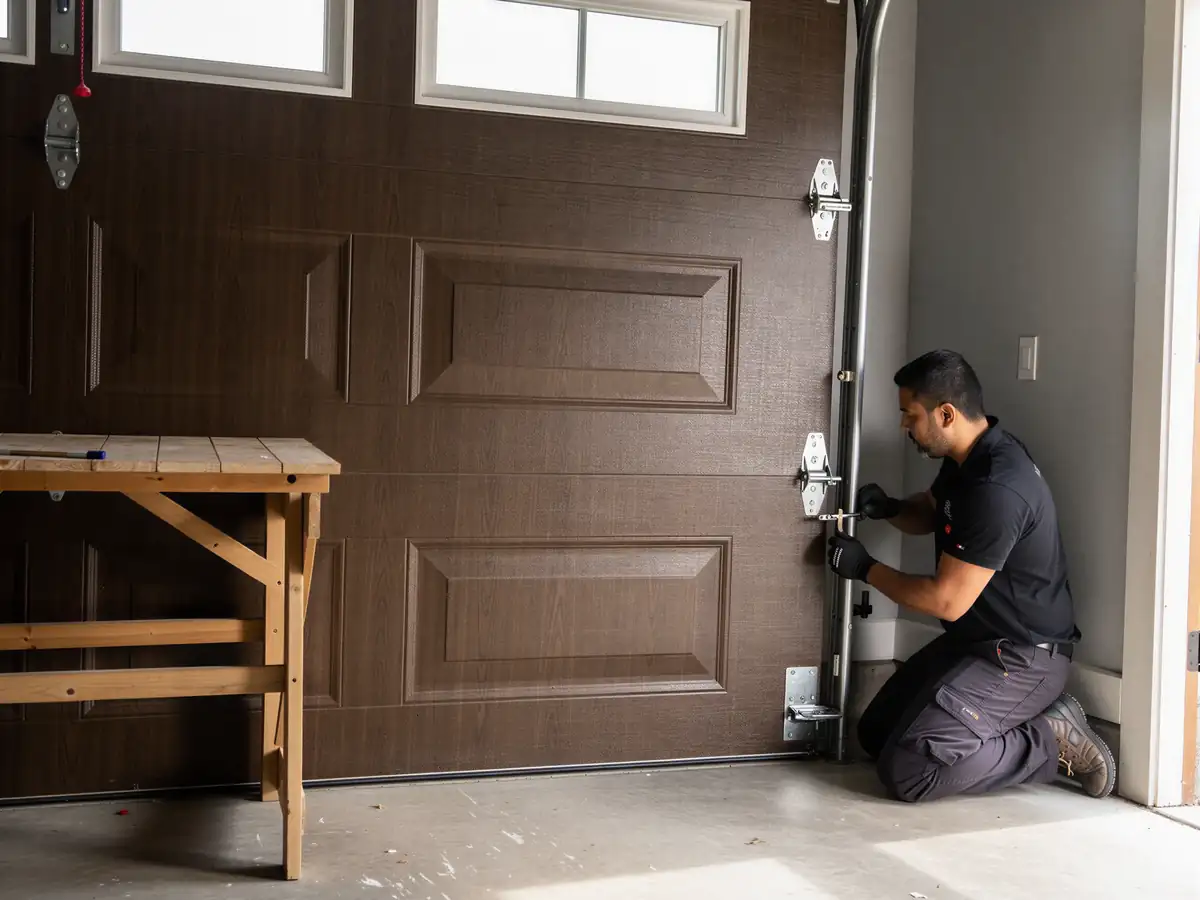
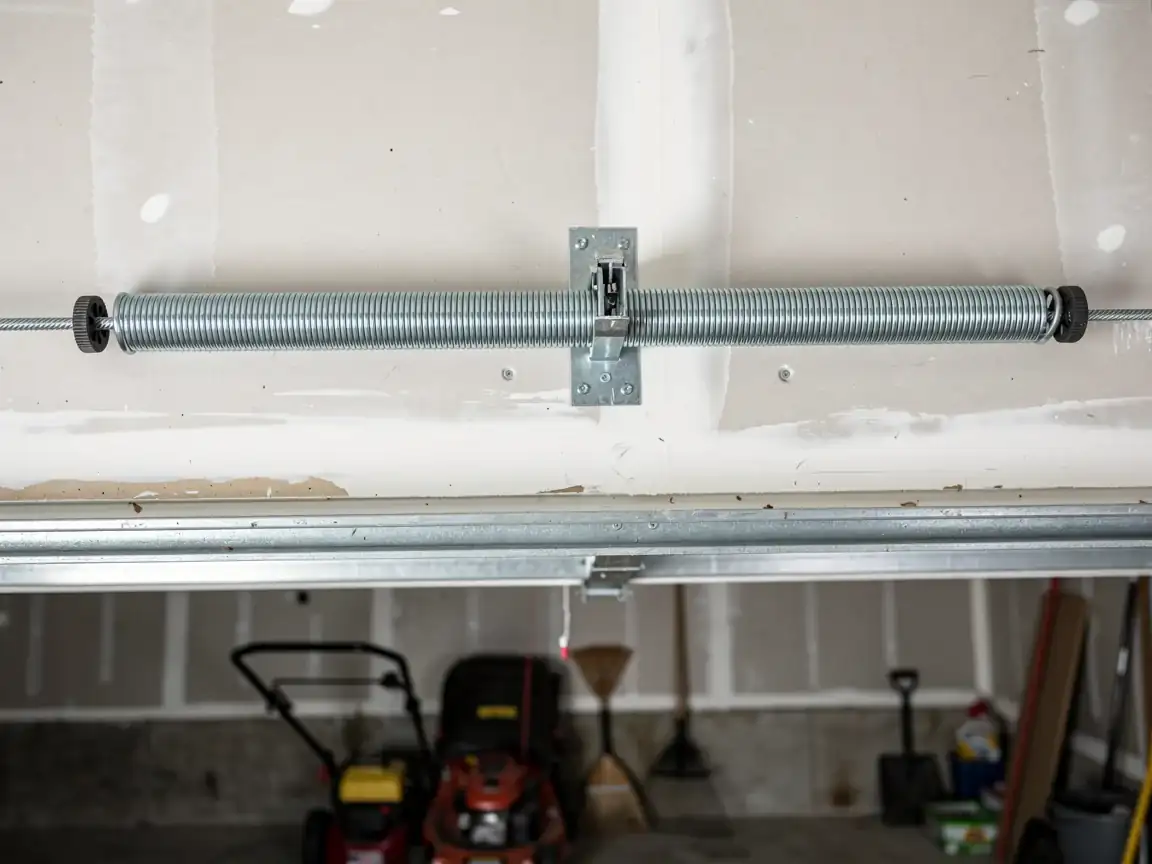
Slow response from the opener, a door that reverses for no reason, a spring that looks stretched or has a visible gap in the coil - almost always has a mechanical cause tied to wear, not a bad part straight out of the box. Cold snaps make it worse, because steel contracts and grease stiffens, so a spring that was marginal in October can snap in January. We look at the door as a system: spring, cable, drum, track, opener, and how they've aged together, not just the one part that finally gave out.
Can You Do This Yourself
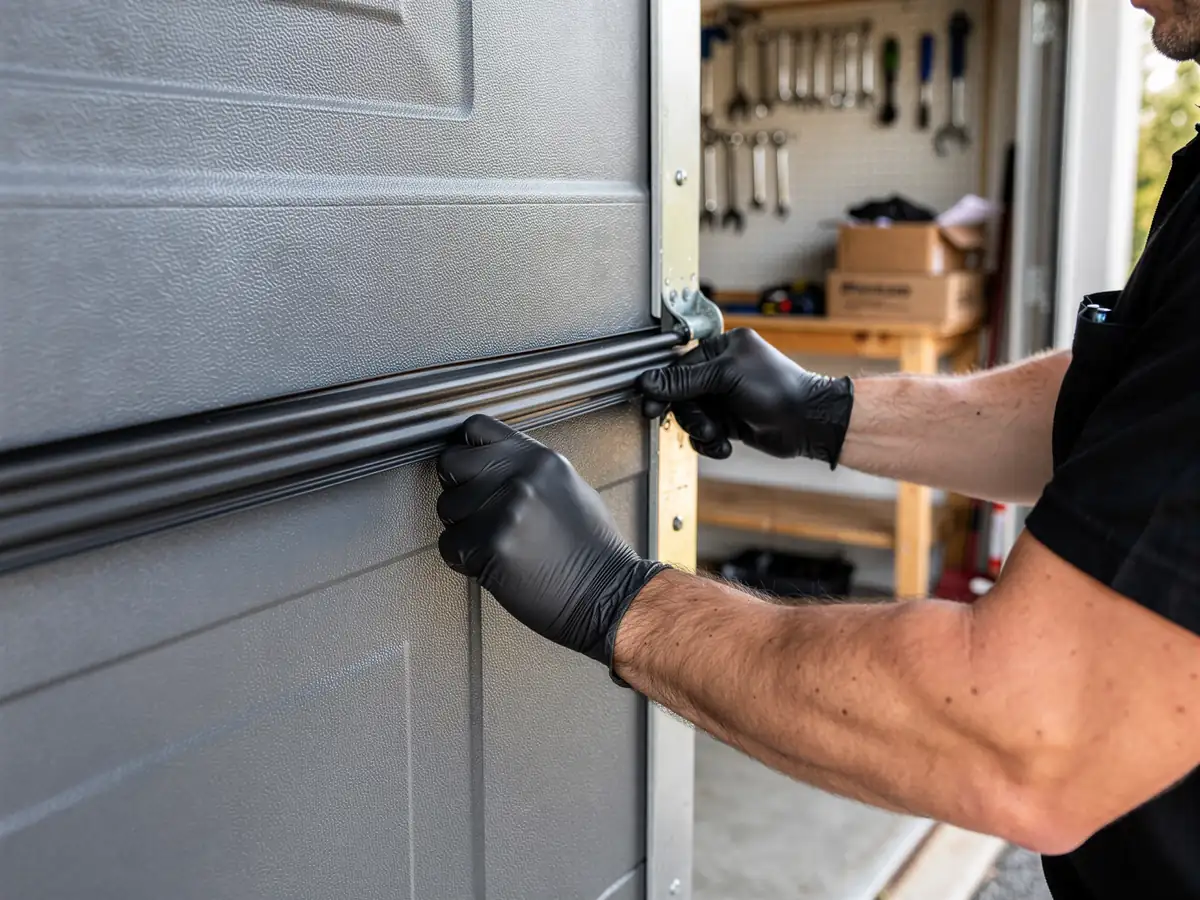
Some of this is fair game for a homeowner. Lubricating rollers and hinges, tightening loose bolts on the track brackets, checking that the photo-eye sensors are aligned and clean - none of that requires a truck. If your opener isn't responding, check the wall switch wiring and the remote battery before you call anyone.
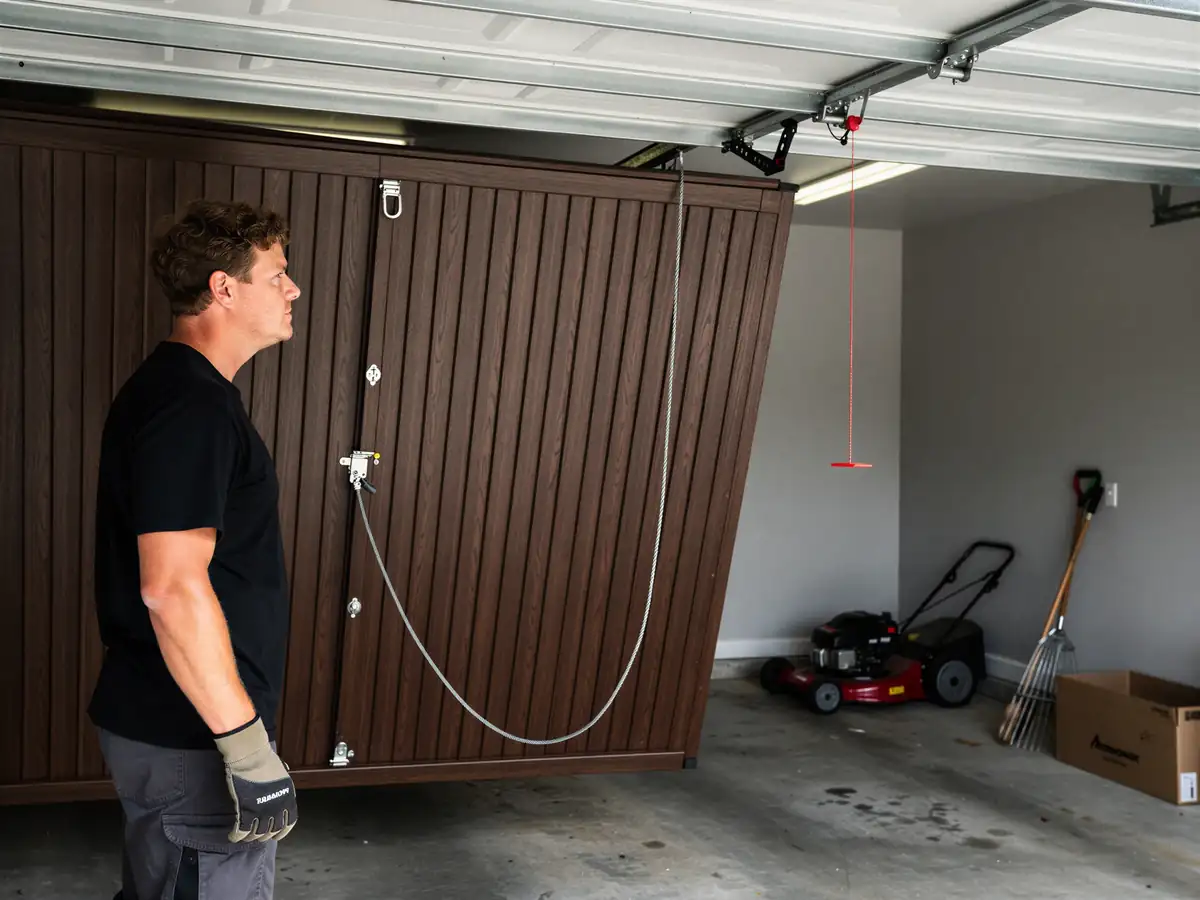
What you shouldn't touch is anything under spring tension. A torsion spring on a double door, which is common across Columbia's older two-car garages, stores enough energy to break a bone or worse if it lets go while you're working on it. Cable replacement is the same story - the cable is only dangerous because of what's behind it. If the door is off its track, leave it. If a spring is broken, leave it. That's not us protecting a revenue stream; it's genuinely not a weekend job with hand tools.
What It Costs
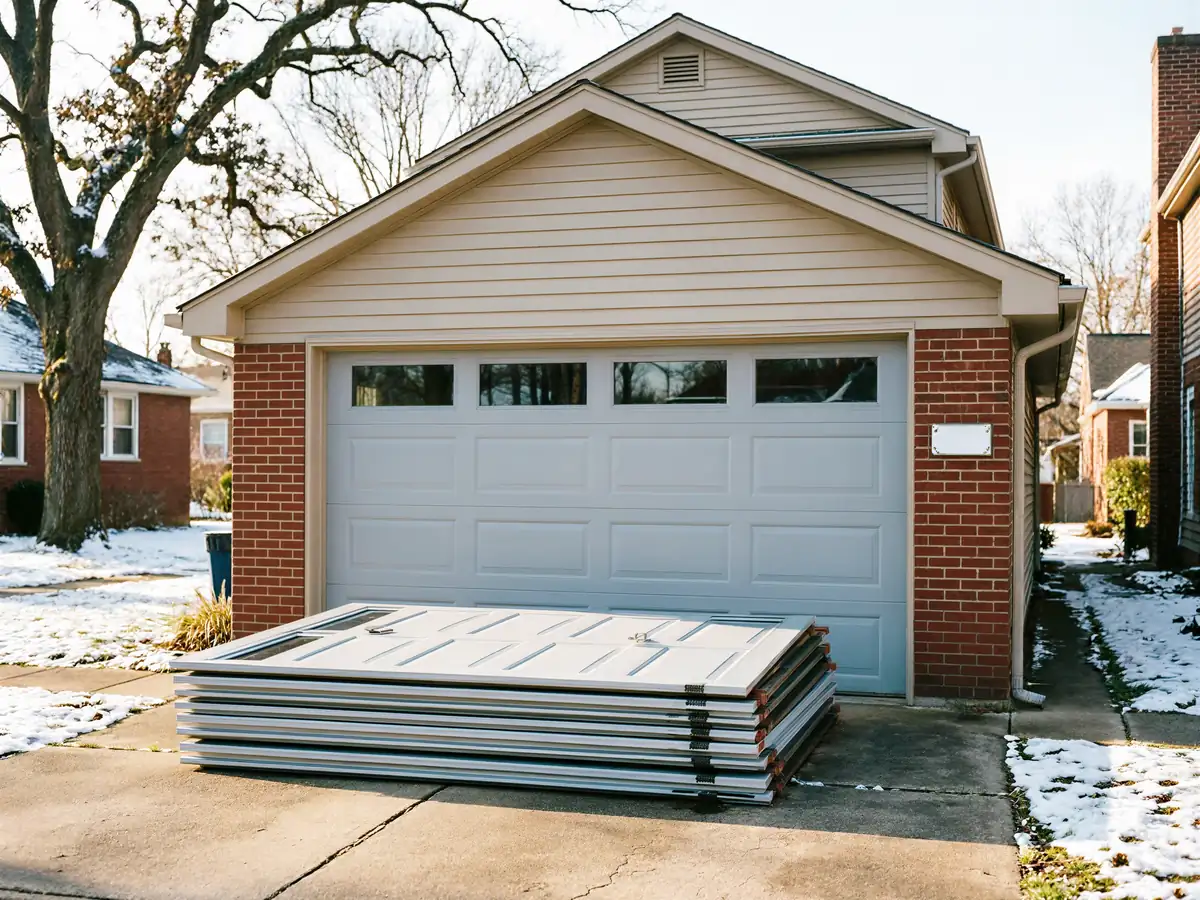
We don't publish a flat number here because the honest answer depends on what's actually wearing out - a single spring is a different job than a spring plus a worn opener gear, and a door that's been limping along on a bad roller for years sometimes has track damage you can't see until it's off the wall. What we can tell you is that most of the service area is 1960s-70s single-family homes with original two-car garages, so a large share of the jobs we quote involve the same handful of parts: torsion springs, extension cables, and nylon rollers that have gone hard and brittle in the cold.
Median household income across the service area sits around $58,889, and we price jobs with that in mind - we'd rather tell you a repair isn't worth it than sell you a new door you don't need. If a door is original to a 1960s build and the opener has already been replaced once, sometimes the math favors a new door over another round of patch repairs. We'll say so if that's the case.
Why This Fails Locally
Columbia sits in a severe cold climate band
And that matters more for garage doors than most people expect. Steel springs lose tension and become brittle with repeated freeze-thaw cycling, and a spring rated for a certain number of cycles under moderate conditions wears faster here. Combine that with a housing stock where the median build year is 1978 - meaning a lot of doors and openers are either original or on their second replacement cycle - and you get a predictable failure pattern: springs that hold fine through summer and let go on the first hard cold snap of the season.
The seven named areas in the service footprint share this profile closely enough that we see the same failure twice a week in different neighborhoods
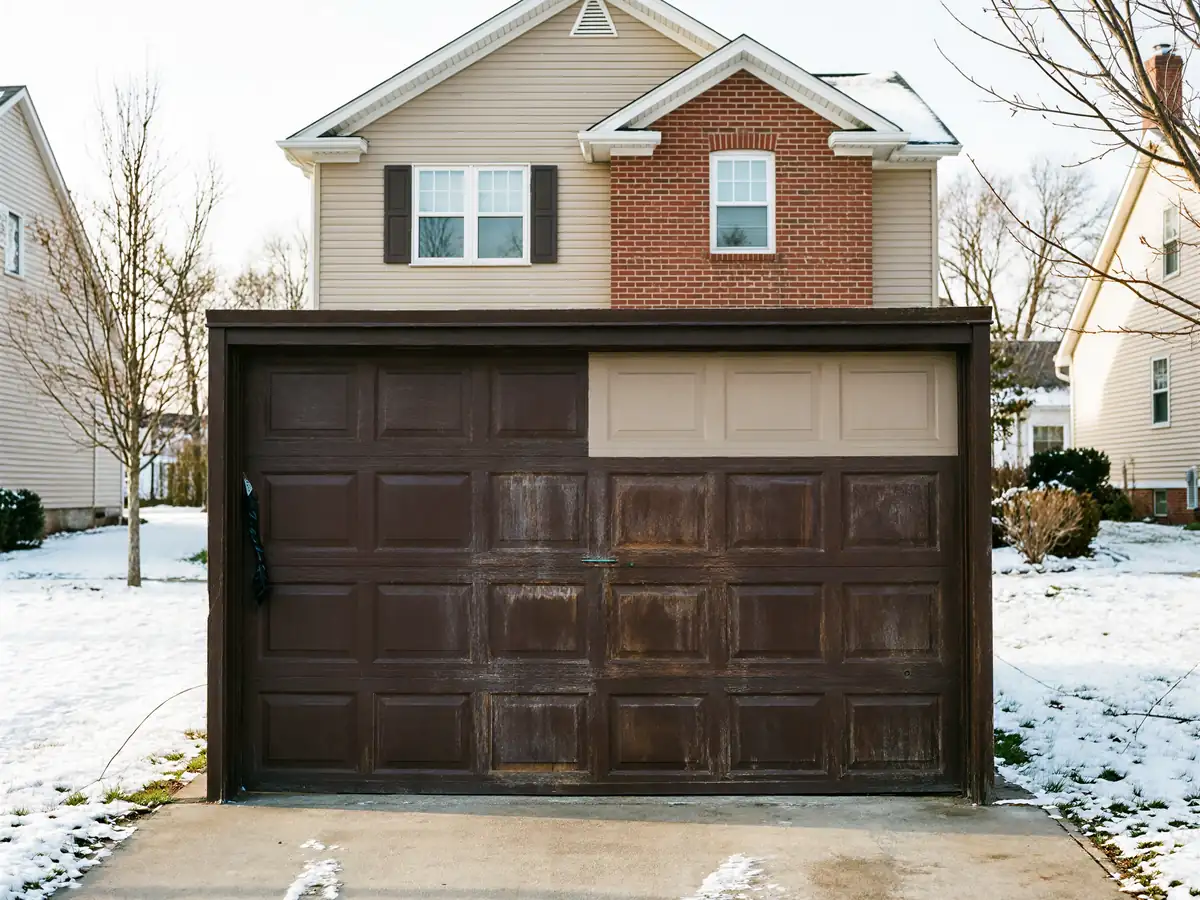
A torsion spring snapping on a cold morning, right as someone's trying to leave for work. It's not bad luck or a bad manufacturer. It's 50-plus-year-old hardware meeting a climate that's hard on steel, in houses that were built before anyone was thinking about garage door maintenance cycles. Where we can't help is if the door itself is structurally failing - rotted wood panels or a frame that's shifted with the foundation - that's a carpentry or foundation problem first, and we'll tell you that rather than bolt new hardware to a door that won't hold it.