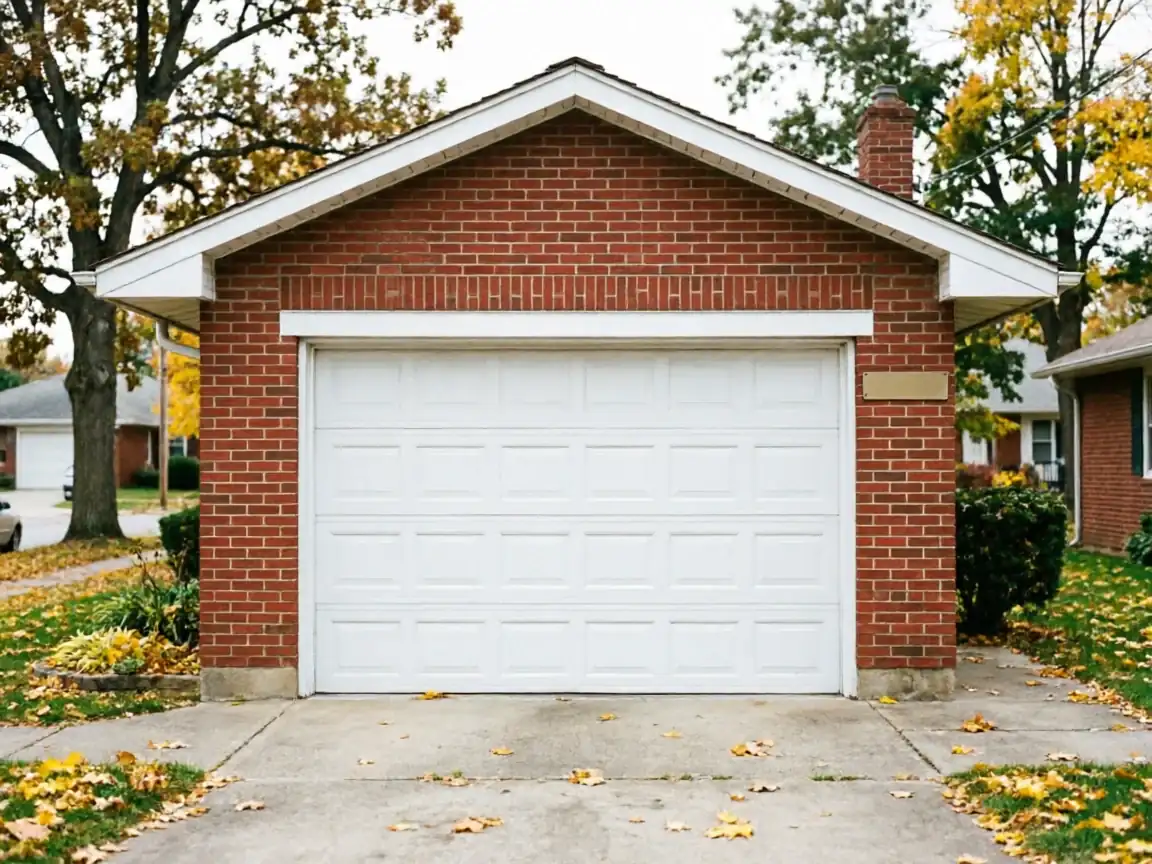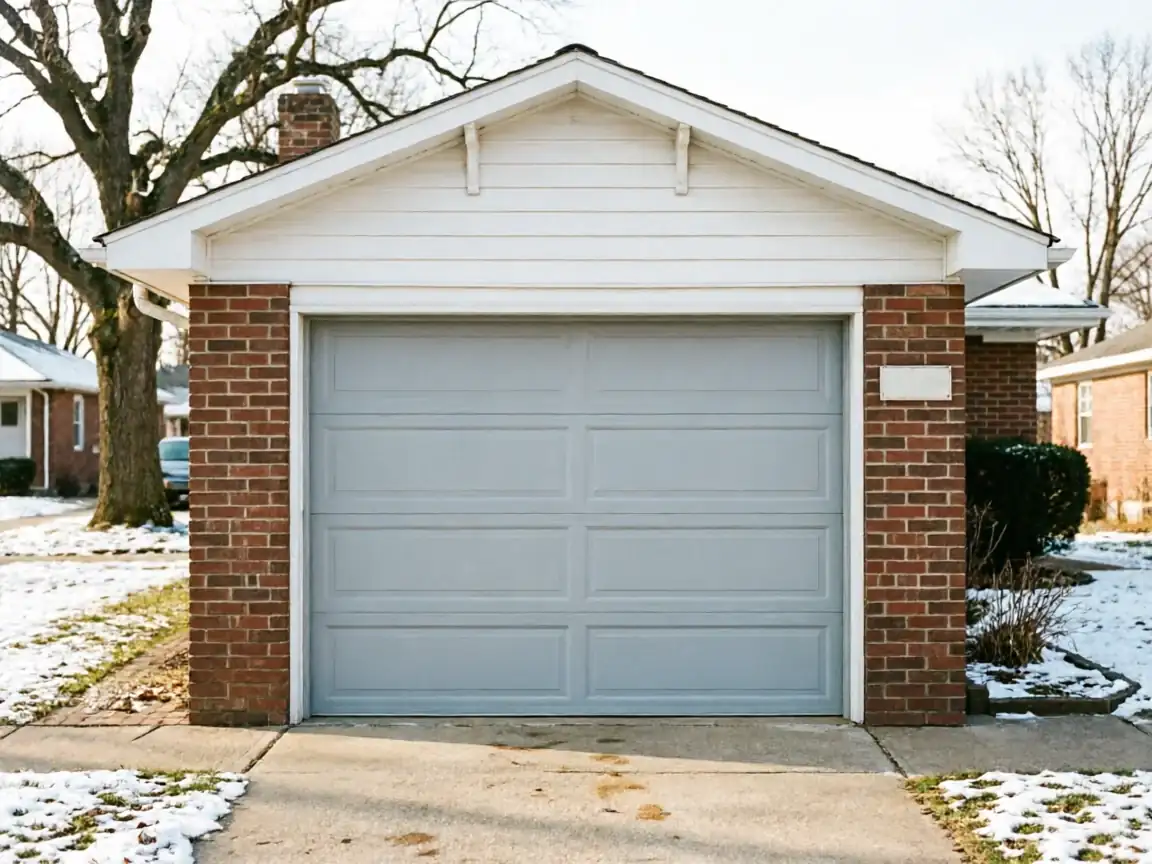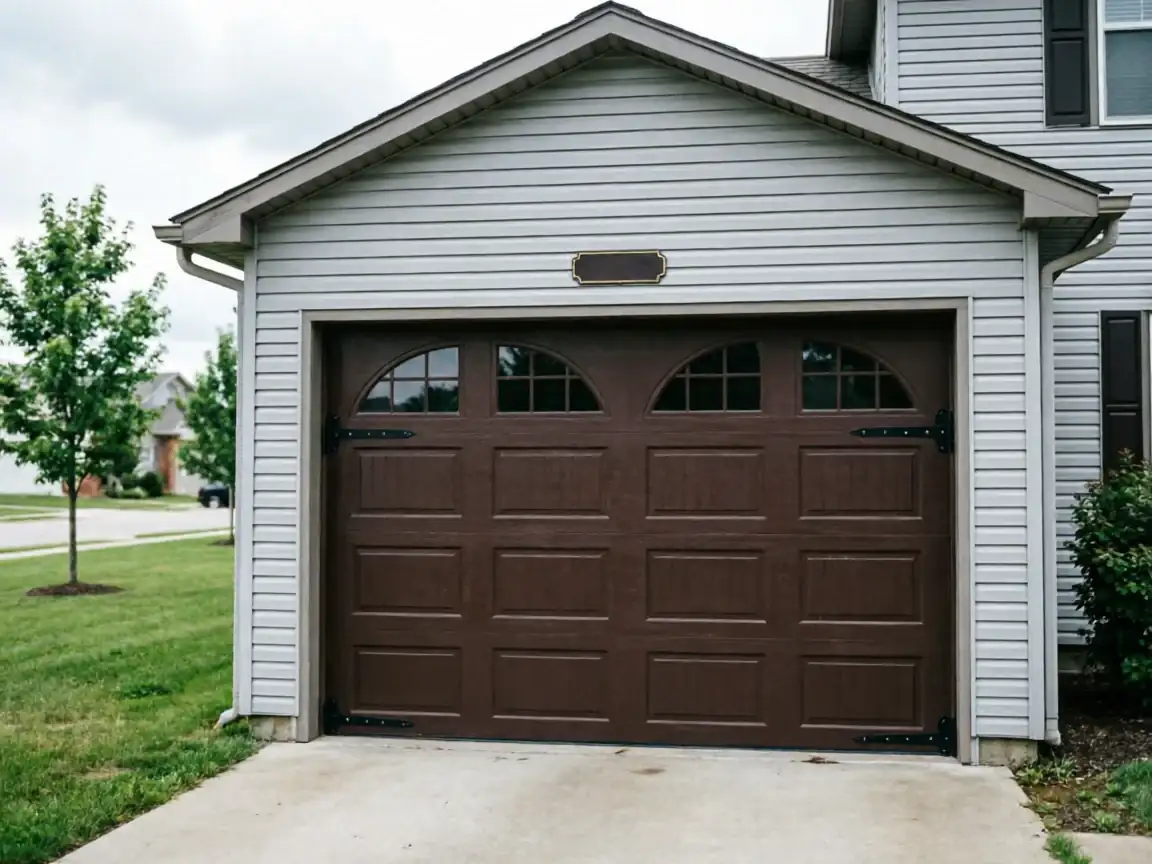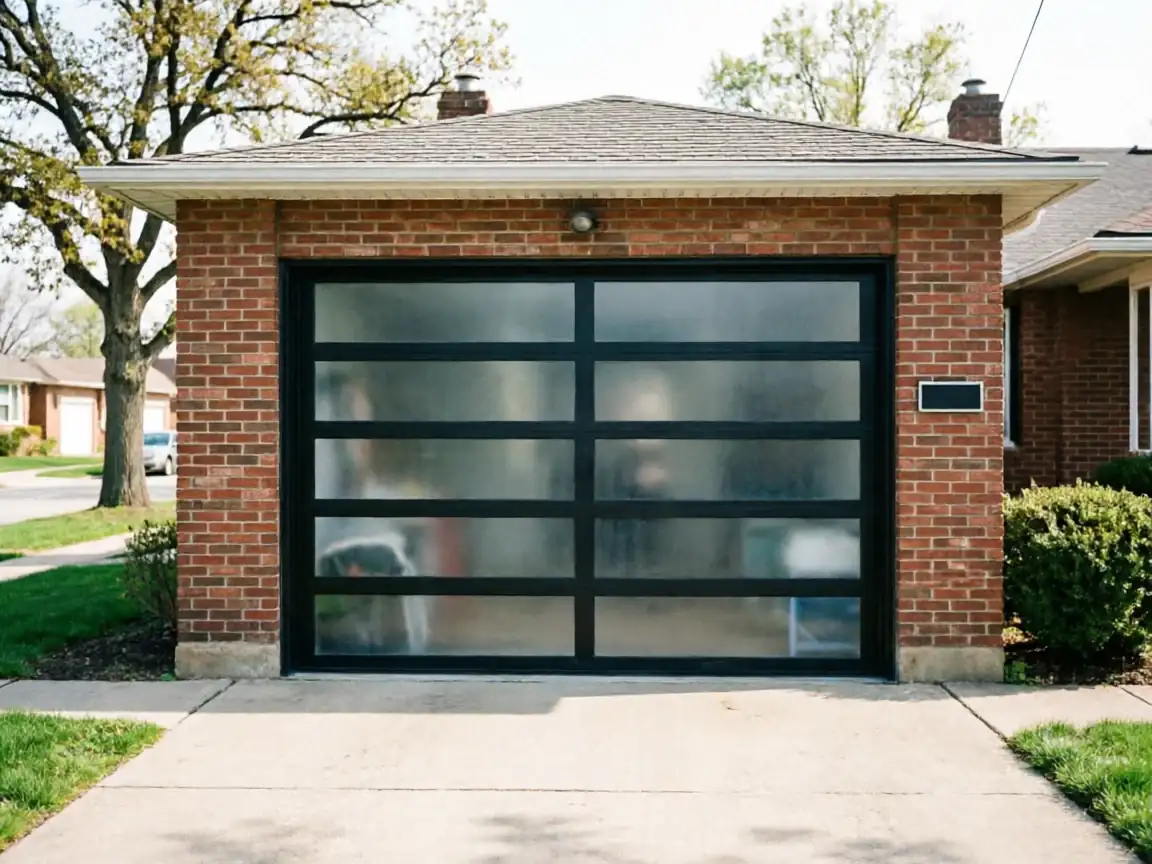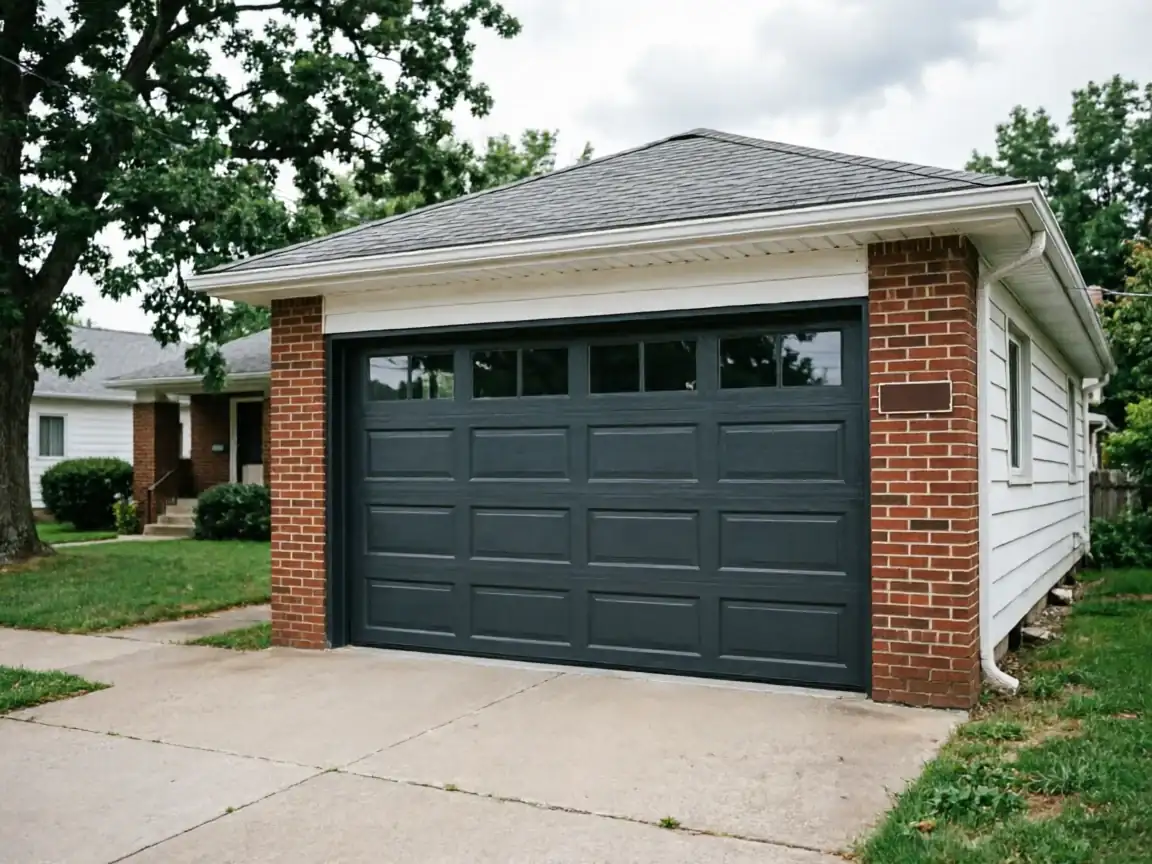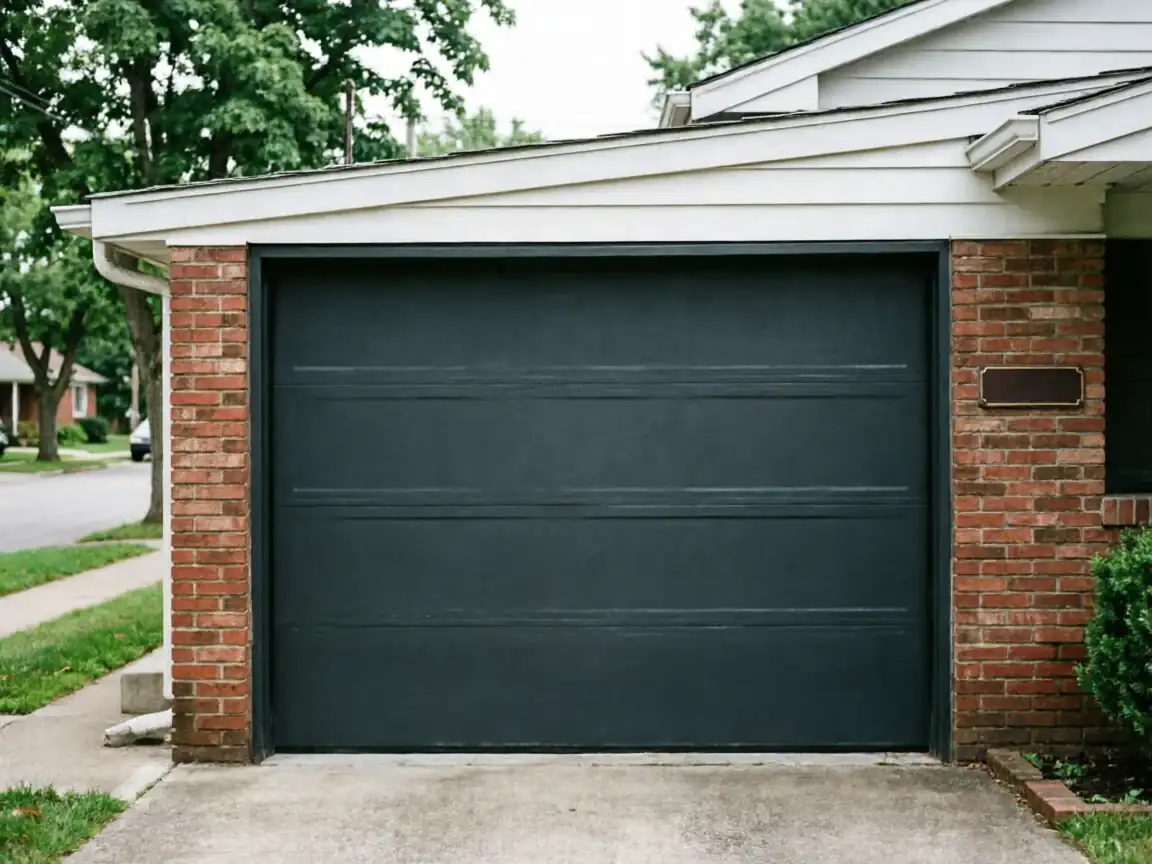
What the Housing Means for Your Door
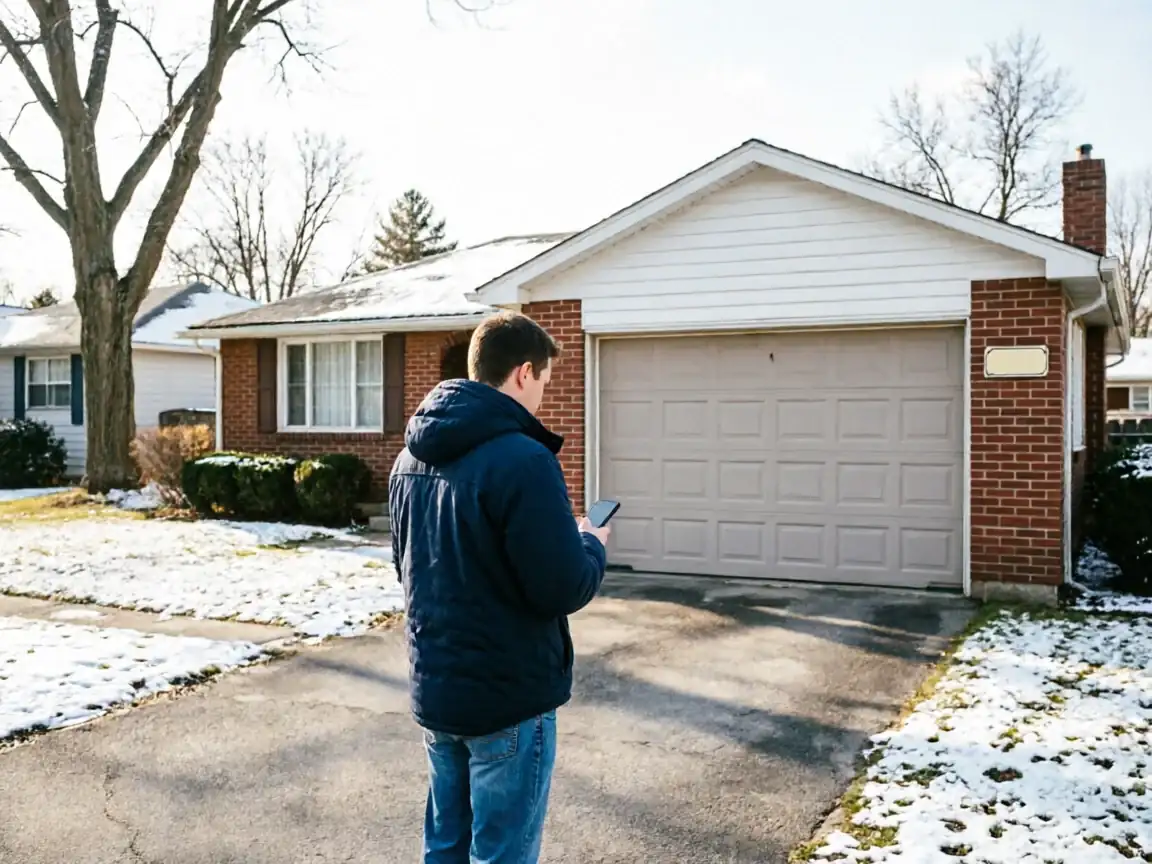
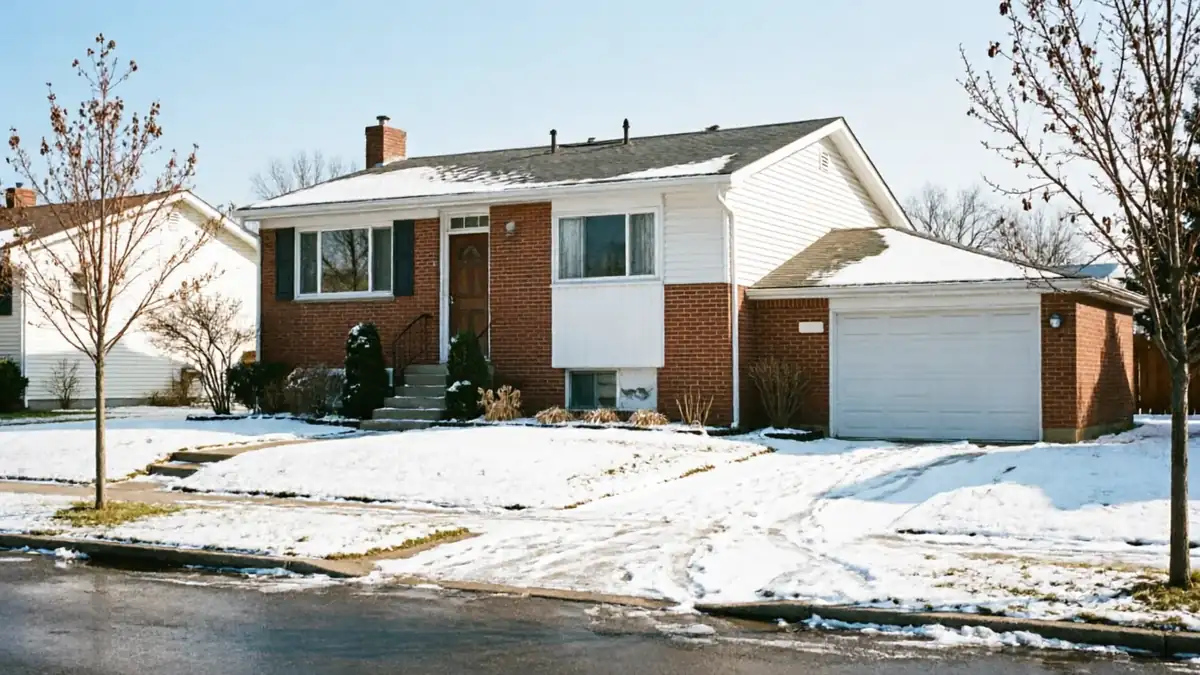
Harrisburg's housing stock skews newer than a lot of what we see closer to Columbia
The median build year out here is around 1992, well past the 1978 median for the wider service area. That ten-to-fifteen-year gap matters more than it sounds like it should.
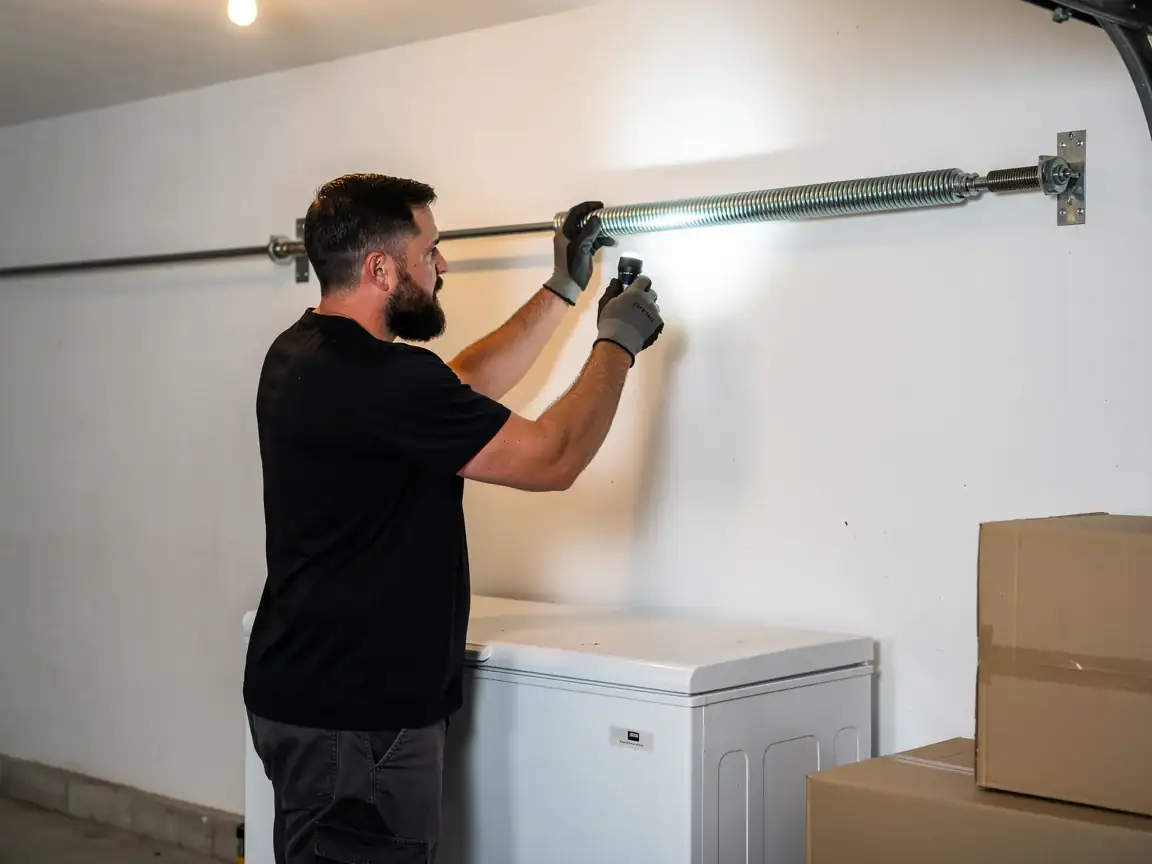
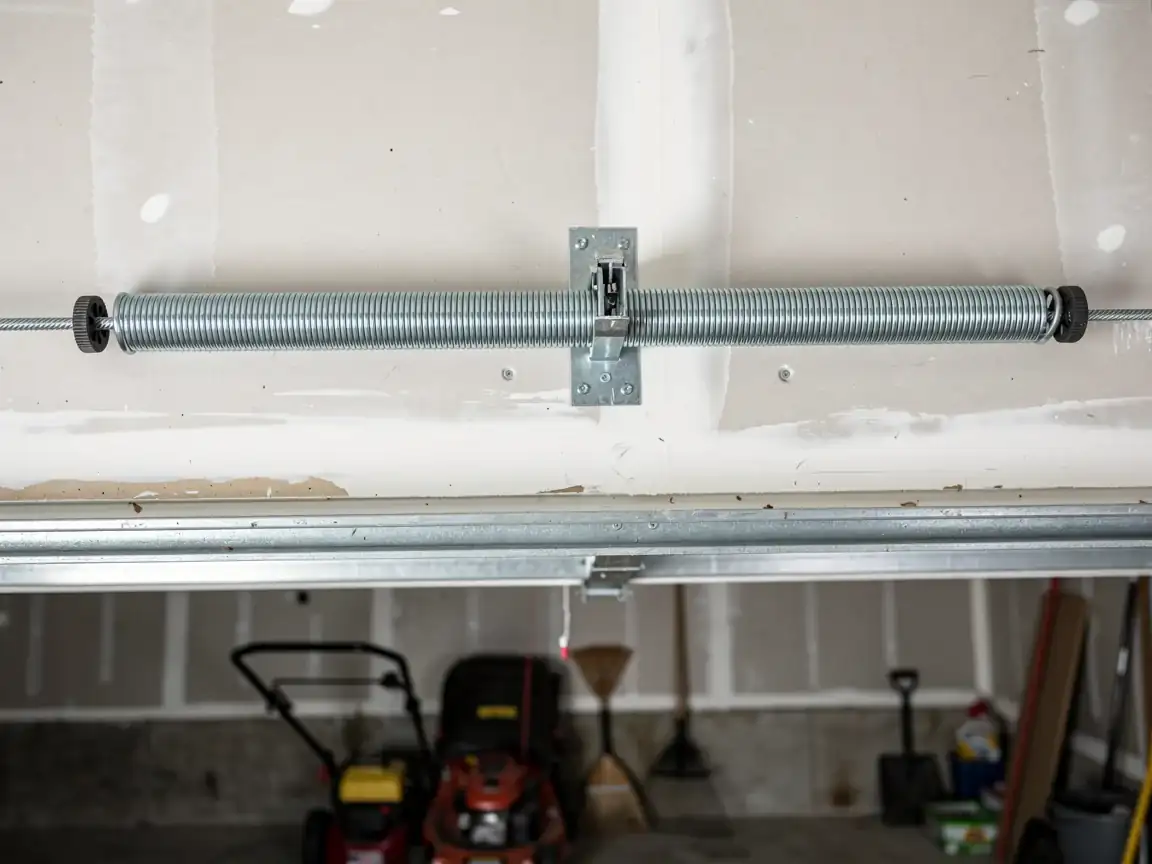
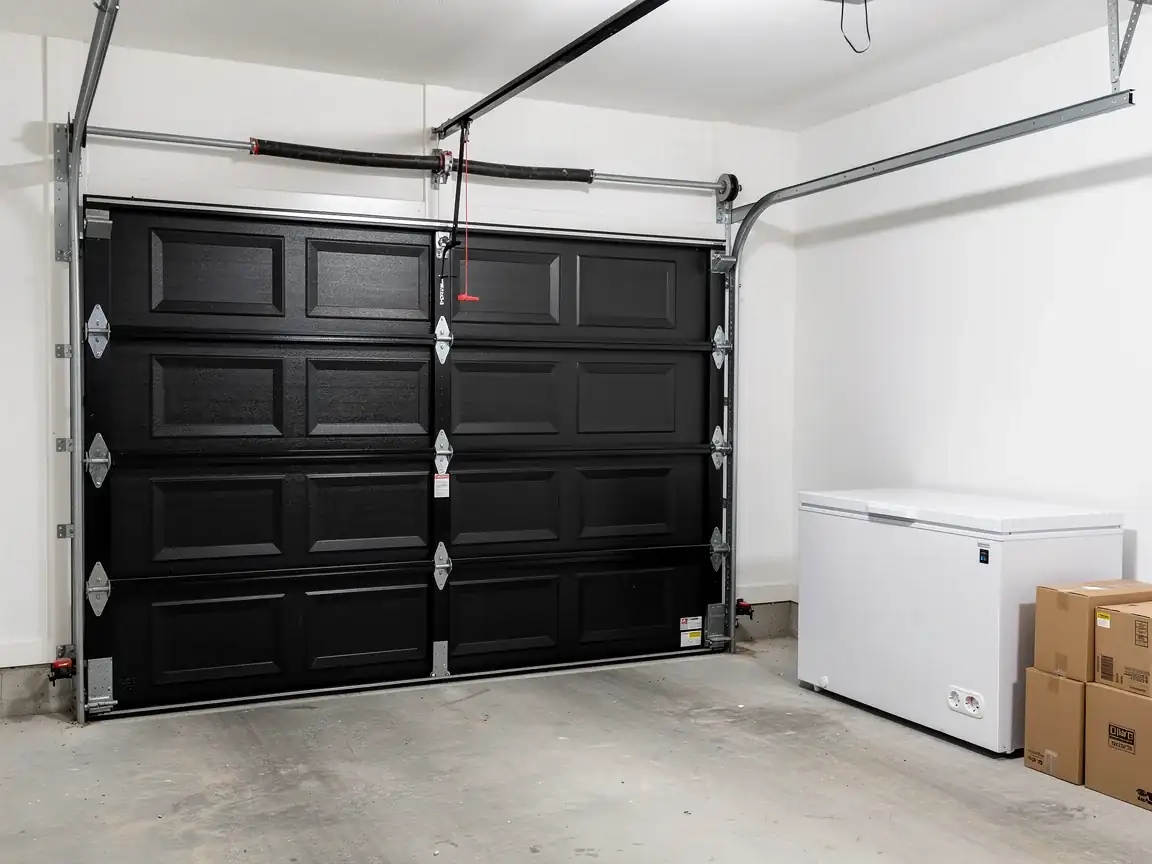
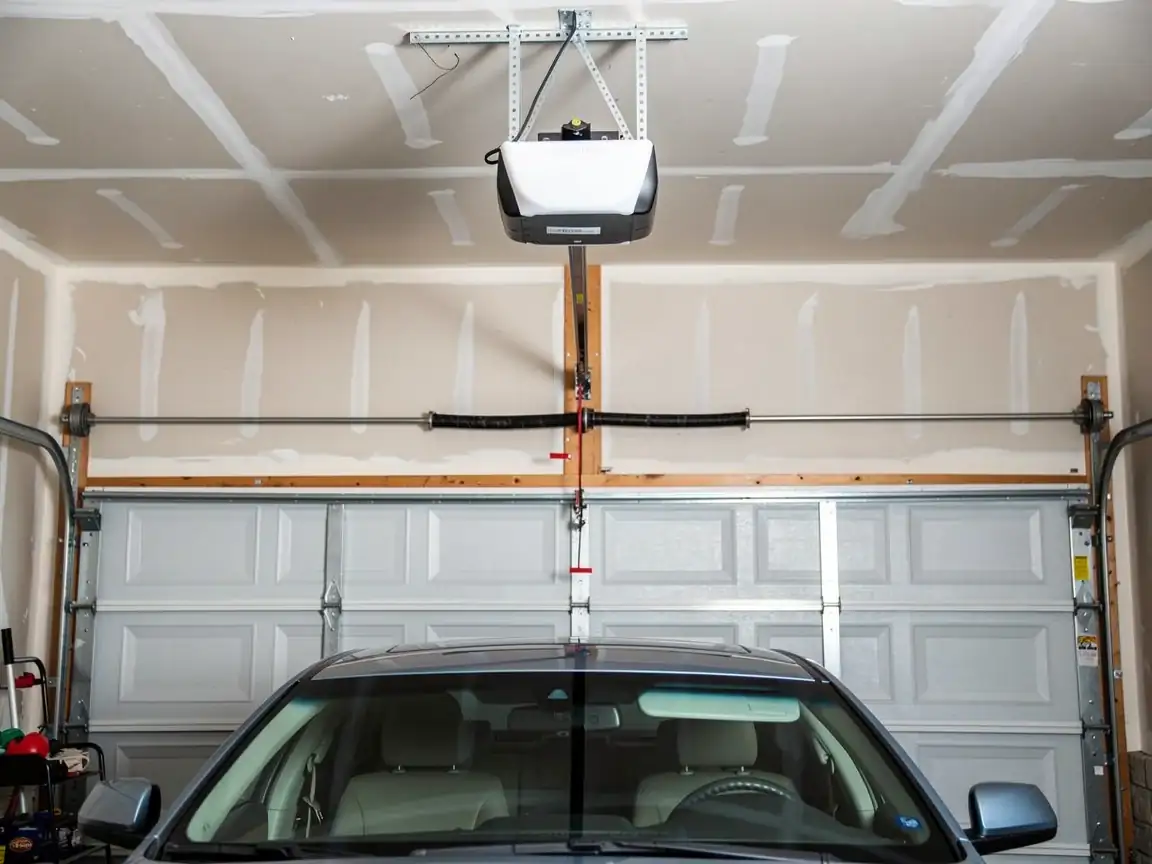
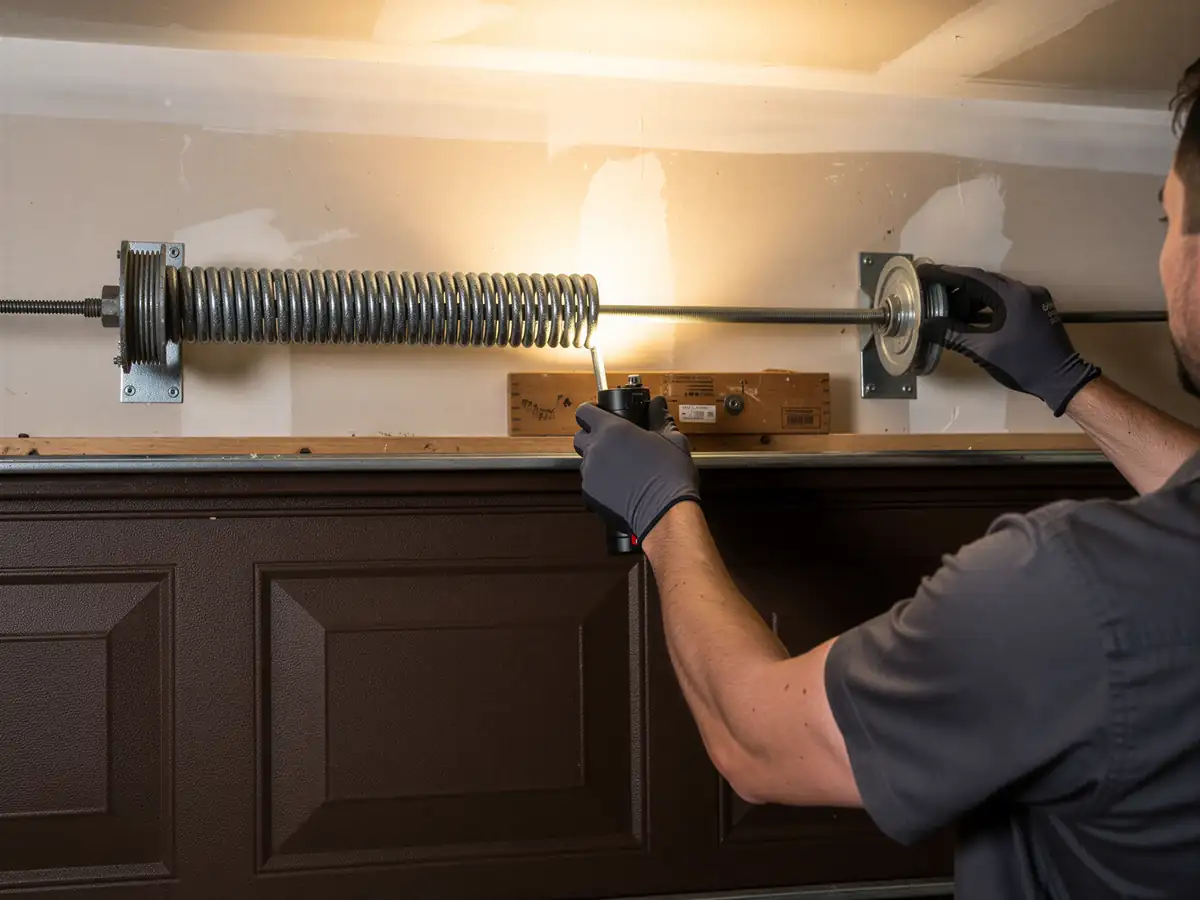
Houses from the early-to-mid 90s were built right as steel sectional doors with factory-installed torsion springs became the standard
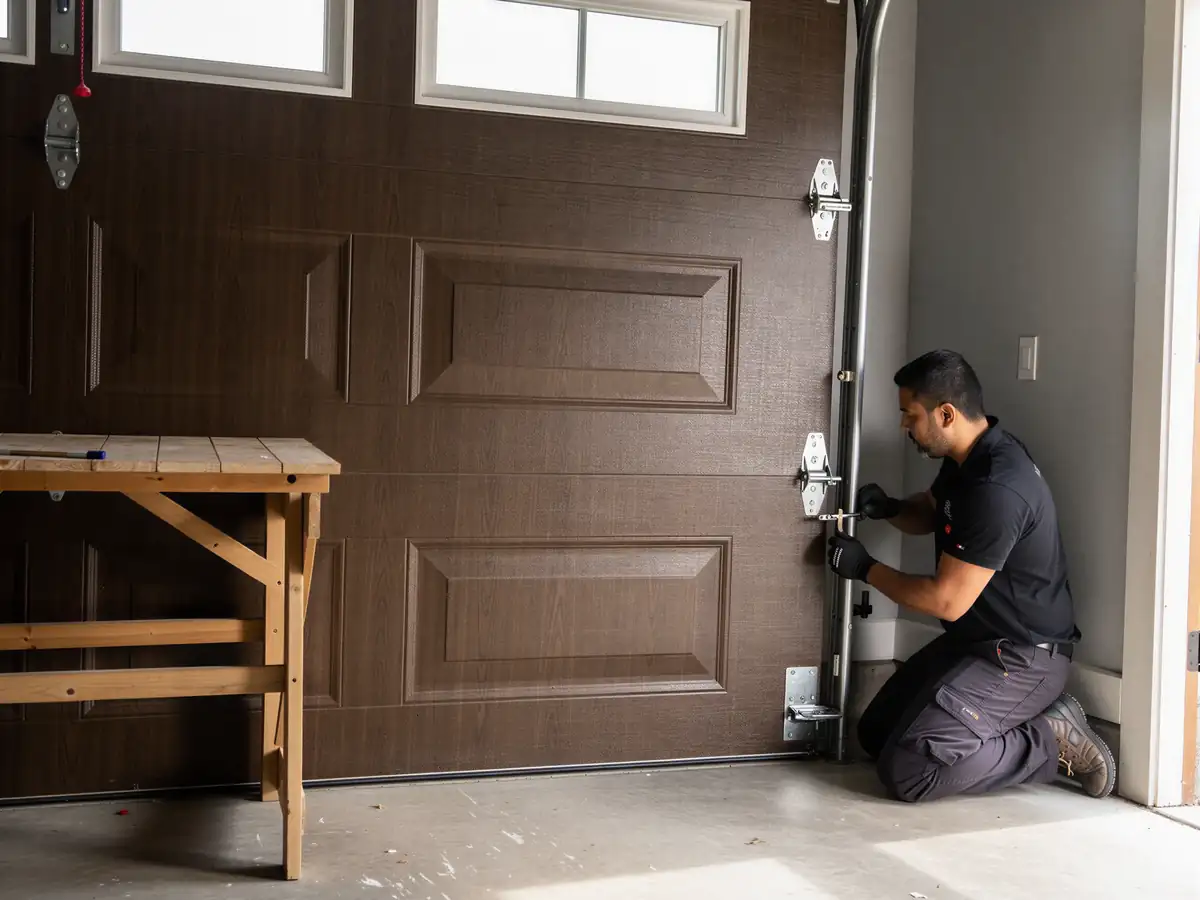
Replacing the older one-piece and track-style setups you still find in the pre-1978 stock. So on most Harrisburg jobs we're working with standard torsion hardware on steel panels, not the oddball side-mount or extension-spring rigs that show up in older neighborhoods closer in.
That doesn't mean nothing breaks
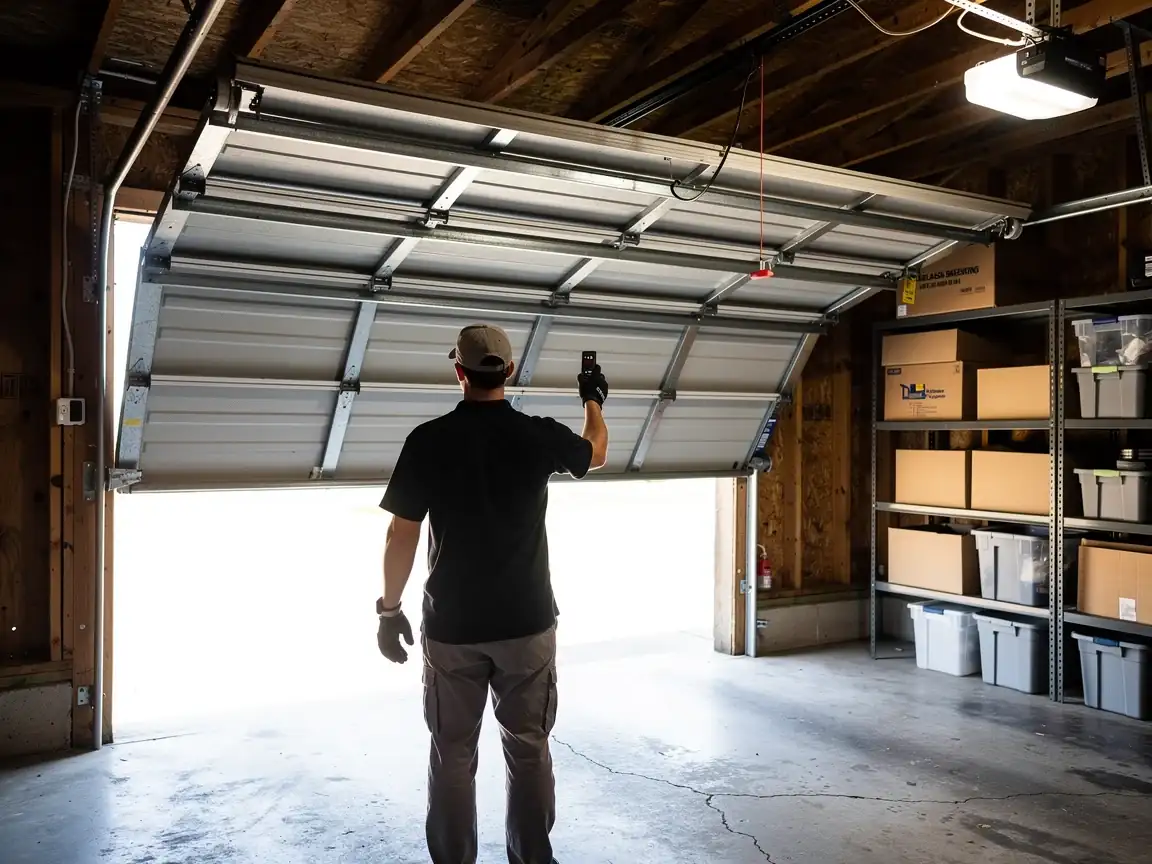
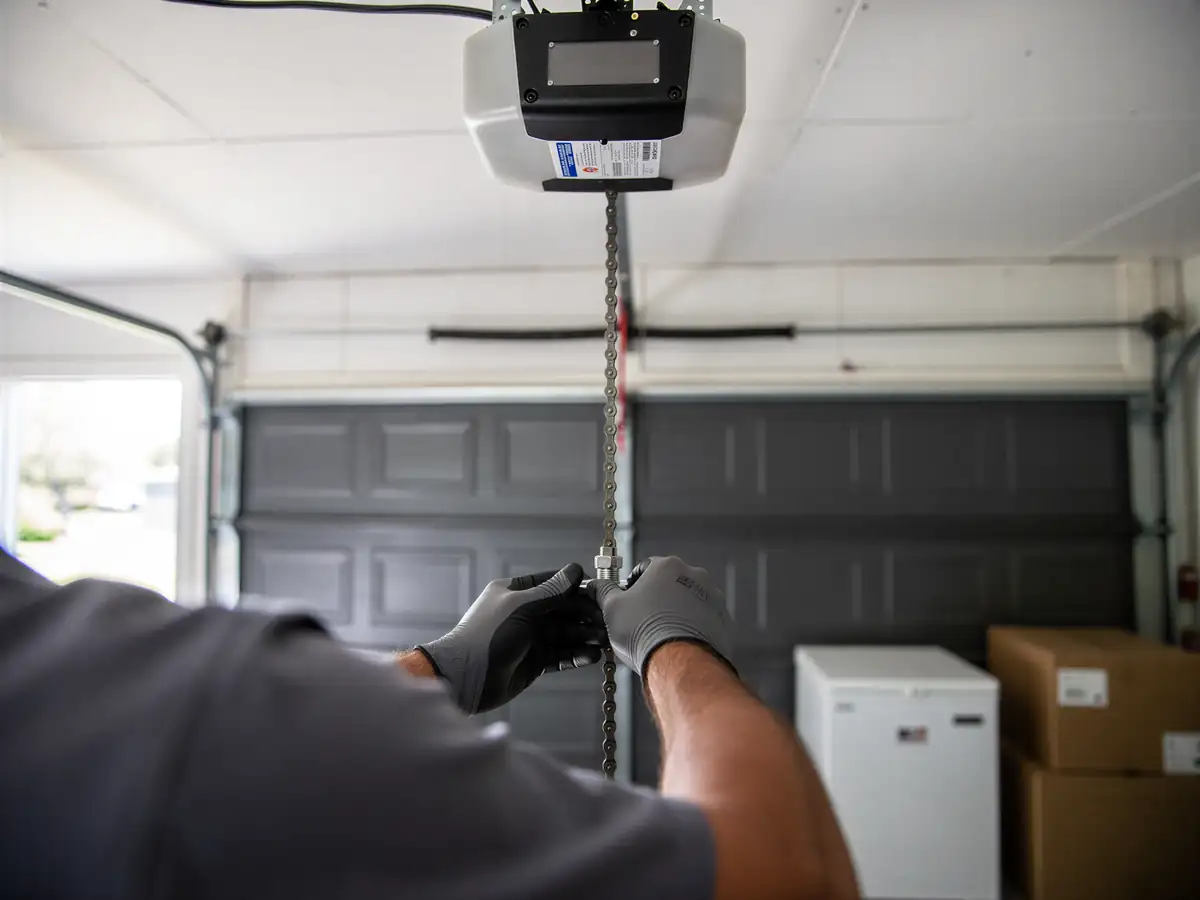
Doors from the early 90s are now over thirty years old, and springs rated for a certain number of cycles are well past due no matter how new the house felt when it went up. Openers from that era are also reaching the end of their realistic service life, especially if they're original to the house. The parts are easier to source than on an older door, which is the one real advantage of newer stock, but age is age.
What We Do Most in This Area
Given a median build year of 1992, the calls we get out of Harrisburg lean toward torsion spring replacement and opener swaps rather than the hardware-conversion jobs that come out of older parts of the coverage area. Springs on a 30-plus-year-old door are a routine failure, not a surprise, and we treat them that way.
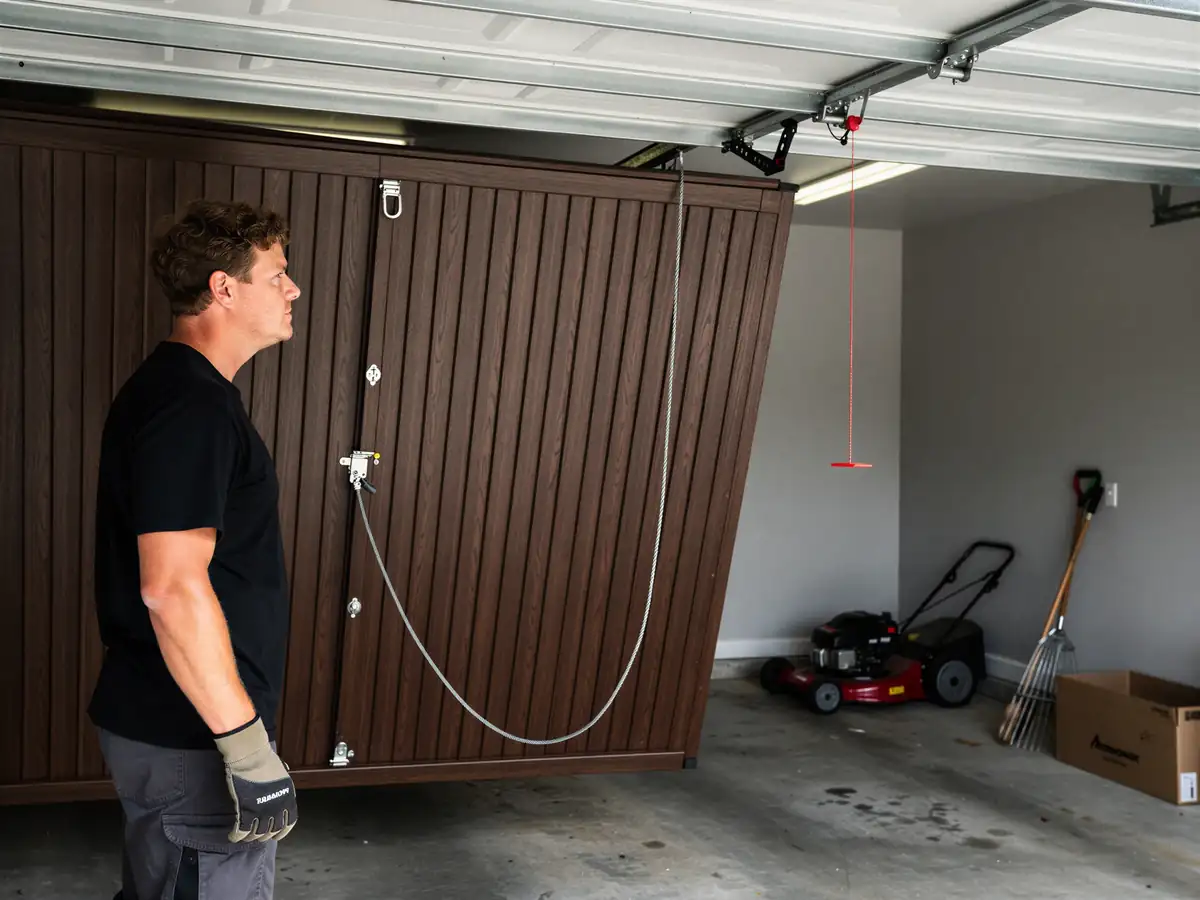
We also see cable and roller wear tied to the area's winters. The climate band here is classified severe cold, and steel tracks and rollers take a beating from repeated freeze-thaw cycling over a 30-year-old door's life. Worn rollers binding in a cold track is a common complaint going into the coldest stretch of winter.
One limitation worth saying plainly: if a door's torsion spring system was installed before the mid-90s and it's an odd size or an older brand, we may need to order the part rather than carry it on the truck. That's rare in Harrisburg given the housing age, but it happens on the handful of older properties mixed into the area.
Getting Here
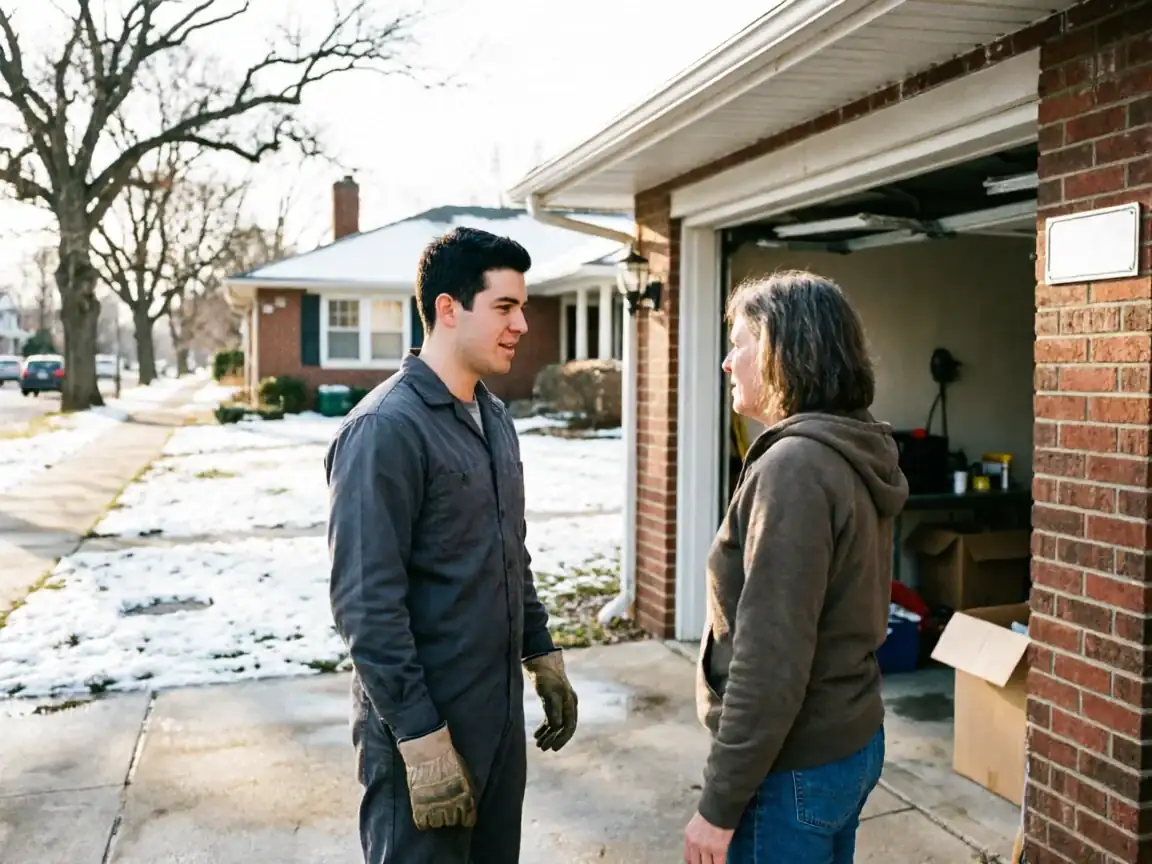
Harrisburg sits about 15 miles from our shop in Columbia. We don't keep a depot or crew stationed in Harrisburg - every job here is a truck run out from Columbia, same as our other outlying coverage. That's worth knowing if you're comparing us to a yellow-pages place that claims to be local to every zip code it lists.
The area also sits near several other small communities we cover on the same loop - Hallsville and Sturgeon are both reachable without much extra driving, which keeps scheduling realistic for a 15-mile run rather than a one-off special trip.
The Houses Here
With a median household income of $51,250 and 134 households in the immediate area
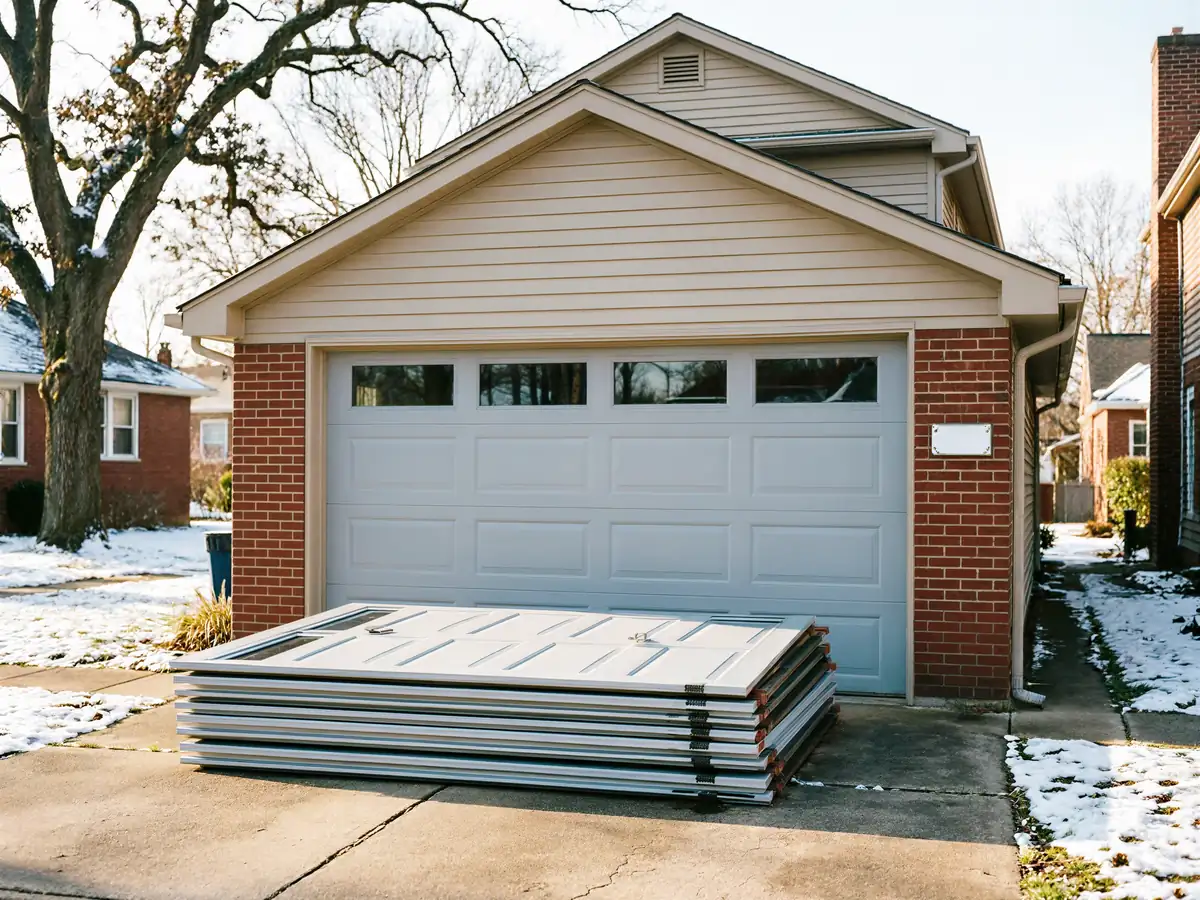
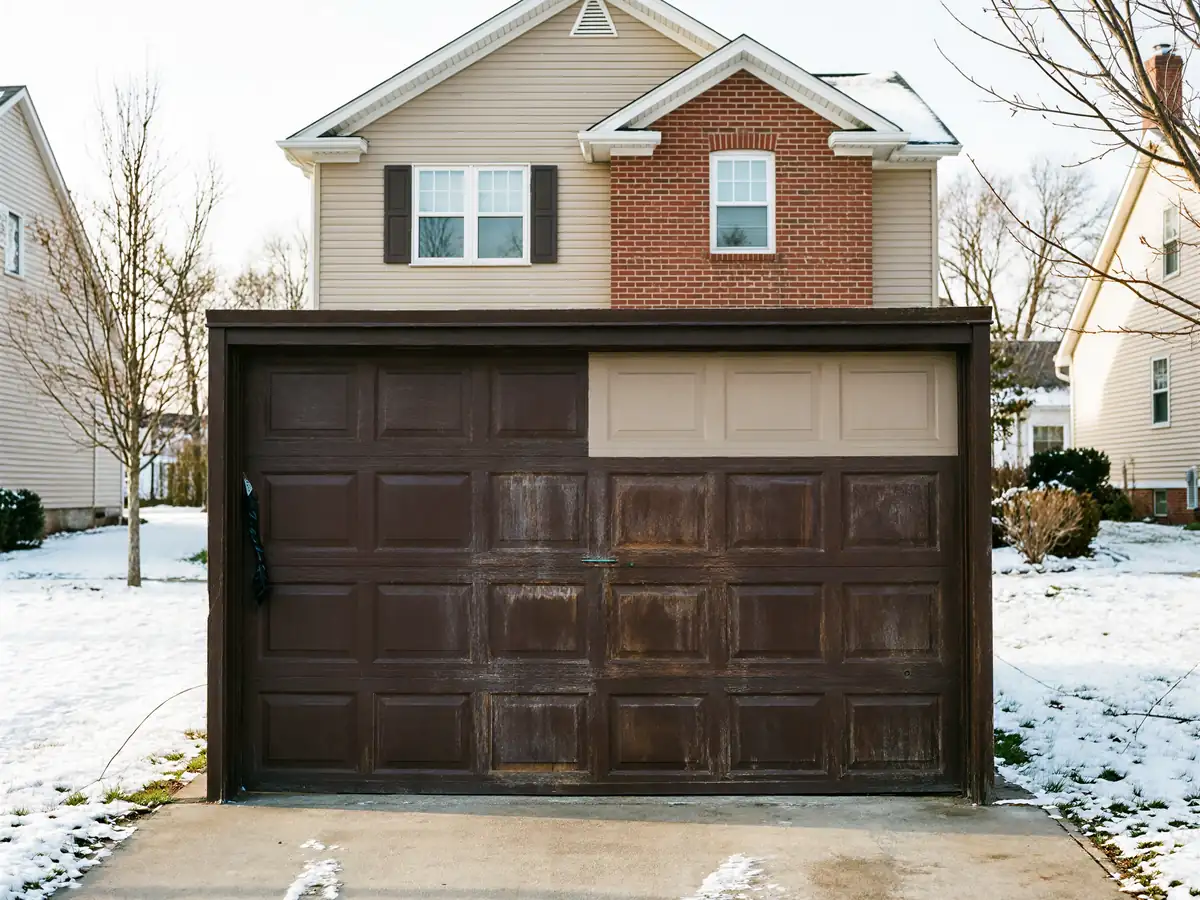
Harrisburg is smaller and a bit tighter on income than the service area average of $58,889 across the broader 3,917-household footprint. That shapes the advice we give: on a 1992-era door with a dead spring, replacing the spring and rollers is almost always the right call over a full door replacement, since the panels and track on a 30-year-old steel door are usually still sound.
- 134 households
Full replacement makes more sense on the rarer older home in the mix
Or on a door that's taken physical damage - a bent track or a cracked panel - rather than simple wear. We'll tell you straight which category your door falls into before we quote anything, because a repair that doesn't hold isn't worth doing.