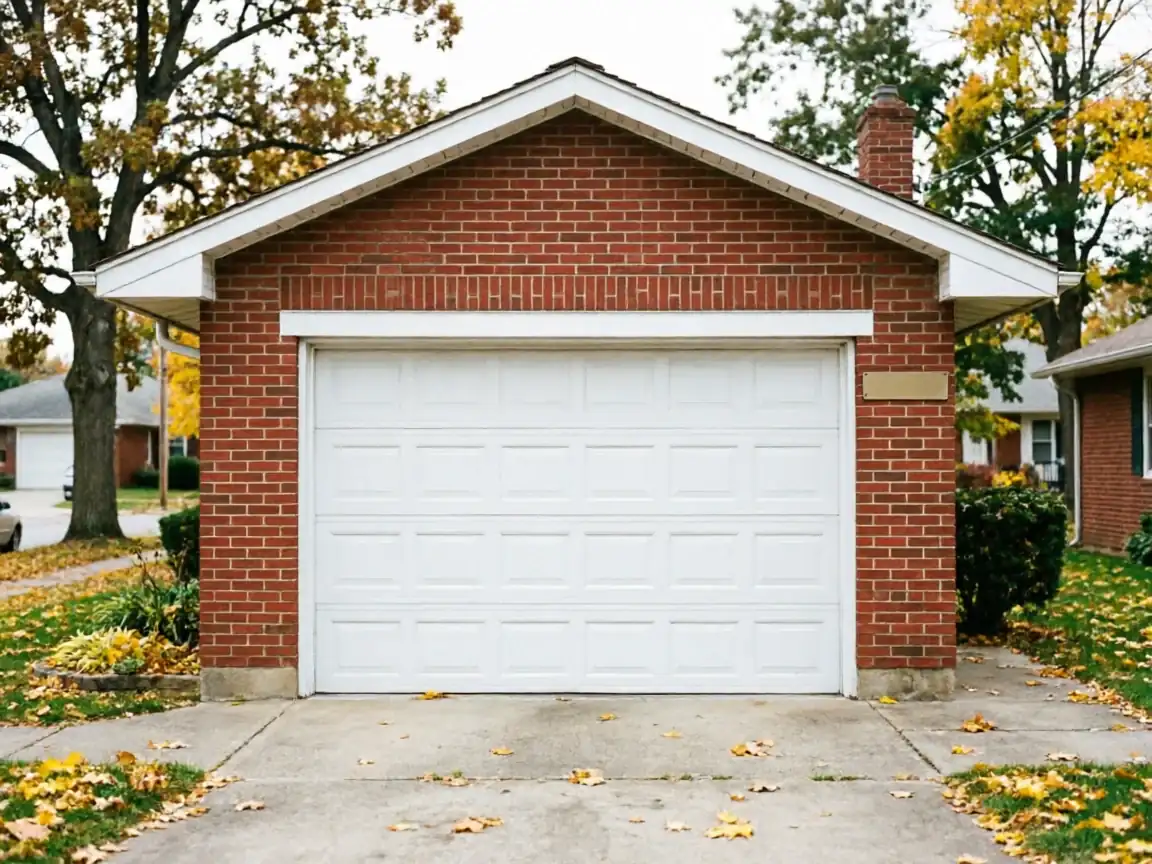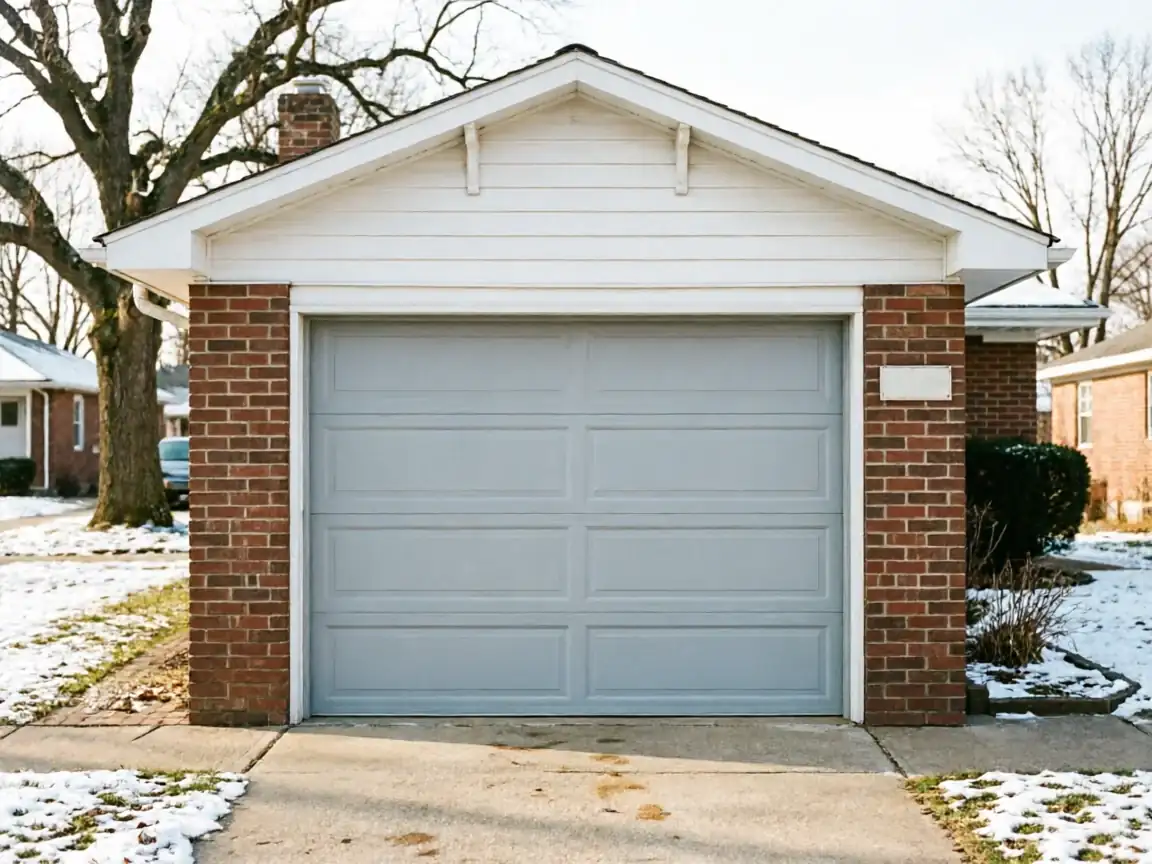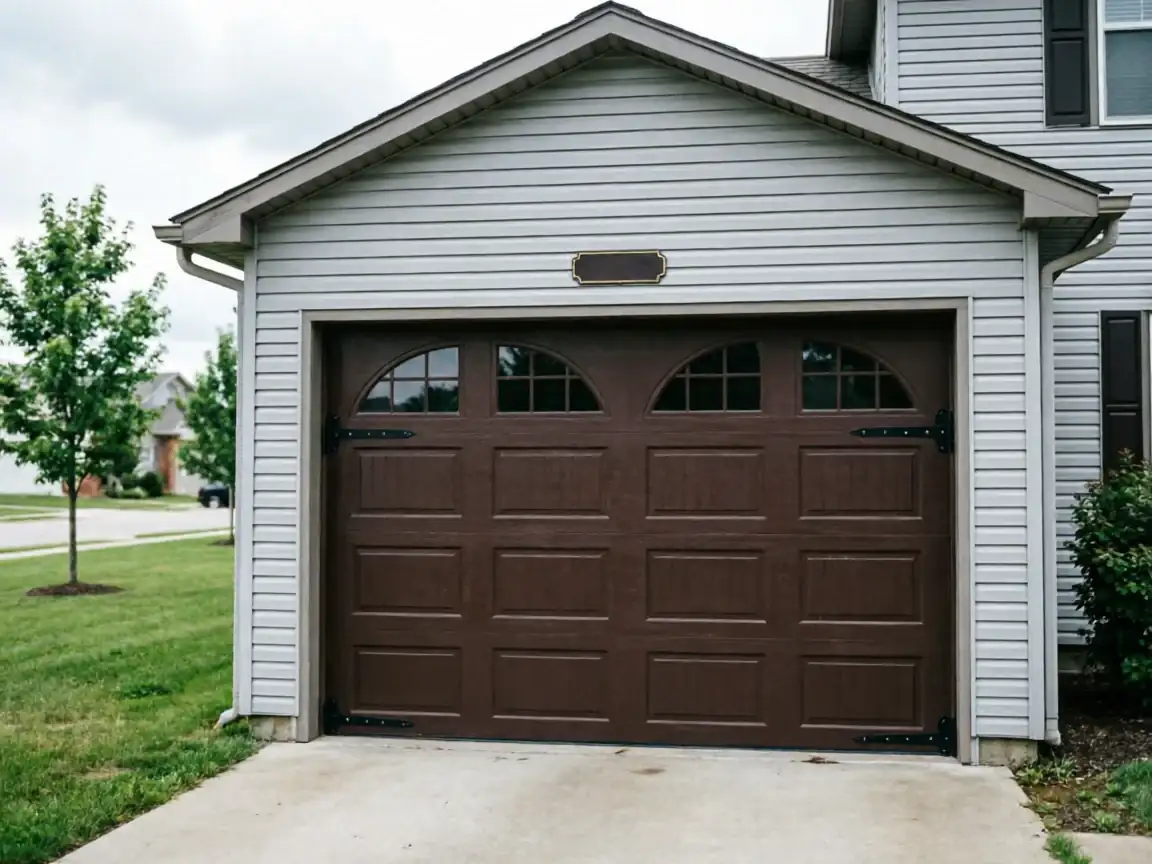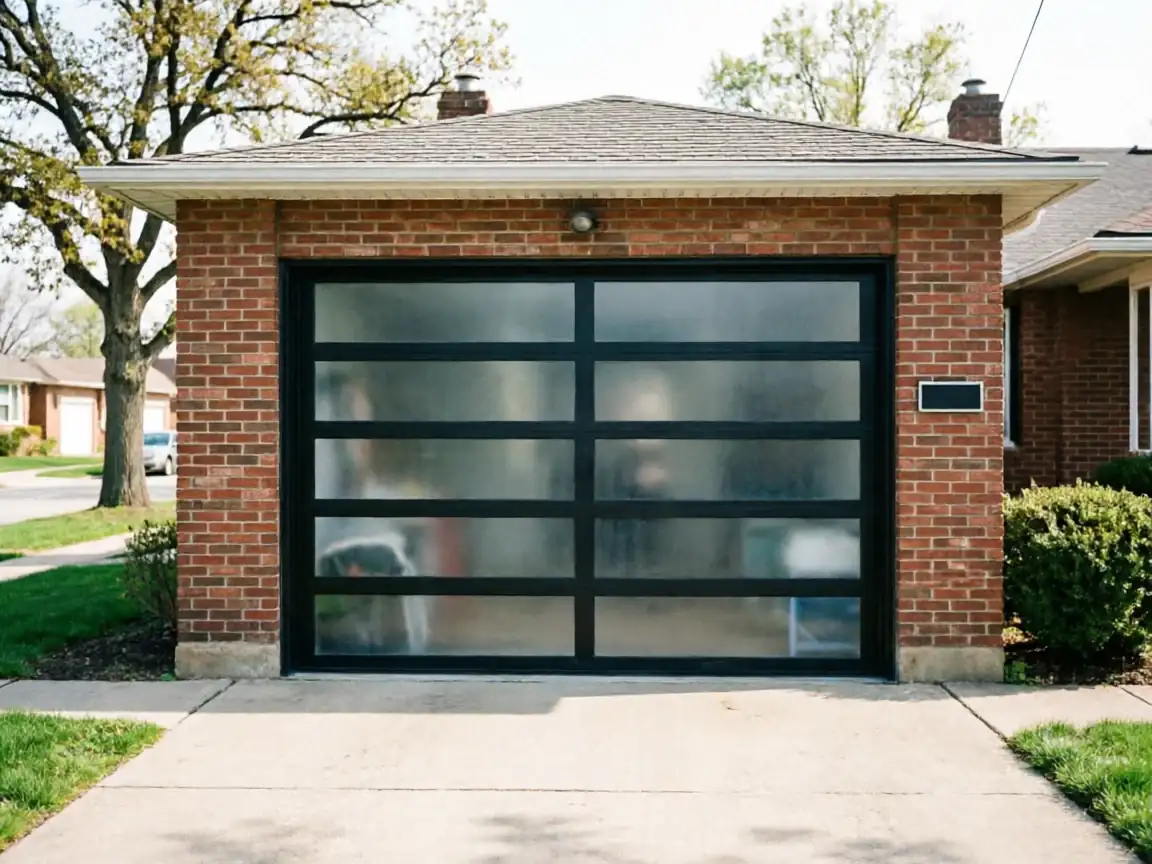
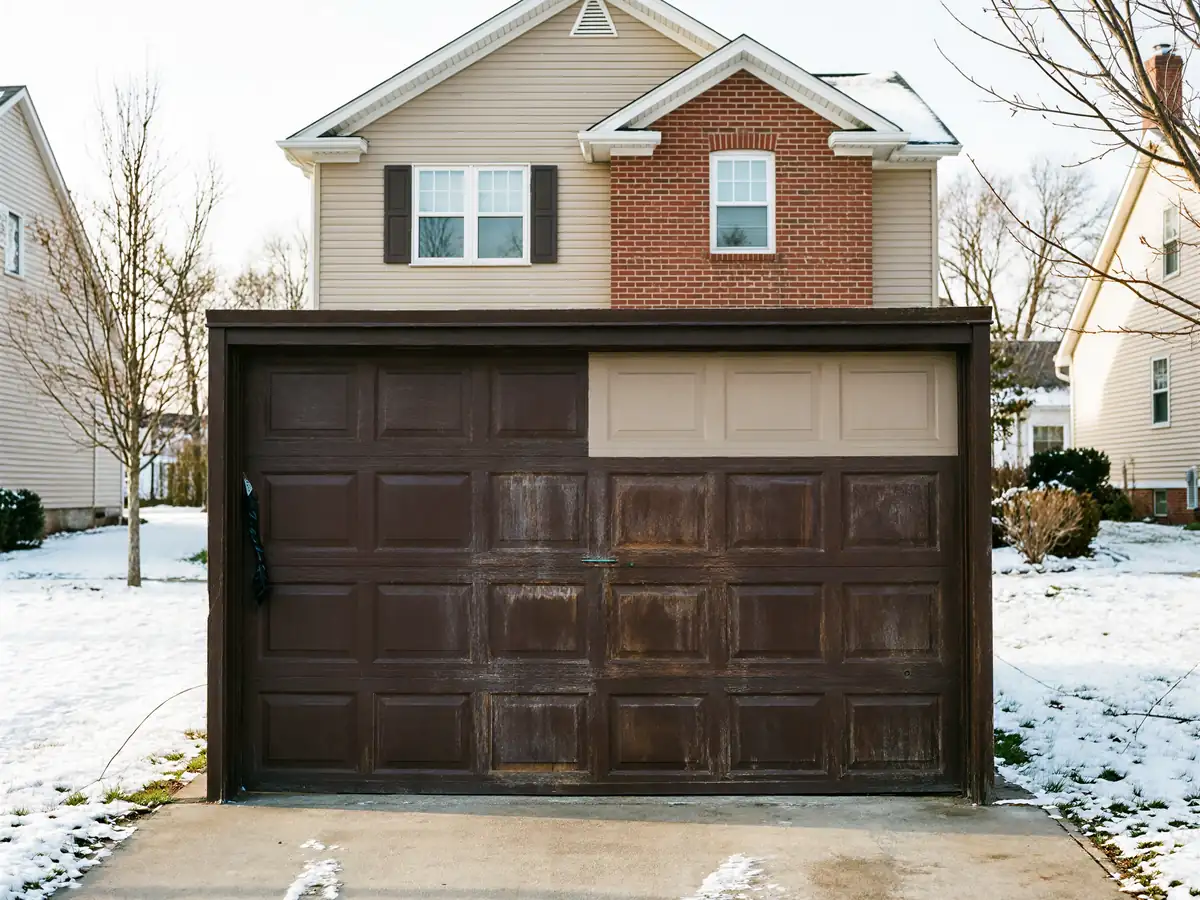
What You Are Seeing
A single bent or cracked panel is usually the first thing you notice
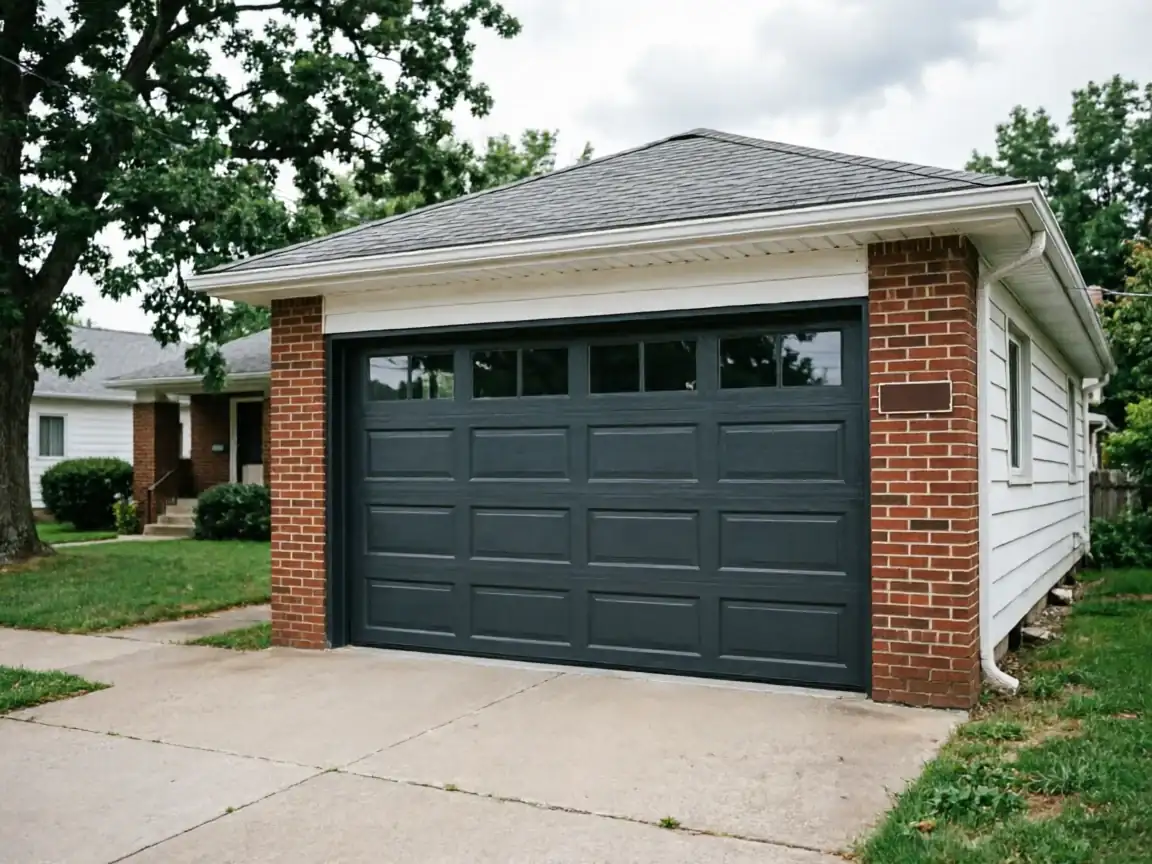
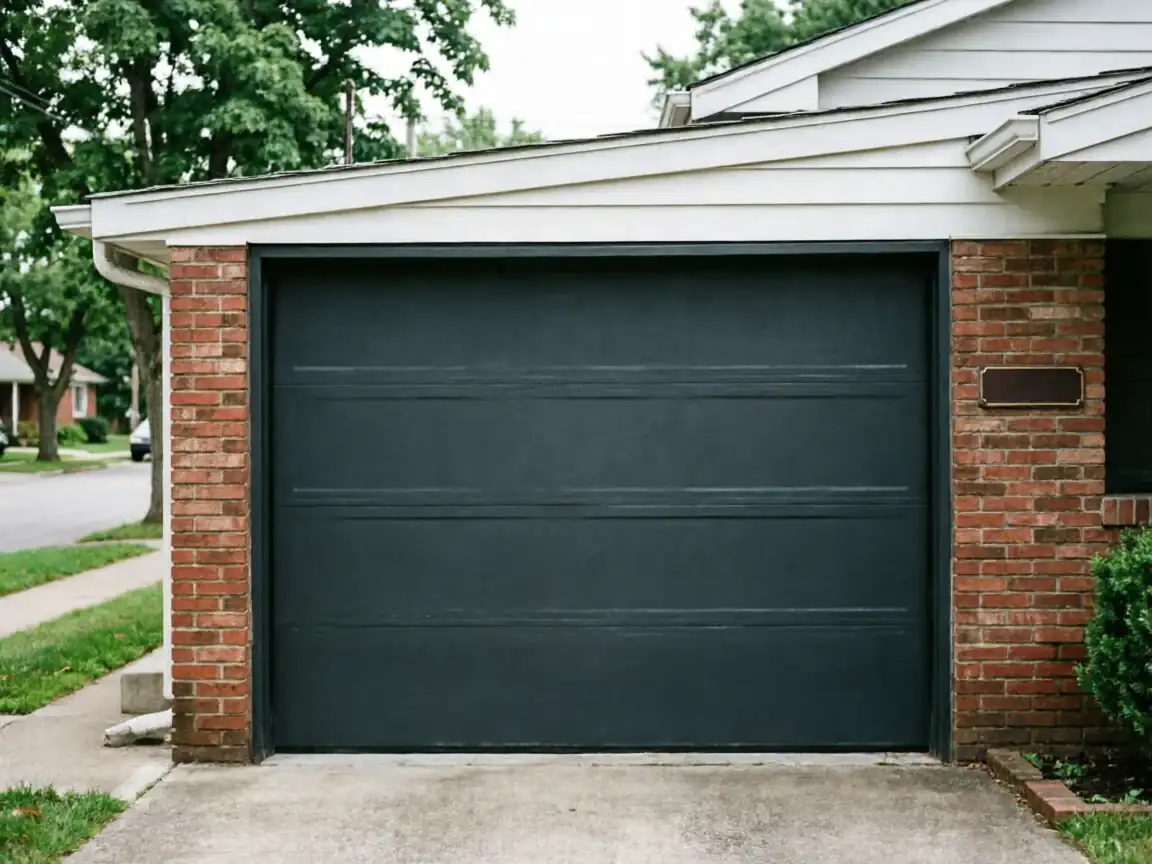
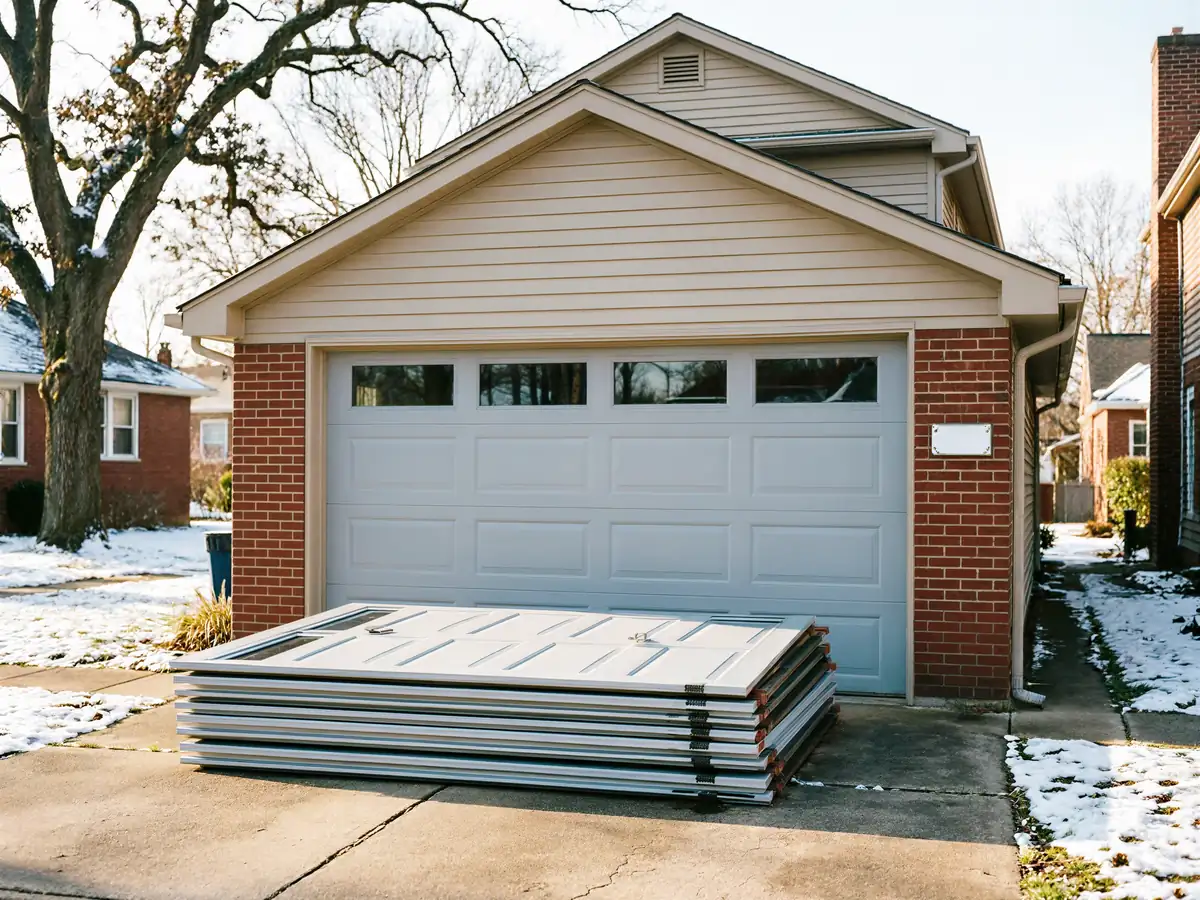
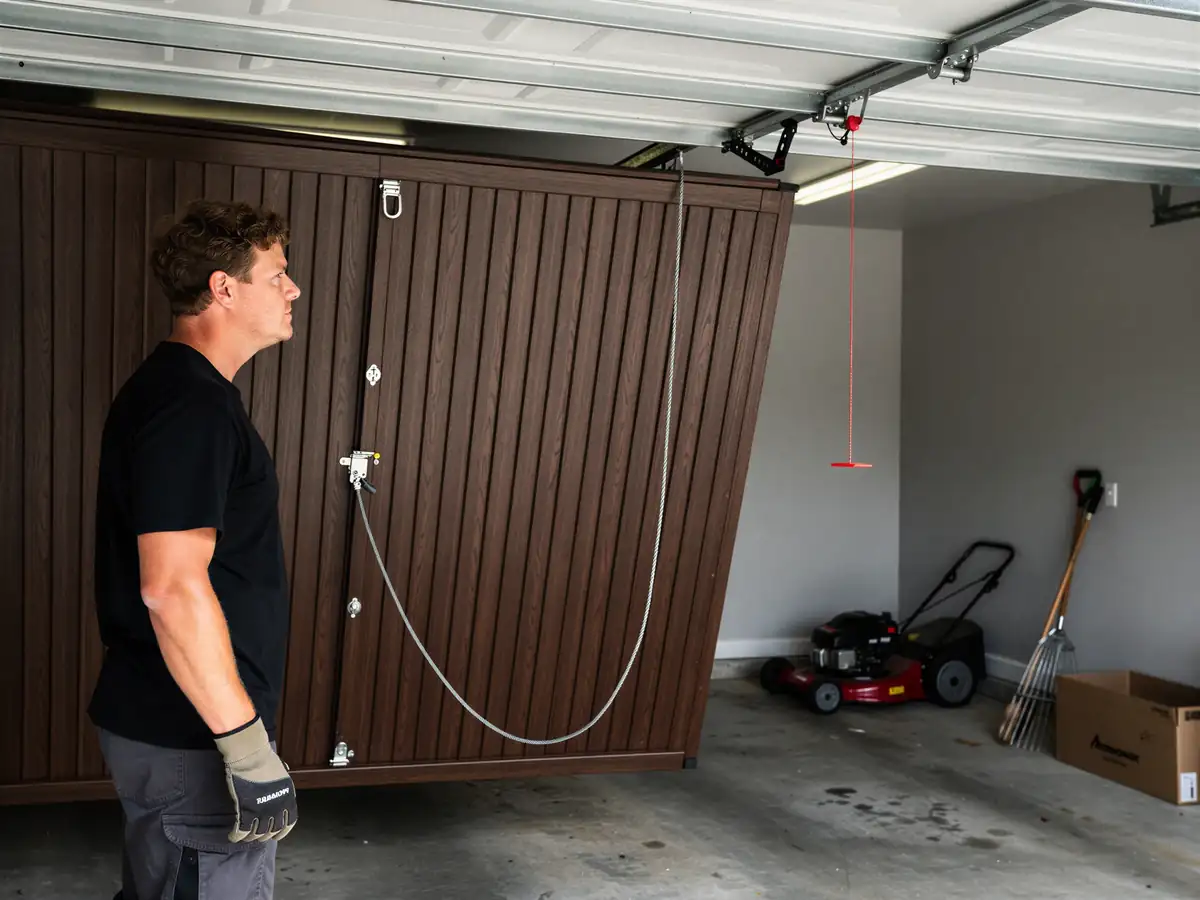
A dent from a backed-up car, a split seam after a hard freeze, or a panel that's rusted through at the bottom where snowmelt sits. On its own, a dented panel is cosmetic. The problem in Columbia is what's underneath it.
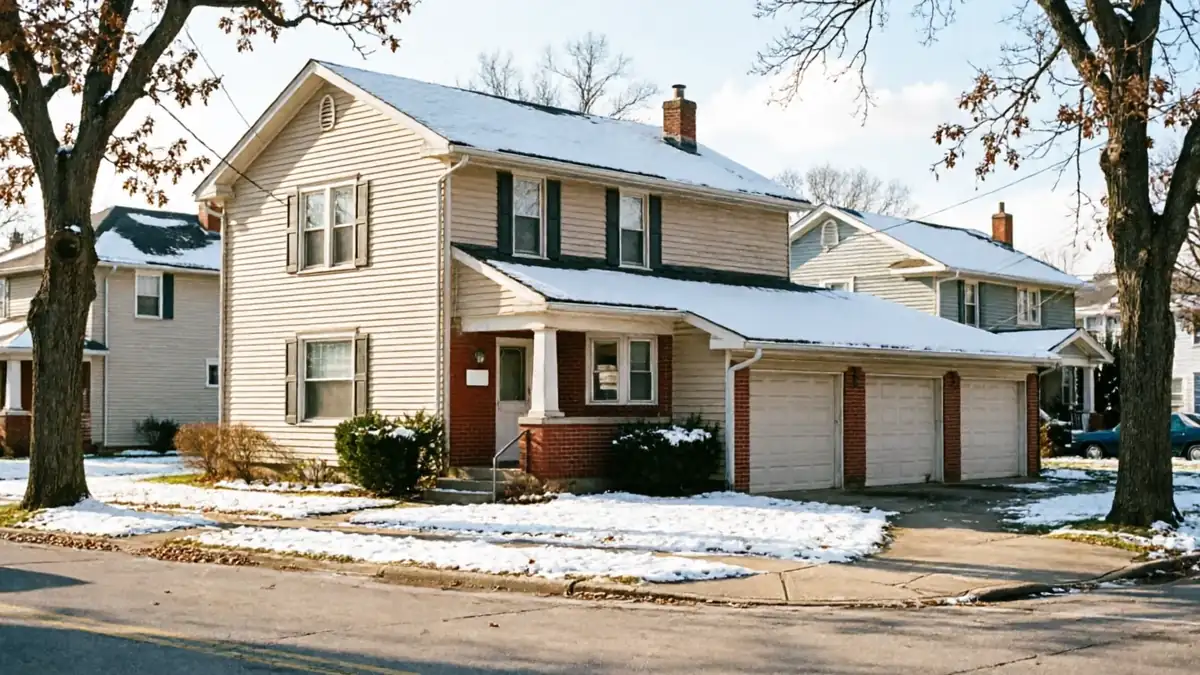
Most of the housing stock here went up between 1938 and 2003
With the bulk of it dating to the 1960s and 70s across the area's older neighborhoods. Doors from that era were built in sections that don't match current panel widths, profiles, or hinge spacing. When a panel on one of these doors gets damaged, you're not ordering a part off a shelf - you're trying to match a section that the manufacturer may not even list anymore.
The other thing we see constantly
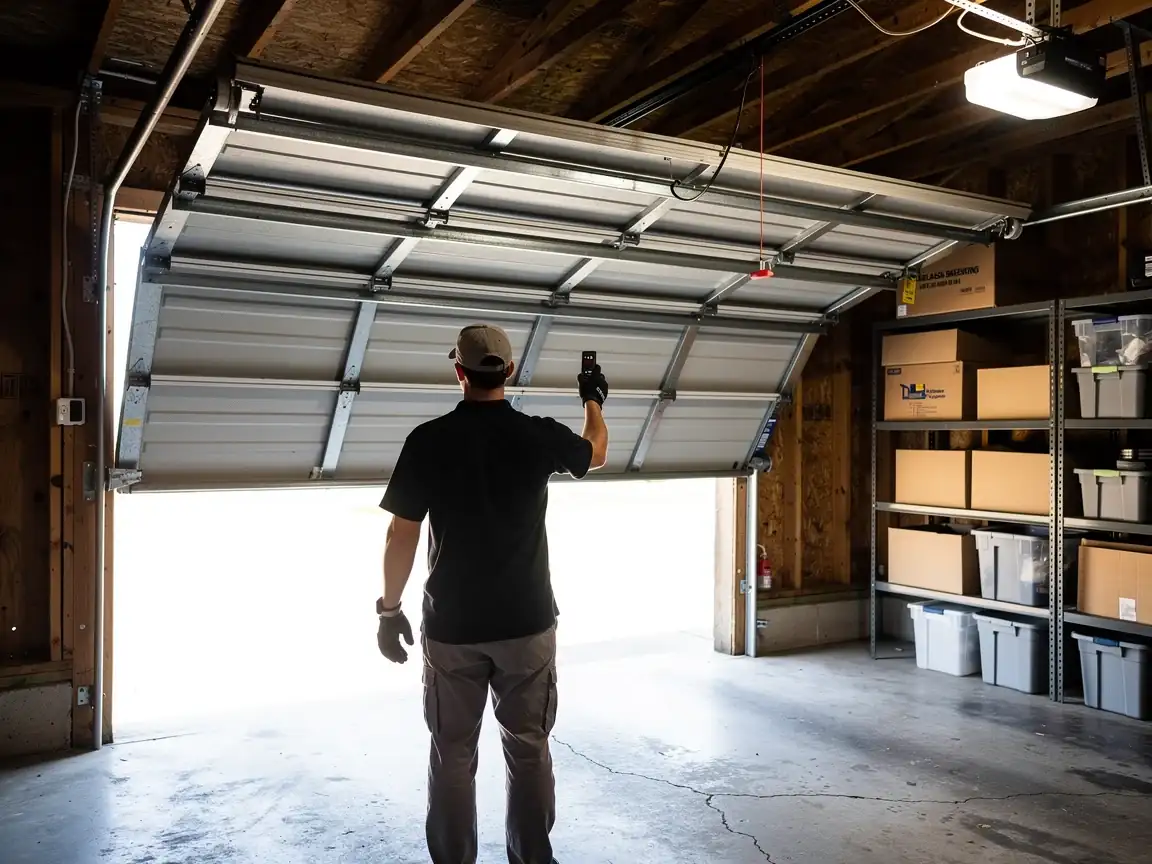
A homeowner replaces one panel and the door still doesn't track right. That's because the frame, the rollers, and the track have all shifted slightly with decades of thermal cycling in a cold climate. One new panel on an old frame can look fine and still bind.
Can You Do This Yourself
If the panel is cosmetic - surface rust, a shallow dent that doesn't affect the seam - you can sometimes live with it or do a basic patch yourself. That's the honest limit of a DIY fix.
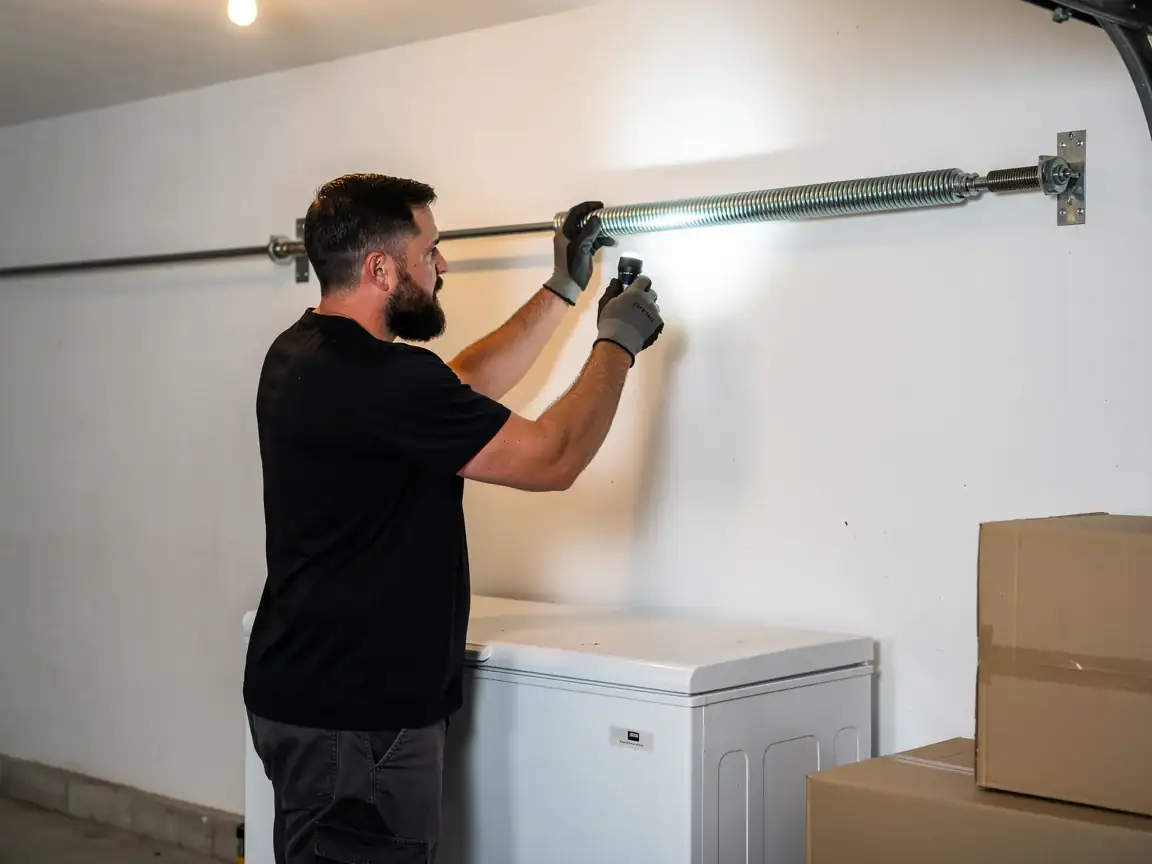
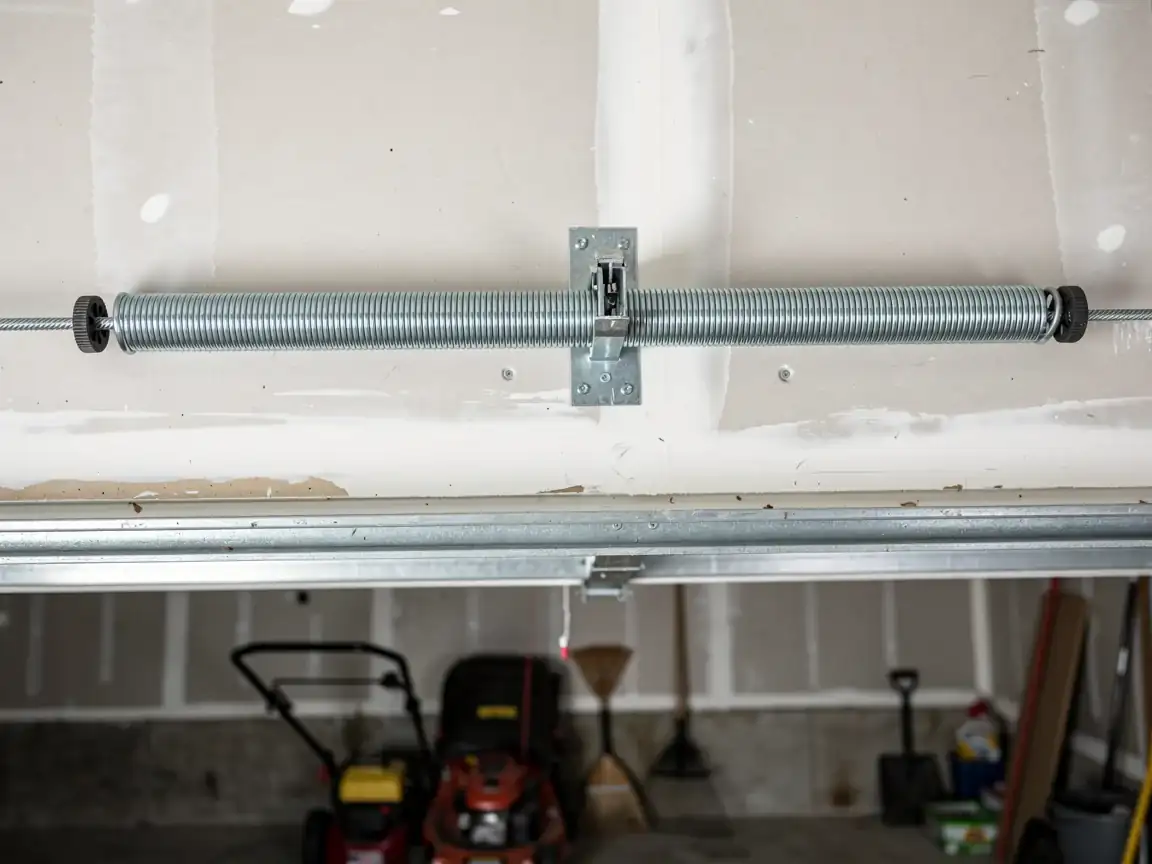
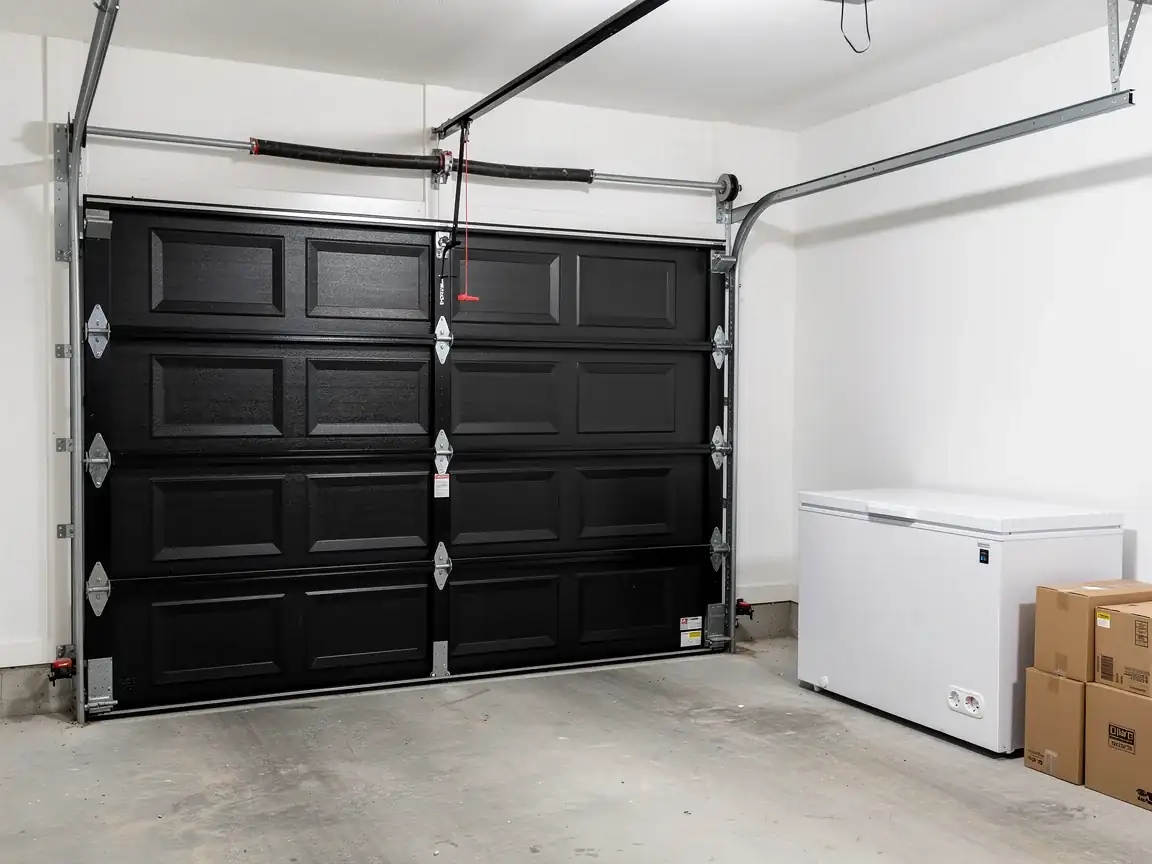
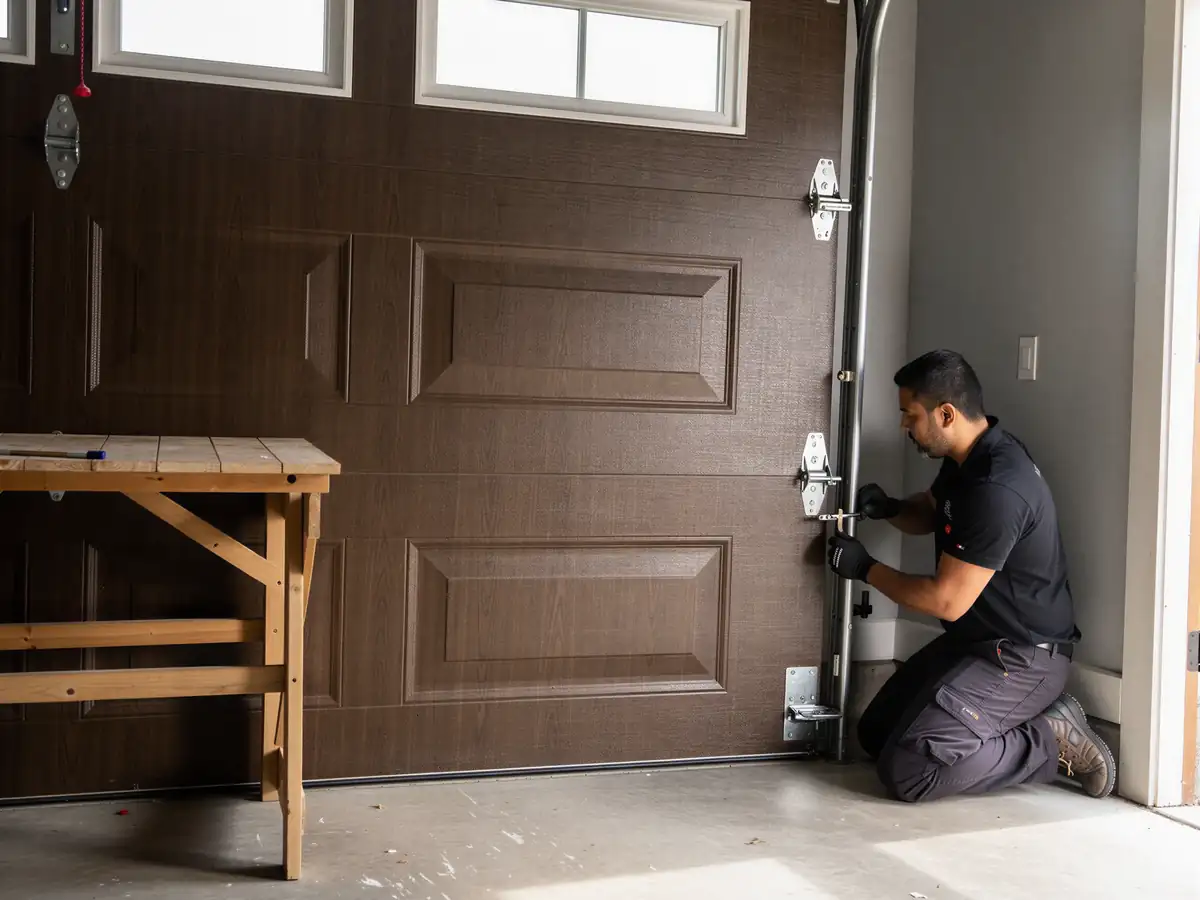
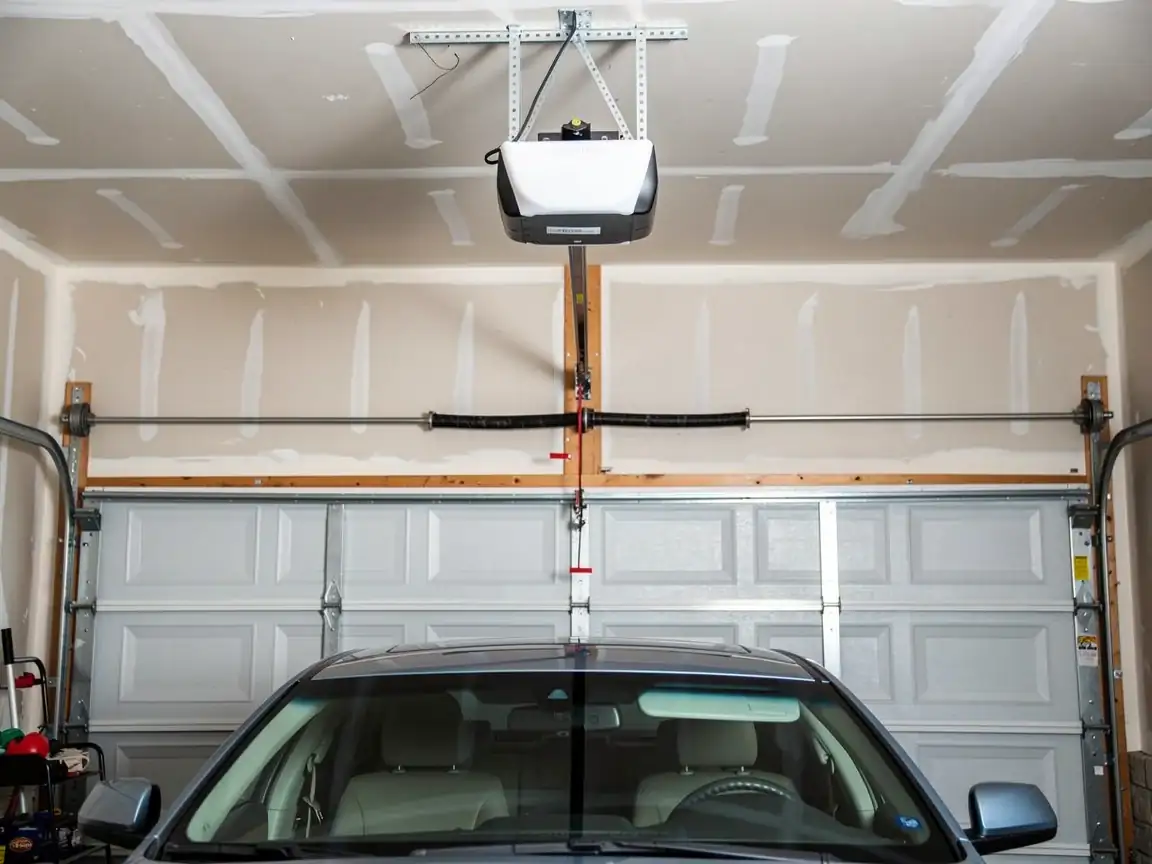
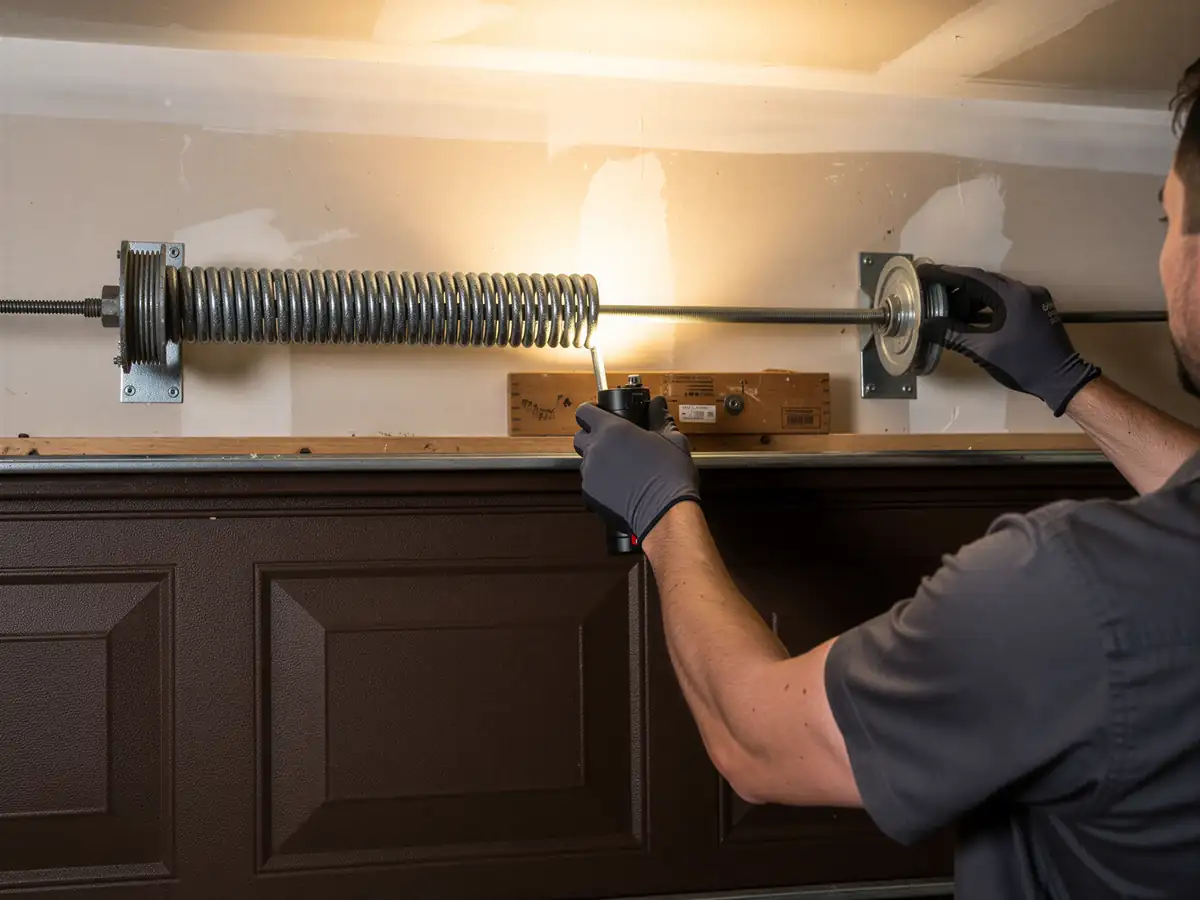
Once the panel is cracked through, bowed, or the hinge holes have torn out, swapping it yourself gets risky fast. Panels on older doors are tied into the torsion spring system through the end stiles, and loosening the wrong hardware on a loaded door is how people get hurt. You also need the exact matching panel - wrong gauge steel or a slightly different rib pattern will throw the whole door out of alignment, and on a door built to a decades-old spec, finding that match without the original model number is mostly guesswork.
We'll say this plainly: if you're comfortable with hand tools and the damage is a single top panel with no spring involvement, it's not an unreasonable DIY job. Anything below the center hinge, on a door with a broken spring, or where the section is no longer manufactured - call before you start pulling fasteners.
What It Costs
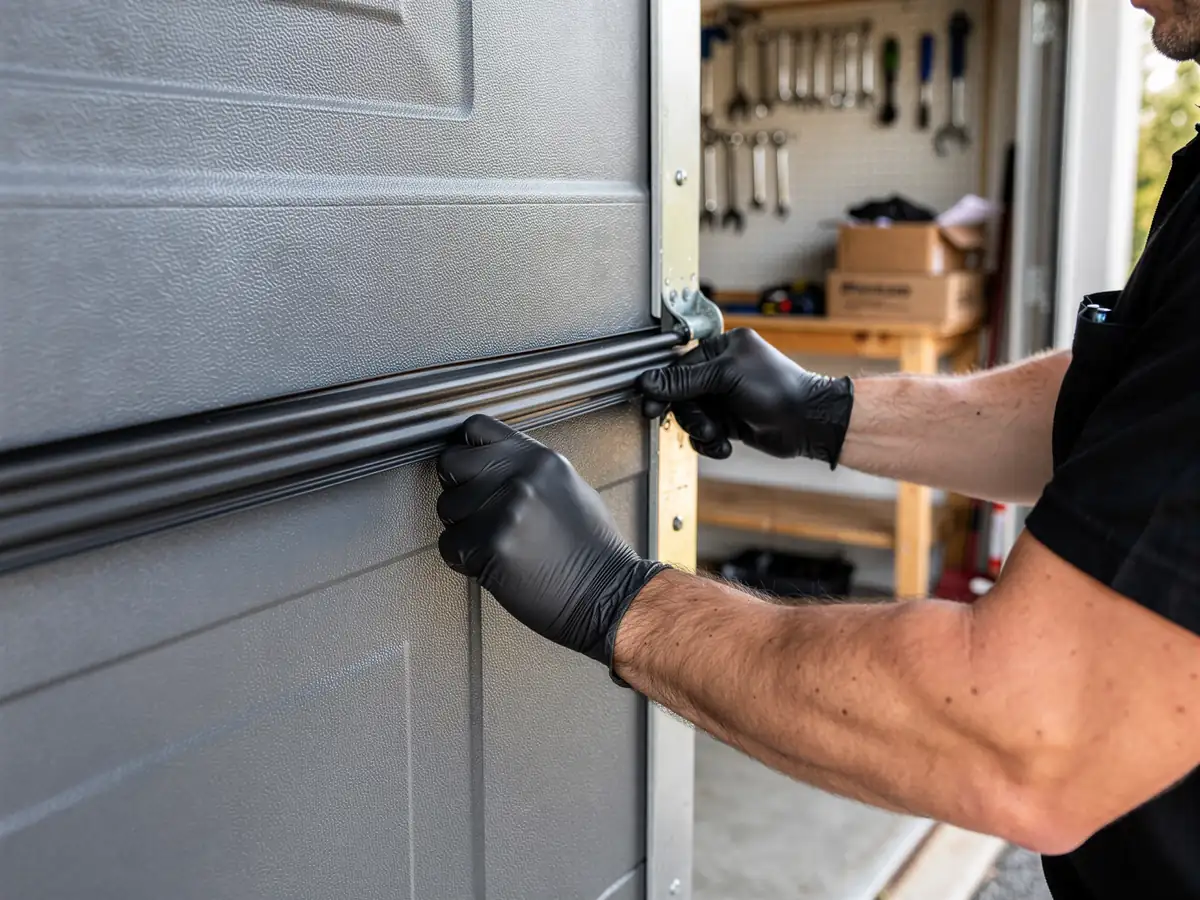
We're not going to put a number here that doesn't hold up once a tech sees the actual door. Panel replacement cost depends on whether we can match the existing section, whether the door needs a full retrofit panel kit instead of an exact match, and how much the track and hardware have to be adjusted once the new panel goes in.
What we can tell you is what drives the cost up in this area specifically: doors built before the 1980s often require a special-order panel or a full-width retrofit kit rather than a single stocked piece, and that lead time and part cost is the real variable - not the labor. A newer door, by contrast, usually has panels still in production and the job is a straightforward swap.
Given the median household income across our service area sits at $58,889, we try to be upfront early about whether a panel swap or a full door replacement is the better value before any work starts, rather than letting a mismatched-panel job run long.
Why This Fails Locally
This isn't a generic wear-and-tear story
Columbia sits in a cold, severe climate band, and steel panels here go through real freeze-thaw cycling every winter - contraction at night, expansion in afternoon sun, repeated for months. On a panel that's already thirty or forty years old, that cycling is what turns a small dent into a cracked seam.
Layer that on top of housing stock that's mostly 1960s and 70s builds spread across the area's older sections, and you get a specific, recurring failure
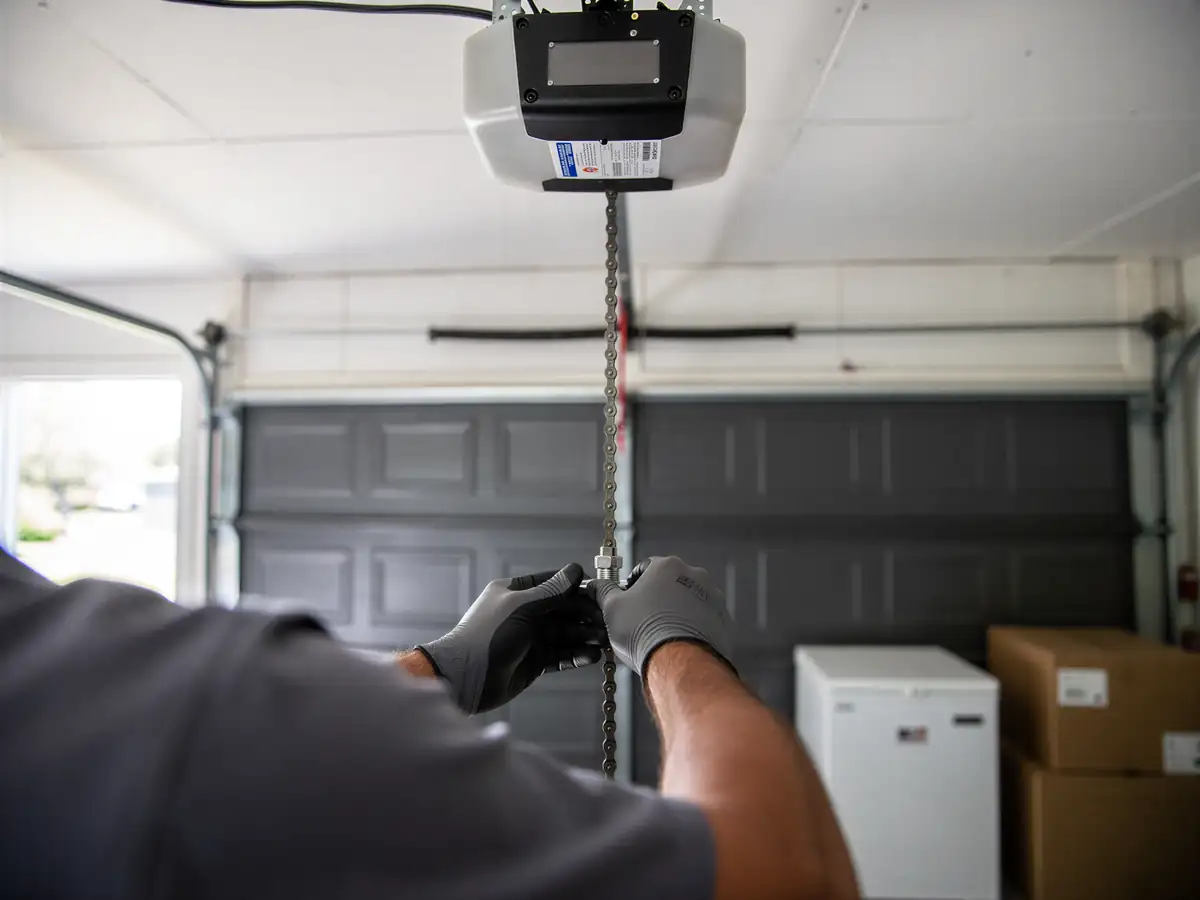
Original panels that were never designed for the insulation retrofits or opener upgrades added later. A panel swapped in isolation, on a door that's otherwise original to a 1970s build, often reveals a spring or track problem that the damaged panel had been masking.
We see the same pattern on houses out toward Ashland and Hallsville
Where a lot of the stock dates to that same build window - it's not a Columbia-only quirk, it's an age-of-the-housing problem that happens to be common across this whole corner of mid-Missouri.