Serving Columbia, MO & nearby
(573) 235-7236
Columbia, MO

What a Cold Snap Does to a Columbia Garage Door

A look at why Columbia's 1960s-70s housing stock and severe cold climate combine to strain garage door springs, openers, and tracks more than newer builds elsewhere.

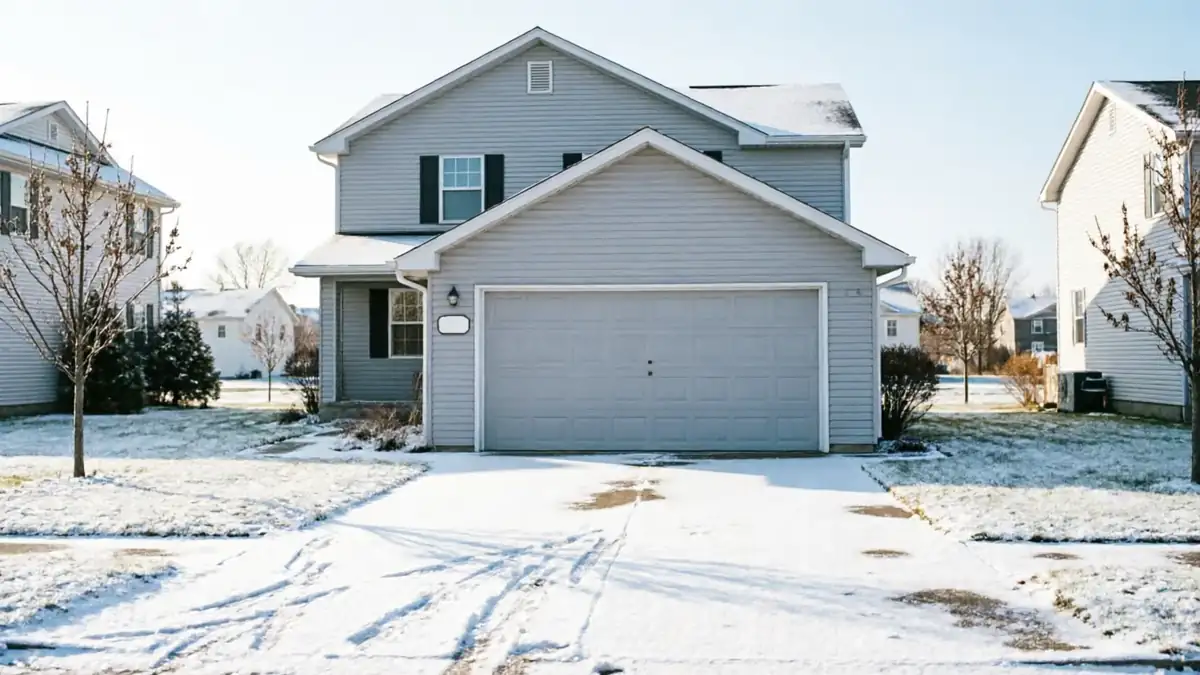
A gray house with a two-car garage and a snow-covered driveway.

What Is Going On

Most of the houses we work on in Columbia went up between 1938 and 2003, with the median sitting around 1978. That one number explains a lot of the calls we get. A door built on original hardware from that era is running a steel torsion spring that's had forty-plus years of cycles, temperature swings, and whatever maintenance the last three owners did or didn't do. Across the seven older sections of town built mostly in the 1960s and 70s, the pattern repeats: single torsion spring, two-car steel door, side-mounted bracket, minimal insulation. None of that was wrong when it was installed. It's just old now, and old steel under tension behaves differently than new steel. When a spring on one of these doors finally lets go, it's rarely a surprise to anyone who's been listening to it groan for the past winter or two. The door doesn't fail because something mysterious happened. It fails because the math on a forty-year-old spring and a hard freeze finally catches up with it.

Doing Nothing For Now

Not every noise or stiff pull means you need a truck out today. A door that's slow to open but still closes flush, or one spring on a two-spring door that looks a little stretched but hasn't snapped, can often wait a week or two if you're careful about it. What changes the math here is cost. Median household income across this service area runs $58,889, which means a full opener-and-track replacement is a real decision for a lot of households, not an impulse buy. That's a fair reason to want to confirm a repair is actually needed before you commit to replacing anything. Where doing nothing stops being reasonable: a broken cable, a door that's come off one track, or a spring that's already snapped with the door stuck half-open. Those aren't wait-and-see situations regardless of what the rest of the door looks like. The honest answer is that a stretched spring on an older torsion system is usually cheaper to replace proactively than to let fail on its own schedule, because failures tend to happen at the worst possible moment - a hard freeze being a common one.

How Local Conditions Play In

Columbia sits in a climate band classified as severely cold, and that matters more for garage doors than people expect. Steel contracts as it cools, which tightens tolerances on tracks and rollers that were already adjusted for summer heat. A torsion spring that's lost some of its coil tension from age loses more of it effectively once the metal is cold, because cold steel is stiffer and less forgiving under load. That's why the failure calls cluster in the coldest stretches of the year rather than spreading evenly across twelve months. If you're out past town toward Ashland or Hallsville, both roughly ten to thirteen miles from Columbia, the same cold is hitting those doors - the physics doesn't change with the ZIP code. What does change is exposure: a door on the north side of a house, or one in a detached garage without heat, takes the cold harder than an attached garage sharing a wall with living space. Worth checking, before the deep cold hits, which side of the house your door is on and whether the garage gets any residual heat at all.
When It Stops Being a DIY Job

A torsion spring under load can put someone in the hospital if it's handled wrong, and that's true whether the door is five years old or fifty. We're not going to walk you through replacing one here. Where we draw the DIY line: lubricating hinges and rollers, tightening loose hardware you can reach without taking tension off anything, and swapping weatherstripping - all fine to do yourself. Anything involving the spring, the cable drum, or the torsion bar is not, full stop. On the older torsion setups common to Columbia's 1960s and 70s housing stock, parts and bracket spacing sometimes don't match what's on the shelf at a box store, which is its own reason to call someone who deals with that vintage of hardware regularly rather than guessing. One honest limitation: if a door's track is badly bent or the jambs have shifted with the house's settling, a spring replacement alone won't fix the underlying problem, and we'll tell you that instead of selling you a part that won't solve it.

How it works

From “it’s stuck” to “it’s fixed”

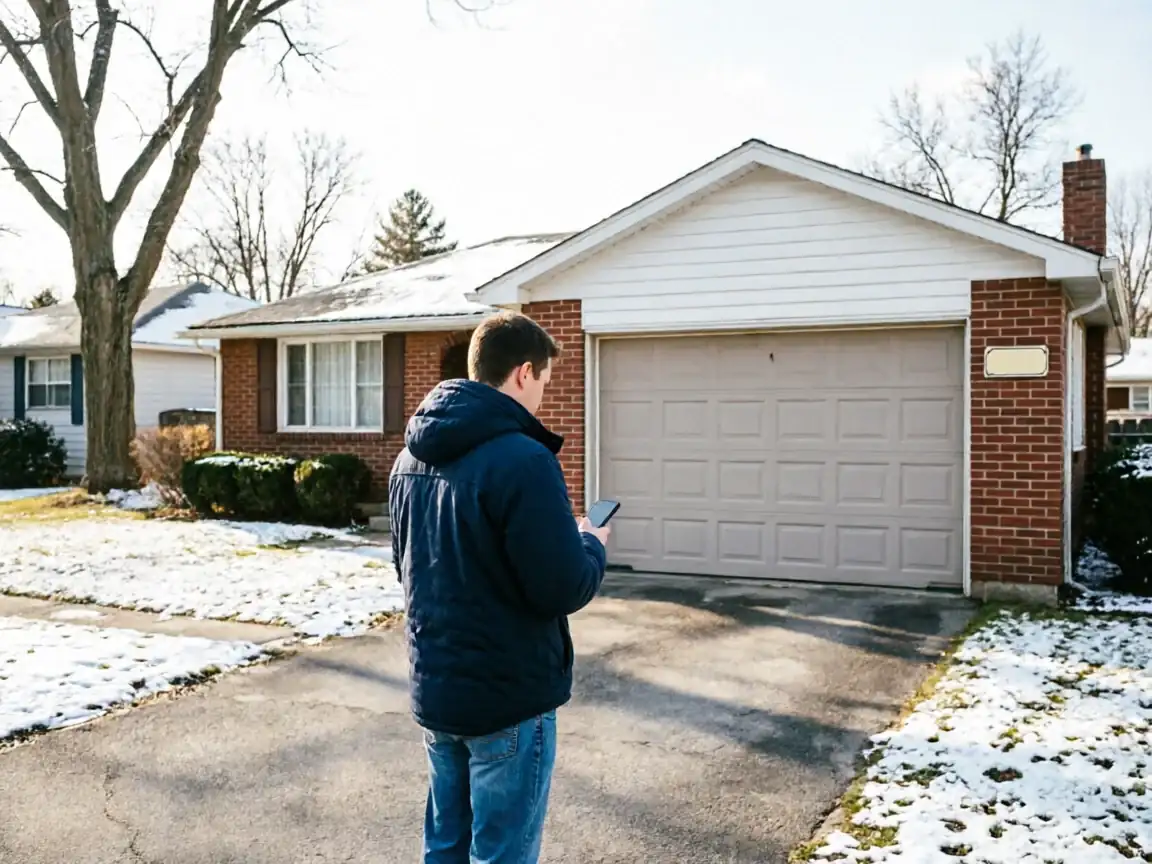
A man stands in a snowy driveway looking at his phone, facing a closed garage door.

Tell us what’s wrong

Describe the symptom - won’t open, loud bang, opener runs but the door won’t move.

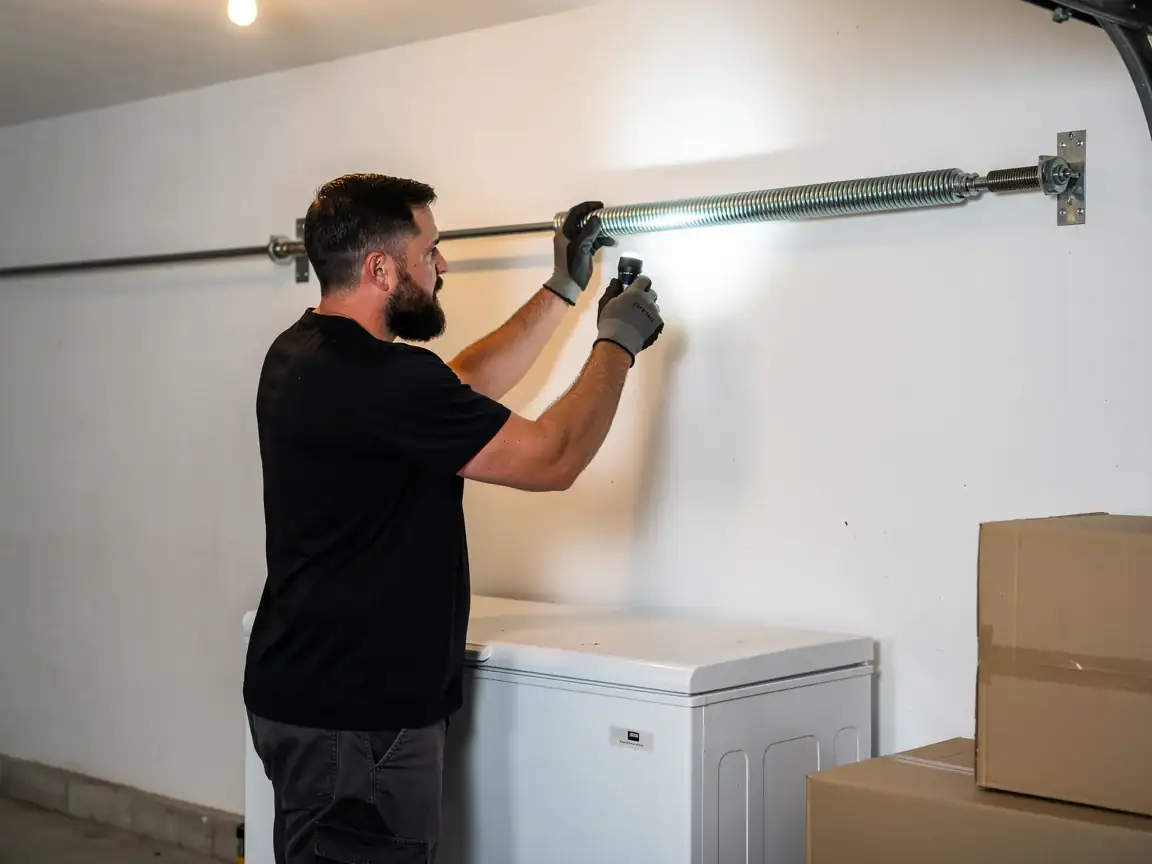
A technician inspects a garage door torsion spring with a flashlight.

On-site diagnosis

A technician tests the door under power and by hand and finds what actually failed.

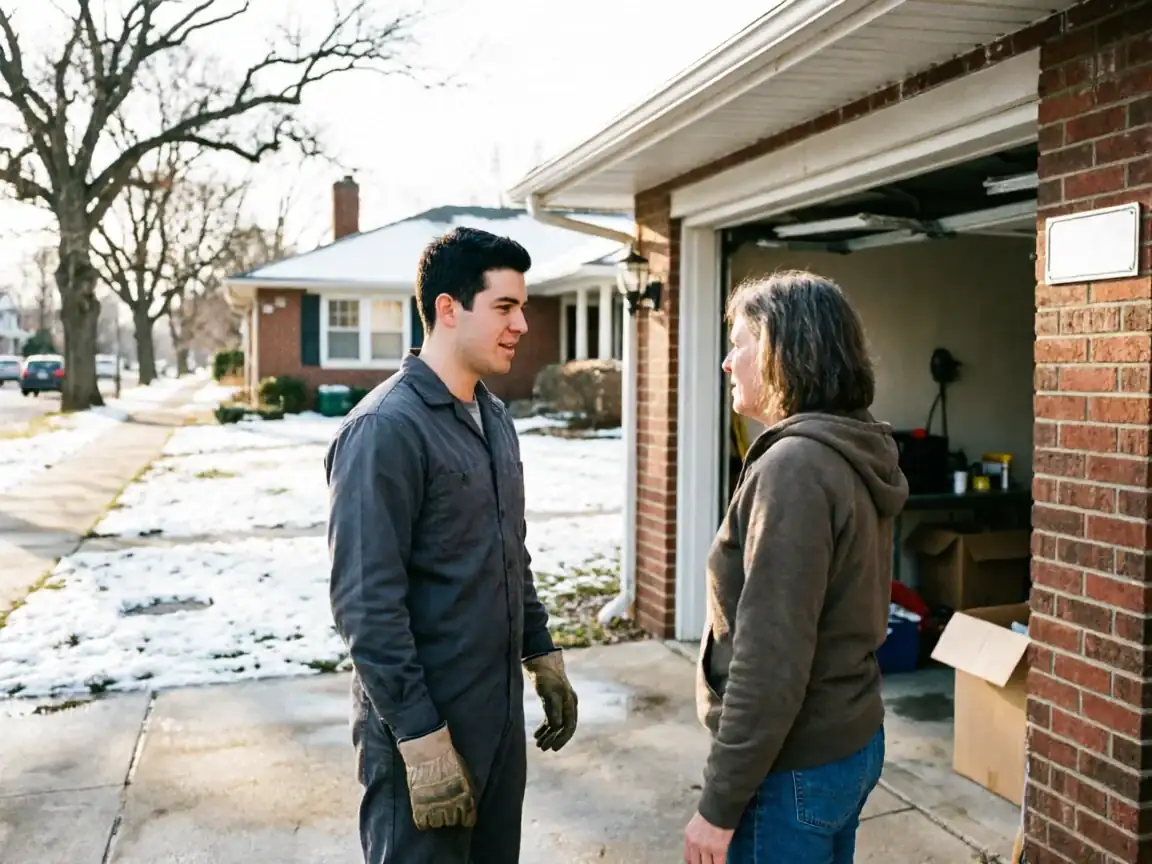
A technician in work clothes talks to a woman in front of a garage.

Clear, up-front plan

You get the fix that’s needed and what drives the cost - before any work starts.

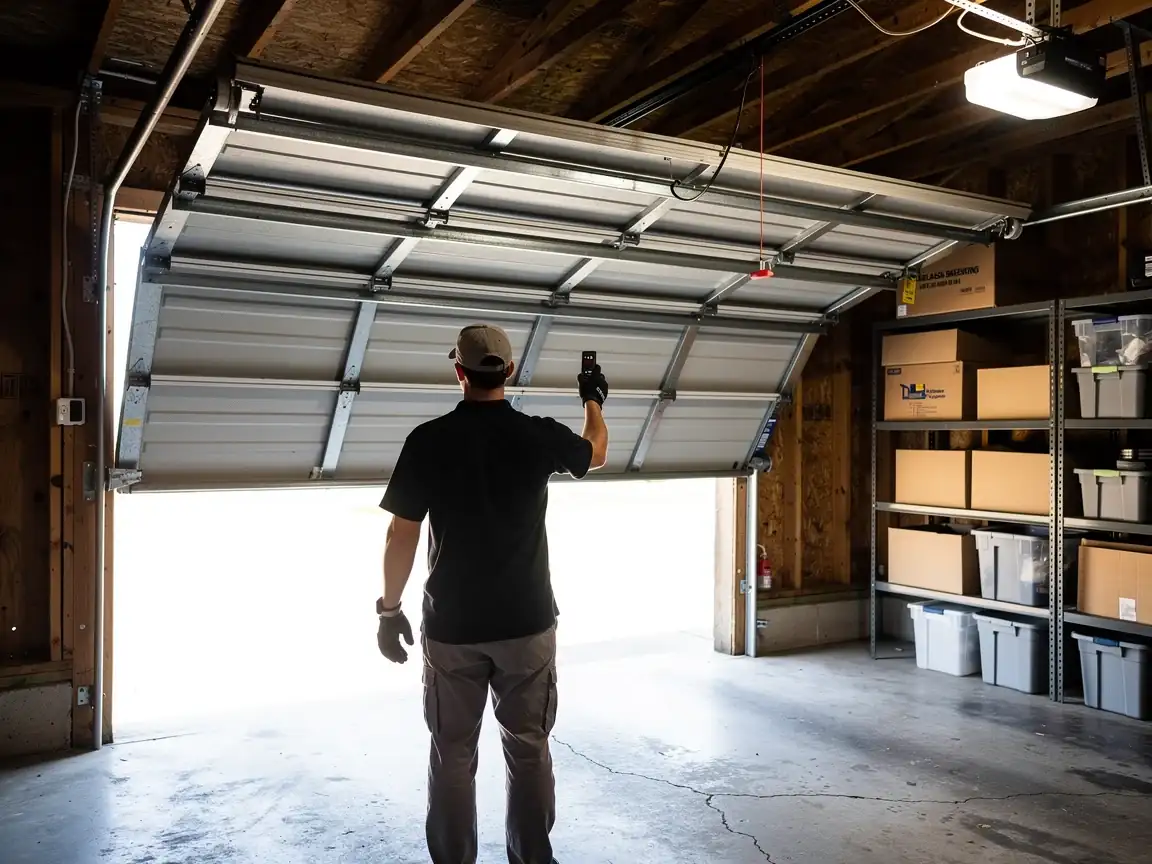
A technician operates a partially open garage door with a remote control.

Repaired & tested

The repair is done, the door is set true and tested, and the work area left clean.

Not sure which repair your door needs in Columbia, MO? Describe what it’s doing - every job starts with a diagnosis.

How we work

What to expect

Diagnosis firstEvery visit starts by finding what actually failed - not a pre-written parts list.
The right part for the doorSprings and openers matched to the door’s weight and age, so the fix holds up.
Straight answersWhen a repair makes more sense than a replacement - or the reverse - you hear it plainly.
Clean, careful workTension released safely, hardware set true, the door tested under power before we leave.
What we do

Garage Door Services

Repair and installation work for Columbia homes and businesses.

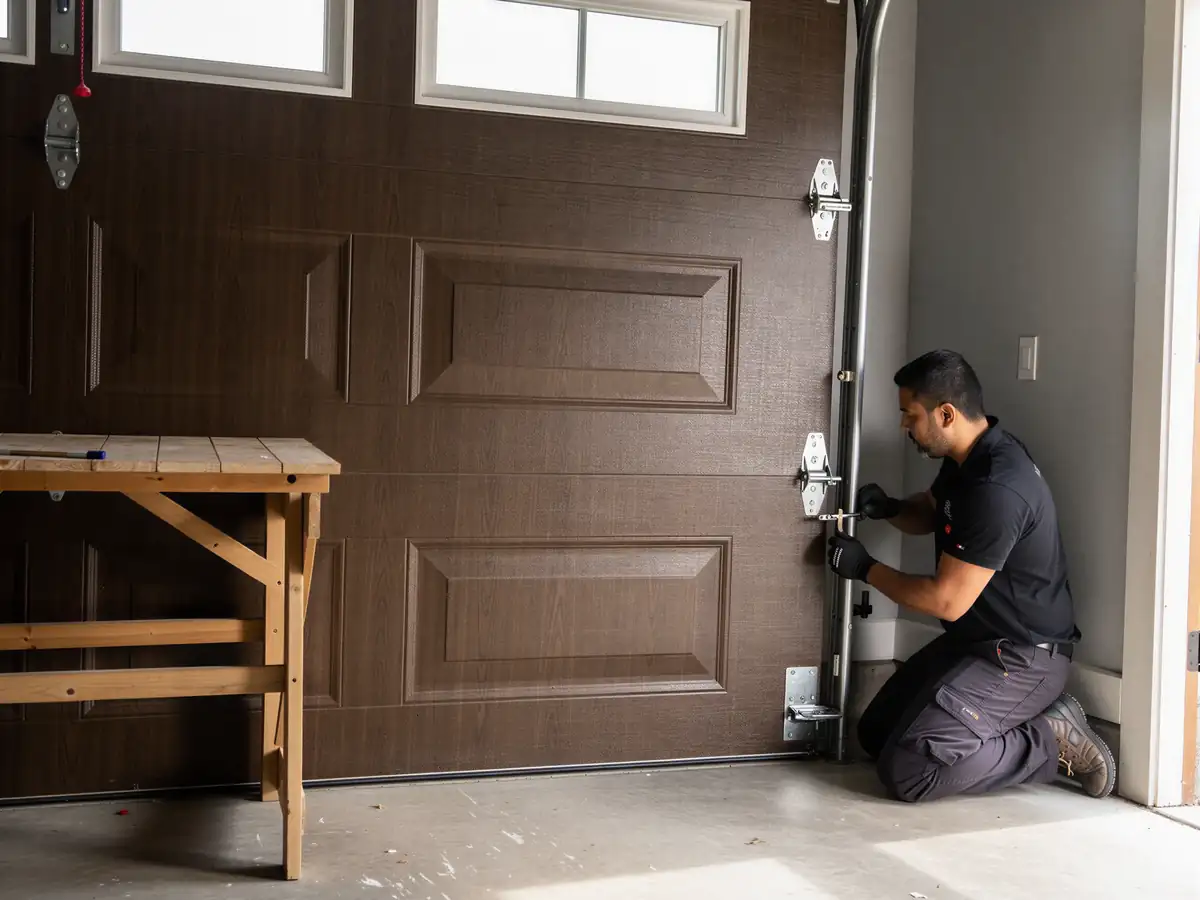
A technician kneels, adjusting the brown garage door's track and hinges.

Garage Door Repair

Columbia Garage Door Pros fixes springs, openers, and tracks on the 1960s-70s housing stock common across Columbia's older neighborhoods and cold-climate winters.

Learn more
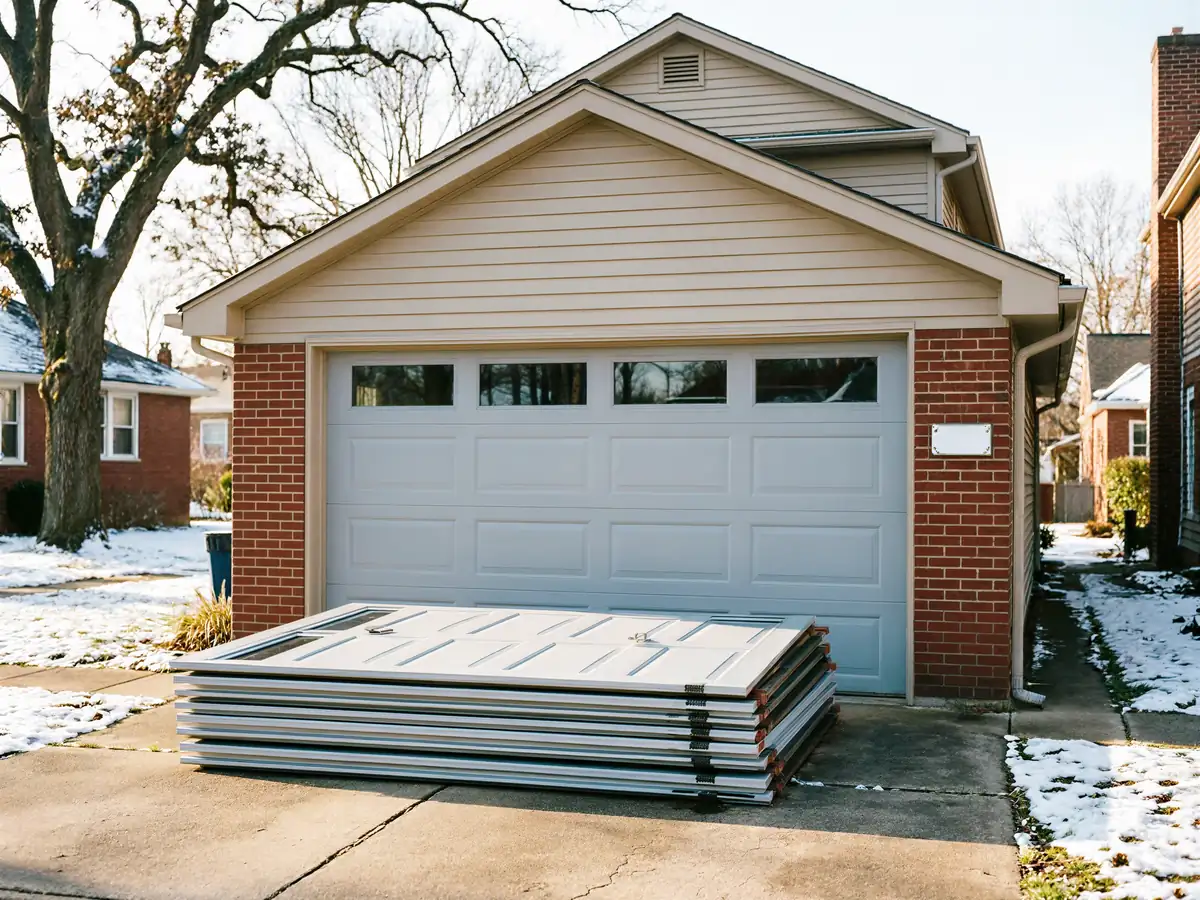
A stack of new garage door panels sits in front of a house with a garage.

Garage Door Installation

Columbia Garage Door Pros installs doors built for Columbia's older housing stock and severe cold winters - sized right, sealed right, and fitted to the openings this town actually has.

Learn more
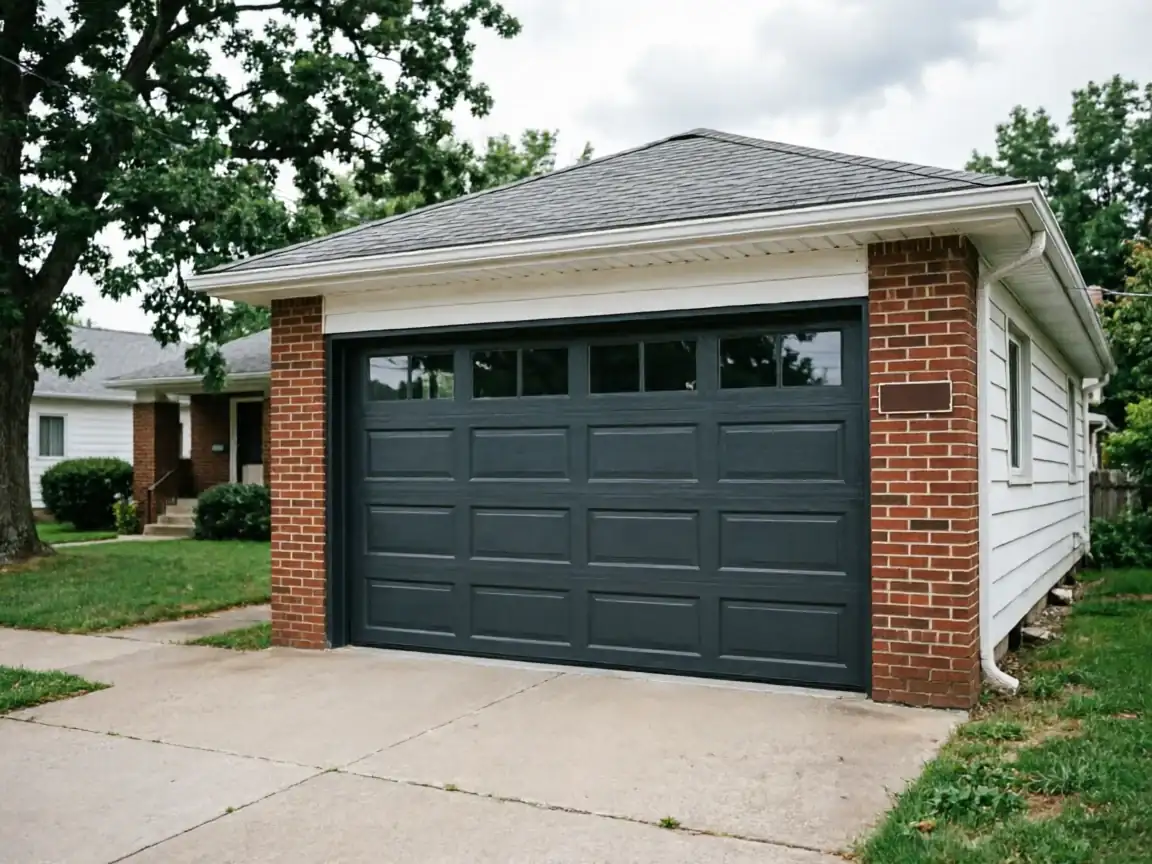
A dark gray garage door with windows is on a brick and white garage.

Garage Door Service

Garage door service for Columbia, MO homes built 1938-2003, where cold winters and original hardware wear out springs, openers, and tracks the same way, year after year.

Learn more
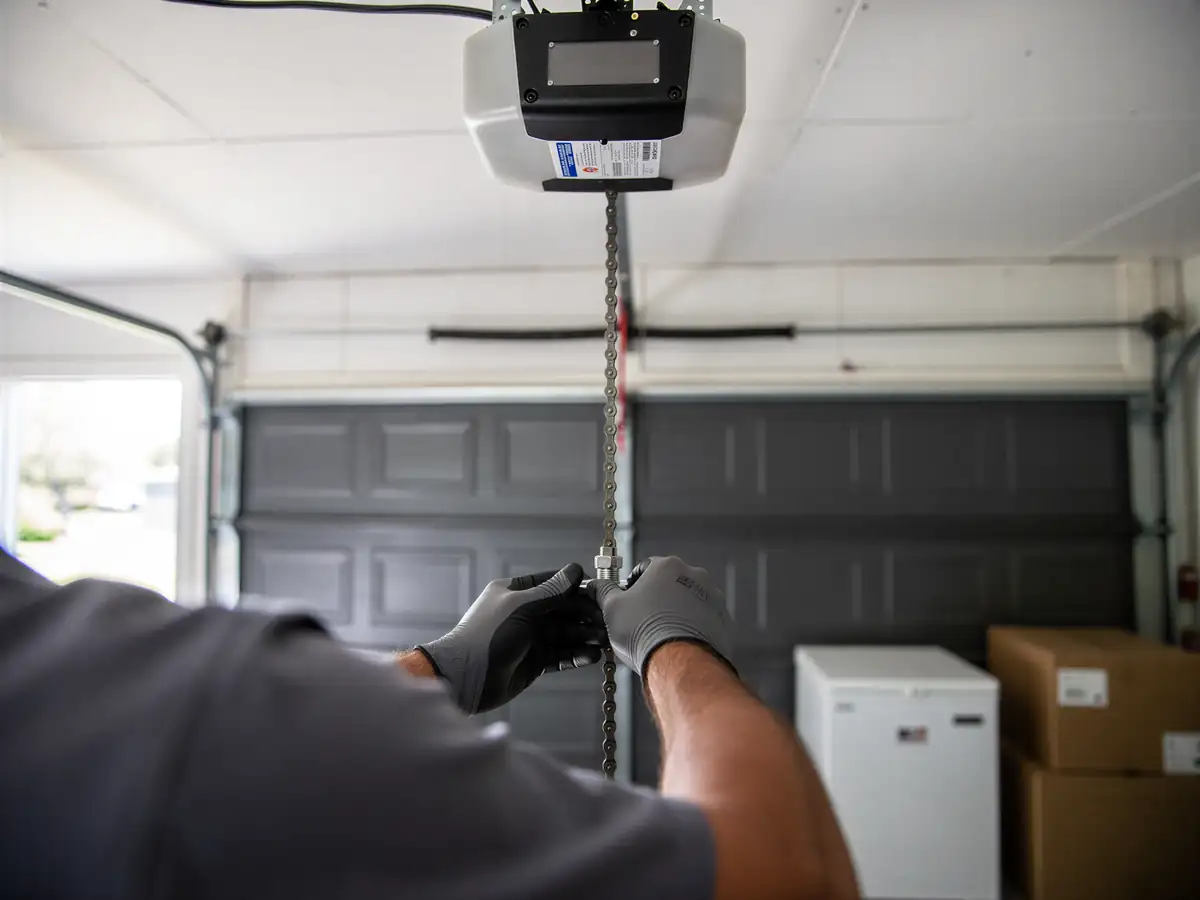
A technician in gloves adjusts the chain on a garage door opener.

Opener Repair

Opener grinding, reversing, or dead in Columbia, MO? See why 1960s-70s housing stock and severe cold winters wear out openers here, and what a repair actually involves.

Learn more
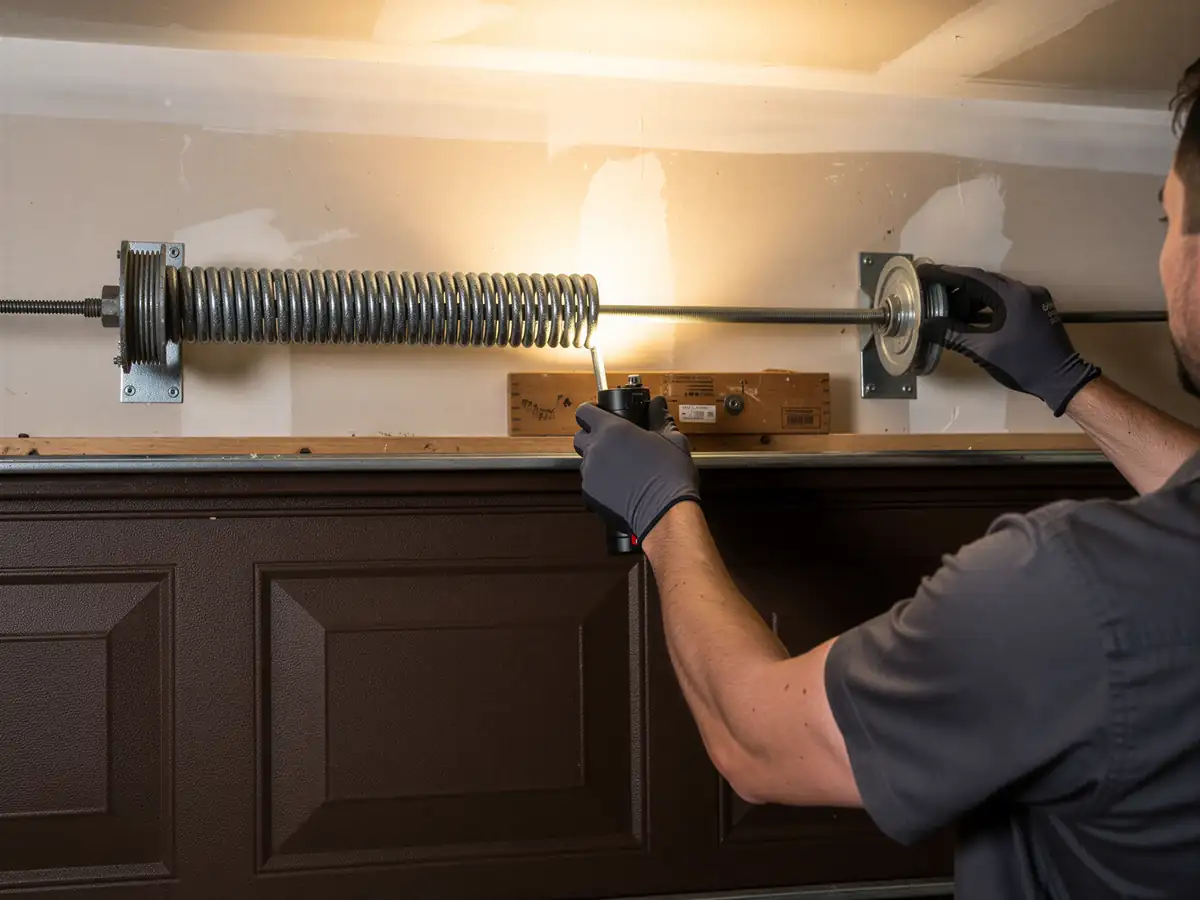
A technician lubricates a garage door torsion spring and shaft above a brown garage door.

Spring Repair

Broken torsion spring on a Columbia house? See why homes built between 1938 and 2003 fail this way, what a fix actually involves, and when replacement beats repair.

Learn more
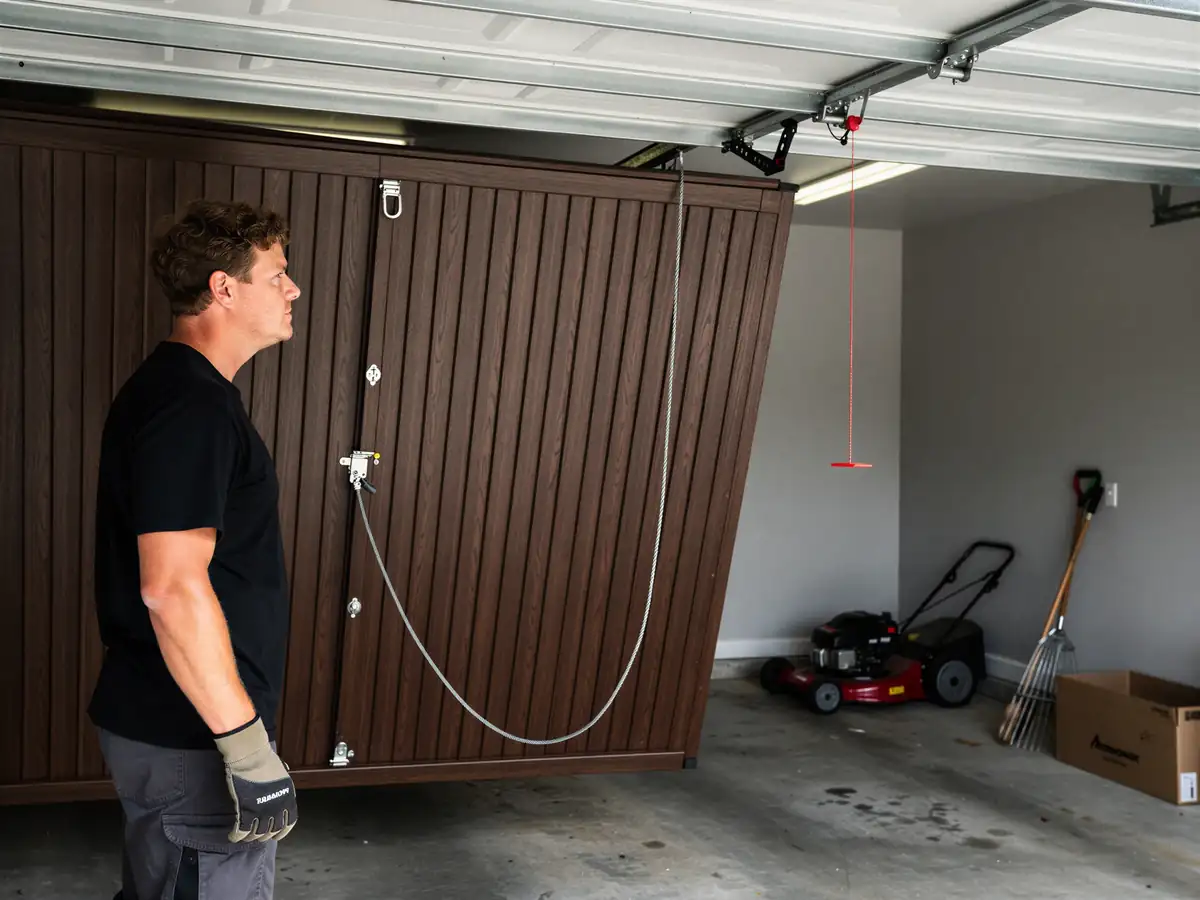
A technician stands next to a brown garage door with a rope and a lawnmower.

Cable Repair

Frayed or snapped garage door cables are common on Columbia's older housing stock. Here's what a worn cable looks like, what it costs, and why DIY fixes often fail.

Learn more
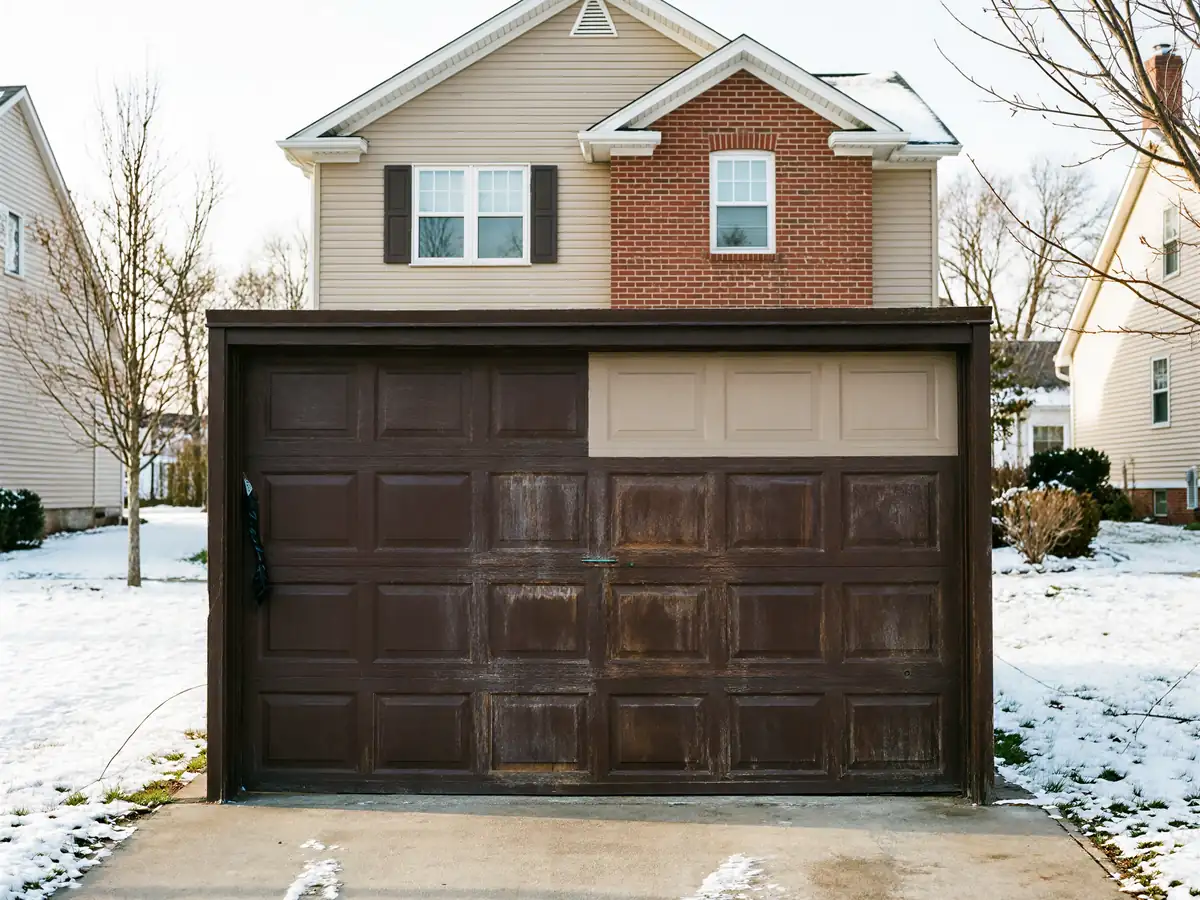
The garage door is brown and tan, with a house and snowy yard behind it.

Panel Replacement

Dented or cracked panel on a Columbia garage door? See why 1960s-70s steel stock and cold-climate swings make panel swaps tricky here, and what drives the cost.

Learn more
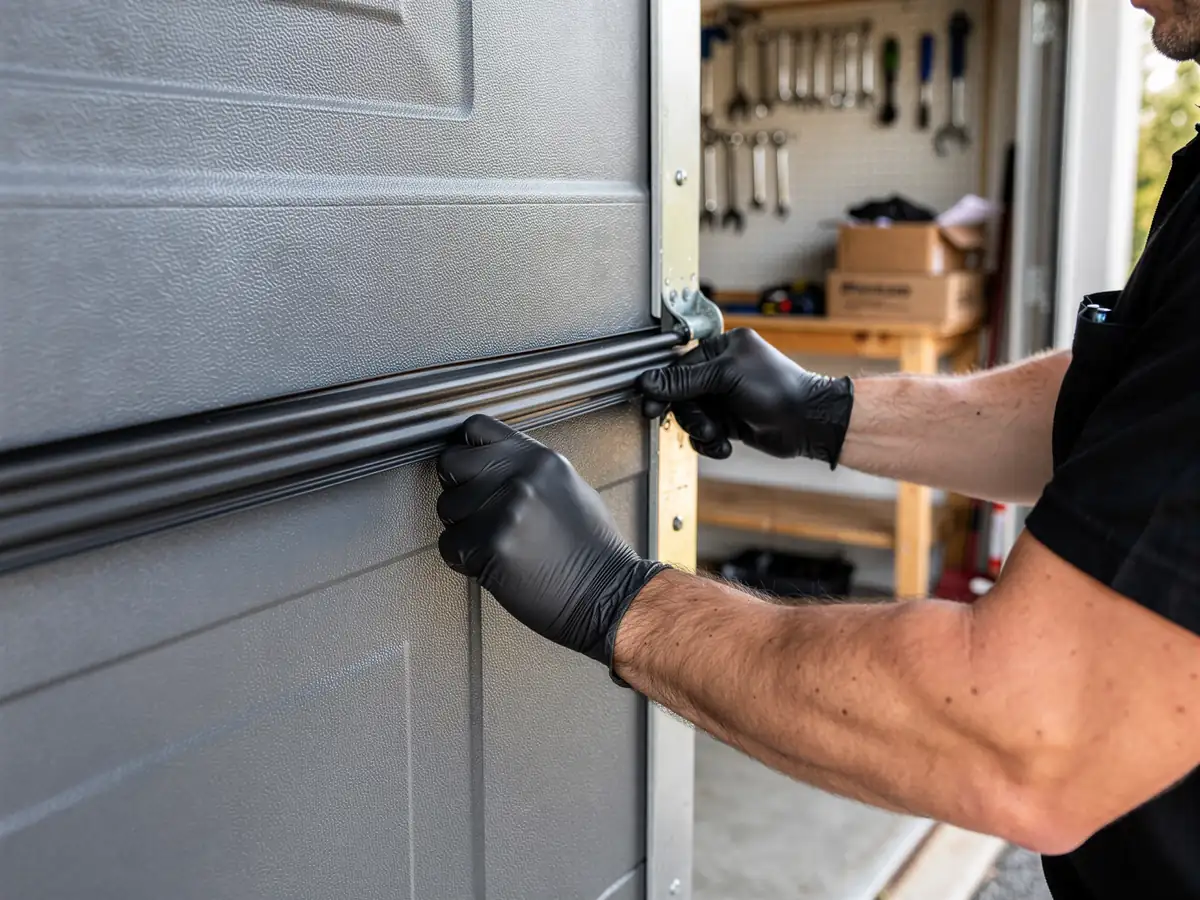
A technician in black gloves works on a gray garage door.

Maintenance

Columbia homes built mostly between 1960 and 2003 face hardware fatigue from severe cold winters. See what maintenance actually catches before a spring or opener fails.

Learn more
Questions

Frequently asked

Straight answers about garage door repair in Columbia. Still unsure? Ask us directly.

Why do garage door springs seem to break more in winter here?

Cold steel is stiffer and less forgiving, and Columbia sits in a severely cold climate band. A spring that's already lost tension from age has less margin left once temperatures drop, so failures cluster in the coldest weeks rather than spreading evenly through the year.

My house was built in the 1970s - is my door original?

It's possible. A lot of Columbia's housing stock, especially in the older sections of town, went up in the 1960s and 70s with standard single-torsion-spring, two-car steel doors. If no one's mentioned replacing the spring, it may still be the original.

Can I just wait until spring to deal with a stiff door?

Sometimes, if nothing's broken yet. But a stretched or weak spring on an older system tends to fail at the worst time, which is often during the coldest stretch, not the mildest one. Catching it before that point is usually the cheaper outcome.

Is replacing the whole opener ever cheaper than repairing it?

Not usually for a single failed part, but if the opener is old and the circuit board or motor is going along with the mechanical issue, piecemeal repairs can add up past what a new unit costs. We'll tell you honestly which side of that line your unit is on.

Ready to get your garage door sorted?

Tell us what it’s doing and where you are in Columbia - we’ll take it from there.

Request a QuoteCall