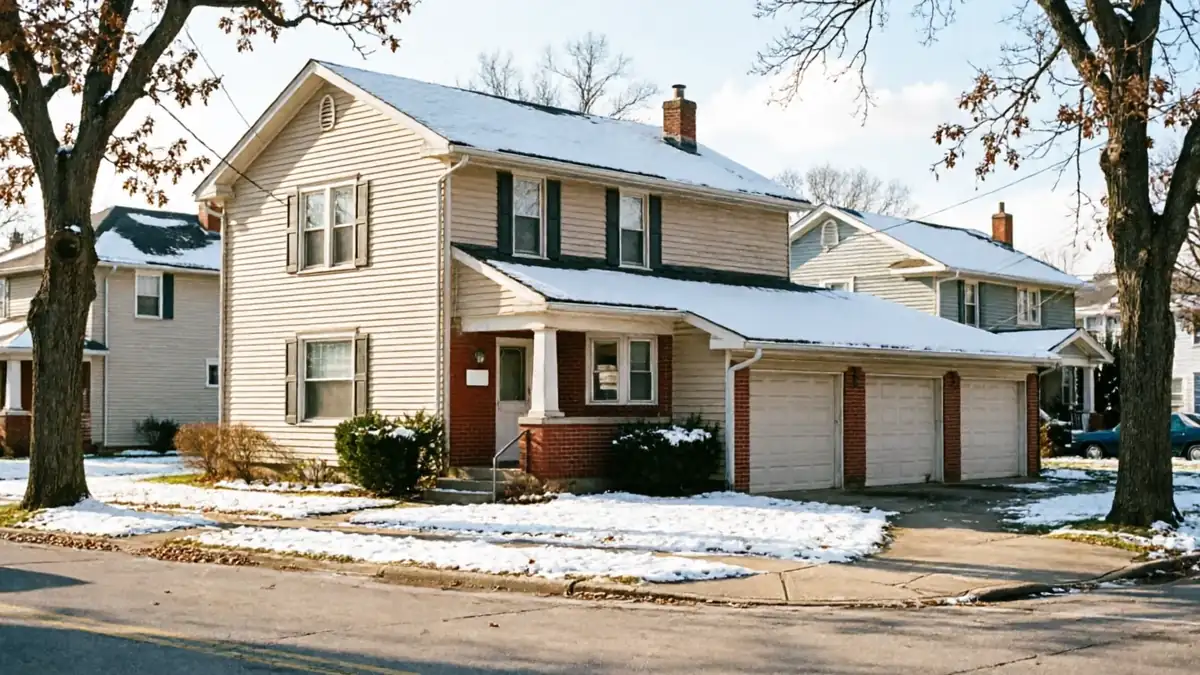
Columbia homes built mostly between 1960 and 2003 face hardware fatigue from severe cold winters. See what maintenance actually catches before a spring or opener fails.
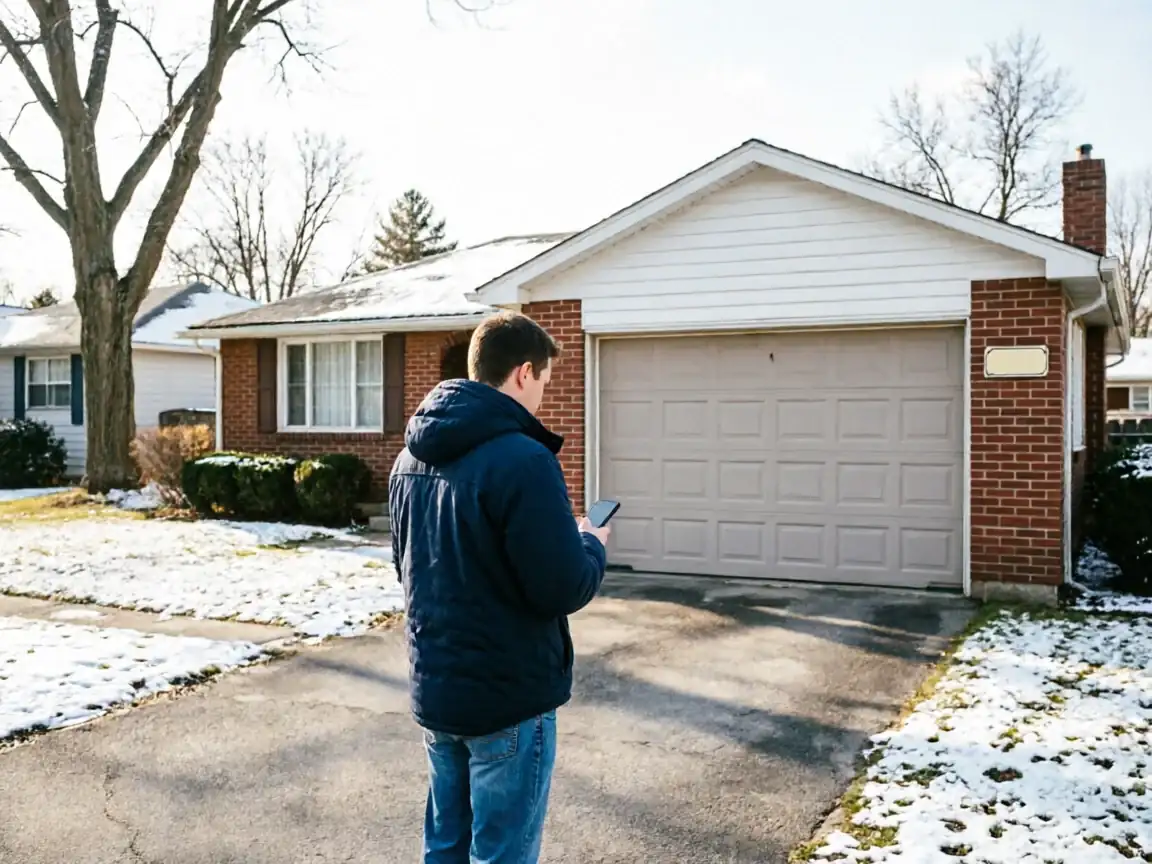
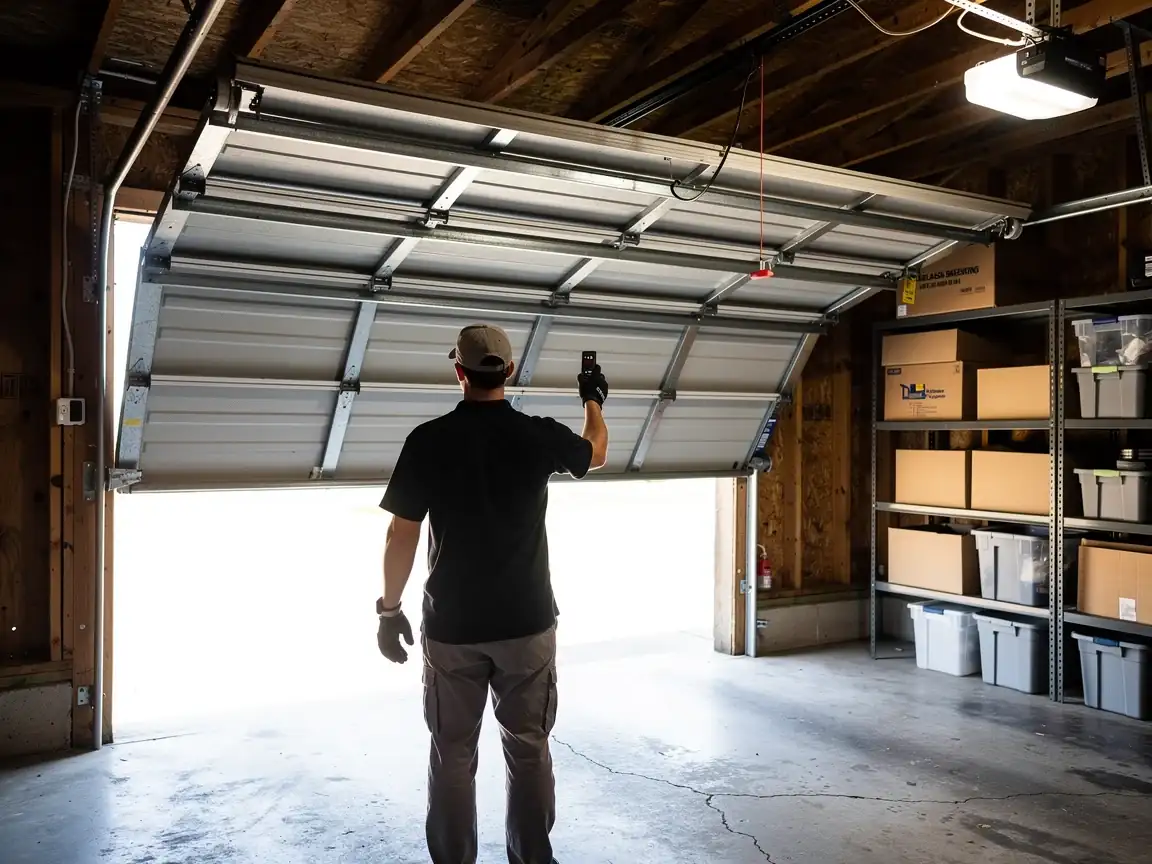
If your door has started hesitating halfway up, or the opener strains and reverses before it closes, you're not imagining it. Across the Columbia service area, most of the housing stock went up between 1938 and 2003, with the bulk of it dating to the 1960s and 70s across seven named areas. That means a lot of torsion springs, rollers, and track hardware that are original or close to it - nobody's replaced them because nothing's broken yet, technically. What you're seeing now is usually the tail end of slow wear: a spring that's lost tension and no longer balances the door's weight, nylon rollers that have gone brittle and started binding in the track, or cable that's frayed at the drum from years of flexing. None of this shows up as a sudden failure. It shows up as a door that's a little louder, a little slower, or an opener that works harder each month to do the same job. On a door built to 1970s hardware standards, that gradual strain is the whole story - the parts were never designed to run forty or fifty years without attention, and in this climate band, cold makes the slack show up faster than it would somewhere milder.
Can You Do This Yourself
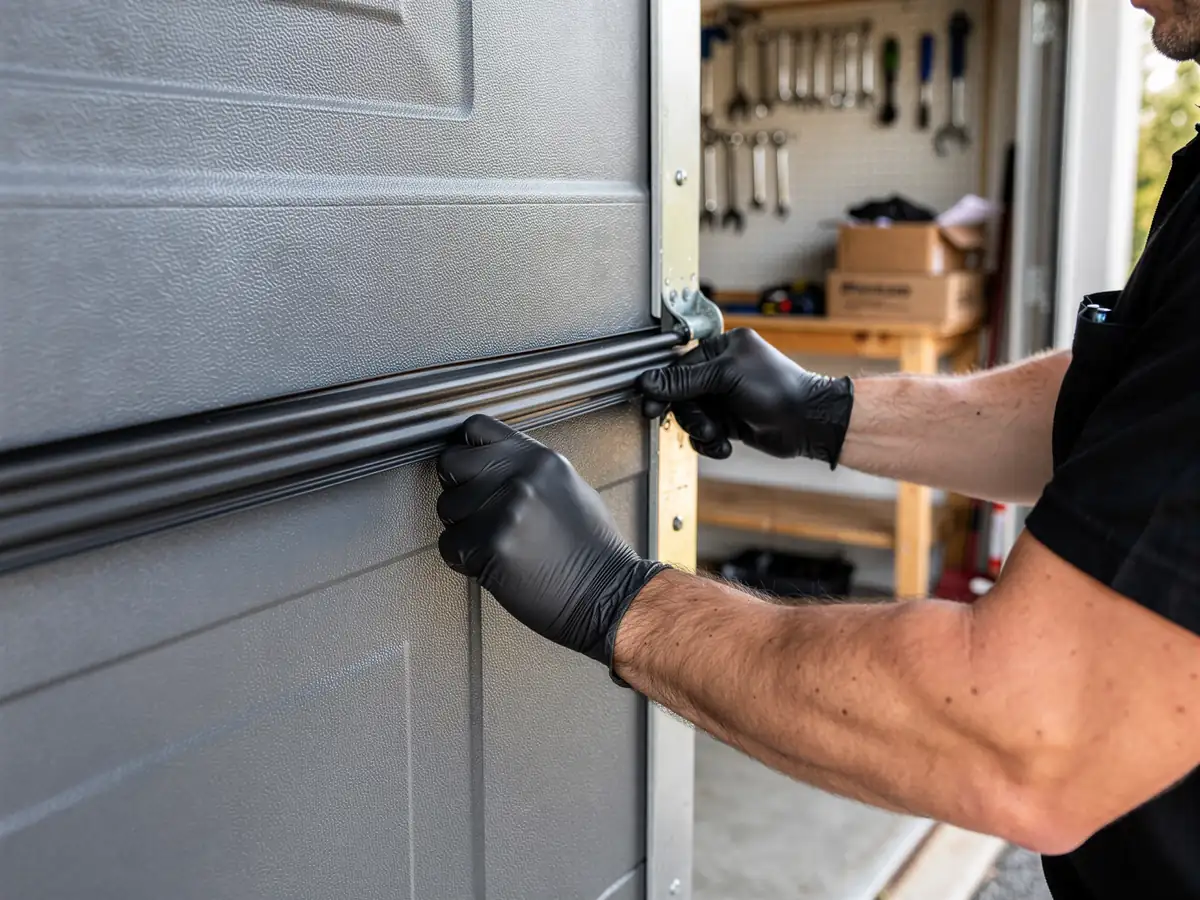
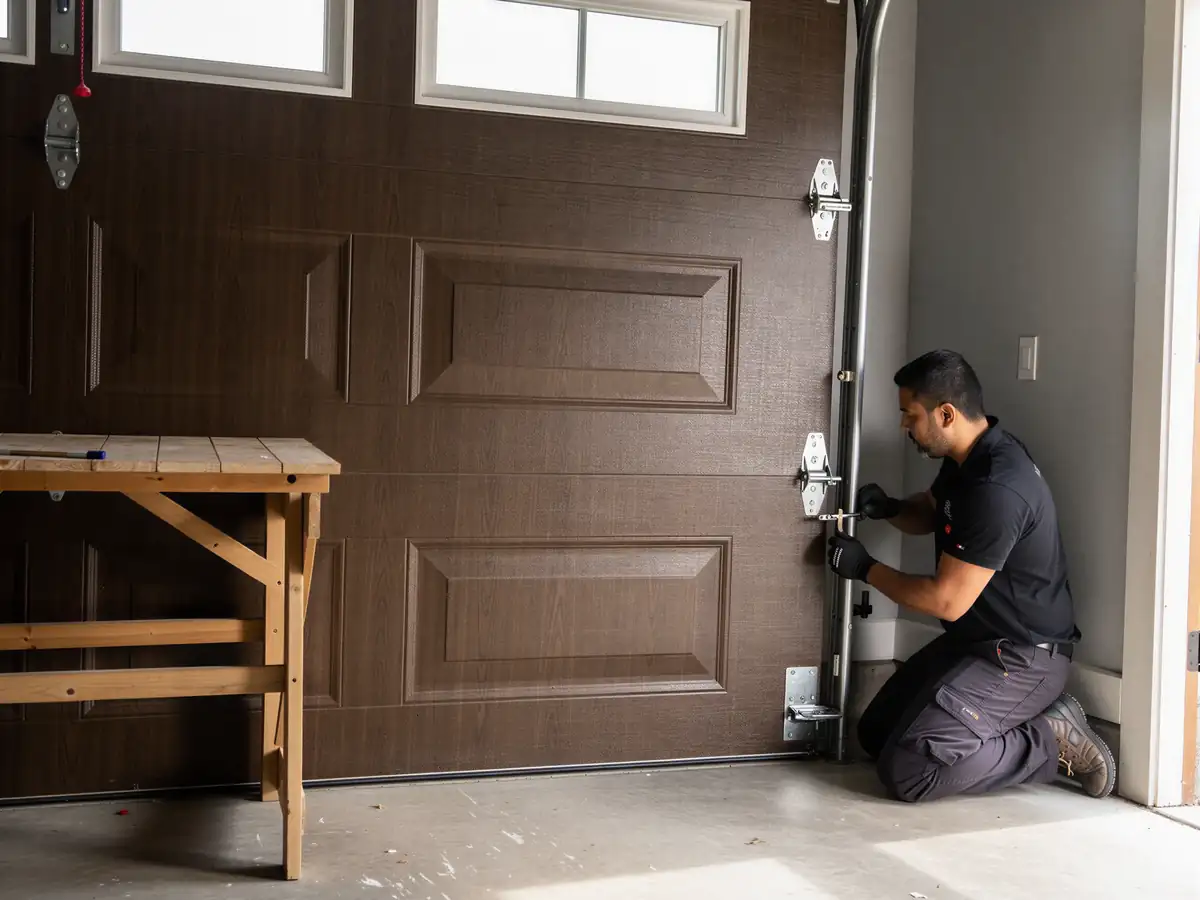
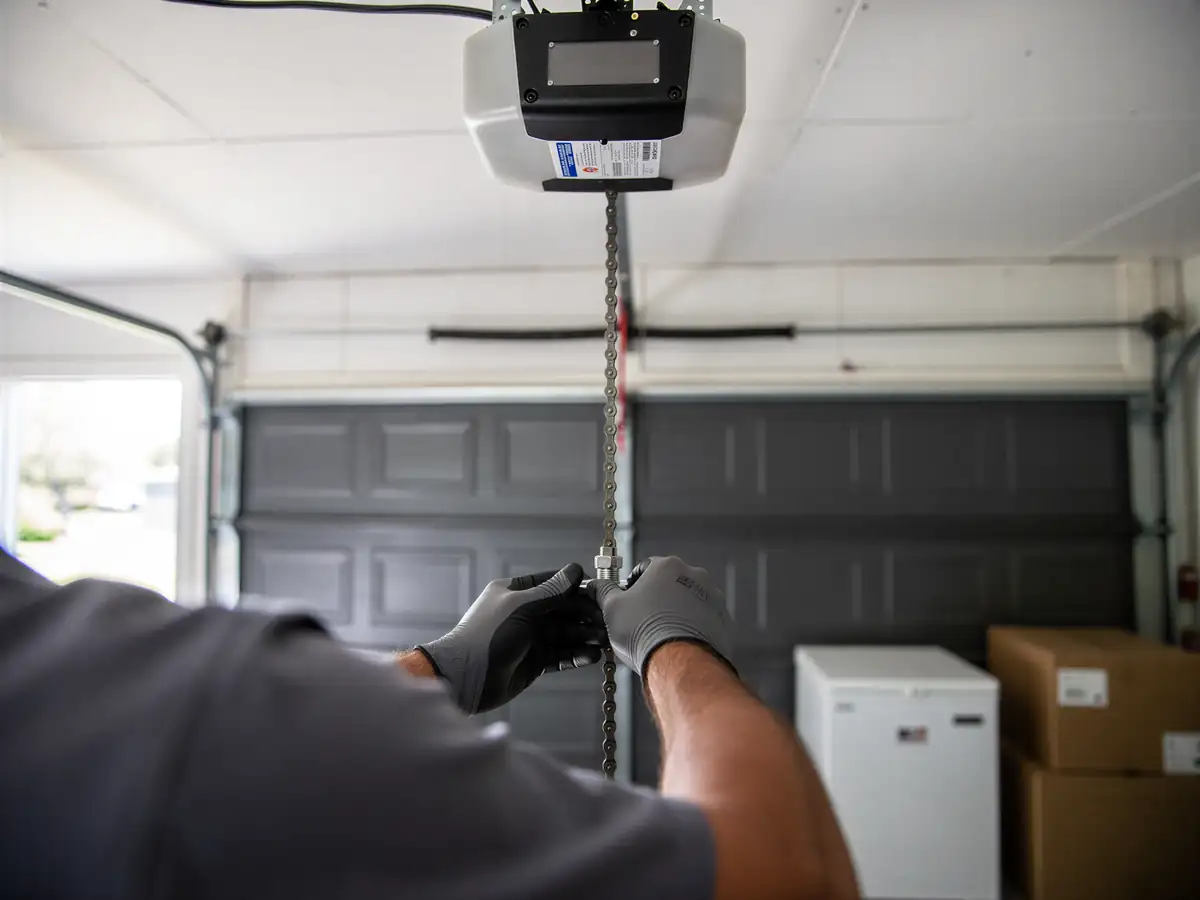
Some of it, yes. You can visually check the track for gaps or rust, make sure the photo-eye sensors are aligned and clean, tighten loose hinge bolts, and lubricate rollers and hinges with a garage-door-specific lubricant - not WD-40, which washes grease out rather than adding it. Check the weatherstripping at the bottom of the door too; in a cold climate like this one, a gap there is where your garage loses heat all winter.
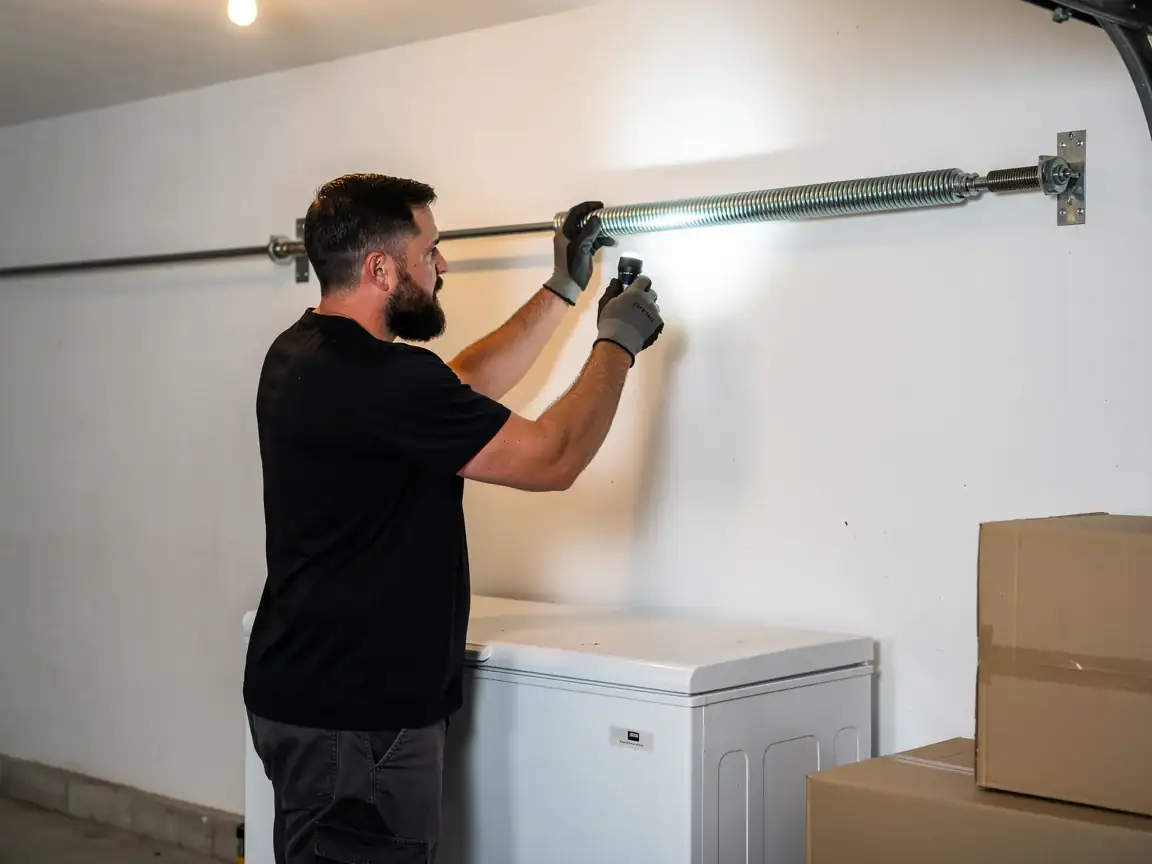
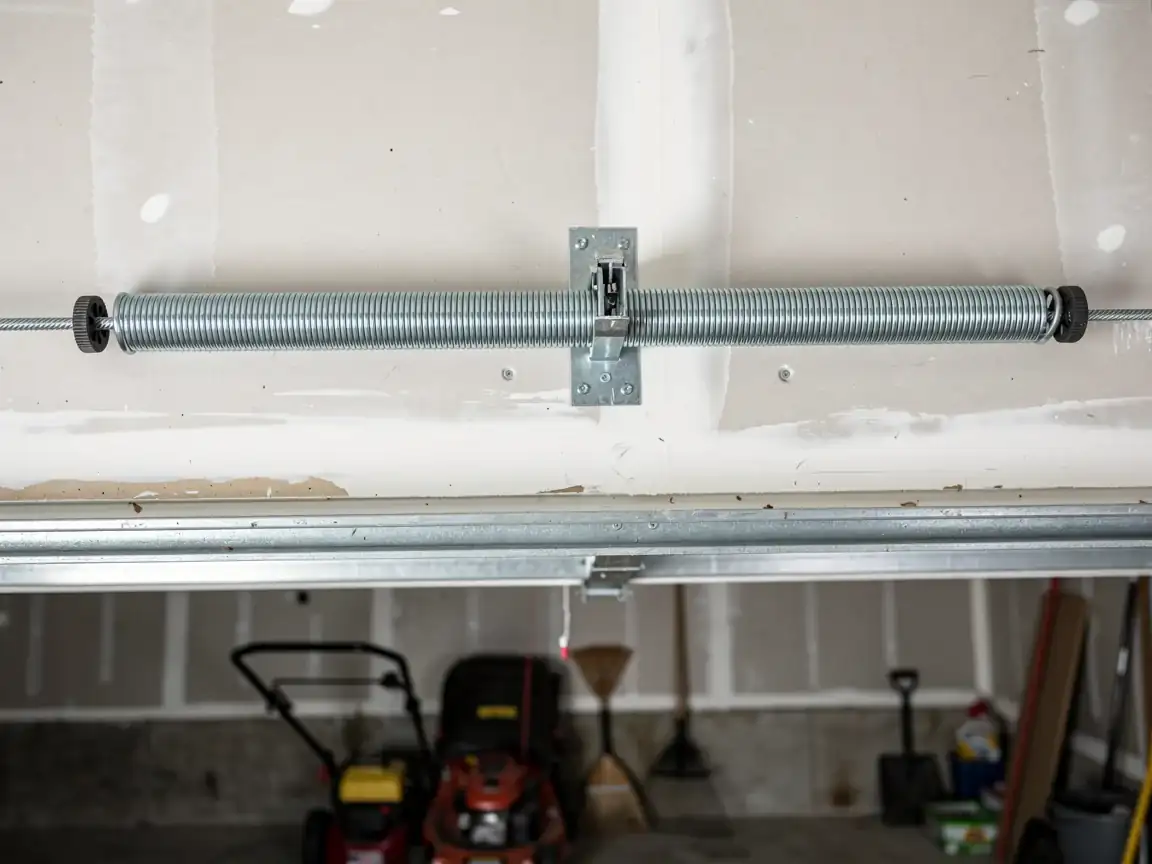
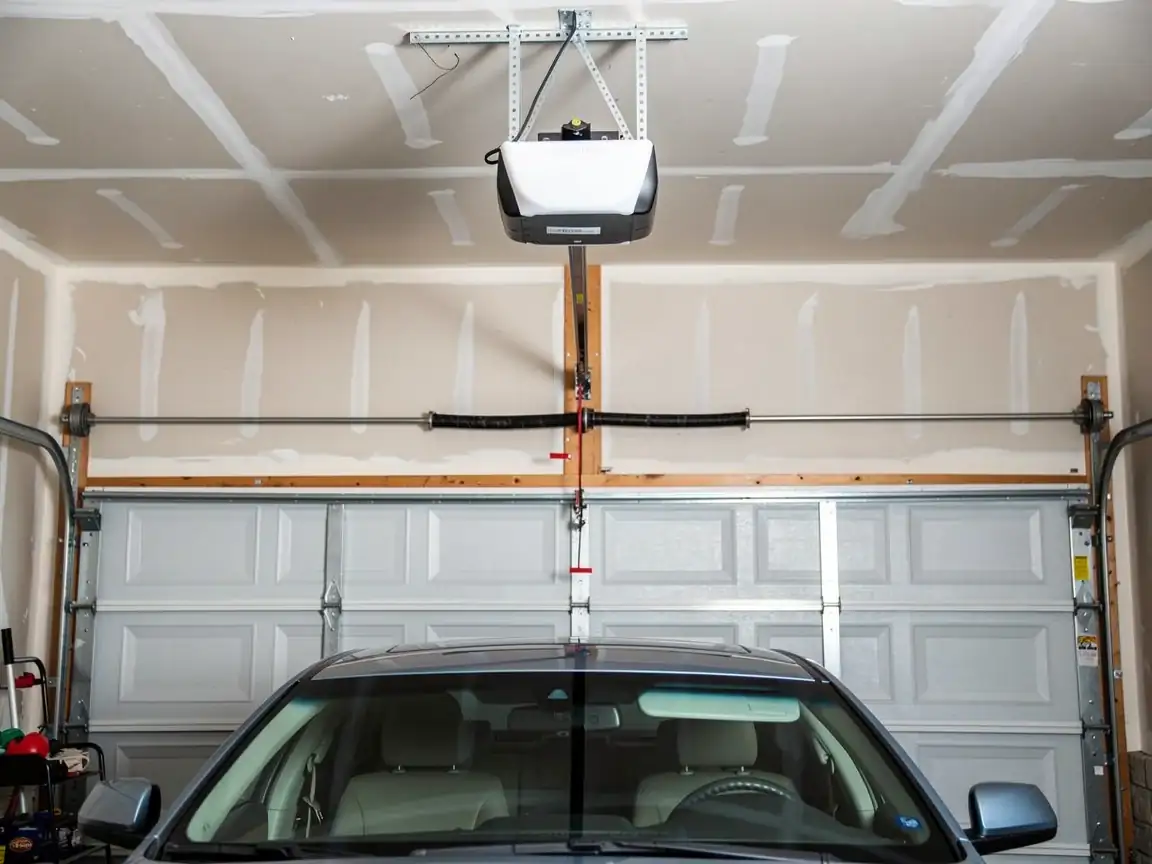
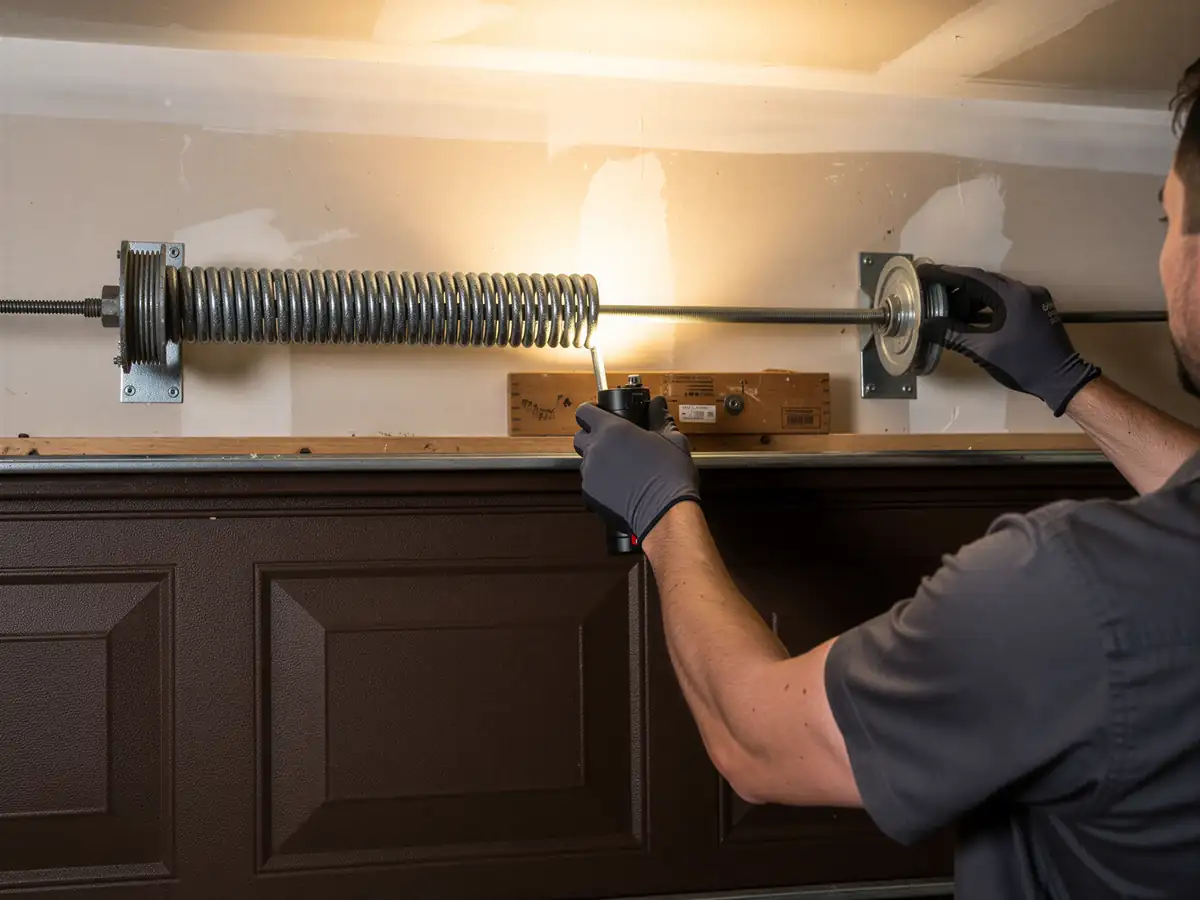
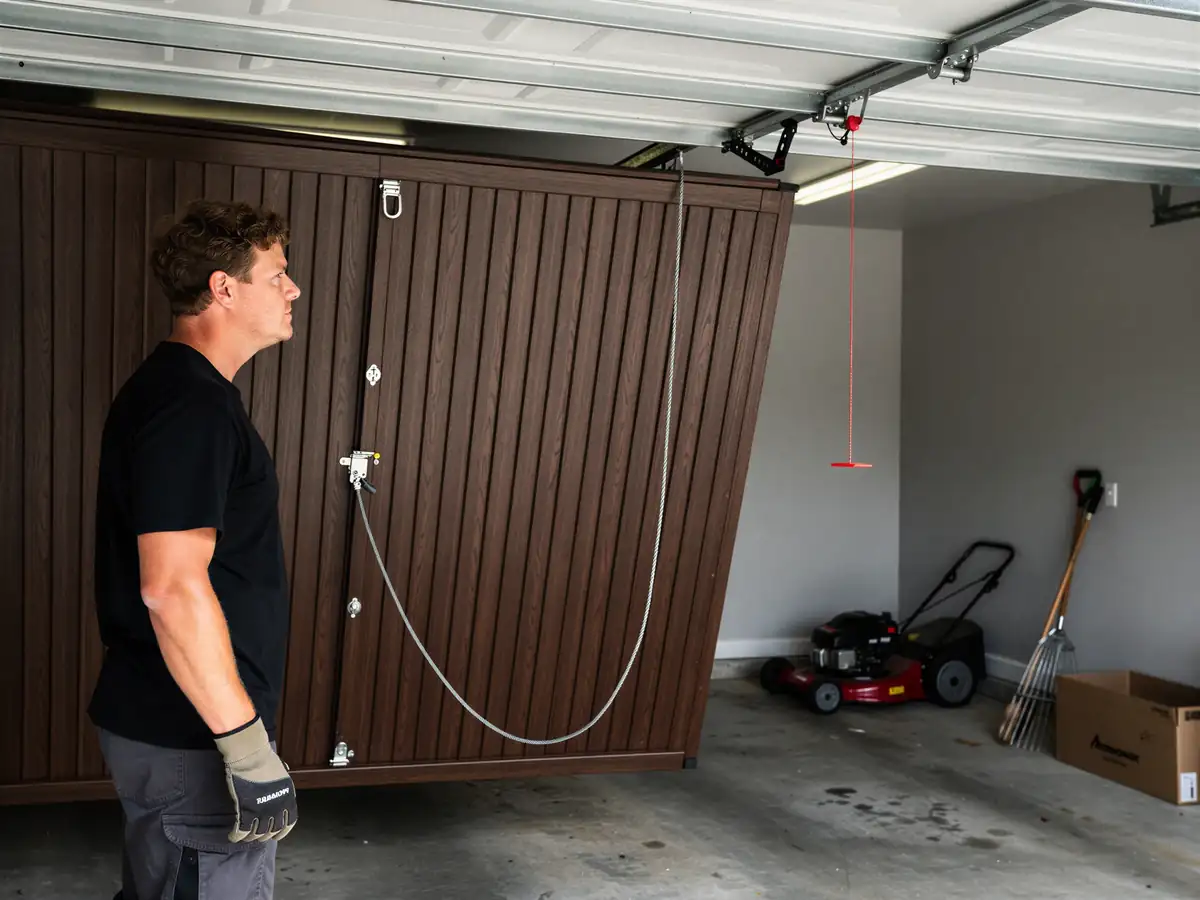
What you shouldn't touch is anything on the torsion spring system. It's wound under enough tension to cause serious injury, and on doors from the older end of our 1938-2003 housing range, the spring and the drum it's wound around are often original, which means more wear and less margin for error than a newer setup. If the door is off-balance - meaning it won't hold position halfway up when you disconnect the opener and lift it by hand - that's a job for someone who does it daily, not a Saturday project. We'd rather tell you that upfront than have you find out the hard way.
What It Costs
We're not going to put a number here that doesn't hold up once a technician actually looks at your door, because what drives the cost is what we find - spring size and cycle count, whether the track needs realignment or replacement, how many rollers have failed versus just stiffened, and whether the opener's drive system is original or already been swapped once. A door on 1960s-70s hardware usually needs more individual parts addressed in one visit than a door installed in the last fifteen years, simply because more components are reaching the end of their service life around the same time. The honest answer is that a maintenance visit costs less than letting a worn spring take out a cable or a track with it, and letting a technician quote your specific door after inspection is the only way to get a number you can trust.
Why This Fails Locally
Across the Columbia service area - 3,917 households and 2,116 owner-occupied houses, per the latest counts - a huge share of garages are running hardware that predates modern coil coatings and sealed bearings. Combine that with a severe cold climate band and you get a specific failure pattern: metal contracts in the cold, grease stiffens, and a spring or roller that was marginal in October gives out on the first hard freeze of the year, usually right when you need the door most. This isn't a universal garage door problem - it's what happens when 1960s-70s-era hardware meets a climate that punishes neglected lubrication and worn seals harder than a milder one would. At a median household income of $58,889 across this area, a lot of owners reasonably put off maintenance until something audibly breaks, but on hardware this old, the spring that waits until February to fail often takes a track or a cable bracket down with it. Regular maintenance doesn't erase the age of the housing stock - it just keeps the climate from turning ordinary wear into a January emergency call.
How it works
From “it’s stuck” to “it’s fixed”
01
Tell us what’s wrong
Describe the symptom - won’t open, loud bang, opener runs but the door won’t move.
02
On-site diagnosis
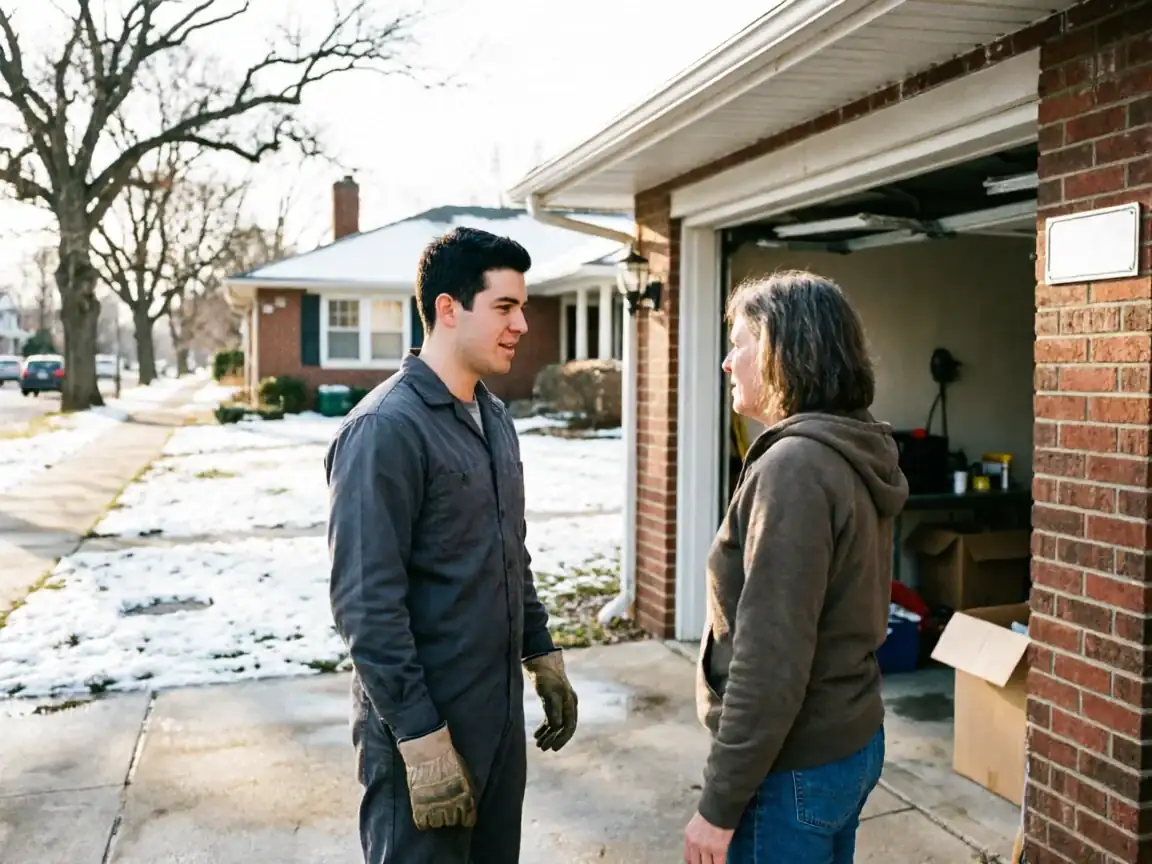
A technician tests the door under power and by hand and finds what actually failed.
03
Clear, up-front plan
You get the fix that’s needed and what drives the cost - before any work starts.
04
Repaired & tested
The repair is done, the door is set true and tested, and the work area left clean.
Not sure which repair your door needs in Columbia, MO? Describe what it’s doing - every job starts with a diagnosis.
How often should I get my garage door serviced in Columbia?
It depends on the age of your hardware, but if your home was built before the 2000s - which covers most of this service area - an annual check before winter catches the spring tension and roller wear issues that the cold makes worse. Newer doors can often go longer between visits.
Can cold weather actually break a garage door spring?
Cold doesn't break a spring on its own, but it accelerates failure in a spring that's already worn. Metal contracts and lubricant stiffens, so a spring running on borrowed tension is far more likely to snap during a hard freeze than in a mild stretch of weather. That's especially common on older hardware still in service across this area.
Is it worth maintaining an original door from a house built in the 1970s?
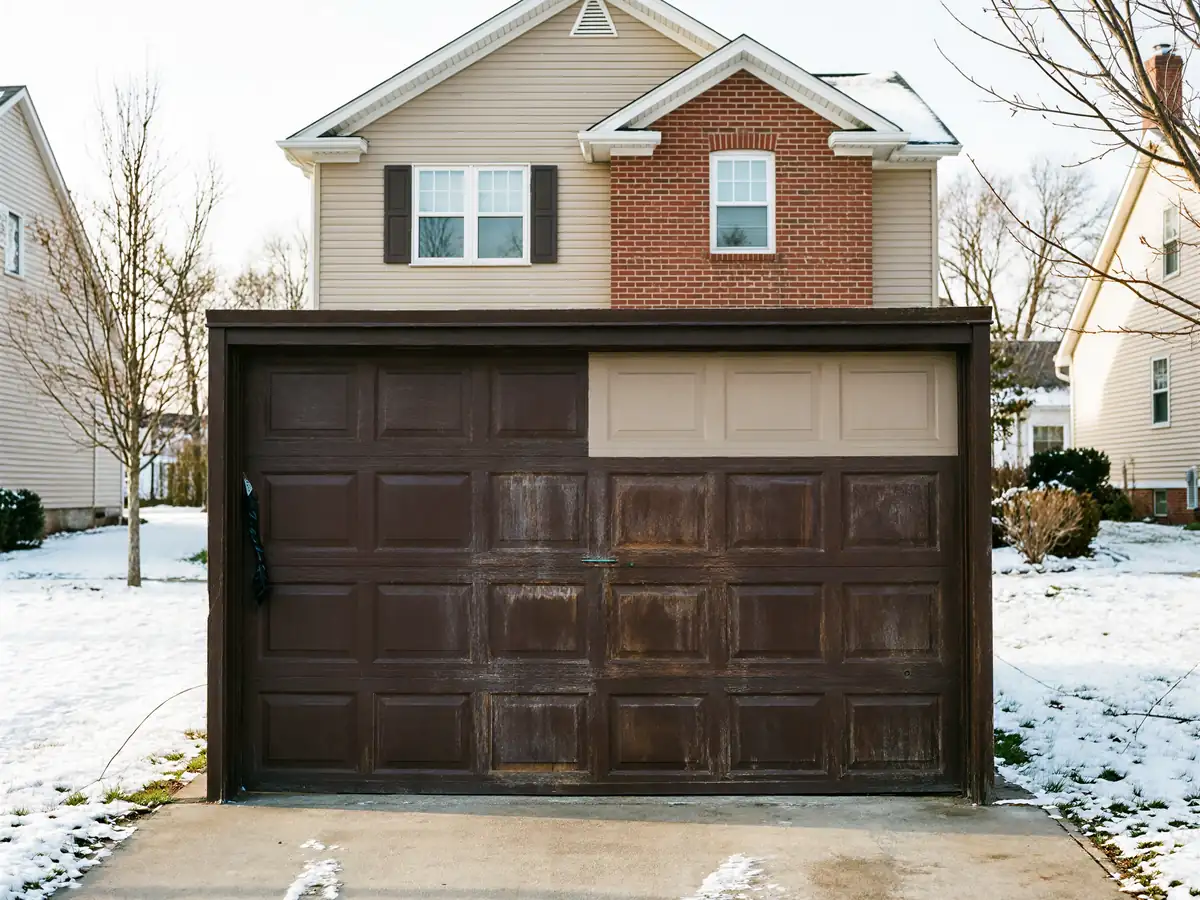
Often yes, if the panels themselves are sound - track, rollers, and springs can all be serviced or replaced without touching the door panel. But if the spring, track, and opener are all original and all worn, replacement sometimes costs less over time than repeated repair visits.
Ready to get your garage door sorted?
Tell us what it’s doing and where you are in Columbia - we’ll take it from there.