Why This Fails Locally
Harrisburg is fifteen miles out from our shop in Columbia
Which shapes how a repair call here actually works. There's no walk-in counter nearby and no second truck parked closer - every job starts with that drive, so when you call, we're scheduling around the trip, not just the repair. That's worth knowing up front: a same-day fix is still possible, but it depends on what's already on the truck and where that truck is when you call.
The upside of the distance is that it tells us something about the houses before we even arrive
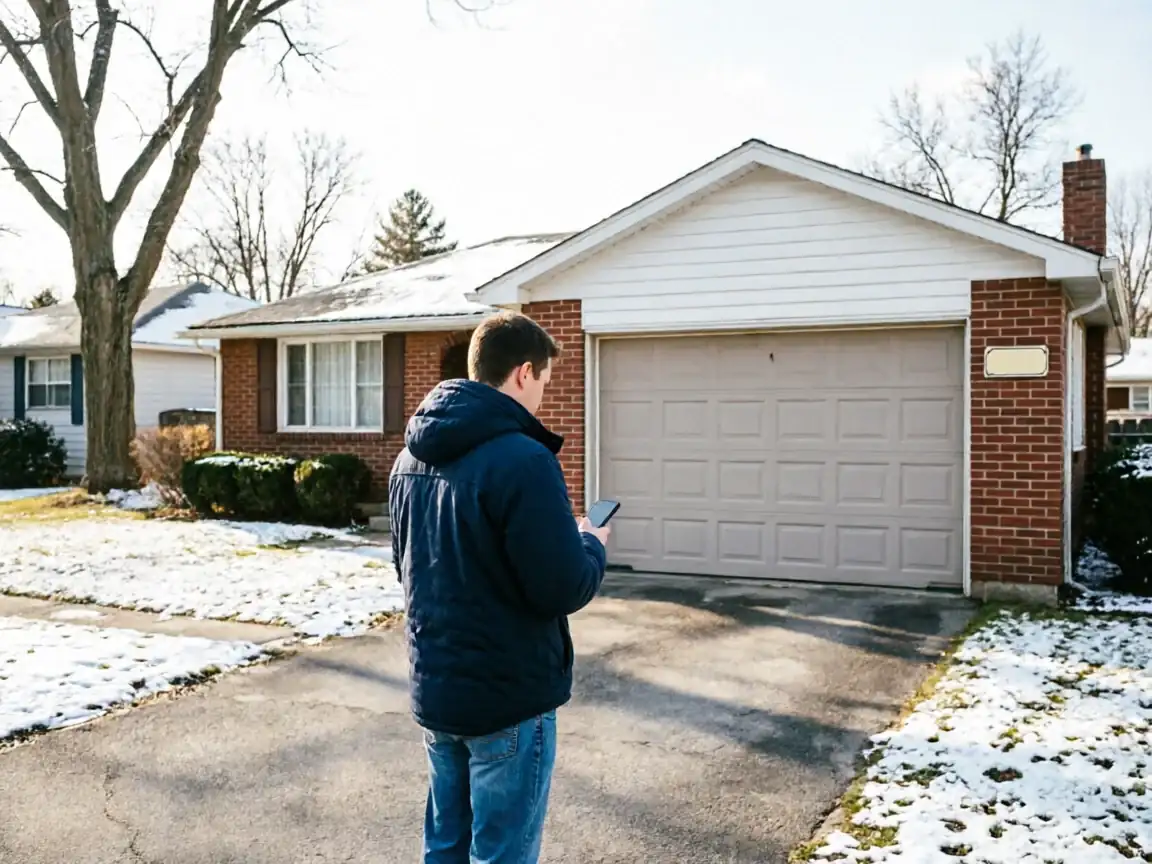
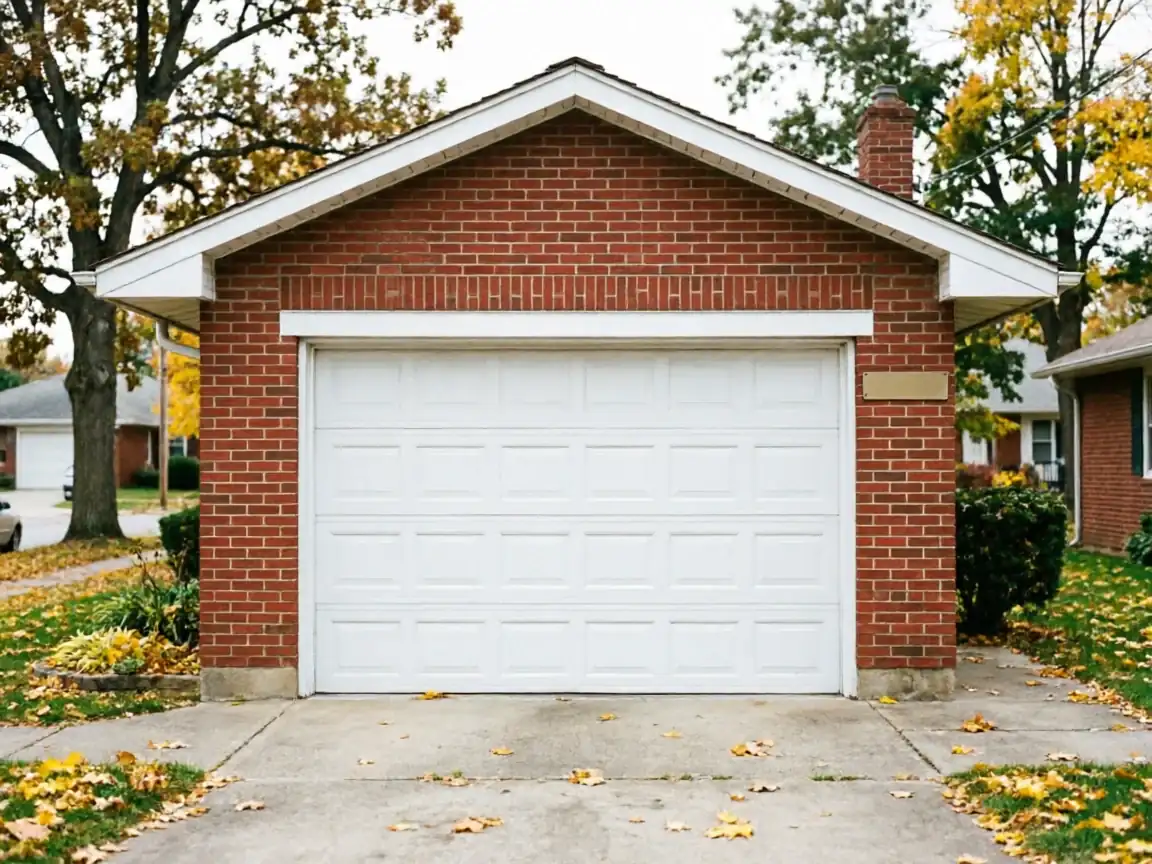
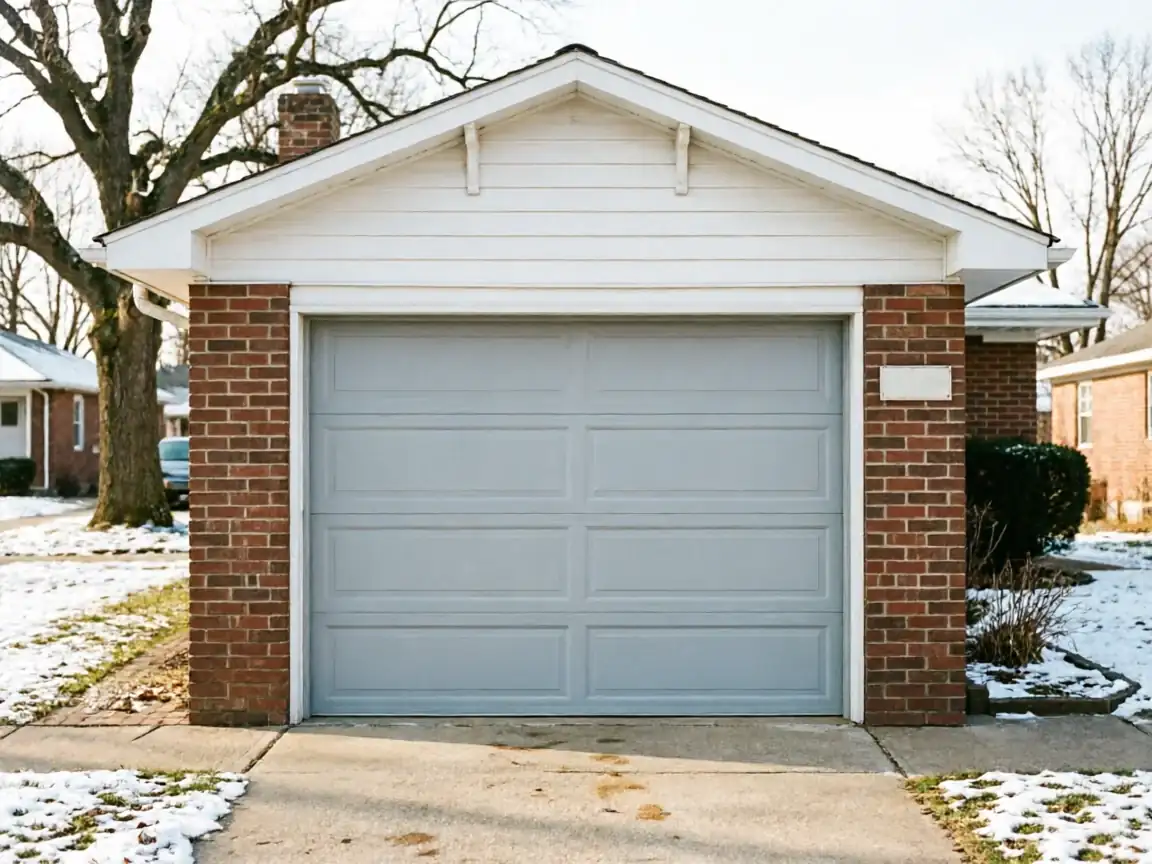
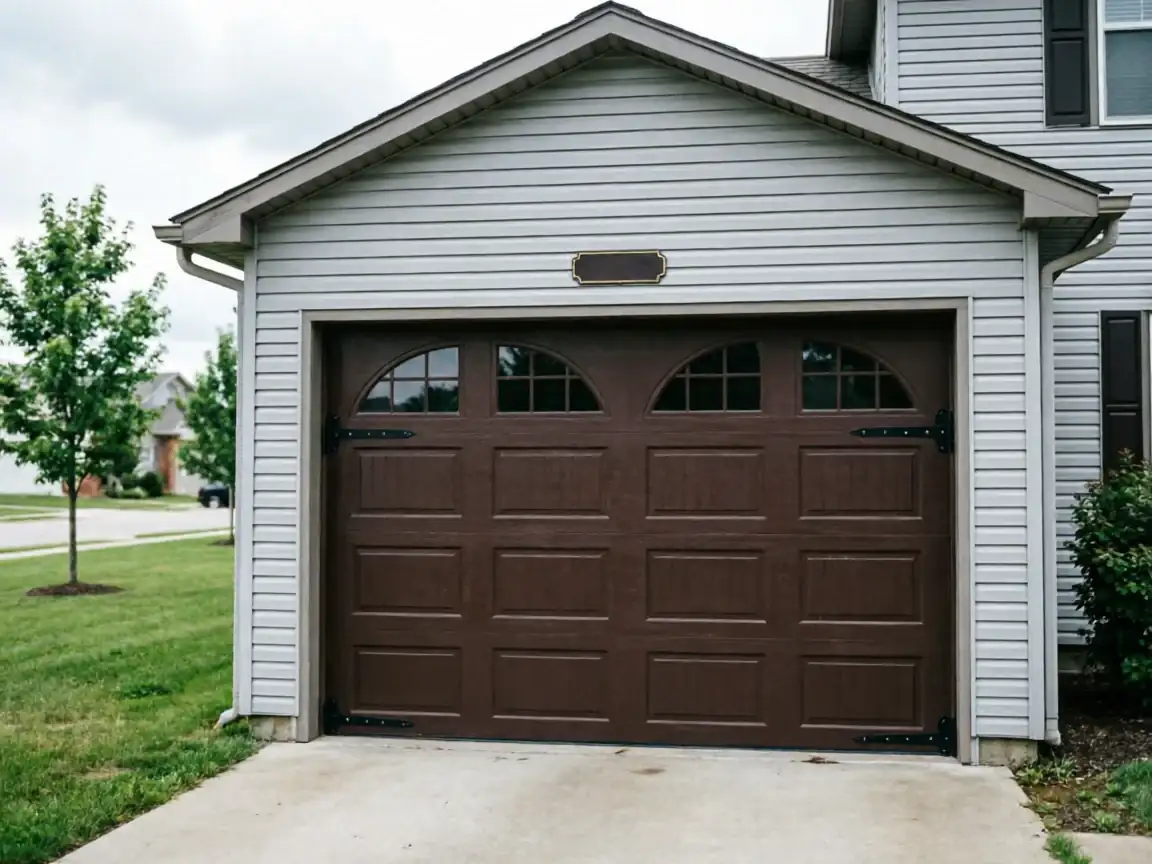
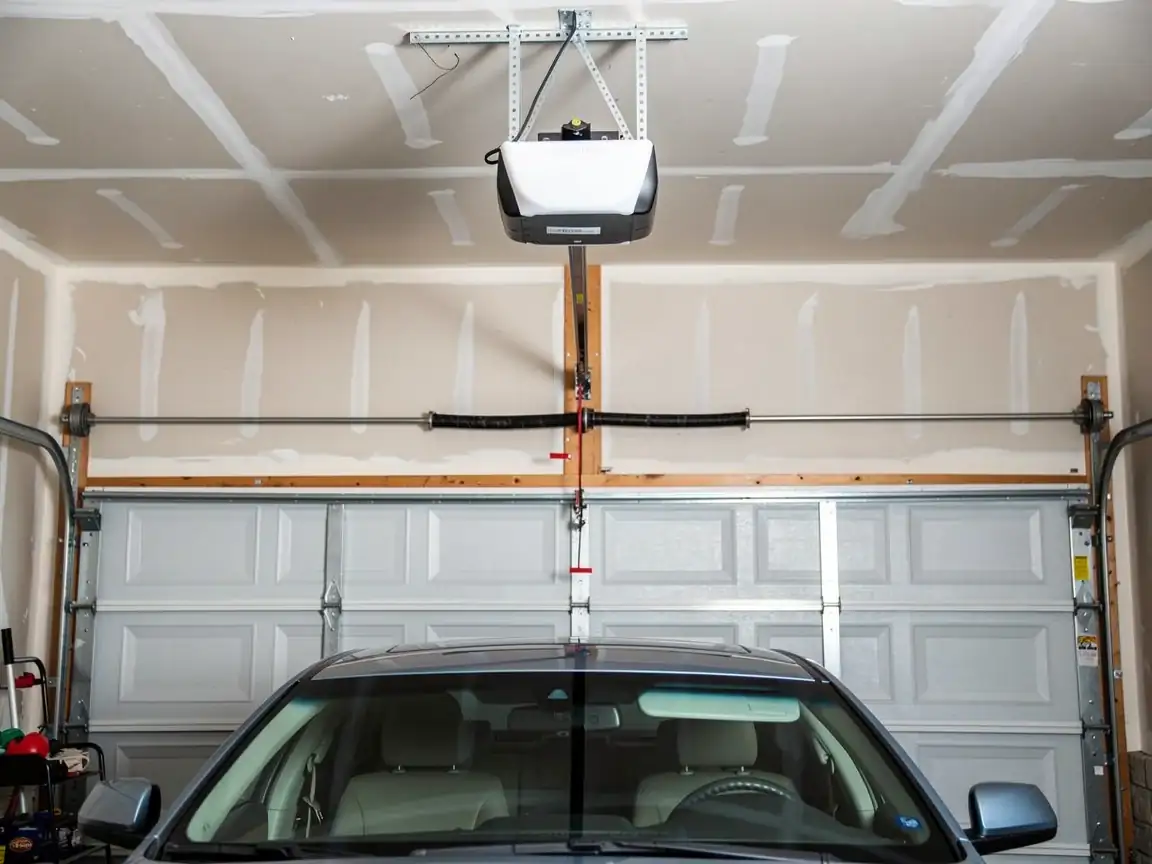
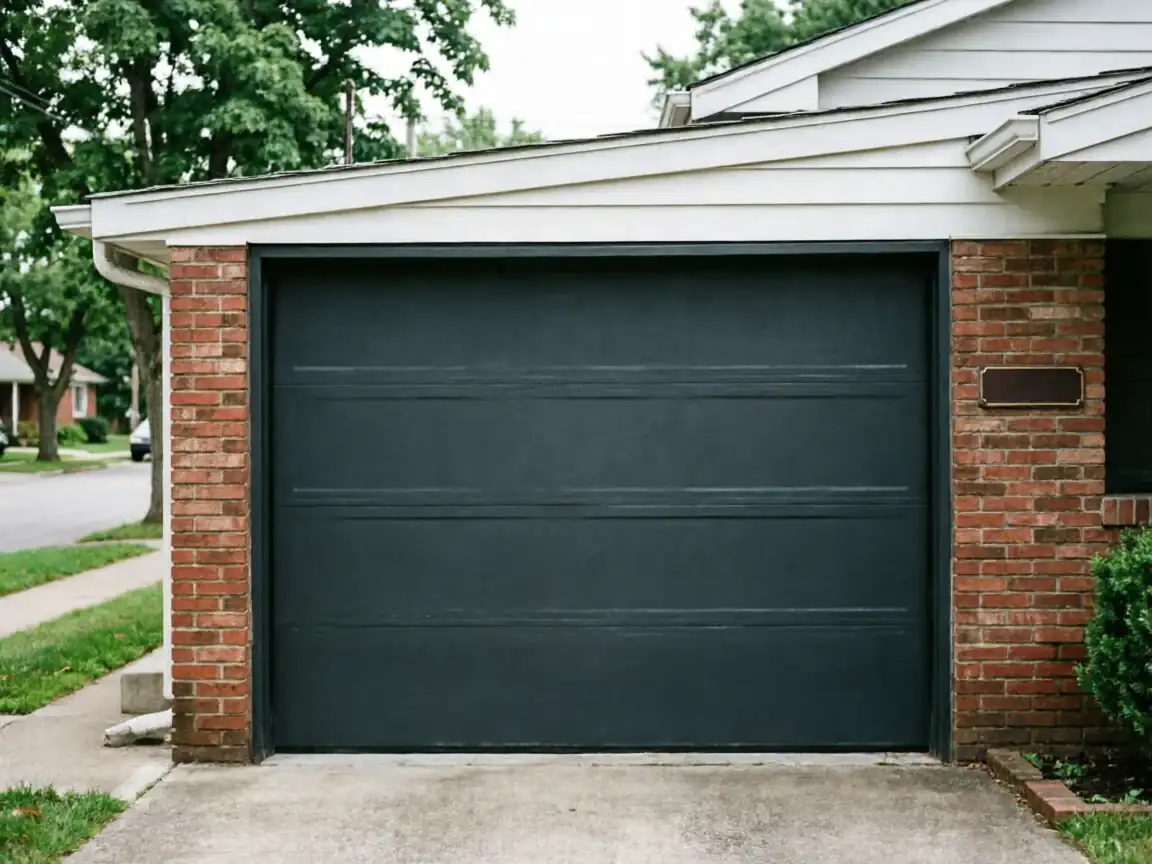
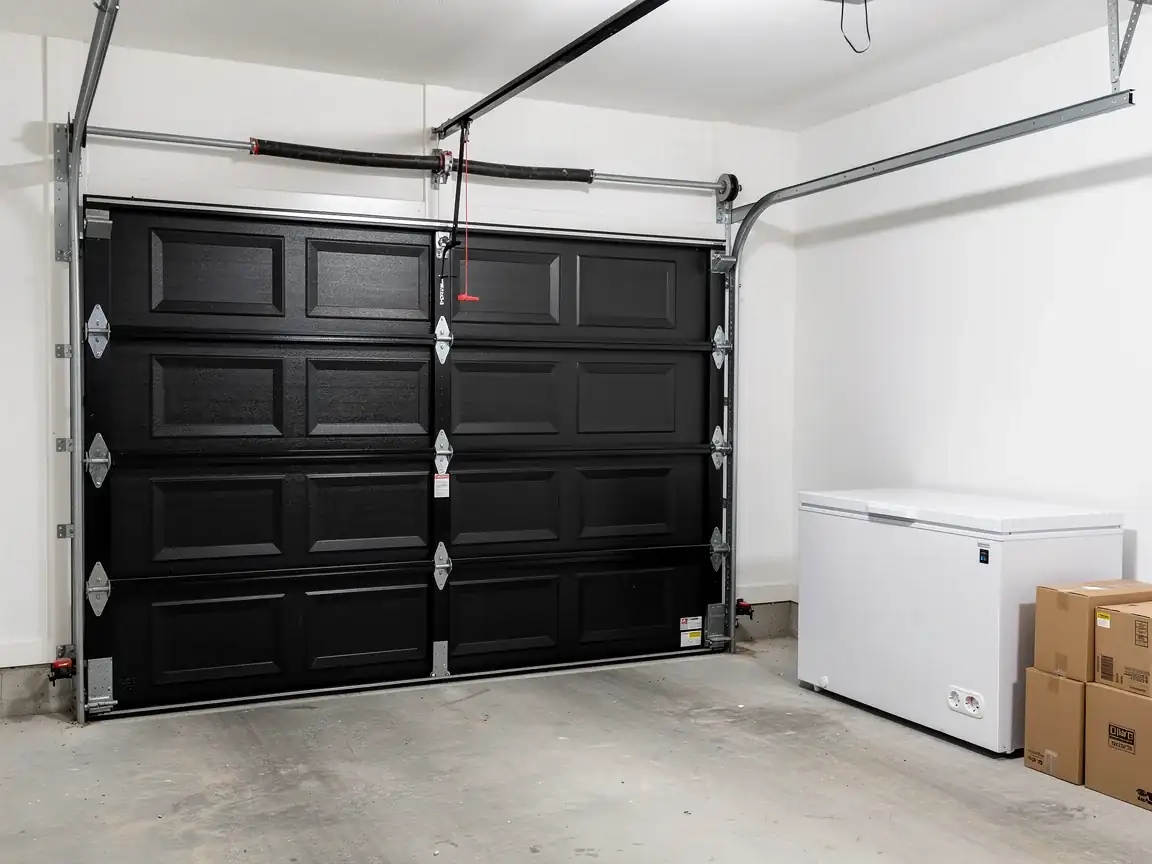
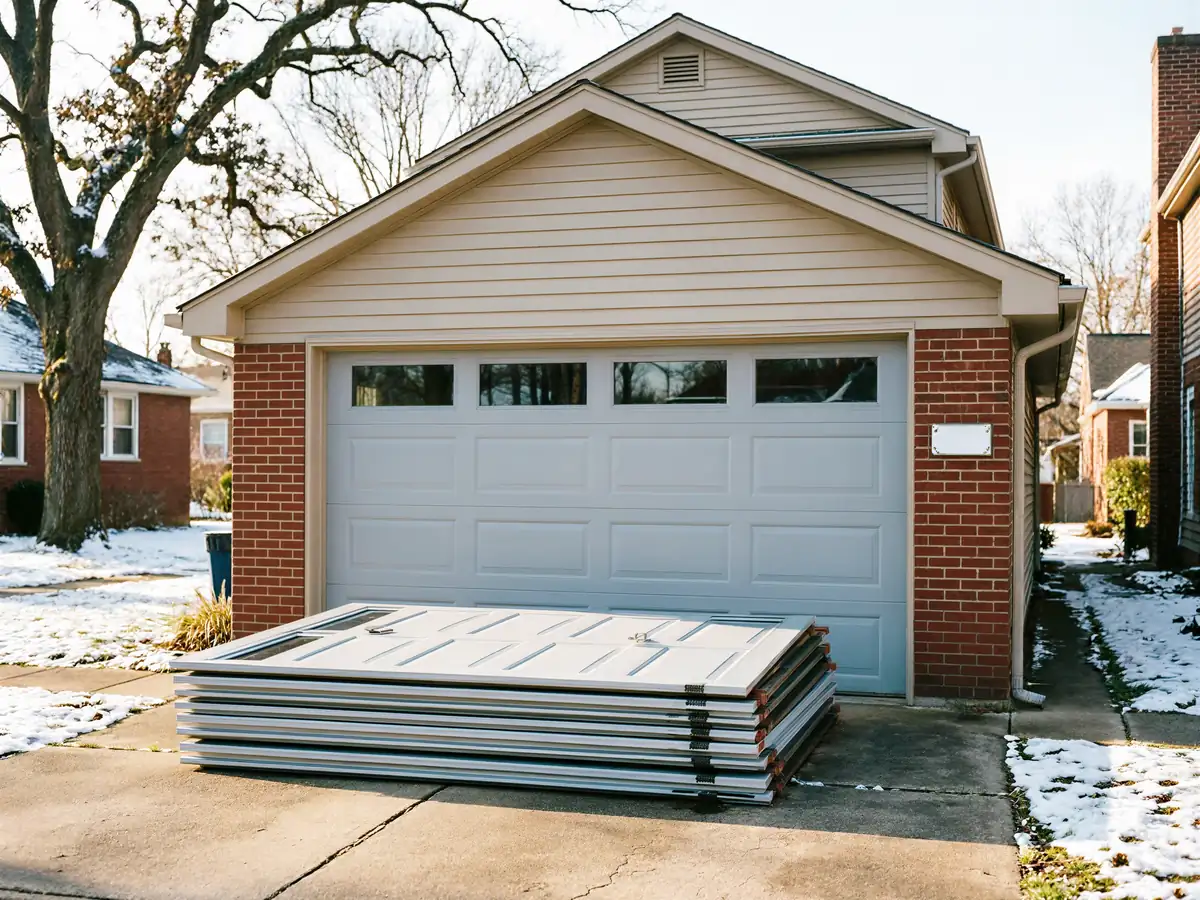
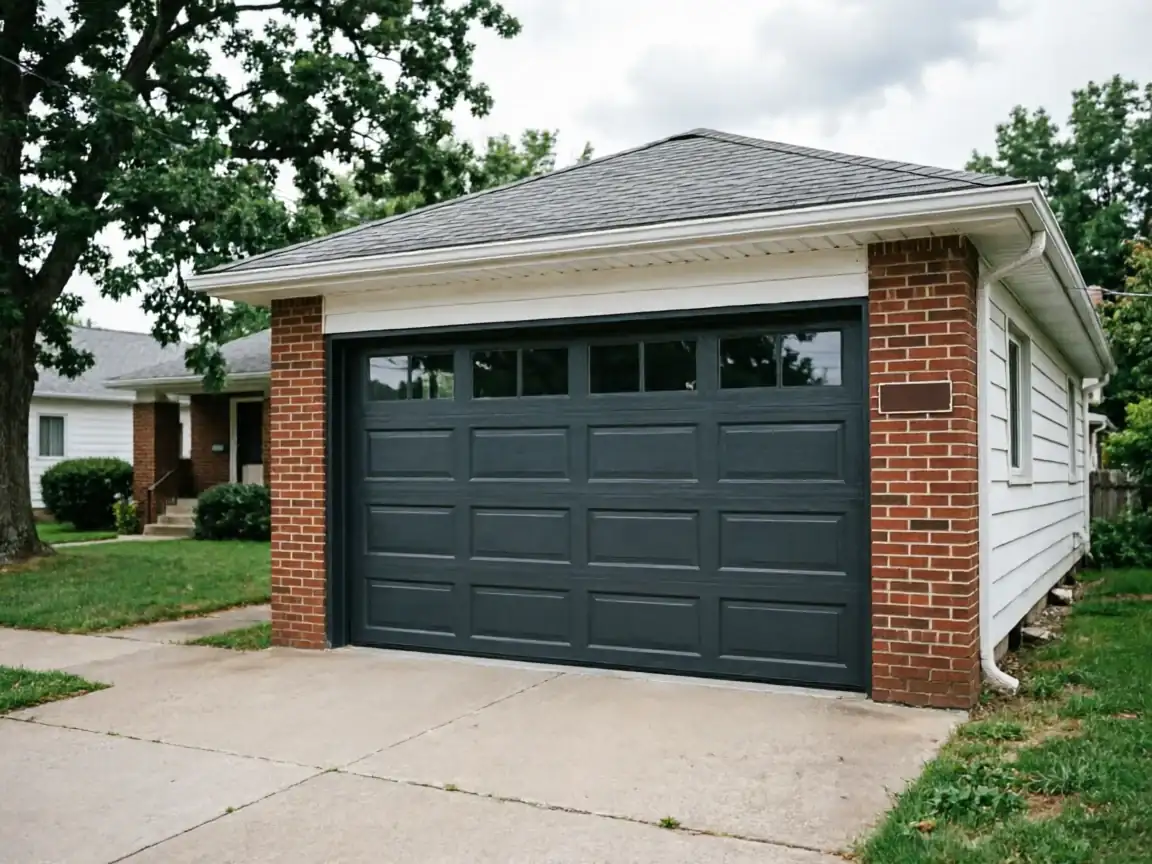
Harrisburg's housing stock runs newer than a lot of what we see closer to Columbia - median year built here is around 1992, well past the service area's overall 1978 median. That means fewer of the original one-piece doors and more sectional doors on standard extension or torsion springs, installed under a building code that assumed insulated panels and steel tracks from the start. The failures we find are less "everything original is tired" and more "one part wore out or one spring finally gave."
What You Are Seeing
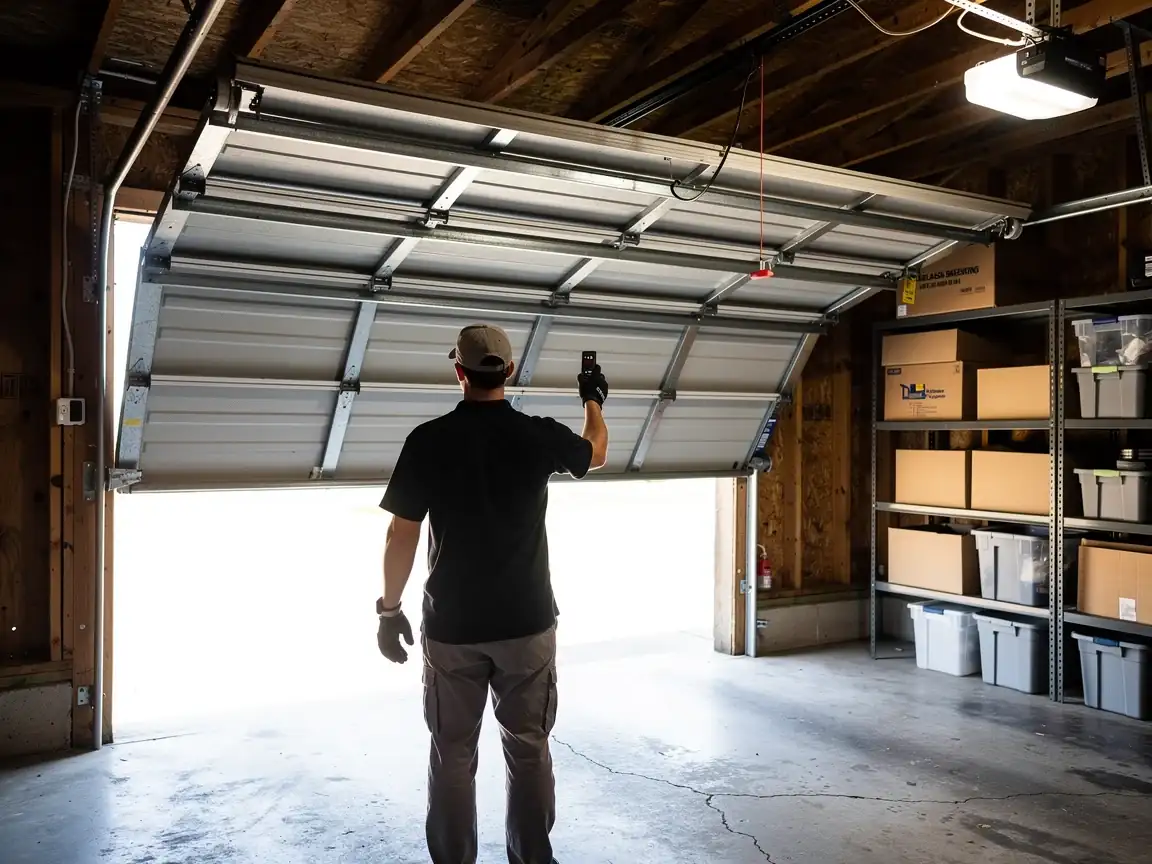
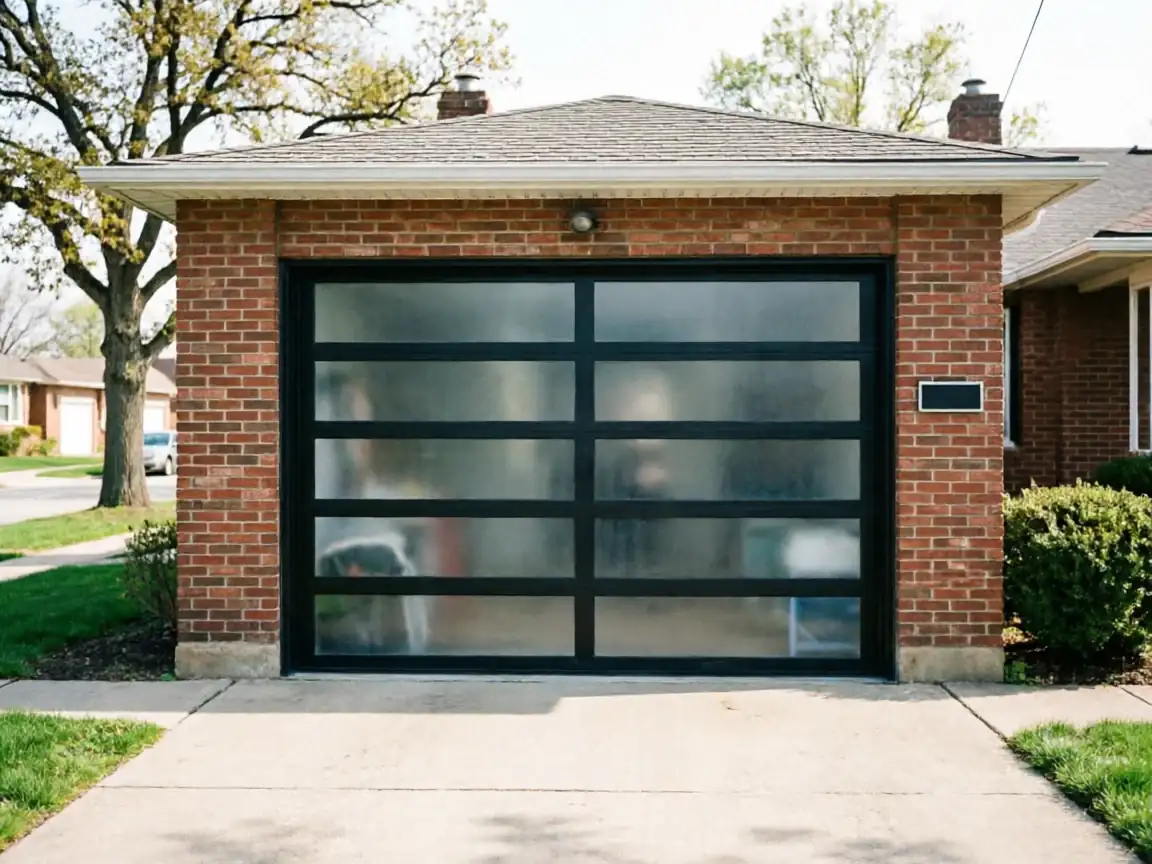
With 134 households in Harrisburg, this isn't a town with a dense, uniform build pattern - the doors here came from a scatter of builders over roughly two decades of growth, not one subdivision poured at once. So the fault varies more than it would in an older, denser block of Columbia itself. A stuck door might be a weather-stripping seal that's swollen shut, a torsion spring at the end of its cycle count, or a sensor knocked out of alignment, rather than the full original-hardware failure common in a 1950s neighborhood.
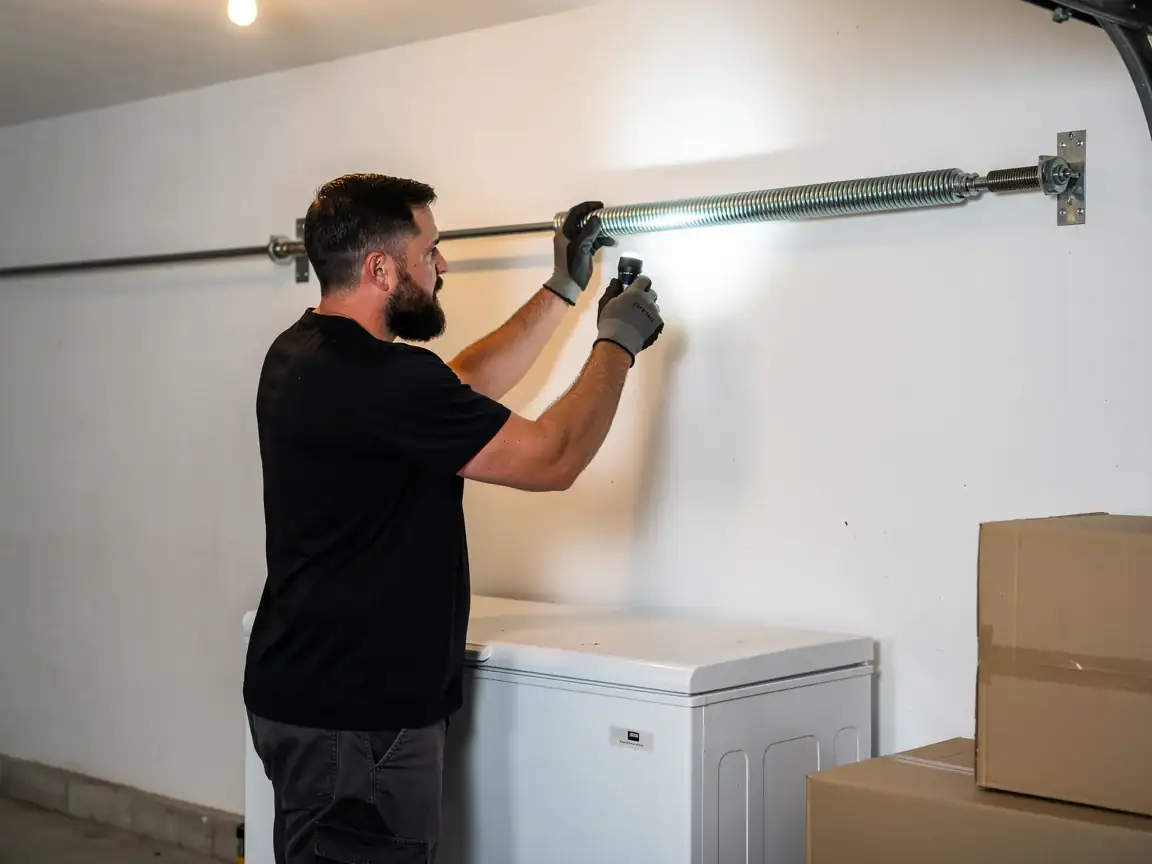
Columbia and the wider service area sit in a severe cold climate band, and that doesn't change at the Harrisburg town line. Doors here still see the same freeze-thaw stress on springs and the same stiffening of nylon rollers in January. What's different is that a 1992-era door usually has galvanized hardware that resists that stress better than something from 1965 - so when a Harrisburg door does fail in cold weather, it's more often a single worn part than a whole system past its service life.
Booking a Visit
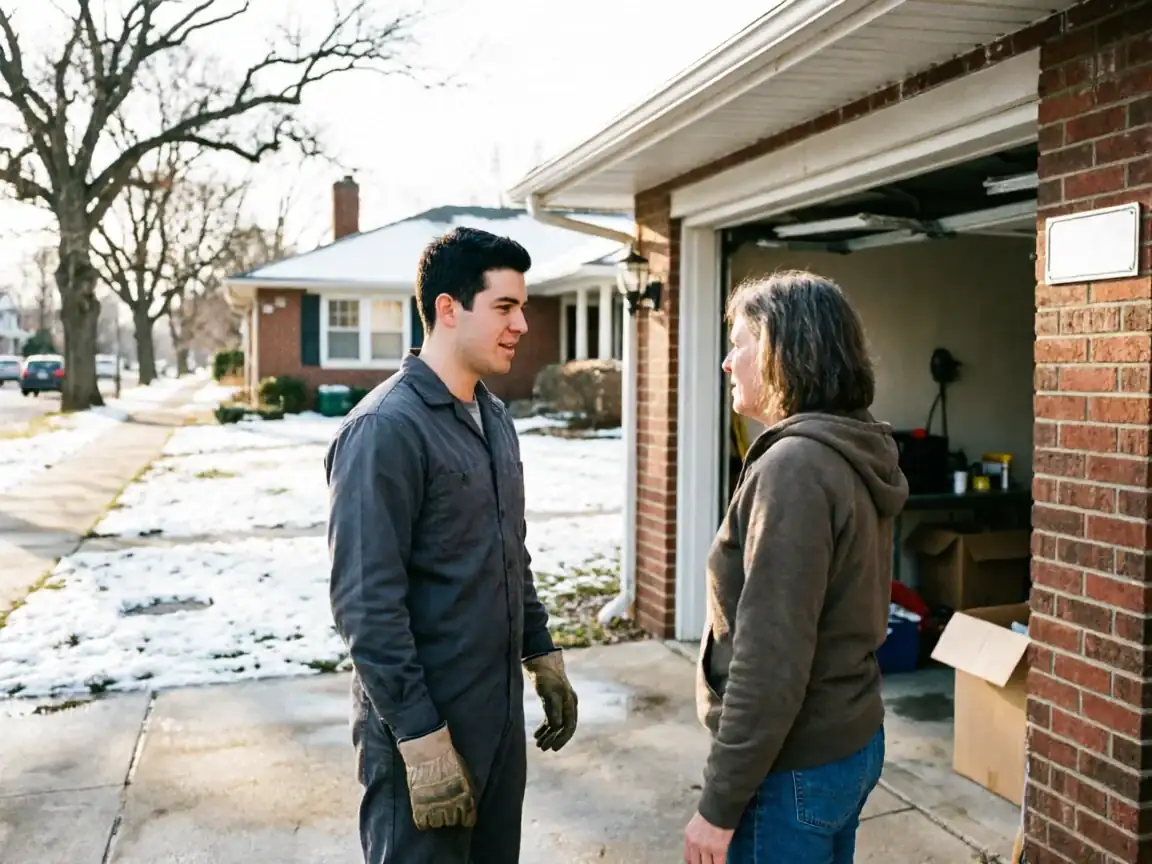
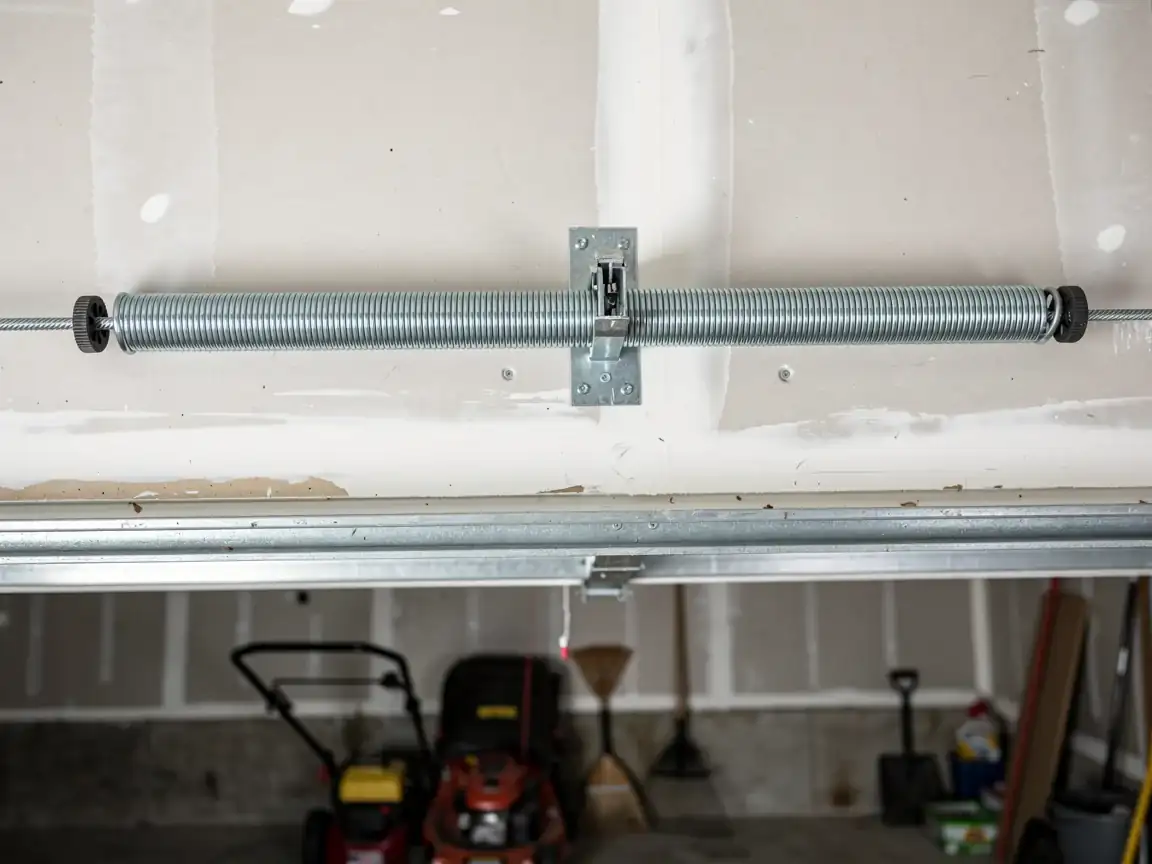
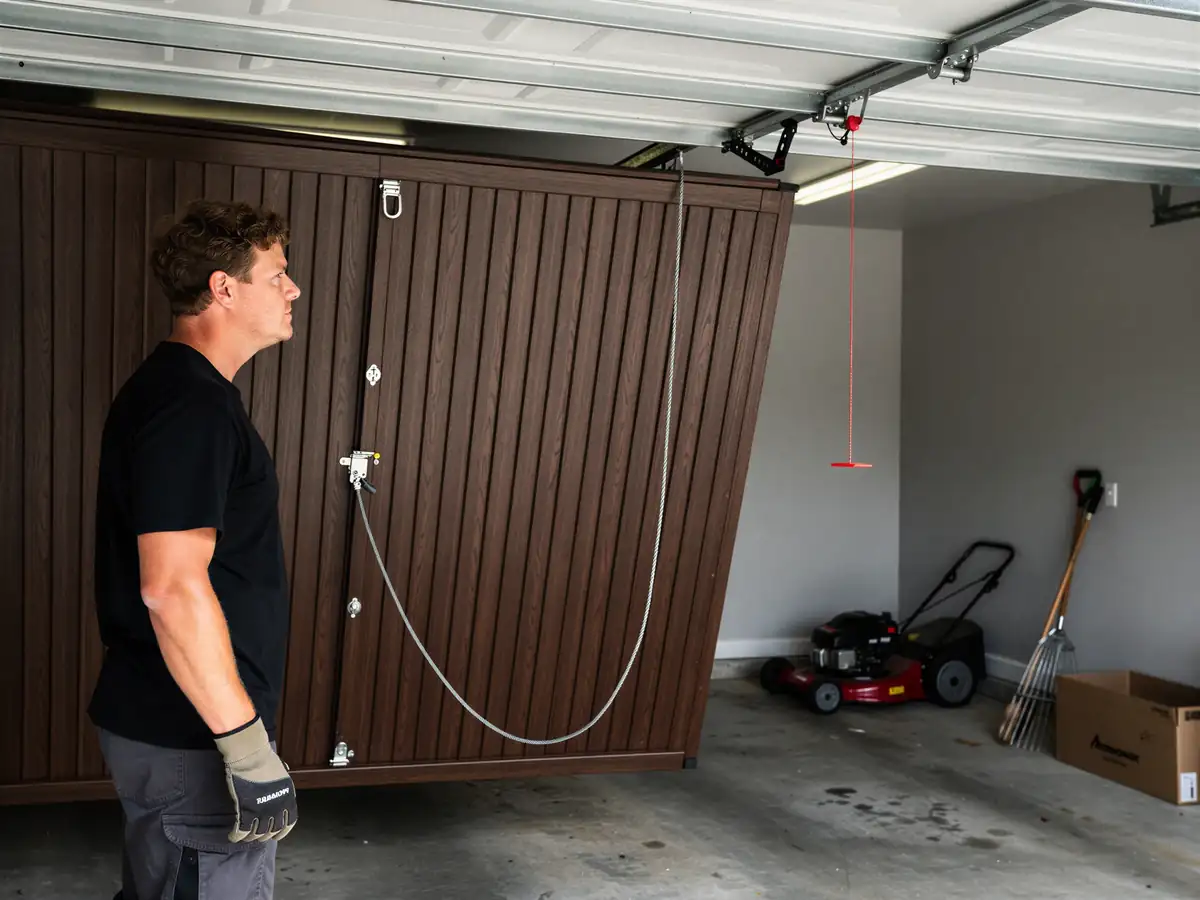
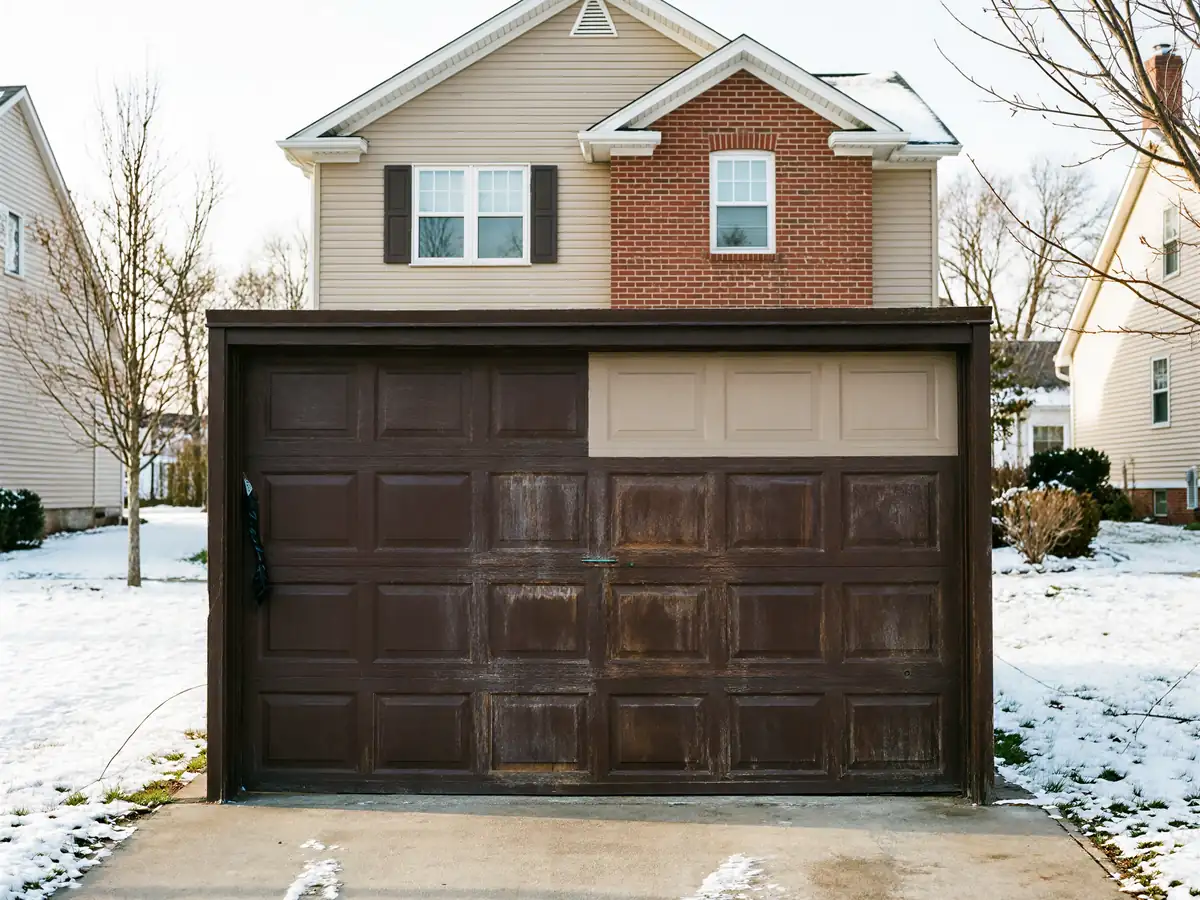
Because the trip from Columbia is part of every Harrisburg call, it helps to know what you're dealing with before you call - a door that won't open, a spring that's visibly snapped, a track that's bent, or an opener that runs but doesn't move the door. That lets us bring the right part on the first trip instead of a second one. Harrisburg's median household income runs lower than the service area's broader figure - about $51,250 here against $58,889 across the full area - and we'd rather quote the real fix once than have you pay for two visits because we guessed wrong on parts.
We don't keep a branch or a second crew out this way, so response time isn't something we can promise for a town fifteen miles from base - it's a real drive, not a formality. What we can do is tell you honestly, on the phone, whether a job sounds like a same-day fix or one that needs a specific part ordered first.
Can You Do This Yourself
Some of this is reasonable to handle yourself
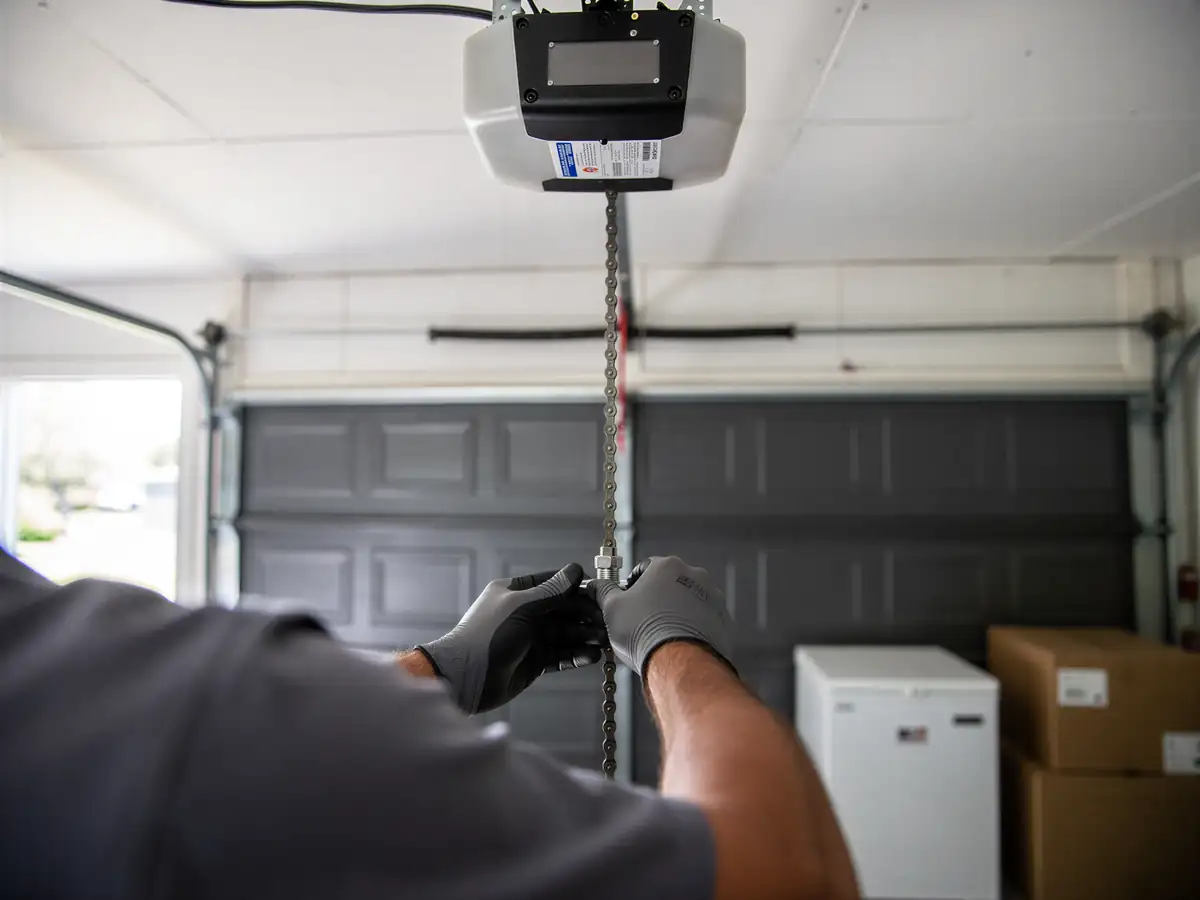
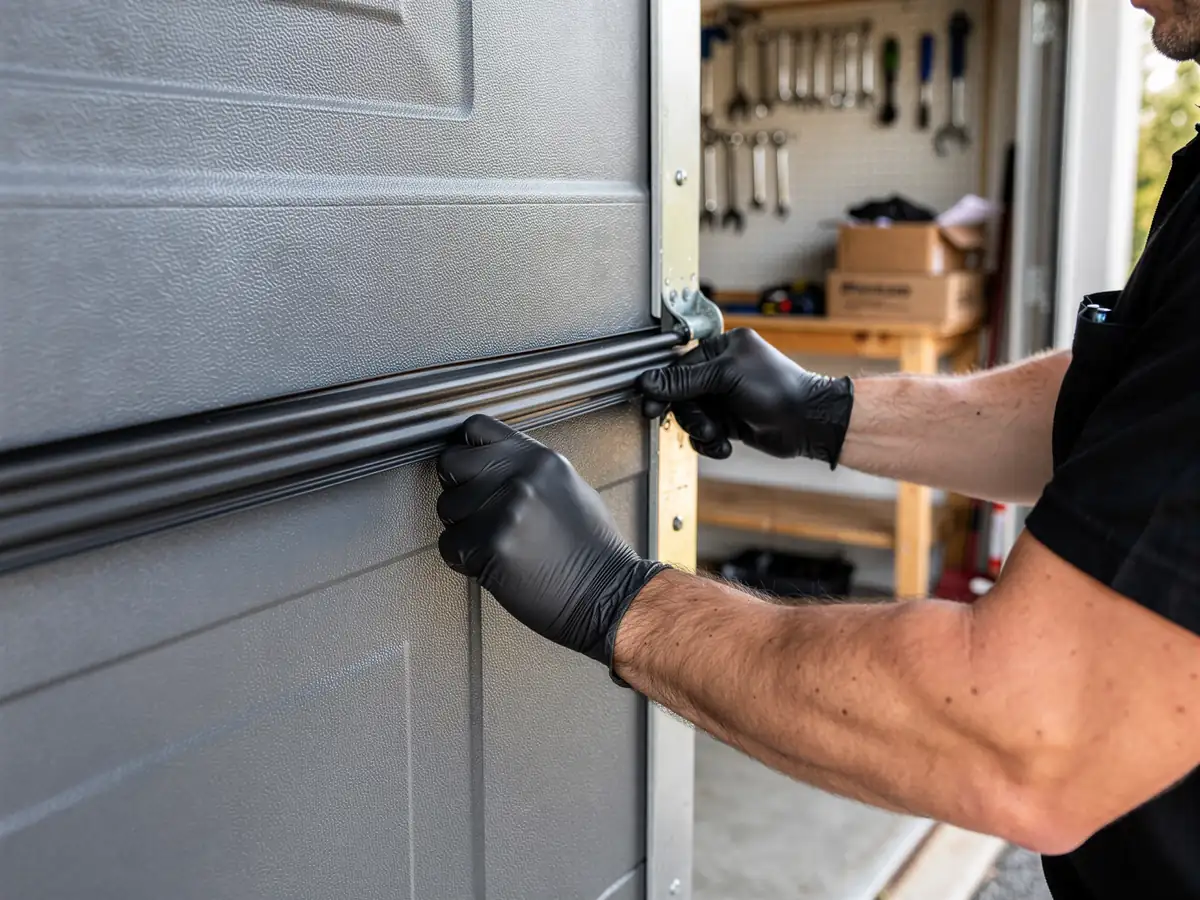
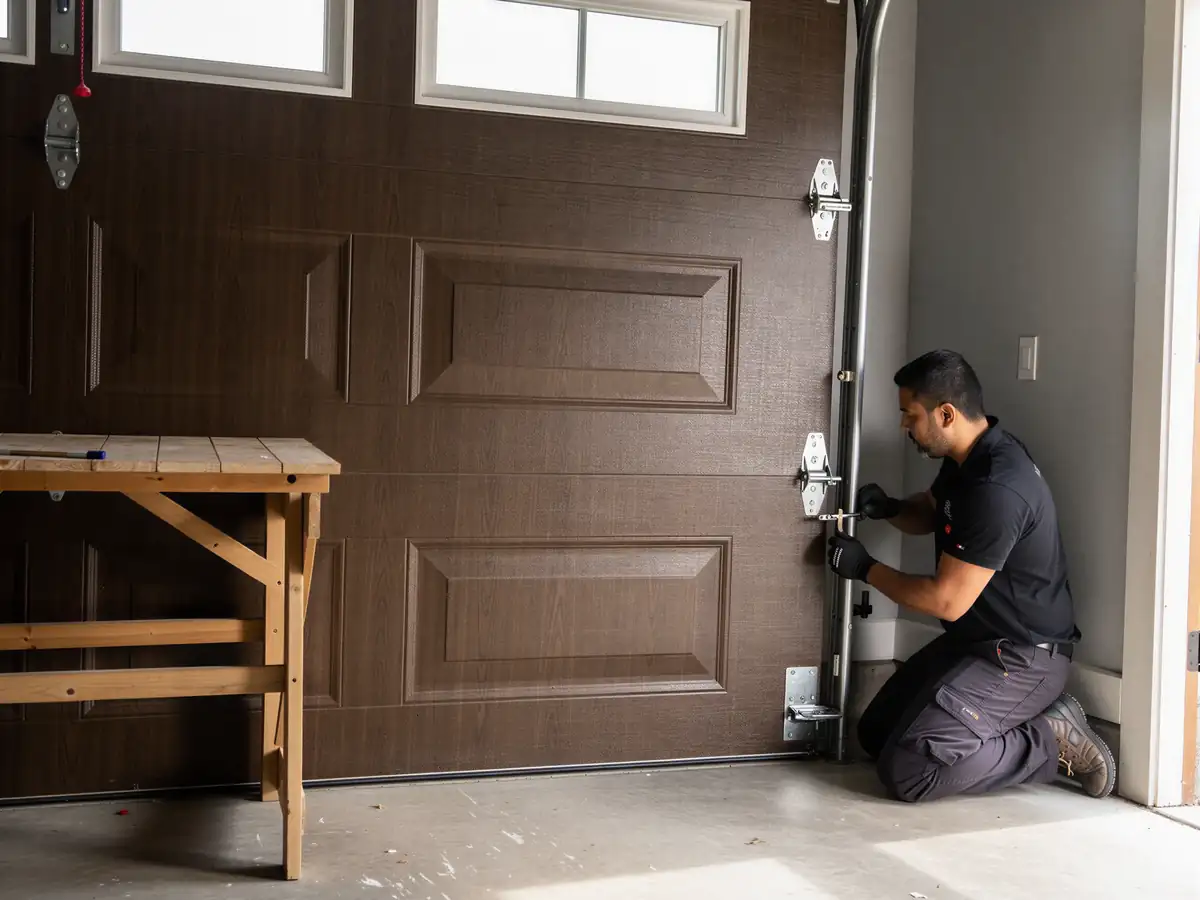
Tightening loose hardware, cleaning and lubricating rollers and hinges, replacing weather stripping, or re-aiming a photo-eye sensor that's drifted out of line. None of that requires a torsion spring under tension or a cable near your fingers.
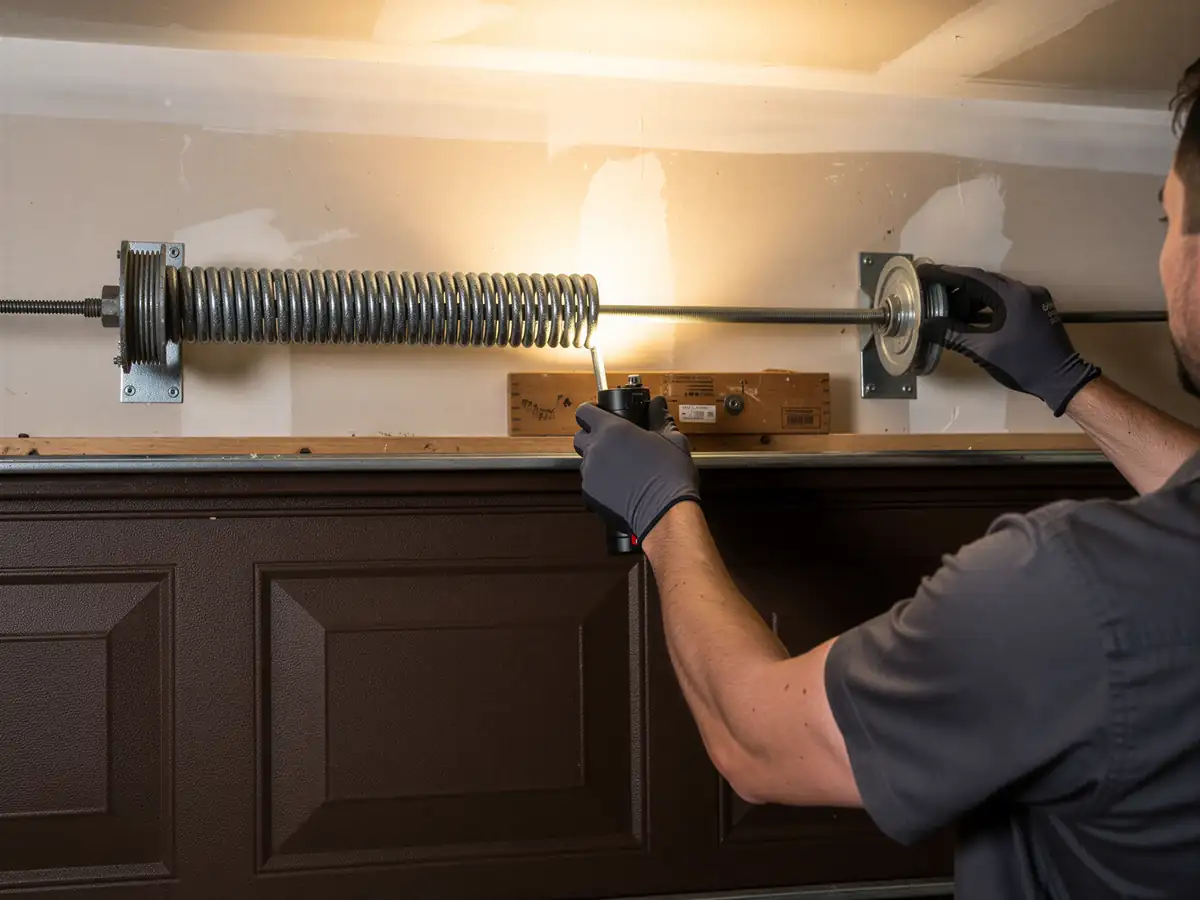
What we won't talk you through over the phone is spring replacement or cable work
The spring on a standard door holds enough force to break bones or worse, and that's true whether the door is from 1965 or 1992. If the door is a newer sectional like a lot of what's in Harrisburg, replacing a cracked panel is also a job we'd rather quote in person, since panel sourcing depends on the exact model. Honest limitation: we don't stock every panel style on the truck, so a cosmetic panel repair may mean a short wait on parts even after we've seen it.