Why This Fails Locally
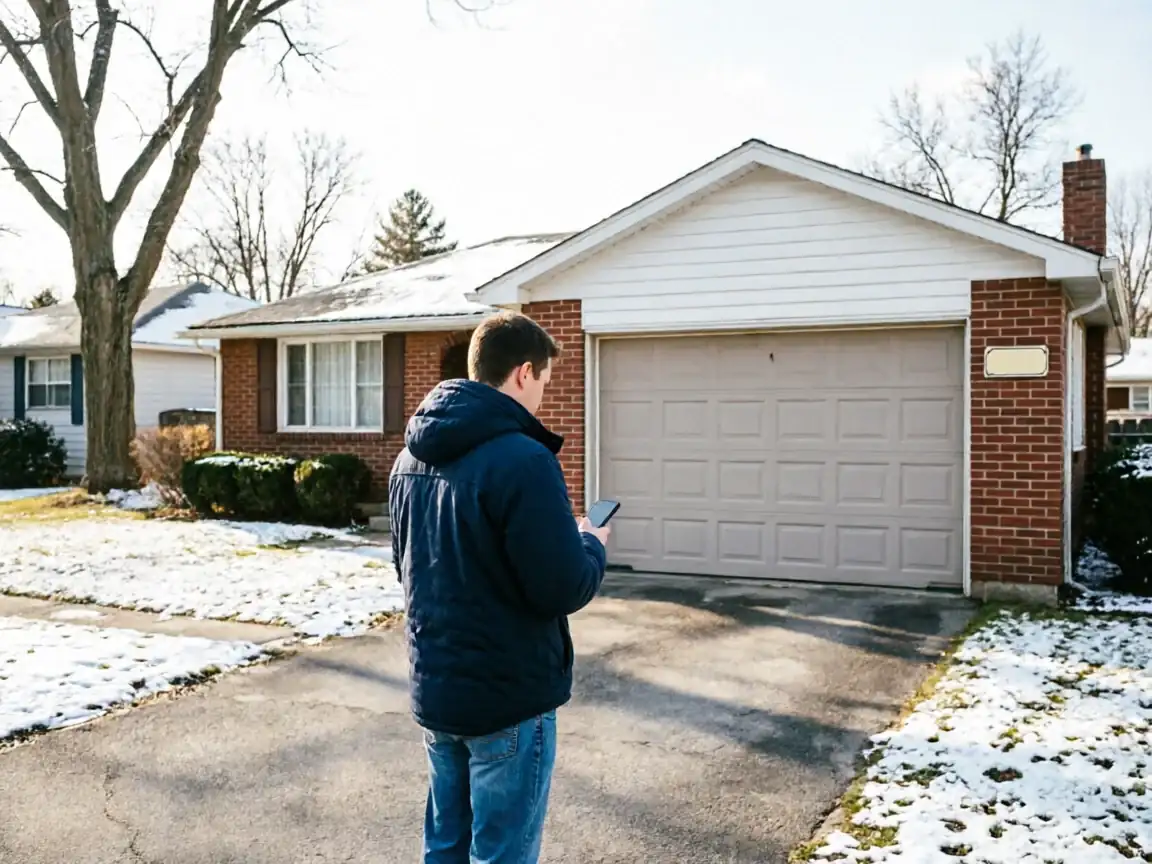
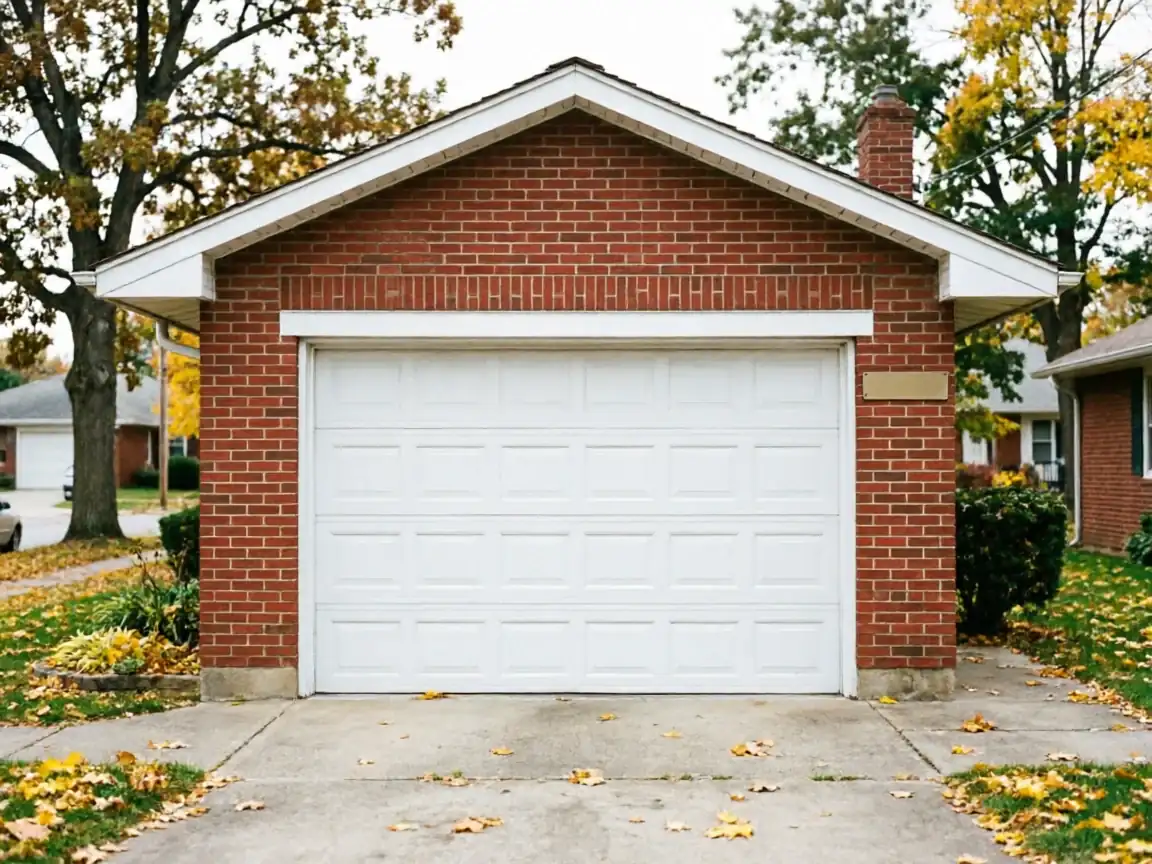
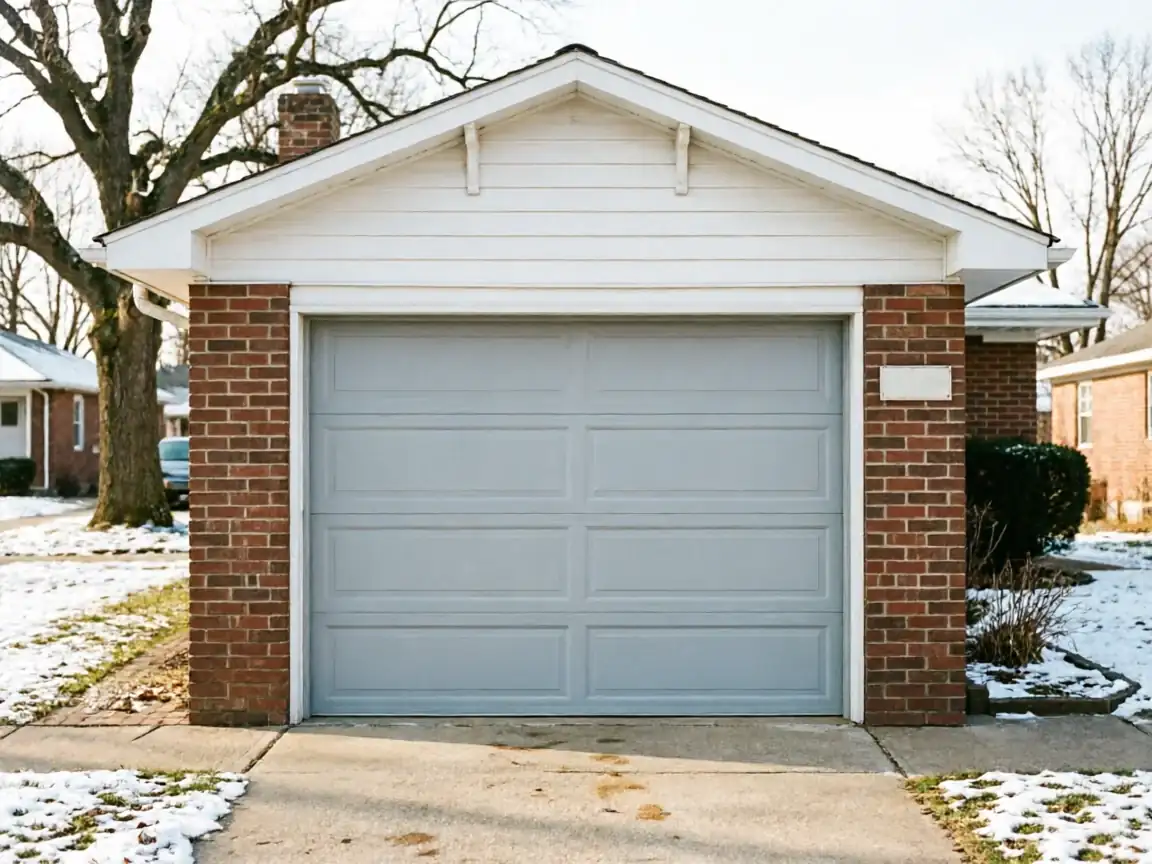
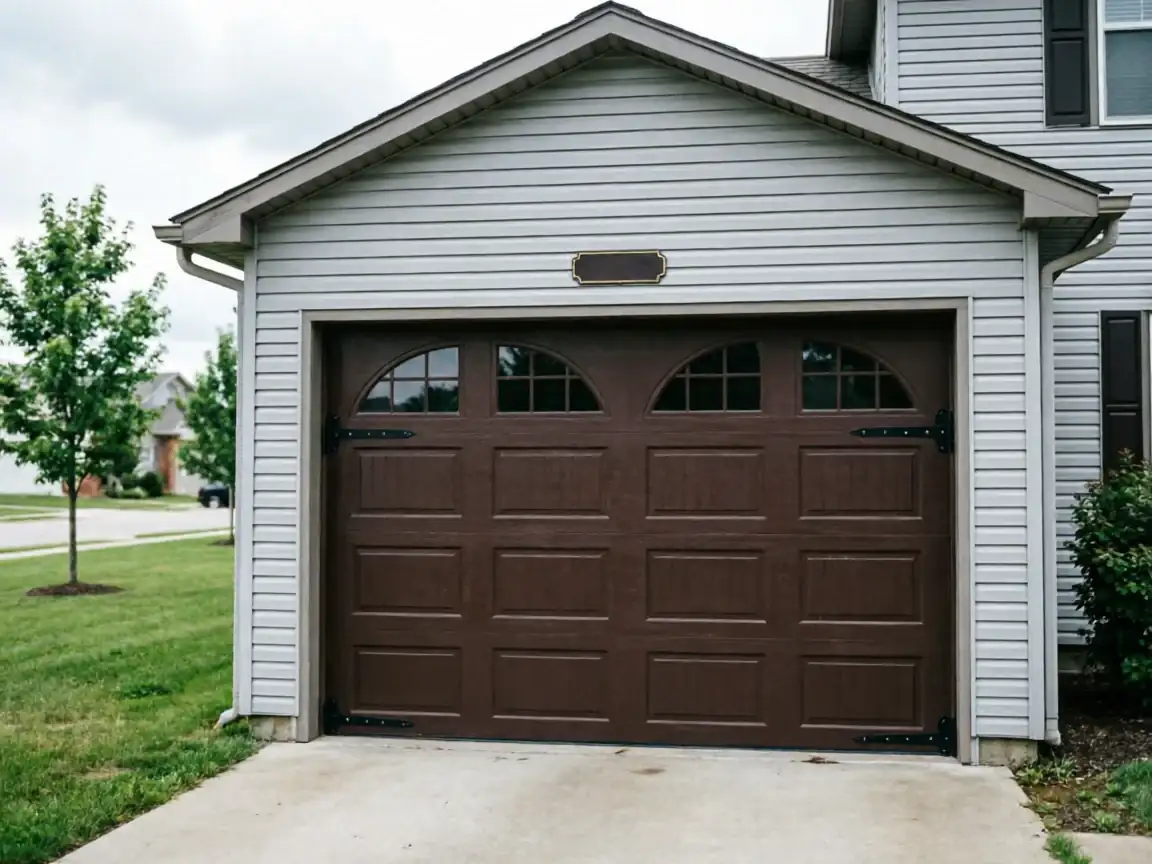
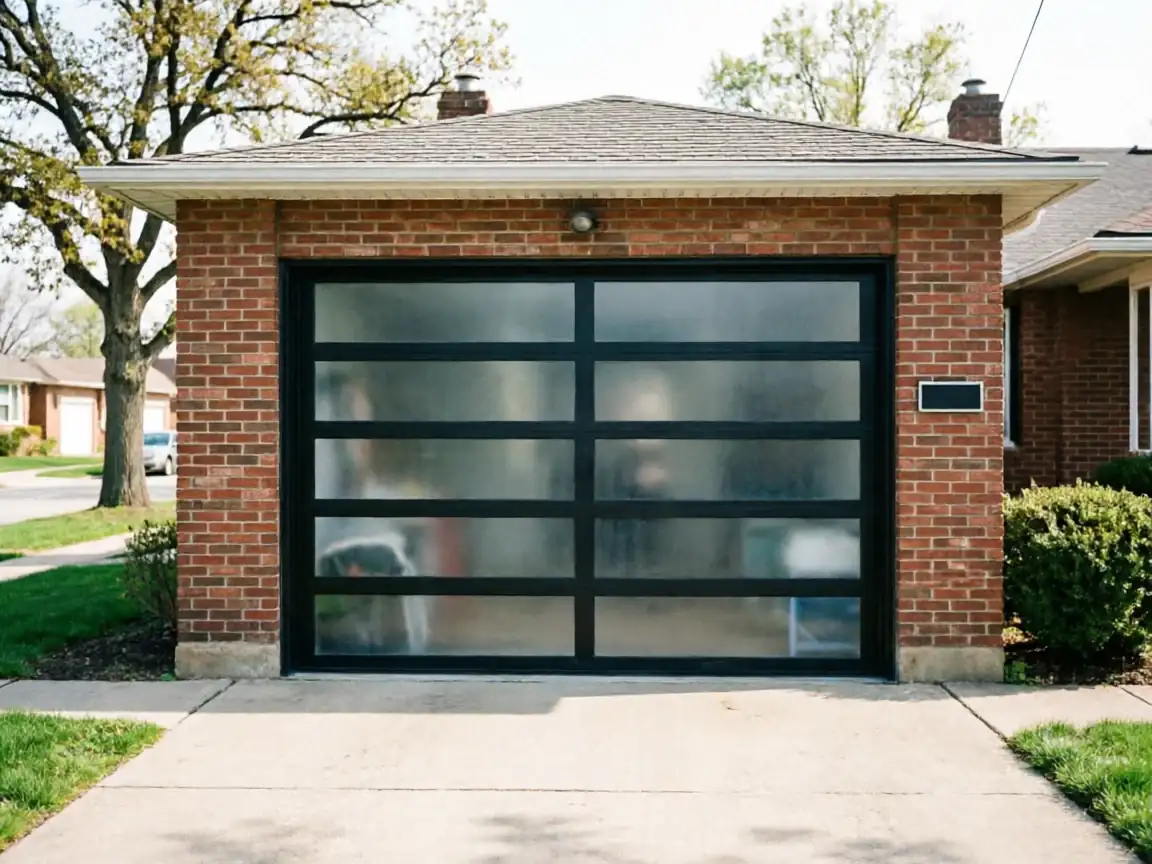
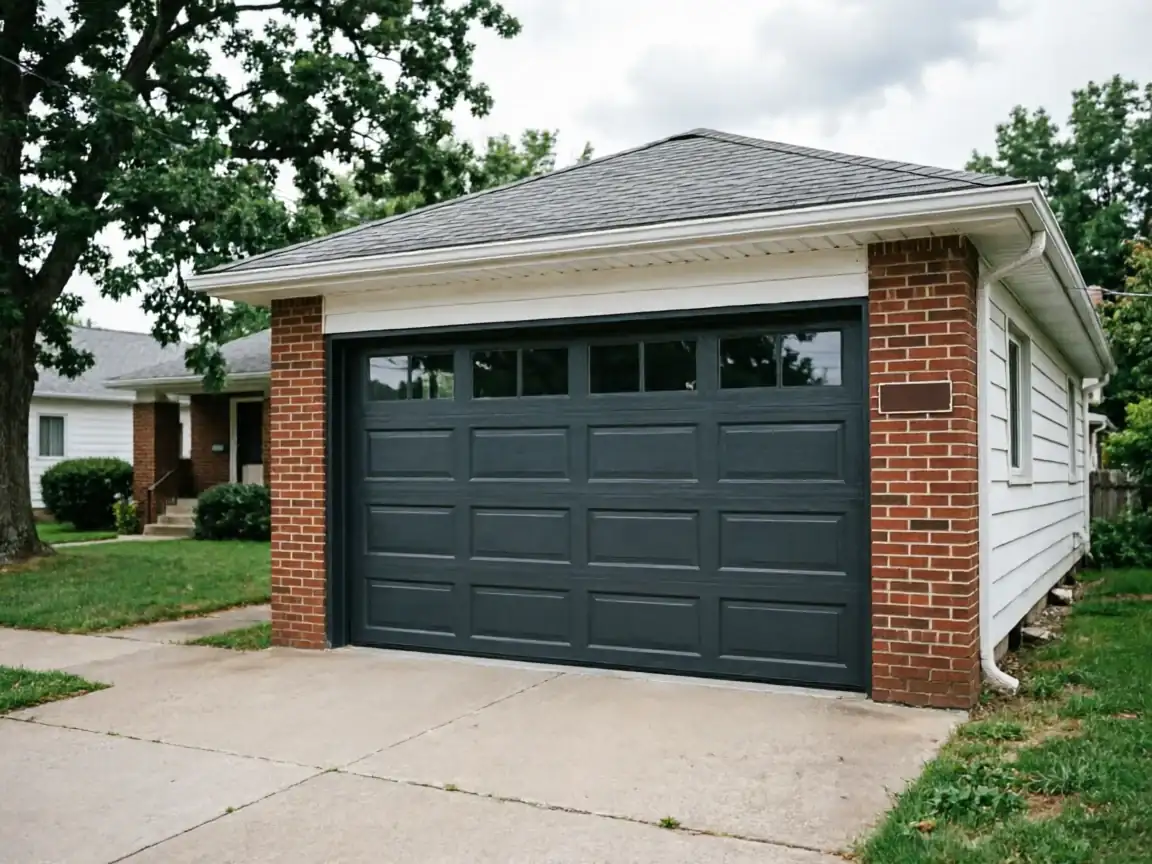
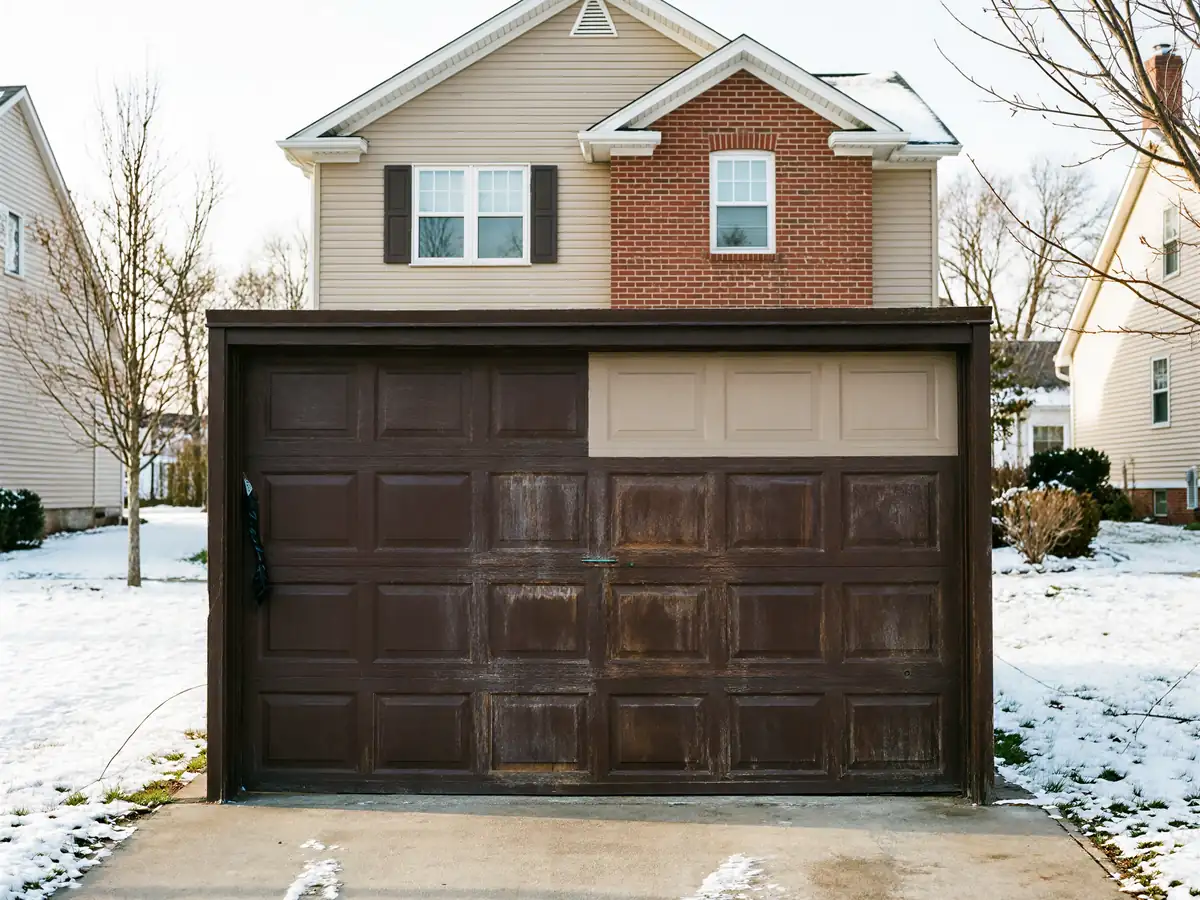
Most of the houses we see calls from in Harrisburg went up around 1992
A good fifteen to twenty years newer than the typical build year across the rest of the service area, where 1960s and 70s construction is still common. That matters more than it sounds like it should.
A door and opener installed in the early 90s is now over thirty years old
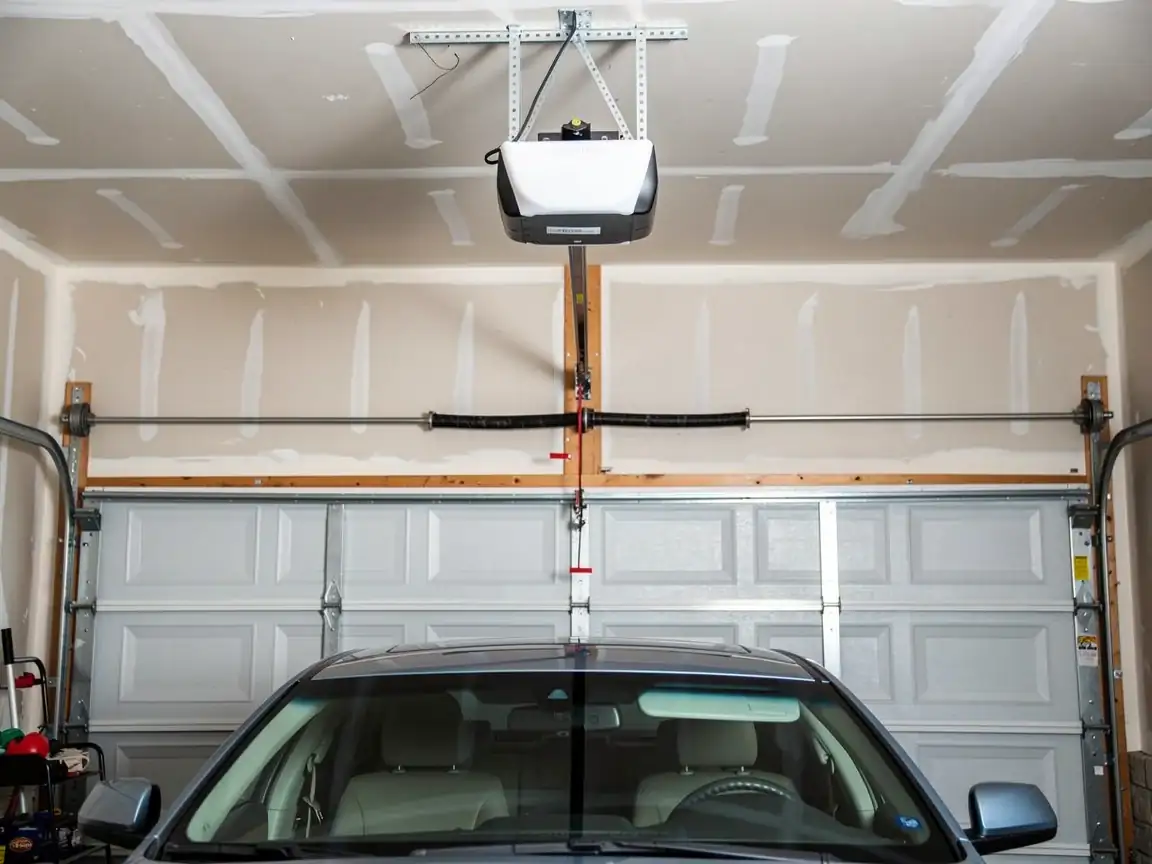
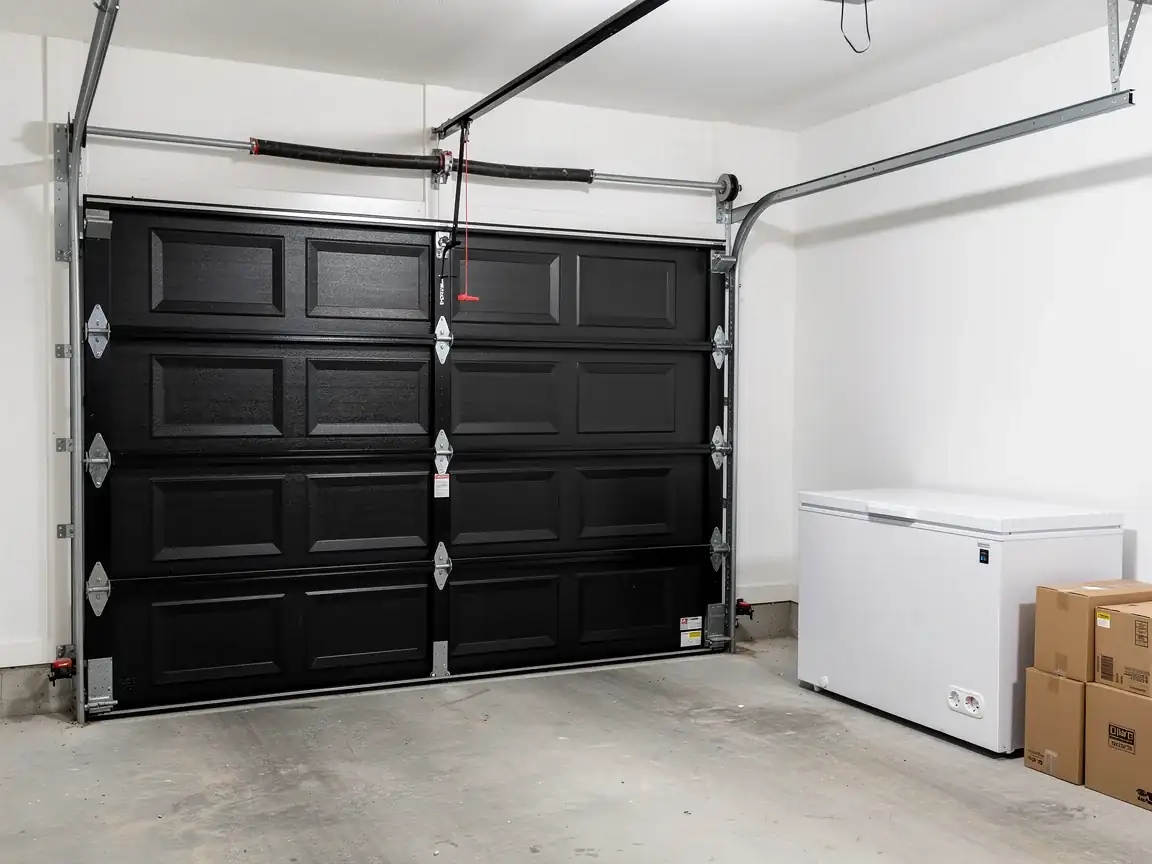
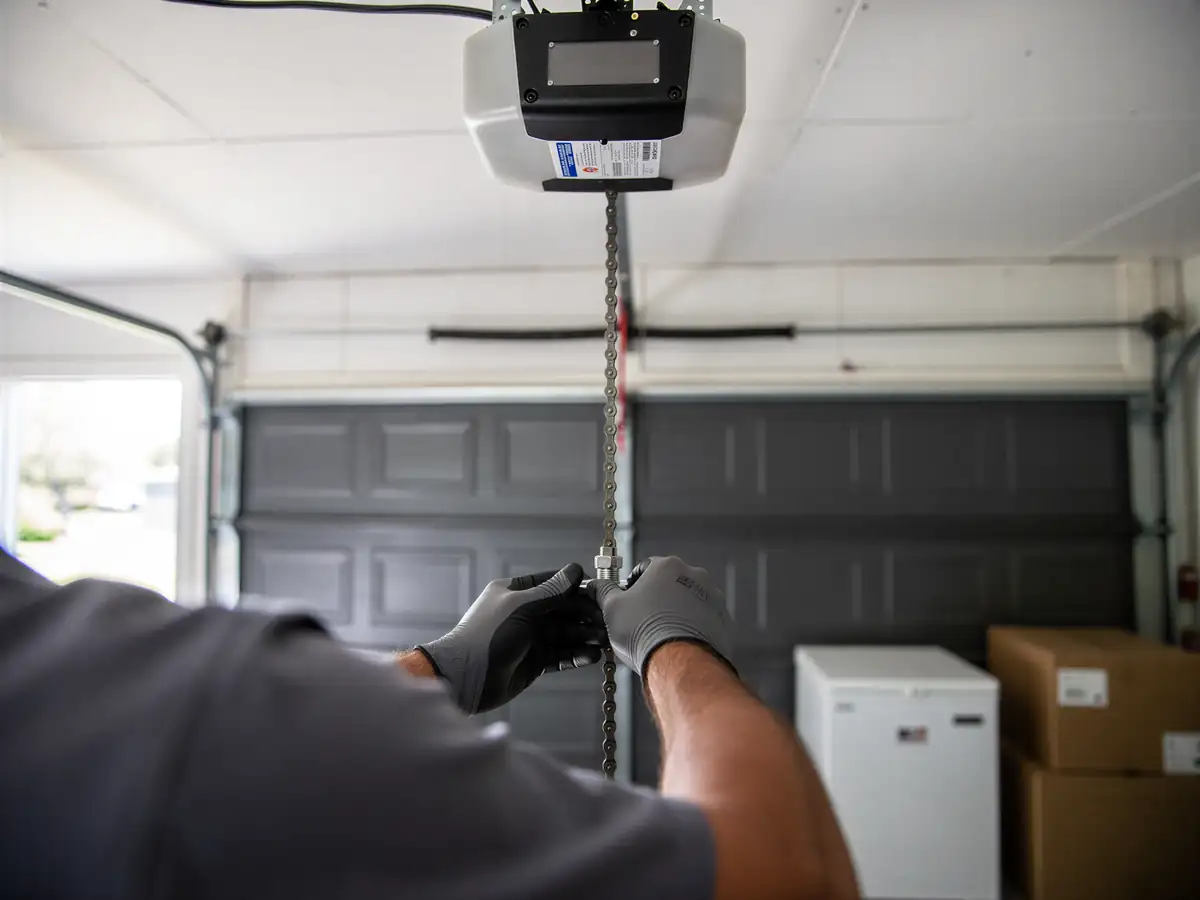
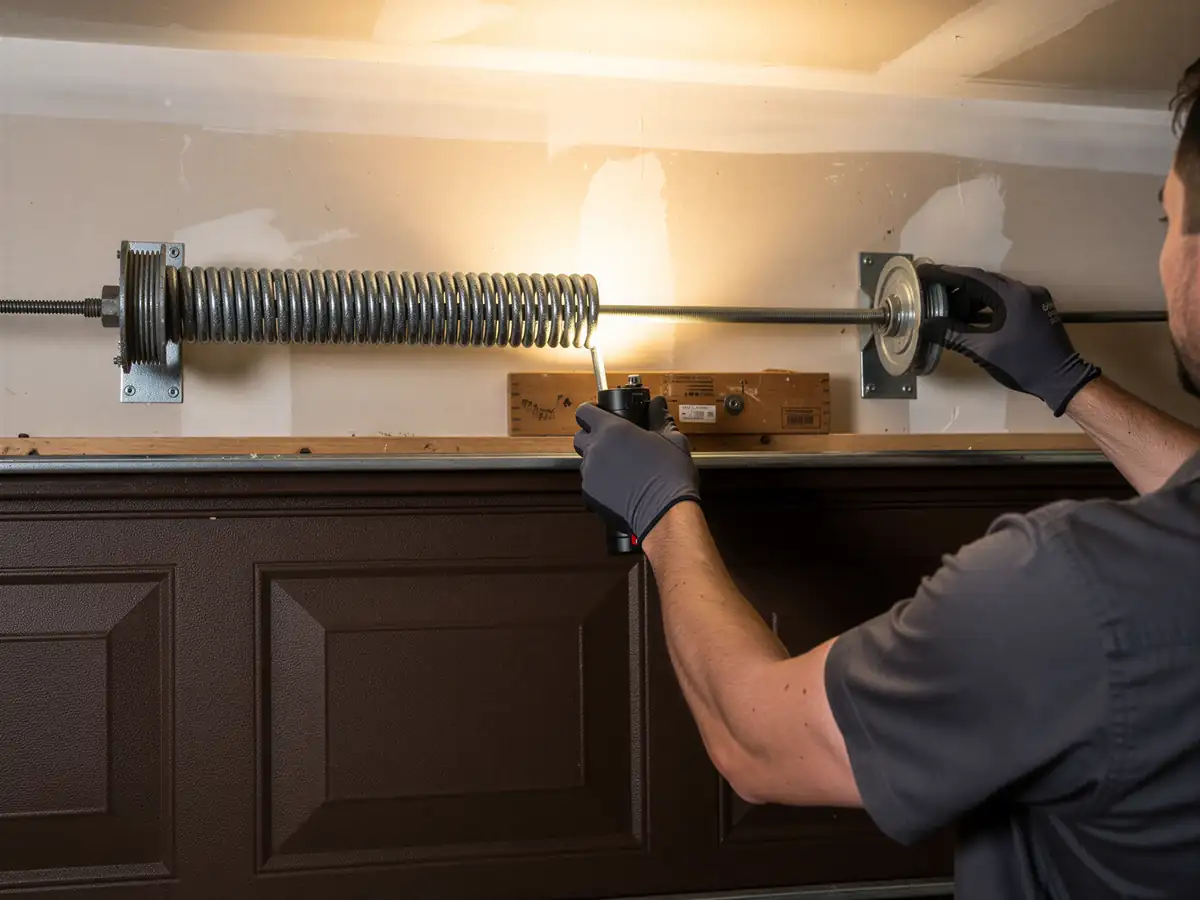
And it was almost always the builder-grade package: a chain-drive opener, a steel door on extension springs rather than torsion bar, and plastic or basic steel rollers. None of that is bad hardware - it's just hardware with a thirty-year clock on it, and in a lot of these houses nobody has touched it since the day the garage got built.
The failure pattern follows from that
Chains stretch and start skipping on the sprocket. Rollers that were never lubricated seize up and chip, especially after years of winter use where grease thickens and dirt gets packed into the track. Extension springs lose tension unevenly, so the door starts to hang crooked on one side before anyone notices the lift getting harder. None of this shows up overnight. It shows up as a door that's been getting a little louder and a little stiffer for two winters running, until one morning it doesn't open at all.
What You Are Seeing
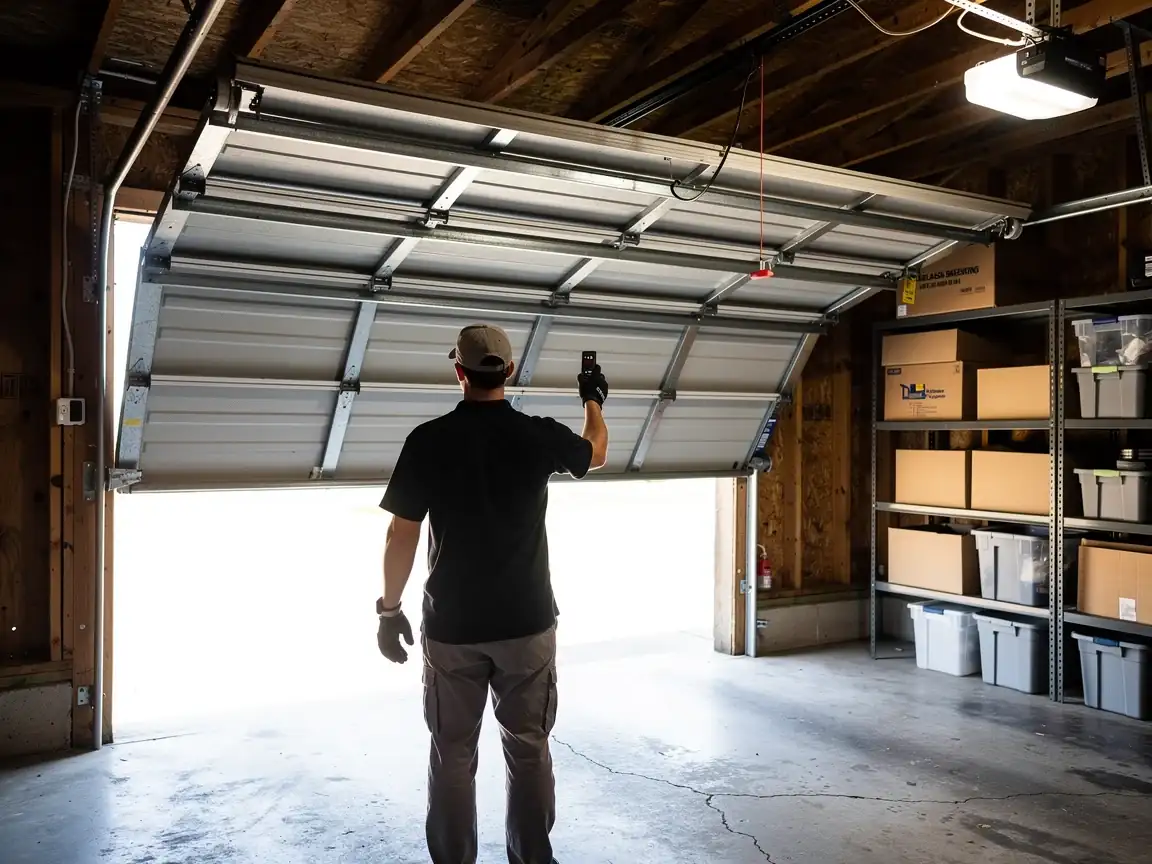
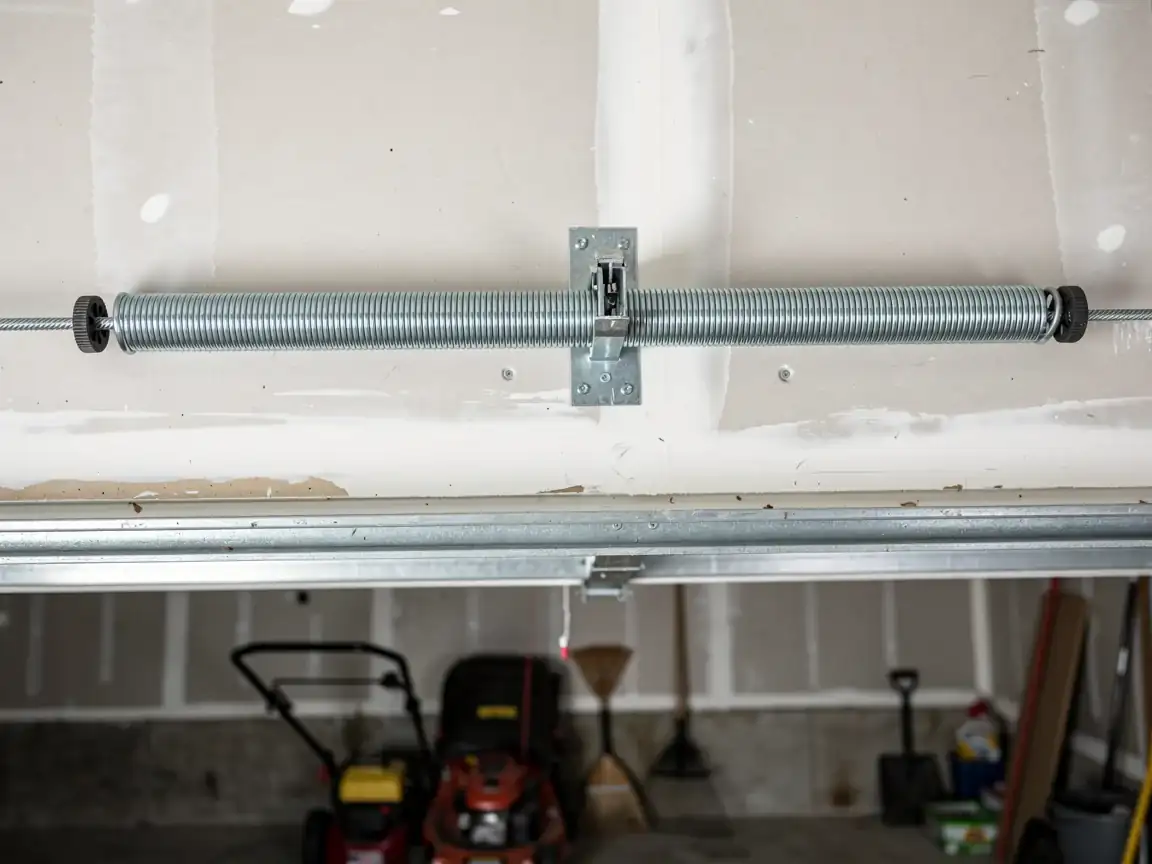
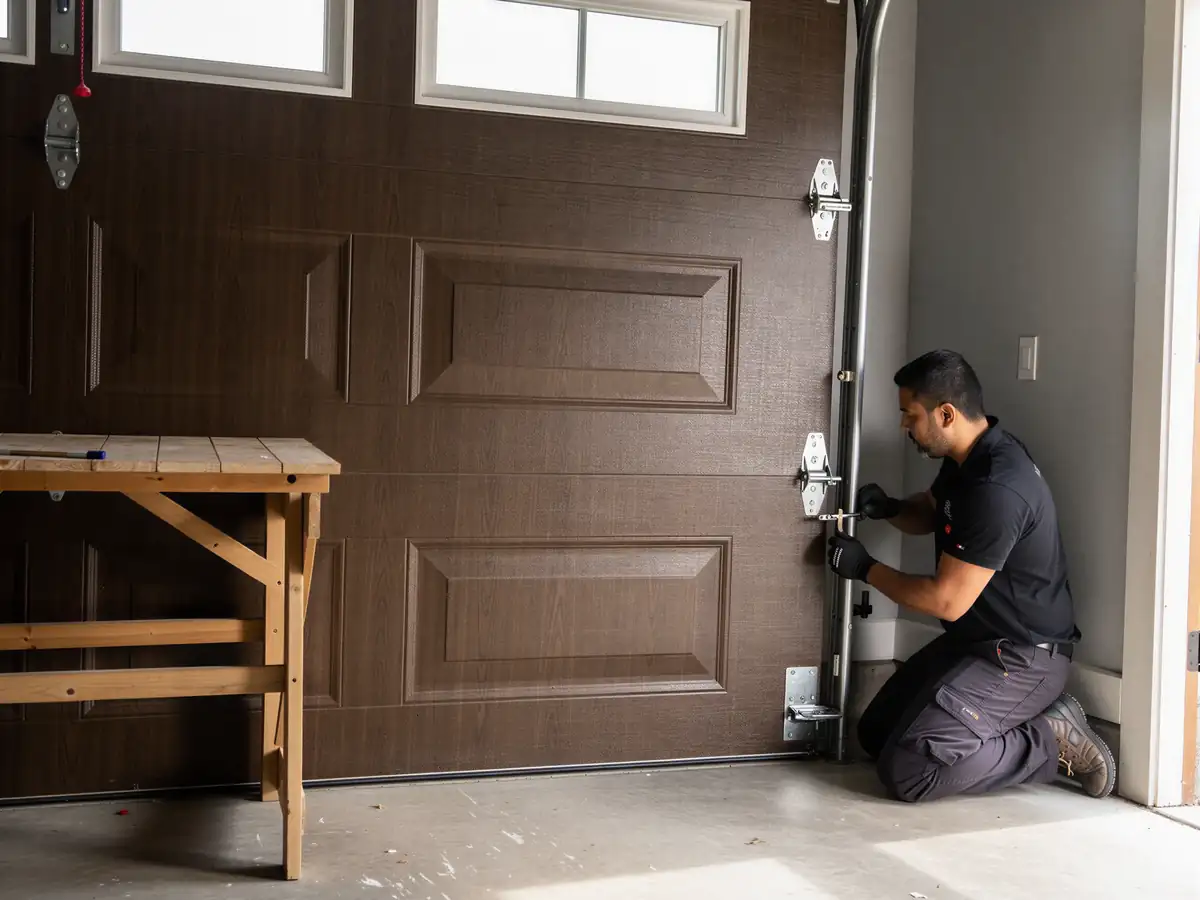
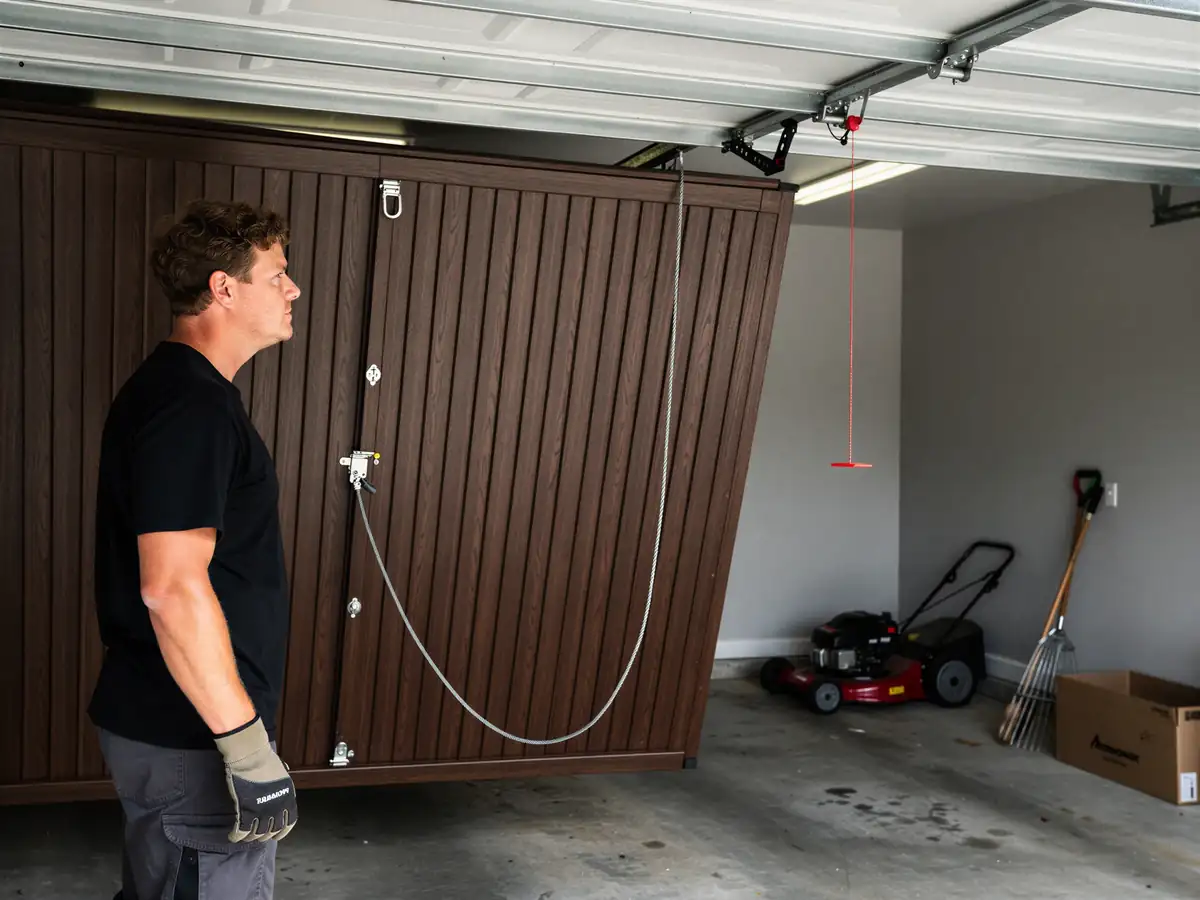
The door groans or jerks partway up, then catches. That's usually a chain that's stretched past its adjustment range, or a roller that's worn enough to bind in the track rather than roll through it. On a 1992-era door with extension springs, you'll also sometimes see one side of the door sag lower than the other at rest - a sign the springs aren't carrying equal load anymore.
Cold is part of this too. The climate here runs cold enough that grease stiffens and steel contracts slightly, which is exactly when a roller that's borderline will finally lock up or a spring that's already stretched thin will finally let go. If your door has been fine all summer and starts acting up the first hard cold snap, that's not a coincidence - it's thirty-year-old hardware meeting its least favorite season.
Some of this is just maintenance that got skipped, not damage. A chain that's loose can be tightened. Rollers that are worn but not cracked can sometimes be lubricated and get another season. The line between a tune-up and a parts swap is usually visible once someone's hands are on the track and the springs.
Booking a Visit
We run out of Columbia, about fifteen miles from Harrisburg, so a maintenance call here gets scheduled rather than dropped in on same-day the way it might be for a call closer in. That's worth knowing going in - it's not a knock against the work, just a straight answer about distance.
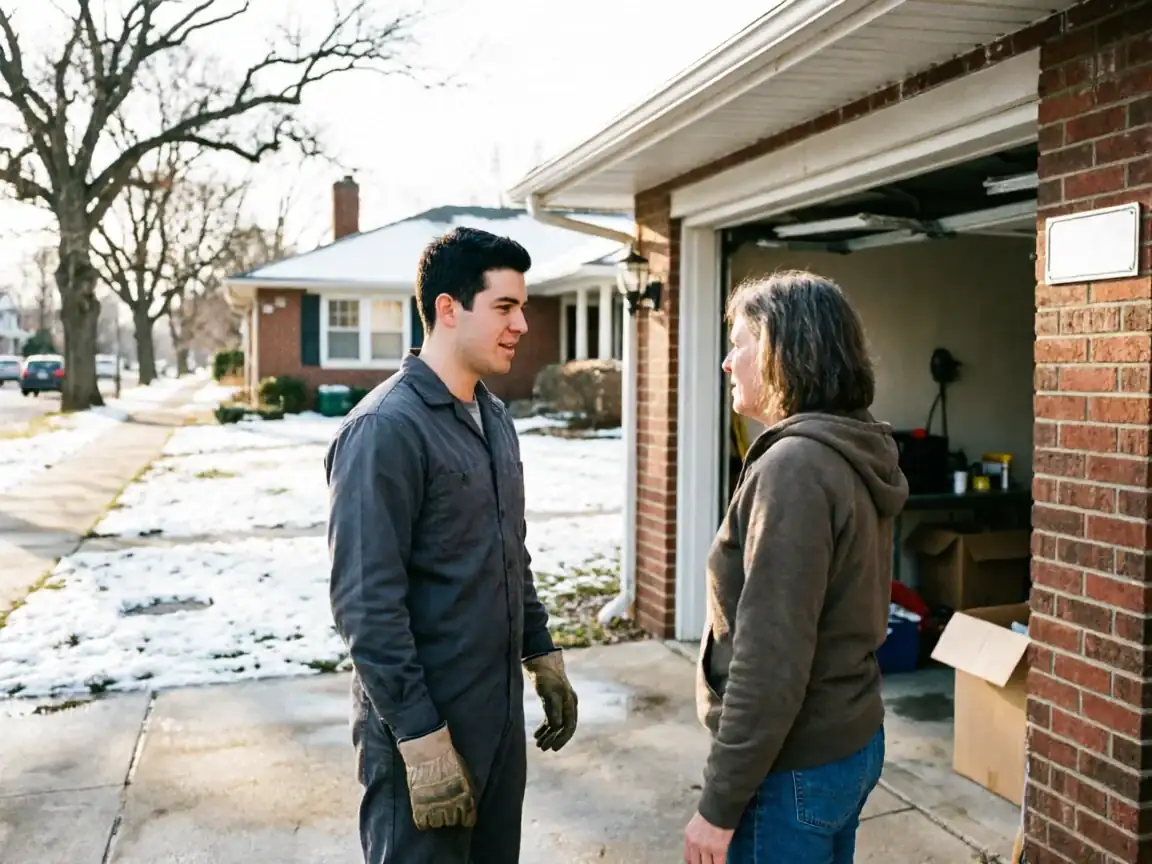
When you call, tell us the door is sticking, slow, or noisy rather than just "broken." If you can say whether it's chain noise, a roller that looks chewed up, or one side sagging, that helps us bring the right rollers and the right spring stock on the truck instead of making a second trip.
See the Harrisburg service area page for what we cover out this way, and the Columbia maintenance page if you want the fuller rundown of what a standard maintenance visit includes.
Can You Do This Yourself
Some of it, yes
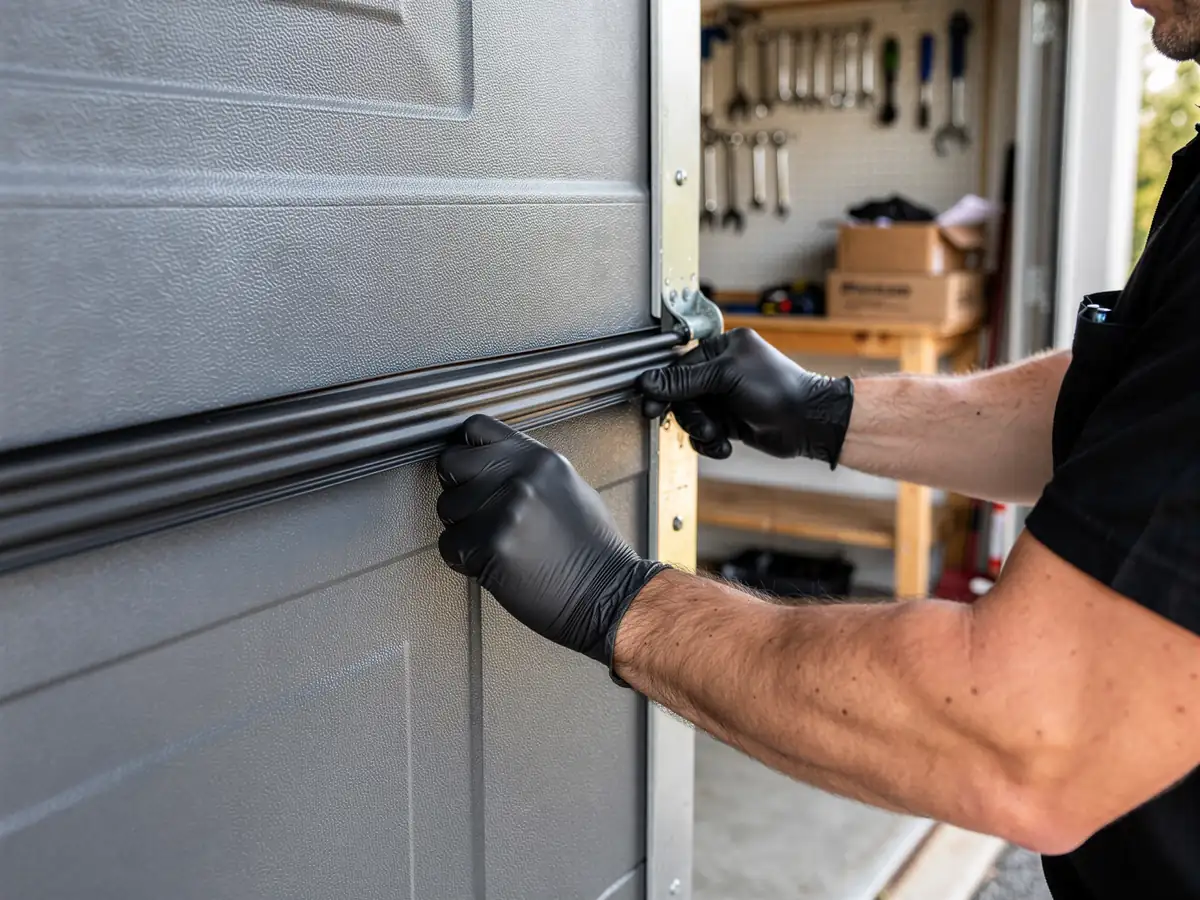
Wiping down the track and putting a light coat of garage-door-specific lubricant on the rollers and hinges once or twice a year is something any homeowner can do, and on a 1992-era door it's probably the single most useful thing you can do between visits. Check the weatherstripping at the bottom while you're at it - cold-climate swings crack it faster than people expect.
What you shouldn't touch is the springs
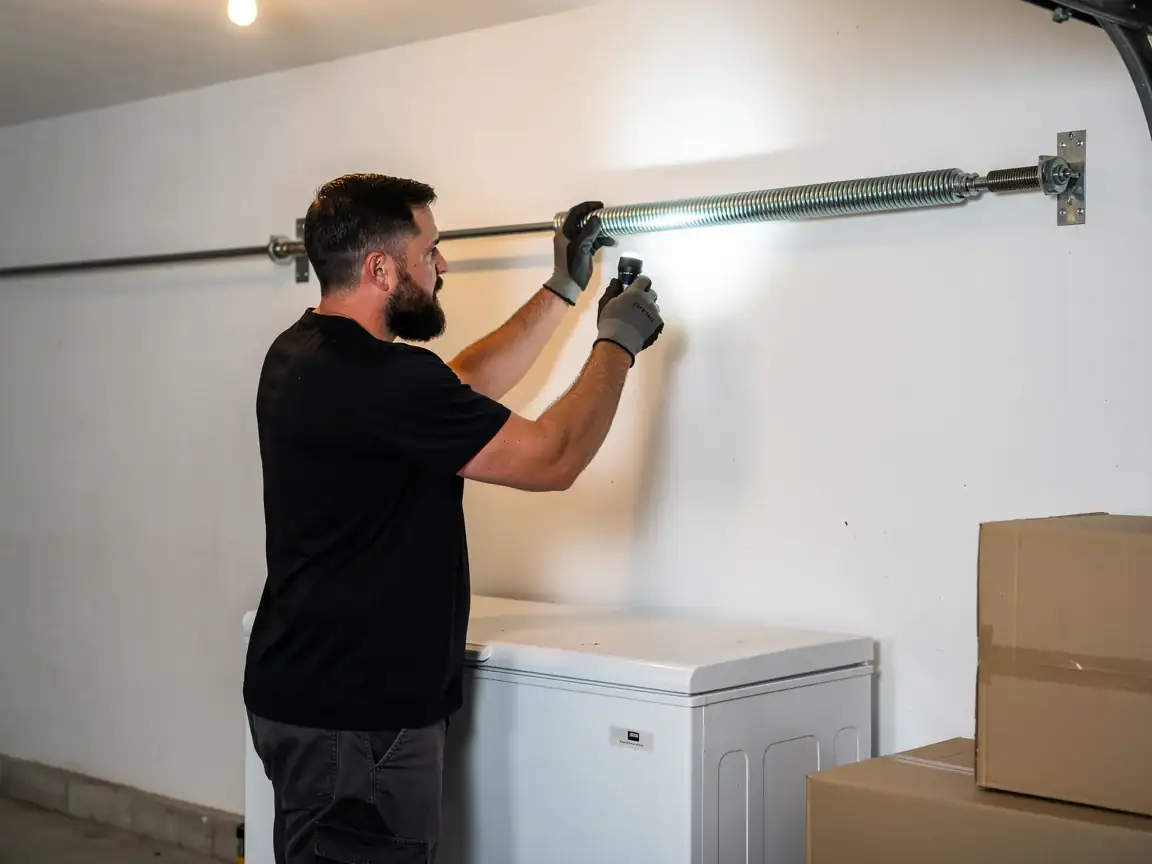
Extension springs under tension have put people in the emergency room, and on a door this age the springs are old enough that nobody can tell you by looking whether they're a season from failing. If a spring looks stretched, rusted unevenly, or if the door is noticeably harder to lift by hand than it used to be, that's a call, not a weekend project.
Honest limitation: if the opener itself is the original 1990s chain-drive unit and it's failing
Not just noisy but actually losing power - replacing it is usually the better call than repairing it piece by piece. Parts for that generation of opener are getting harder to source, and a repair that keeps failing costs more over two years than a new unit.