Why This Fails Locally
The fault we run into most in Rocheport isn't a broken spring or a dead opener
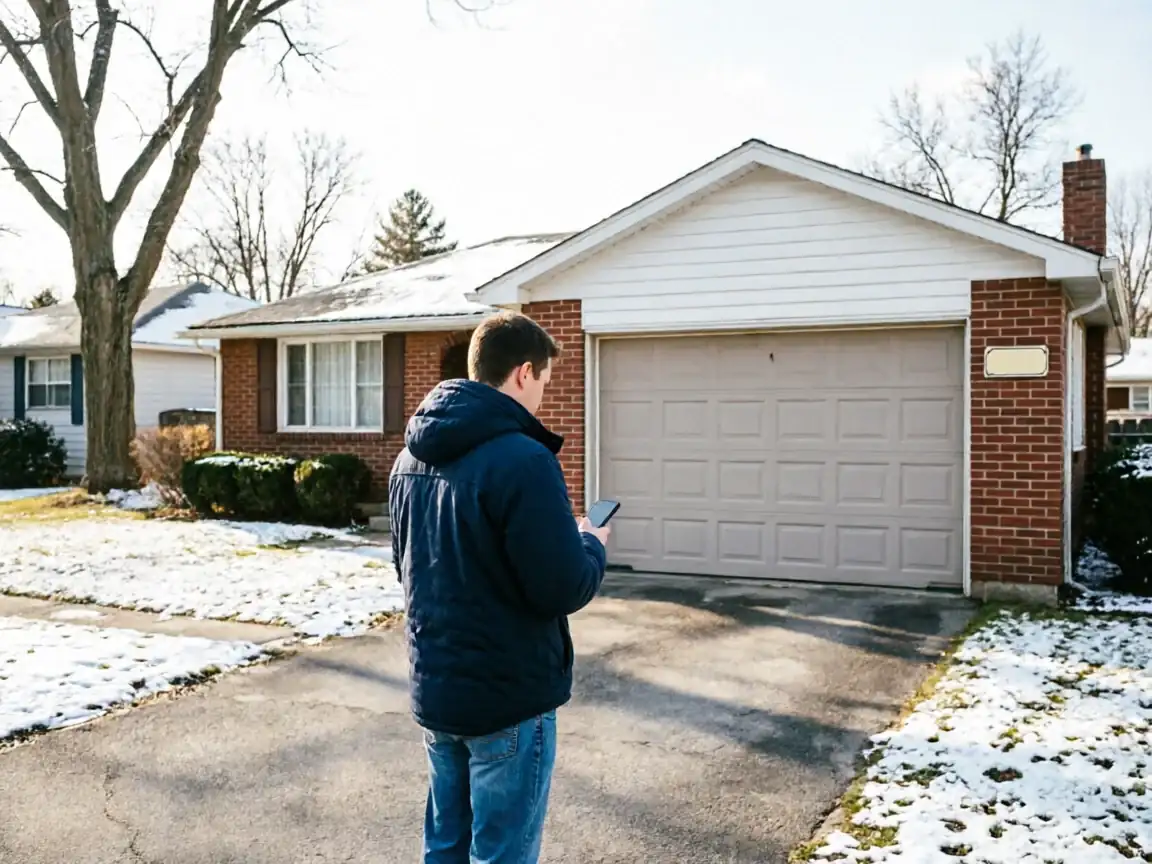
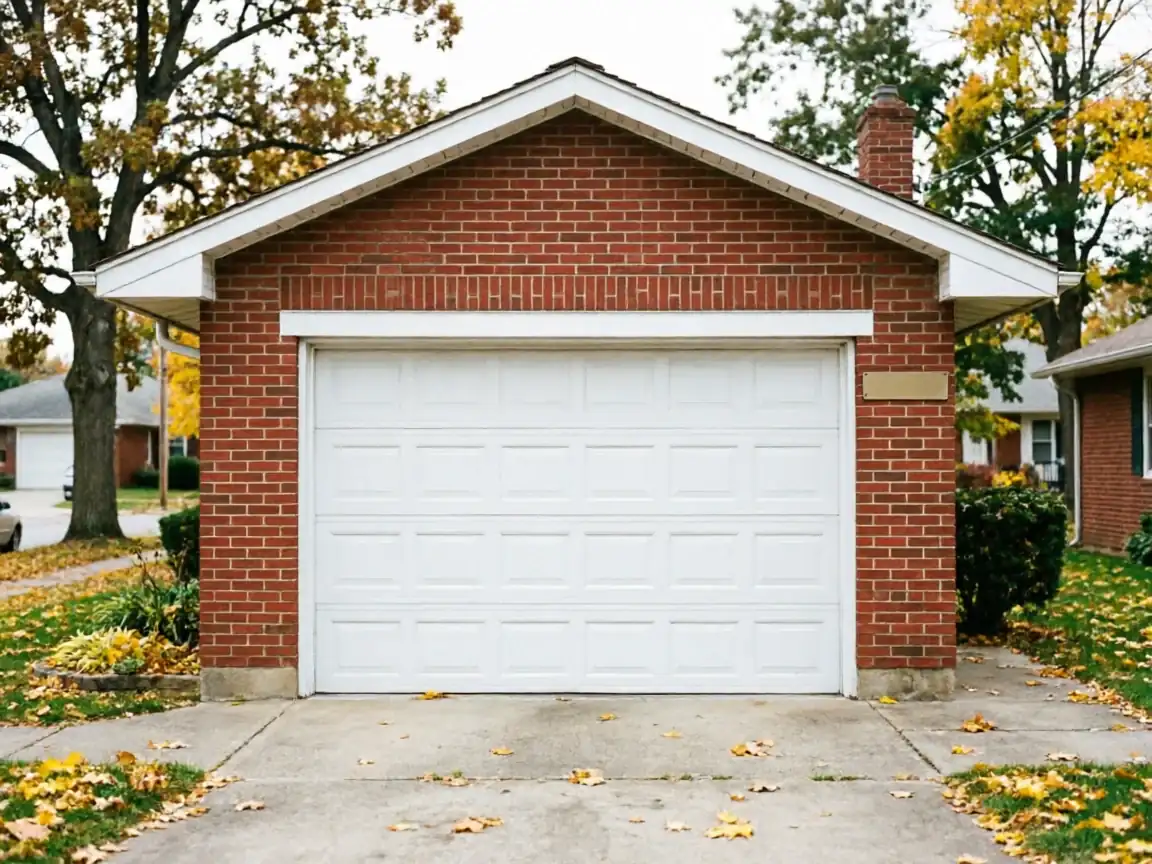
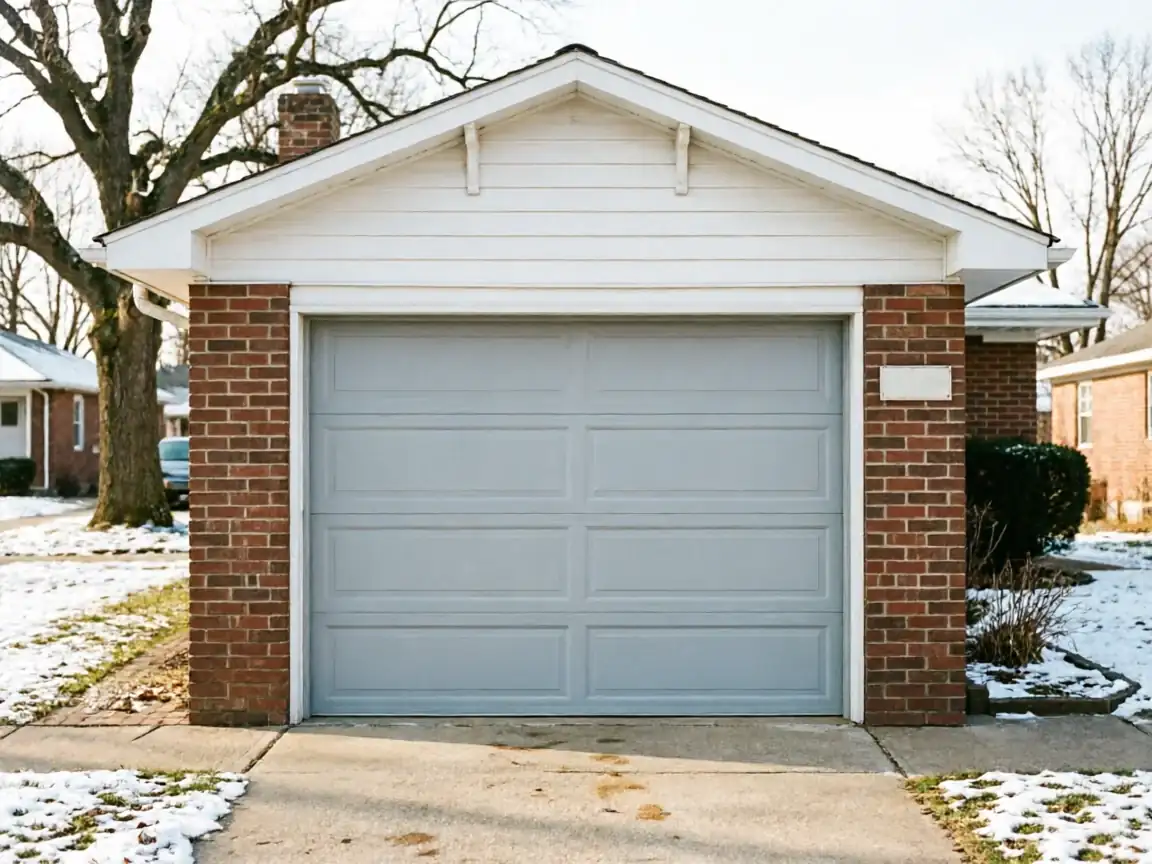
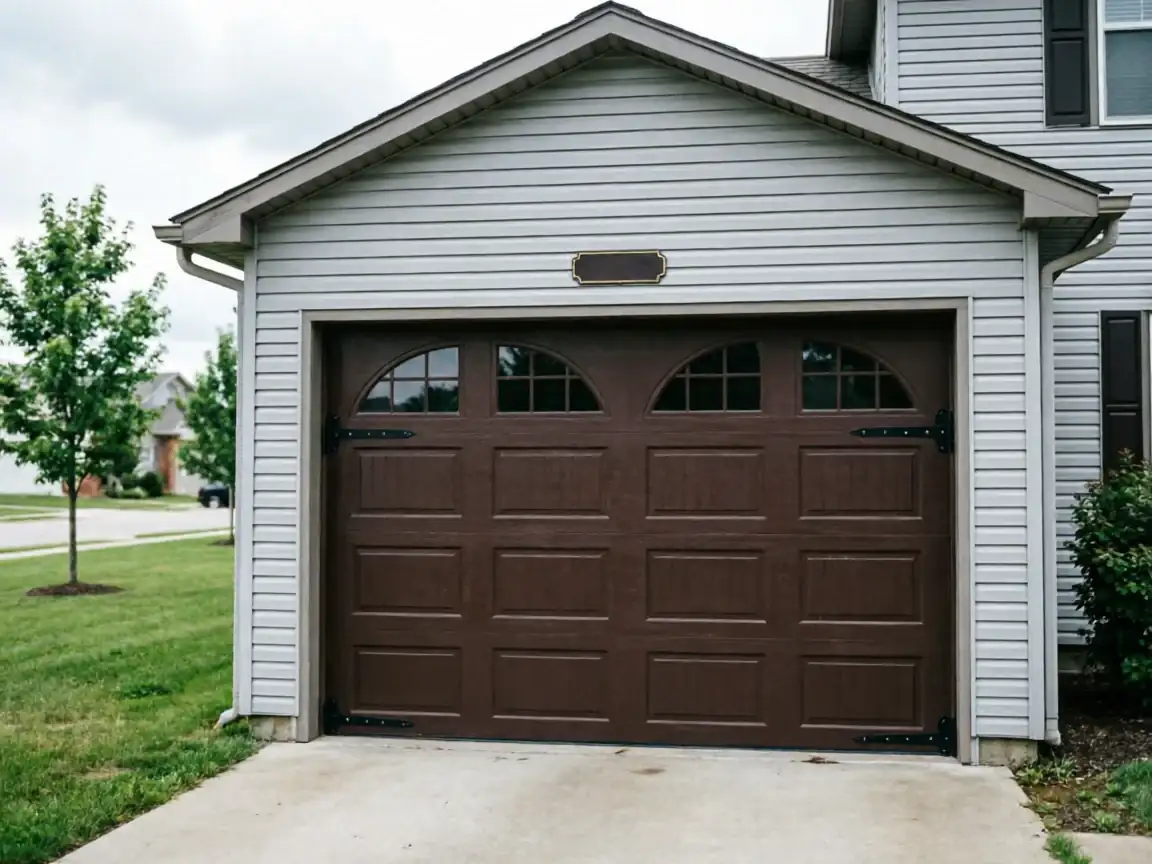
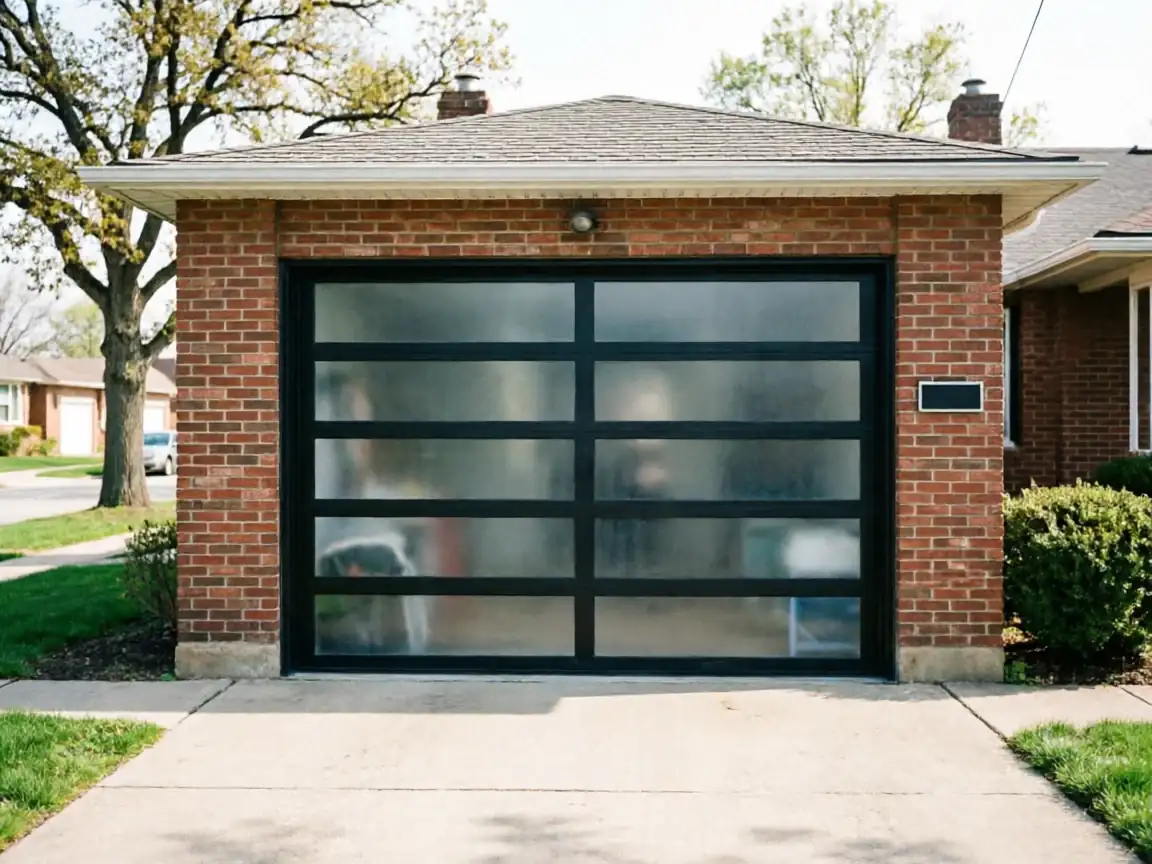
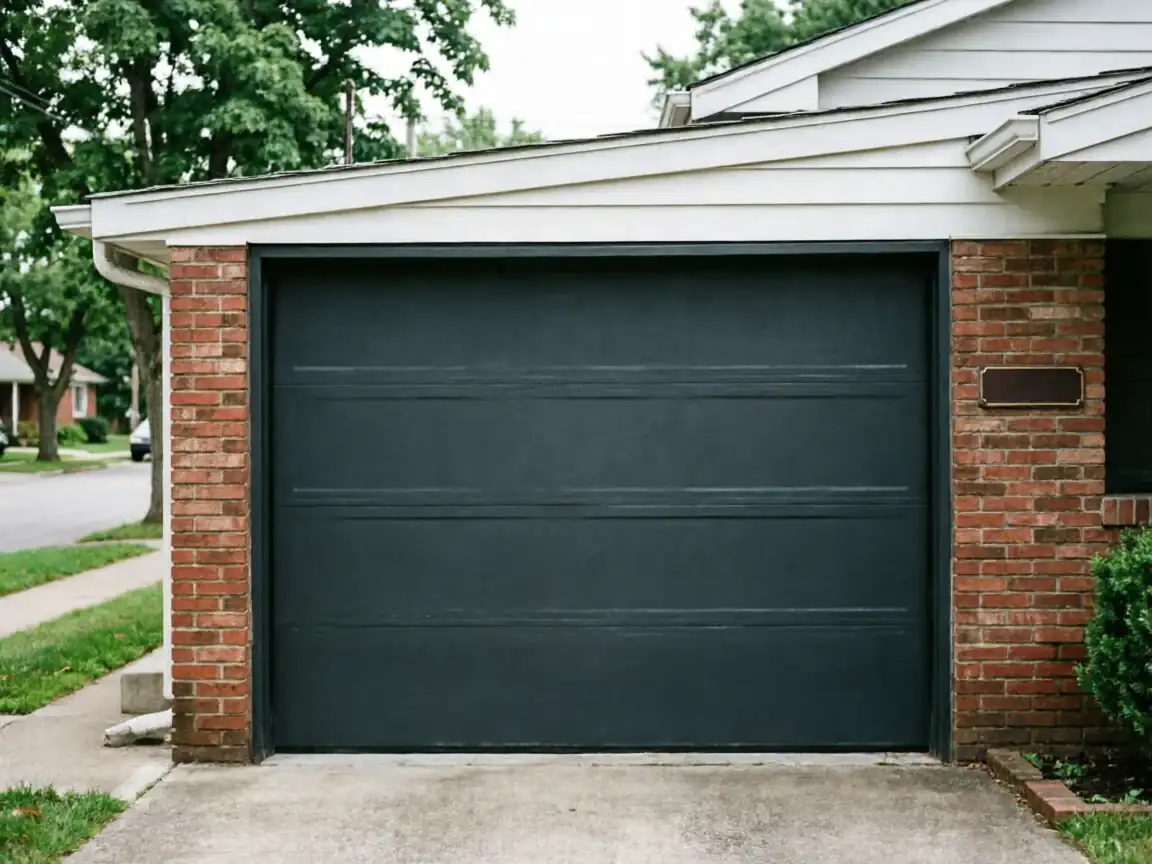
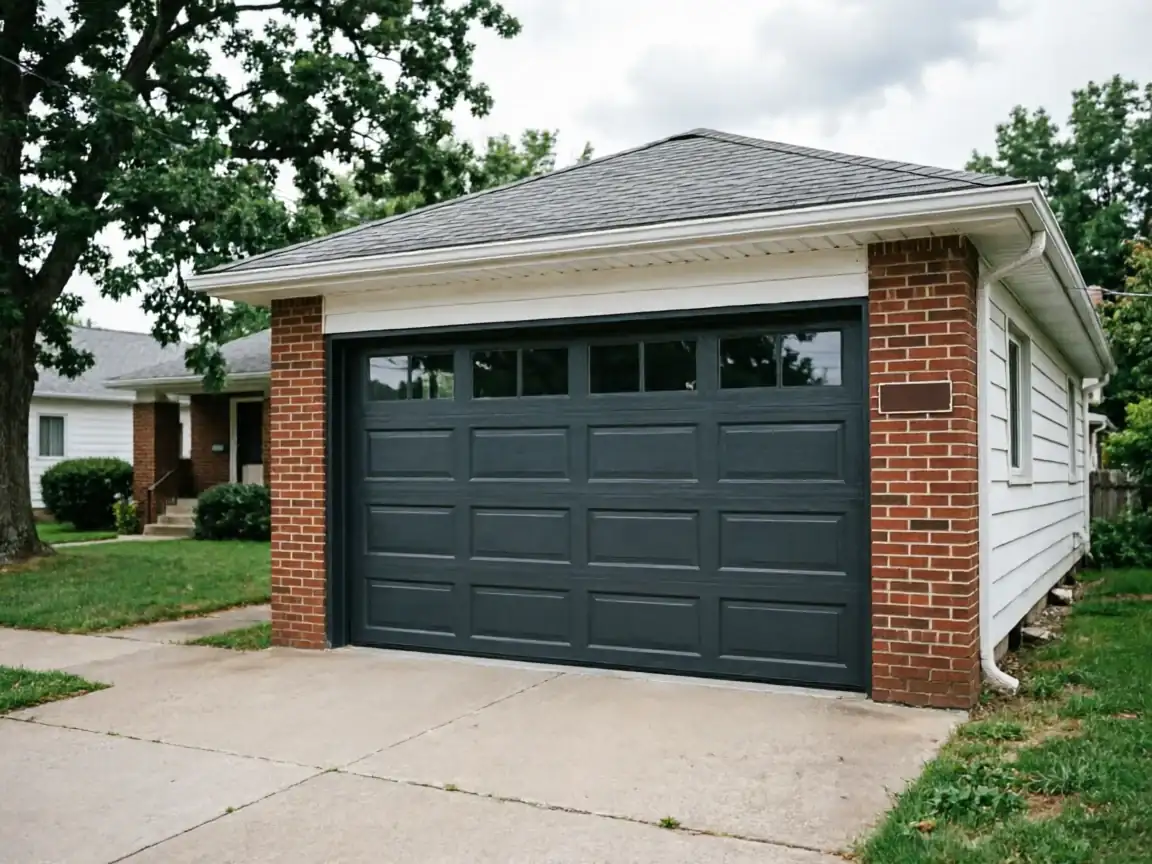
It's a door that was never sized right to begin with. The median home here was built in 1938, which puts Rocheport well ahead of the rest of the service area's 1978 median. That gap matters. A house framed in the late 1930s or 1940s has a garage opening cut to dimensions nobody standardized yet - narrower, sometimes shorter, than what a current off-the-shelf steel door expects.
When a homeowner orders a standard 16x7 replacement without checking the actual rough opening
The installer either forces trim into place or ends up special-ordering a panel width that costs more and takes longer to get. We've seen jamb framing in these older houses that's shimmed, re-framed once already, or just slightly out of square from decades of settling. None of that shows up until someone's standing there with a tape measure. The fix starts with measuring the actual opening, not assuming it matches a catalog size.
What the Fix Involves
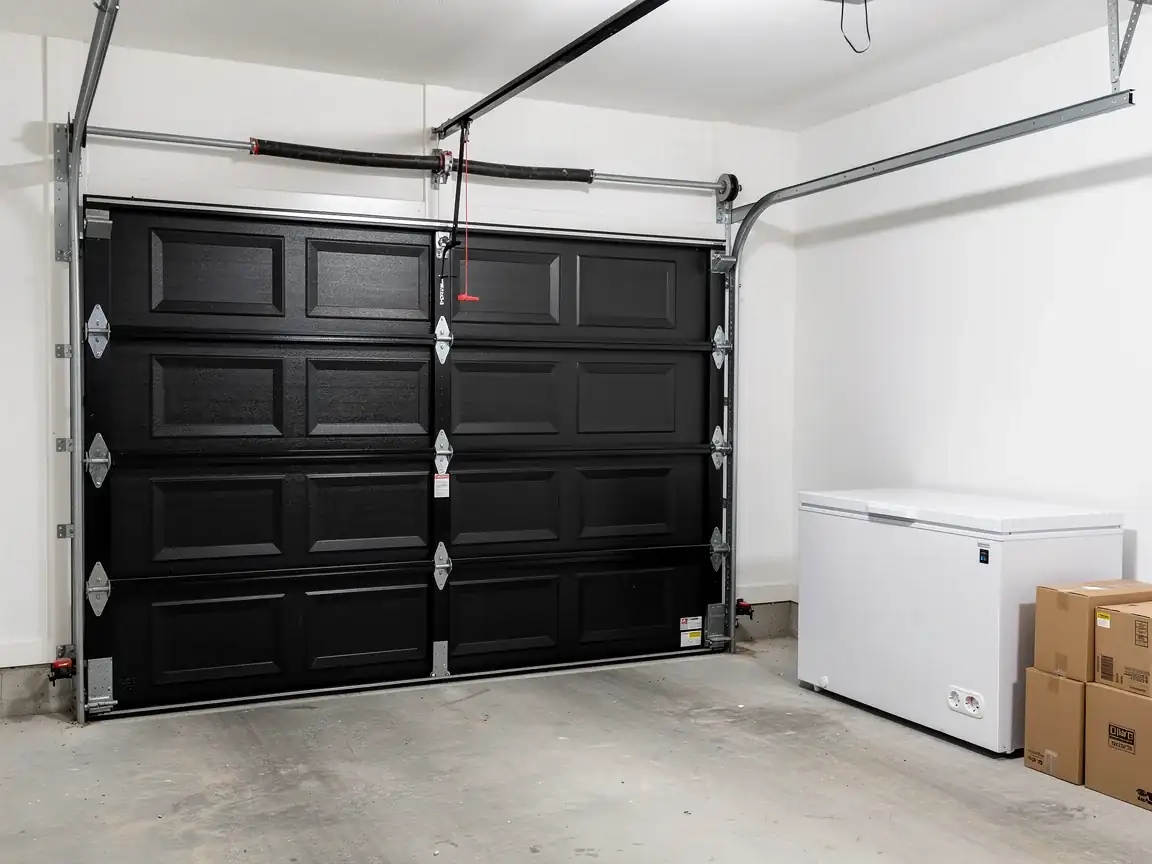
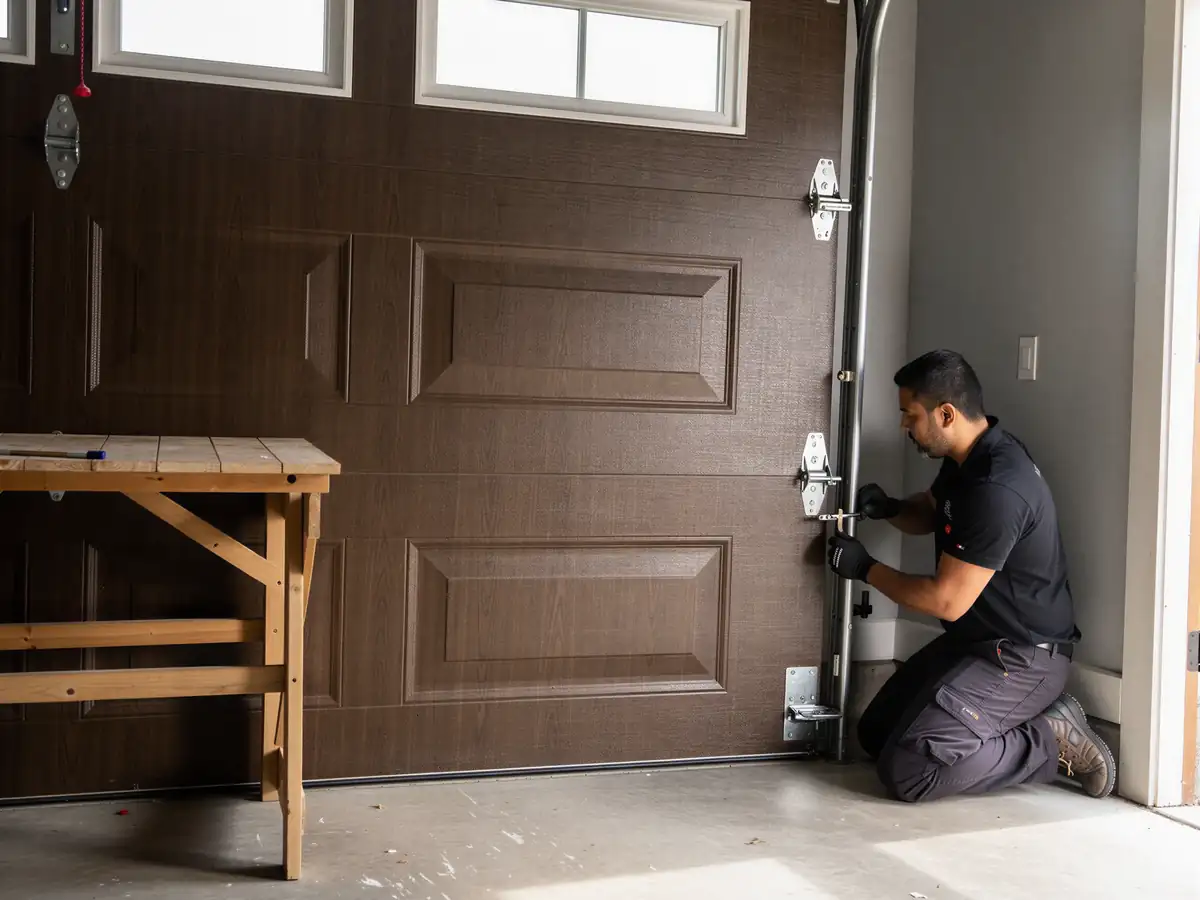
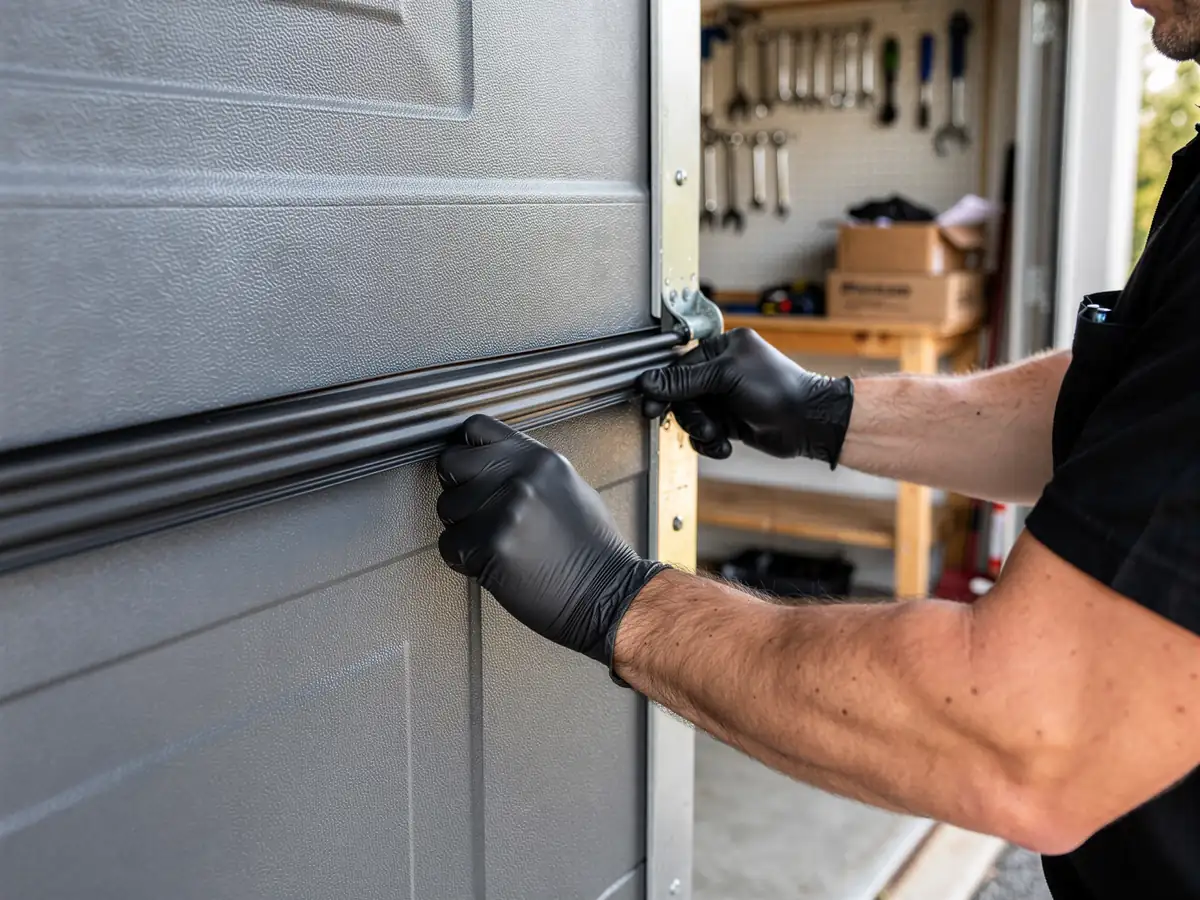
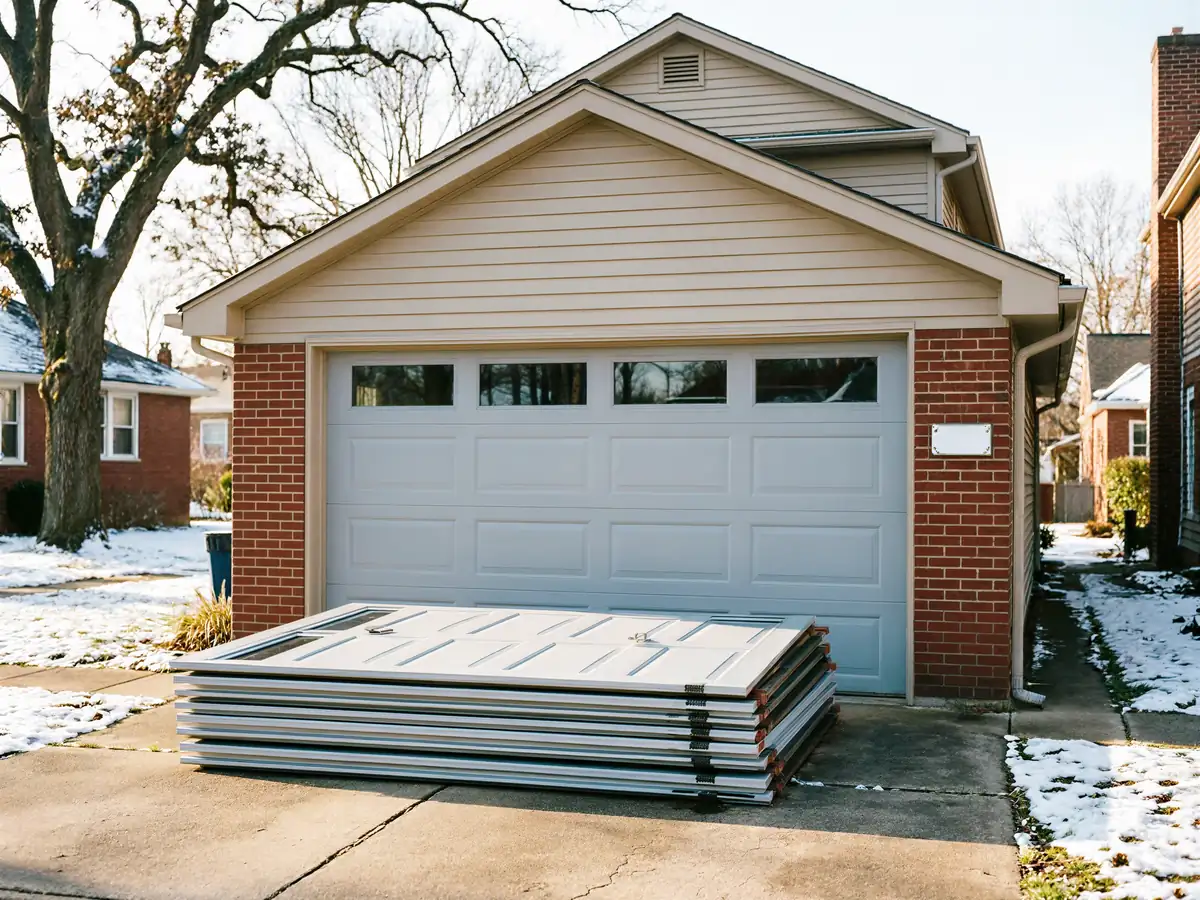
A proper install on a house this age starts with pulling the old track and jamb hardware, not just bolting a new door to what's there. We check the header for rot or old shim work, confirm the opening width and height against the new door's spec sheet, and adjust framing before anything goes up. Rocheport sits in the same cold-climate band as the rest of the county, so insulation matters here as much as fit - a double-layer steel door with a thermal break is worth the upcharge on a structure this old, since original openings rarely had any insulation at all.
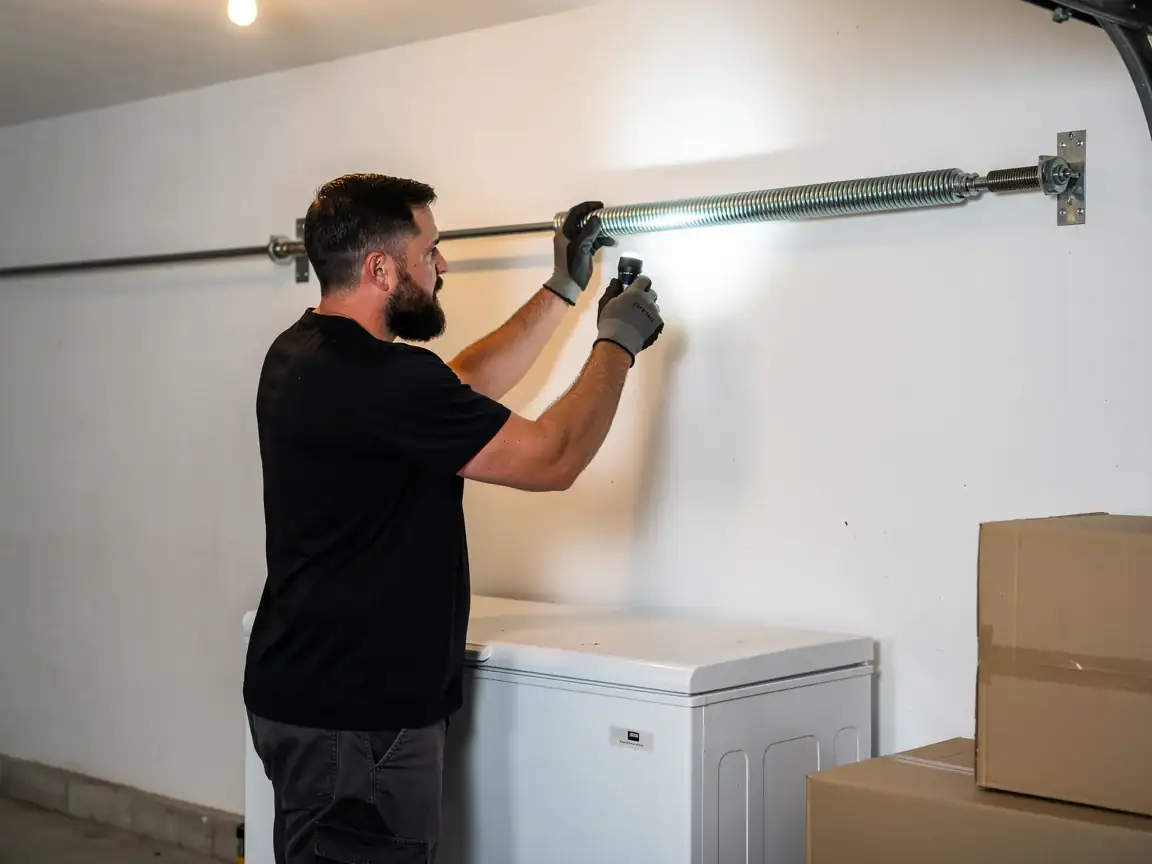
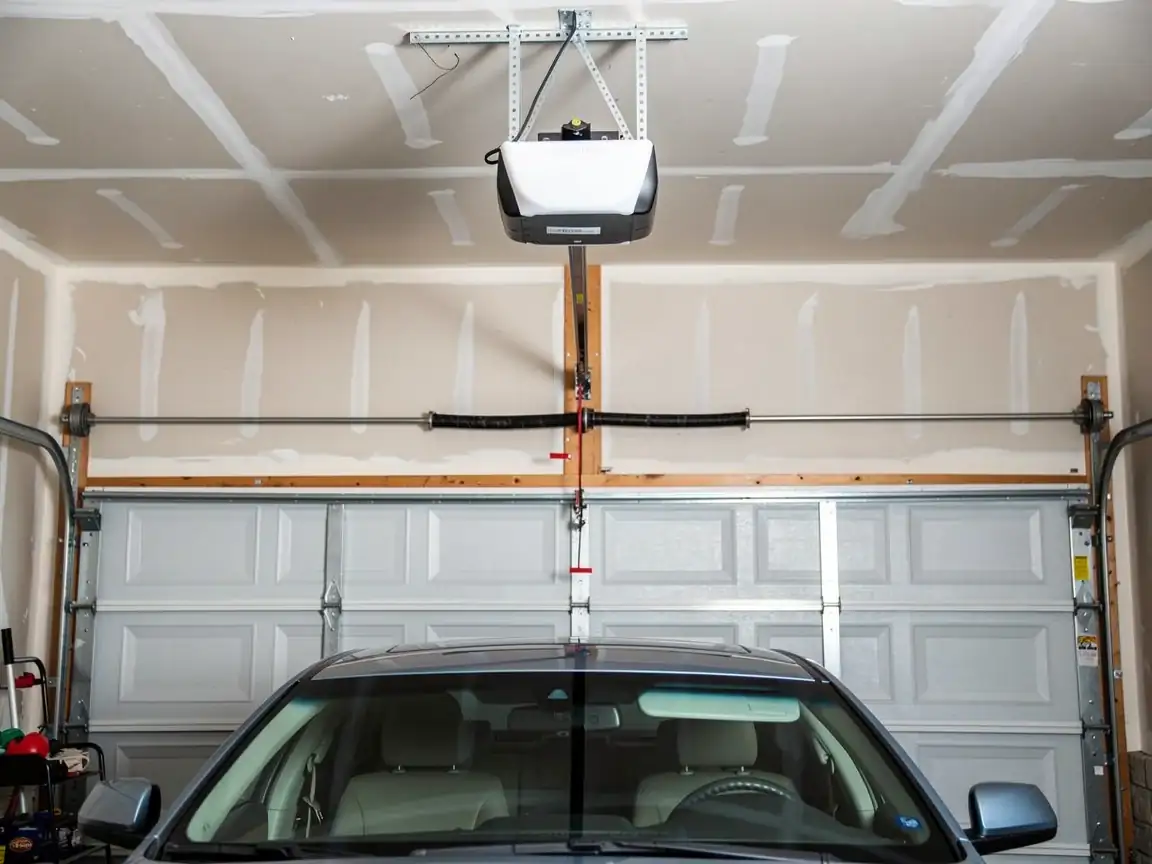
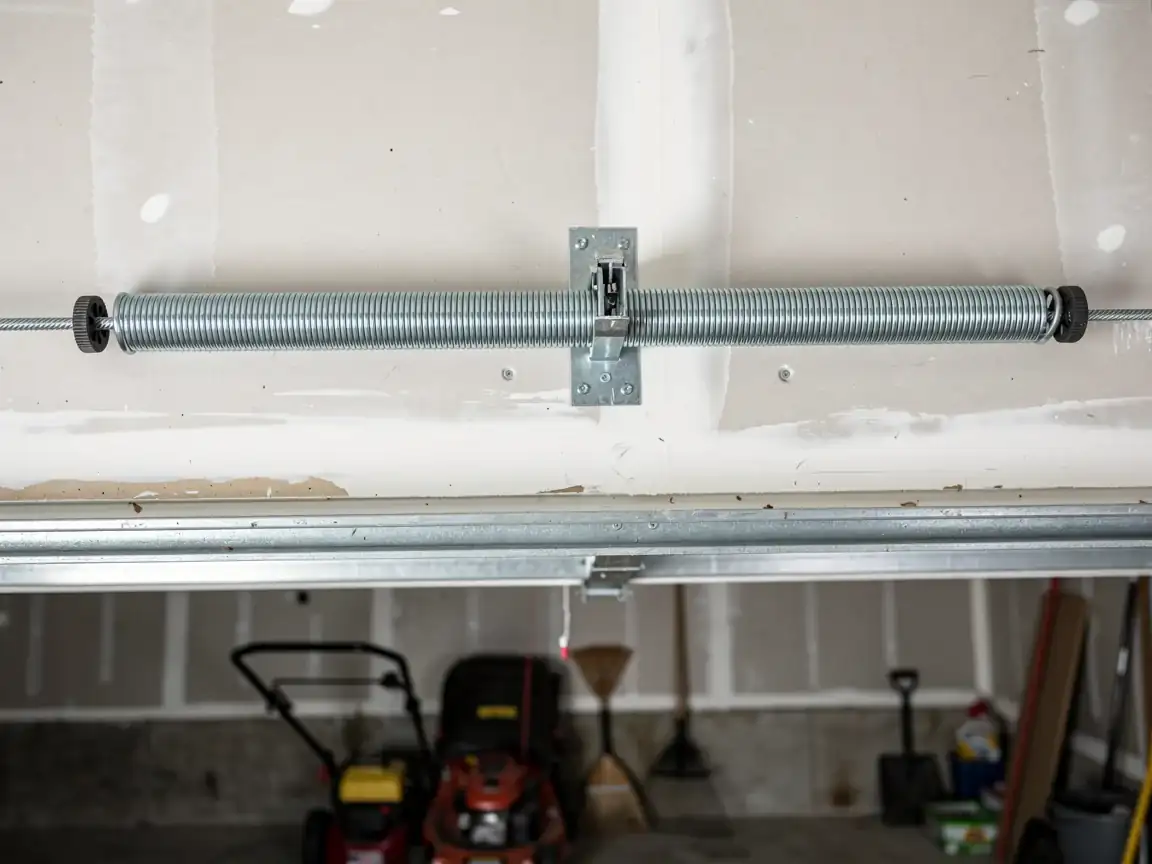
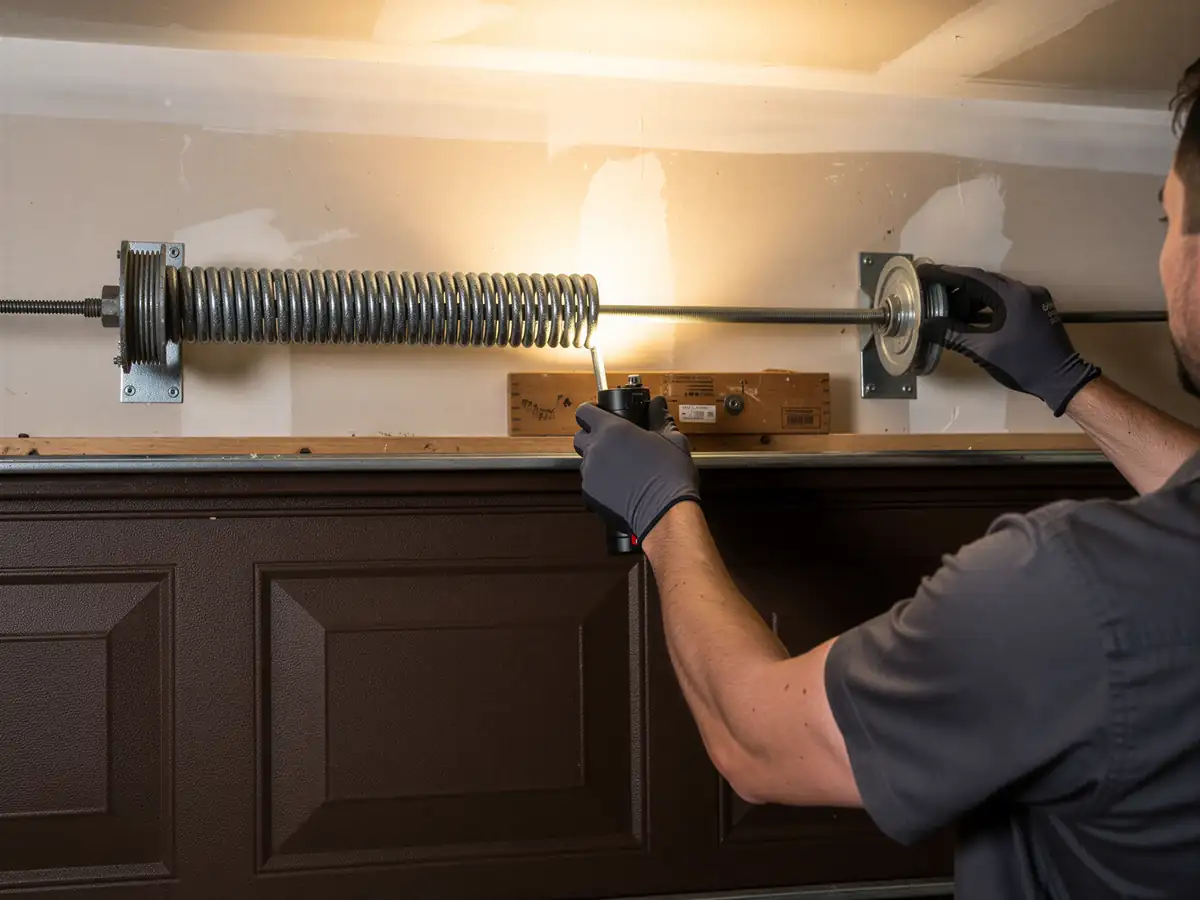
Spring sizing gets checked against the new door's actual weight, not guessed from the old door's hardware. On a house built before 1940, we're often swapping worn extension springs for torsion, which changes the header mount and takes a bit more time. Track alignment gets set to the real opening, not forced to match a stock bracket kit. None of this is exotic work, but skipping it is exactly how a new door ends up binding or dragging within a year on an older frame.
What You Are Seeing
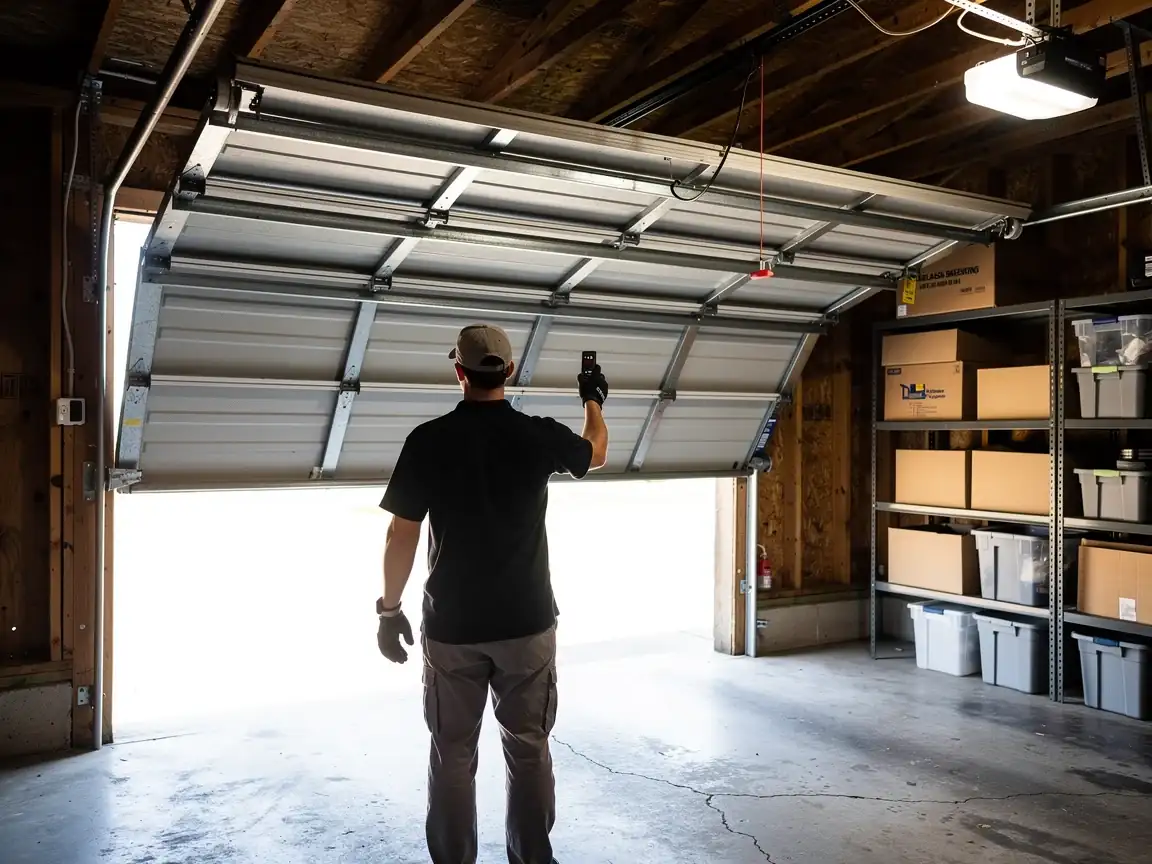
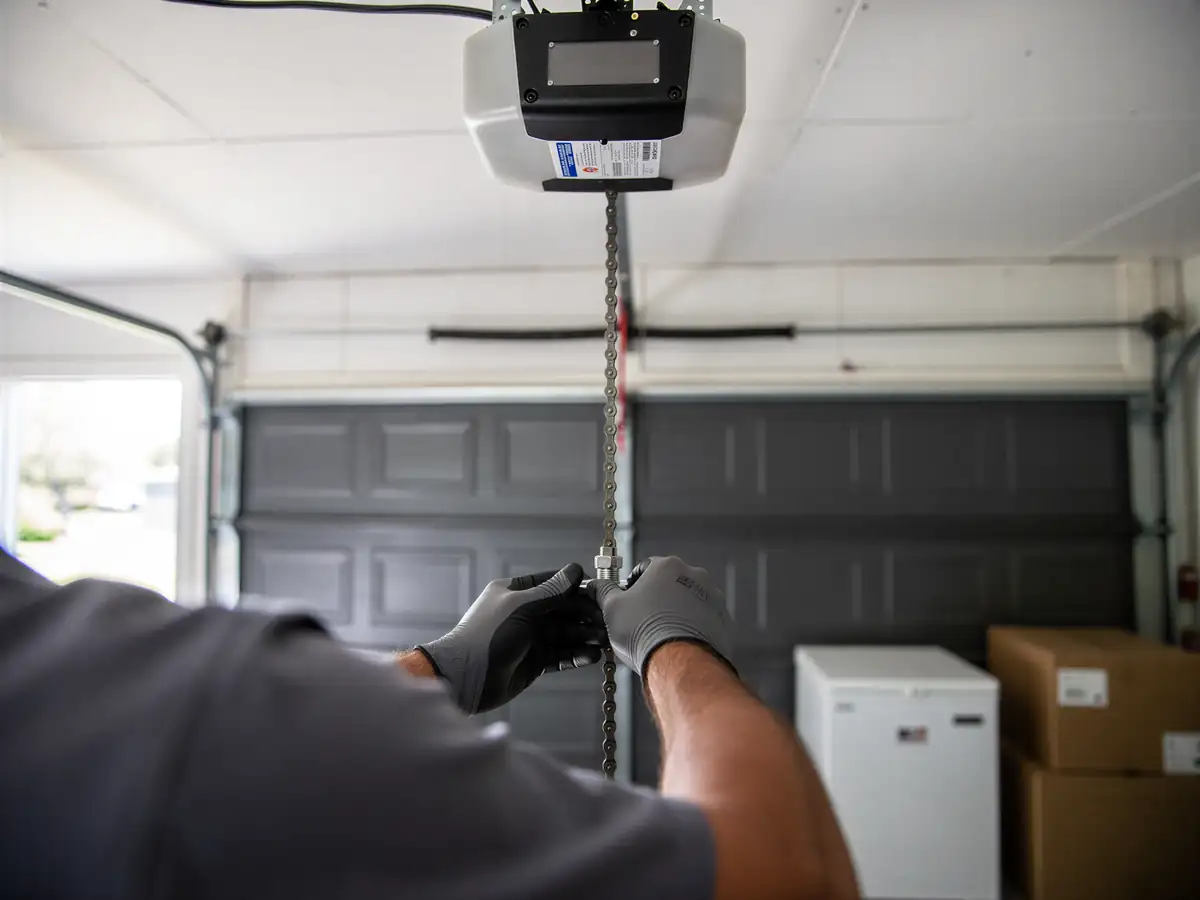
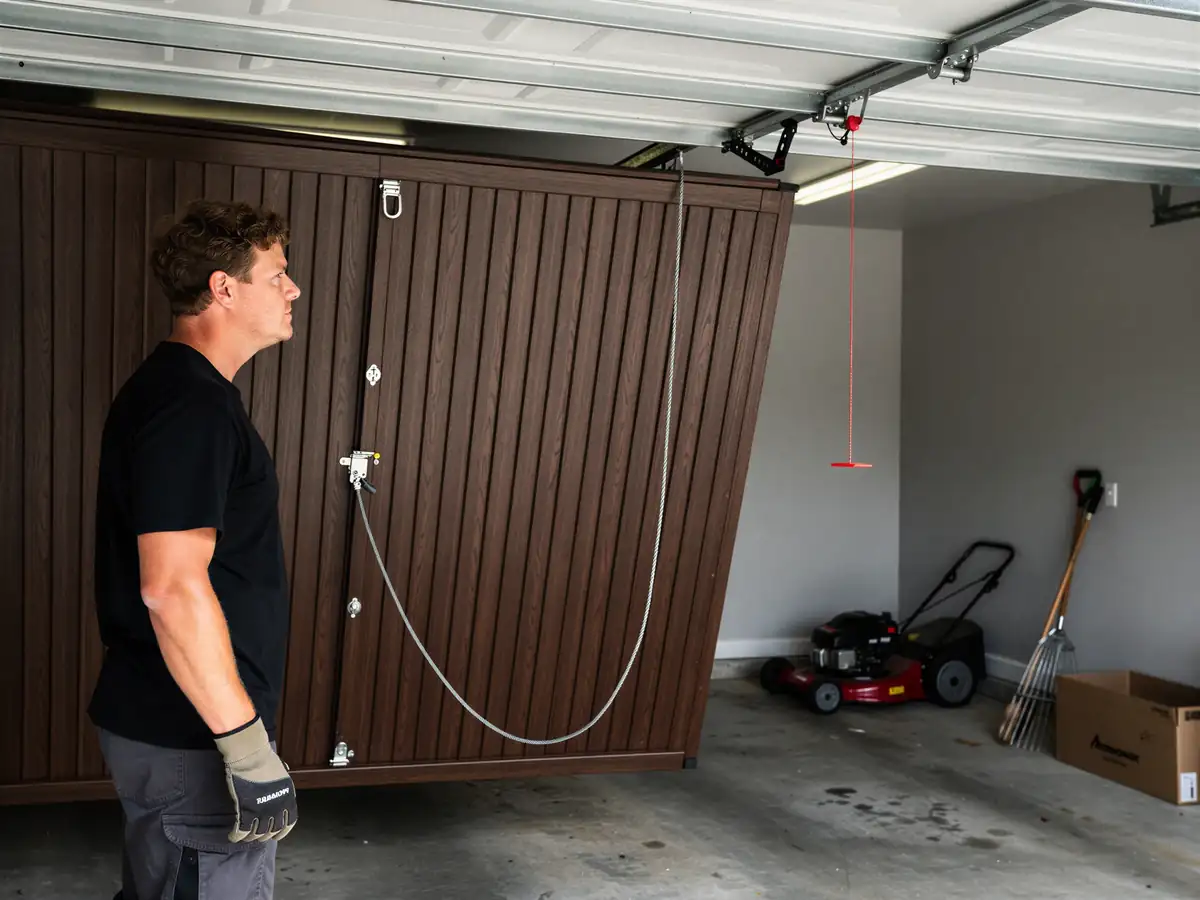
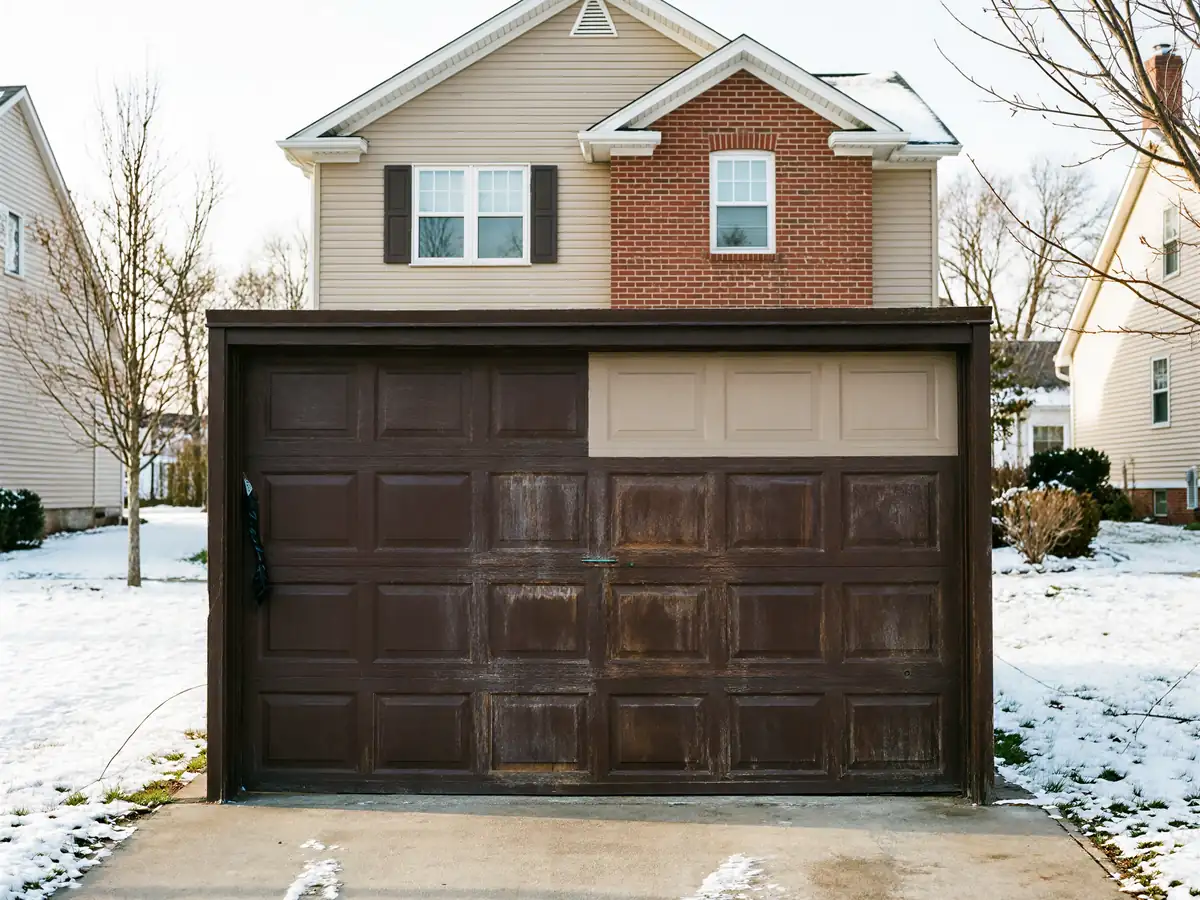
If you're calling about new installation rather than repair, you're probably looking at one of a few signs: the old door won't seal at the bottom and cold air pools in the garage all winter, the panels are visibly bowed or rusted through near the base, or the opener is straining and grinding because the door itself has gotten heavier with warped wood or waterlogged insulation. On a house from the 1930s or 40s, wood doors were common originally, and a lot of those got swapped once already for a cheap steel replacement that still doesn't fit the opening cleanly.
You might also notice daylight gaps at the jambs, drafts strong enough to feel at the thermostat, or a door that looks straight but catches on one side every time it closes. These aren't cosmetic. In a cold-climate winter, an ill-fitting door on an old opening is the difference between a garage that stays above freezing and one that doesn't. That's the kind of thing worth fixing with a proper fit, not another stopgap.
Where This Job Goes Sideways
The install goes wrong when the opening doesn't match the door before anyone notices
On a 1930s-era house, we sometimes find the jamb is out of square by enough that a standard door won't seat evenly without shimming one side - and shimming hides the problem instead of fixing it. If that gets missed, the door looks fine on install day and starts binding or losing its seal within months.
Another place this slips: ordering a stock-width door before confirming the measurement
We won't install a door that's close enough - if the opening is non-standard, the job takes longer because the right panel has to be special-ordered, and that's a lead time we don't control. Rocheport is 13 miles out from Columbia, so there's also drive time built into any return trip, which is part of why we'd rather get the measurement right the first visit than make two trips to fix a bad fit.
- 13 miles
What It Costs
We don't have a flat number to put on this page because the cost swings with what we find at the opening - a standard-width door on sound framing costs a lot less than one needing custom sizing or jamb repair. What we can say: households in this area report a median income around $58,125, and that's the range we price against when we're recommending a mid-grade insulated steel door versus a premium model. We'll give you the real number after we measure, not before.
One honest limitation: we don't carry every custom width in stock on the truck, so if your opening turns out to be non-standard, expect a short wait on the panel itself rather than a same-day swap. That's not a Rocheport problem specifically - it's true anywhere we run into older framing - but it shows up more often here than in newer parts of the service area because of how old this housing stock runs.