What the Fix Involves
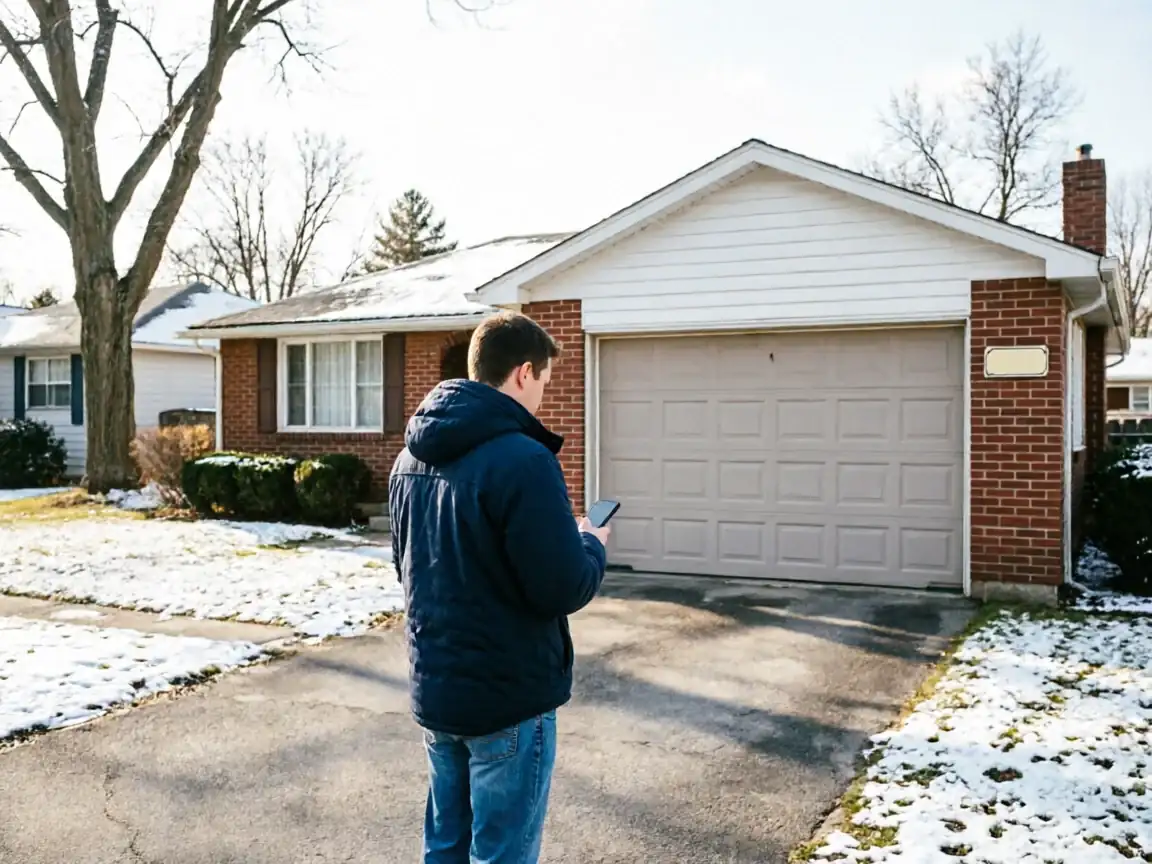
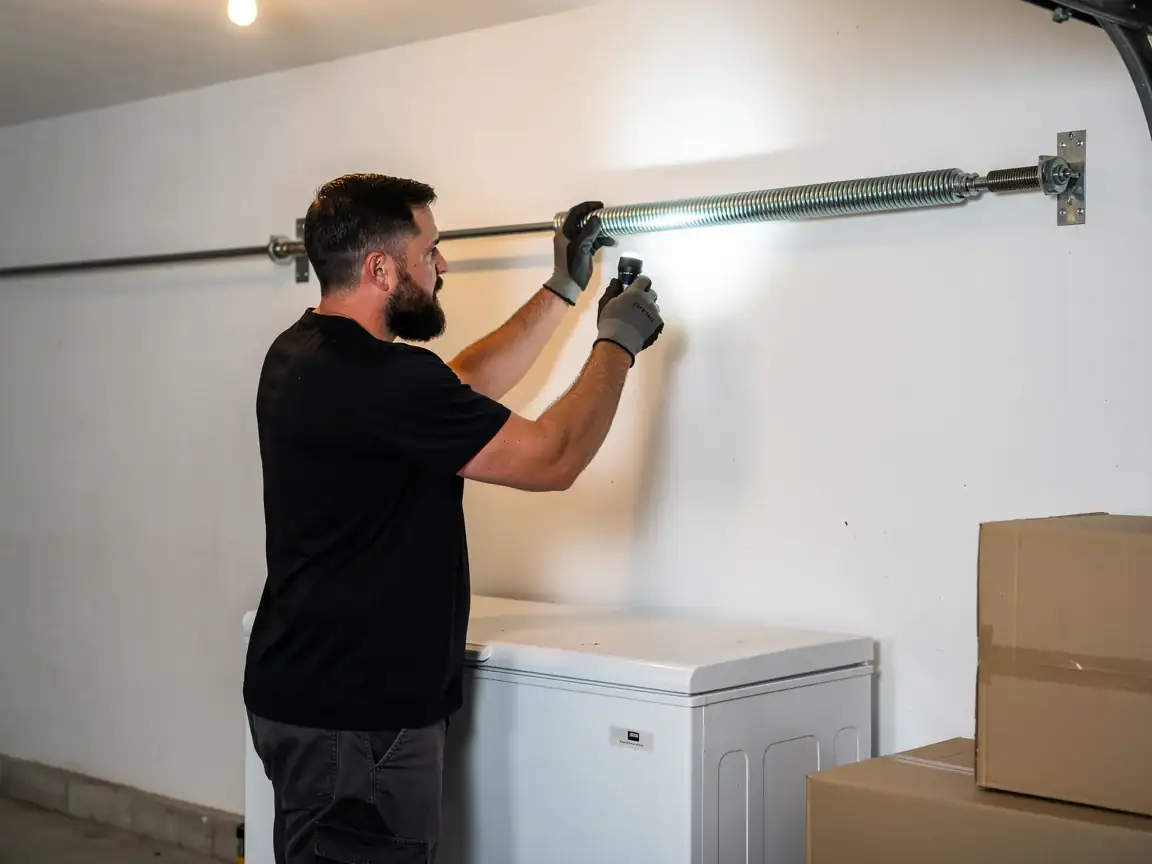
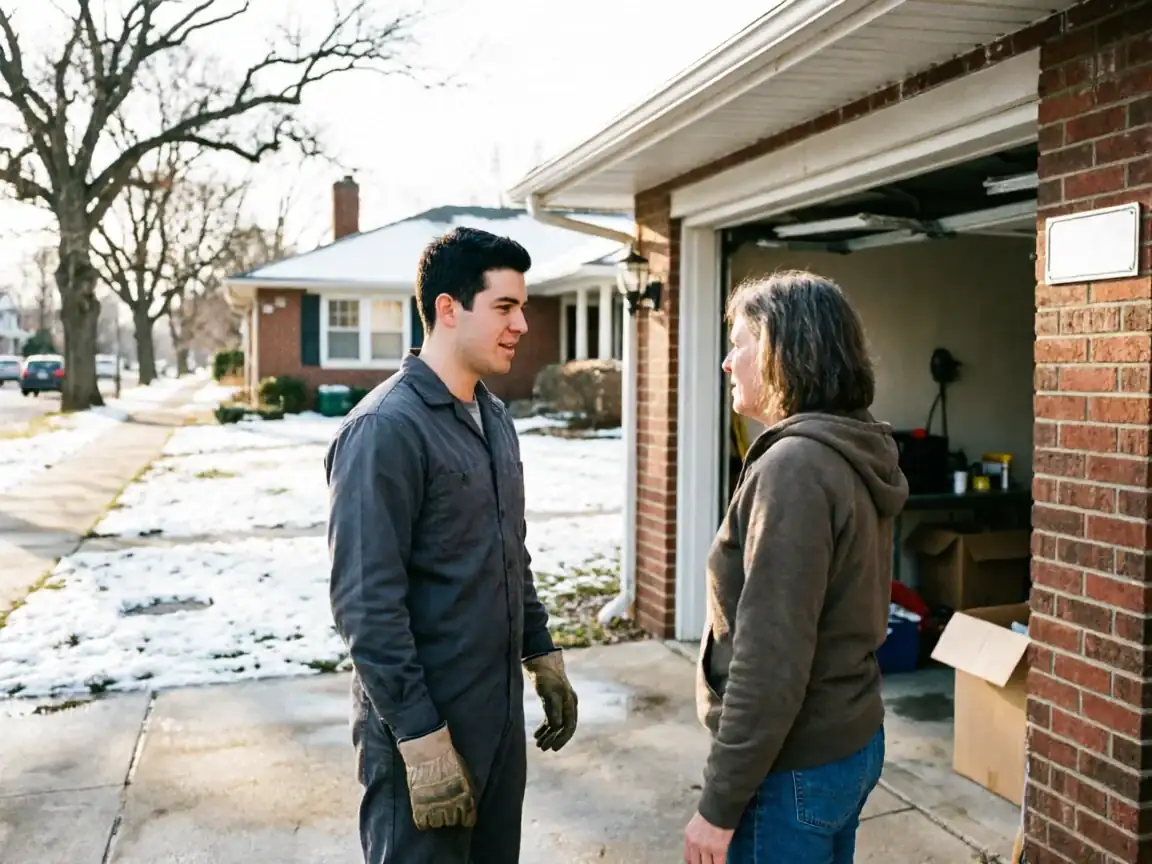
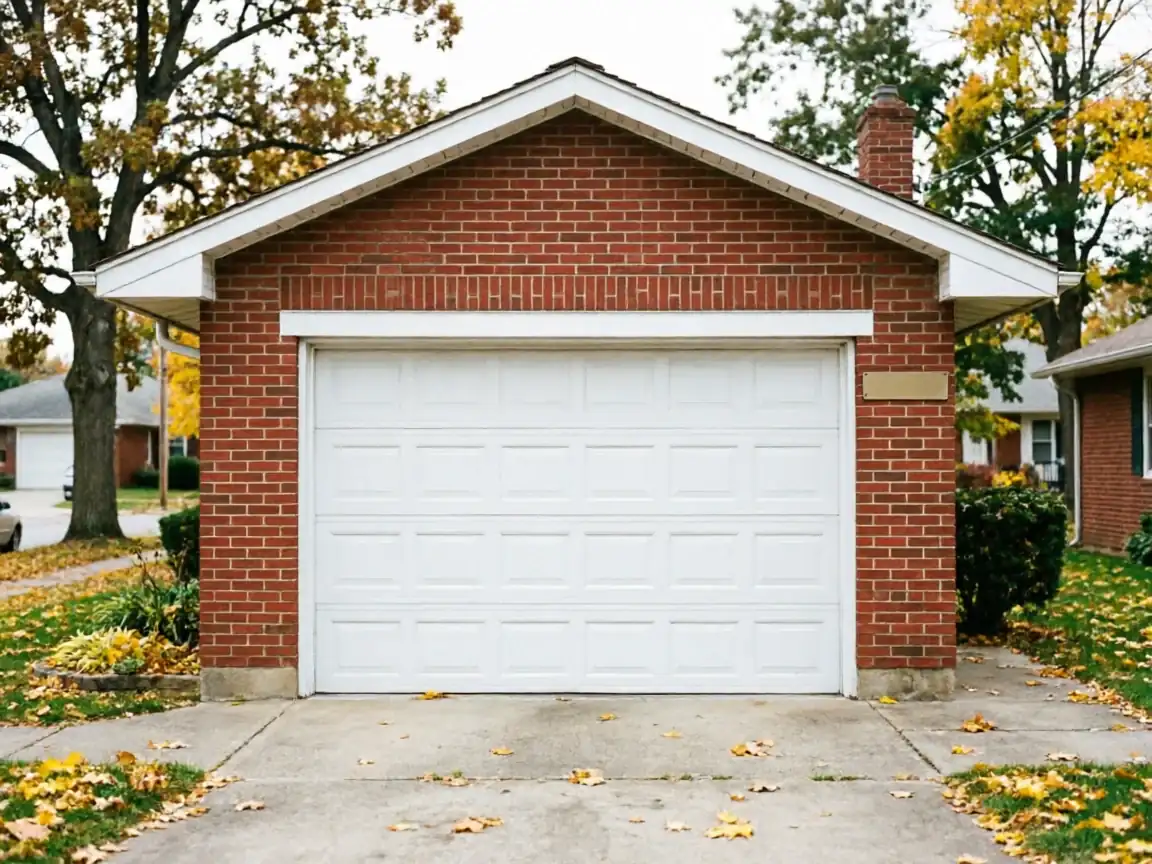
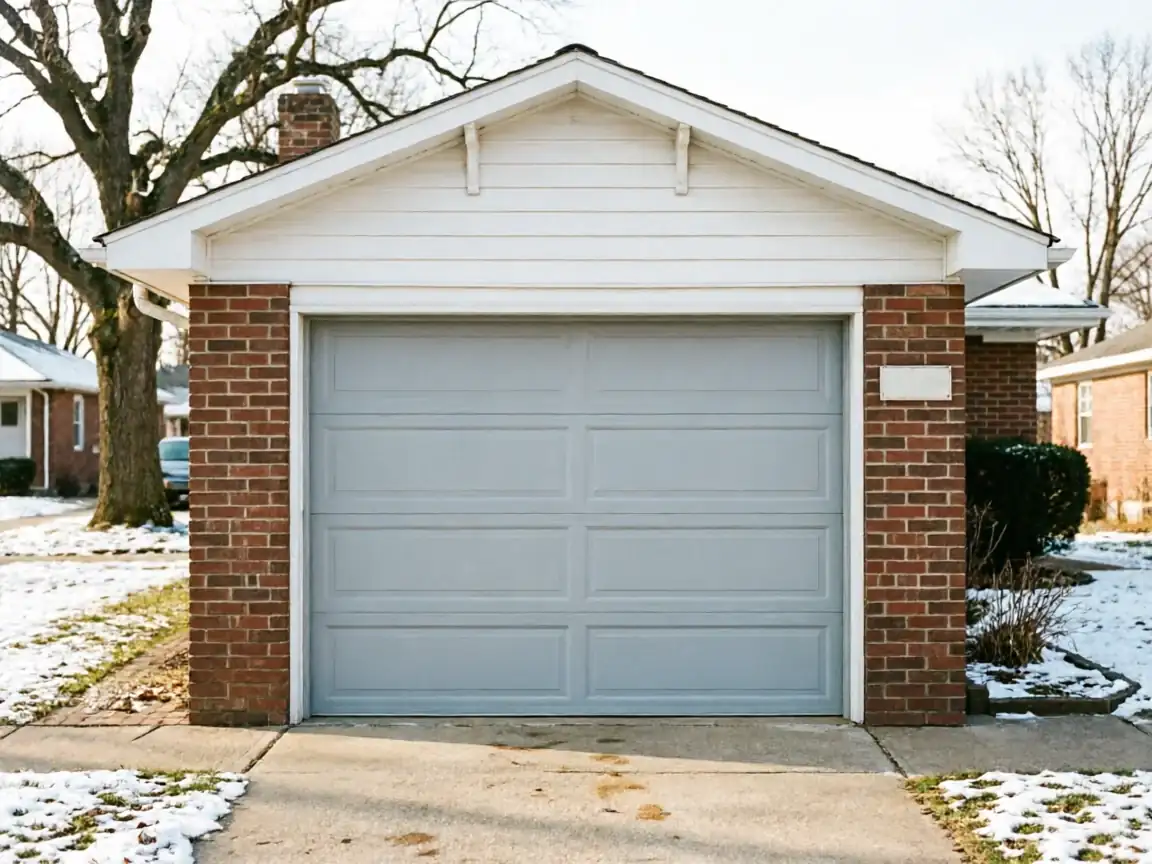
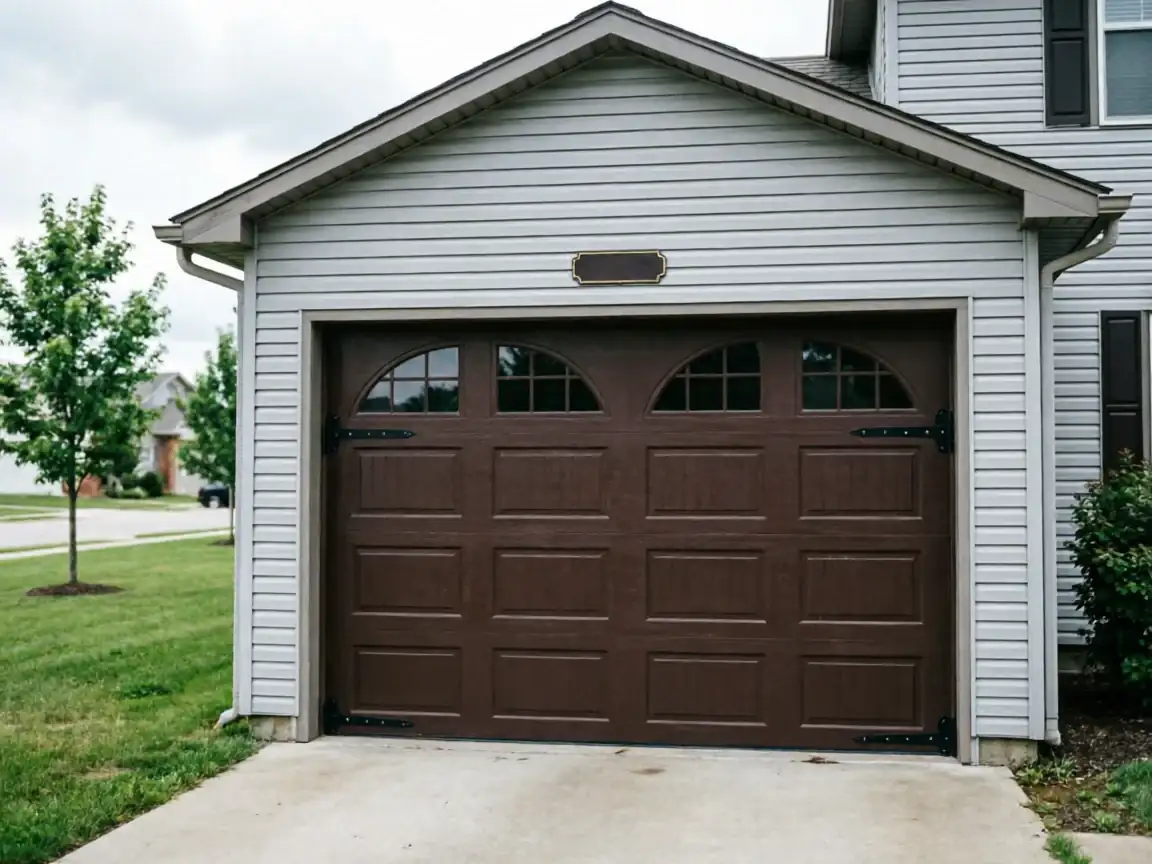
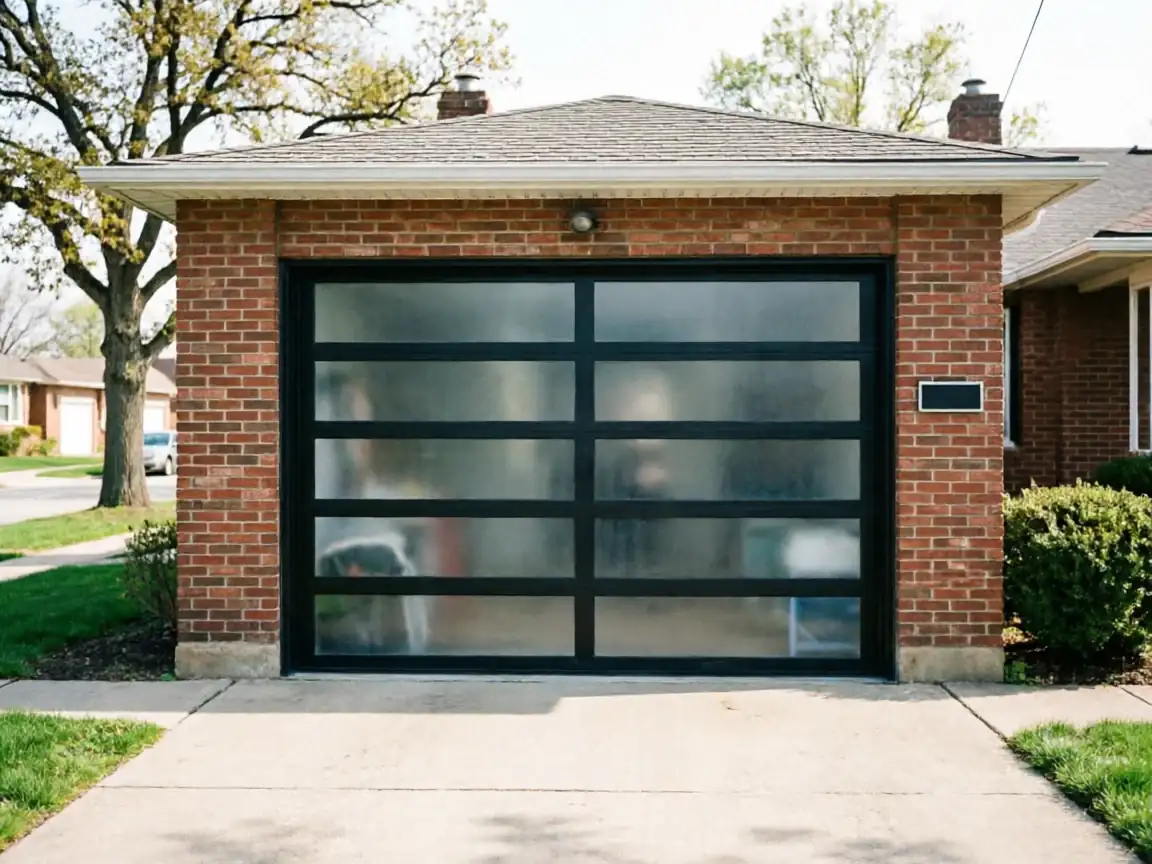
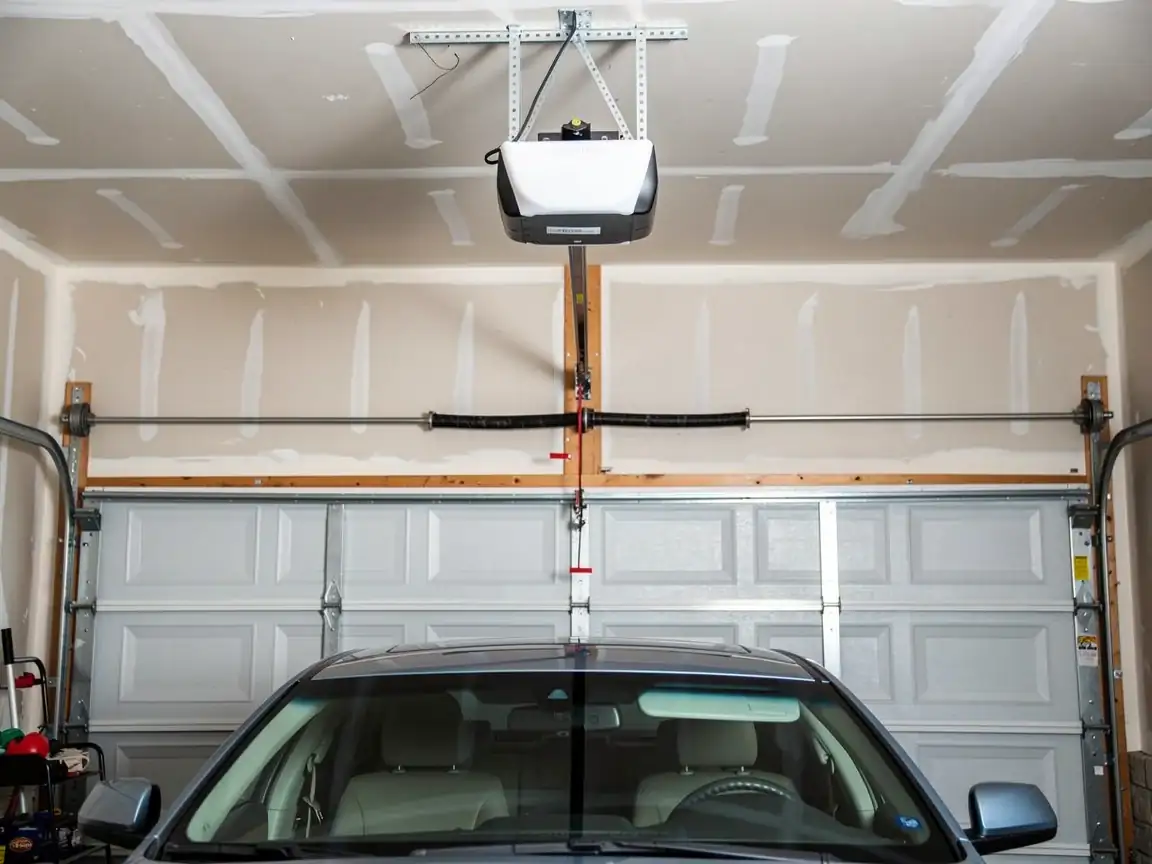
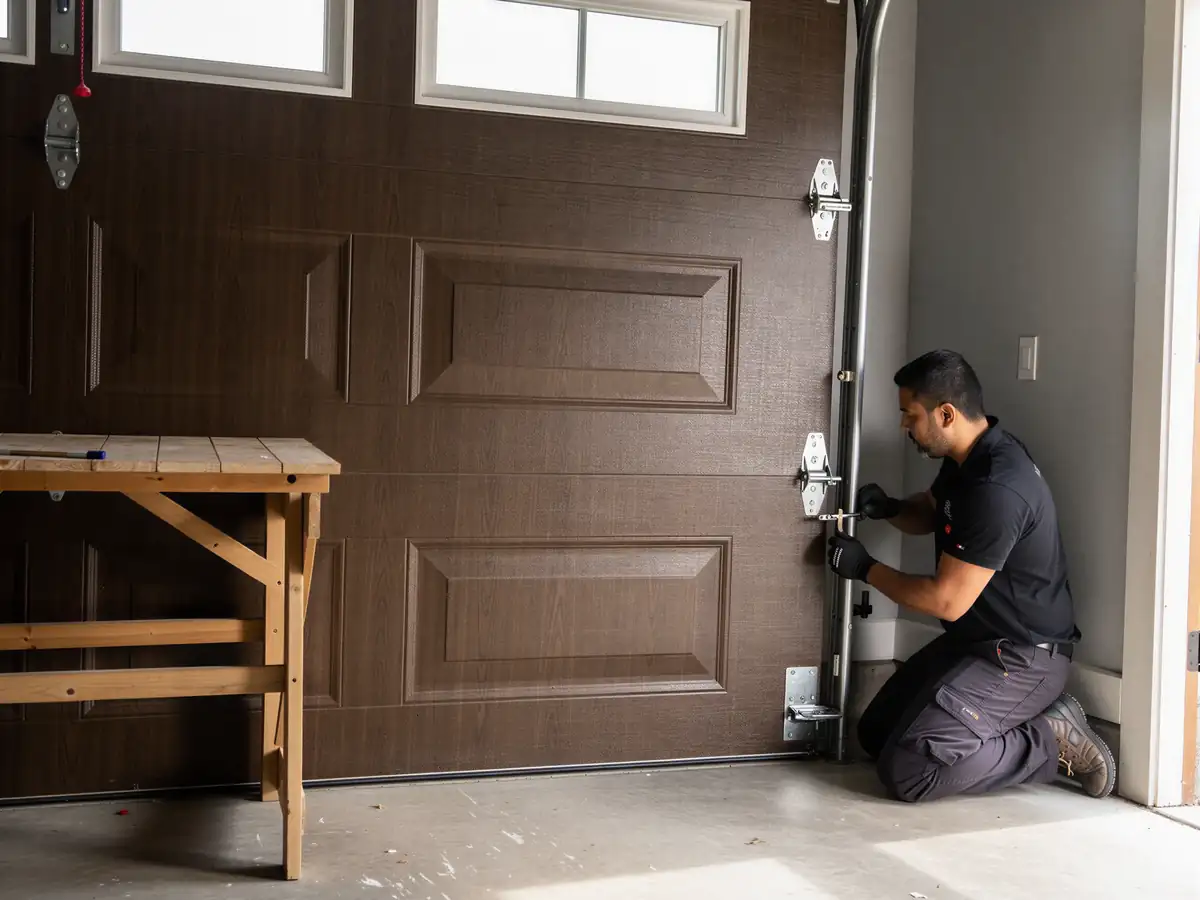
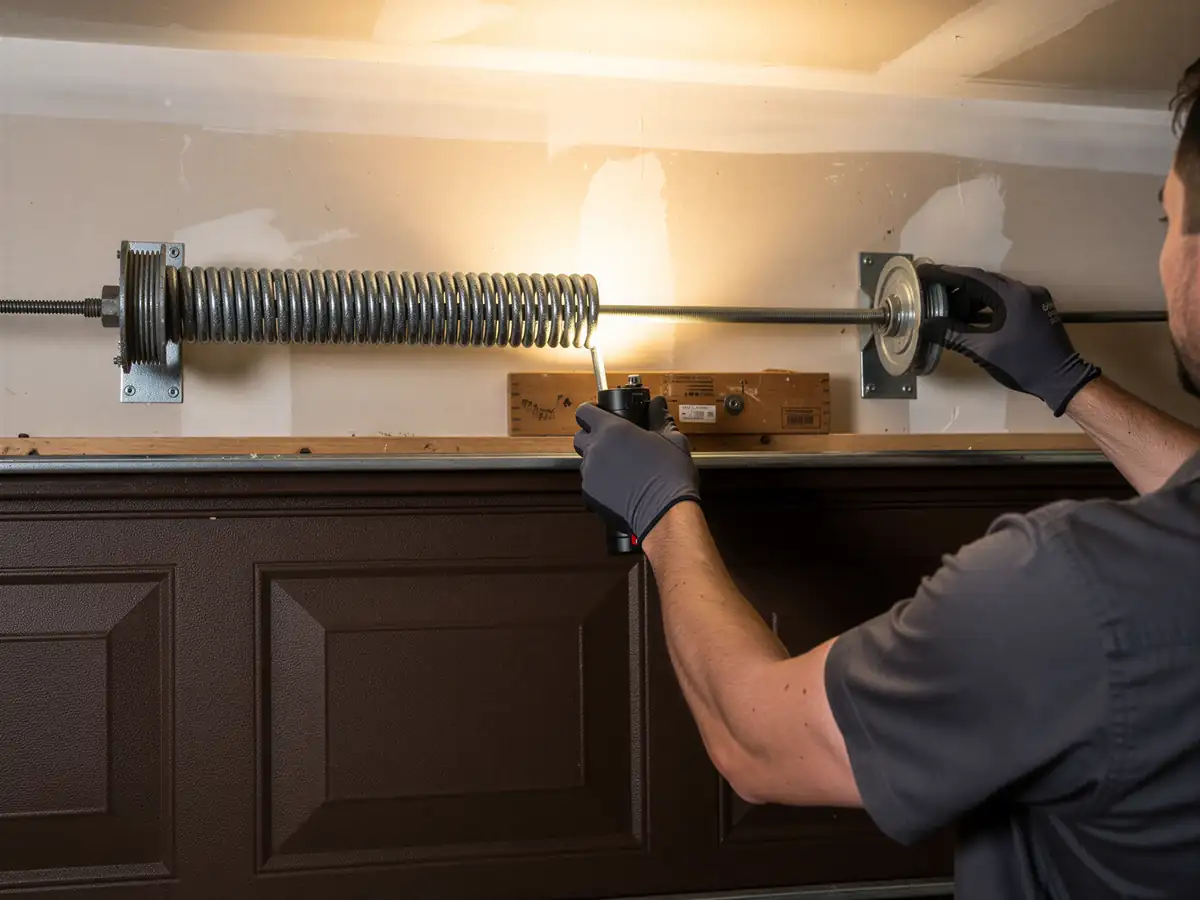
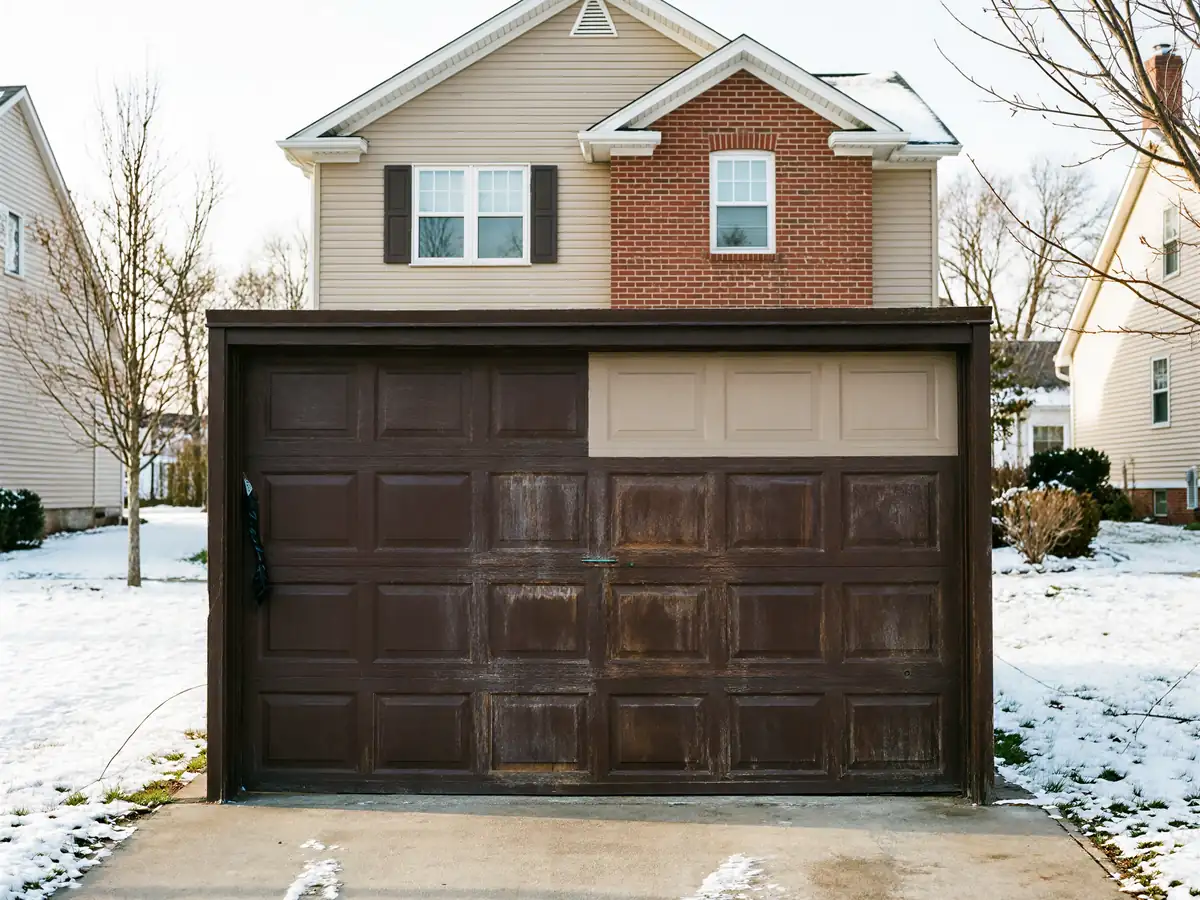
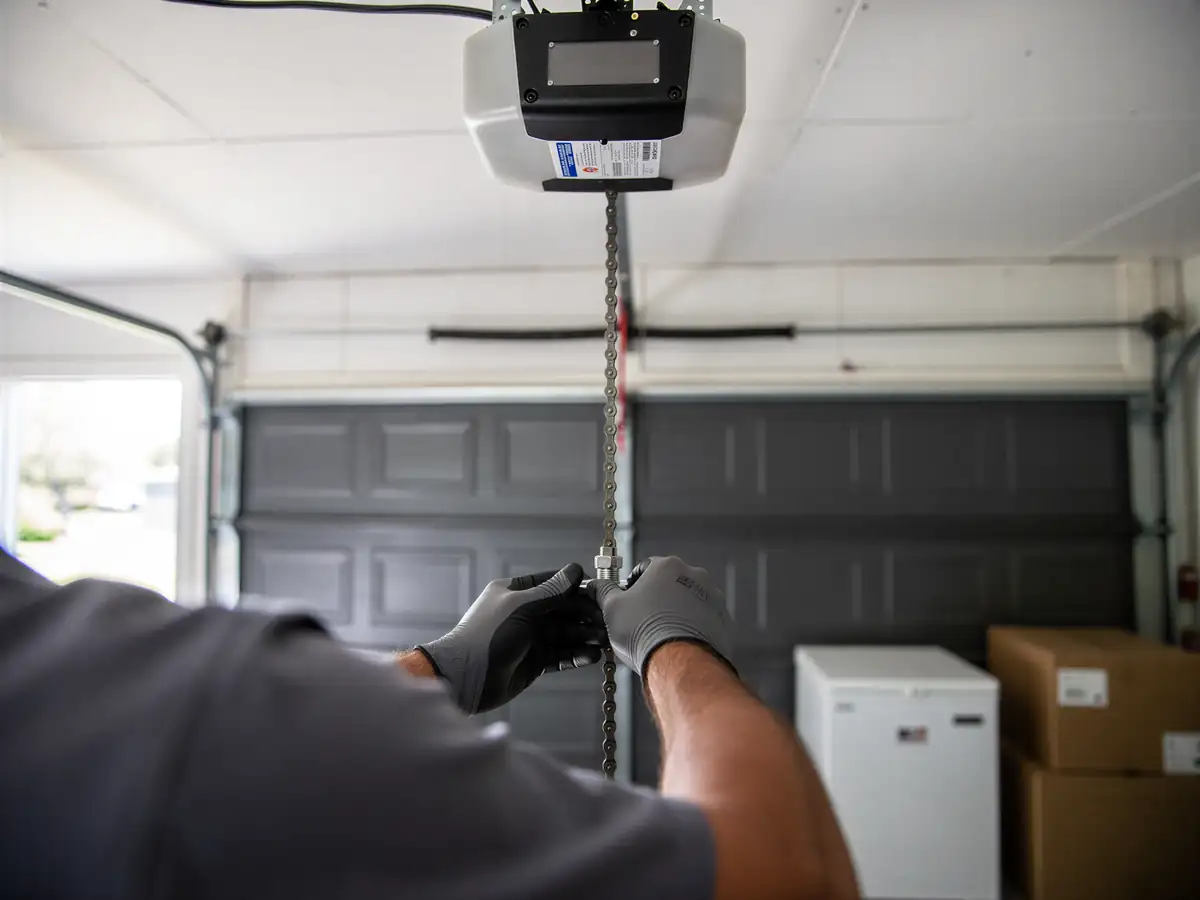
First step is figuring out what's actually original and what's been added. On a house this old, the opener bracket, the header reinforcement, and the rail itself may all be from different decades, and a straight swap of the motor head without checking the rest of that chain is how you end up back out here in six months. We check the travel limits, the force settings, and whether the safety reversal is wired correctly before we touch the logic board or the motor. If the chain or belt rail doesn't match current mounting standards, that gets addressed too, not patched around. We carry common parts on the truck, but older bracket hardware specific to a 1930s-era header isn't something we stock in volume - if that's what's needed, expect us to source it and come back for a second visit rather than force a fit that won't hold.
What You Are Seeing
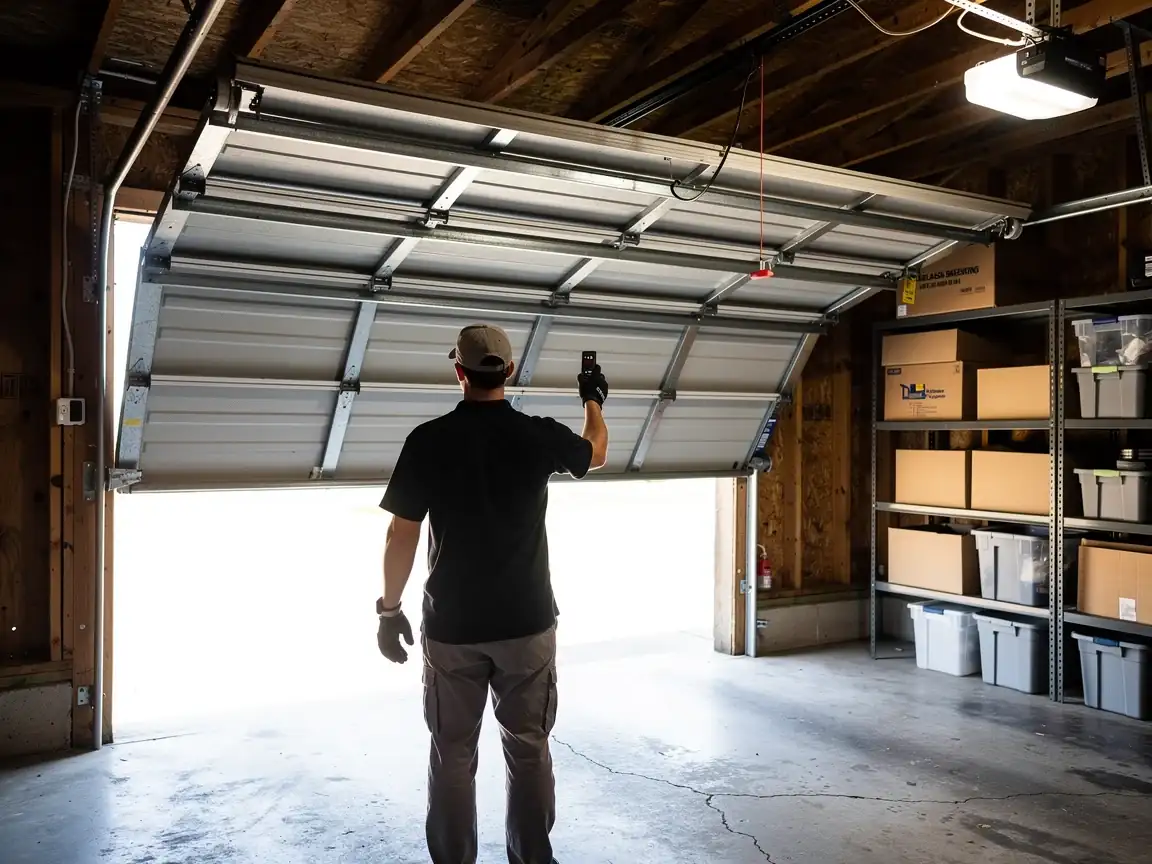
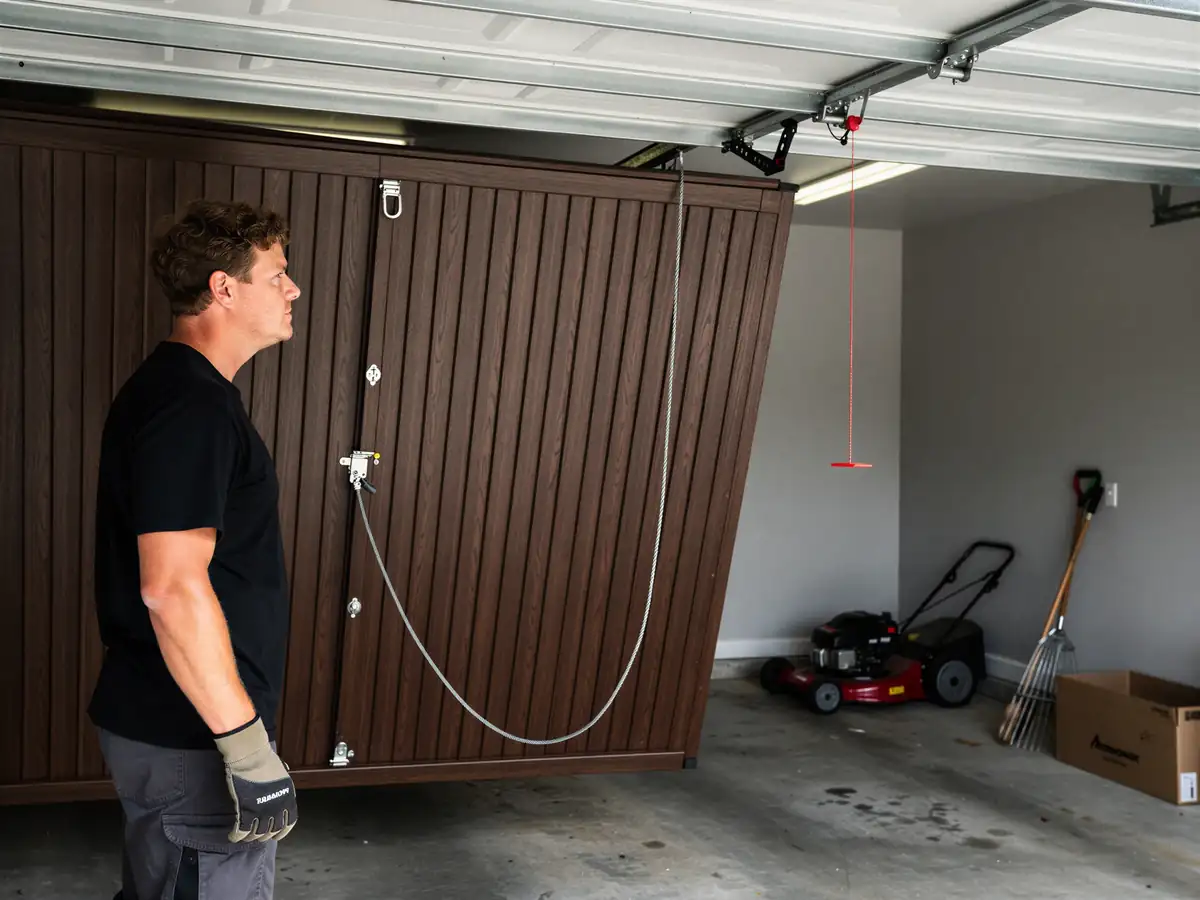
The opener runs but the door doesn't move the full distance, or it reverses partway up for no clear reason. Sometimes it's a grinding or clicking from the motor housing that gets louder in cold weather, which tracks with grease thickening inside an older gearbox. Other times the remote works intermittently, or the wall button triggers the motor but the door doesn't engage, which usually points to a worn drive gear or a trolley that's slipped off an aging rail. On houses with this much age behind them, we also see openers that were installed slightly off from the original door's travel path, which shows up as uneven force on one side and a motor that works harder than it should.
What It Costs
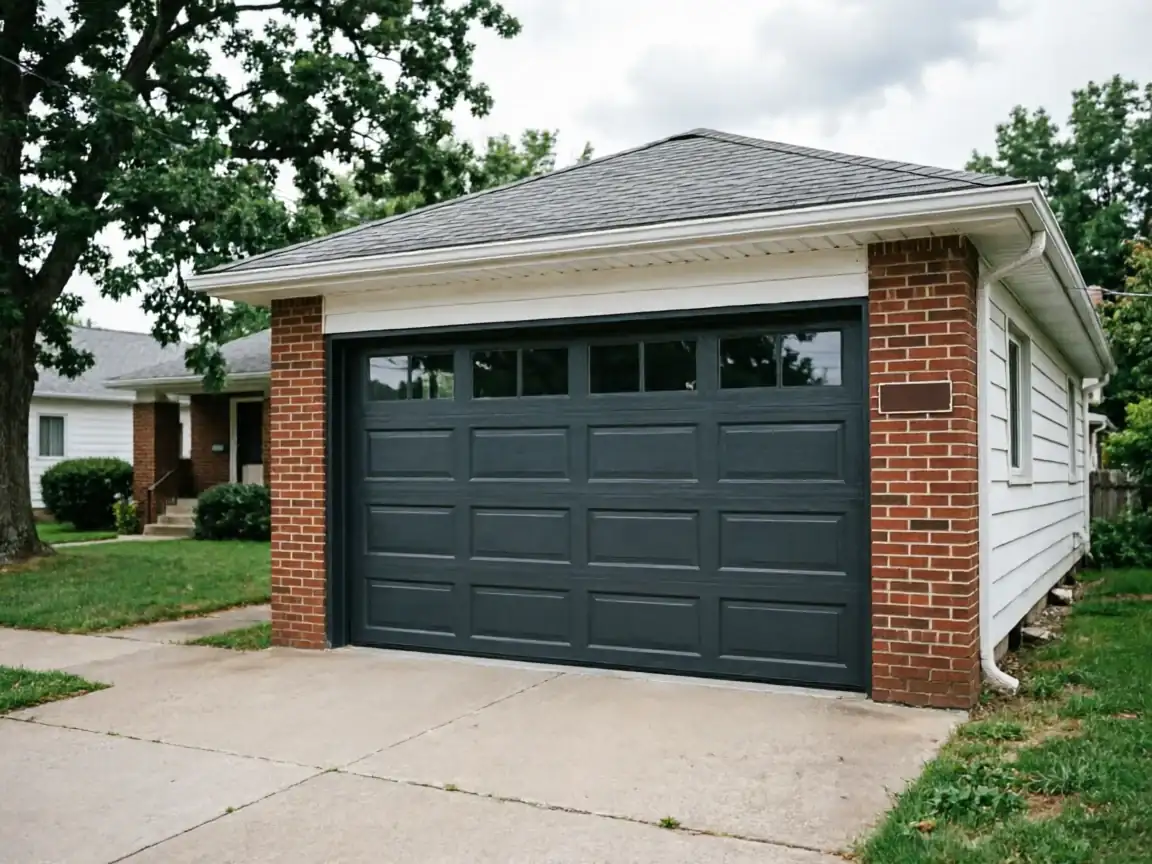
We don't post a flat number for opener repair here because what's actually wrong on a house this age varies more than it would on newer stock - a gear and sprocket kit costs a lot less than tracking down a non-standard mounting bracket. With median household income in the area around $58,125, we try to fix what's actually broken rather than push a full opener replacement when the motor itself is sound. If the unit is old enough that parts are getting hard to source at all, we'll say so and lay out replacement as the better option, but that's a call we make after we've looked at it, not before.