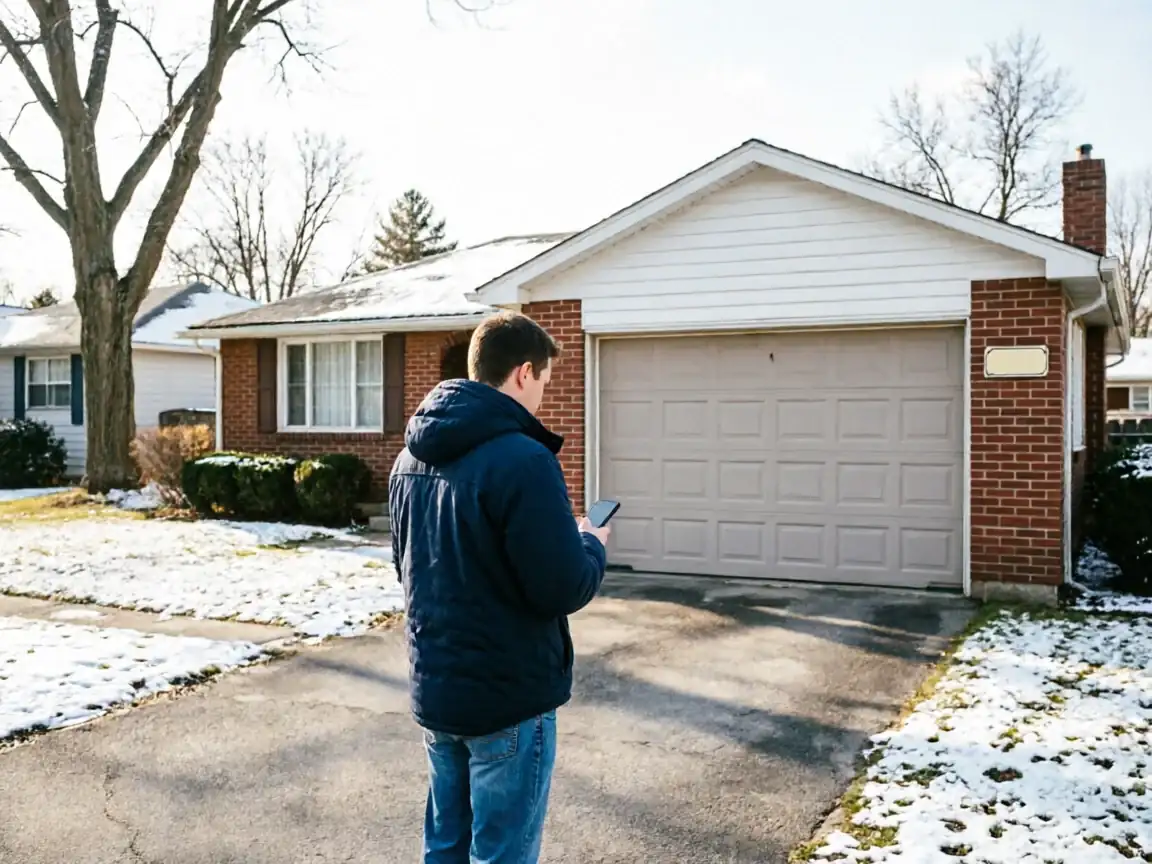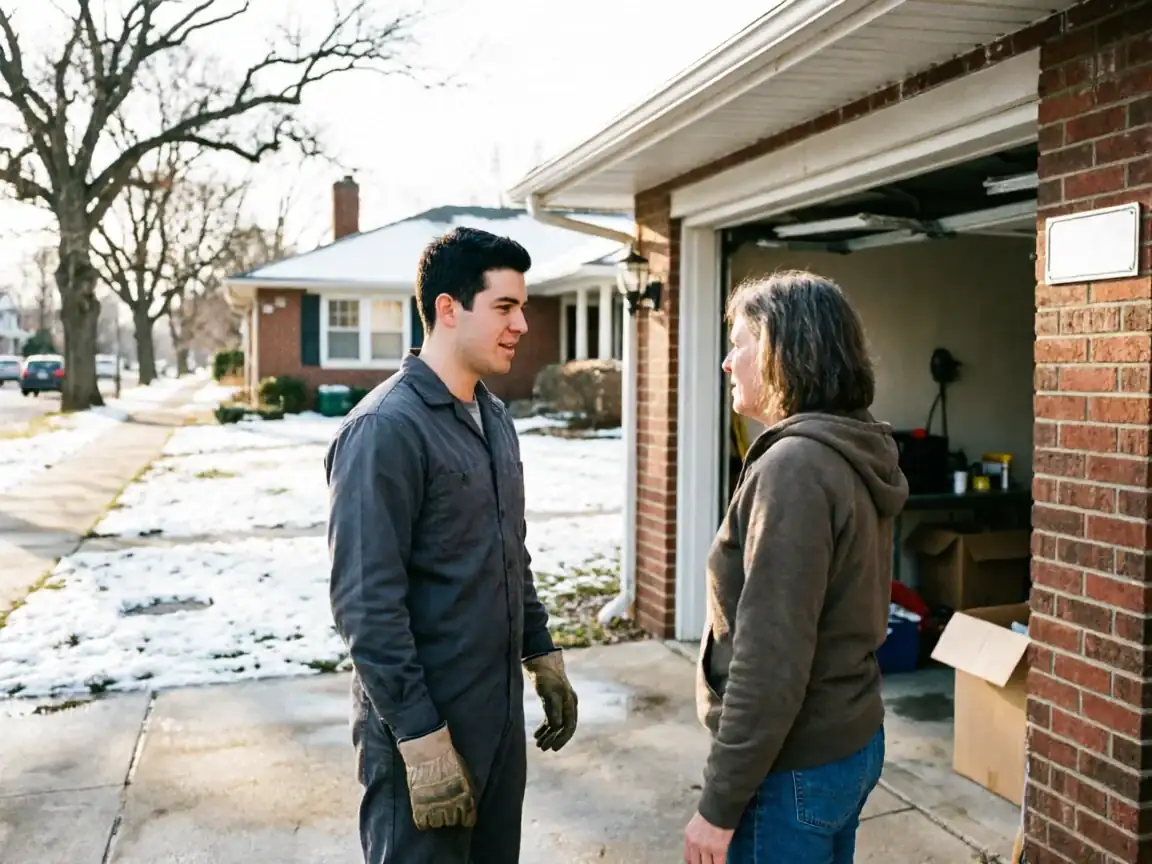
Booking a Visit
We run this call out of Columbia, 13 miles down the road, not from a shop sitting inside Hallsville itself
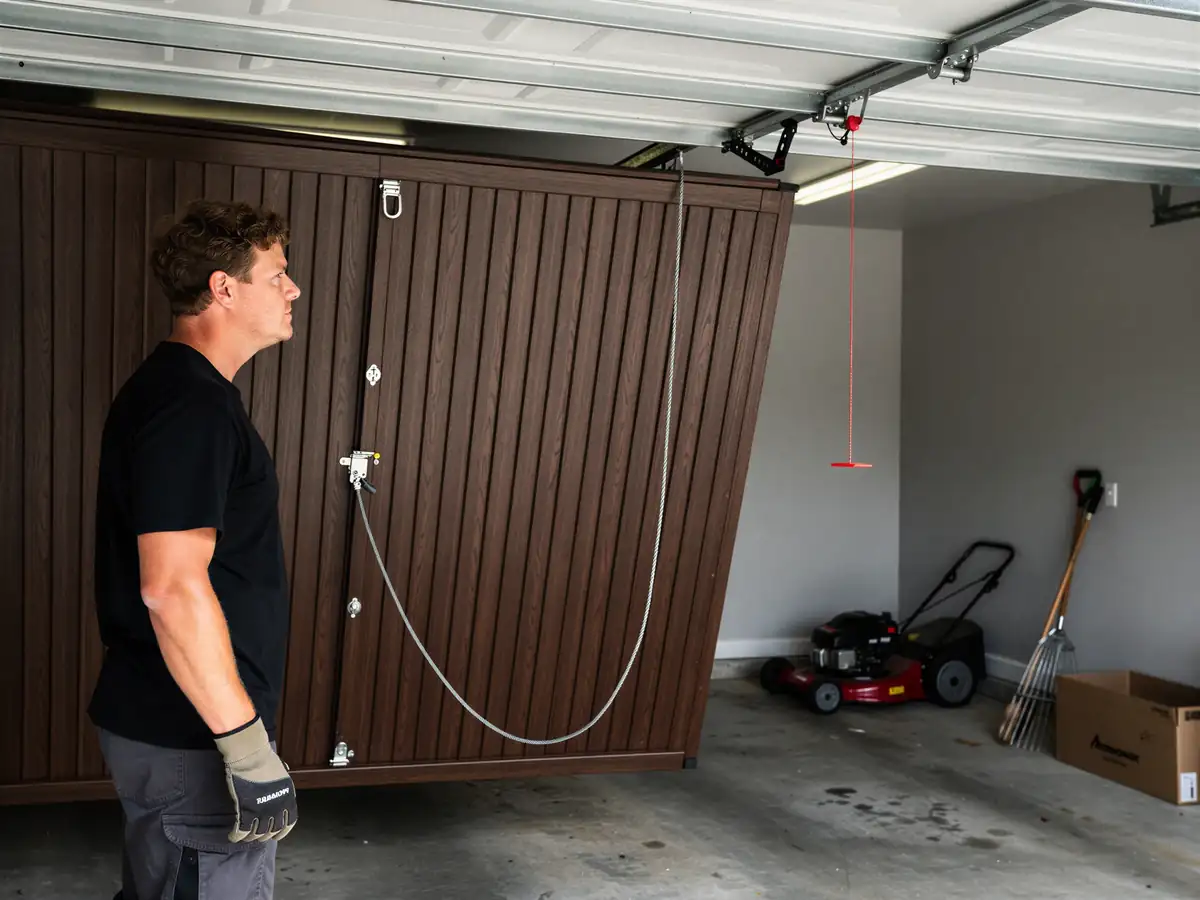
That matters for one reason: there's no local branch to swing by and no drop-in counter, so when you call, tell us what the door is doing - did the cable snap clean, is it frayed and slipping off the drum, or did the door come down crooked on one side. That tells us what to load before the truck leaves Columbia instead of guessing once we're already at the house. With about 827 households in town, we're not running a dedicated Hallsville route every day, so a clear description up front saves a second trip more than it would in a bigger town with more daily call volume to fill a truck.
- 13 miles
- 827 households
Give us the door's age if you know it
Or just tell us the house was built in the 90s - most of Hallsville's housing was. That one detail changes which cable gauge and drum size we bring, and it's the difference between a one-visit fix and a callback.
What Is on the Truck
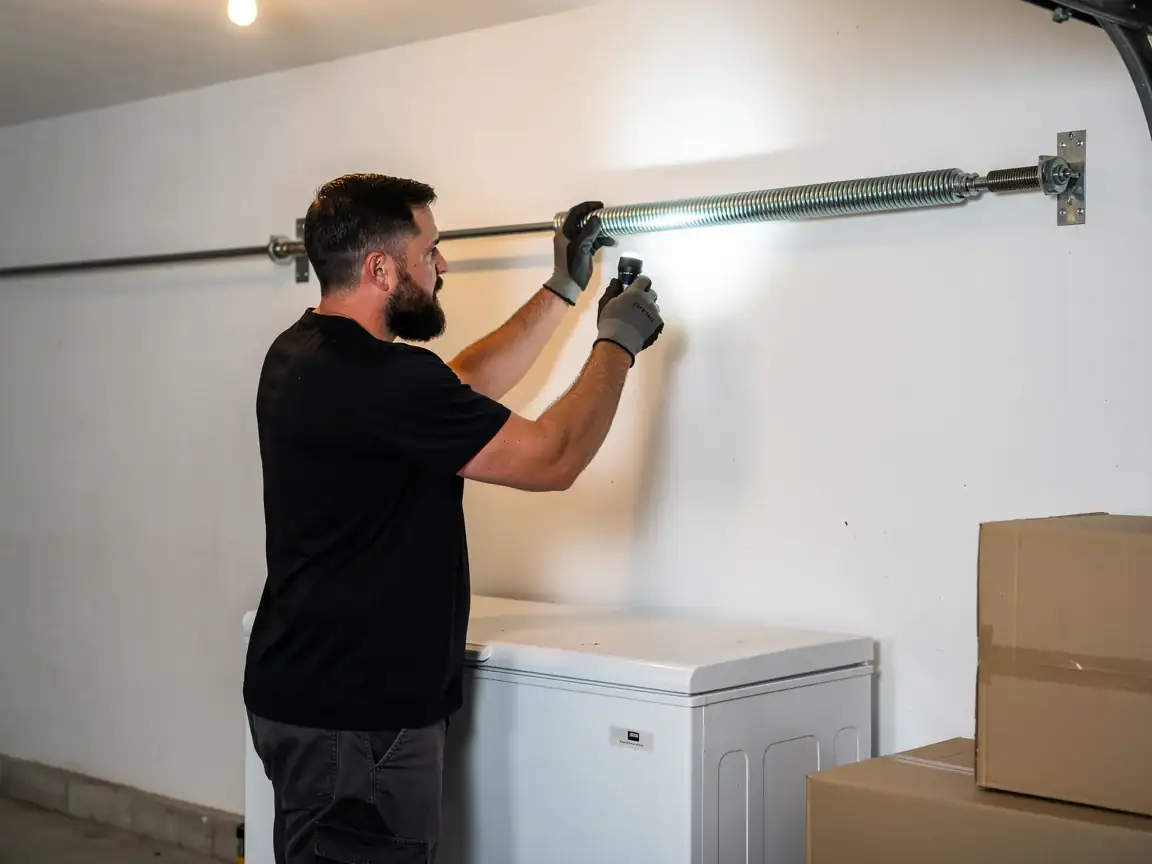
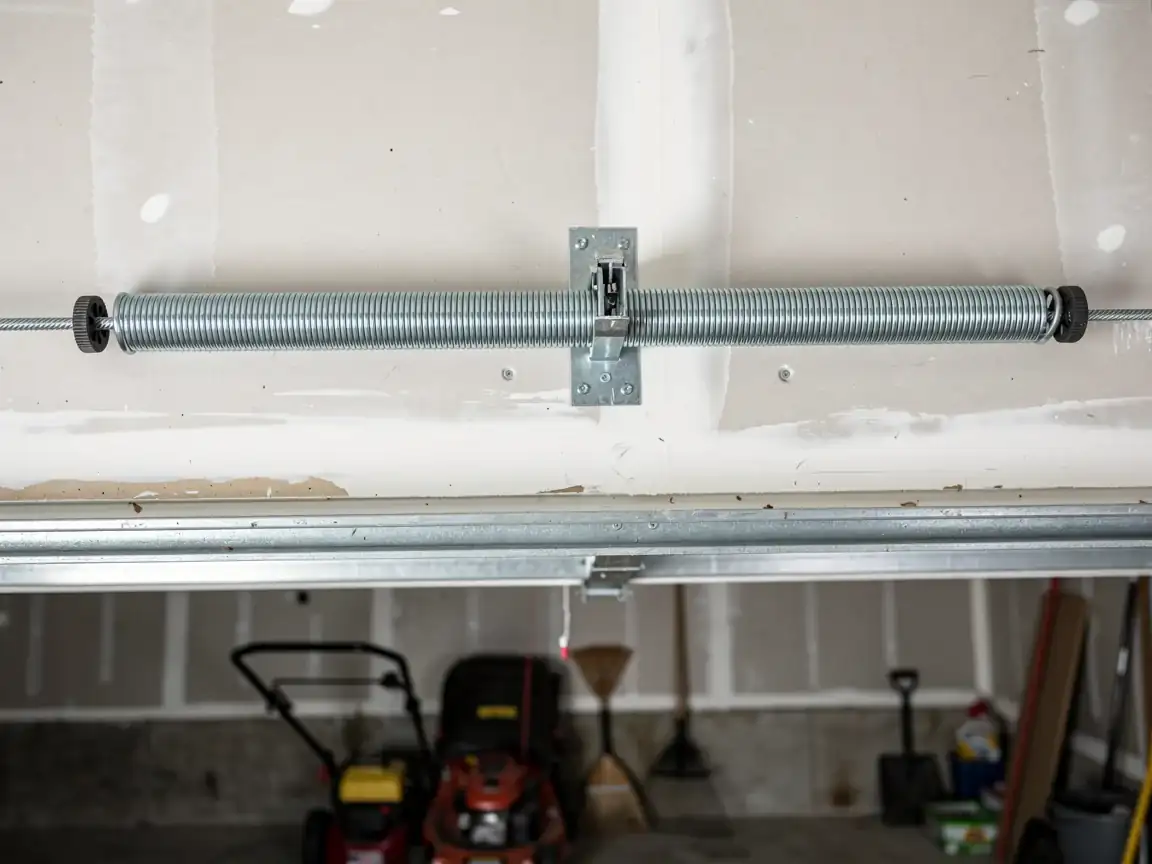
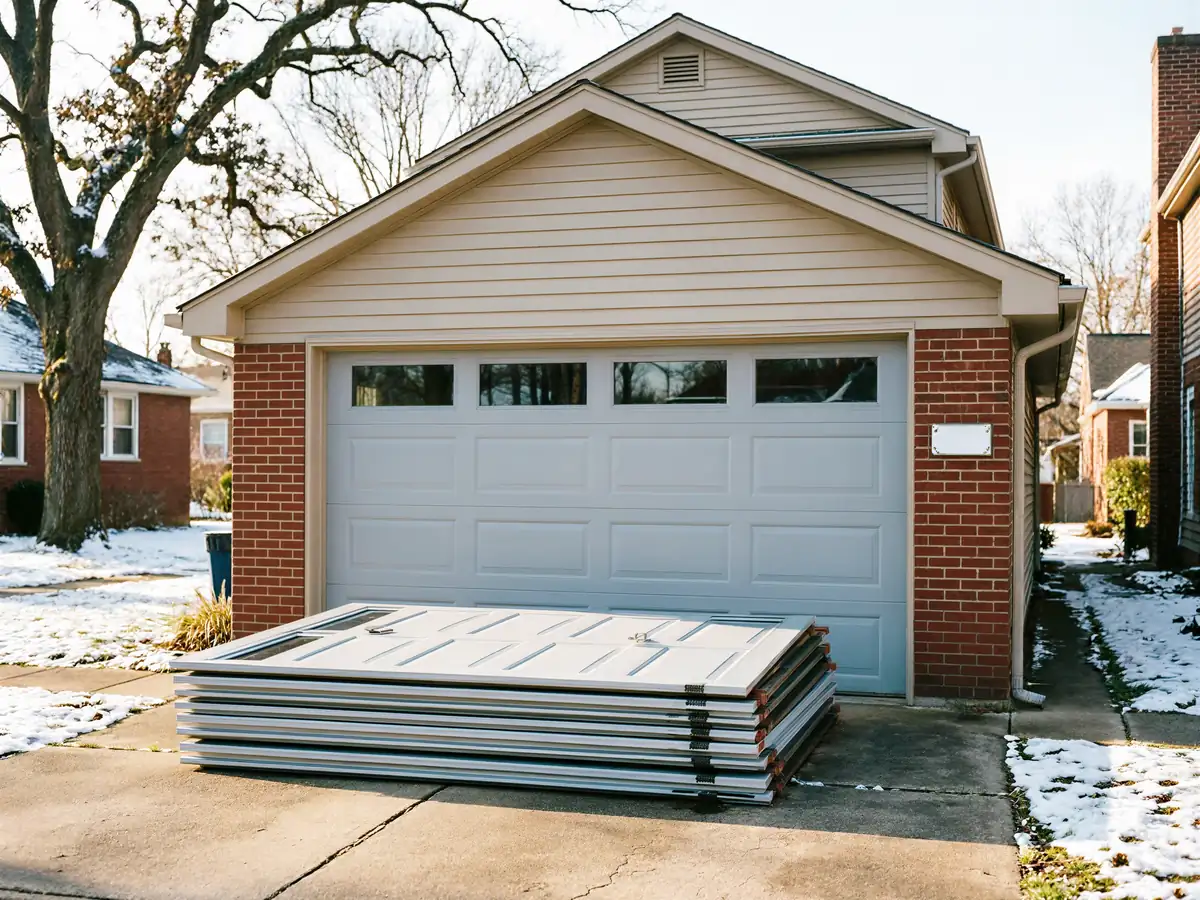
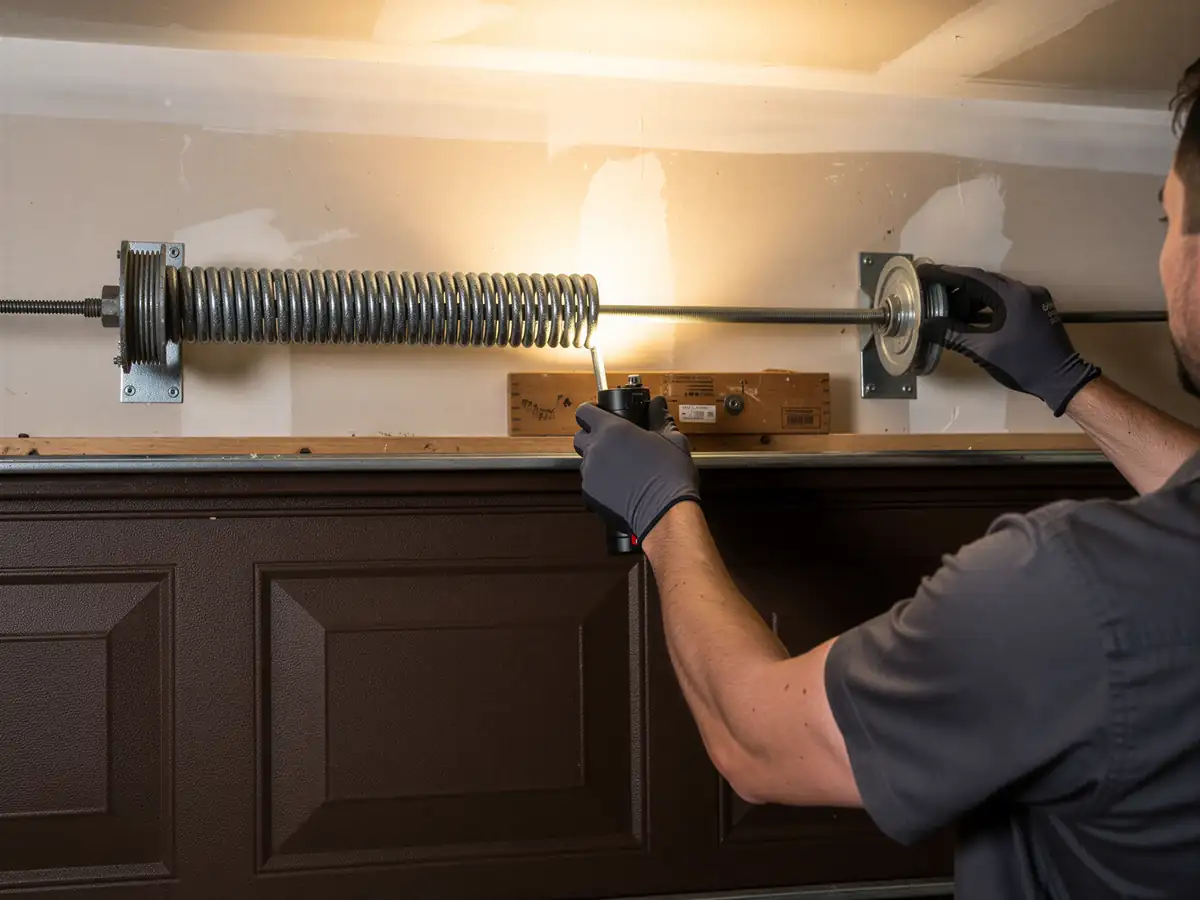
For a town built mostly around 1994, the cable most often on the truck is standard 1/8-inch galvanized aircraft cable sized for torsion spring setups - that's what went in on new construction through the 90s and it's what's still hanging on most doors here, original. We also carry extension-spring cable and the clips and drum hardware for both setups, because a smaller share of Hallsville houses, especially anything older on a lot that predates the 90s build wave, may still run extension springs along the horizontal tracks.
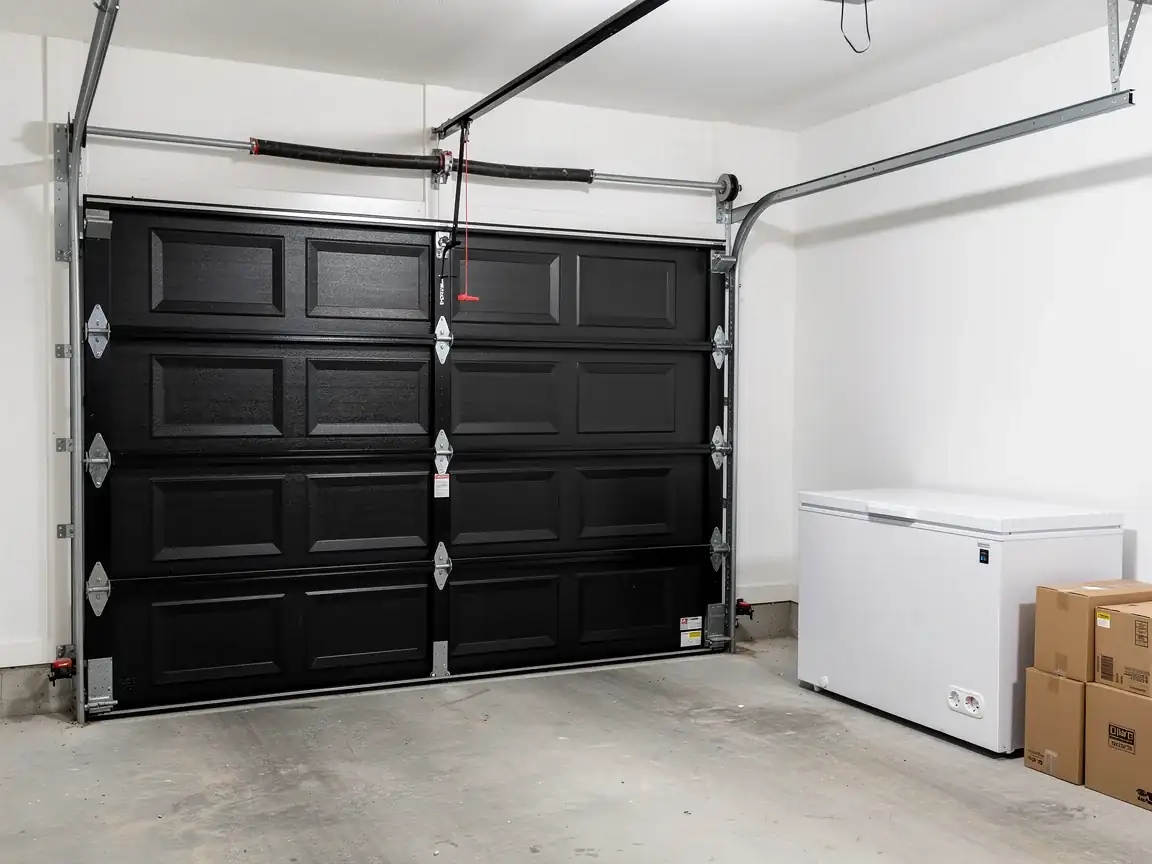
We bring both cables for a double door, not one. If a cable snaps on one side, the other side is the same age and under the same load, and it's close behind. We also carry replacement drums, since a cable that's jumped the drum groove a few times usually scores it enough that a new cable won't track right on the old one.
What we don't carry is every spring tension rating on the truck - if the door needs a nonstandard spring swap alongside the cable, that sometimes means a second trip to match the right one.
What the Fix Involves
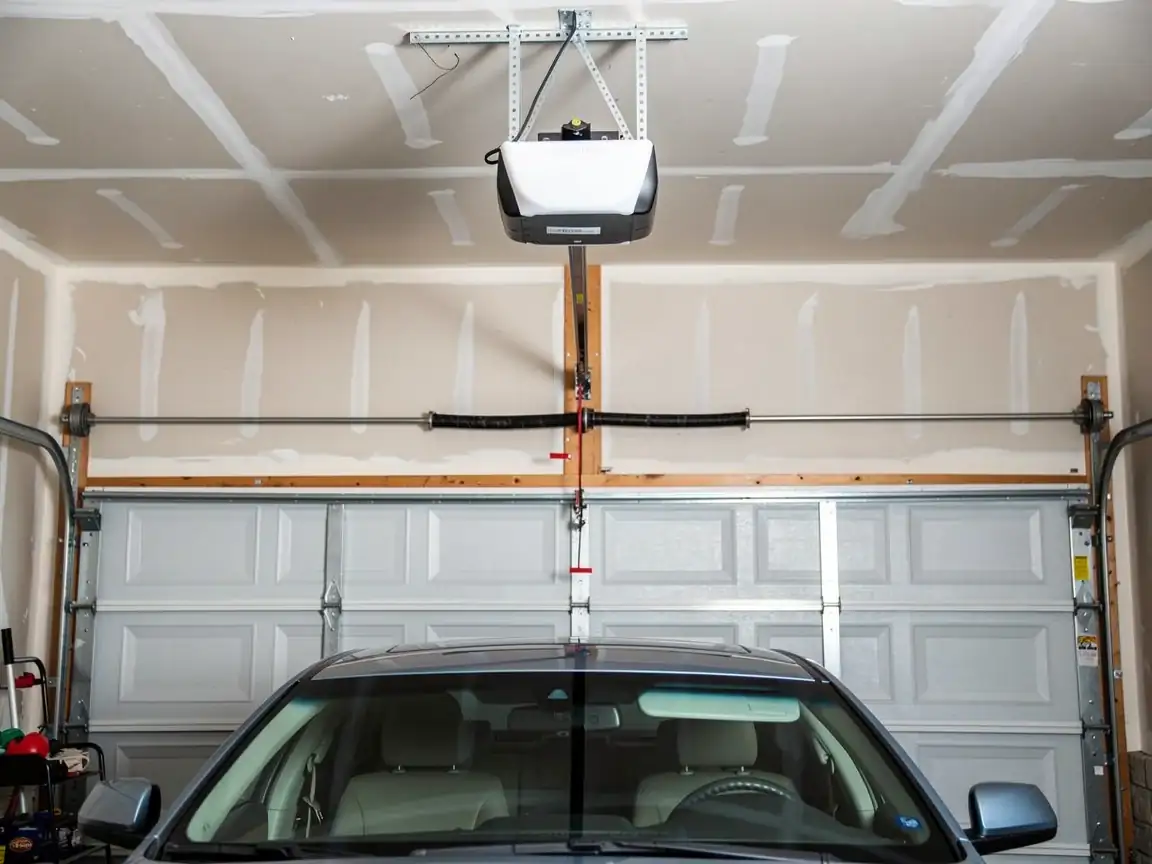
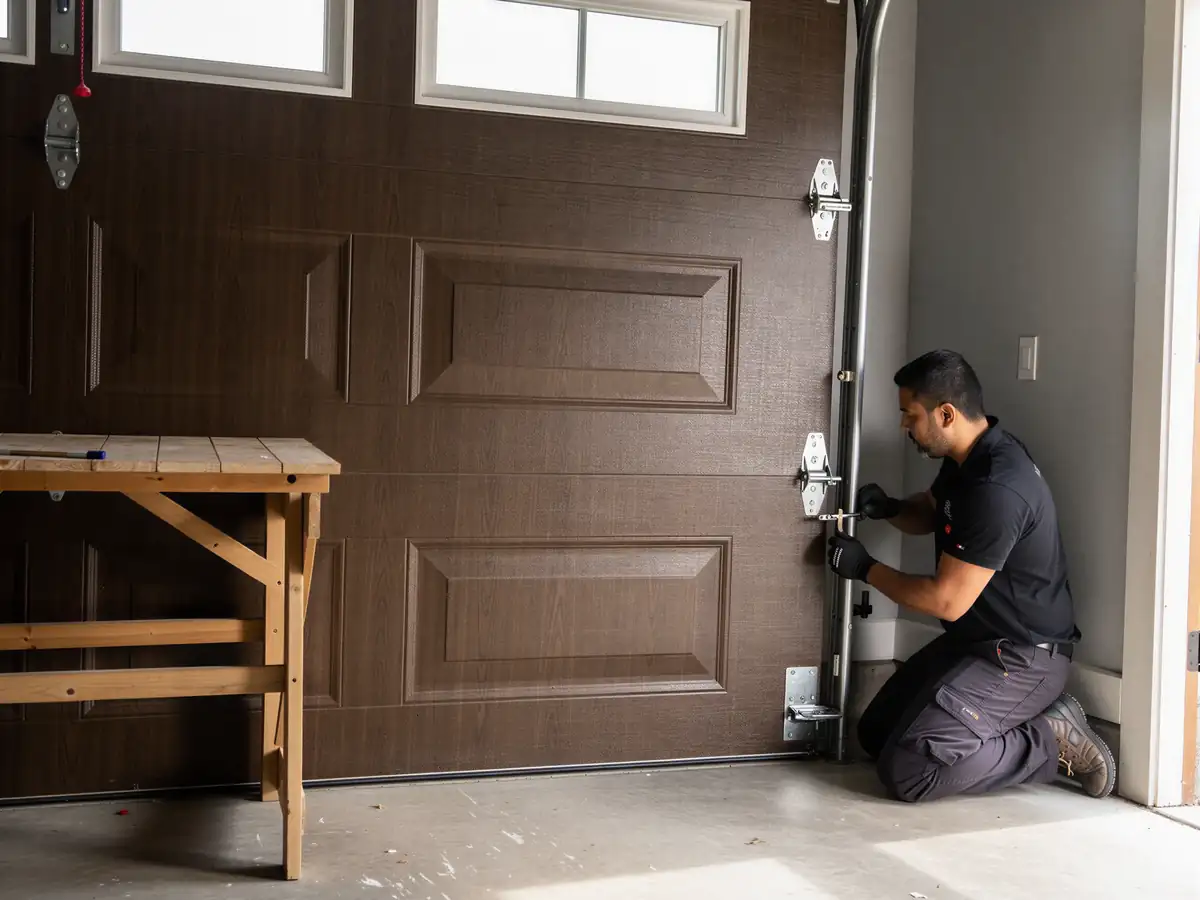
With the door built in Hallsville's 1994 median year now hitting thirty, this is usually the first time that cable has ever been touched. We unload the spring tension first - that's non-negotiable, a torsion spring under load will take a hand off if you skip this step - then pull the old cable off the drum and track hardware.
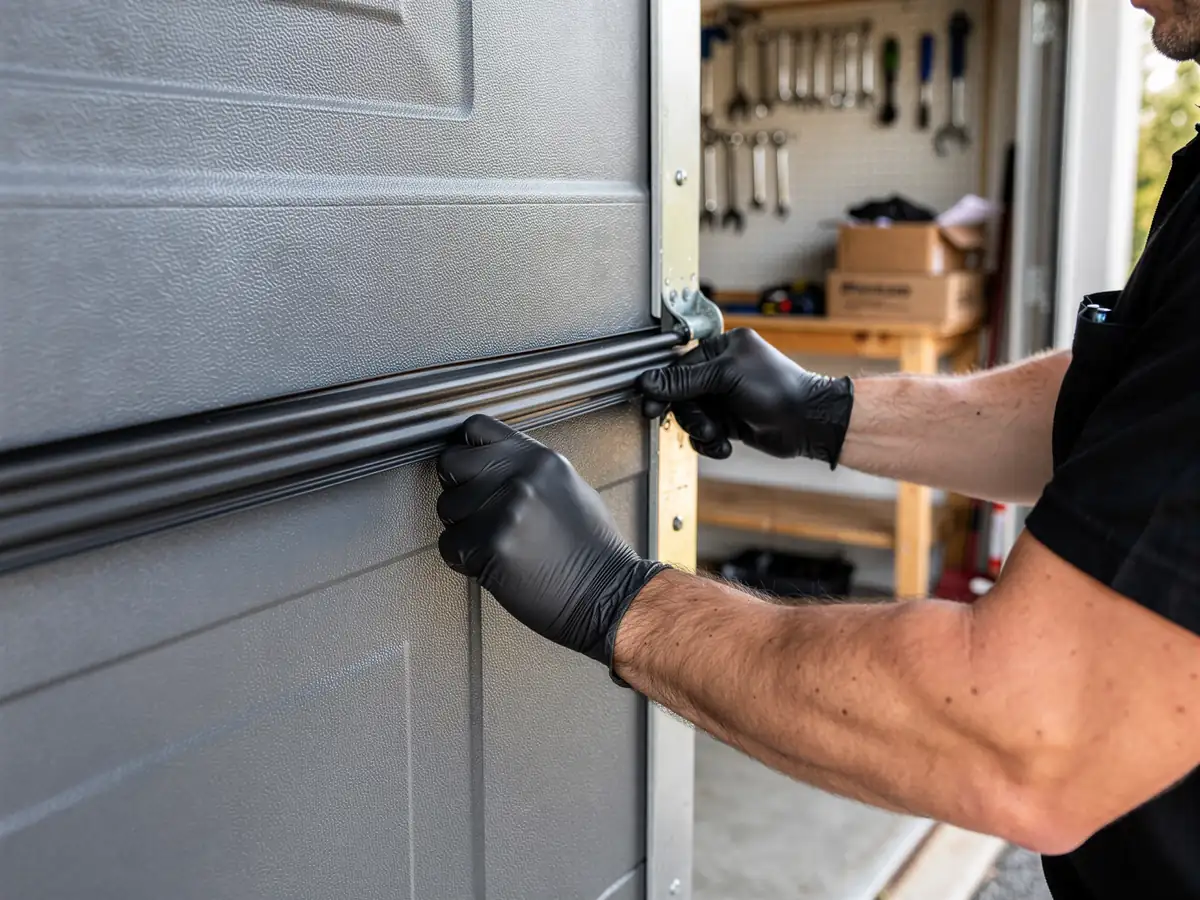
We check the drum groove and the bottom bracket while the door's apart, because a cable rarely fails on its own. Usually it's frayed from rubbing a worn pulley or a bent track, and if we replace the cable and ignore the cause, you're back to a snapped cable in a year. We replace both cables on a double door in the same visit, even if only one broke, since the other is carrying the same age and the same wear.
Once the new cable's on, we re-tension the spring, run the door through a full cycle a few times, and check the balance - a door that doesn't hold position halfway open still has a spring or cable problem, even after the repair.
What It Costs
We don't post a flat number here because the job changes with what's actually wrong
A single frayed cable on a working door is a different job than a cable that snapped and let the door fall, which can bend a track or crack a bottom panel on the way down. What we can tell you is that replacing both cables on a double door costs less than replacing one now and the other in six months, which is the usual outcome if you only fix the side that broke.
At a median household income of $66,518 in Hallsville
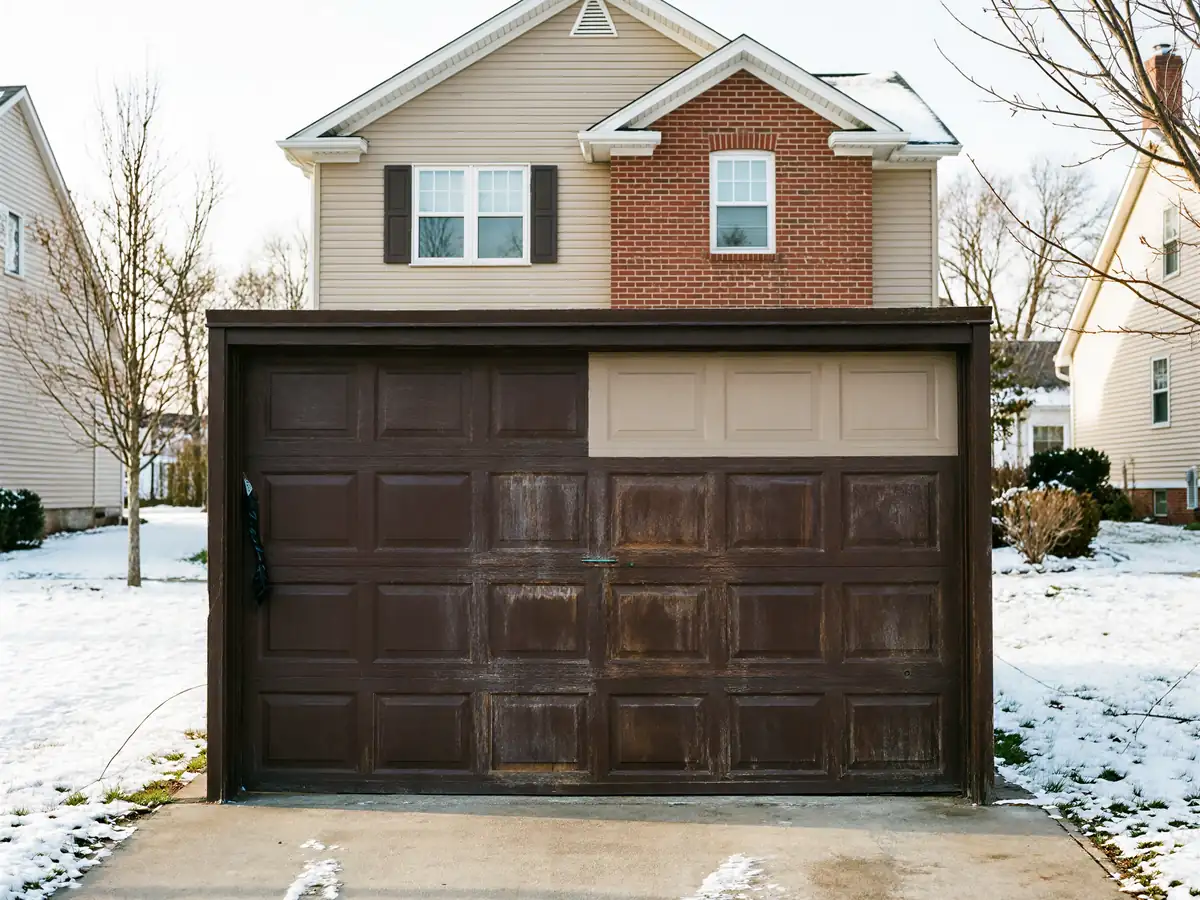
Most owners we talk to want the straight fix, not a sales pitch toward a full door replacement. Cable repair on an otherwise sound door, including a door from the 1994 build era with original hardware, is almost always the right call over replacement - the door itself typically outlasts several rounds of cable and spring service as long as the track and panels are intact.
- $66,518 median household income
What You Are Seeing
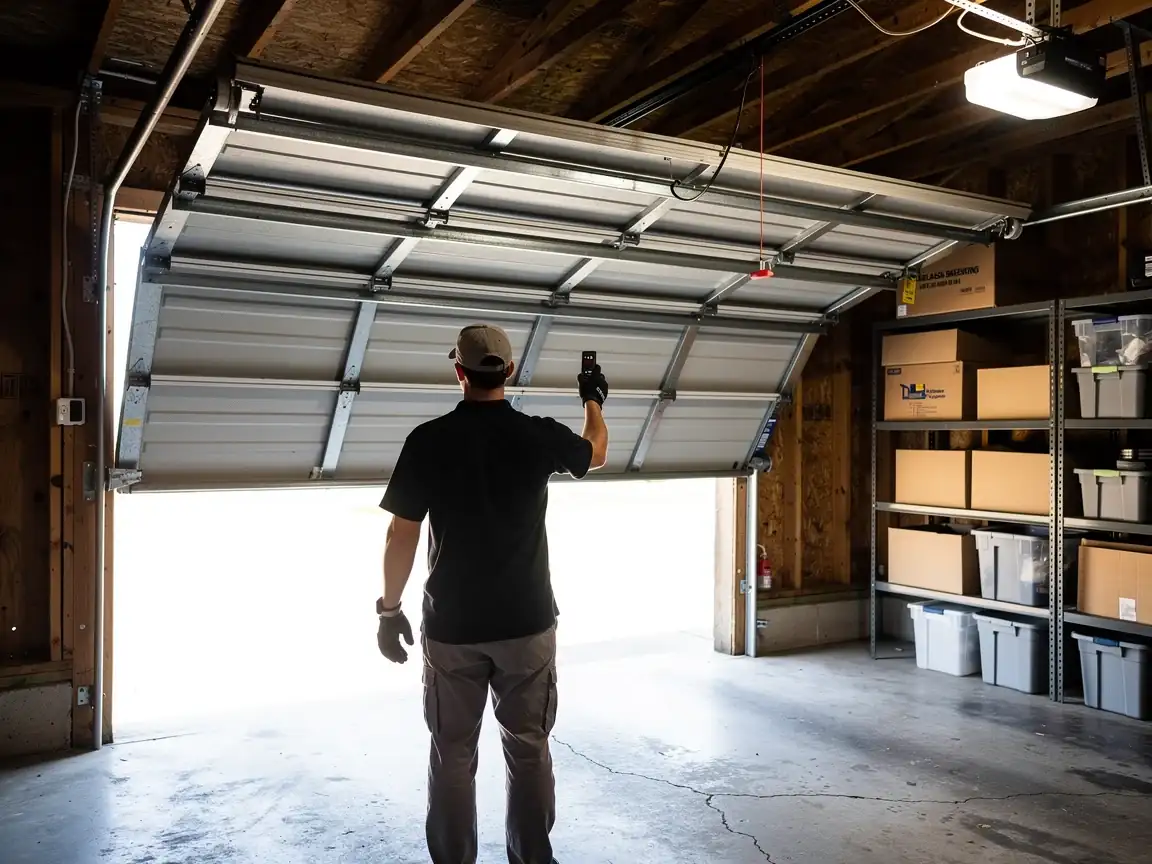
A cable that's about to go usually tells you first: the door looks uneven when it's halfway open, one side dragging or hanging lower than the other. Sometimes you'll hear a scraping or popping sound as a frayed strand catches on the drum before it finally lets go.
If it's already snapped, the door either won't move at all or came down hard and fast on one side, sometimes leaving the bottom corner bent or the panel cracked where it hit the frame. Don't force the opener on a door with a broken cable - the opener isn't built to lift the full weight alone and you'll likely burn out the motor along with whatever else the fall damaged.
Doors built in Hallsville's mid-1990s boom use galvanized cable sized for standard torsion springs, and three decades in Missouri's cold-severe climate is enough to rust those strands from the inside where you can't see it until one gives. If your door's original to a 90s build and you've never had the cable looked at, that's worth a call before it fails on its own schedule instead of yours.