What Is on the Truck
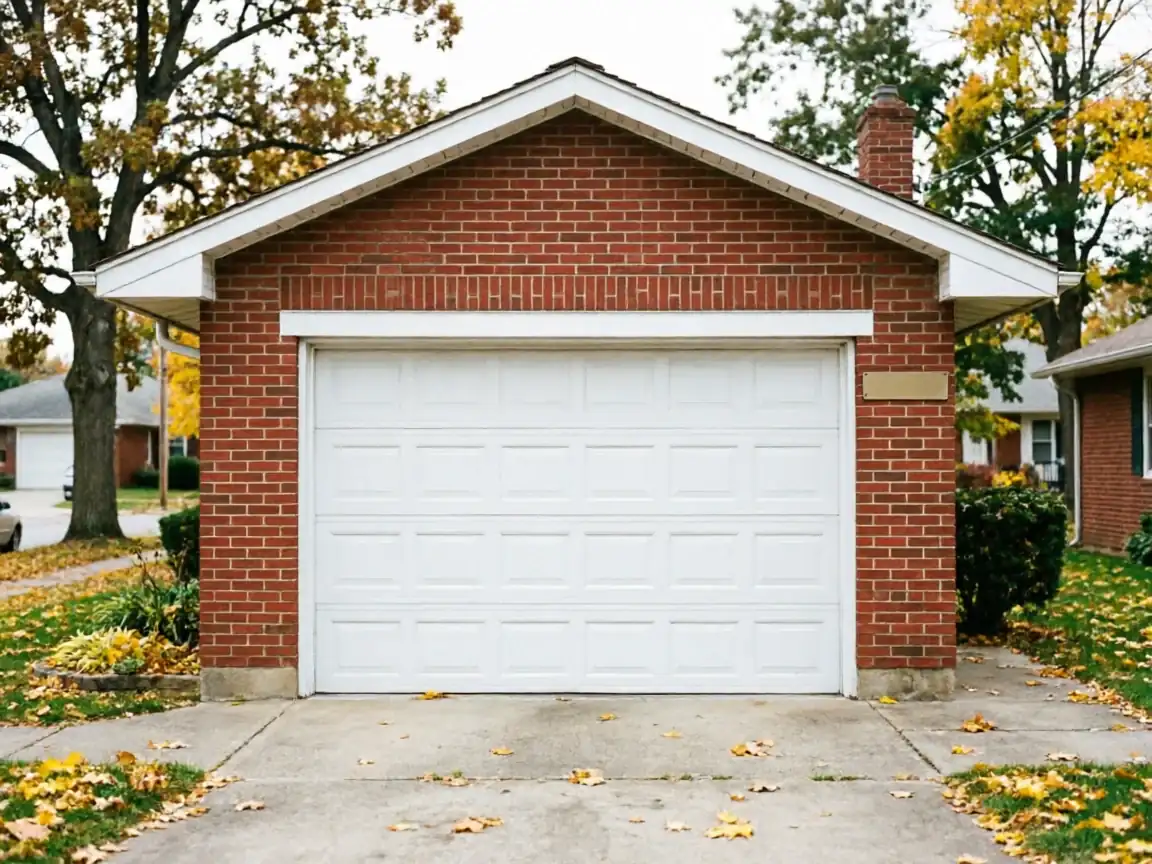
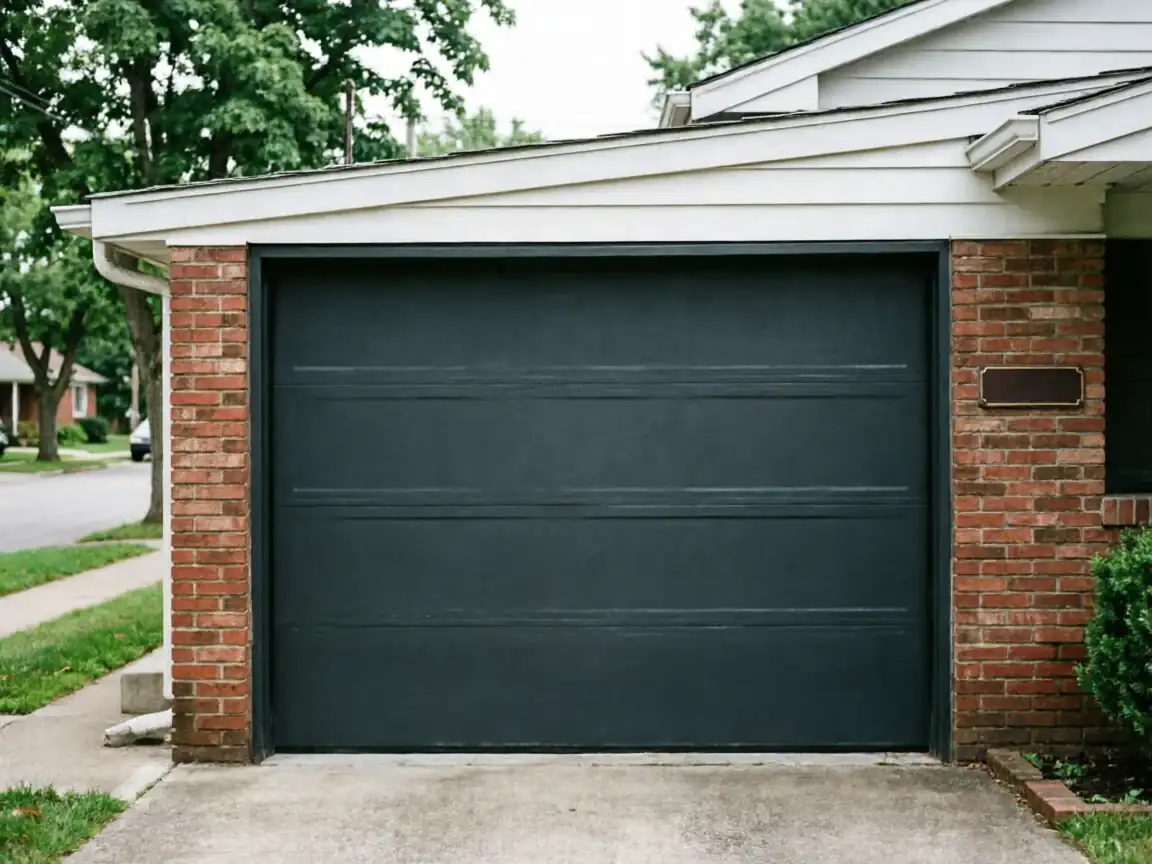
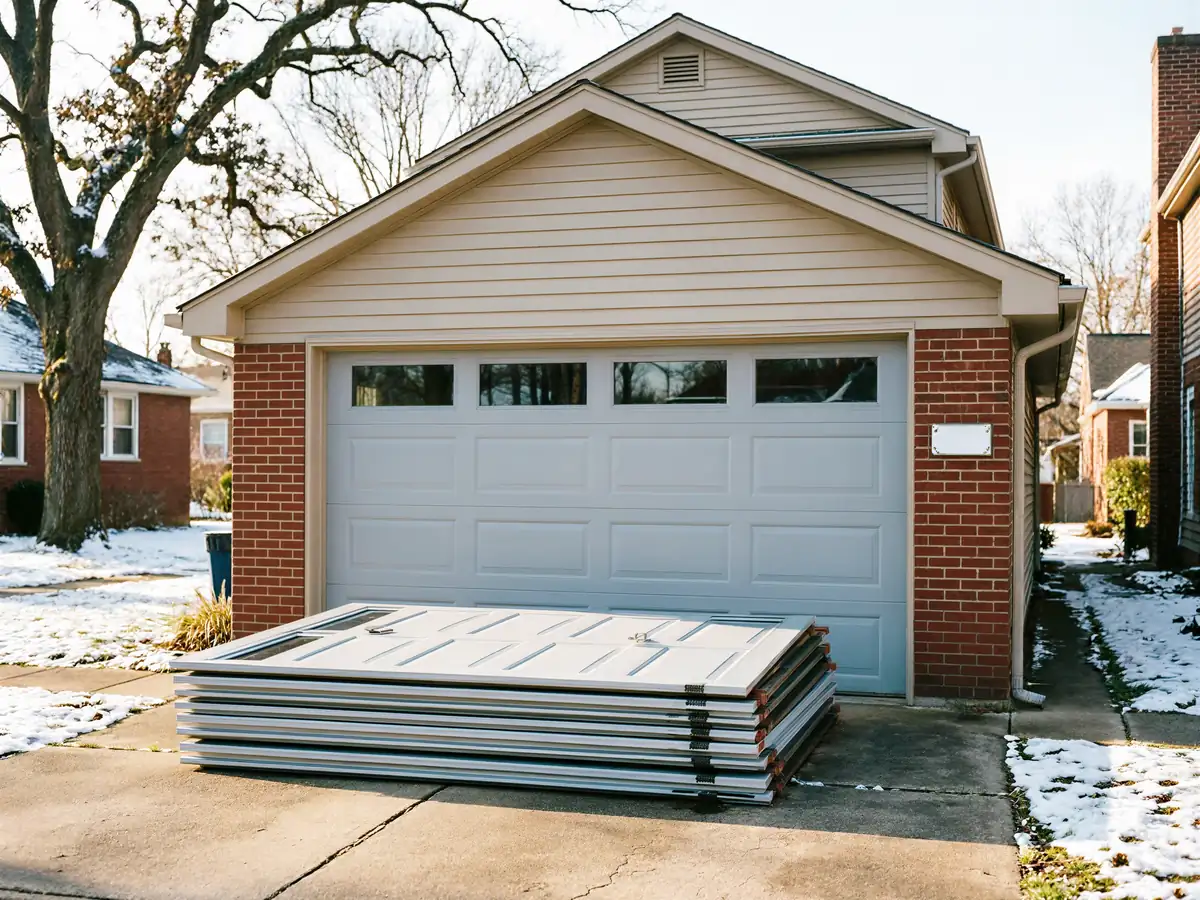
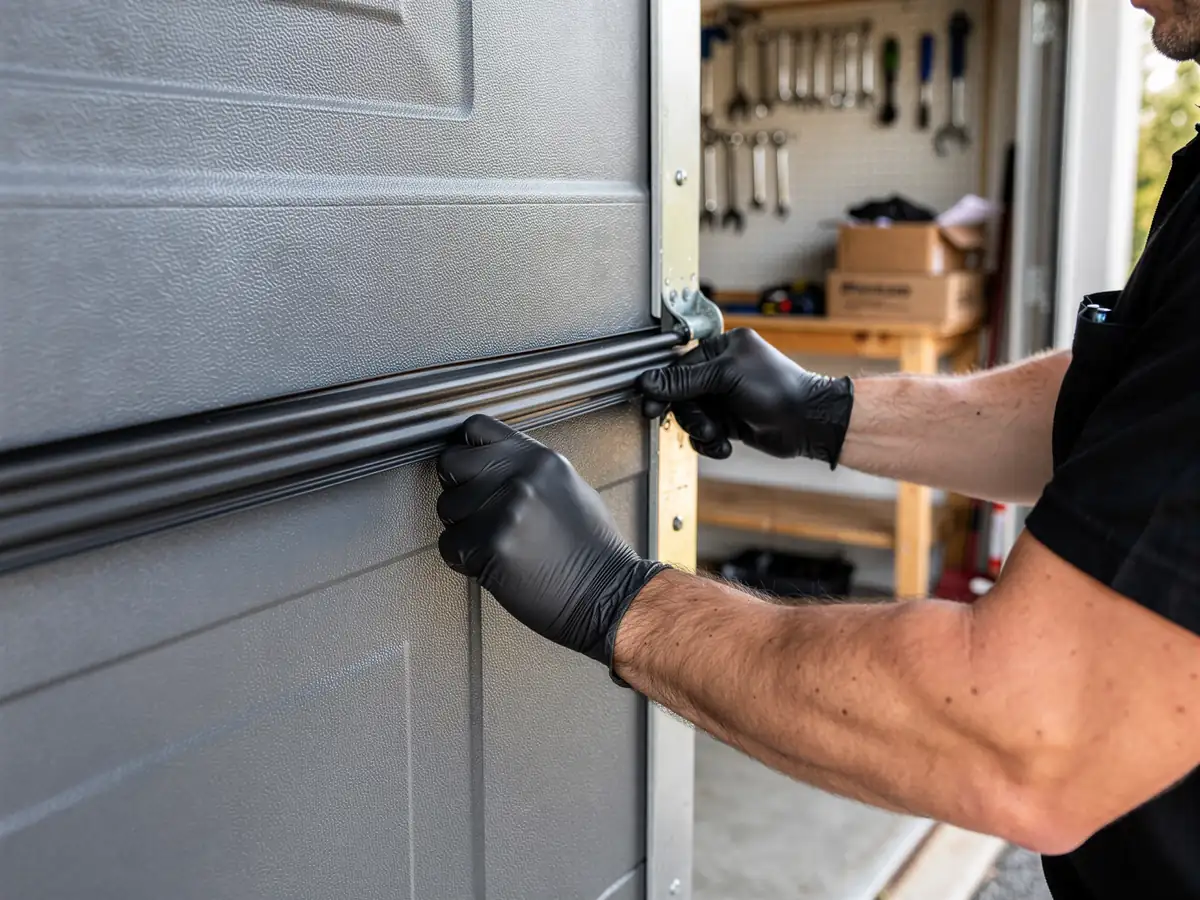
With a household count this size, we're not stocking a van for a dozen different eras of door hardware the way we might for a bigger, older part of the service area. Hallsville's median home was built around 1994, well newer than the 1938-2003 spread and 1960s-70s cluster that defines a lot of the rest of the territory. That later build date usually means standard torsion springs on a factory-width garage opening, not the odd sizes or side-mounted extension setups that turn up in older housing stock. The truck carries torsion springs across the common residential cycle ranges and the safety cables that go with them, plus the shaft collars and bearing plates that wear out alongside a spring.
What the Fix Involves
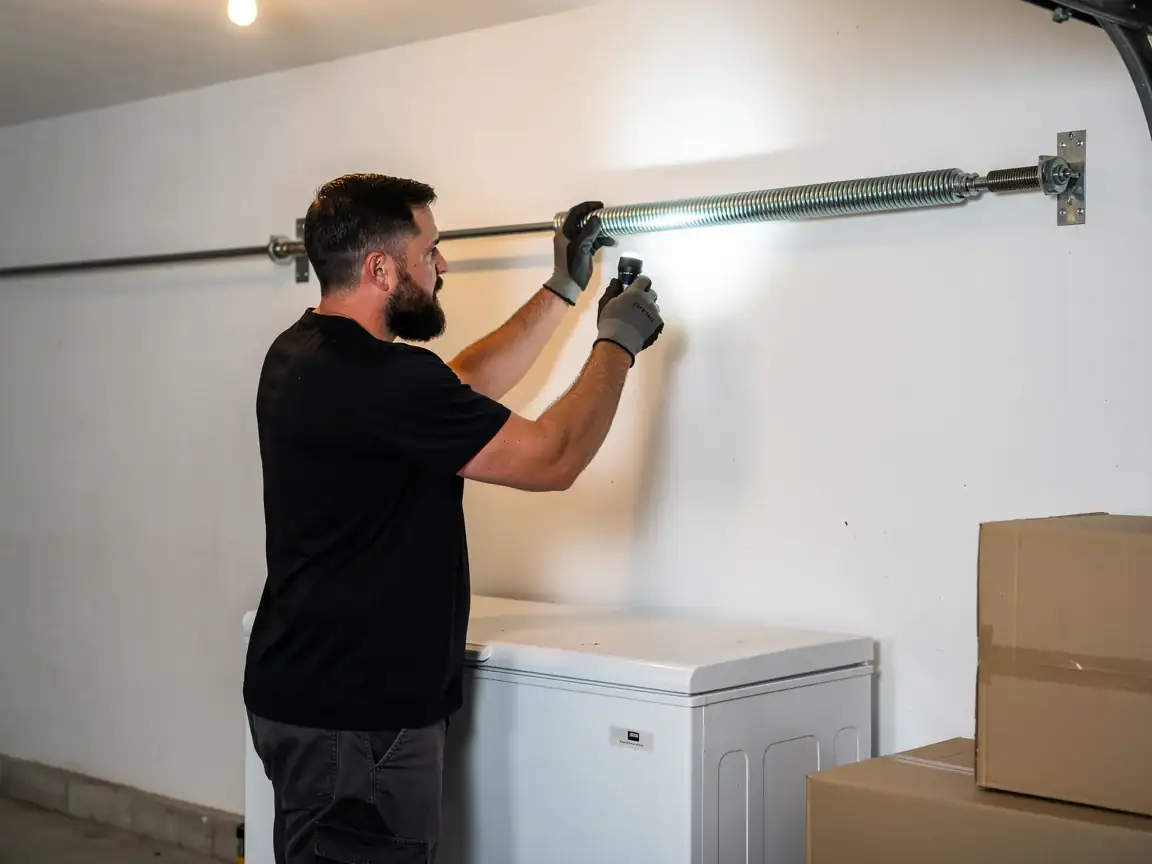
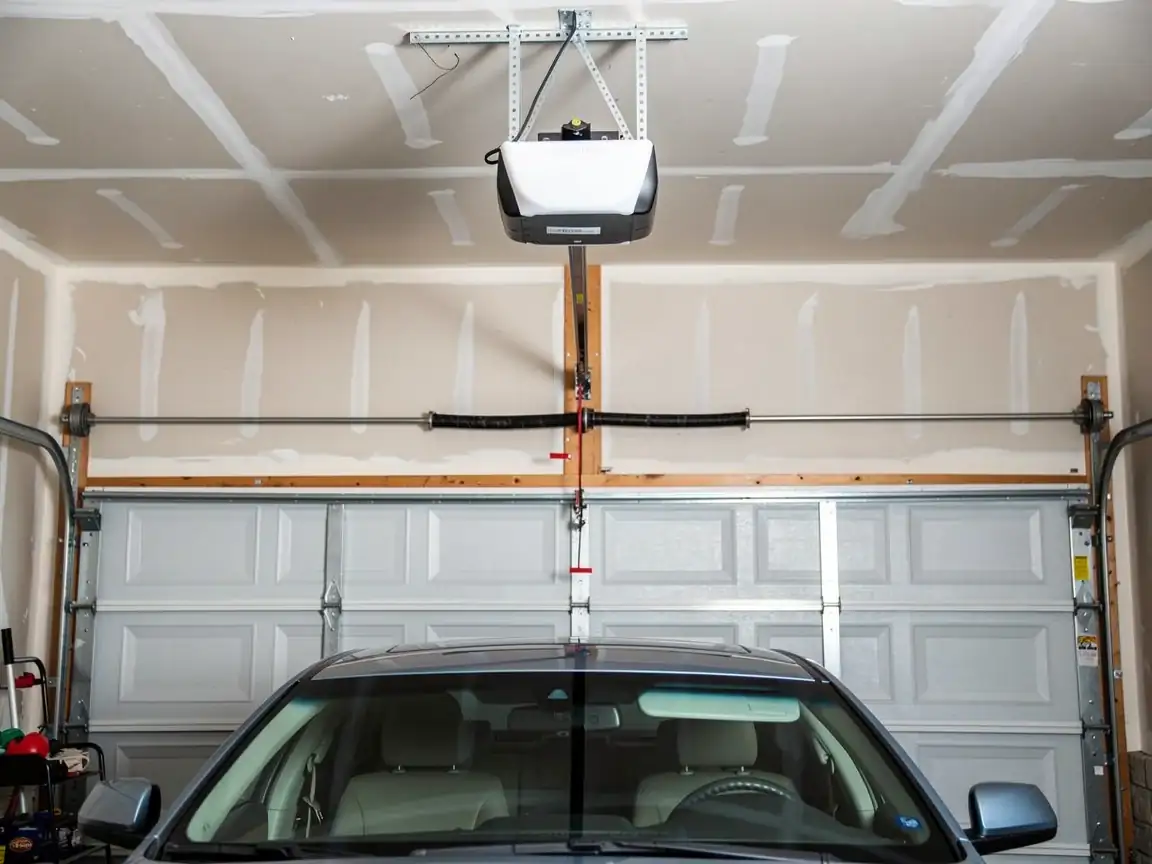
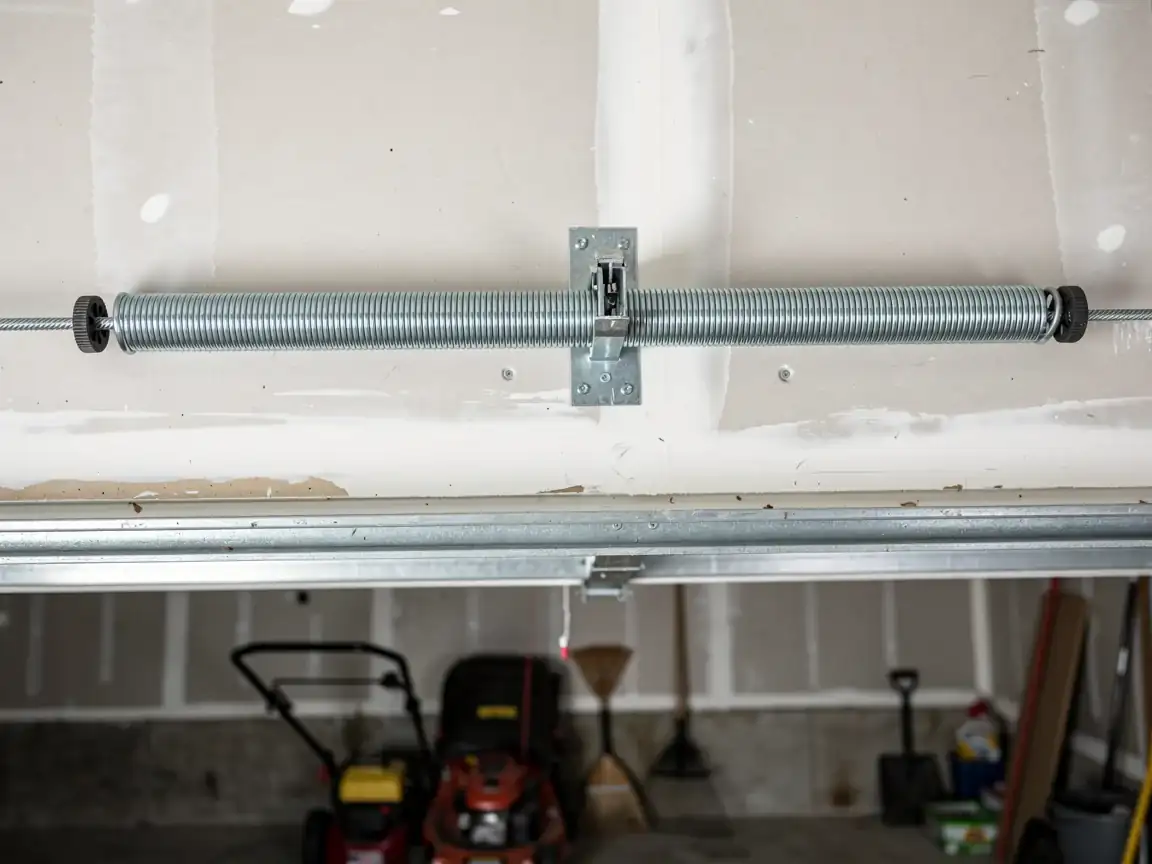
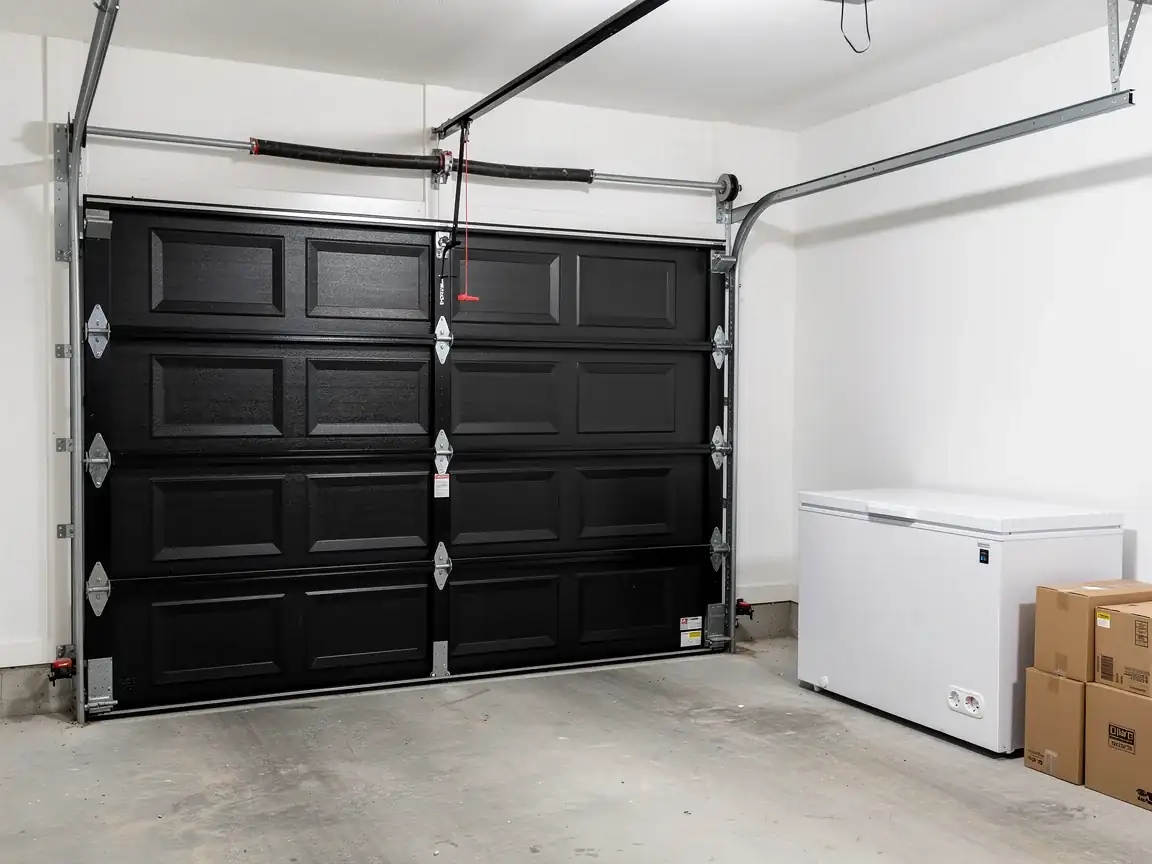
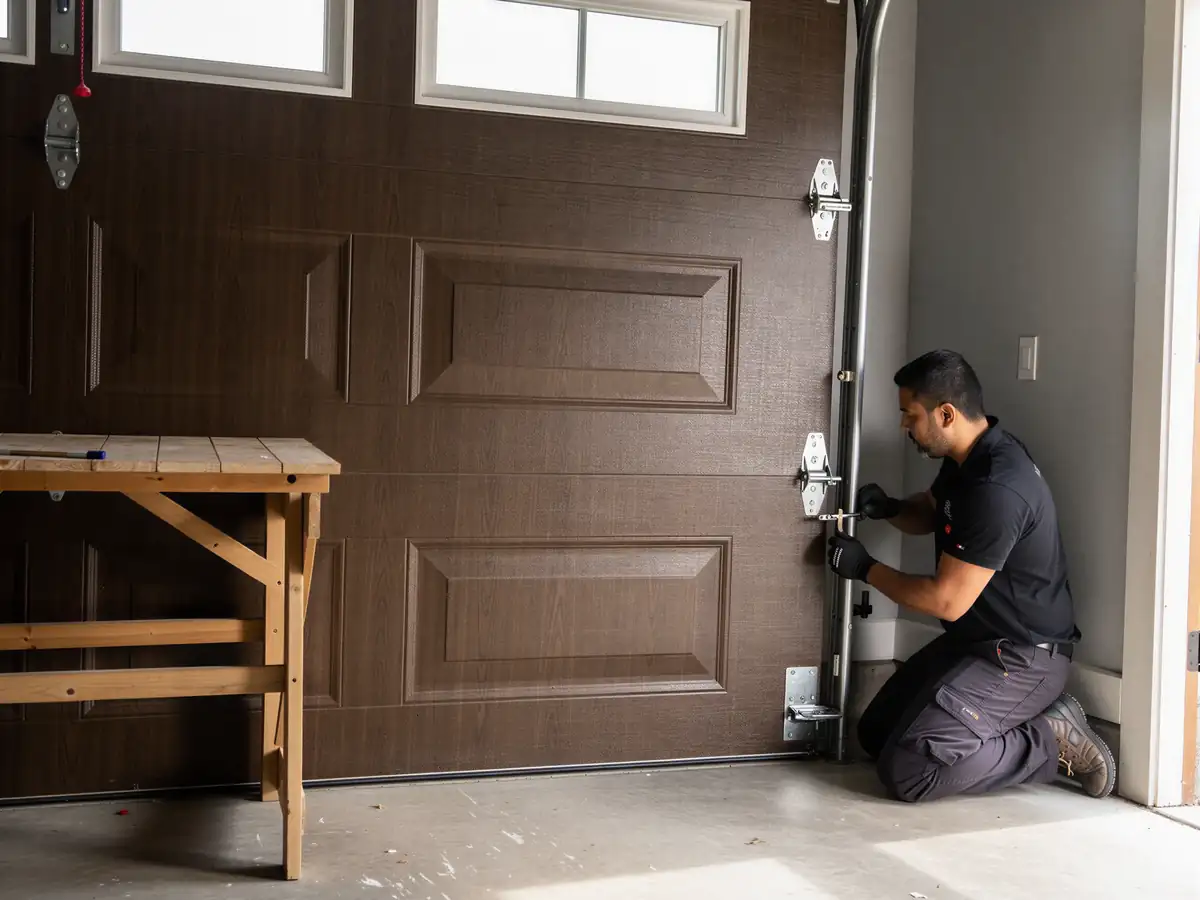
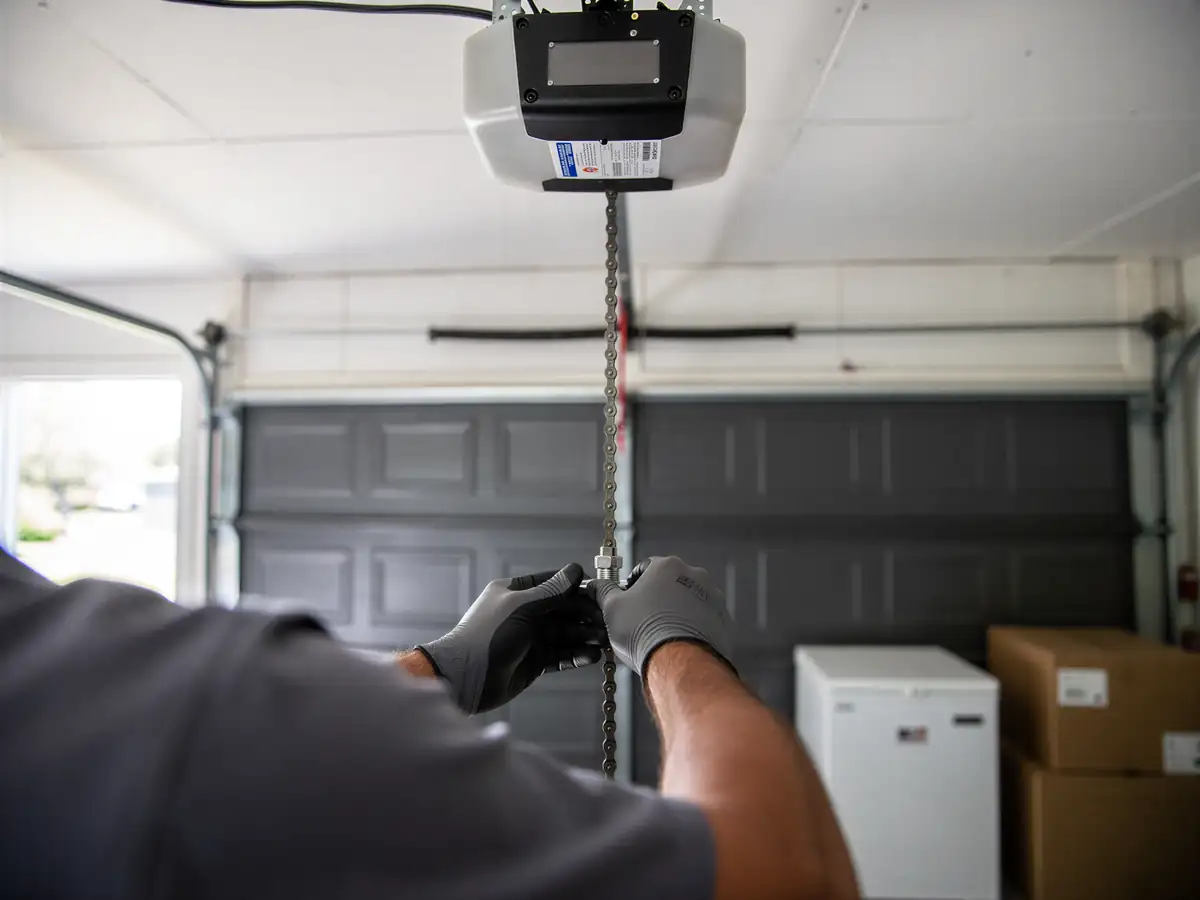
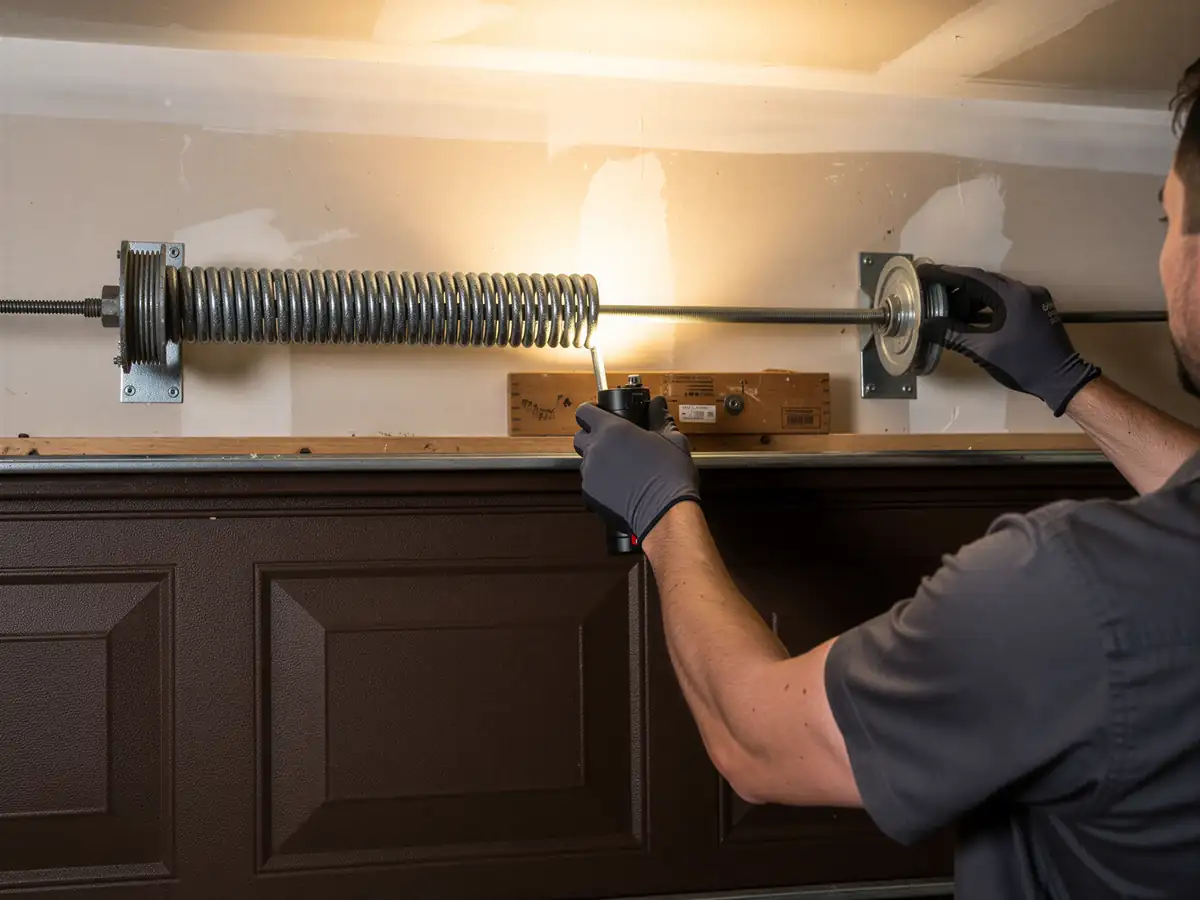
Replacing a torsion spring means releasing tension with winding bars, pulling the old spring and winding cone off the shaft, and setting a new spring matched to your door's weight and the number of turns the old one carried. On a 1990s-era door this is usually a clean job - standard track, standard drum, no surprise hardware from an earlier remodel. We check the cables and the center bearing at the same time, since a spring that just snapped is often not the only part under strain. One thing we don't do: guess at spring size over the phone. Wire diameter and coil length have to be measured on site, because a spring rated wrong will fail again, often within months.
What You Are Seeing
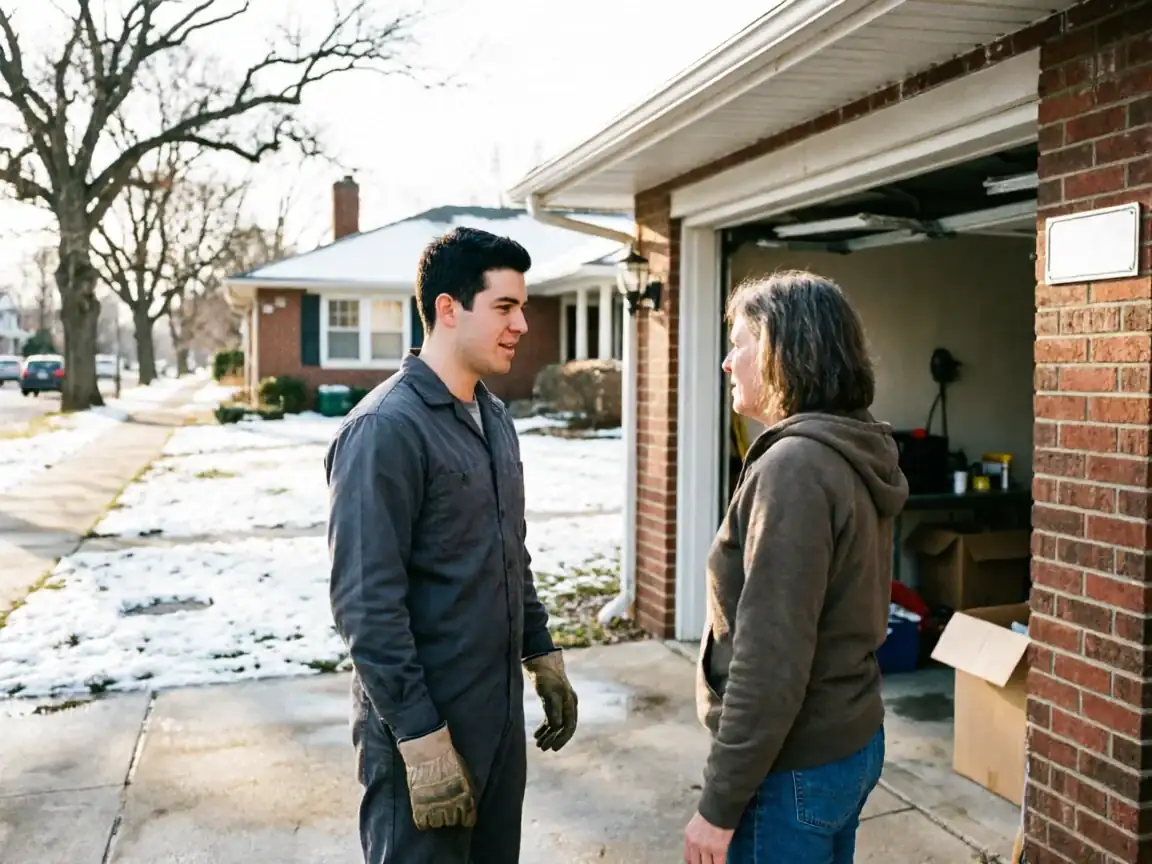
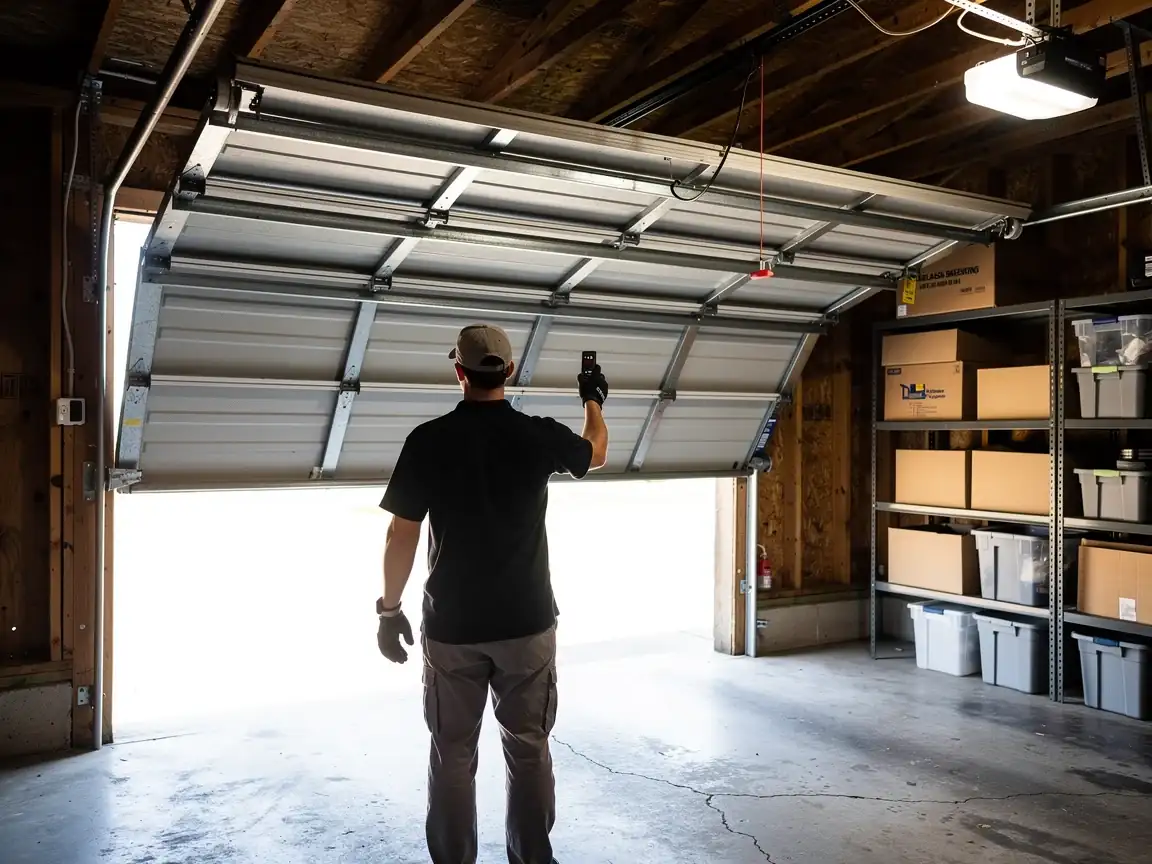
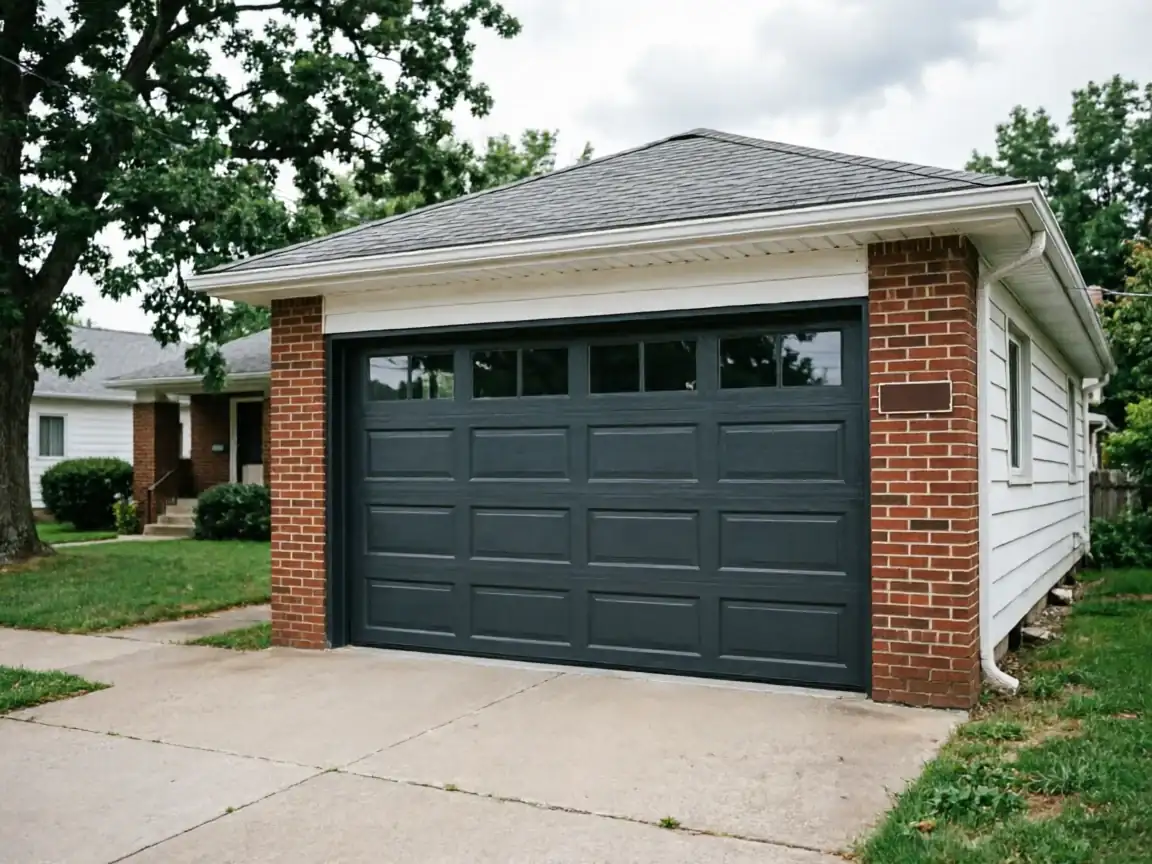
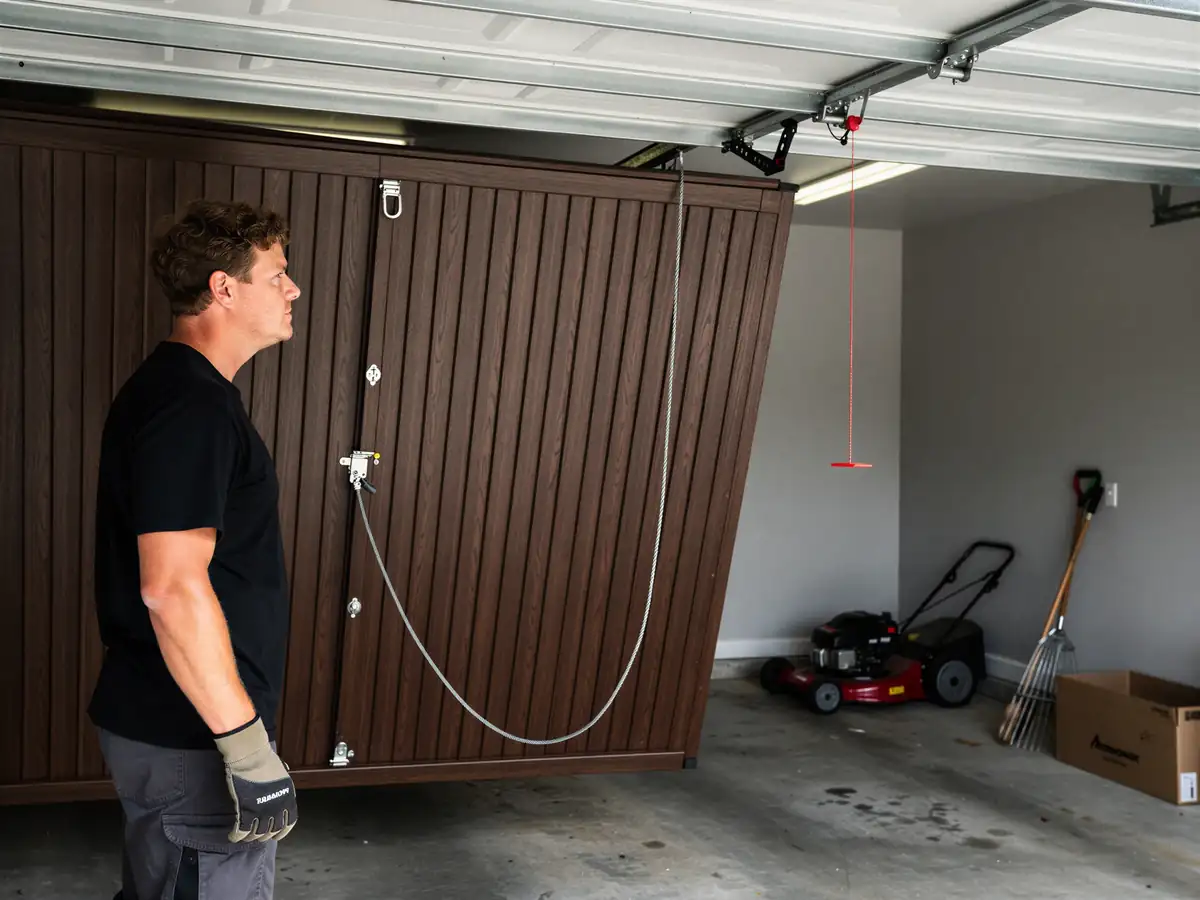
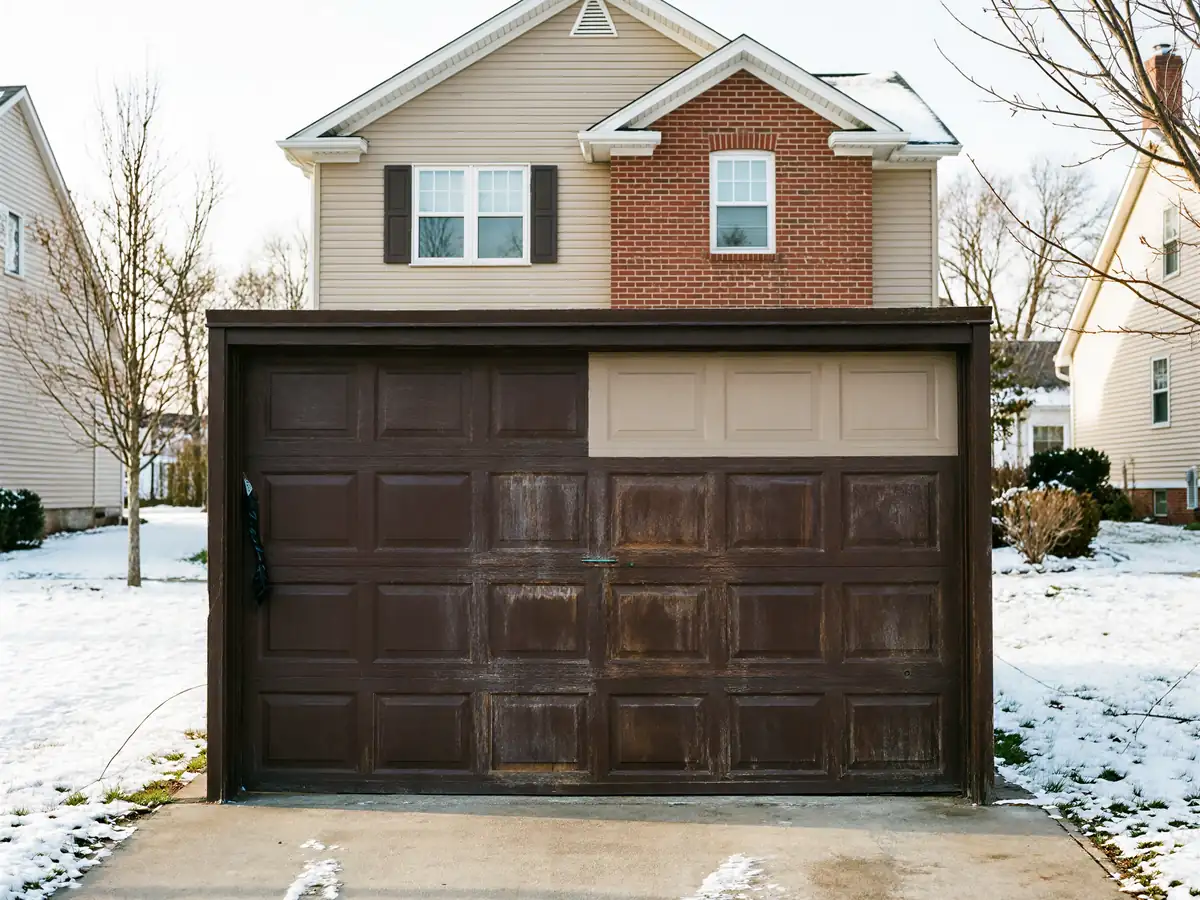
A spring that's about to go usually gives some warning: the door feels heavier than it used to, the opener strains or reverses partway up, or you hear a loud bang from the garage that turns out to be the spring letting go under tension. Winters here fall into a cold, severe climate band, and repeated freeze-thaw cycling adds fatigue to a torsion spring's coil over the years, same as it does everywhere in this part of Missouri. On newer construction like most of what's in Hallsville, a snapped spring is rarely a sign of deeper trouble with the door itself - it's usually just the spring reaching the end of its cycle count. If the door is sagging unevenly or the track looks bent, that's a different problem than a spring, and worth saying so before you pay for a spring you don't need.