Booking a Visit
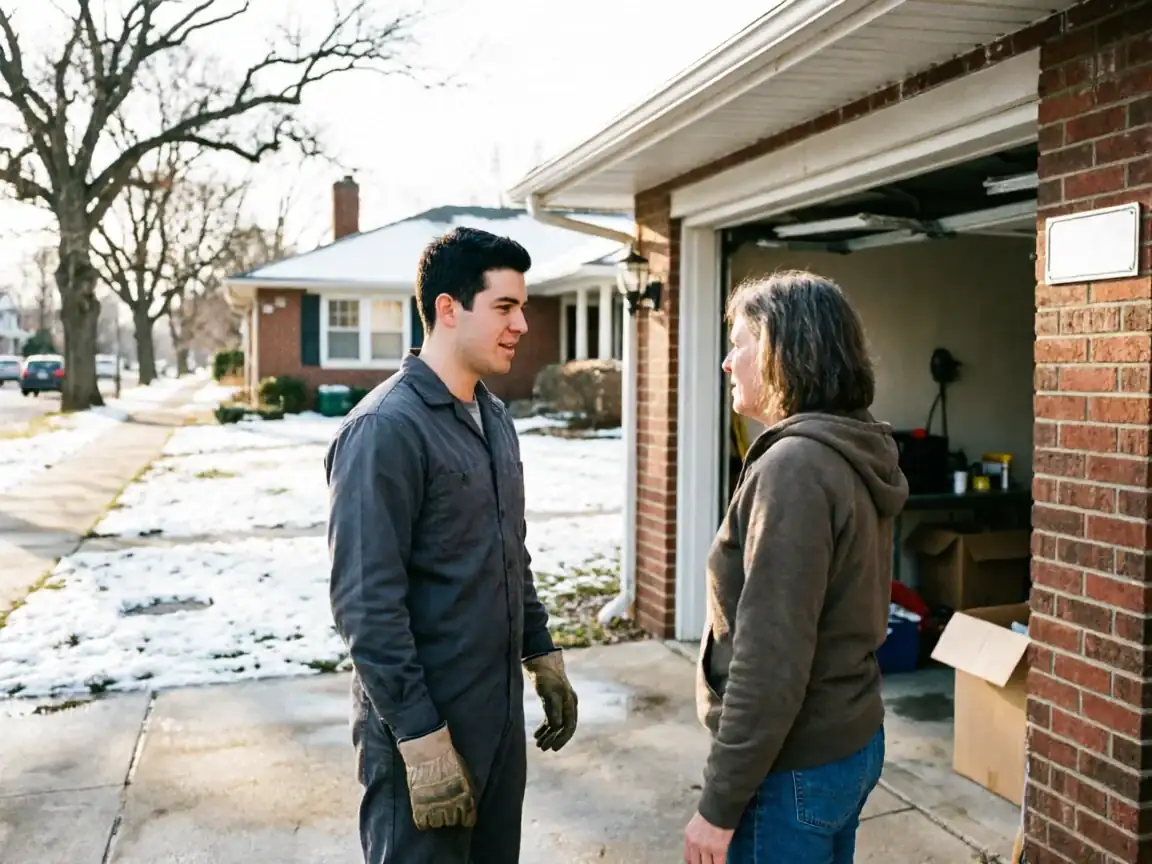
We run this job out of Columbia, about 13 miles from Hallsville
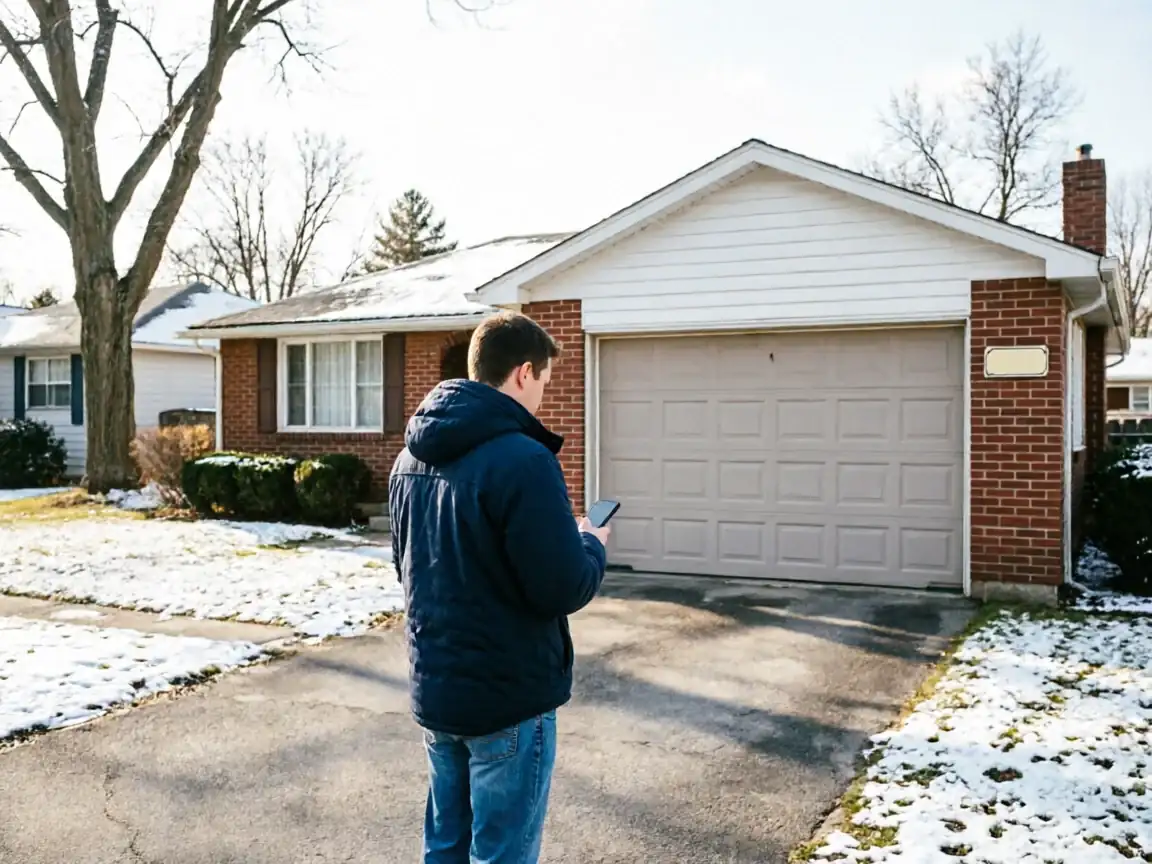
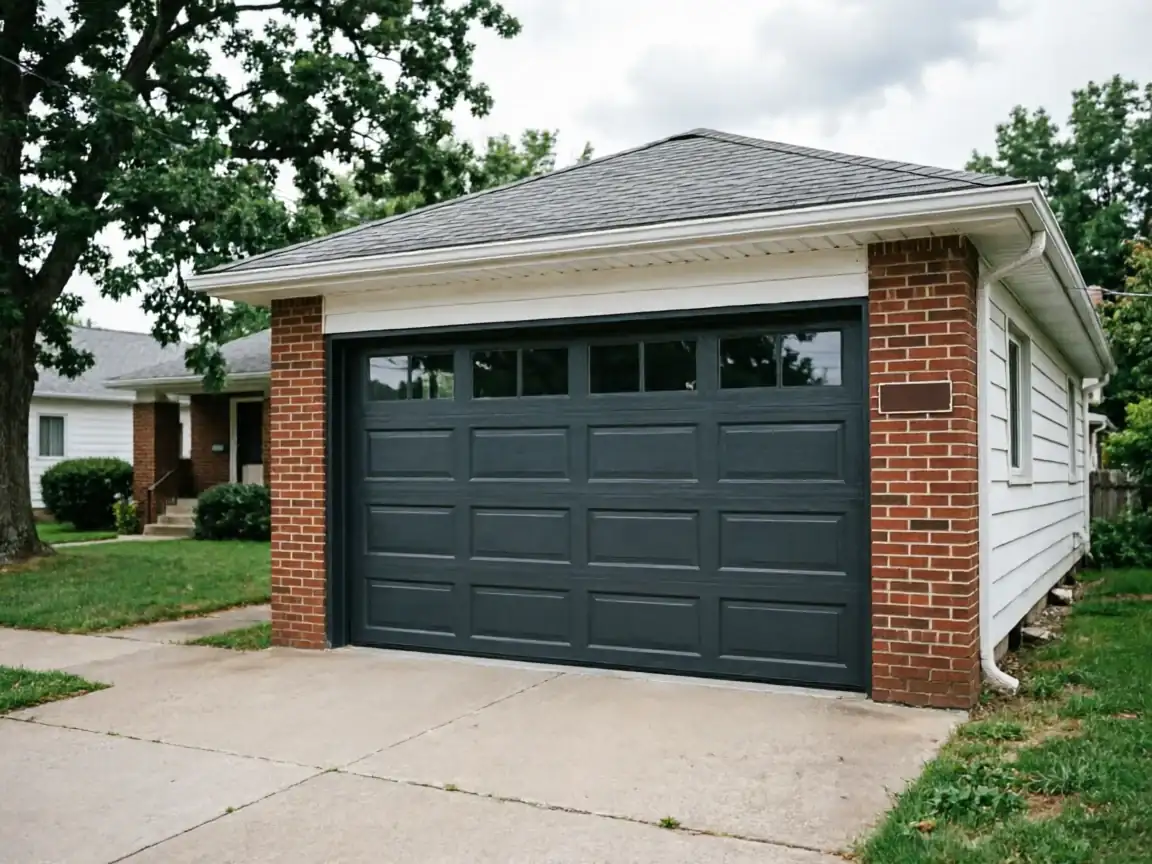
So there's no local branch to call - just a truck that comes to you. Most of the calls we get from this area aren't about a door that's falling apart from age the way they might be in an older part of the county. Hallsville's housing stock centers around 1994, a good fifteen years newer than the 1978 median across the wider service area we cover. That means the door itself is usually fine on the surface, but the opener and springs that came with the house are original, and a builder-grade setup from the early-to-mid '90s is closing in on 30 years of cycles. When you call, tell us the age of the house if you know it - that alone tells us a lot about what hardware we're likely dealing with before we ever see it.
- 13 miles
- 30 years
We'll ask about the opening size, whether it's a single or double bay
And whether you want a straightforward swap or something heavier insulated. We don't keep a crew stationed in Hallsville, so we schedule installs as full-day routes out of Columbia rather than promising a same-hour window. That's worth knowing up front if your door failed and you're without a working garage today.
What Is on the Truck
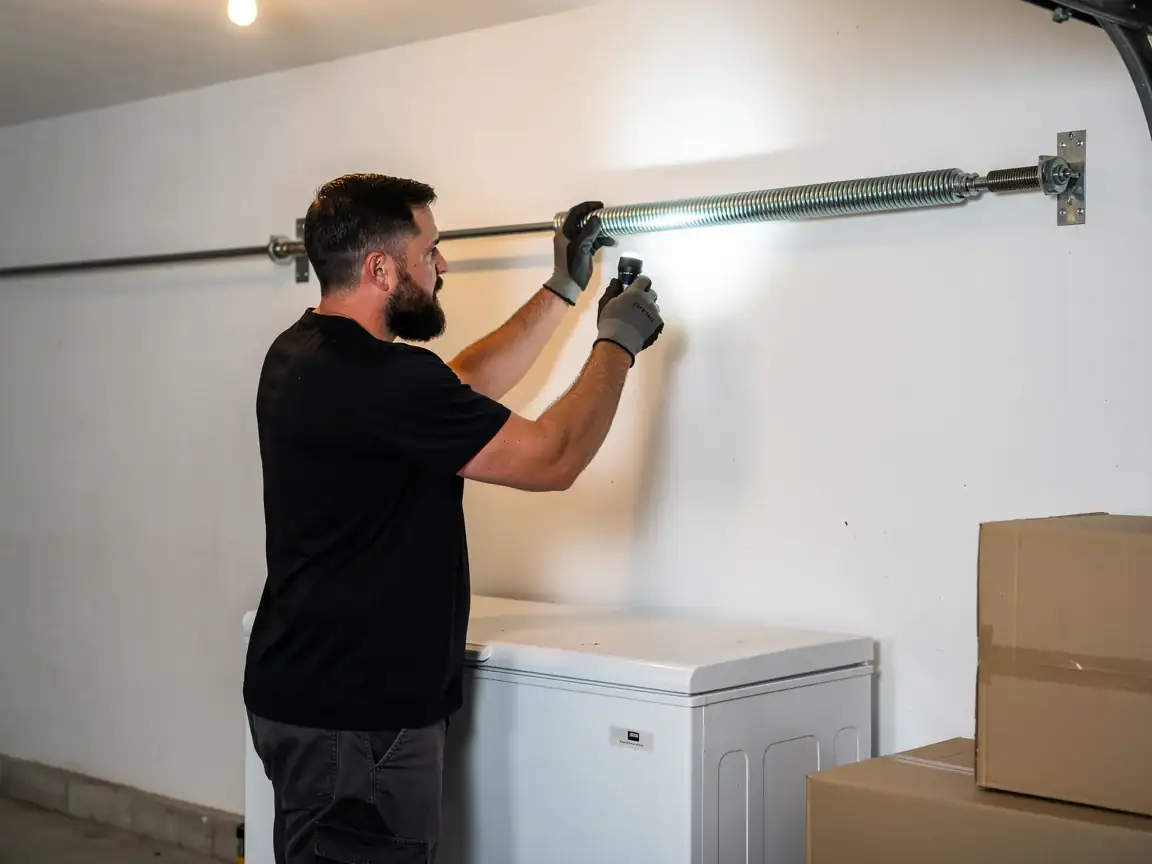
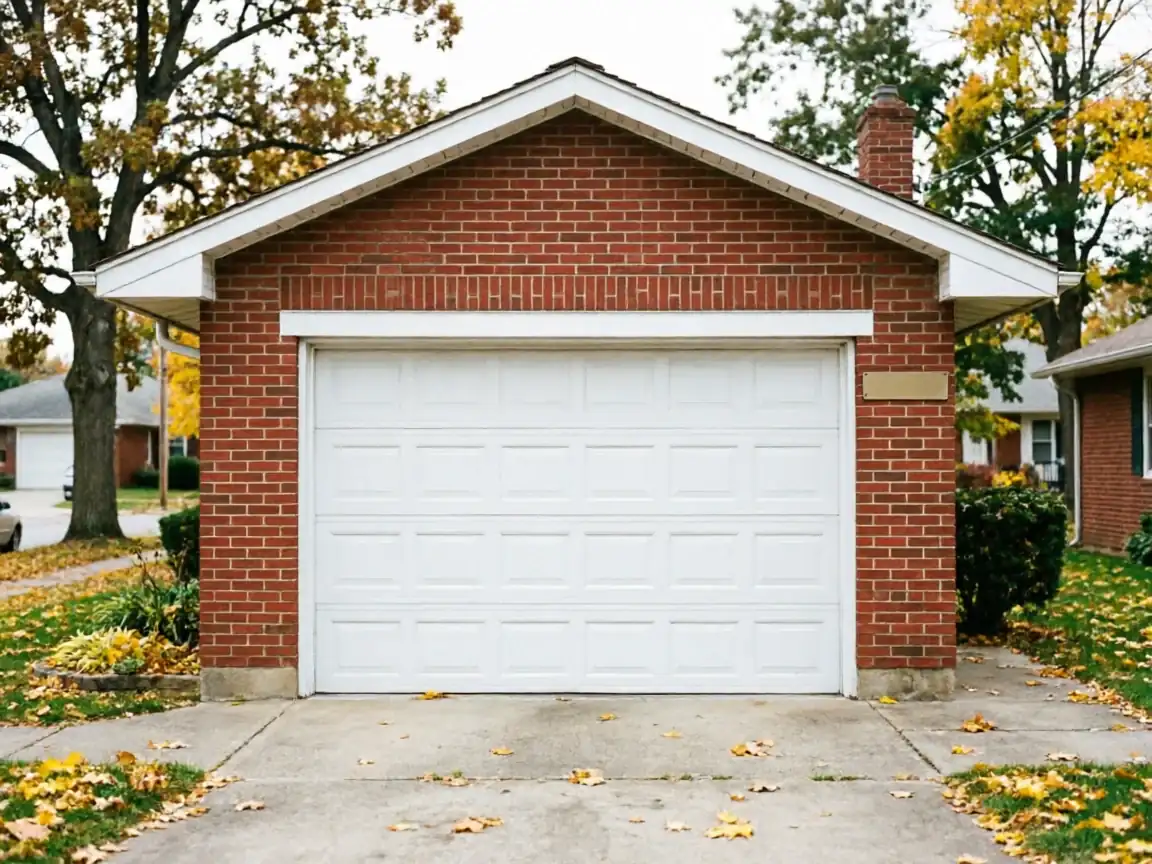
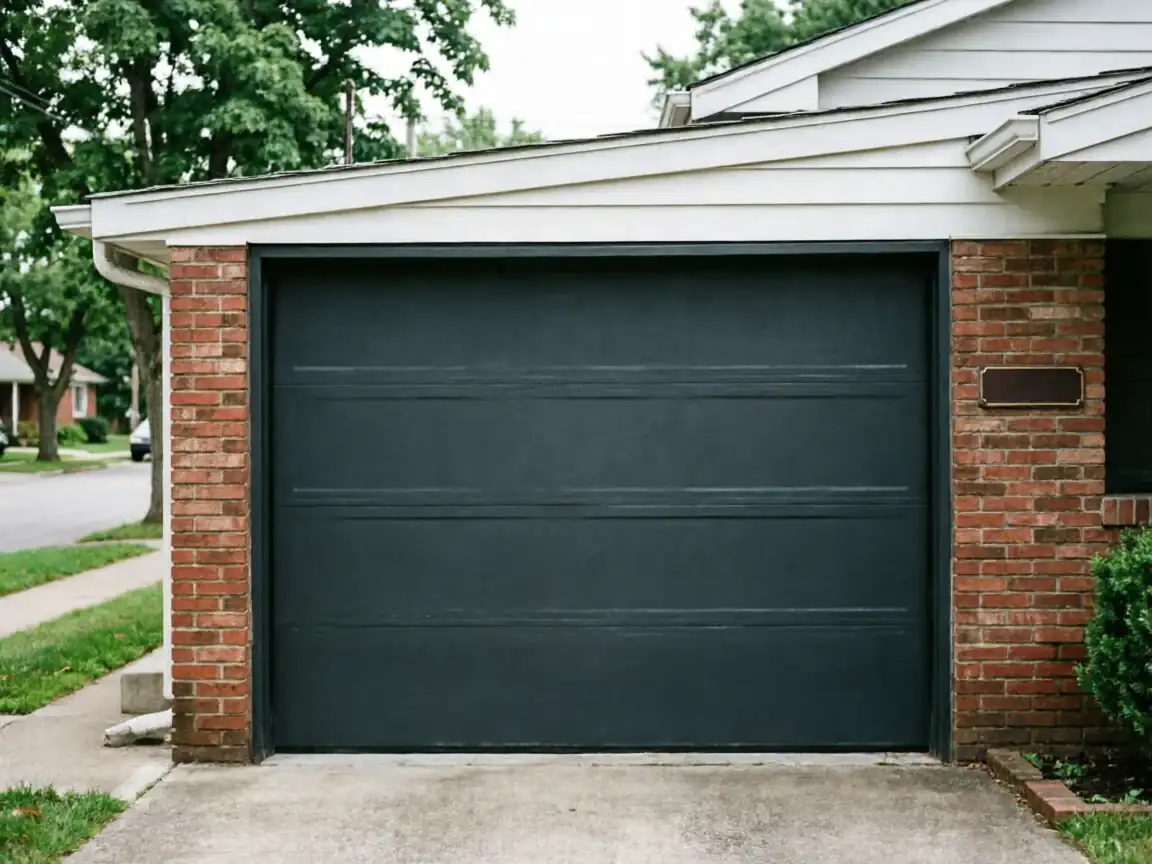
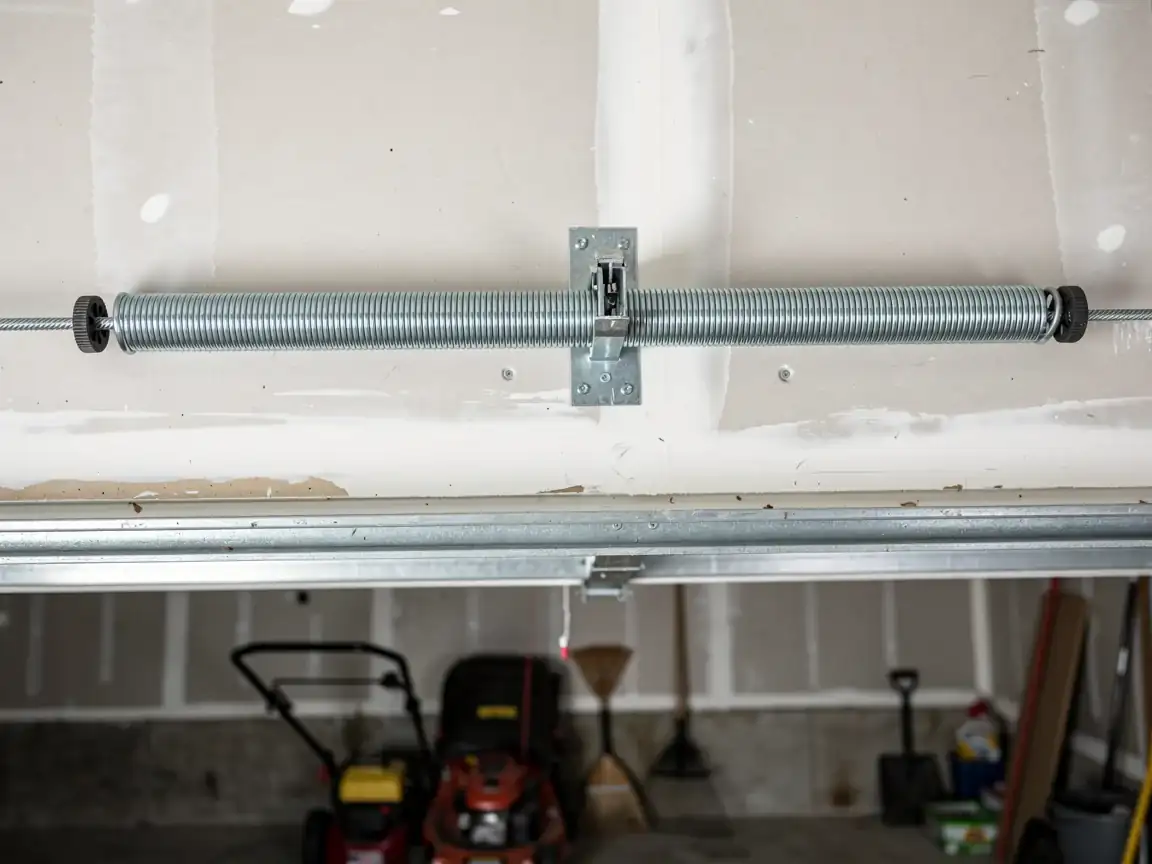
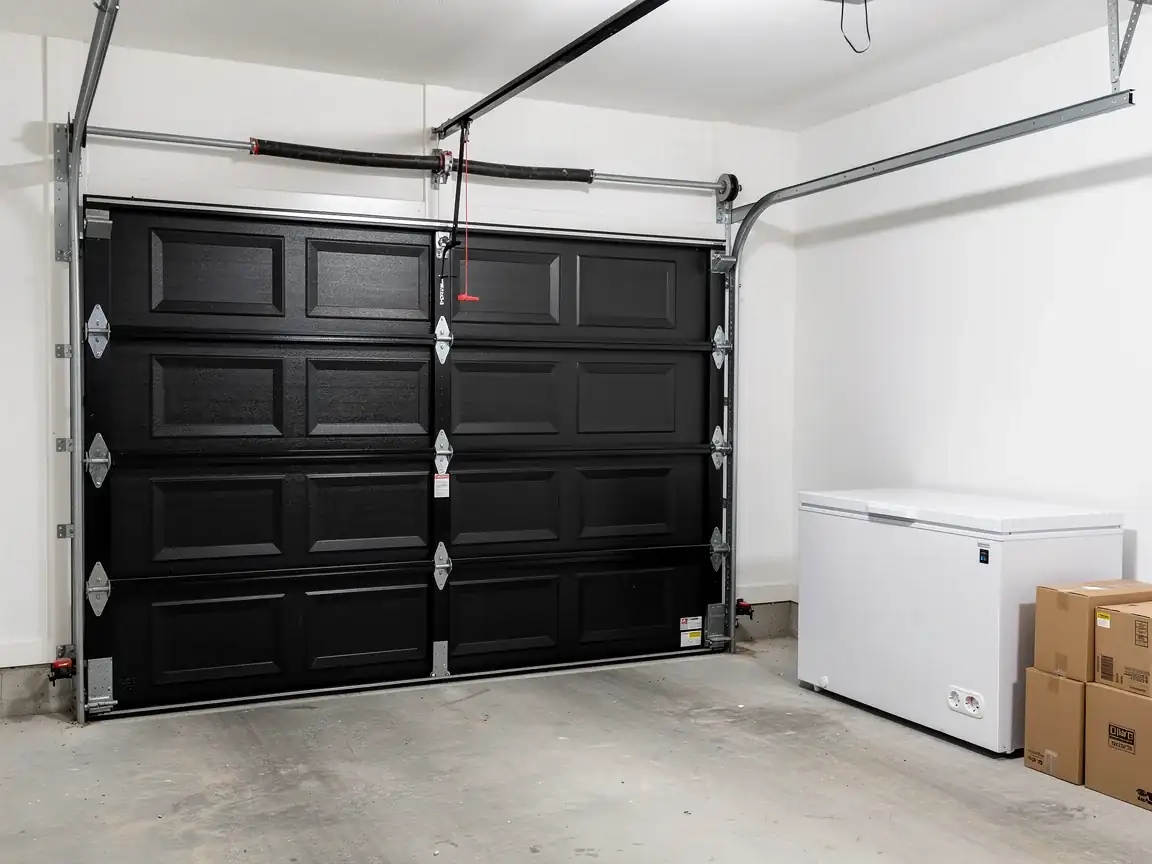
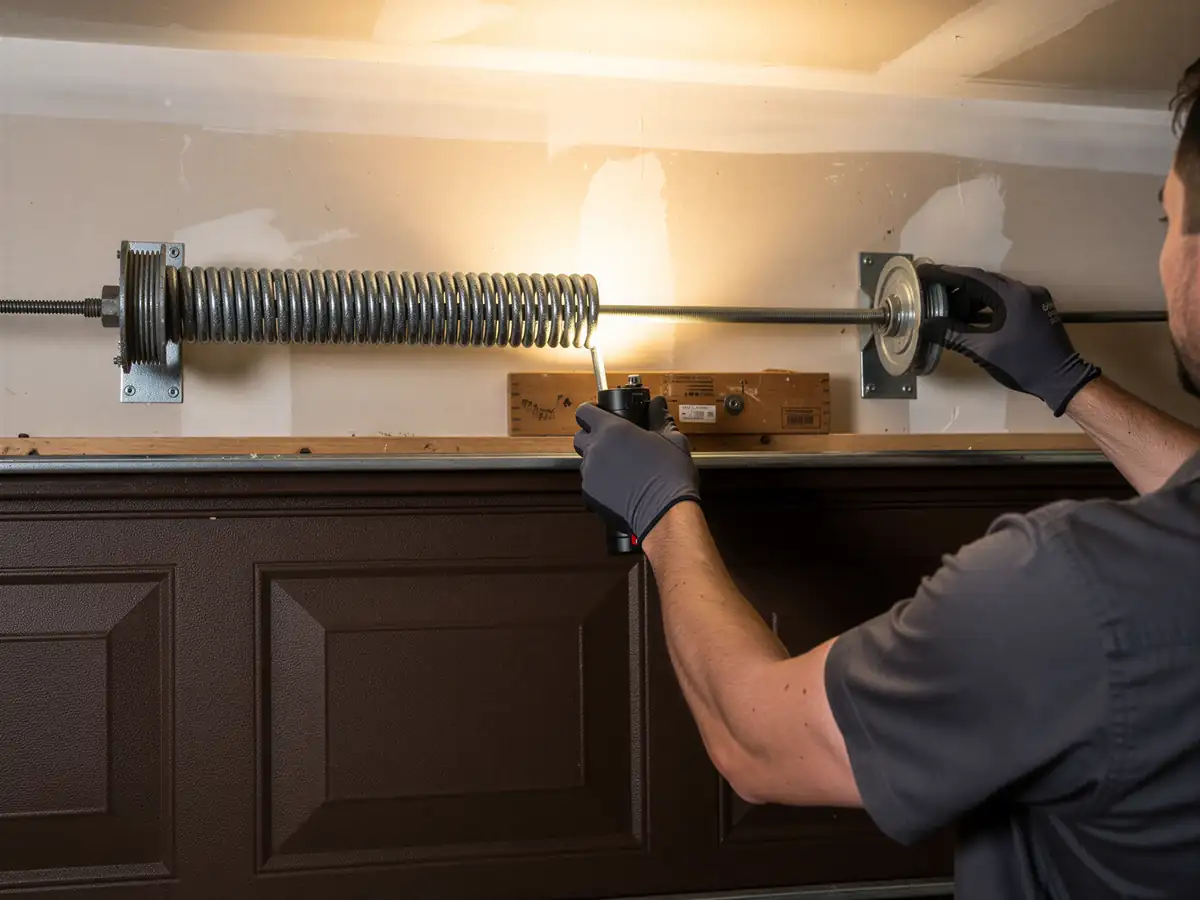
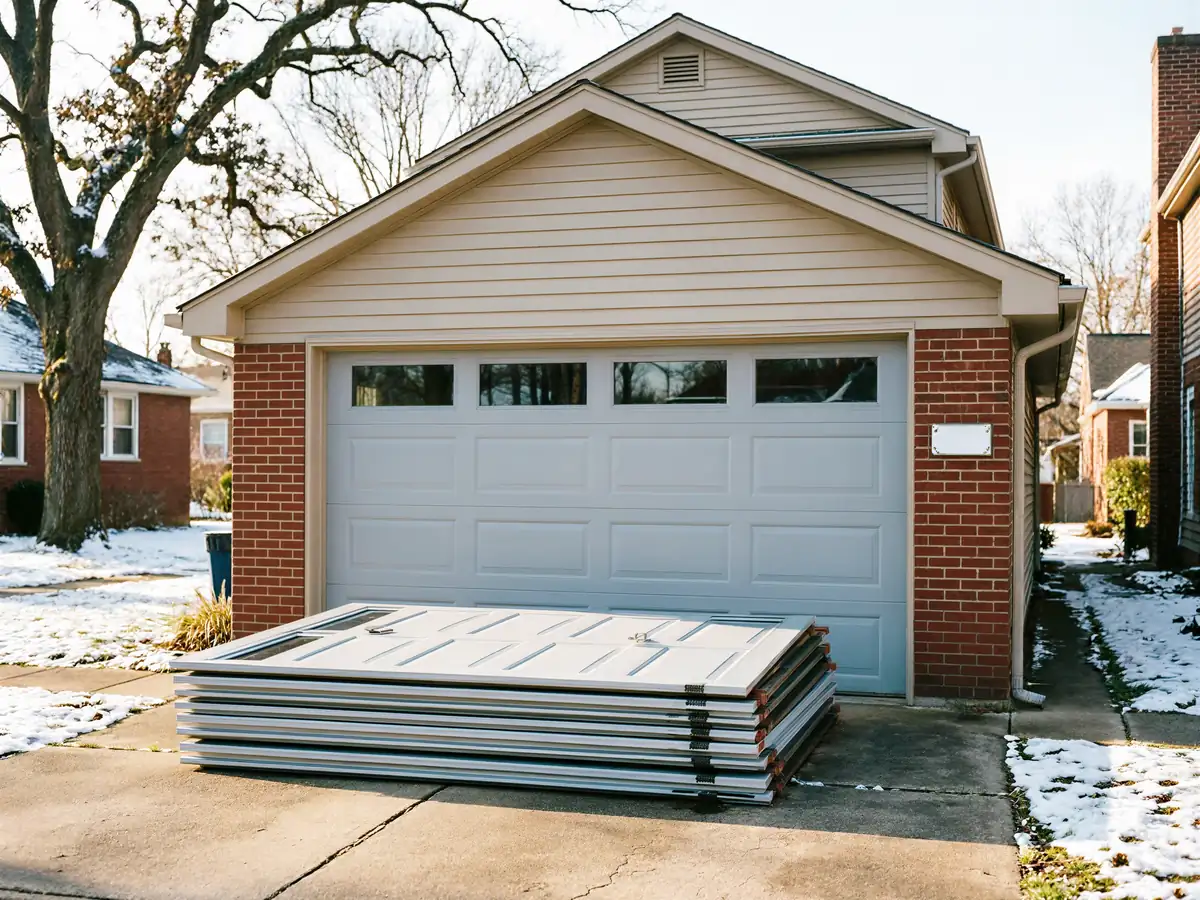
For a town built mostly in the '90s, the door on the truck is usually a standard steel raised-panel, either non-insulated or single-layer, because that's what went up as a package with these houses in the first place. We carry torsion springs sized for a 7-foot or 8-foot double opening, since that's the common bay size in newer subdivisions rather than the narrower single bays you see in pre-1960s stock elsewhere in the service area.
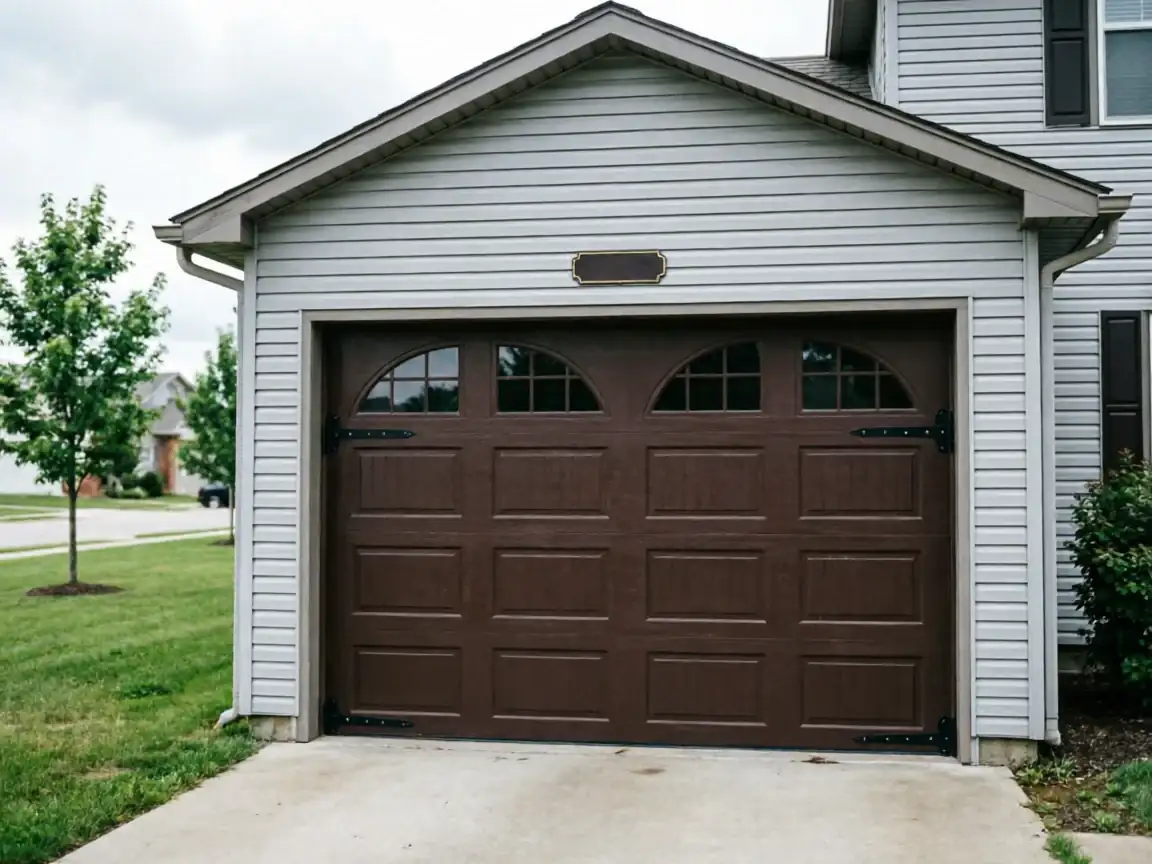
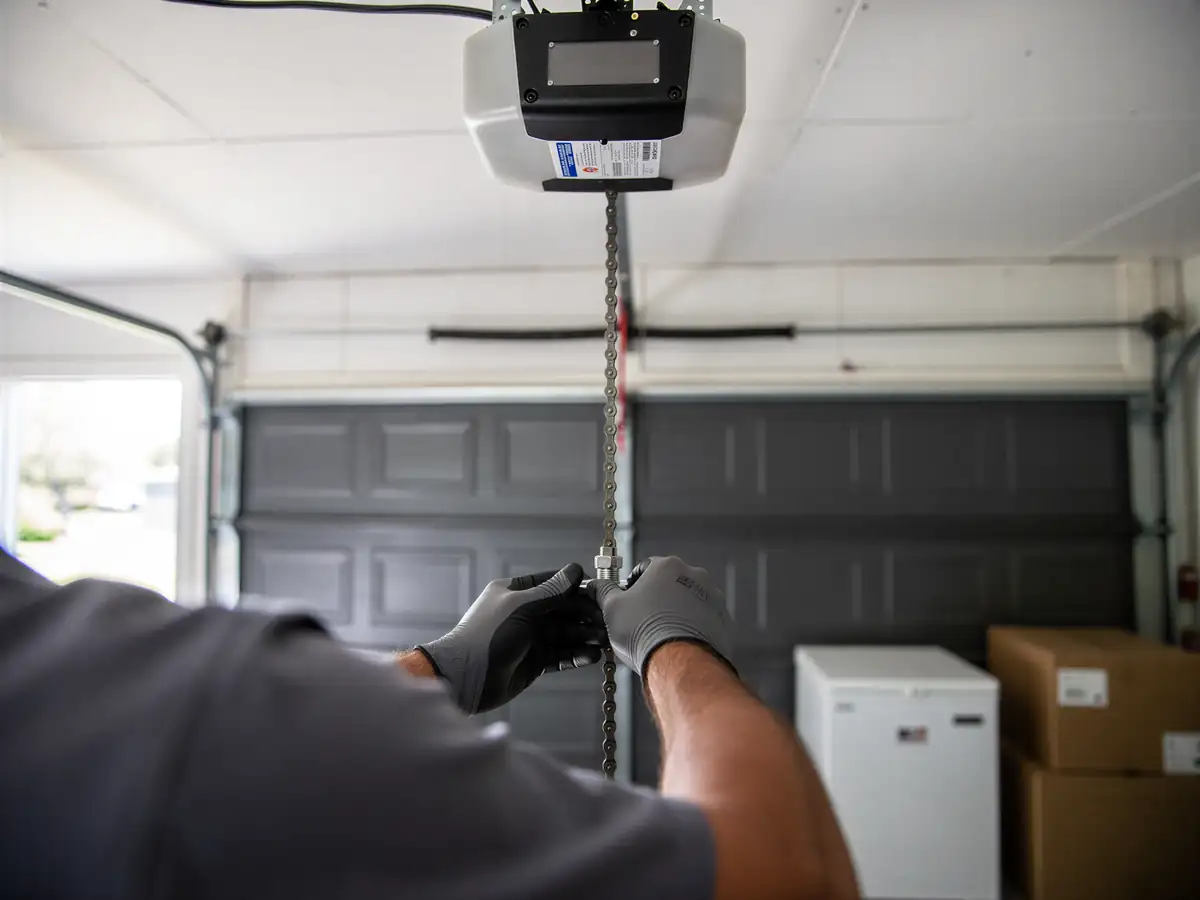
We also bring galvanized track, nylon or steel rollers depending on what you want to spend, and a chain or belt-drive opener to replace whatever came stock. One honest limit here: if you want a custom wood-look carriage door or a non-standard width, that's not a same-visit item - those get special-ordered and we'll tell you the lead time once we have your measurements, not before.
What the Fix Involves
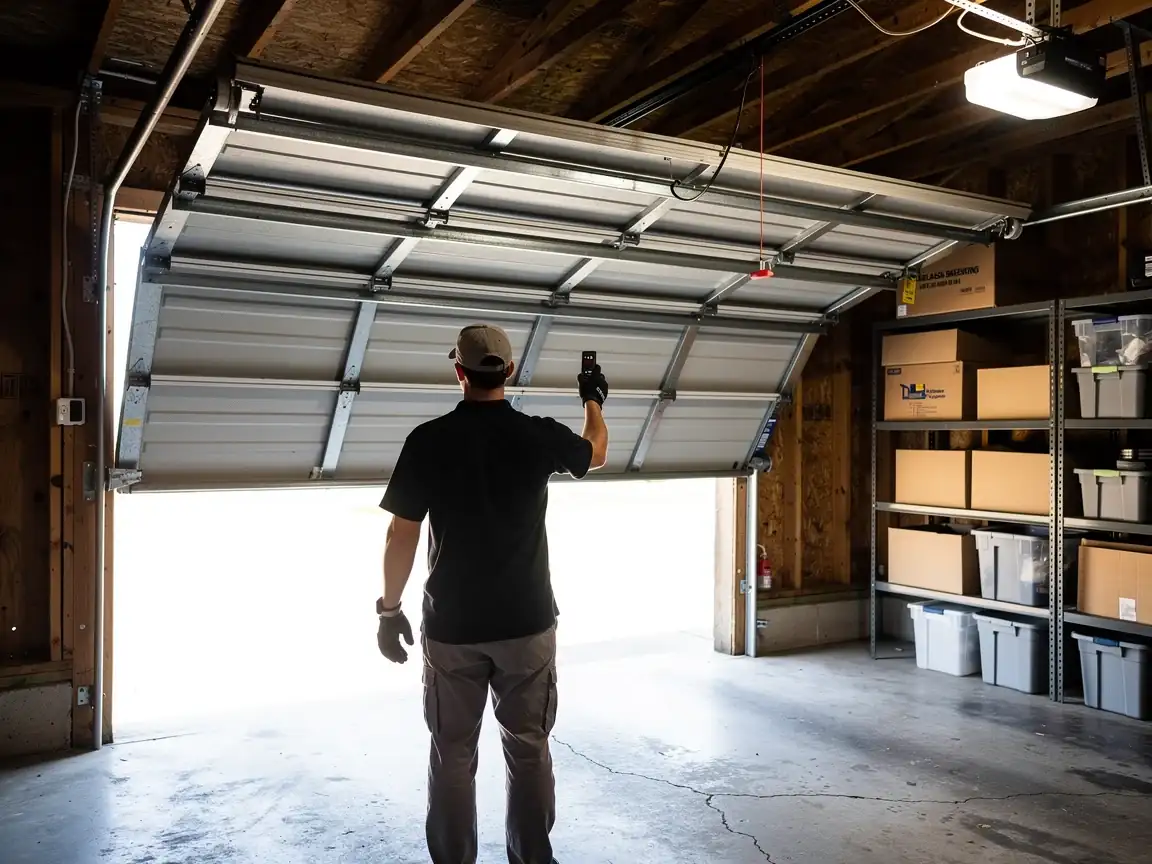
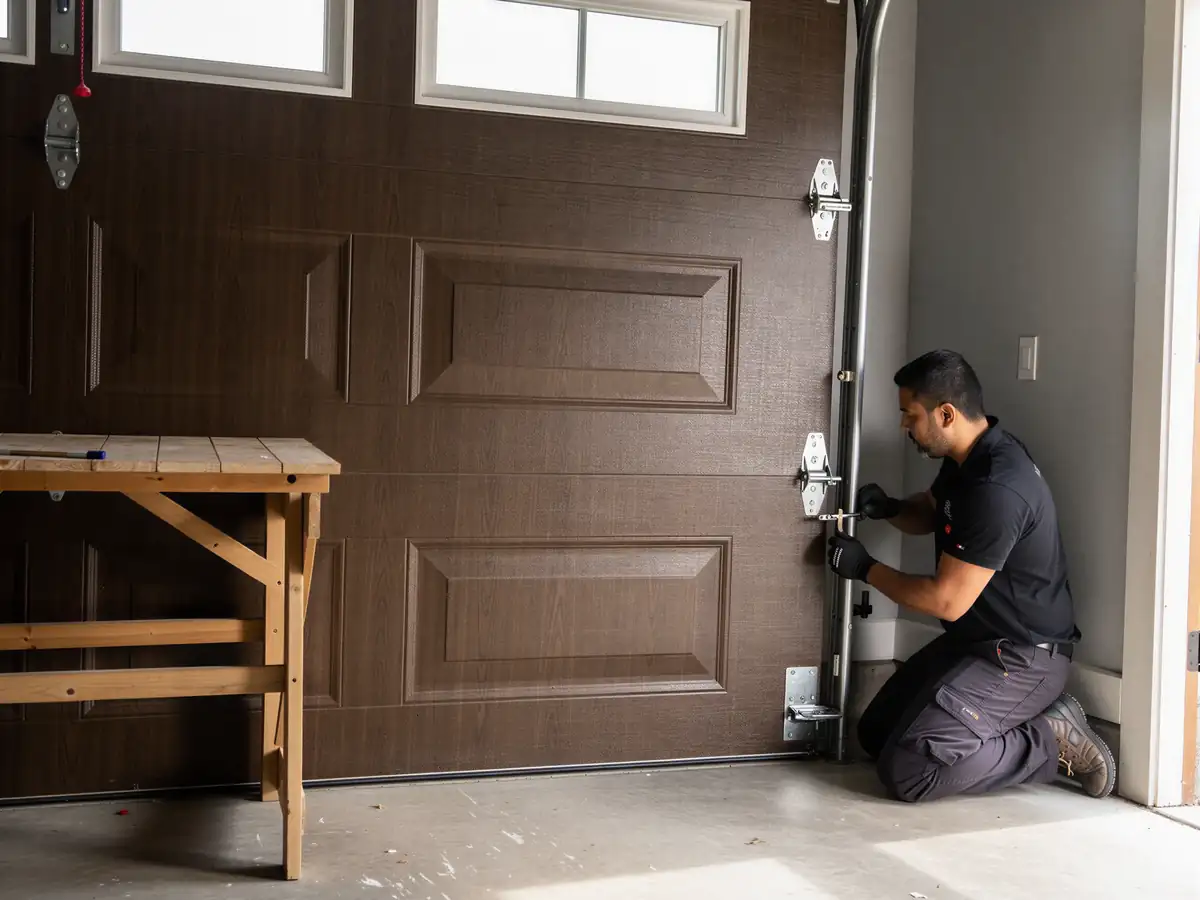
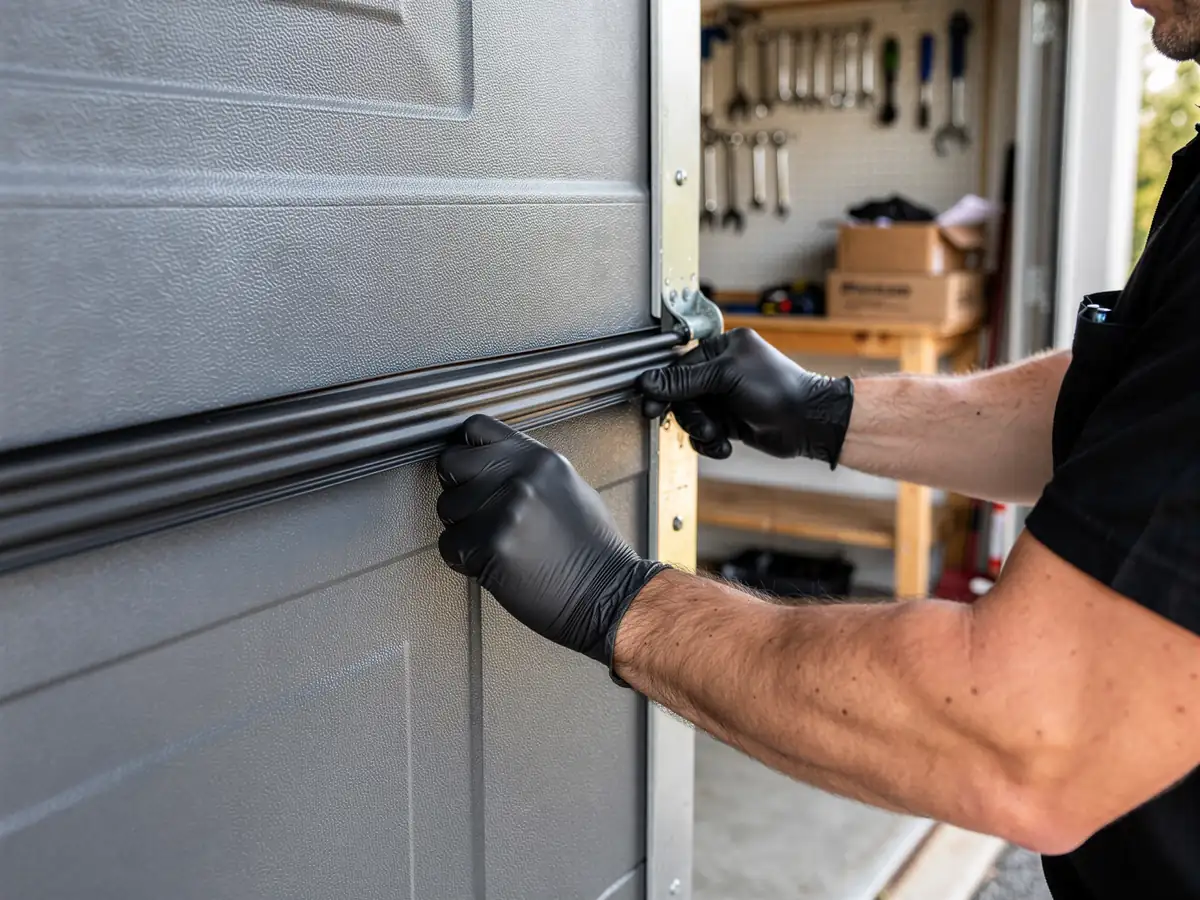
On a house from the 1994 era, the opening is almost always framed to a standard width, so the install is mostly mechanical - pull the old door and track, set new jamb brackets, hang new panels, balance the spring to the door's actual weight, and mount the opener to existing ceiling framing. Climate matters here too: this area sits in a severe-cold band, so we check weatherstripping and bottom seal fit closely, since a loose seal on a door built for a mild year costs you real heat through a Missouri winter.
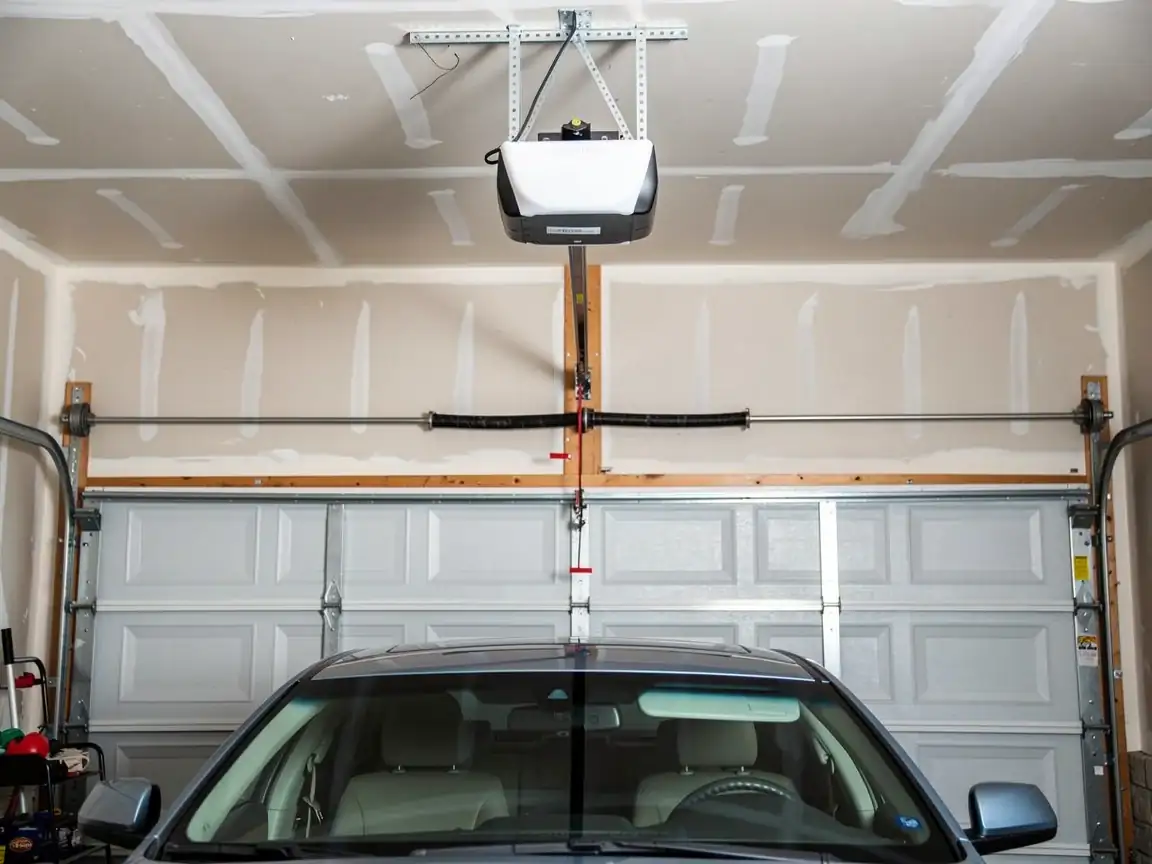
If the opener is original to the house, the rail and motor mount are usually still serviceable even when the motor itself isn't, which saves some labor. We test the auto-reverse safety sensors on every install regardless of whether the opener is new or reused - that's not optional, and we won't leave a job without it working.
What It Costs
We don't quote a number sight unseen
Because door width, insulation level, and whether the opener needs replacing too all move the total. What we can tell you is how the area's income shapes the choices we see: median household income here runs around $66,518, noticeably higher than the roughly $58,889 median across the rest of the service area, and that shows up in which upgrades people choose - insulated doors and quieter belt-drive openers get picked more often here than bare steel and chain drive.
We'll give you a firm number after we see the opening and talk through insulation and opener options
Not a phone estimate.
What You Are Seeing
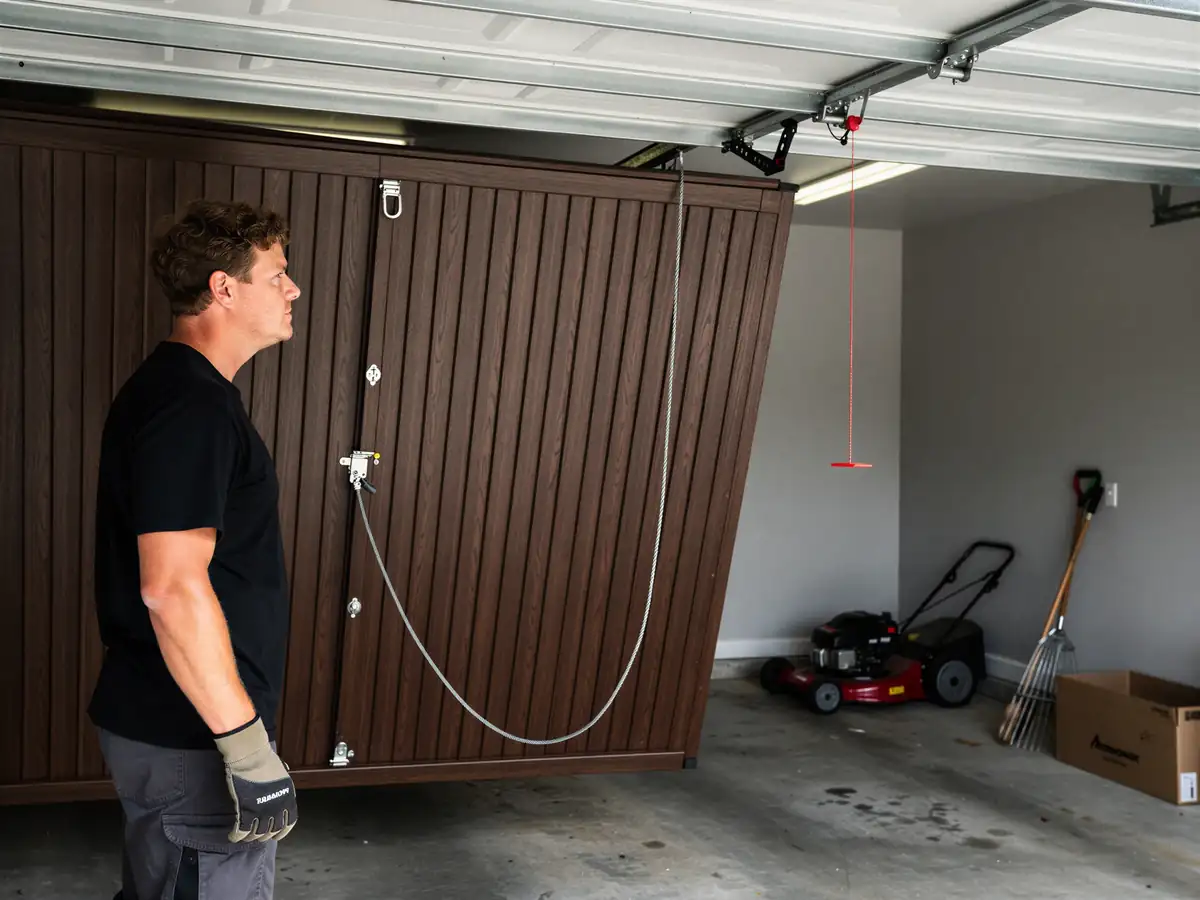
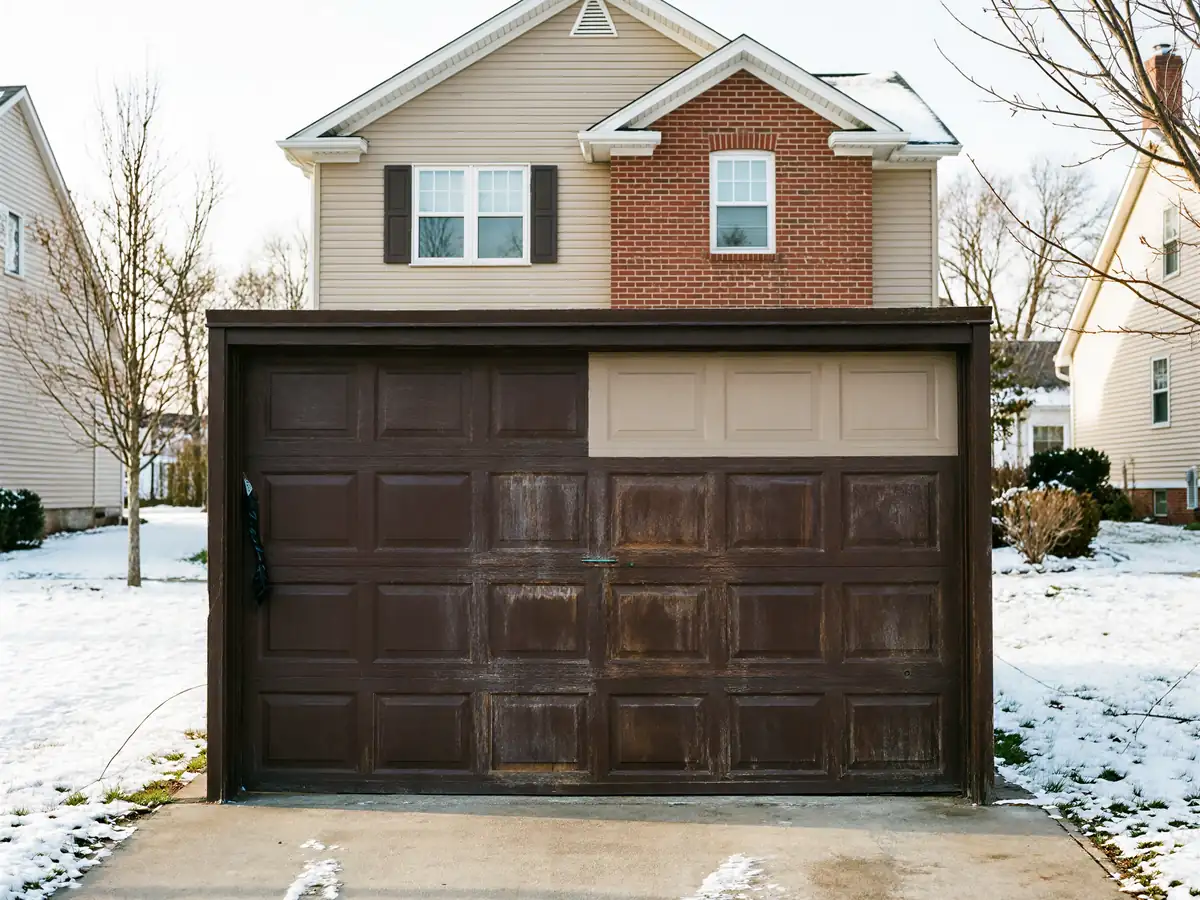
If your door is sagging on one side, slow to close, or the opener grinds before it catches, that's consistent with original hardware aging out rather than storm damage or a one-off accident - Hallsville doesn't have the older, mismatched housing stock that drives a lot of our odd-hardware repair calls elsewhere in the area. With 827 households here, it's a small enough town that most of the garage doors we see on a given route share the same builder-era parts, which makes diagnosing the fault faster once we know the house's age.
A door that won't fully seal at the bottom in a severe-cold winter is worth fixing before it costs you on heating, not after.