Serving Columbia, MO & nearby
(573) 235-7236
Columbia, MO

Panel Replacement for Hallsville Homes

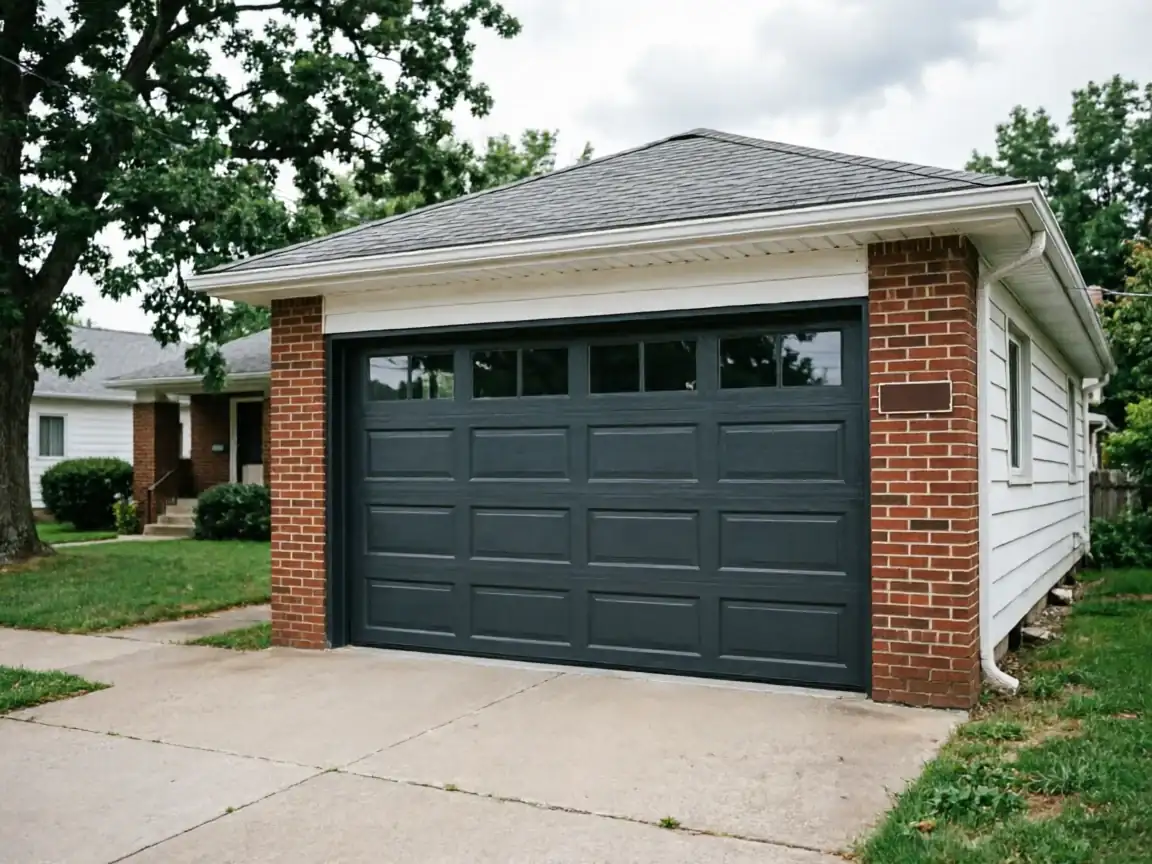
Panel replacement for Hallsville's newer-built homes, done by a crew that drives 13 miles from Columbia. Matching panels for 1990s-era steel sectional doors.

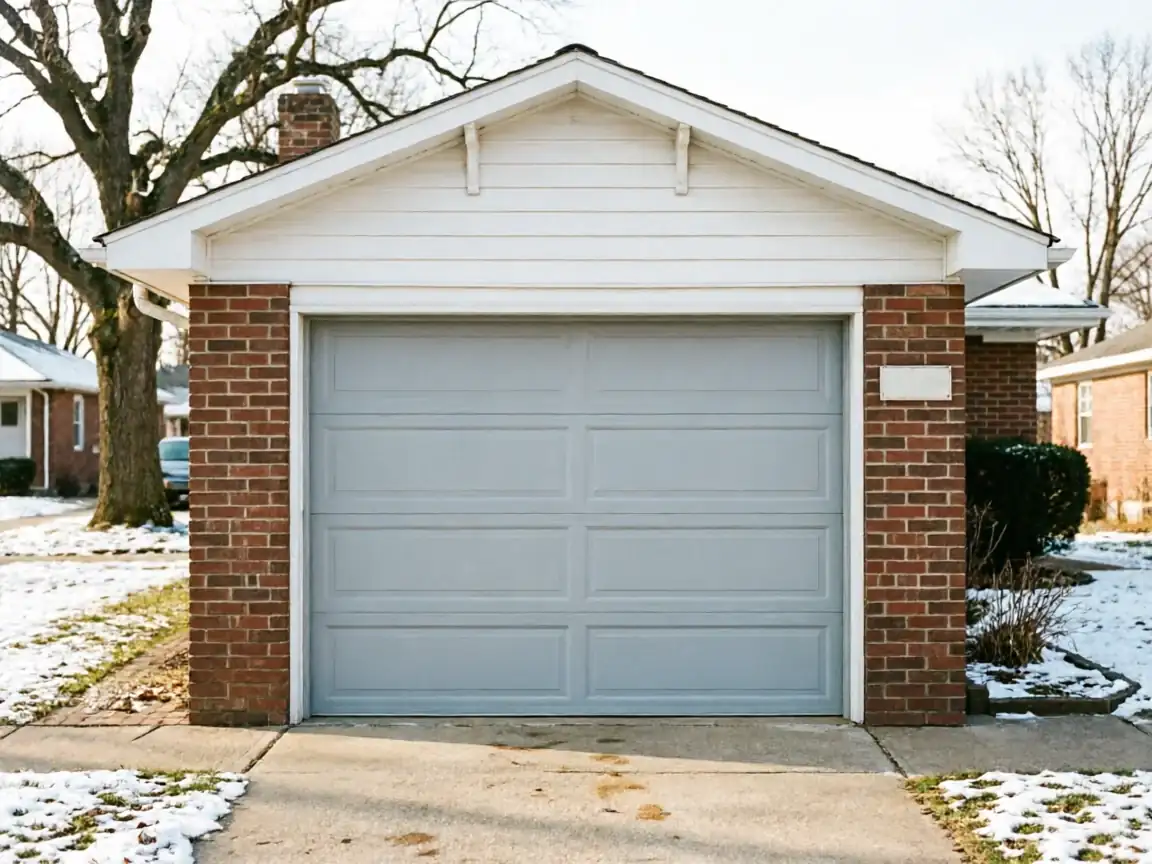
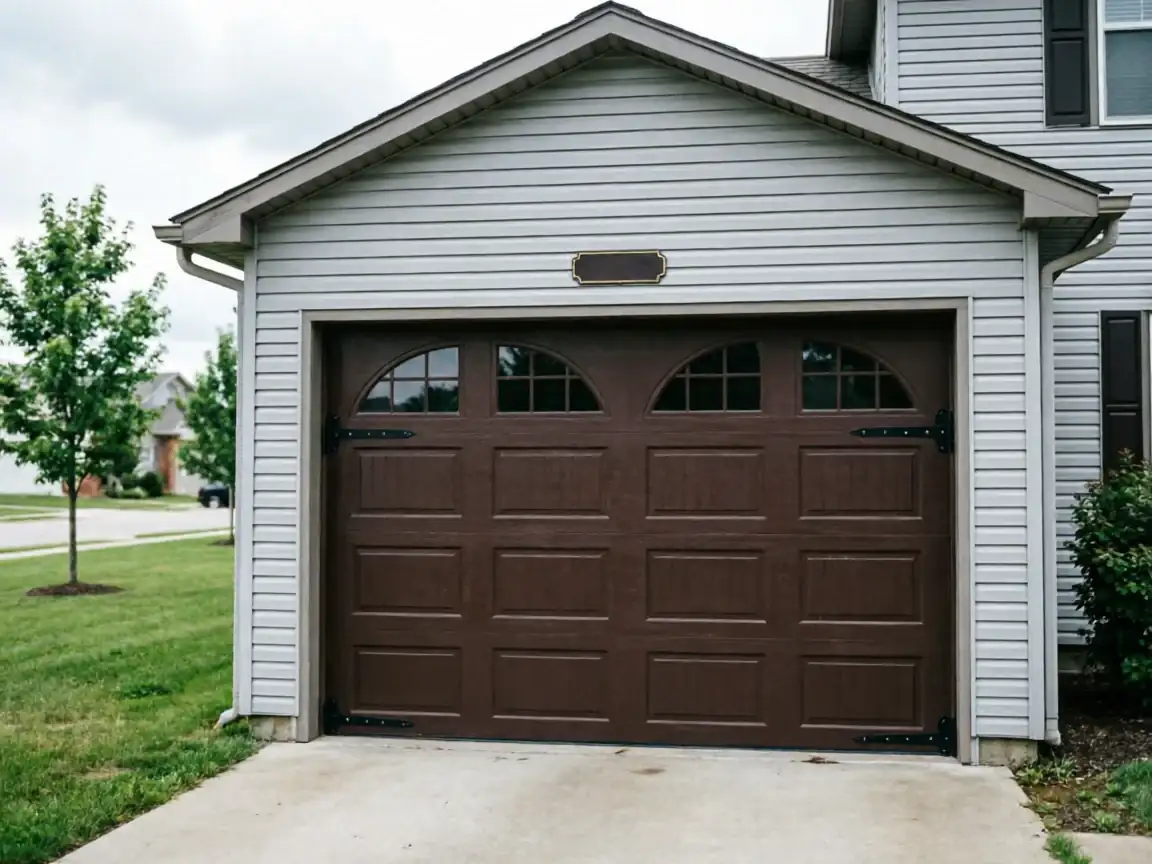
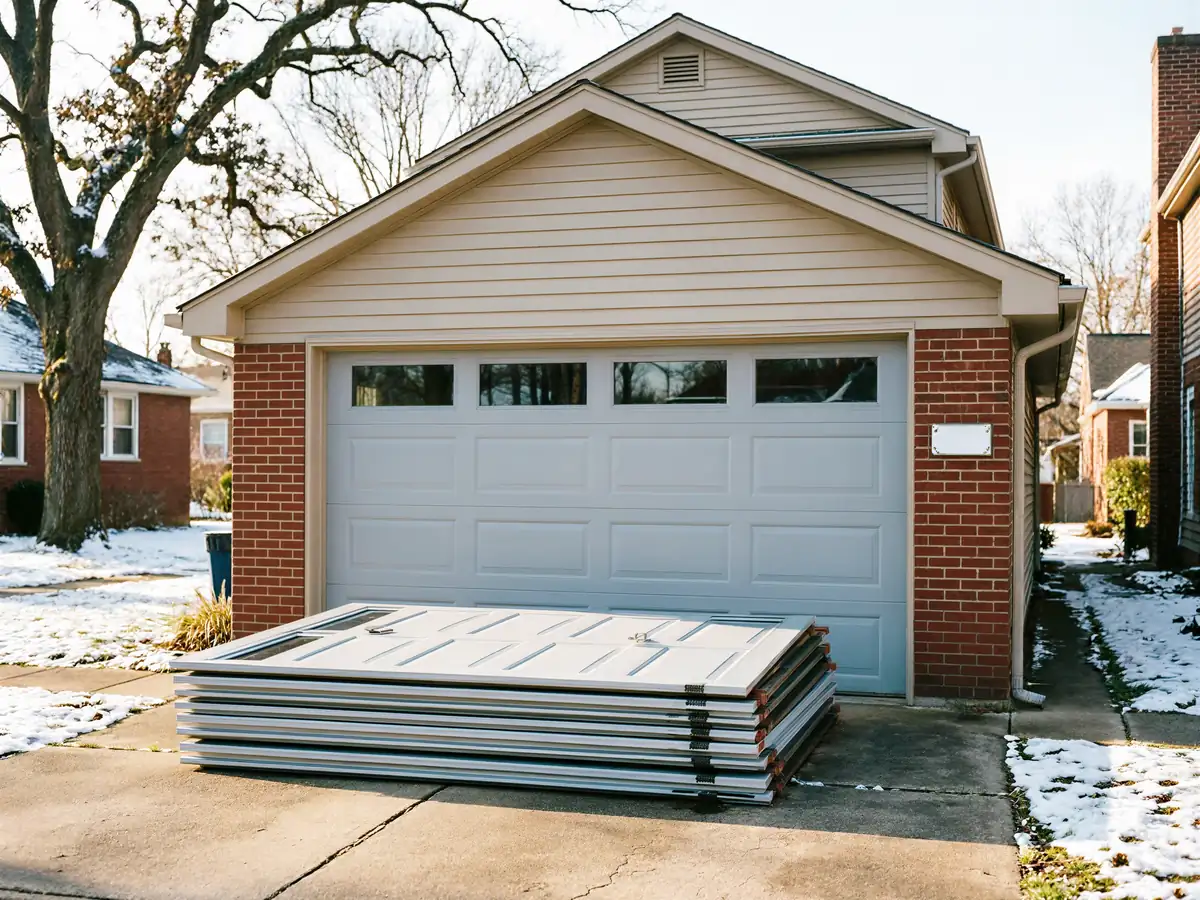
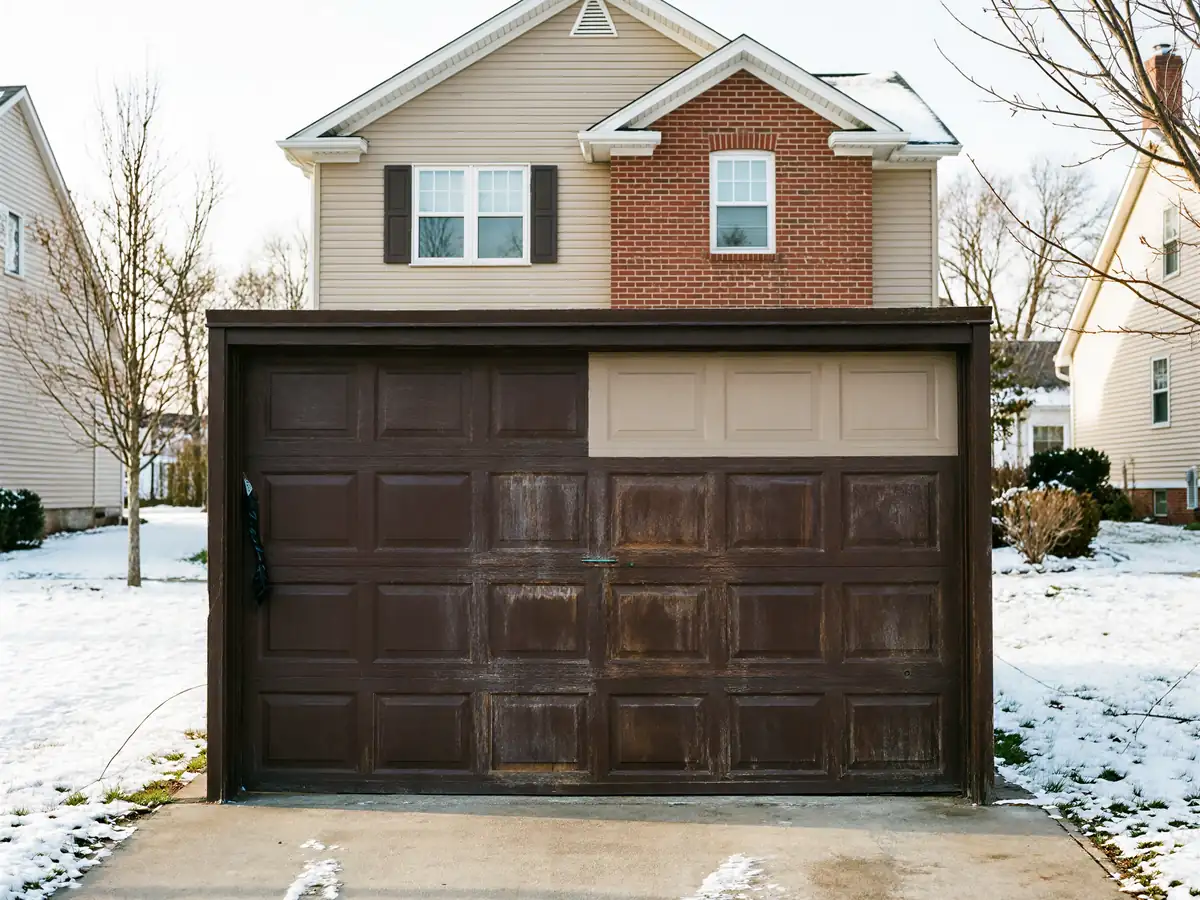
The garage door is brown and tan, with a house and snowy yard behind it.
Columbia, MO
8 services
7 service areas
Diagnosis first, then the fix

Booking a Visit

Hallsville sits about 13 miles out from our shop in Columbia, and that drive shapes how a panel job actually runs here. We don't keep a branch in town, so every visit starts with the trip out Route B or 124, which means we schedule panel work as a real appointment window rather than a same-hour drop-in. For a single cracked or dented panel, that's usually one visit: we measure the opening and the existing panel profile on-site, then either have the match on the truck or order it and come back. Because most of the housing stock here dates to around 1994 rather than the 1960s and 70s construction common elsewhere in the service area, panel sizes and track widths tend to be more standard, which keeps that return trip shorter when a special order is needed. Tell us the door's approximate age and whether it's steel sectional or something older when you call, so we bring the right stock the first time. We'd rather ask two questions on the phone than make you wait through a second 13-mile trip for the wrong part.

What Is on the Truck

Because the median home in Hallsville was built in 1994, well after the 1938-2003 range that covers the wider service area, we stock panels sized for the sectional steel doors that went up with that newer construction - standard 8 and 9-foot widths, common raised-panel and short-panel profiles, factory white and a handful of common stains. That's different from older sections of the service area, where houses built in the 1960s and 70s still run original one-piece or early sectional doors in sizes nobody manufactures anymore. If your Hallsville door is one of the rarer older builds, or a custom width, we may not have the exact match riding along, and we're honest about that upfront rather than forcing a close-enough panel onto your door. In that case, we measure precisely, order the correct panel, and schedule the install trip once it's in. For the typical 1990s-build door here, though, we usually carry what the job needs without a special order.

What the Fix Involves

A panel swap starts with matching, not installing. We check the panel's groove pattern, insulation type, and hinge spacing against what's actually on your door, because a close color match on a mismatched profile looks worse than the damage did. Once we've confirmed the match, we pull the fasteners holding the damaged section, disconnect it from neighboring panels and the end hinges, and swap in the replacement without touching the spring system unless something there is also worn. On insulated steel doors - the kind common on houses built through the 1990s - we also check the foam core at the cut edges for cracking, which shows up more in this climate's deep winter cold than it would somewhere milder. If the door takes real cold swings each winter, as this area does, we'll flag any other panel showing early stress so you're not calling again in six weeks for the one next to it.

What It Costs

We're not going to list a number here that doesn't hold up once we've actually measured your door, because panel cost swings on width, insulation, color match, and whether it's a stock size or a special order. What we can tell you is what drives the swing: a standard steel panel in a common size for a 1990s-built door runs toward the lower end, while a custom color, discontinued profile, or insulated panel with a harder-to-match core pushes it up. We'll give you the actual number after we've seen the door and confirmed the match, not before. One honest limit - if the damage is on more than two panels, or the door's old enough that a matching panel isn't made anymore, replacing the whole door usually costs less and holds up better than chasing parts for a dying one. We'll tell you straight if that's where your door is.

What You Are Seeing

Panel damage here tends to come from two directions: a hard knock - a trailer hitch, a mower, a kid's bike - that dents or buckles a section, and slow weather fatigue from the area's hard winters working on the seams and foam core over years. With median construction in Hallsville sitting around 1994, most doors are still steel sectional rather than the older wood or single-panel doors you'll find on houses from the 1960s and 70s elsewhere in the area, so the usual failure looks like a dented or bowed section rather than full panel rot. Watch for a panel that doesn't sit flush with its neighbors, a seam that's started separating at the hinge line, or a section that flexes more than the others when the door runs - that flex is often foam core cracking from repeated freeze-thaw cycling in a cold-climate winter. None of that needs a full door replacement by itself. Catching it at the single-panel stage is exactly what keeps the repair small.
How it works

From “it’s stuck” to “it’s fixed”

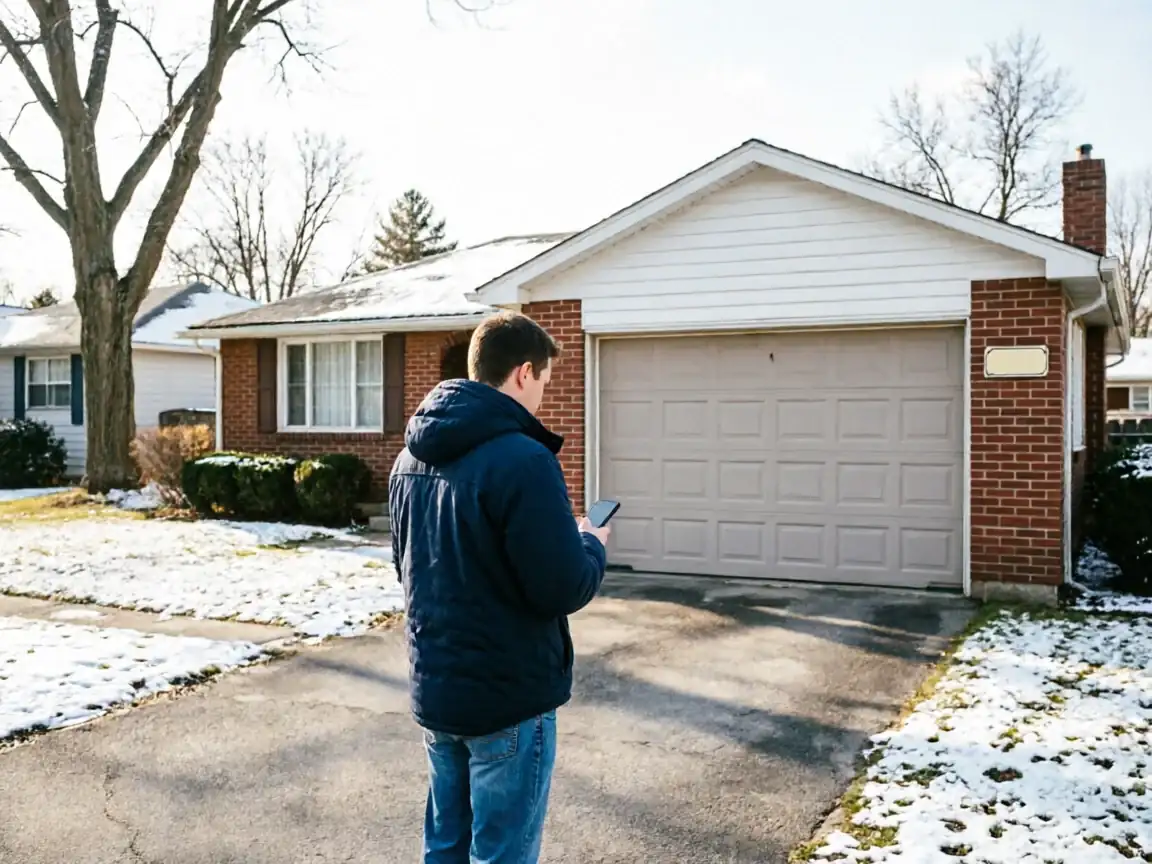
A man stands in a snowy driveway looking at his phone, facing a closed garage door.

Tell us what’s wrong

Describe the symptom - won’t open, loud bang, opener runs but the door won’t move.

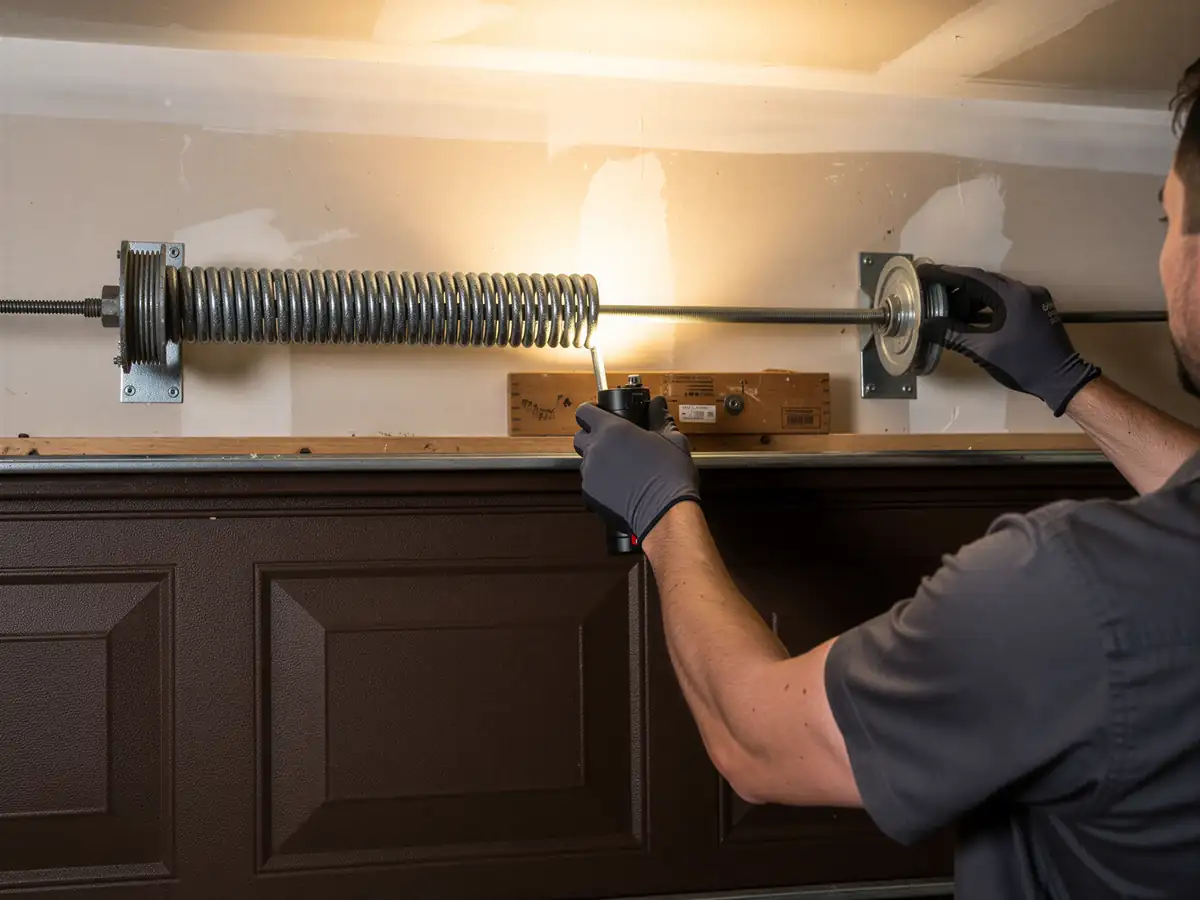
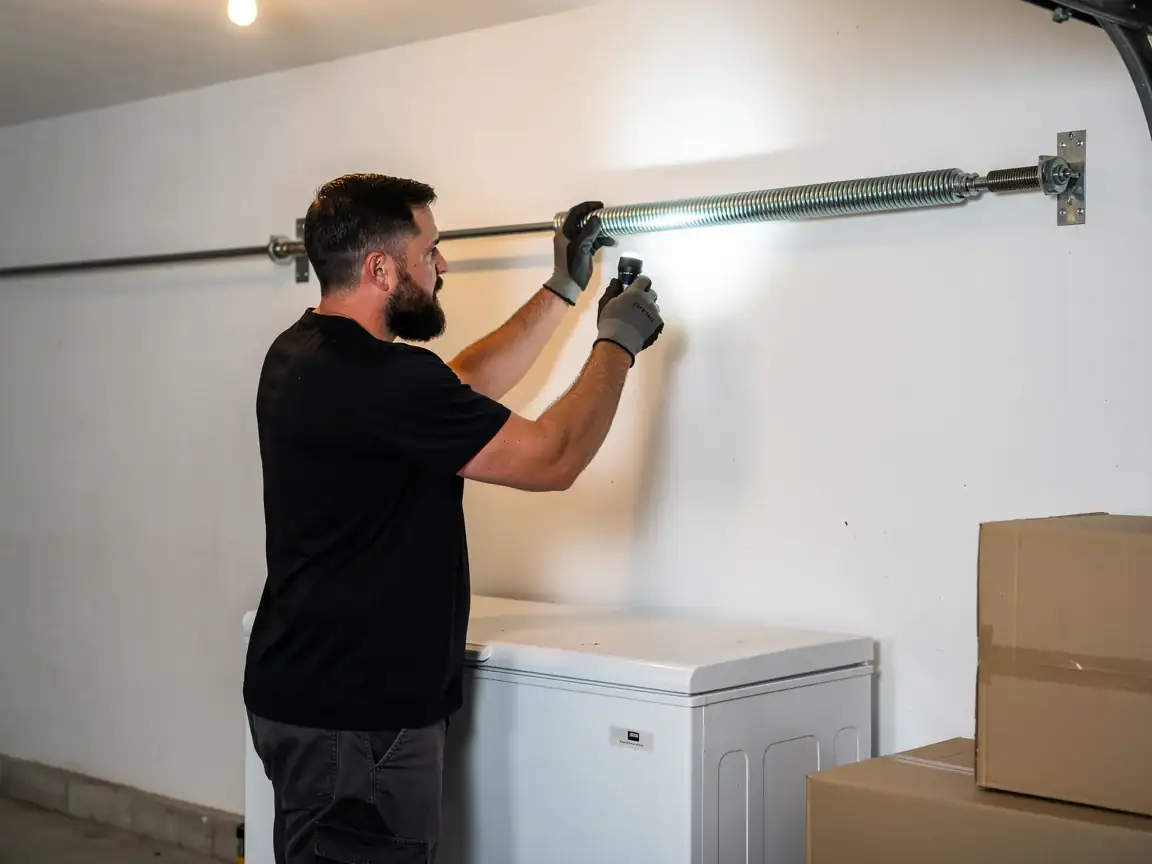
A technician inspects a garage door torsion spring with a flashlight.

On-site diagnosis

A technician tests the door under power and by hand and finds what actually failed.

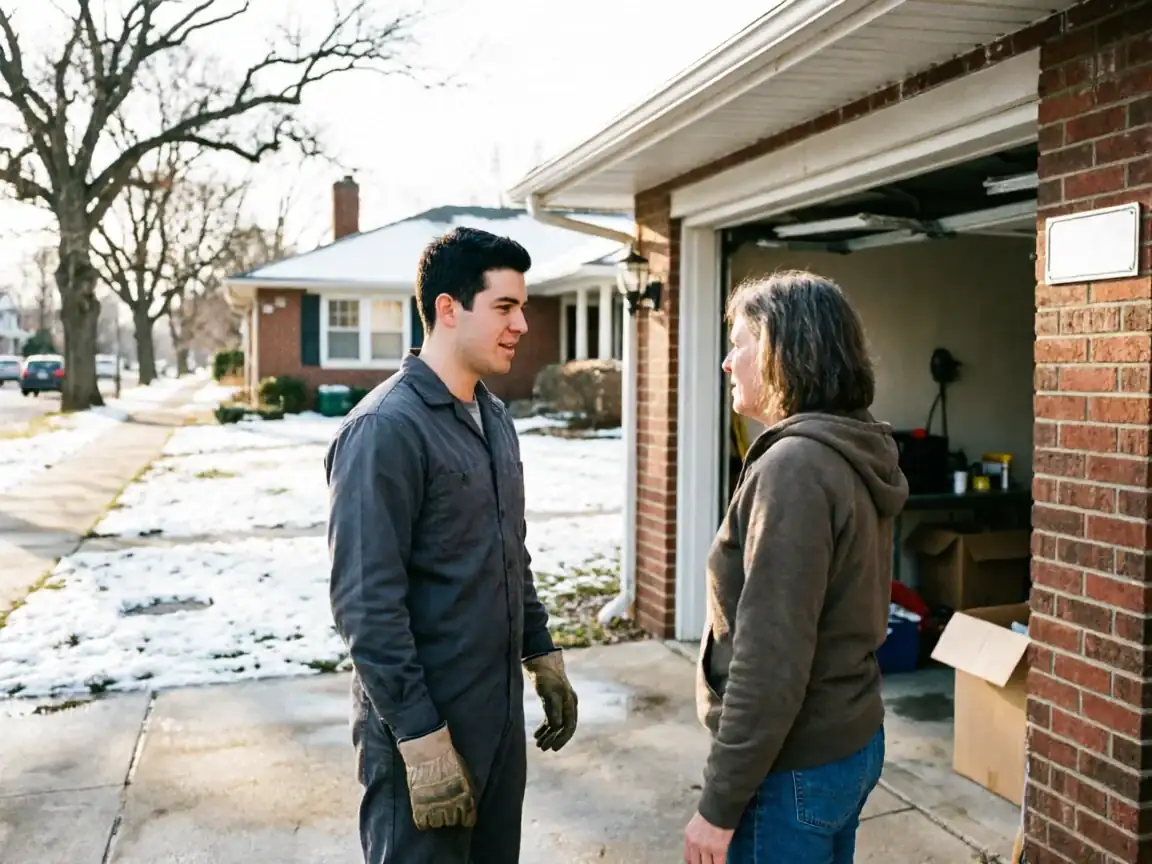
A technician in work clothes talks to a woman in front of a garage.

Clear, up-front plan

You get the fix that’s needed and what drives the cost - before any work starts.

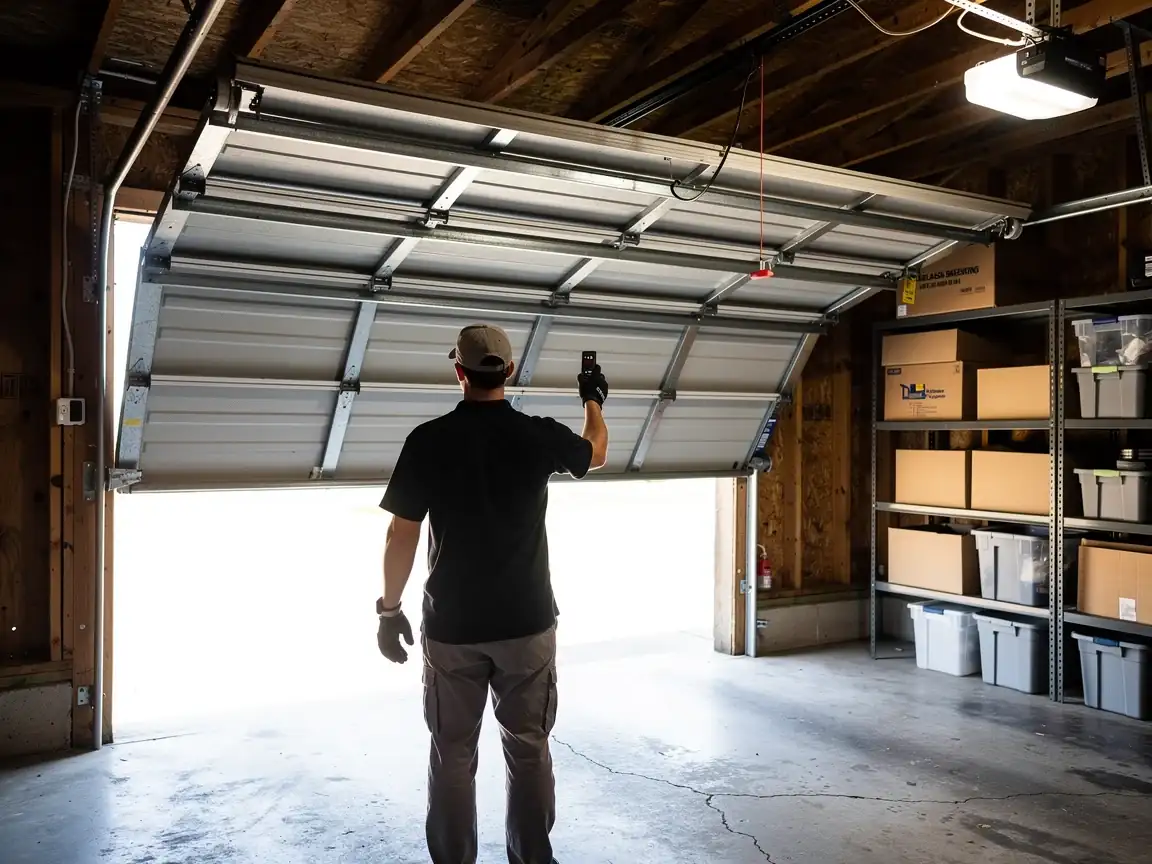
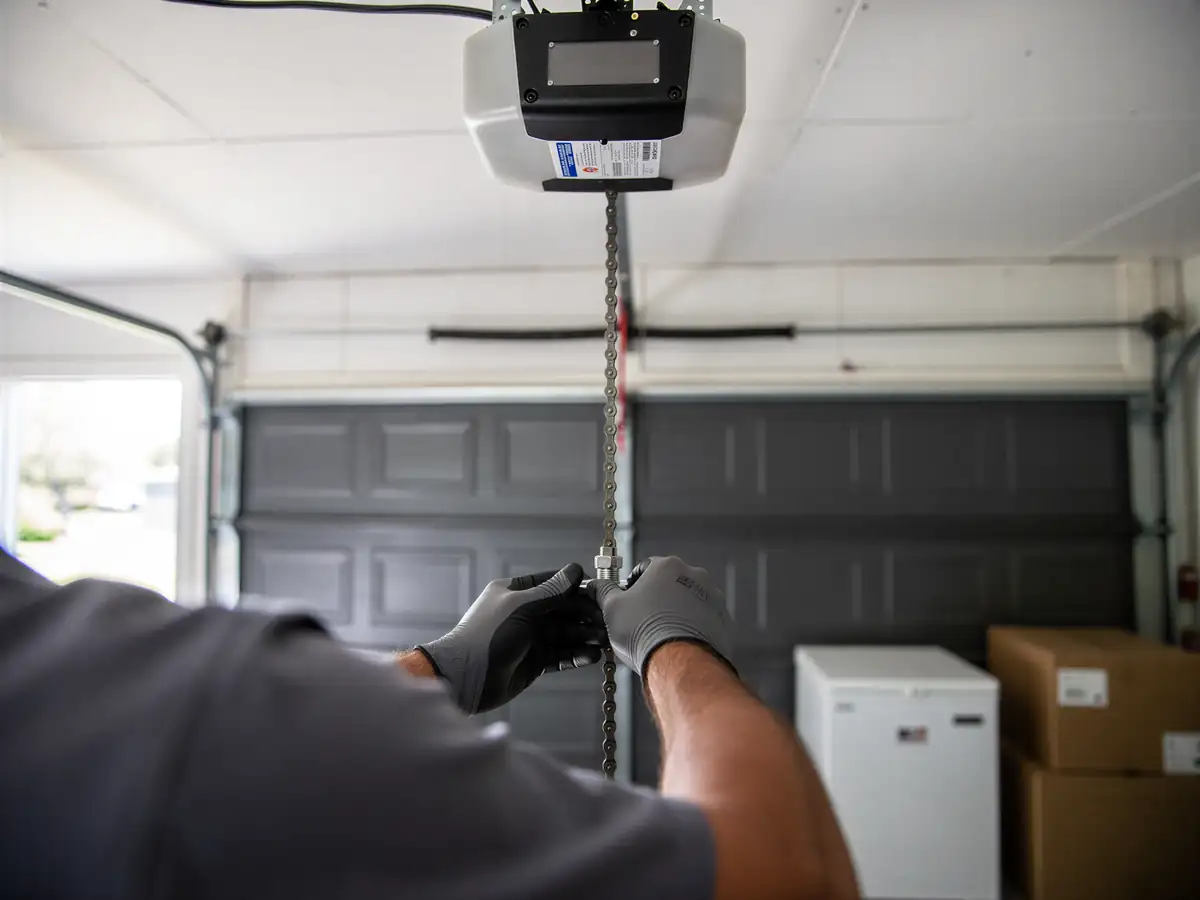
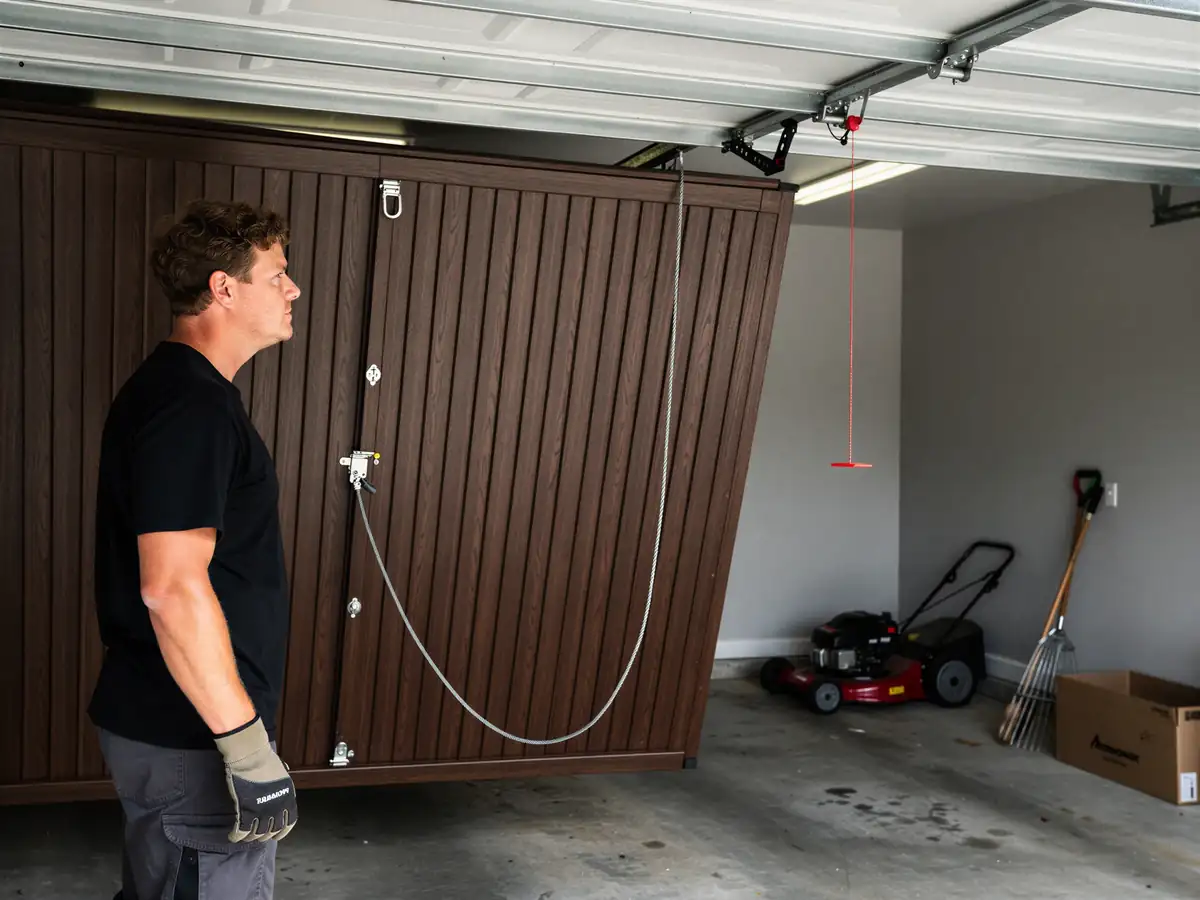
A technician operates a partially open garage door with a remote control.

Repaired & tested

The repair is done, the door is set true and tested, and the work area left clean.

Not sure which repair your door needs in Columbia, MO? Describe what it’s doing - every job starts with a diagnosis.

How we work

What to expect

Diagnosis firstEvery visit starts by finding what actually failed - not a pre-written parts list.
The right part for the doorSprings and openers matched to the door’s weight and age, so the fix holds up.
Straight answersWhen a repair makes more sense than a replacement - or the reverse - you hear it plainly.
Clean, careful workTension released safely, hardware set true, the door tested under power before we leave.
129,330Residents in Columbia
8Garage door services
7Neighborhoods & suburbs
MOServing Columbia, MO
Questions

Frequently asked

Straight answers about garage door repair in Columbia. Still unsure? Ask us directly.

Do you keep panels in stock for Hallsville's newer-built homes?

Usually, yes. Since most houses here date to around 1994, the steel sectional panels and standard widths that go with that era are common stock items for us. Older or custom profiles sometimes need a special order, which we'll confirm once we've measured your door.

Will the replacement panel match my door exactly?

We match groove pattern, insulation, and hinge spacing before we install anything, not just color. If an exact match isn't available for an older or discontinued door, we tell you that upfront and give you the real options rather than installing a close-enough panel.

How does the drive from Columbia affect scheduling?

Hallsville is about 13 miles from our shop, so we book panel jobs as scheduled visits rather than instant drop-ins. For most 1990s-era doors we carry the matching panel and finish in one trip; a rare or custom profile may need a second visit once the part arrives.

Is it ever better to replace the whole door instead of one panel?

If more than two panels are damaged, or your door is old enough that matching panels aren't made anymore, a full door replacement usually costs less over time than hunting down discontinued parts. We'll tell you plainly if that's the case for your door.

Ready to get your garage door sorted?

Tell us what it’s doing and where you are in Columbia - we’ll take it from there.

Request a QuoteCall