What Is on the Truck
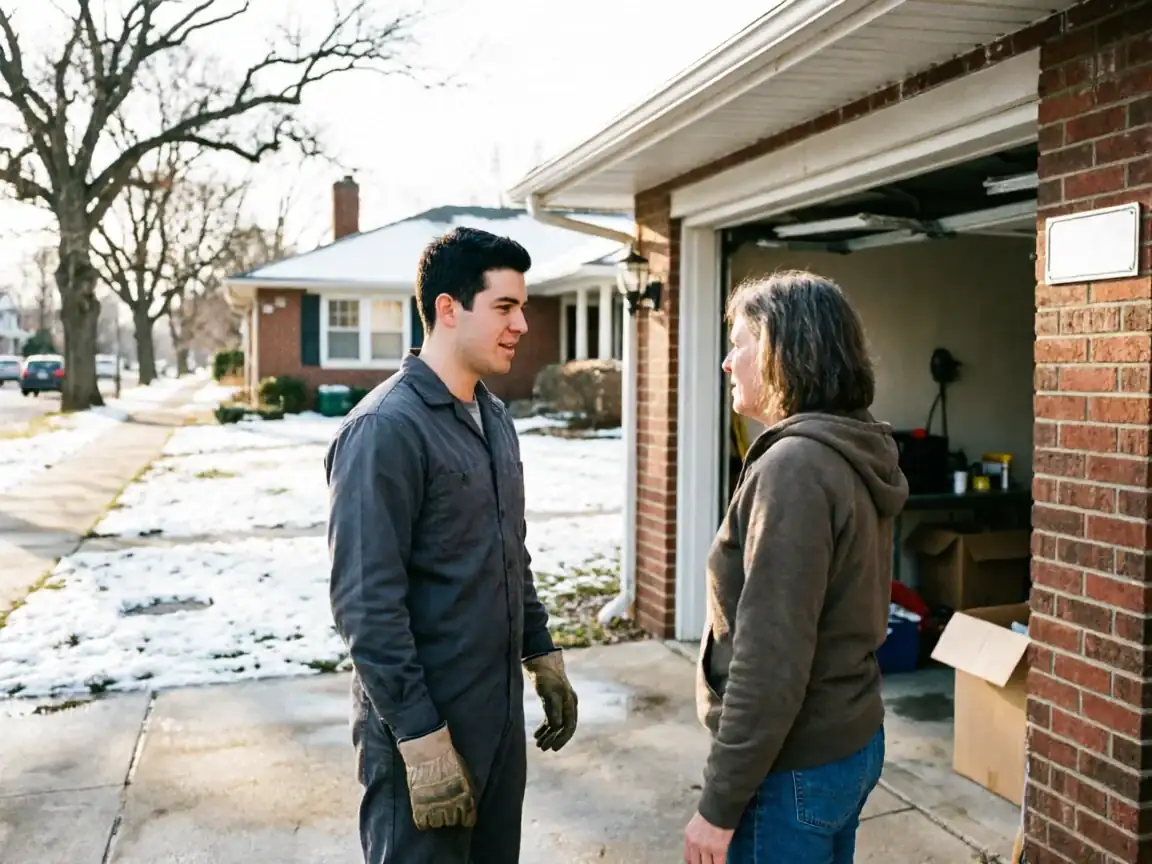
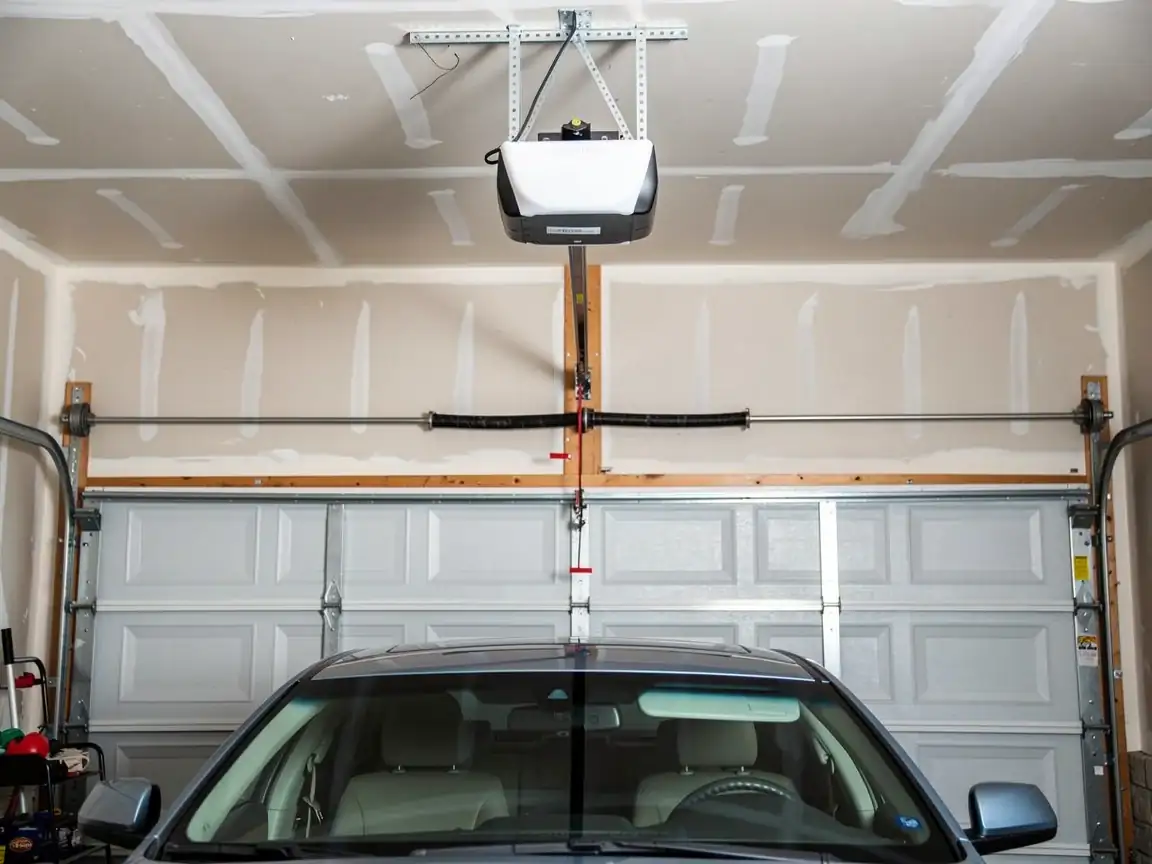
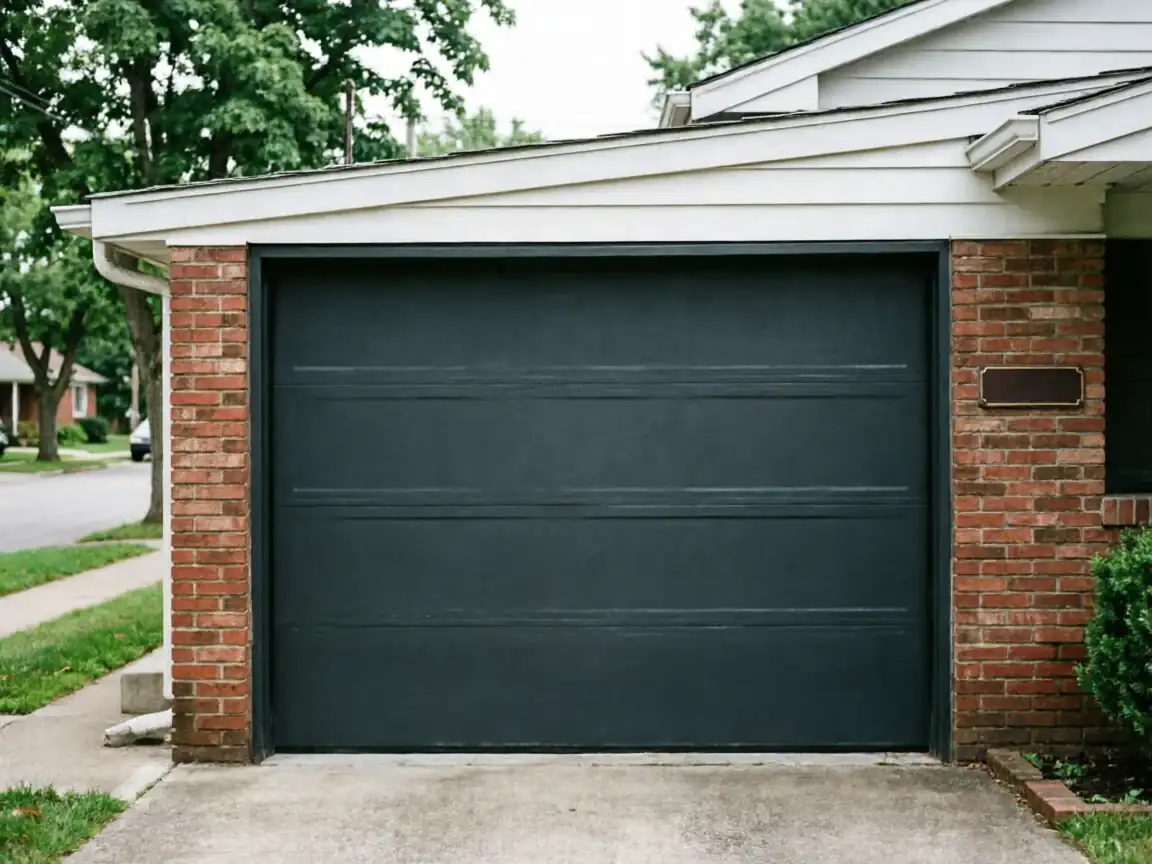
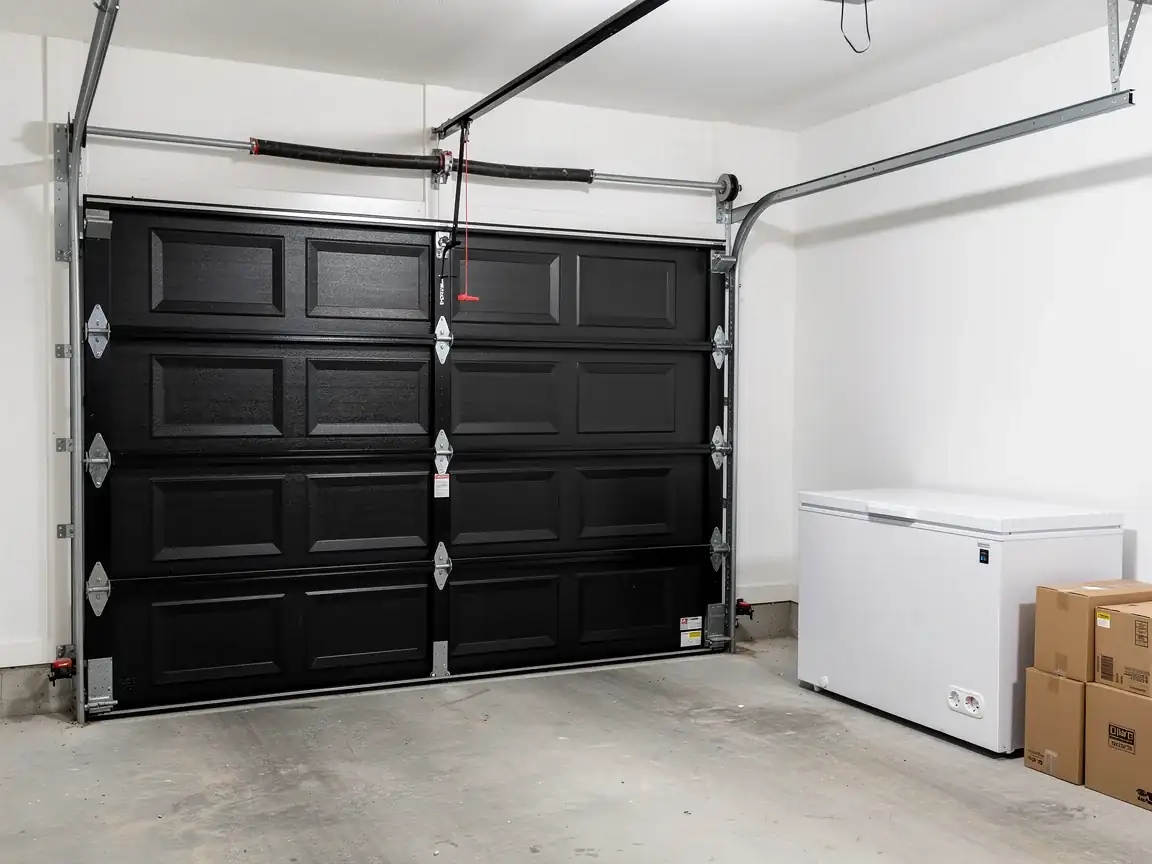
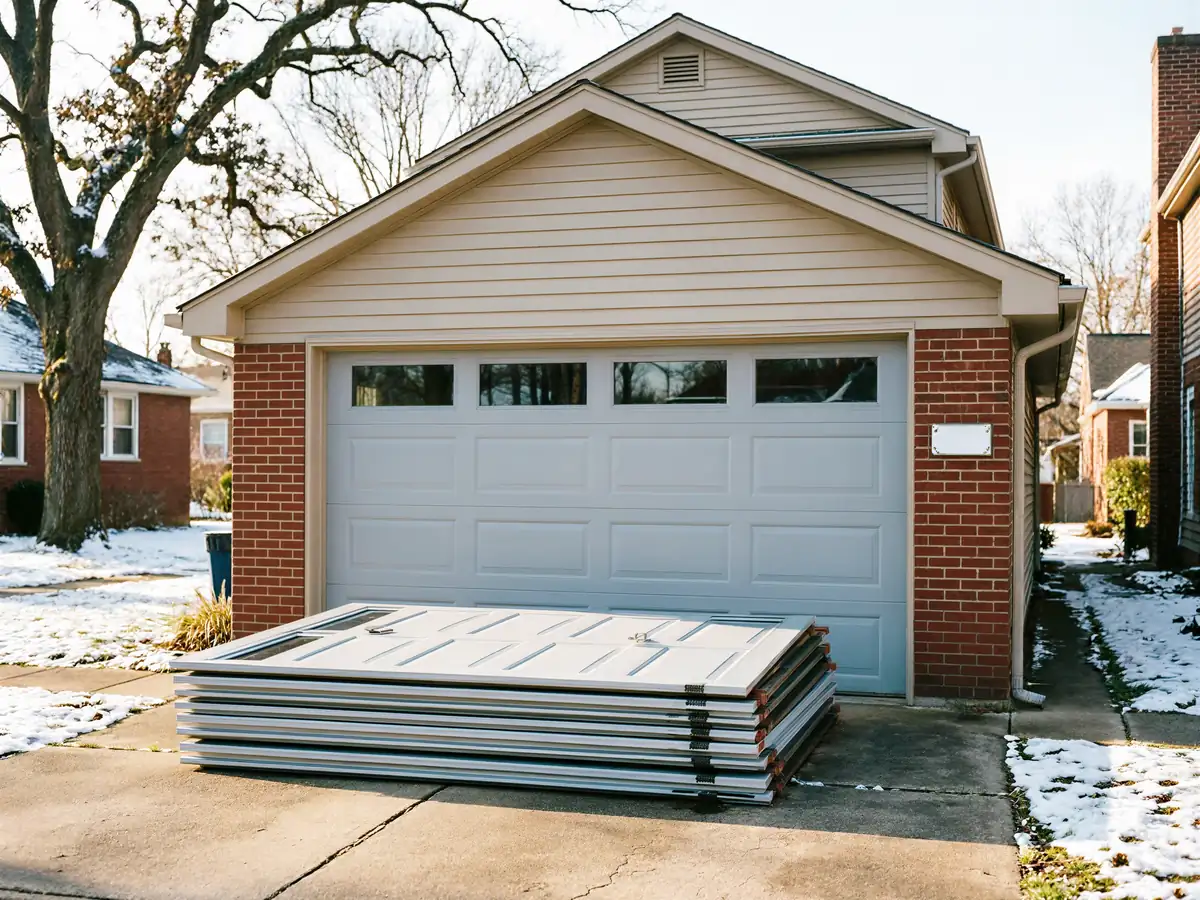
Because Hallsville's housing runs newer than a lot of the surrounding service area - median build year sits around 1994, well past the 1960s-70s stock that makes up a lot of the older towns nearby - the truck carries parts sized for steel sectional doors on torsion spring systems rather than the older extension-spring setups you'd find on a door from the 1960s. That means torsion cables, standard-drum hardware, and the lubricant and roller stock that actually fits what's hanging in most Hallsville garages. We're not guessing at what's behind the door before we arrive; a 1990s build tells us almost exactly what kind of hardware we're going to find. What we don't carry is parts for the oddball stuff - custom wood doors or anything non-standard someone added after the fact. If a house has one of those, we'll tell you on arrival rather than pretend the stock van covers everything.
What the Fix Involves
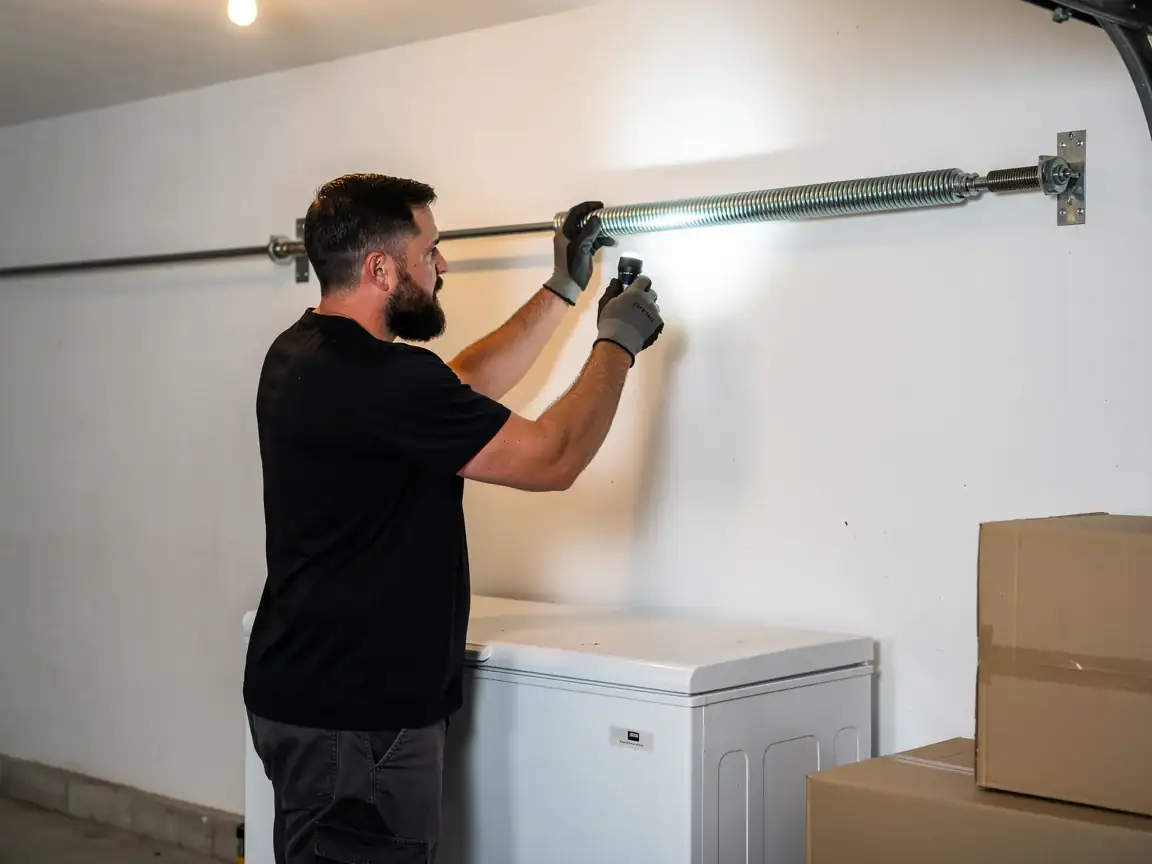
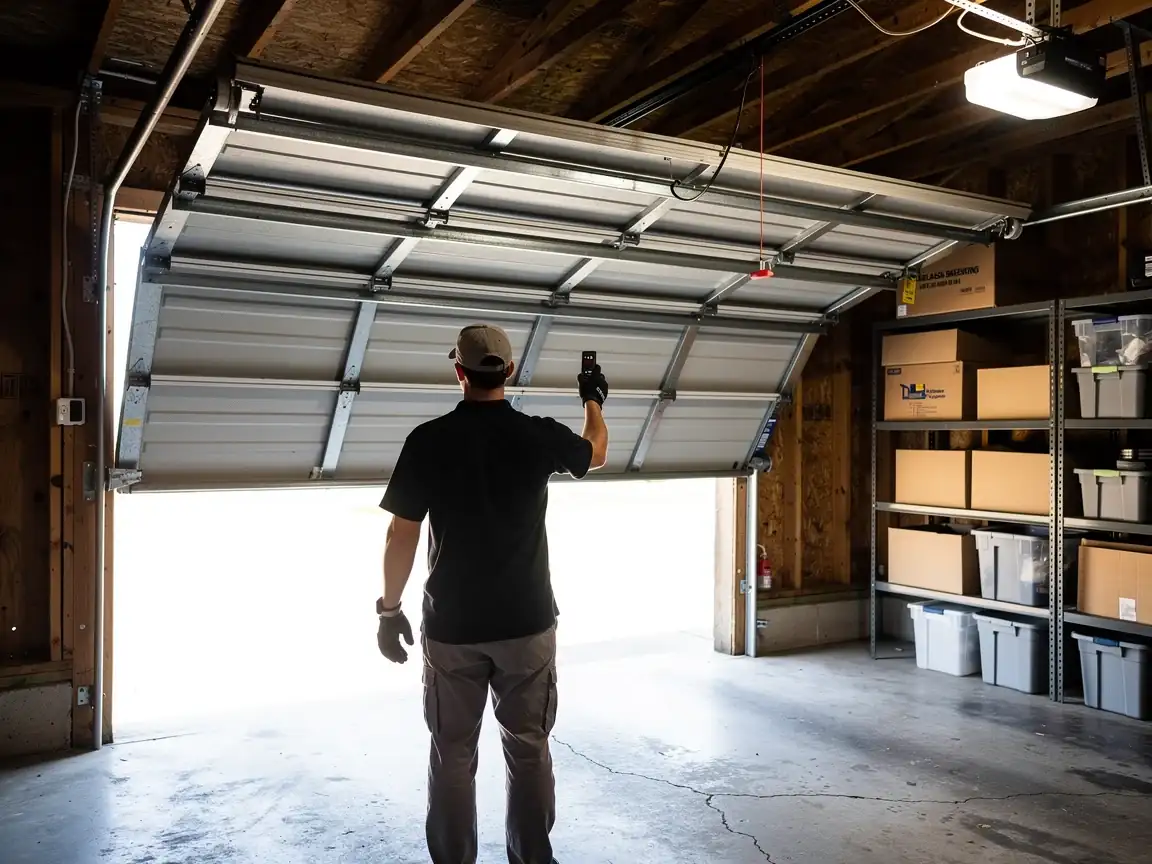
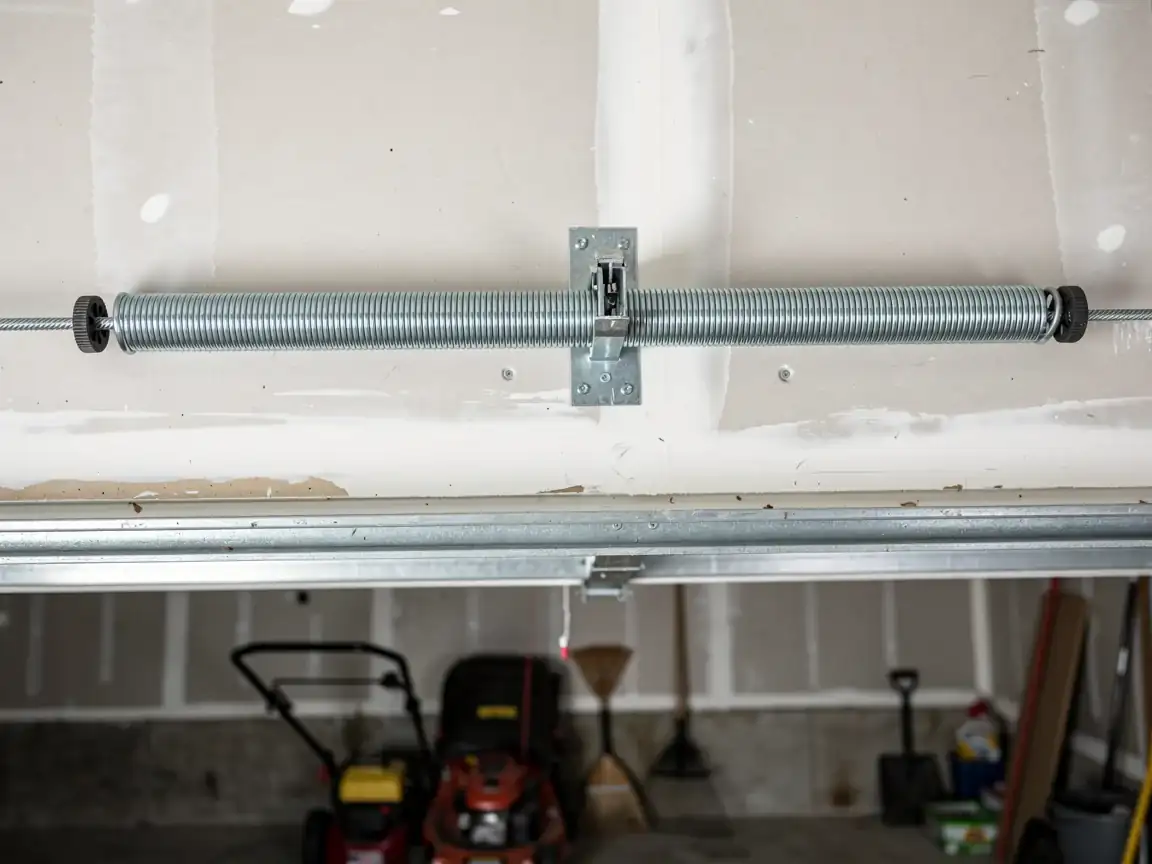
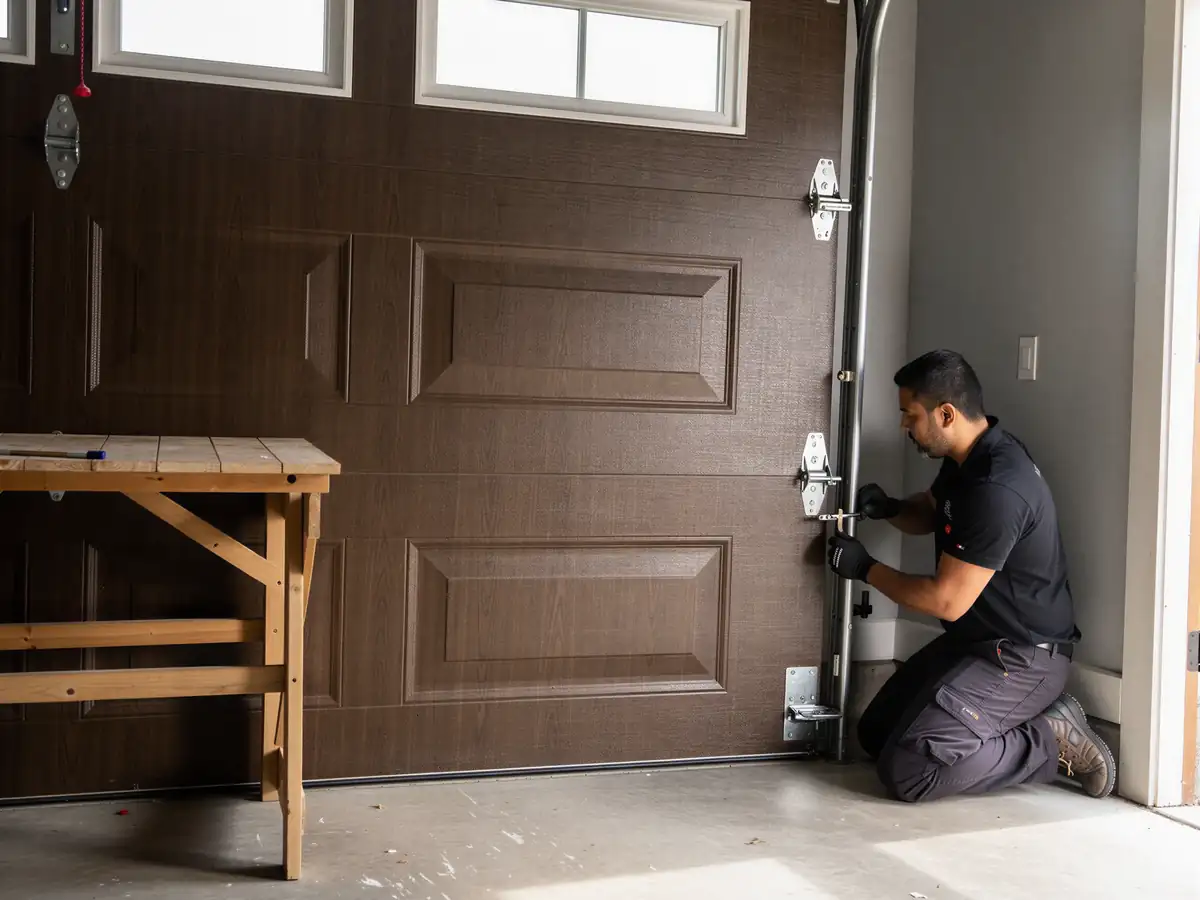
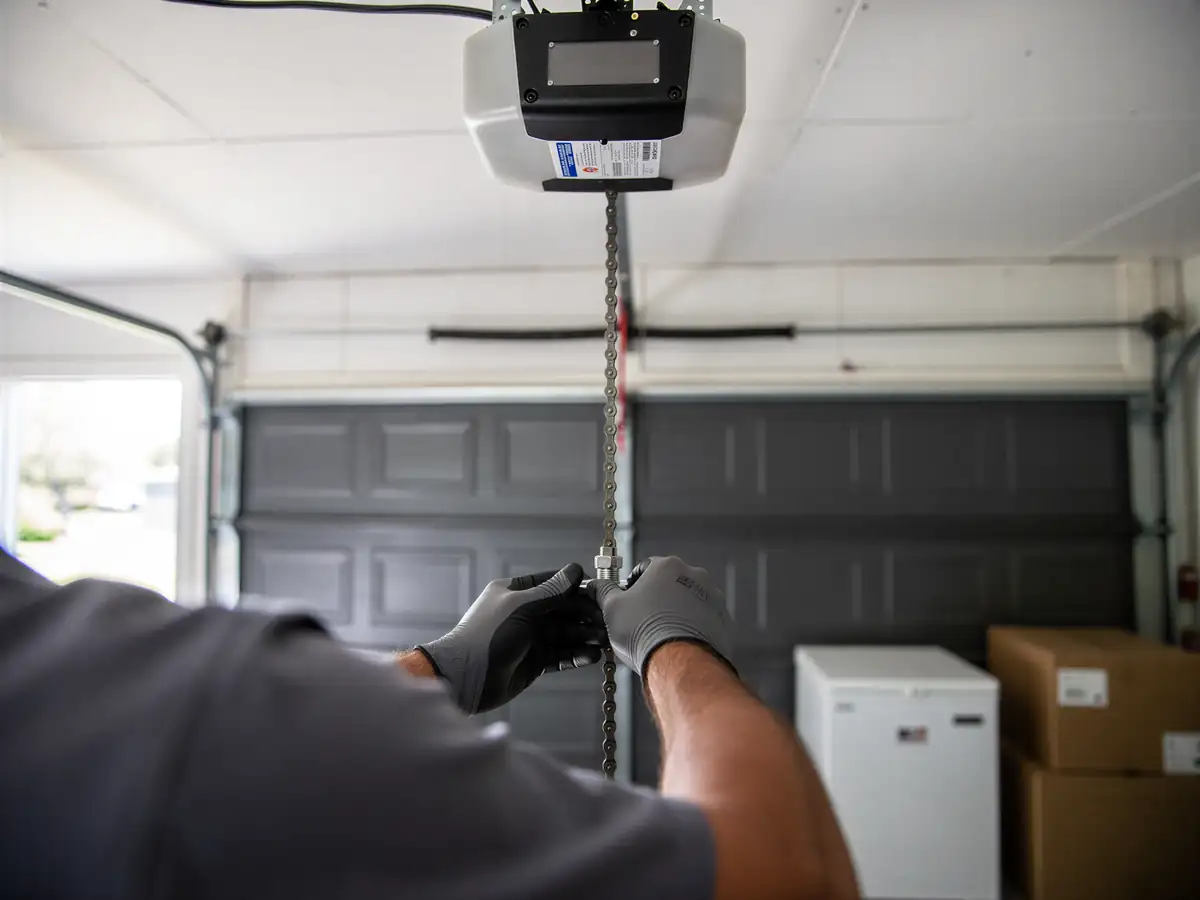
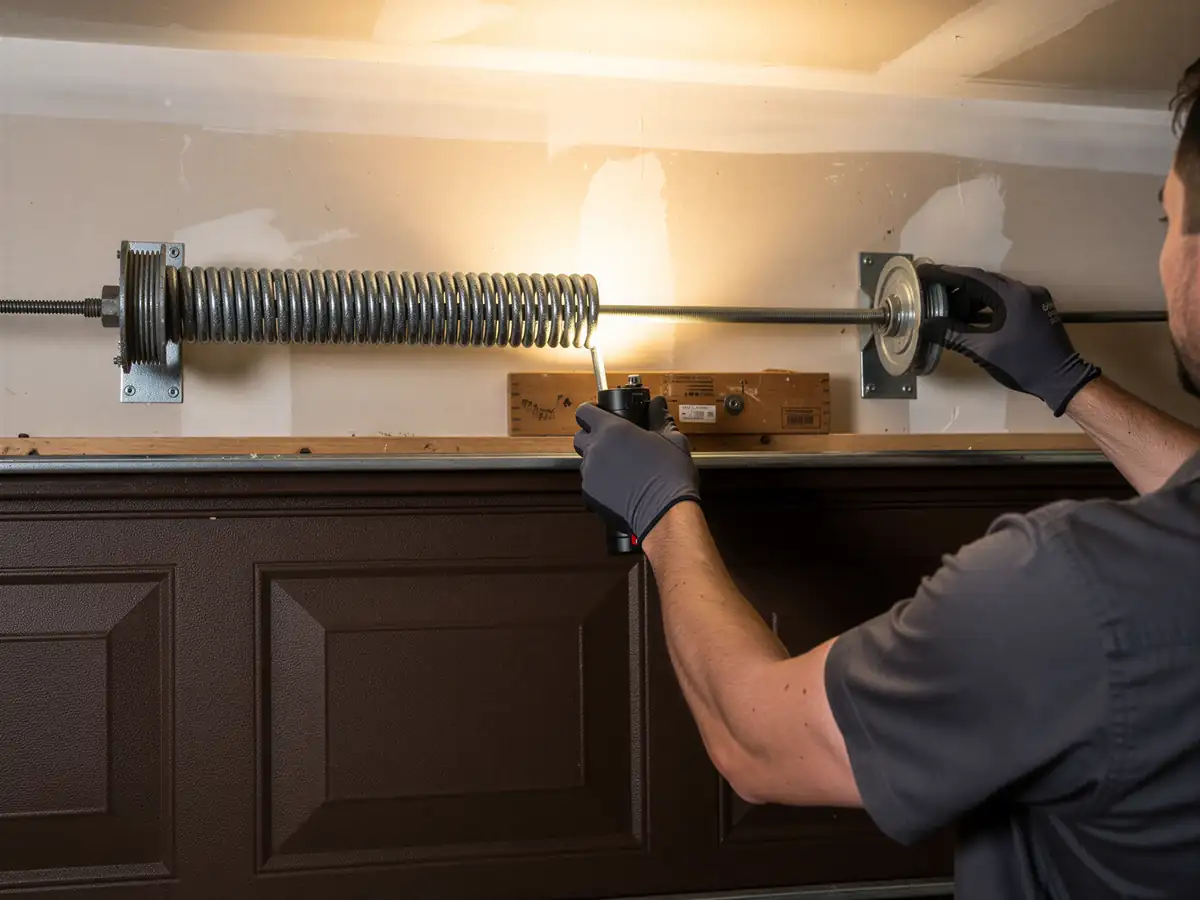
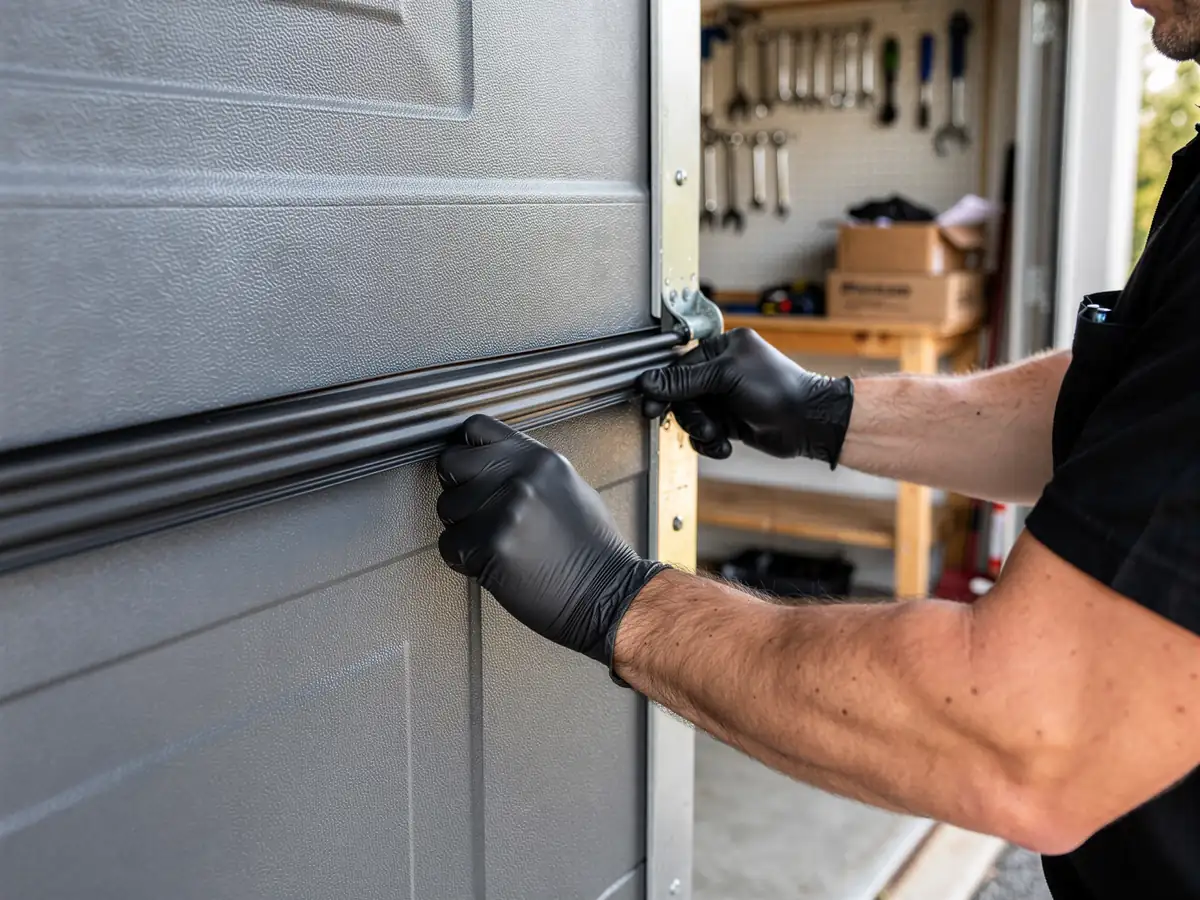
A maintenance visit on a door this age is mostly about catching wear before it becomes a breakdown: checking torsion spring tension, inspecting cables for fraying, lubricating rollers and hinges, and making sure the opener's force settings haven't drifted enough to strain the hardware. Doors built around 1994 are old enough now that the original springs are past or near their rated cycle count, which is the single most common reason a Hallsville call turns from maintenance into a same-visit spring swap. We also check track alignment, since 30 years of seasonal temperature swings in a cold-climate winter can shift a frame enough to throw rollers slightly out of true. None of this requires pulling the door off its track in most cases - it's adjustment and replacement of wear parts, not a rebuild. The honest limitation: if the opener itself is original to the house, parts for some older models are getting hard to source, and at that point replacement is the more sensible call than another repair.
What You Are Seeing
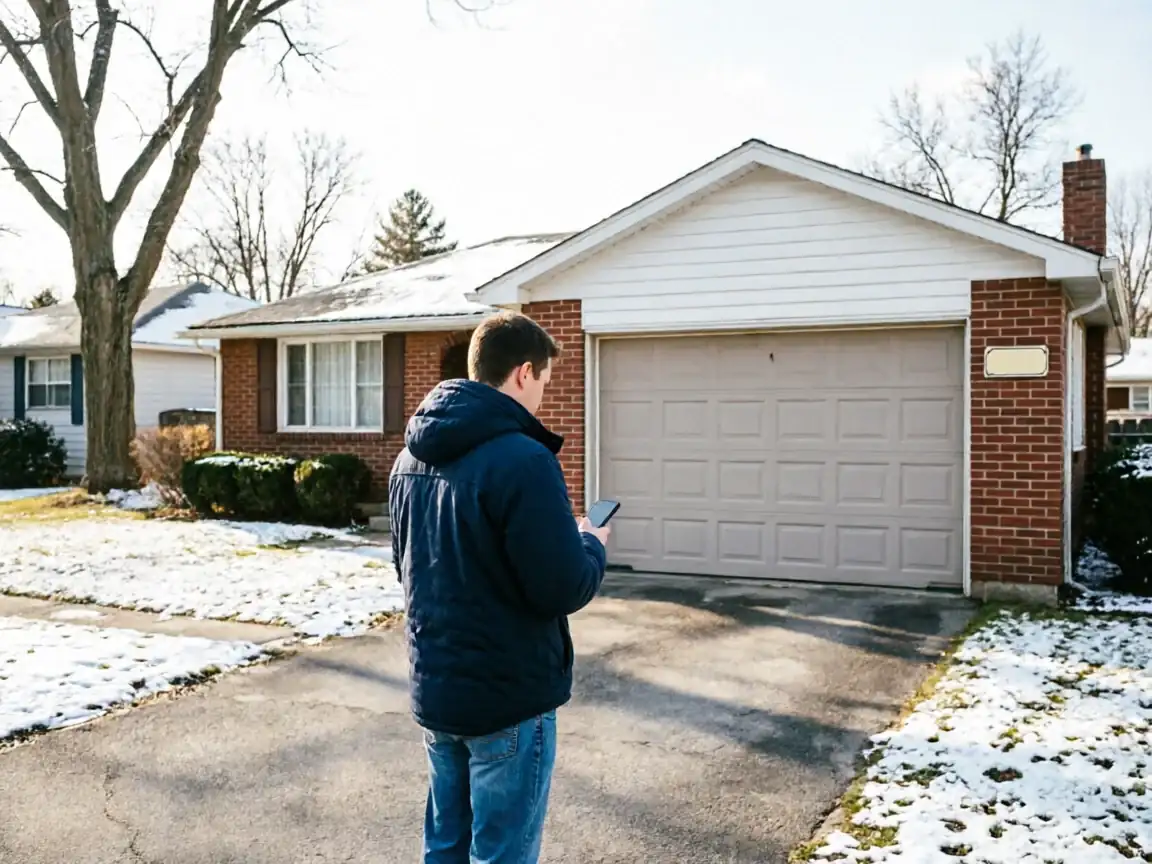
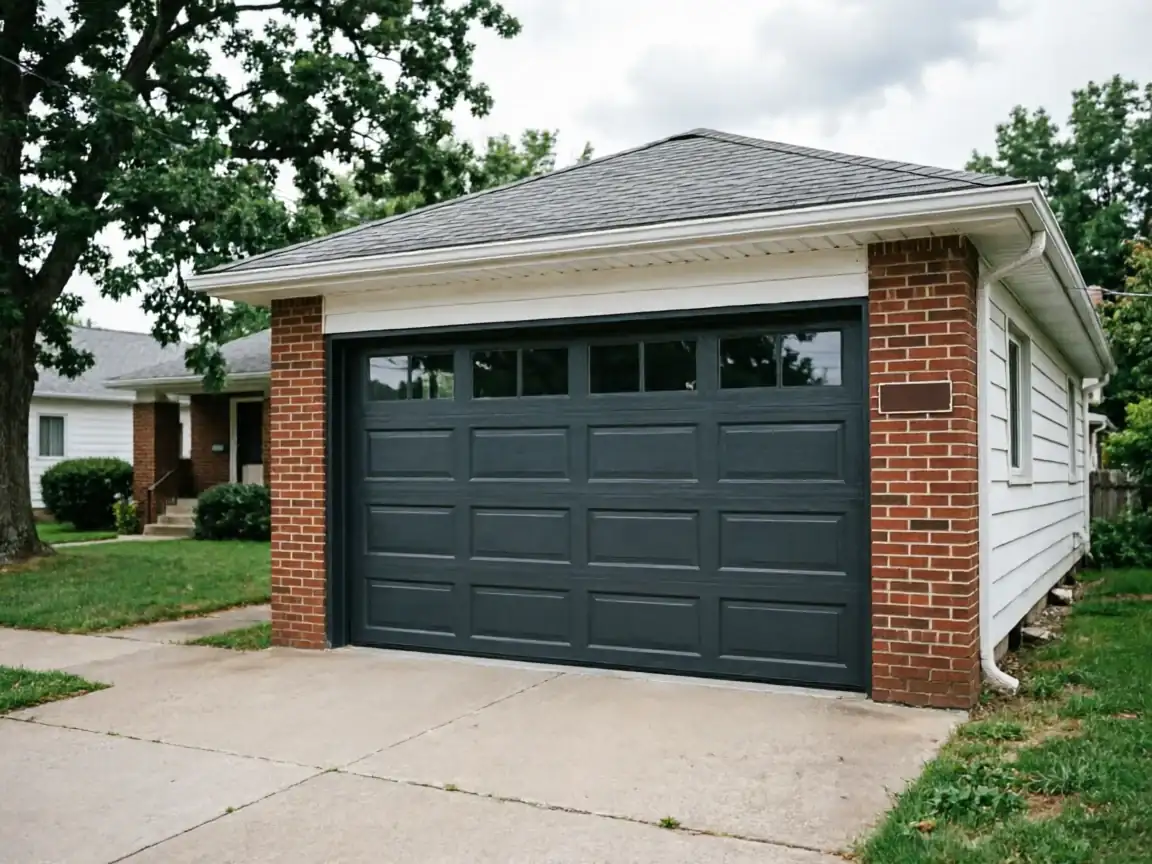
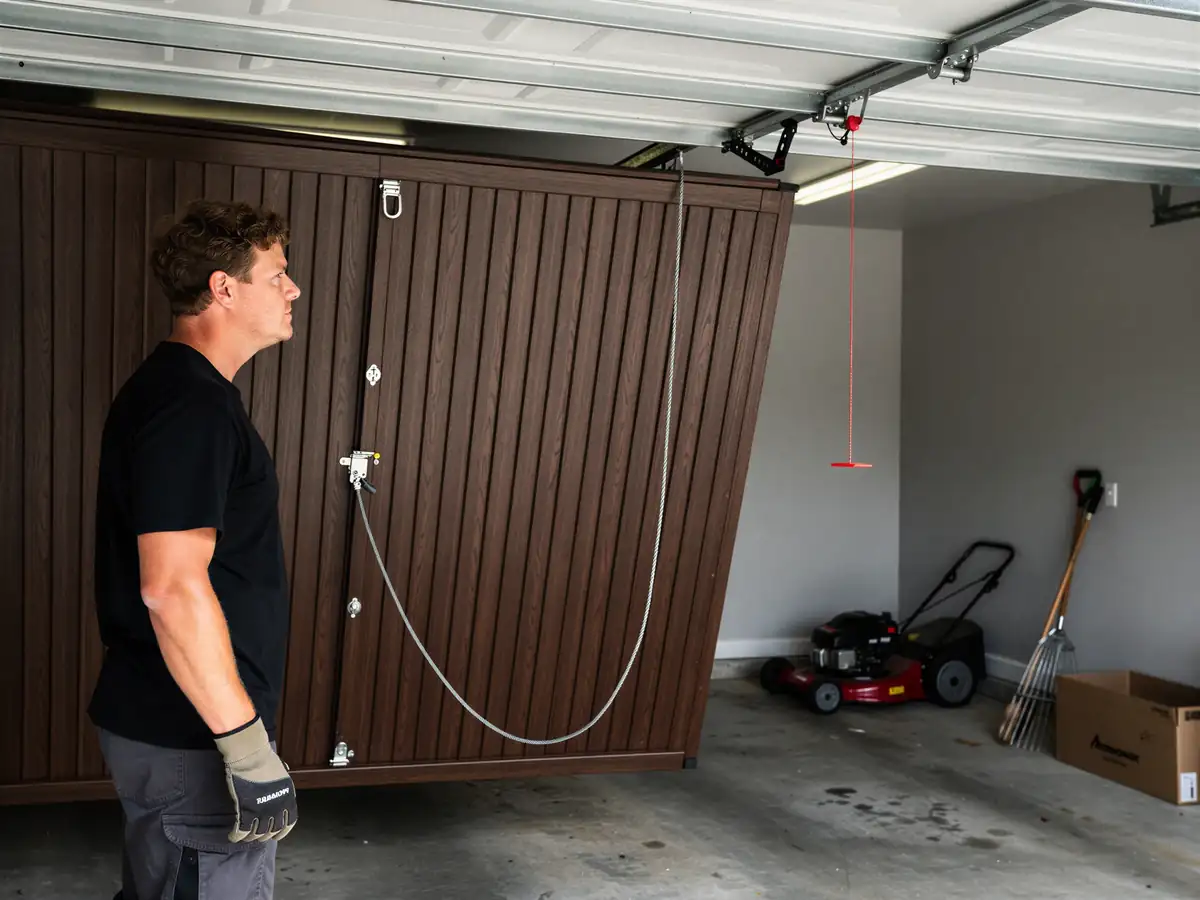
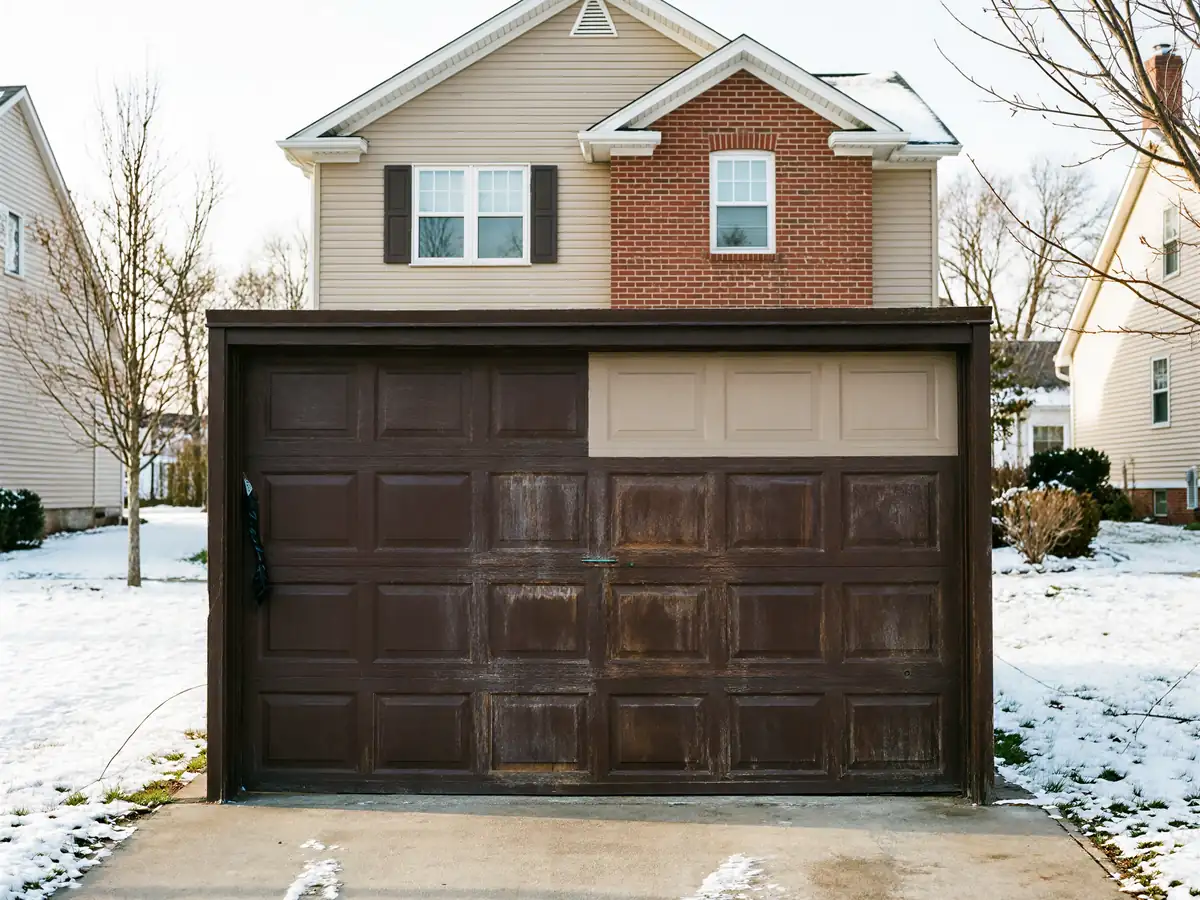
With a median build year around 1994, most garages in Hallsville are still running their second or third torsion spring and first or second opener. What that looks like in practice: a door that's noticeably louder than it used to be, a spring that looks stretched or has a visible gap in its coils, or an opener that strains and pauses partway up. In a cold-climate winter, the most common early symptom is a door that catches or drags right at the point the track crosses the cold threshold of the garage opening - ice and temperature swings tighten tolerances that a summer inspection won't catch. None of these are emergencies yet. That's exactly what a maintenance visit is for: catching the symptom before it turns into a spring that snaps on a Tuesday morning with the car half in and half out.