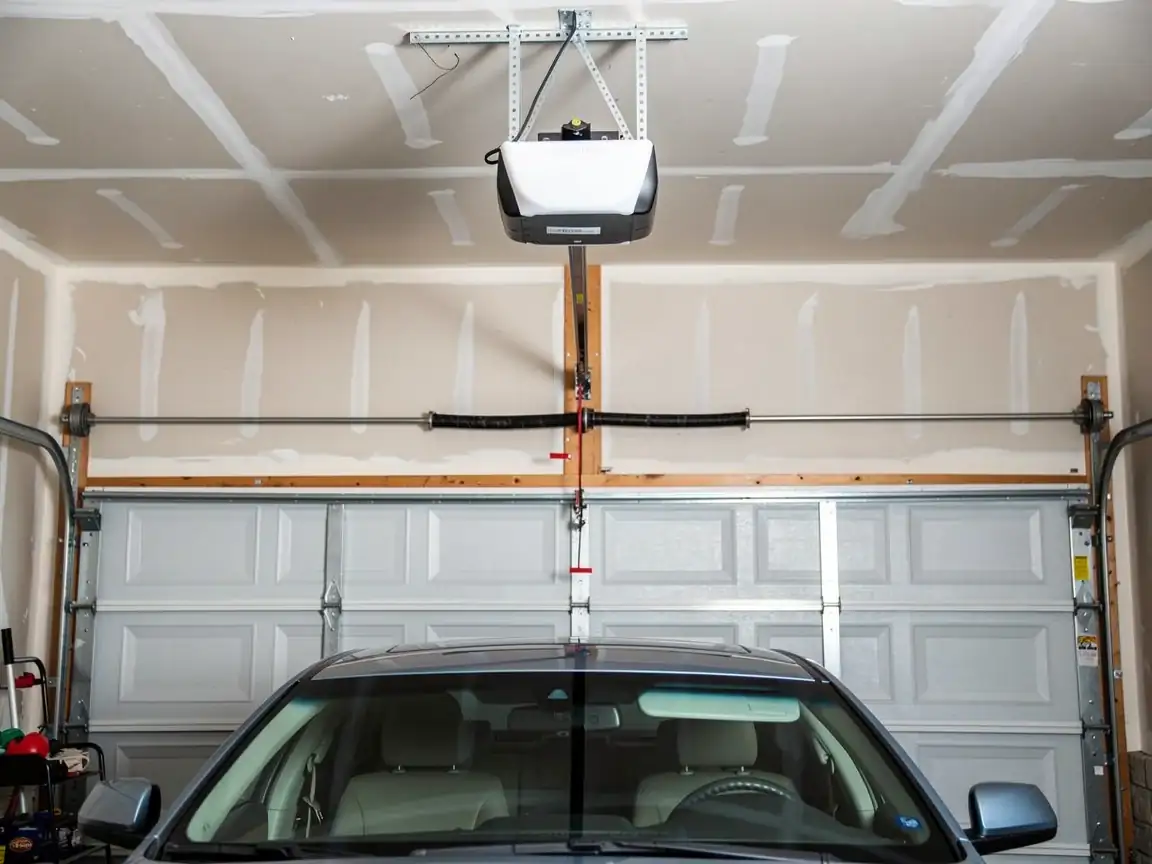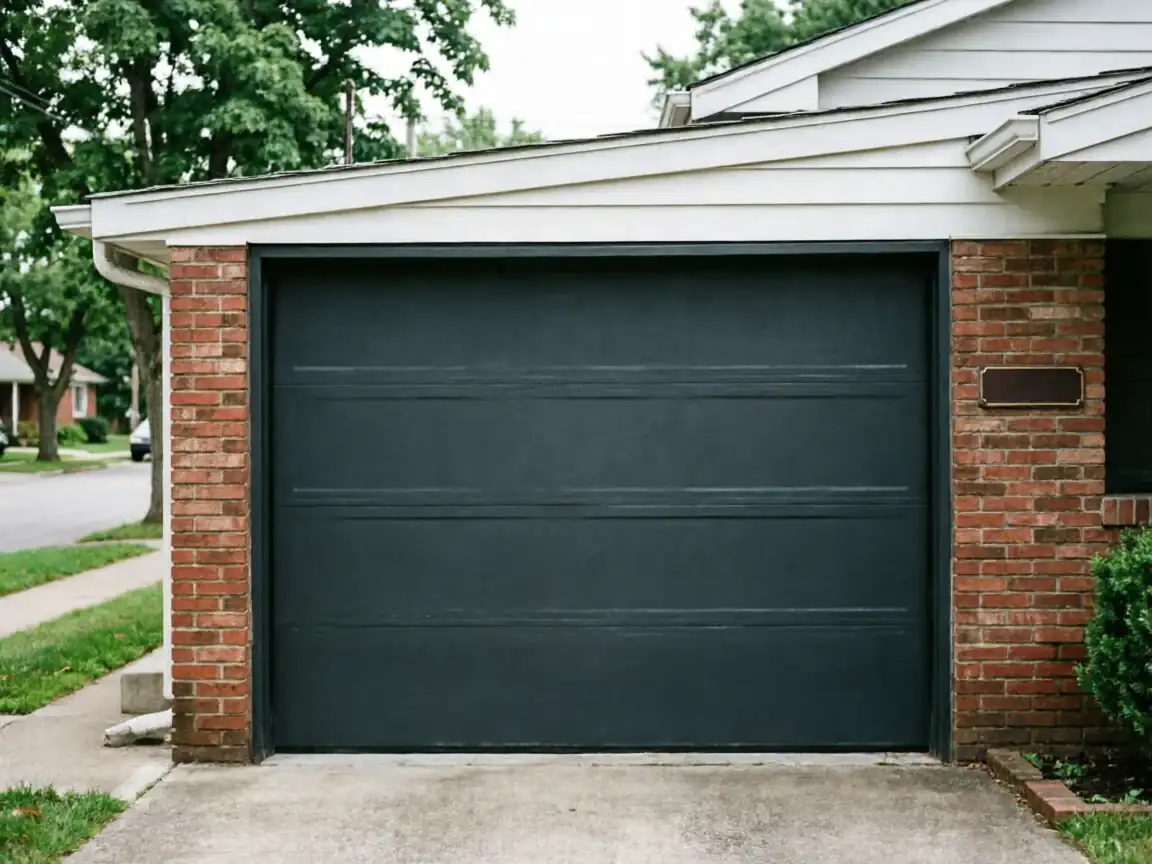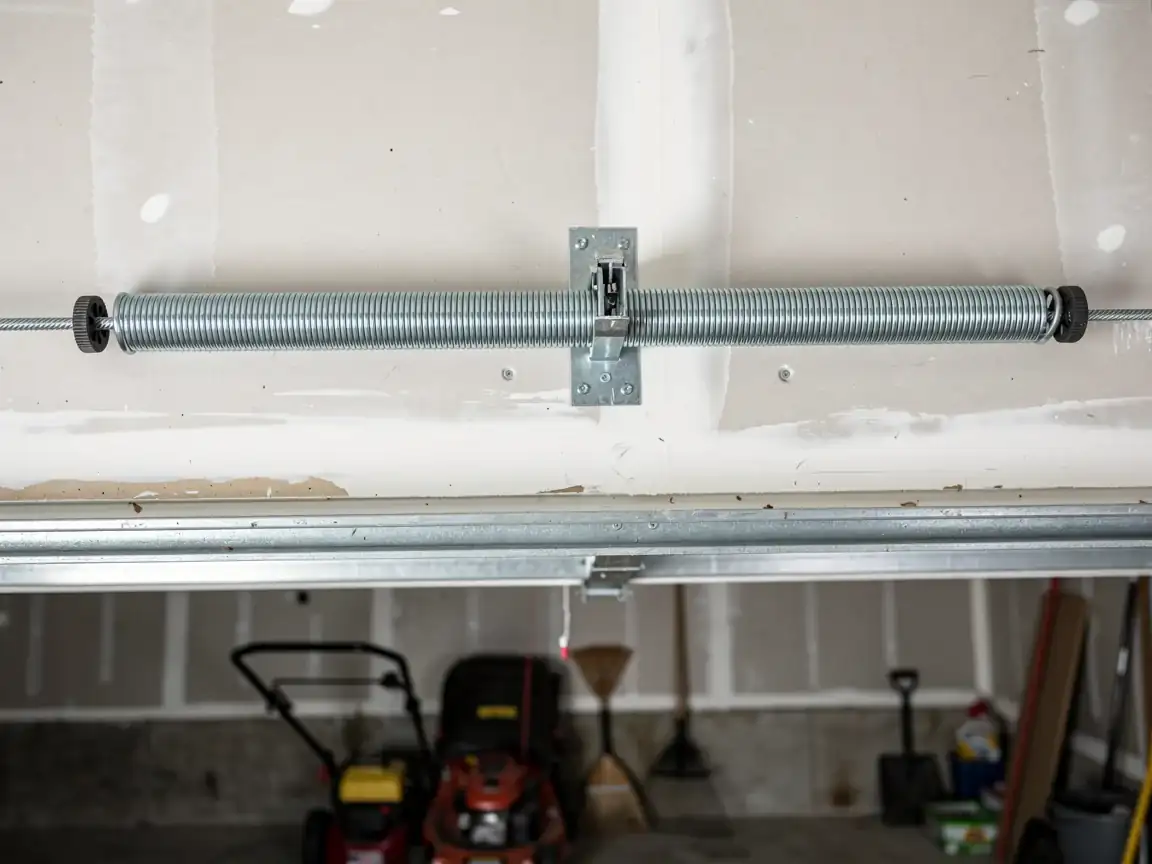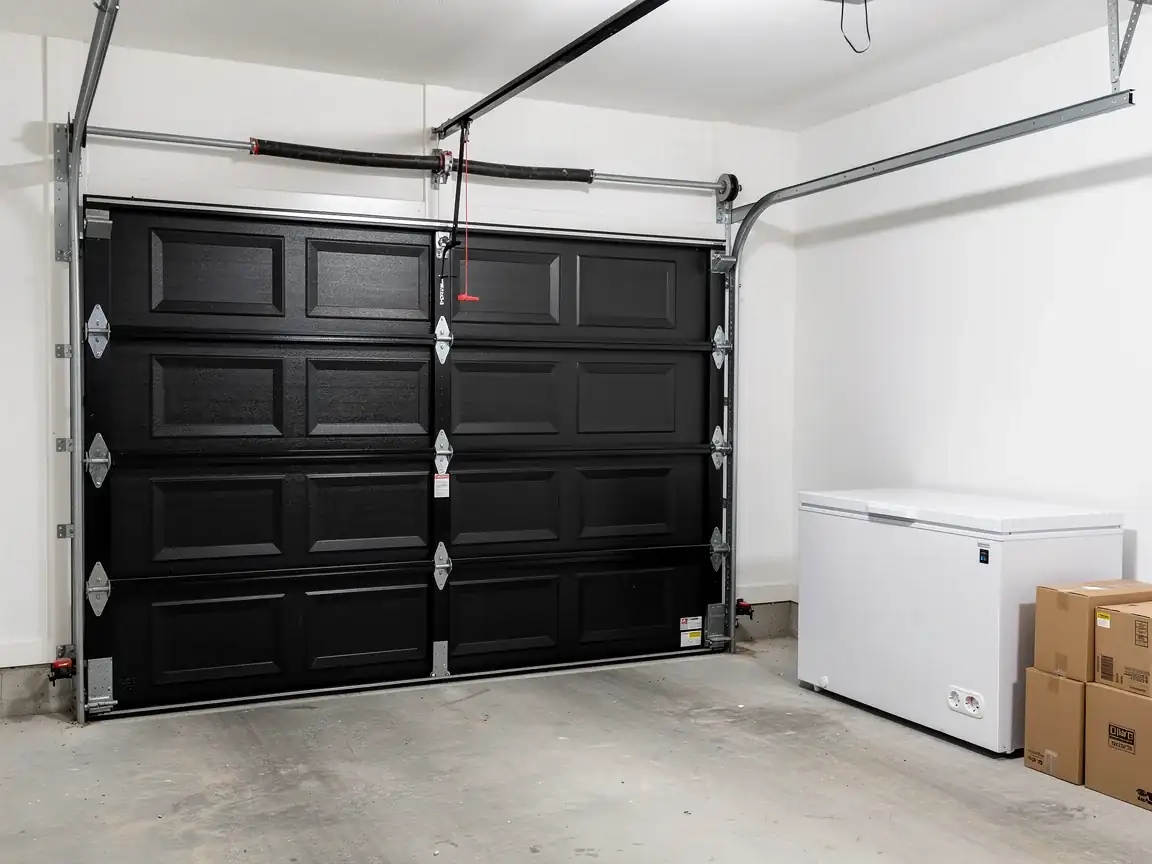
What You Are Seeing
The fault we see most in Jamestown isn't a snapped torsion cable
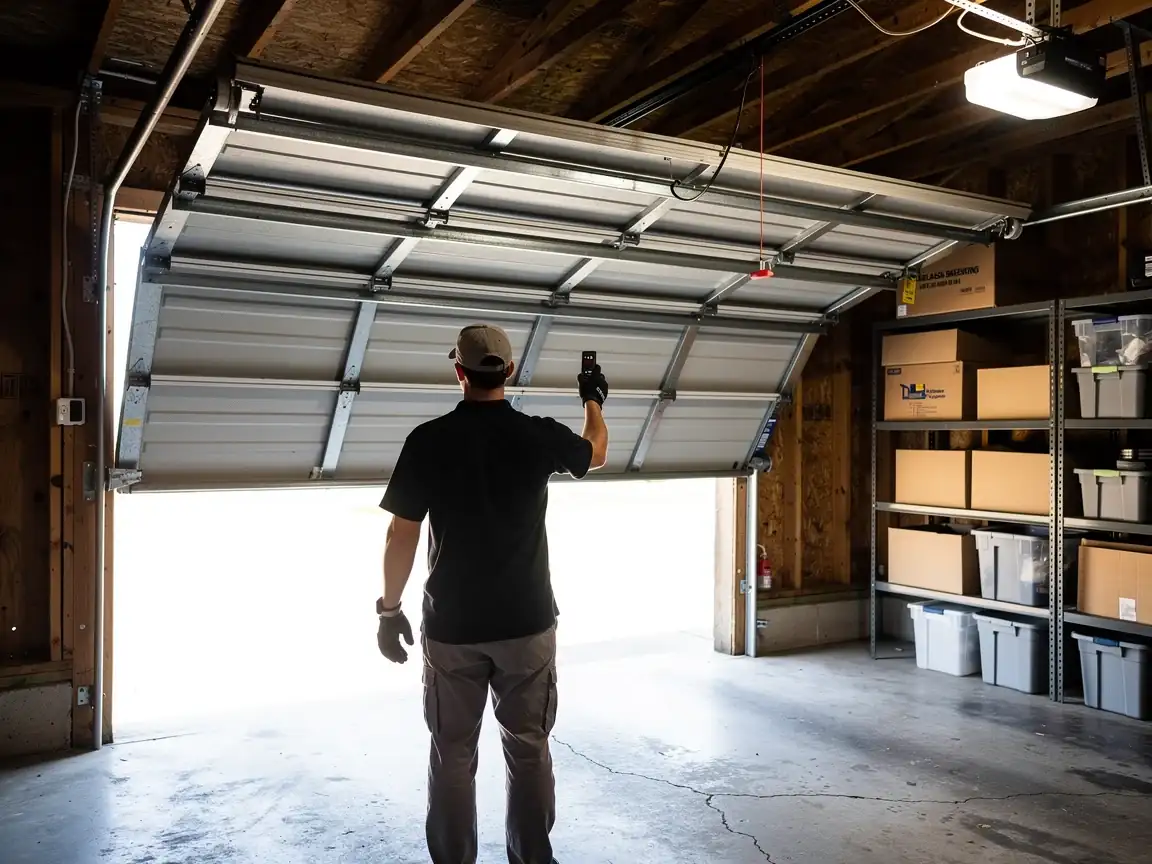
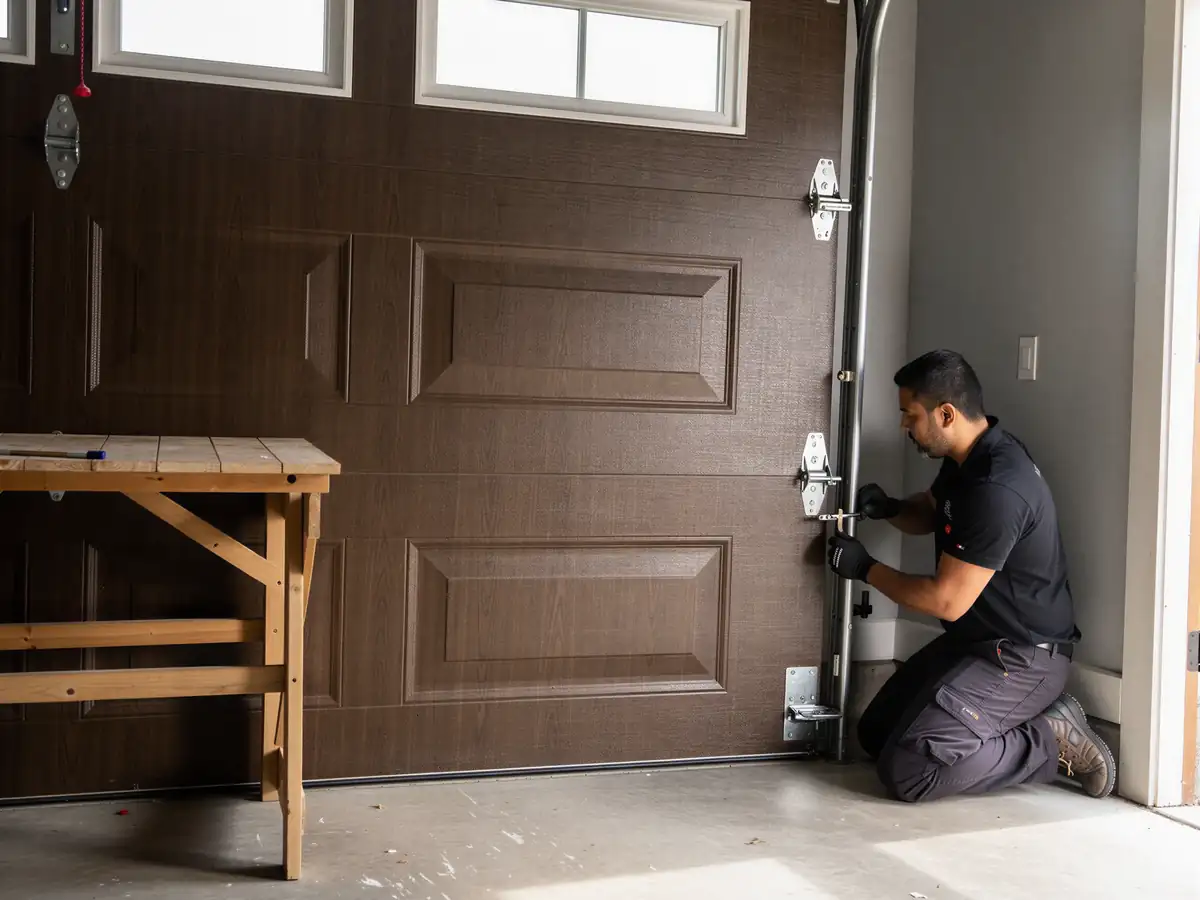
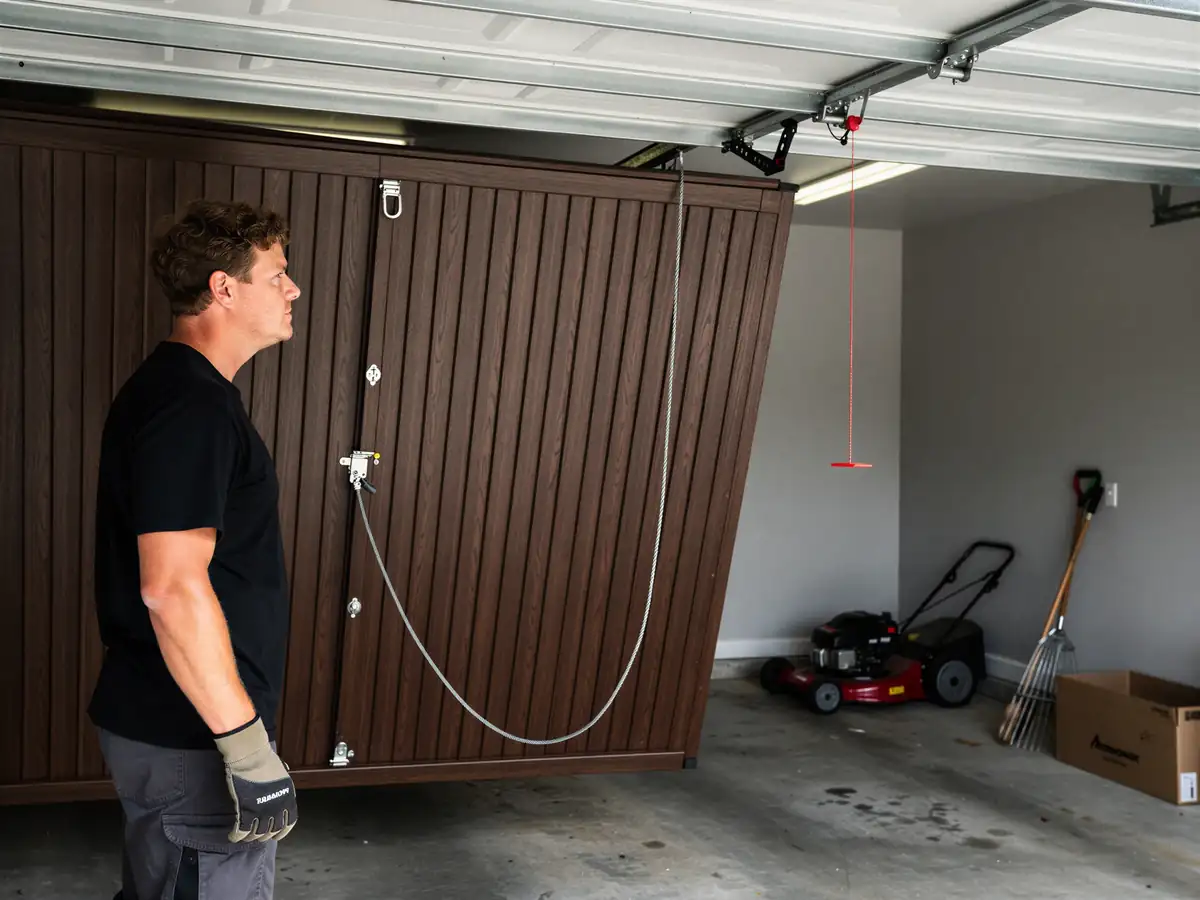
It's a frayed or jumped extension cable on a pulley-and-drum setup, usually on one side of the door while the other still looks fine. The door hangs crooked in the opening, or it drops hard the last foot before it hits the floor, because one cable has stretched or slipped off its drum while the other hasn't.
That pattern lines up with the housing stock out here
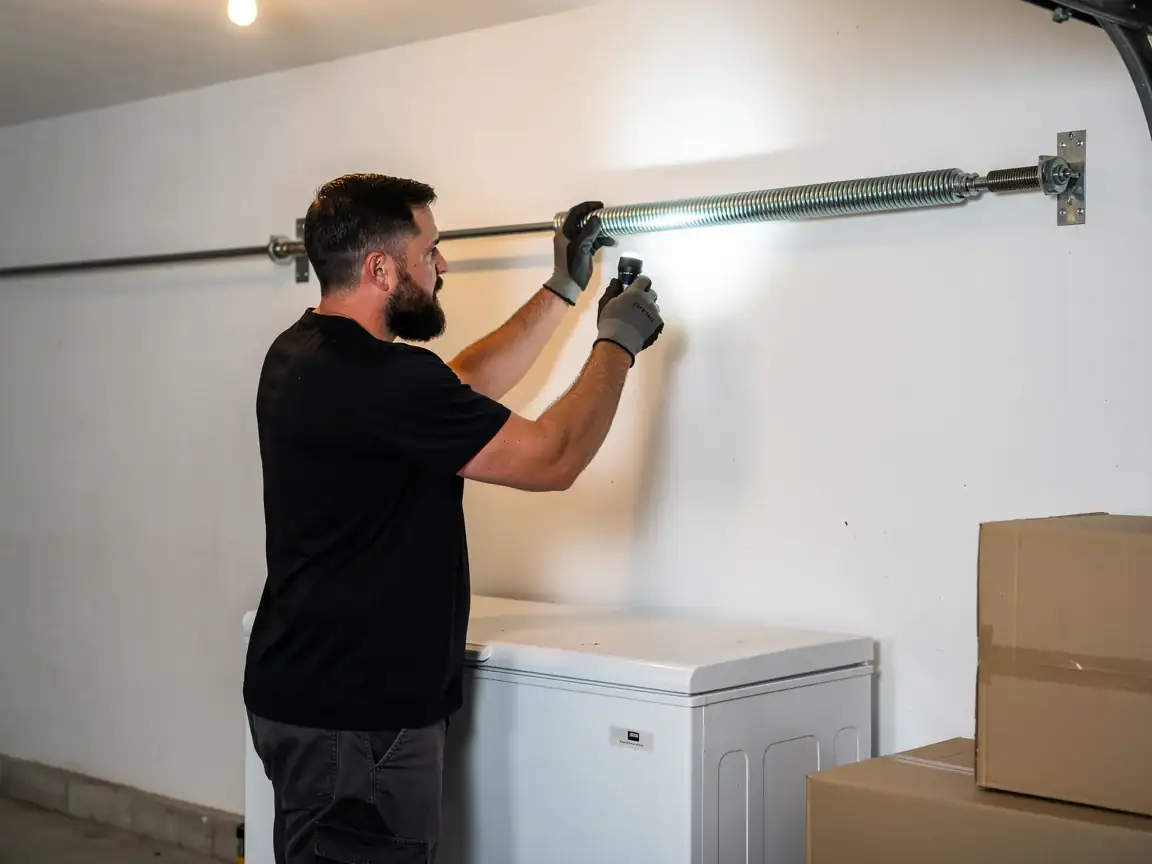
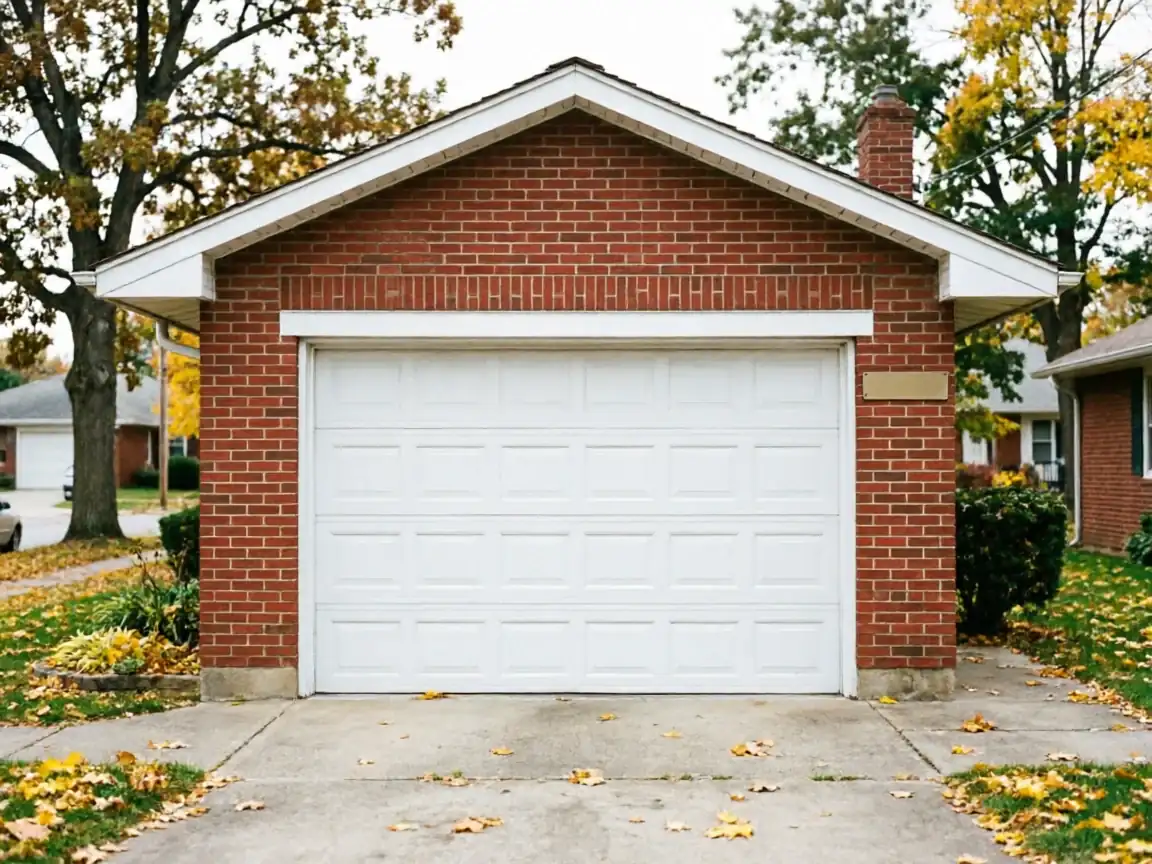
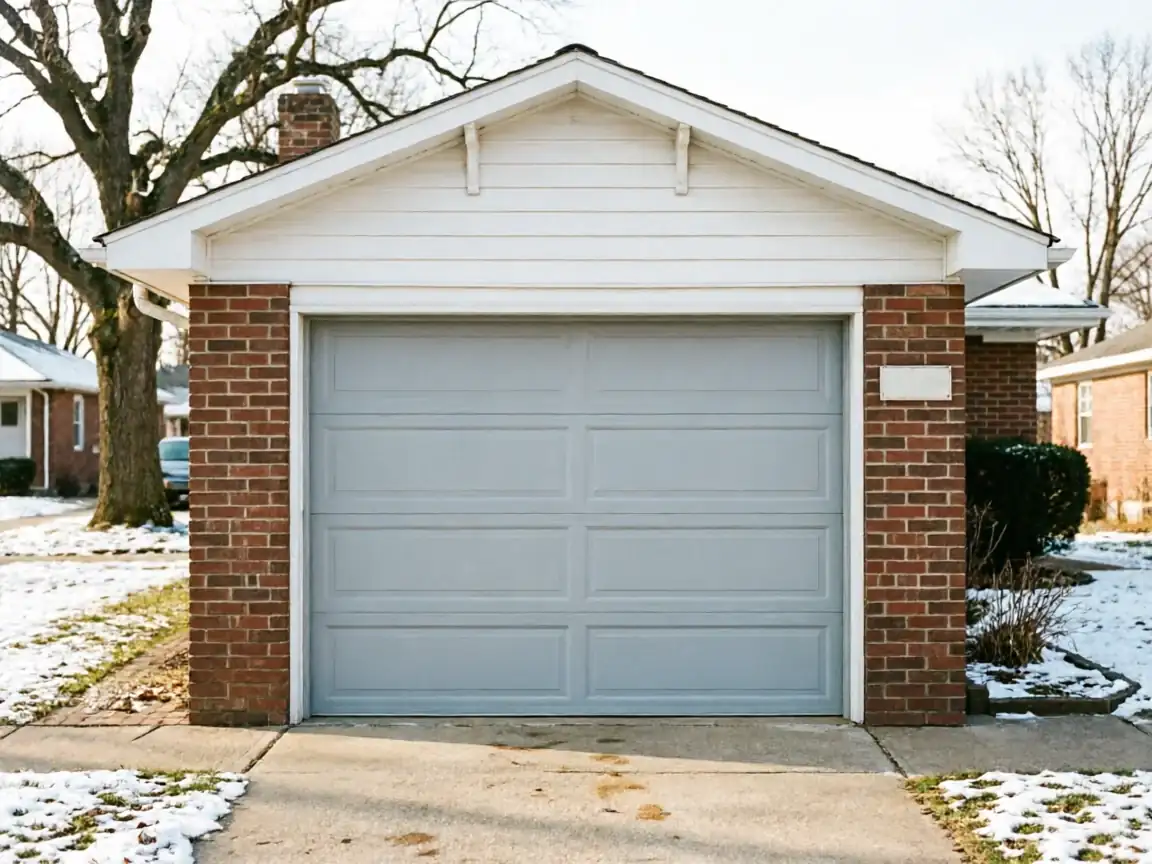
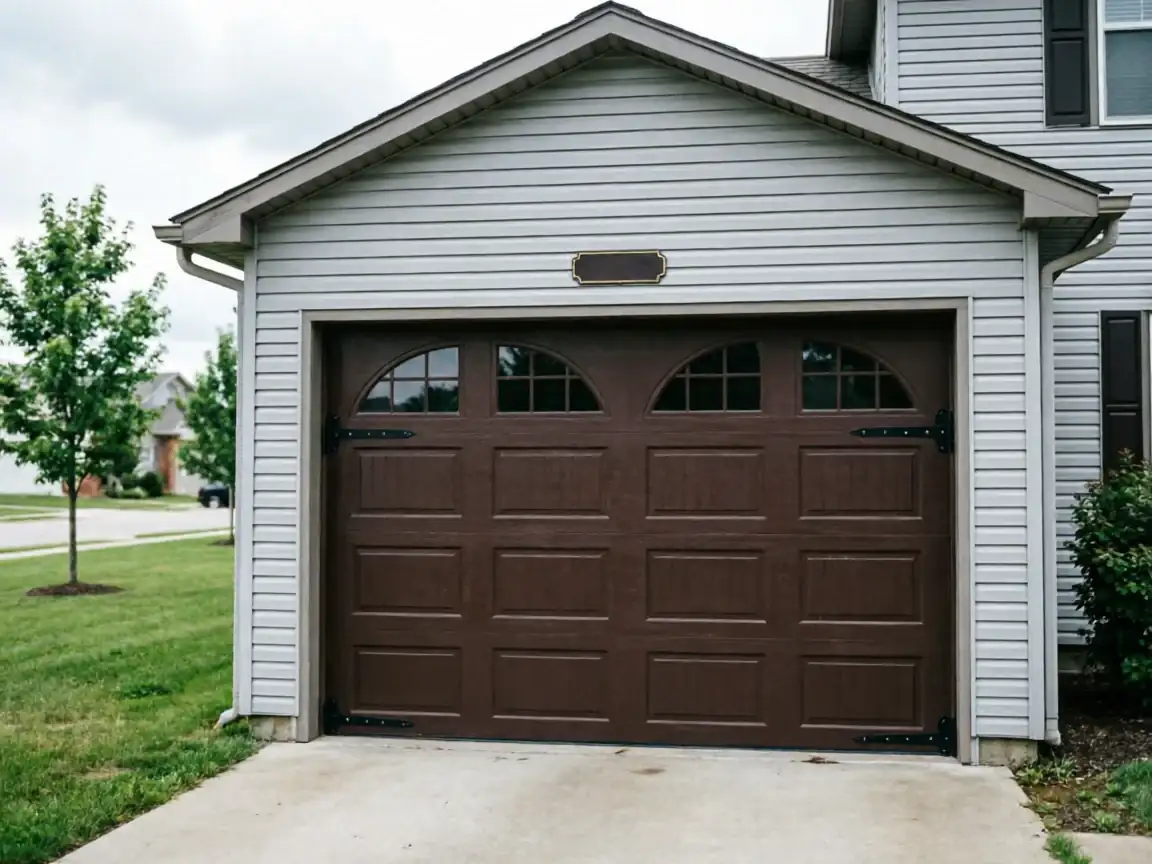
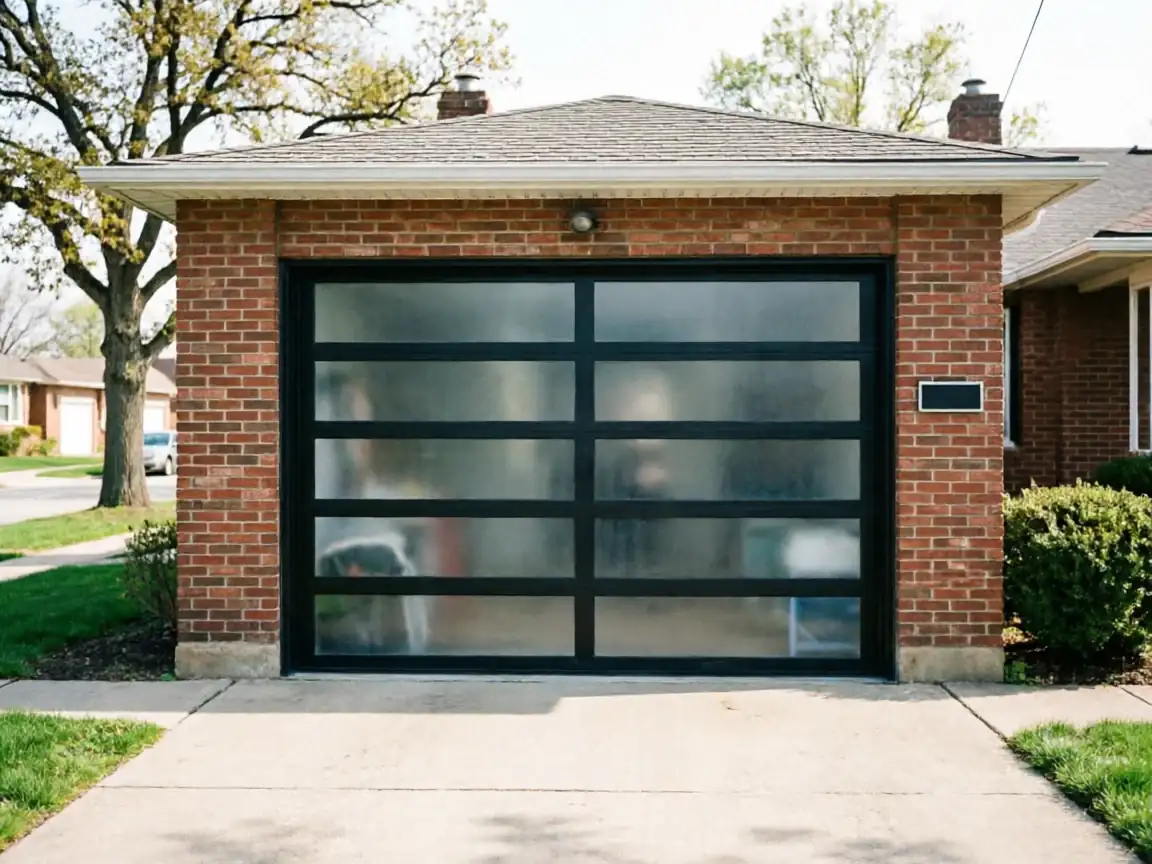
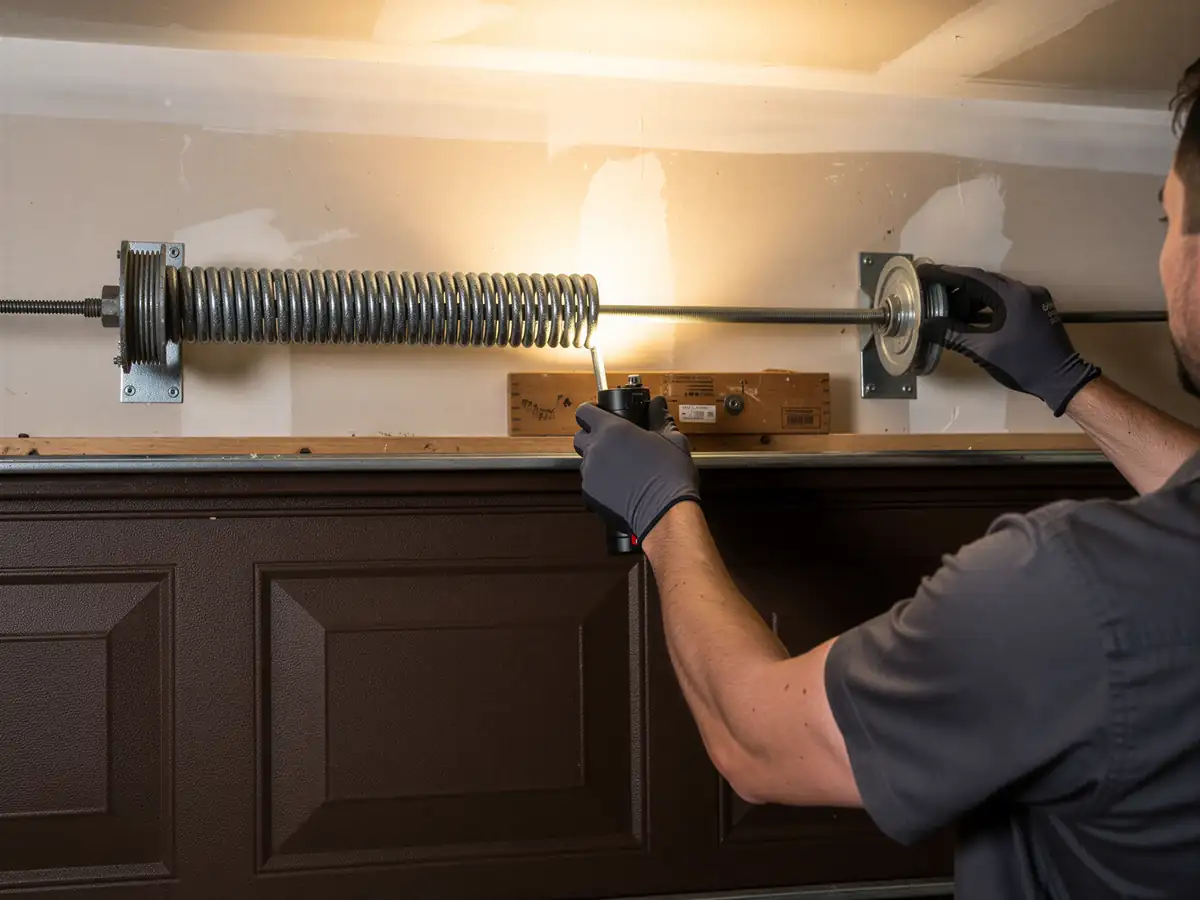
Jamestown's homes run a median build year of 1974, which puts most garage doors on the older extension-spring style rather than the torsion-spring setup that became standard in newer construction. Extension systems route a galvanized cable down each side track to a pulley near the bottom roller bracket, and those cables take the full stretch-and-release cycle every time the door moves. After five decades that wire has usually seen more flex cycles than the house has seen owners.
With 158 households in this pocket of the service area
We're not talking about a street of identical builder-grade doors - it's a mixed run of individual installs from roughly the same decade, which means the cable gauge and pulley style can vary house to house even when the age doesn't.
- 158 households
What Is on the Truck
For a 1974-era extension system we carry galvanized aircraft cable in the common residential gauges, replacement cable drums, and the sheave pulleys that cables ride through at the bottom bracket - those seize or crack from age before the cable itself usually gives out. We also carry safety cables for the extension springs themselves, since a lot of these original installs were put in before that extra line was standard and the springs are riding bare.
We don't stock every obscure pulley bracket ever sold in the 1970s. If a house out here has a non-standard track width or a bracket style we don't recognize off the truck, we'll tell you straight rather than force a part that doesn't fit - that's the one thing we won't fake on a job.
Why This Fails Locally
The severe cold swings this area gets work against galvanized cable in a specific way: the zinc coating that's supposed to stop rust develops hairline cracks as the metal contracts and expands through winter, and once that coating breaks, the steel underneath starts to go. On a door built in the 1970s, that cable has been through forty-plus winters of that cycle. You usually can't see the corrosion until a strand starts to separate near the pulley, which is exactly where the cable takes the sharpest bend and the most load.
Income and household size matter here too, in a quieter way. Median household income in this part of the service area sits at $58,889, which tracks with what we see on the call - most owners want the cable fixed properly once rather than patched twice, and they want a straight answer on whether the drum or pulley needs replacing alongside the cable instead of finding out in six months it didn't.
Where This Job Goes Sideways
The job goes sideways when only one cable gets replaced and the other
Original cable from the same install is left in place because it 'still looks okay.' On a door this age, if one cable failed from fatigue and corrosion, the other has the identical mileage and the identical exposure. We replace both sides on these jobs, not because it pads the bill, but because a mismatched cable job on a 50-year-old door is a return call waiting to happen.
It also goes sideways when a pulley bracket is seized rather than just old
And nobody checks it before hanging a new cable. A new cable run over a frozen or cracked pulley wears through again fast, sometimes within weeks. Since this is a drive-out job from Columbia, roughly 15 miles in, we'd rather diagnose the pulley on the first visit than get called back out for the same door.
- 15 miles