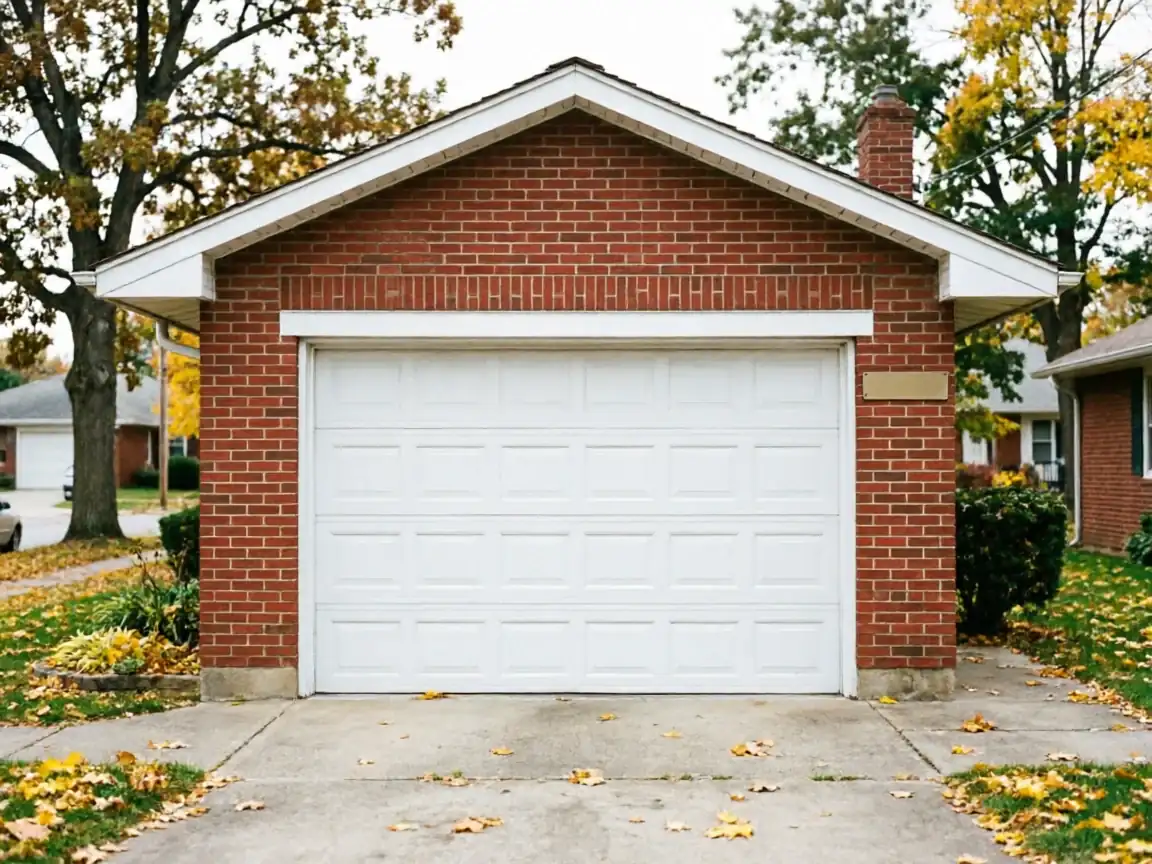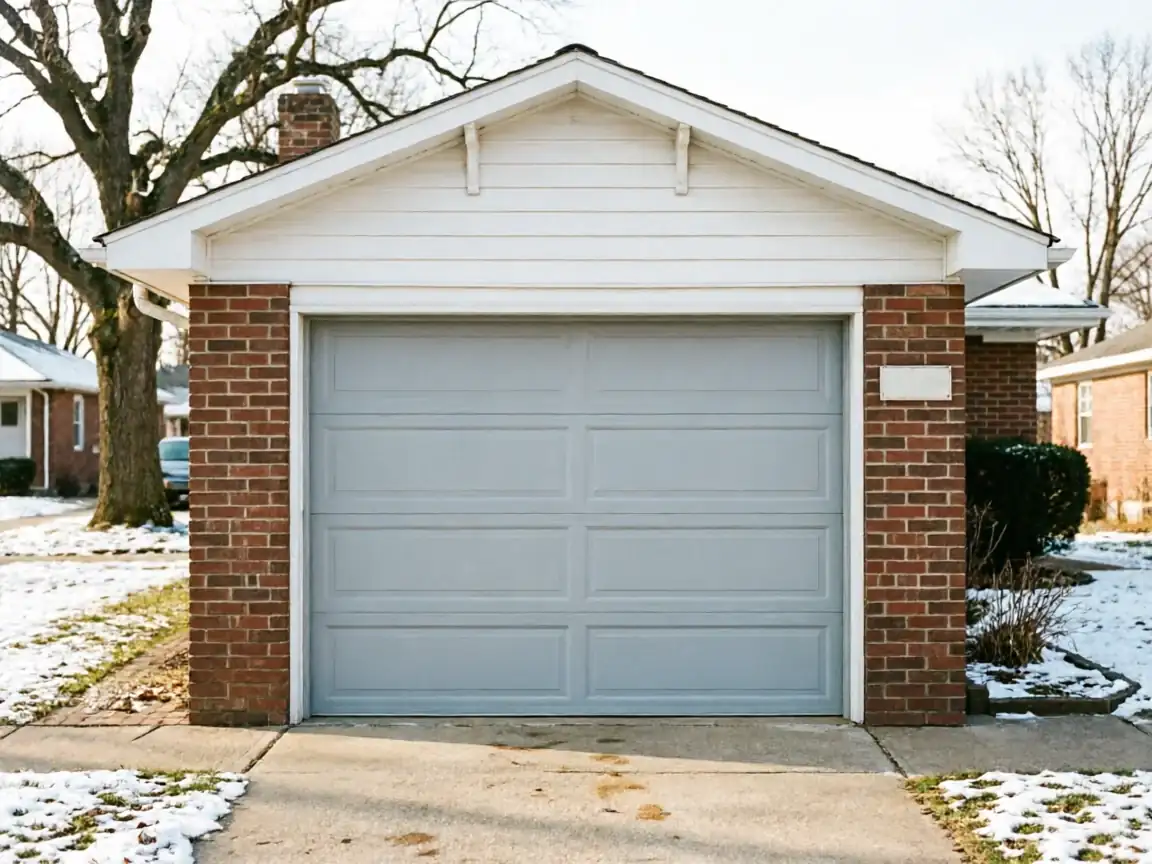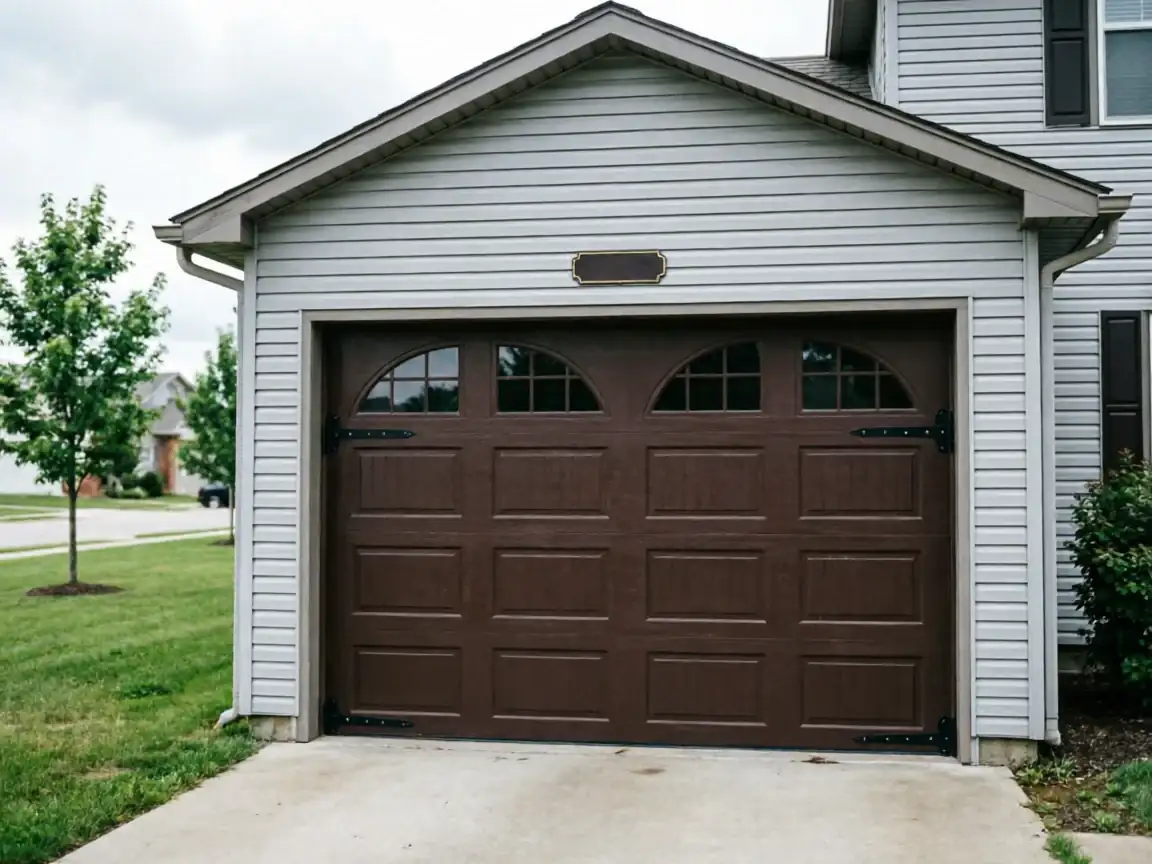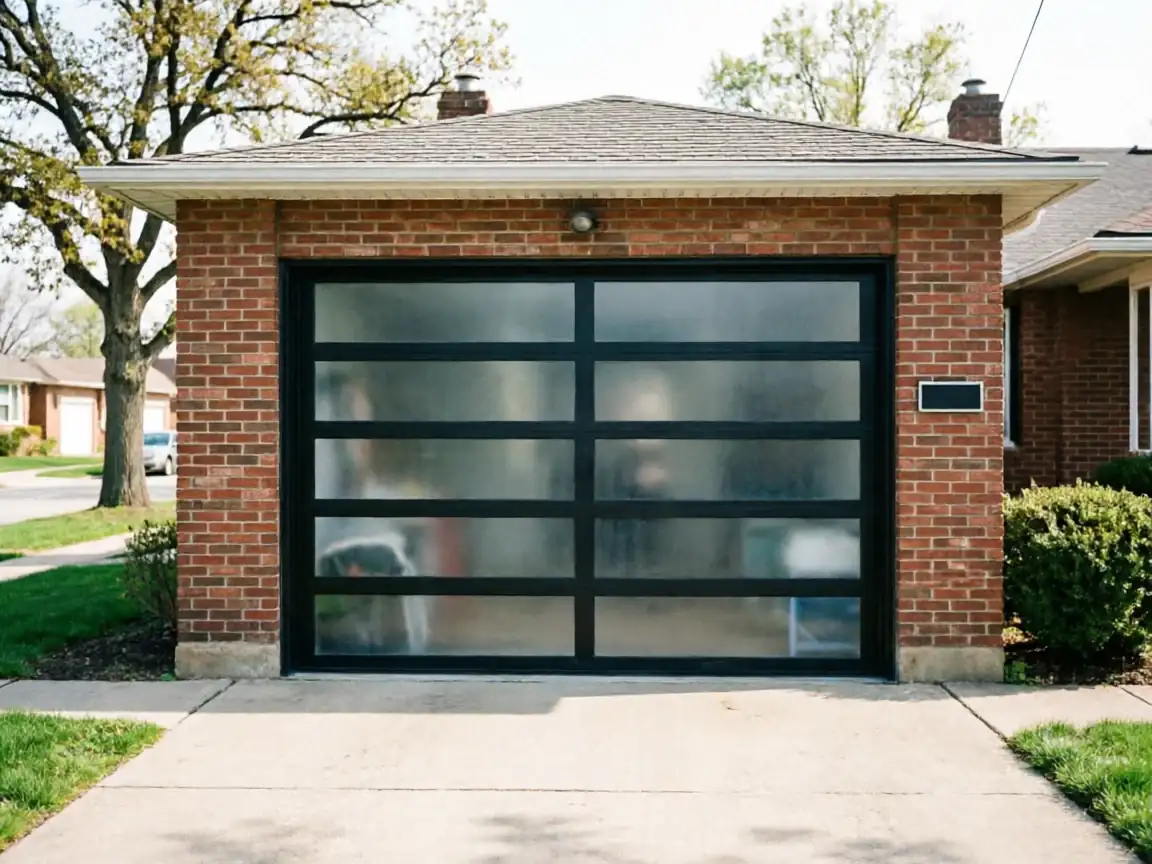
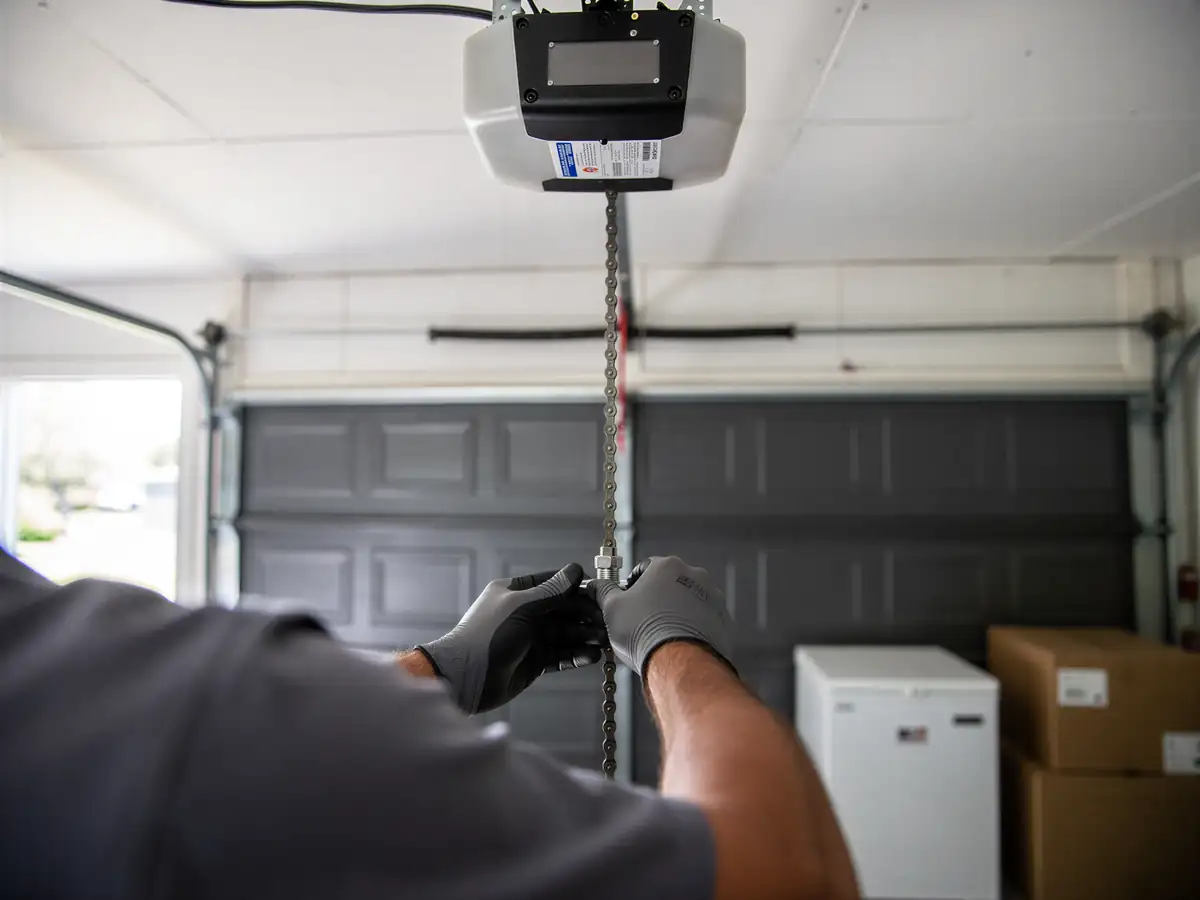
What You Are Seeing
Most garage doors around Jamestown went up around 1974
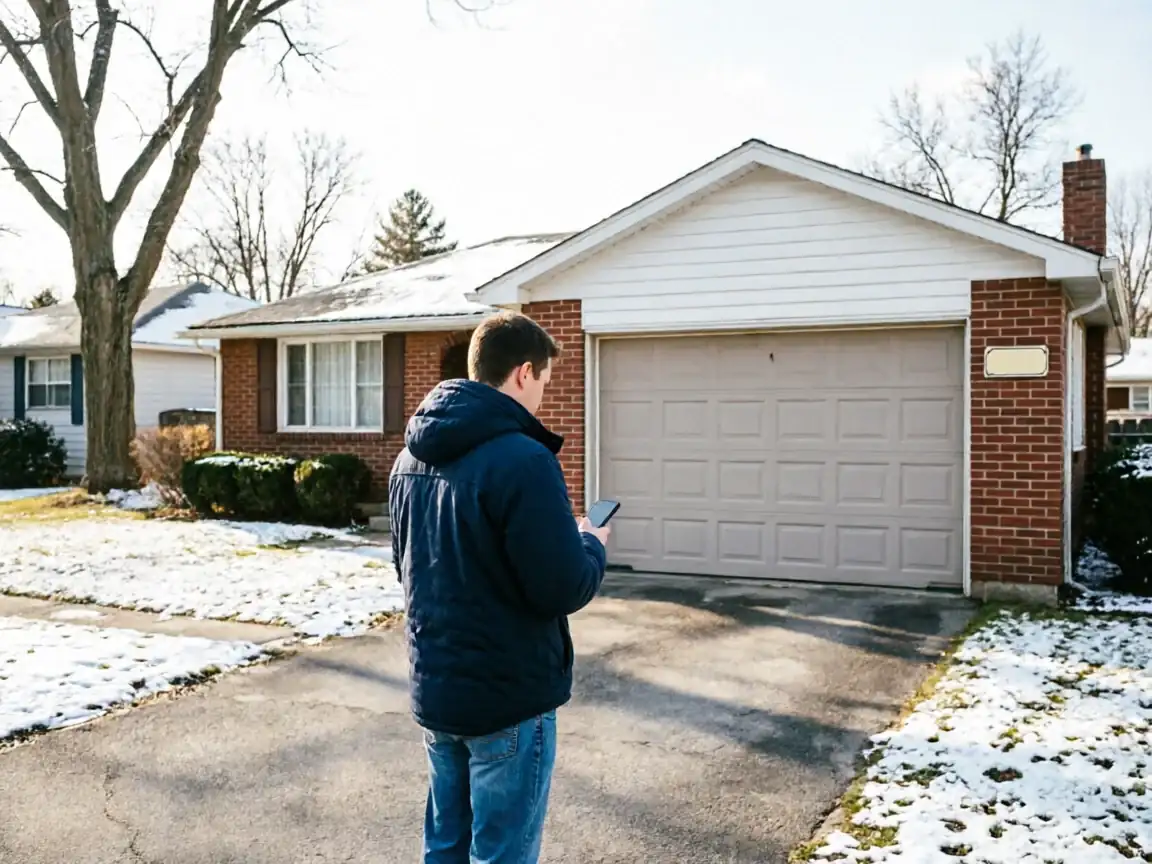
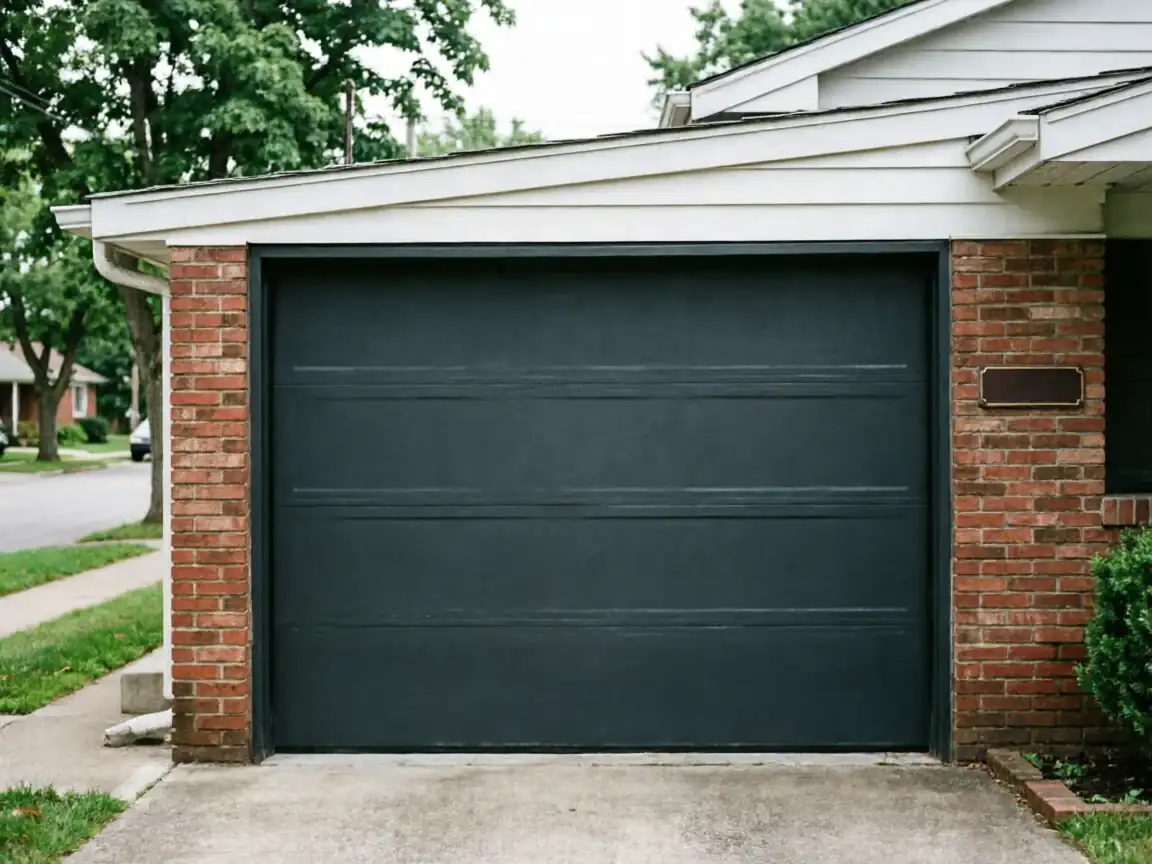
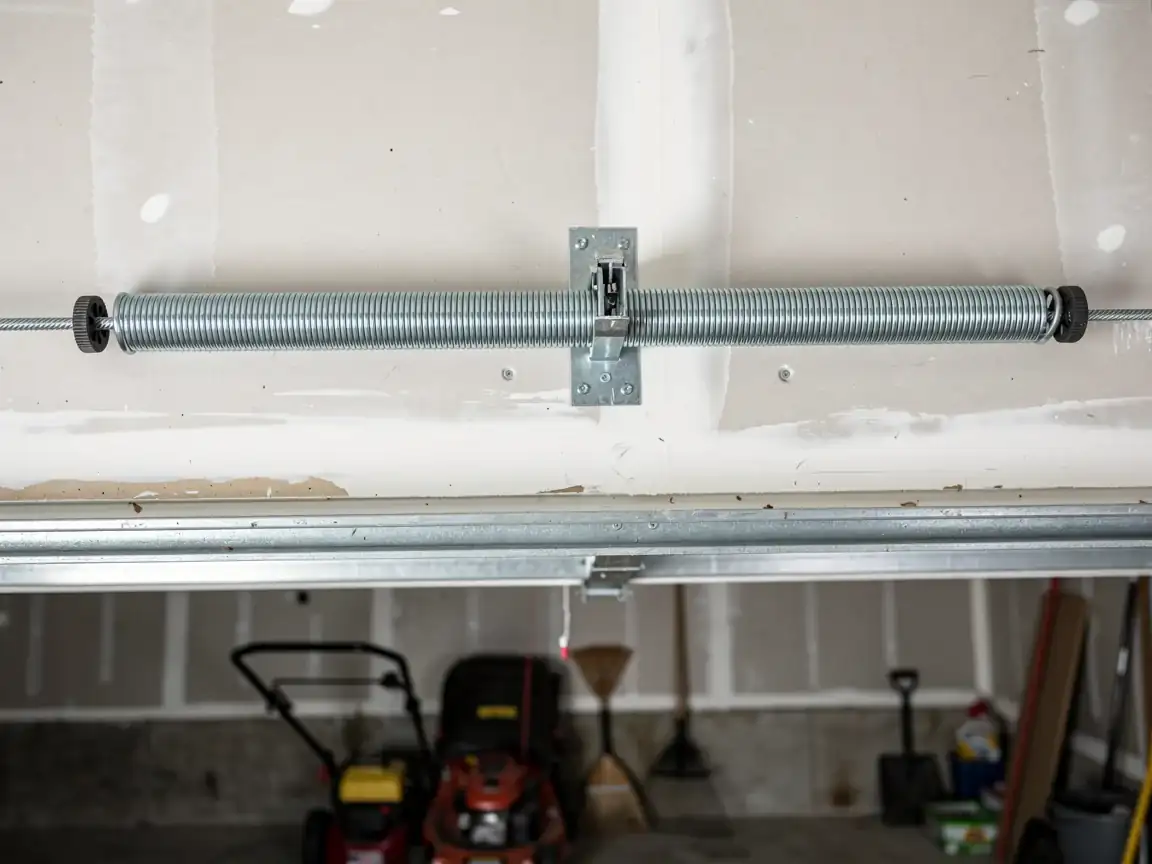
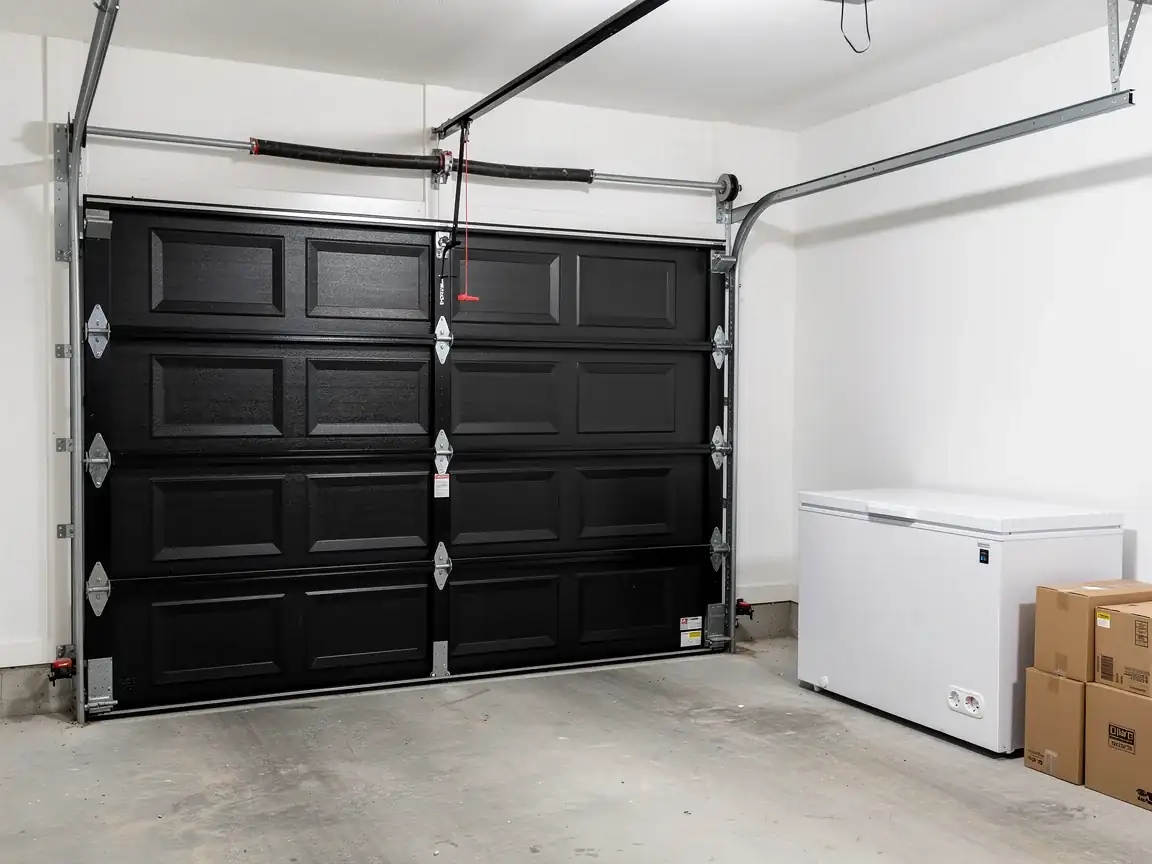
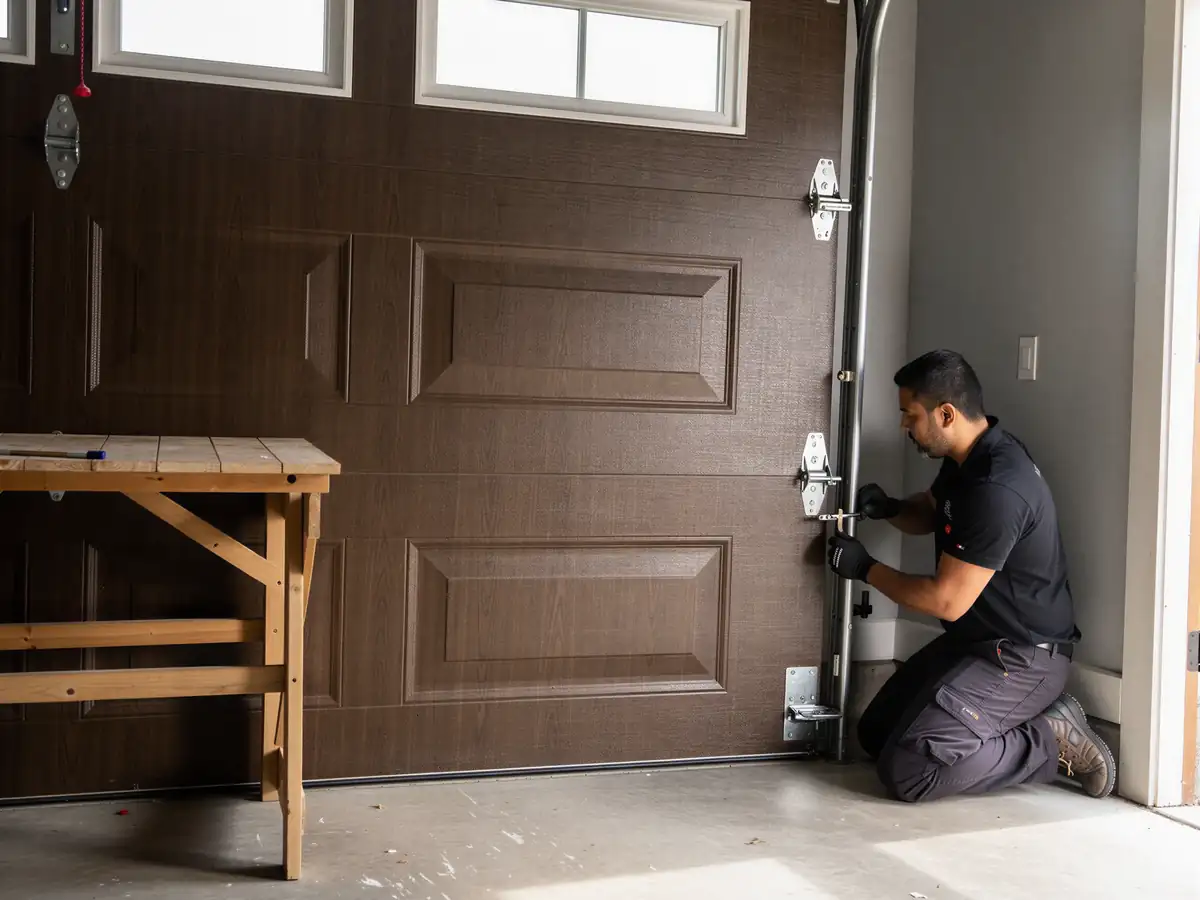
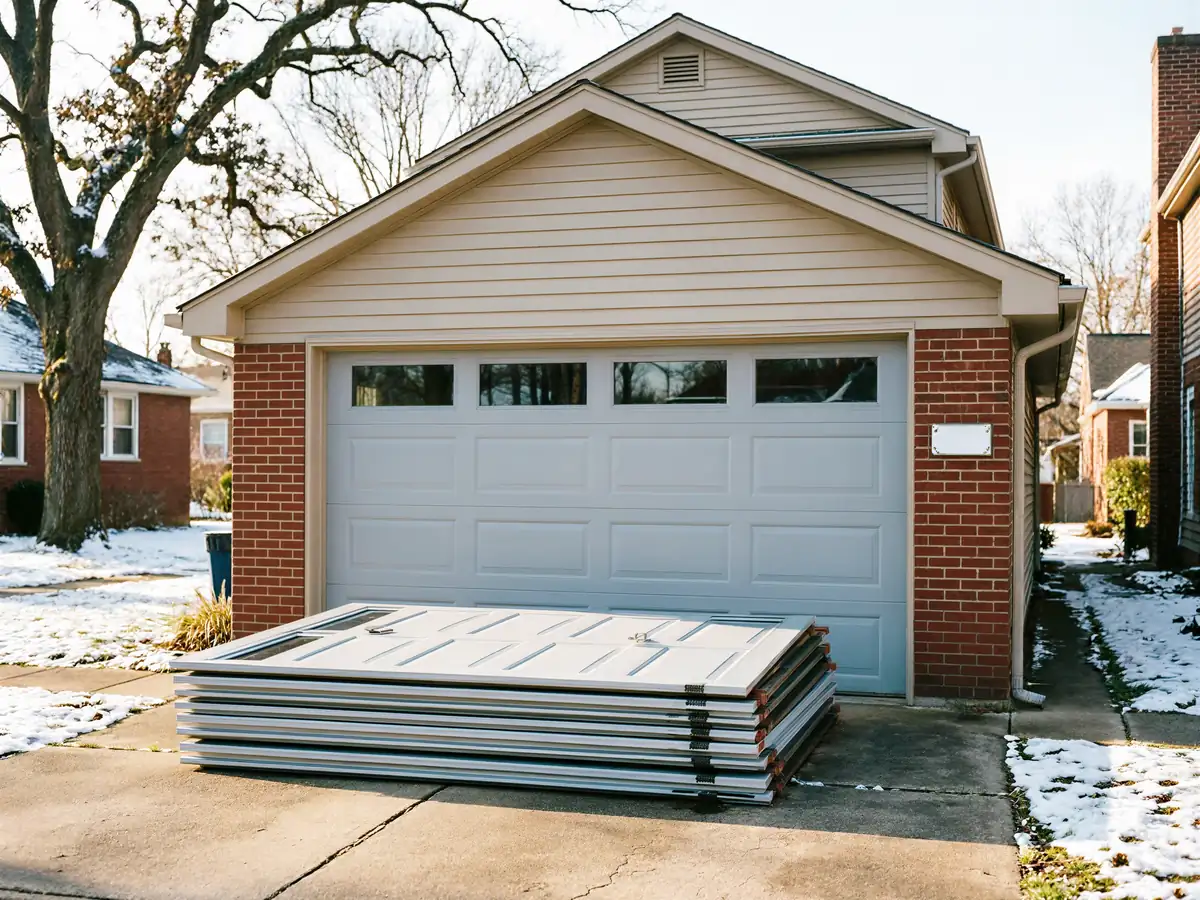
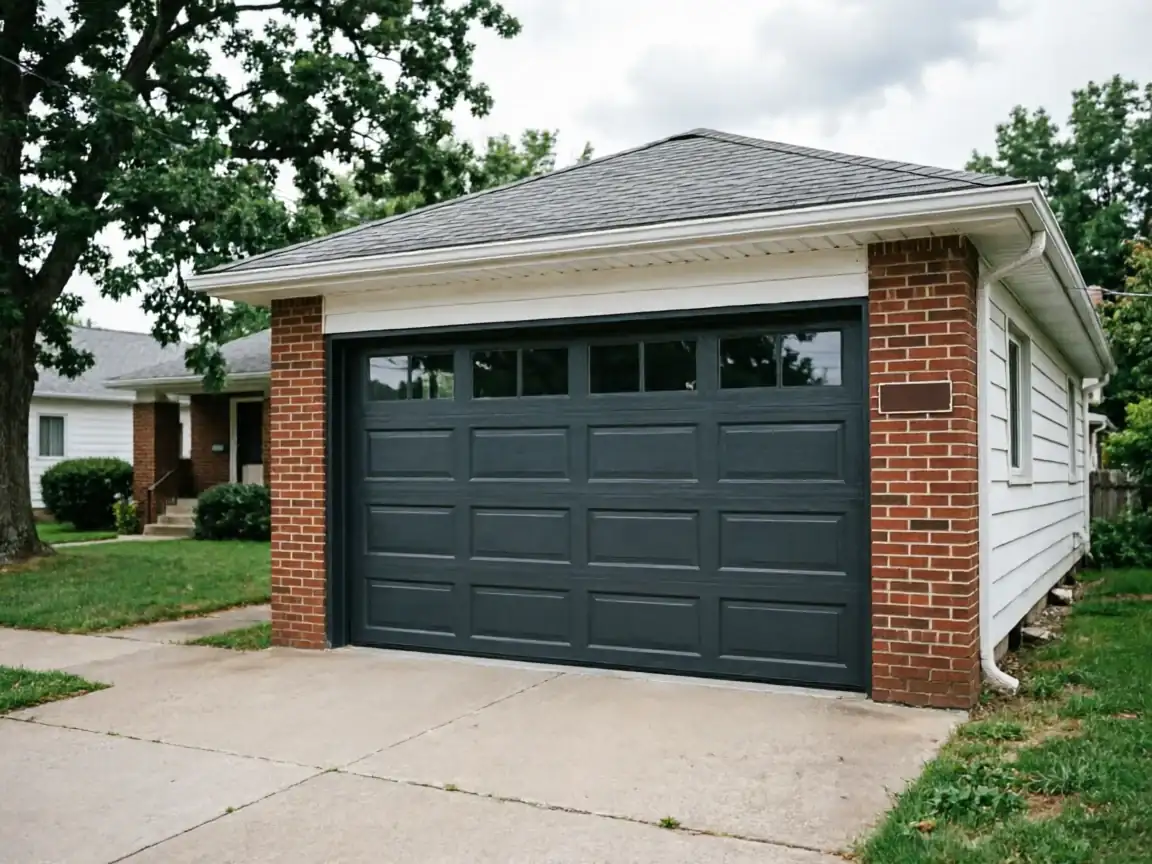
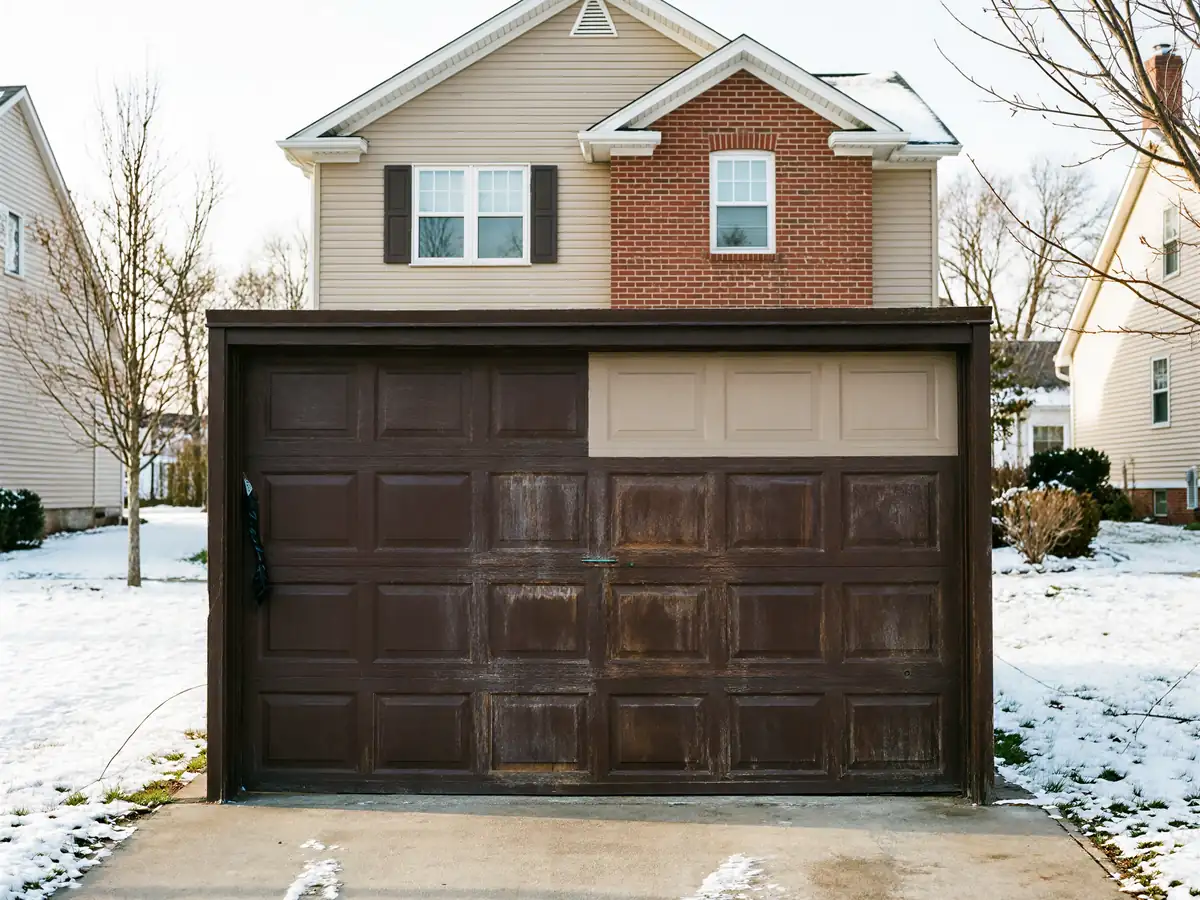
Which puts them square in the stretch of this region's housing that's mostly 1960s and 70s stock. That means the door itself is usually a single-layer steel panel door, either a single 9x7 or a double 16x7, hung on hardware that's never been swapped out even if the opener on it has been replaced once already somewhere along the way.
The opener is rarely original
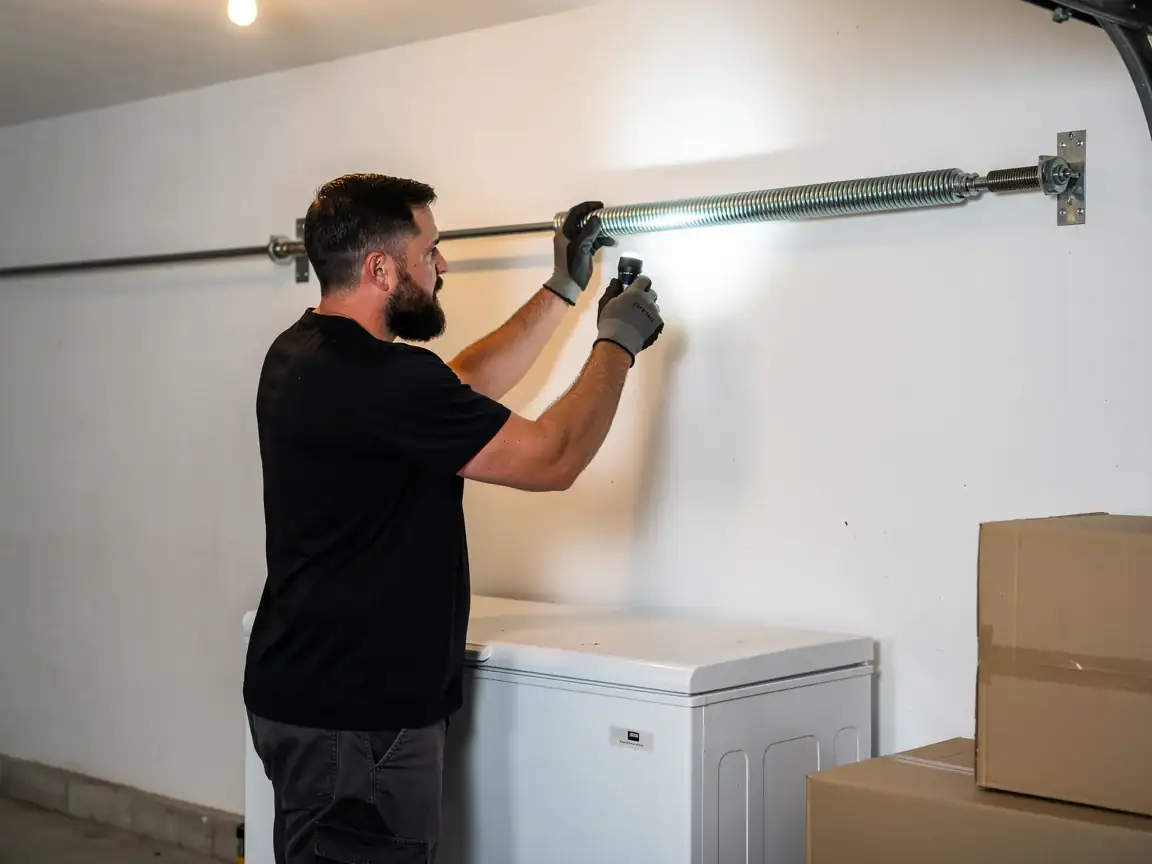
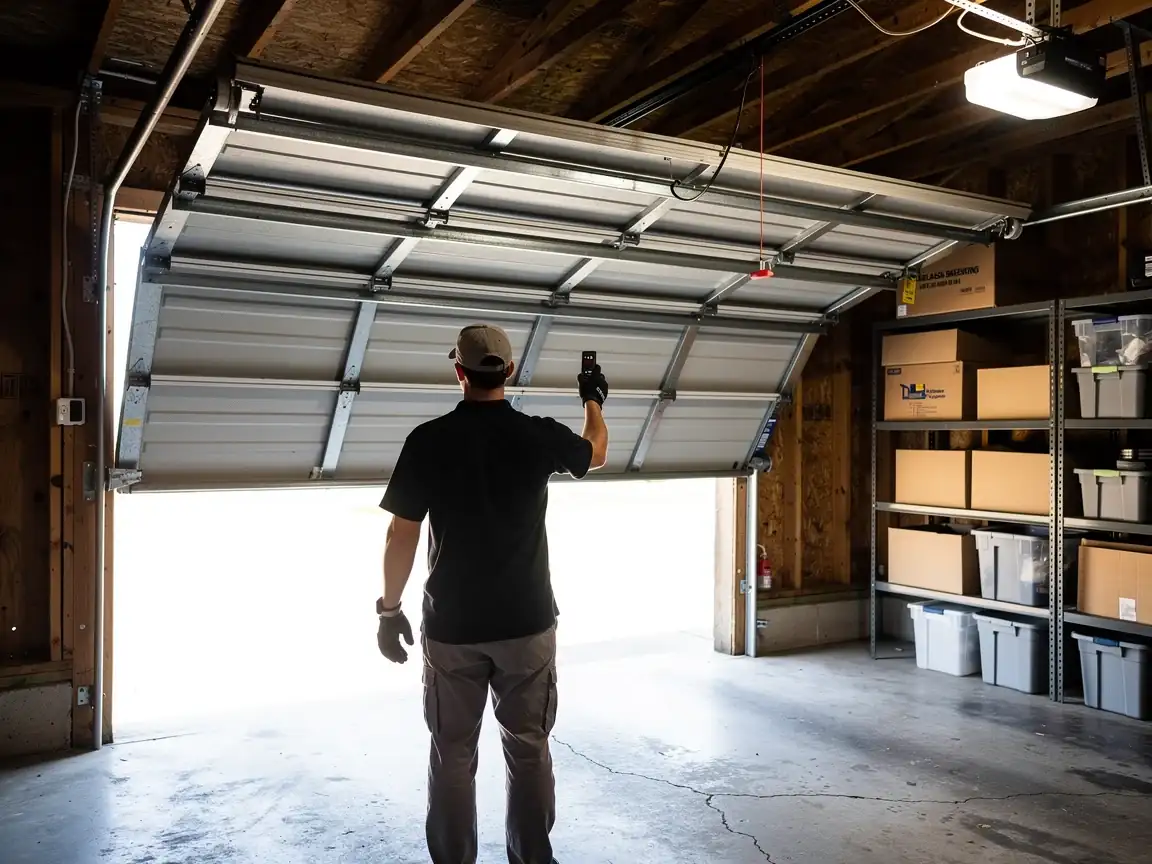
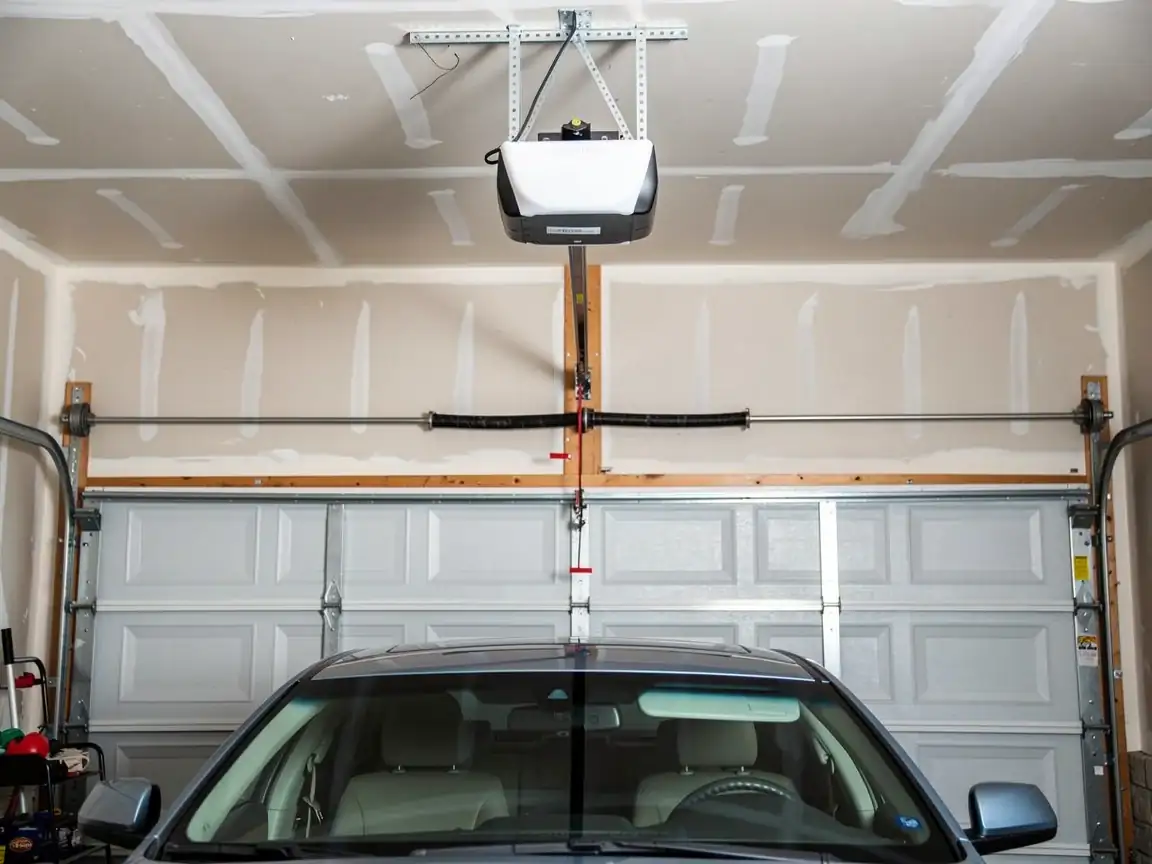
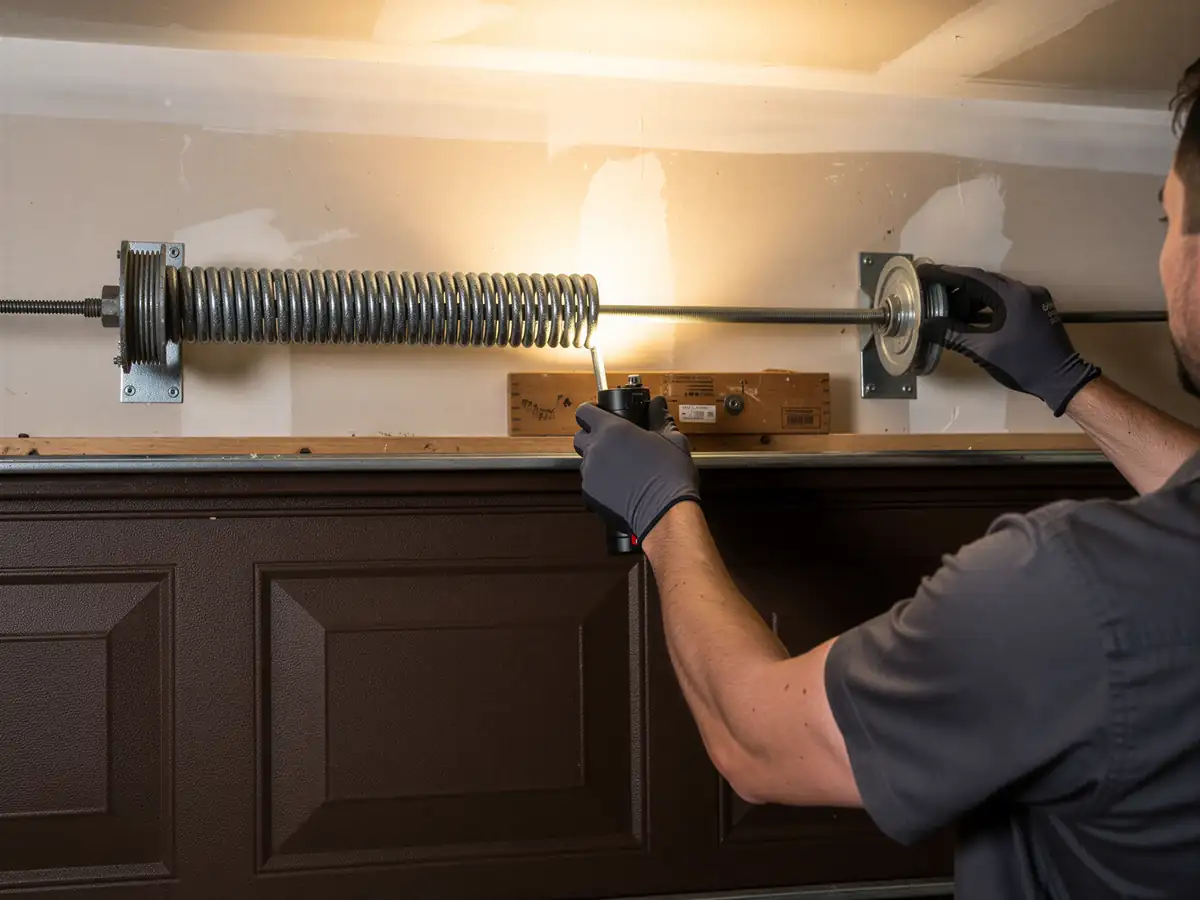
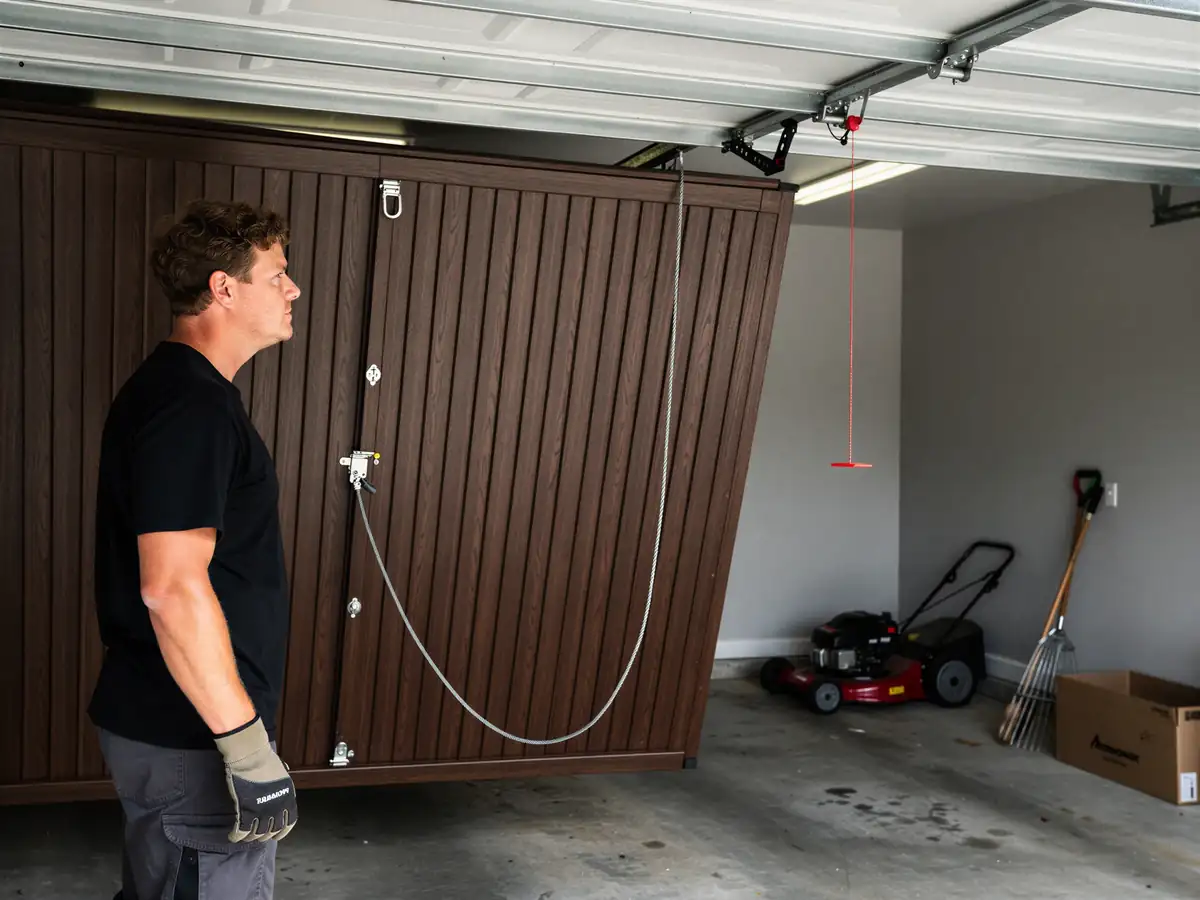
What you're looking at more often is a chain-drive unit from the 80s or 90s bolted onto header brackets sized for a door frame older than the motor itself. The symptoms show up as the door reversing halfway up, the light blinking without a clear code, or the remote working some days and not others. None of that is really an opener problem on its own - it's an opener fighting hardware and travel settings that were never matched to it in the first place.
What Is on the Truck
For jobs out this way we carry drive gear and sprocket kits for the chain and belt-drive units most common on doors from this era, plus replacement logic boards for the handful of brands that show up again and again on 1970s-framed doors. Photo-eye safety sensors and their brackets ride along too, since those get knocked out of alignment easily on older track runs.
Here's the honest limit: we don't stock every control board for every opener ever installed on a door this old. Some of these units were discontinued years ago, and if the board that's dead is one of the rarer ones, that part gets special-ordered rather than pulled off the truck on the spot. We'll tell you straight if that's the case rather than guess and charge you for a part that doesn't fit.
Why This Fails Locally
This region sits in a cold-severe climate band, and that matters more on a door and opener combination built around 1974 than it does on something newer. The grease in an original or early-replacement chain drive stiffens hard in a deep cold snap, and a motor that's already working against 50-year-old hardware starts skipping teeth on the gear instead of pulling the chain smooth.
Condensation is the other half of it. Garages on older Jamestown lots weren't built with the sealing or insulation that newer construction gets, so a circuit board mounted on the opener housing takes in more damp air over a cold winter than it would in a tighter, newer garage. That shows up as intermittent faults - the door working fine for a week, then refusing to close on a cold morning - which is exactly the kind of fault that gets misdiagnosed as a bad remote when it's really a board losing its signal to moisture.
Where This Job Goes Sideways
Jamestown sits about 15 miles out from Columbia
Which isn't far, but it means the truck isn't swinging back for a part mid-job. If the diagnosis on the first visit is wrong - say it looks like a dead board but it's actually a stripped gear hiding a worse symptom - that's a second trip, not a quick run back to the shop.
- 15 miles
With only around 158 households out here, call volume isn't what drives the scheduling problem
Distance is. One job that runs long because the part wasn't on the truck can push the rest of the day's route. That's why we ask more questions on the phone before we come out: what the door does, what sound it makes, whether the light blinks a pattern. The more of that we know ahead of the drive, the better the odds the first trip is the only trip.
- 158 households