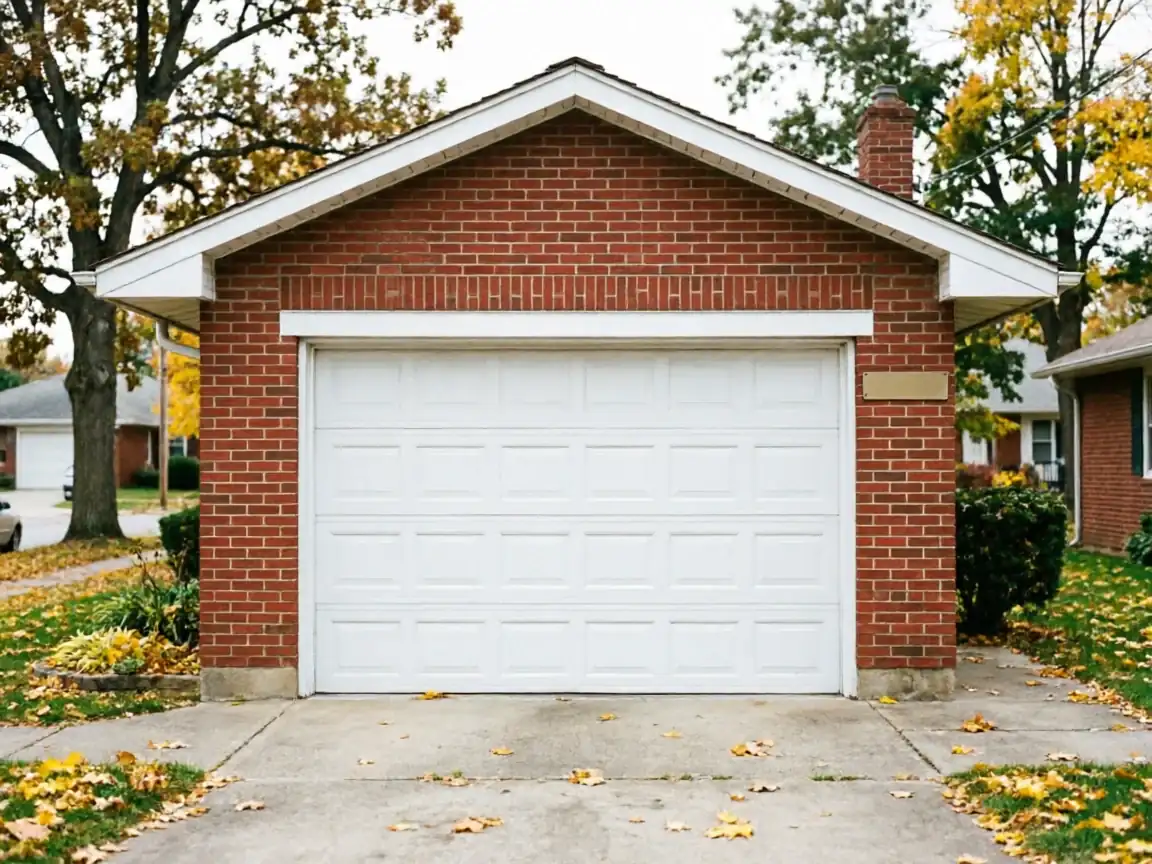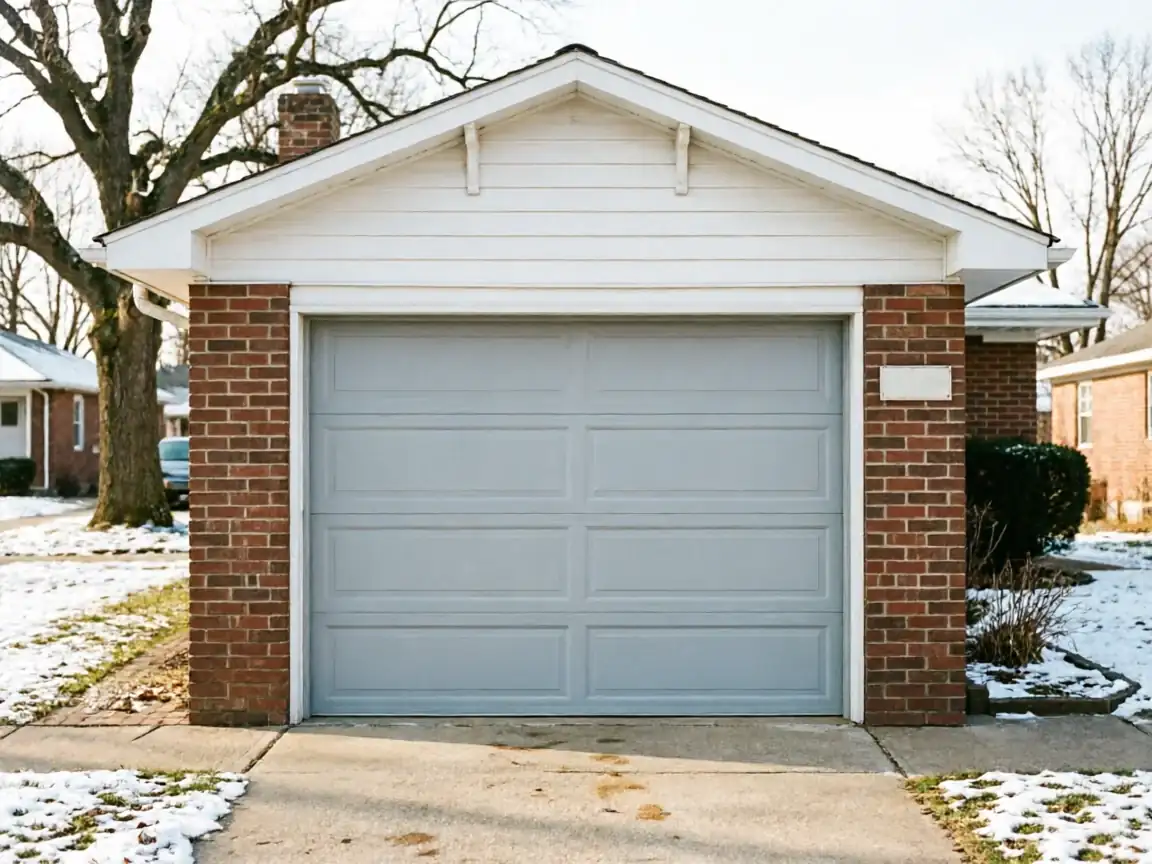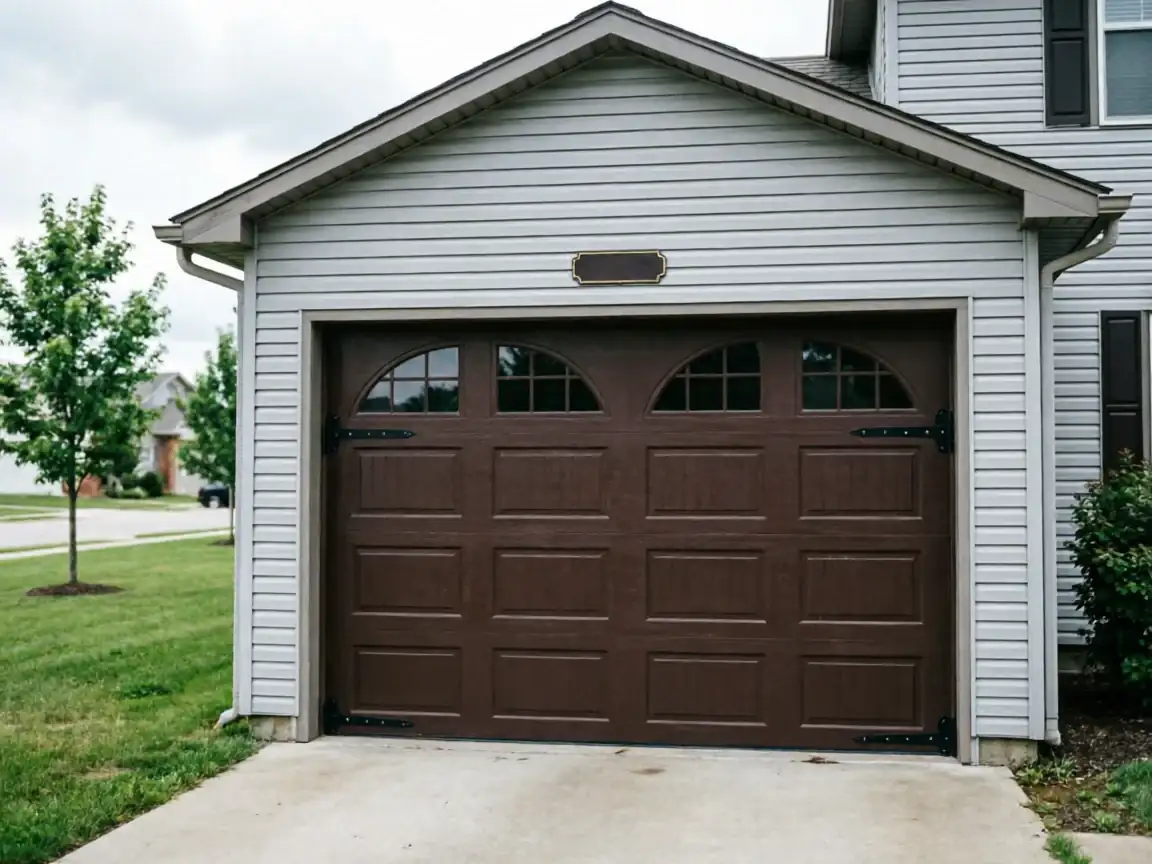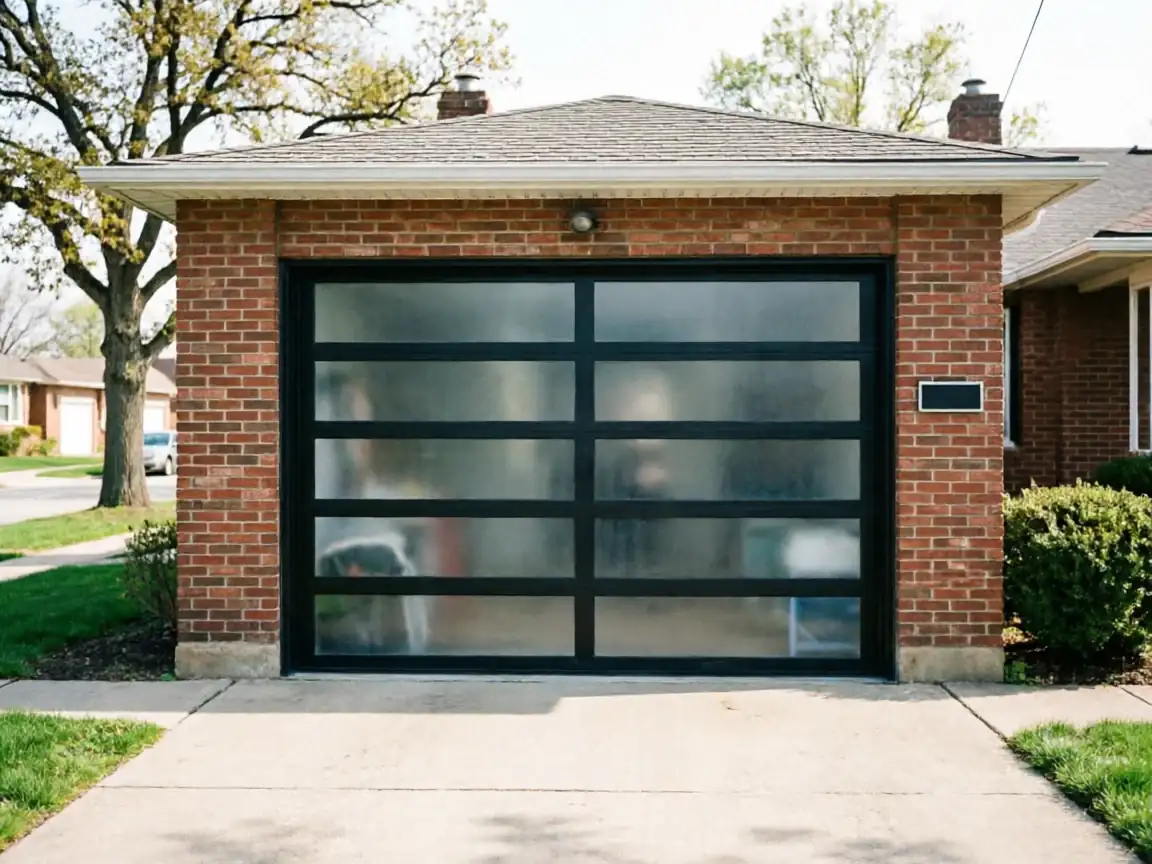
What You Are Seeing
Jamestown sits about 15 miles out from Columbia
And that drive shapes how a spring call here actually plays out. We're not dispatching from around the corner - a tech loads the truck knowing the trip before he knows the house. That means getting the diagnosis right over the phone matters more here than it does on a call five minutes from the shop, because a wrong guess costs an hour of driving, not five minutes.
- 15 miles
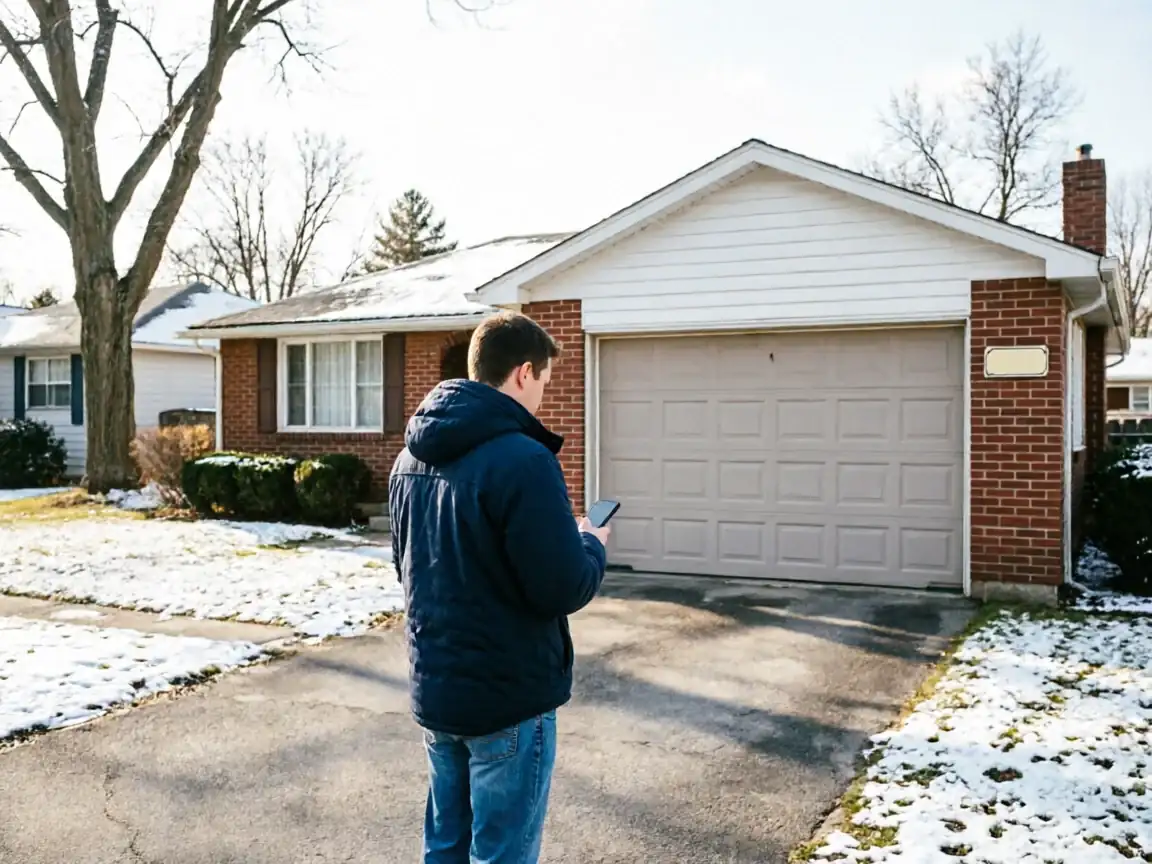
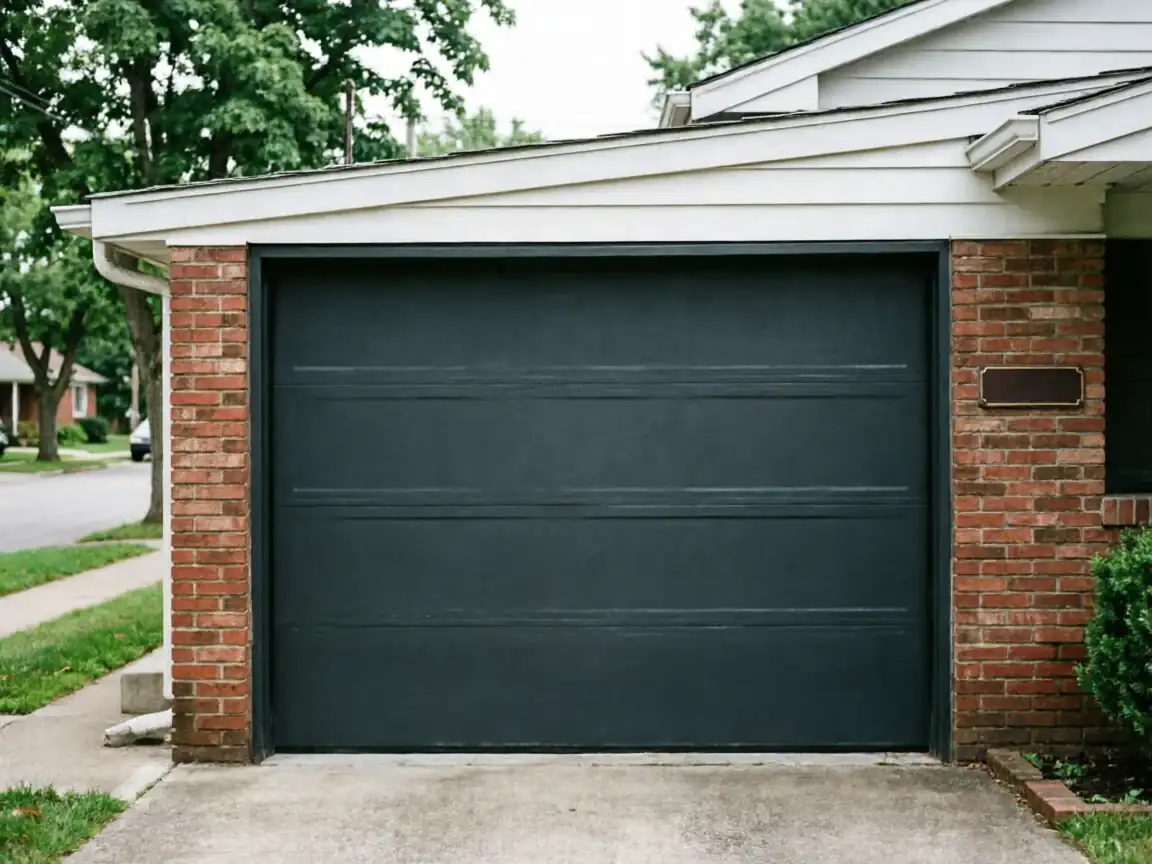
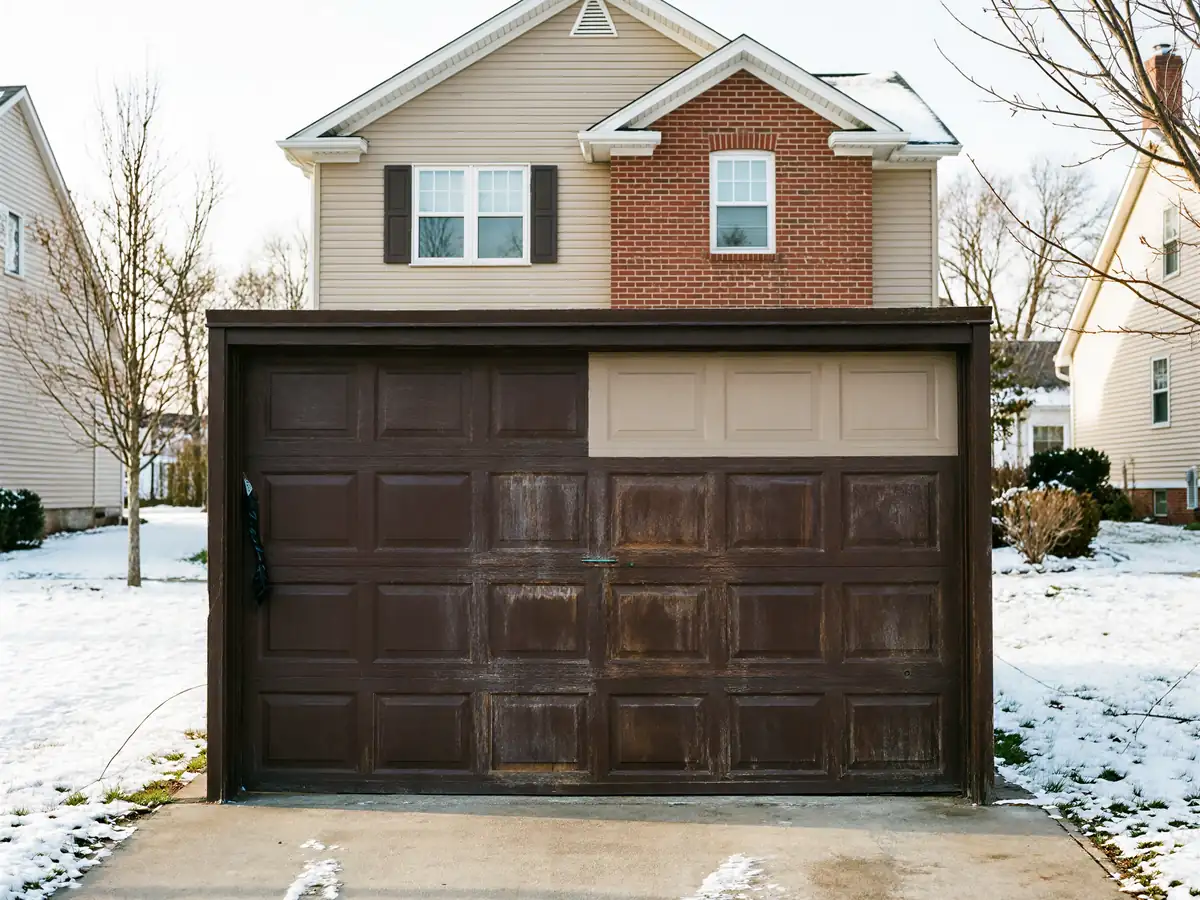
Most houses in this area were built around 1974
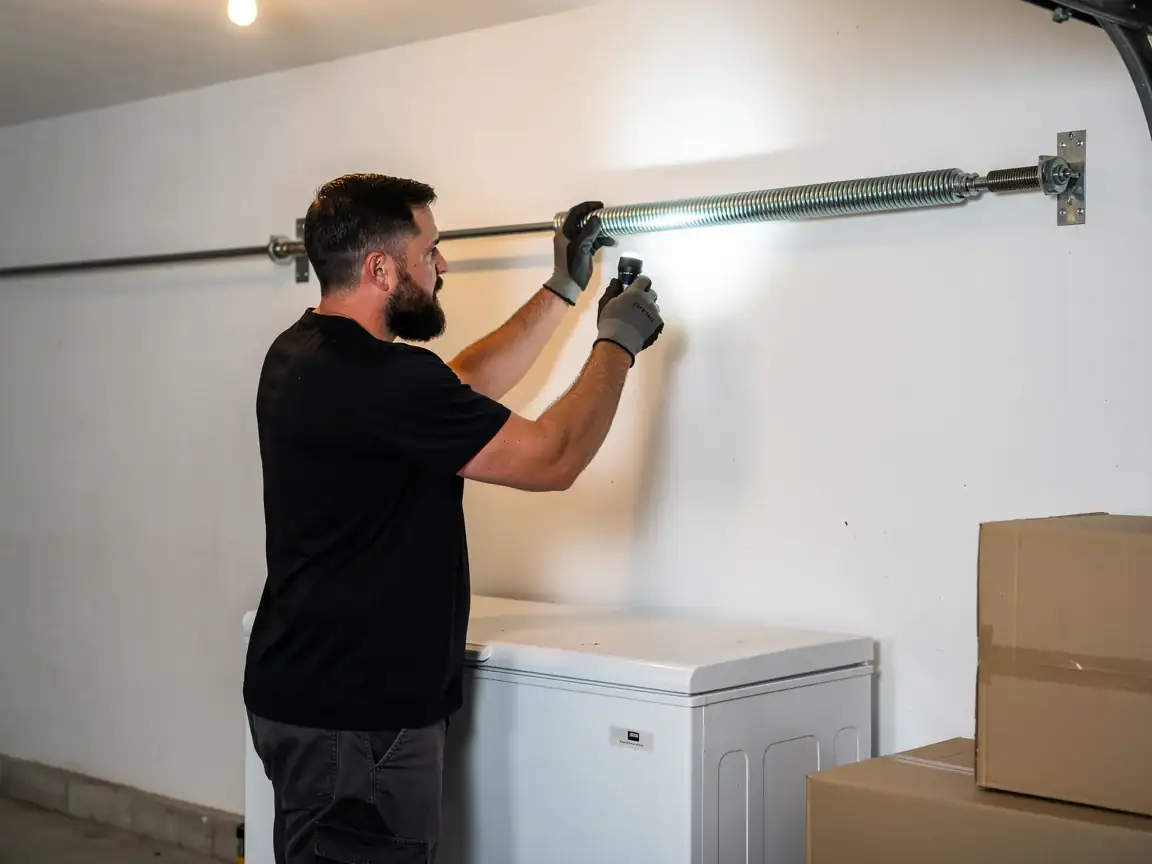
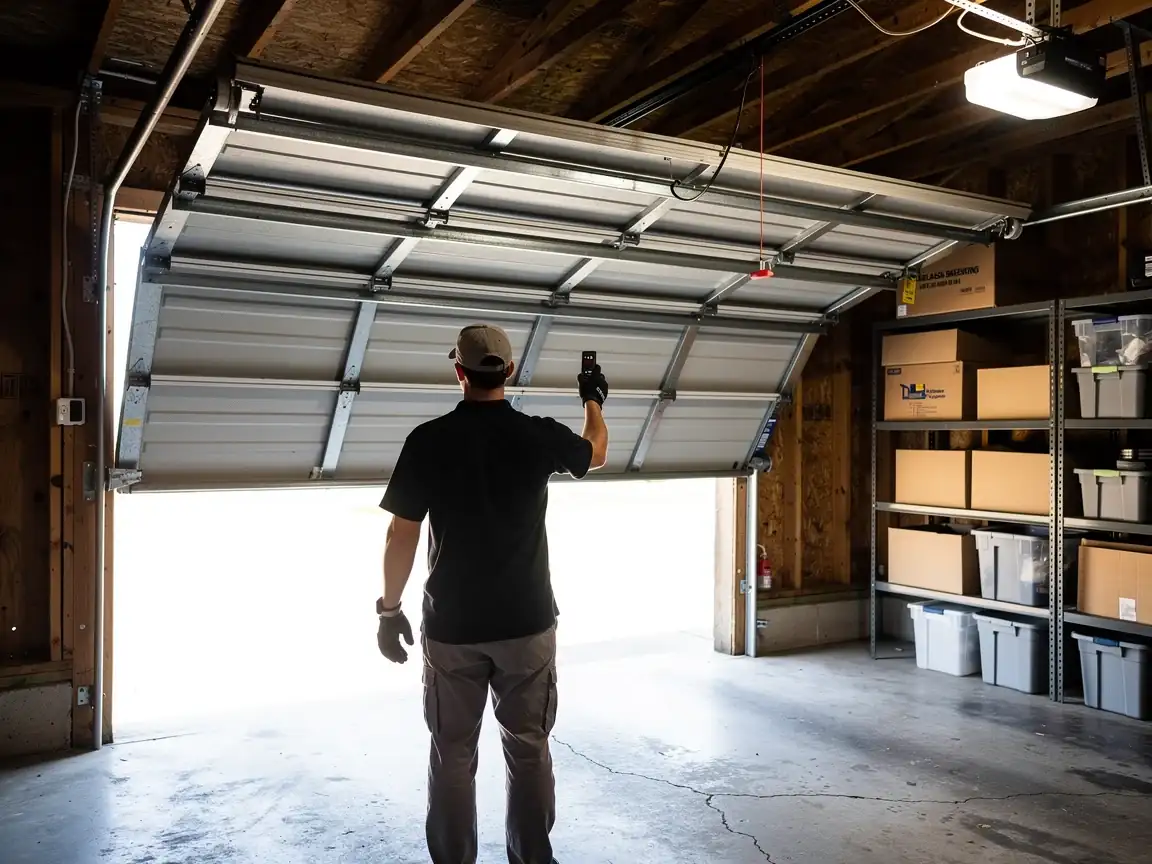
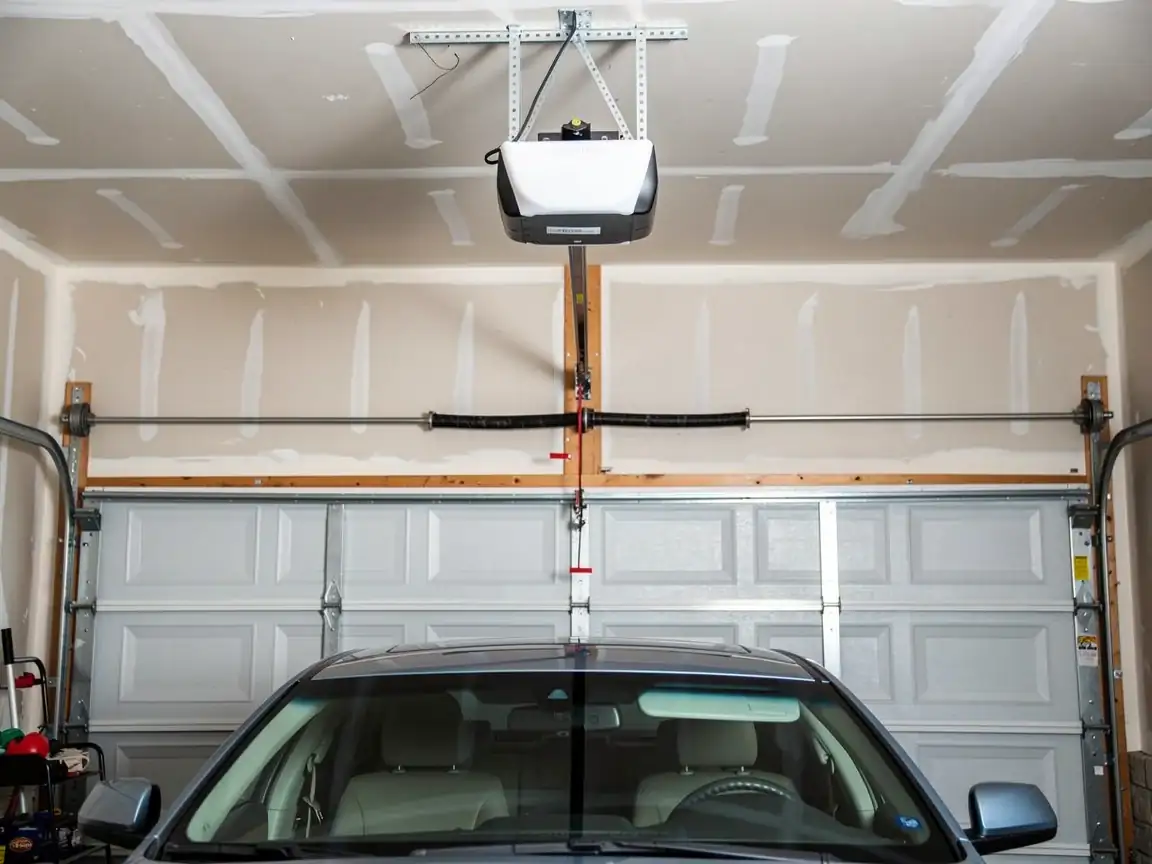
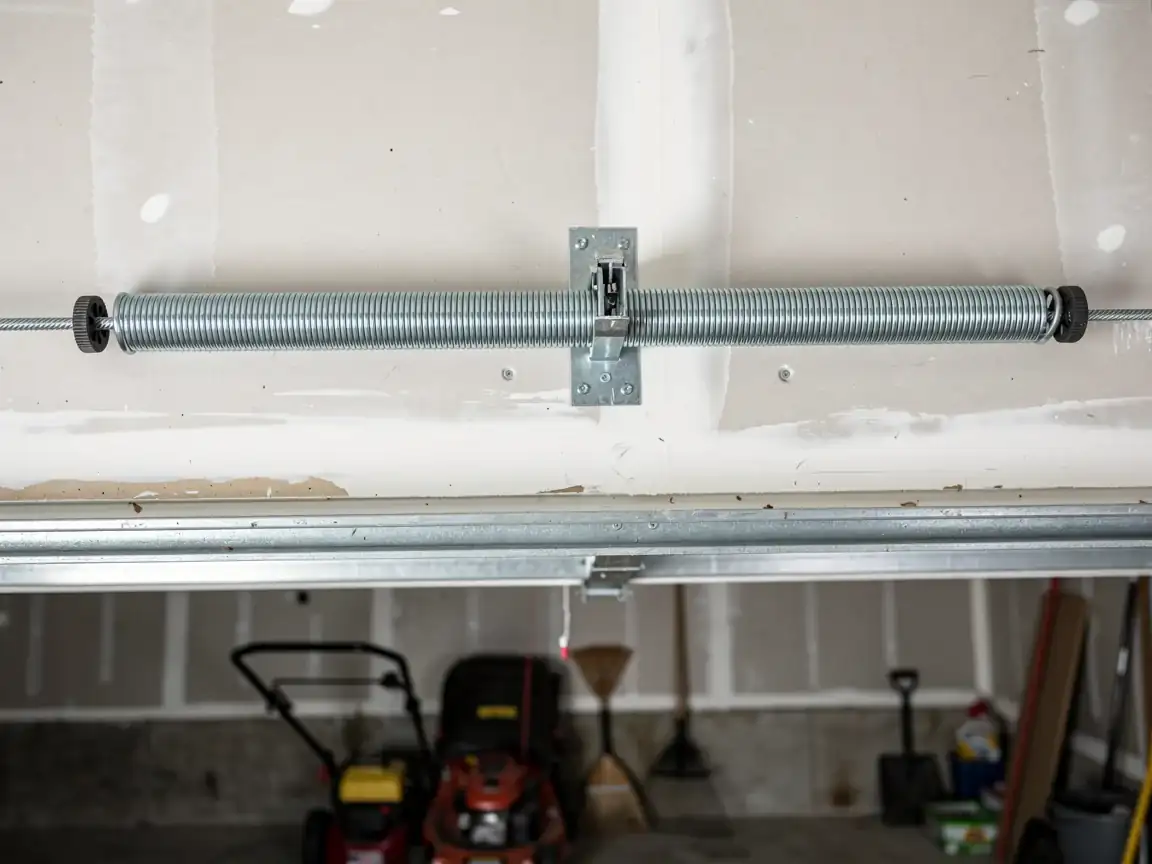
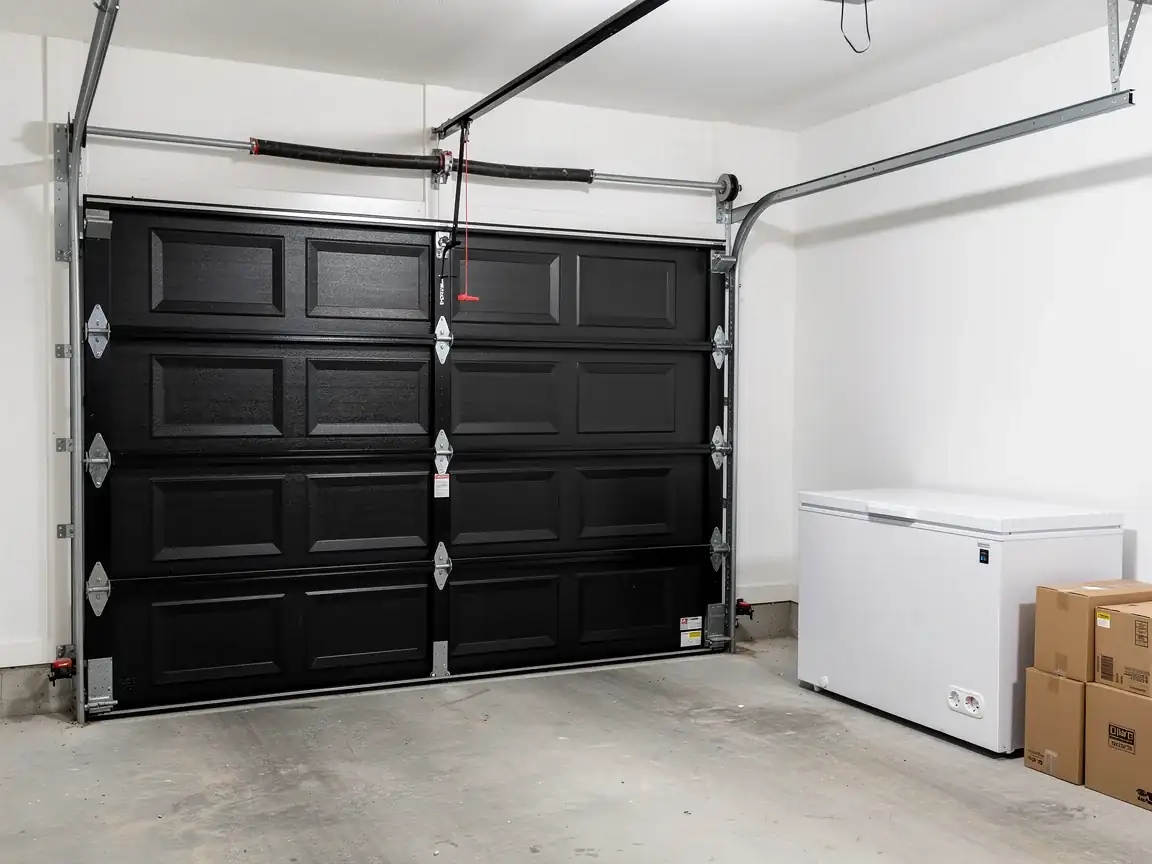
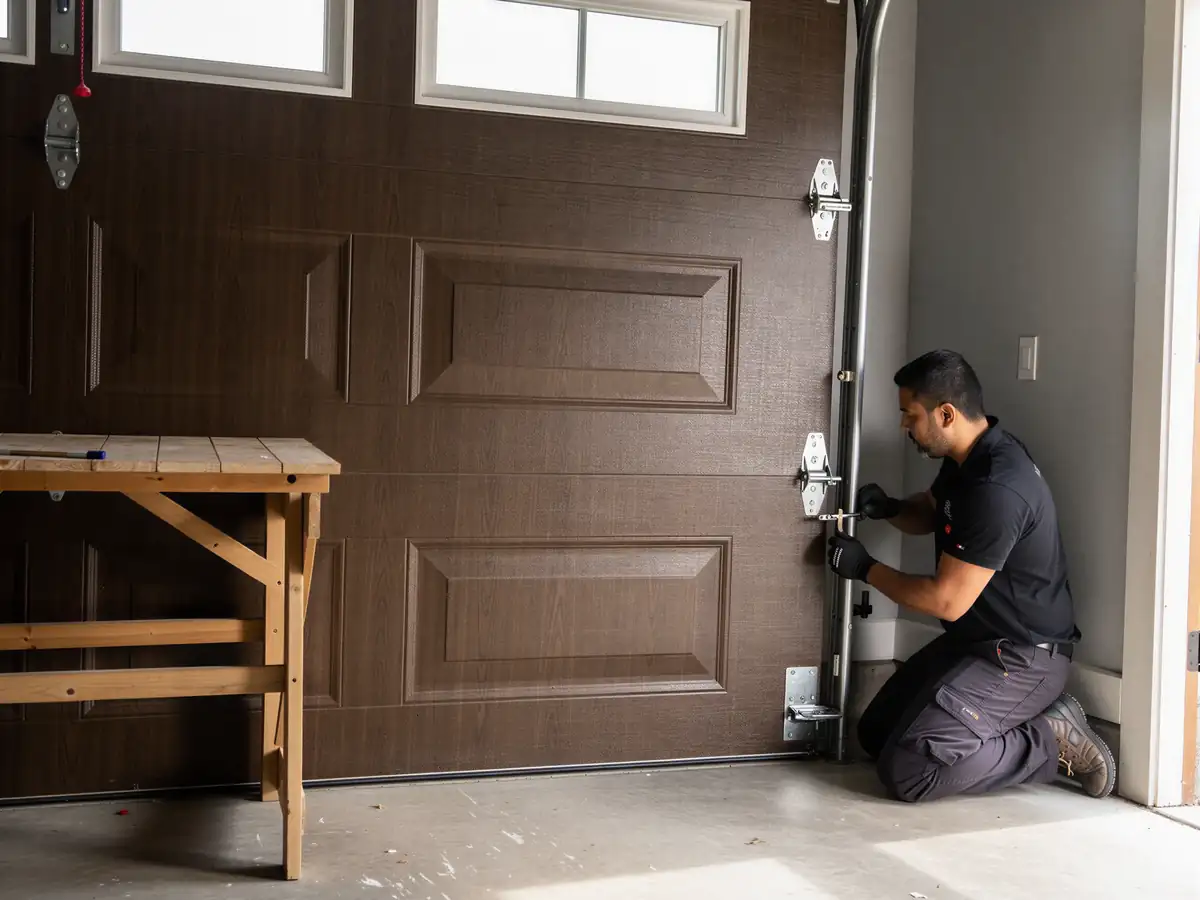
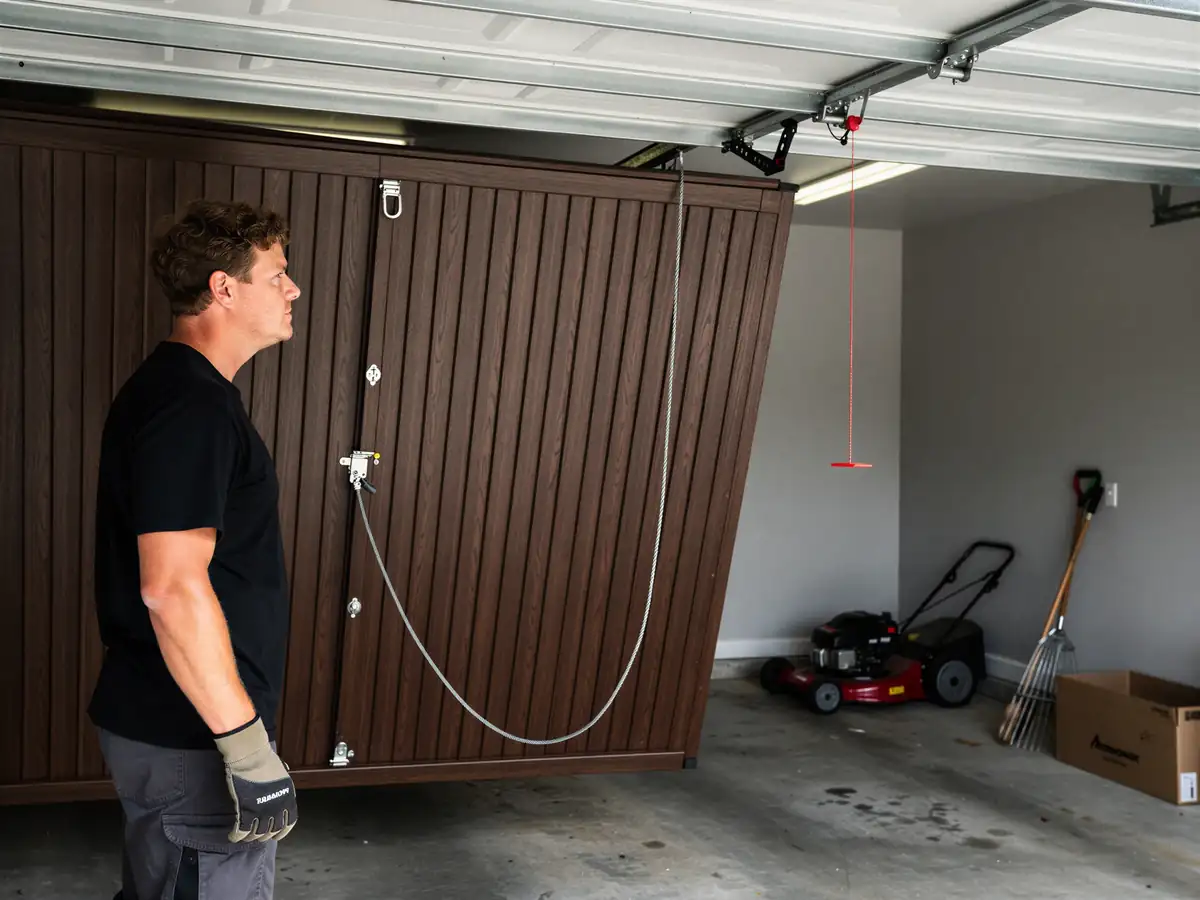
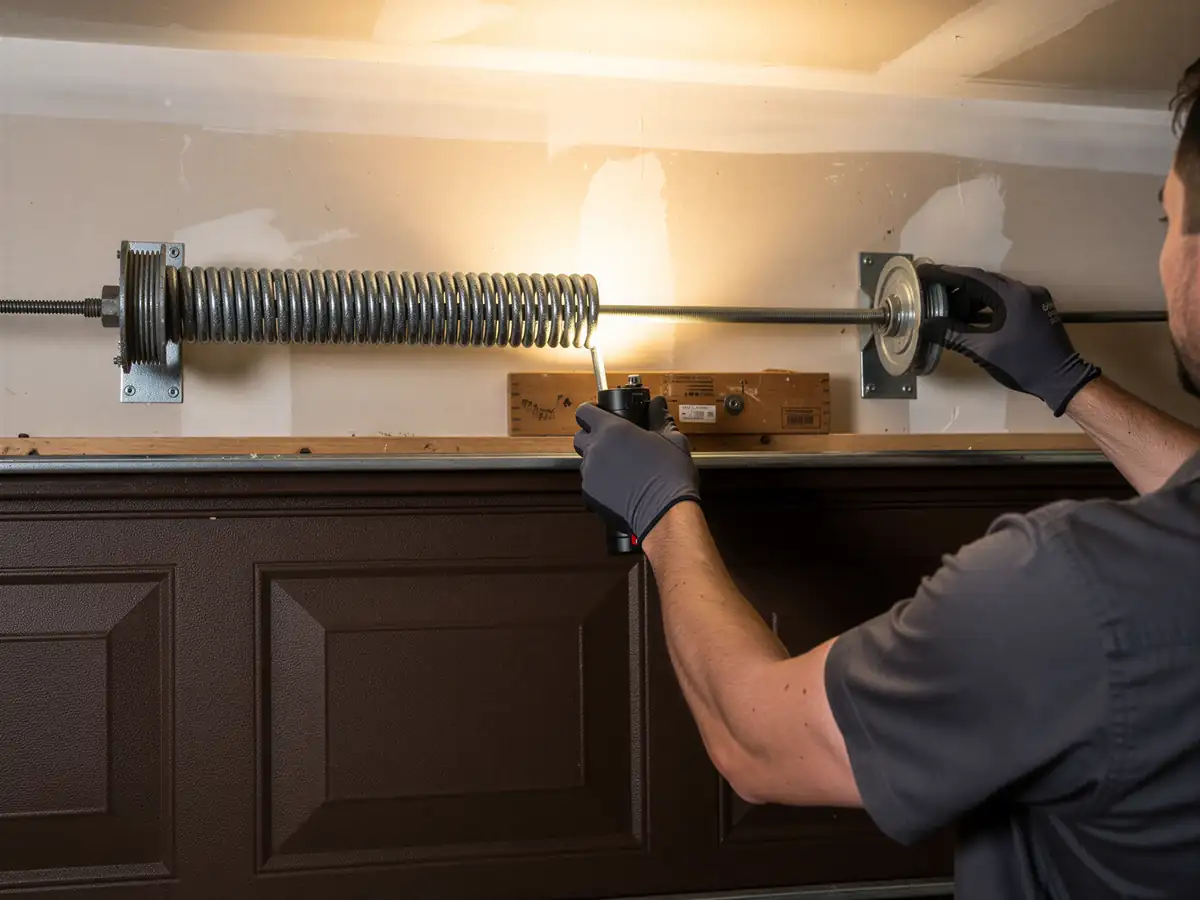
Which puts a lot of them squarely in the torsion-spring era but on hardware that's now fifty years old. What you're usually looking at: a door that won't lift, or lifts crooked, with a visible gap in the spring coil above the opening. Sometimes it's one spring on a double door, sometimes a single spring on an older single-car door that was never upgraded. Either way, by the time you're reading this the door is heavy or dead, and the opener - if it's newer than the door - is straining against a job it was never built to do alone.
What Is on the Truck
Because the trip out is built into the job, the truck gets loaded for 1970s torsion hardware specifically, not a generic spring assortment. Houses from this build era commonly used standard torsion springs rated for lighter wood or early steel doors, and after decades of Missouri winters the winding cones and end bearings are usually as worn as the spring itself.
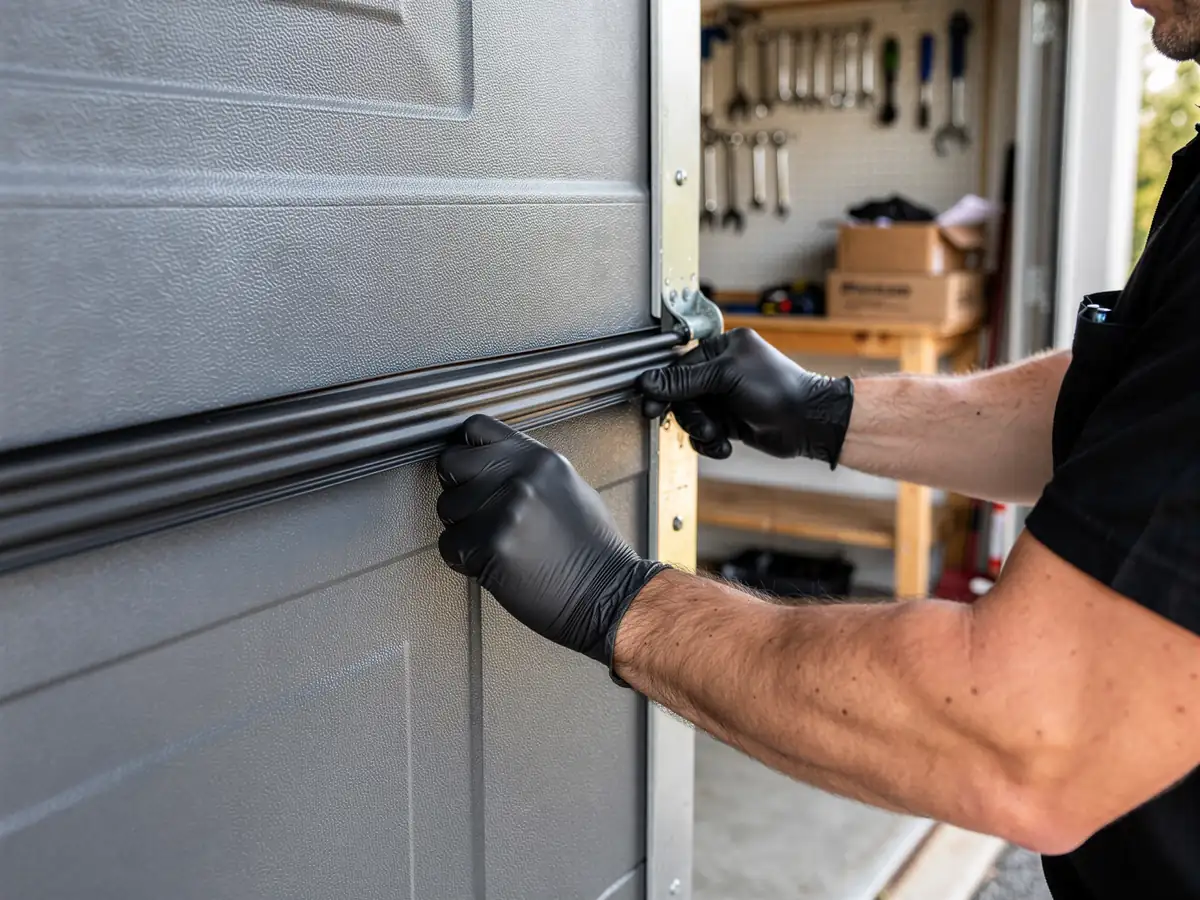
We carry replacement torsion springs sized for that older bracket spacing, plus the bearings and cable that typically go out around the same time a spring does on a door this age. The honest limitation: if a part turns out to be a discontinued or oddball size - which happens more on houses this old than on new construction - that's a special-order item, and the job doesn't finish same-visit. We'd rather tell you that at the door than pretend every spring on every 1974 house is a standard stock size.
Why This Fails Locally
This area falls in a severe cold climate band, and cold is what ages a torsion spring faster than almost anything else. Steel contracts in low temperatures, and a spring that's already fifty winters old loses flex before it loses strength - it goes from working fine to snapping clean with no slow warning in between. That's different from a slow-wear failure you'd see in a milder climate, where a spring sags and weakens gradually.
Houses built around 1974 also tend to have single springs on garages that have since picked up a second car's worth of weight in stored equipment, tools, or a second vehicle. The spring was sized for the original door and nothing else. Add fifty winters of temperature swings to a spring that was already working at its rated limit, and the failure point moves up by years, not decades.
Where This Job Goes Sideways
The trip itself is where a spring repair here most often goes wrong, not the repair
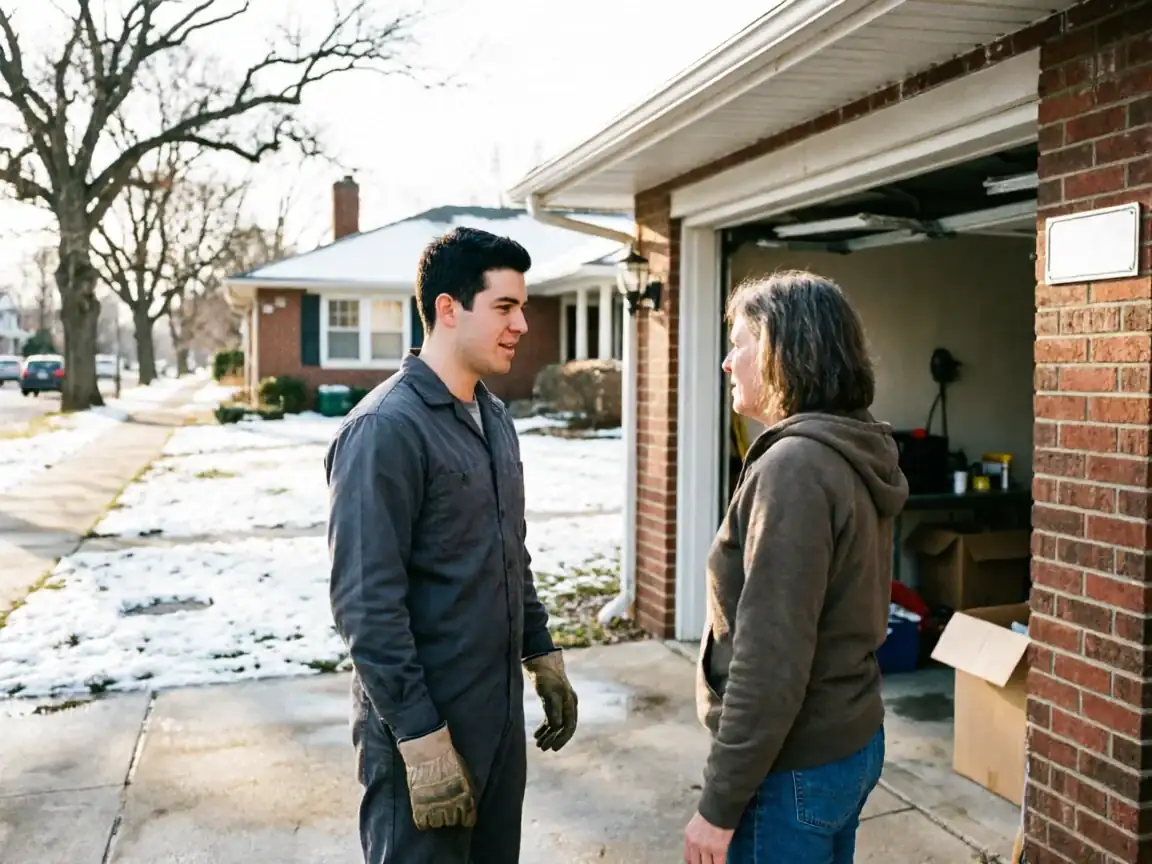
At 15 miles each way, a misdiagnosed call over the phone turns into two round trips instead of one, and that's time neither side wants to pay for. We ask more questions up front on calls from Jamestown specifically - what the door does, whether it's one spring or two, whether the opener still hums or has gone silent - because getting it right before the truck leaves Columbia matters more out here.
- 15 miles
The other place it goes sideways
A homeowner with 158 households' worth of neighbors around them assumes a repair shop stocks every part for every house on the block. We carry what fits the common 1970s torsion setups in this area. A door that's been modified, oversized, or fitted with non-standard hardware over the years can still need a special order, same as anywhere else - the drive doesn't change what parts exist, just how fast we get there.
- 158 households