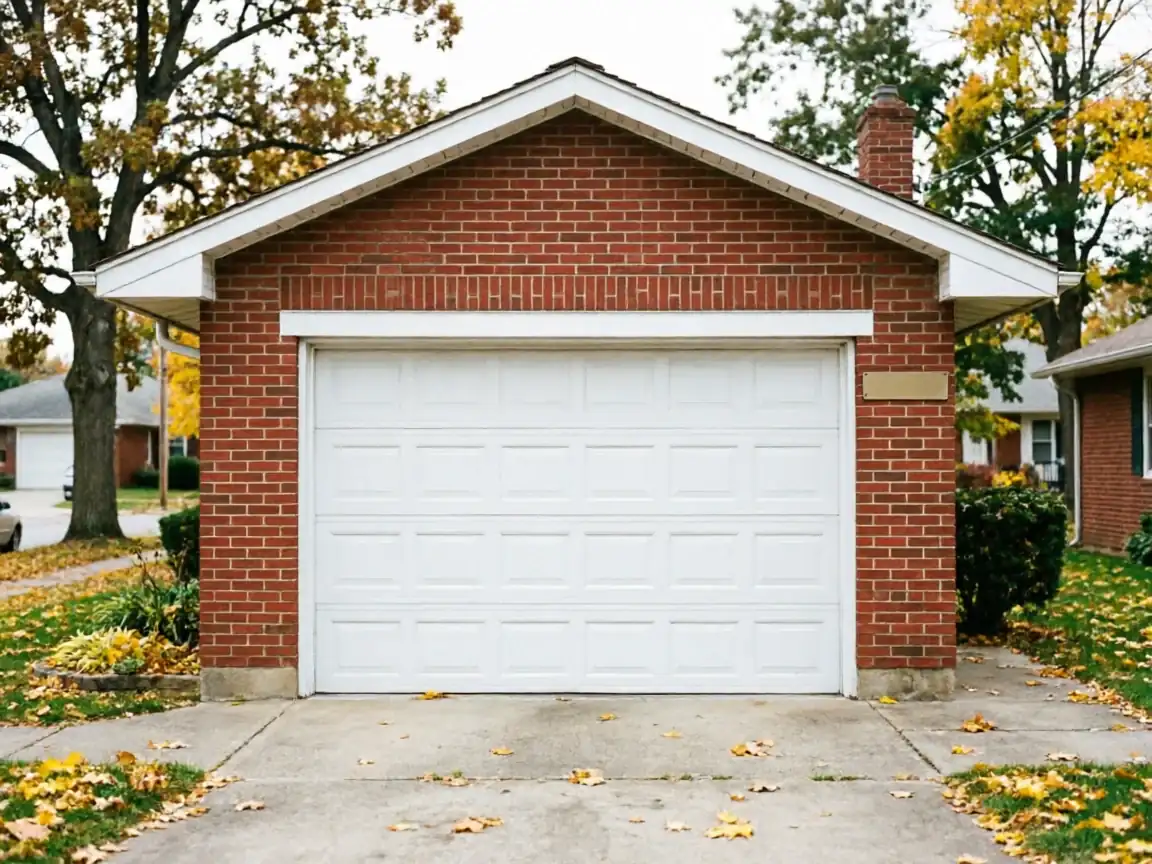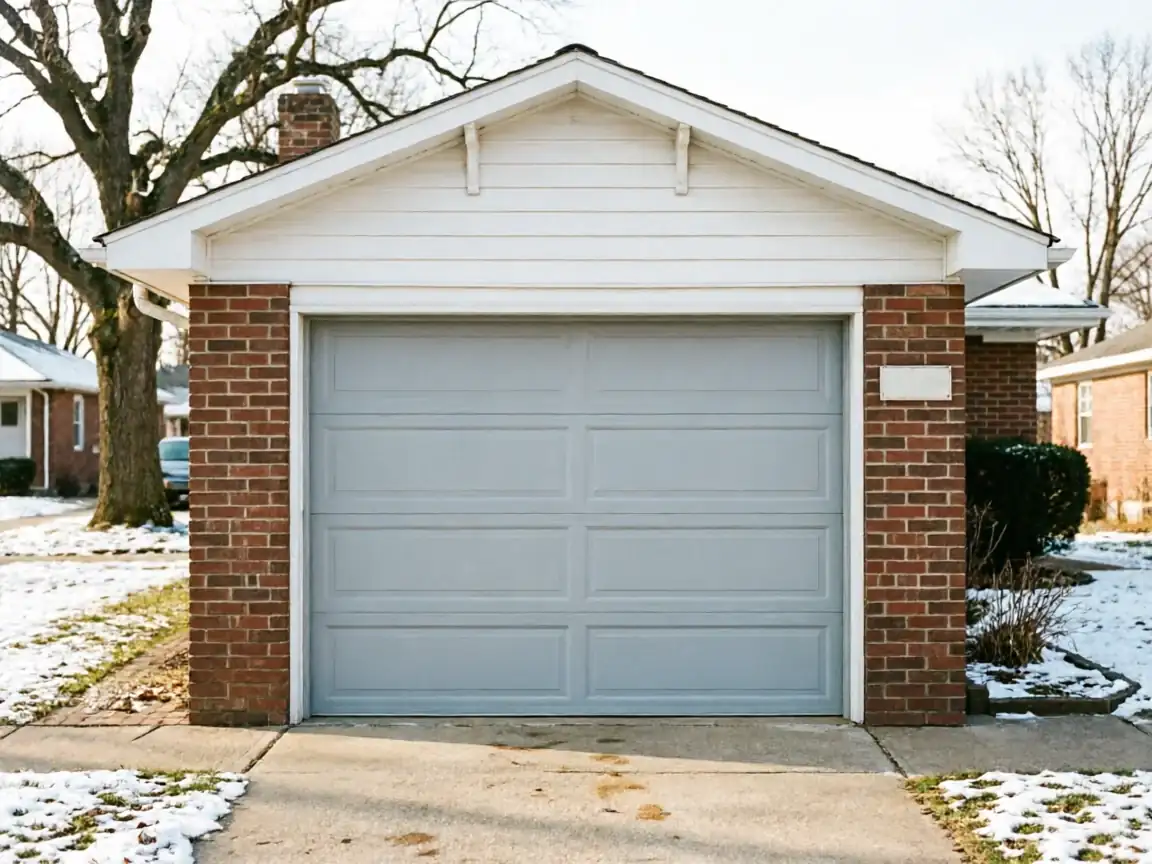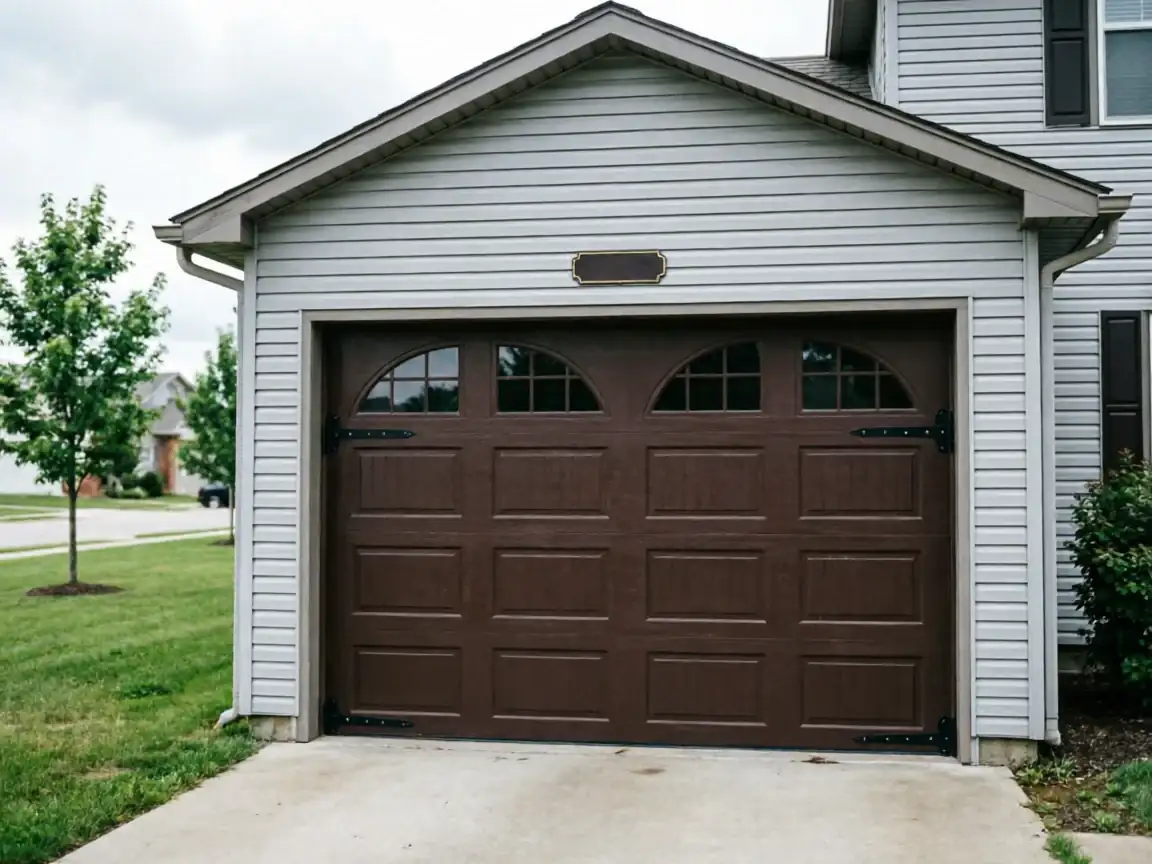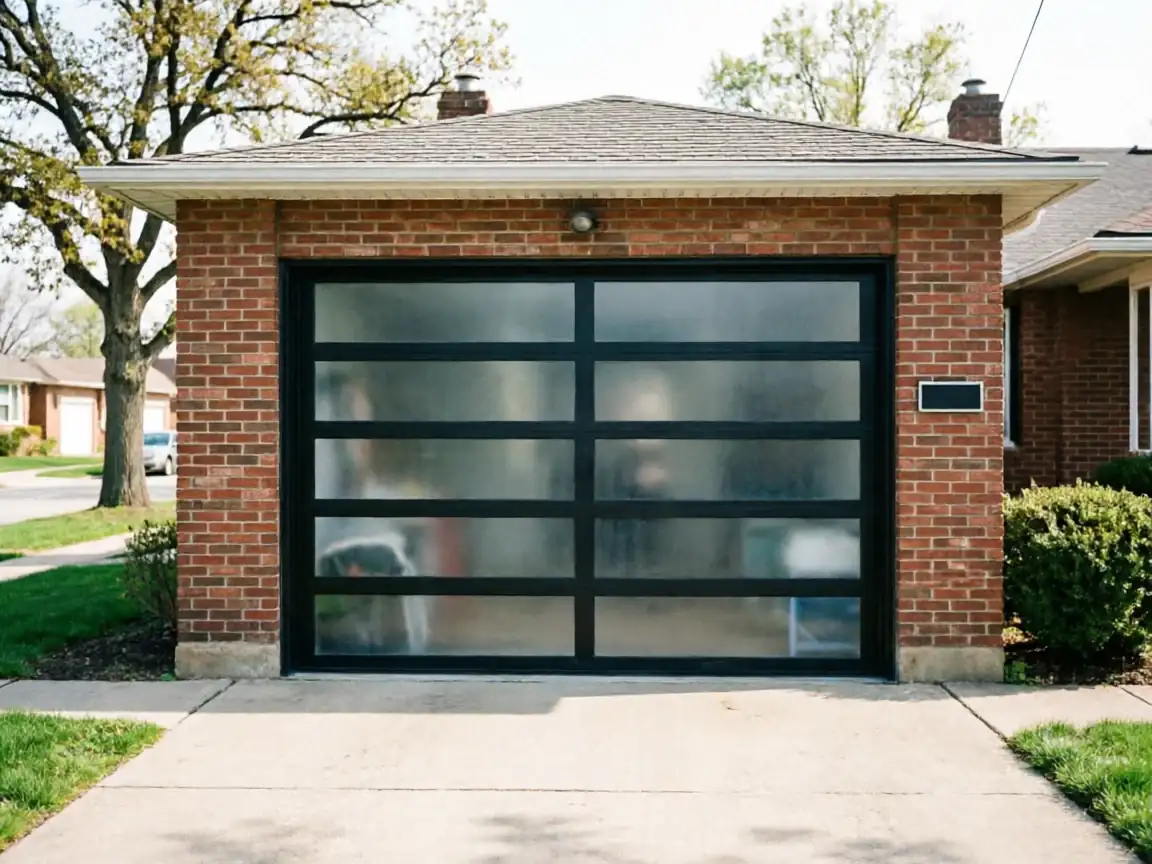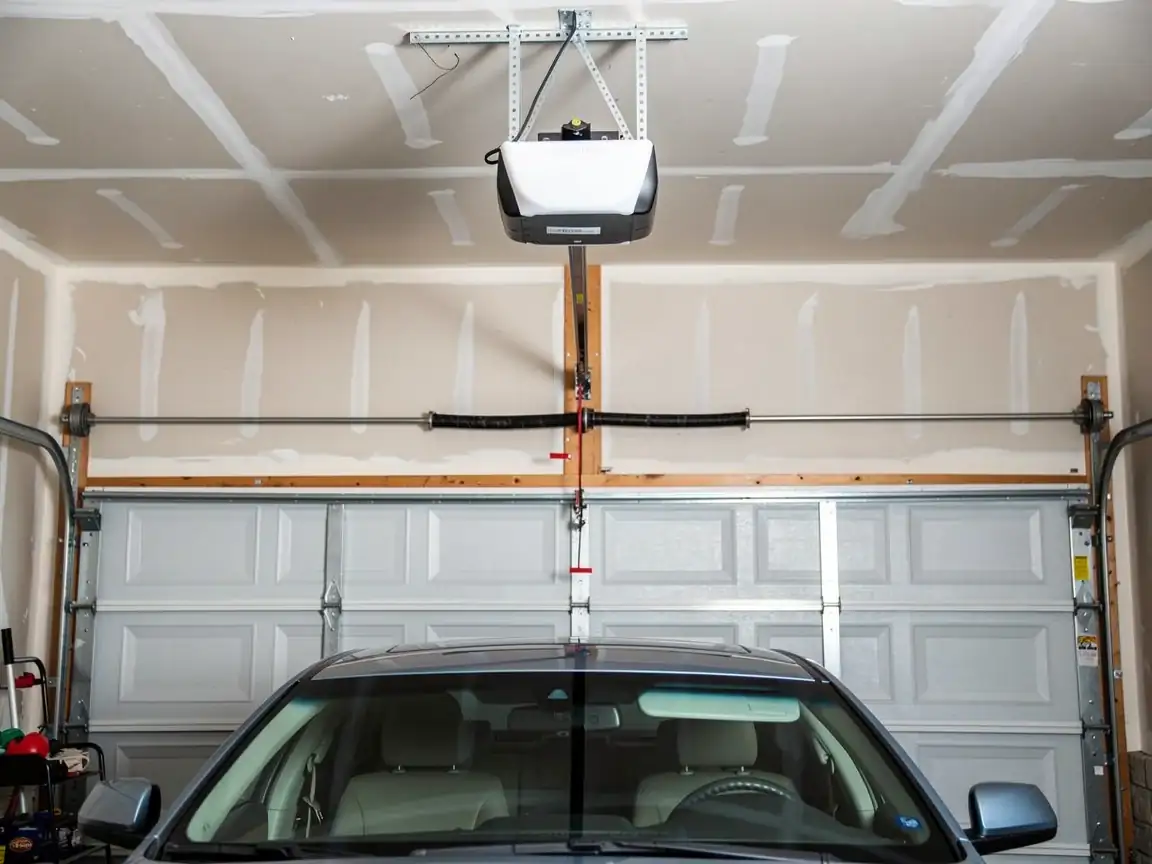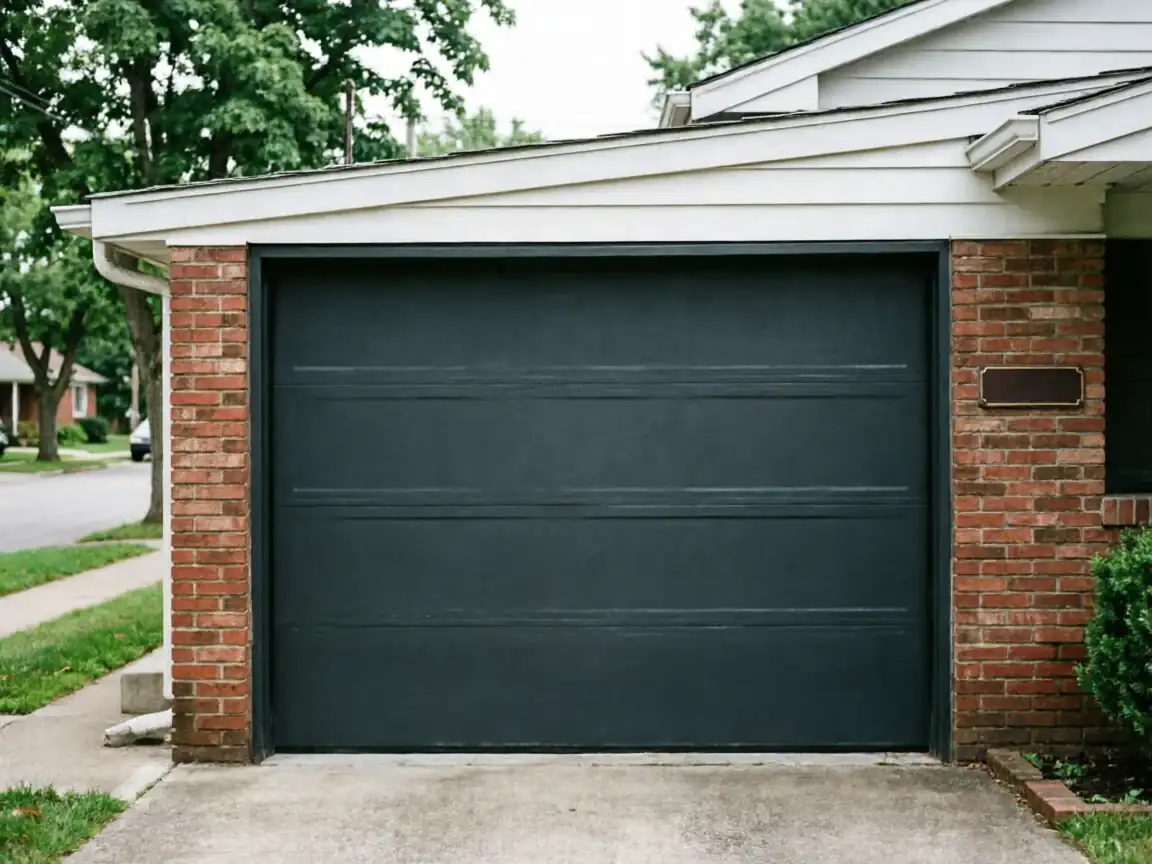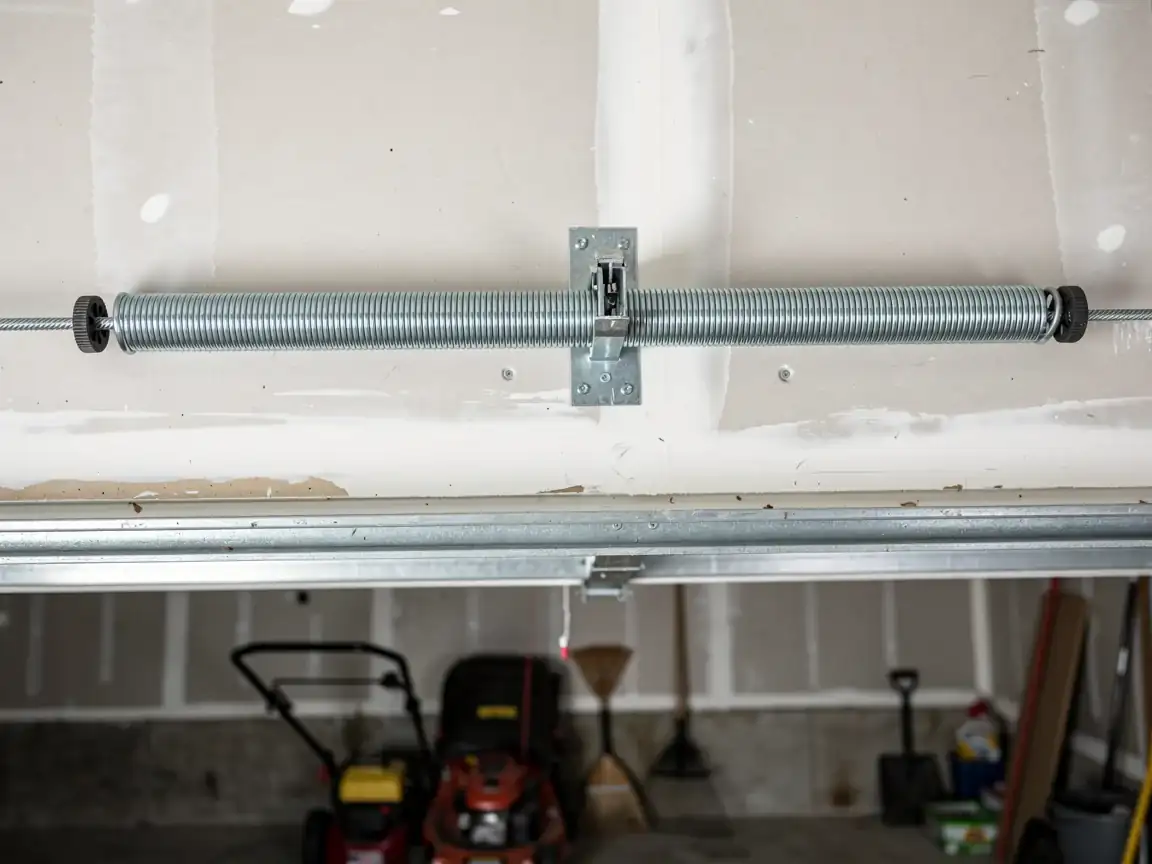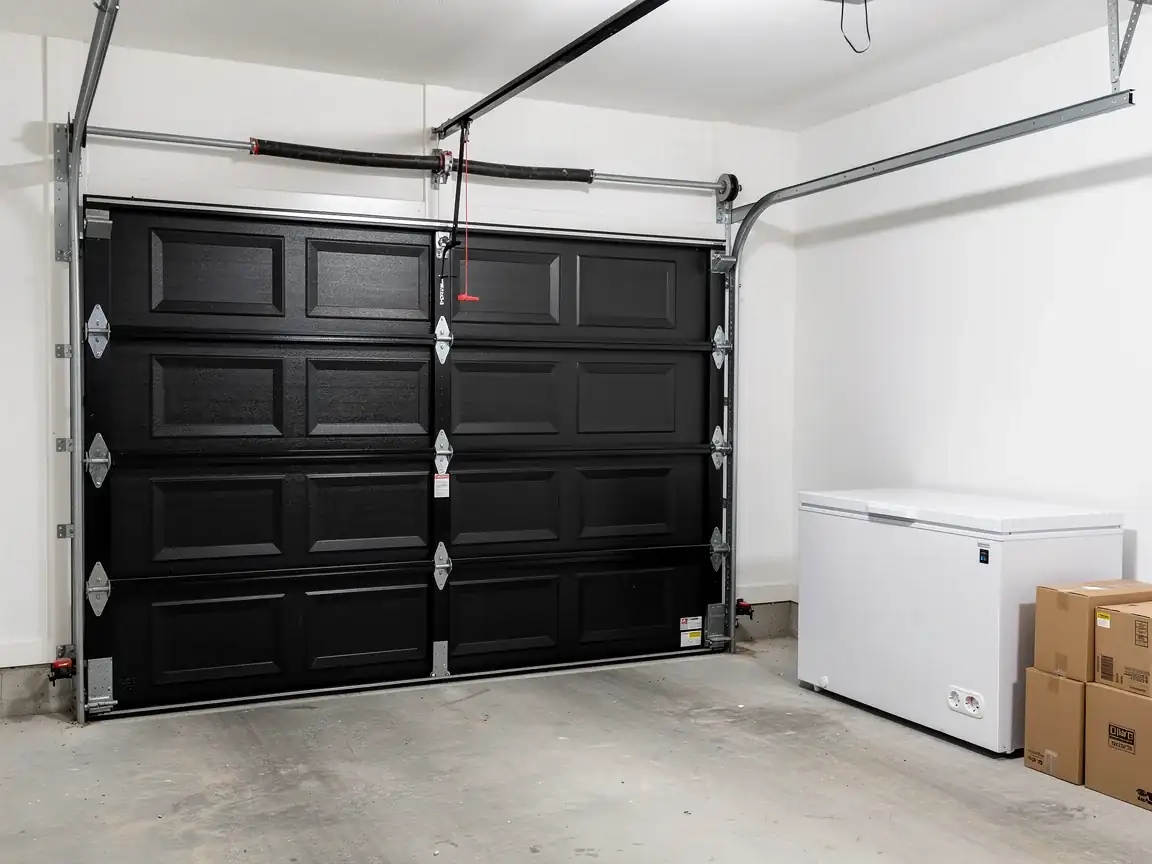
What You Are Seeing
At a median household income of $58,889, the math on a garage door job in Jamestown tips a certain way
A new torsion spring and a service call comes in well under what most households here budget as a one-time repair. A full door and opener replacement does not - and on a fixed or single-earner household income, that's the line homeowners actually weigh before they call.
- $58,889 median household income
What makes Jamestown different from a lot of towns we cover isn't the income number alone
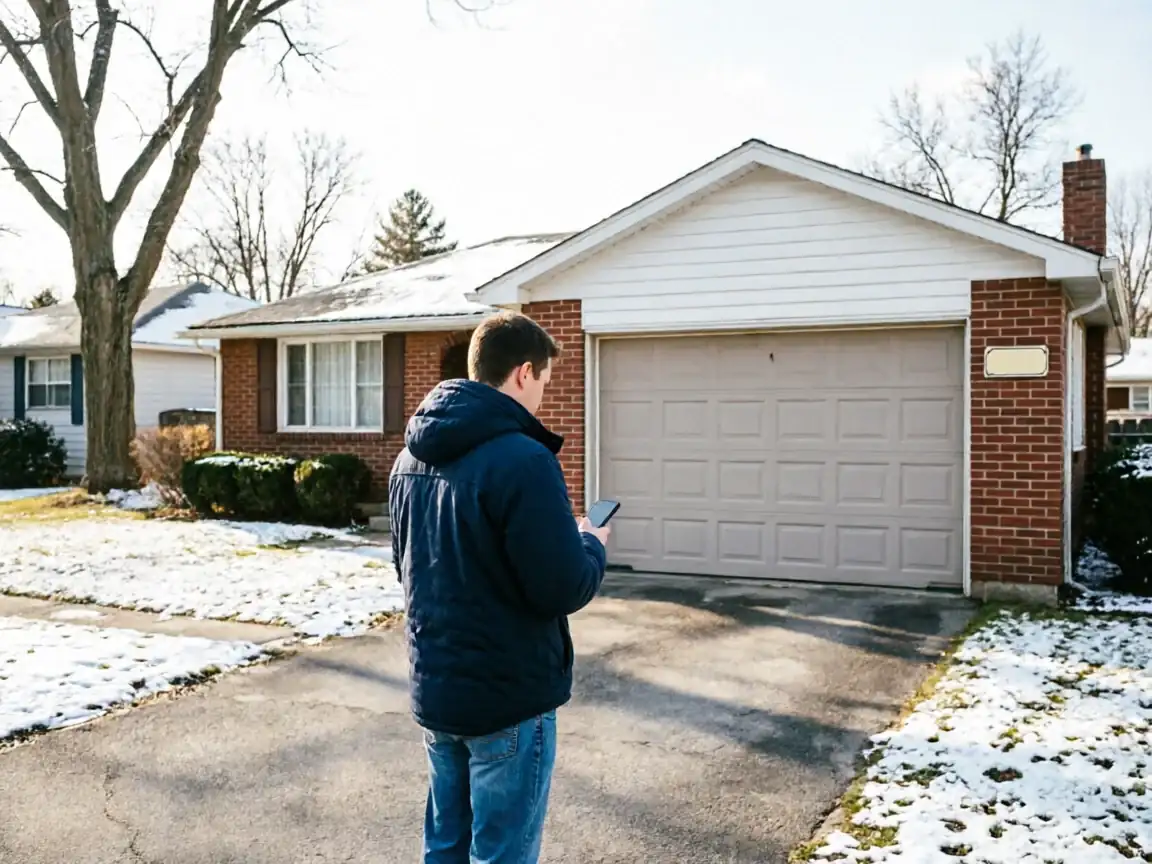
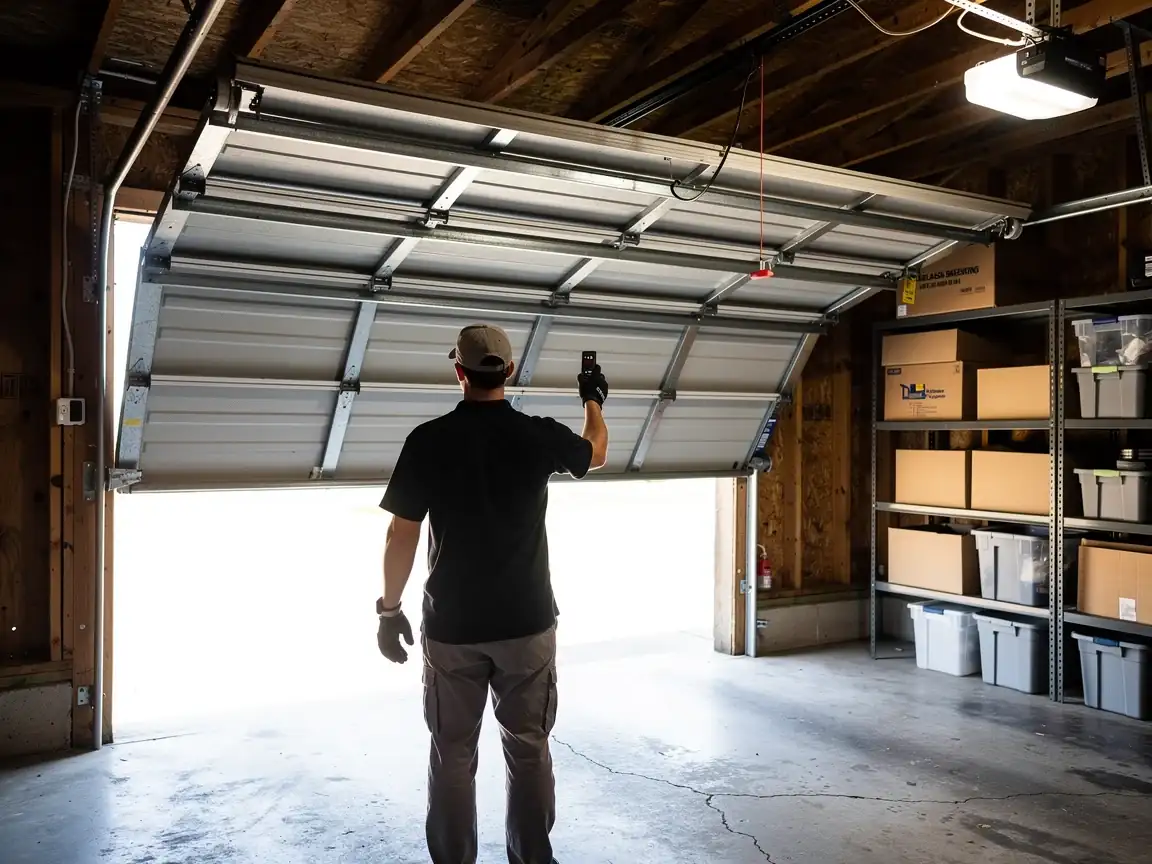
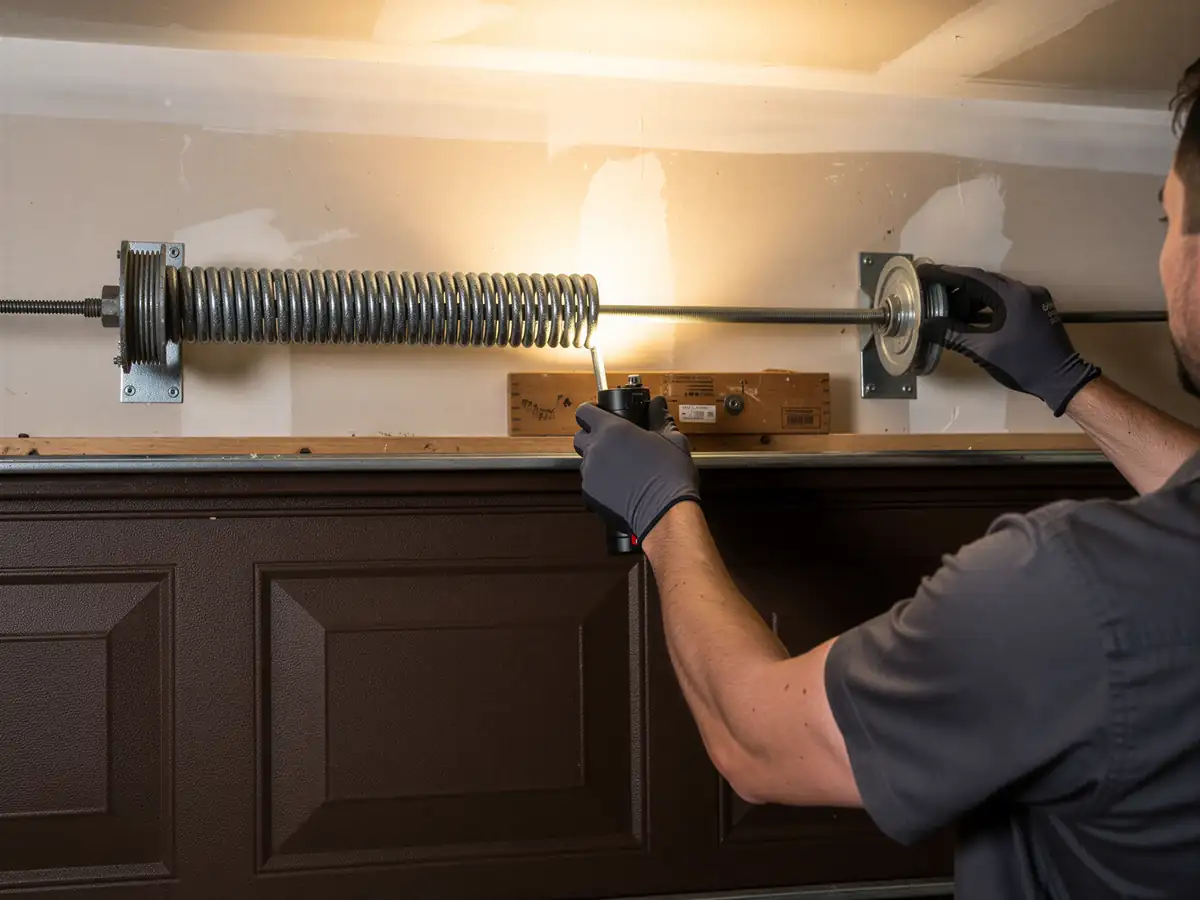
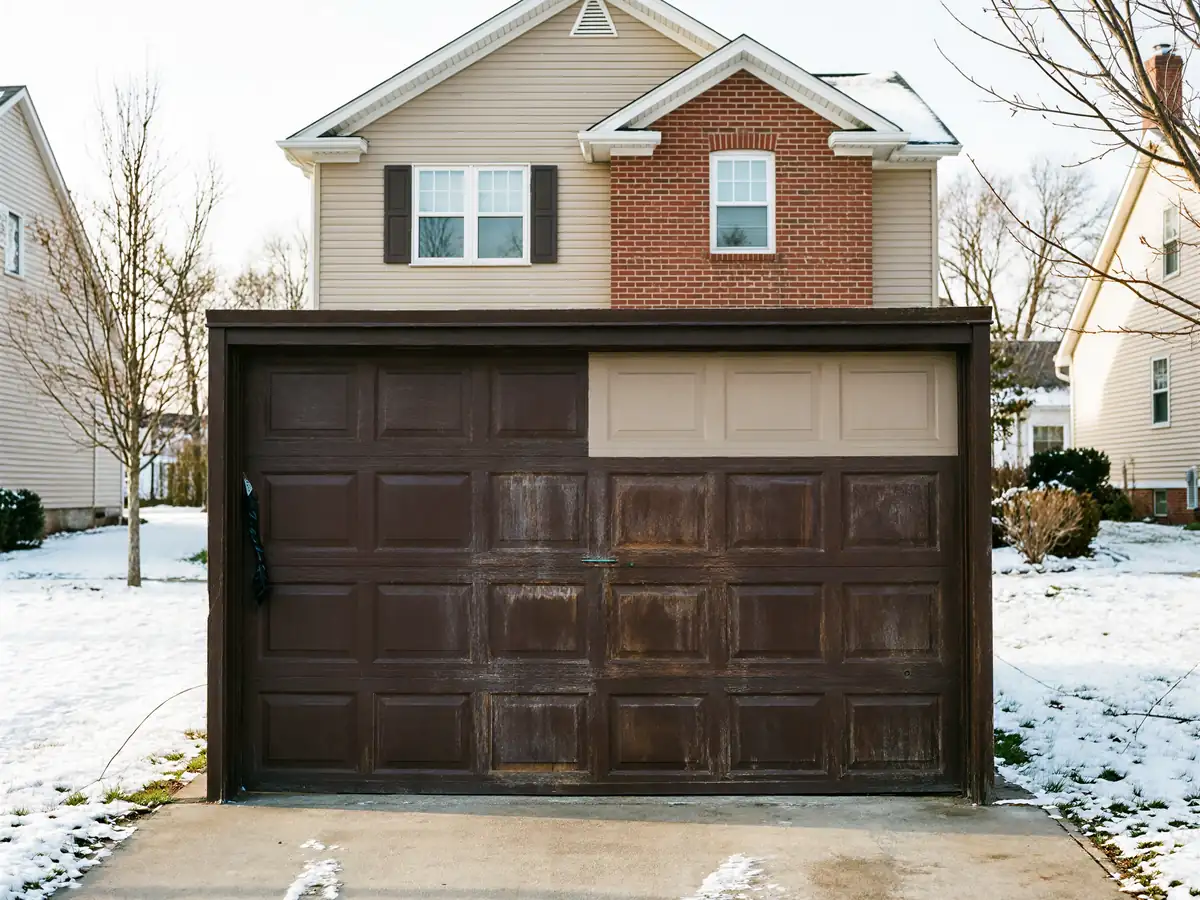
It's what that number is paired with: houses built mostly around 1974, putting this area squarely in the same mid-70s wave as the rest of the county's older stock. A door from that era is usually a single steel panel on a two-spring torsion setup, not the sectional insulated doors going into newer builds. The failure points are different, and so is the fix. We're not quoting you a current-build job when we come out here - we're quoting a 50-year-old setup that's been patched more than once already.
What Is on the Truck
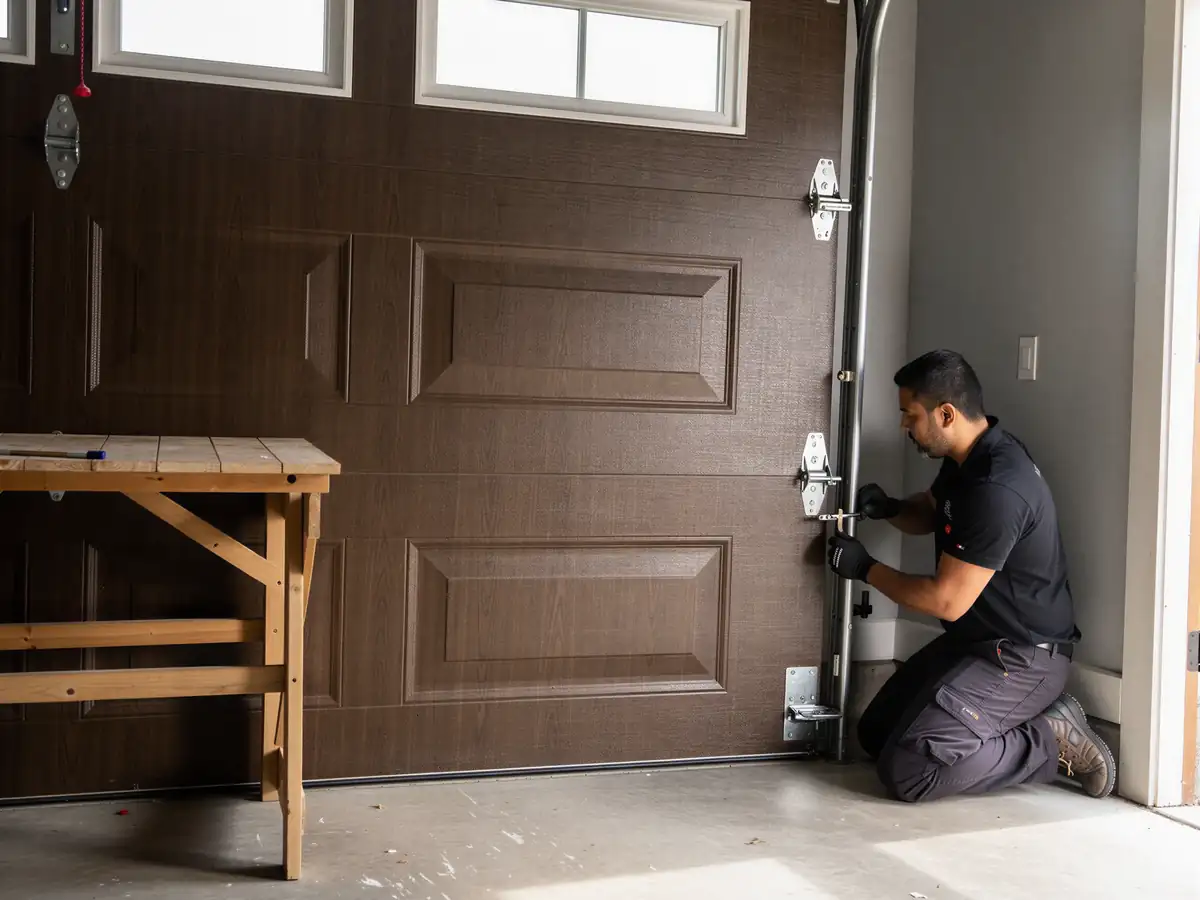
For a town built out around 1974, the truck needs torsion springs sized for older single-panel doors, standard-lift cable, and the fasteners that match hardware nobody manufactures in the original spec anymore. Jamestown is 15 miles out from our shop in Columbia, so the job gets planned, not walked in on - we bring what a house from that era typically needs, based on what we've seen on similar stock across the service area.
The honest limitation here: if your door uses a part that's been discontinued outright - some of the extension-spring setups from houses on the early end of that 1938-2003 build range qualify - we may need to order it rather than carry it standard. We'll tell you that on the phone, not after we've driven out.
Winters here fall into the same cold-severe climate band as the rest of mid-Missouri, which matters for lubricant choice and for how brittle an old spring gets before it snaps rather than stretches. We load for that, not for a mild-climate job.
Why This Fails Locally
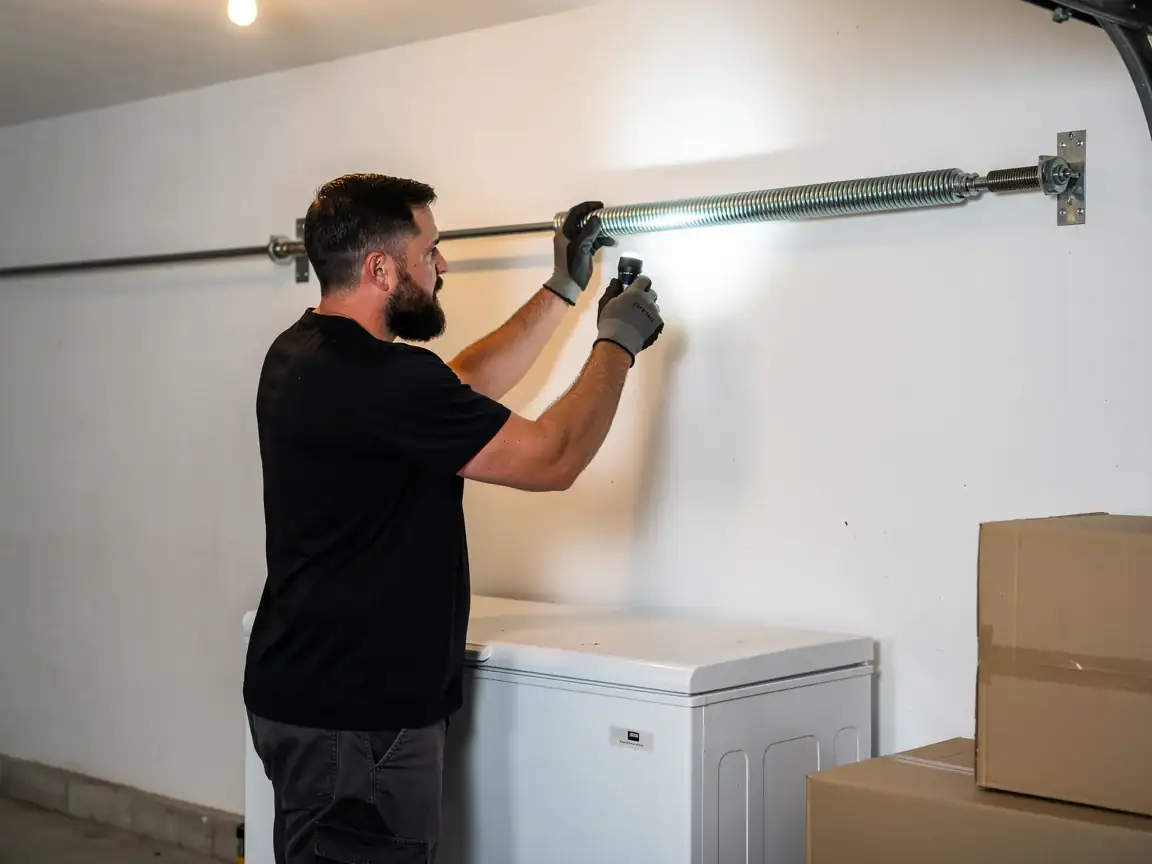
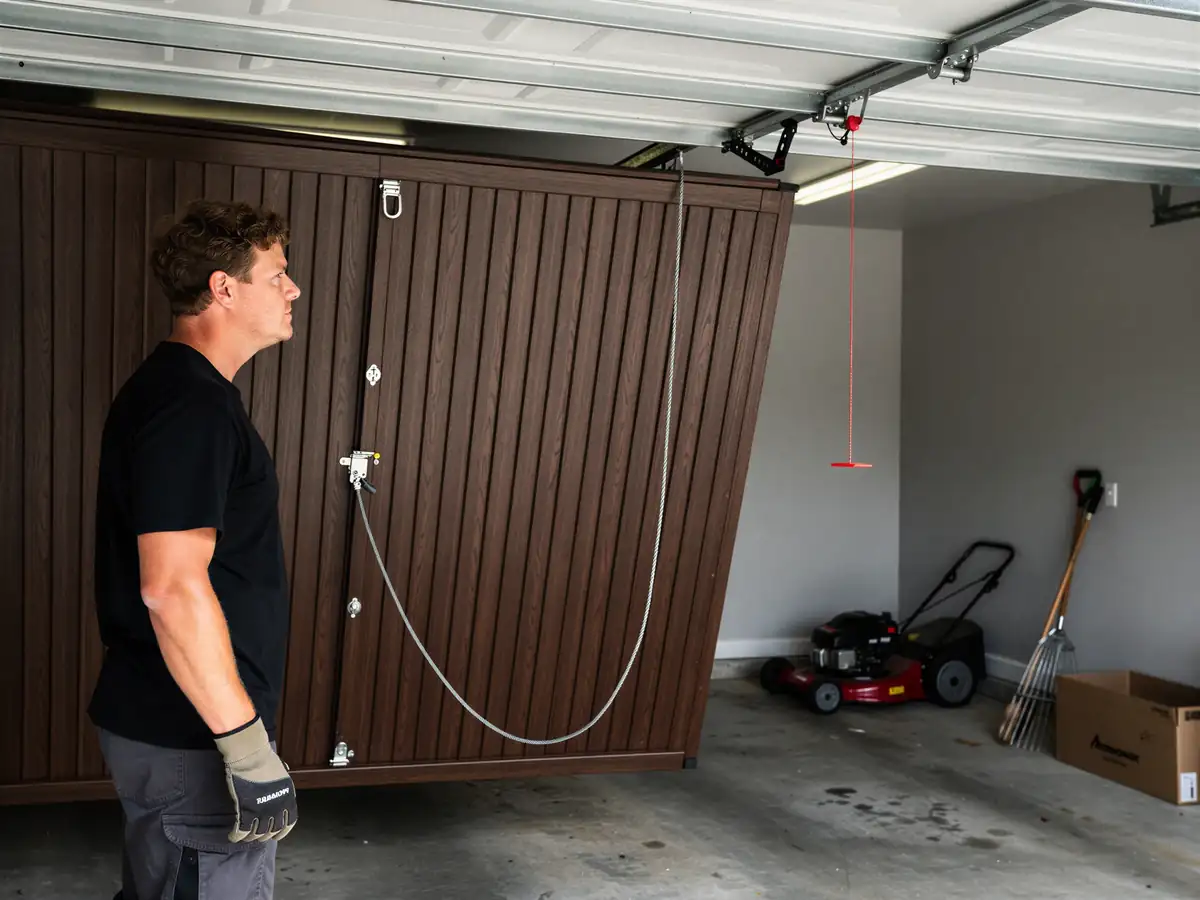
A single-panel steel door on original torsion hardware, sitting through 50 winters in a cold-severe climate band, fails in a specific way: the spring doesn't wear out gradually, it fatigues and lets go all at once, usually on the coldest morning of the year when the steel is least forgiving. That's a different failure mode than a newer sectional door, where rollers or the opener's circuit board tend to go first.
Households here are smaller - Jamestown's own household count sits around 158, a fraction of the roughly 3,917 households across the wider service area - which means fewer two-car households putting daily wear on a second door. One door doing the work of the household's only vehicle access tends to get used harder, relative to its age, than a second door in a bigger household would.
Where This Job Goes Sideways
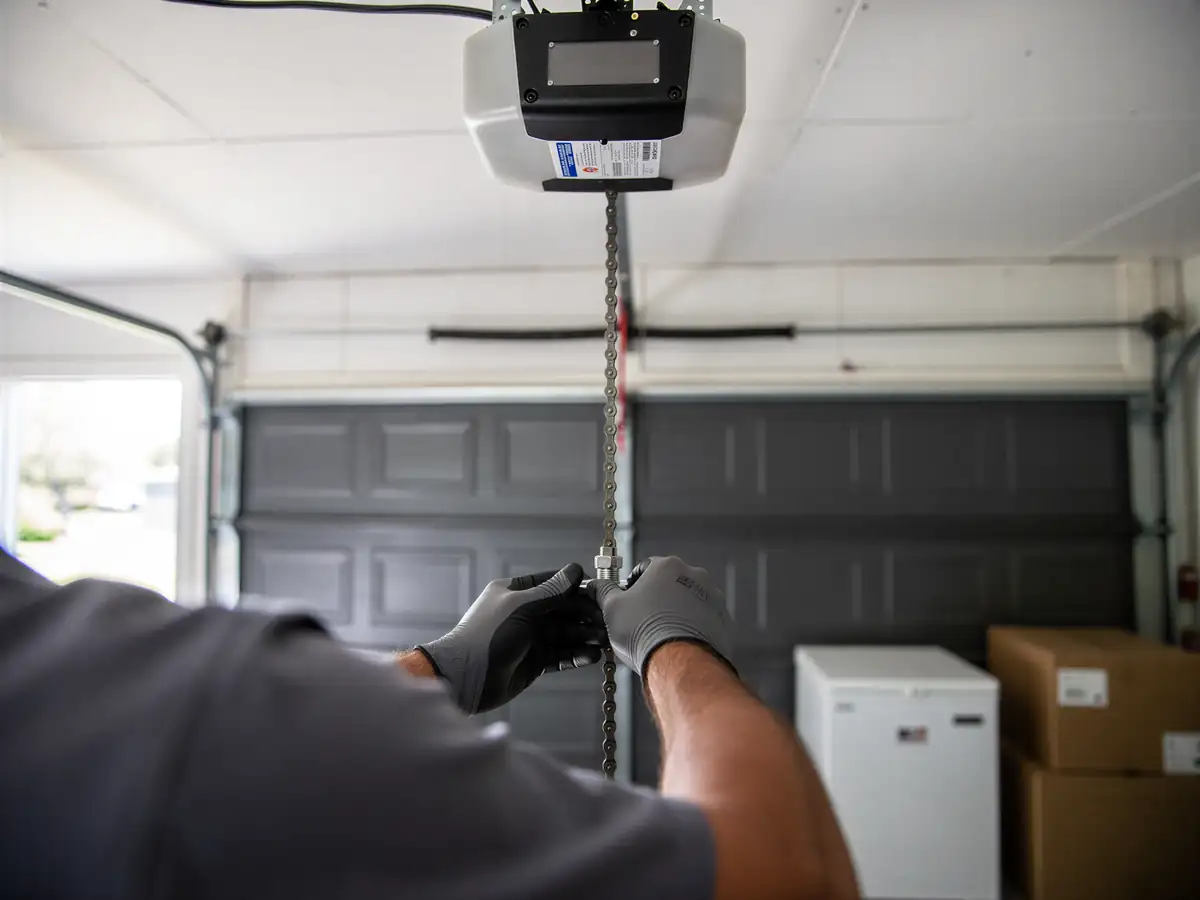
The job goes sideways when a homeowner replaces a snapped spring on a 1974-era door without checking the drum, the cable, and the track alignment that have been quietly degrading alongside it
A new spring on worn hardware buys a few months, not years - and then it's a second service call for a problem that should have been caught on the first one.
It also goes sideways on timing
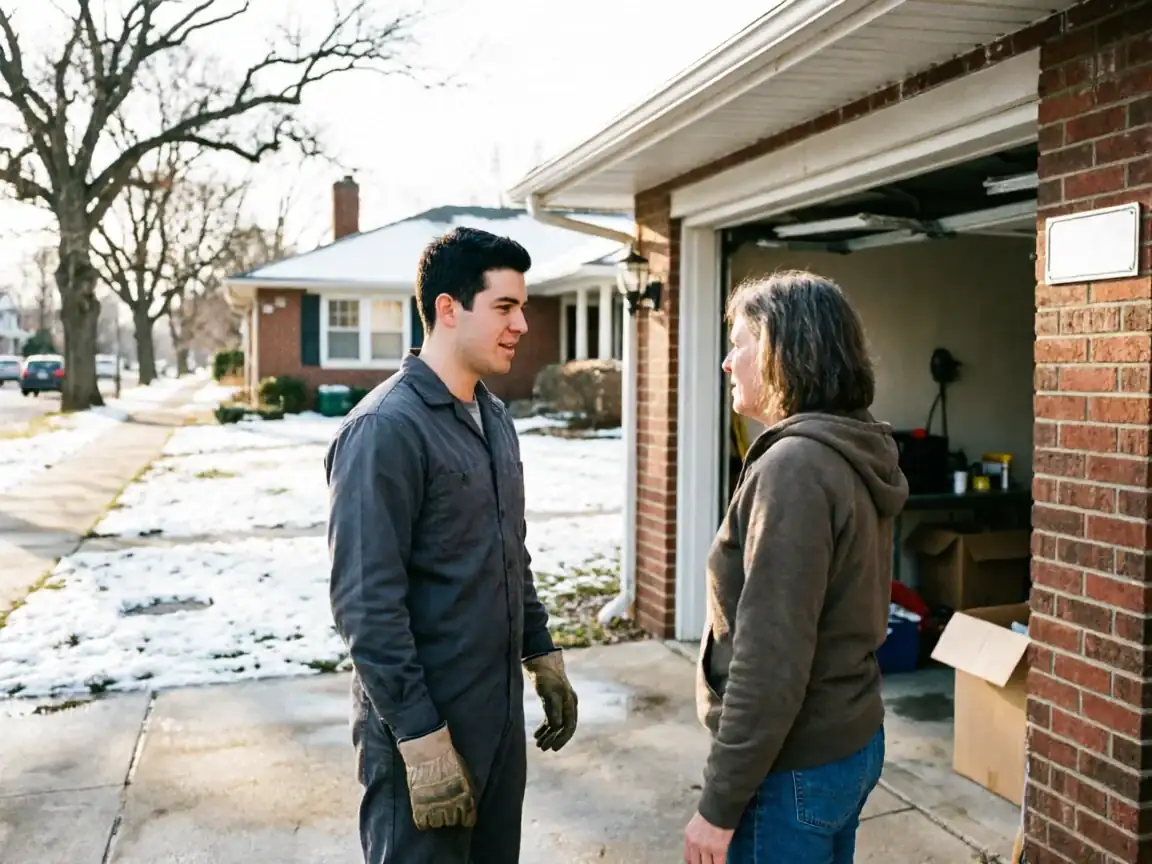
Because Jamestown is served from Columbia rather than from a local branch, same-day isn't something we promise here - we schedule the drive. If a spring fails on a below-freezing morning and the door is the only way a vehicle gets out, plan the call around that, not around us showing up within the hour.
Last point, and it's the one that matters most for the income math from the top of this page
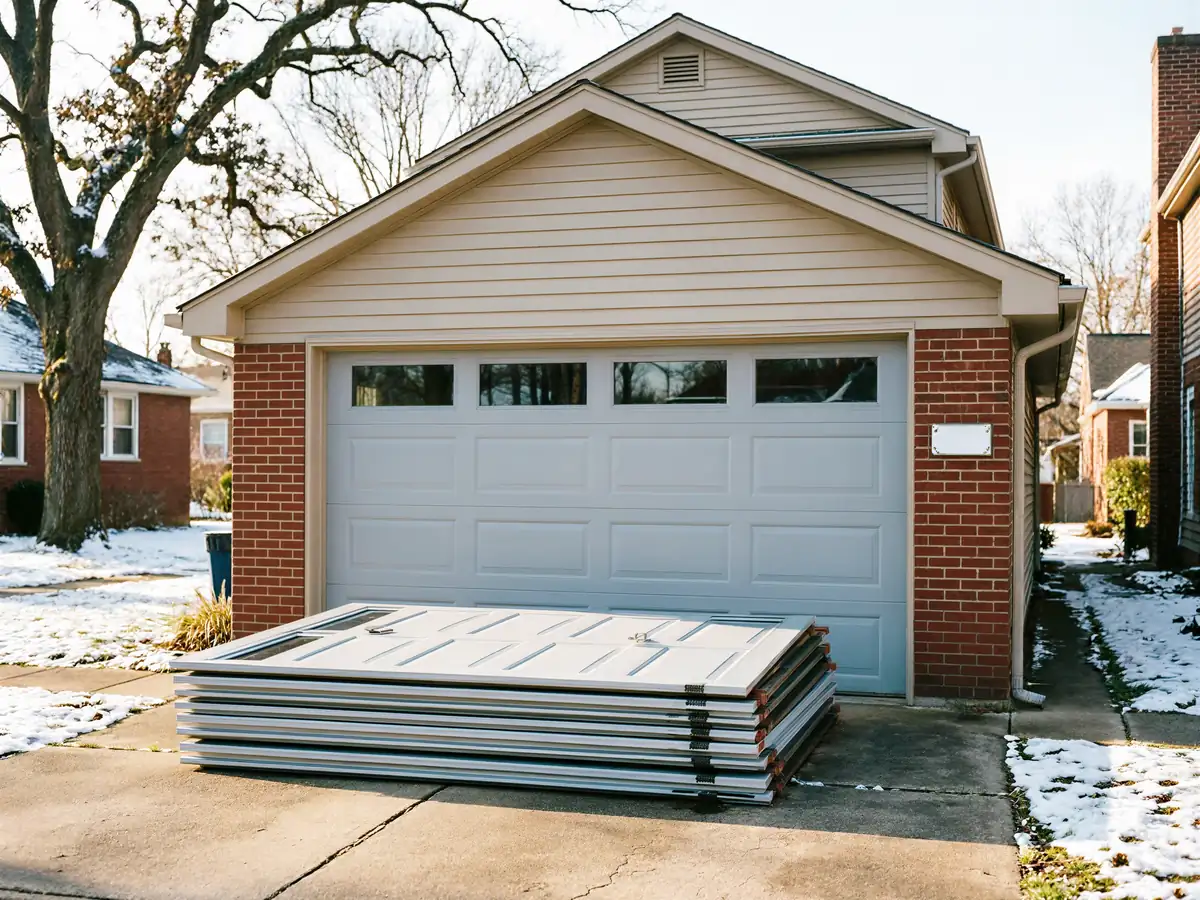
On a door built around 1974, replacement only makes sense once two or three individual components have failed. One spring, by itself, is almost always a repair, not a reason to replace the whole door.