Where This Job Goes Sideways
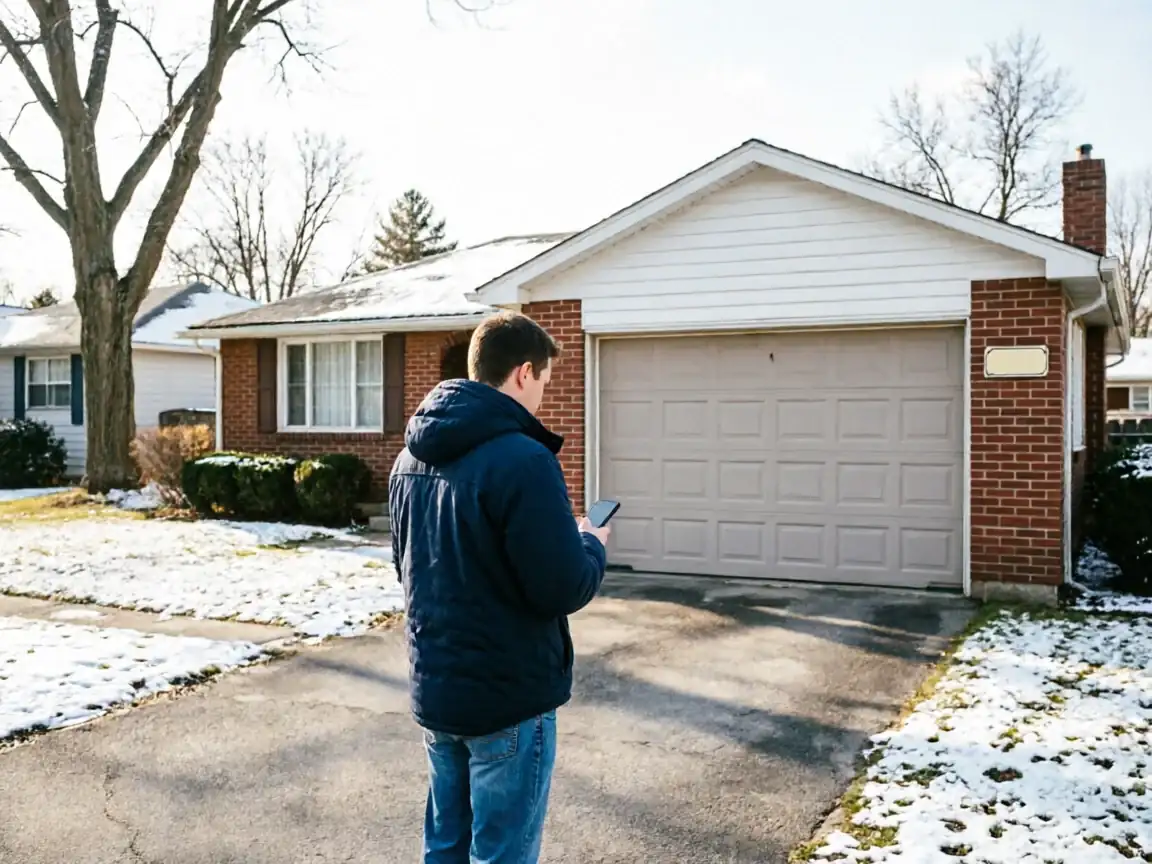
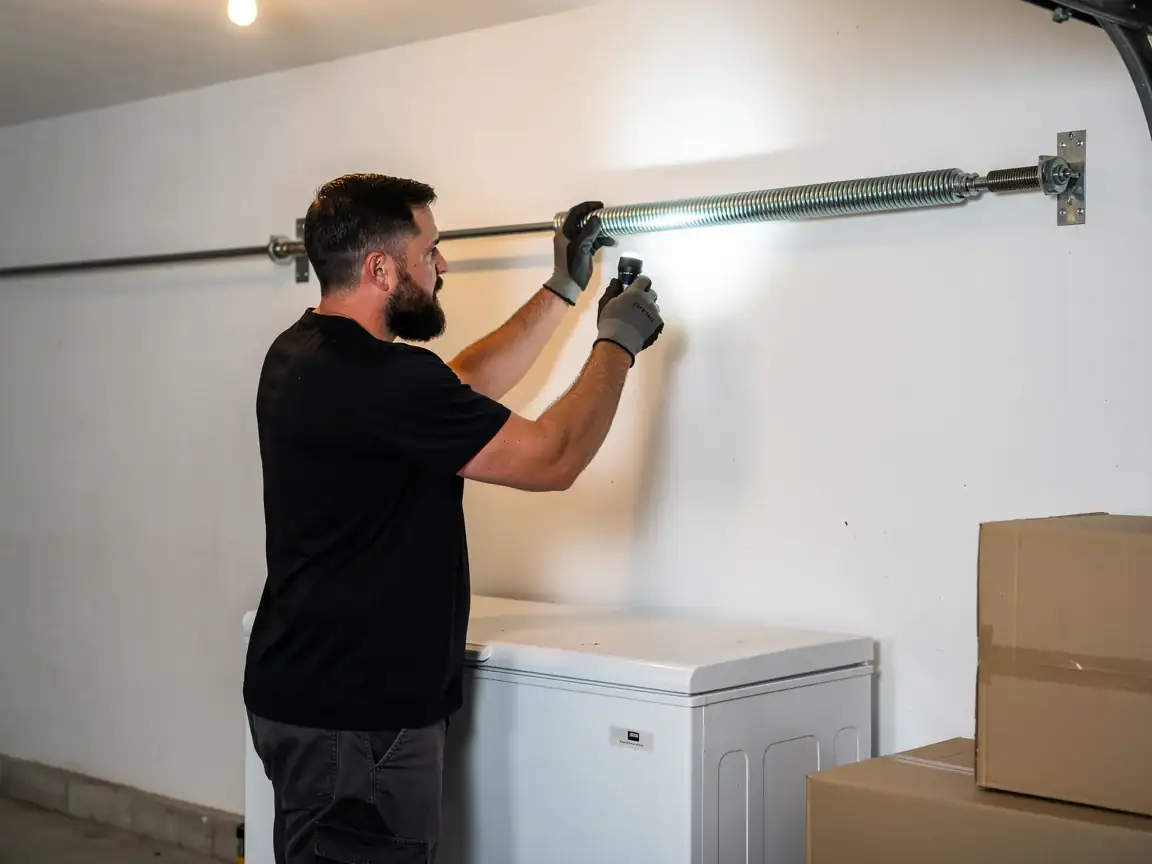
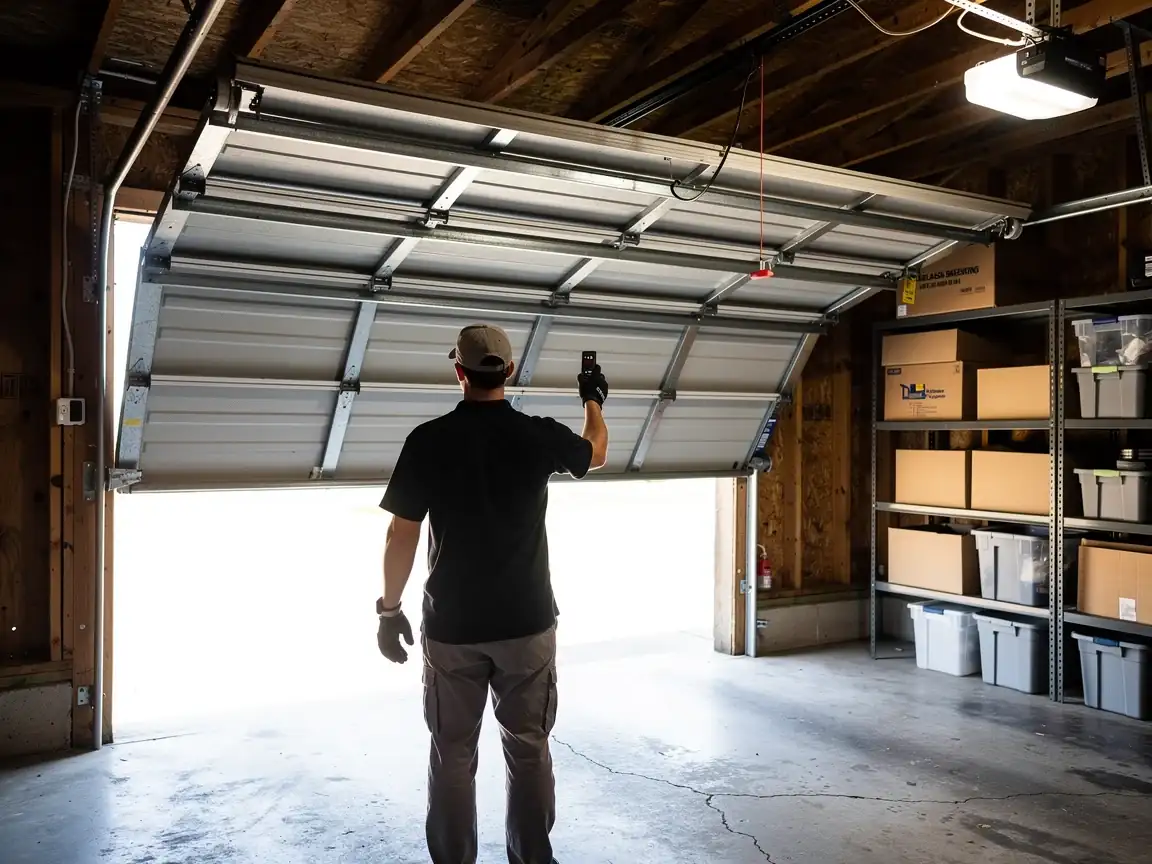
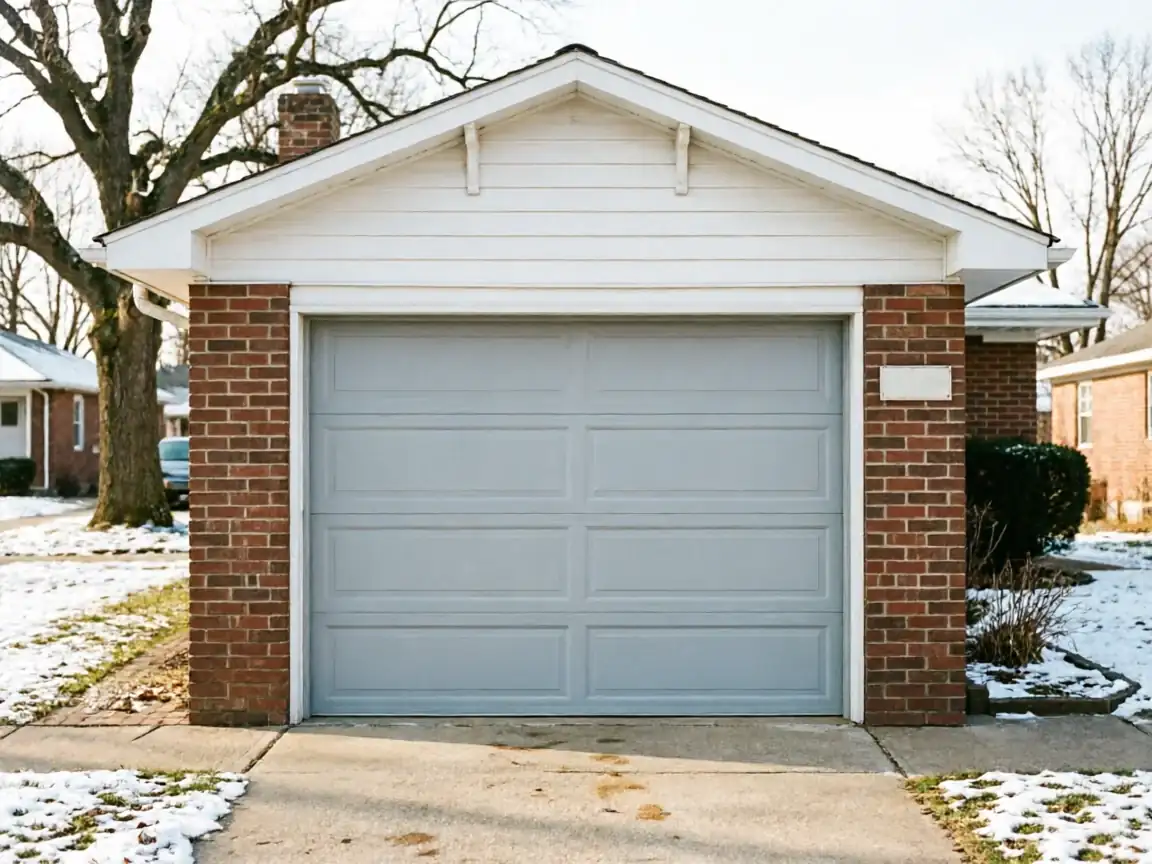
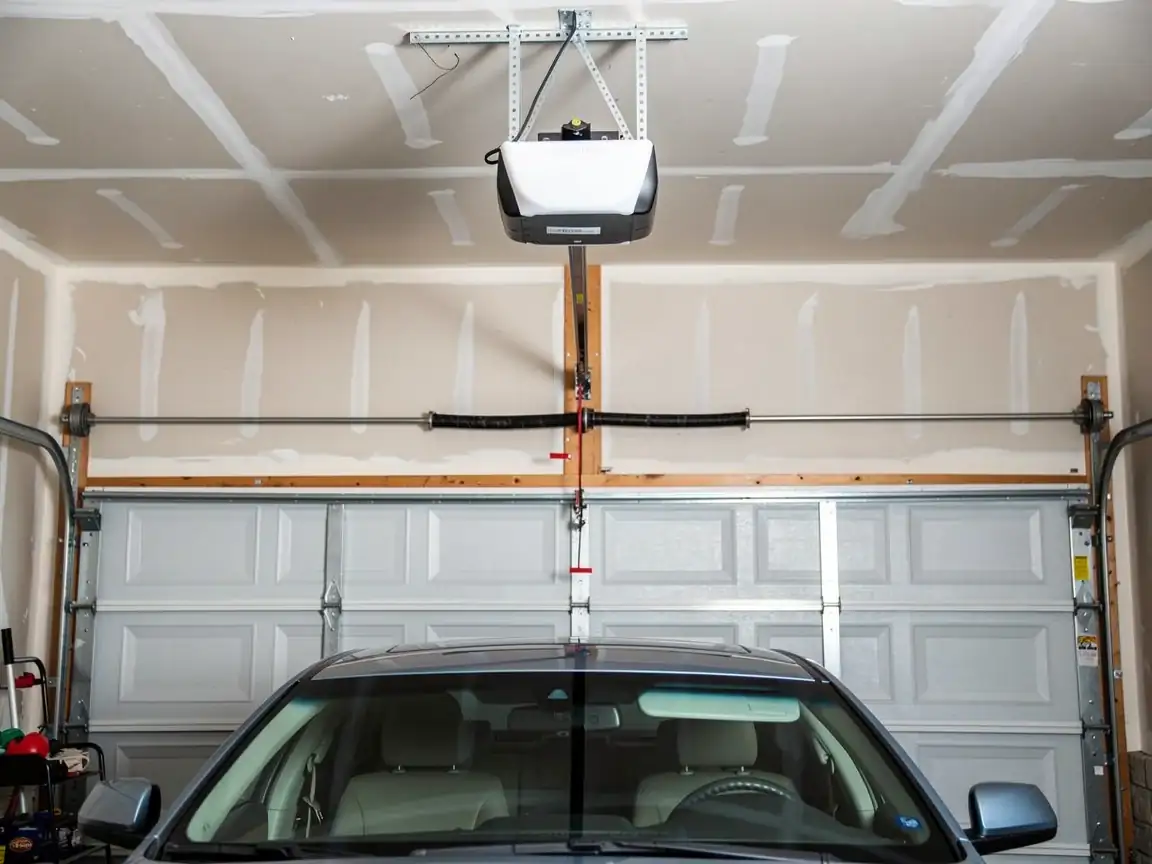
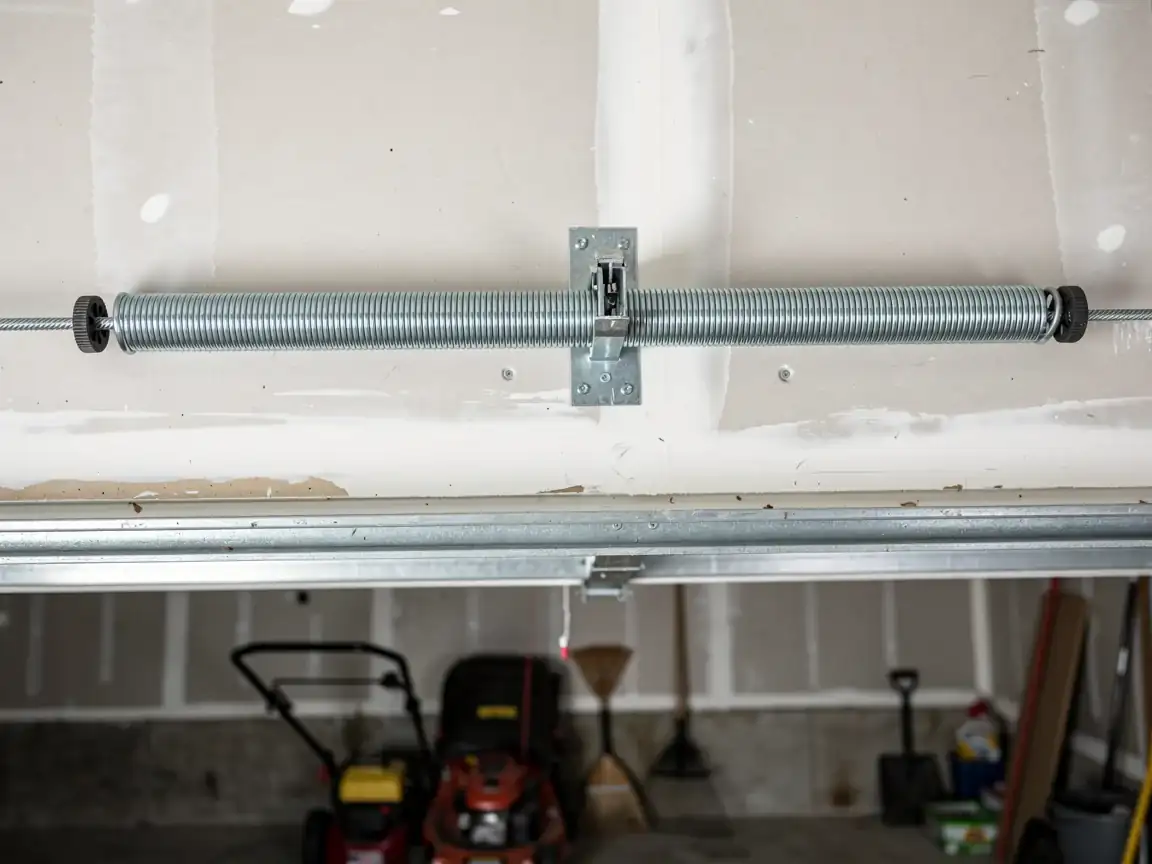
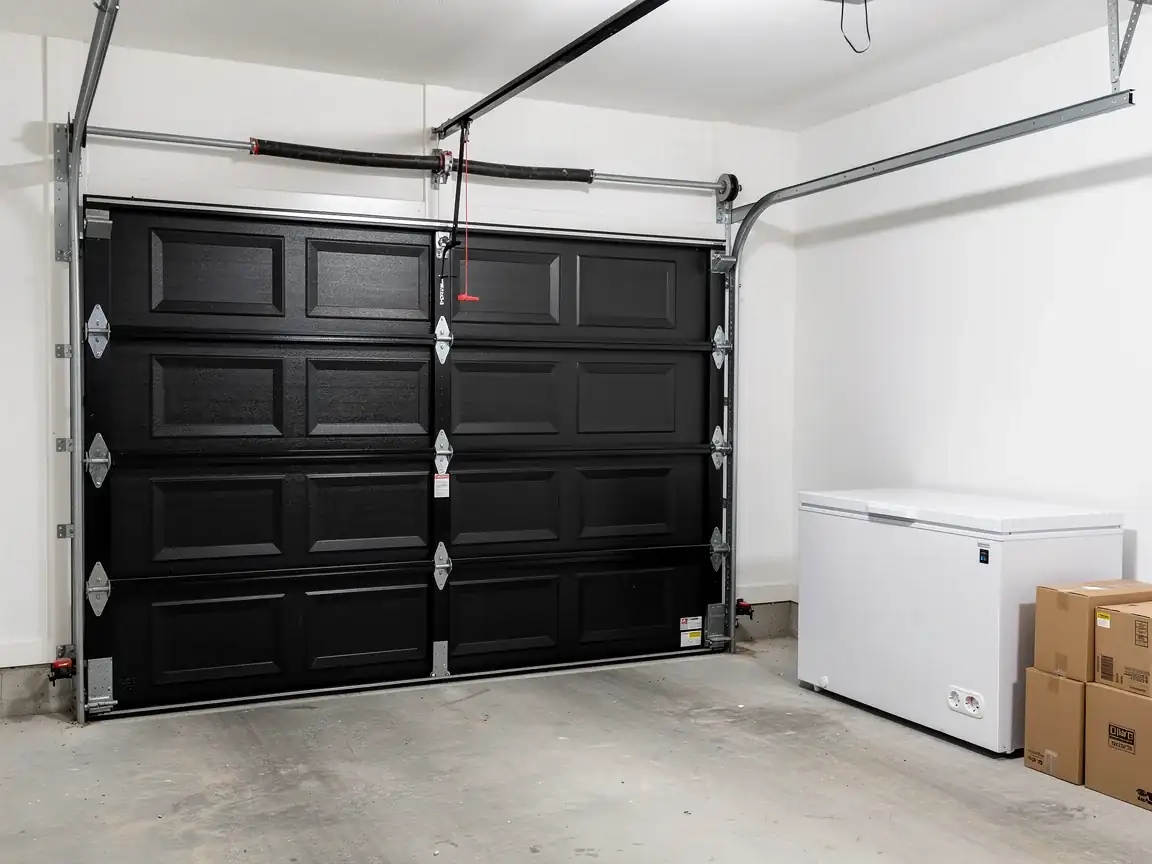
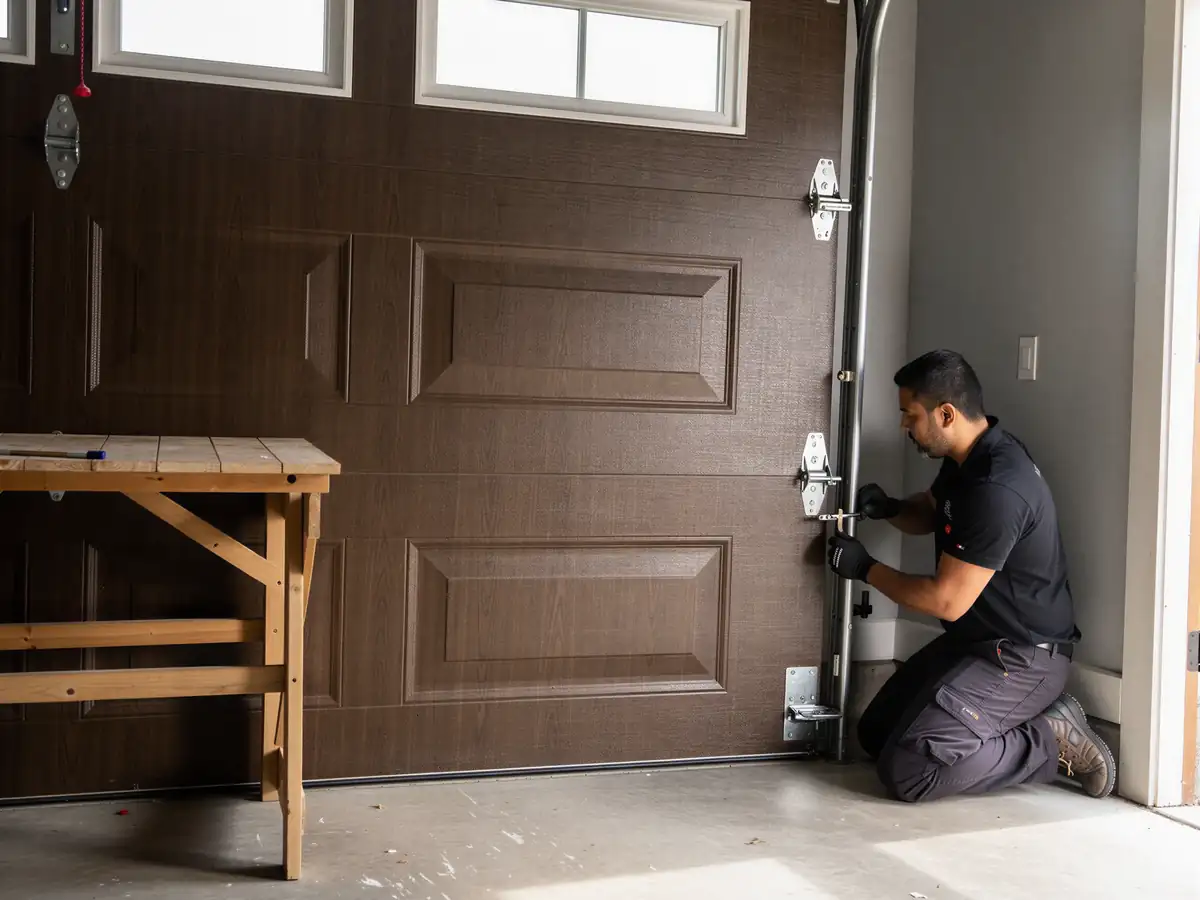
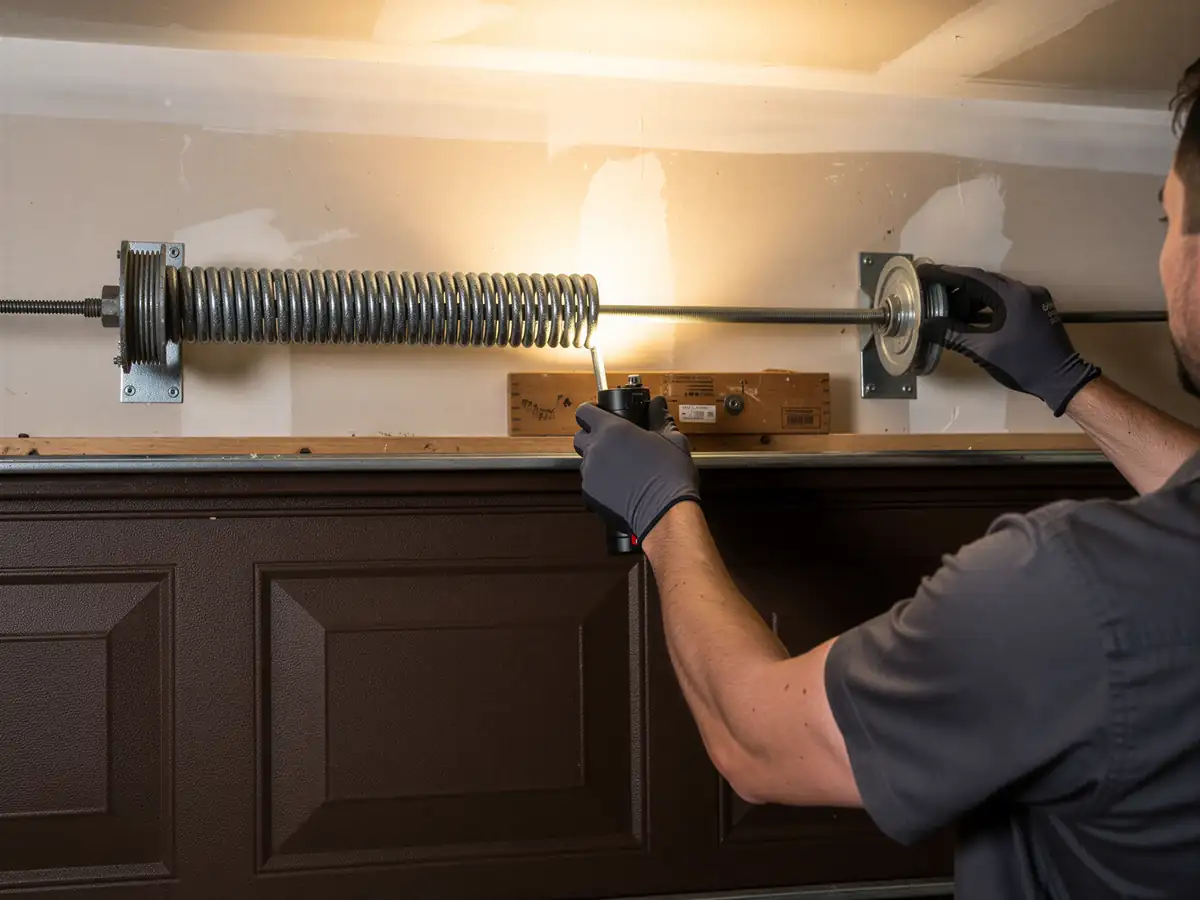
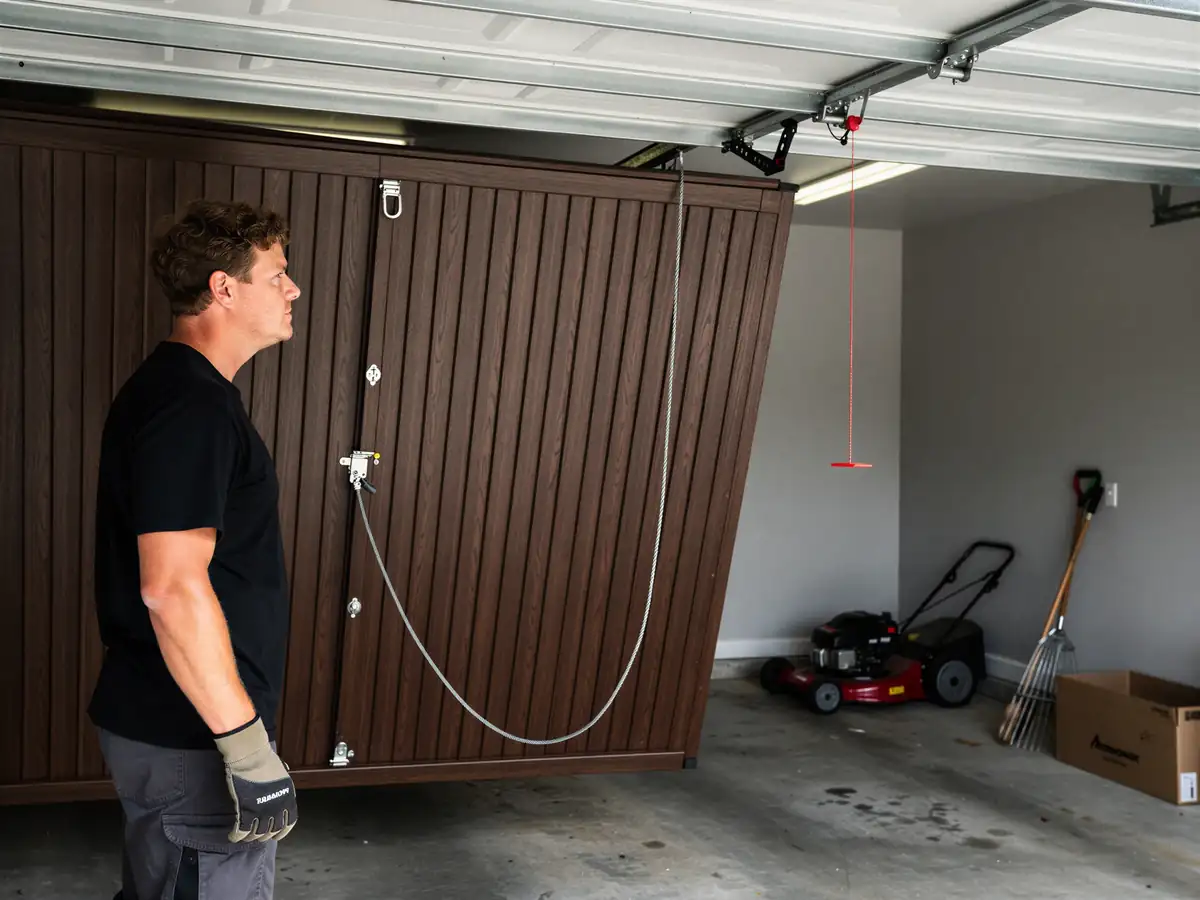
Cold is the variable that turns a slow problem into a stuck door overnight. This area sits in a severe cold climate band, and a torsion spring already fatigued from forty-plus years of cycling will often snap on the first hard freeze rather than the hundredth warm afternoon. We see it on doors matching Prairie Home's building era more than on newer stock, because the steel in a 1970s-spec spring wasn't rated for the cycle counts manufacturers design to now. The other way this goes sideways: a homeowner tries to muscle a door open after a cable jumps the drum, and bends the track in the process. On a house this far from town, a bent track means we're bringing replacement section and a level, not just a cable, so describing what you see before we load the truck saves a second trip.
What It Costs
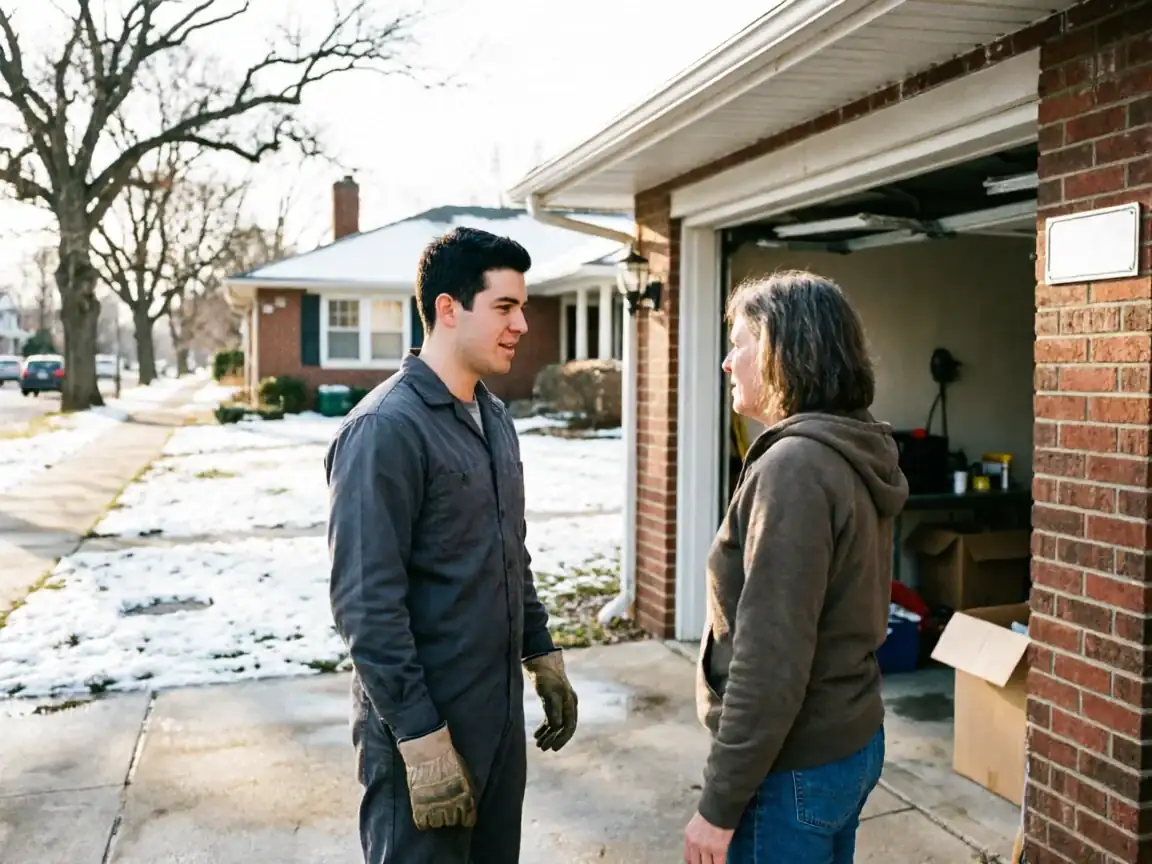
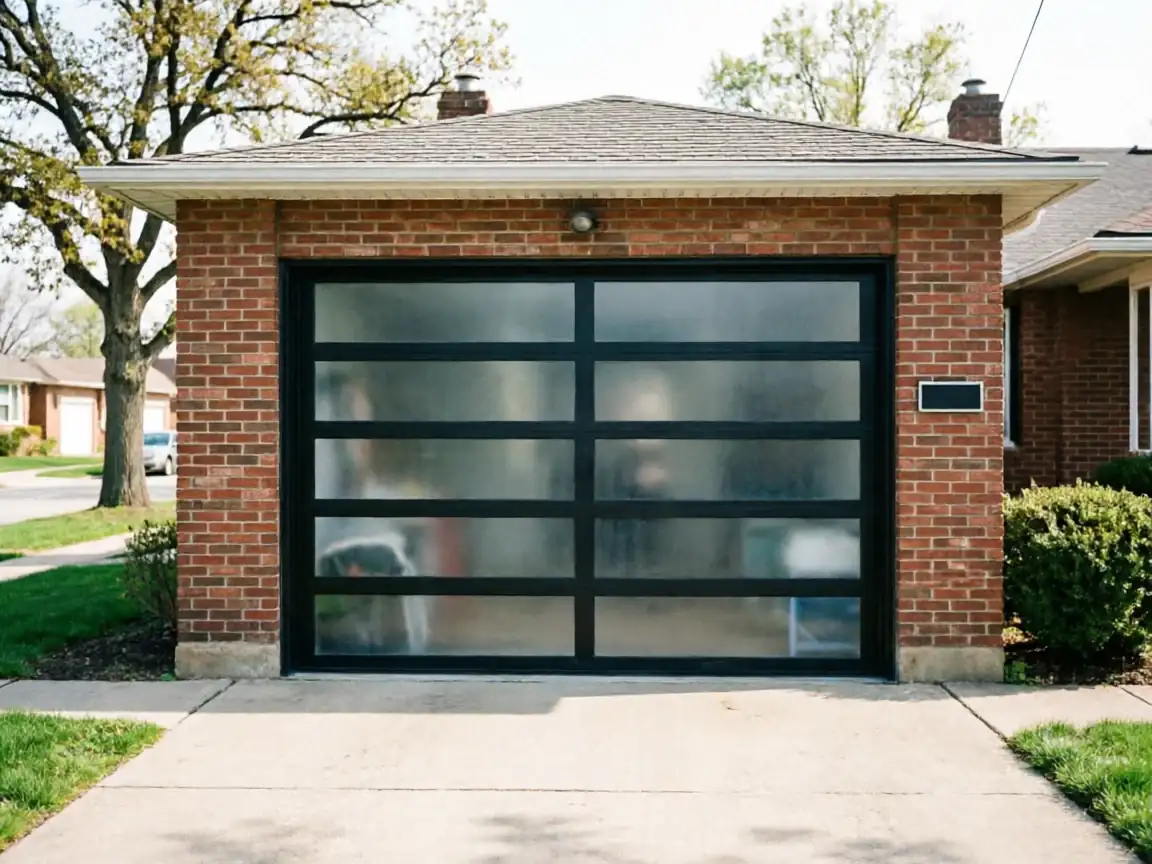
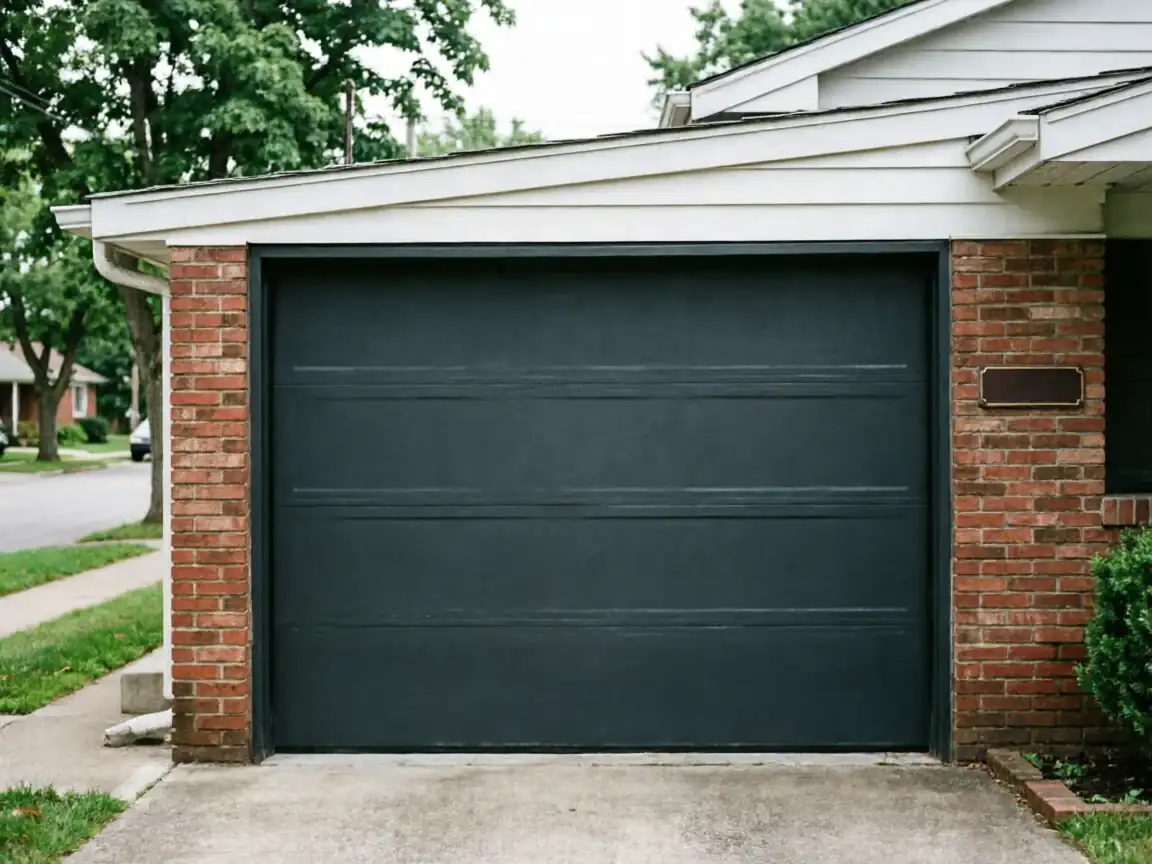
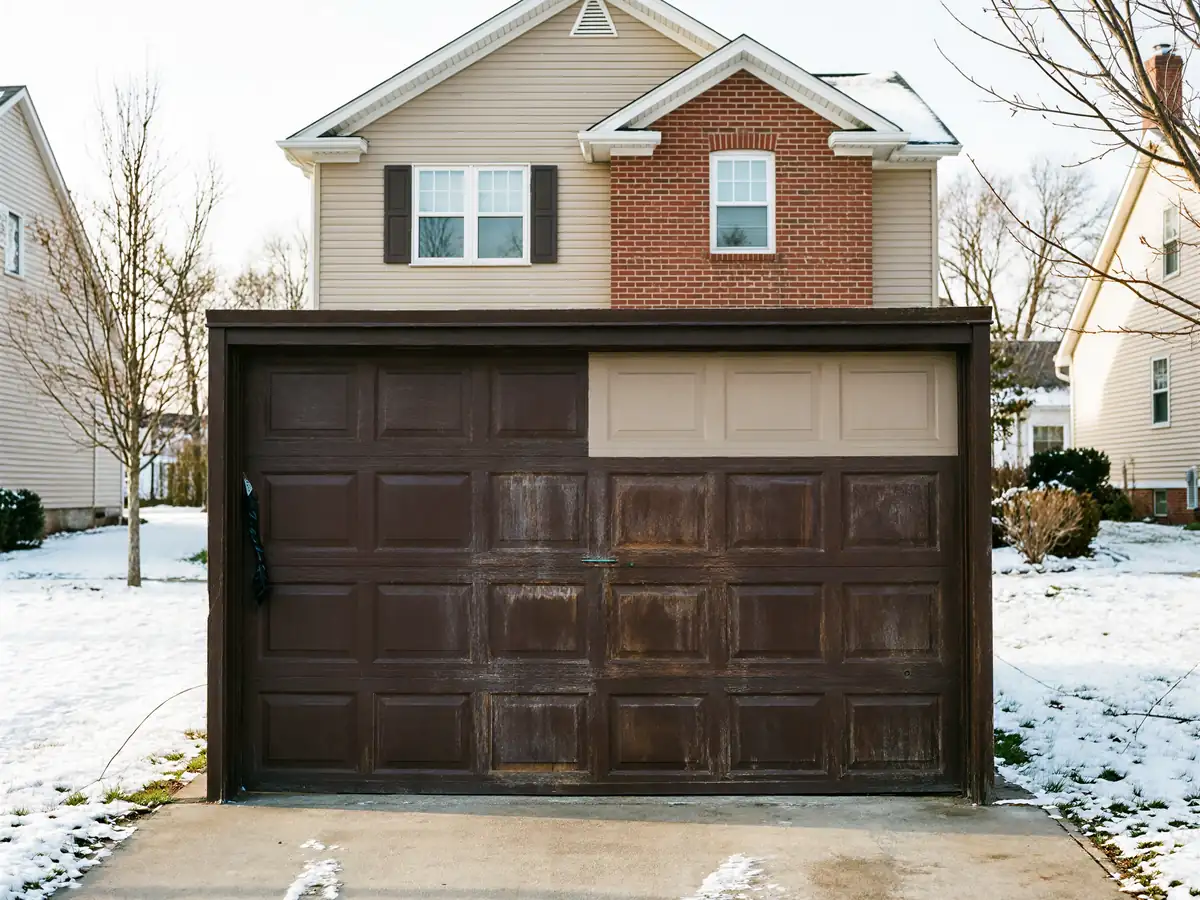
We don't publish a flat number for Prairie Home because the job depends on what's on the door, not the town it sits in. What we can say: at a median income of $52,083, we price the repair-first option whenever the door and opener are sound enough to justify it, rather than defaulting to replacement. A broken spring, a bad cable, or a misaligned sensor on a door from the 1978 era is usually a repair call. A door that's rusted through at the bottom panel or running an opener with no safety reversal is a replacement conversation, and we'll say so on the phone before we drive 17 miles to confirm it in person.
What Is on the Truck
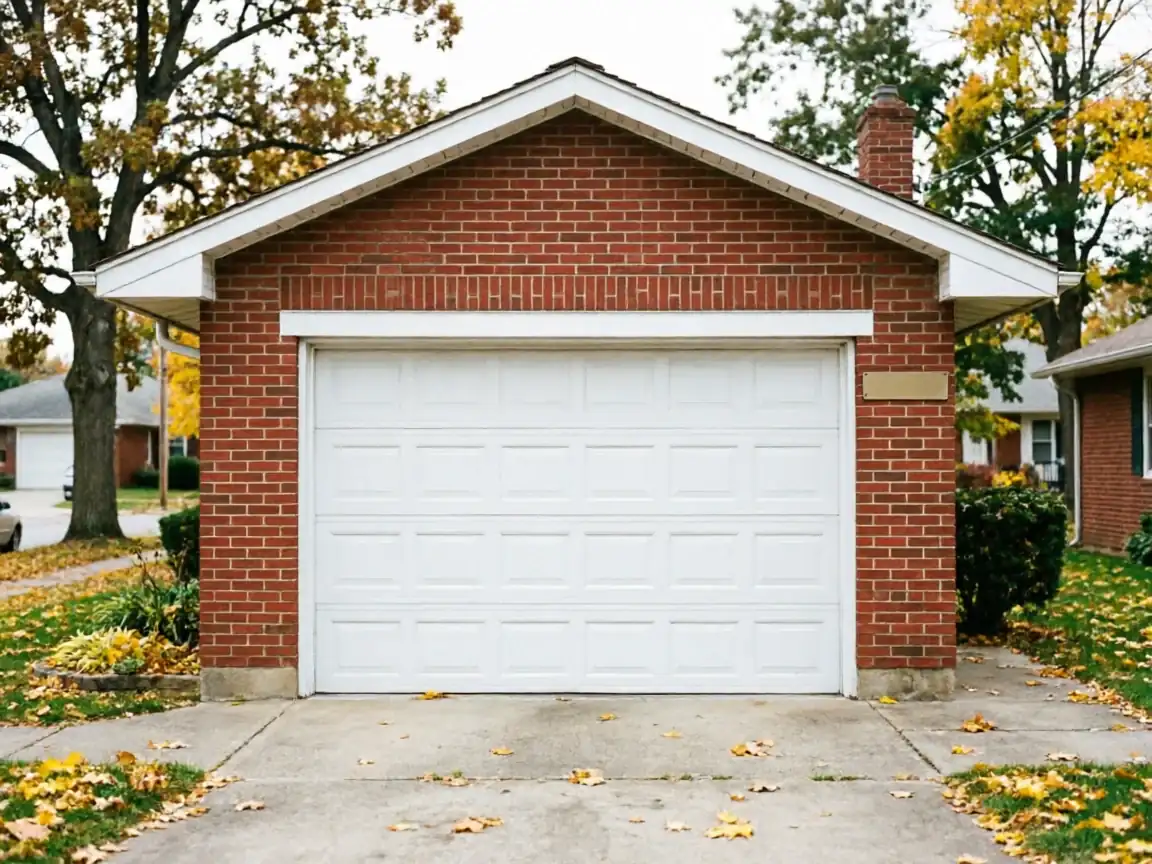
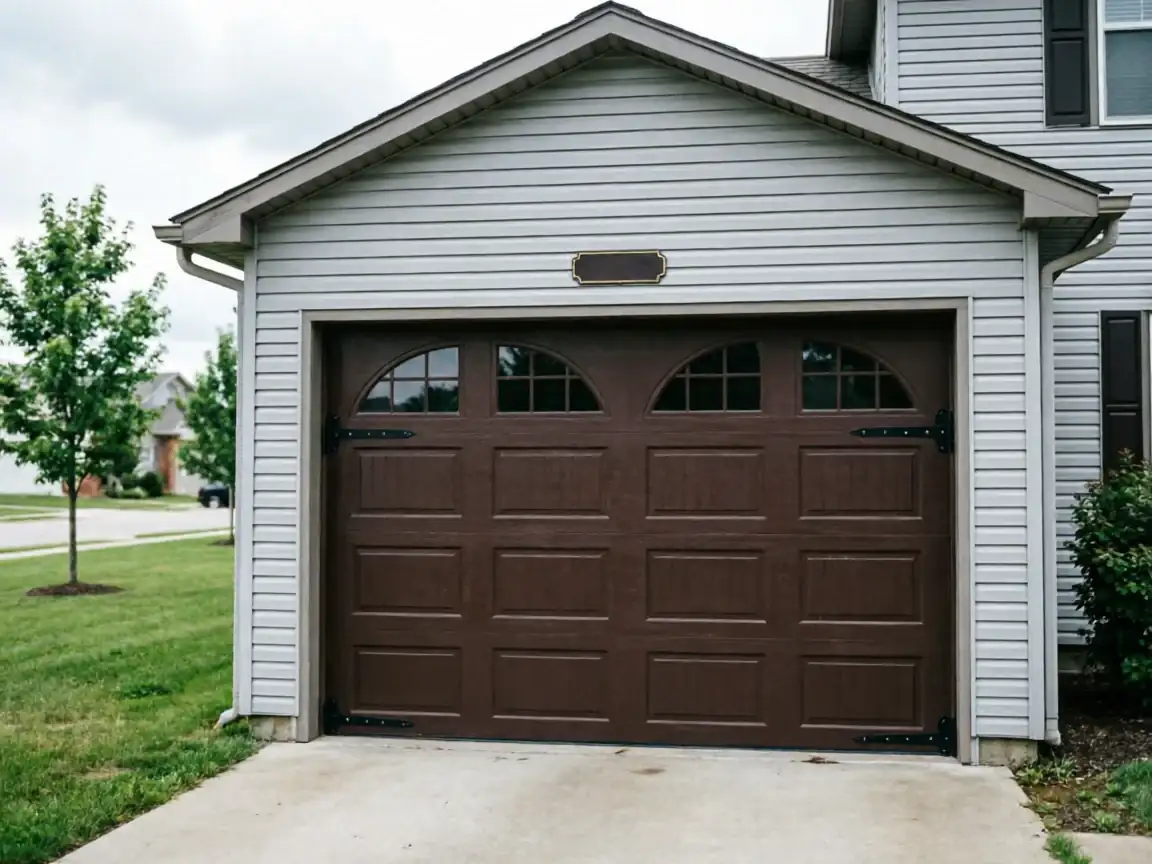
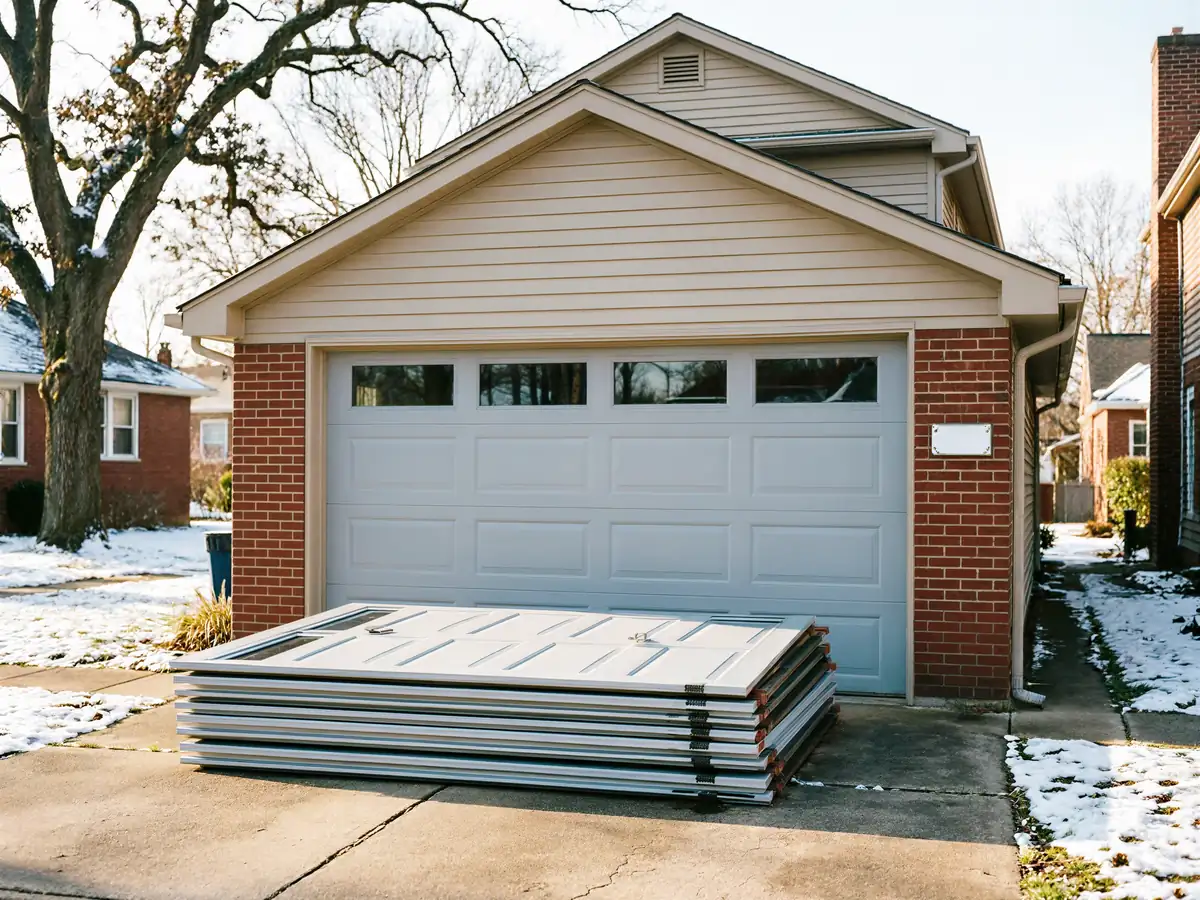
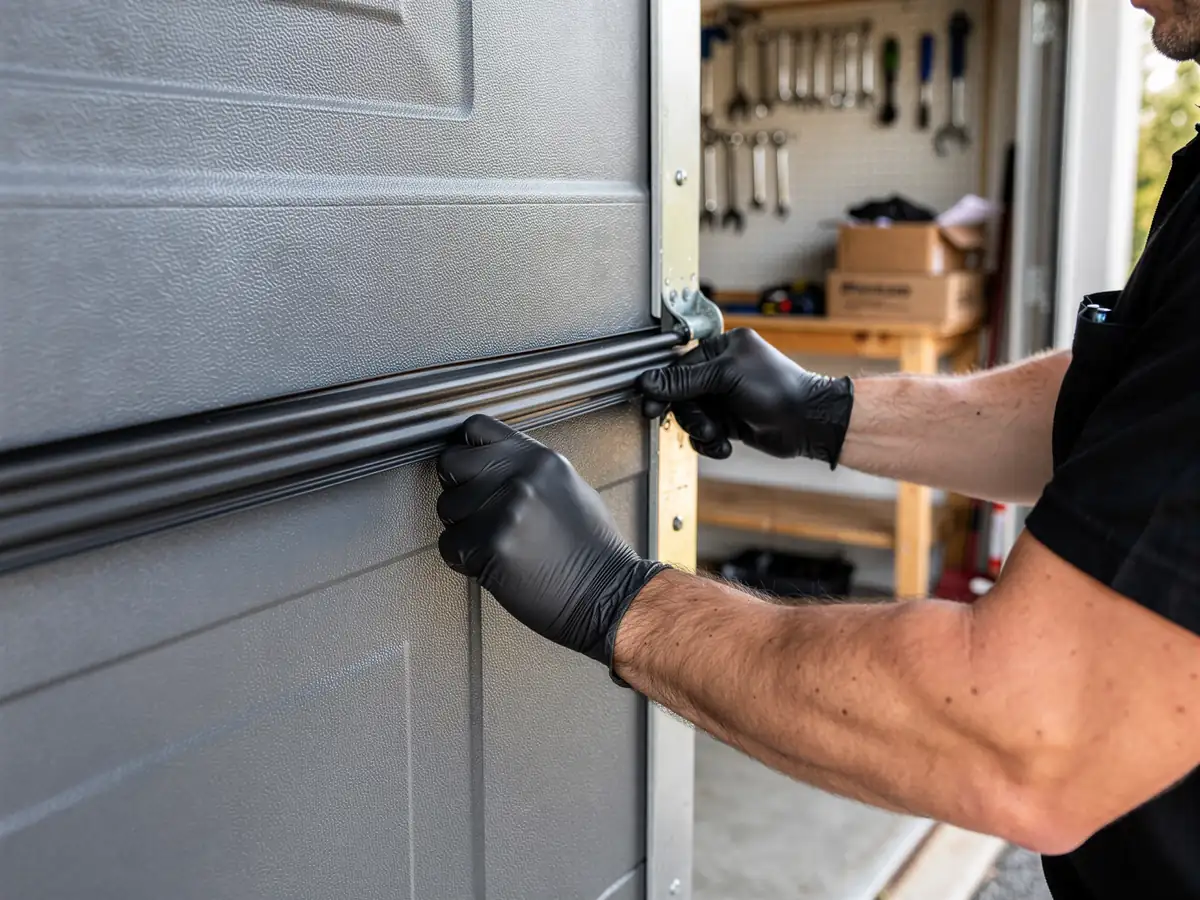
For a door matching this area's typical build year, we stock torsion springs sized for the heavier older-spec doors, standard-width rollers and drums, and cable sets that fit the narrower track common on houses from that period. What we don't carry as standard stock is custom-width panel sections for doors outside typical dimensions, those get special-ordered once we've measured in person. If your door needs a part we don't have on the truck that day, we'll tell you at the visit rather than guess, and schedule the return trip once the part's in.