Where This Job Goes Sideways
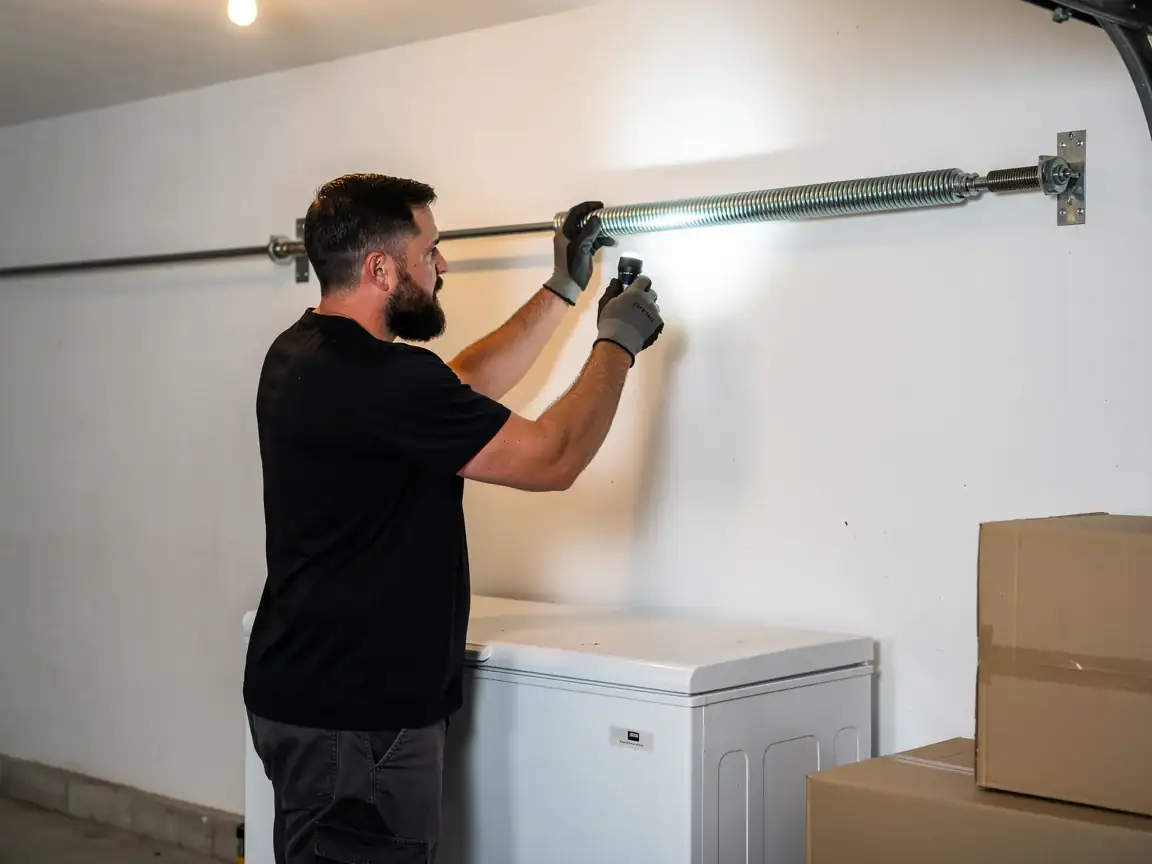
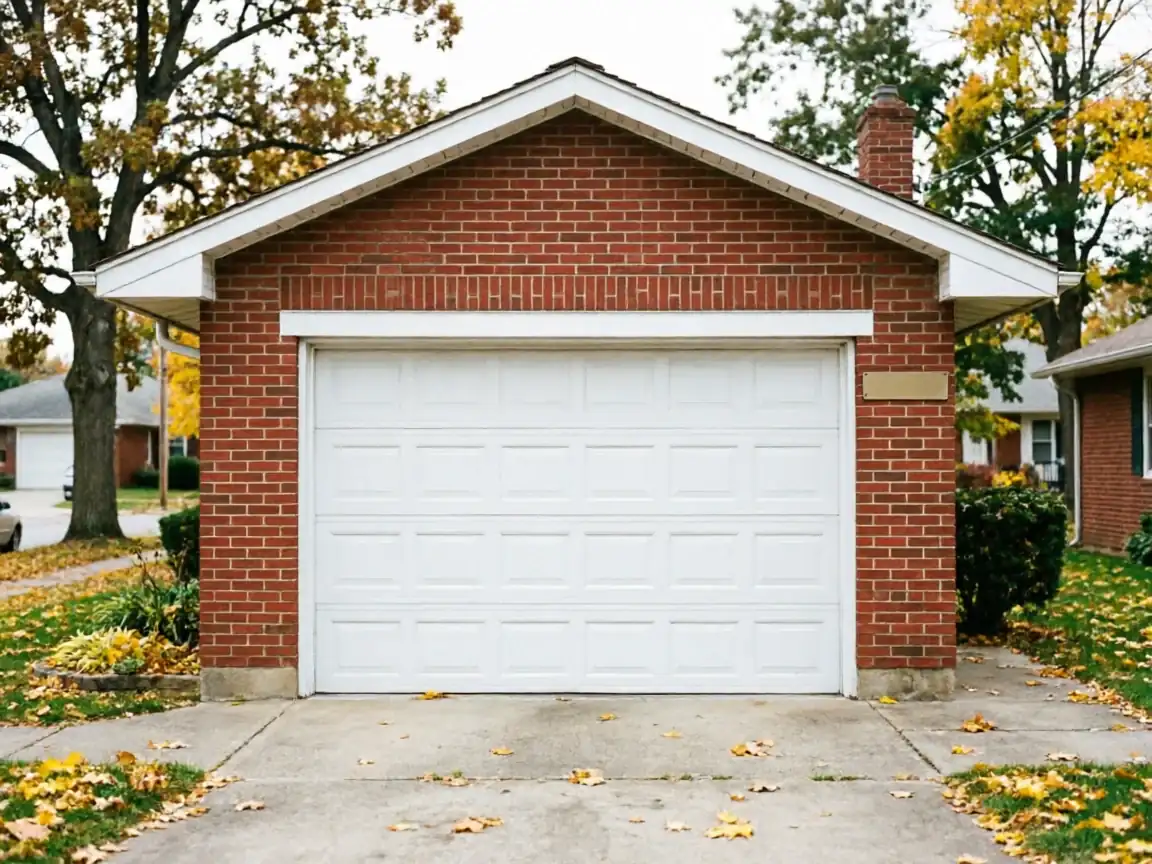
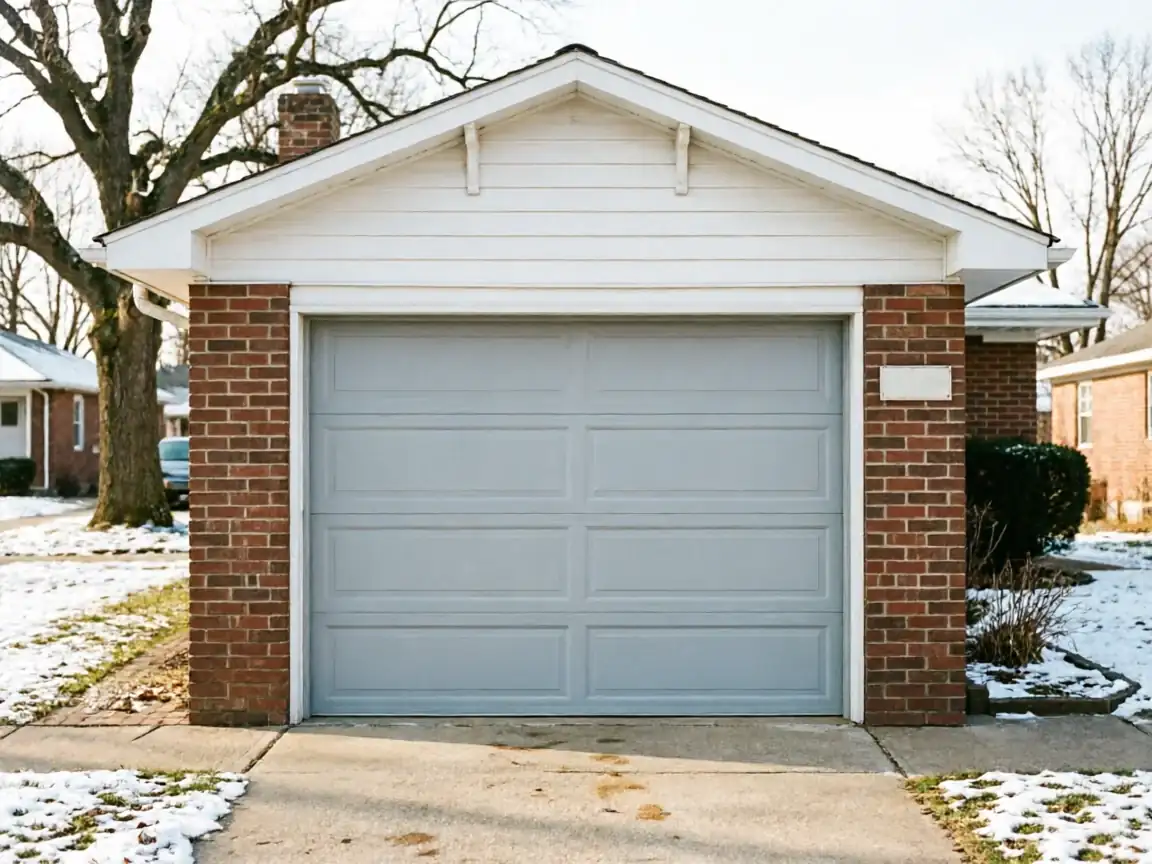
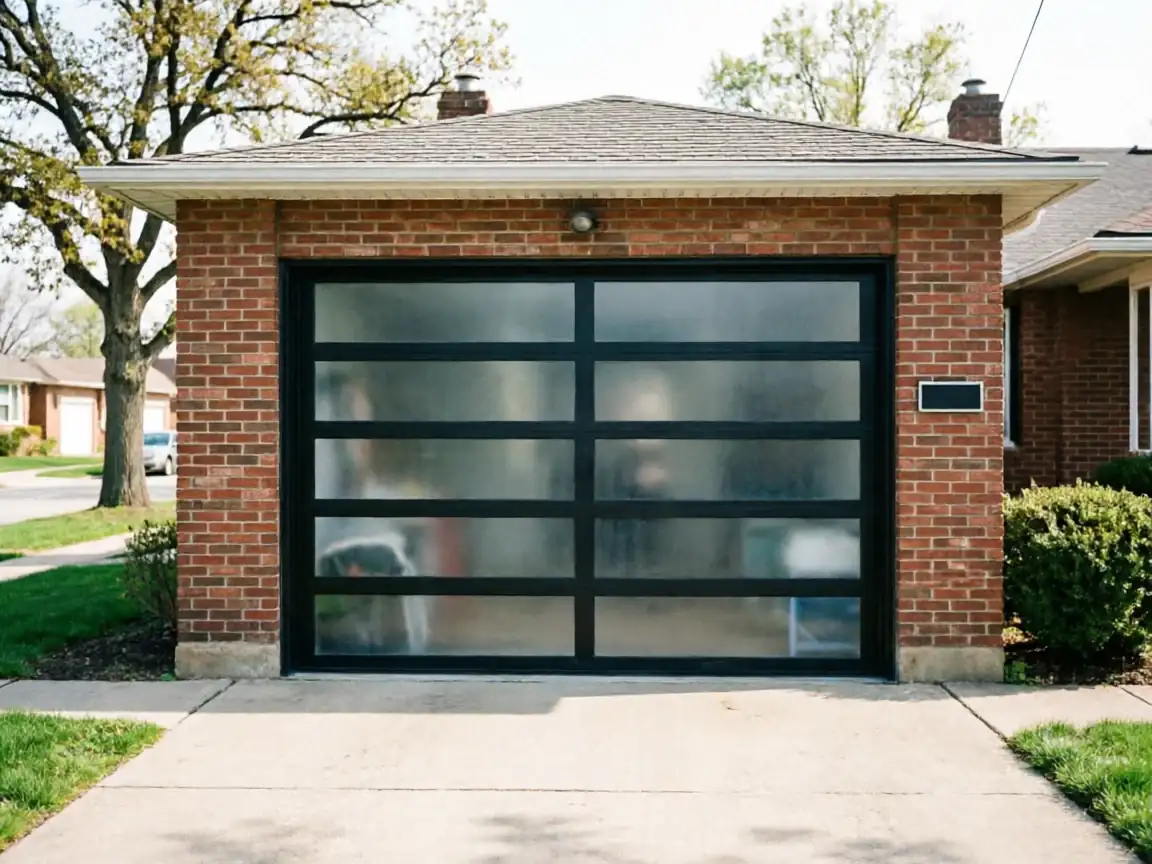
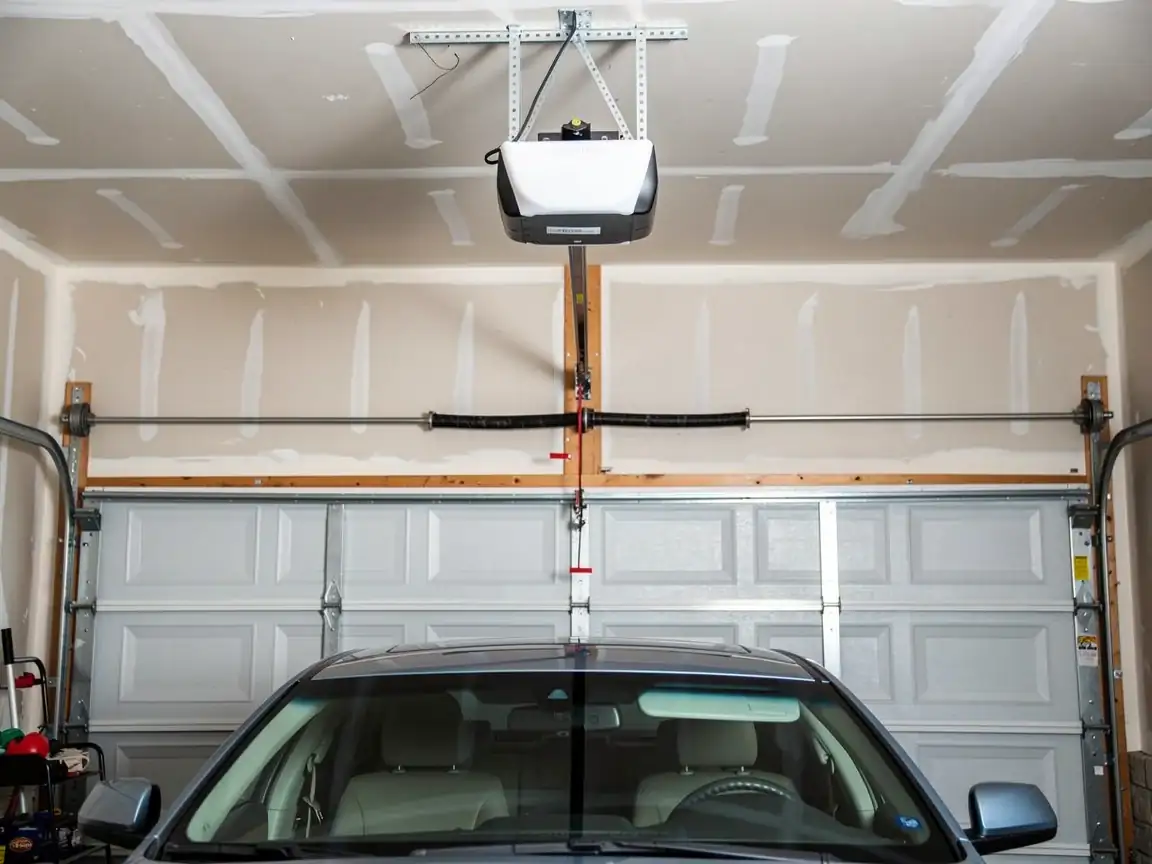
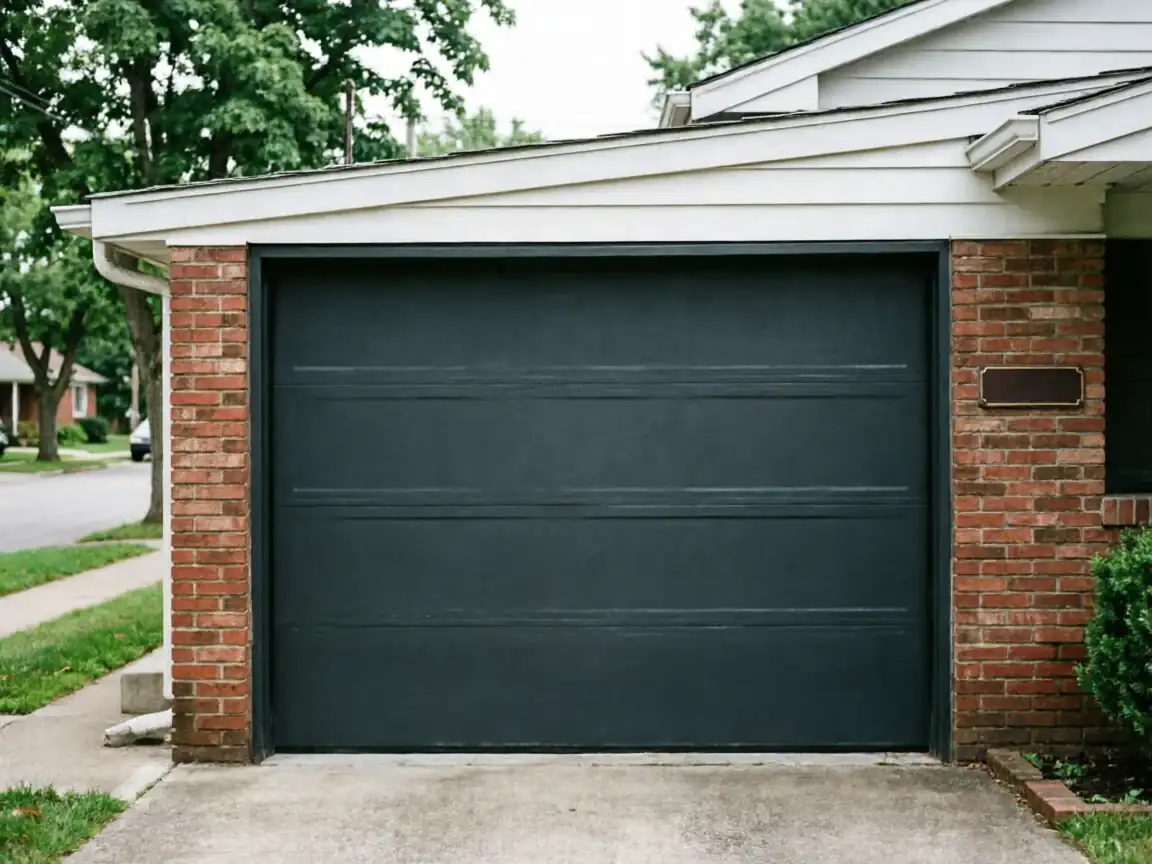
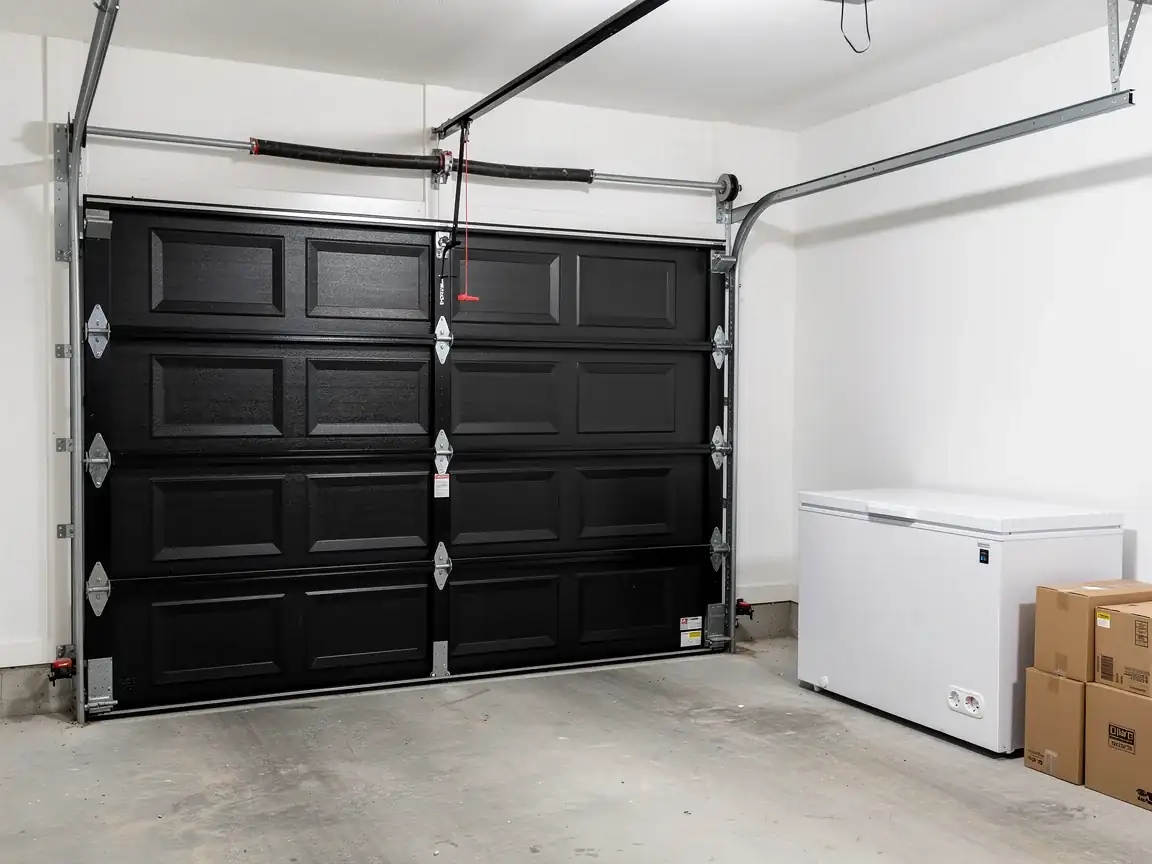
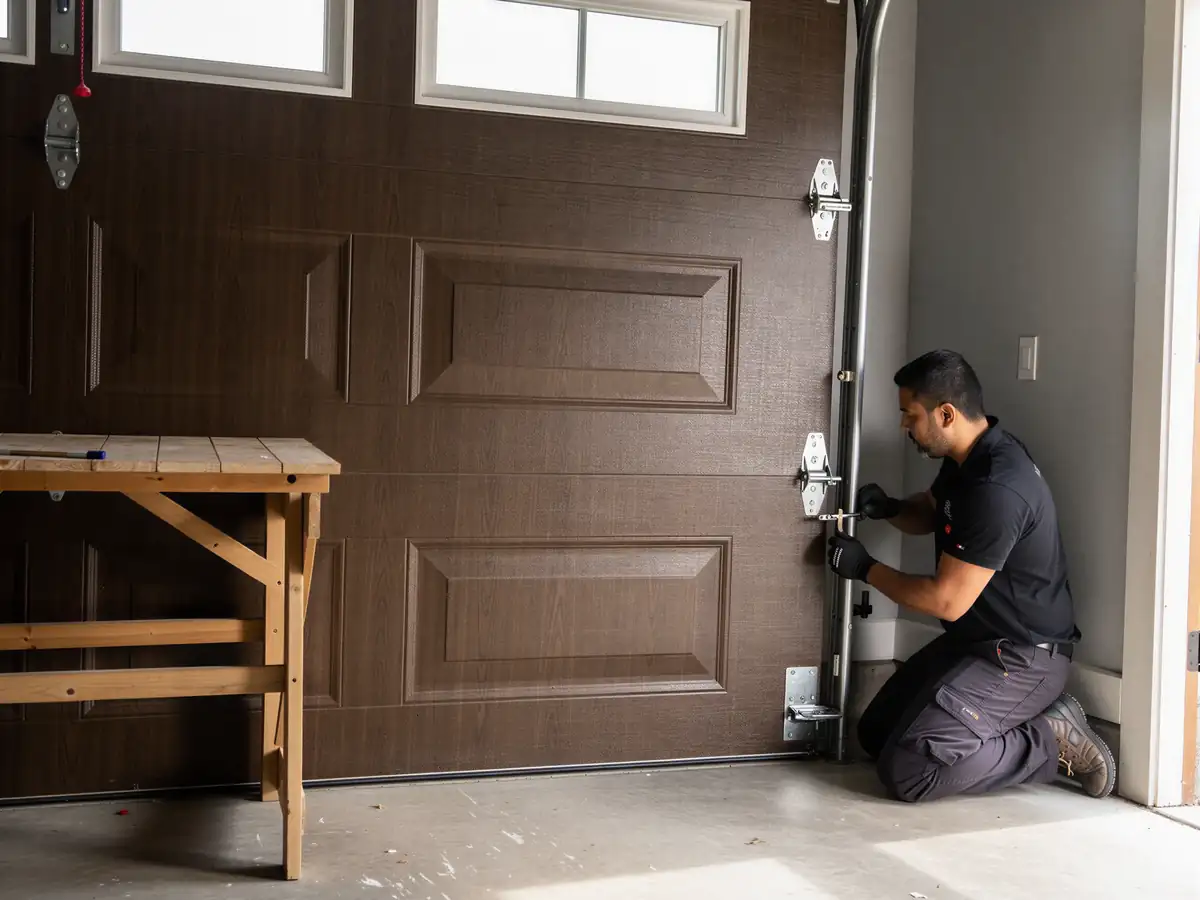
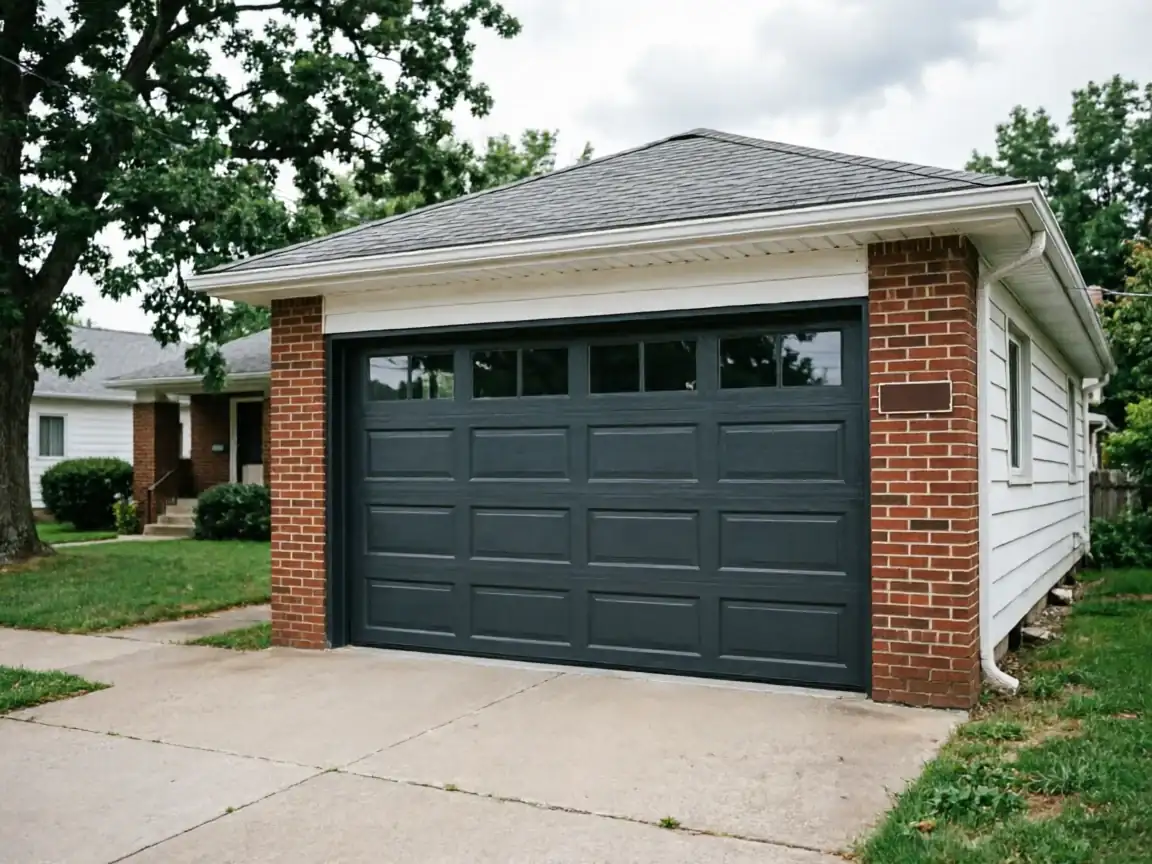
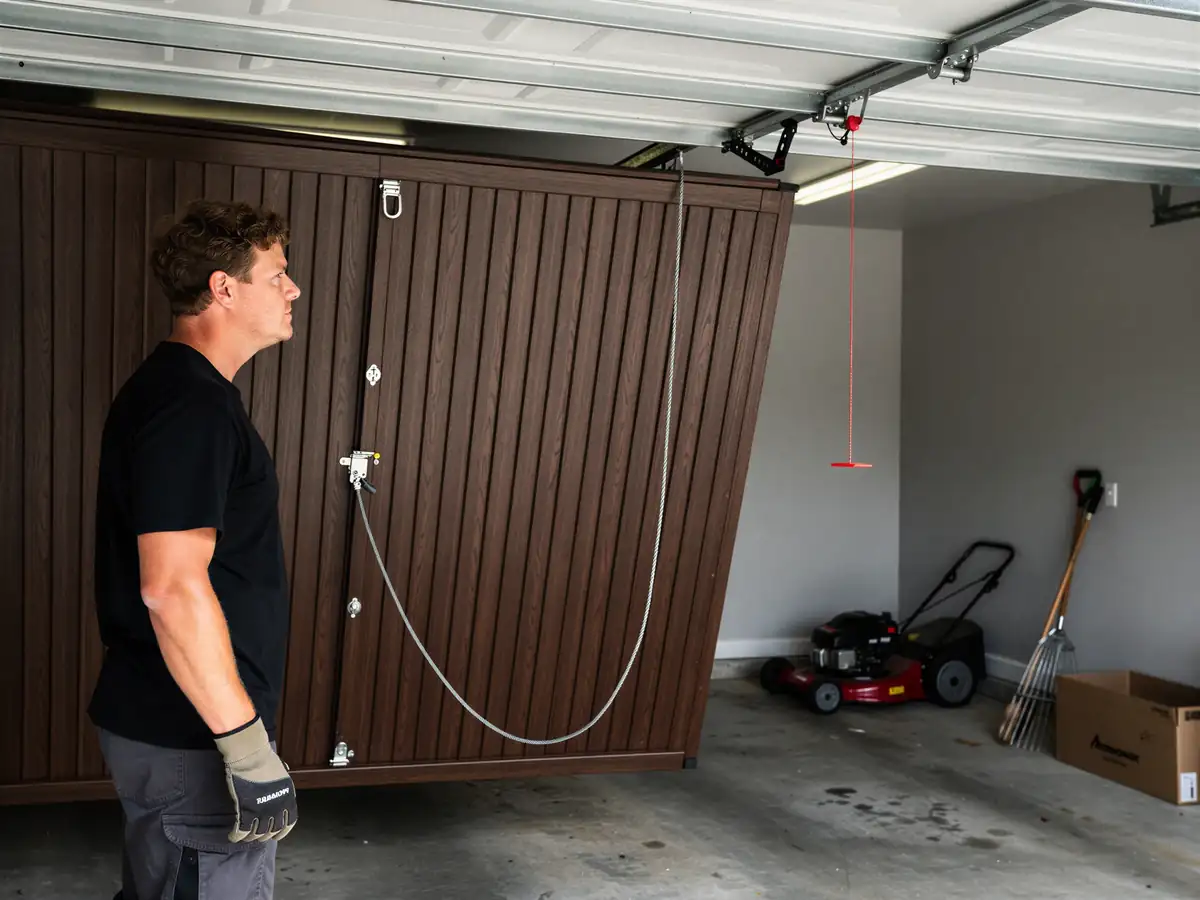
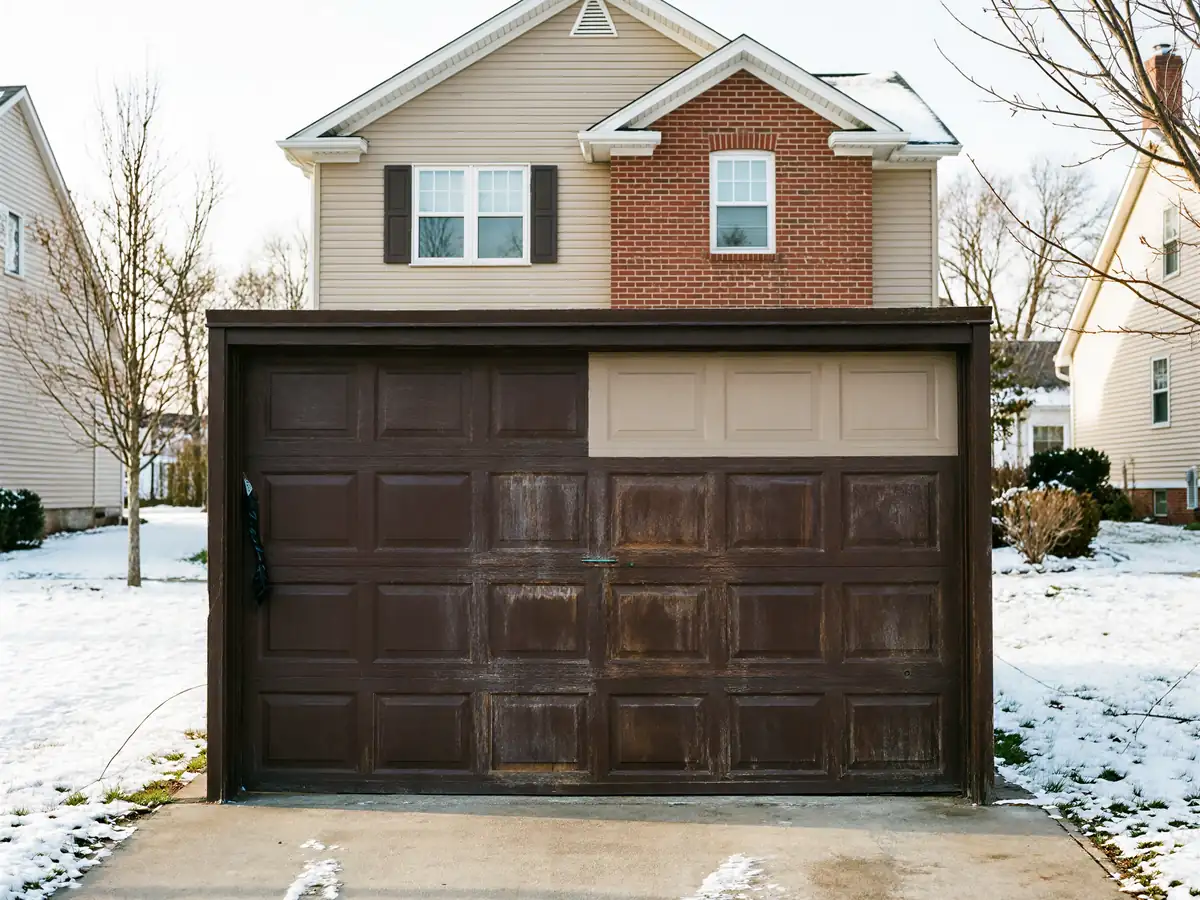
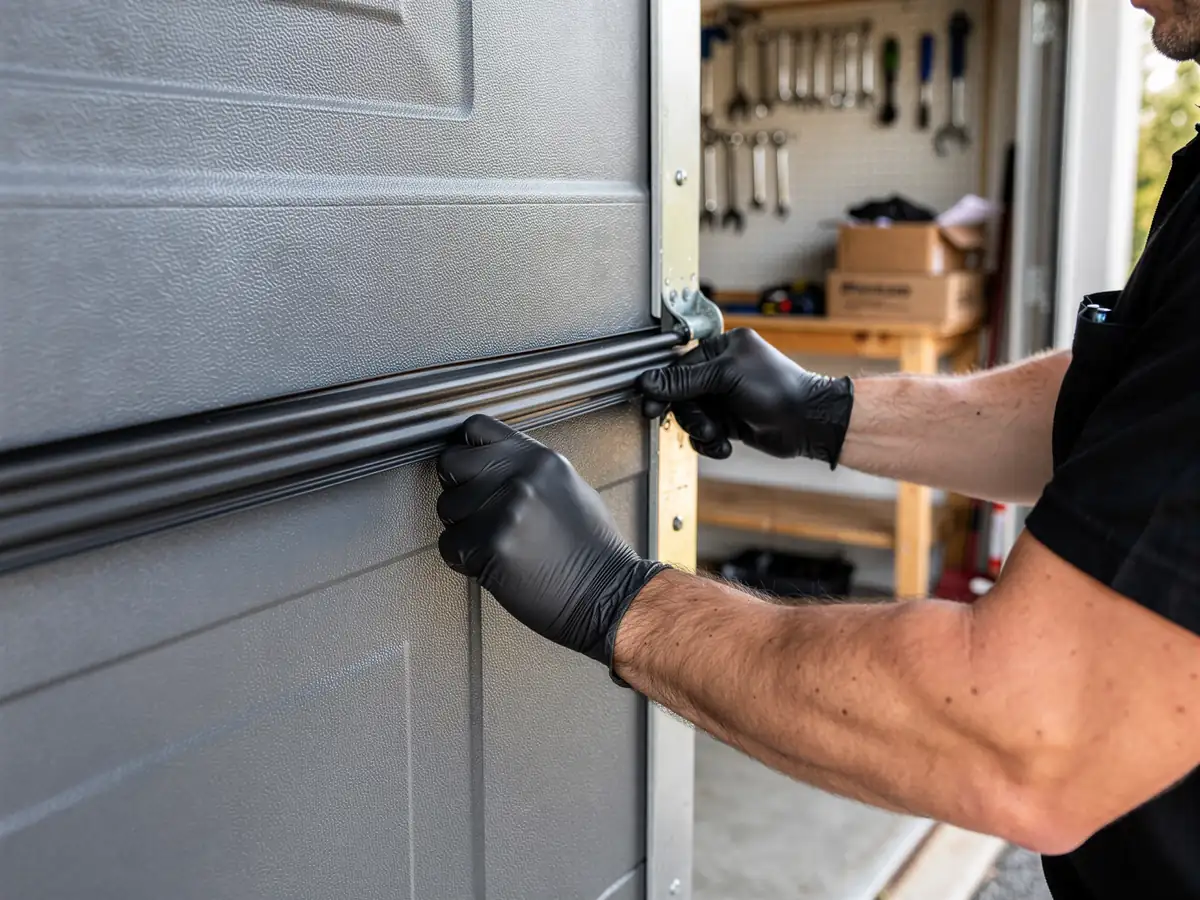
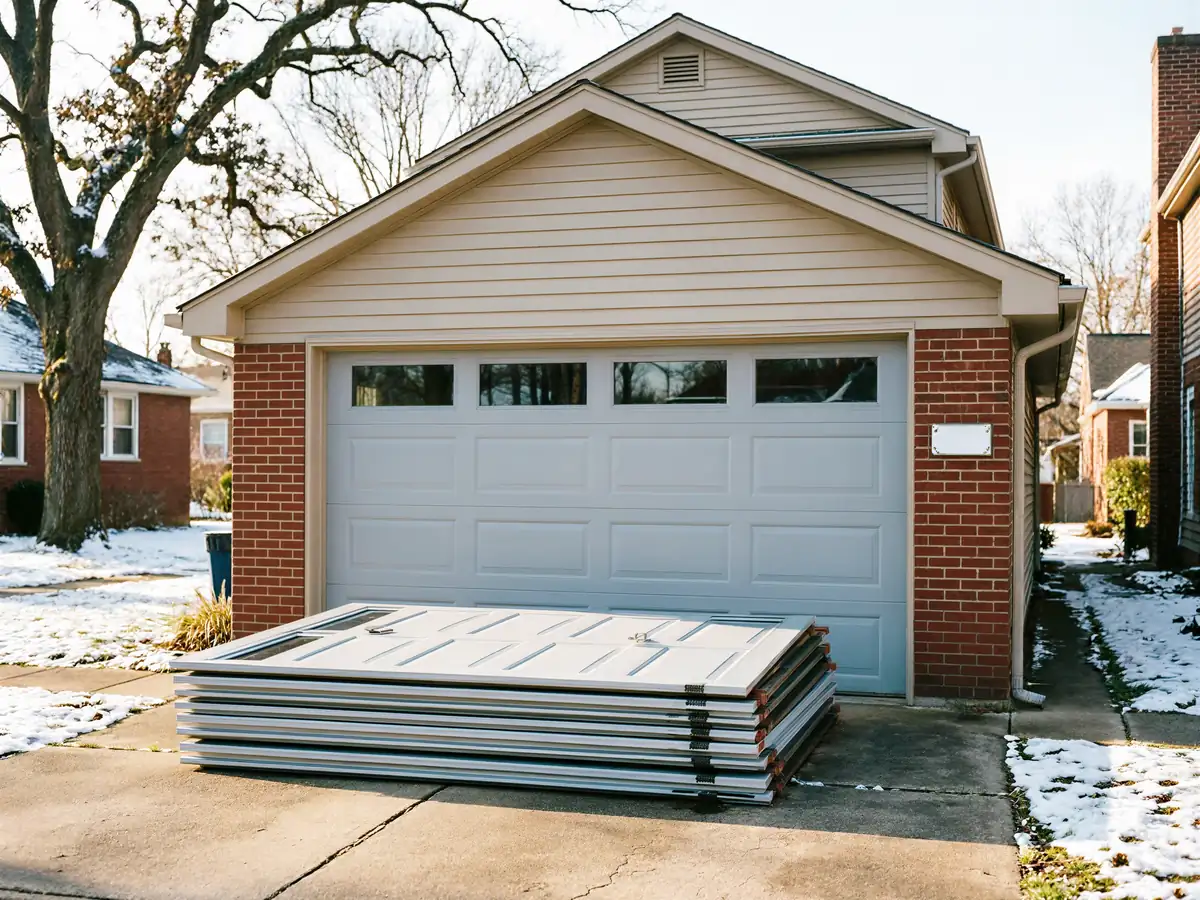
The trouble spot on a late-1970s door replacement is usually the track and the jamb, not the door itself. Decades of a steel door on a torsion system means the vertical tracks have taken small hits and the jamb brackets have been drilled and redrilled if an opener got replaced along the way. We pull the old door and sometimes find the rough opening is a half inch out of square from settling - fine for the original door, not fine for a new one without shimming. With a COLD severe climate rating for this area, we also check whether the old door ever had a thermal break at all; a lot of 1978-era steel doors didn't, and the new door's insulation only helps if the stop and bottom seal are installed to match it. Skip that step and you've spent money on an R-value you can feel the cold come in around anyway.
What It Costs
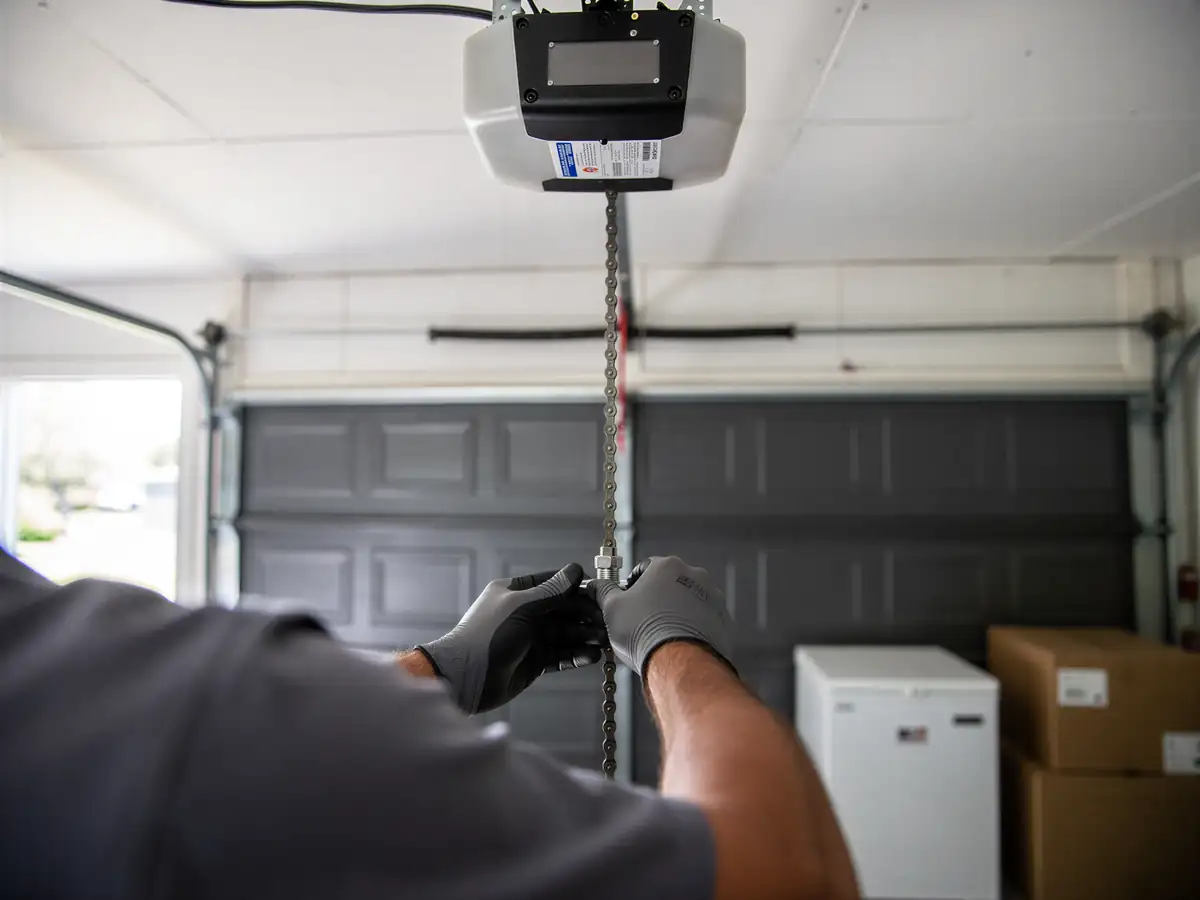
We don't have a flat number to quote here, and honestly, the right one depends on door size, insulation level, and whether the existing opener gets reused or replaced. What we can tell you is that median household income in Prairie Home runs $52,083, lower than the $58,889 median across the full service area, so we try to spec jobs with that in mind rather than defaulting to the top-tier door line. That usually means a mid-grade steel door with a real thermal break instead of a premium wood-composite model, and keeping the existing opener if it's still under ten years old and working. We'll tell you straight if a repair would get you another few years cheaper than a full swap - sometimes it will, sometimes the torsion spring and the door are both past the point where that math works.
What Is on the Truck
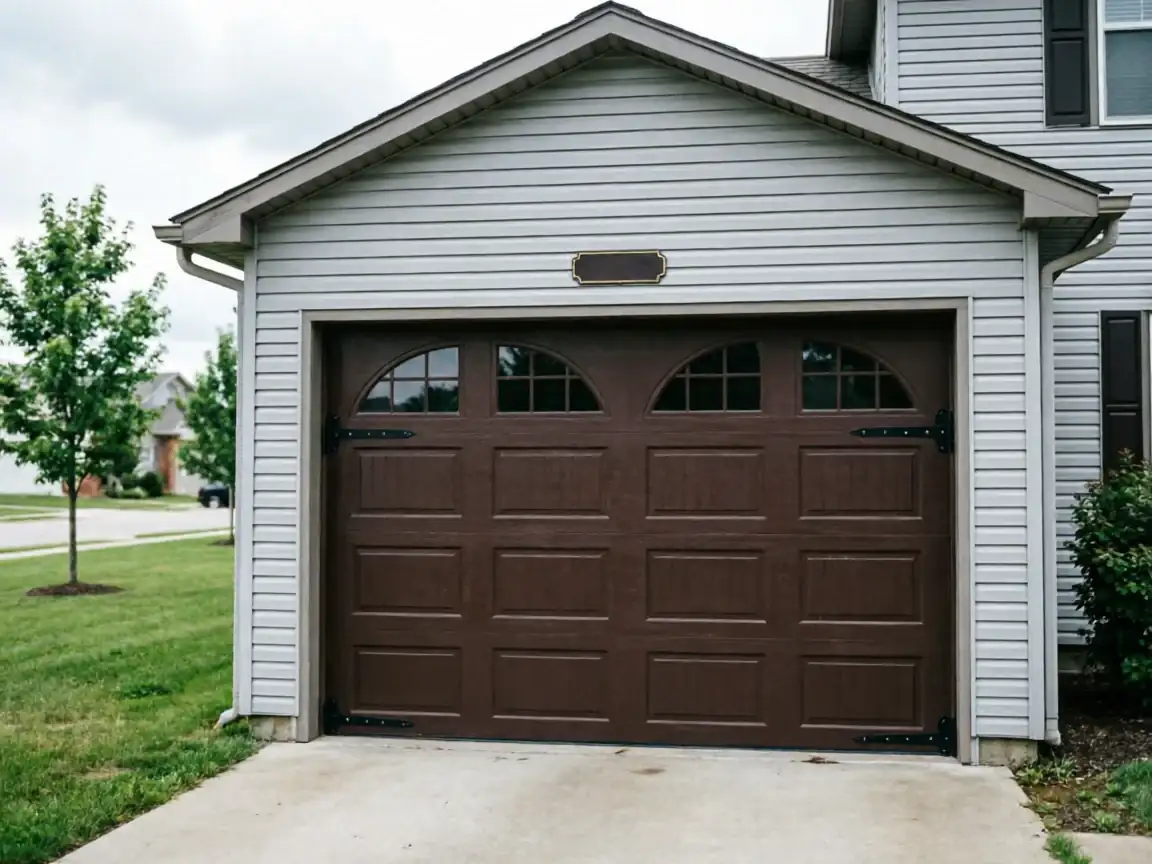
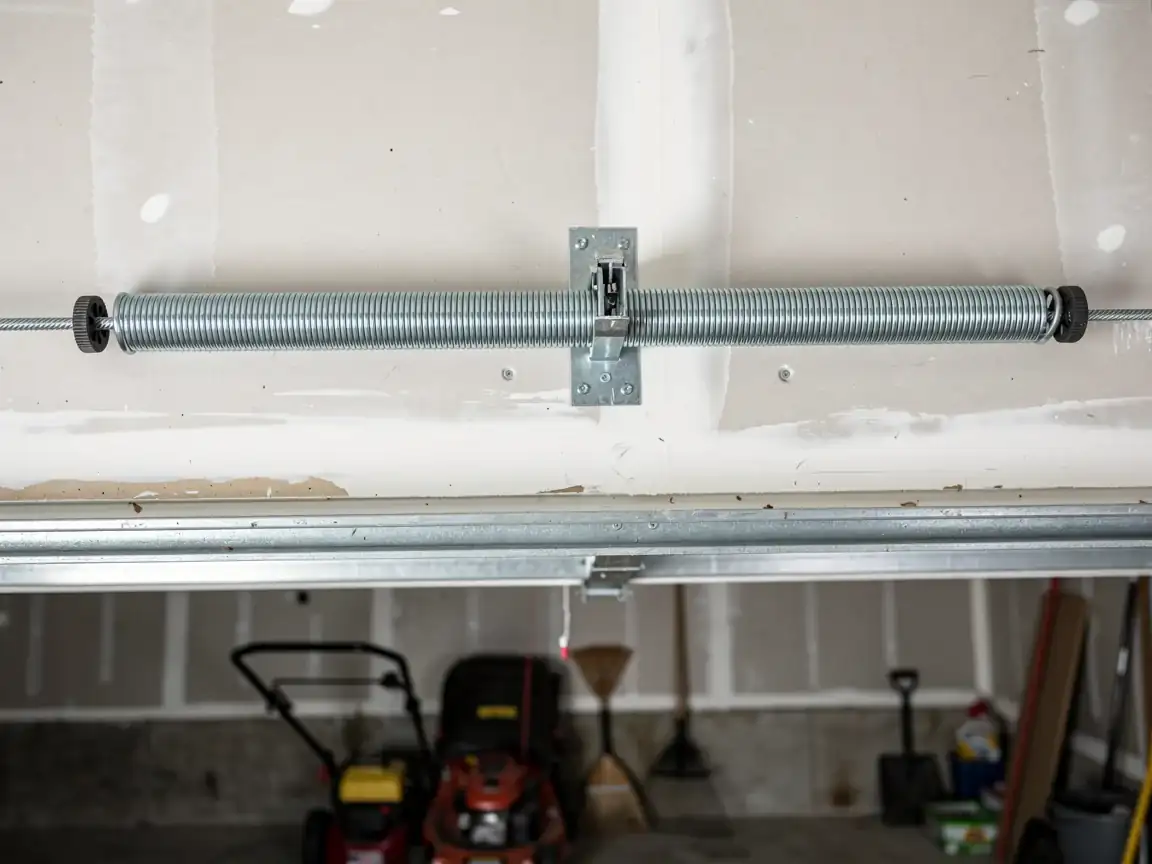
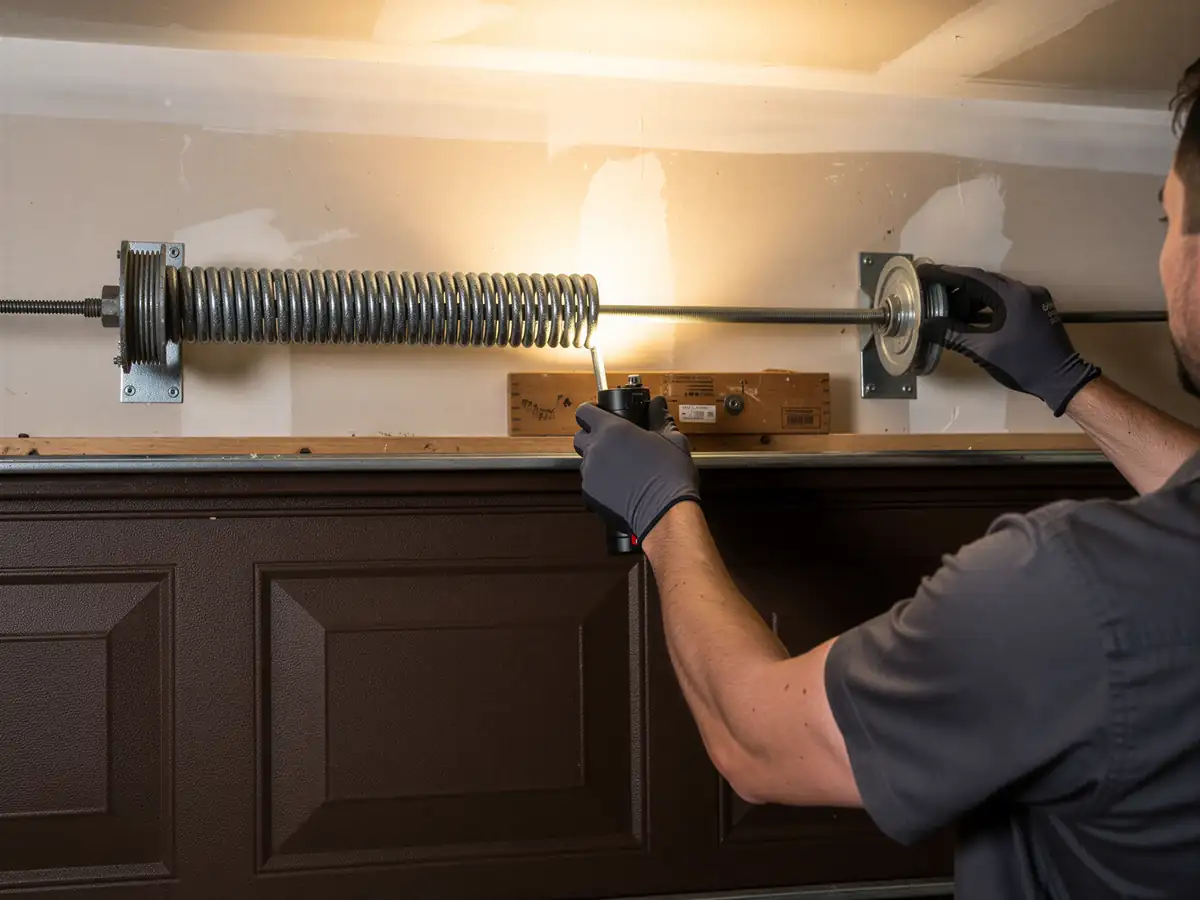
For a 1978-era opening, we carry standard torsion spring sizes that cover most of what we see out here, plus the track hardware to re-square a jamb that's shifted slightly after decades of settling. Given the COLD severe rating for this region, we stock insulated steel panel doors with a real thermal break rather than hollow single-layer stock, and weatherstripping sized for a wider gap than a newer build would need. What we don't carry on every run is a custom wood or carriage-style door - those get special-ordered, so if that's the look you want, plan on a lead time beyond the install visit itself.