Where This Job Goes Sideways
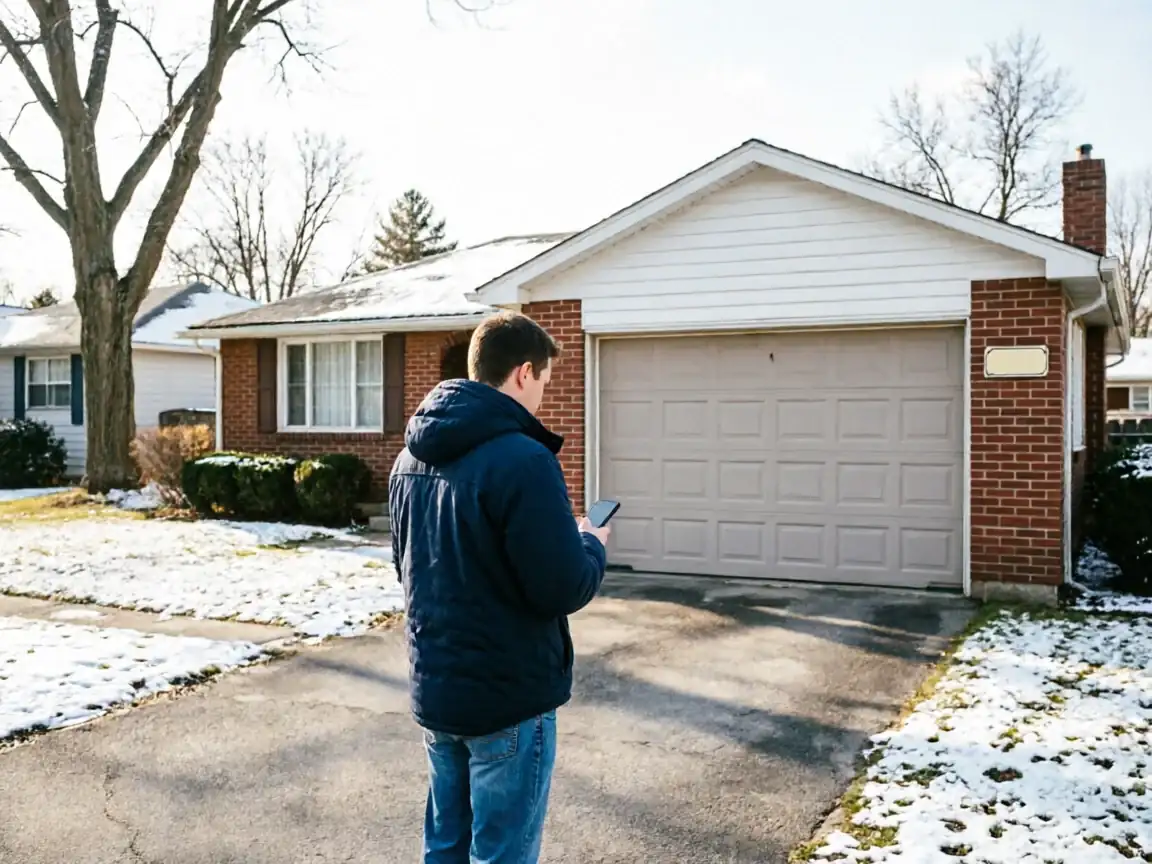
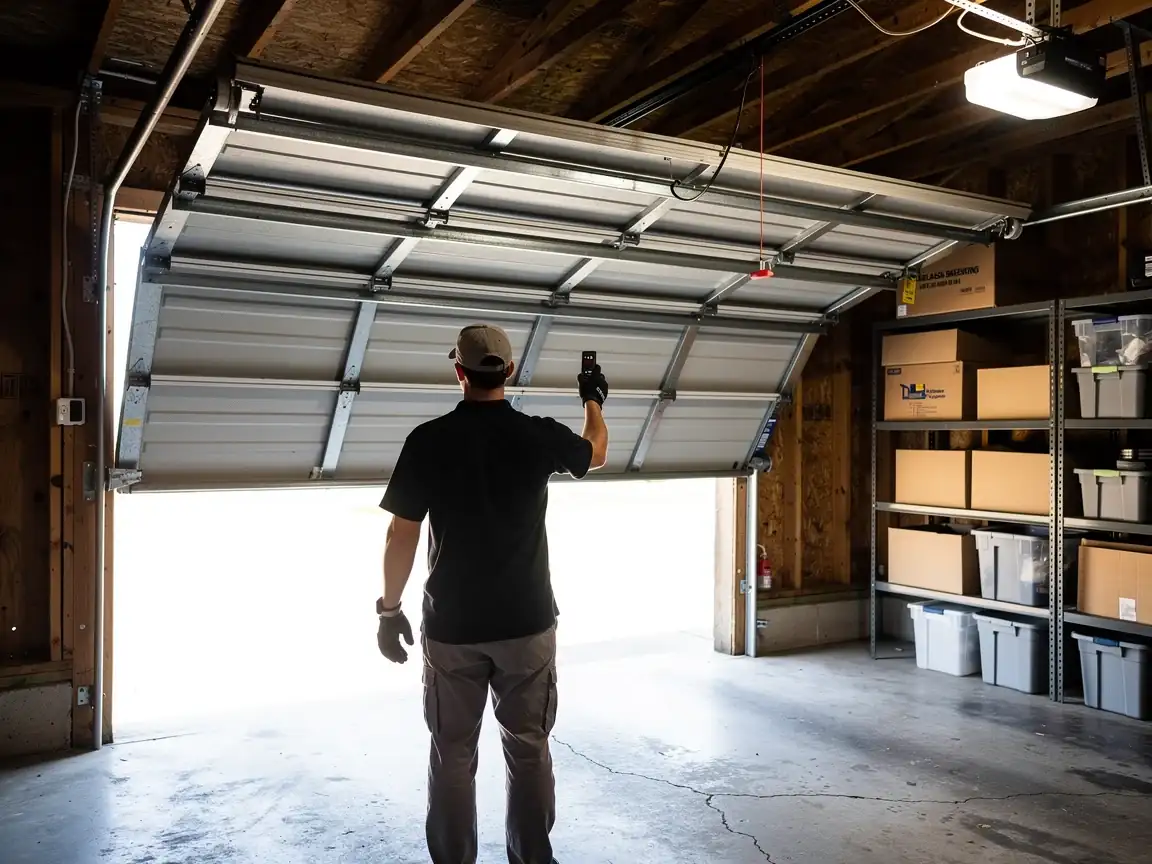
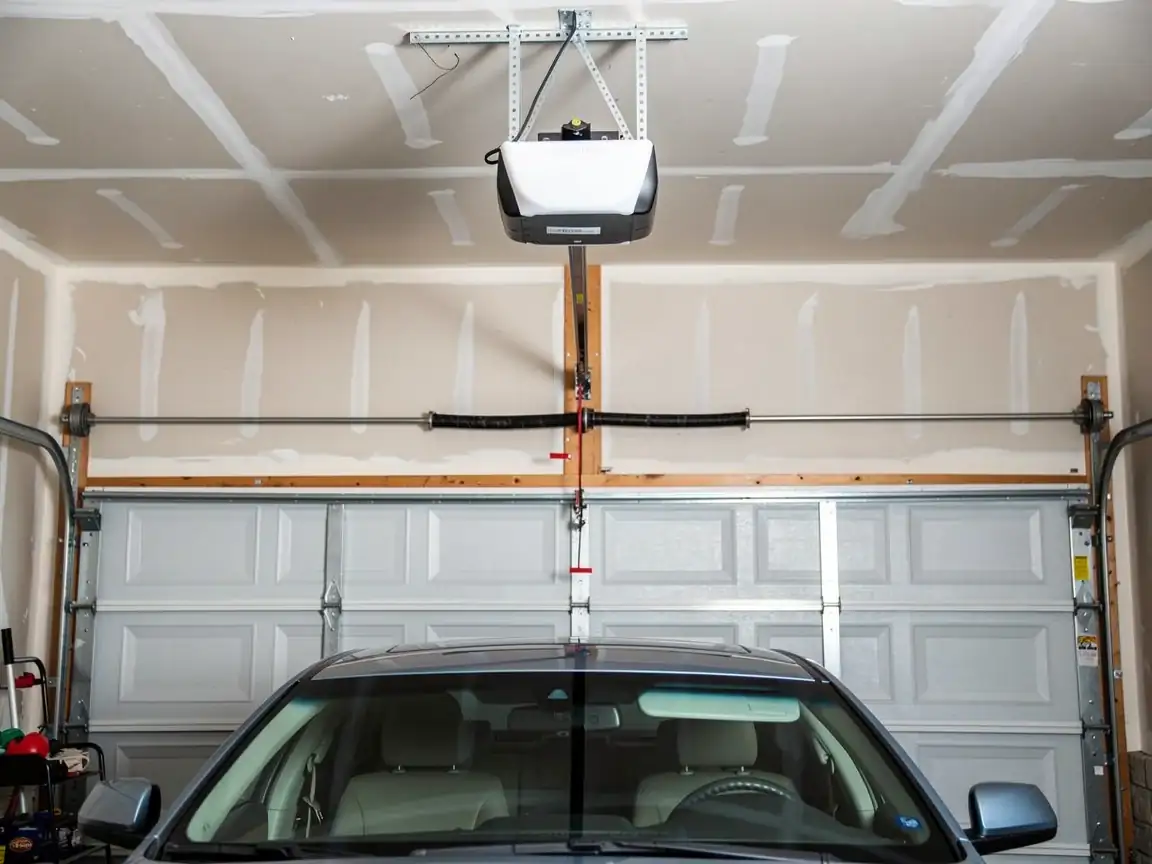
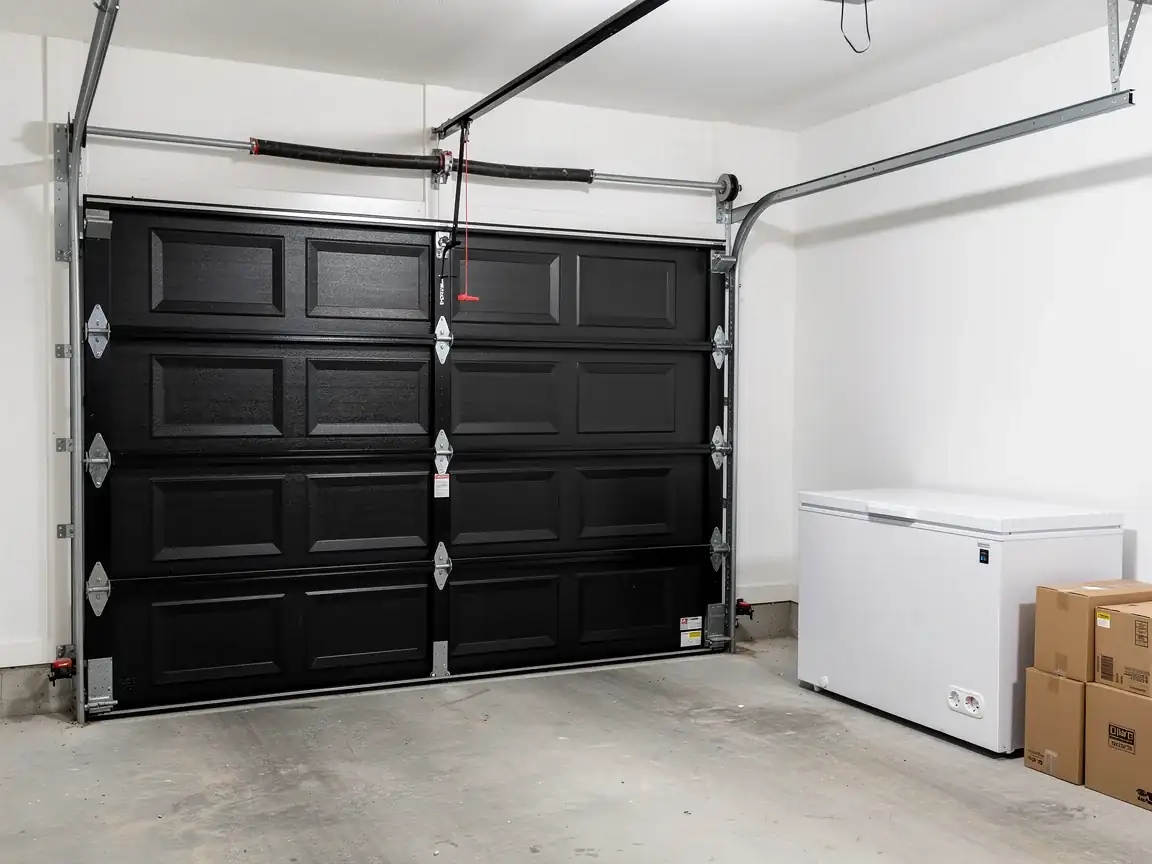
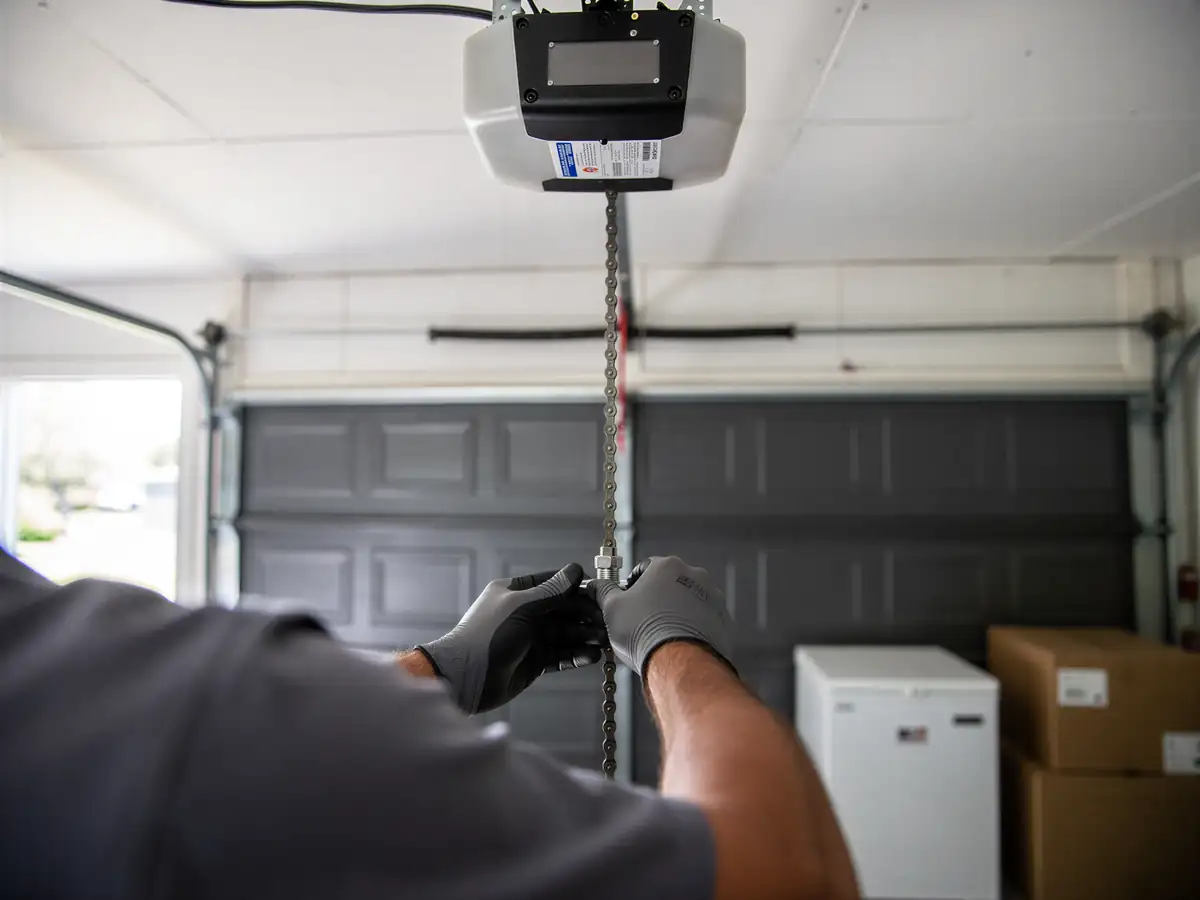
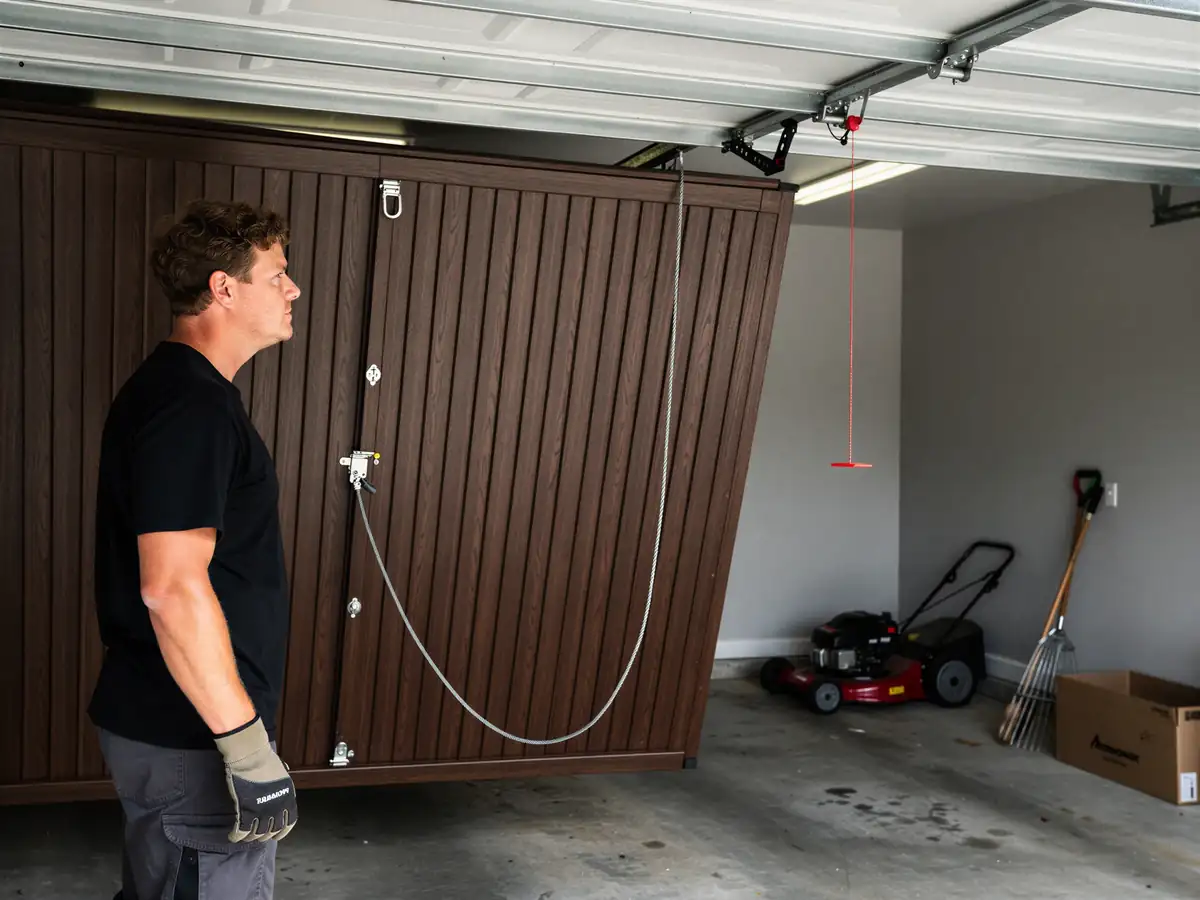
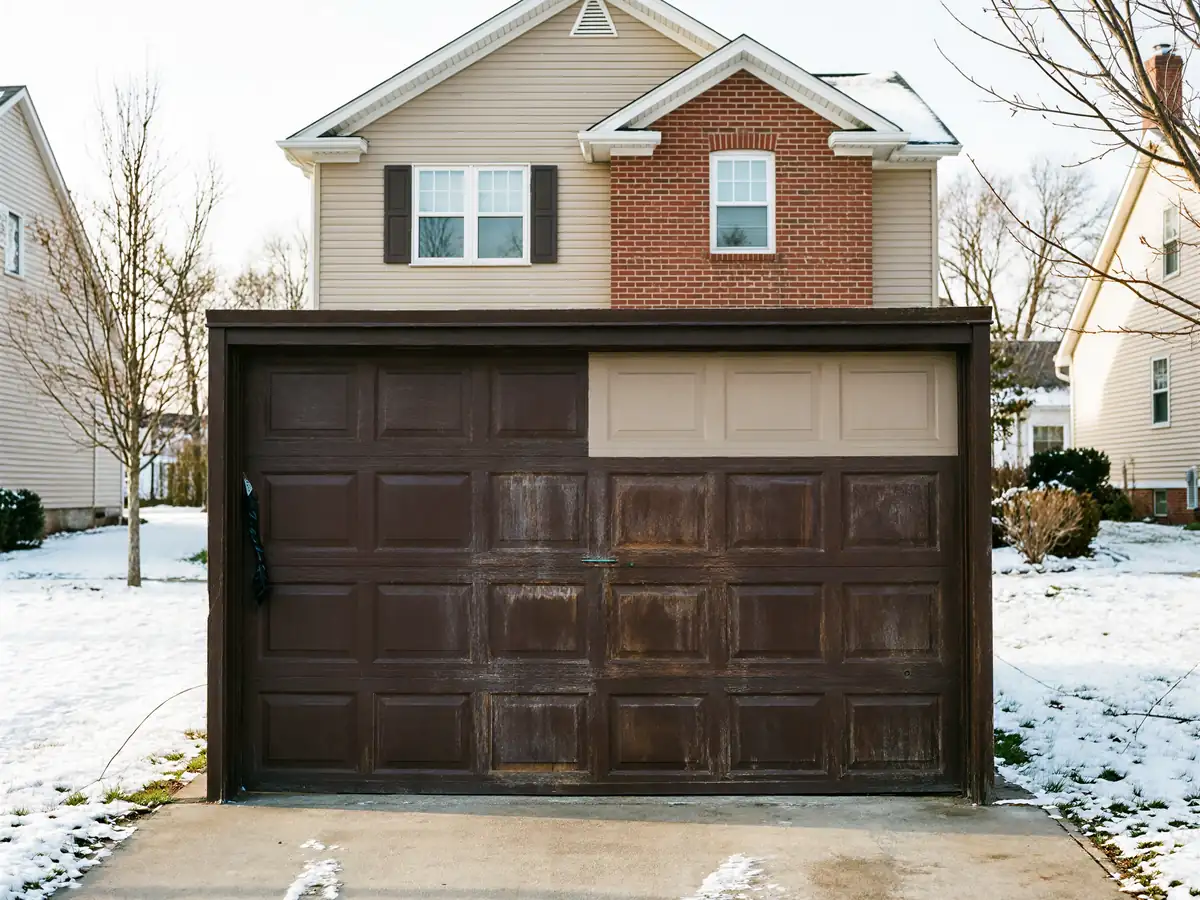
The service area runs cold-climate severe, and that matters more on original hardware than on anything installed in the last decade. Lubricant that was fine in 1978 has long since dried out or gummed up, so a track that looks clean can still bind hard once the temperature drops. We've seen openers forcing a door through resistance it shouldn't be fighting, which burns out the motor faster than the door itself ever wears out. The honest limitation here: if a door has been running rough for years, a maintenance visit can catch what's failing next, but it can't un-wear a track that's been fighting cold-weather binding since before some of us were born. At some point a worn track is a replacement job, not a tune-up, and we'll tell you which one you're looking at rather than selling a service call that just delays the real fix. The goal of a visit out here isn't to find something to sell - it's to tell you honestly whether what's original is still safe to run another winter or not.
What It Costs
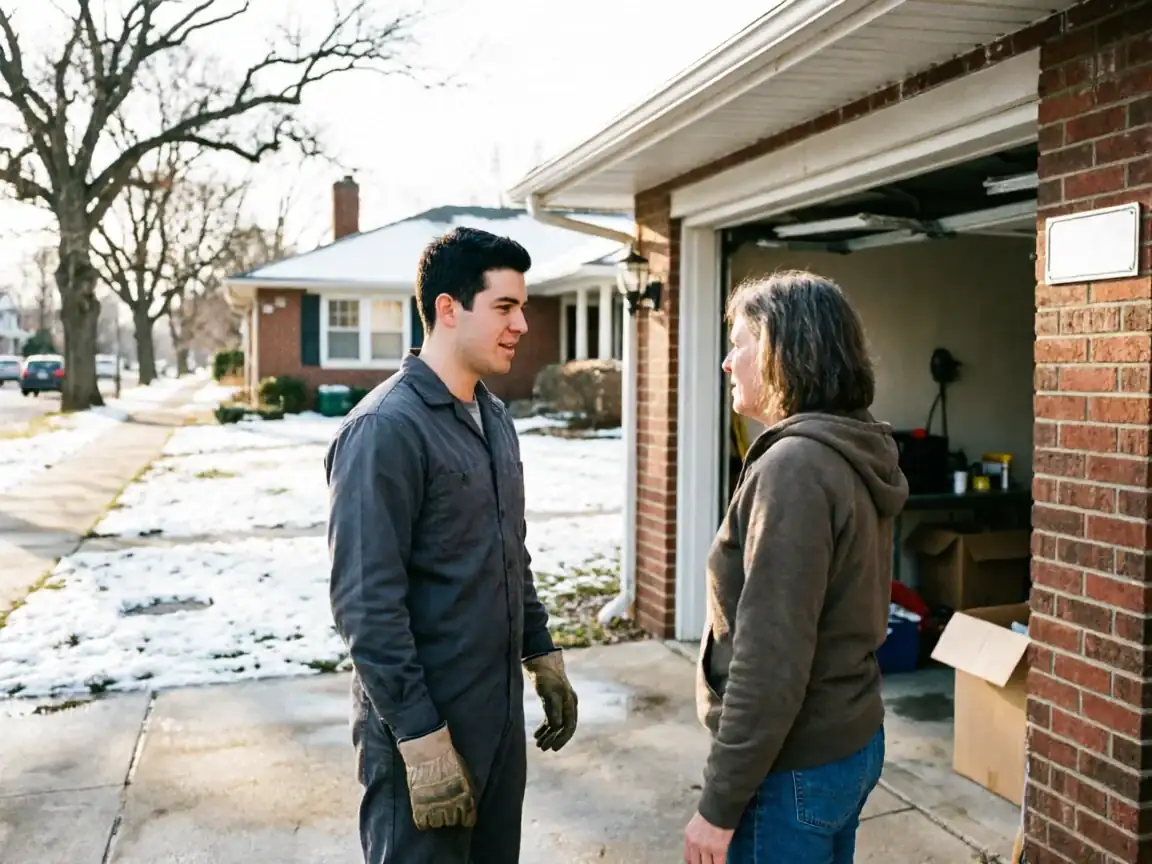
We don't have a Prairie Home-specific price list to quote, and a flat number wouldn't mean much anyway - a door running original 1978 hardware needs a different scope of work than one with parts from the last ten years. What we can tell you is that the visit accounts for the drive, since this is a trip out from Columbia, roughly 17 miles each way, not a stop on a route that already runs through town. That distance is baked into scheduling, not into inflating the work itself. Ask for the specific breakdown when you call, and we'll walk through what your door needs based on what we find, not a generic menu.
What Is on the Truck
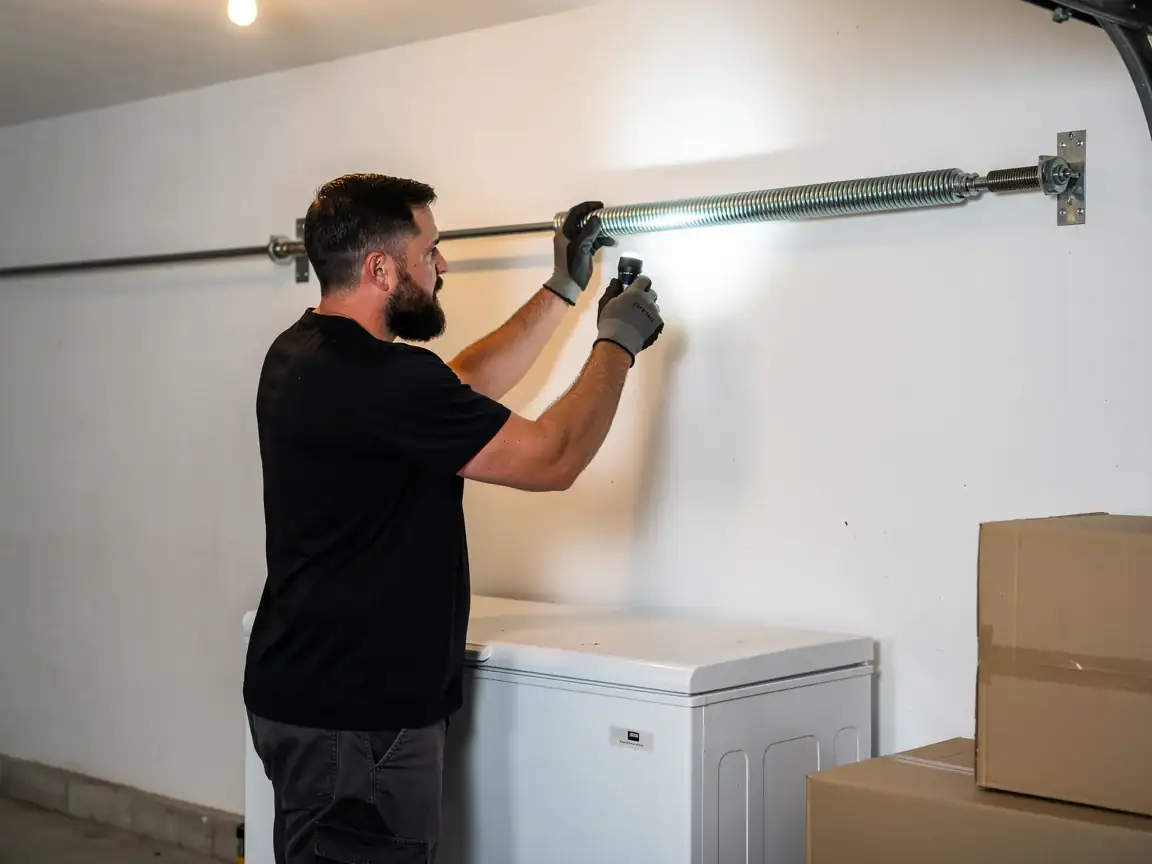
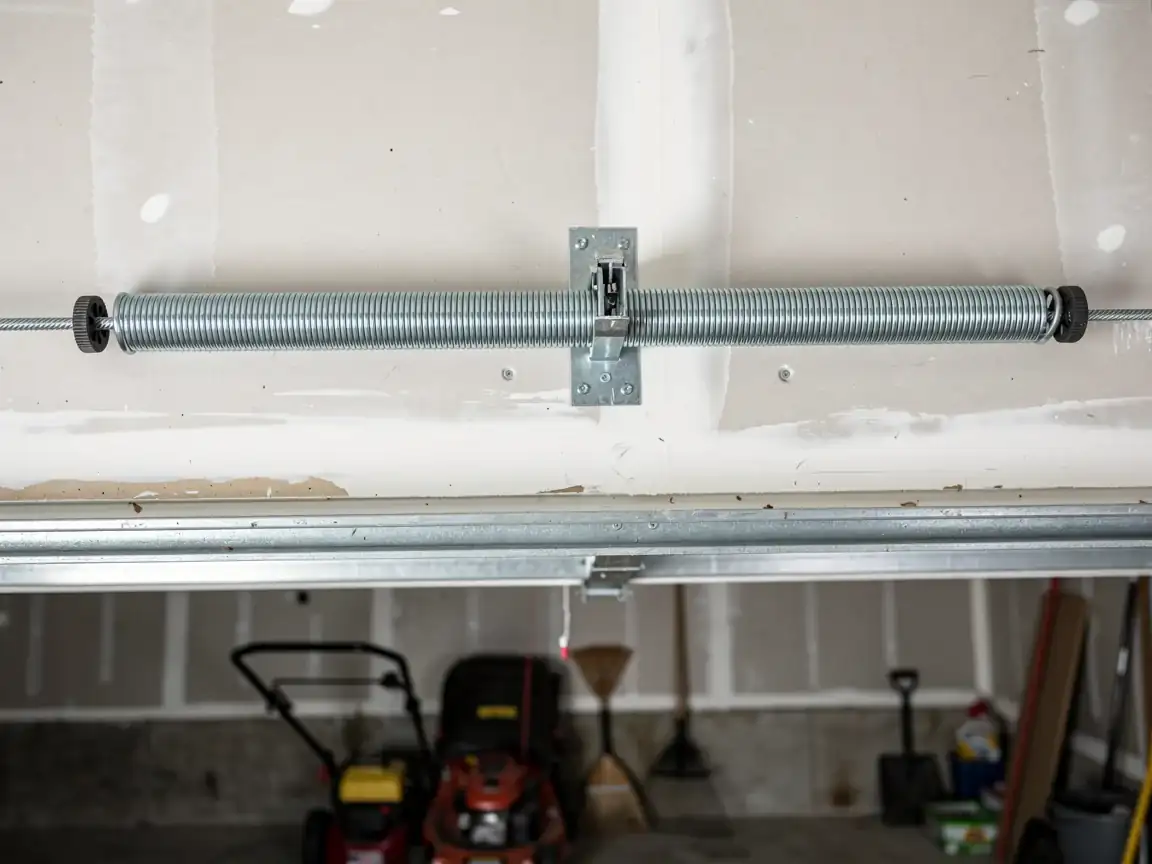
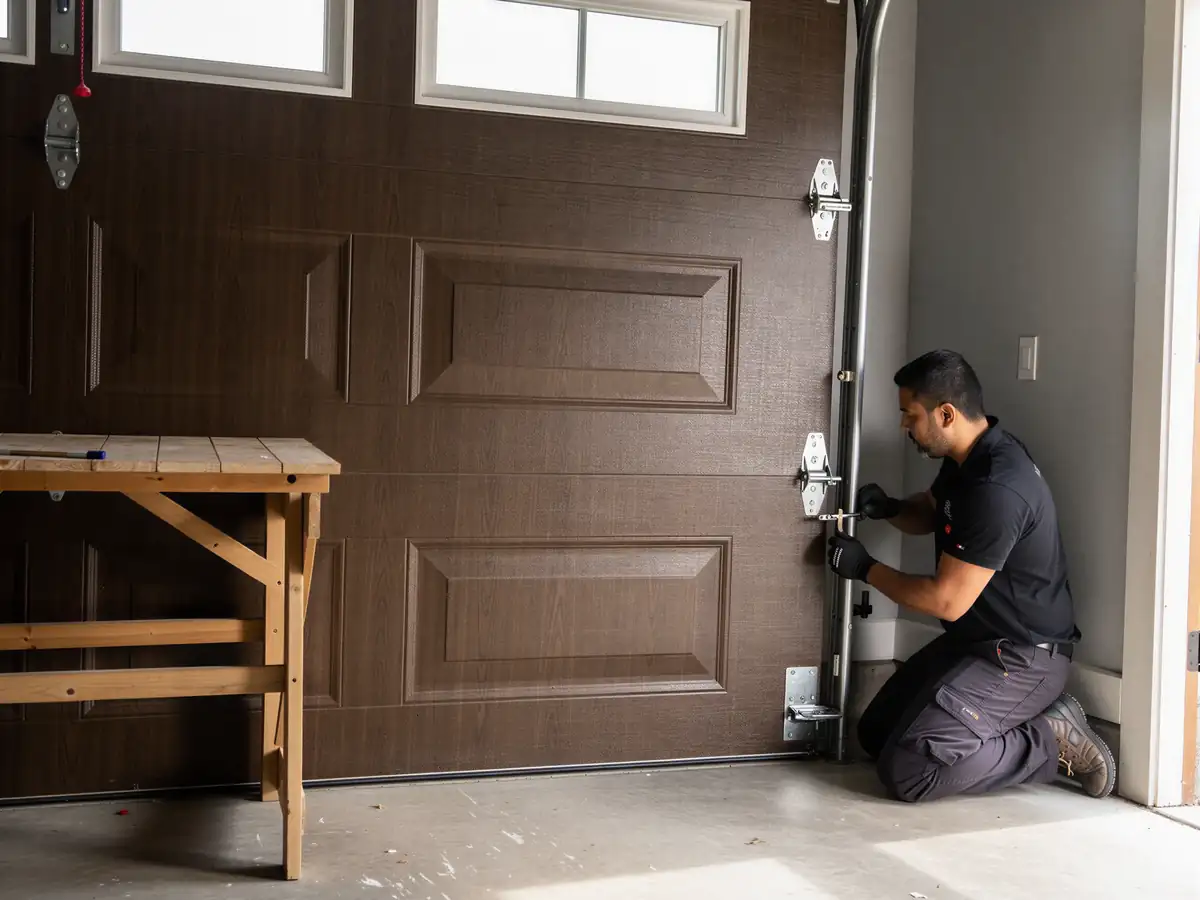
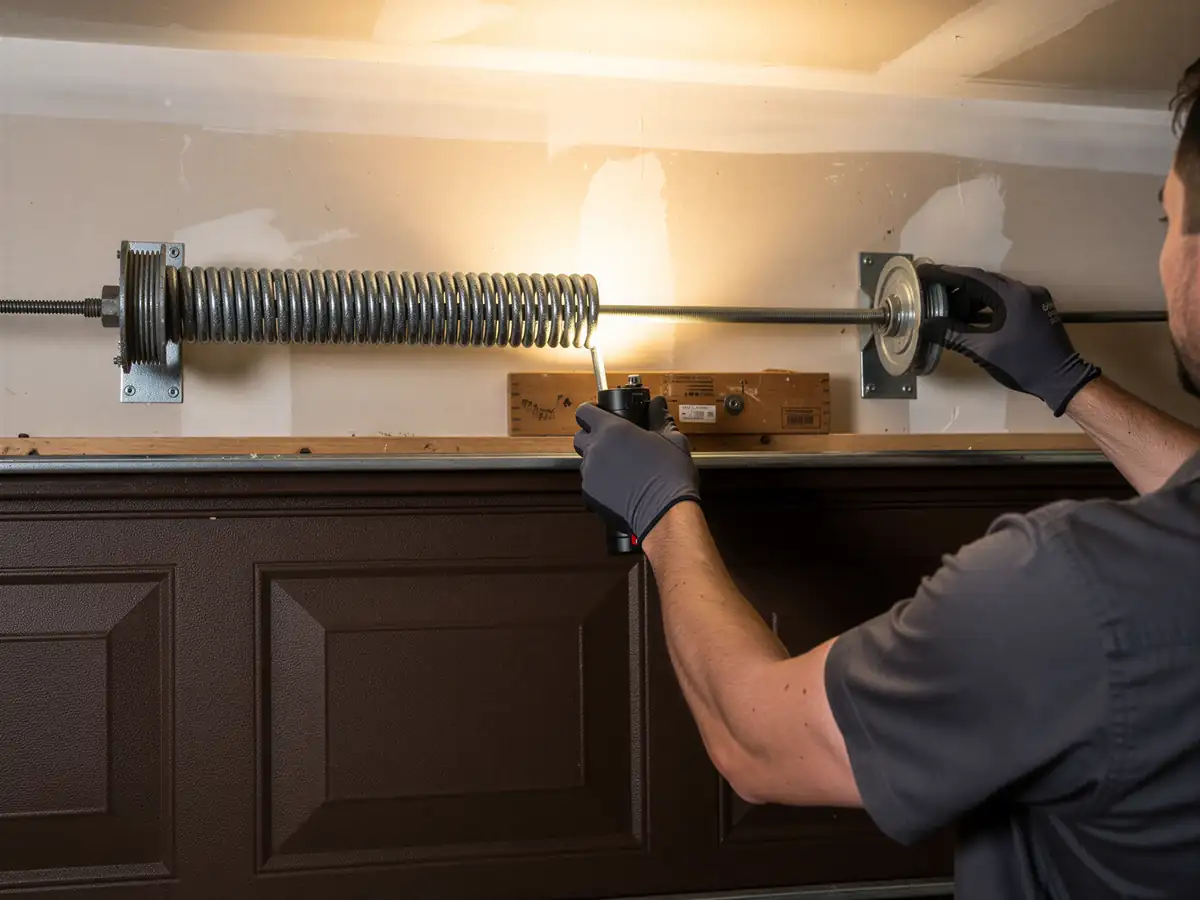
For a town where most doors are running hardware from the 1960s-70s build wave, the truck carries what that era actually needs: standard torsion springs in the sizes common to builder-grade doors from that period, galvanized cable, and both nylon and steel rollers depending on what the track's clearance allows. We also carry lubricant rated for cold-climate severe conditions, since dried-out original lube is one of the most common reasons an old door starts binding before it starts breaking. What we don't carry is a guess - if a part turns out to be a size or style we don't have stocked, we'll say so rather than force a fit, and that sometimes means a second trip for the right piece instead of a workaround that fails again in a season.