Why This Fails Locally
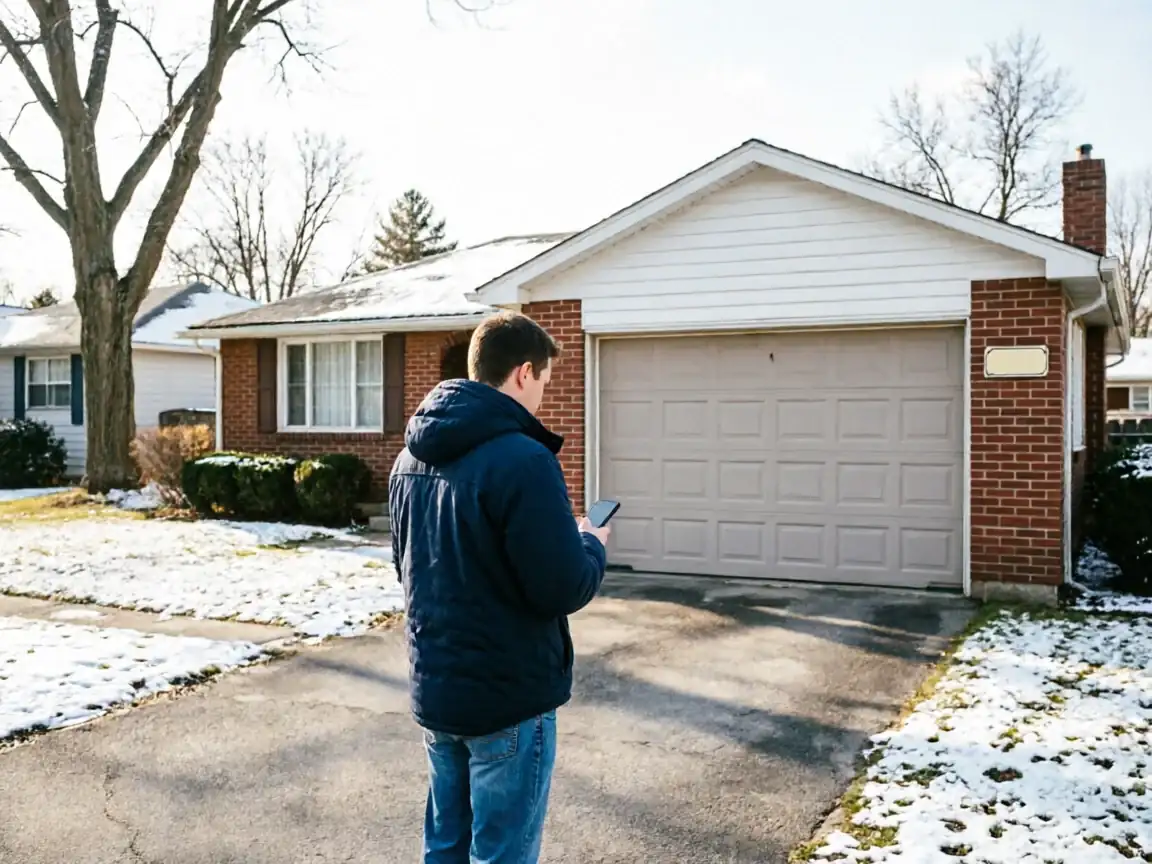
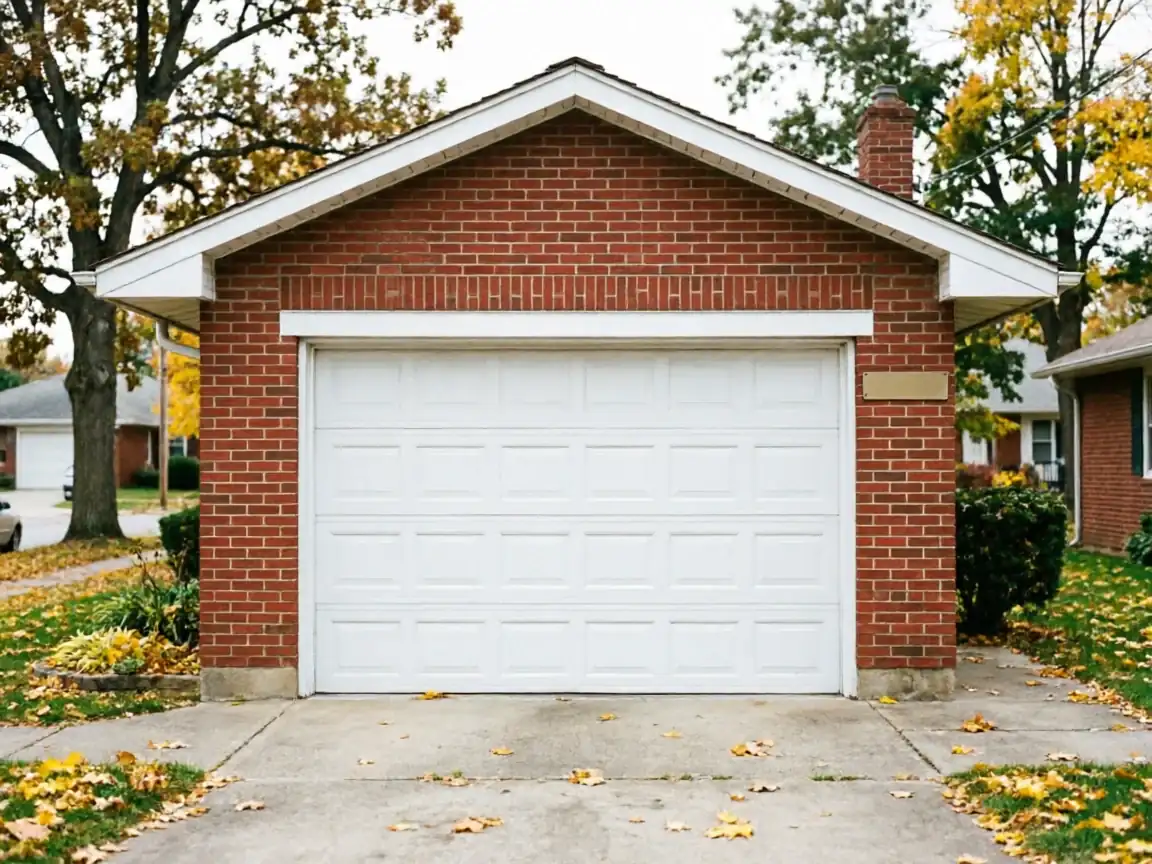
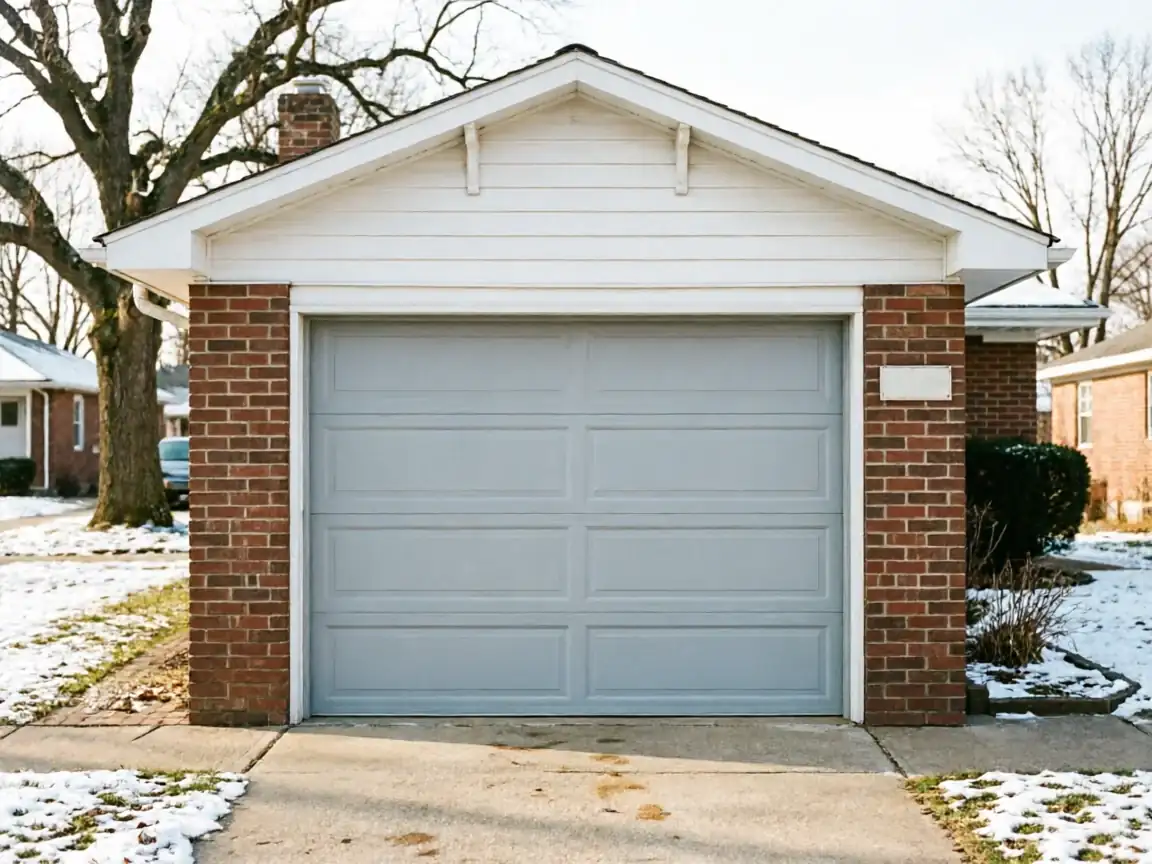
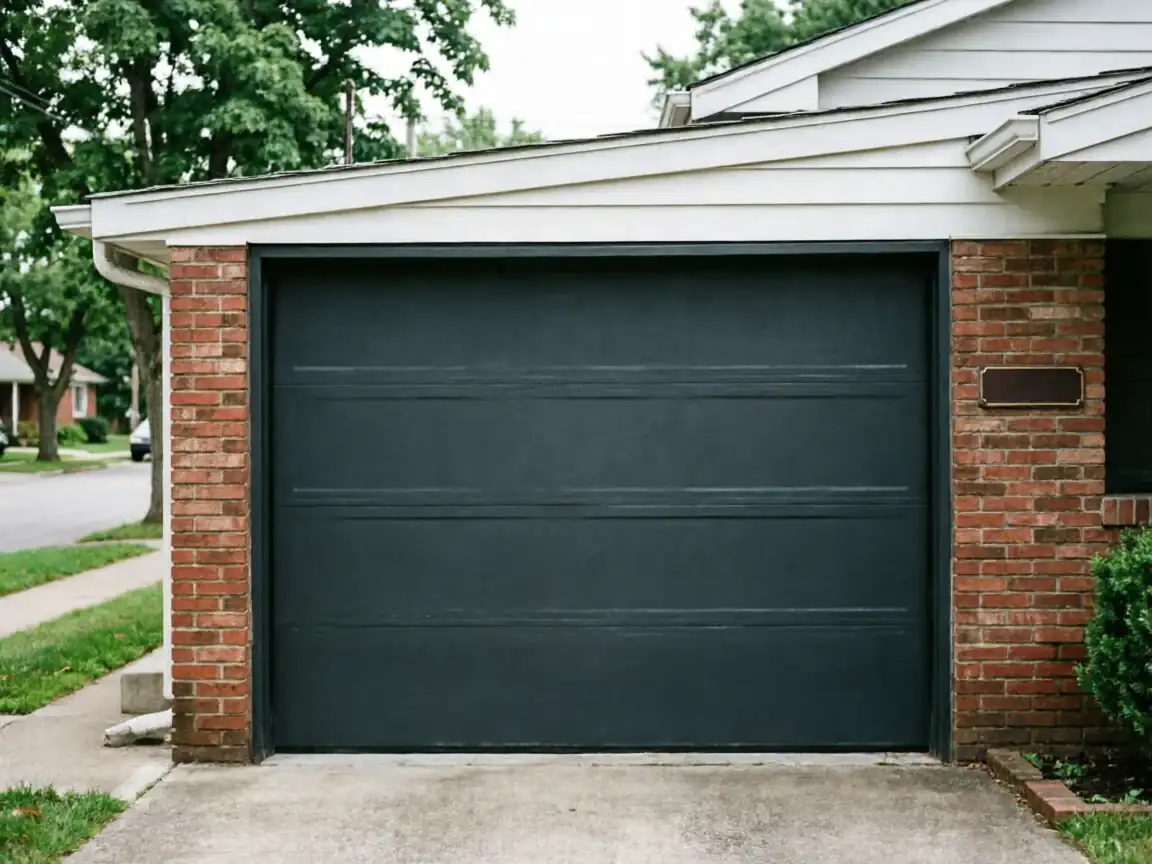
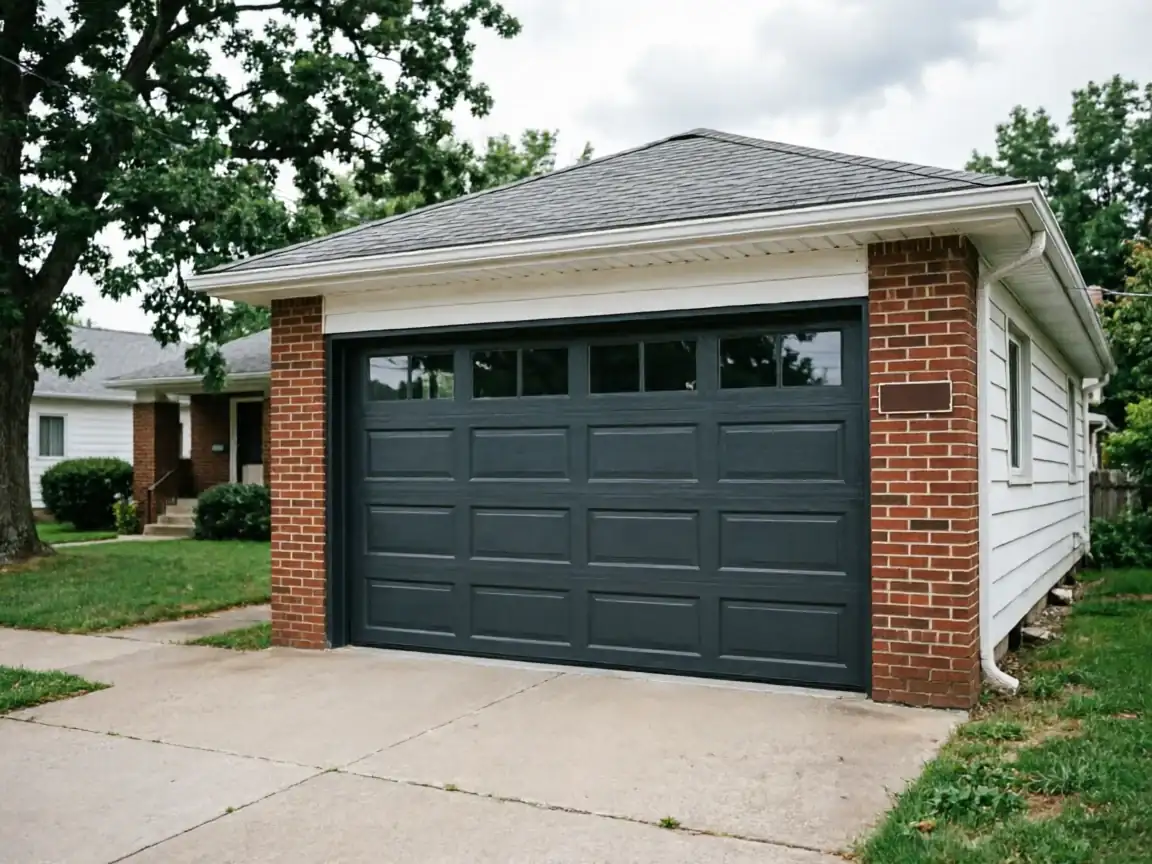
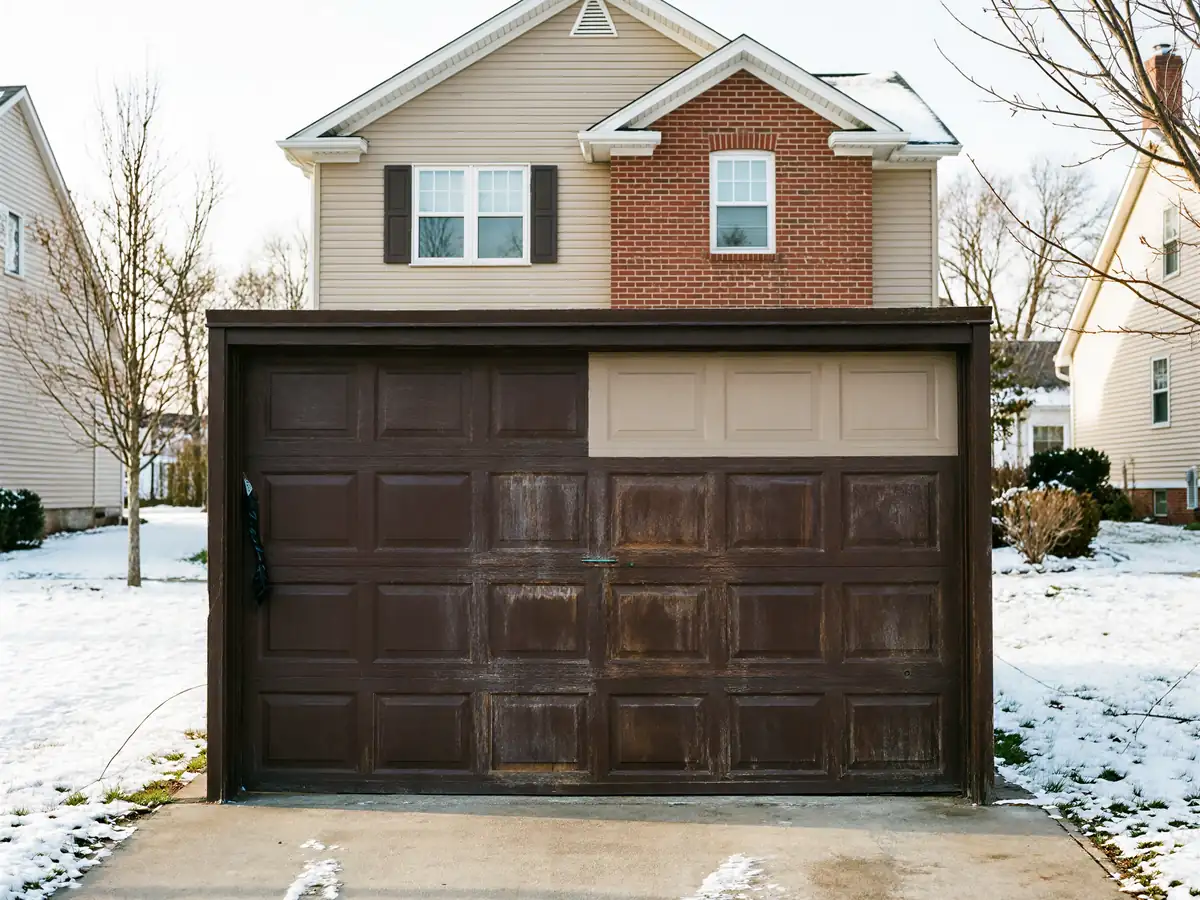
Most garage doors still standing in Prairie Home went up around 1978
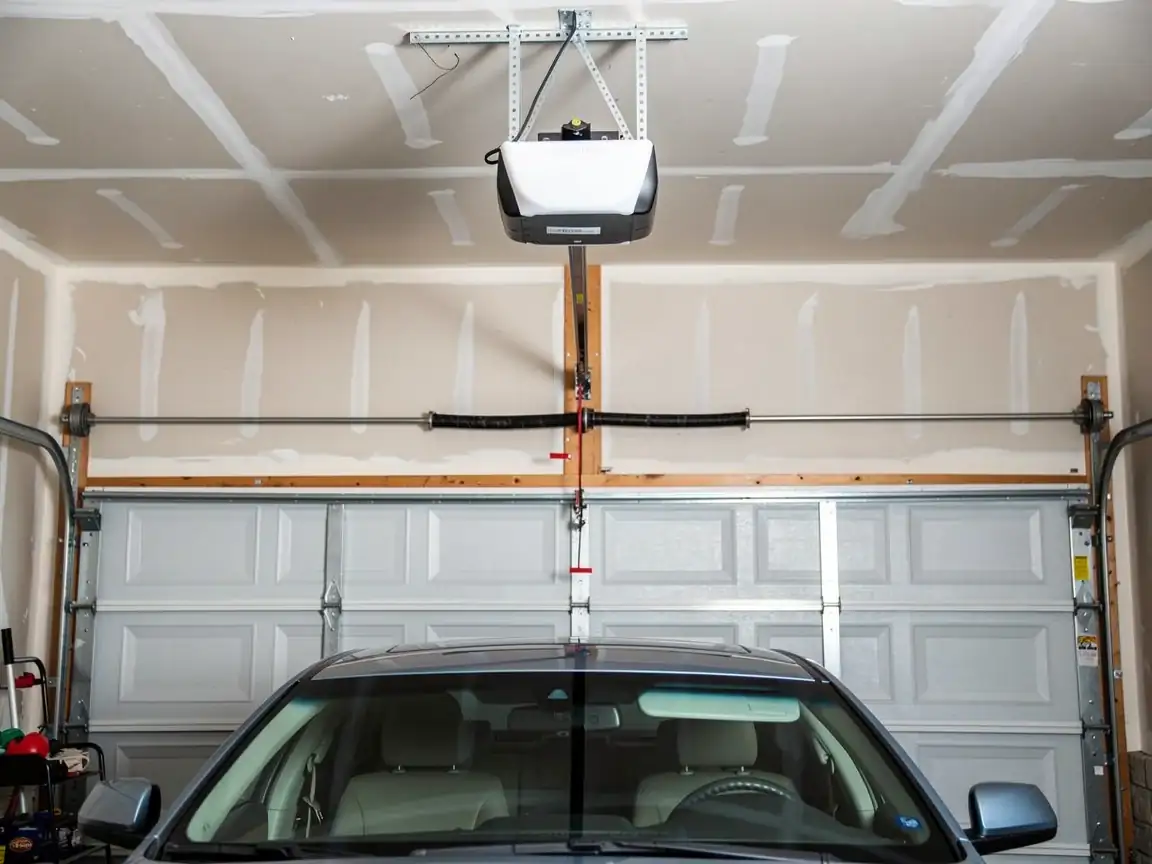
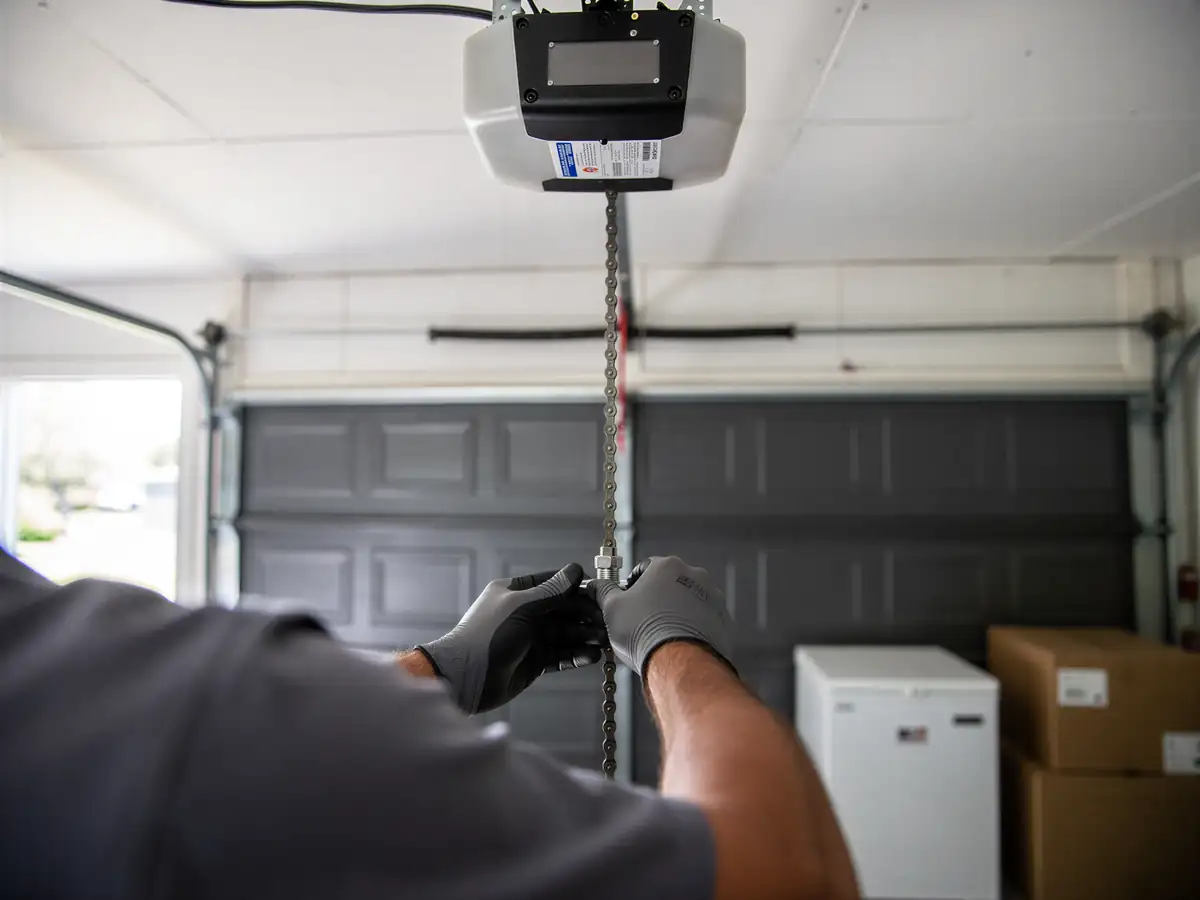
Give or take a few years either side. That means a lot of single-layer steel doors, no insulation in the panel, hung on openers that have been swapped once or twice since but still run on the same worn track and the same lightweight door the house came with. A door built that era is heavier to lift by hand than anything sold today, which is exactly why the original chain-drive opener on it is working harder than it should.
The fault pattern follows the door
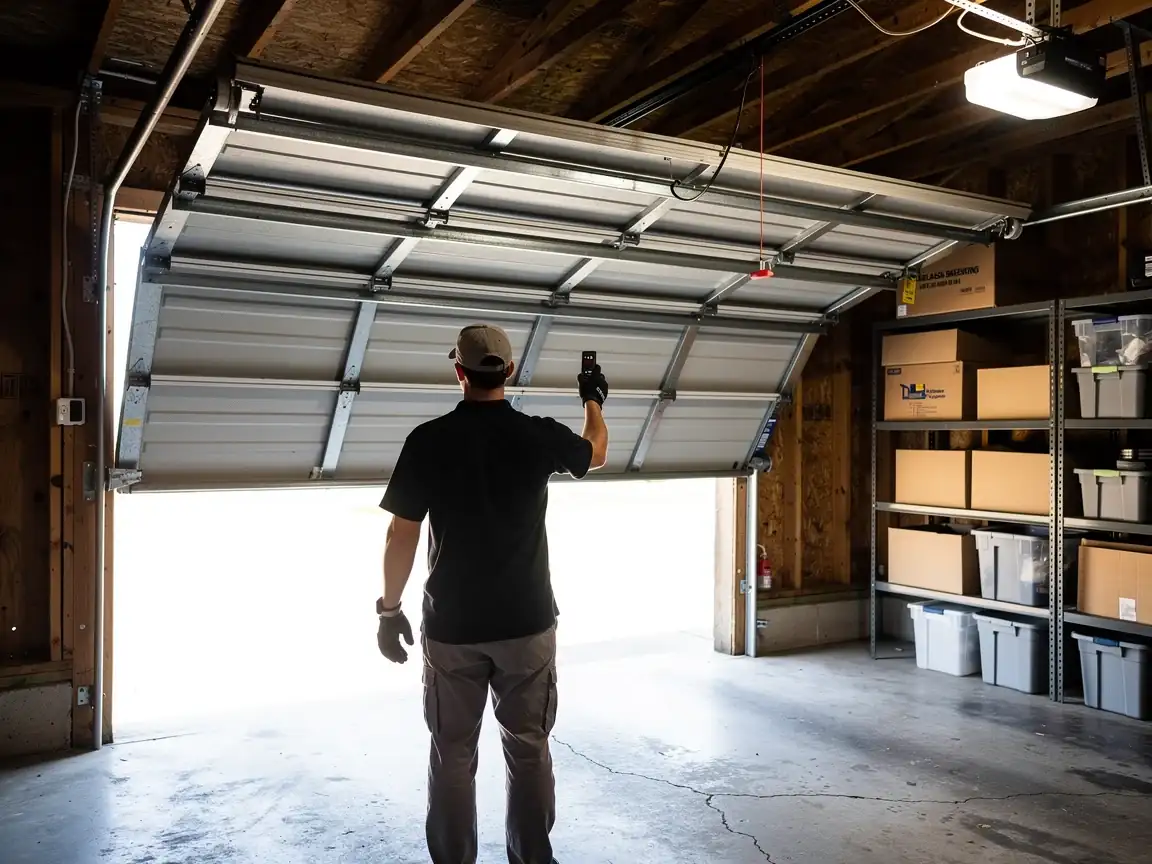
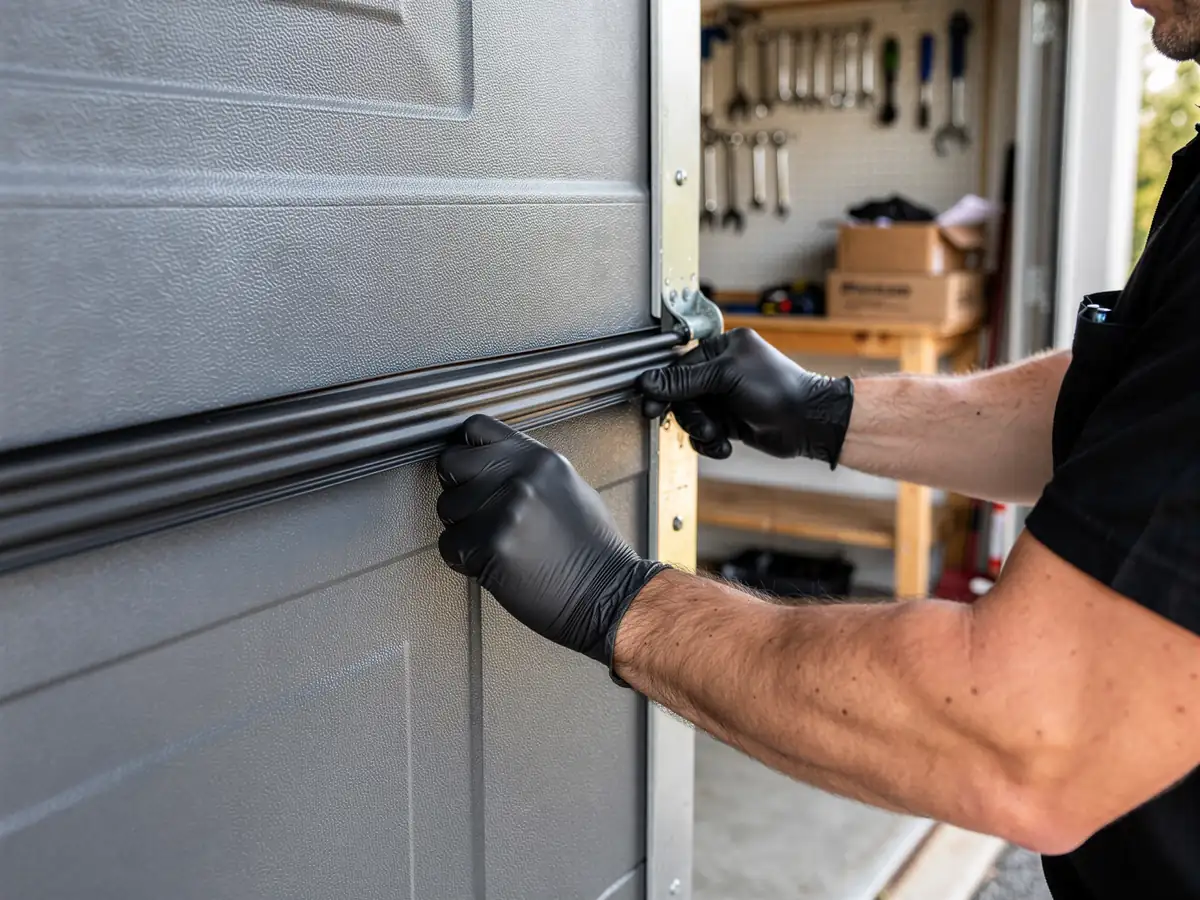
Cold snaps stiffen the grease in an old chain drive and tighten steel panels just enough that the opener's force setting, dialed in decades ago, no longer matches what the door needs to move. The opener strains, the gears wear, and eventually it quits mid-cycle or won't take a signal at all. This isn't a wiring problem most of the time. It's a decades-old machine being asked to do a job it was set up for in a different season, on a door that's shrunk and swollen with every winter since.
Where This Job Goes Sideways
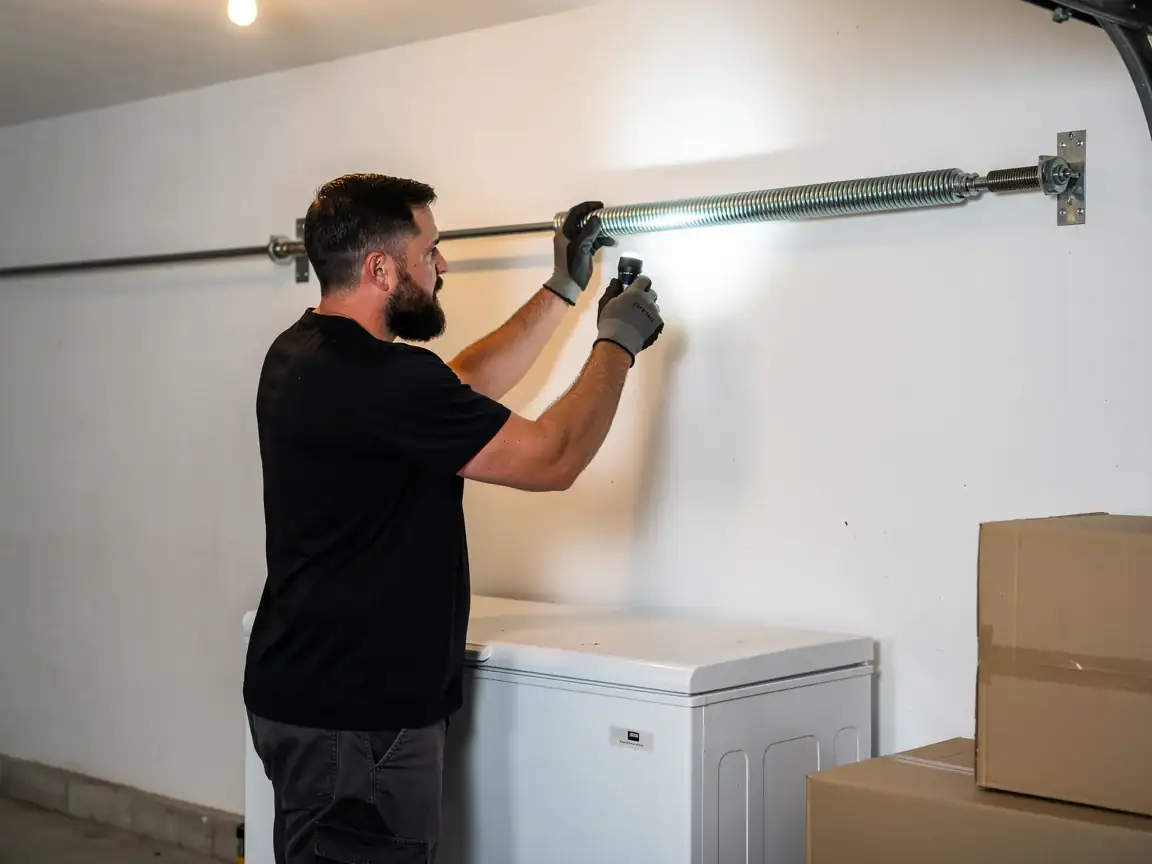
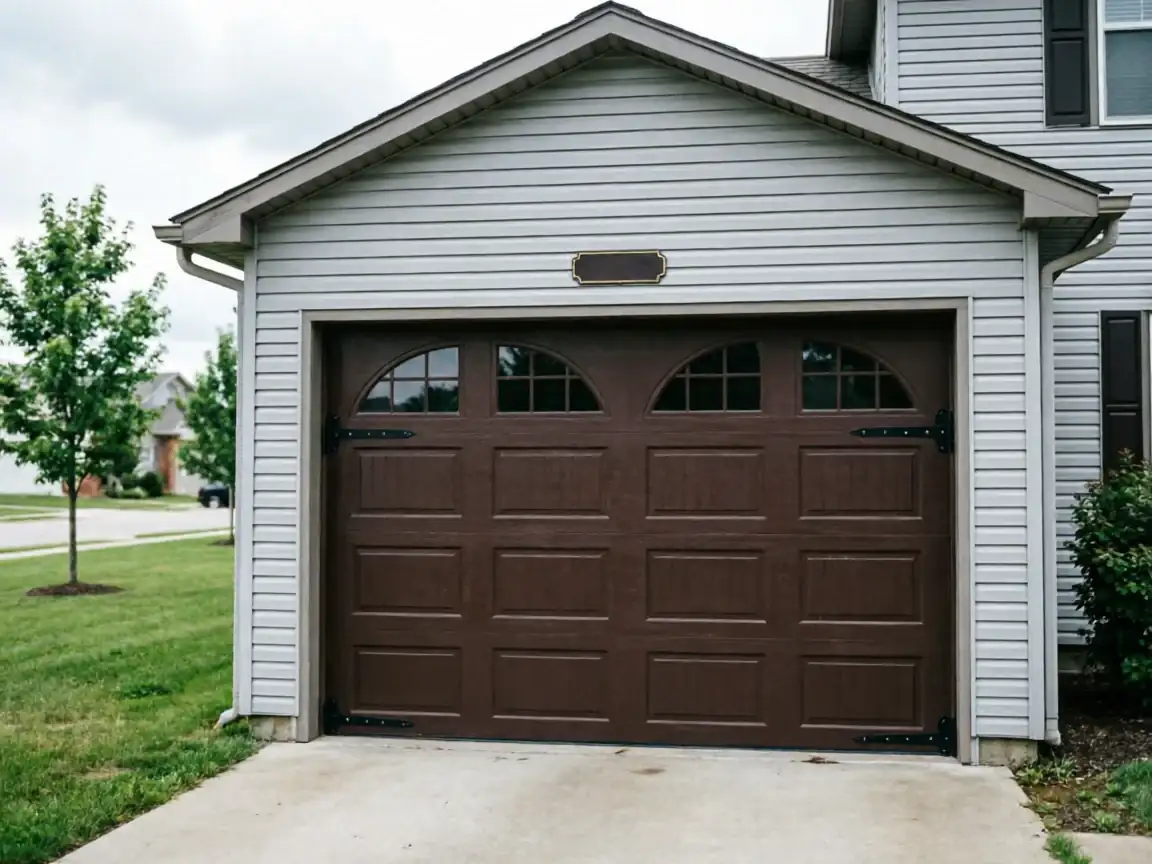
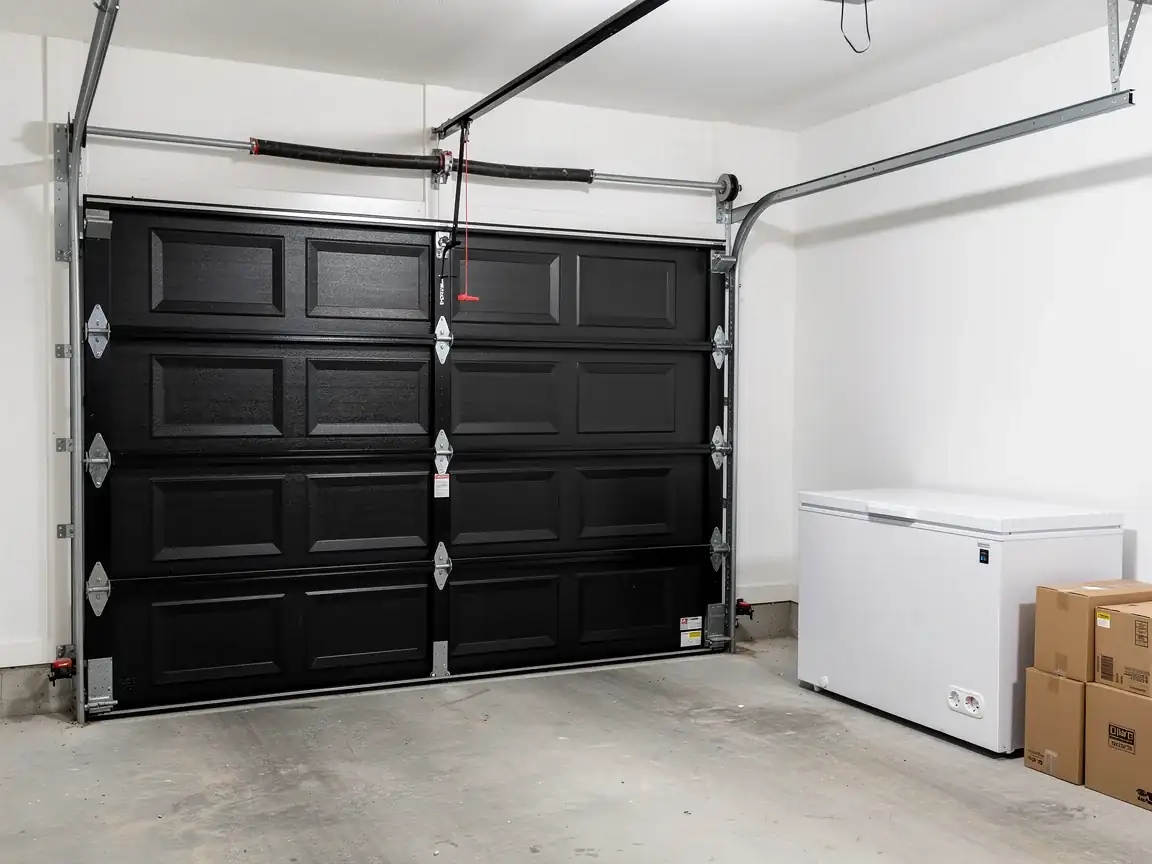
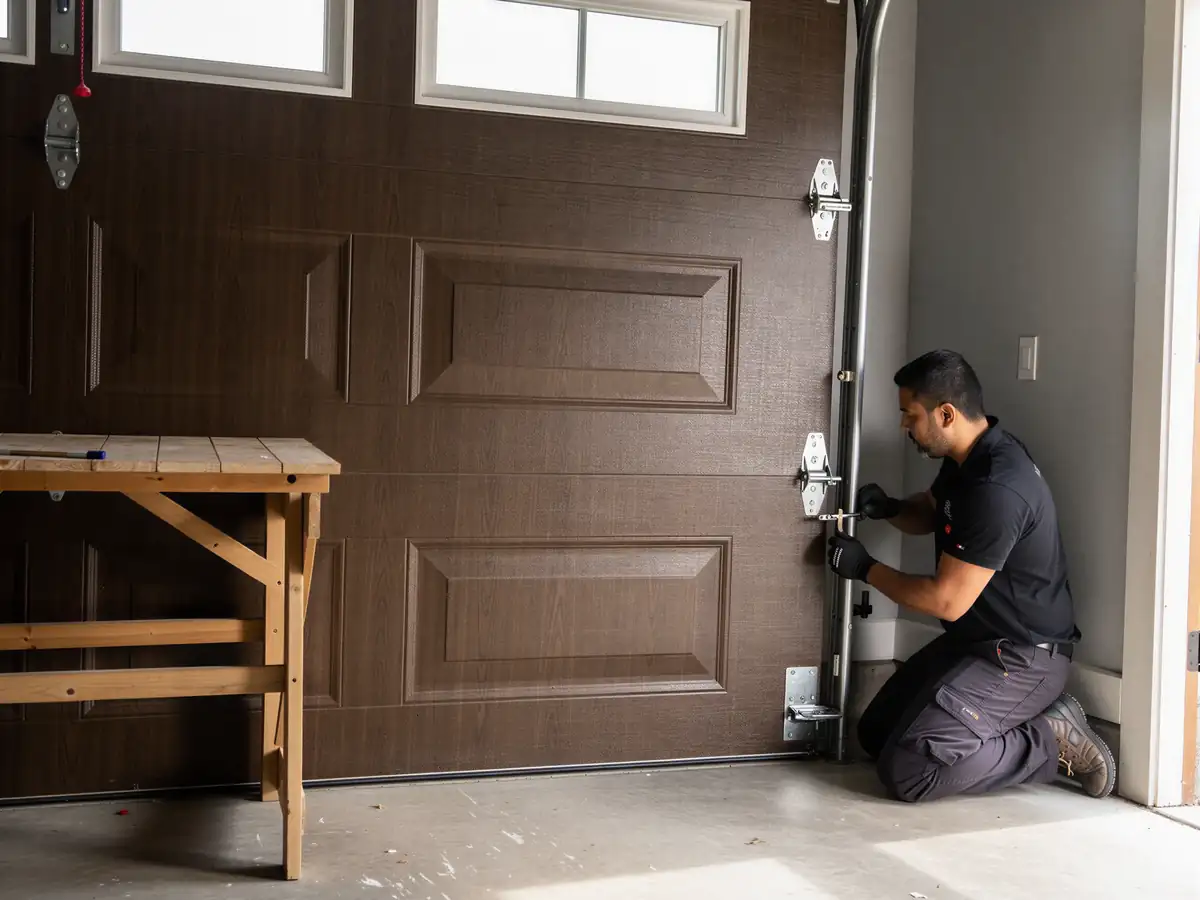
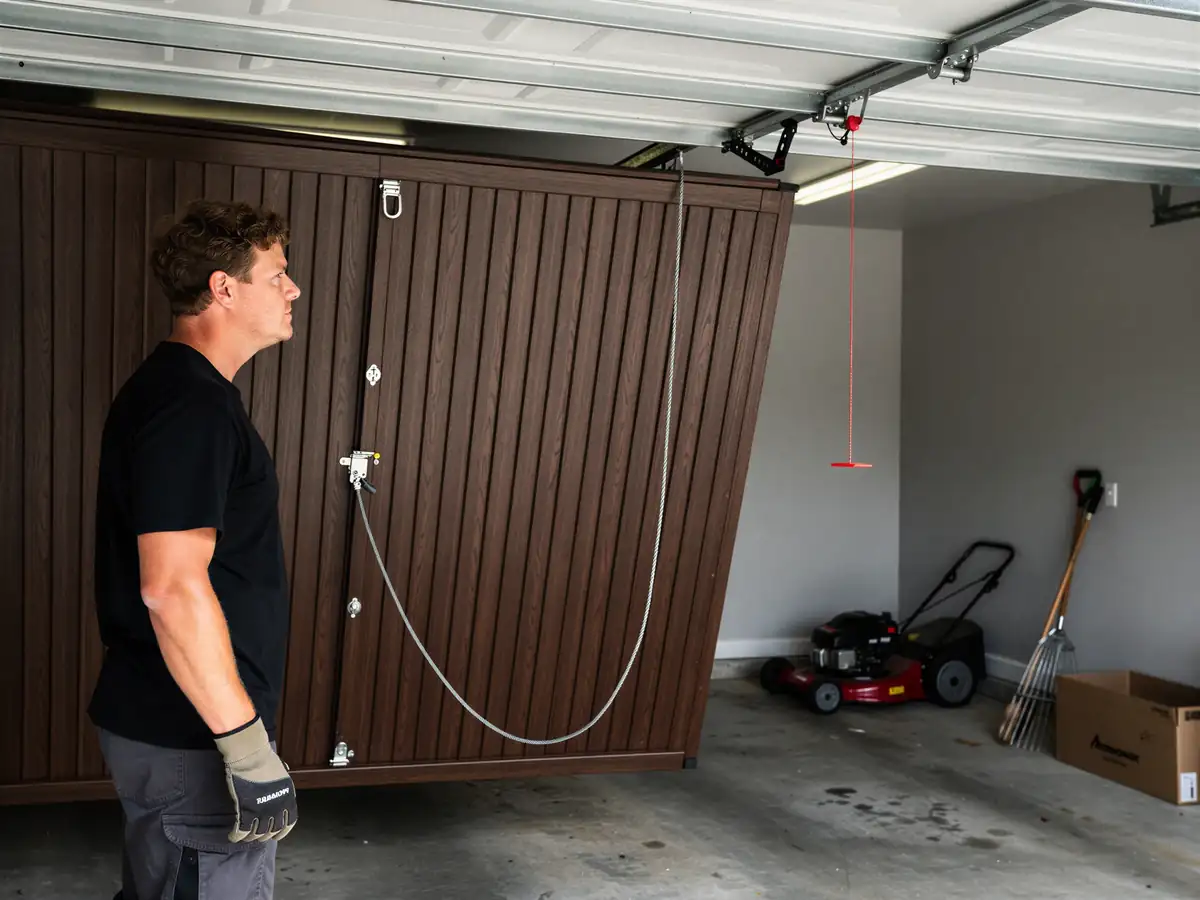
The trouble with a 1970s door and a newer opener is that somebody, at some point, bolted a modern unit onto old bracket hardware without checking whether the door's weight and balance still matched the opener's force and travel settings. That mismatch hides for years until a hard freeze exposes it. We also see openers wired straight into house circuits with no dedicated outlet, which complicates a straight swap when the old unit finally dies.
The other wrinkle: with only about 107 households spread through Prairie Home, this isn't dense suburban housing where a tech sees the same floor plan five times a week. Every door here tends to be a little different, a little hand-adjusted by whoever owned the house last. That means more time diagnosing before any part gets replaced, not less.
What It Costs
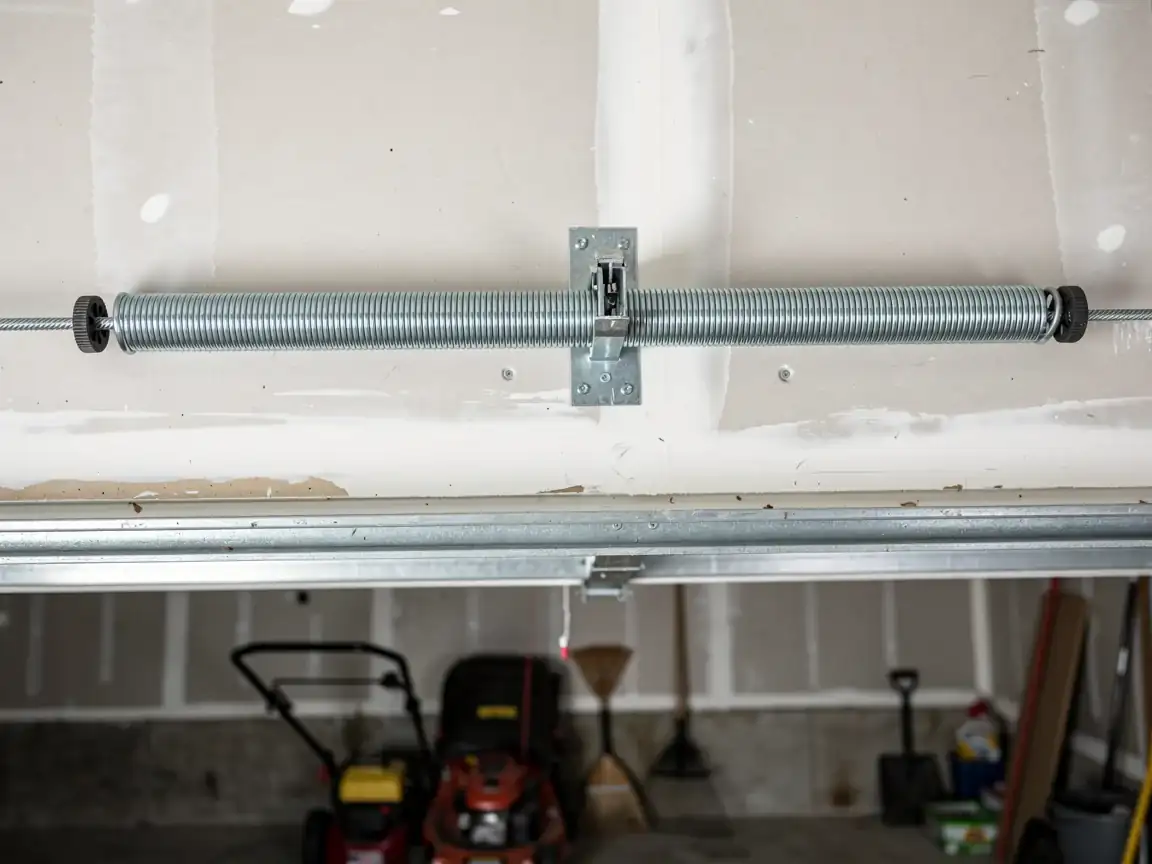
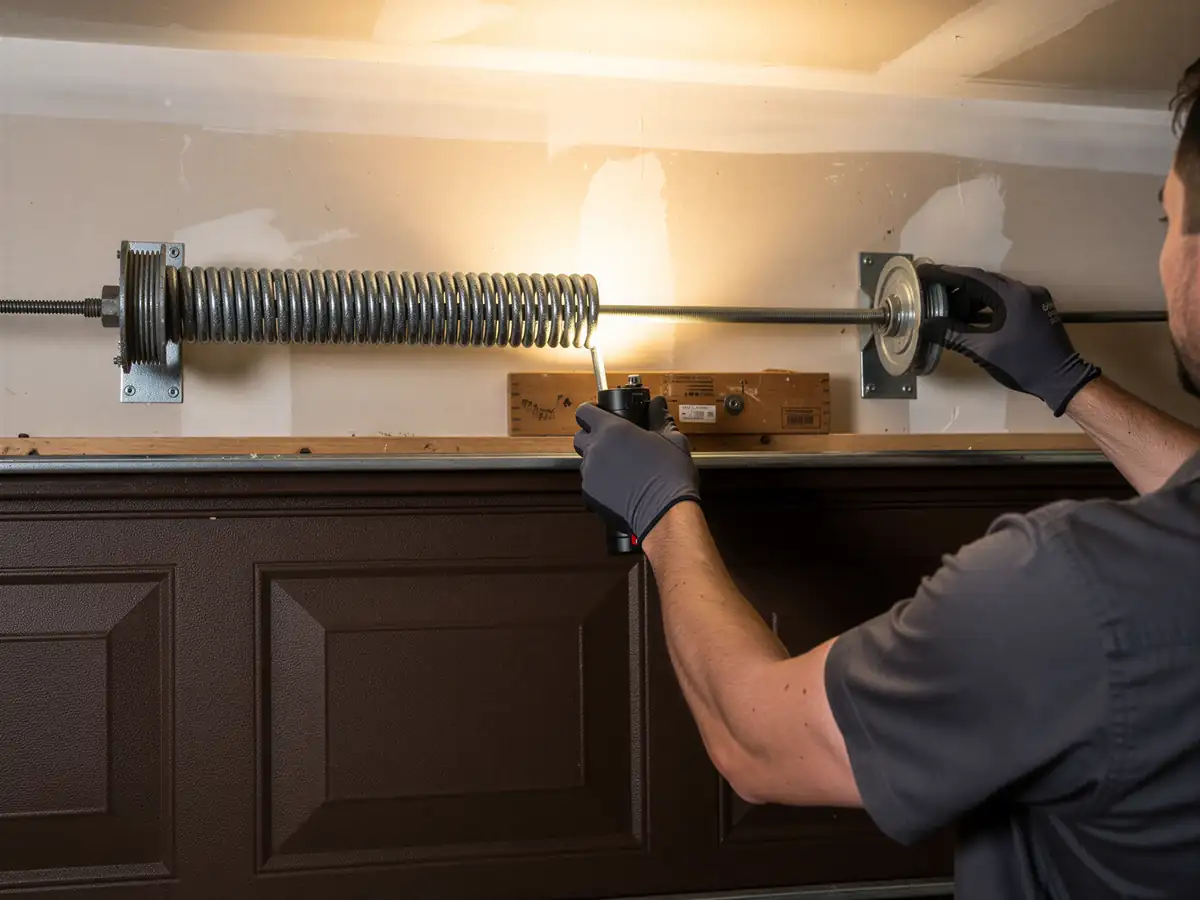
We don't have a flat number to quote for Prairie Home specifically, and anyone who gives you one sight unseen is guessing. What drives the bill is whether the problem is the opener's logic board, the drive gear, the sensors, or whether the real issue is upstream - a door that's out of balance and taking the opener down with it. On a house built in this era, we often find it's the latter, and no amount of opener parts fixes a door problem.
What Is on the Truck
For a cold-weather opener call in a house this age, we carry gear-and-sprocket kits for the chain-drive units most common on doors from this build era, replacement logic boards for the major brands, and limit and safety sensor kits since those fail first when a garage runs cold through winter. What we don't carry on the truck is a wall of possible replacement doors - if the diagnosis turns out to be the door itself, not the opener, that's a second conversation and likely a second visit once we've confirmed it. We'd rather tell you that up front than swap parts that won't fix the actual problem.