What Is on the Truck
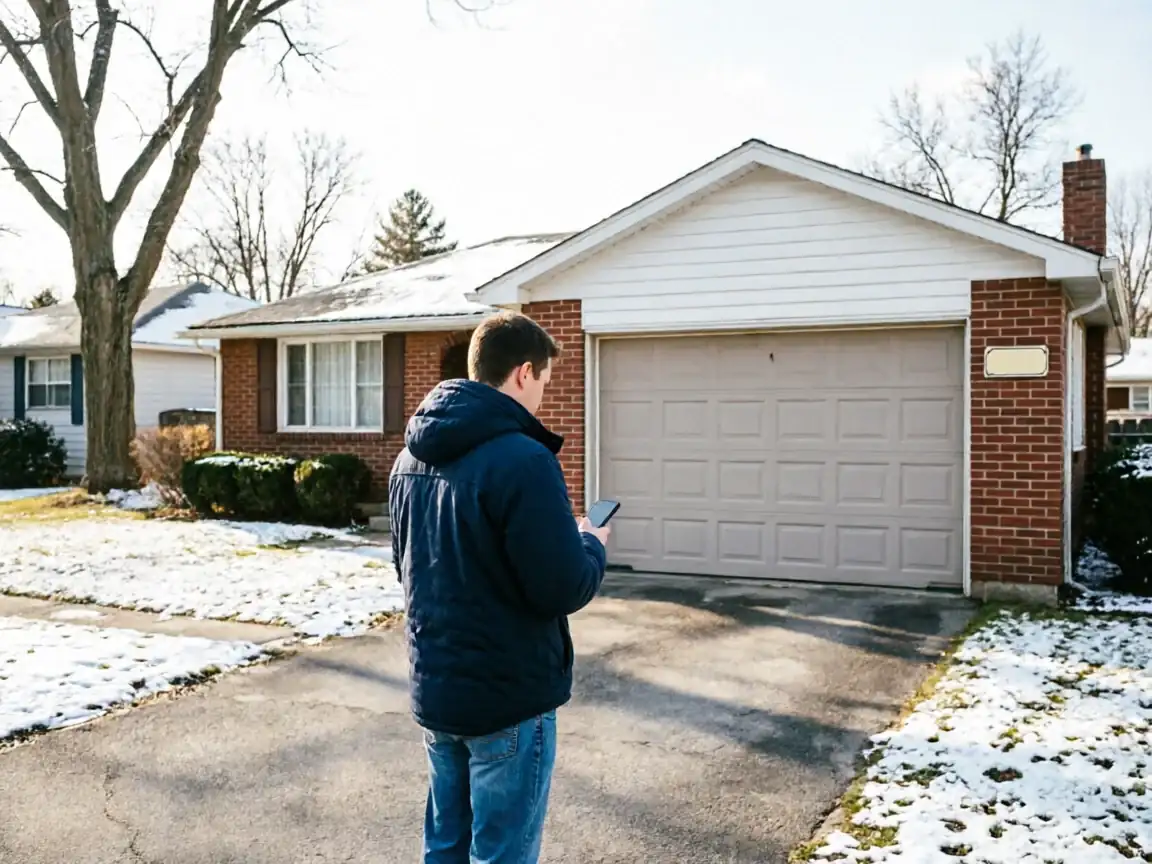
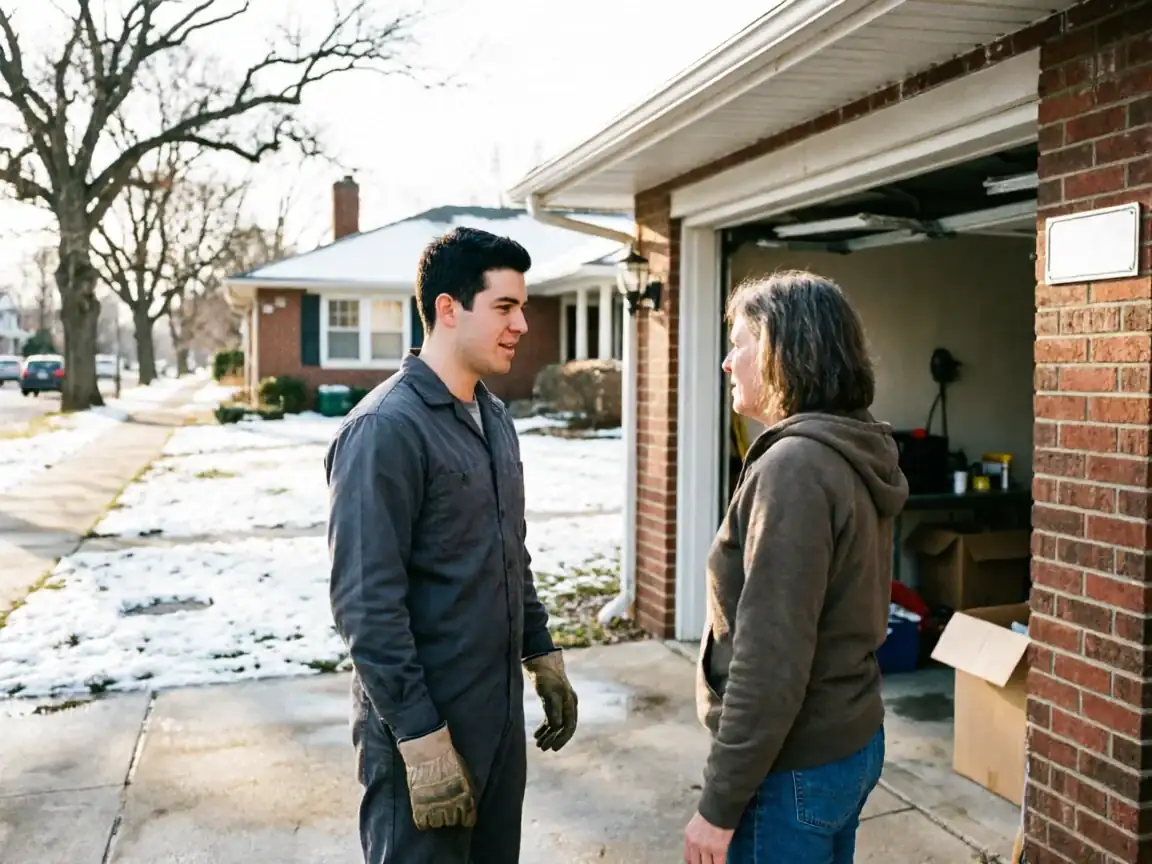
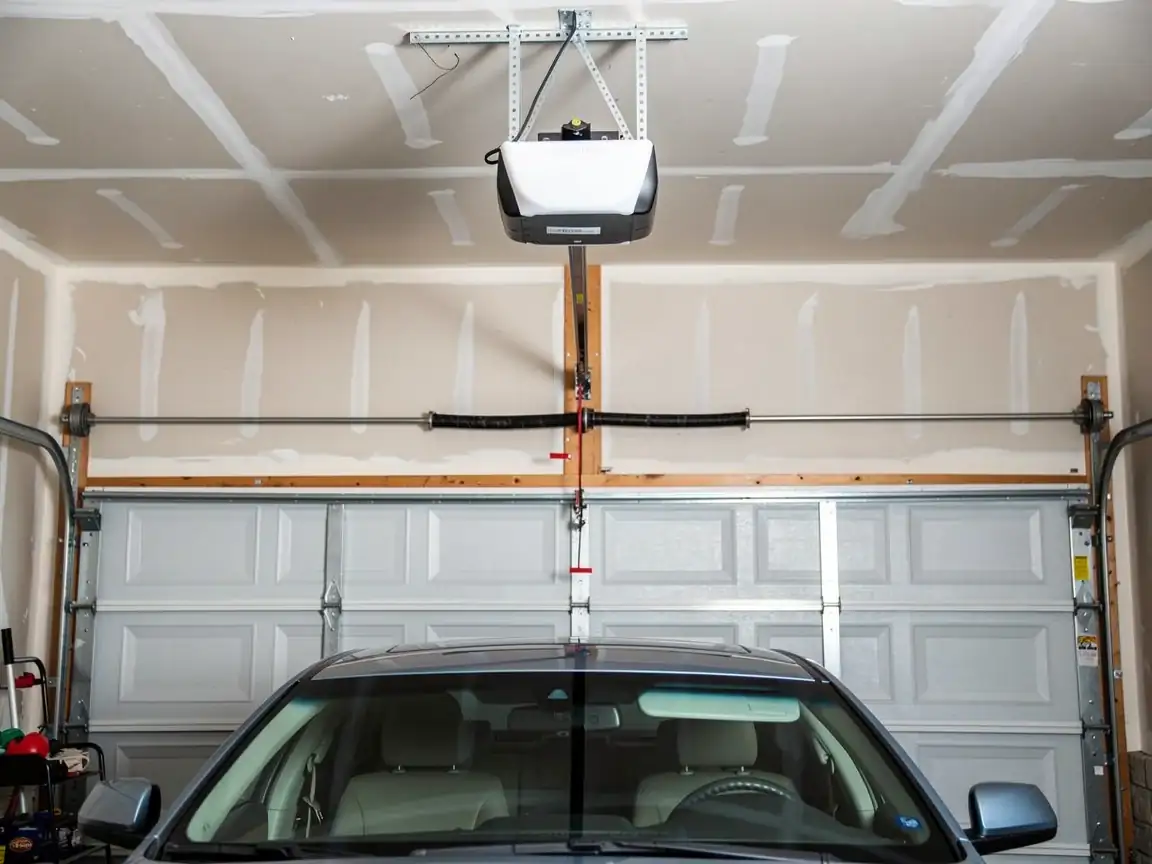
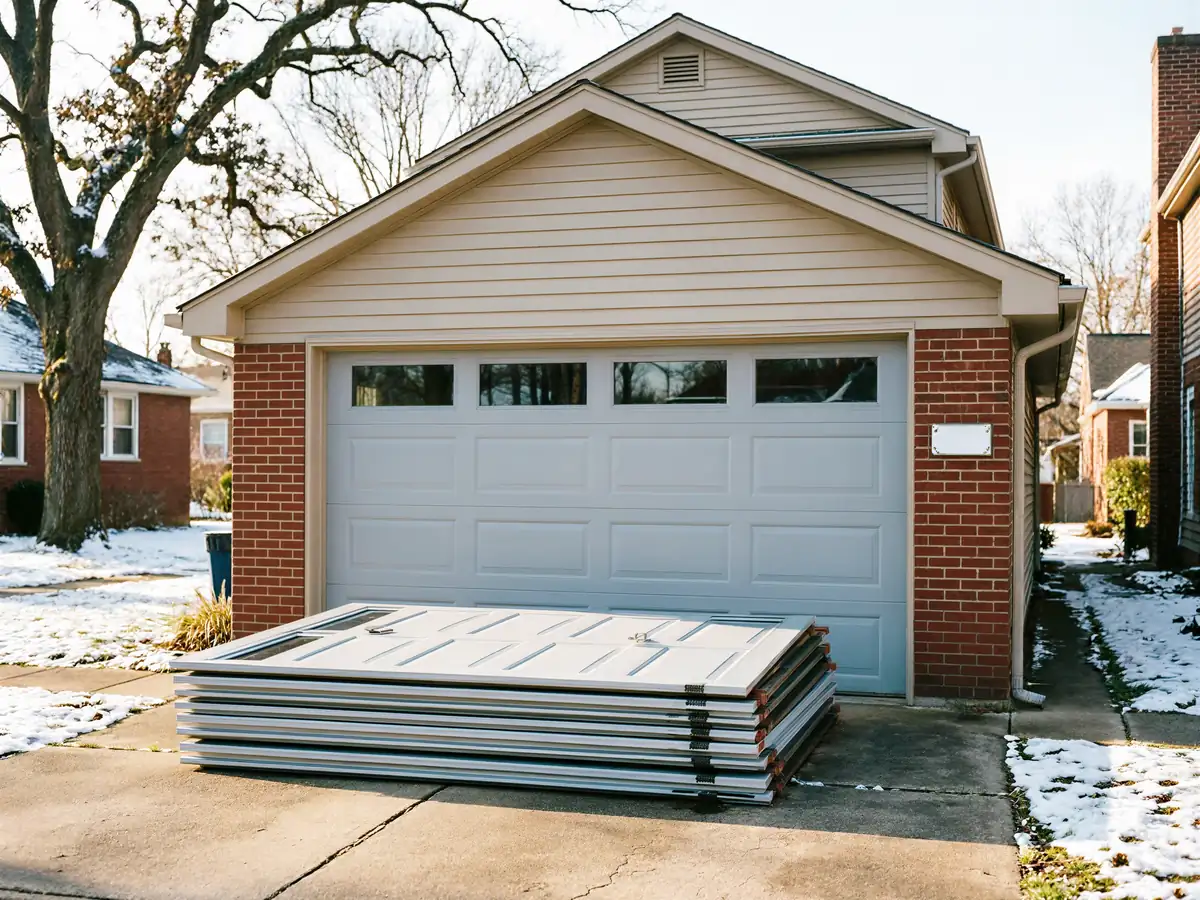
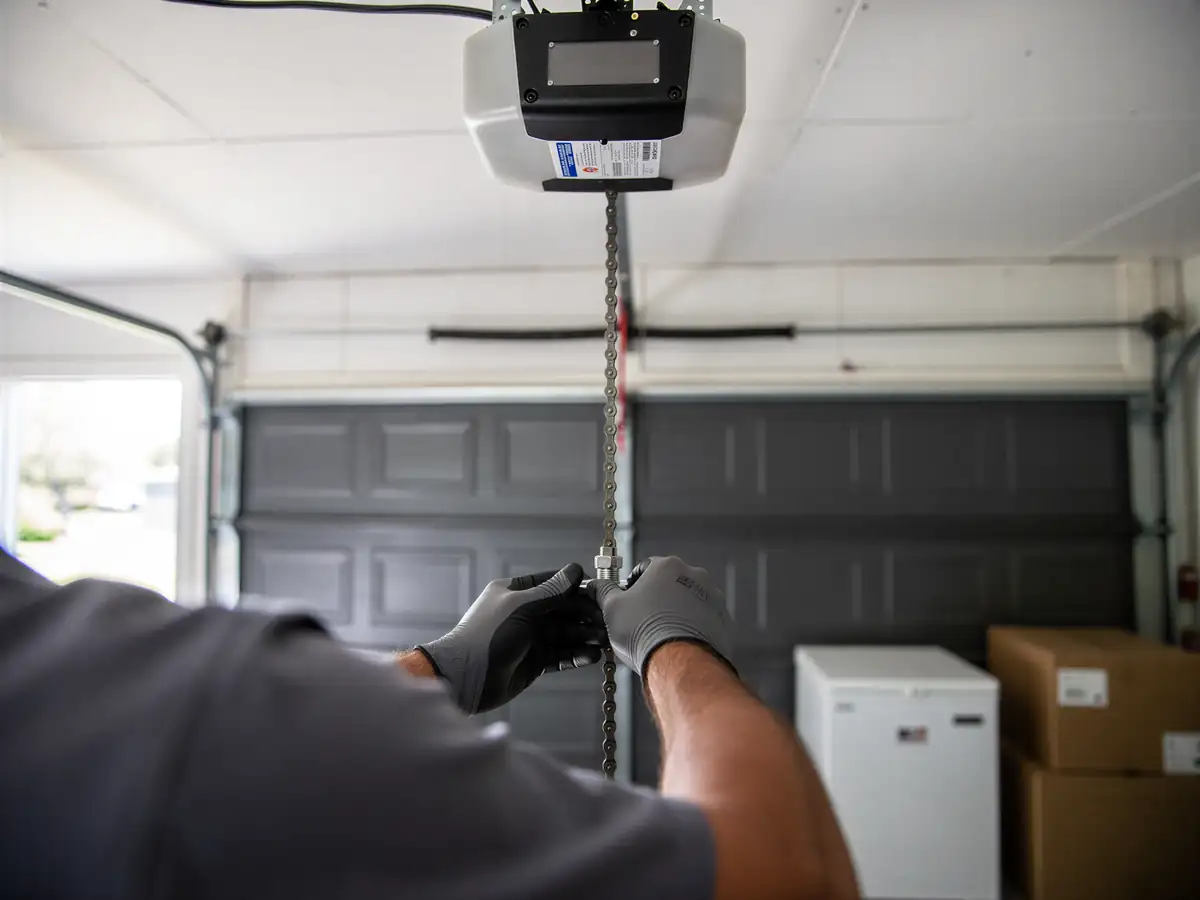
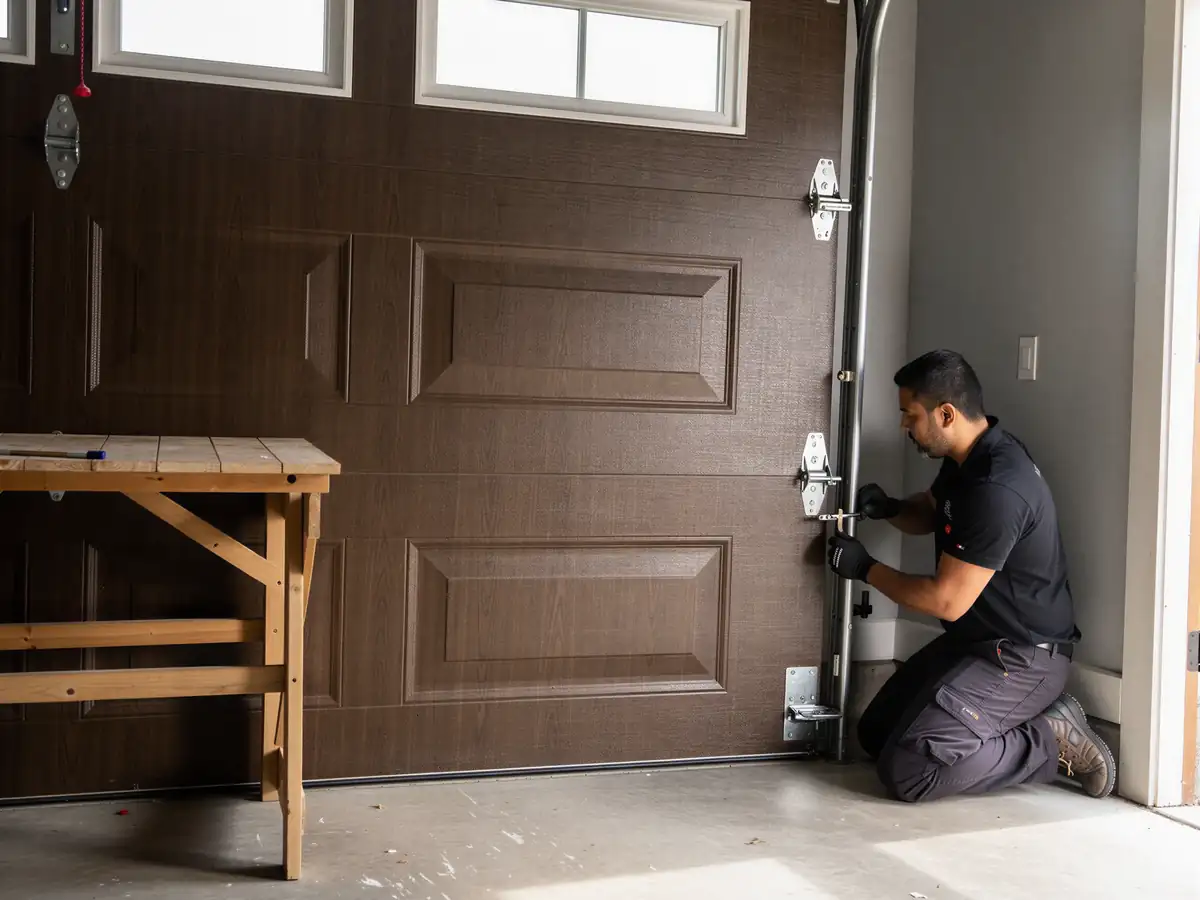
We carry torsion springs sized for the standard 7-foot and 8-foot openings that match this era's construction, along with rollers, cables, and standard hinges that cover most of what a 1960s door needs. Where we run into trouble is with doors that still have their original hardware manufacturer's brackets or drum styles - those aren't stocked anywhere, including on our truck, and if a part is truly obsolete we order it rather than force a mismatched piece onto the door. That's an honest limitation: a same-day fix isn't guaranteed on every job here, because some of these doors are old enough that the exact part hasn't been made in decades. What we can usually do on the first visit is get the door safe and operating - sometimes with a close equivalent part - while a true original-spec piece ships in. We also carry common opener drive components, since a fair number of Sturgeon's doors have had an opener added well after the door itself went up, and that mismatch is often the actual source of the complaint.
What You Are Seeing
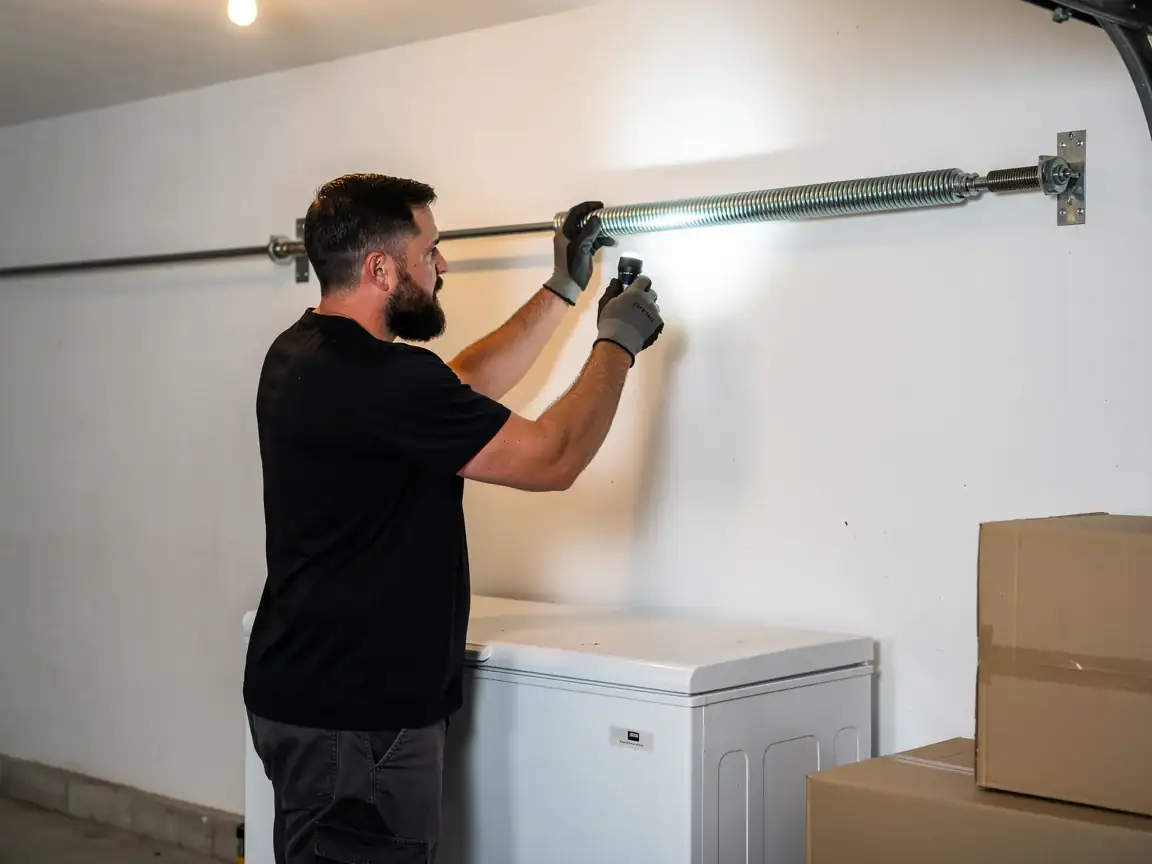
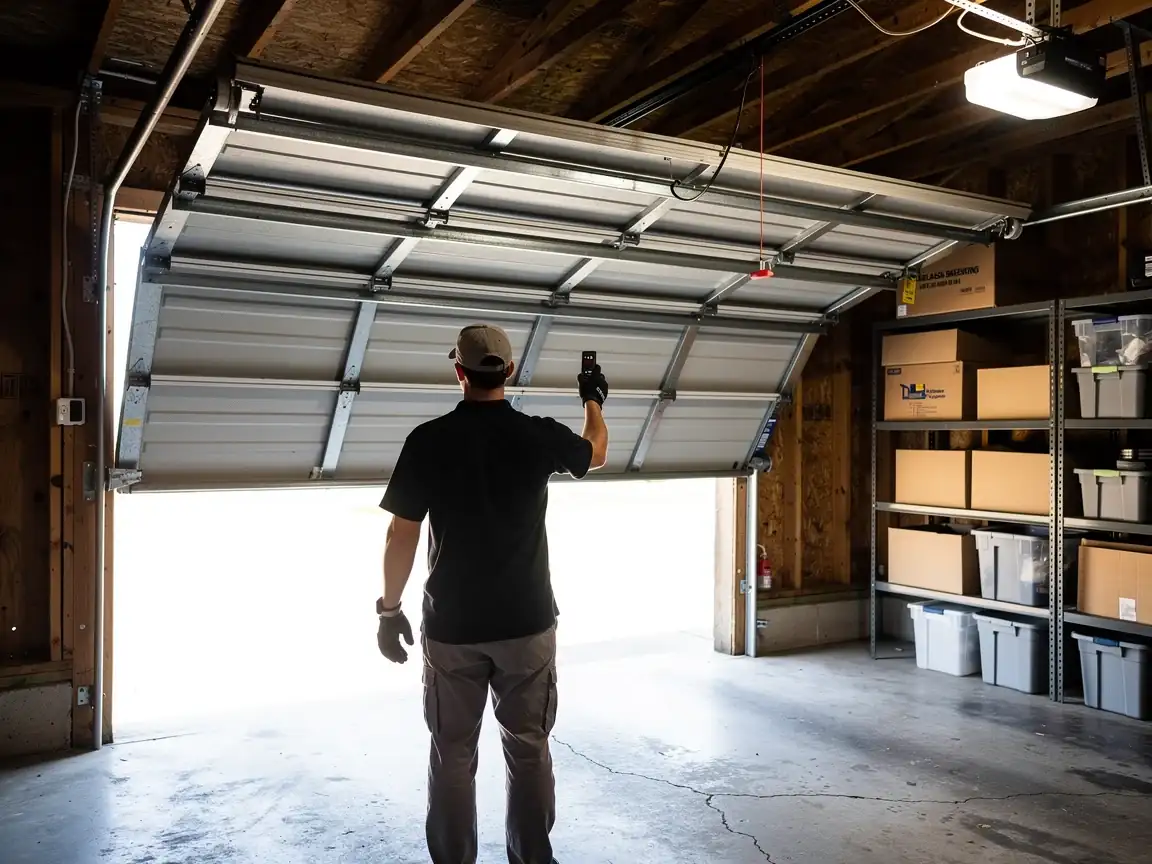
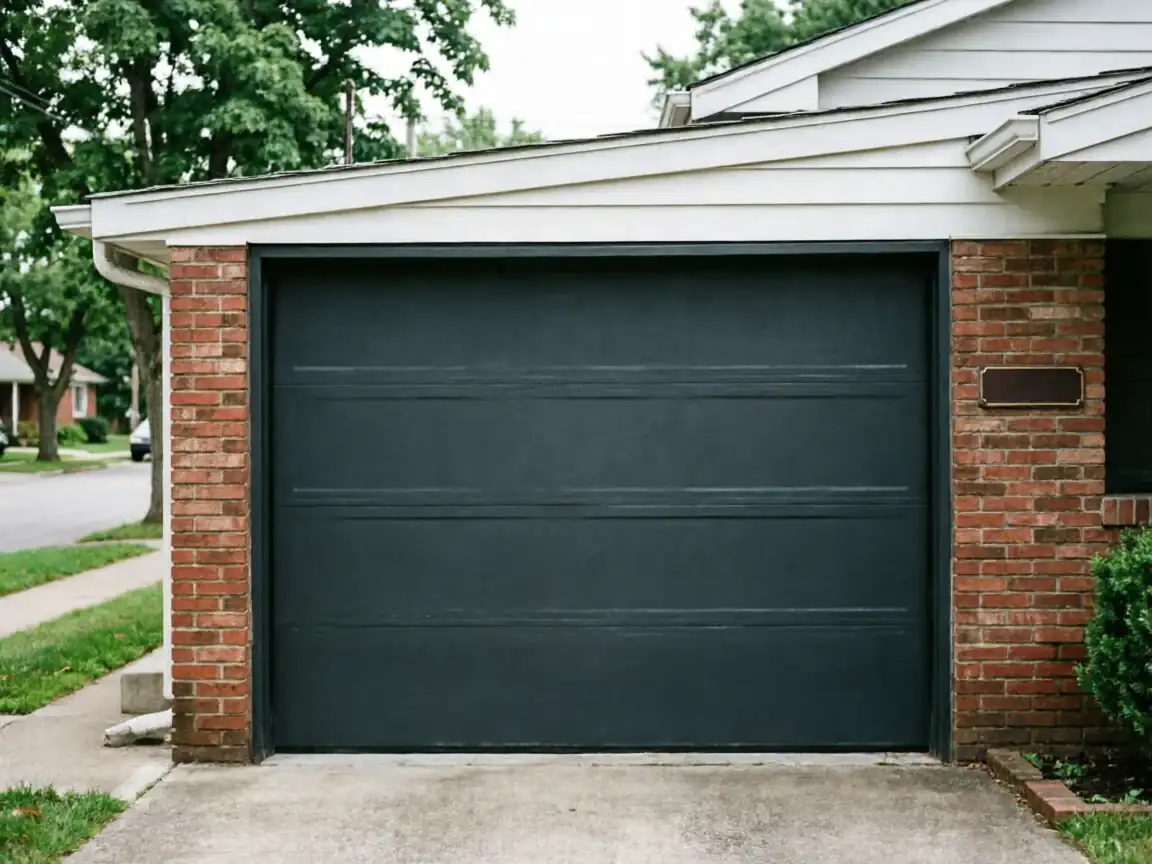
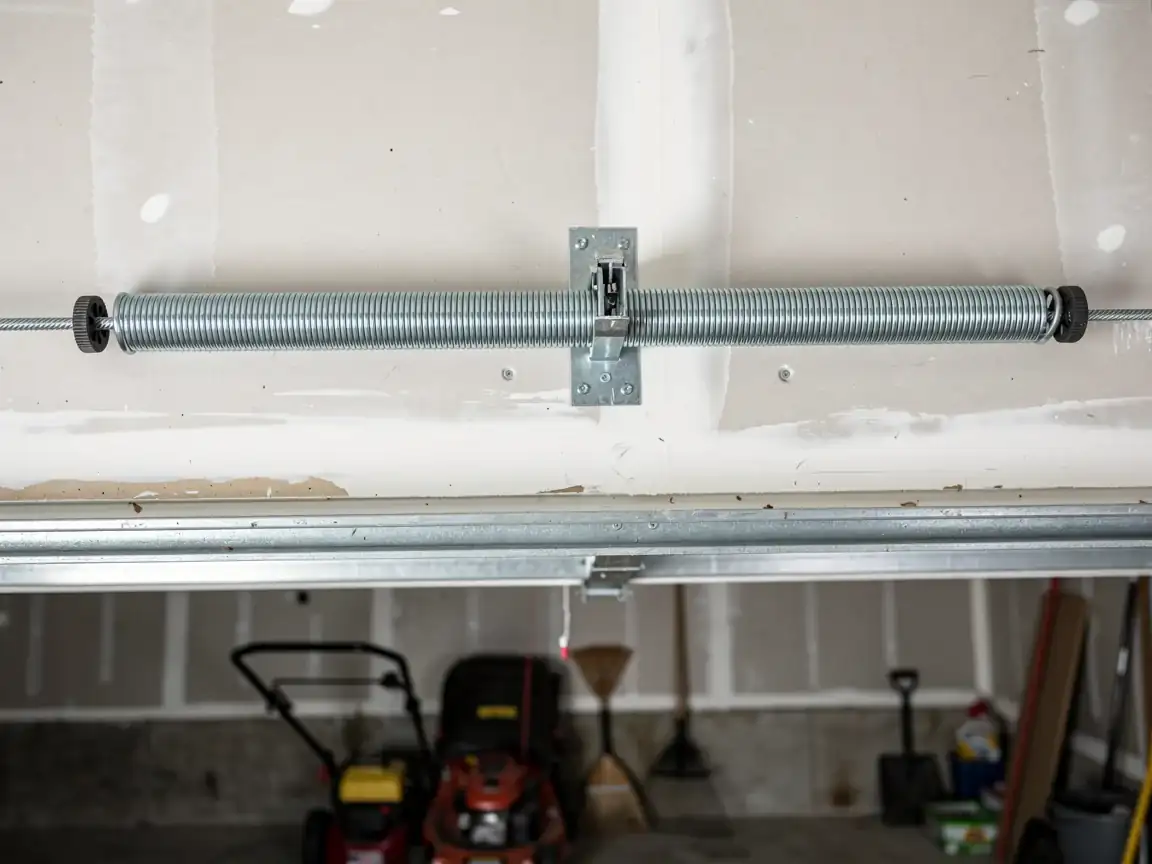
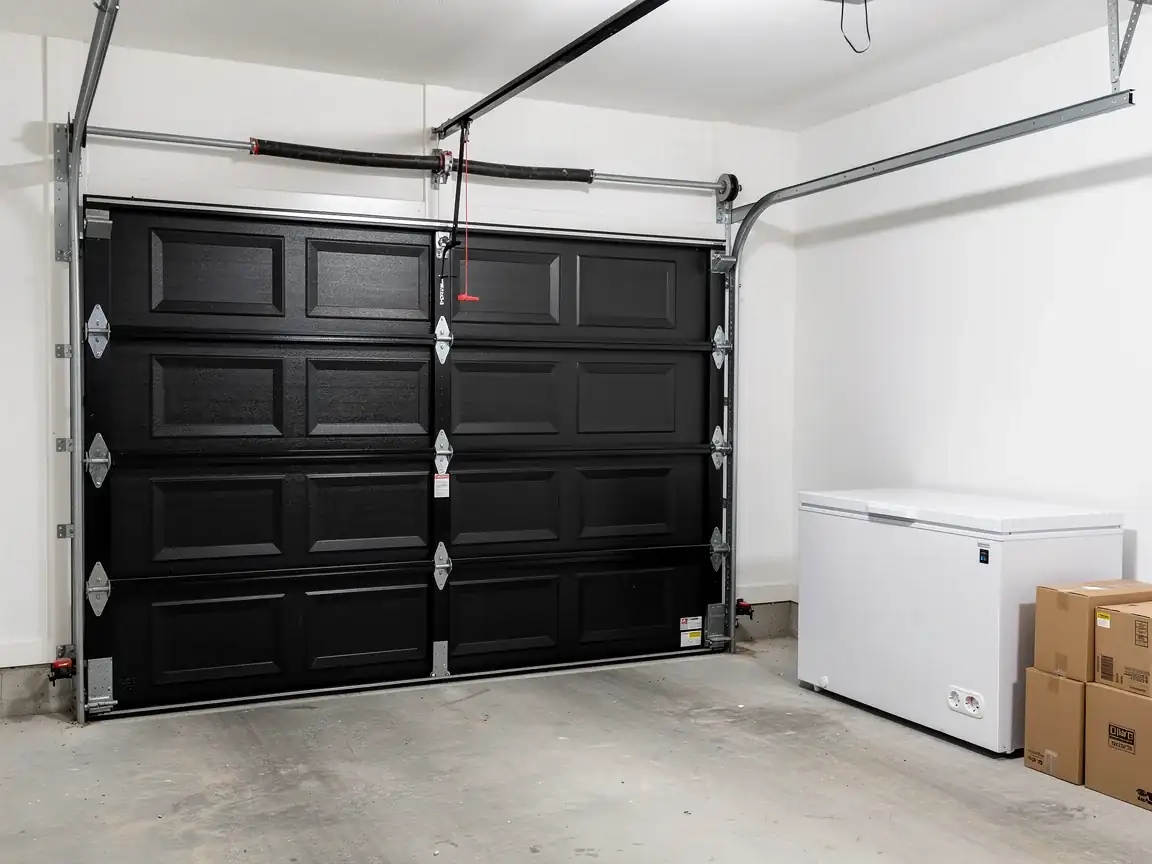
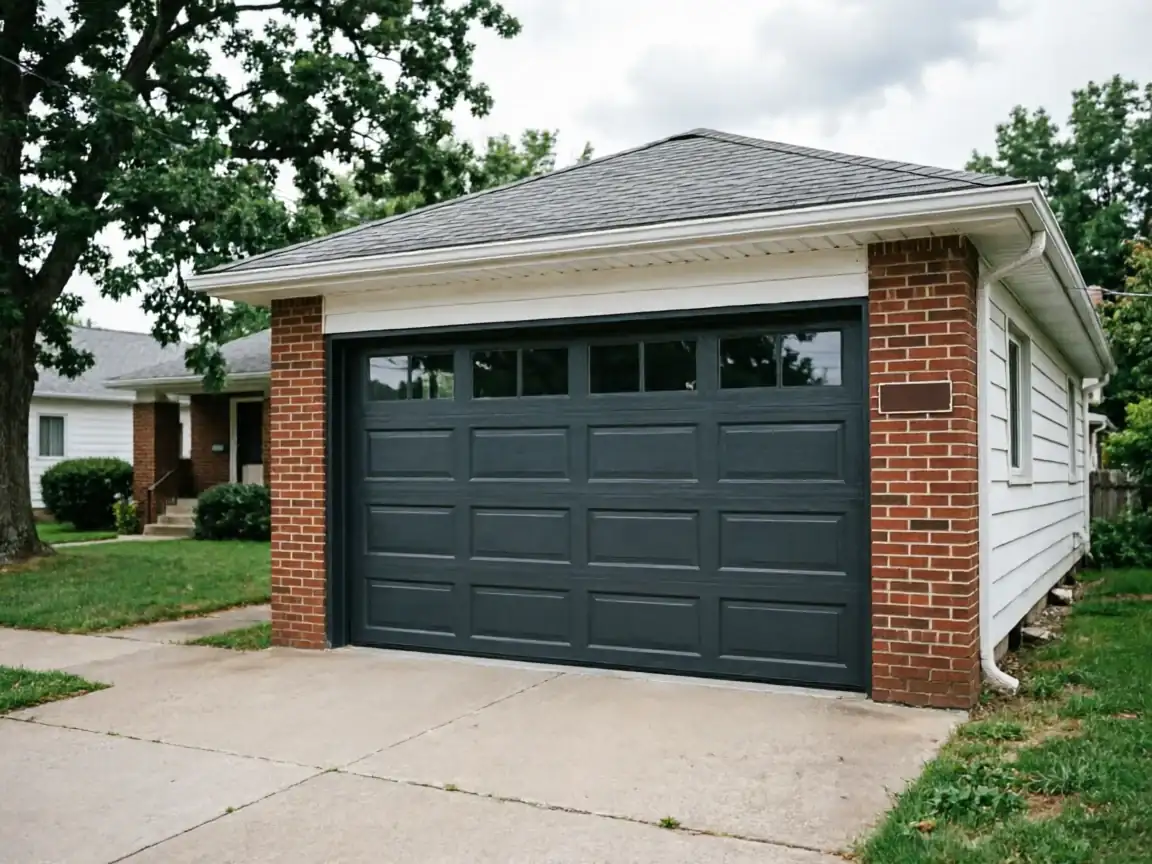
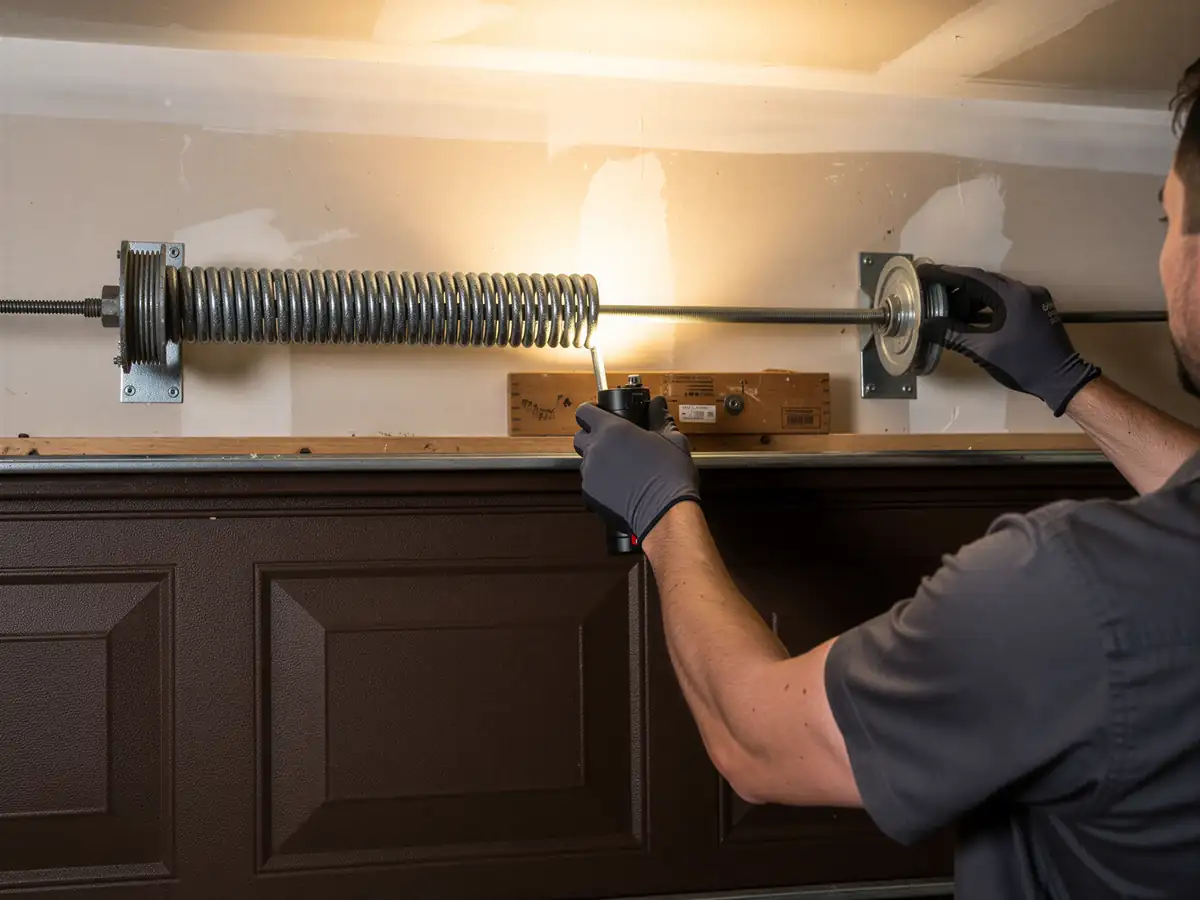
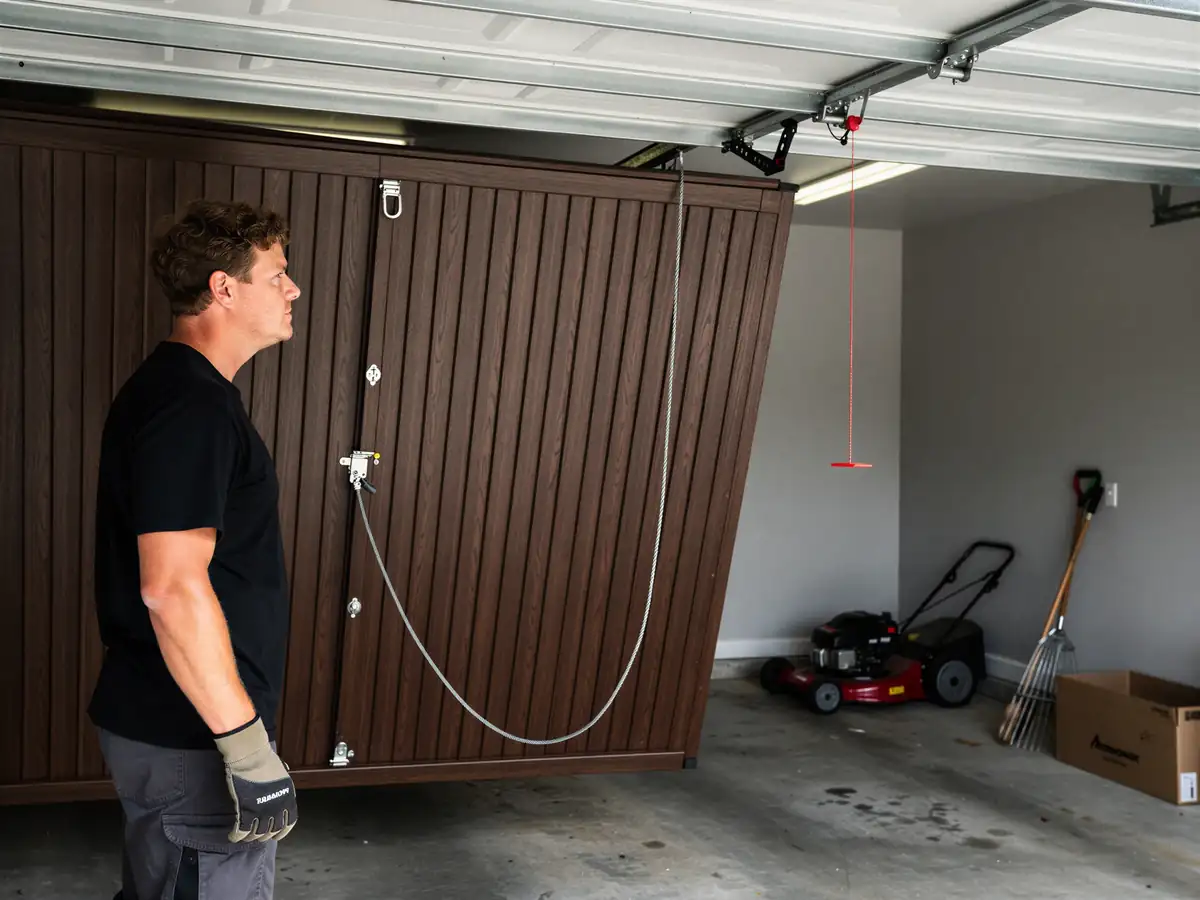
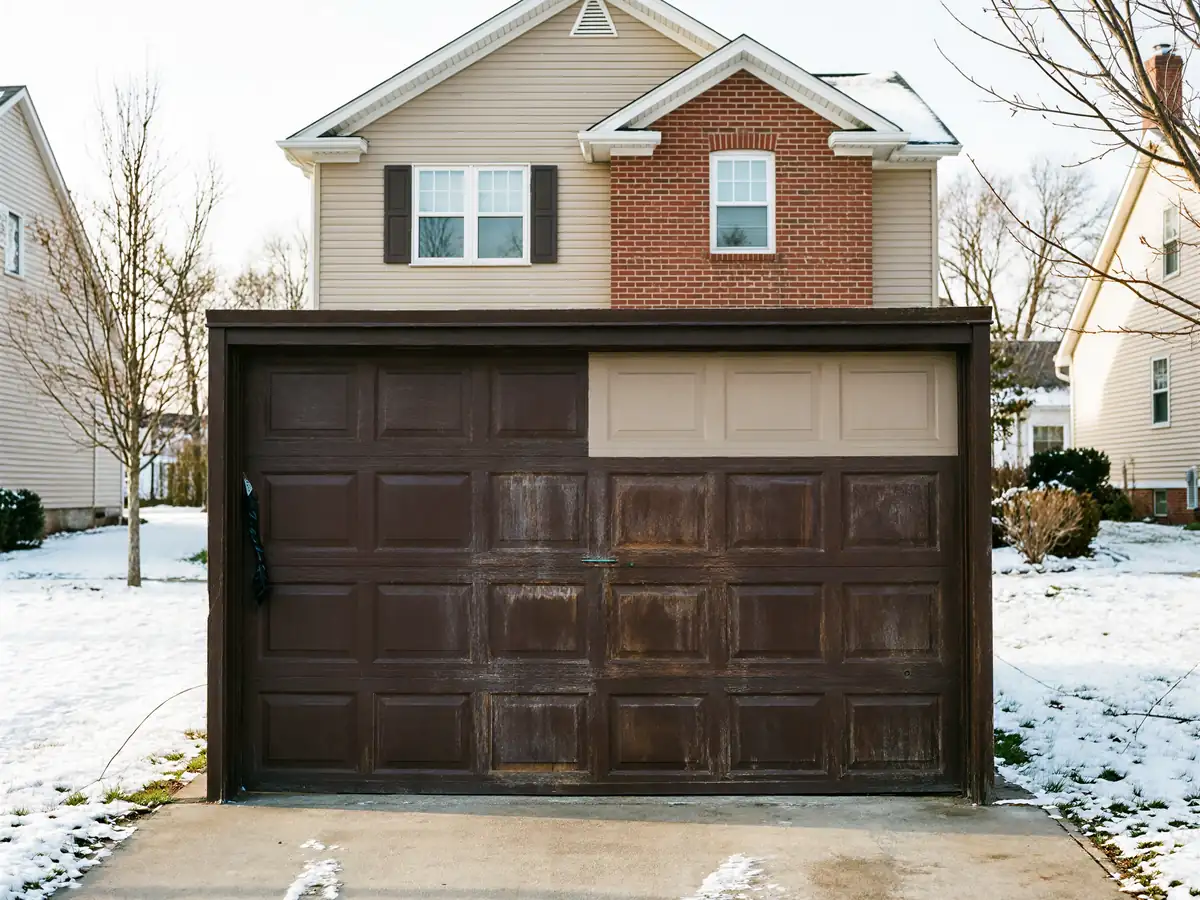
The two complaints we hear most from this area are a door that won't budge and one that slams down fast. Both usually trace back to a torsion spring that's worn out its cycle life, and on a door installed around 1960, that spring has likely been replaced at least once already, maybe with a mismatched size. Cold is part of the story too - this area sits in a severe cold climate band, and steel contracts and hardens in deep winter, which is exactly when an aging spring is most likely to snap rather than just weaken. If you're hearing a loud bang from the garage on a frigid morning, that's very often it. Cracked or sagging bottom panels are the other pattern we see on doors this age - decades of sun and moisture cycling eventually get to the panel seams even on a door that's otherwise sound. None of this means the door needs to be replaced outright; a lot of these doors are repairable for another decade if the spring and rollers are brought up to date.
Can You Do This Yourself
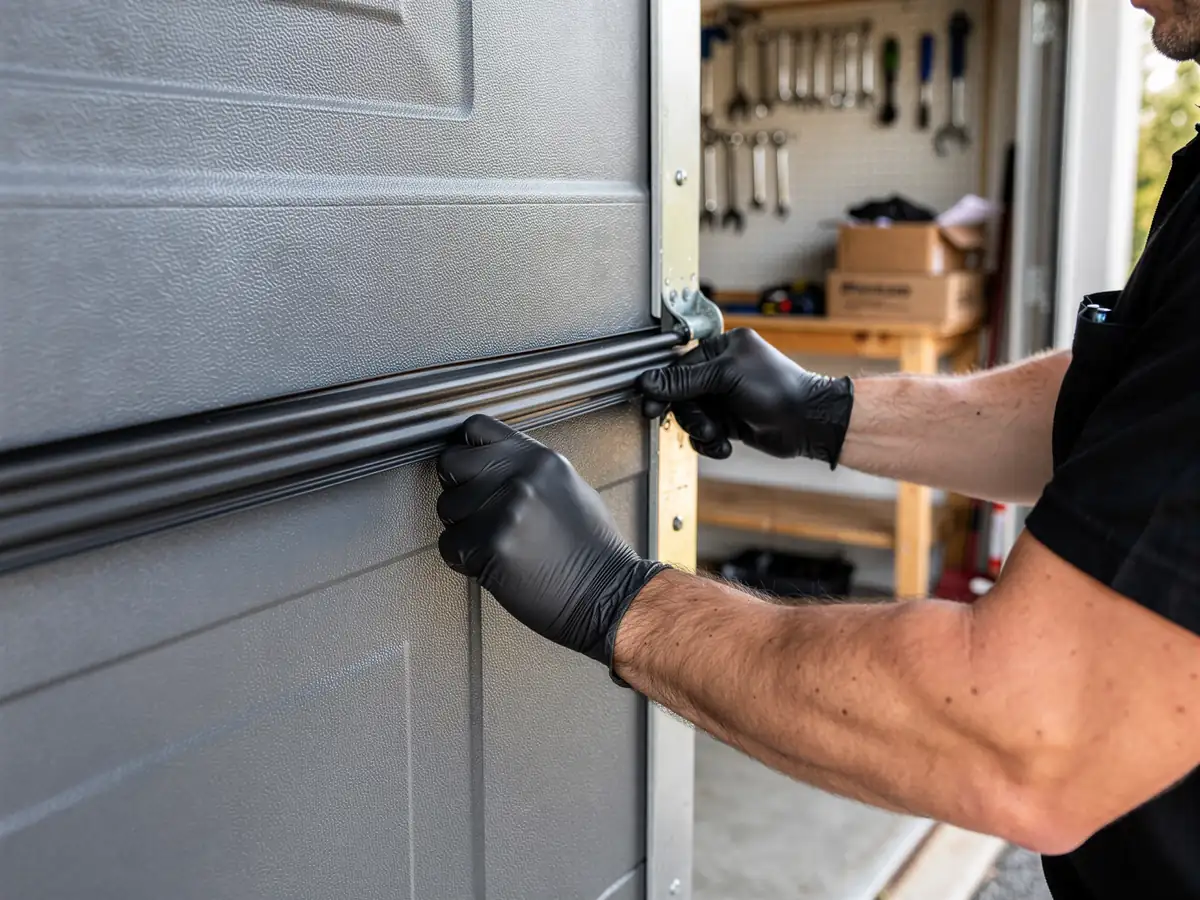
Rollers, weatherstripping, and tightening loose hardware are reasonable DIY jobs on a door this age, and there's no reason to call us for those. Torsion springs are a different matter - the spring on a door built around 1960 is wound to a tension that can break bones if the winding bars slip, and we don't recommend it as a homeowner project regardless of how old or new the door is. If the door is off its tracks or a cable has come loose on one side, leave it alone rather than forcing the opener to run it; that usually turns a repair into a bent track and a bigger bill. One thing we won't talk you into: if a door from this era has multiple failing systems at once - spring, panels, and opener all going - a straight repair sometimes costs more over a year than replacing it, and we'll tell you that plainly instead of stacking repairs on a door that's done.