What the Fix Involves
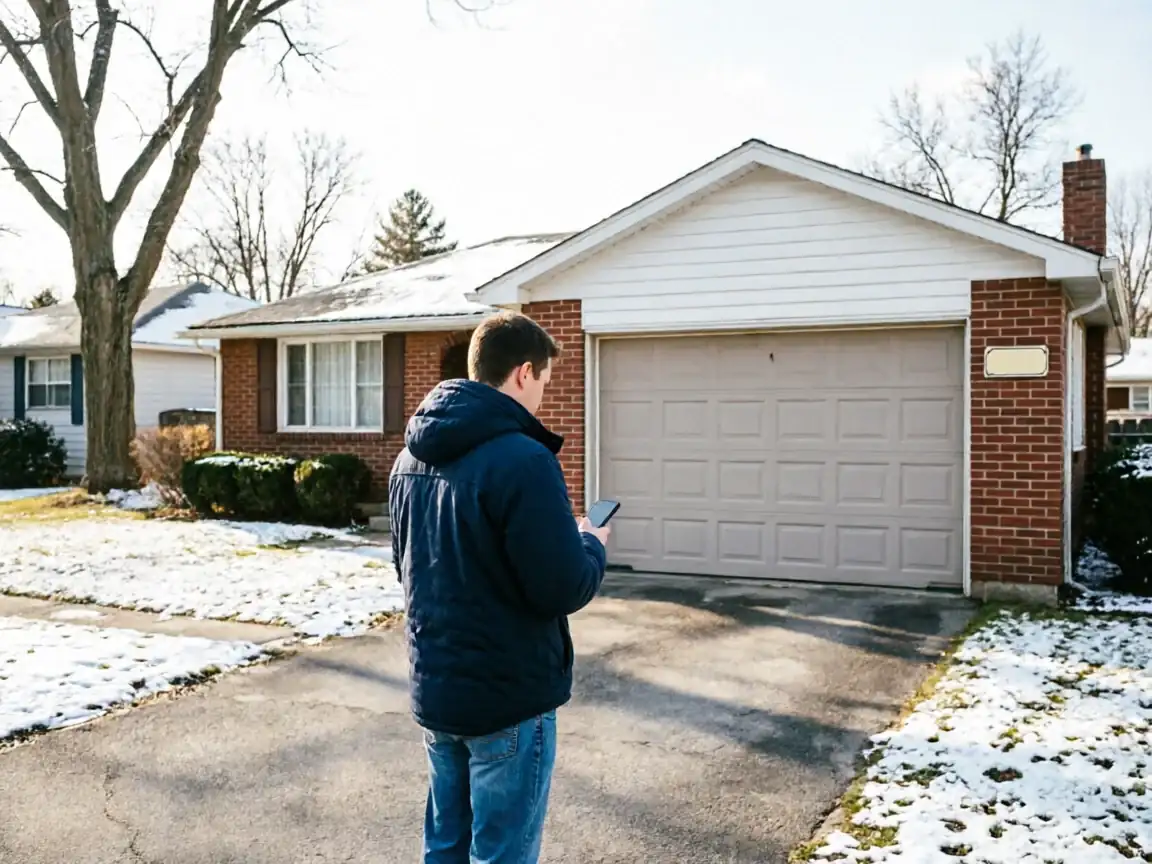
Sturgeon's houses run older than most of what we see across the rest of the service area
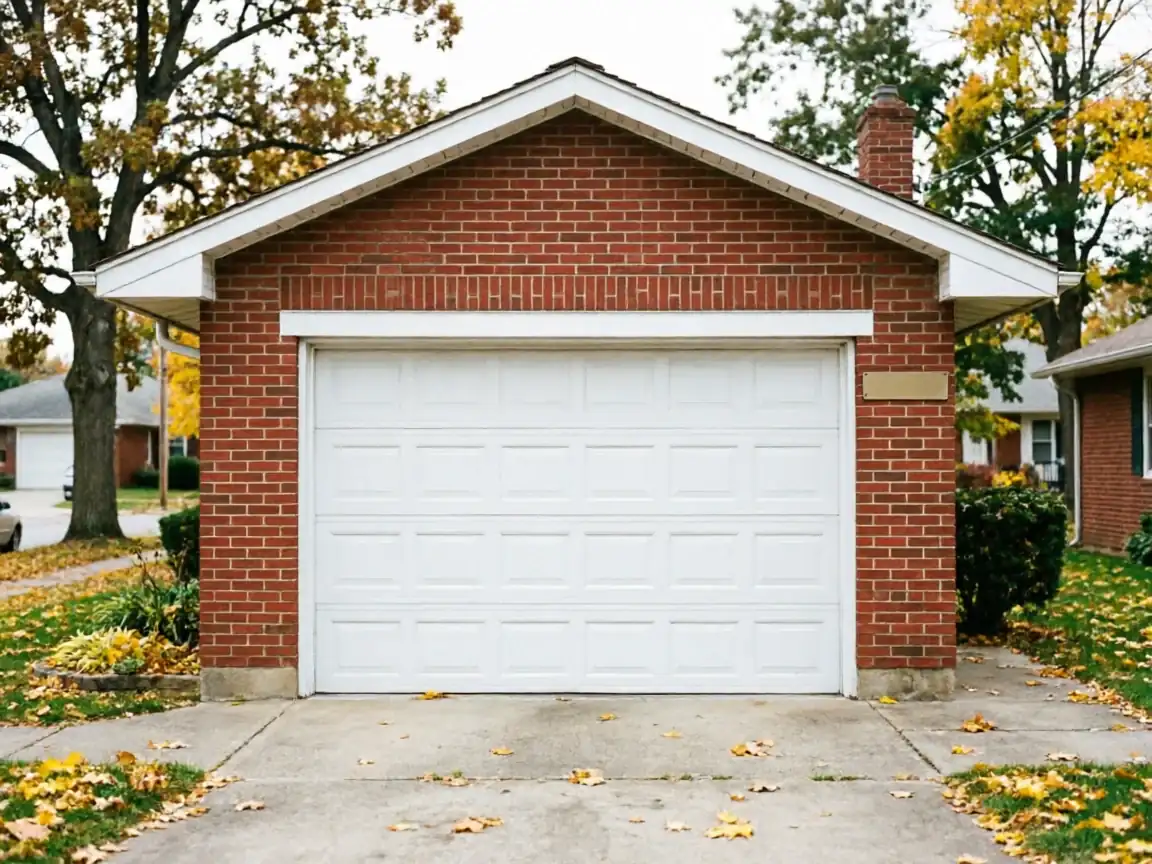
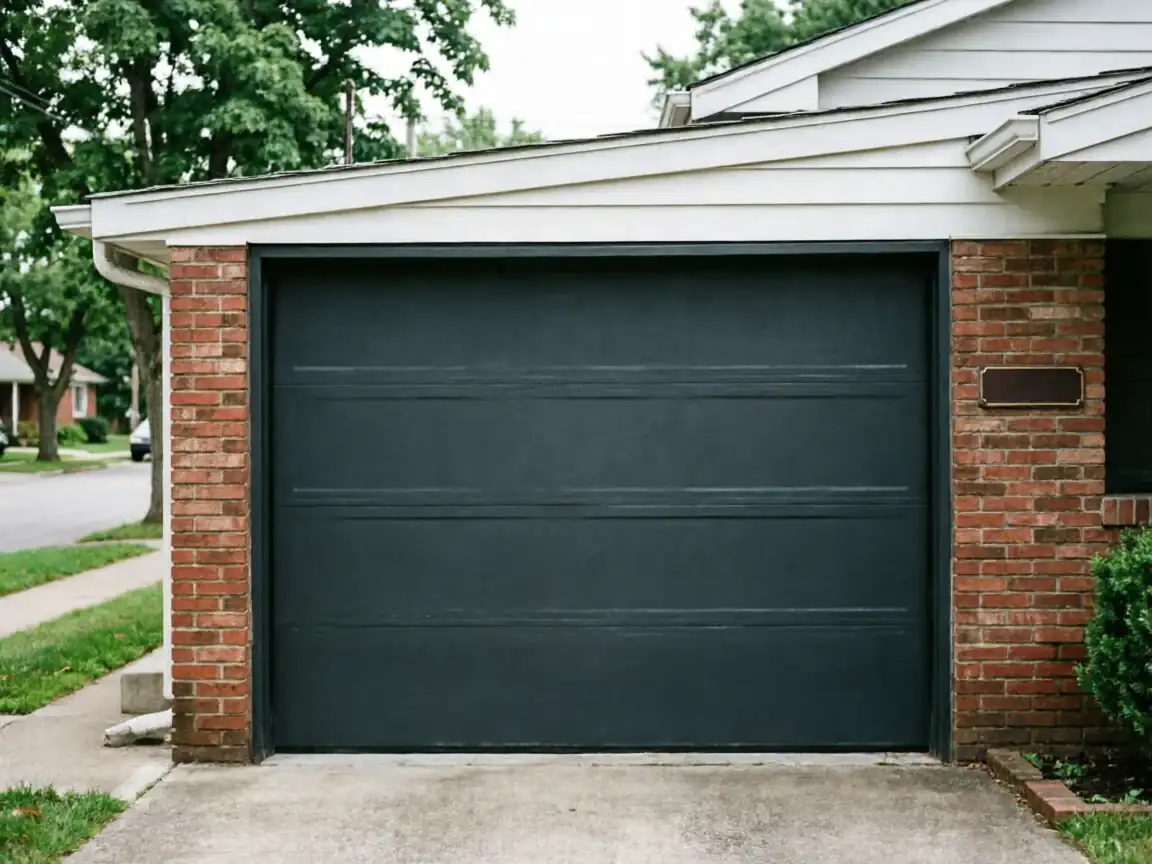
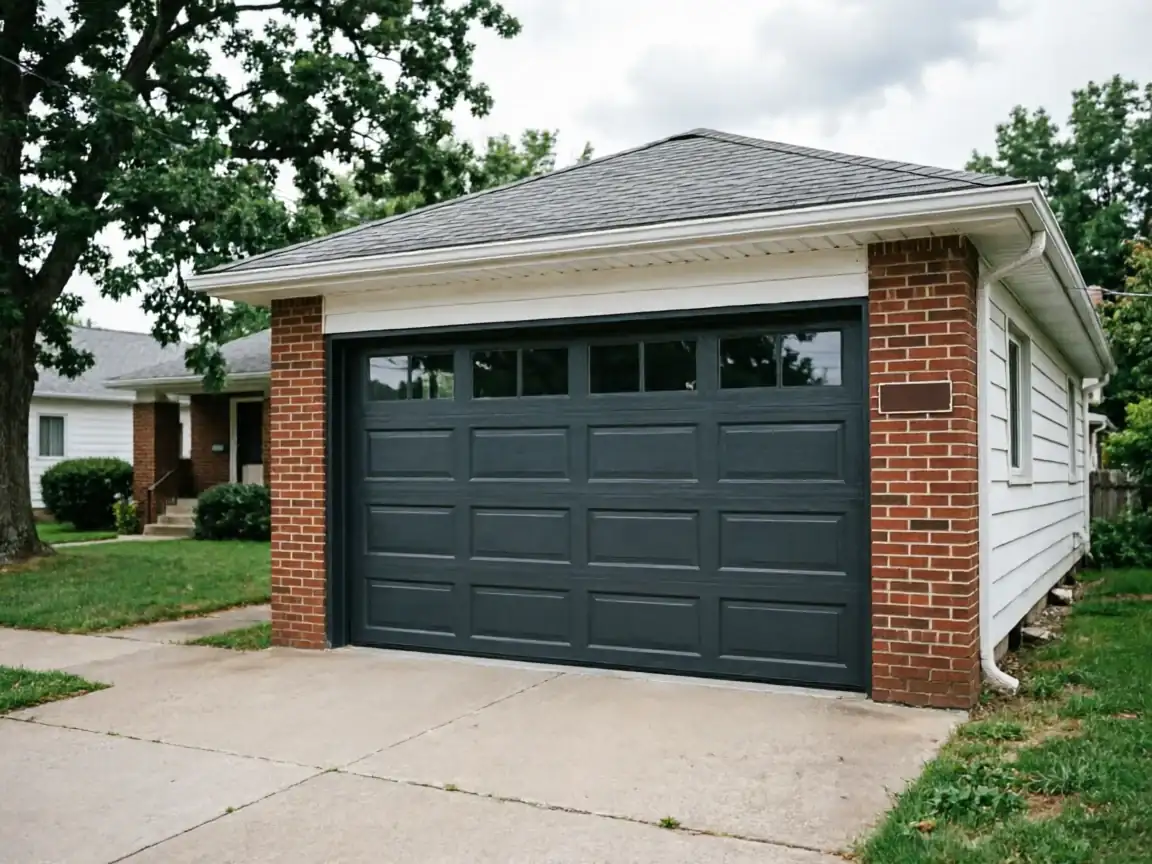
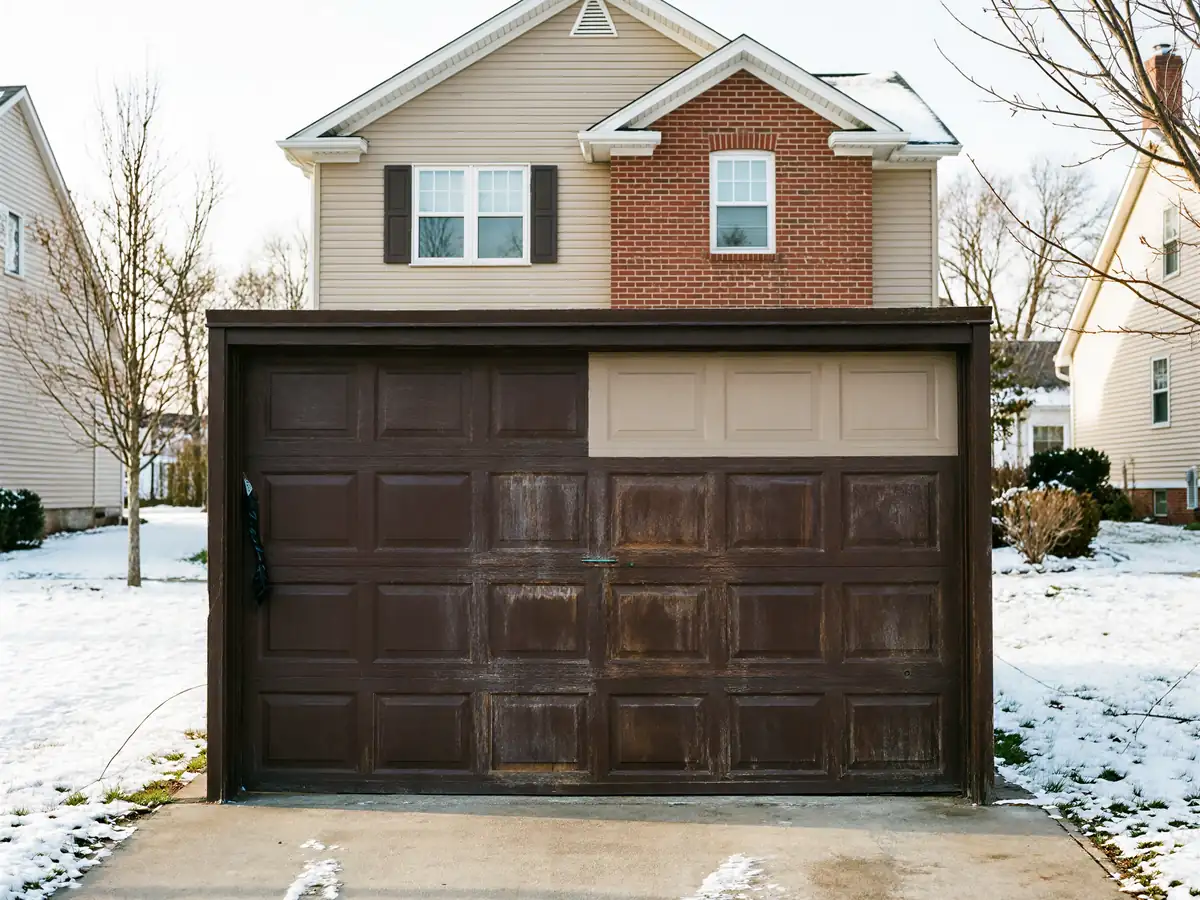
The service area as a whole was built mostly between 1938 and 2003 with a median year of 1978, but Sturgeon's own median sits around 1960 - nearly two decades earlier. That matters because a door and opener installed or last replaced in a 1960-era house has had more winters to work on its hardware than a 1978-era house twenty minutes south.
A maintenance visit here starts with the track and hinges, not the opener logic board
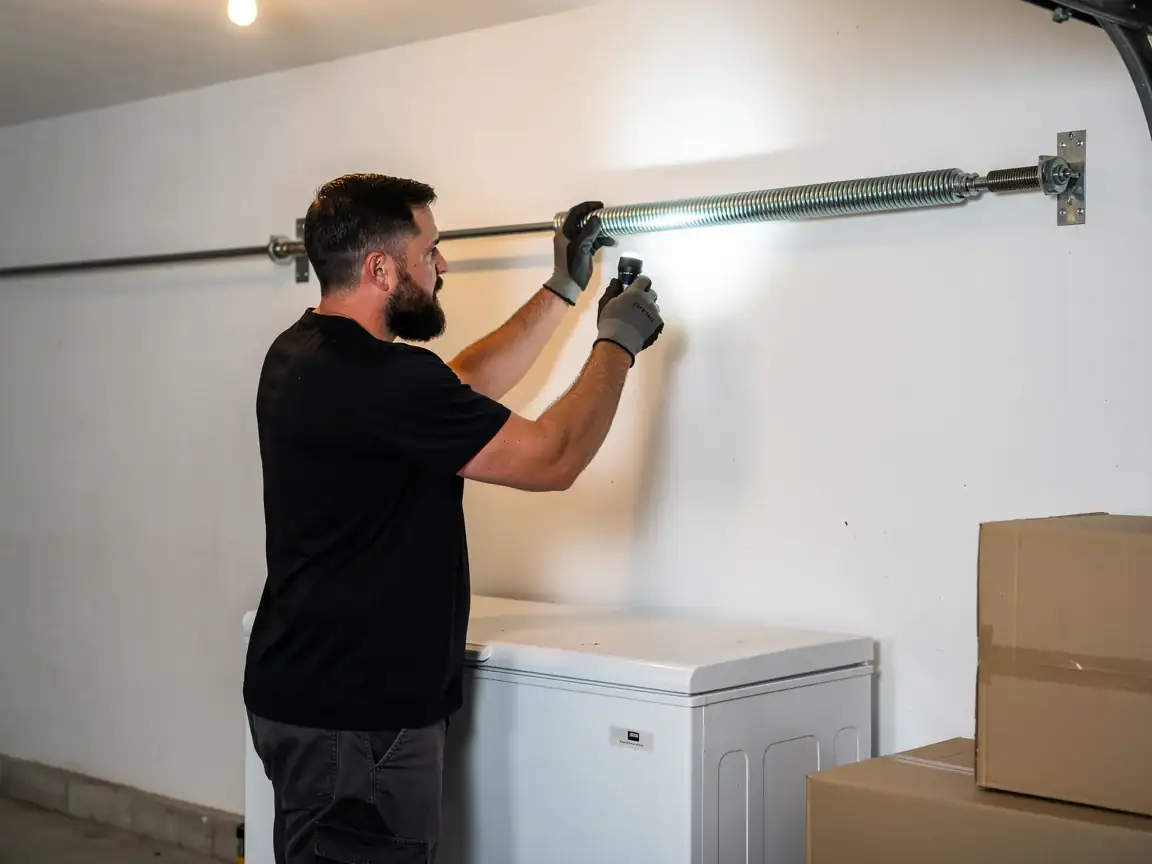
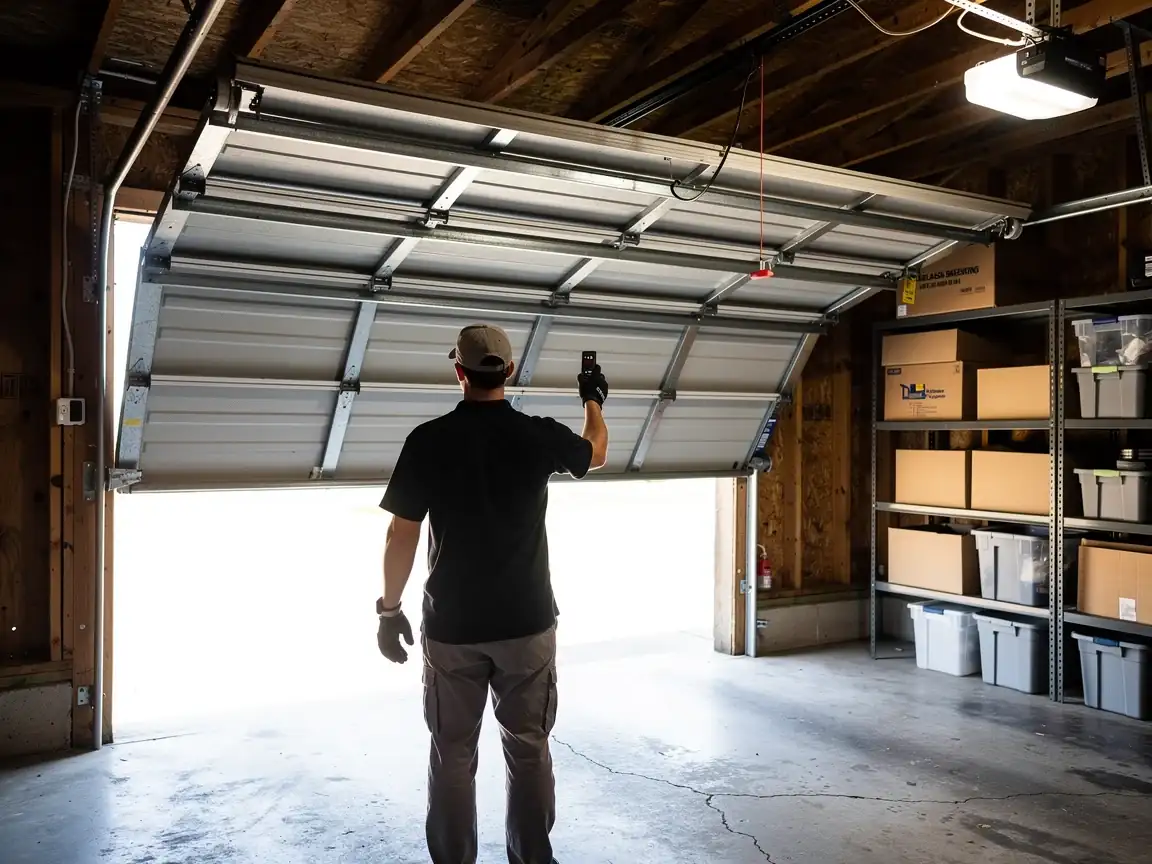
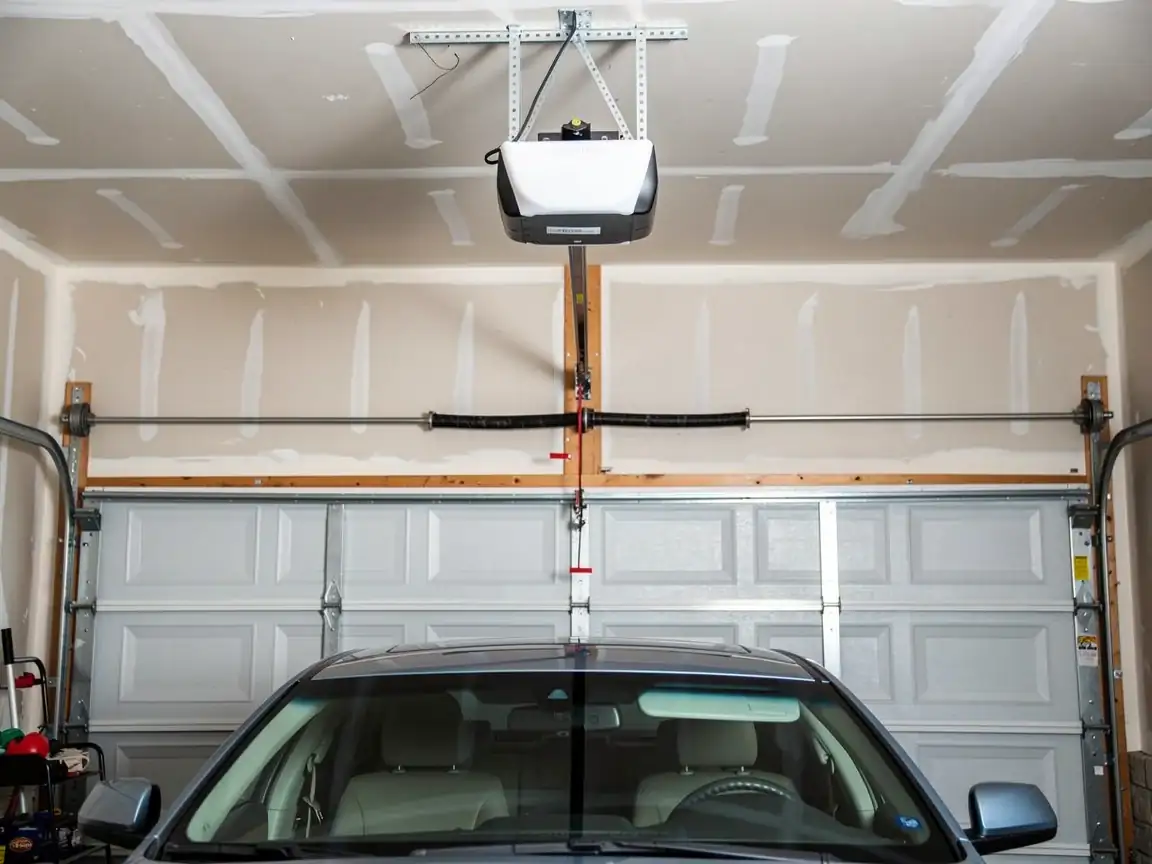
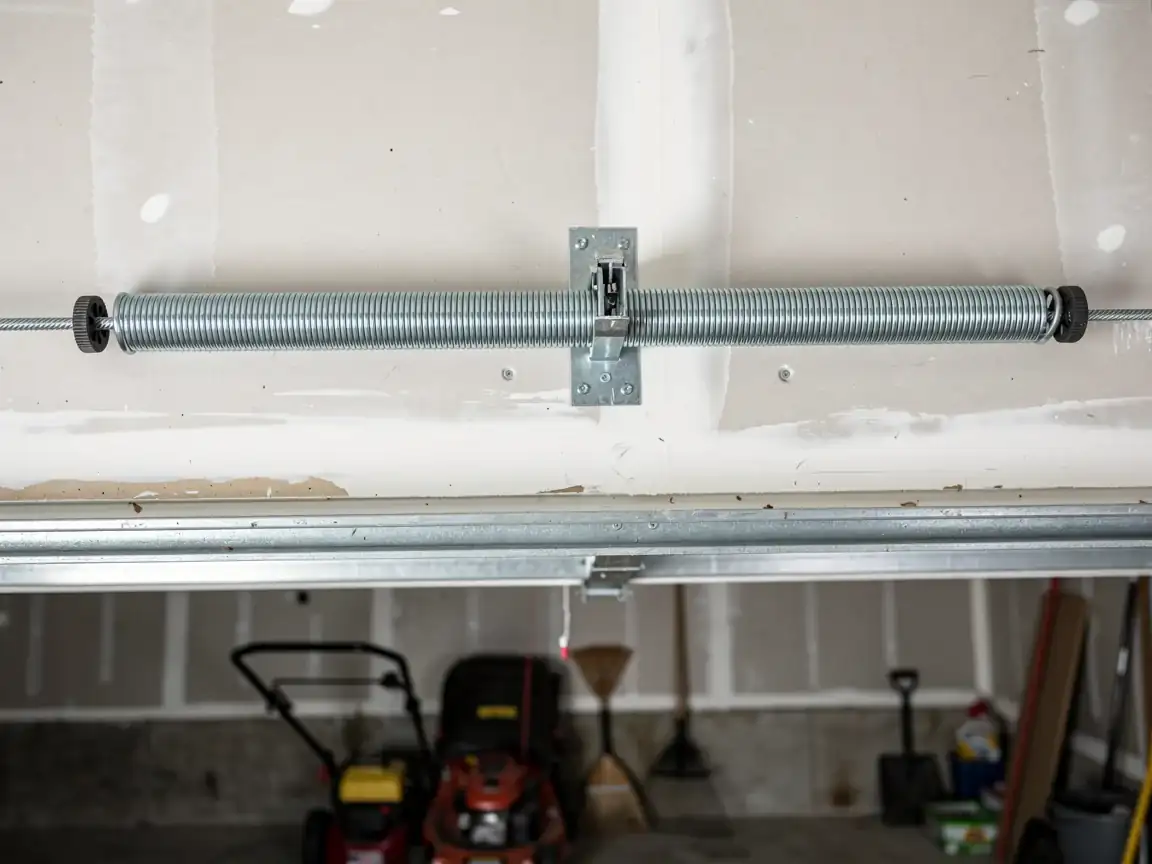
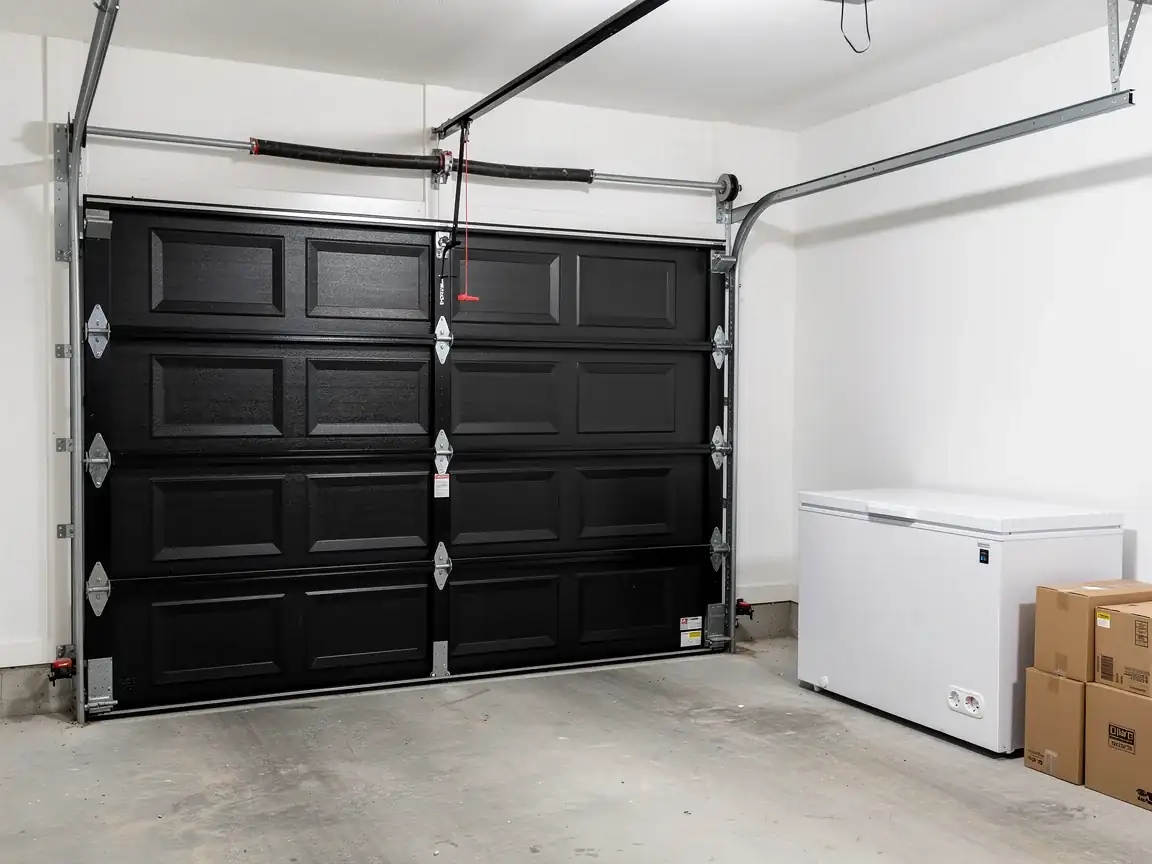
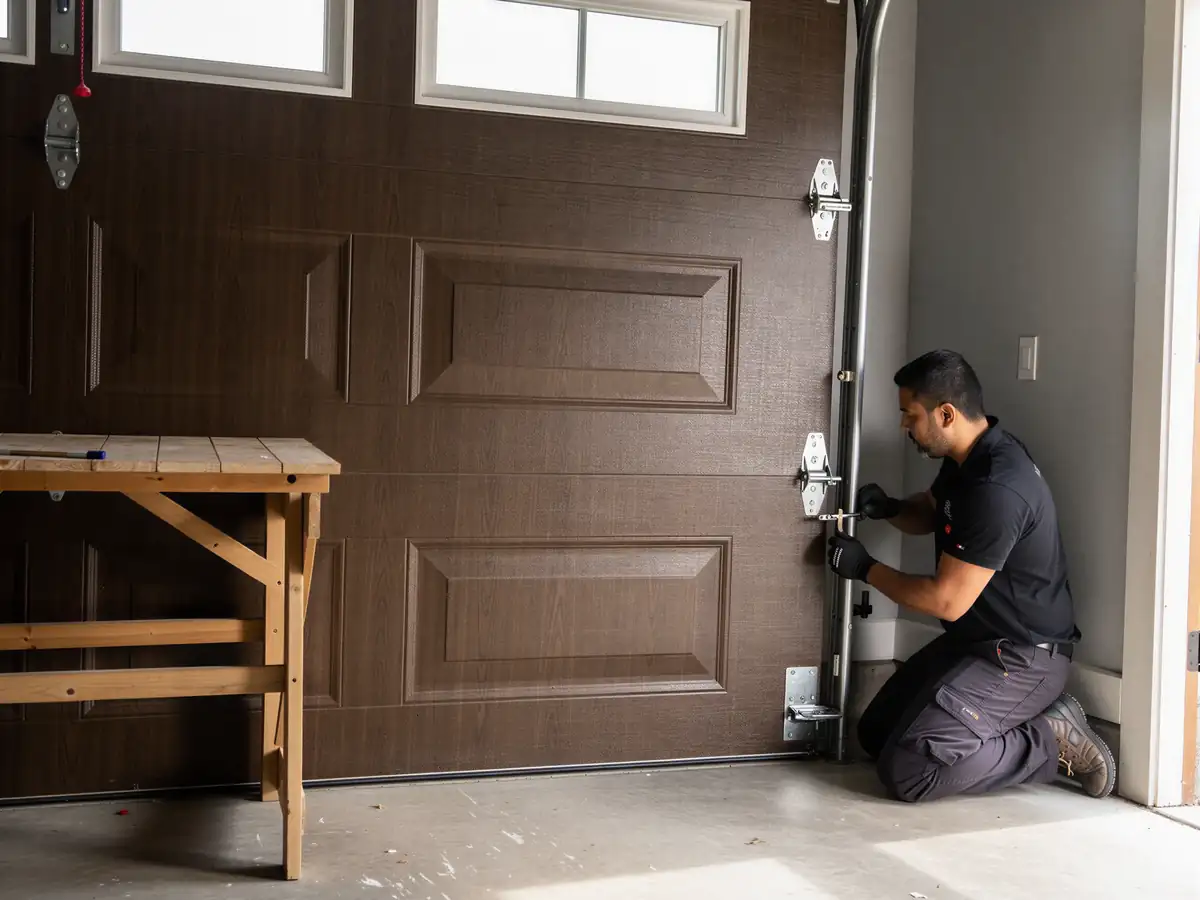
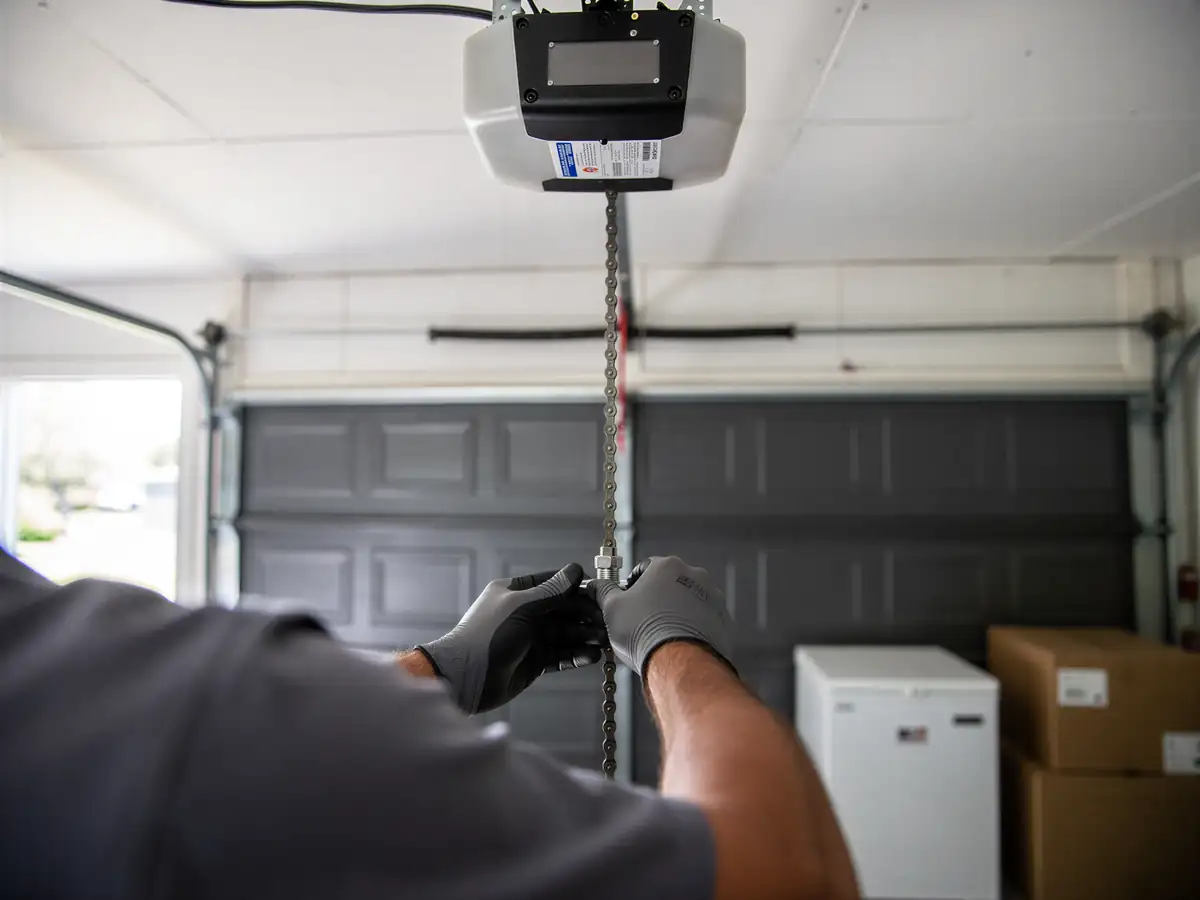
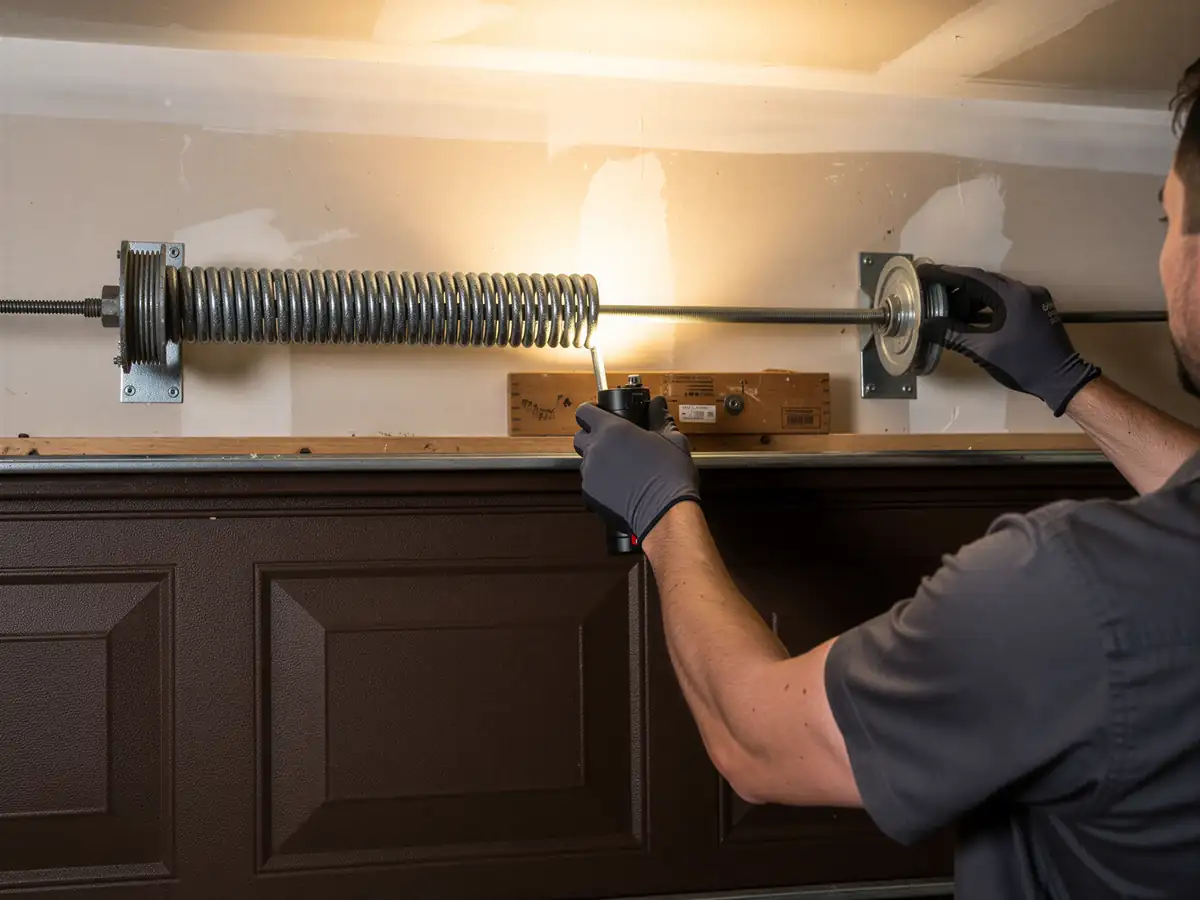
Because on a house this age the track is more likely to be the original run, re-shimmed once or twice over the decades rather than replaced. We check alignment first, then rollers, then the spring system - torsion springs on houses this old were often sized for a lighter door than what's hanging on them now if a panel swap happened at some point. We lubricate hinges and rollers, snug the track bolts, and check cable wear at the drum. If the opener is original to a later retrofit, we test the travel limits and force settings, since those drift over the years regardless of the house's age.
We don't replace parts that are still doing their job
A visit is about finding what's close to failing, not selling a full teardown.
What Is on the Truck
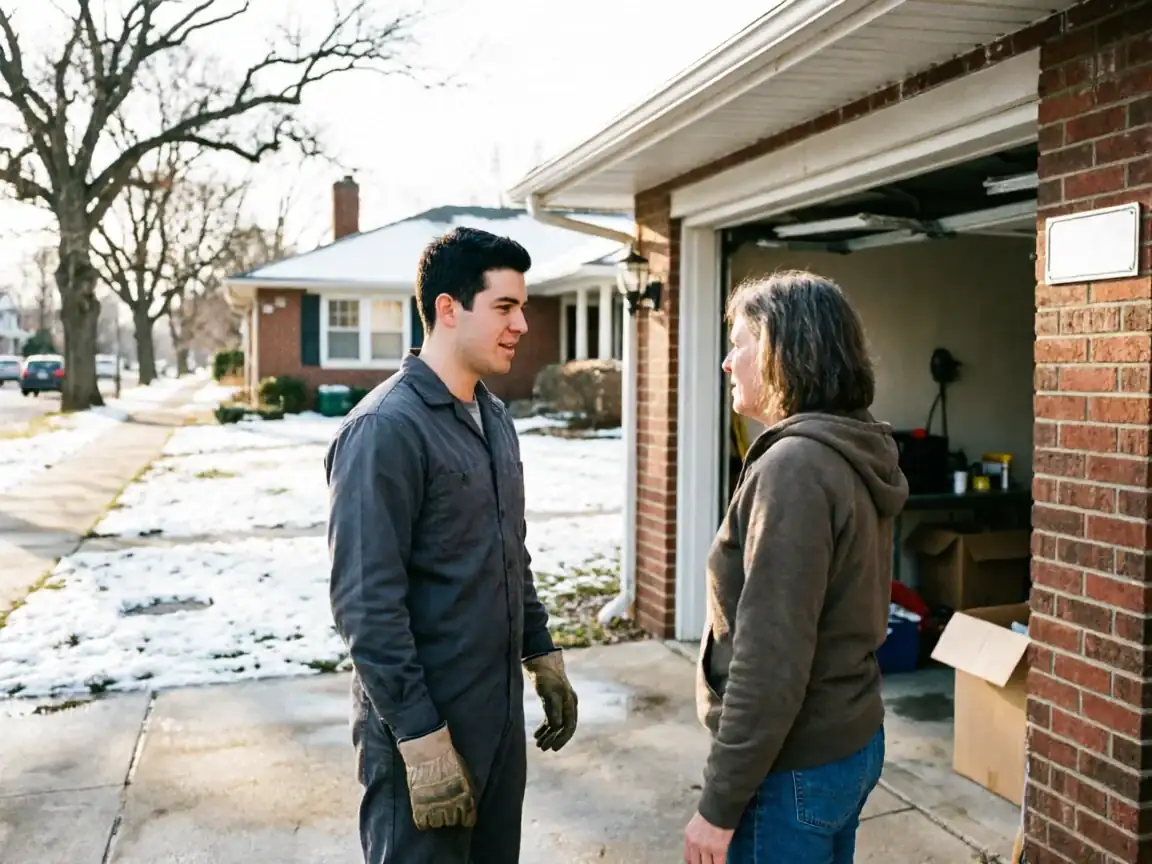
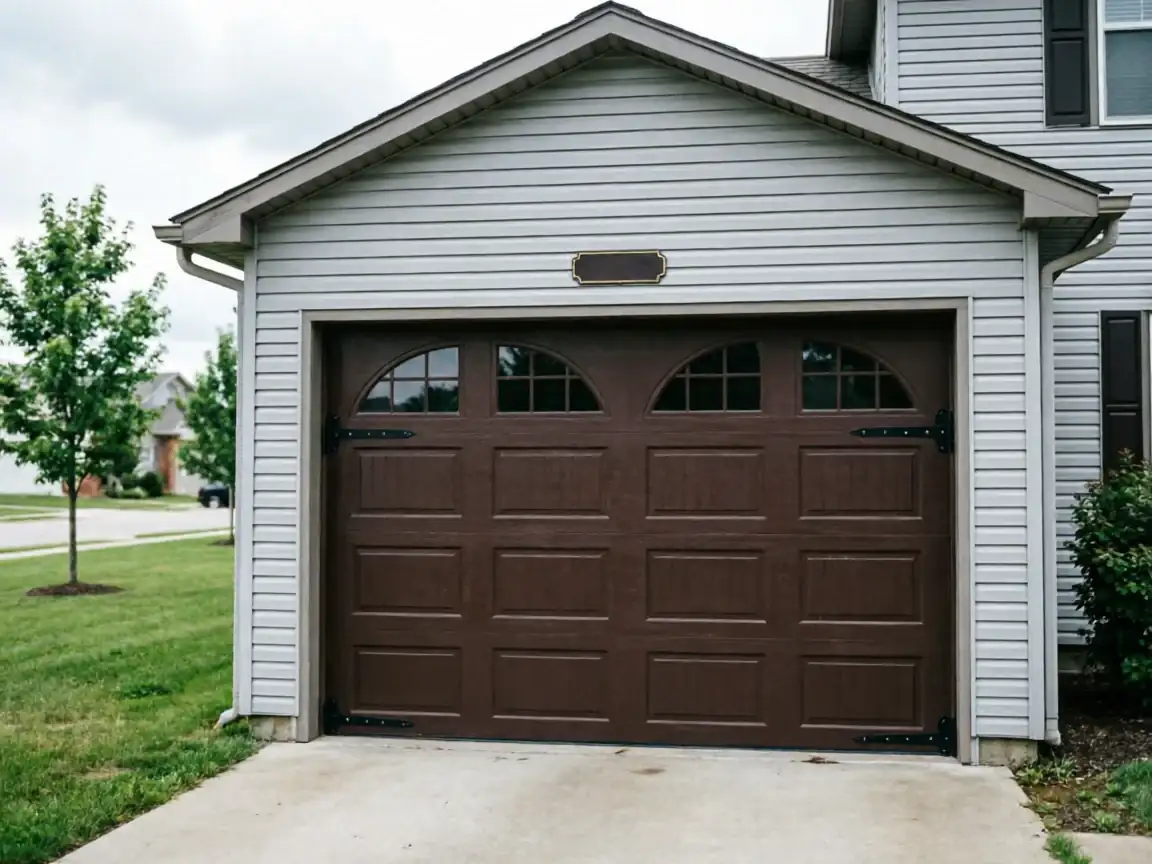
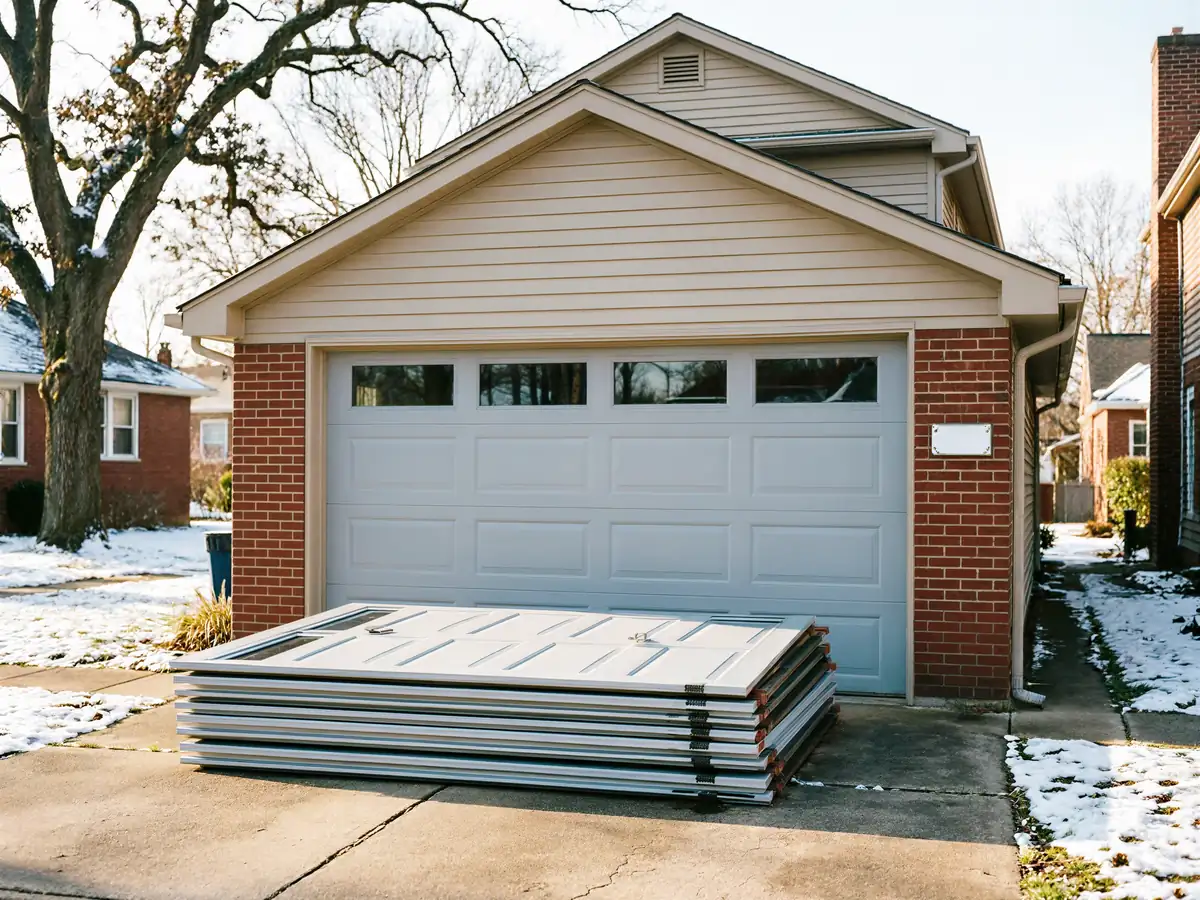
We come out from Columbia carrying the parts that fail most on the kind of door you'd find in a house built around 1960: standard torsion springs in common sizes, rollers (nylon and steel), hinges, cable, and the basic opener sensors and drive gears that wear out on units ten to twenty years old. What we don't carry is anything specific to a rare original panel design - if your door still has a one-piece or early sectional panel from a build that old, we may need to order a replacement piece rather than pull one off the truck, and we'll tell you that up front rather than make you wait at the curb while we guess.
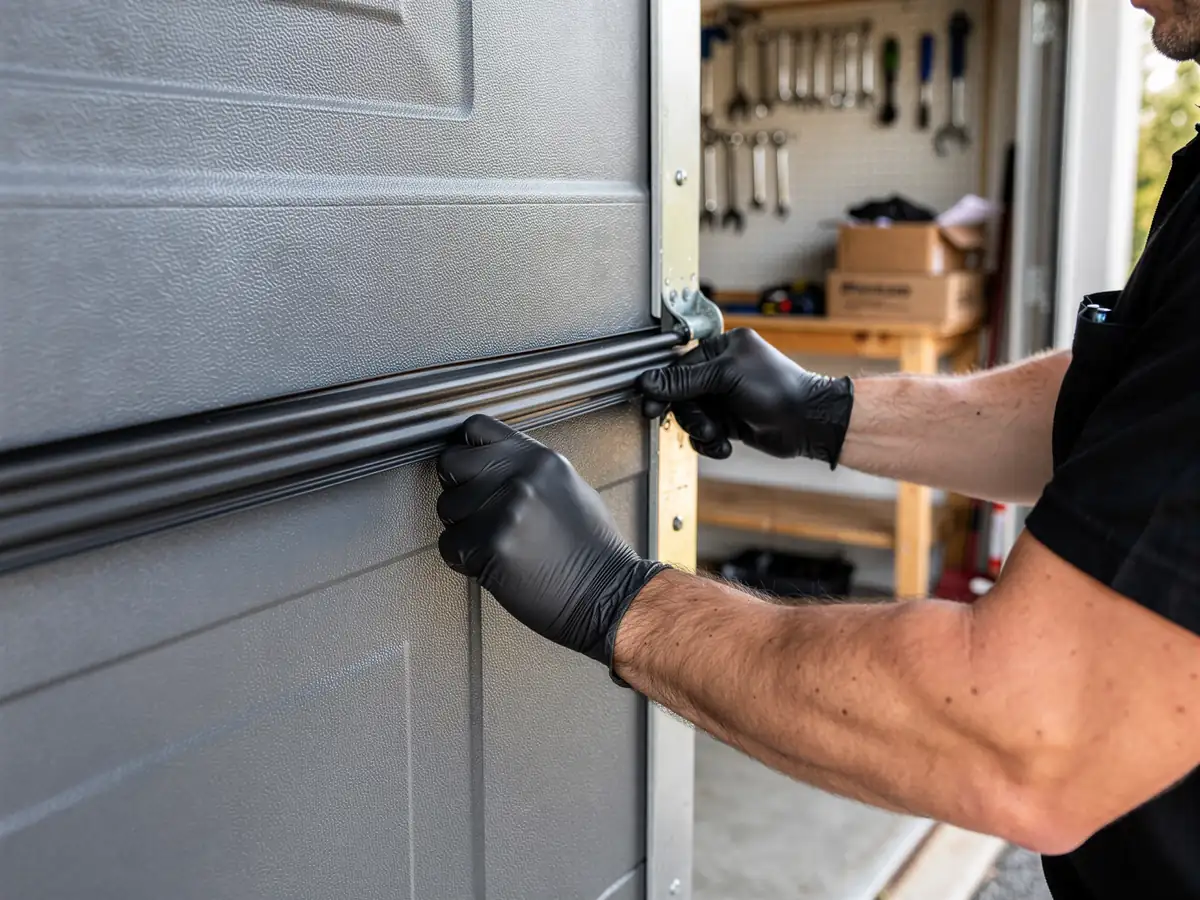
Winters here get cold enough that the lubricant and weatherstripping we stock are rated for that - we don't carry a lightweight product that gums up or cracks at low temperatures. Garage doors in this climate band take a harder beating on seals and springs than a milder-climate house would, so the parts we bring reflect that, not a generic kit.
What You Are Seeing
The most common call we get from houses in Sturgeon's age bracket is a door that's gotten noisy or that drags on one side - usually worn rollers or a track that's shifted slightly out of parallel after sixty-plus years of the house settling. The second most common is a spring that's lost tension gradually rather than snapped outright; on an older torsion setup, that shows up as the door feeling heavier to lift by hand, or an opener straining and running hot on the way up.
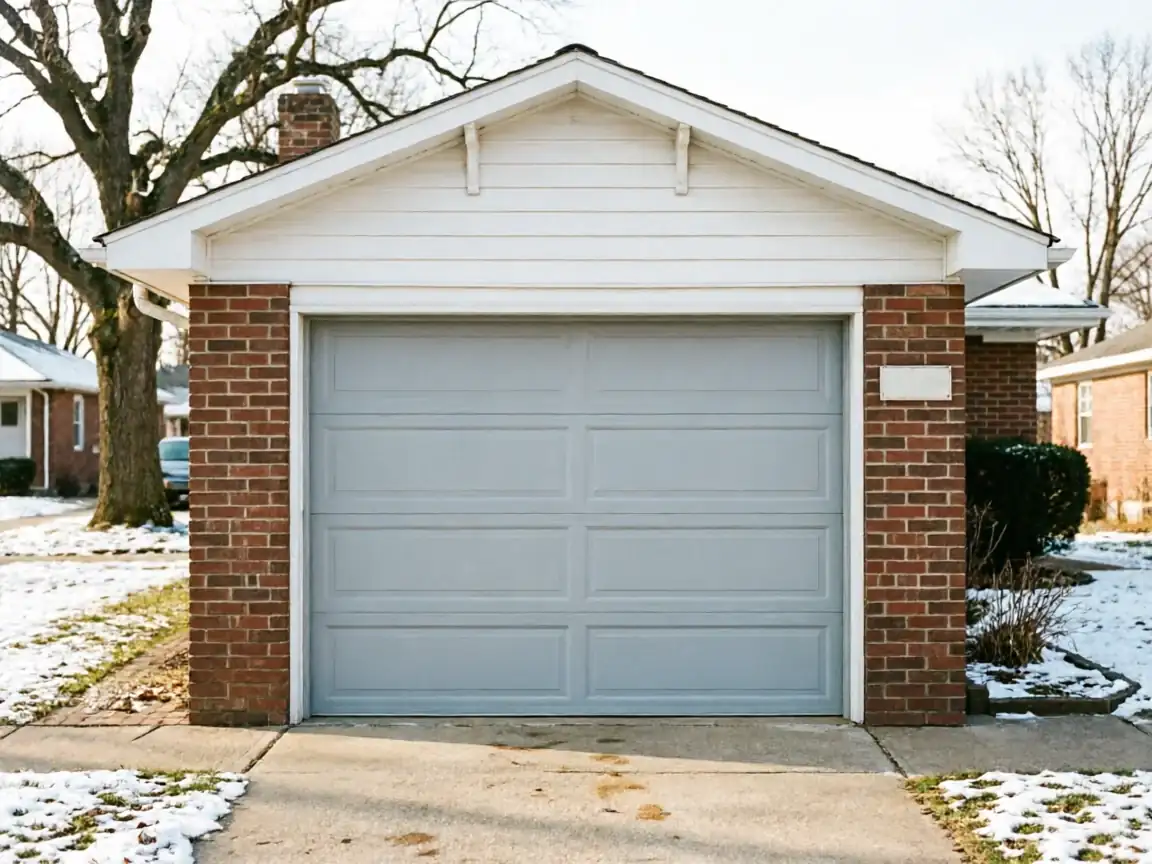
Cold-weather seasons are hard on steel cable and on old-style extension springs if the house still has them instead of torsion. If your opener struggles more in January than in July, that's the cold stiffening the lubricant and tightening tolerances on parts that were already marginal. We see this pattern across the colder months in this climate band more than we do in milder regions.
Can You Do This Yourself
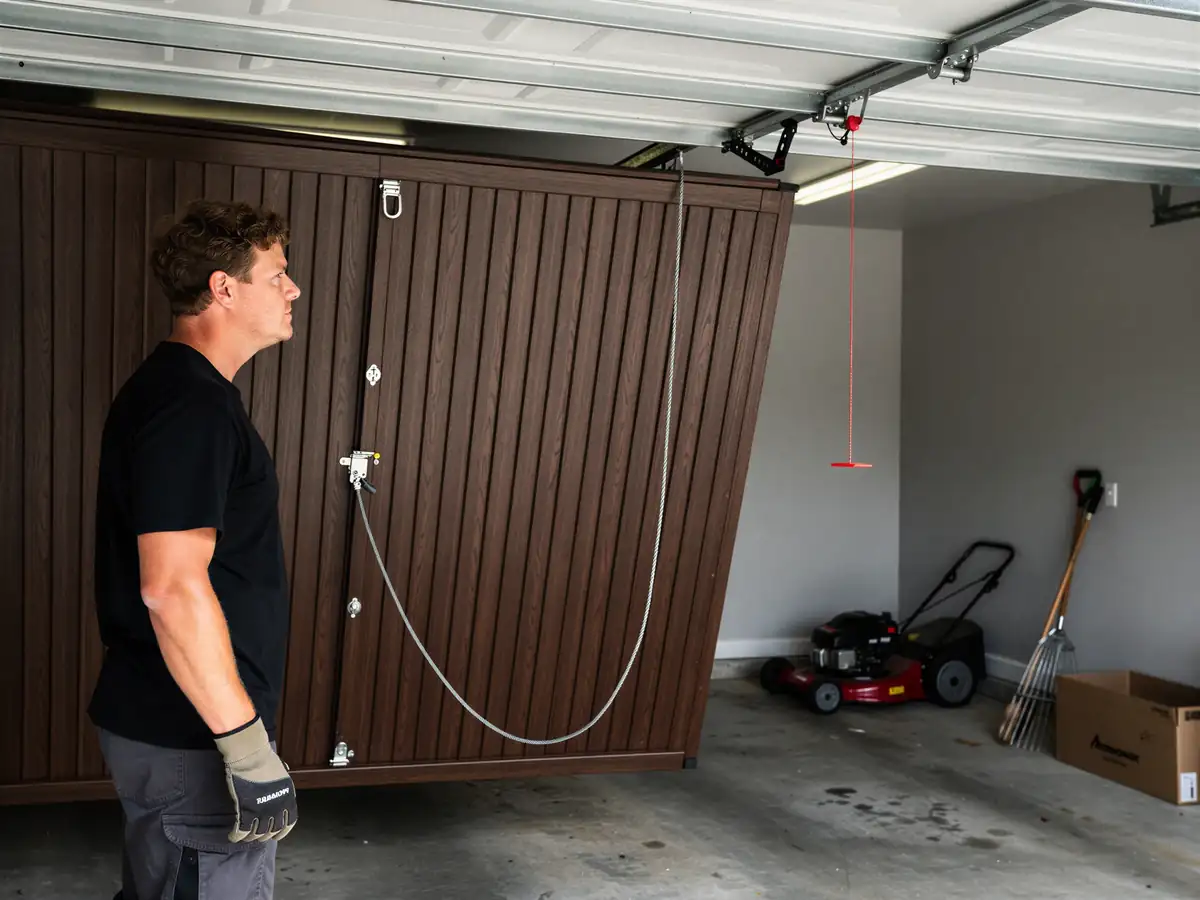
Some of this is fine to do yourself: wiping down the track, spraying a garage-door-rated lubricant on hinges and rollers twice a year, and checking that the door doesn't reverse or stick when you test the auto-reverse safety feature. None of that needs a technician.
What you shouldn't touch yourself is the torsion spring - the ones holding tension on a door this size can cause a serious injury if they let go while you're adjusting them, and on an older house like the kind common in Sturgeon, the spring may already be undersized or fatigued in a way that isn't obvious just looking at it. If the door is noticeably heavier than it used to be, or the opener is straining, that's a call for a visit, not a weekend project.