What the Fix Involves
Sturgeon sits 20 miles out from Columbia
Which is the first thing that shapes how a service call here actually works. It's not a same-day drop-in the way a job five minutes from the shop might be - the truck has to be loaded right the first time, because there's no quick trip back for a part that got left behind. That means more time on the phone up front, figuring out what's actually wrong before anyone drives out.
- 20 miles
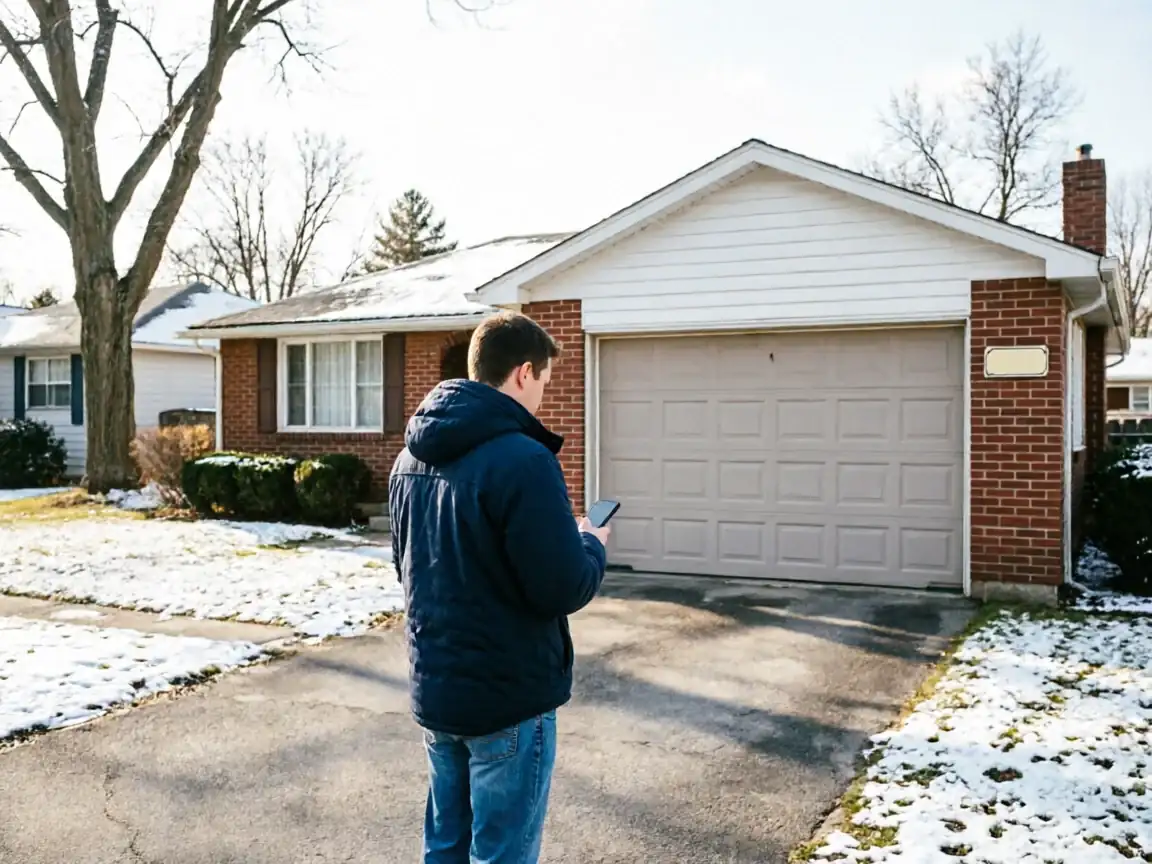
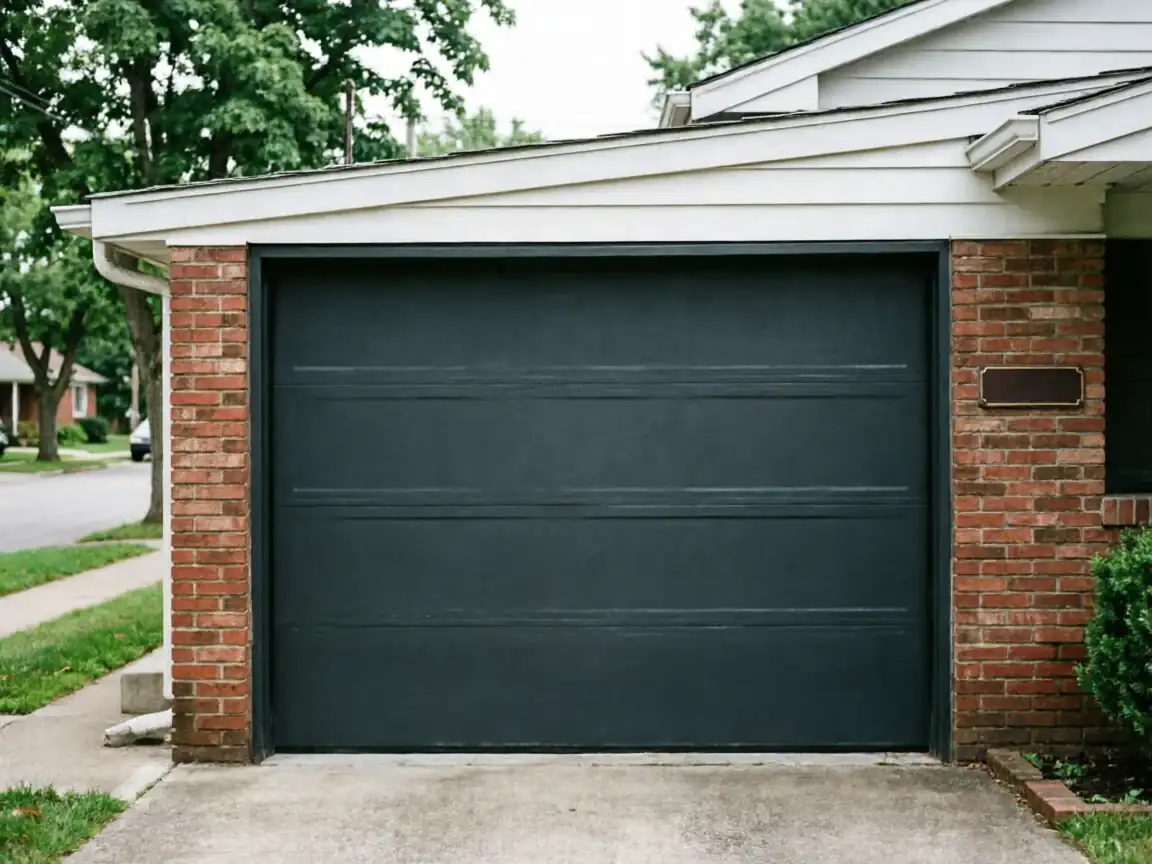
Most houses in Sturgeon date to around 1960
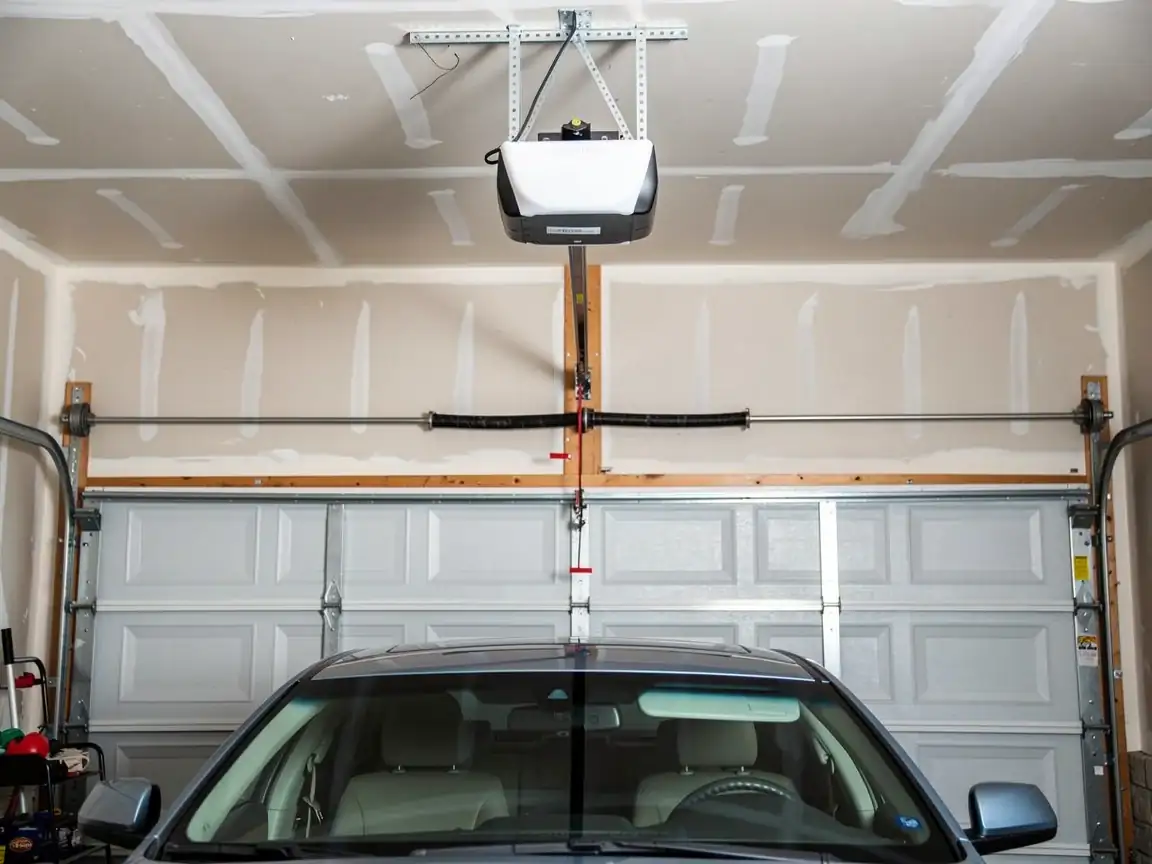
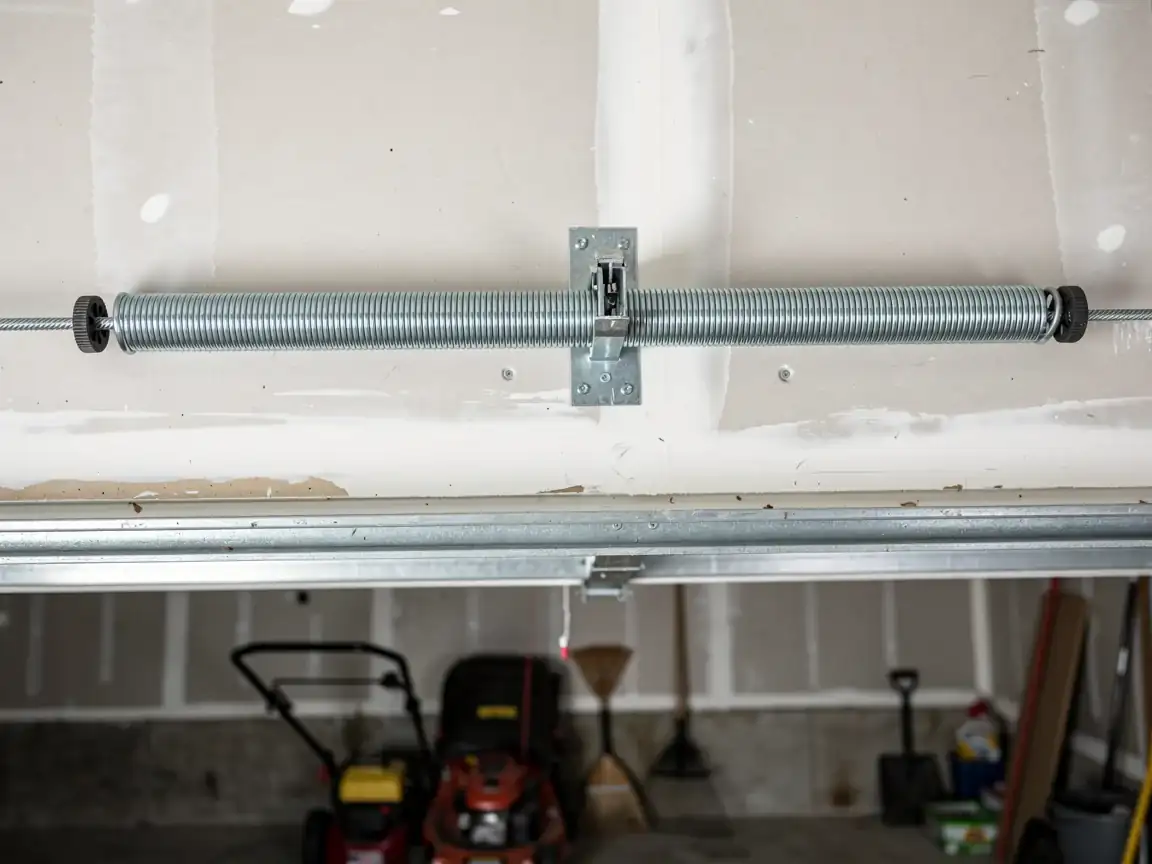
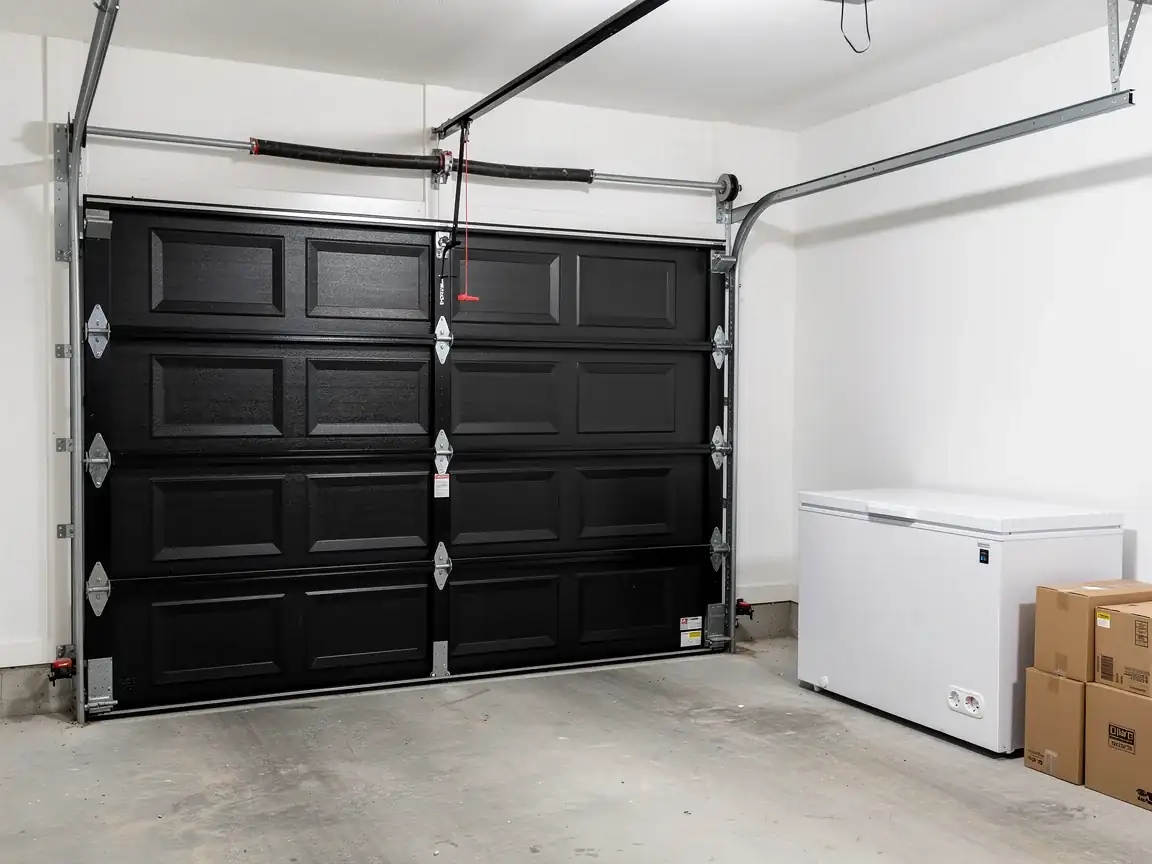
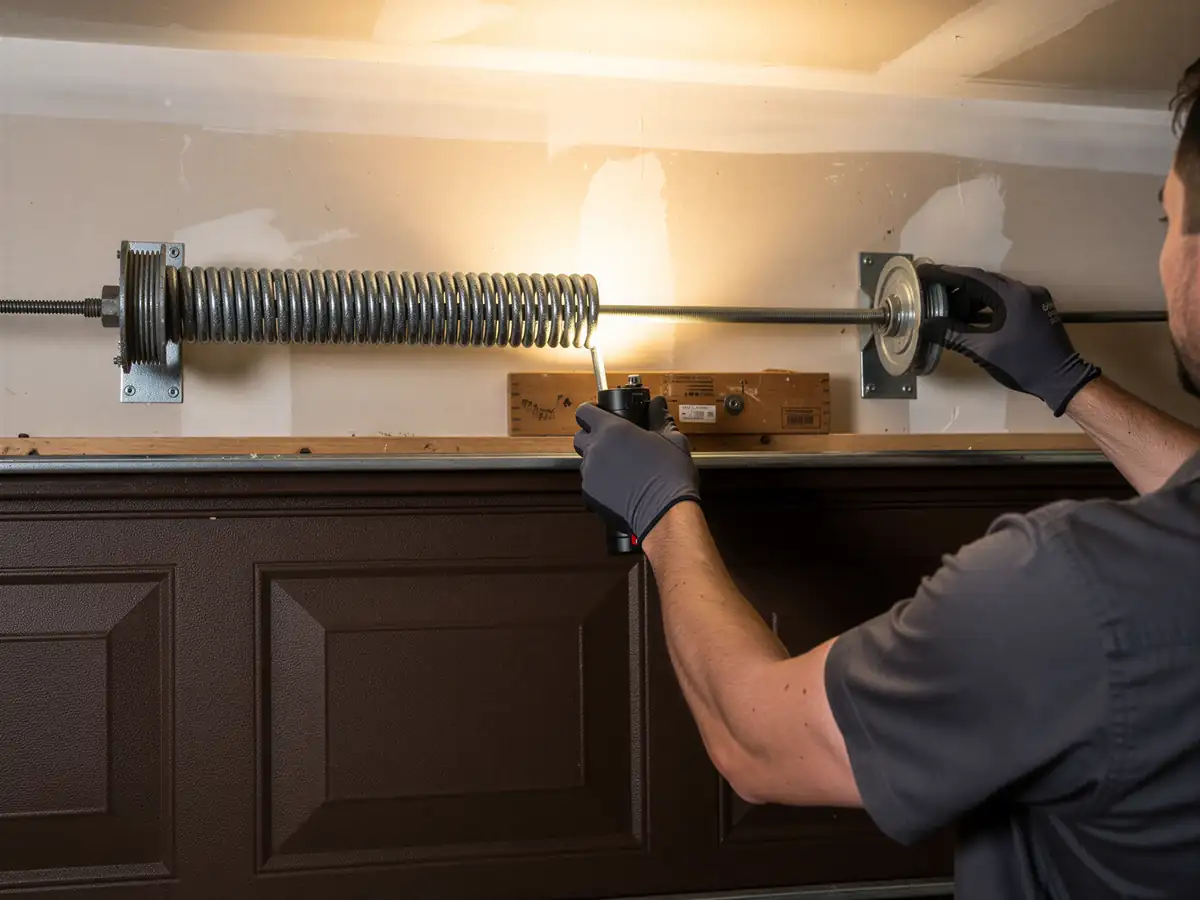
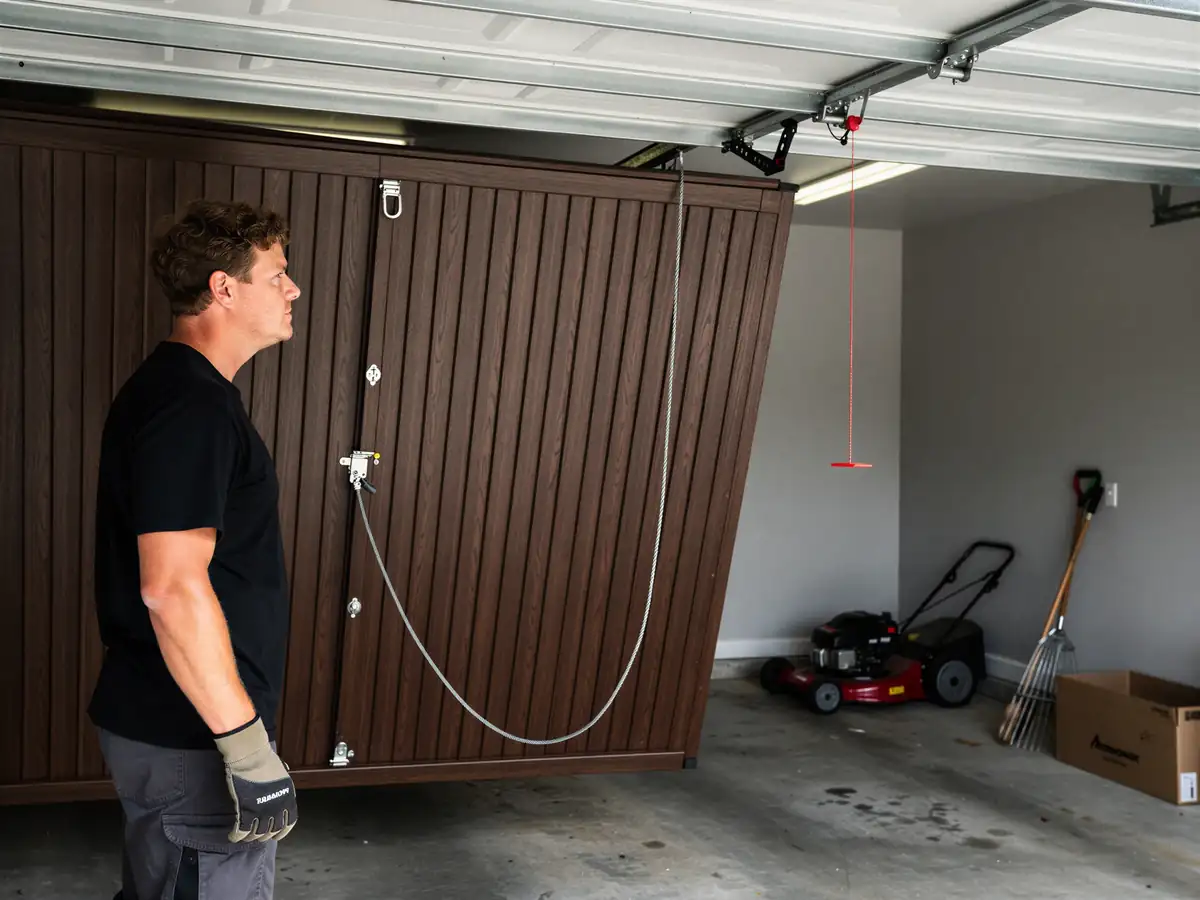
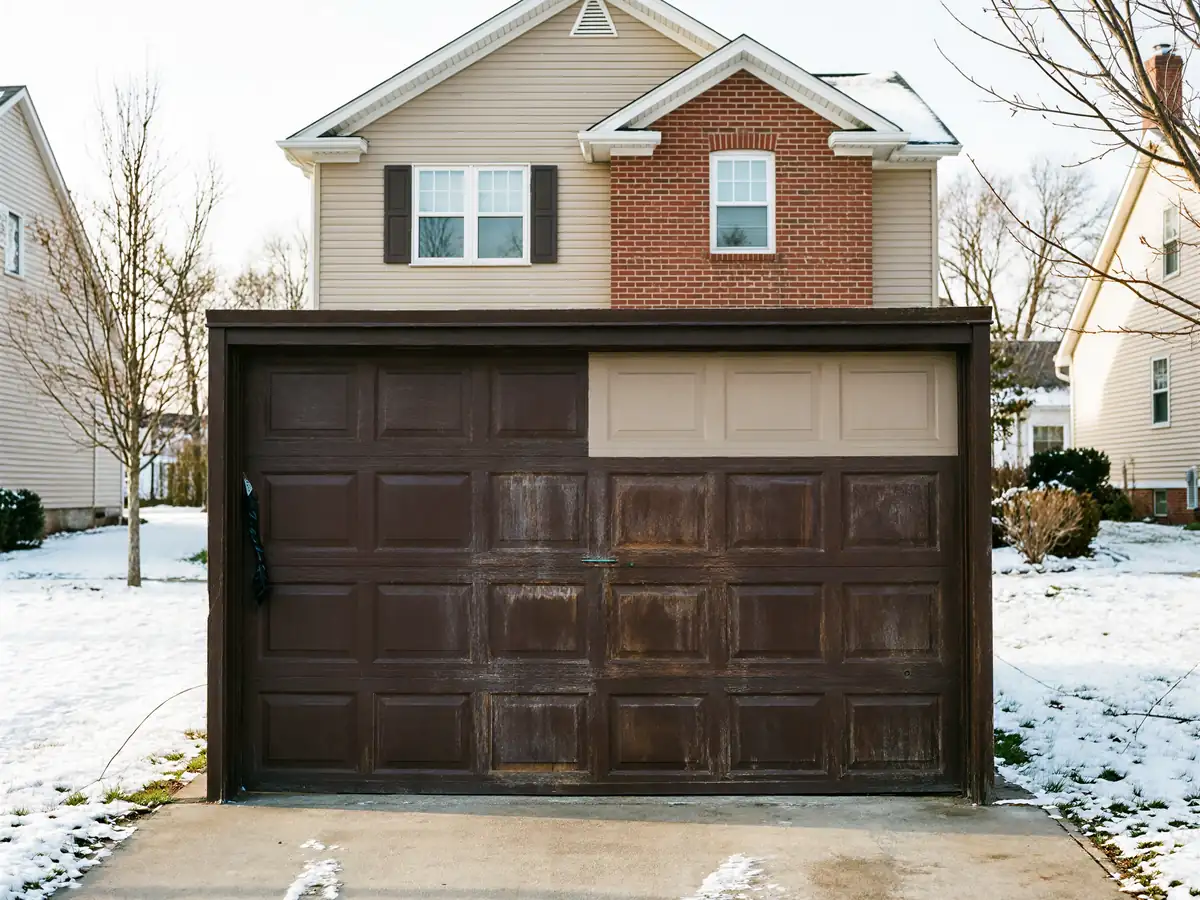
Which lines up with the broader pattern across this area's older neighborhoods: homes built in the 1960s and 70s on original or first-replacement hardware. A door that age usually means a torsion spring sized for a lighter door than what's hanging on it now, or a track that's been re-hung once already and is out of plumb. The fix on a 1960-era door is rarely just swap-the-part - it's often matching new hardware to an opening that was never built to current spring and cable standards.
What Is on the Truck
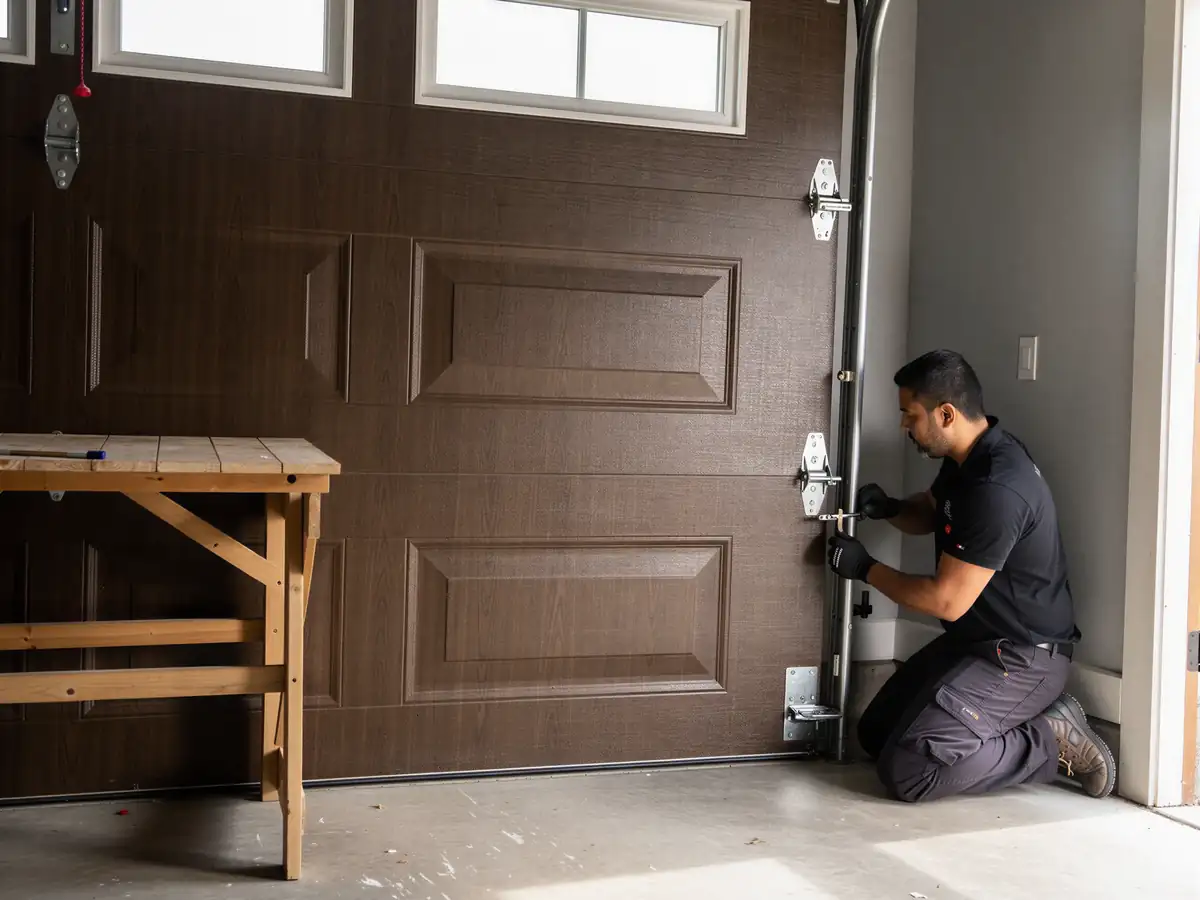
Because the drive out is 20 miles each way, the truck gets stocked for 1960s-era doors specifically before it leaves Columbia - torsion springs in the sizes that era of door actually needs, standard-width cable, and the roller and hinge hardware that fits track systems from that build period, not just whatever's newest. Showing up with only current-stock parts for a house built in 1960 means a wasted trip, and on a 20-mile run that's a real cost, not a minor one.
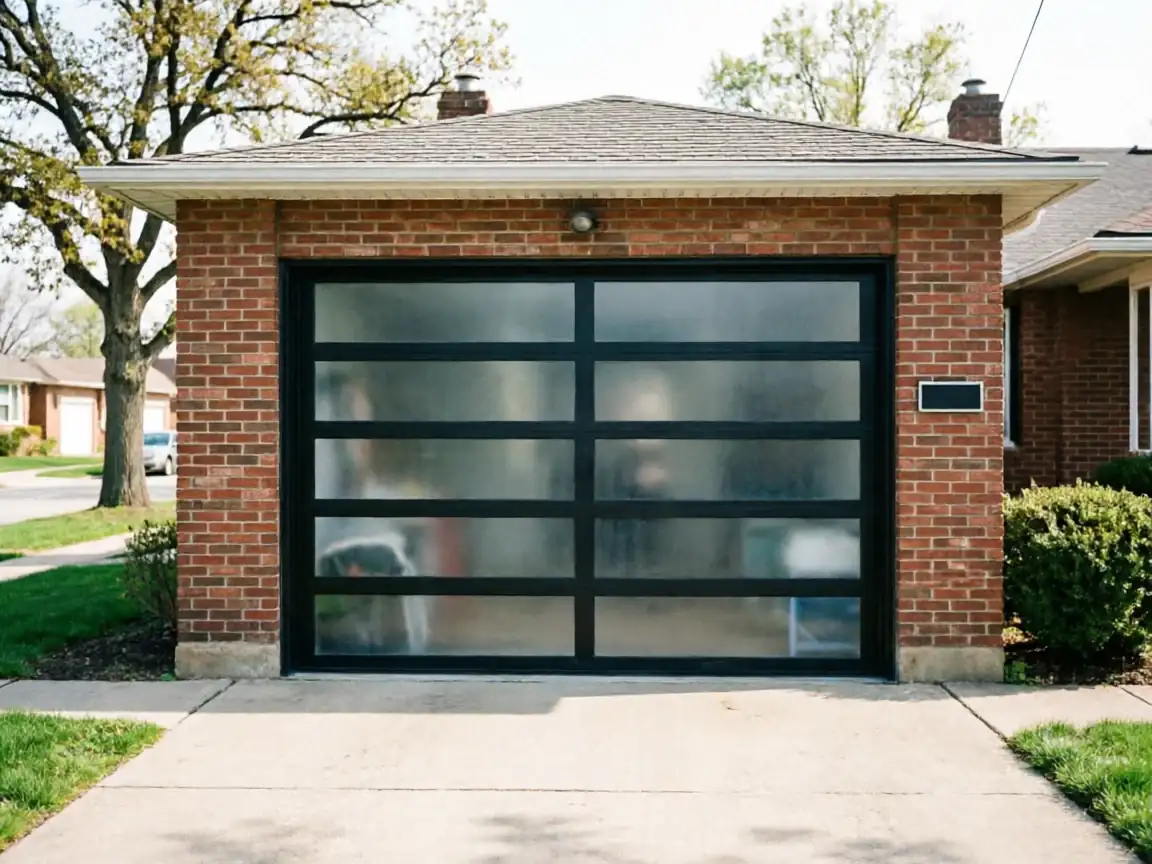
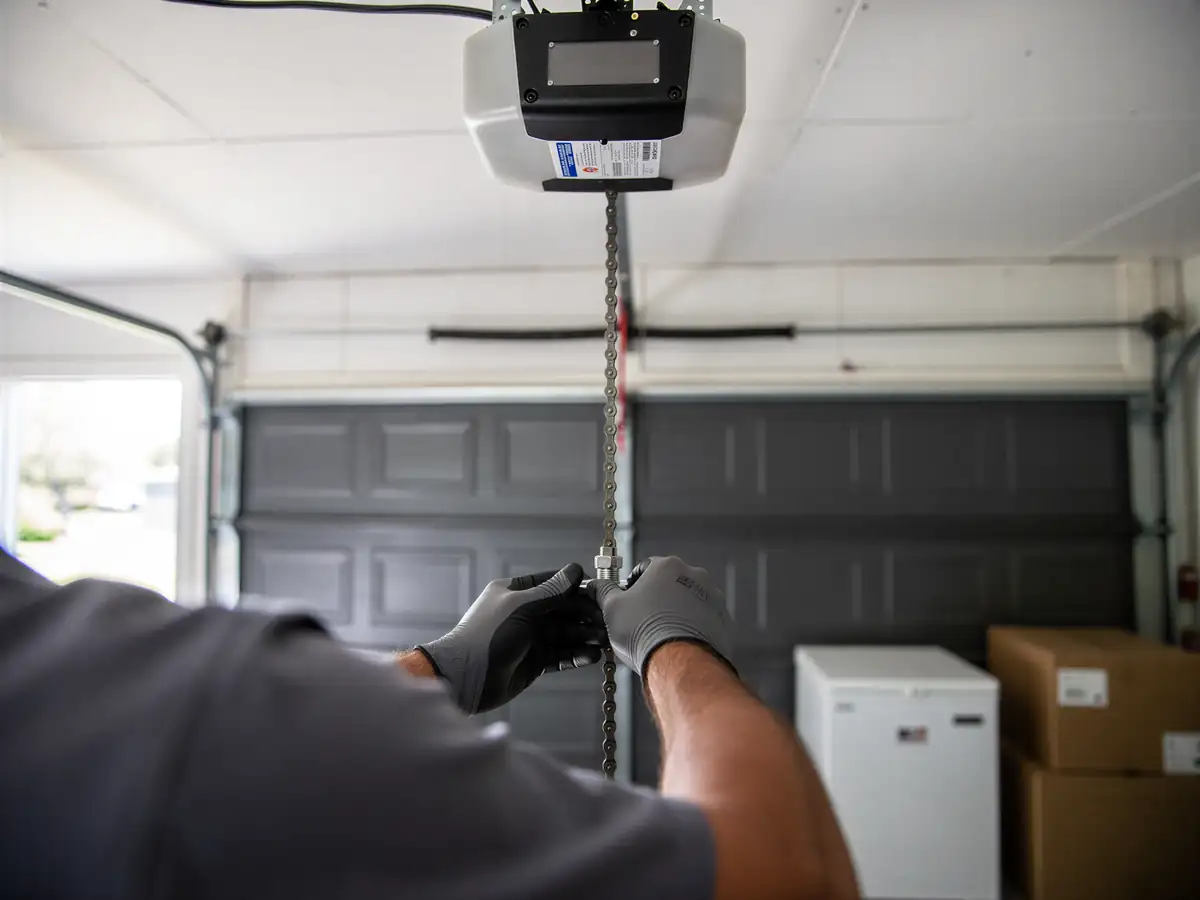
The cold climate here matters too. Severe winter conditions put more strain on springs and openers than a mild-climate town would, since metal contracts and lubricant thickens in hard cold, and that changes which lift mechanisms and openers hold up over a full winter. The truck carries openers and springs rated for that kind of use rather than the lightest-duty option on the shelf. What doesn't always make the truck: specialty glass-panel inserts or custom-width doors, which usually need to be special-ordered rather than carried as stock.
What You Are Seeing
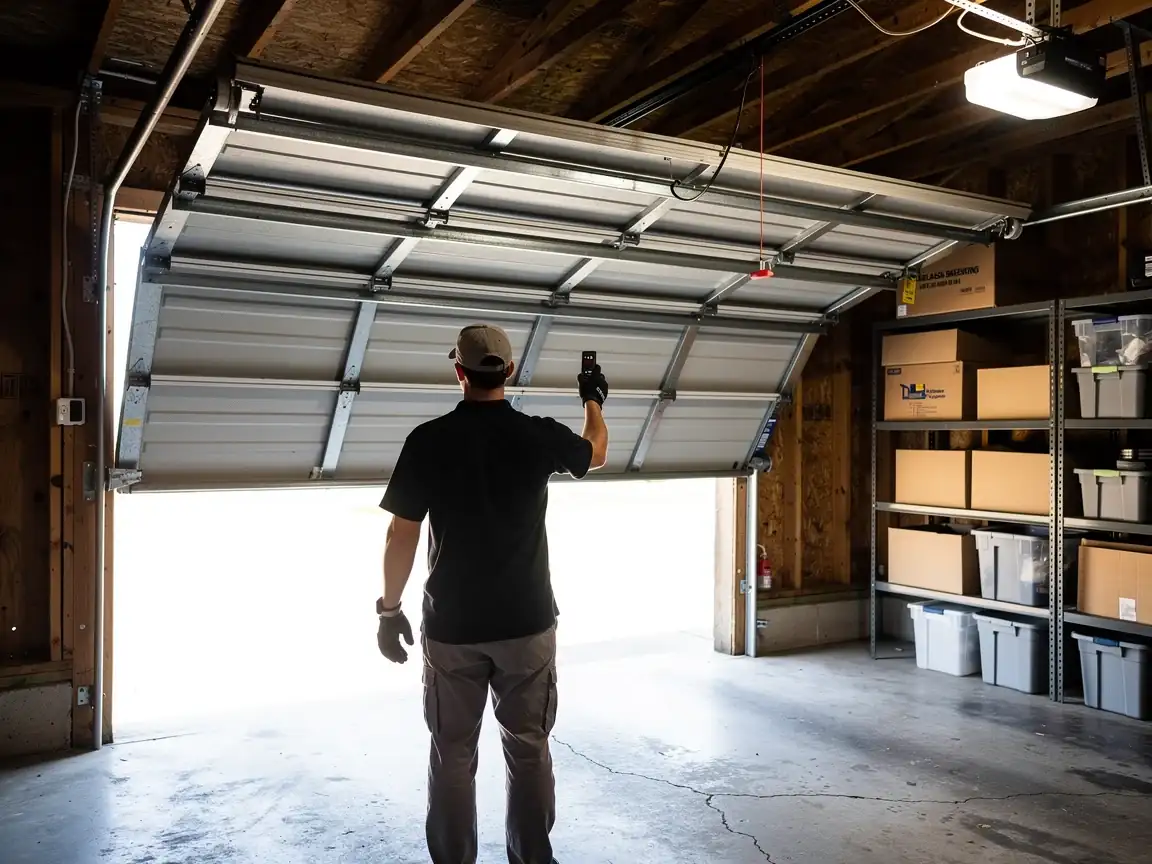
A door that's hard to lift by hand, or an opener that strains and reverses partway up, is a common symptom on a 1960-built house where the spring was sized decades ago for a lighter door. If the household has owned the place a while - and across this area a lot of the roughly 464 households have - the door may never have been resprung since the original install, which means the spring is well past the cycle count it was rated for.
In severe cold, a different symptom shows up: the door works fine most of the year but binds or groans on the coldest mornings, which usually points to hardened lubricant or a cable that's lost a little flex. That's a seasonal tell more than a sign the door is failing outright, and it's worth mentioning before anyone assumes the worst and starts shopping for a full replacement.
Booking a Visit
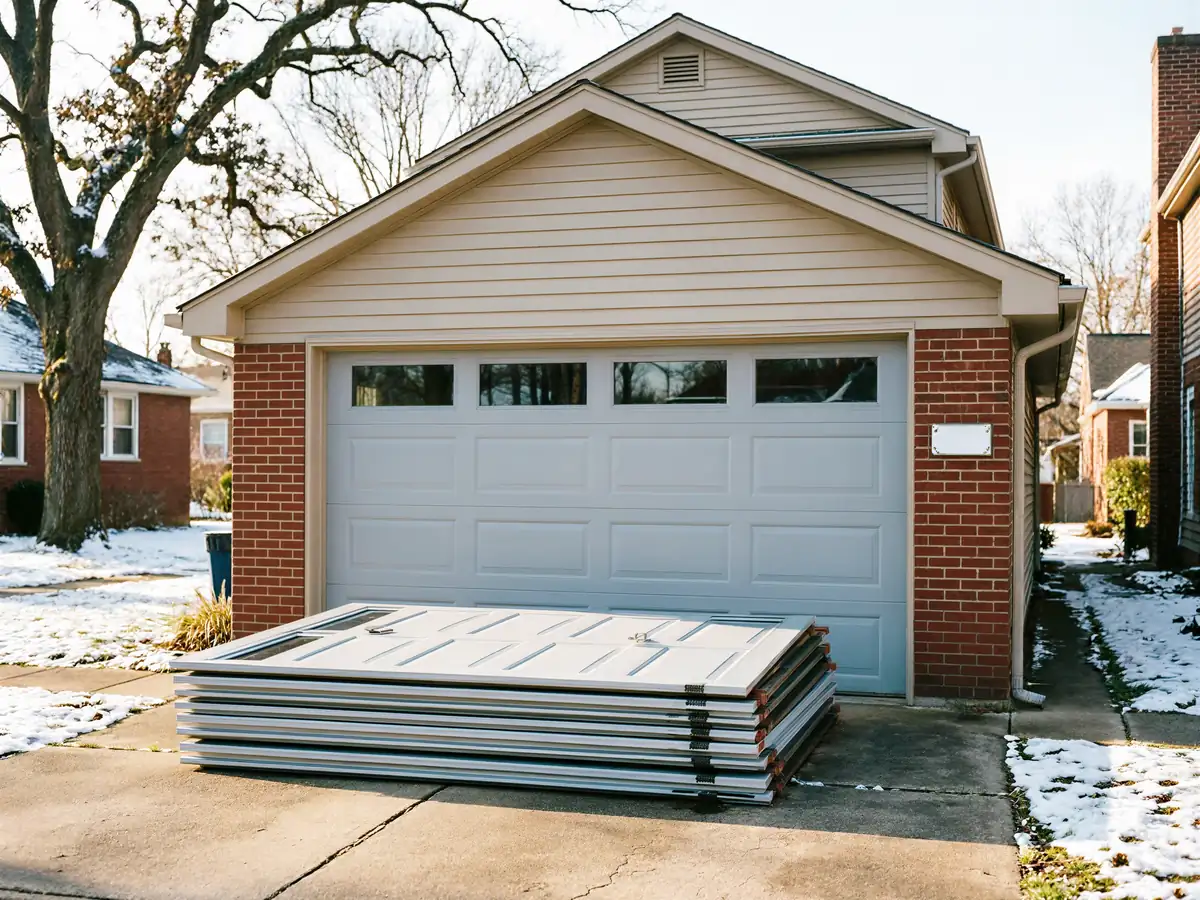
Service in Sturgeon runs out of Columbia, 20 miles west
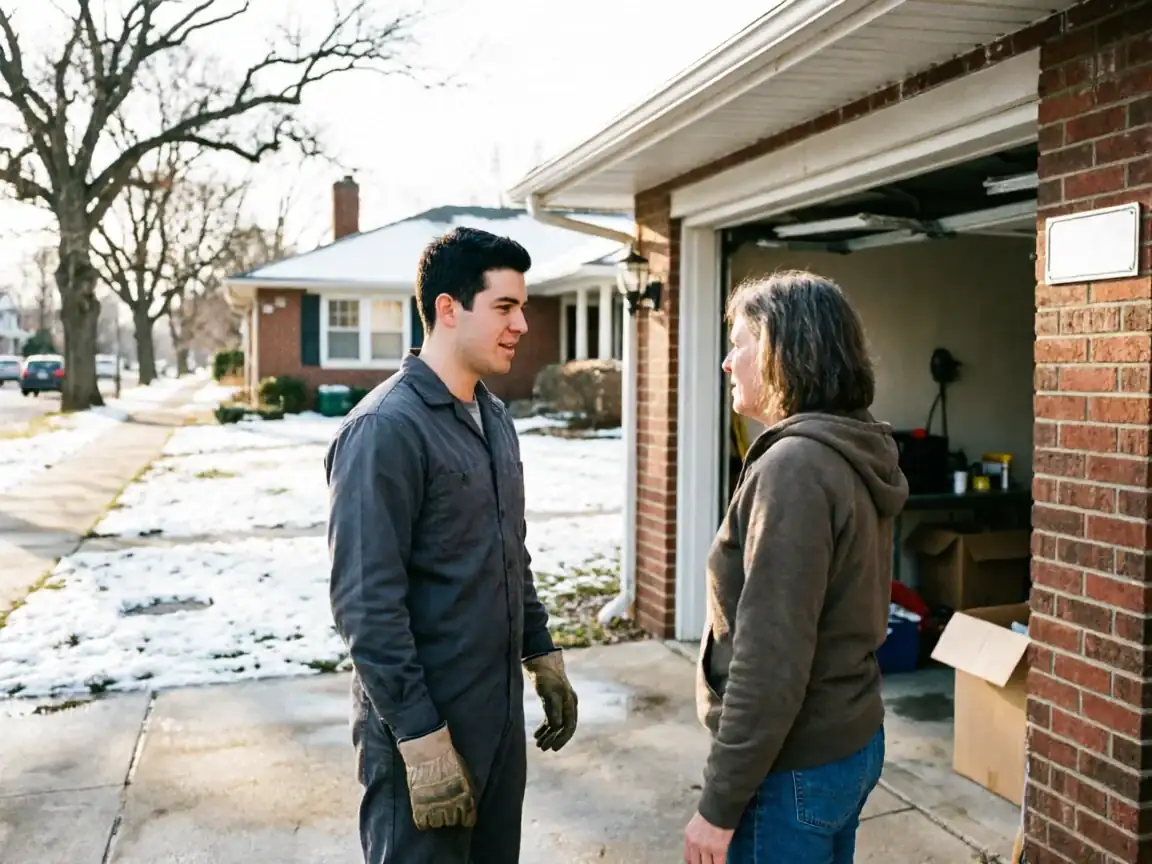
So booking a visit means describing the problem as specifically as possible on the call - age of the house if known, whether the opener grinds or just hums, whether it's one door or two. That detail shapes what goes on the truck before it leaves, which matters more here than it would on a shorter run.
- 20 miles
With median household income in Sturgeon around $66,500
A repair quote gets discussed plainly before any work starts, and if a 1960-era door needs more than a spring - say the track is bent past straightening - that gets called out as a replacement conversation rather than patched over. You can see general coverage for this area on the Sturgeon service page, and the full rundown of what the Columbia shop offers is on the Columbia garage door service page.
Can You Do This Yourself
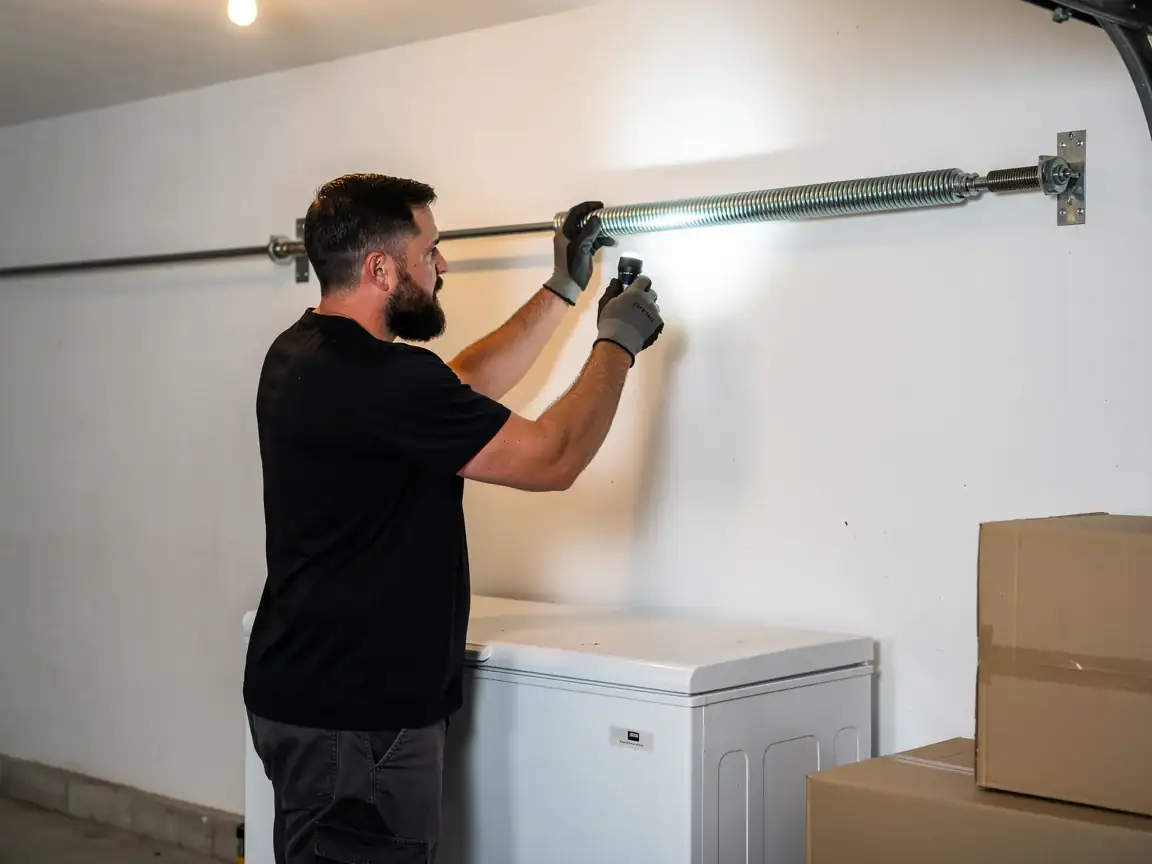
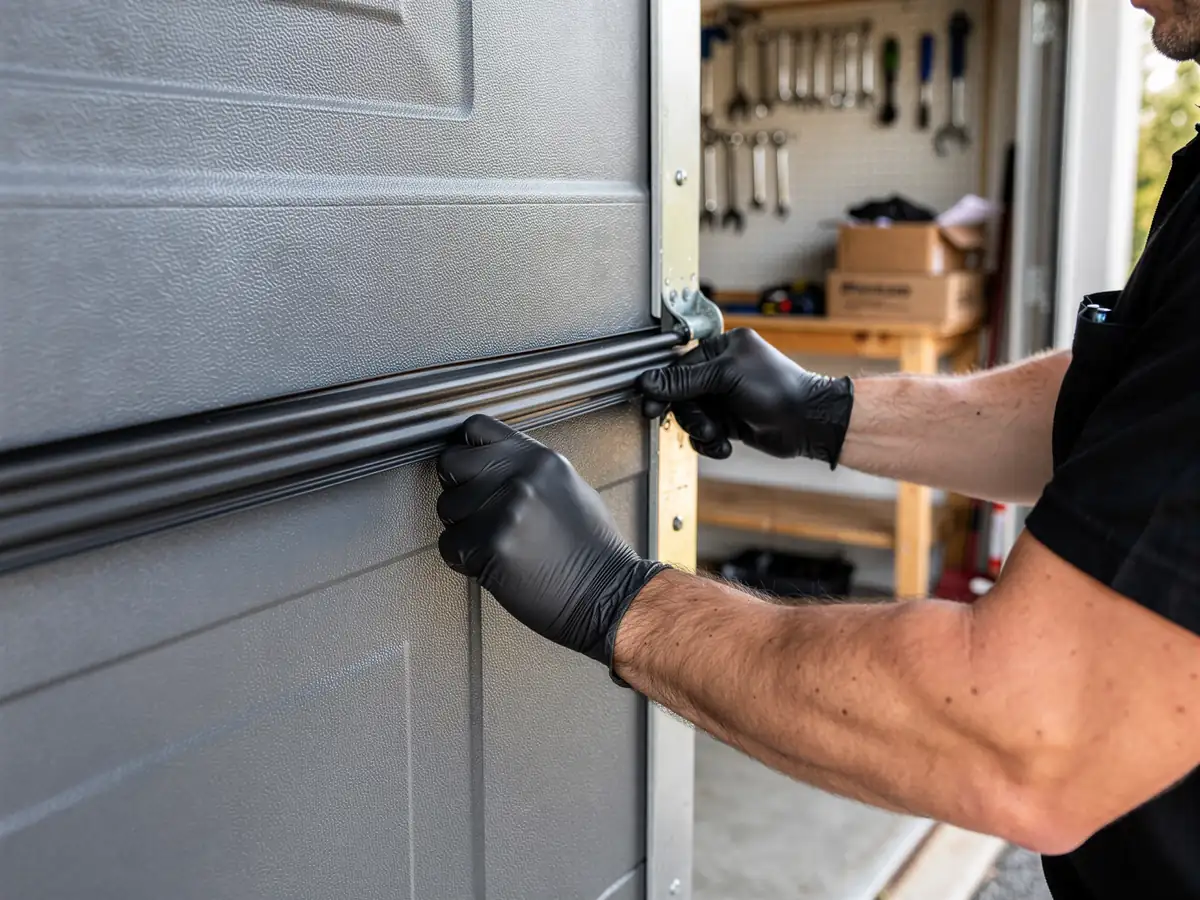
Some of this is fair for a homeowner to handle - lubricating hinges and rollers, tightening loose bolts on the track, checking that photo-eye sensors are aligned and clean. None of that needs a torsion spring wound or unwound by hand, which is the one job on a garage door that genuinely isn't a do-it-yourself task; the spring on a standard door stores enough force to cause a serious injury if it lets go while someone's working on it.
On a house built around 1960, there's an extra wrinkle: original hardware sometimes doesn't match anything sold today, so a homeowner who orders a generic replacement spring online may find it's the wrong wind direction or wire gauge for what's actually on the door. That's a case where a quick measurement call beats guessing, especially given the extra distance involved if a wrong part means a second trip.