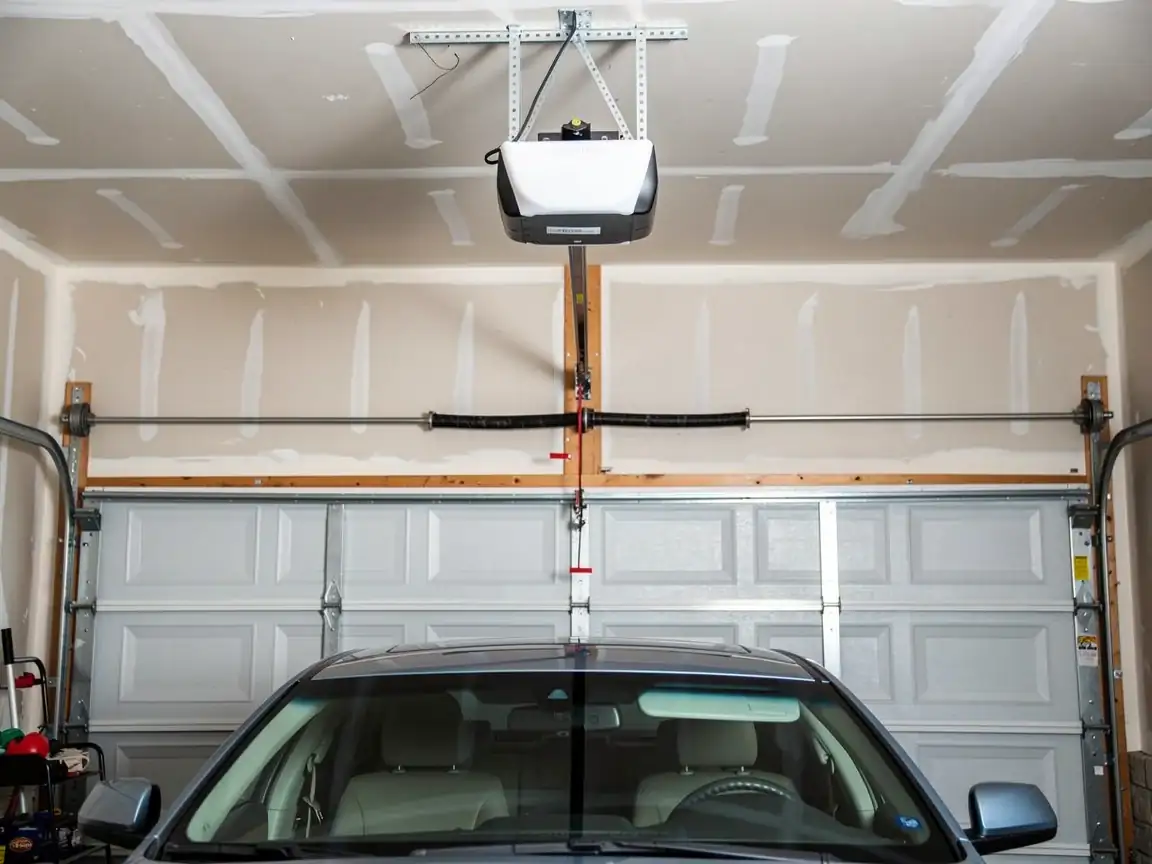
What the Fix Involves
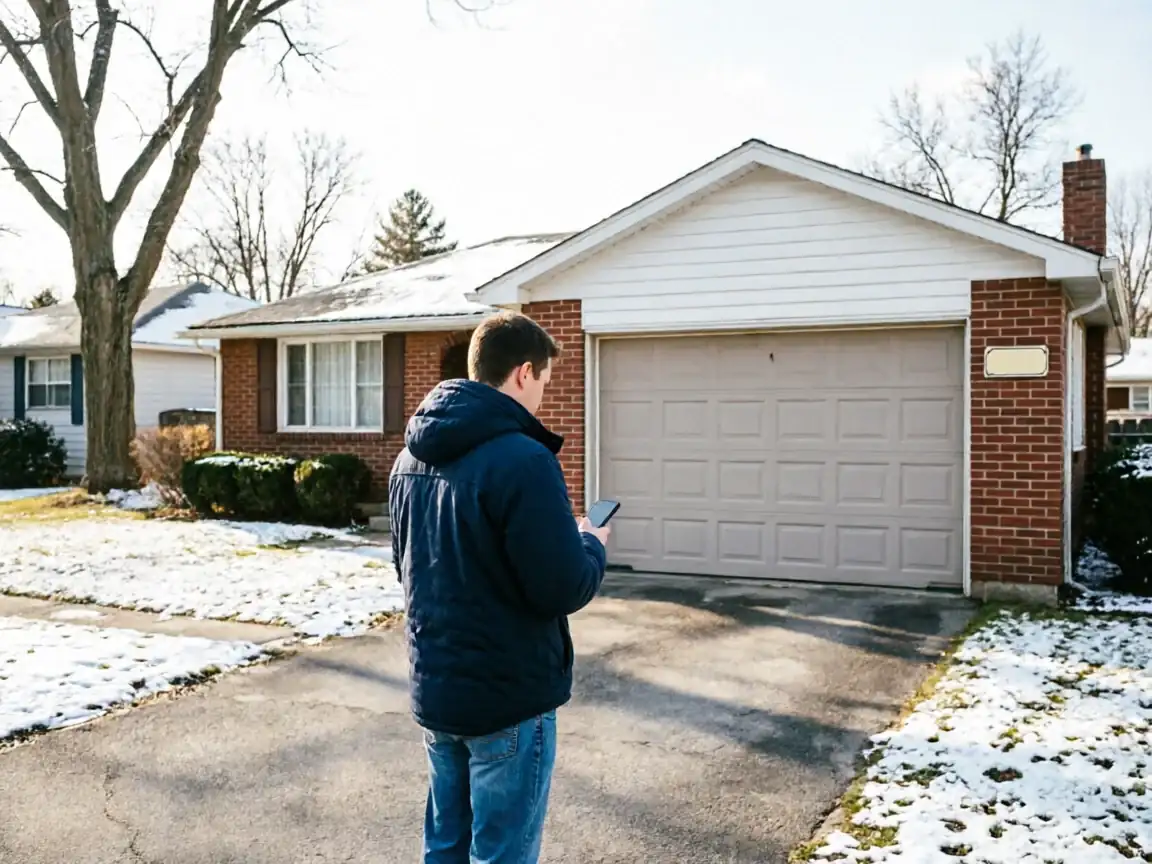
Most houses in Sturgeon went up around 1960
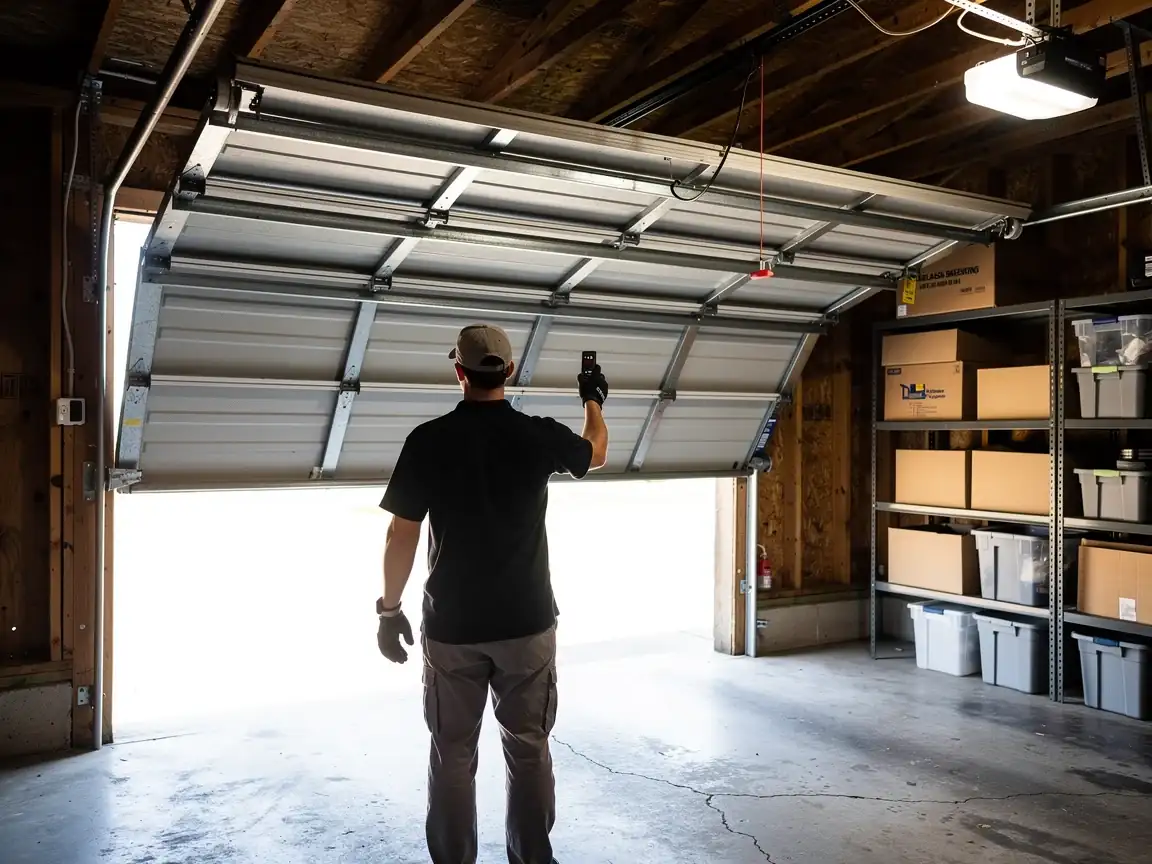
Which puts the openers in a lot of these garages well past the age where gear-and-sprocket drives wear out quietly rather than dramatically. The unit still runs, the light still comes on, but the carriage crawls, the door reverses for no reason, or it just stalls halfway. That's a stripped gear or a logic board that's lost track of its travel limits, not always the motor itself.
Winters here fall into the severe-cold band
And cold does specific things to an opener that a summer call won't show you. Grease inside the gearbox thickens and the motor strains to turn it, drawing more current than the board expects. Limit switches, especially on older chain-drive units, drift out of calibration faster when the garage swings from freezing to near-zero overnight. We check the gearbox, the limit and force settings, and the logic board before we touch anything else, because on a unit this old, replacing one part without checking the rest usually means a second call in six months.
We don't push a full opener swap unless the motor or board has actually failed
If the gear kit and a recalibration solve it, that's the job.
What Is on the Truck
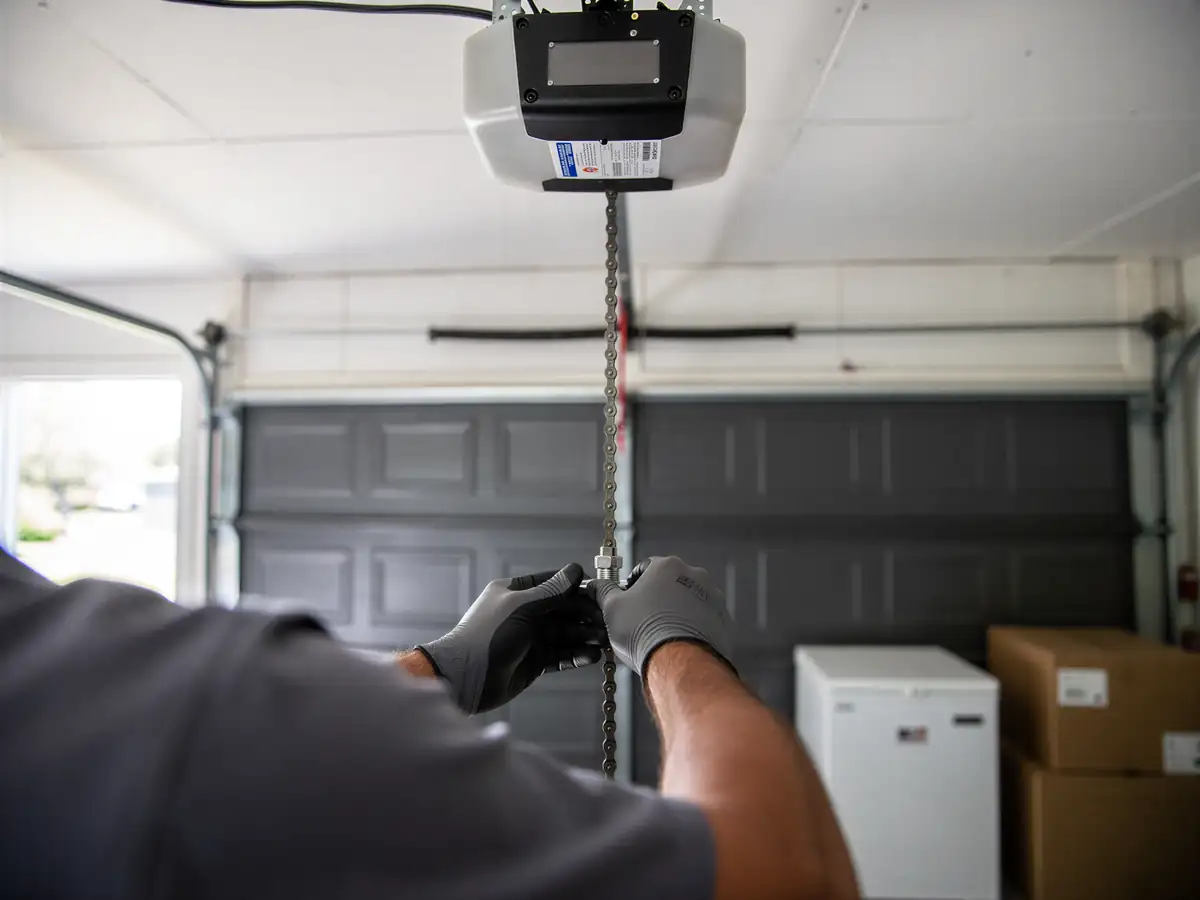
For a 1960s-era opener, the truck carries drive gear kits for the chain and screw-drive units most common in houses from that build run, along with limit switch assemblies and the capacitors that fail first in cold starts. We also carry logic boards for the models that still turn up often enough to stock, though not every board for every model - some older units need a part ordered, and we'll tell you that on the spot rather than guess.
Safety sensors and their wiring get checked on every call regardless of what brought us out, since a sensor that's drifted out of alignment will mimic a motor problem and send someone chasing the wrong fix. Remotes and keypads get tested too, since a weak remote battery or a reprogrammed code can look exactly like a dead opener from the house.
What You Are Seeing
The door reverses right after it starts closing, with no obstruction in the way. The opener runs but the door doesn't move, meaning the gear inside the unit has stripped. The light flickers or the motor hums without turning the drive. Or the whole thing goes dead with no warning after years of working fine, which on a unit this old is often the capacitor giving out rather than the motor.
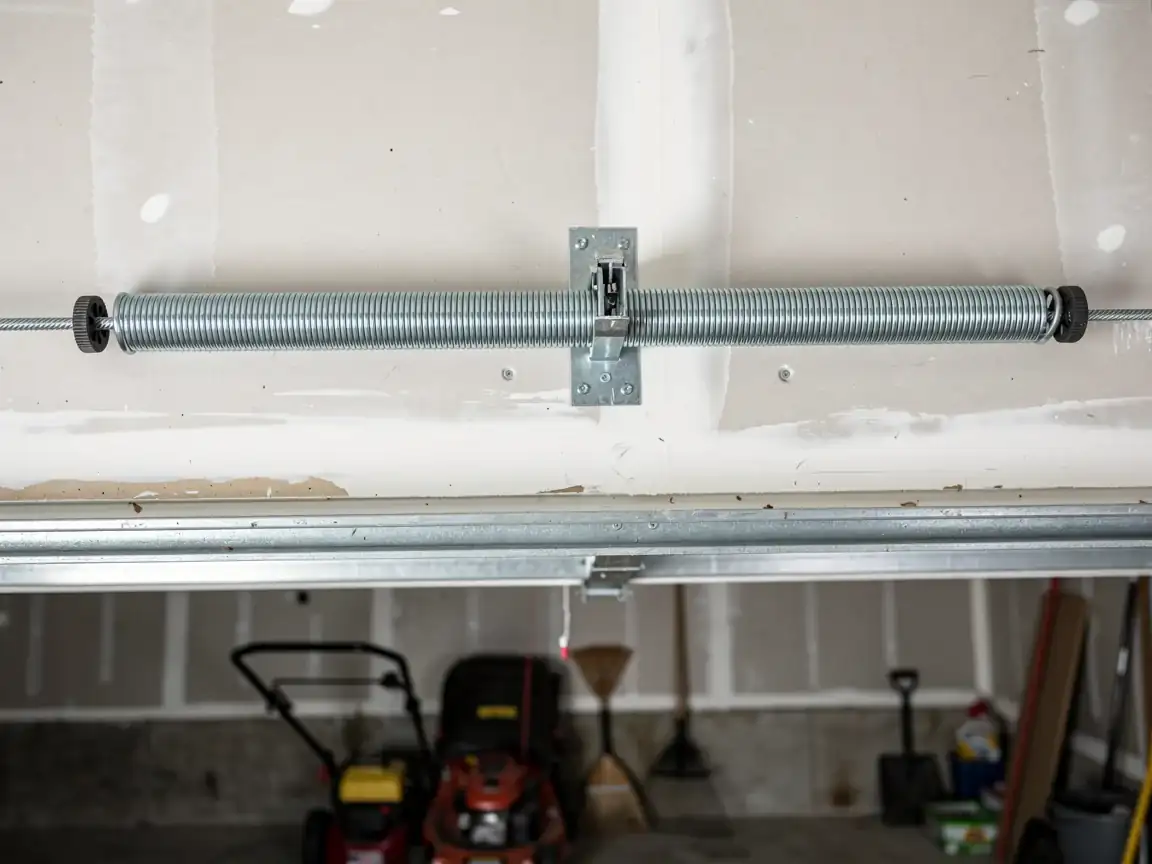
A few of these symptoms show up worse in the cold months, since the severe-cold swings put more load on aging gearboxes and can make a logic board that was already marginal start throwing errors. If the opener worked fine all summer and started acting up once it got cold, that's a strong clue the gearbox grease or the board is the issue, not the spring or track.
Booking a Visit
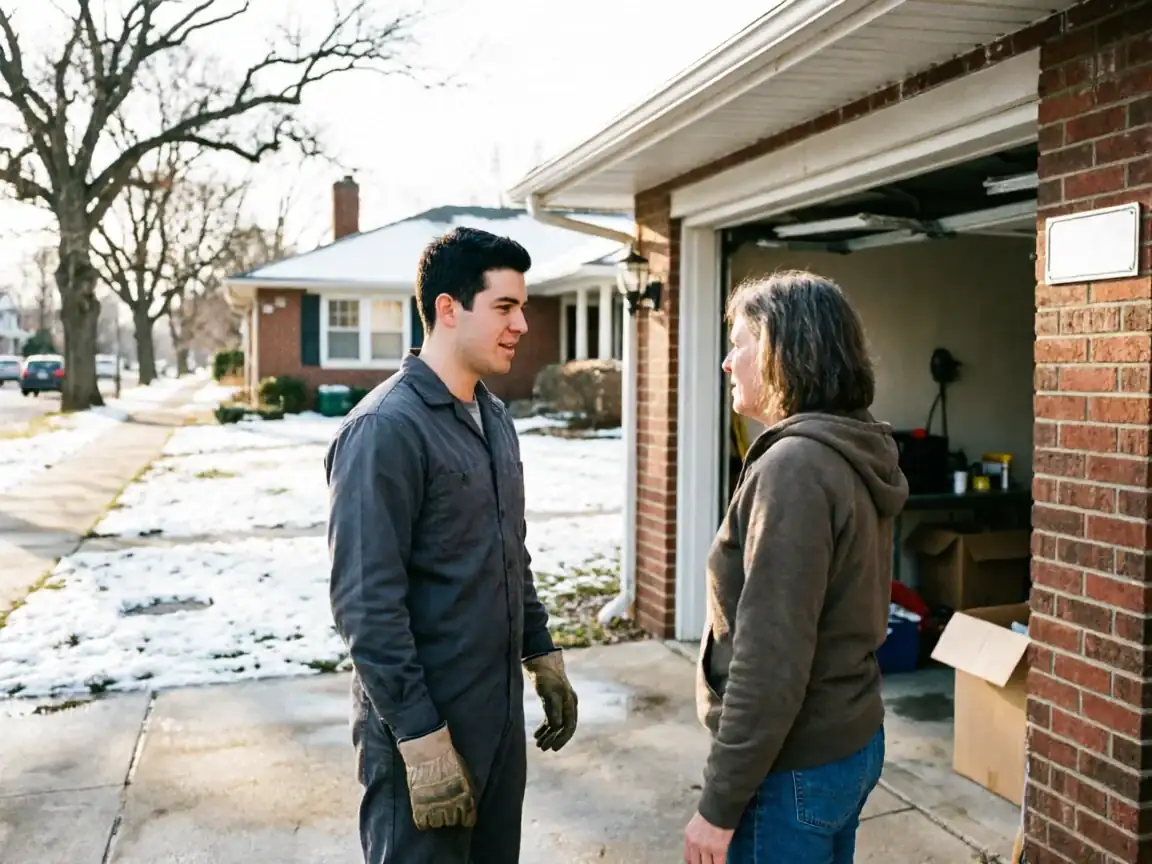
We cover Sturgeon from Columbia, about 20 miles out, and build the opener repair into one visit
We bring the gear kits and switch parts for the common 1960s-era units with us rather than diagnosing one day and returning the next. Sturgeon has around 464 households, and the opener ages in most of them track pretty close together, so we usually know what we're looking at before we're through the door.
- 20 miles
- 464 households
Median household income in Sturgeon runs higher than the wider service area's $58,889
Which doesn't change the diagnosis but does mean more owners here choose a straight opener replacement over patching an old unit a third time. Either way works; we'll tell you honestly which one makes more sense for the unit in front of us.
Call ahead so we can load the right parts for your opener's age before the drive out
Can You Do This Yourself
Lubricating the chain or screw drive, cleaning the photo-eye sensors, and replacing remote batteries are all fair for a homeowner to do and won't void anything. Tightening the mounting bolts on the rail is fine too, as long as the power is off first.
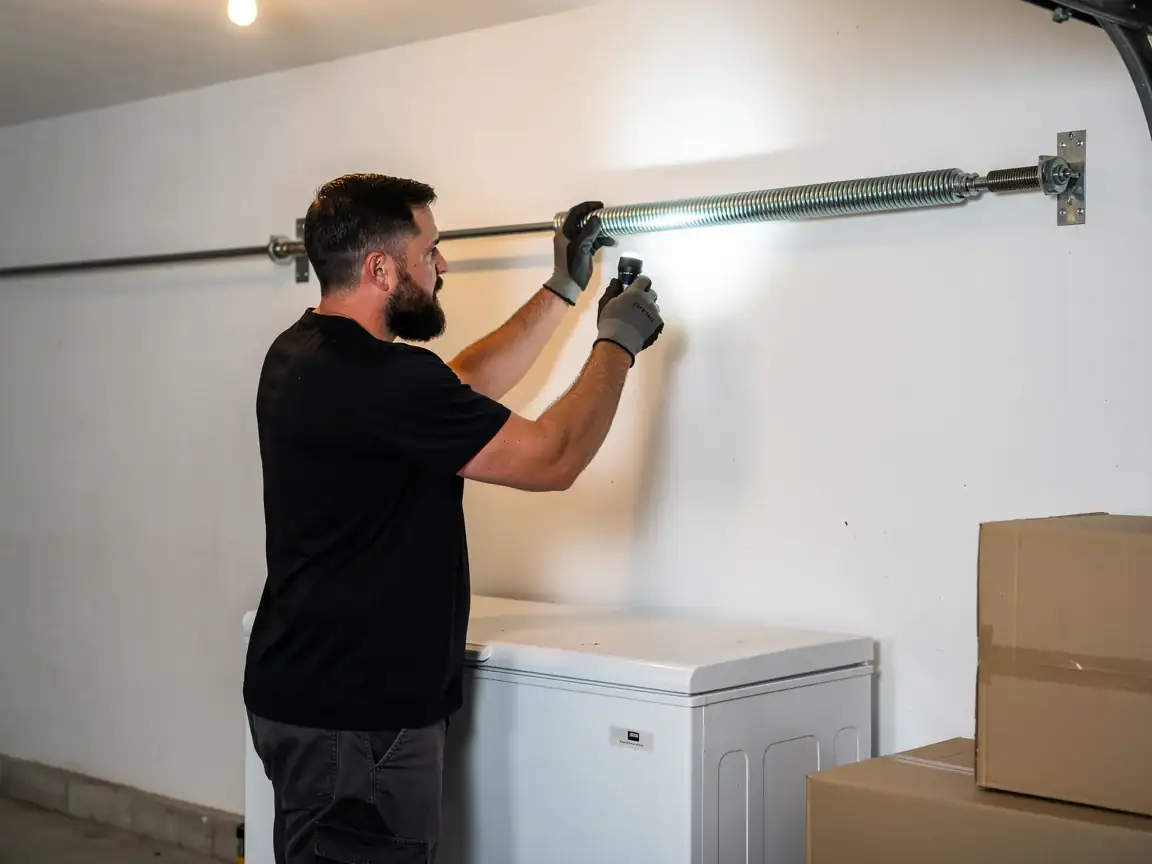
We'd stop you before you open the gearbox housing or swap a logic board yourself. The gear kits are specific to drive type and model year, and a 1960s-era house often has an opener that's been replaced once already with a part that doesn't quite match the original rail, which trips people up more than the age of the unit does. If the opener is original to the house, that's worth a look from someone who's opened a few hundred of them before you take it apart - not because it's dangerous, but because the parts aren't always what the model number suggests.