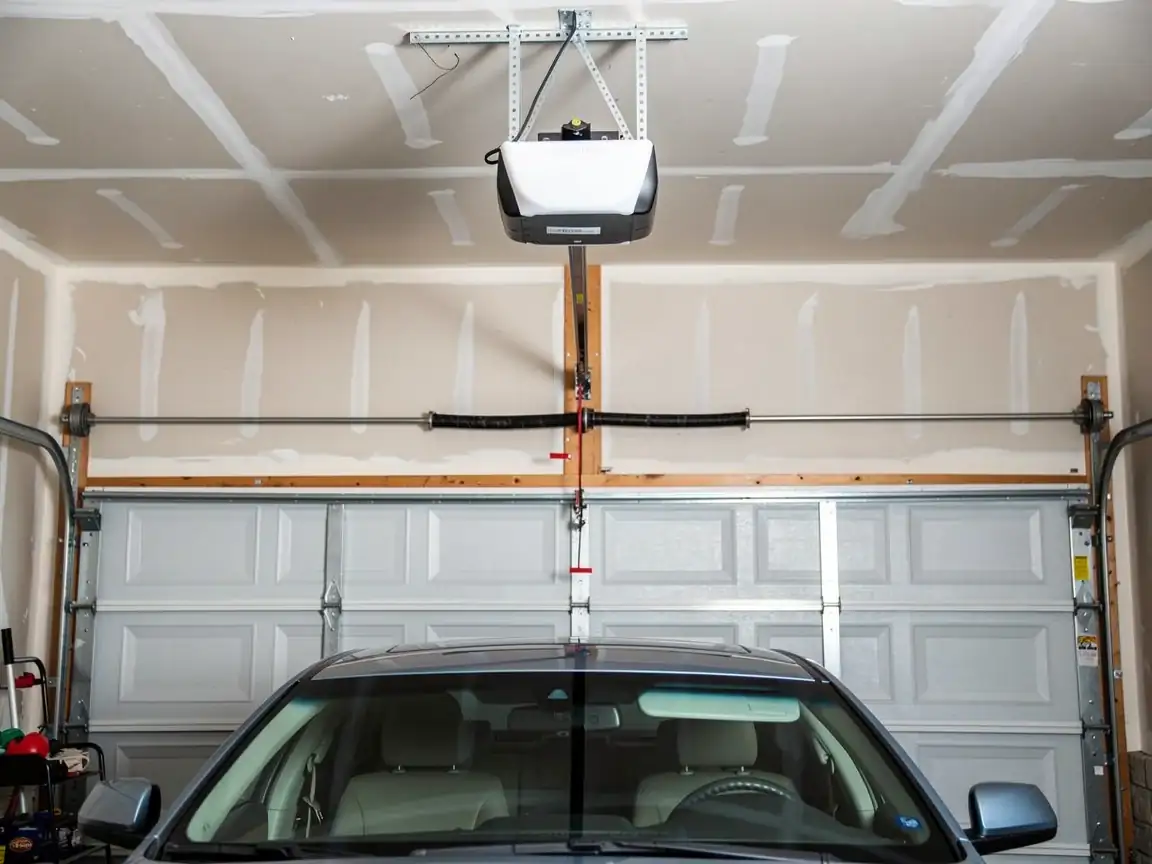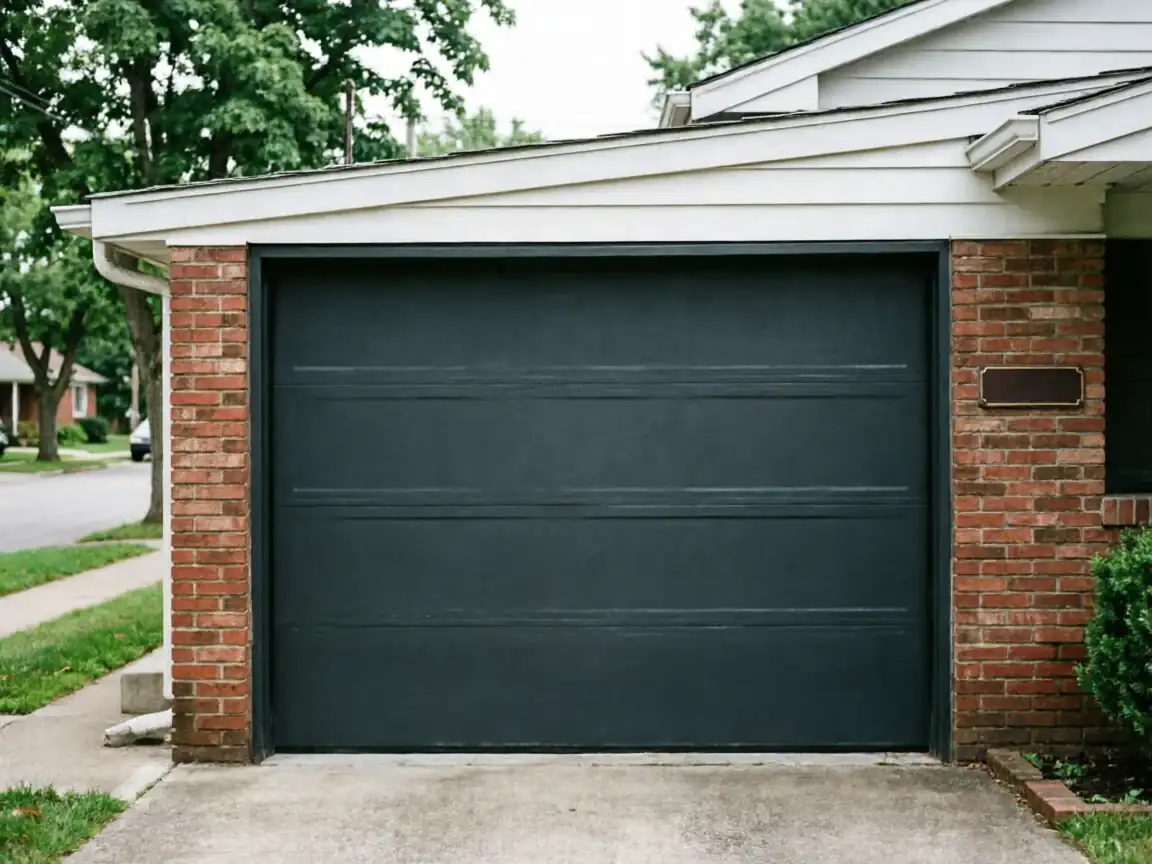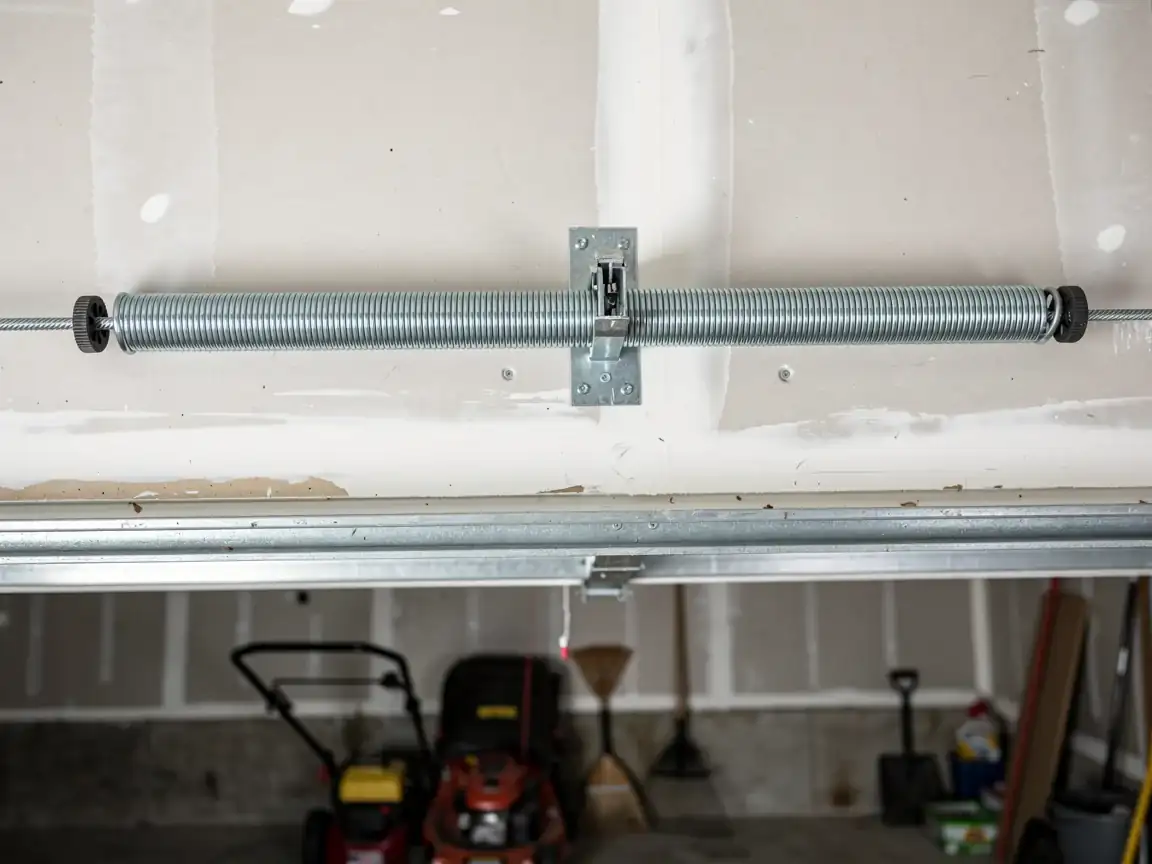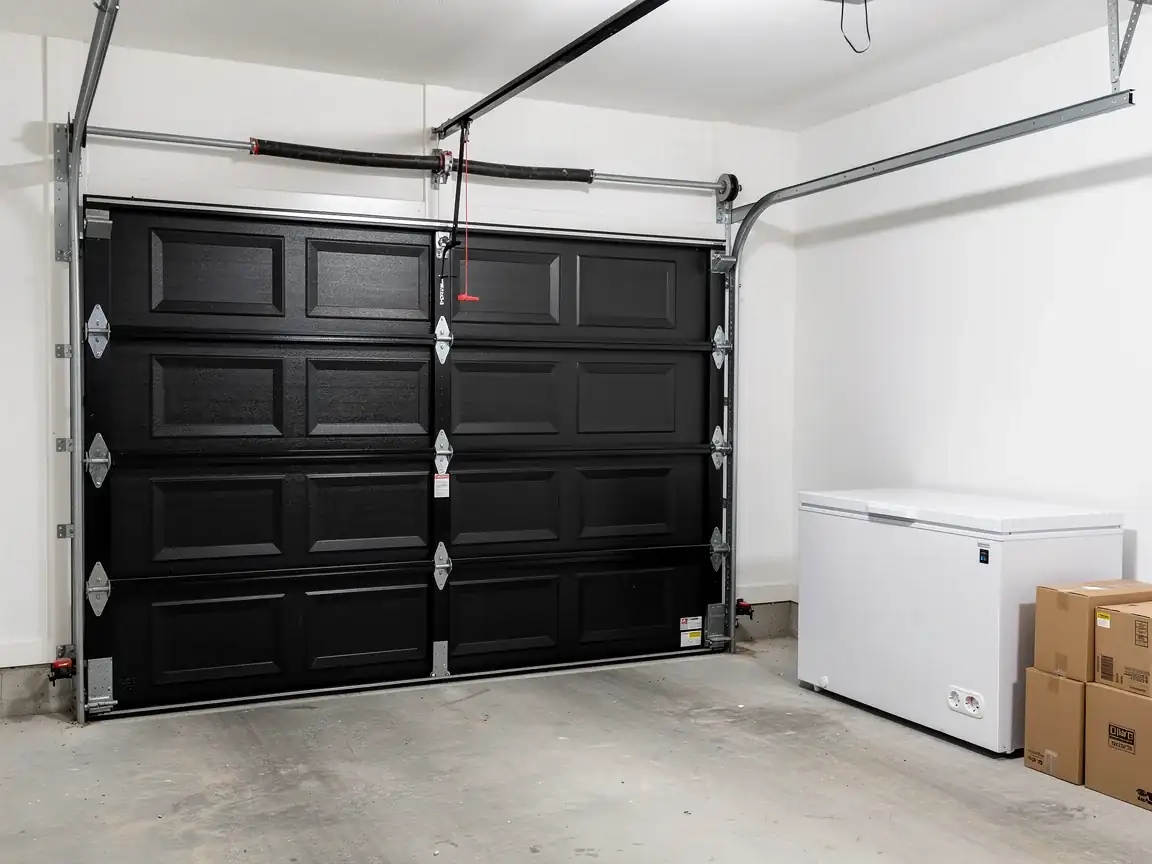
What the Fix Involves
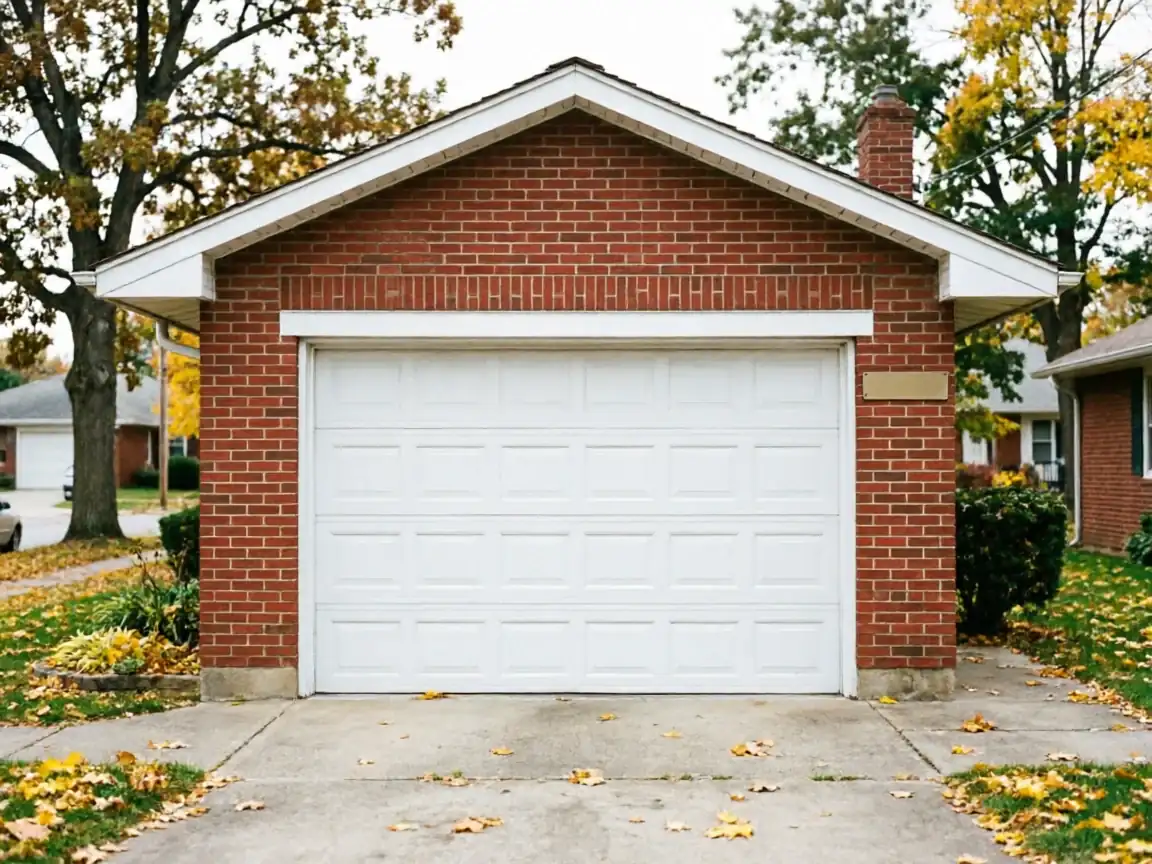
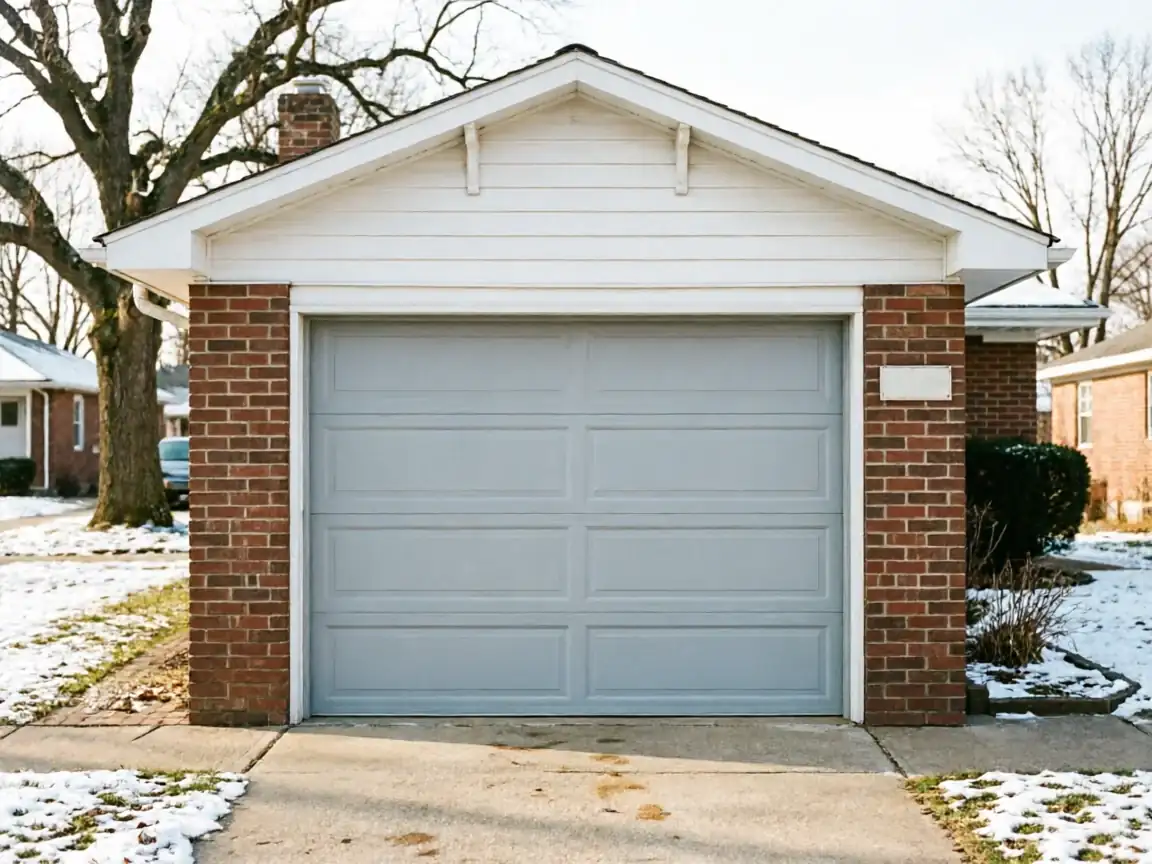
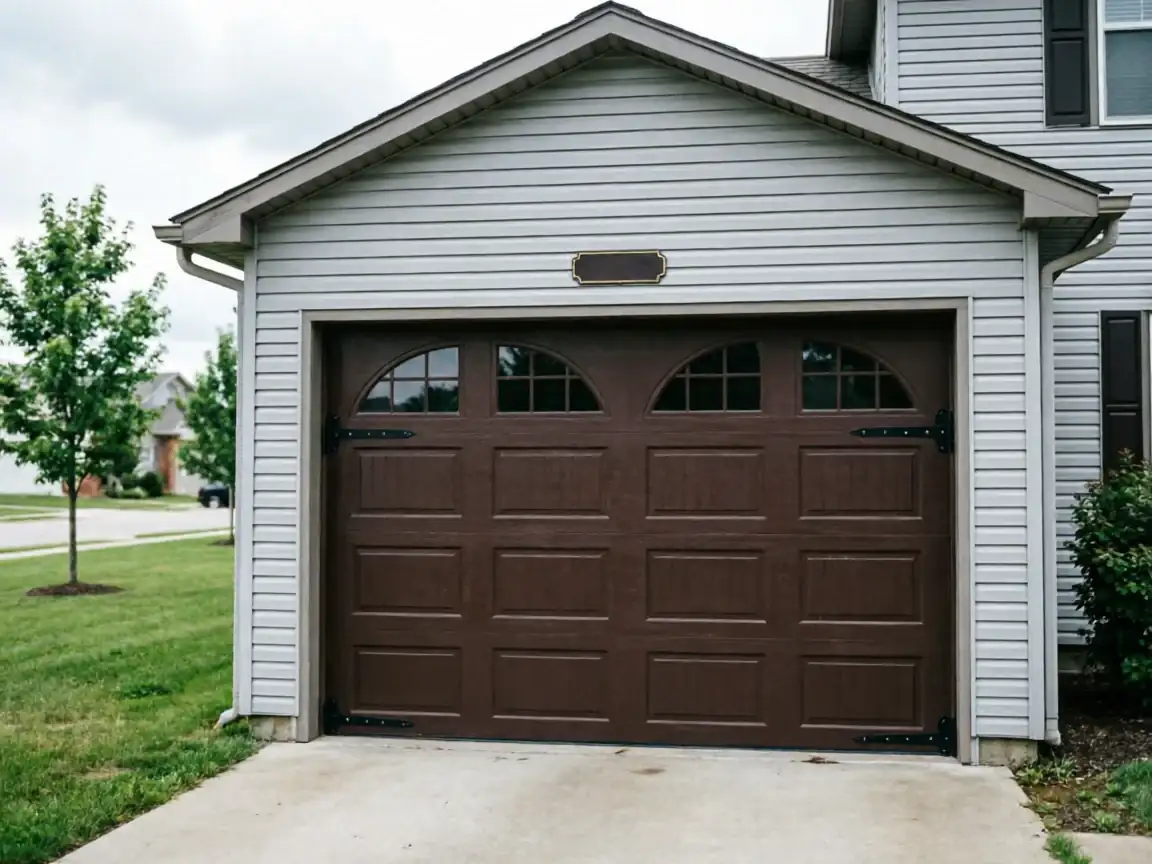
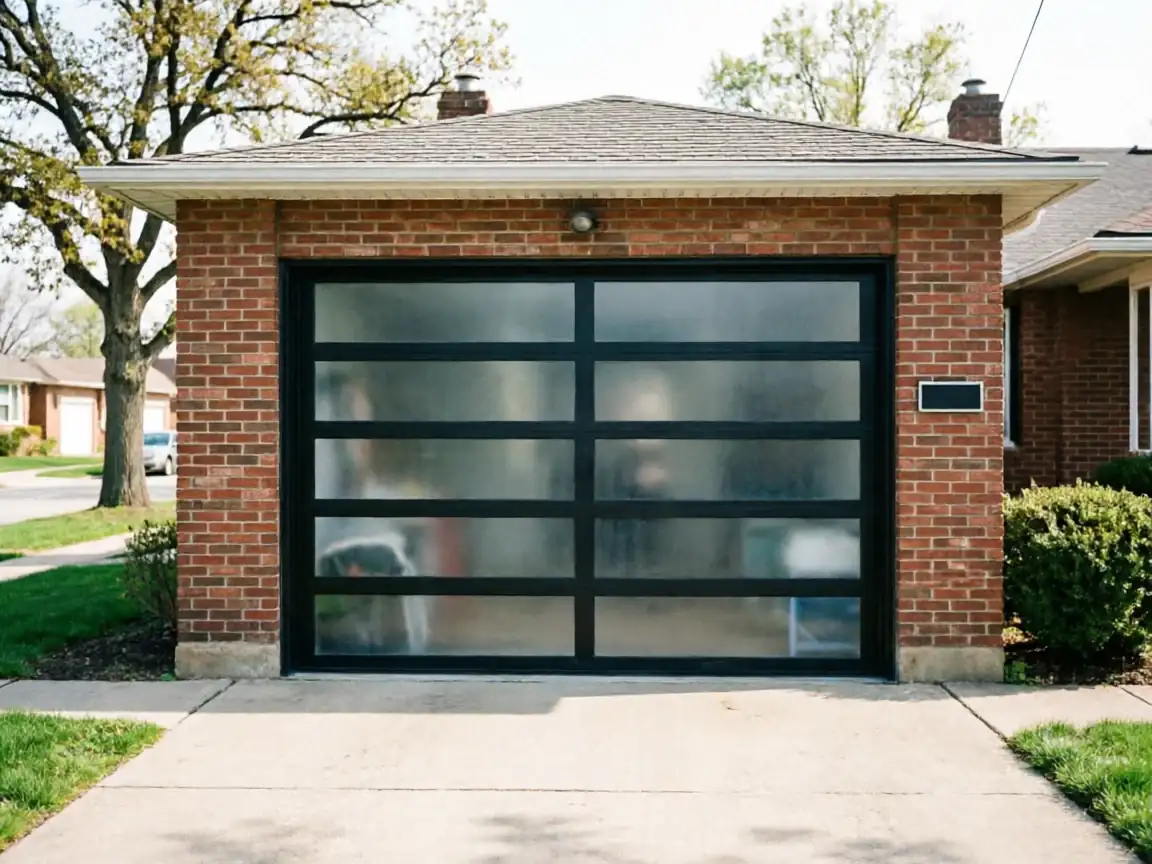
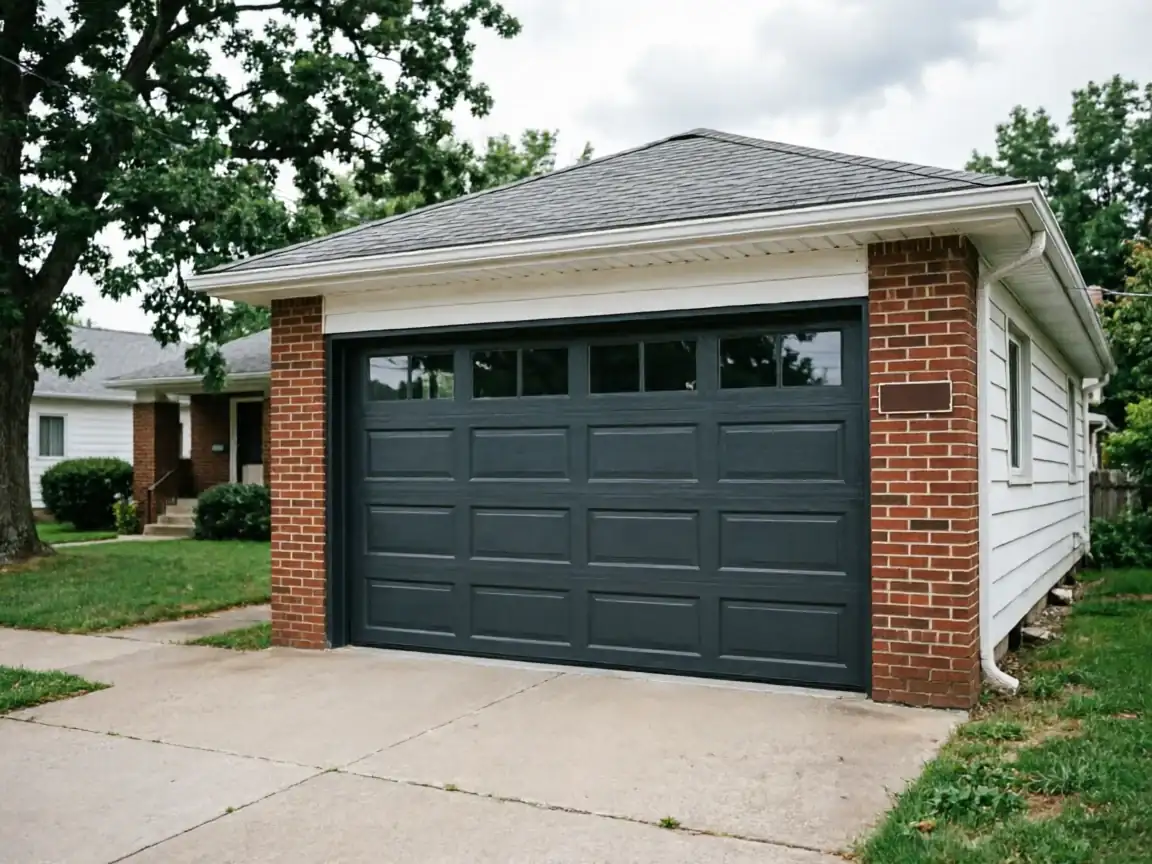
Most houses in Sturgeon went up around 1960
Which puts the town a full two decades ahead of the broader Columbia service area's median build year of 1978. That matters for a panel job because a door installed in that window usually still has its original hinges, end stiles, and sometimes the original track brackets - nobody's been out to touch them since the house was framed.
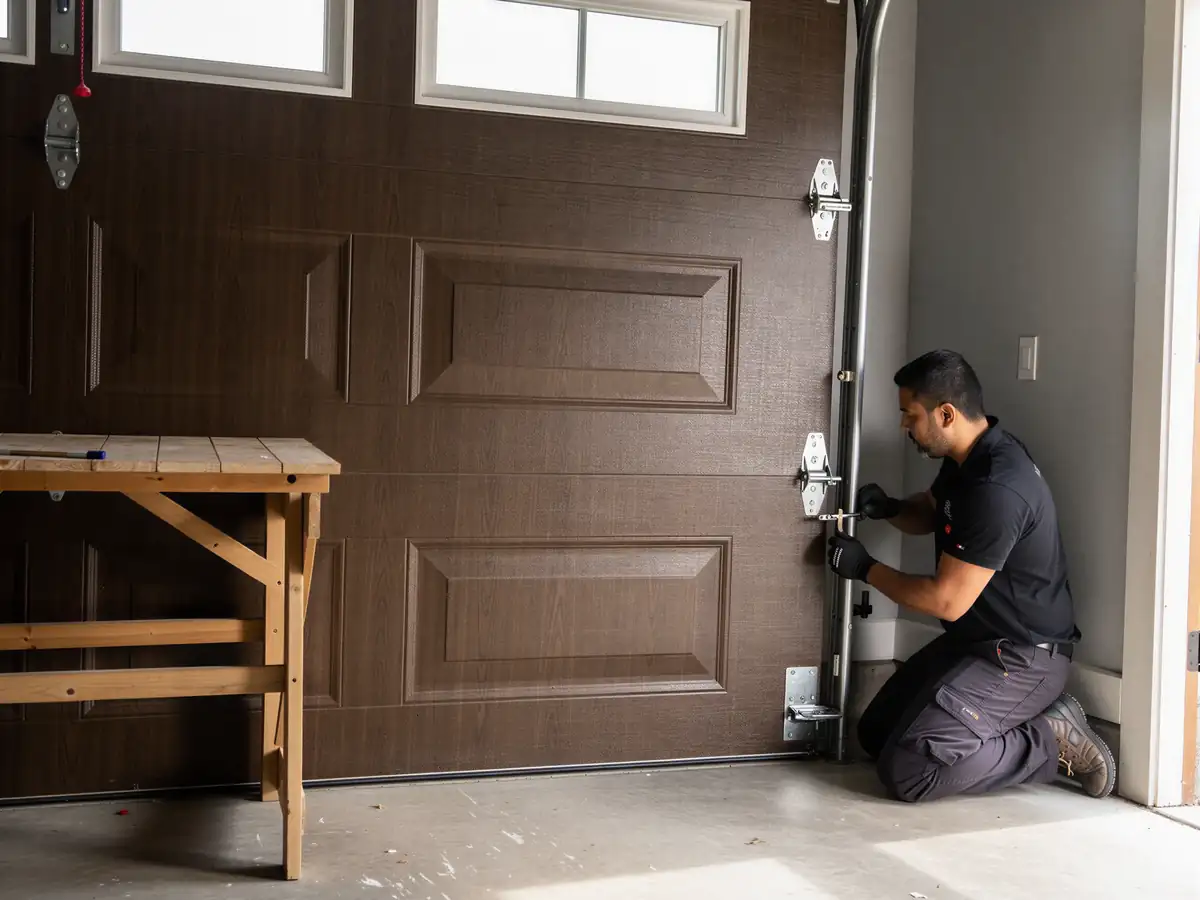
Swapping one dented or rusted-through panel on a door like that isn't a catalog lookup
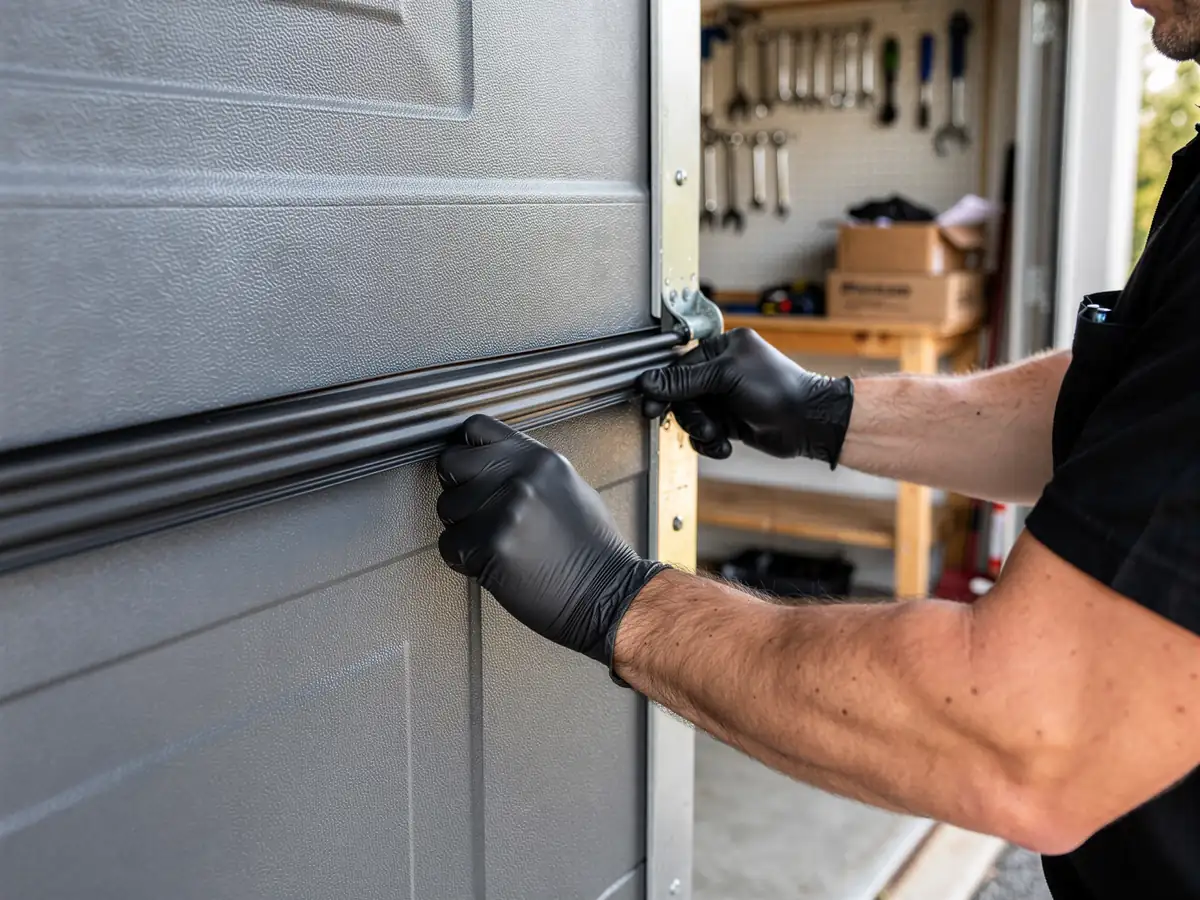
We have to measure the section height off the actual door, not off a model number, because doors from that era were sold in sizes and styles that don't map cleanly to what's stocked today. If the track and hinges are original steel and still square, we reuse them and fit the new panel to match. If they've started to pit or bow, replacing just the panel and leaving worn hardware next to it is a bad trade - you'd be bolting a new piece onto something that's going to fail next.
We also check how the new panel's R-value lines up with what's already on the door
A mismatched section sticks out as a cold spot, and on a door that's otherwise original from 1960, that's usually the first place ice forms on the inside in January.
What Is on the Truck
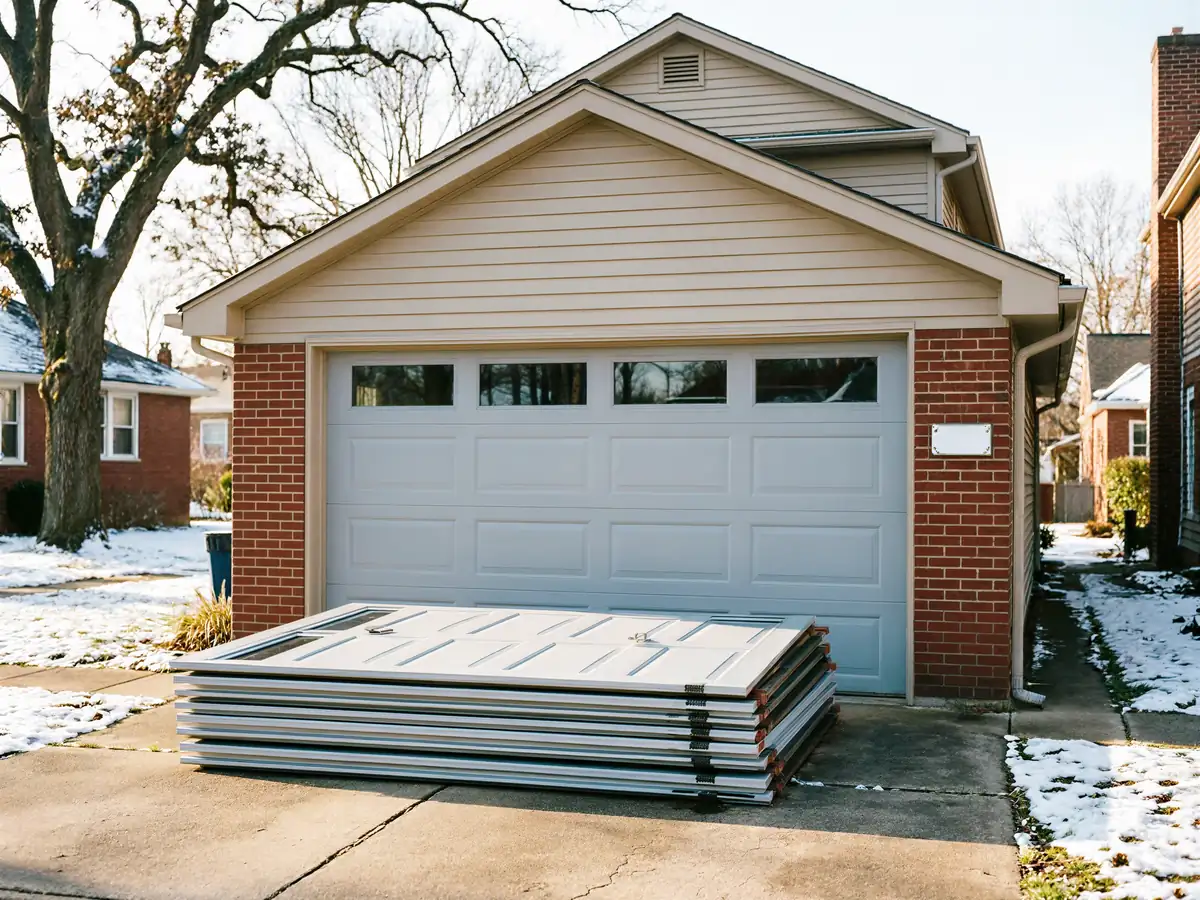
For Sturgeon jobs we load panels in the sizes that actually show up on houses from the late 1950s through the 1970s, plus the fasteners and end hardware that fit original steel sections rather than today's standard spacing. We carry both insulated and non-insulated options, because not every original door here was built with foam, and matching an insulated panel to an uninsulated door section by section doesn't solve anything - it just moves the weak spot.
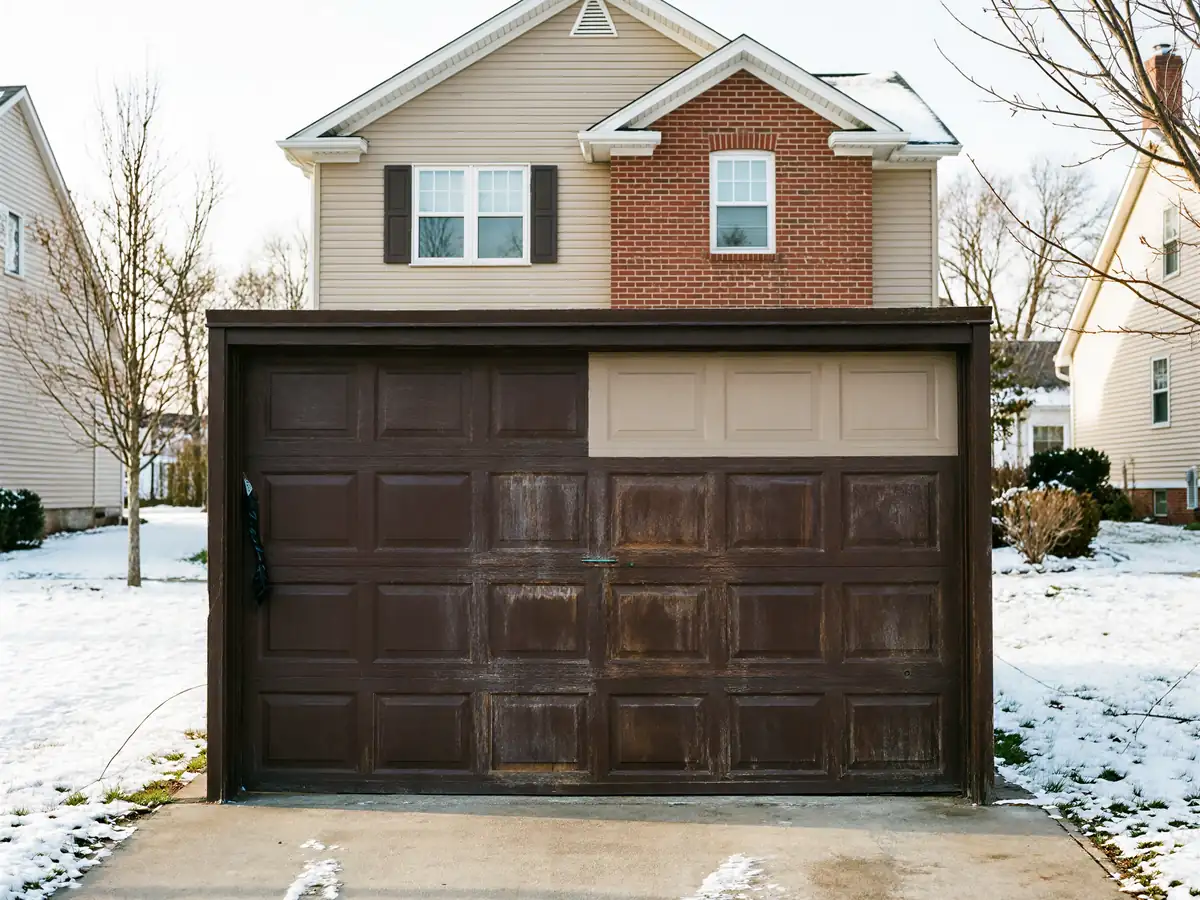
We also bring touch-up primer and matching paint stock, since a single new panel on an otherwise 60-year-old door reads as a patch unless the color and sheen are close. What we don't carry on the truck is a full stock of exact replacement panels for every discontinued model - some of the doors out here were made by manufacturers that don't exist anymore, and for those we have to special-order or fabricate a close match, which adds time to the job. That's the honest limitation: if your door is one of those, we'll tell you on-site rather than promise same-day.
What You Are Seeing
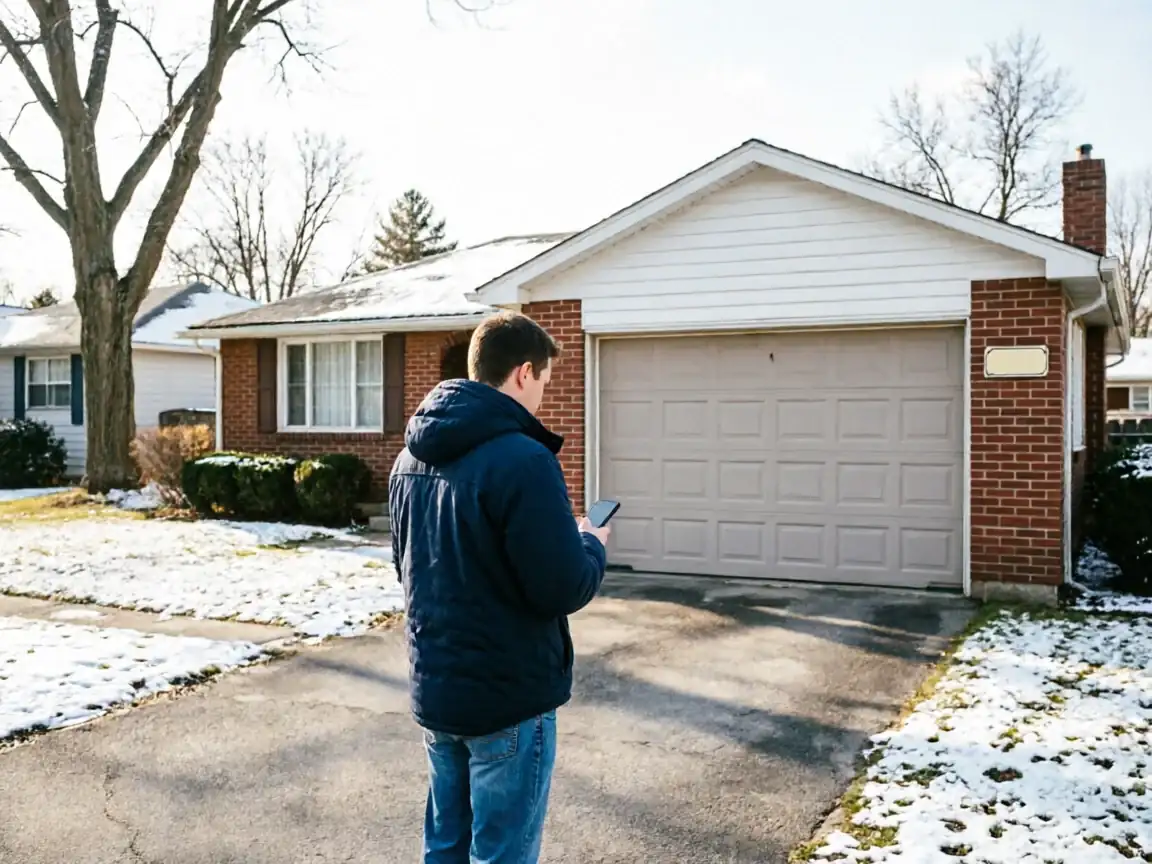
On a door from around 1960, panel failure usually shows up as rust-through at the bottom section first - that's the panel closest to ground moisture and road salt over sixty-some winters. You'll see bubbling paint, then a soft spot you can push a finger through, then the section starts to sag off its hinges.
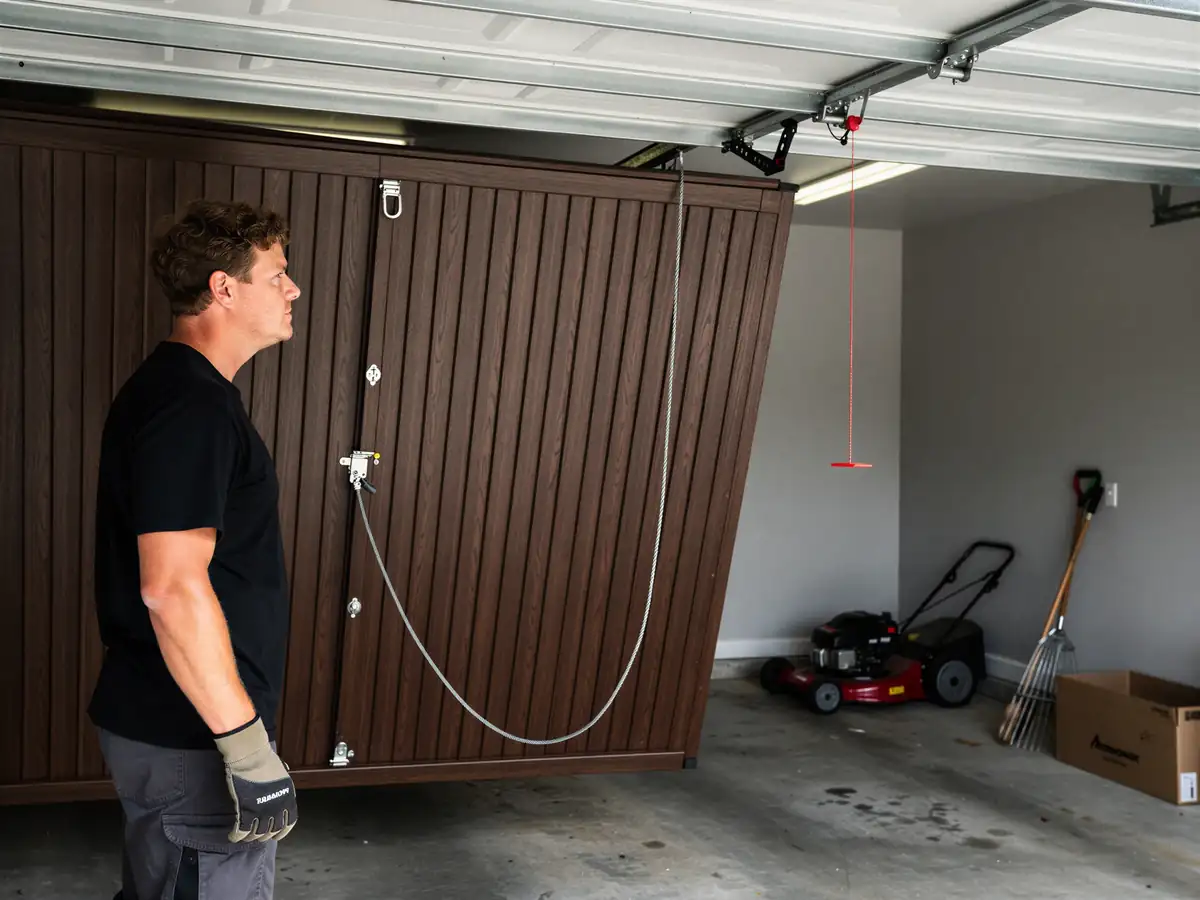
The other common failure is a cracked or buckled panel from impact - a car bumper, a dropped basketball hoop, ice buildup that's jacked a panel out of its track over a hard freeze. Given the severe cold this area sees, a door that's lost structural rigidity in one panel often shows it worst in winter, when the metal contracts and a hairline crack becomes a visible gap.
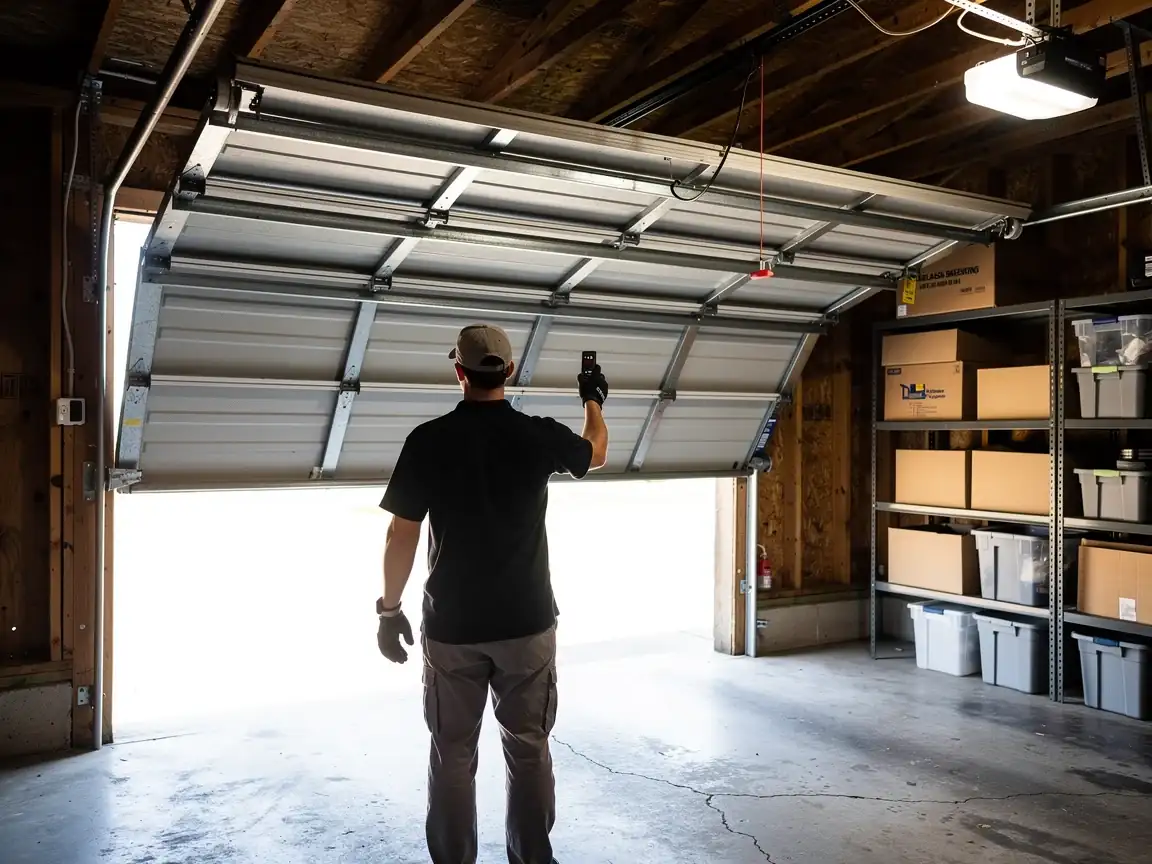
If you're seeing daylight between panels when the door's closed, or a section that doesn't sit flush no matter how the opener's adjusted, that's a panel problem, not a spring or opener problem - worth knowing before you call, since it changes what we bring.
Booking a Visit
Sturgeon sits about 20 miles out from our Columbia base
So a visit here is a dedicated trip rather than a stop on the way to another job - we schedule it as one. Tell us the approximate age of the house and what the door looks like (steel, wood, how many panels) when you call, and we'll bring options sized for that era rather than guessing from a newer catalog.
- 20 miles
We serve Sturgeon as part of the wider area that includes Ashland, Rocheport, Hallsville, Jamestown, Harrisburg, and Prairie Home
You can see the full coverage on our service area page. If you want the general rundown on panel replacement pricing and process for the Columbia area, that's covered on our main panel replacement page.
Can You Do This Yourself
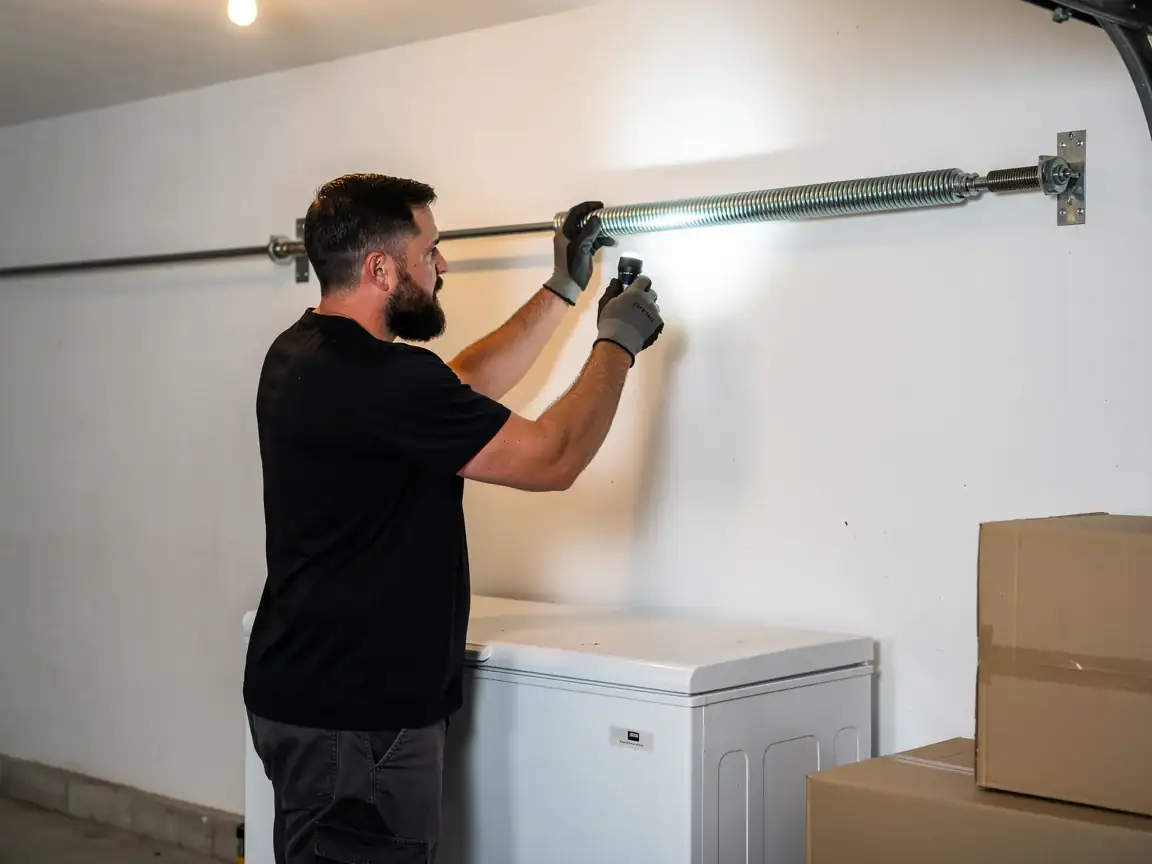
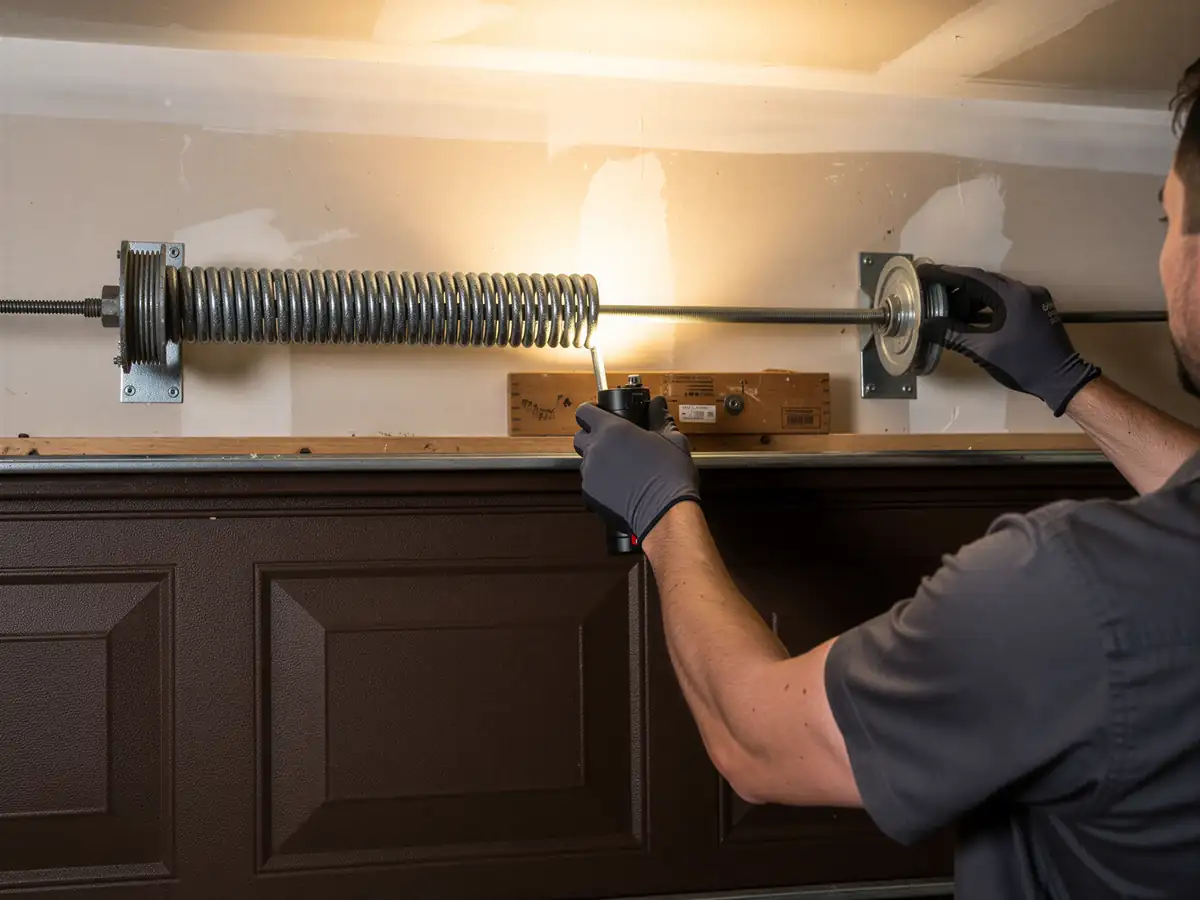
A single bolted-on panel swap on a newer sectional door is within reach for someone comfortable with a drill and a torsion spring that's already locked off. On a door from 1960 with original hardware, it's a different job. The hinges and track brackets on a door that old are often undersized or spaced differently than what's sold today, and forcing a modern panel onto old hardware can bind the door or put uneven load on the opener.
At a median household income of $66,500 here, we get why folks want to try the cheaper route first, and for a door with a straightforward, newer panel that's a fair call. But if your house dates to around 1960 and the door hasn't been touched since, have someone look at the hinges and track before you order a panel online - a part that doesn't fit the original spacing ends up costing more once it's shipped back.