What the Fix Involves
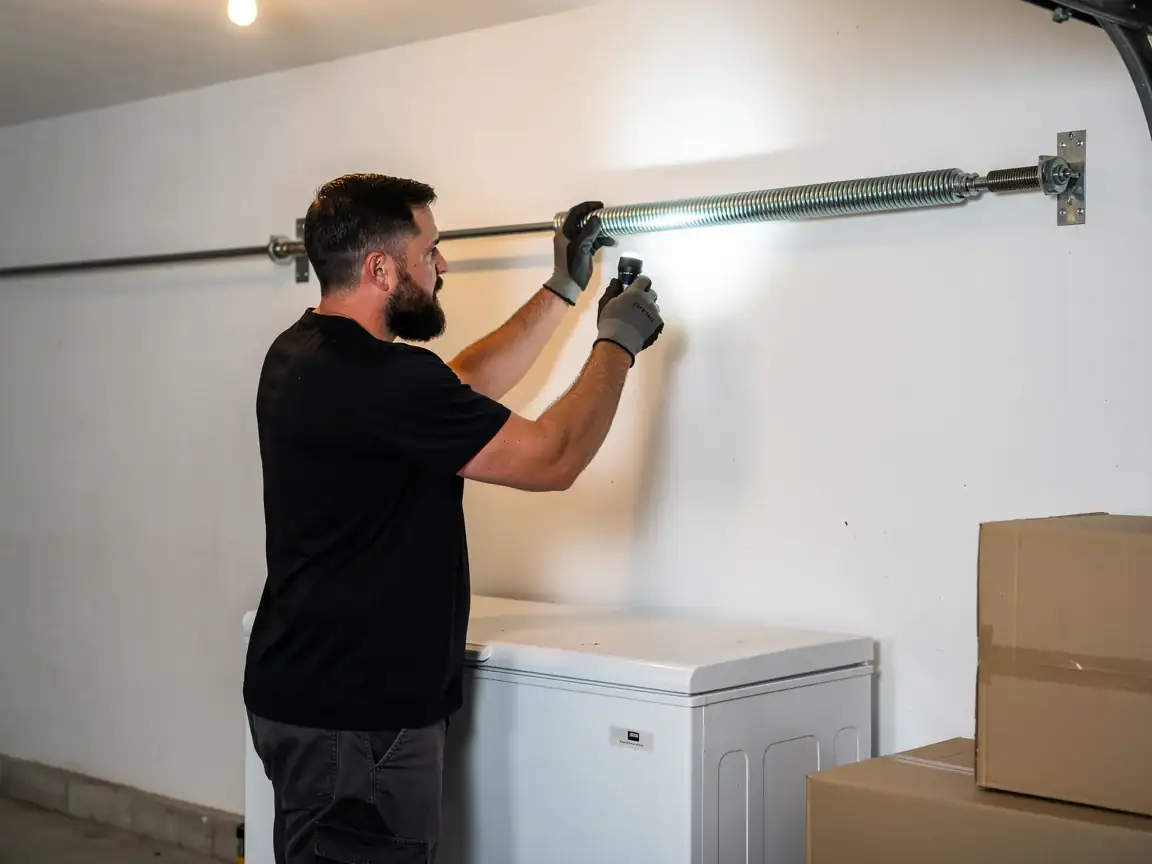
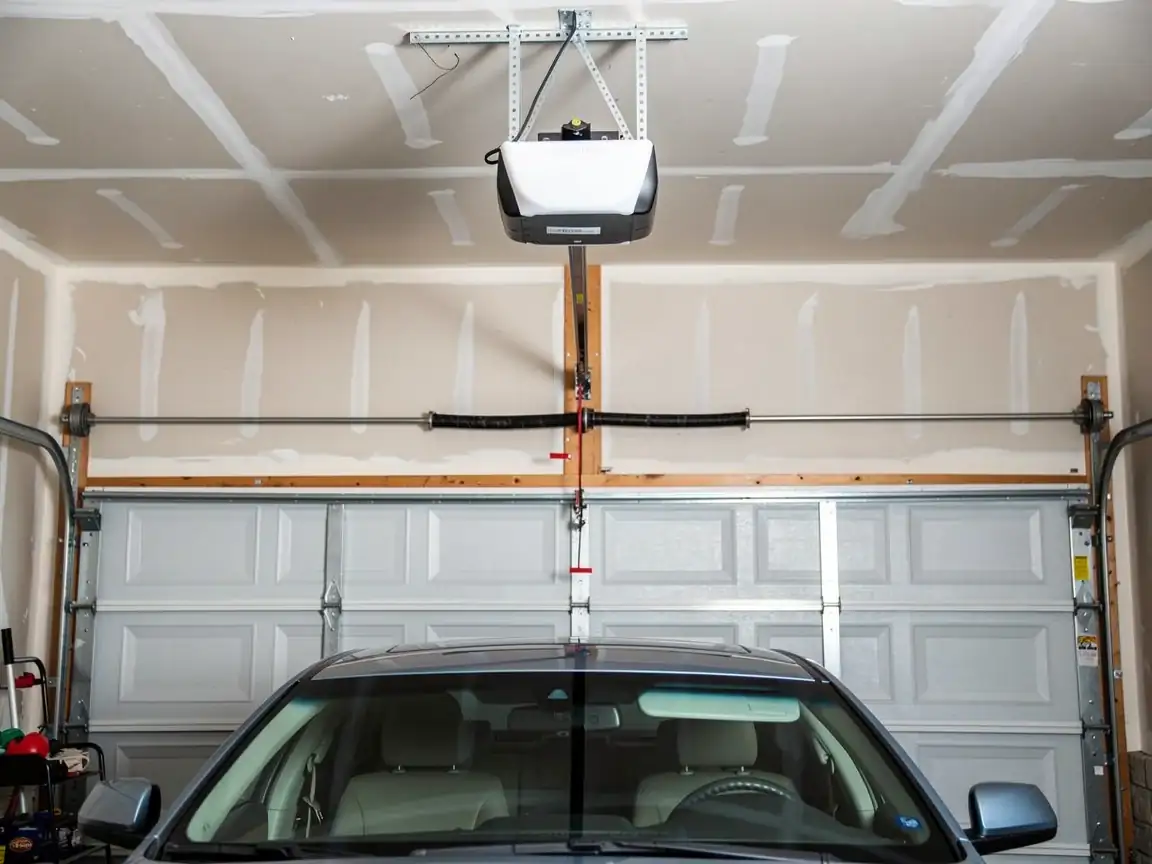
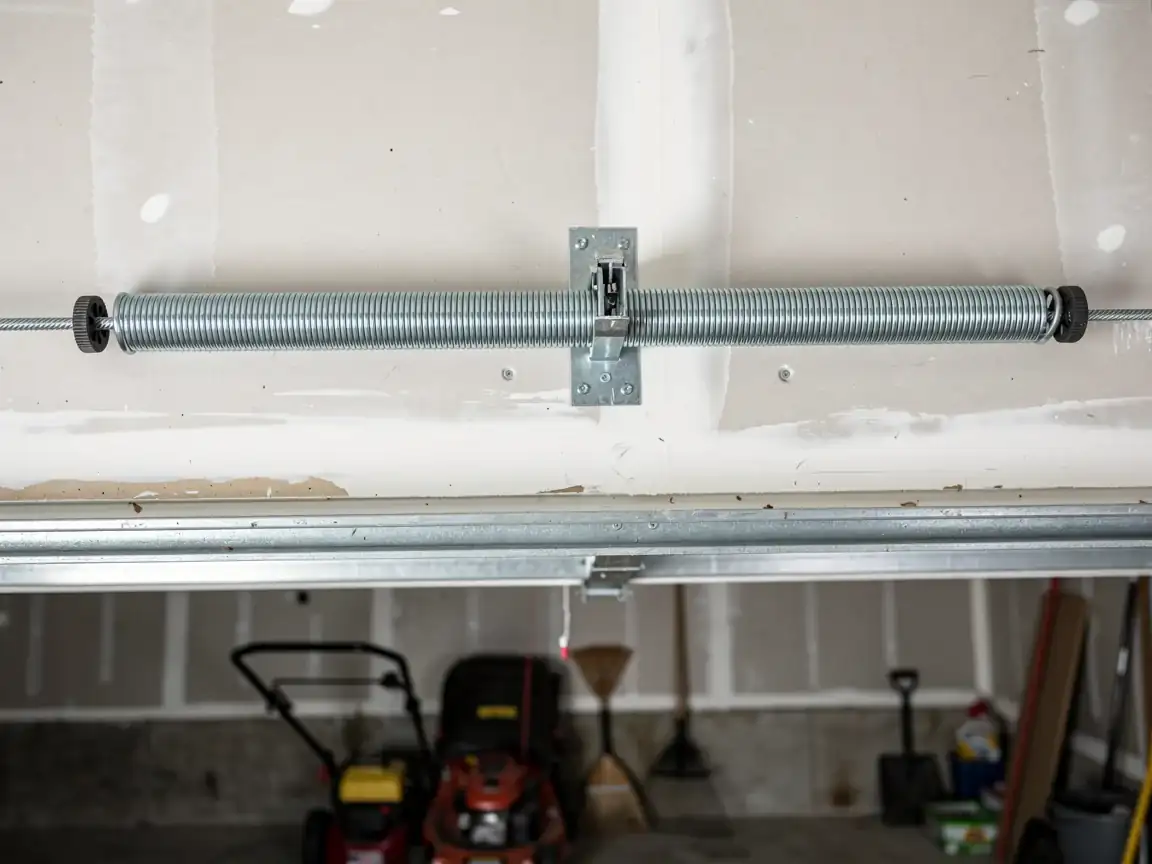
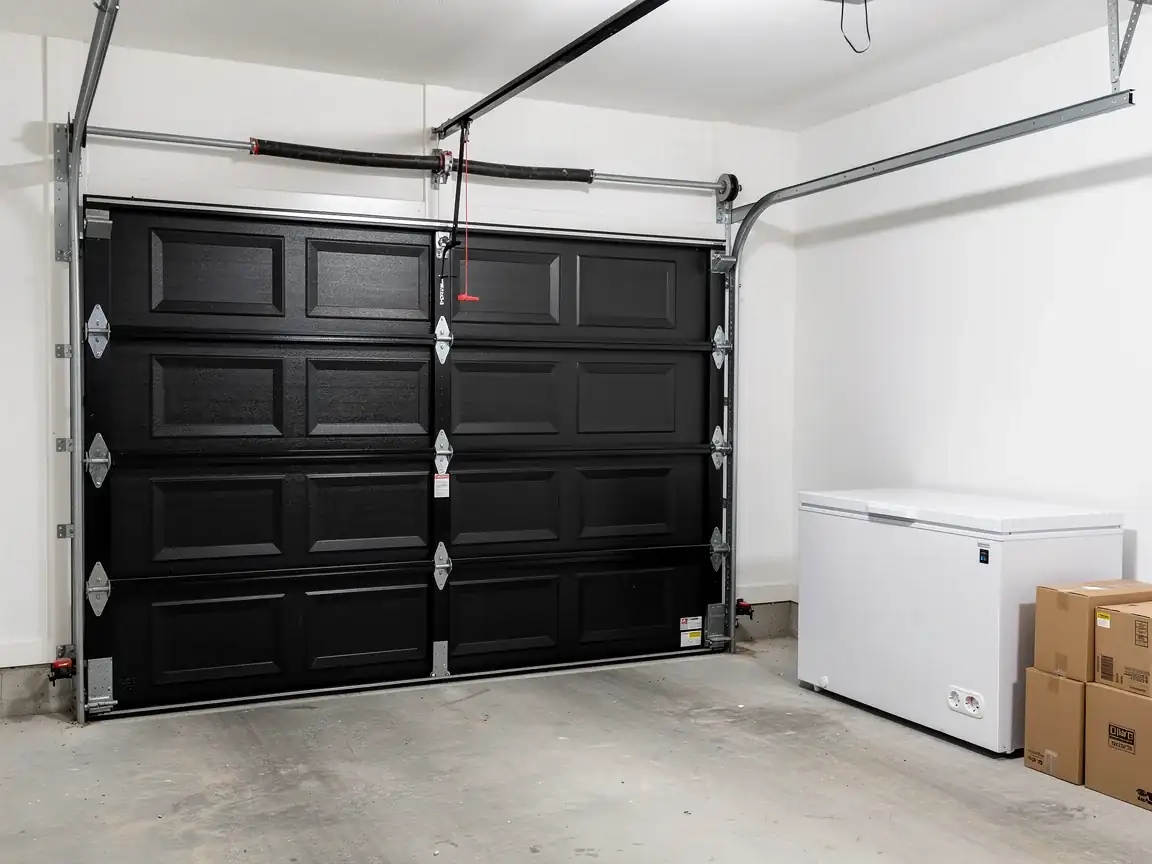
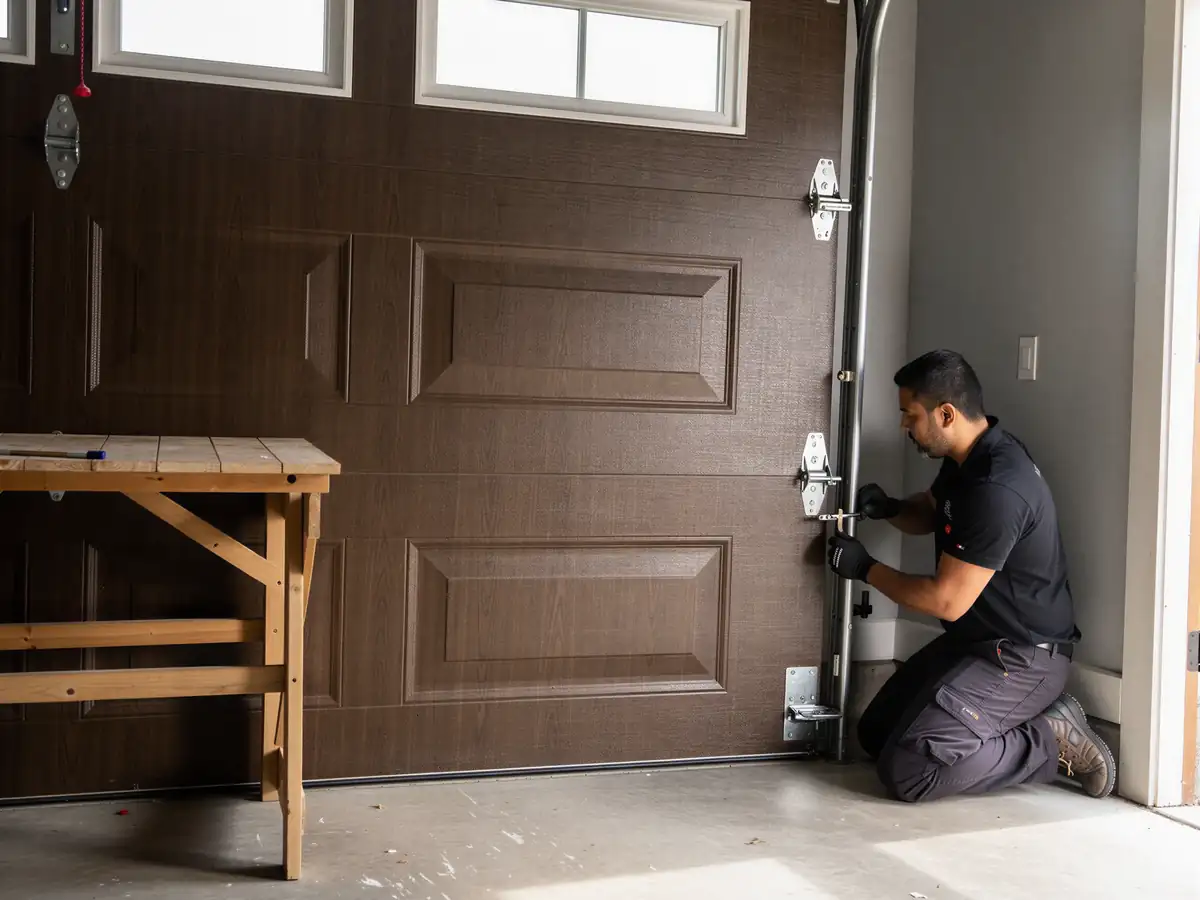
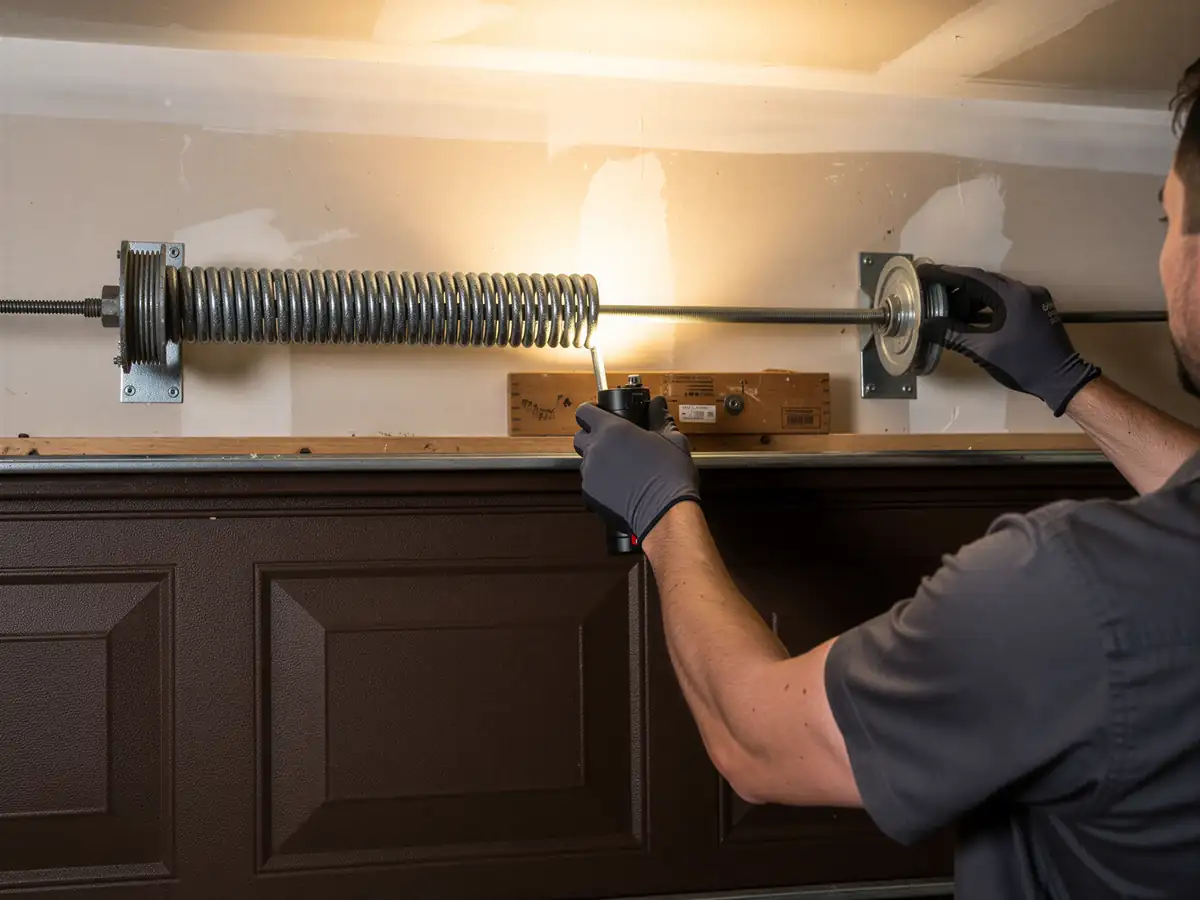
A cable repair on a torsion system means winding down the spring, pulling the old cable off the drum, and running new galvanized wire to the bottom bracket at the correct length and wrap count - get the wrap wrong and the door won't sit level. On an extension-spring setup it's a different animal: the cable runs from the bottom bracket up over a pulley to the spring itself, and a frayed strand there usually means the pulley wheel is worn too, not just the cable. We replace both cables on a two-cable door even if only one has failed, because the other one is the same age and under the same load. We don't patch a cable with a clamp or a splice - that's not a repair, that's a countdown.
What You Are Seeing
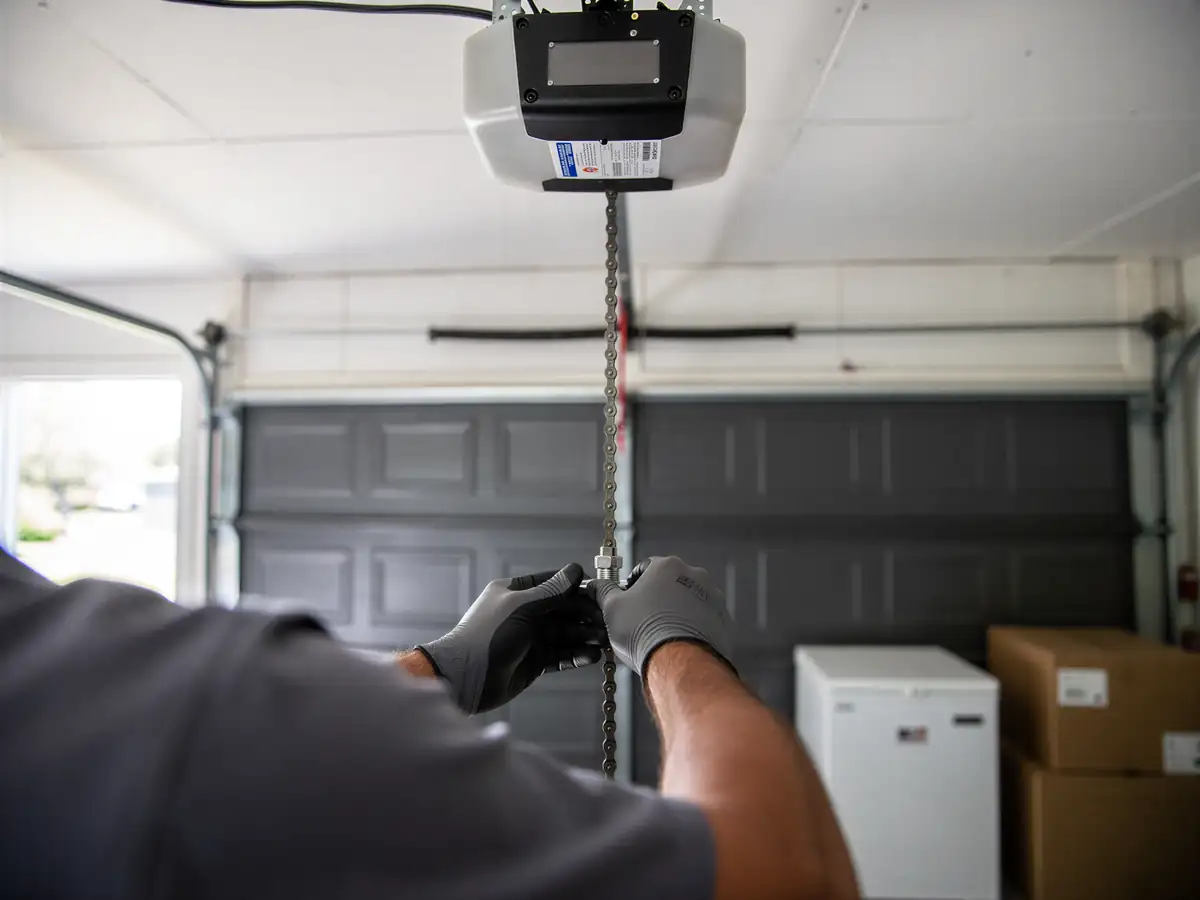
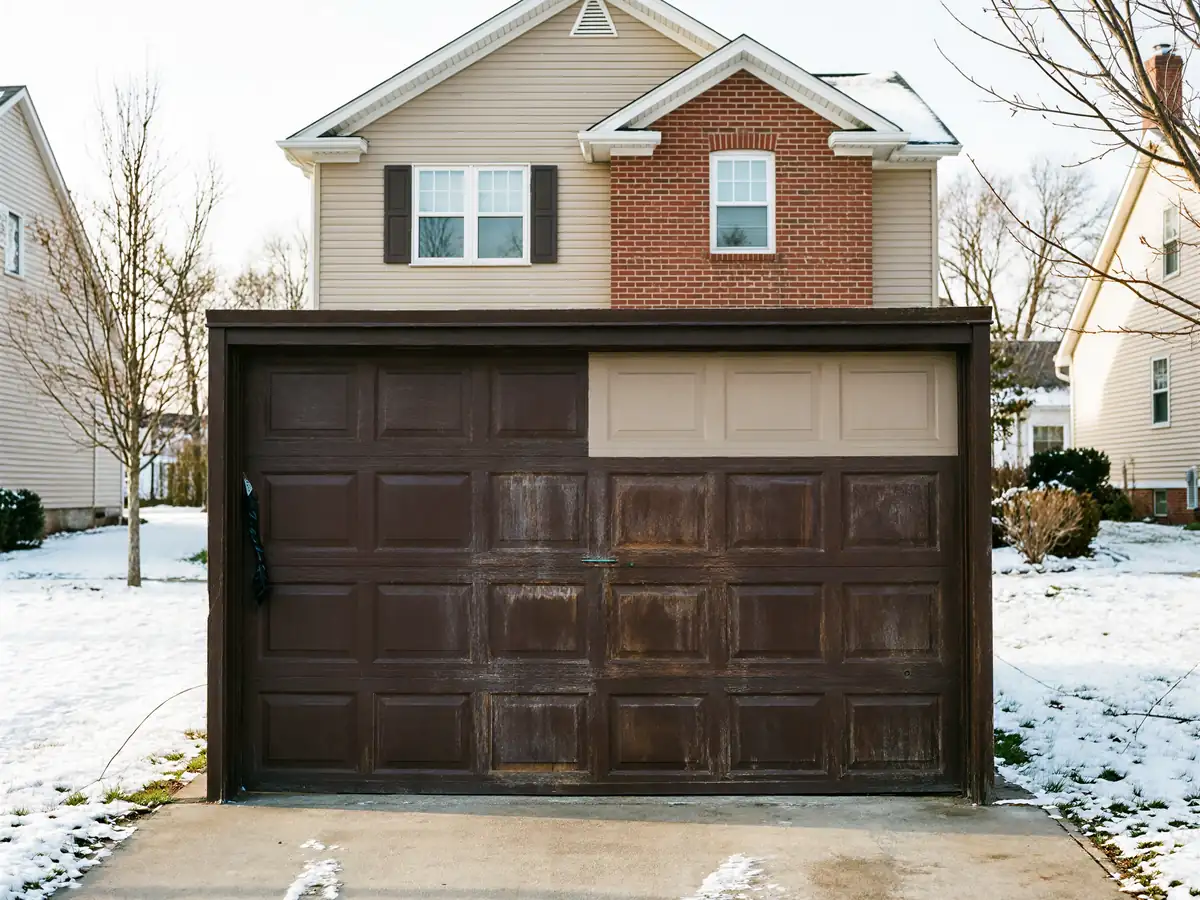
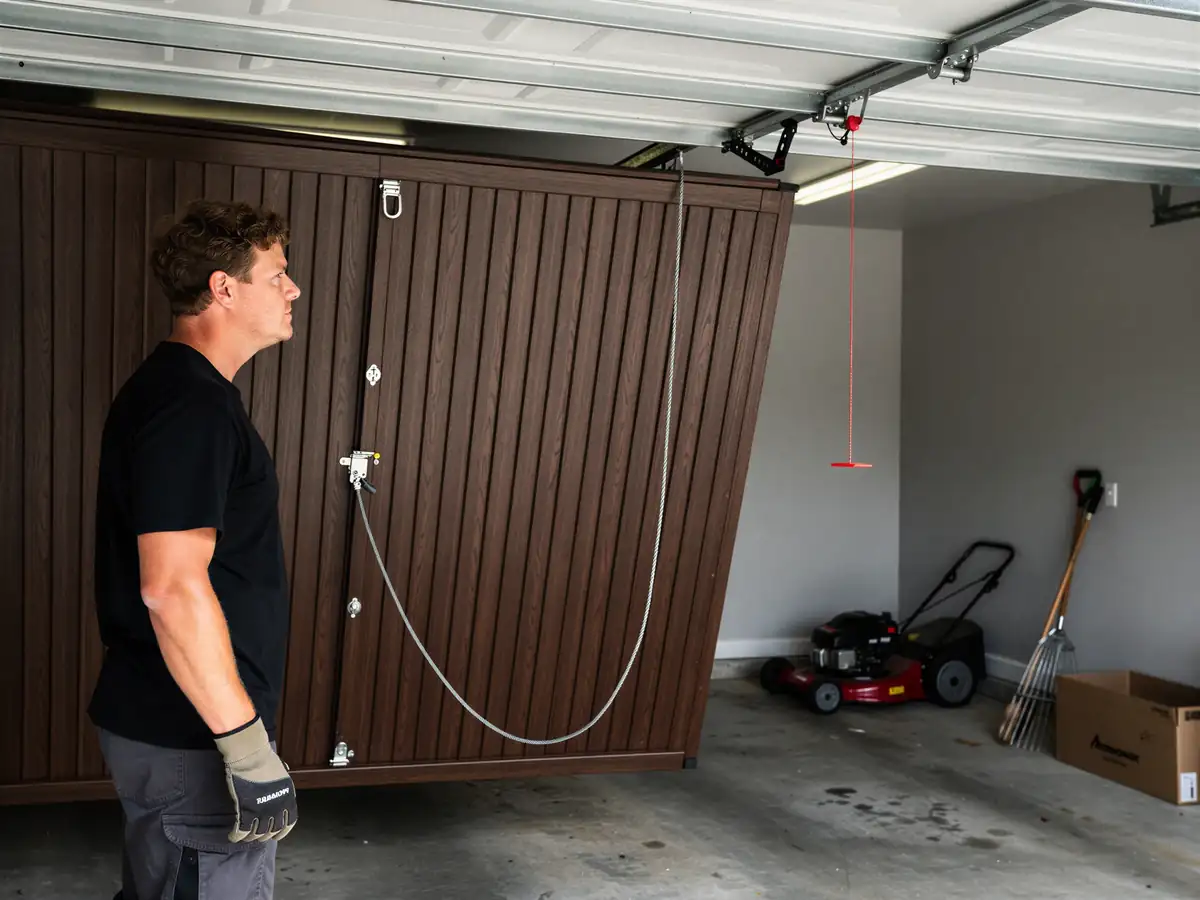
The door looks crooked in the frame, dropping an inch or two on one side, or it won't move at all because a cable's come off the drum and jammed the track. Sometimes you catch it early - a few broken strands visible where the cable wraps the drum, looking like a frayed shoelace. Other times the first sign is a loud bang as the cable lets go under tension and the door drops hard on one side, caught only by the other cable or the track rollers. If the door's opener still runs but the door doesn't move with it, that's consistent with a snapped cable too, not just a motor problem.
Can You Do This Yourself
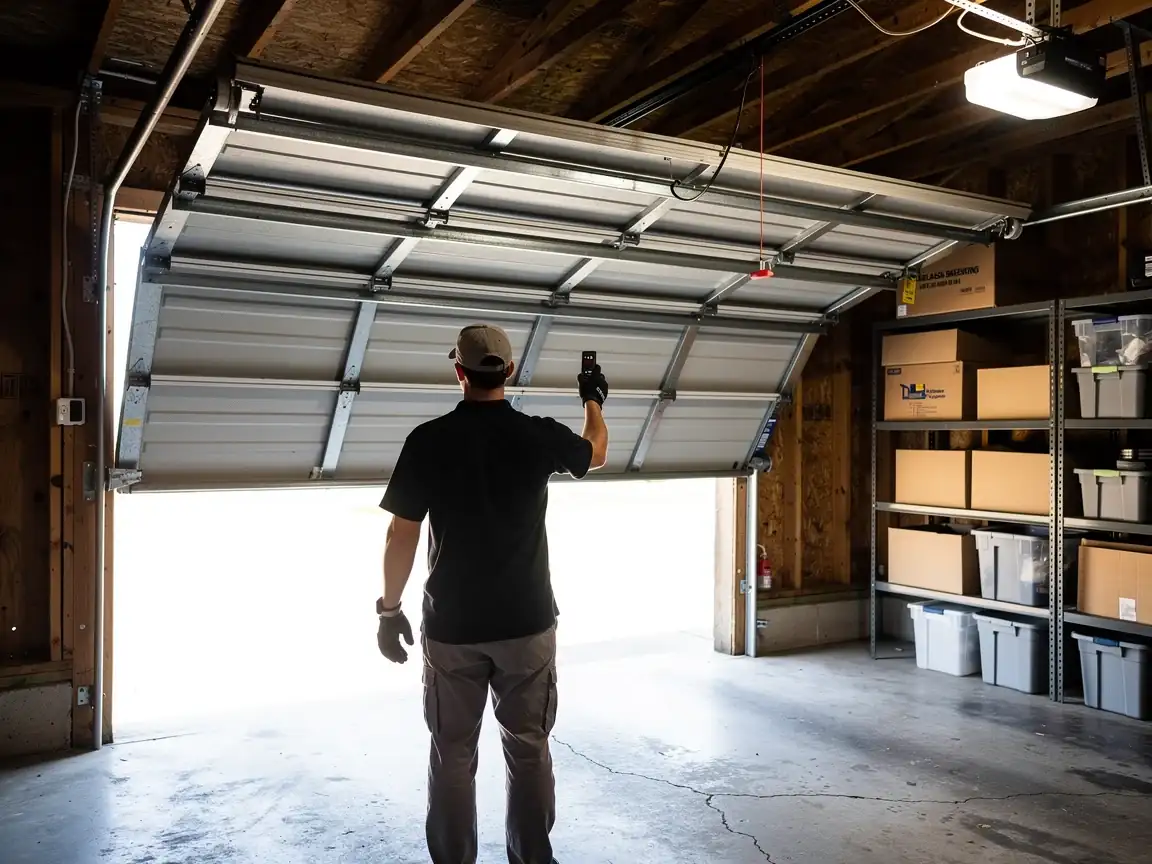
I'll be honest: this isn't a safe DIY repair, and I'd tell you that even if it cost us the job. A wound torsion spring holds enough stored energy to break a wrist or worse if the winding bars slip, and most homeowners don't have winding bars sized to the cone on their spring anyway. Extension-spring cables are less violent to work on but still run under real tension, and getting the length wrong means the door won't close square. If you want to do something yourself before we get there, the safe move is to pull the emergency release cord so the door's disconnected from the opener, and leave the rest alone.
Where This Job Goes Sideways
The common mistake we see is someone trying to re-seat a cable that's popped off the drum without releasing spring tension first - the drum can spin the second it's nudged, and that's how fingers get caught. The other way this goes sideways is less dramatic but costs more: a cable gets replaced on its own without checking the drum grooves or the bottom bracket for wear, and three months later the new cable frays in the same spot because the real problem was a burred drum, not the wire. On doors from this era, if we open the cable job and find the torsion spring itself is original and fatigued, we'll tell you - replacing just the cable on a spring that's near the end of its life is a repair that won't hold.