What the Fix Involves
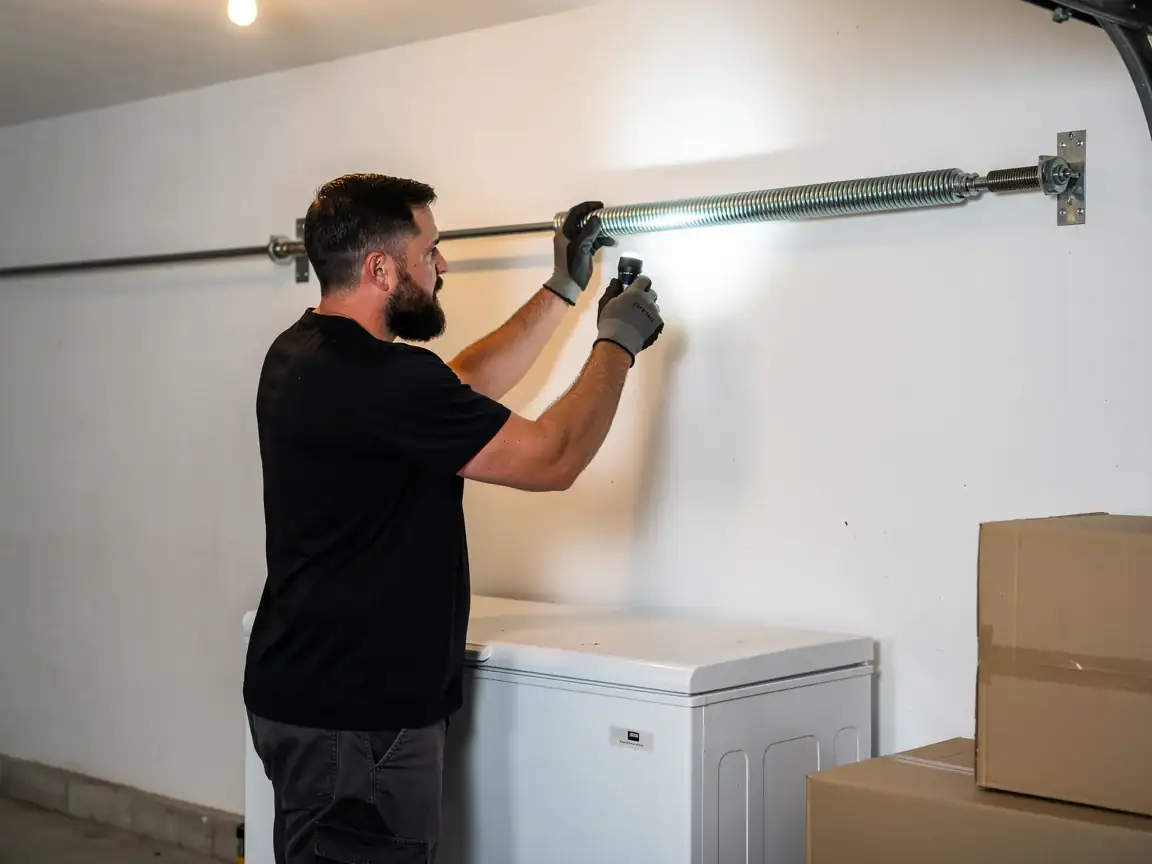
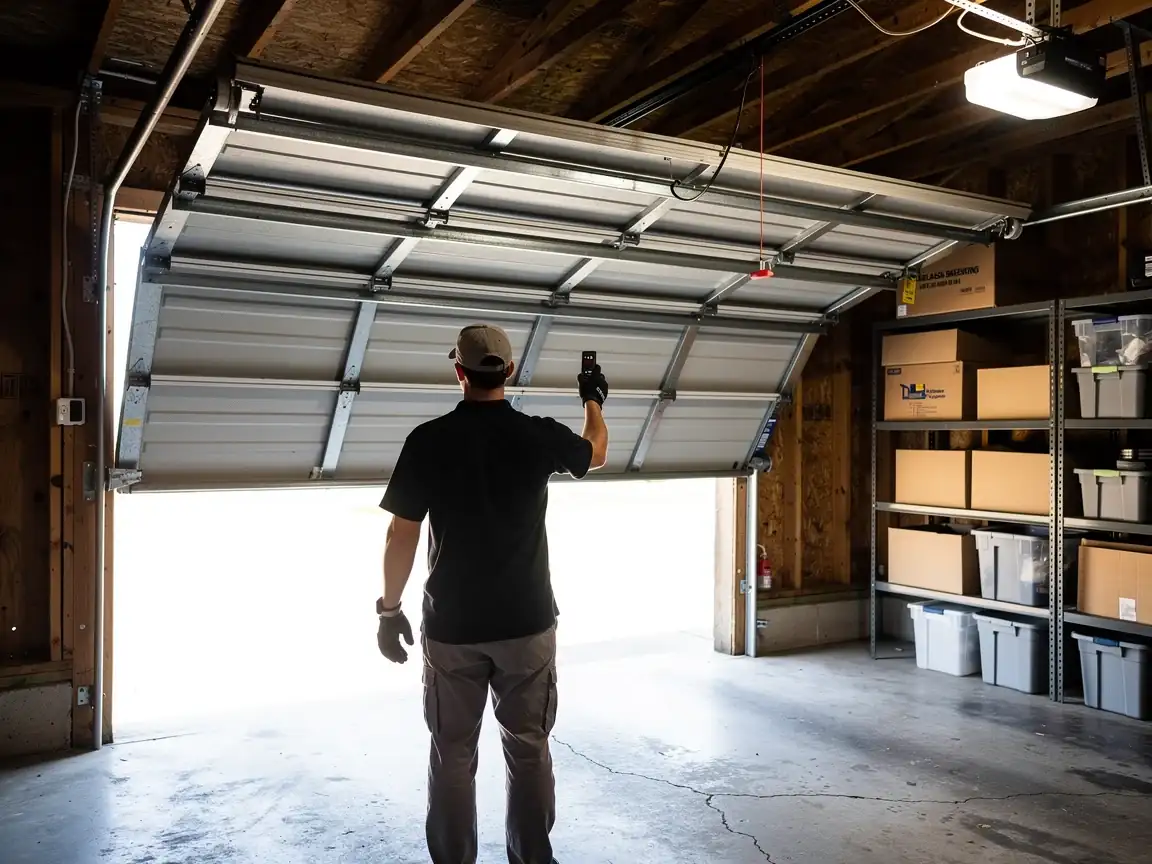
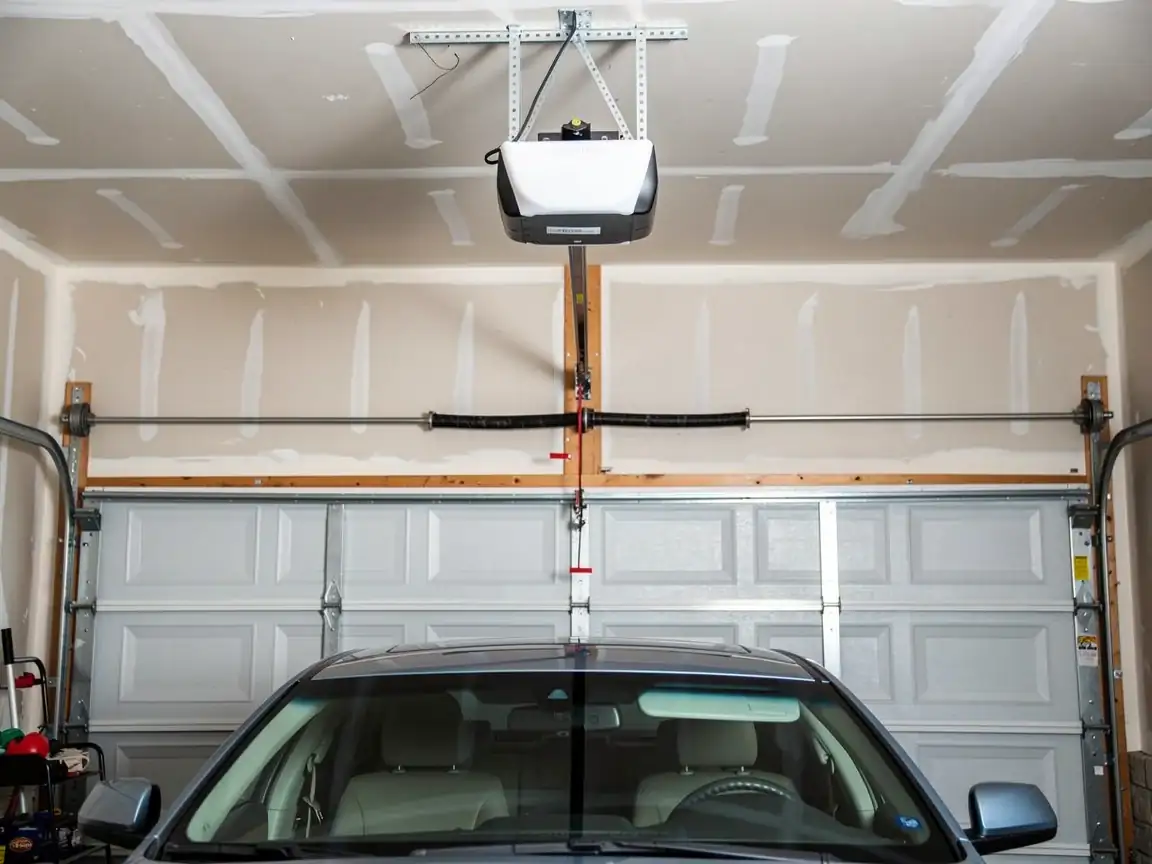
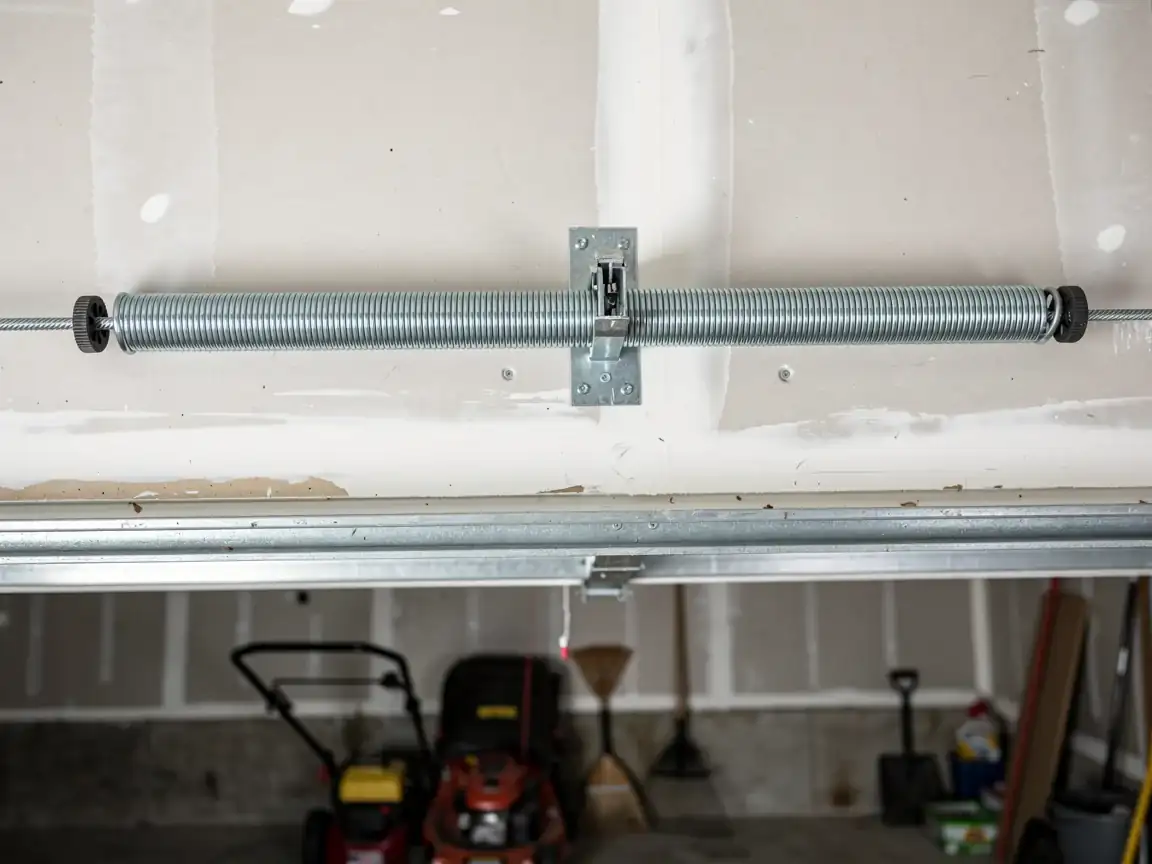
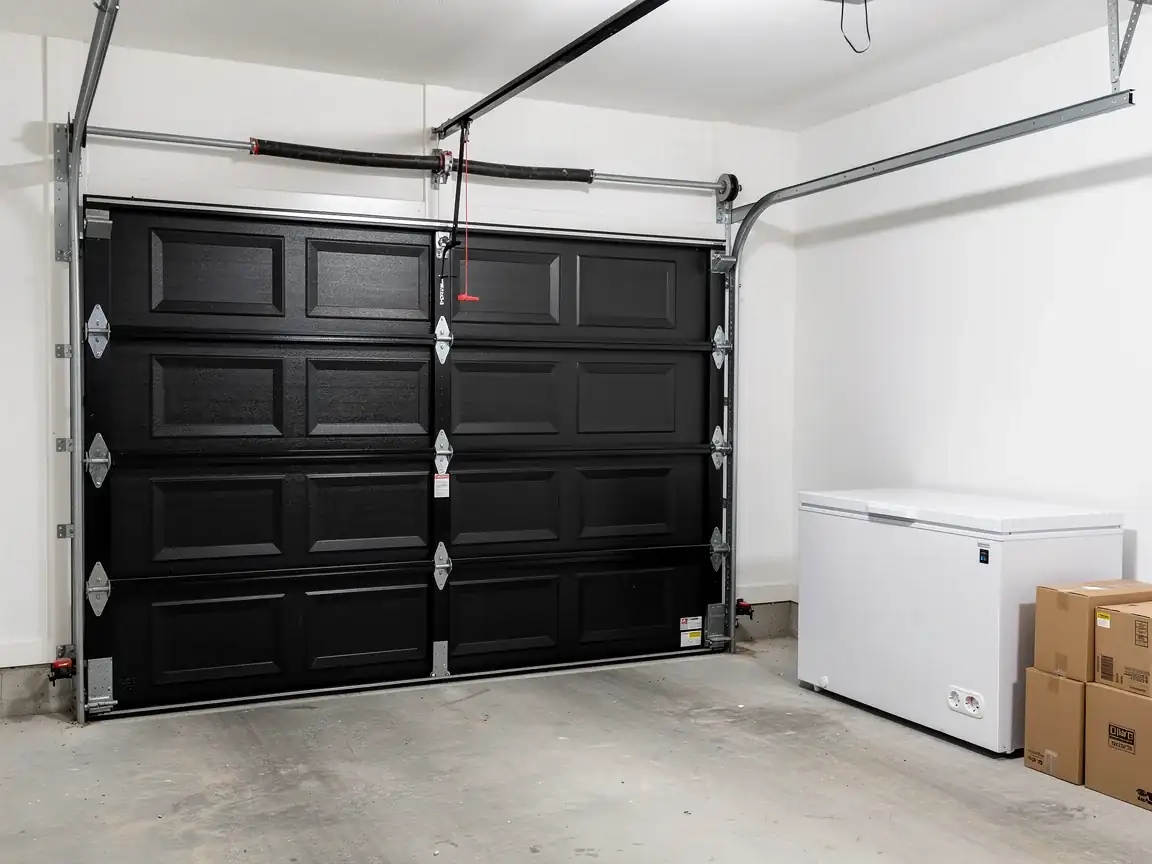
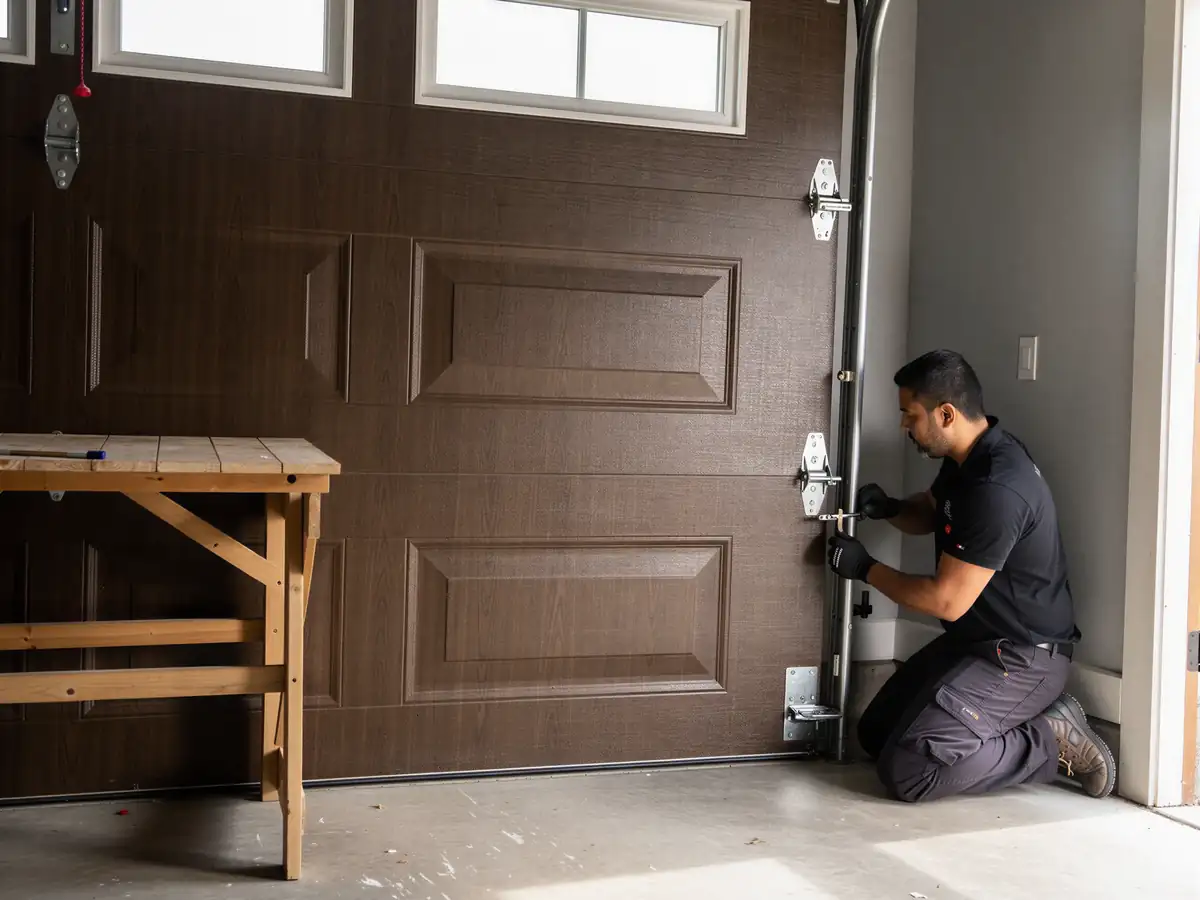
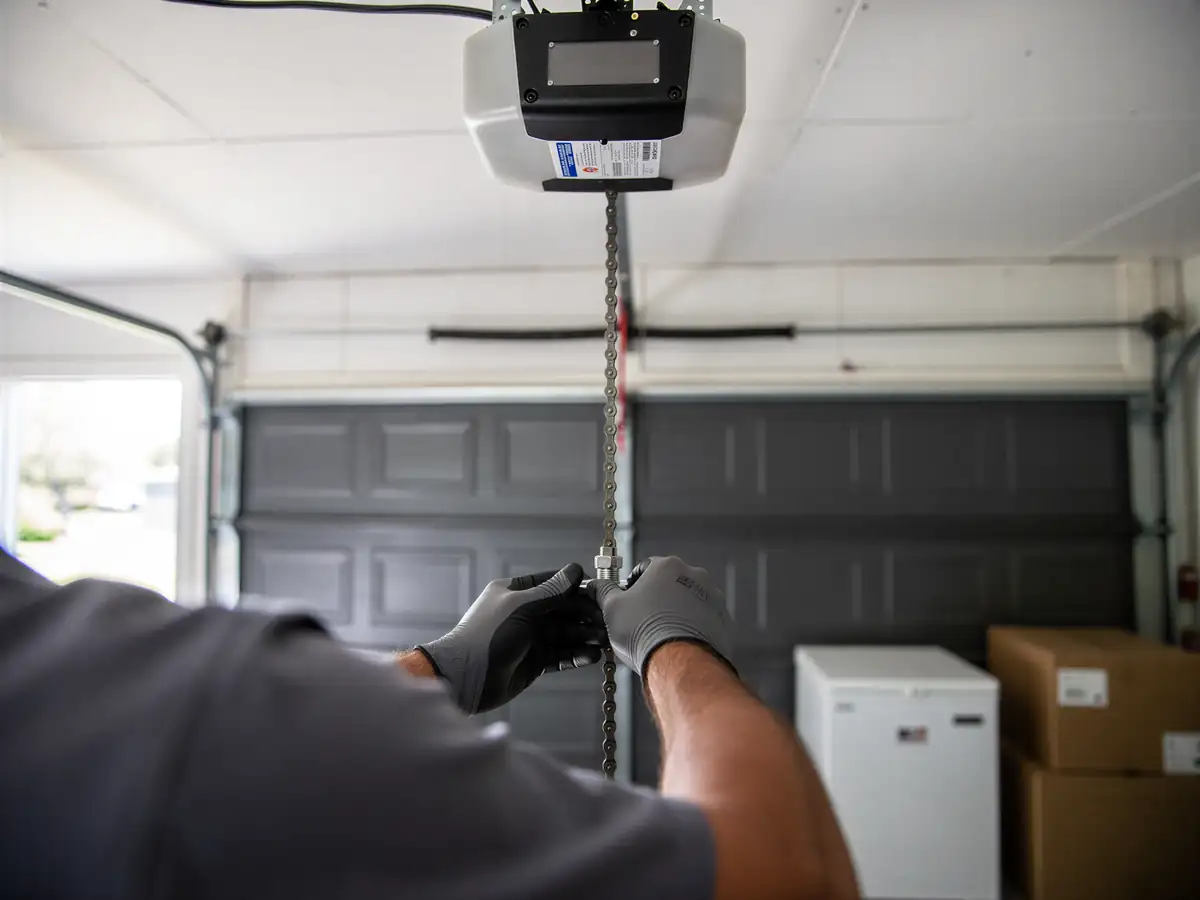
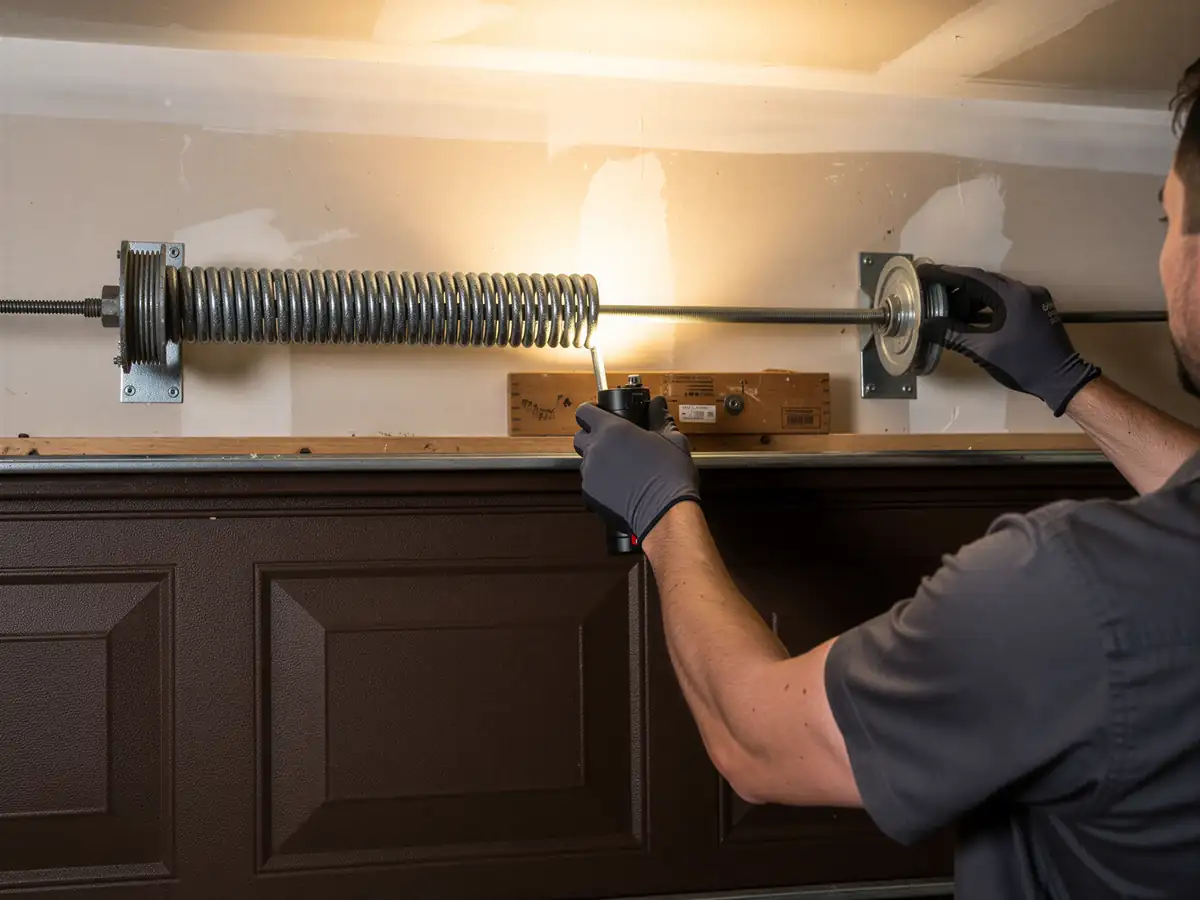
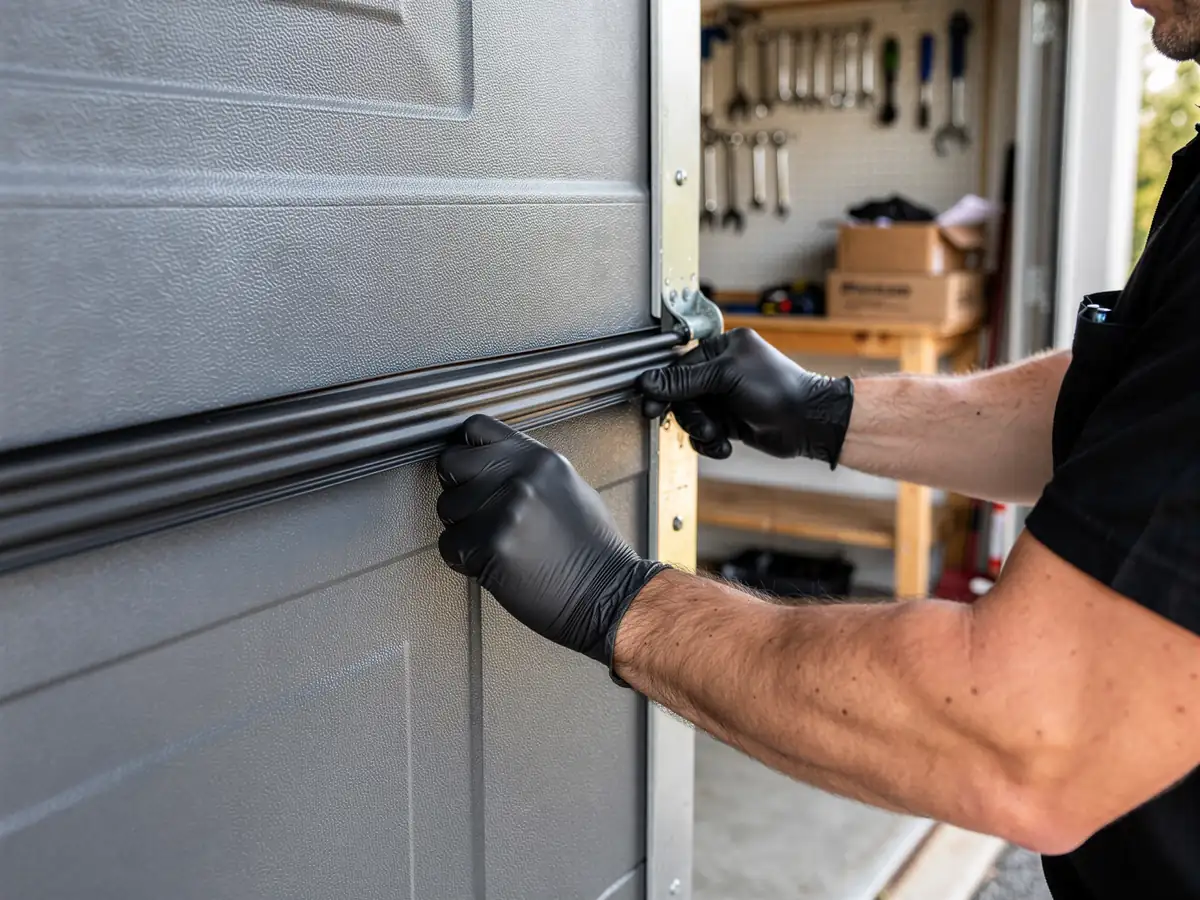
Maintenance on an Ashland door starts with the thing that's different here: the hardware is newer. A visit checks torsion spring tension and winds against the rated cycle count stamped on a factory sectional door, tests opener travel limits and force settings, and inspects the photo-eye safety sensors that became standard on openers installed in this era. Rollers get pulled and checked for wear, tracks get re-aligned if a panel has started binding, and every moving joint gets a lubricant made for cold-weather service rather than a general-purpose grease that stiffens below freezing. Weatherstripping along the bottom panel and jambs gets checked too, since a 2003-era insulated steel door depends on an intact seal to do its job. None of this is a full teardown - it's the set of checks that keep a door built around that date running the way it was designed to, rather than letting small wear turn into a spring failure or a stuck opener mid-winter.
What You Are Seeing
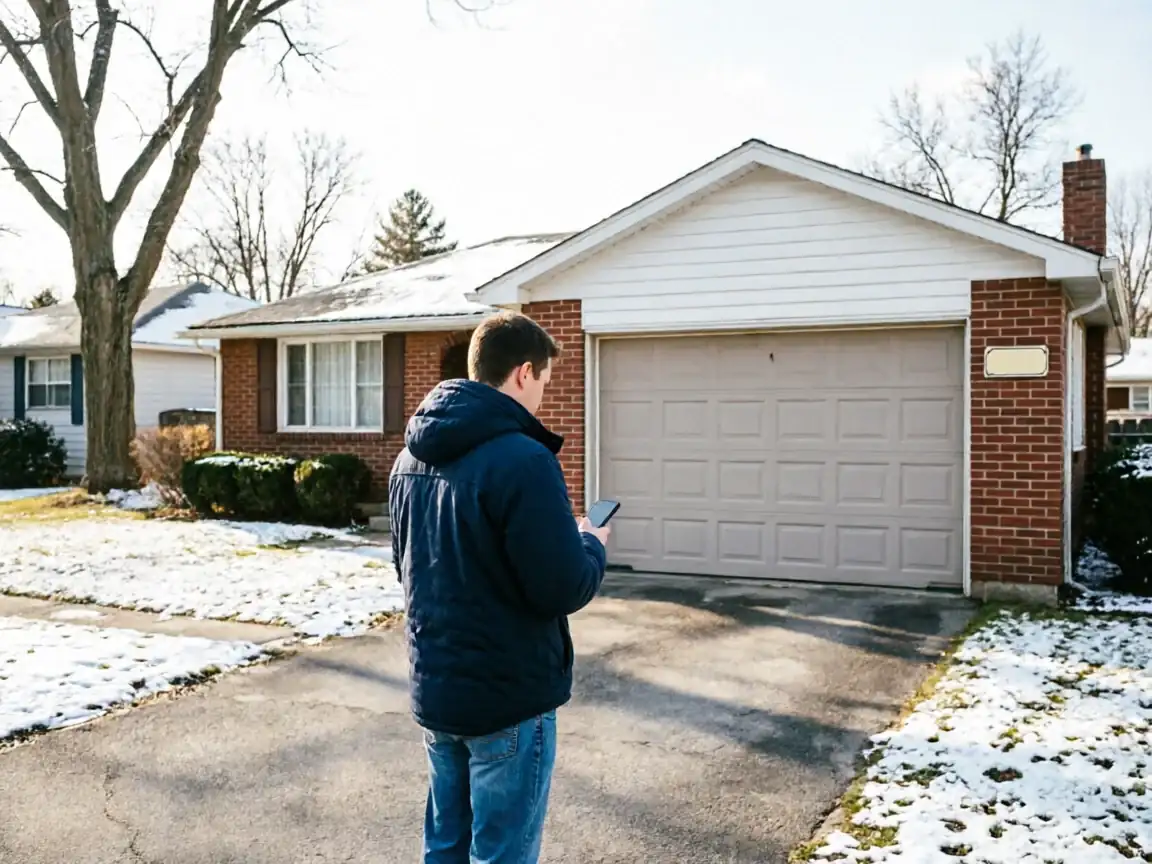
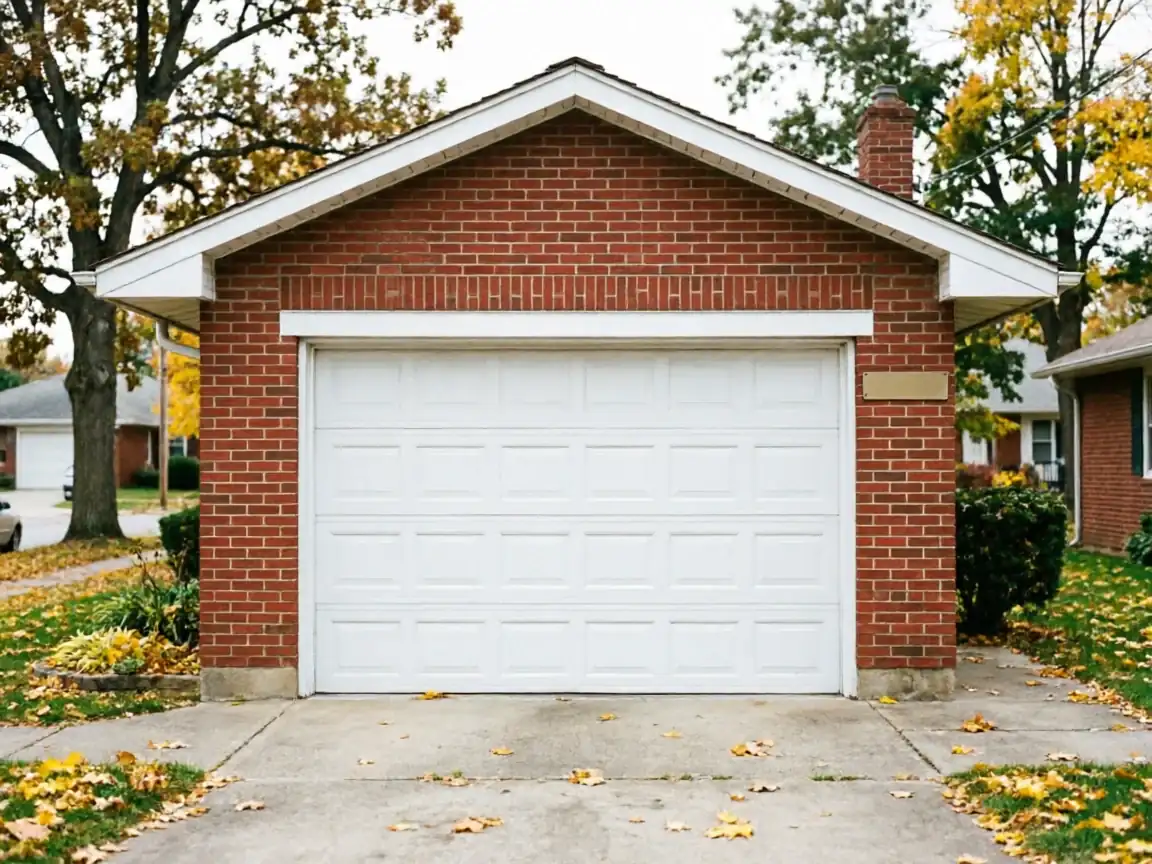
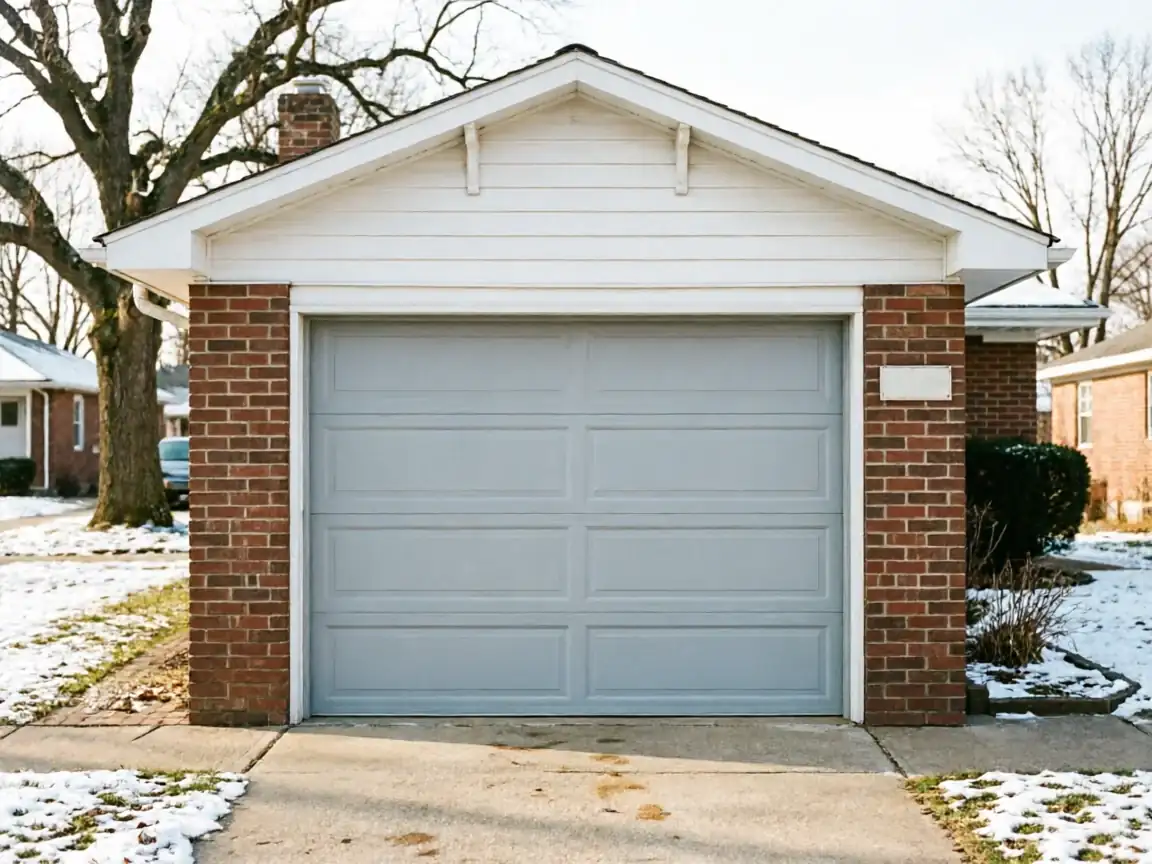
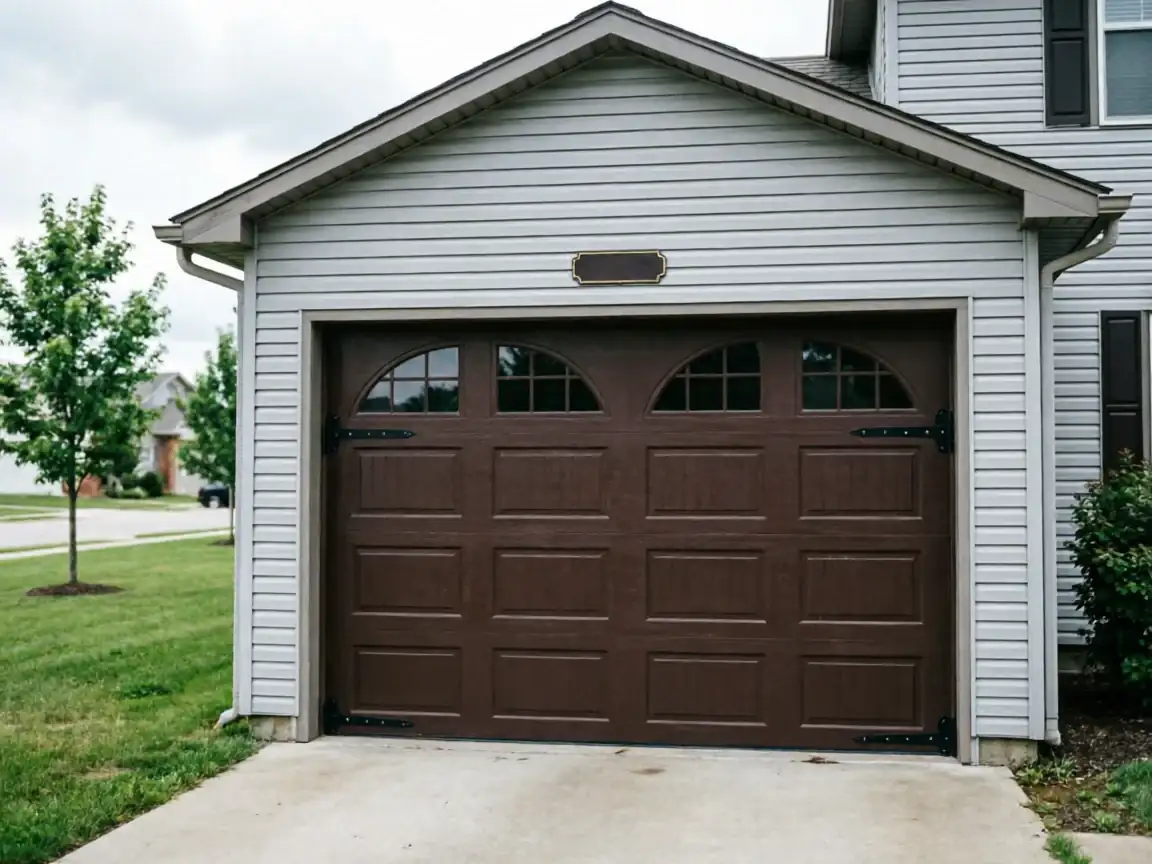
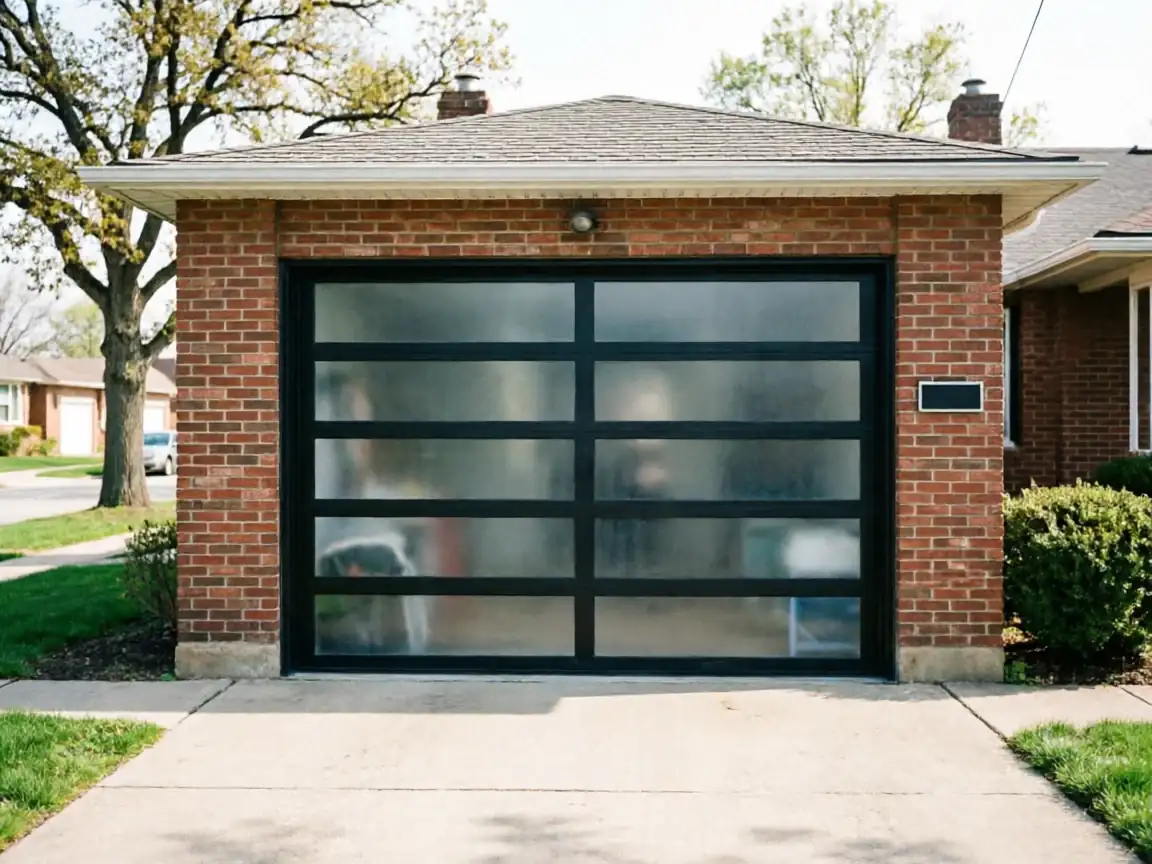
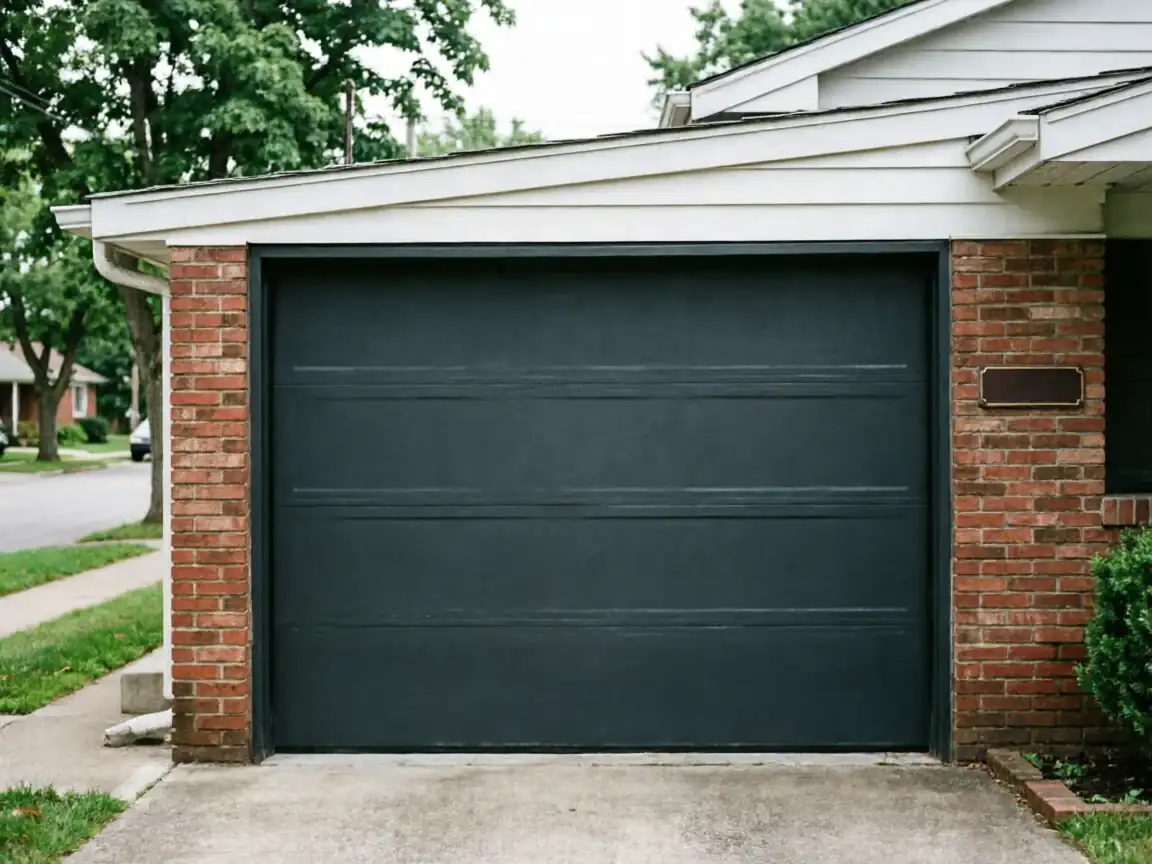
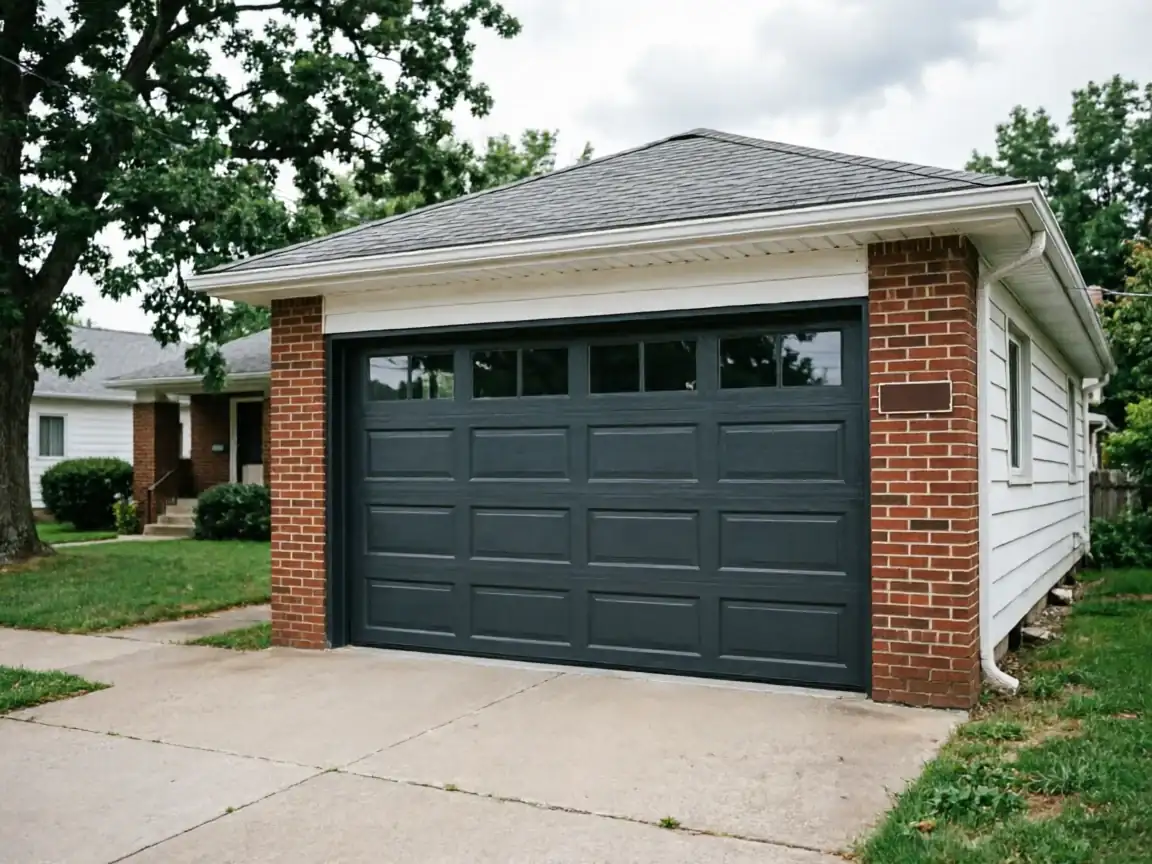
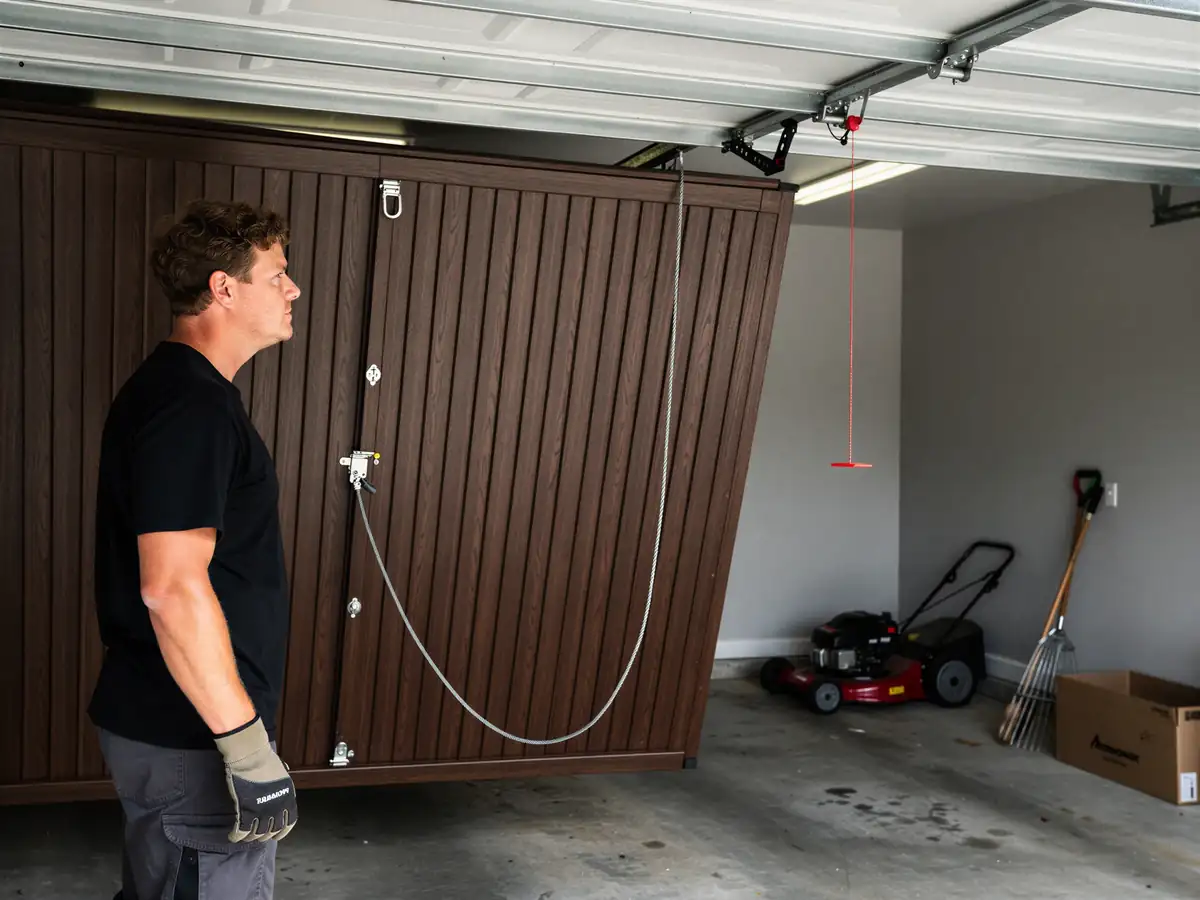
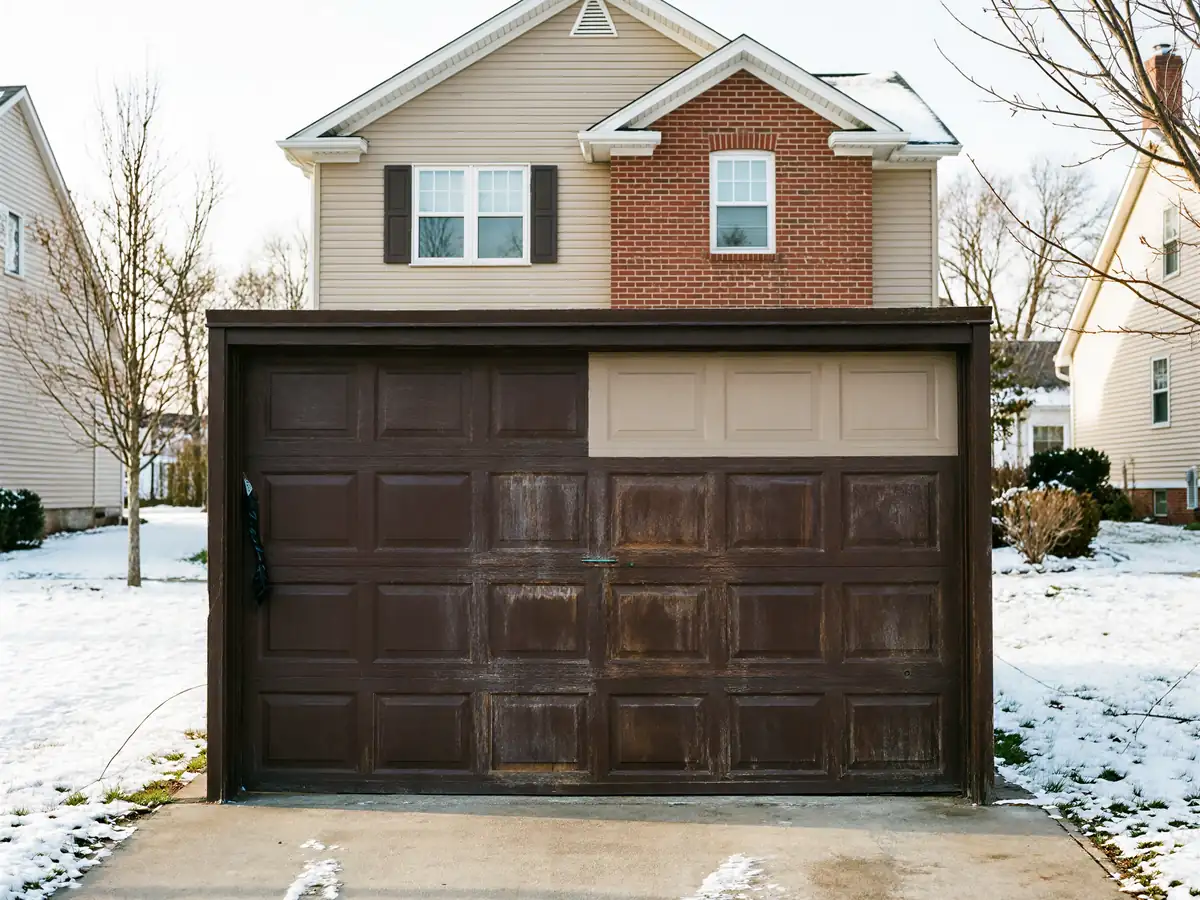
If your house in Ashland went up anywhere near 2003, the door is almost certainly a factory steel sectional panel on a torsion spring system, with nylon rollers and a chain or belt-drive opener carrying photo-eye sensors near the floor. What you notice first is usually small: a grinding or popping sound as the door travels, a door that reverses on its own partway down, or an opener that strains and hesitates on cold mornings before the door moves at all. None of that is dramatic yet. It's the sound of lubricant that's thickened in the cold, a roller that's starting to wear flat, or sensor alignment that's drifted a few degrees. Caught here, it's a maintenance call. Left alone through a winter, it's usually a spring replacement or an opener board failure by spring.
Can You Do This Yourself
Some of this is reasonable to do on your own. You can visually check rollers and tracks for obvious wear, wipe down and re-lubricate hinges and the opener's drive rail with a cold-rated silicone or lithium grease, and test the photo-eye sensors by waving something in front of them while the door closes. What you shouldn't touch is the torsion spring. It's wound under enough tension to cause serious injury if it lets go while you're adjusting it, and that's true whether the door is two years old or twenty. If the door is slow, noisy, or the opener is straining, that's worth a call rather than a guess. The honest limitation here: a maintenance visit won't fix a spring that's already failed or fatigued - at that point it's a repair, not a tune-up, and the two aren't the same visit.
Where This Job Goes Sideways
The most common miss on a newer door is treating the opener's force setting as fixed once it's installed. As rollers wear and tracks drift slightly out of alignment, the opener compensates by pushing harder, which masks the real problem until the motor or gear finally gives out - often in the cold, when it's already working against stiff lubricant. The other place things go wrong is sensor alignment. A sensor knocked a few degrees out of true by a bike leaning against it or a stored ladder will still seem to work most of the time, then fail intermittently right when the door needs to reverse for safety. Both of these get caught in a proper maintenance pass and both get worse quietly if nobody's looking. On a door this age, most failures are mechanical drift, not sudden breakage - which is exactly why a scheduled check catches them before they turn into a spring call.