Booking a Visit
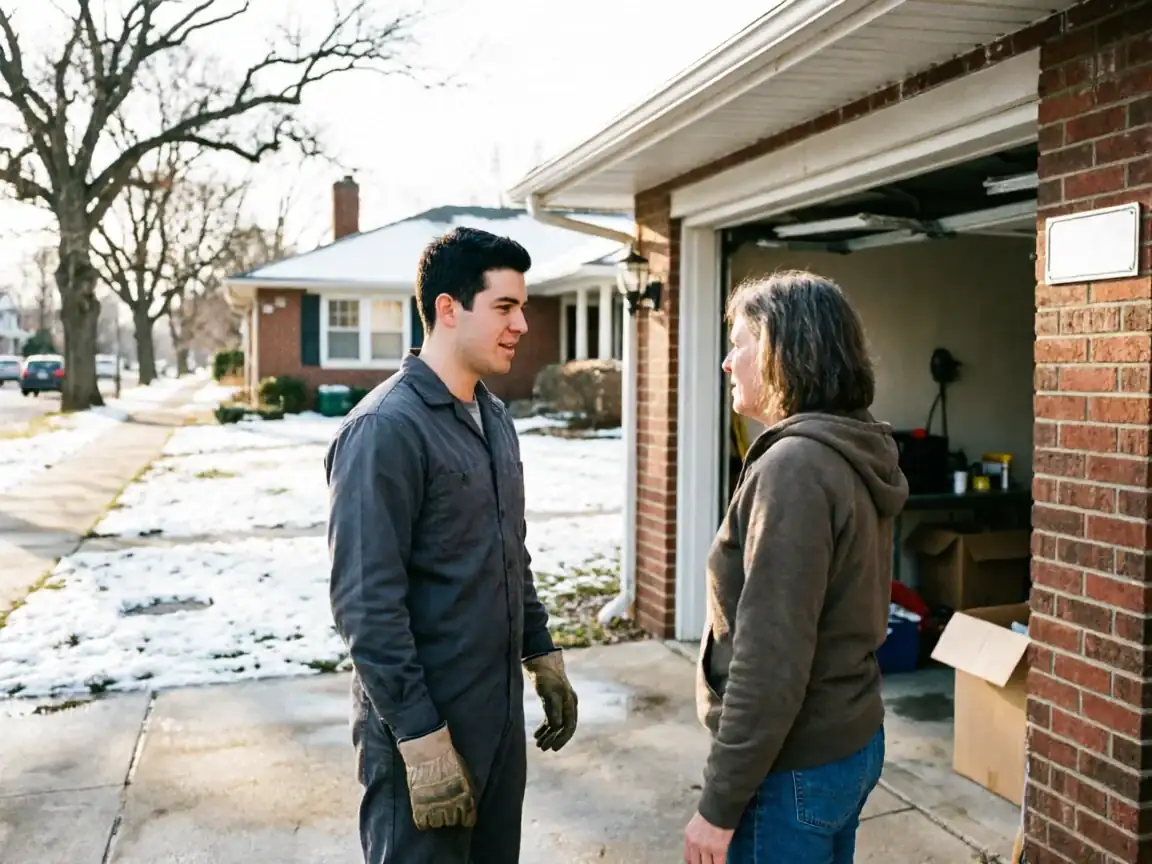
We run this job out of Columbia, about 10 miles up the road
So there's no local branch to call - just a truck that comes out for the appointment. That matters for scheduling: we're not sitting idle in Ashland waiting on calls, so booking ahead gets you a tighter window than trying to catch a same-day slot.
- 10 miles
When you call, have the door's rough size and whether you want insulated panels in mind
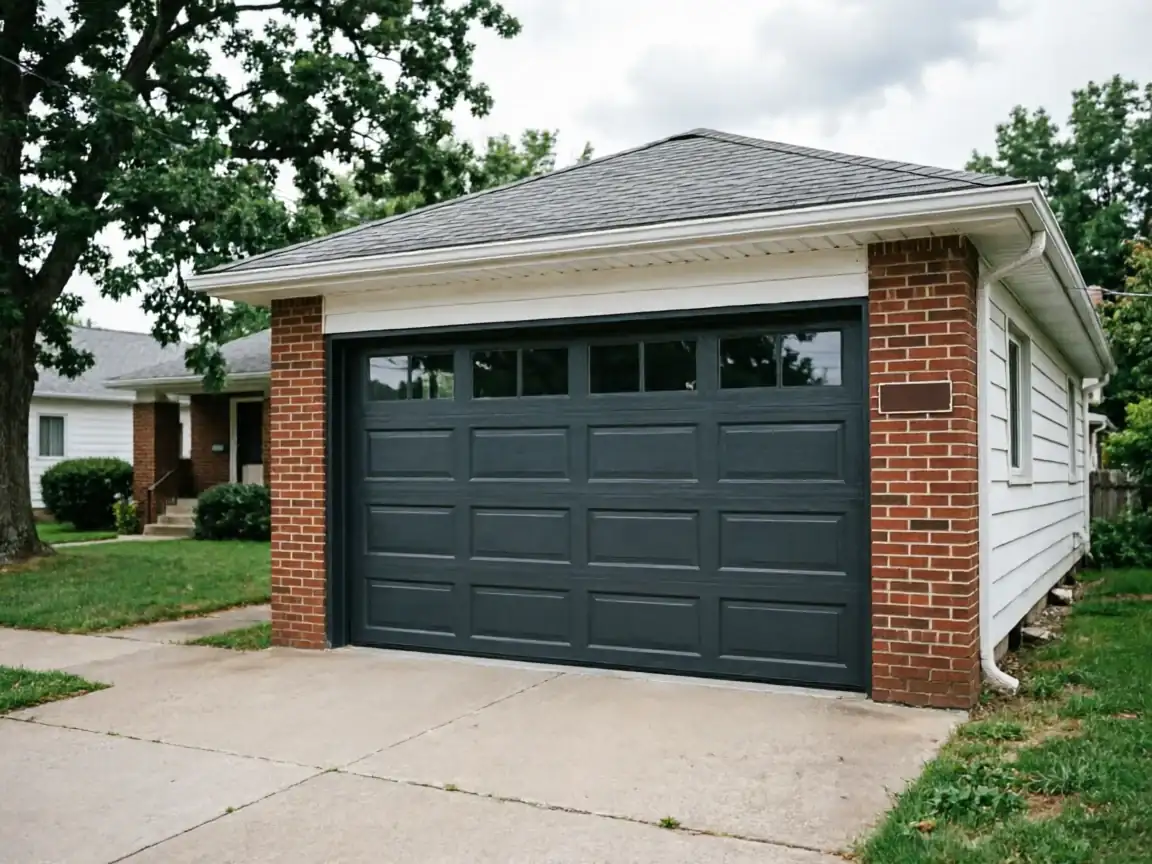
Most Ashland garages were built with single-car or two-car openings standard to the early-2000s builder spec, and knowing which one you've got speeds up the quote. We measure on-site before anything gets ordered, since a tape measure over the phone has burned more than one install.
What the Fix Involves
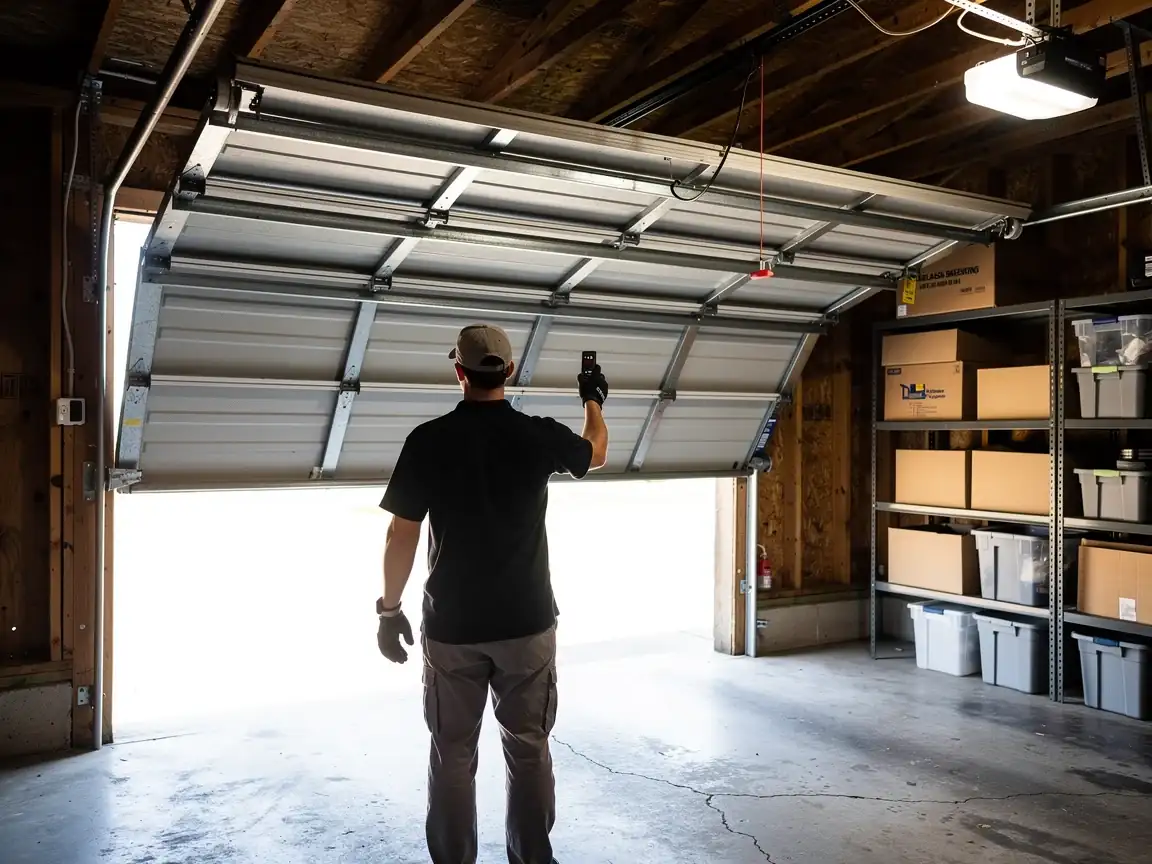
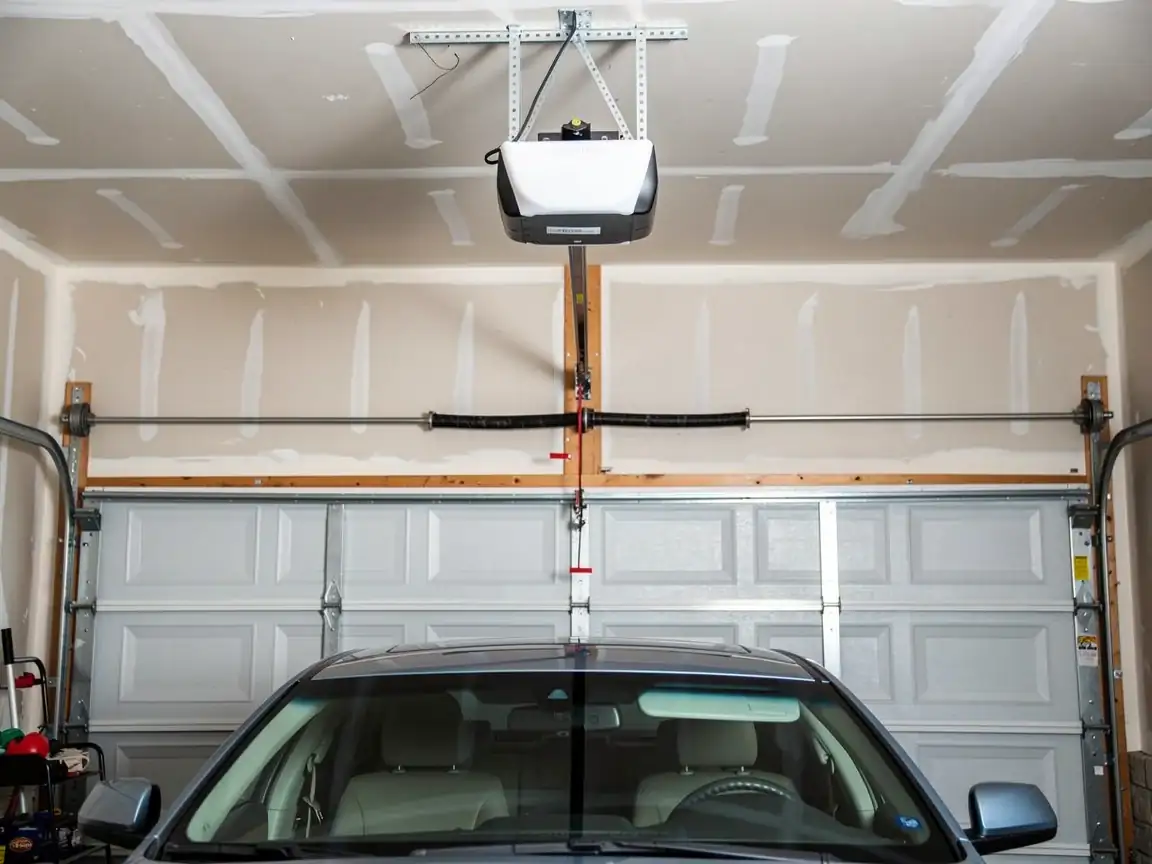
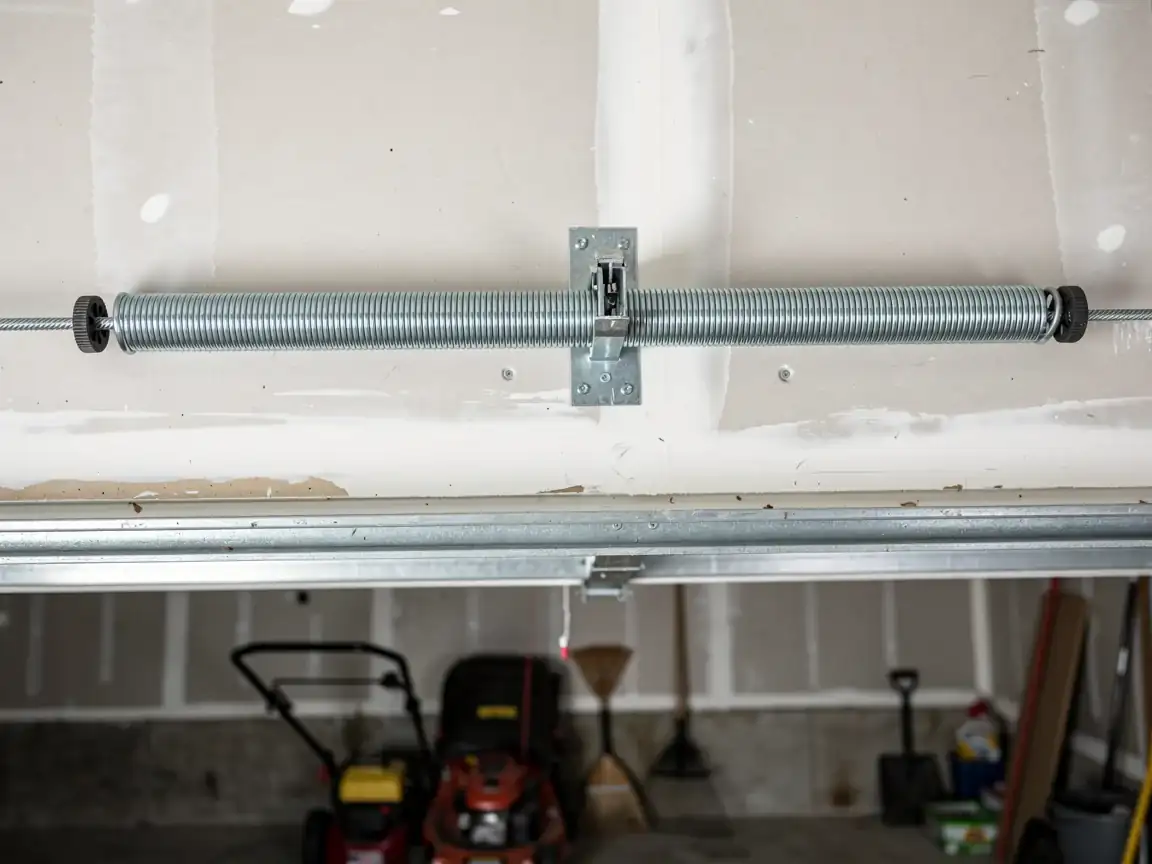
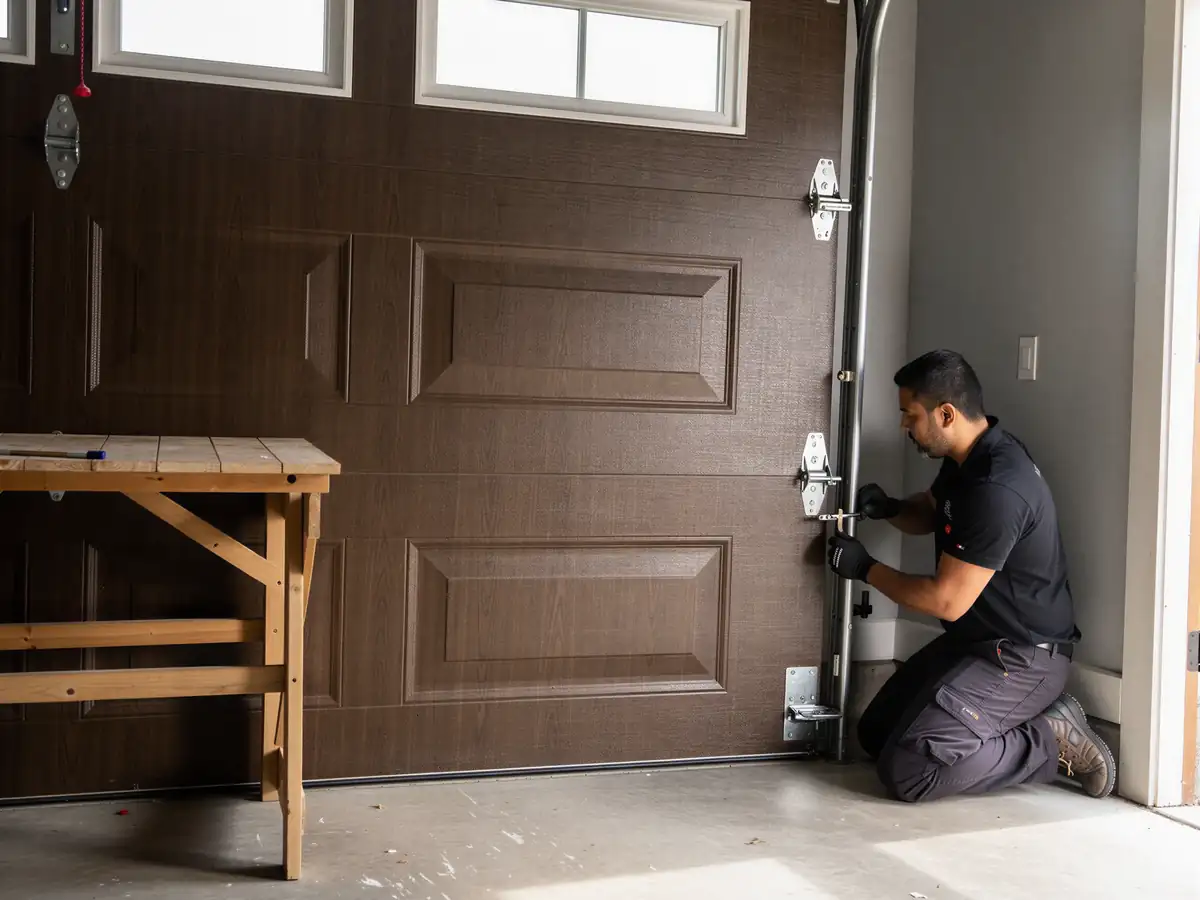
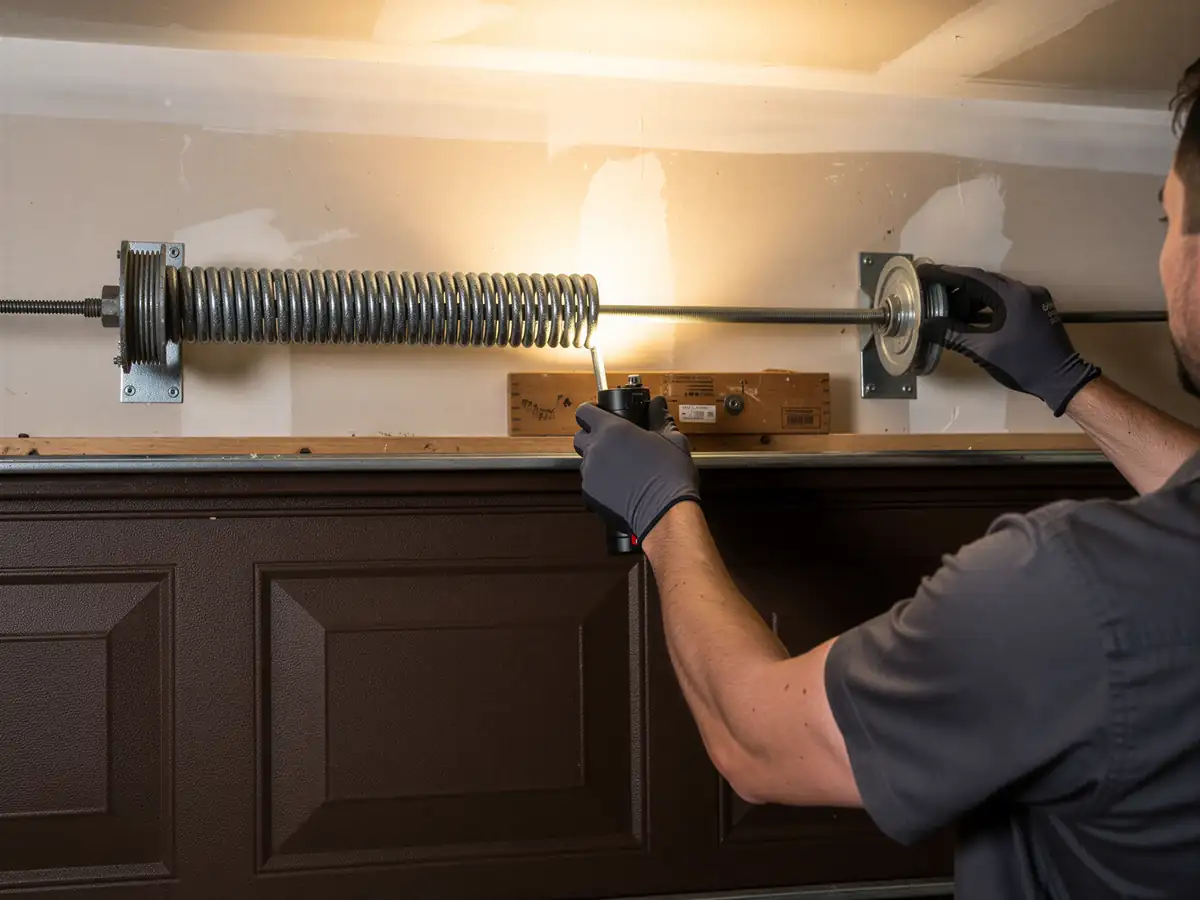
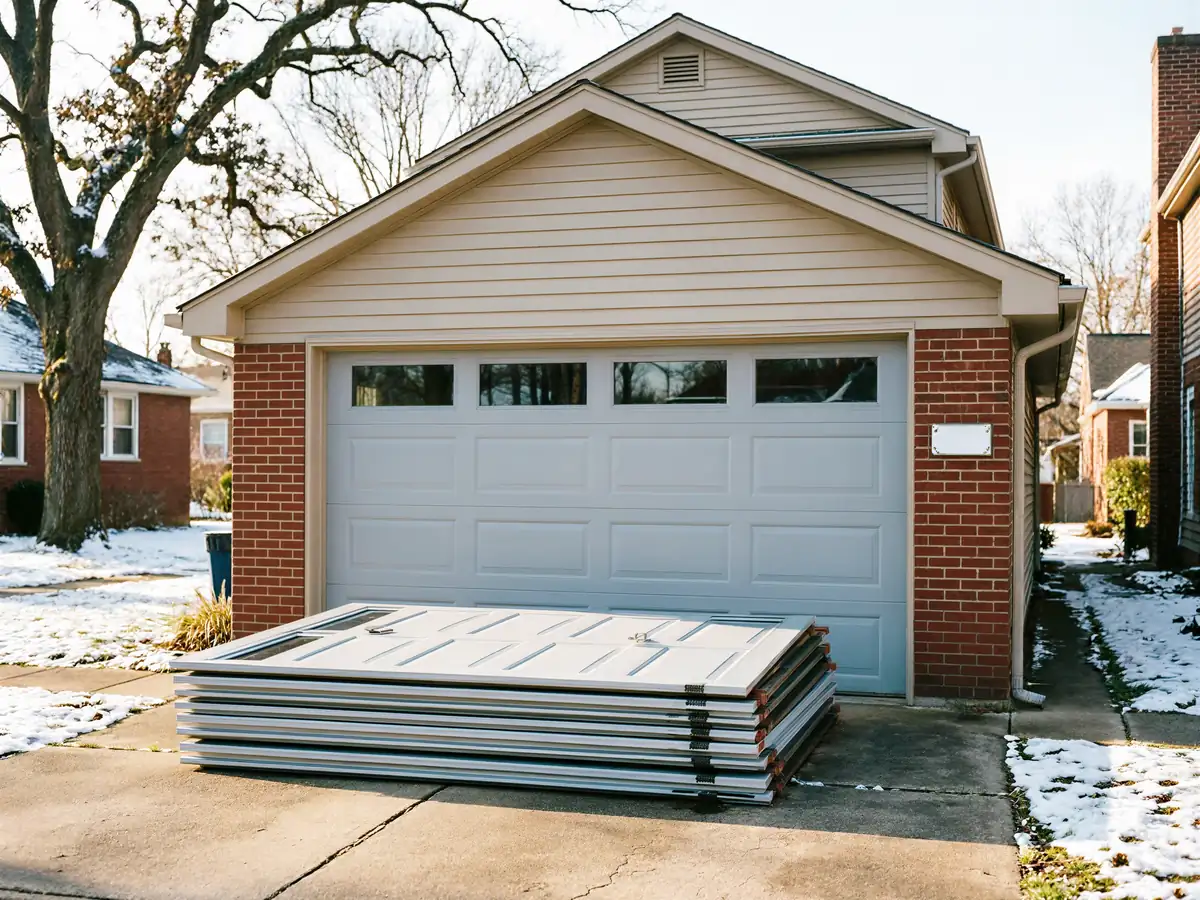
A new install starts with pulling the old door, track, and often the opener bracket, since builder-grade hardware from Ashland's 2003 median build year rarely survives the swap intact. We re-set the vertical tracks plumb, hang new torsion springs sized to the actual door weight - not whatever was cheapest when the house went up - and mount the panel section by section.
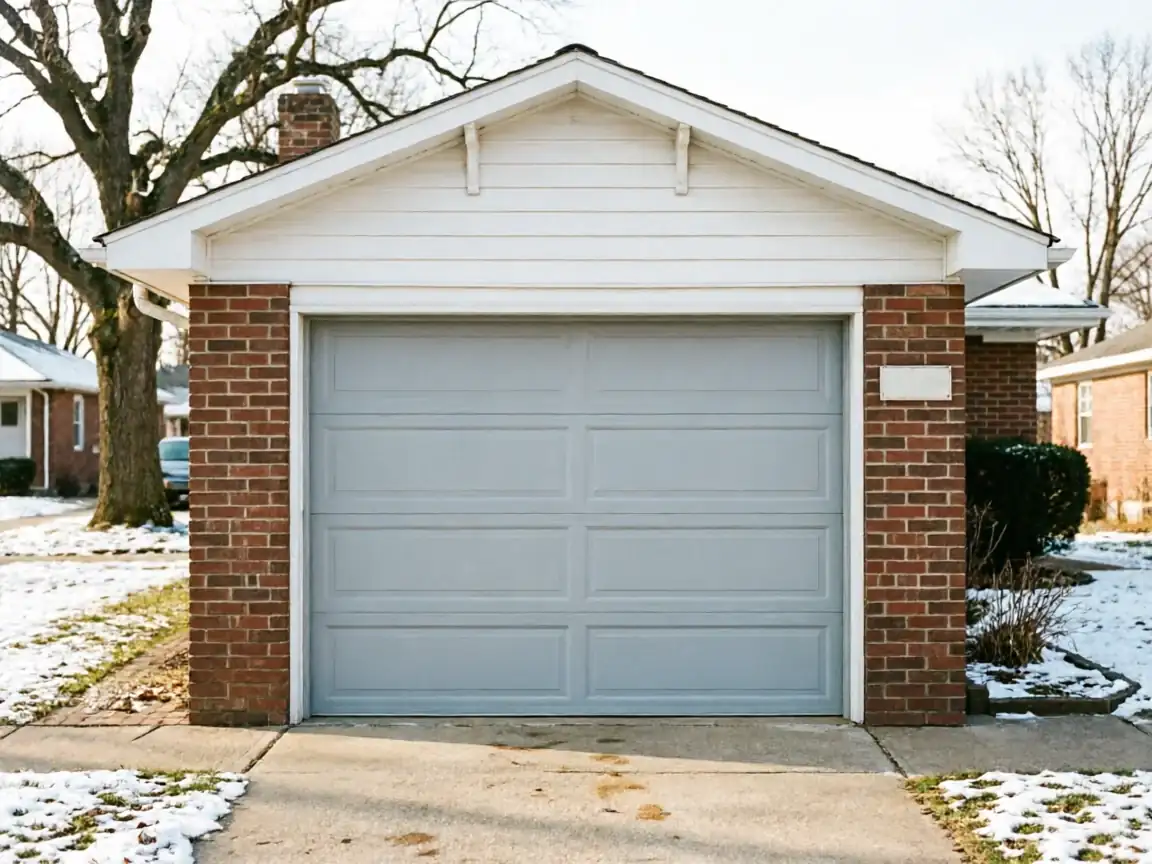
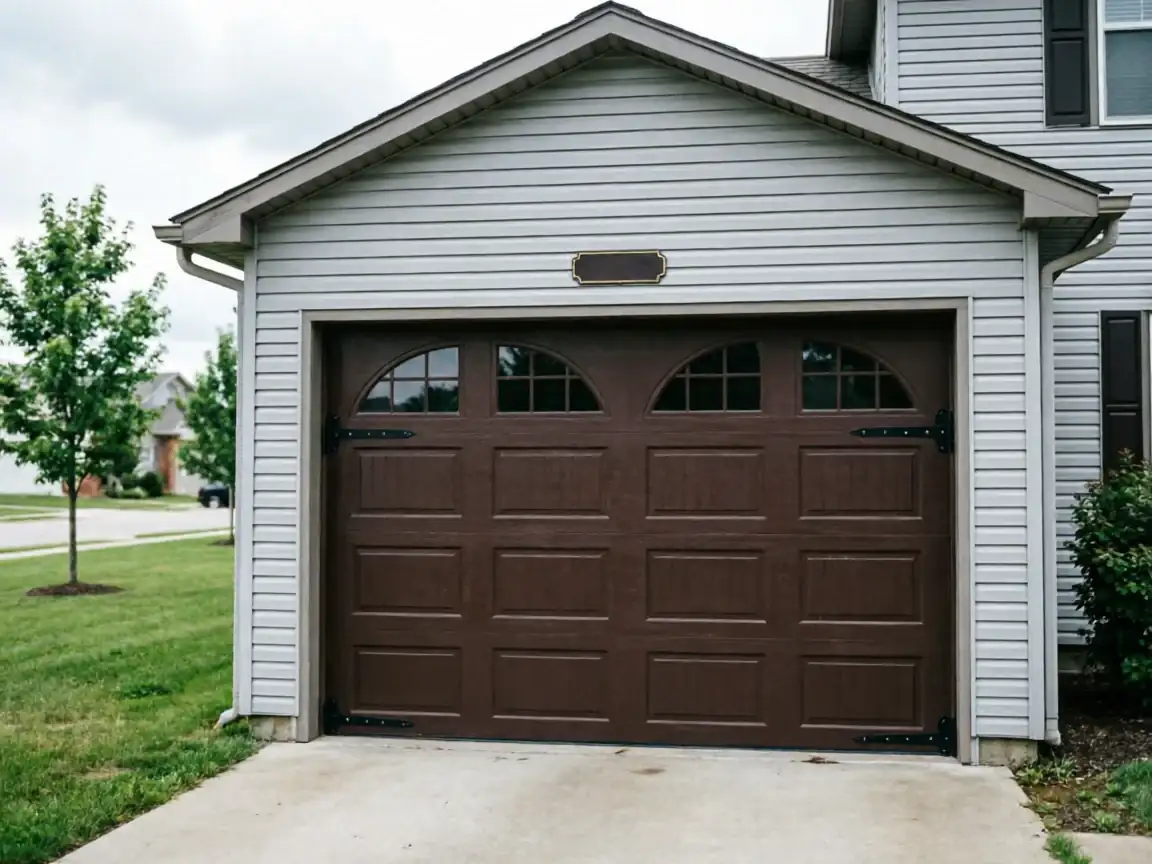
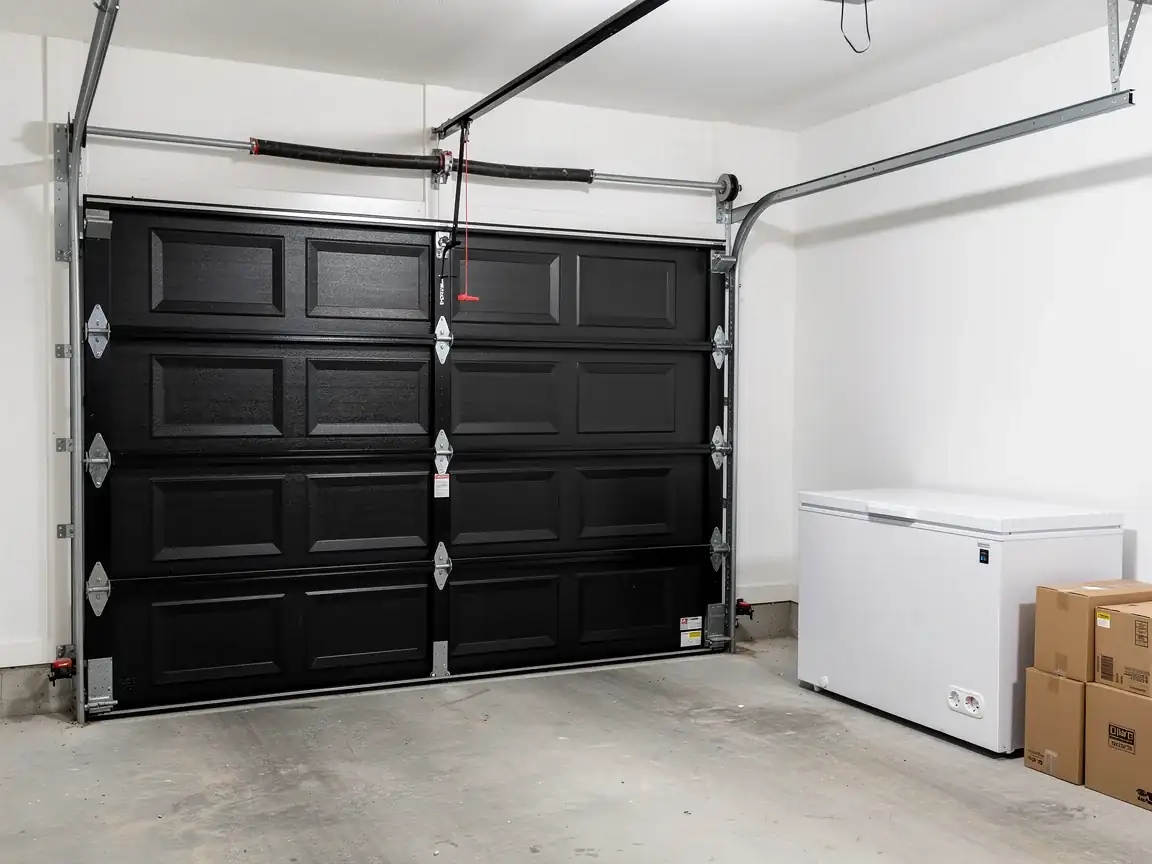
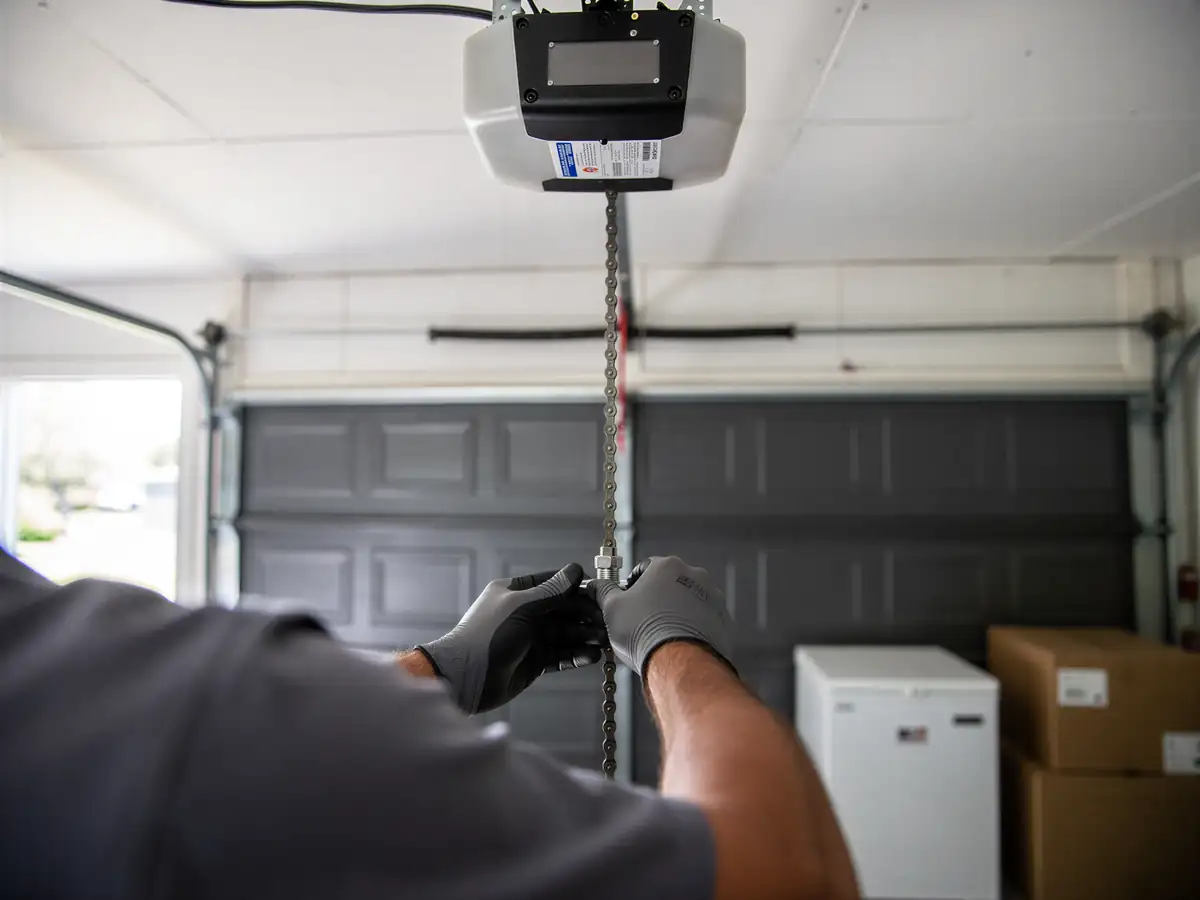
Given the severe cold climate class this part of mid-Missouri sits in, we spec insulated steel or composite panels with a thermal break at the jamb, not the single-layer steel that shipped standard on most of these houses. That's a different door than what's coming down, and it changes how the opener gets geared, so we match horsepower and drive type to the new weight rather than reusing the old unit by default.
What You Are Seeing
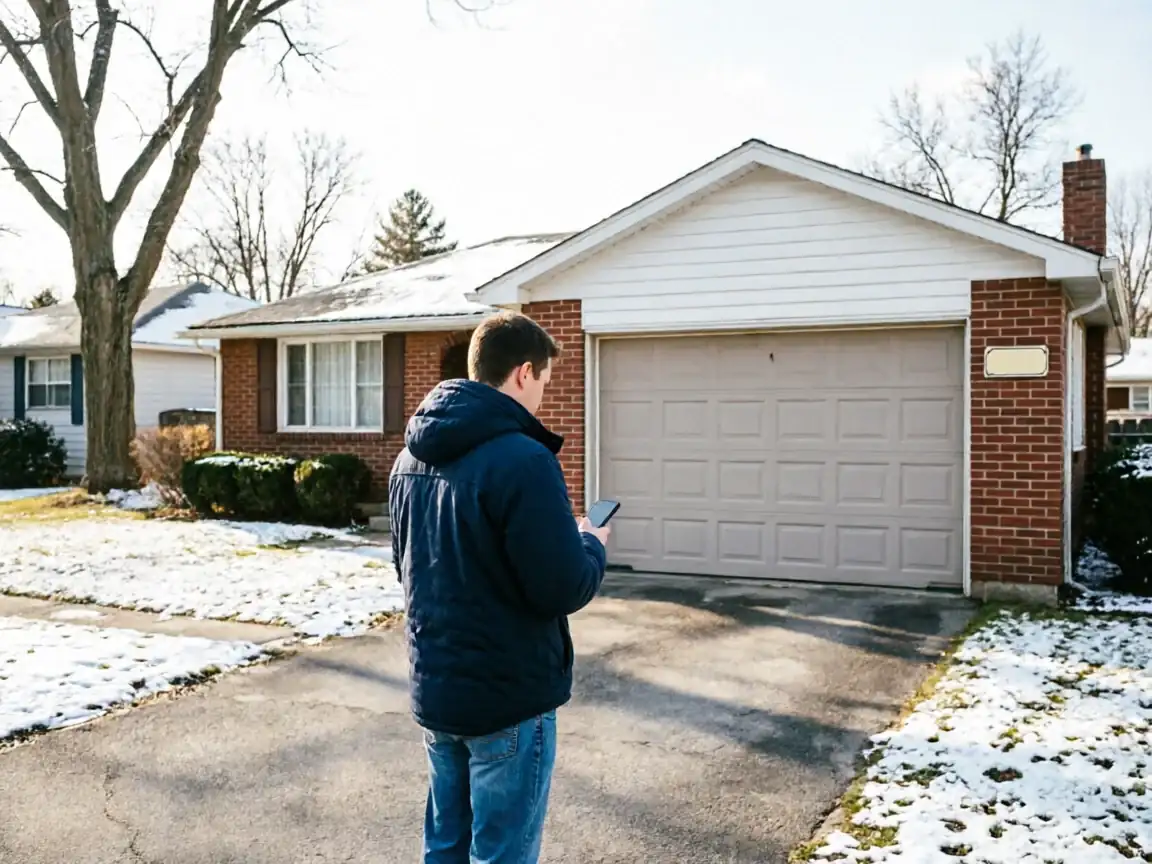
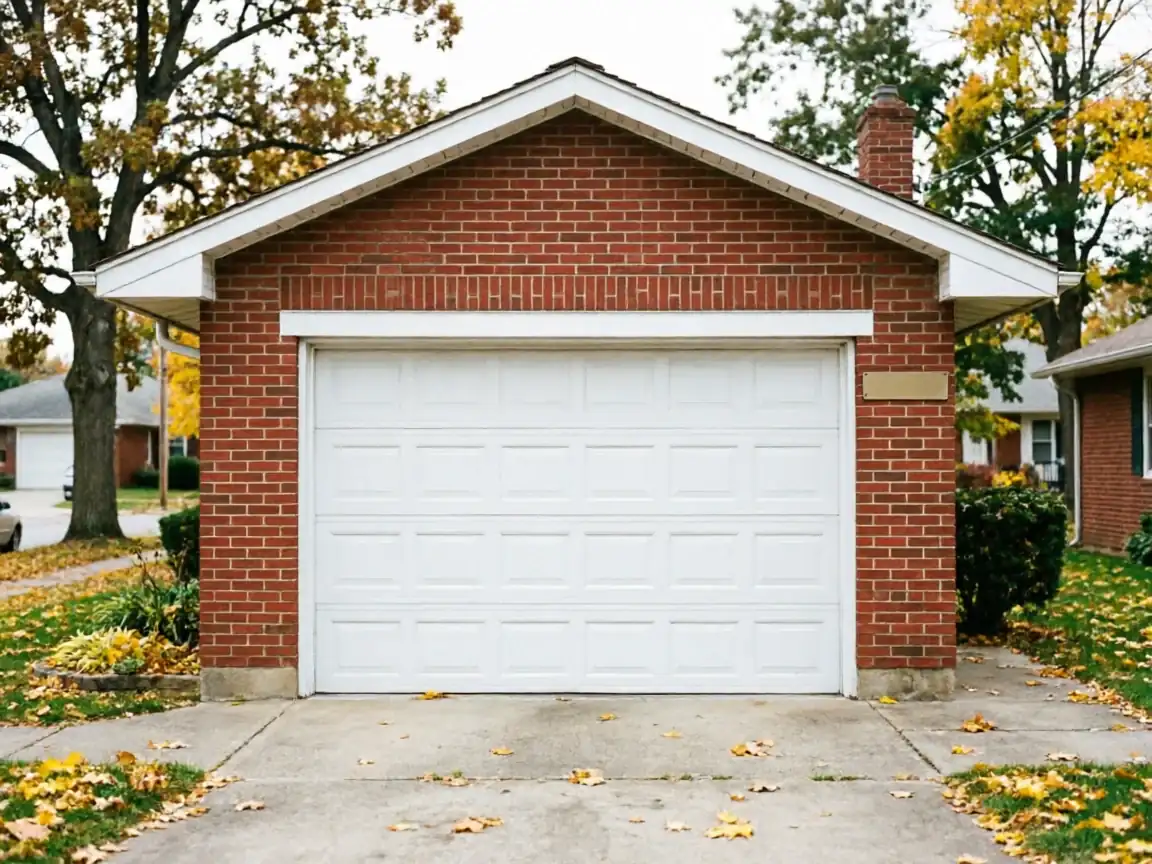
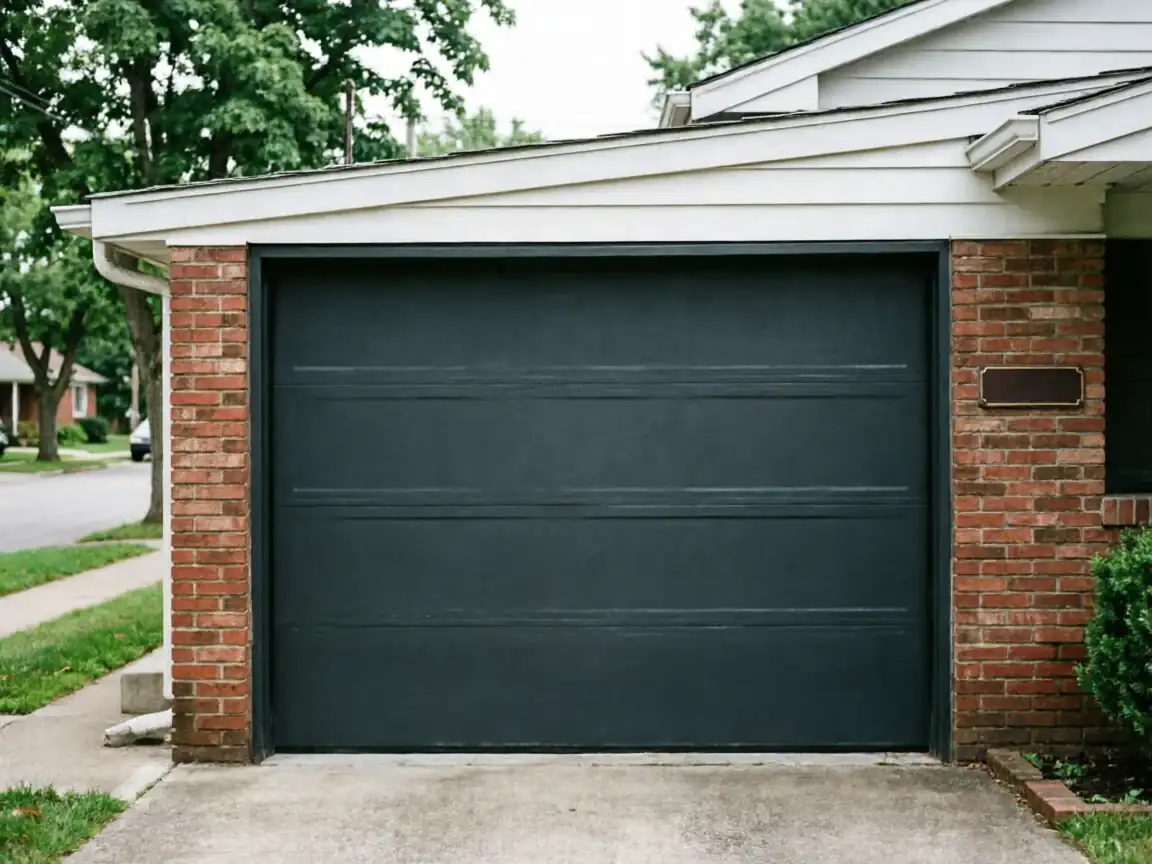
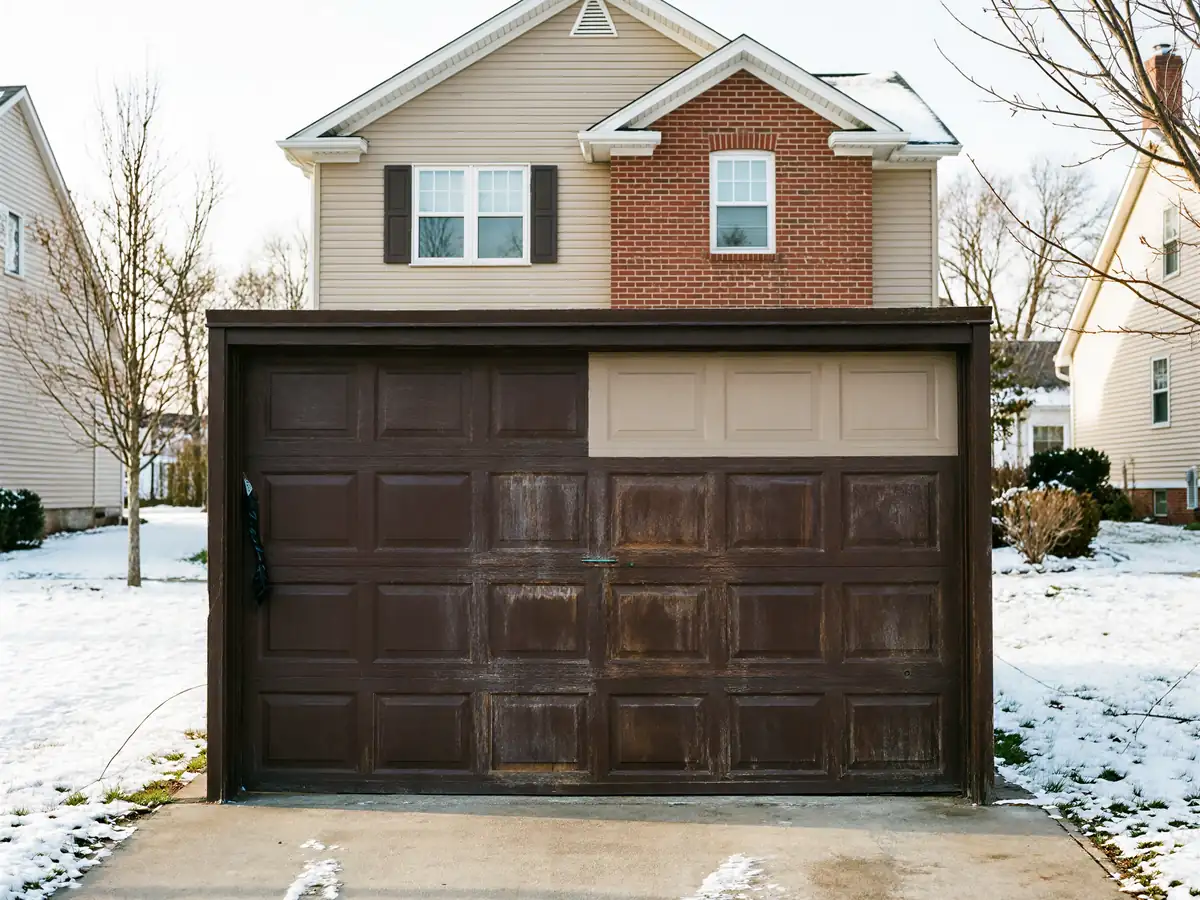
If your house is part of Ashland's main building wave - median year built 2003 - the door you're replacing is likely the original: single-layer steel, foam strip weatherseal gone brittle, and a spring rated for a lighter, uninsulated panel than what's now standard. You'll see daylight at the bottom corners, a door that feels heavier than it should when you lift it by hand, or an opener straining on the up-stroke.
That's not neglect - it's the door doing exactly twenty years of work on hardware that was never built for insulation retrofits. Dents from the original low-gauge steel panel, rust starting at the bottom roller track, and a motor that's louder than it used to be are the usual tells that it's install time, not another repair.
Why This Fails Locally
Ashland's median household income runs $90,628
Well above the $58,889 median across the wider Columbia service area, and that gap shows up in what gets replaced versus patched. A lot of these households can justify the jump to a fully insulated door rather than a bare repair, and we see more full installs out here relative to spot fixes than in older, lower-median-income pockets of the service territory.
The building-year gap matters too
Across the rest of the Columbia area, the housing median sits around 1978, with plenty of stock from the 1960s and 70s. Ashland's median build year of 2003 means the hardware failing here is a generation newer, but it was still built to the pre-insulation-code standard of its moment - so the fault isn't age in the usual sense, it's a door engineered for a lighter winter load than the severe cold band this region actually gets.
Can You Do This Yourself
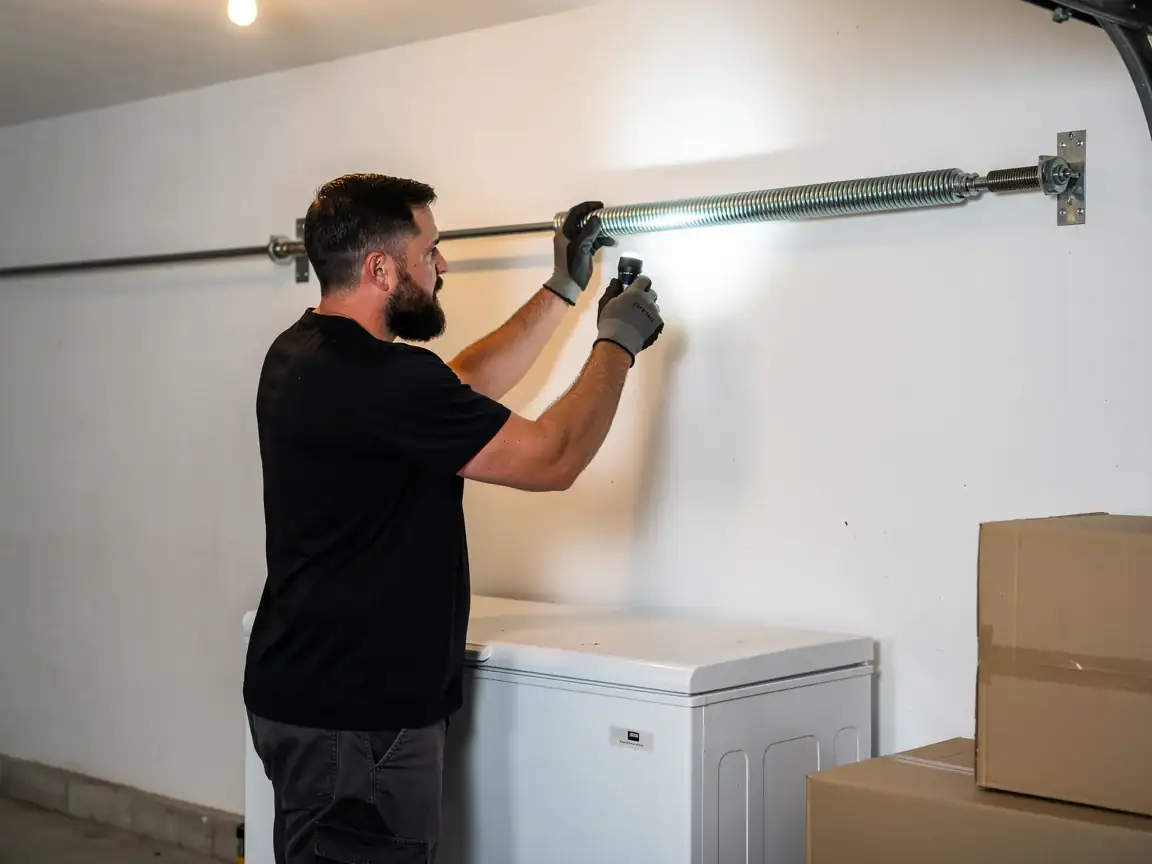
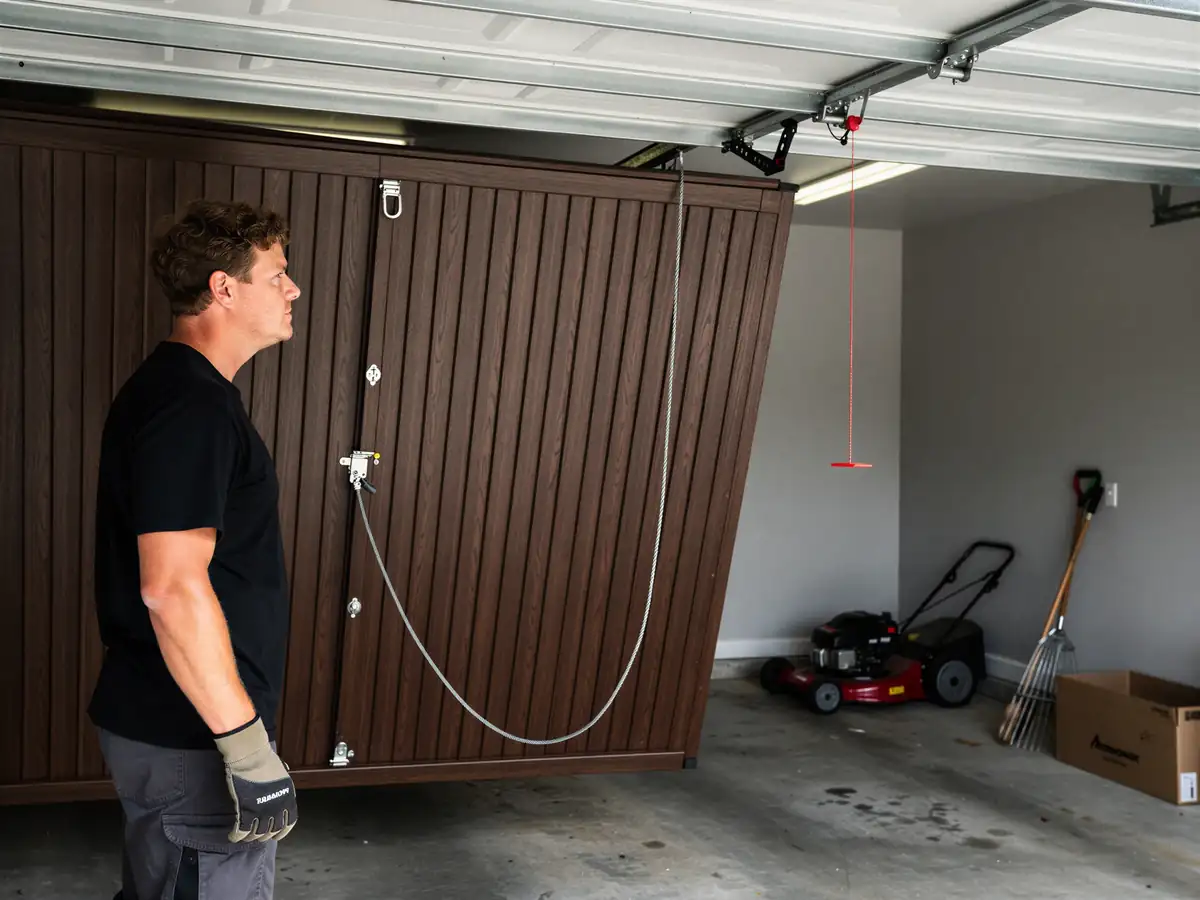
Pulling an old door and hanging a new one isn't a weekend DIY job, and we'll say that straight. A loaded torsion spring on even a lightweight builder-grade door carries enough stored force to break a wrist or worse if it lets go while you're working the winding bar. Track alignment also has to be plumb to a fraction of an inch or the door binds within weeks.
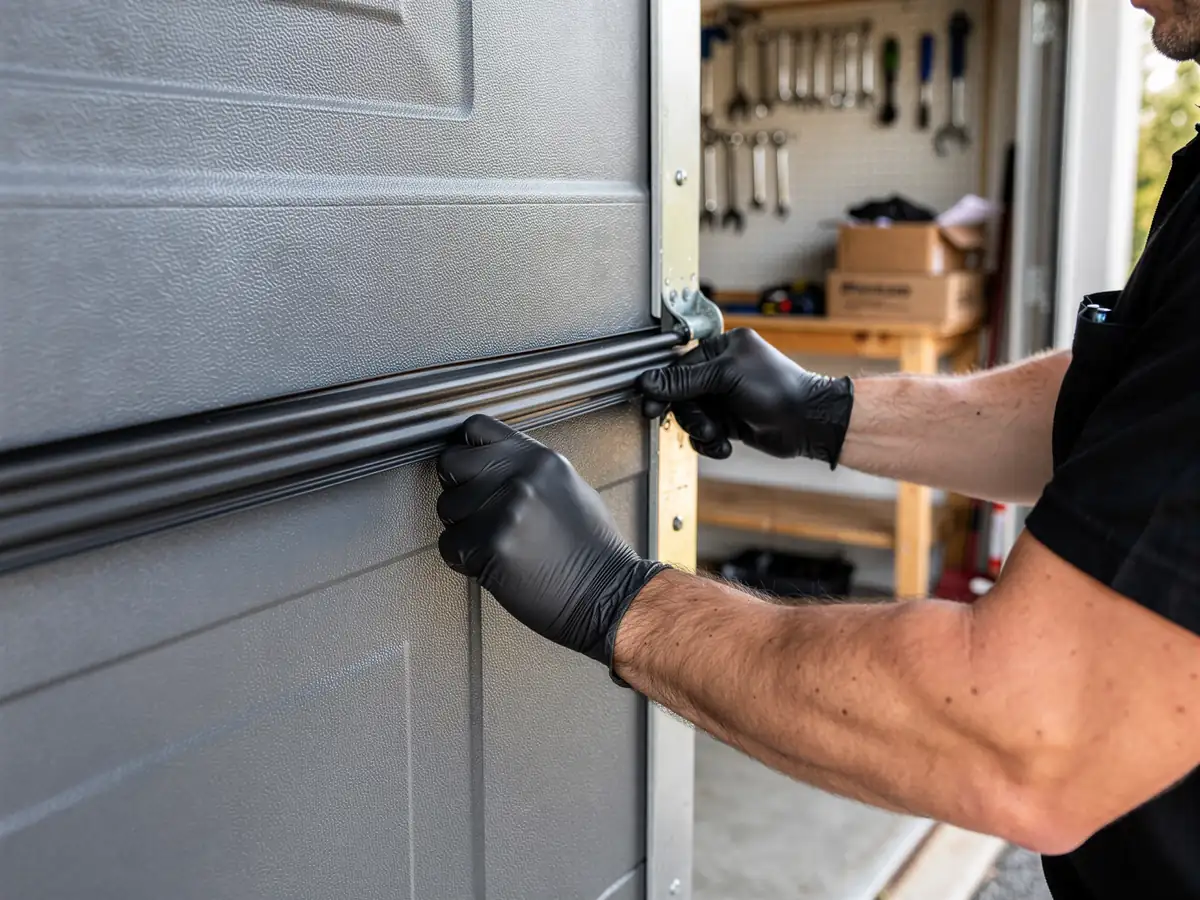
What a homeowner can reasonably do: swap weatherstripping, lubricate rollers, tighten loose hinge bolts, and watch for the early warning signs described above. Beyond that - spring tension, opener gearing, panel squaring - it's a two-person job with the right bars and clamps, and we'd rather you call than end up in the emergency room over a door.
Where This Job Goes Sideways
The most common mistake on a 2003-era Ashland house is reusing the old opener with a new, heavier insulated door. The original motor was geared for the lighter panel that came with the house, and an insulated replacement can be 30 to 40 percent heavier - the opener will run hot, strip gears, or just stall partway up.
The other spot where it goes wrong is sizing the spring to the door's listed weight instead of its actual weight once hardware, insulation, and any added windows are accounted for. We weigh and test the balance point on-site rather than going off a spec sheet. One thing we won't do is install a panel over a frame that's shifted out of square - if the opening itself has moved, that's a carpentry fix first, and we'll say so rather than hang a door that'll bind in a year.