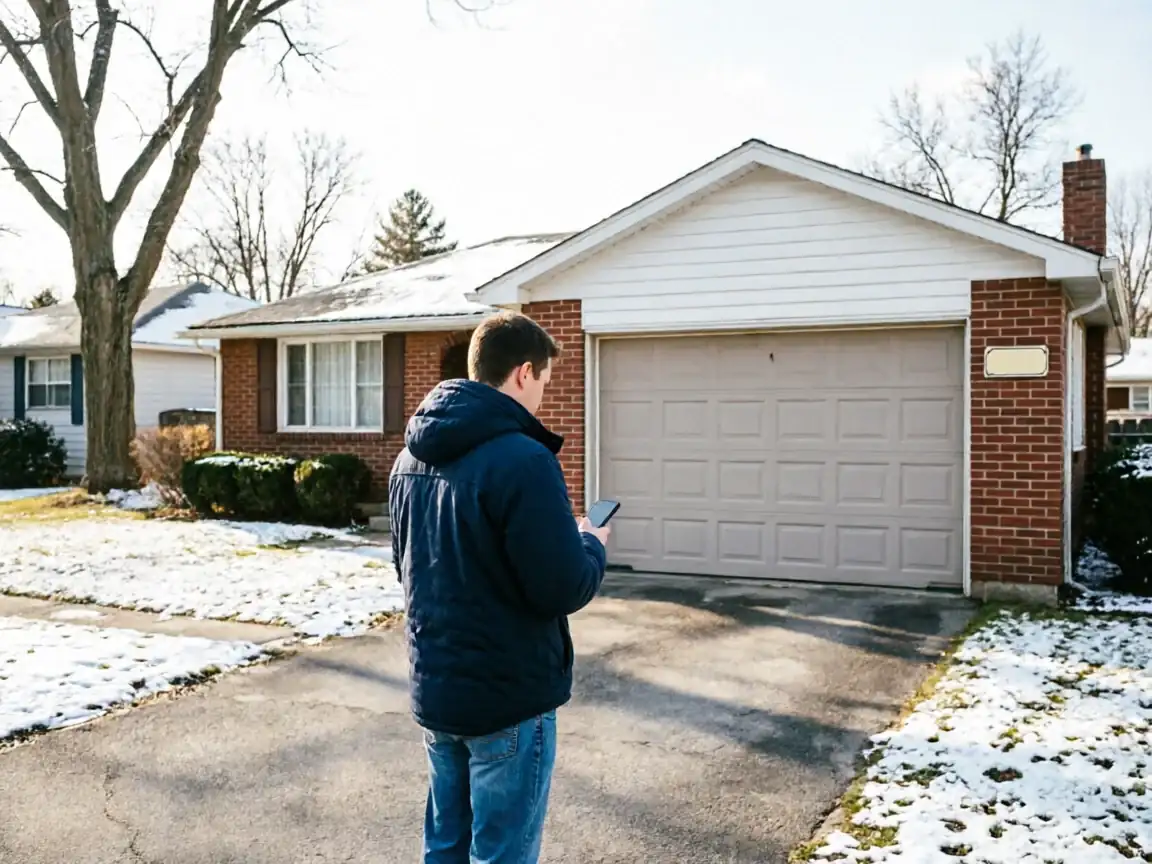
Booking a Visit
We cover Ashland from our Columbia shop, about 10 miles up the road
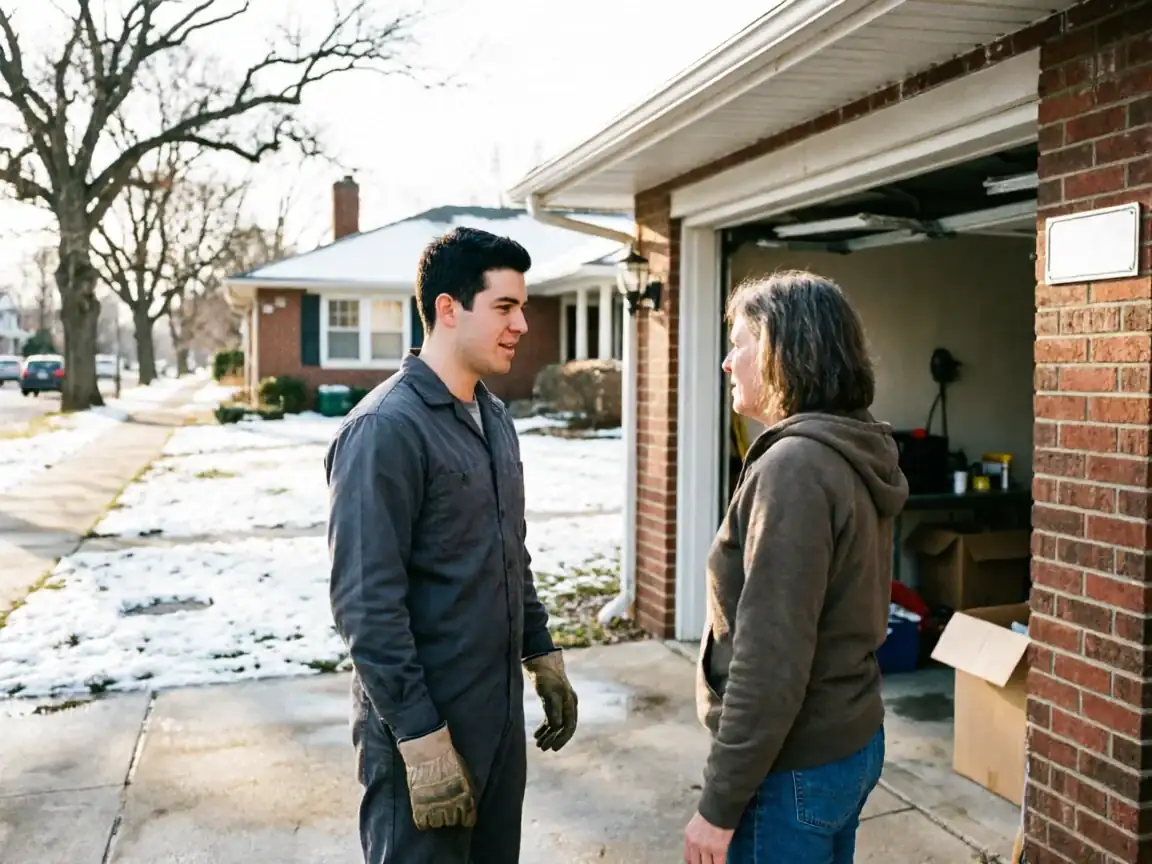
That drive doesn't change what we bring or how we work, but it does mean we schedule the trip rather than swing by on a whim between other calls. When you reach out, tell us the age of the house if you know it - Ashland's housing runs newer than a lot of what we see closer to Columbia, and knowing that before we load the truck saves a second trip for the right spring size or the right opener bracket.
- 10 miles
We don't keep a branch or a drop box in Ashland
Every job here starts from Columbia, so if you're calling about a spring that let go on a Saturday night, say so up front - we'll tell you honestly whether we can get out same day or whether it's a next-morning job. No promises we can't back with a truck that's already out.
What the Fix Involves
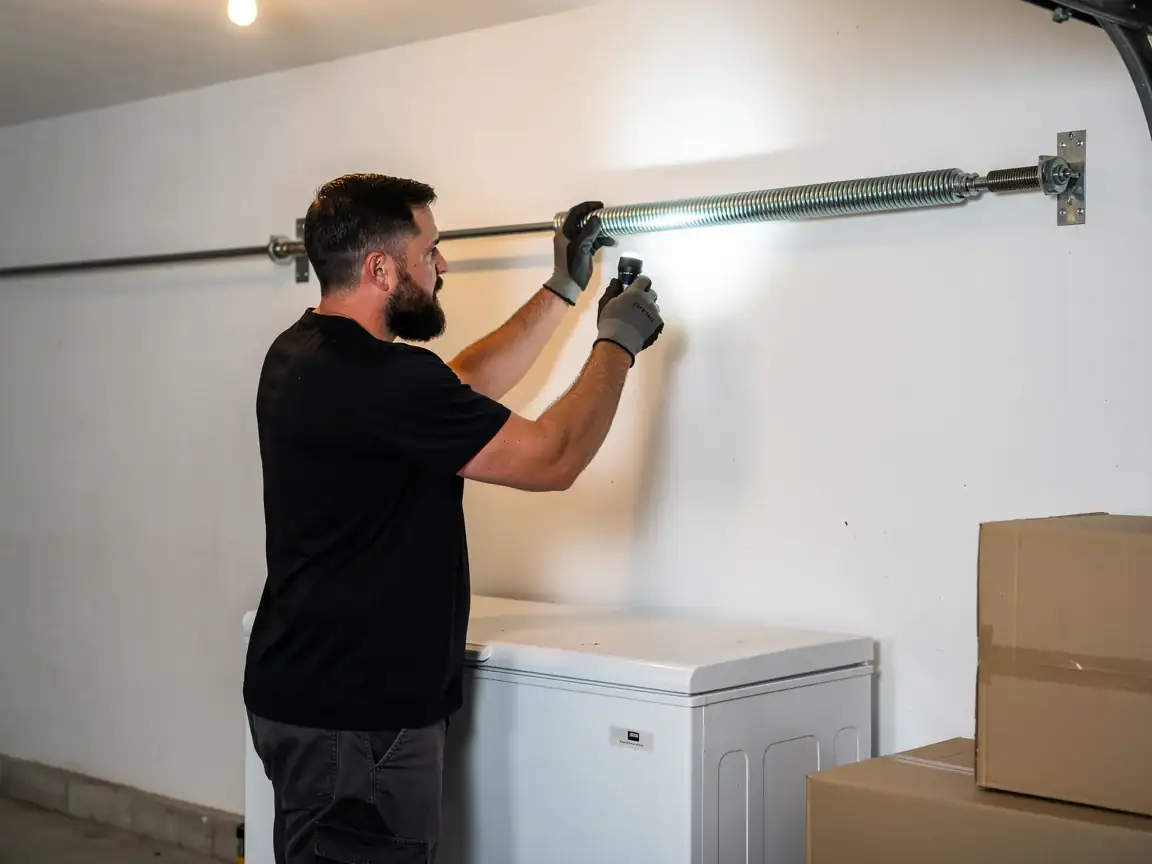
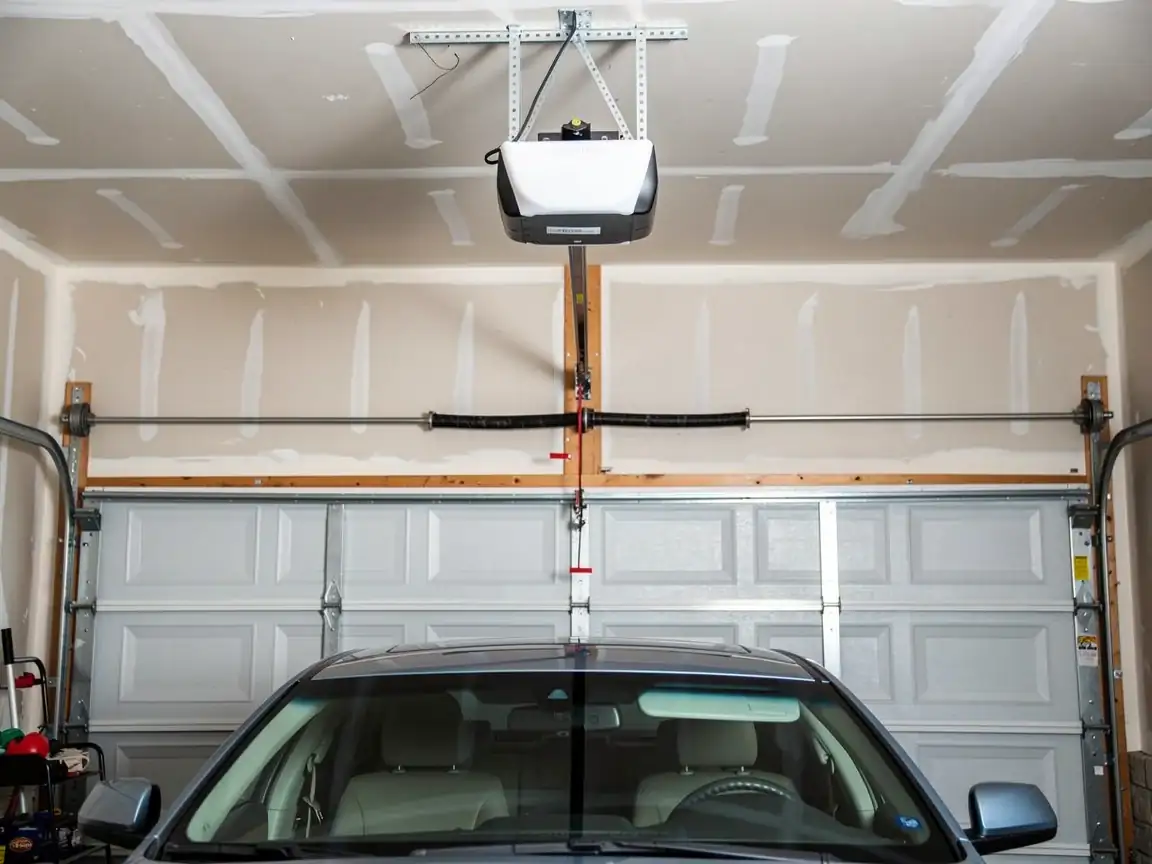
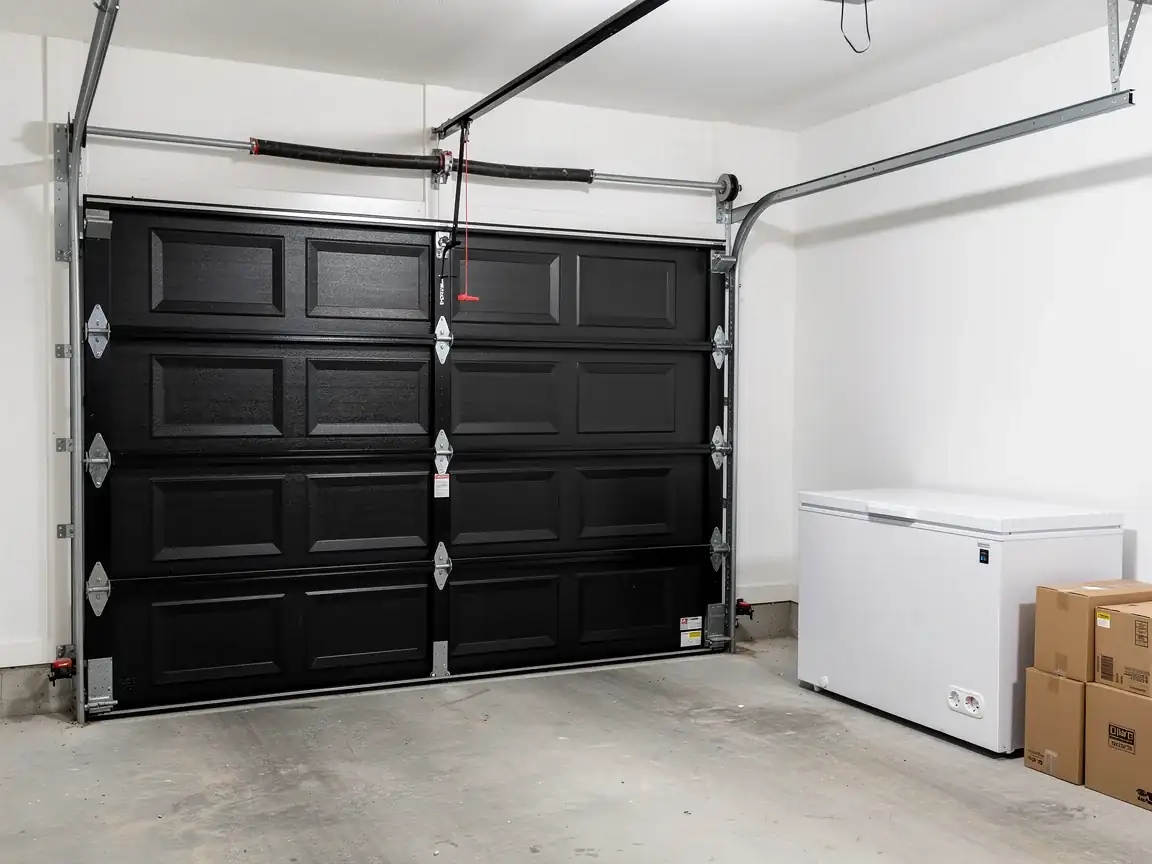
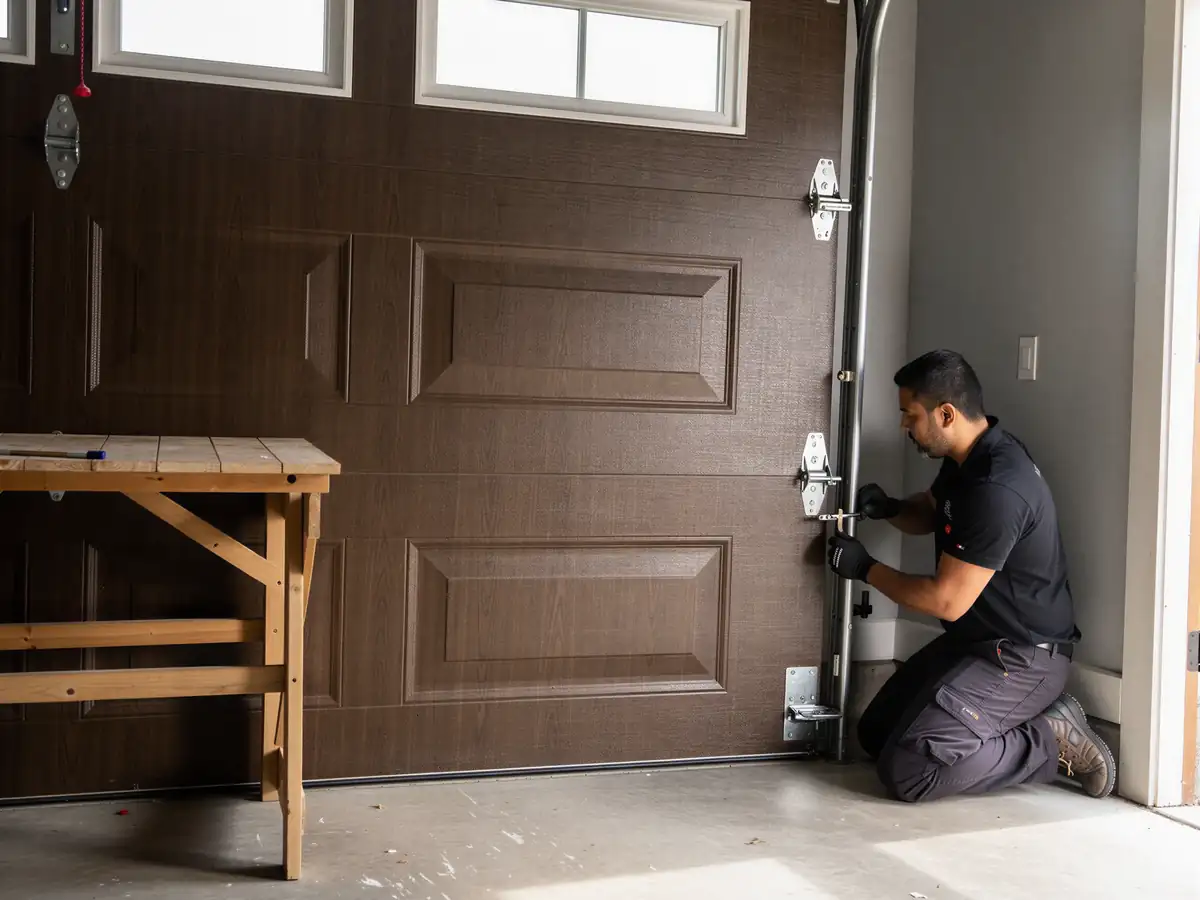
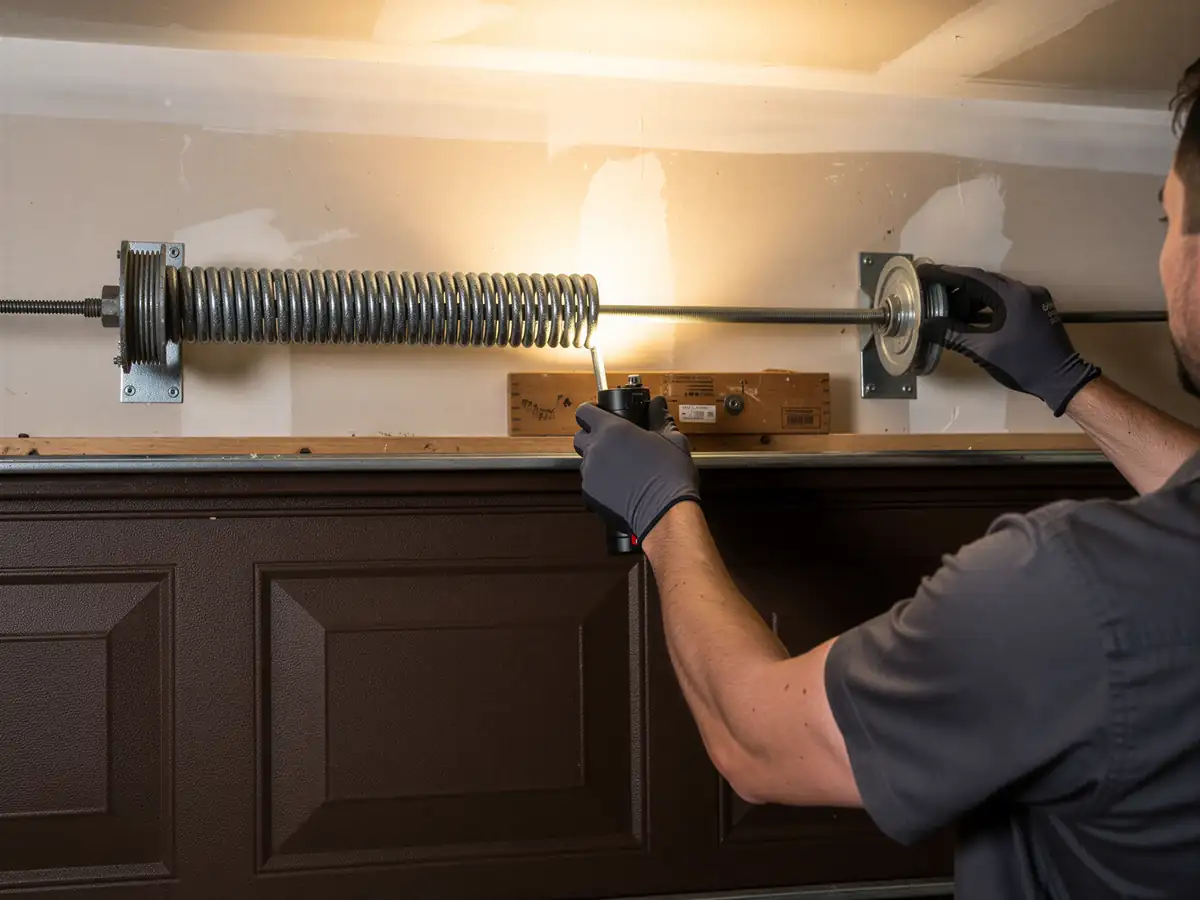
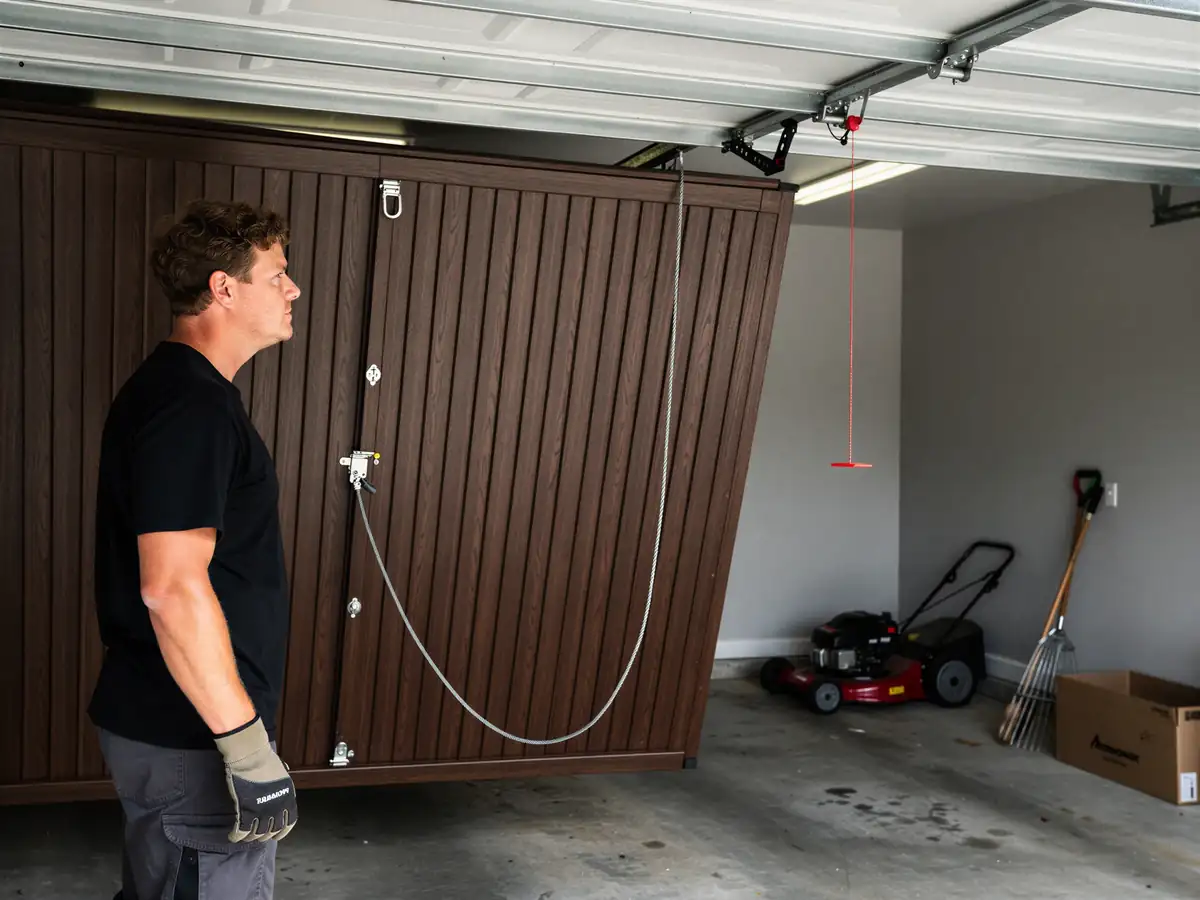
Most of the doors we open up in Ashland are on torsion systems with standard-lift brackets, the kind of setup builders were installing through the early 2000s. That's a different animal from the extension-spring, low-headroom rigs still common on older houses nearer Columbia. The fix usually means pulling the broken spring, matching wire size and wind to the door weight, and checking that the cable drums and bearing plates weren't damaged when the spring let go.
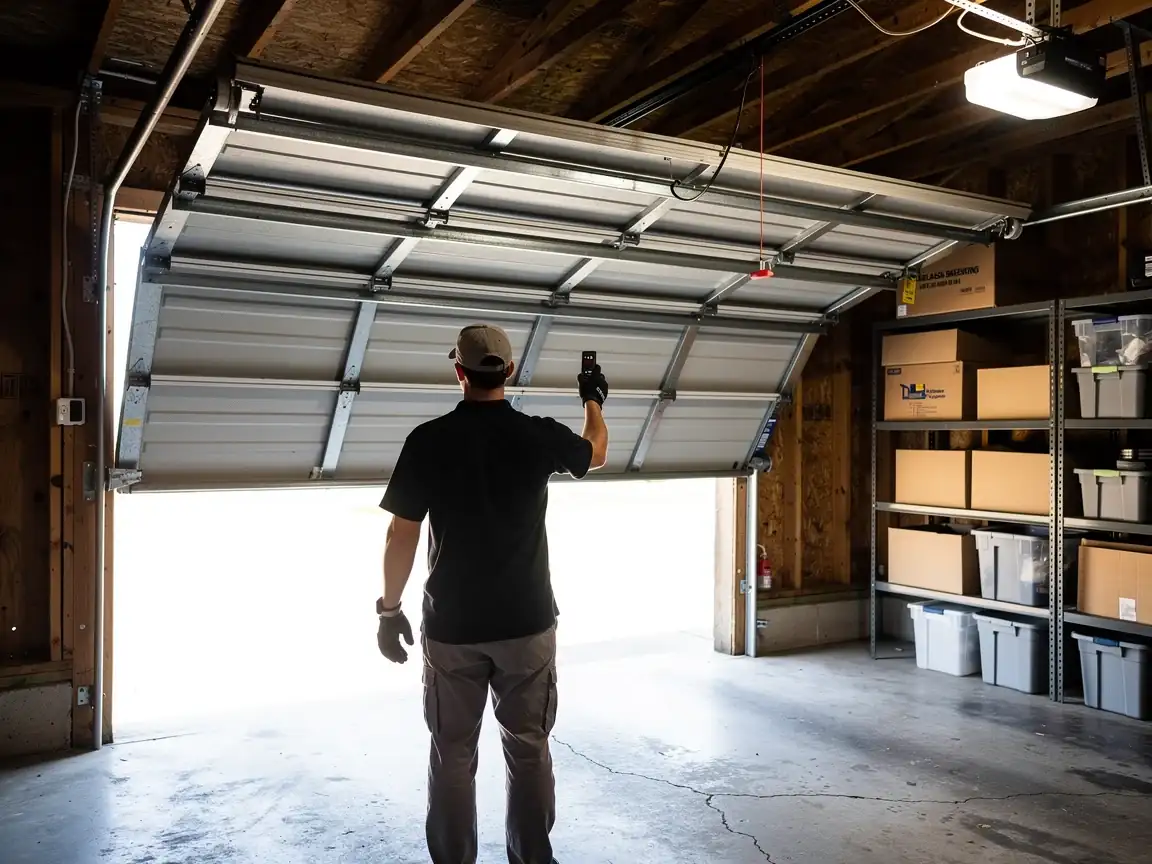
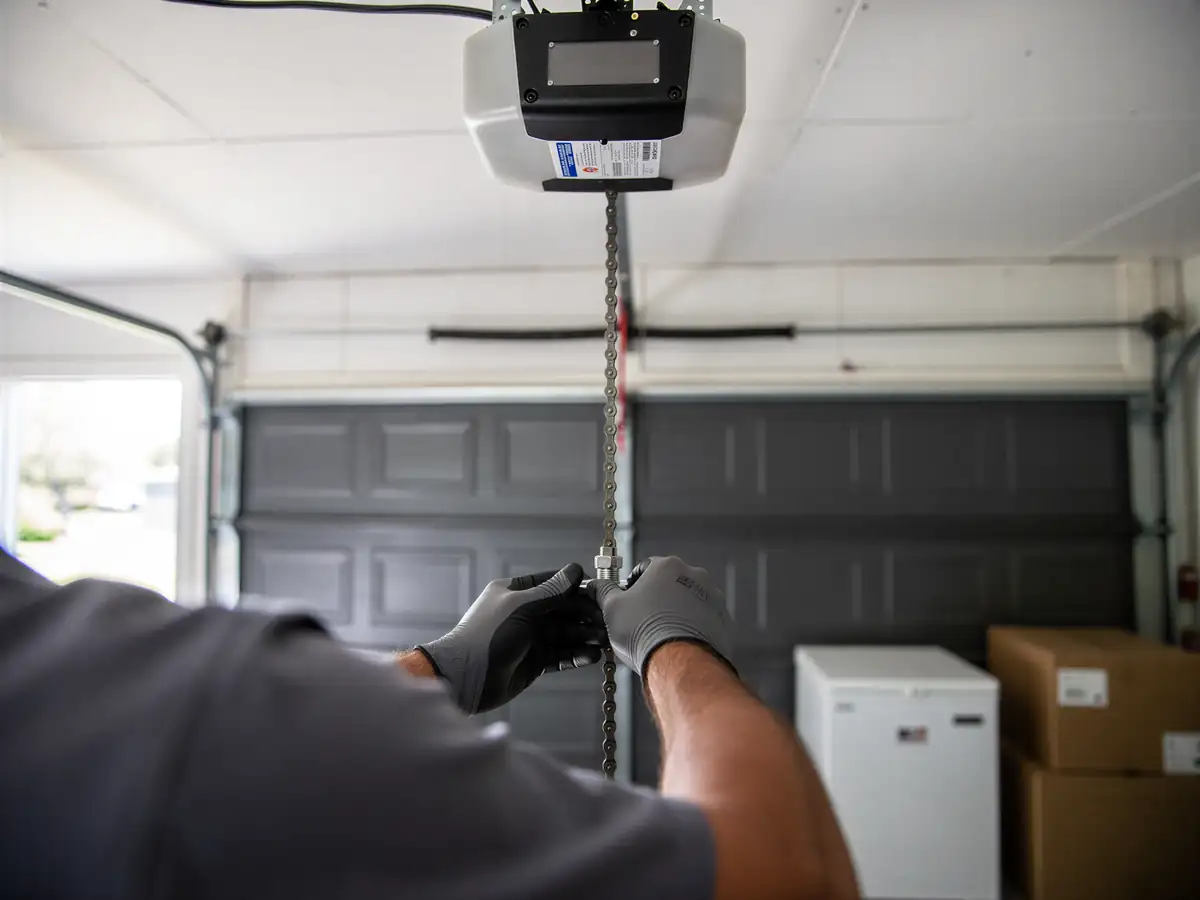
On an opener call, we're more often dealing with a worn drive gear or a failing logic board than with the chain-drive relics that plague the 1960s and 70s stock elsewhere in the service area. Parts for a 2000s-era opener are usually easier to source, which keeps the job to one visit in most cases - though we won't promise that until we've seen the unit.
What You Are Seeing
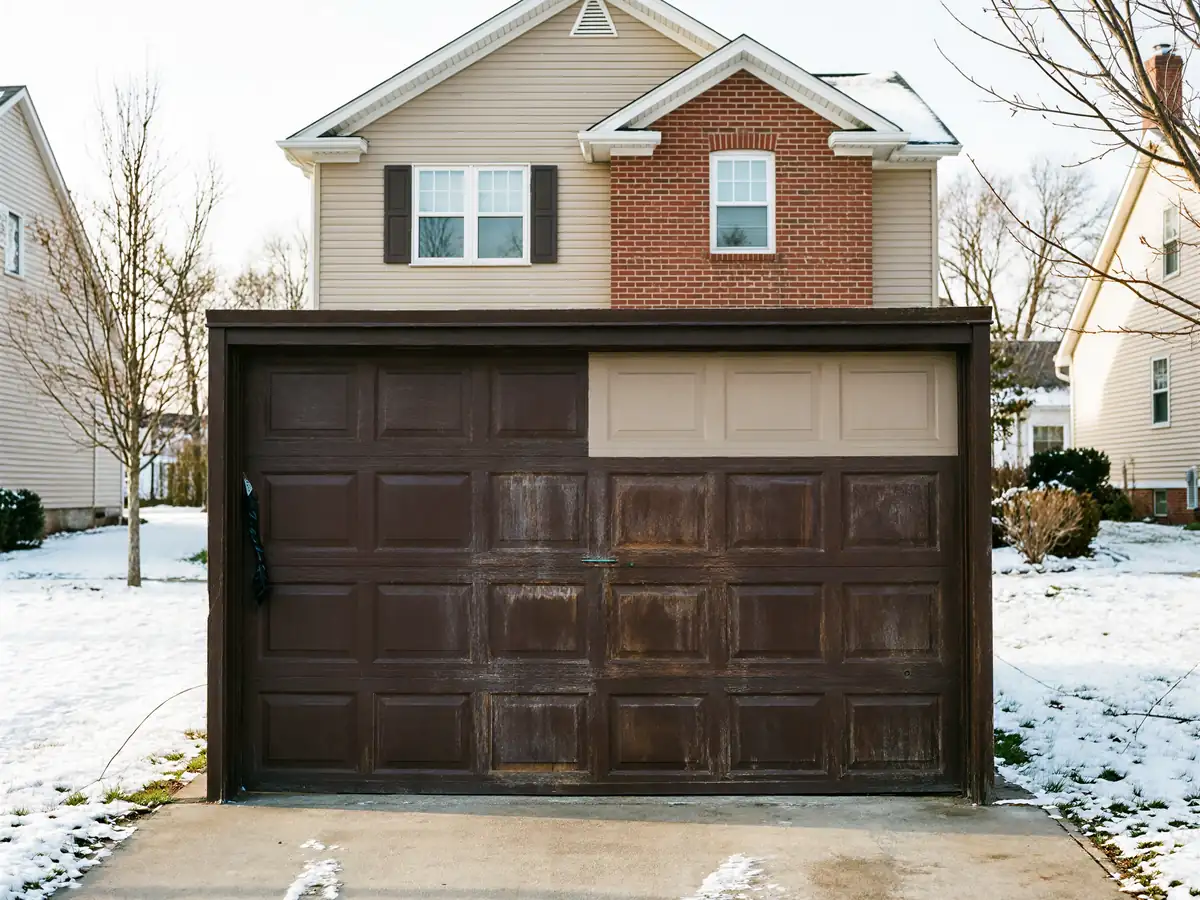
A door that reverses halfway up, a motor that hums without moving the door, or a spring that's visibly separated at the coil are the three calls we get most from this area. Because so much of Ashland went up around the early 2000s, you're less likely to be fighting original 1970s hardware and more likely dealing with wear on parts that are now twenty-some years old - the first generation of rollers, cables, and openers in these houses reaching the end of their service life at roughly the same time.
If your door is slamming down the last foot of travel, that's usually a cable or spring tension issue, not the opener. If the opener light blinks and the door won't budge, that's often a safety sensor knocked out of alignment, which is a five-minute fix once we're on site, not a sign the whole unit is dying.
Why This Fails Locally
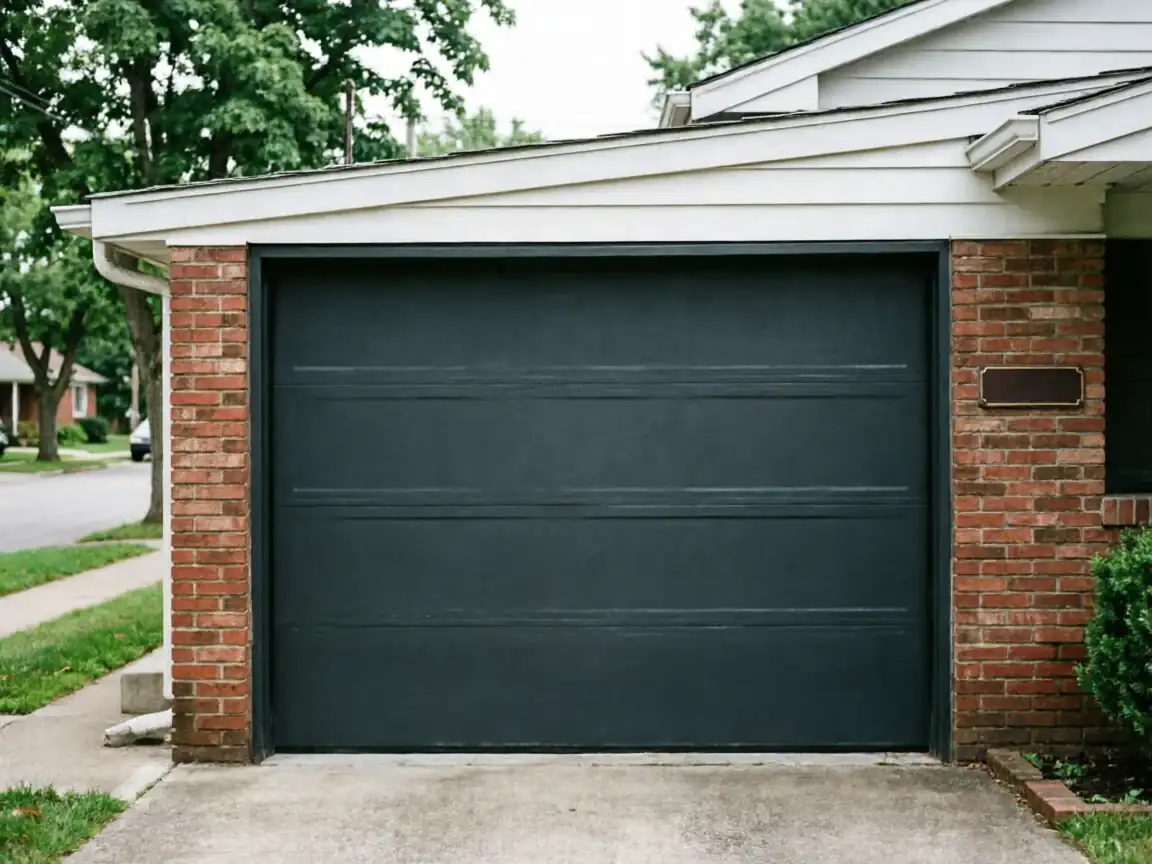
Ashland's median home here was built around 2003, noticeably newer than the service area's overall median of 1978
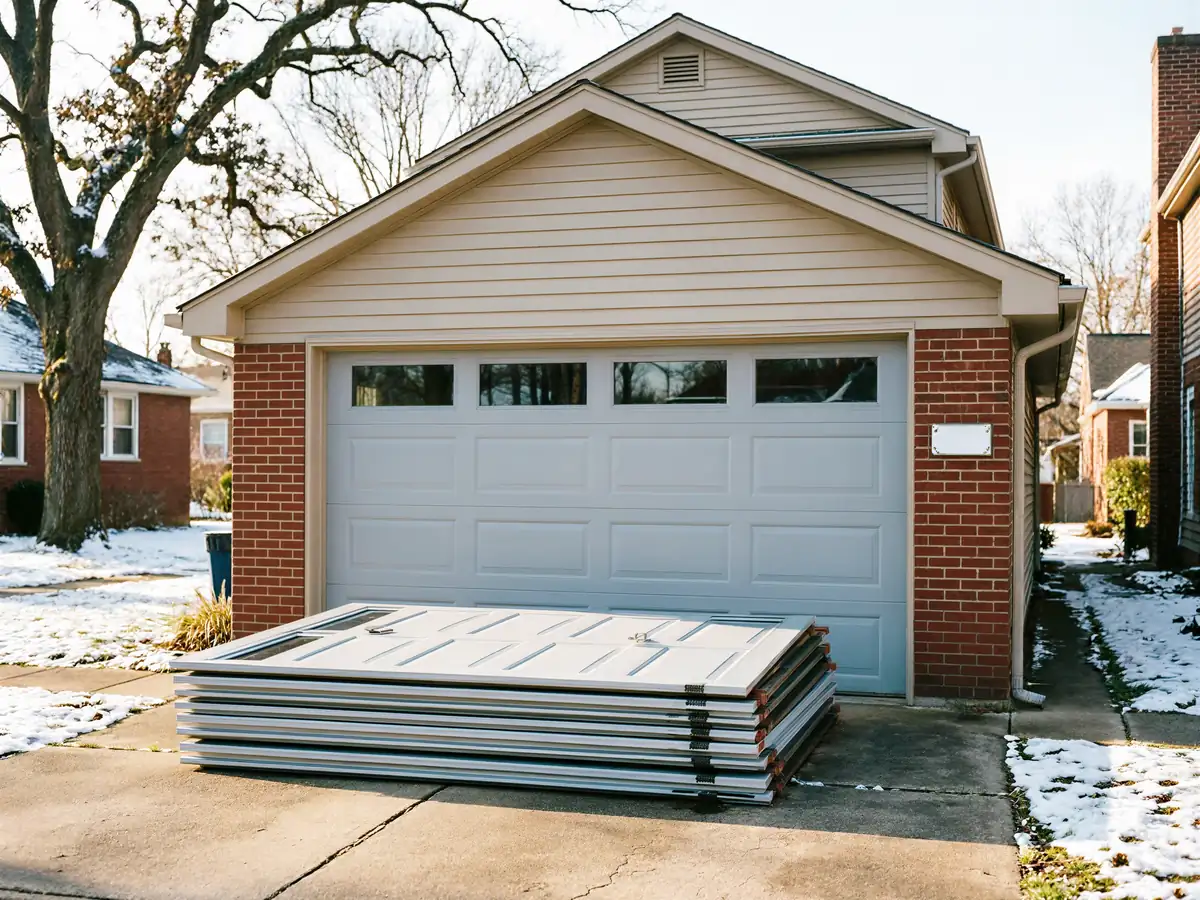
Where a lot of the stock dates to the 1960s and 70s across the named communities we cover. That gap matters on a service call: newer doors use standard torsion hardware and steel panel doors with factory-set lift ratios, so the failure points are wear-driven - a spring that's done its rated cycles, a roller that's worn its track groove - rather than the mismatched or retrofitted hardware we find on older houses.
The cold is still the cold
And this area sits in the same severe winter climate band as the rest of the service territory, so lubricant that gums up in freezing temps and cables that go brittle with age behave the same here as anywhere nearby. What's different is the baseline age of the parts failing, not the weather acting on them.
Can You Do This Yourself
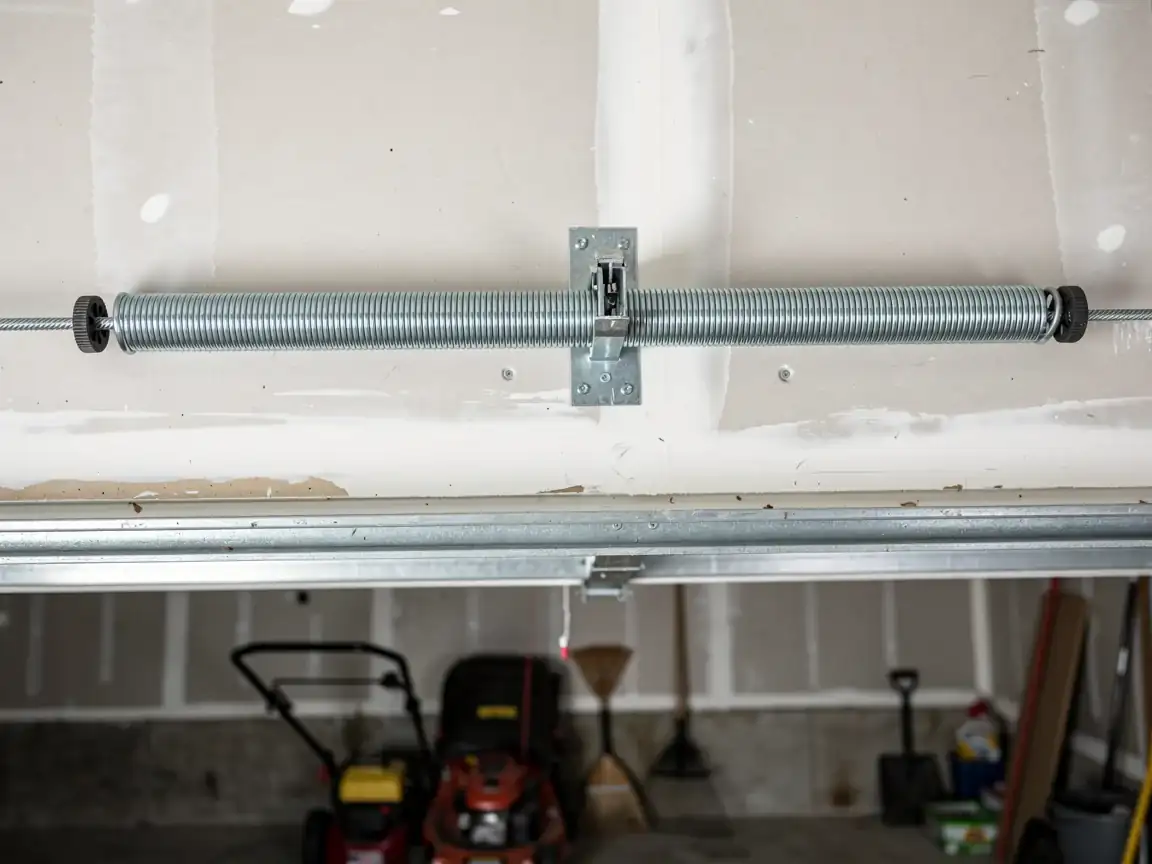
Realigning a safety sensor or tightening a loose track bracket is within reach for most homeowners with basic tools. A torsion spring is not - the spring is under enough stored tension to cause serious injury if it's released wrong, and on a standard 2000s-era double door that tension is substantial. We don't recommend DIY spring work on any door, new or old.
If your opener is newer, software and remote-pairing issues are often something you can sort out yourself by checking the manual that came with the unit. If the unit itself is failing - grinding gear, burnt-smelling motor - that's a call for us, since mismatched opener horsepower on the wrong door size causes problems down the line that cost more to unwind than the service call itself.
Where This Job Goes Sideways
The spot we see go wrong most in Ashland is a homeowner trying to tension a torsion spring themselves after watching a video, not realizing the winding bars and tension specs differ by spring size and door weight. On a standard-lift double door, guessing wrong on turns can either leave the door too heavy for the opener or send a spring flying.
The other sideways moment: replacing a failed opener with a unit sized for a lighter door than what's actually installed. A door heavy enough for a two-car garage needs an opener rated for that load, and the wrong match burns out gears within a year. We won't sell you more opener than the door needs, but we also won't install one that's undersized just because it's cheaper - that's the one spot we're firm even when a customer pushes back.